Crash of an Ilyushin II-112V in Kubinka: 3 killed

Date & Time: Aug 17, 2021 at 1118 LT
Type of aircraft:
Operator:
Registration:
RF-41400
Flight Type:
Survivors:
No
Schedule:
Kubinka - Kubinka
MSN:
01-01
YOM:
2008
Country:
Region:
Crew on board:
3
Crew fatalities:
Pax on board:
0
Pax fatalities:
Other fatalities:
Total fatalities:
3
Circumstances:
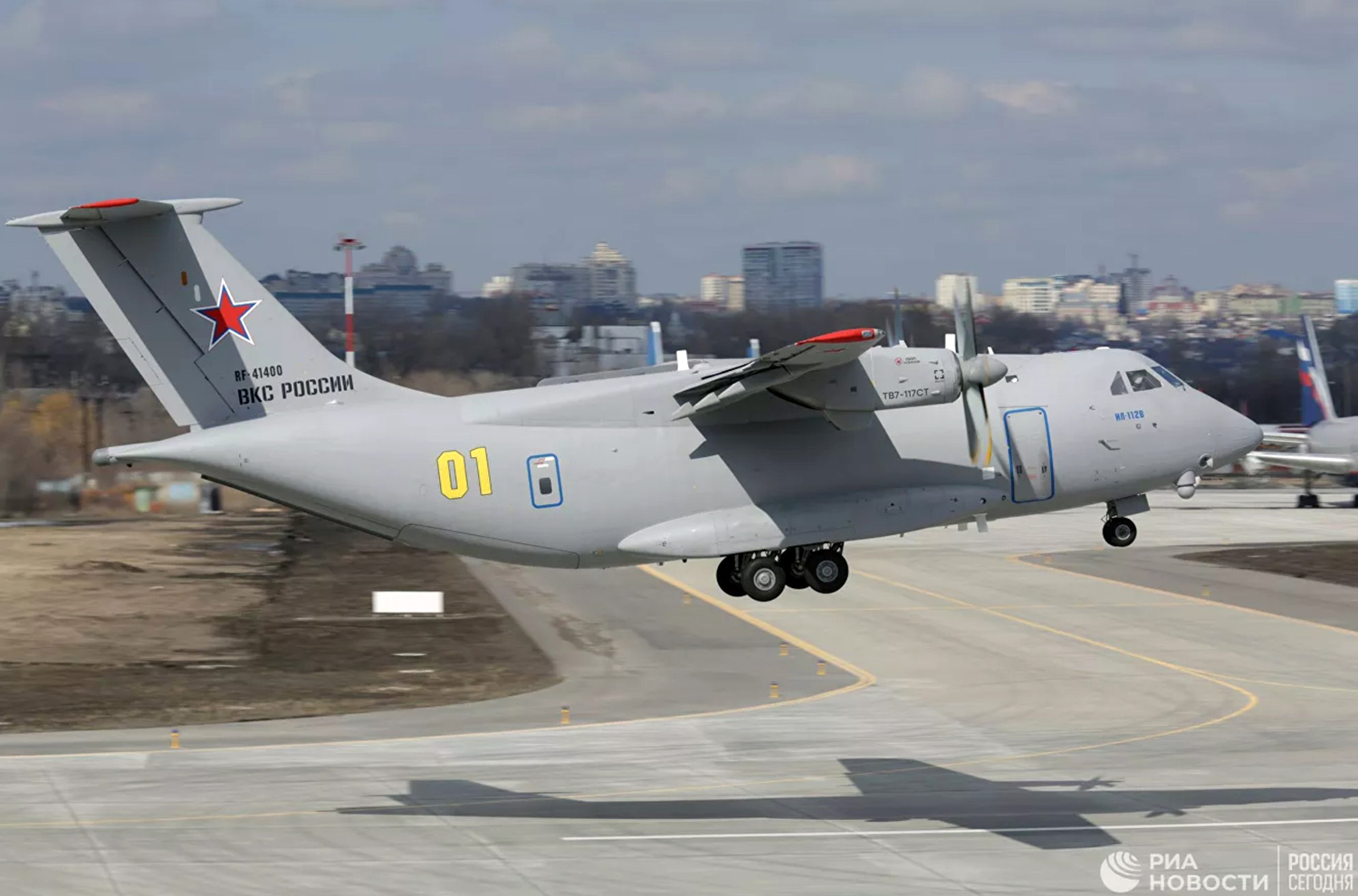
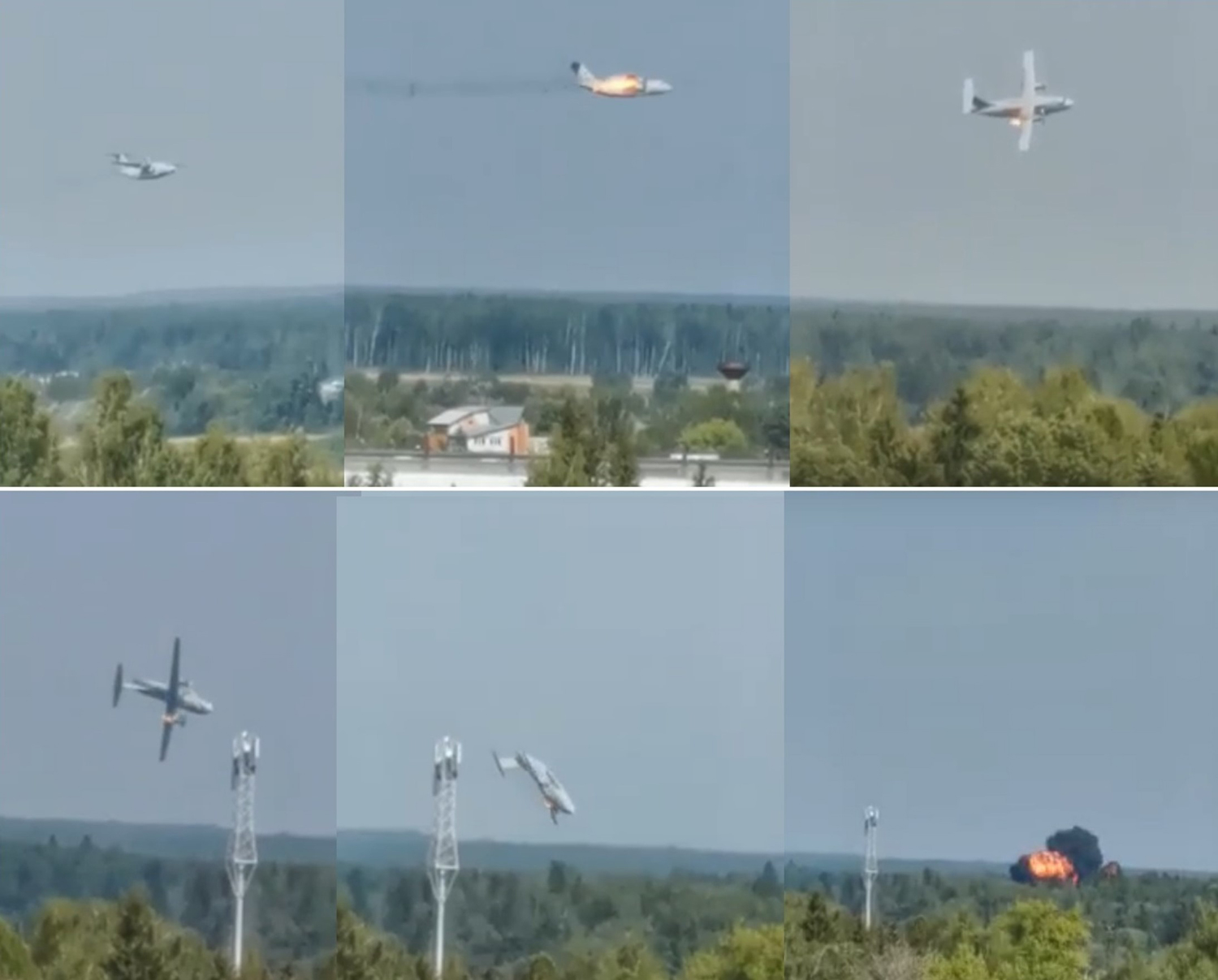
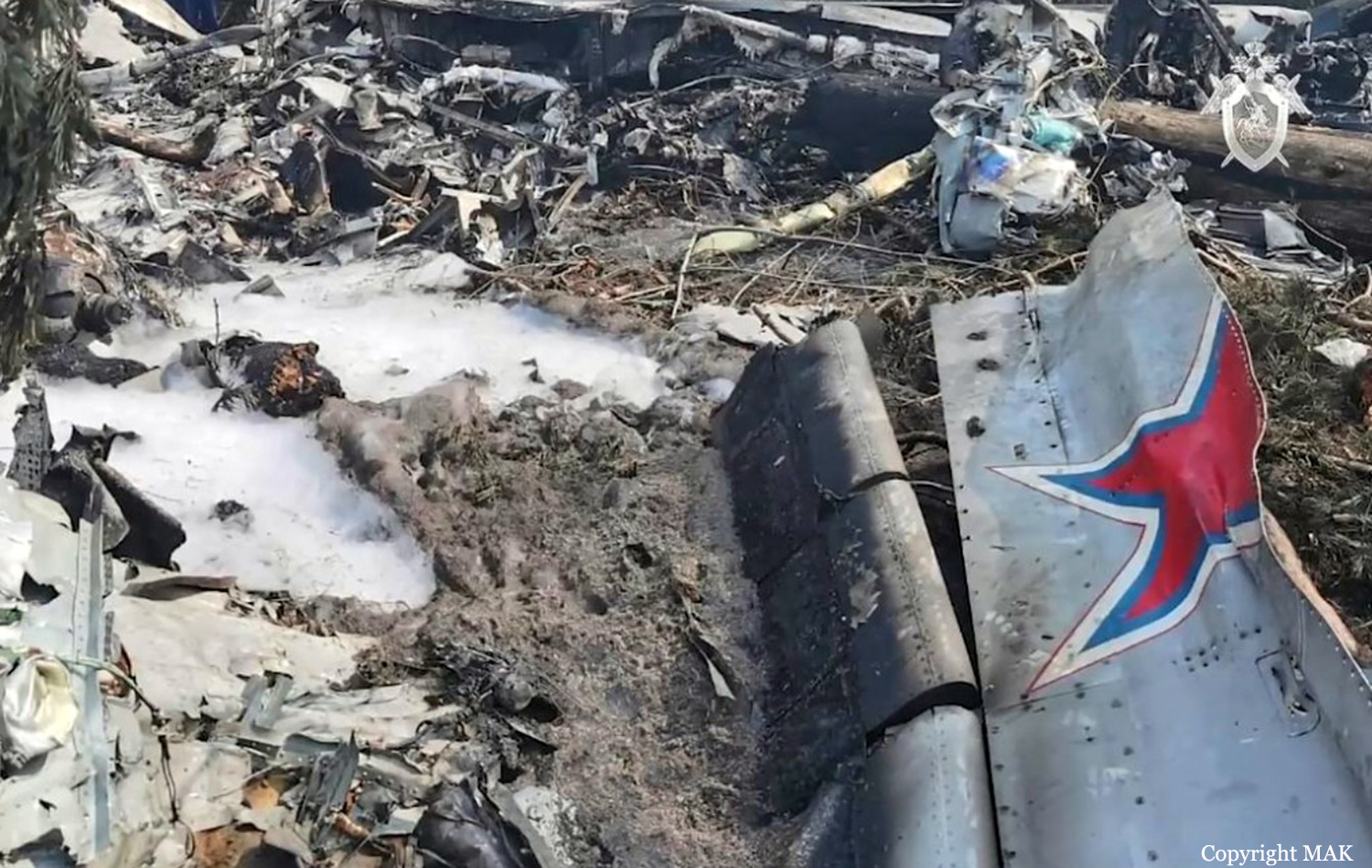
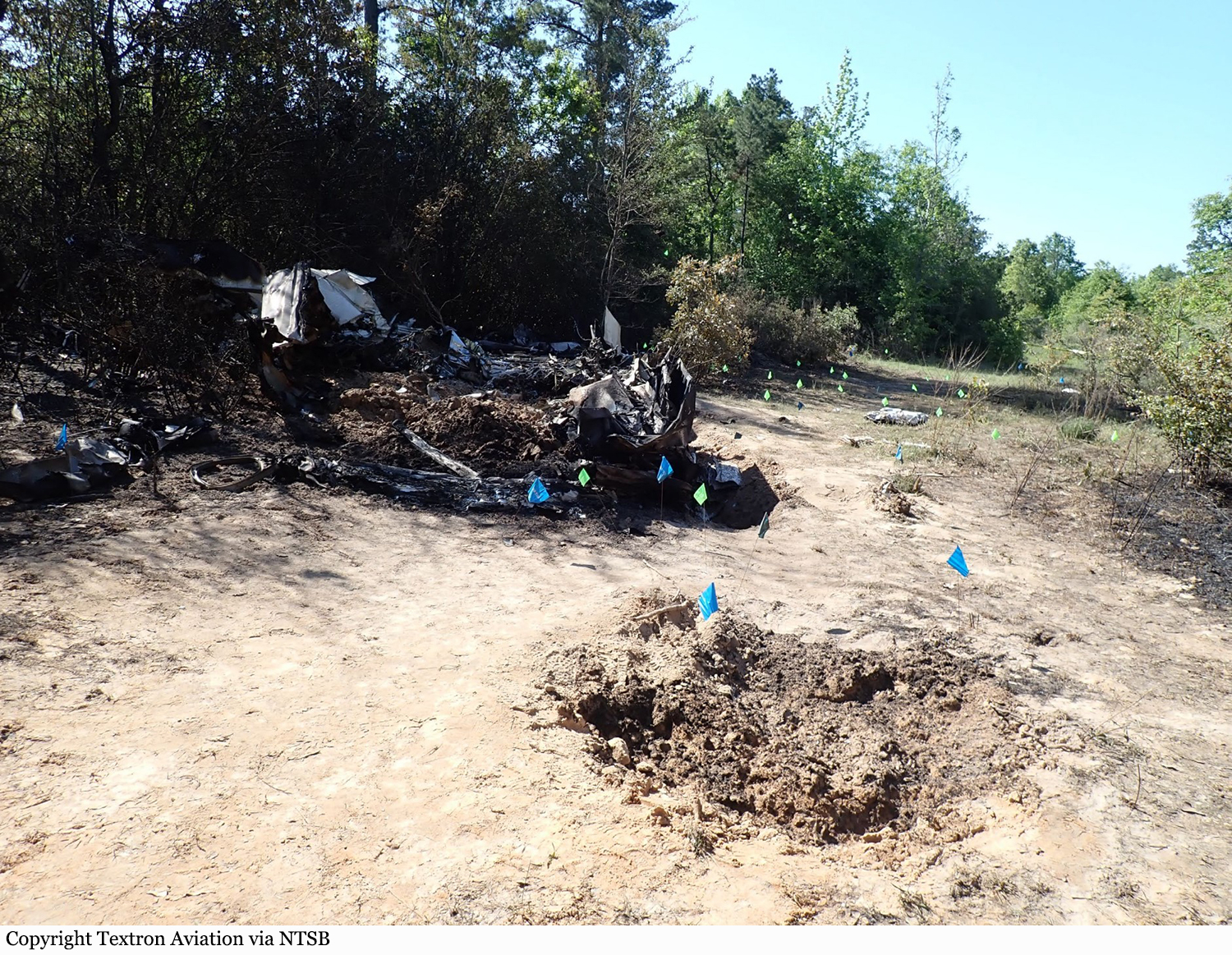
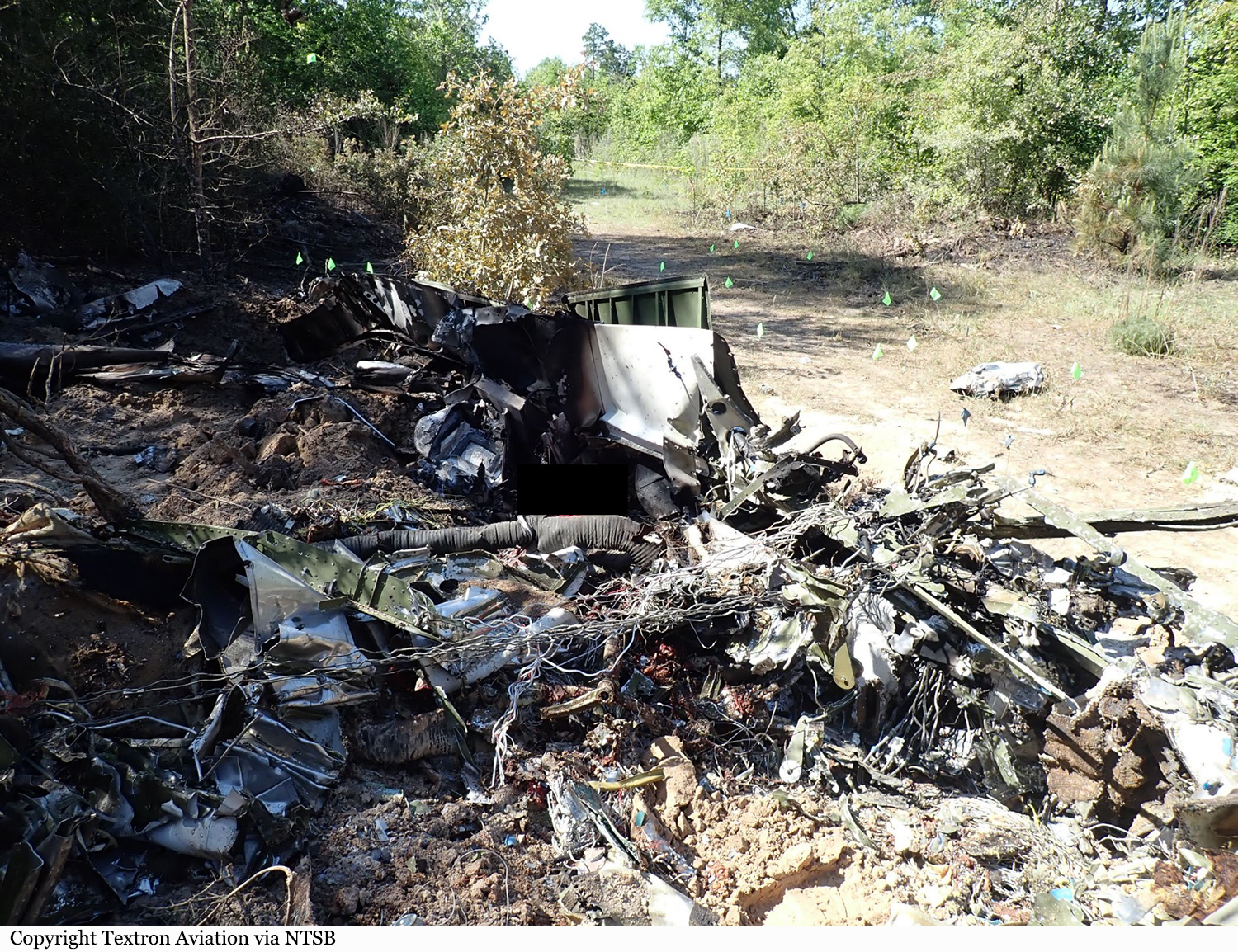
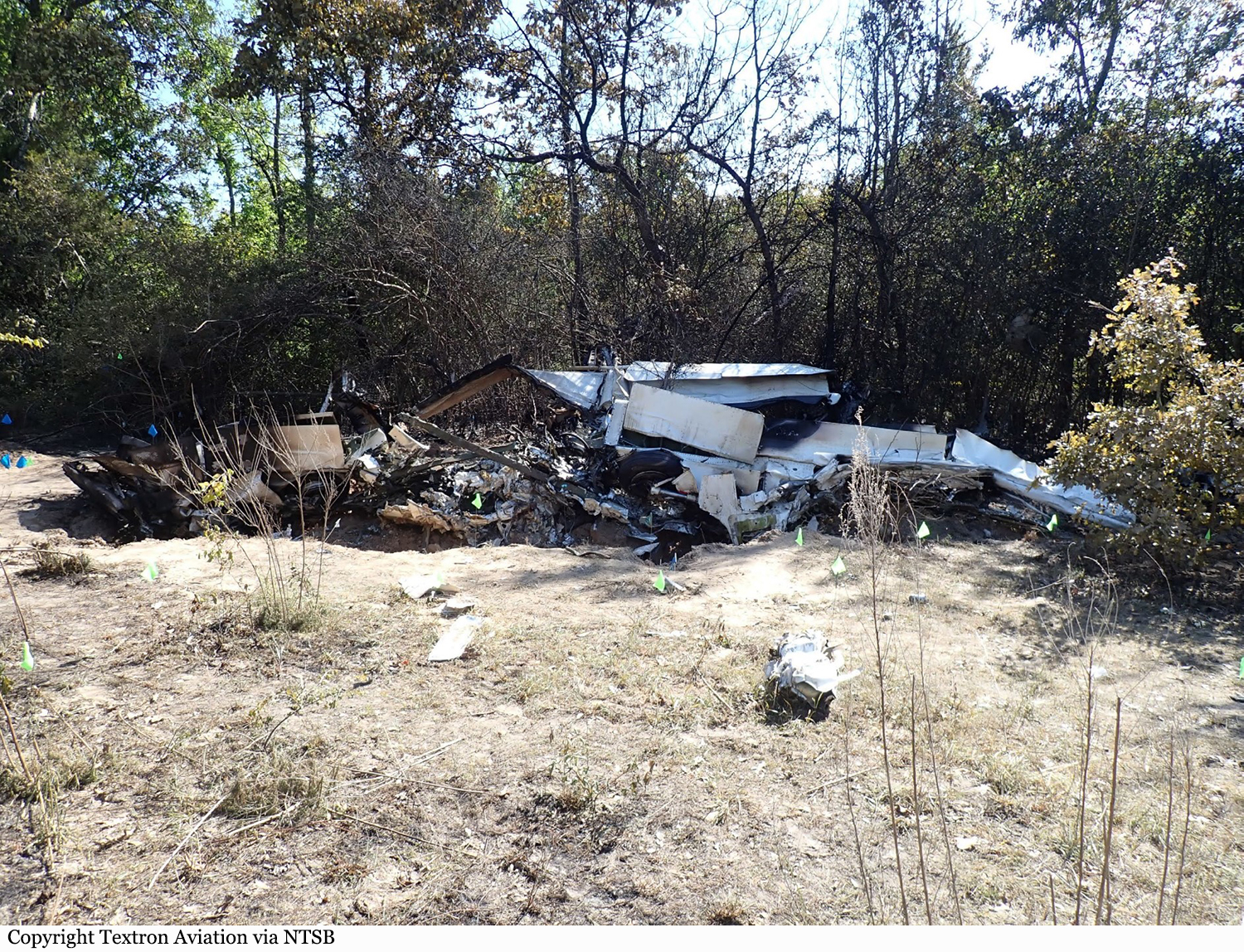
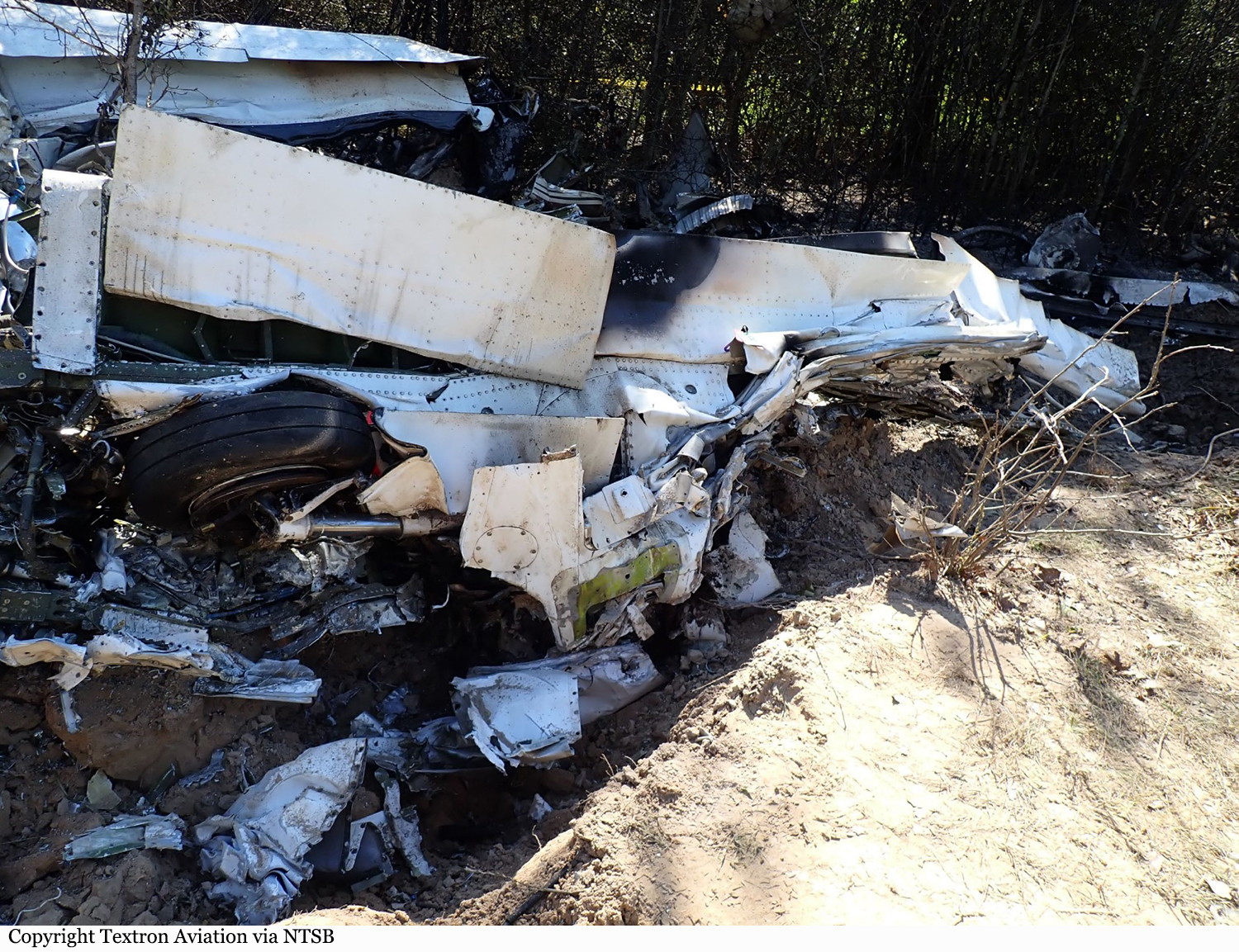
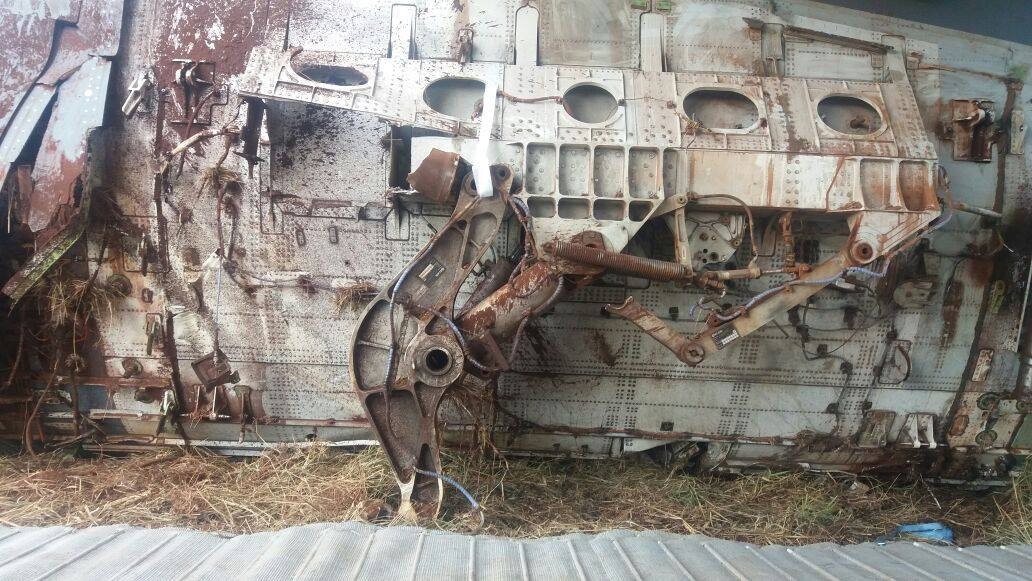
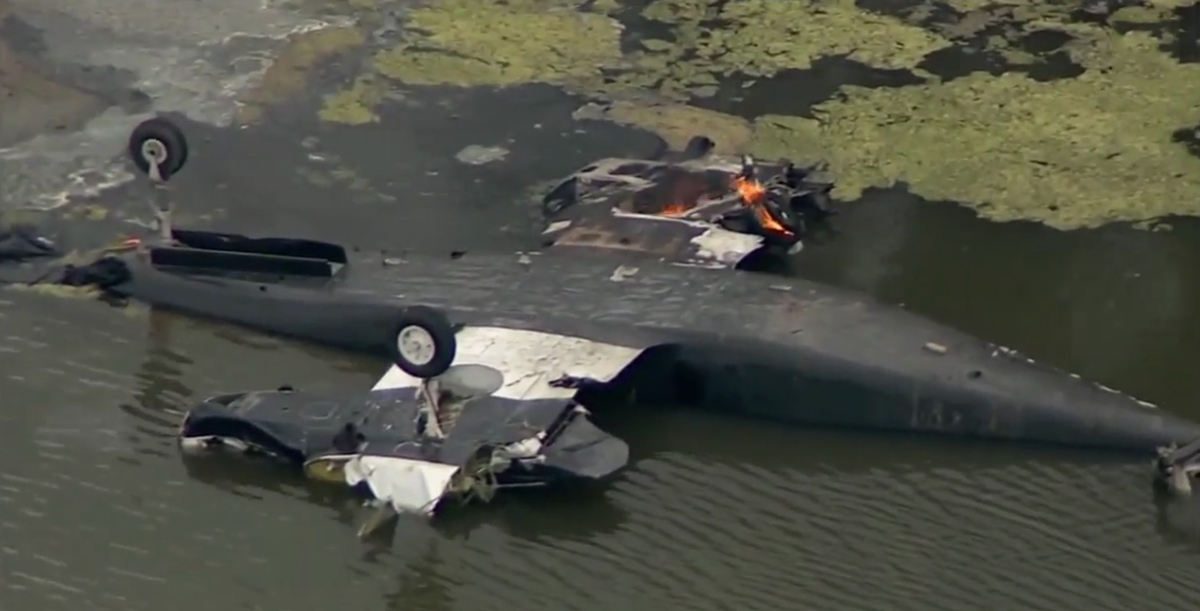
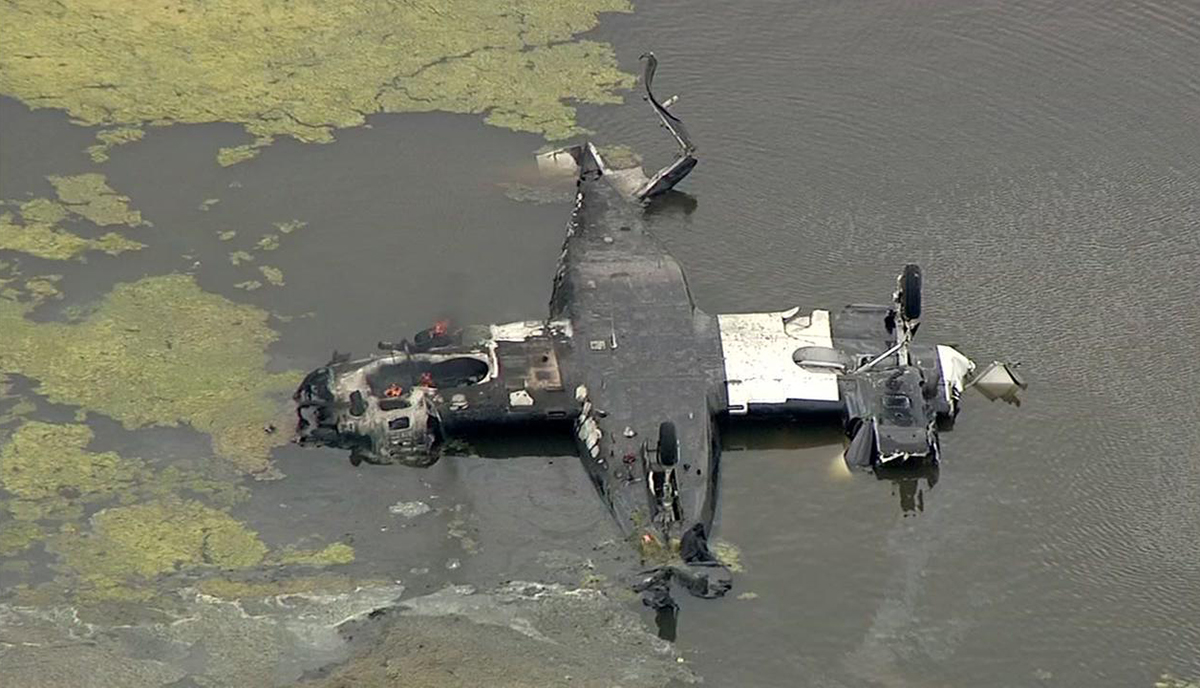
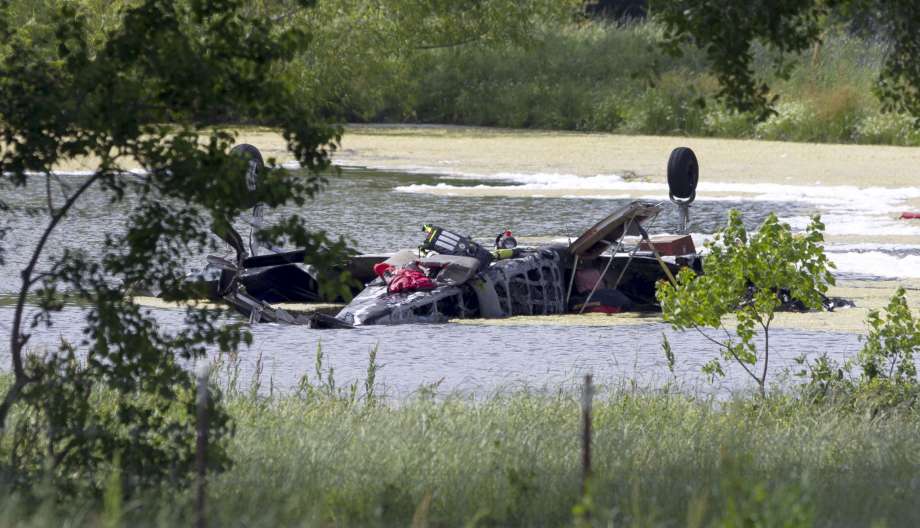
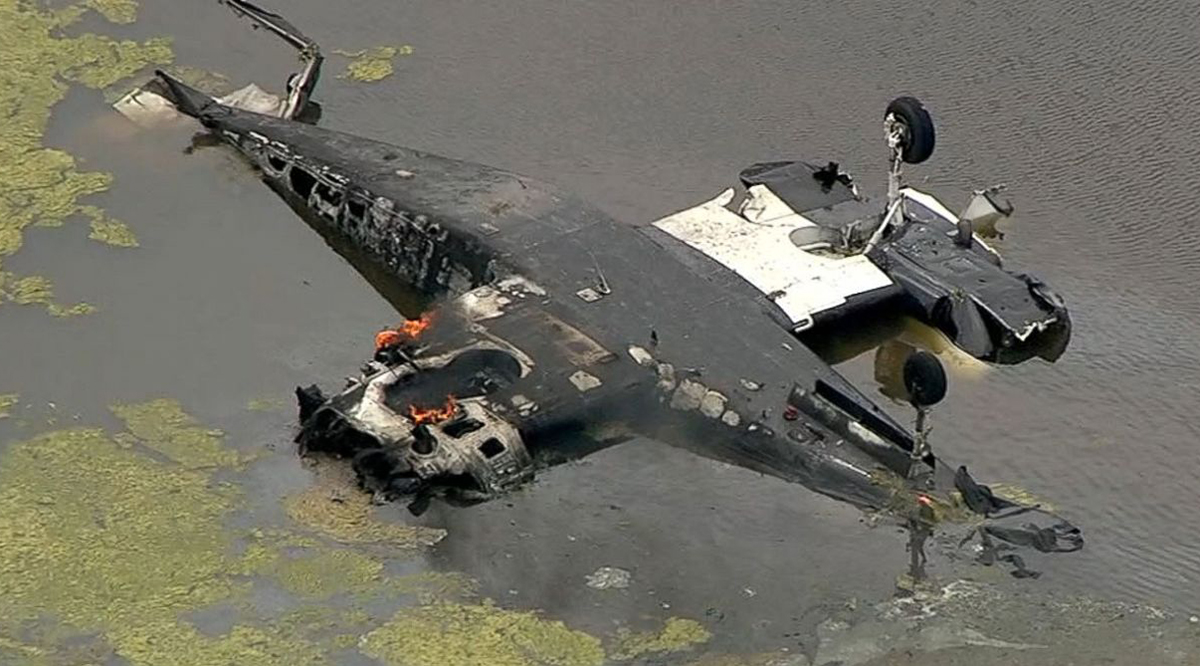
On August 13, the aircraft (first prototype of this new model) departed the aviation plant at Voronezh Airport on a flight to Moscow-Zhukovsky, preparing for a demonstration flight at the 7th Military Technical Forum. On August 17, the crew departed Zhukovsky for a test flight to Kubinka Airport where the aircraft landed at 1109LT. Four minutes after takeoff at 1114LT, while flying at low altitude in a flat attitude, the right engine caught fire. 35 seconds later, while the crew elected to reach the airport, the aircraft rolled to the right, got inverted and crashed in a wooded area located 2,5 km short of runway 22. The aircraft was totally destroyed and all three crew members were killed. This first exemple was dedicated to the Russian Aerospace Forces (Vozdushno-kosmicheskiye sily) and was also registered 01 yellow.
Crew:
Nikolay Dmitrievich Kuimov, test pilot,
Dmitry Komarov, test pilot,
Nikolai Khludeyev, flight engineer.

Crash of a Piper PA-46-350P Malibu Mirage in Cranfield

Date & Time: Apr 29, 2021 at 1425 LT
Operator:
Registration:
G-HYZA
Flight Type:
Survivors:
Yes
Schedule:
Cranfield - Cranfield
MSN:
46-36130
YOM:
1997
Flight number:
86
Region:
Crew on board:
2
Crew fatalities:
Pax on board:
0
Pax fatalities:
Other fatalities:
Total fatalities:
0
Captain / Total flying hours:
34620
Captain / Total hours on type:
1588.00
Circumstances:
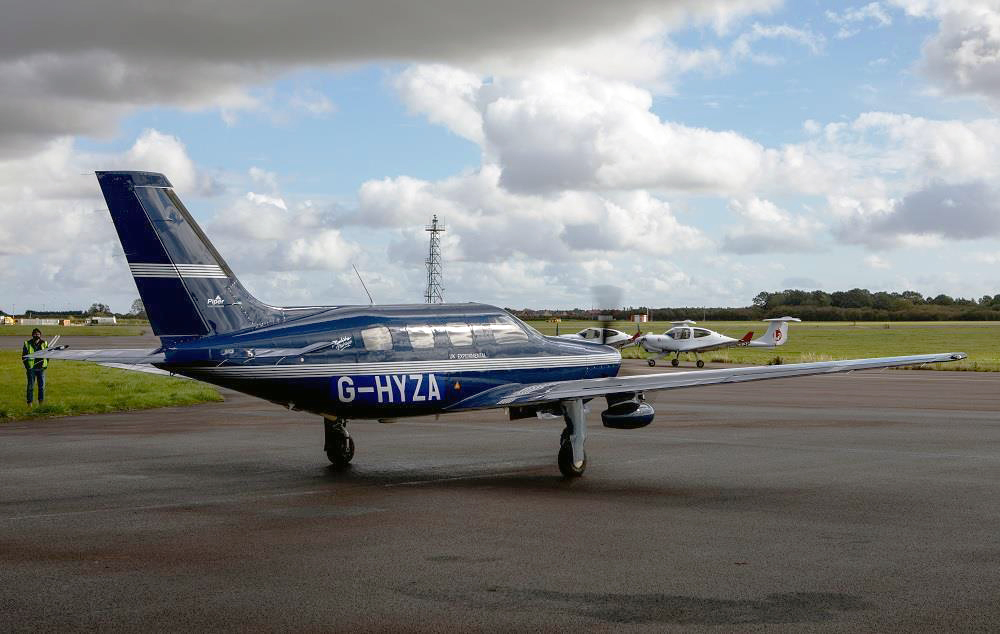
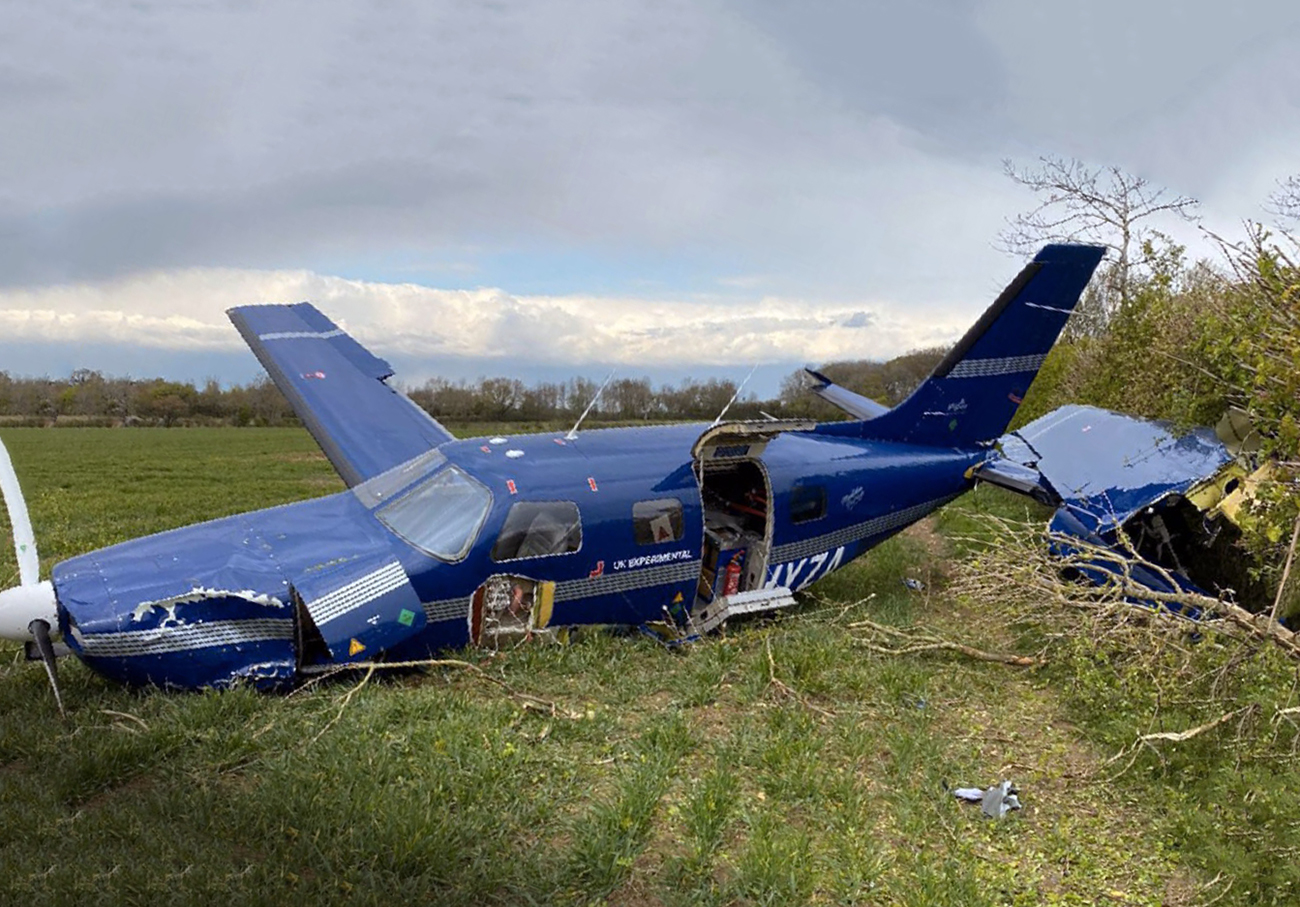
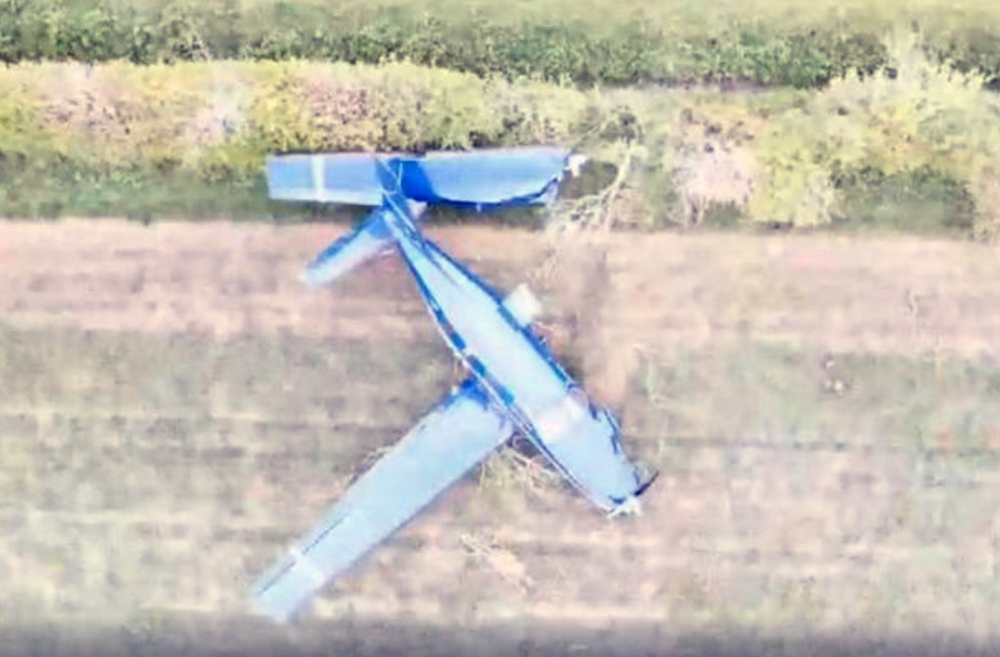
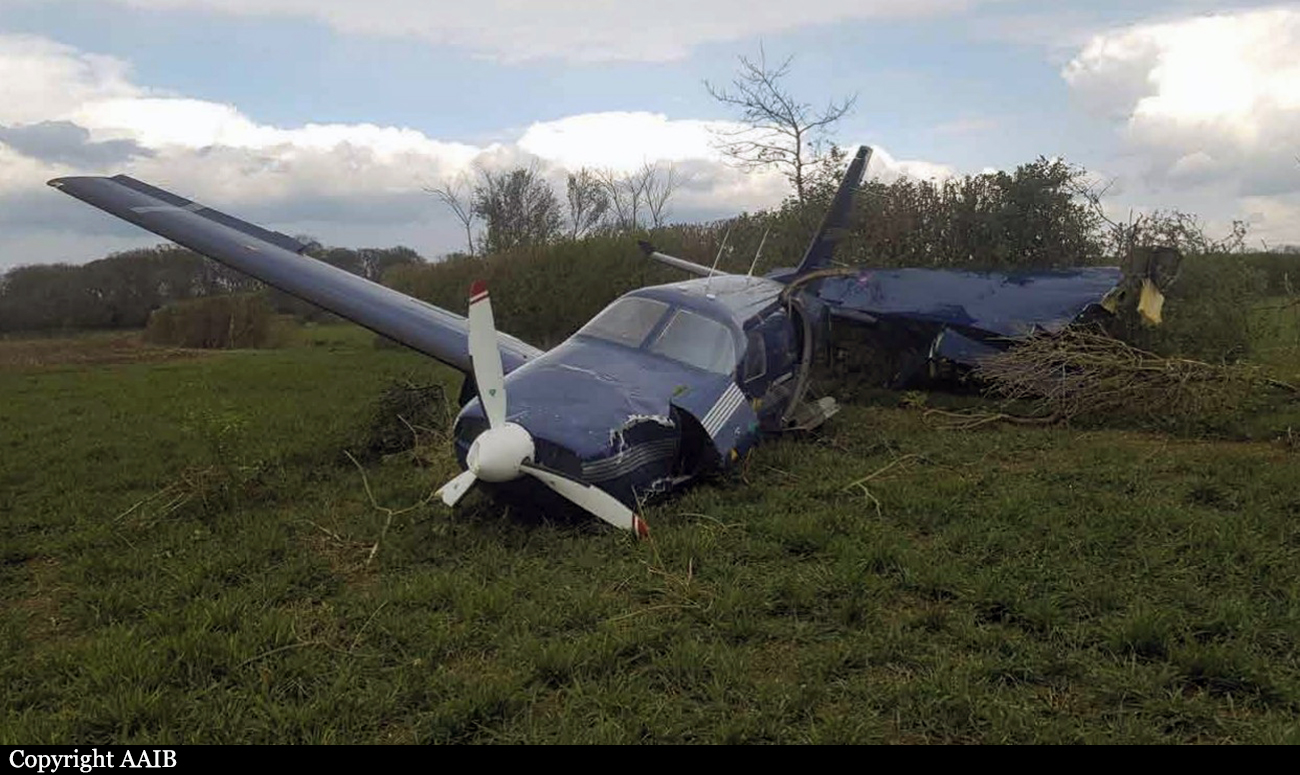
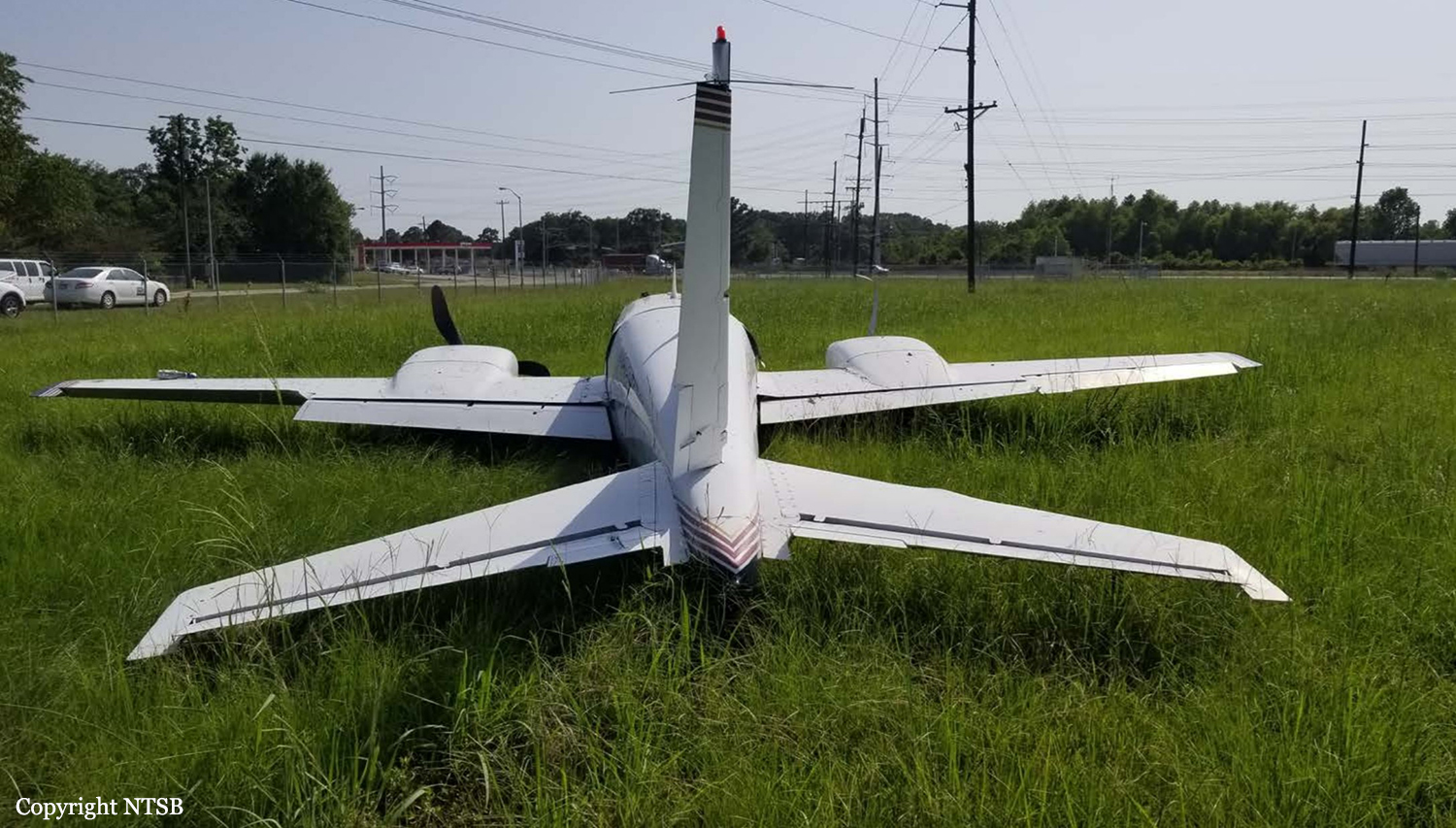
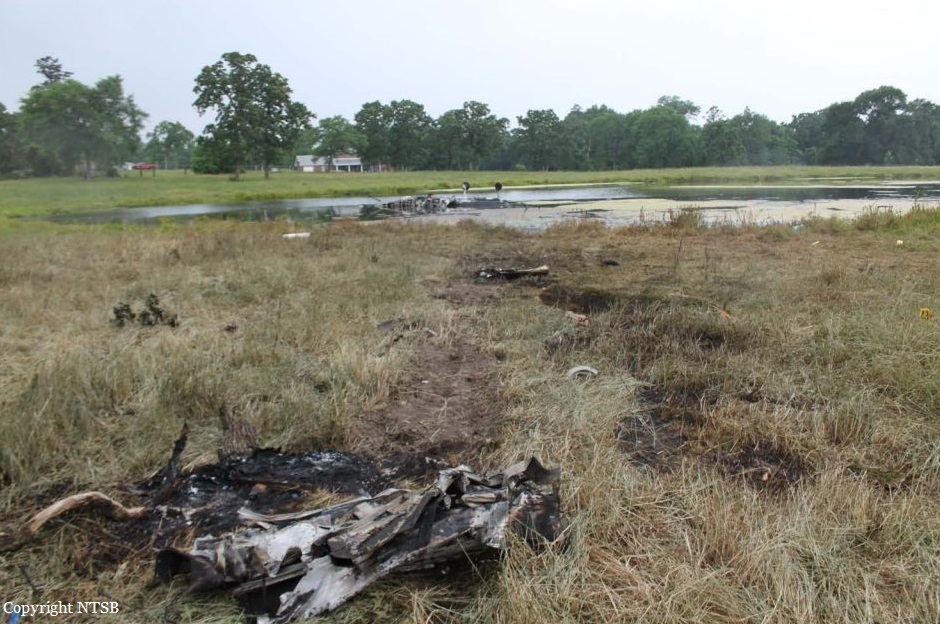
On the morning of the accident flight, G-HYZA was flown for approximately 16 minutes on test flight 85. The flight test team debriefed the results and prepared the aircraft for flight 86. The plan for this flight was for the HV battery to be switched off at the end of the downwind leg then, if able, to fly three or more circuits at 1,000 ft aal using the HFC only to provide electrical power. The flight test team discussed experimenting with combinations of higher airspeeds and propeller rpm that would reduce the aircraft angle of attack and improve the mass flow of air through the radiator which provided cooling for the HFC. This was considered as a potential strategy to manage a slow rise in temperature in the HFC which they had observed in previous flights when flying on that power source alone. The test card for flight 86 was not amended to reflect this intention. At 1406 hrs, following a normal start using both the HV battery and HFC to provide electrical power, the HV was switched off to preserve its electrical capacity. The aircraft taxied to the holding point and was cleared to line up on Runway 03. The weather was fair with good visibility and light winds from 010°. The aircraft entered the runway and backtracked to the threshold where the pilot commenced a run-up of the propulsion system to ensure the HFC could achieve thermal stability within the flight test parameters. Once the temperatures in the HFC were stable, the pilot switched on the HV battery to bring both power sources online and commenced the takeoff run. As the aircraft accelerated and the power lever was advanced, the observer operated the high temperature override switch to maintain the temperature of the HFC within the operating limits. After takeoff, the pilot turned onto the crosswind leg and climbed to the circuit height of 1,000 ft agl. During the downwind leg of the right-hand circuit, the pilot stated the power was set to 95 kW, the propeller to 2,500 rpm and the airspeed to 100 kt. Once stabilized at these parameters, which were at variance with the flight test card conditions, the observer confirmed that the HFC operating temperatures were within limits. He then instructed the pilot to reduce power to 90 kW to assess the effect on the airspeed, which reduced to approximately 95 kt. The pilot increased the power to 95 kW to regain the target speed. The pilot set the power by reference to his display unit which was located below the throttle quadrant. When he looked up from this task, he recognized that the aircraft was in a late downwind position. He turned onto base leg and commented that they were losing speed in the turn. The observer suggested that they could increase power to 120 kW to regain the lost airspeed, then reduce power before turning off the HV battery to re-establish the test conditions. He also suggested a reduction in propeller rpm. The pilot increased power to 120 kW but did not reduce the propeller rpm. As he started to turn onto final, the pilot briefed that once he had established straight and level flight he would reduce the power slightly and turn off the HV battery leaving the electrical motors powered by the HFC. He called final on the radio and was cleared by ATC to fly through at circuit height. Approaching the runway threshold at approximately 940 ft agl, the pilot reduced power to 90 kW, set the airspeed to 90 kt then selected the HV battery to off. Immediately, all electrical drive to the propeller was lost. The pilot and observer made several unsuccessful attempts to reset the system to restore power from the HFC with the observer stating the action to be taken and the pilot making the switch selection. The observer instructed the pilot to select the HV battery to on to reconnect the alternative power source. HV power was not restored so the observer instructed the pilot to attempt a system reset with the HFC in the off position. Electrical power was still not restored and at 440 ft agl the observer declared “the voltage is too high”, to which the pilot replied, “we’ve got to do something quick”. The observer called for a further reset attempt and adjusted the power lever. The aircraft had now travelled the length of the runway and was at approximately 320 ft aal when the observer reported that power could not be restored. The pilot transmitted a MAYDAY call and initiated a turn to the left to position for a landing on Runway 21. Almost immediately he recognized that he did not have sufficient height to complete the manoeuvre so lowered the landing gear and selected full flap for a forced landing in a field that was now directly ahead on a north-westerly heading. The aircraft touched down at approximately 87 kt ground speed on a level grass field. The pilot applied the brakes, and the aircraft continued its movement until it struck, and passed through, a hedge during which the left wing broke away. The nosewheel and left main wheel entered a ditch and the aircraft came to an abrupt stop. The pilot and observer were uninjured and exited the aircraft through the upper half of the cabin door. The airport fire service arrived quickly at the scene. The observer returned to the aircraft and vented the hydrogen tank to atmosphere and disconnected the HV battery to make the aircraft safe.
Probable cause:
The loss of power occurred during an interruption of the power supply when, as part of the test procedure, the battery was selected off with the intention of leaving the electrical motors solely powered by the hydrogen fuel cell. During this interruption the windmilling propeller generated a voltage high enough to operate the inverter protection system, which locked out the power to the motors. The pilot and observer were unable to reset the system and restore electrical power.
Final Report:

Crash of a Cessna 340A in Tatum: 1 killed

Date & Time: Apr 19, 2021 at 1346 LT
Type of aircraft:
Registration:
N801EC
Flight Phase:
Flight Type:
Survivors:
No
Schedule:
Longview - Tatum
MSN:
340A-0312
YOM:
1977
Location:
Crew on board:
1
Crew fatalities:
Pax on board:
0
Pax fatalities:
Other fatalities:
Total fatalities:
1
Captain / Total flying hours:
28665
Captain / Total hours on type:
120.00
Aircraft flight hours:
6500
Circumstances:
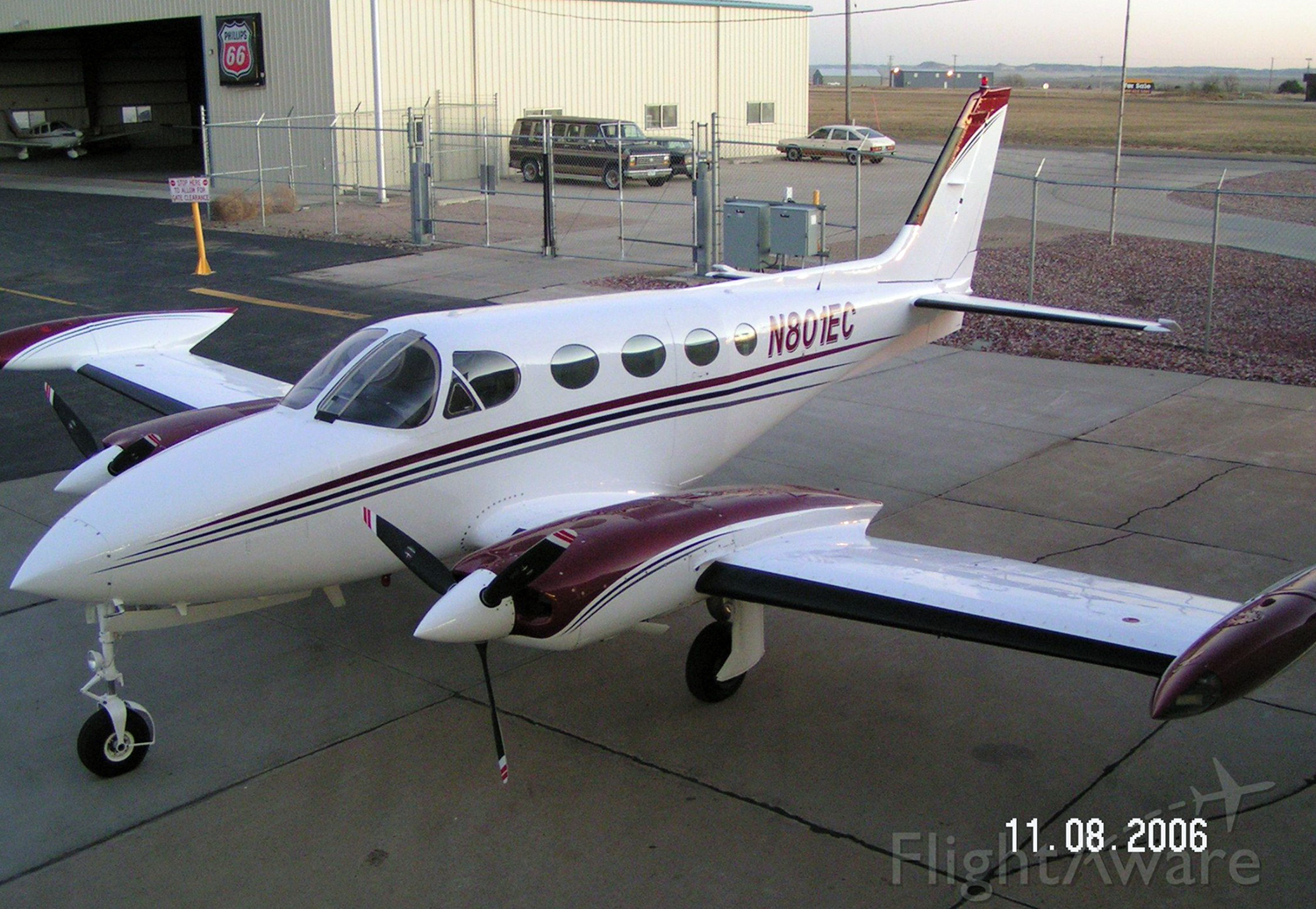
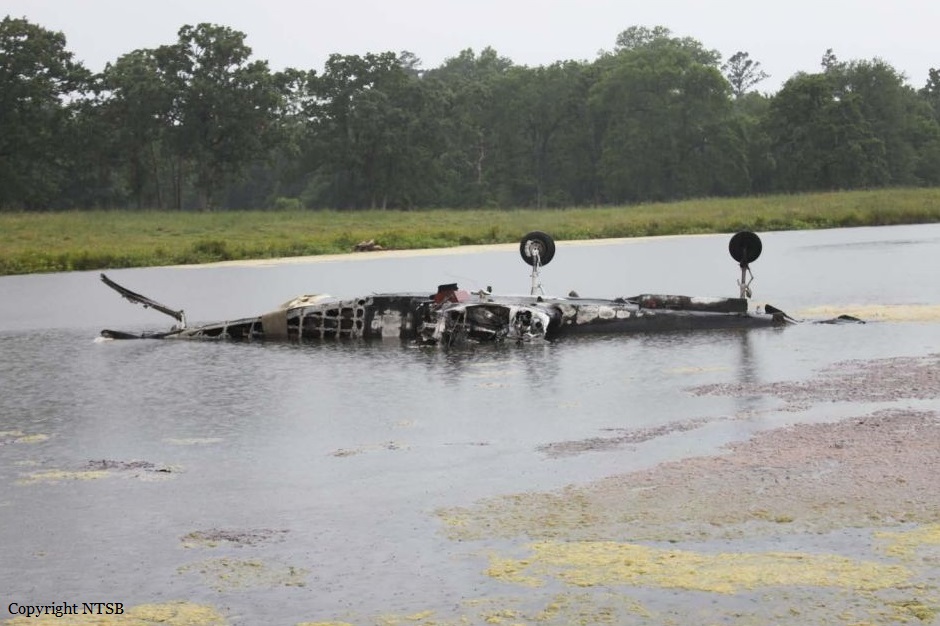
The pilot was planning to perform a functional test of the airplane’s newly upgraded autopilot system. Automatic dependent surveillance-broadcast data showed that, after takeoff, the airplane turned east and climbed to 2,750 ft. Air traffic control information indicated that the controller cleared the pilot to operate under visual flight rules to the east of the airport. Communications between ground control, tower control, and the pilot were normal during the ground taxi, takeoff, and climb. Radio and radar communications were lost 6 minutes after takeoff, and no radio distress calls were received from the pilot. The airplane impacted wooded terrain about 3/4 mile to the east of the last recorded radar data point. Groundspeeds and headings were consistent throughout the flight with no abrupt deviations. The airplane impacted the wooded terrain in a nose-down, near-vertical flight attitude. Most of the airplane, including the fuselage, wings, and empennage, were consumed by a postimpact fire. Both engines and propellers separated from the airplane at impact with the ground. Examination of the engines revealed no preaccident failures or malfunctions that would have precluded normal operations. Both propellers showed signs of normal operation. Flight control continuity was confirmed. The elevator trim cables stop blocks were secured to the cables and undamaged. They were found against the forward stop meaning the trim tab was at full down travel (elevator leading edge full down) which indicated that the airplane was trimmed full nose up at impact. The airplane’s cabin sustained fragmentation from impact and was consumed by fire; as a result, the autopilot system could not be examined. The investigation was unable to determine why the pilot lost control of the airplane.
Probable cause:
The pilot’s loss of airplane control for undetermined reasons.
Final Report:

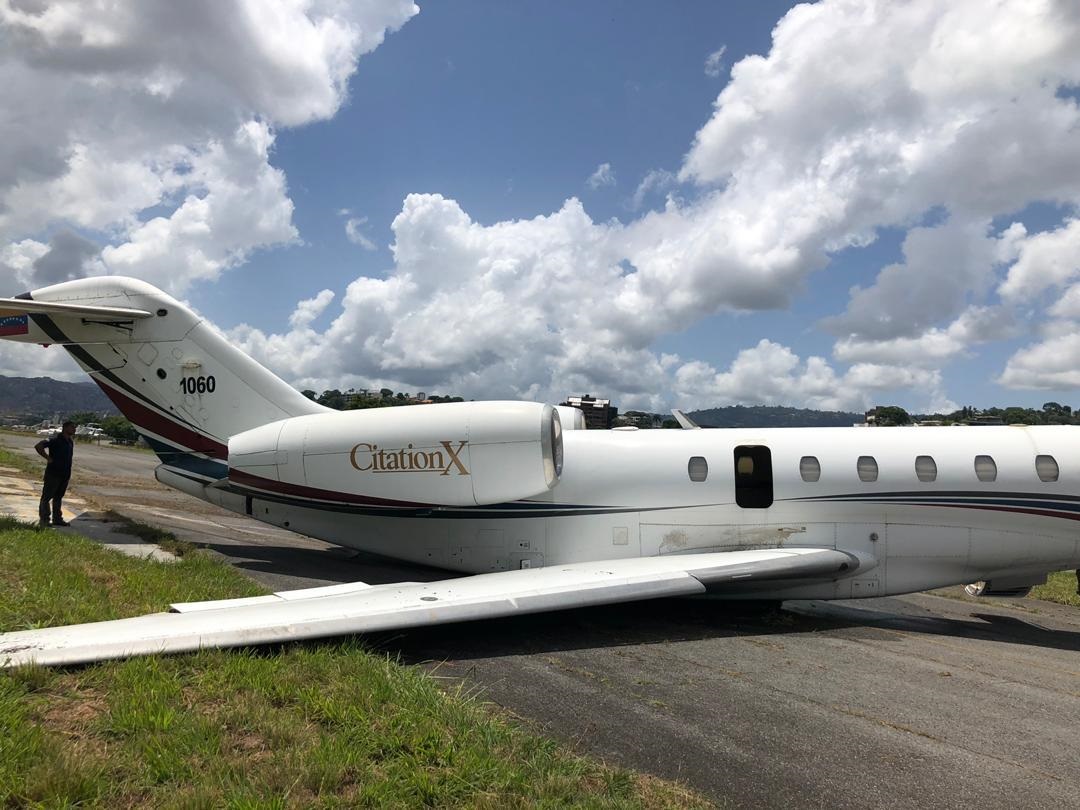
Crash of a Cessna 750 Citation X at La Carlota AFB

Date & Time: Aug 21, 2019 at 1100 LT
Type of aircraft:
Operator:
Registration:
1060
Flight Phase:
Flight Type:
Survivors:
Yes
Schedule:
La Carlota - La Carlota
MSN:
750-0134
YOM:
2000
Country:
Crew on board:
2
Crew fatalities:
Pax on board:
0
Pax fatalities:
Other fatalities:
Total fatalities:
0
Circumstances:
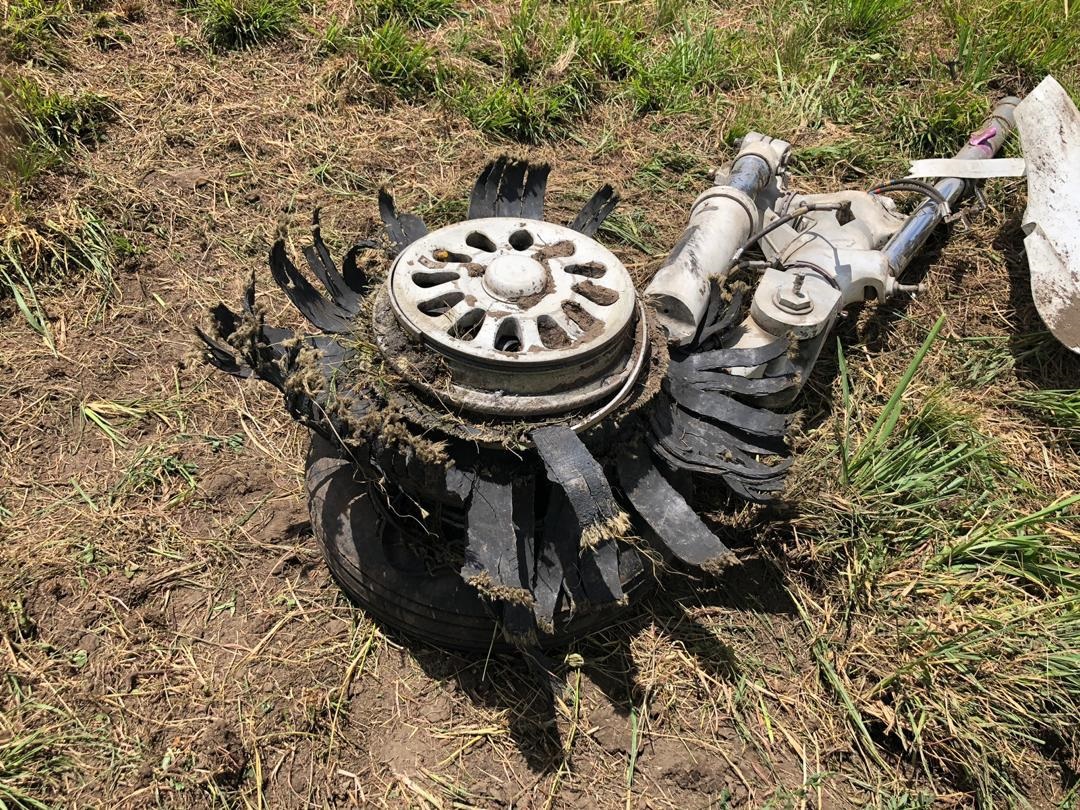
The crew was engaged in a local test flight at La Carlota-General Francisco de Miranda AFB in Caracas. During the takeoff roll, a tire burst on the right main gear that collapsed and was torn off. The airplane veered off runway to the left then the left main gear collapsed as well and the airplane came to rest on its belly with the nose gear still extended. There were no injuries among the crew.

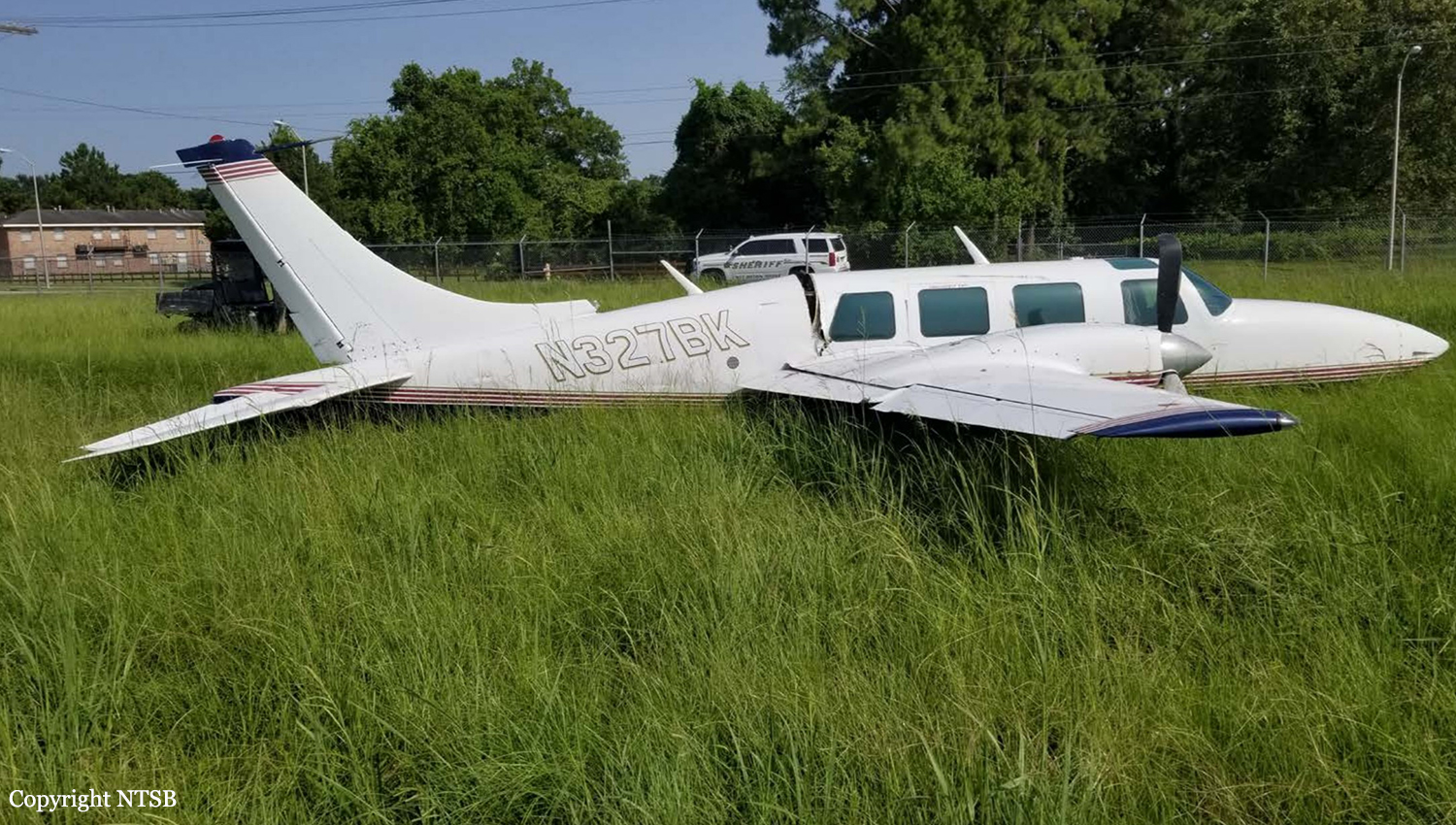
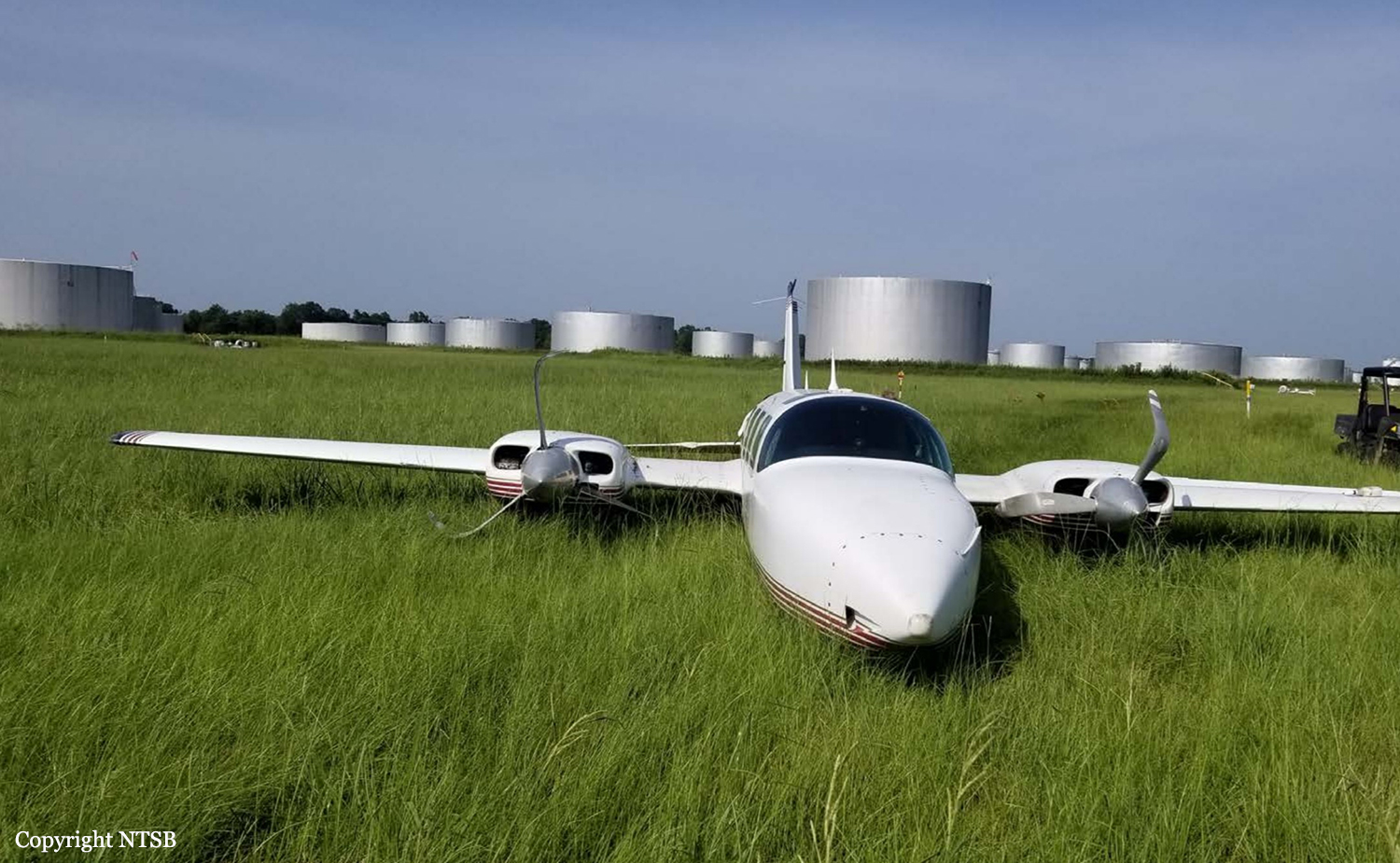
Crash of a Piper PA-61 Aerostar (Ted Smith 601) in Baton Rouge

Date & Time: Jul 20, 2018 at 1430 LT
Registration:
N327BK
Flight Phase:
Flight Type:
Survivors:
Yes
Schedule:
Baton Rouge - Baton Rouge
MSN:
61-0145-076
YOM:
1973
Crew on board:
1
Crew fatalities:
Pax on board:
1
Pax fatalities:
Other fatalities:
Total fatalities:
0
Captain / Total flying hours:
28829
Captain / Total hours on type:
600.00
Aircraft flight hours:
1912
Circumstances:
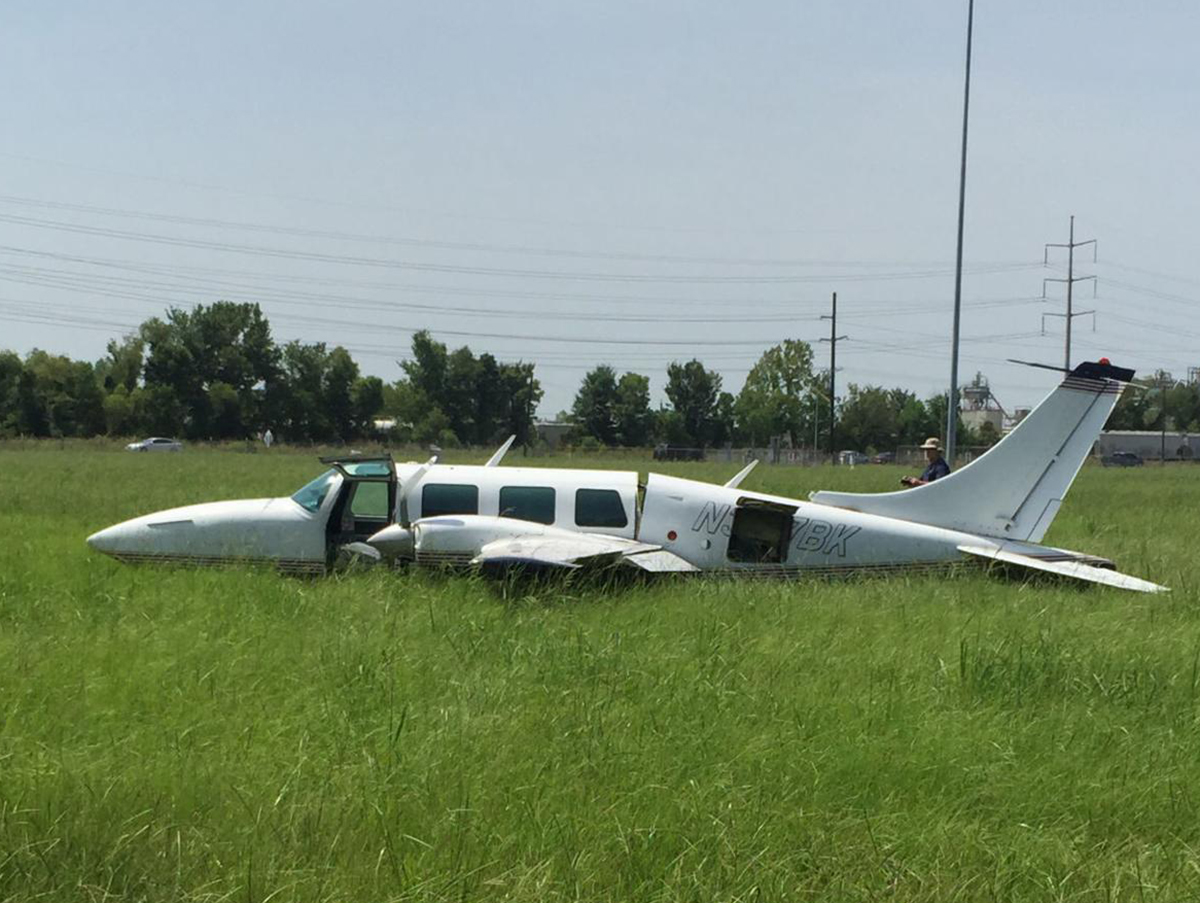
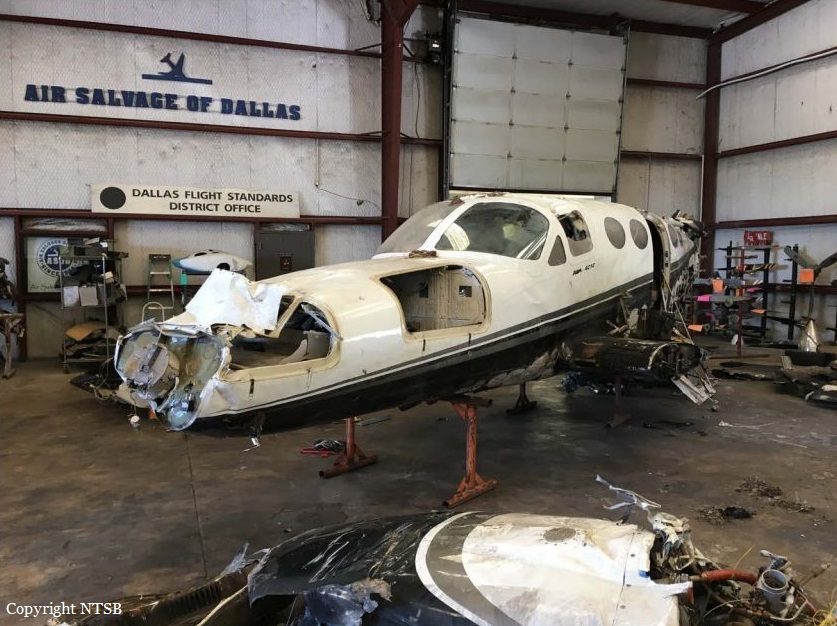
The mechanic who maintained the airplane reported that, on the morning of the accident, the right engine would not start due to water contamination in the fuel system. The commercial pilot and mechanic purged the fuel tanks, flushed the fuel system, and cleaned the left engine fuel injector nozzles. After the maintenance work, they completed engine ground runs for each engine with no anomalies noted. Subsequently, the pilot ordered new fuel from the local fixed-based operator to complete a maintenance test flight. The pilot stated that he completed a preflight inspection, followed by engine run-ups for each engine with no anomalies noted and then departed with one passenger onboard. Immediately after takeoff, the right engine stopped producing full power, and the airplane would not maintain altitude. No remaining runway was left to land, so the pilot conducted a forced landing to a field about 1 mile from the runway; the airplane landed hard and came to rest upright. Postaccident examination revealed no water contamination in the engines. Examination of the airplane revealed numerous instances of improper and inadequate maintenance of the engines and fuel system. The fuel system contained corrosion debris, and minimal fuel was found in the lines to the fuel servo. Although maintenance was conducted on the airplane on the morning of the accident, the right engine fuel injectors nozzles were not removed during the maintenance procedures; therefore, it is likely that the fuel flow volume was not measured. It is likely that the corrosion debris in the fuel system resulted when the water was recently purged from the fuel system. The contaminants were likely knocked loose during the subsequent engine runs and attempted takeoff, which subsequently blocked the fuel lines and starved the right engine of available fuel.
Probable cause:
The loss of right engine power due to fuel starvation, which resulted from corrosion debris in the fuel lines. Contributing to the accident was the mechanic's and pilot's inadequate maintenance of the airplane before the flight.
Final Report:

Crash of a Beechcraft C90A King Air in Mumbai: 4 killed

Date & Time: Jun 28, 2018 at 1310 LT
Type of aircraft:
Operator:
Registration:
VT-UPZ
Flight Type:
Survivors:
No
Site:
Schedule:
Juhu - Juhu
MSN:
LJ-1400
YOM:
1995
Country:
Region:
Crew on board:
2
Crew fatalities:
Pax on board:
2
Pax fatalities:
Other fatalities:
Total fatalities:
4
Captain / Total flying hours:
2237
Captain / Total hours on type:
100.00
Copilot / Total flying hours:
935
Copilot / Total hours on type:
156
Aircraft flight hours:
4529
Aircraft flight cycles:
4213
Circumstances:
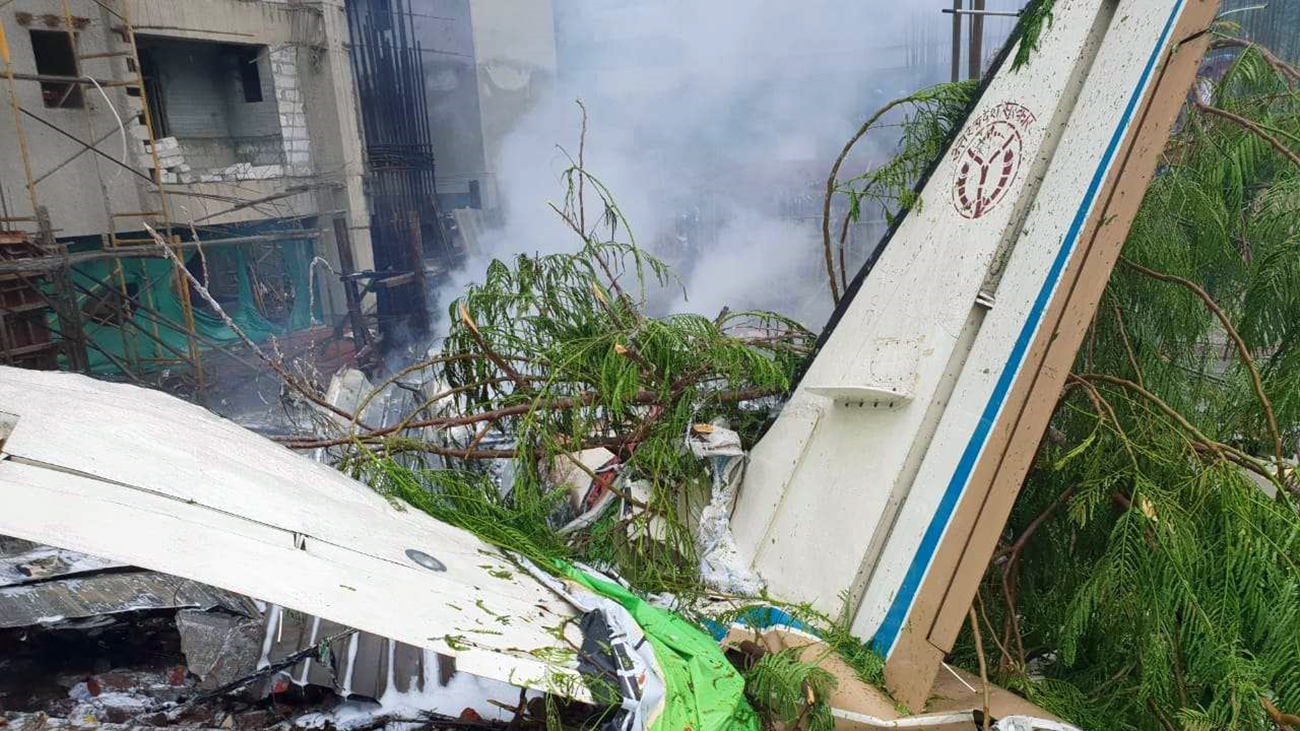
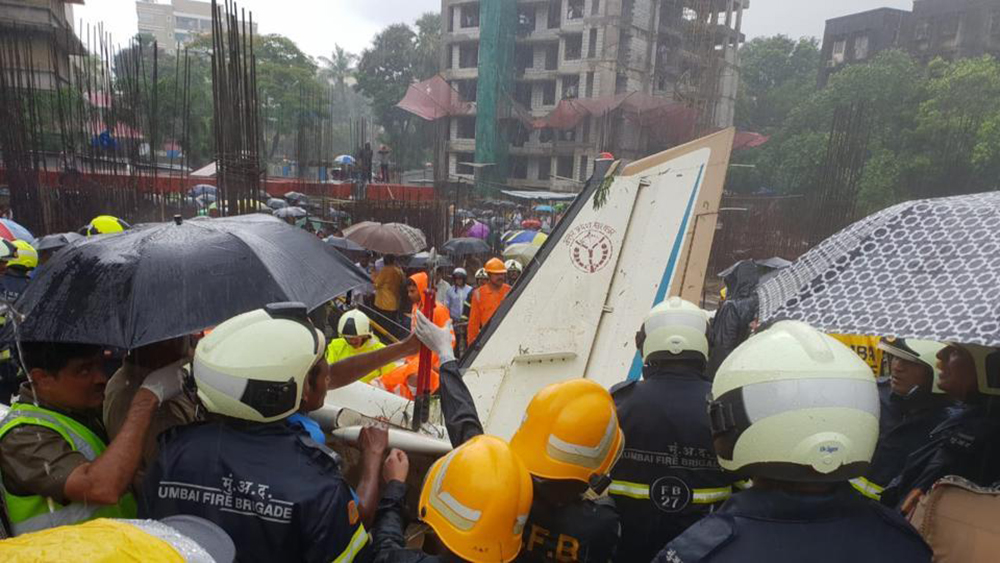
Following a technical maintenance, a test flight was scheduled with two engineers and two pilots. The twin engine airplane departed Mumbai-Juhu Airport and the crew completed several manoeuvre over the city before returning. On approach in heavy rain falls, the aircraft went out of control and crashed at the bottom of a building under construction located in the Ghatkopar West district, some 3 km east from Mumbai Intl Airport, bursting into flames. The aircraft was destroyed by impact forces and a post crash fire and all four occupants were killed. Three people on the ground were also injured.
Probable cause:
The probable cause of the accident was stall caused by lack of situational awareness due to spatial disorientation triggered by deteriorating weather, a transition from ILS (IMC) to visual flying (Partial VMC) and unexpected bank owing to differential engine power.

Final Report:

Crash of a GippsAero GA10 Airvan near Mojave

Date & Time: Jun 4, 2018 at 1152 LT
Type of aircraft:
Operator:
Registration:
VH-XMH
Flight Phase:
Flight Type:
Survivors:
Yes
Schedule:
Mojave - Mojave
MSN:
GA10-TP450-16-101
YOM:
2016
Crew on board:
2
Crew fatalities:
Pax on board:
0
Pax fatalities:
Other fatalities:
Total fatalities:
0
Captain / Total flying hours:
9767
Captain / Total hours on type:
46.00
Copilot / Total flying hours:
10980
Copilot / Total hours on type:
287
Aircraft flight hours:
113
Circumstances:
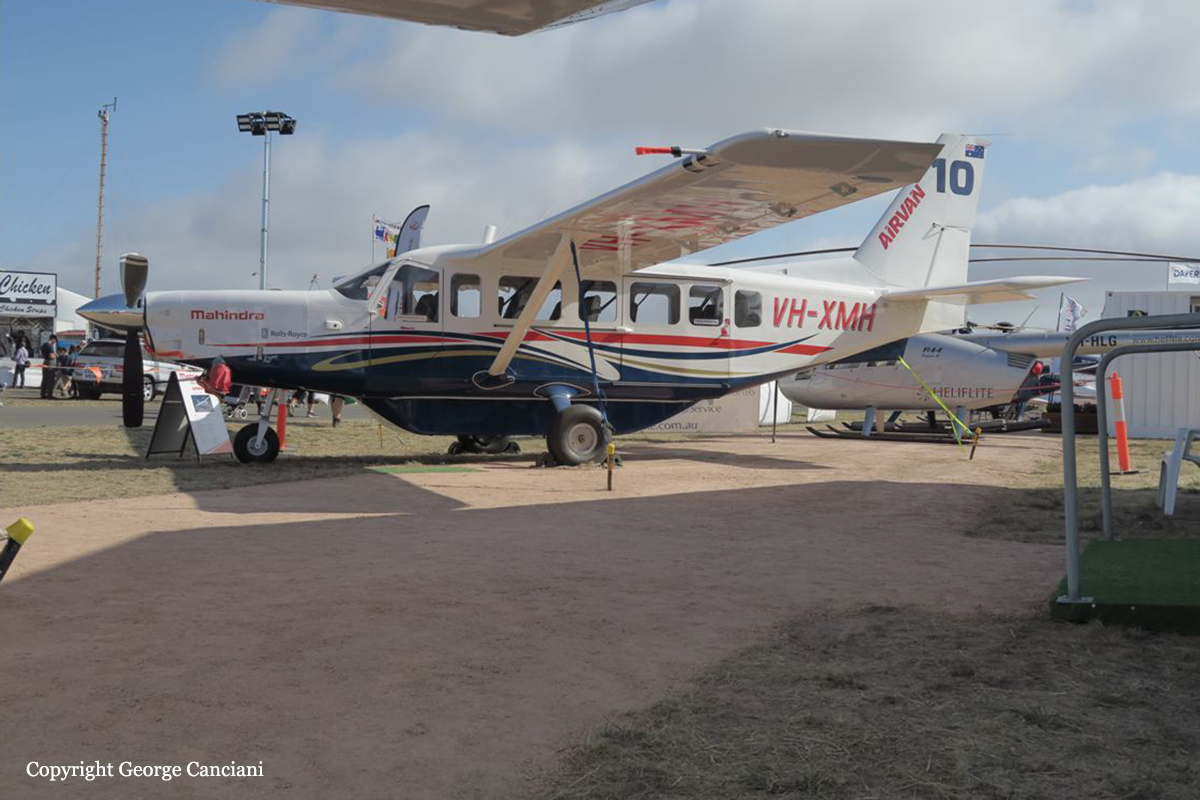
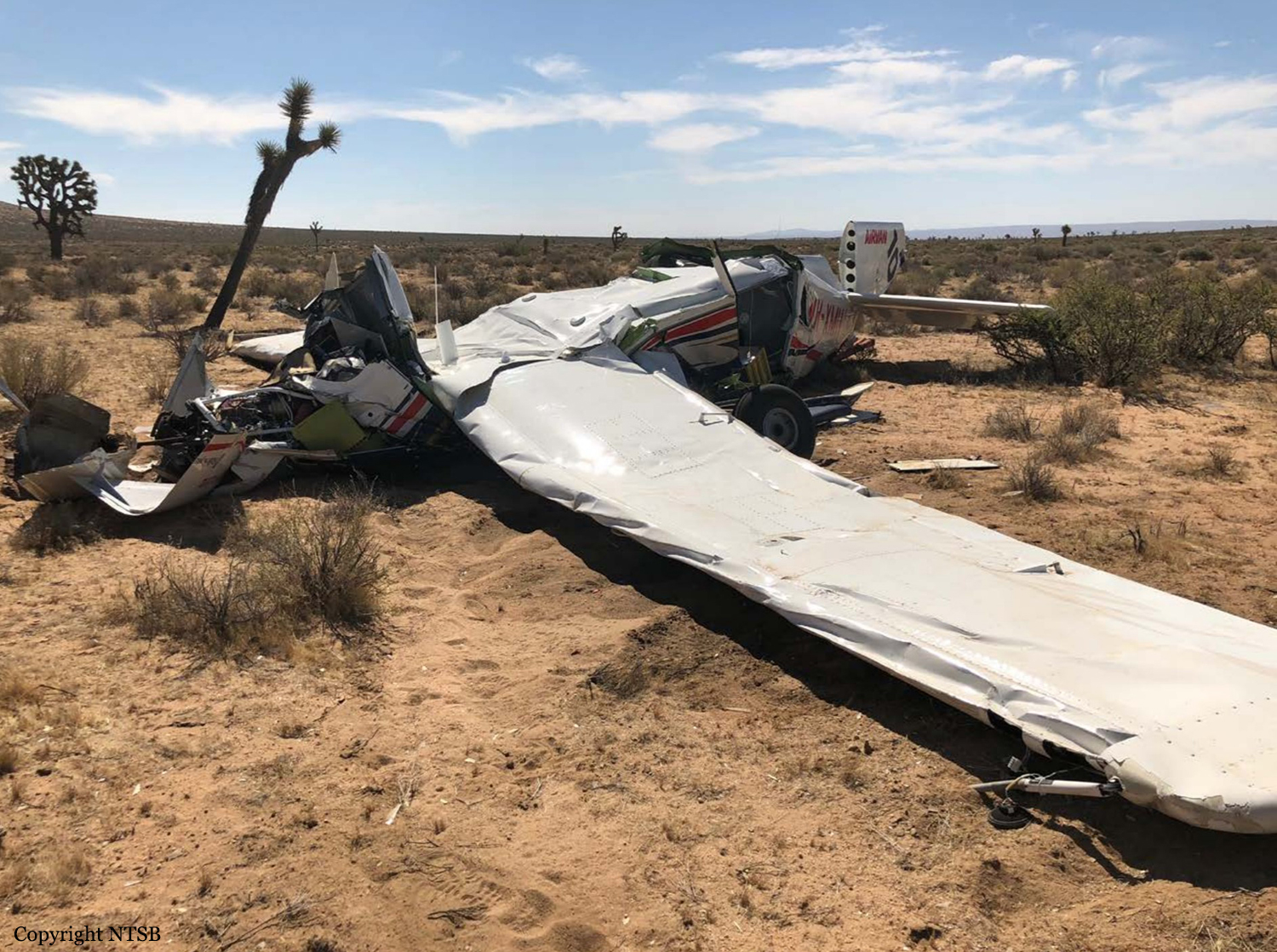
The airplane manufacturer was conducting spin flight testing for the installation of a cargo pod when the airplane exhibited aberrant behavior and the testing was halted. The chief design engineer (CDE) was consulted, and, to provide a margin of safety for further flights, a forward center of gravity position was authorized for flaps up and flaps takeoff entries to gain more insight into the airplane's behavior on the previous flight. At the final briefing, before the next flight, the flight crew added spins with flaps in the landing configuration (flaps landing) into the test plan without the CDE's consultation or authorization. According to the pilot flying, after two wings-level, power on, flaps landing spins with left rudder and right aileron, a third spin entry was flown in the same configuration except that the entry was from a 30° left-bank turn. The airplane entered a normal spin, and, at one turn, flight controls were inputted for a normal recovery; however, the airplane settled into a fully developed spin. When recovery attempts failed, the decision was made to deploy the anti-spin parachute. After repeated unsuccessful attempts to deploy the anti-spin parachute, and when the airplane's altitude reached about 500 ft above the briefed minimum bailout altitude, both pilots called for and executed a bailout. The airplane impacted the ground and was destroyed. A postaccident examination of the anti-spin parachute system revealed that half of the connector hook had opened, which allowed the activation pin lanyard for the anti-spin parachute to become disengaged. Based on the airplane's previous aberrant behavior and the conservative parameters that the CDE had previously set, it is not likely that the CDE would have authorized abused spin entries without a prior testing buildup to those entries. Thus, the flight crew made an inappropriate decision to introduce flaps landing entry spin testing, and the failure of the anti-spin parachute contributed to the accident.
Probable cause:
The flight crew's inappropriate decision, without authorization or consultation from the manufacturer's chief design engineer, to introduce flaps in the landing configuration into the entry spin testing, which resulted in an unrecoverable spin and impact with the ground. Contributing to the accident was the failure of the anti-spin parachute.
Final Report:

Crash of an Embraer KC-390 in Gavião Peixoto

Date & Time: May 5, 2018 at 1110 LT
Type of aircraft:
Operator:
Registration:
PT-ZNF
Flight Type:
Survivors:
Yes
Schedule:
Gavião Peixoto - Gavião Peixoto
MSN:
390-00001
YOM:
2015
Country:
Crew on board:
3
Crew fatalities:
Pax on board:
0
Pax fatalities:
Other fatalities:
Total fatalities:
0
Circumstances:
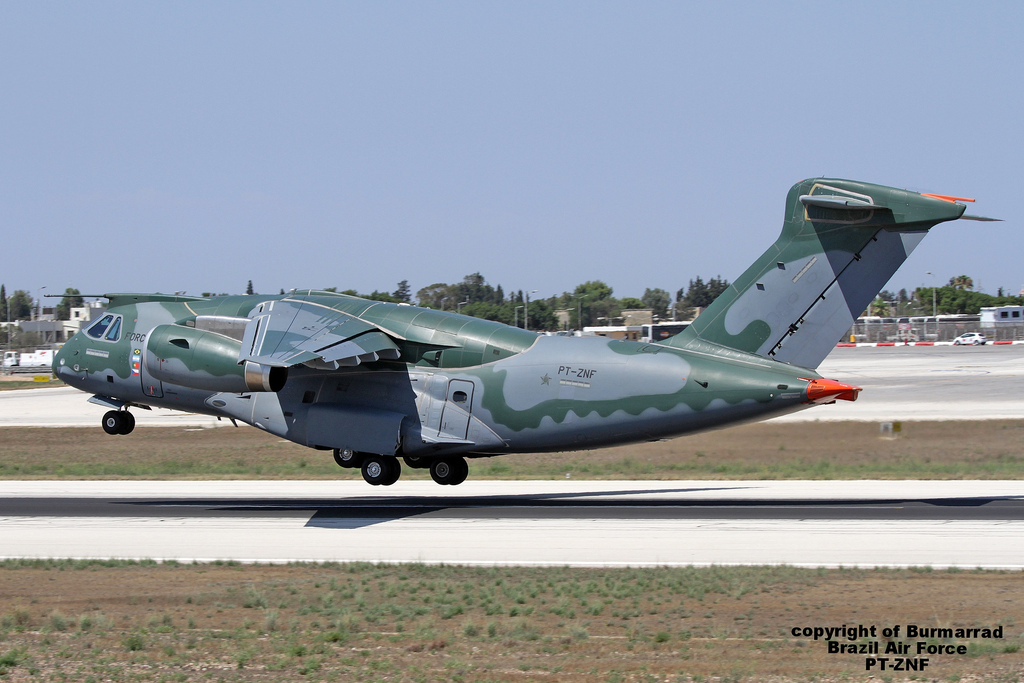
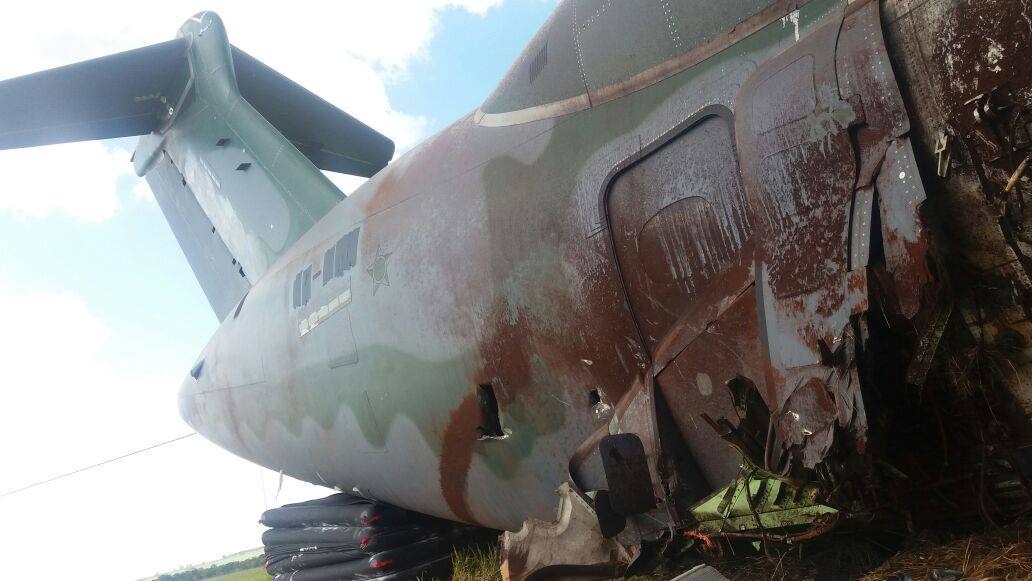
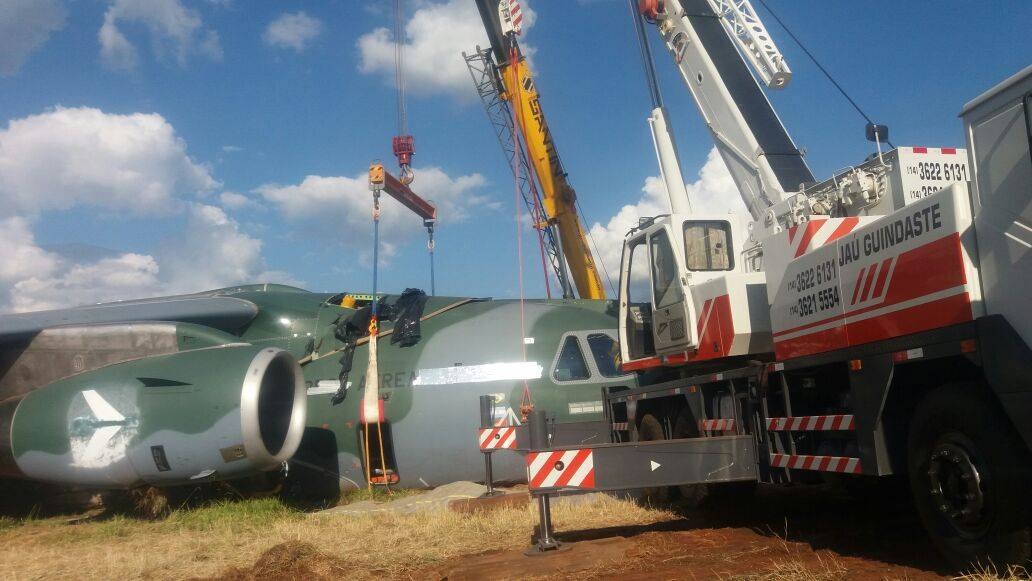
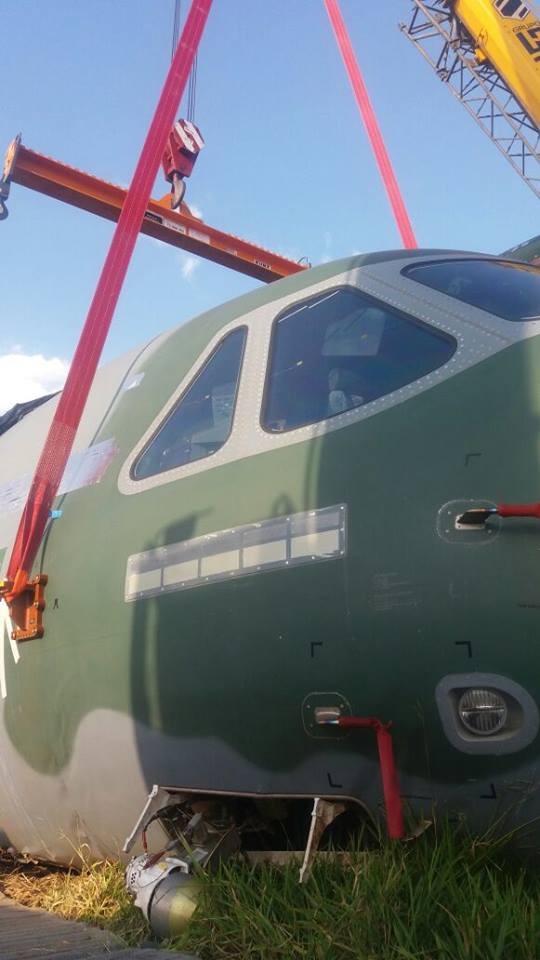
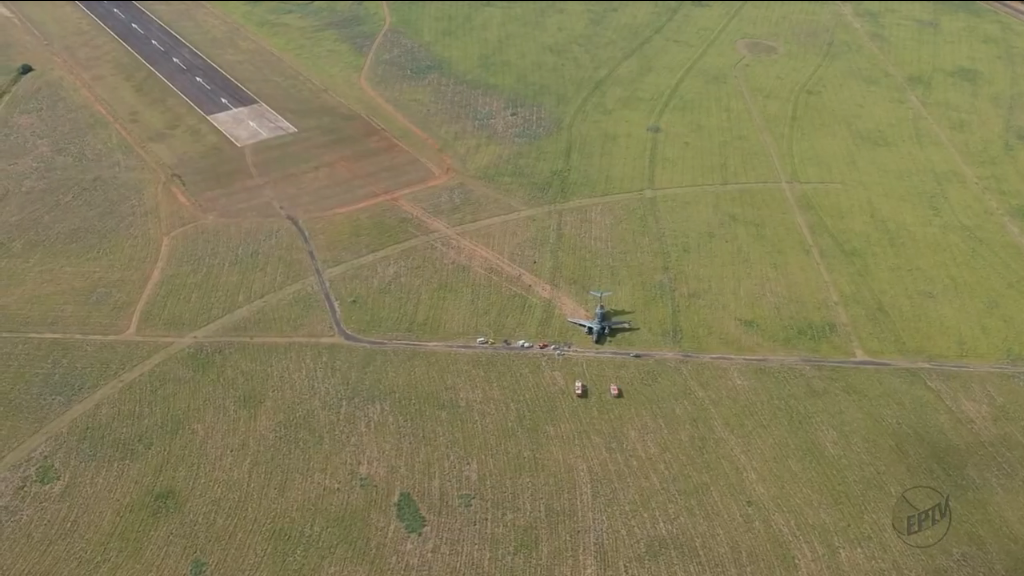
The crew was completing a local test flight at Gavião Peixoto-Embraer Unidade Airport on this first prototype built in 2015 and flying under the Brazilian Air Force colour scheme. Following several circuits, the crew landed on runway 20. After touchdown, the airplane was unable to stop within the remaining distance and overran. While contacting soft ground, it lost its undercarriage and came to rest few dozen metres further. All three crew members escaped uninjured while the aircraft was considered as damaged beyond repair.
Probable cause:
Despite the fact that the aircraft sustained significant damage, CENIPA classified the event as an 'Incident' and on August 5, 2018, reported that closed the investigation with no final report being issued.
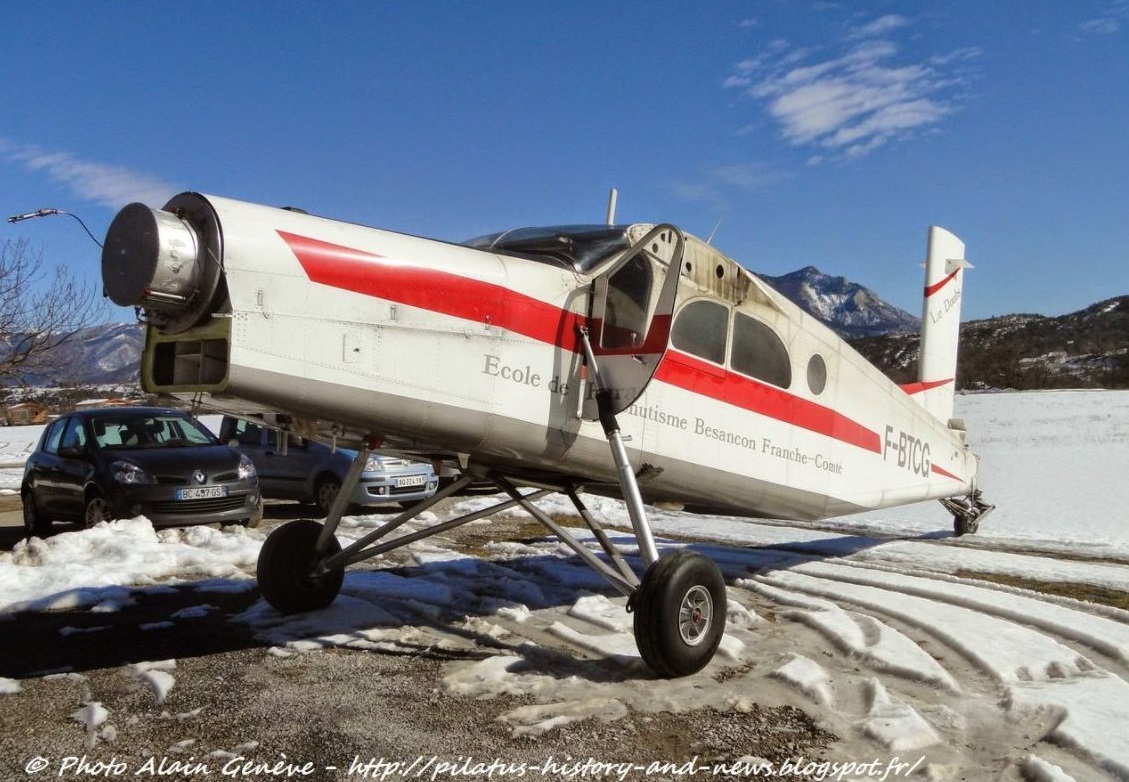
Crash of a Pilatus PC-6/B2-H2 Turbo Porter in Grenoble

Date & Time: Mar 15, 2018 at 1215 LT
Registration:
F-BTCG
Flight Type:
Survivors:
Yes
Schedule:
Grenoble - Grenoble
MSN:
551
YOM:
1963
Location:
Country:
Region:
Crew on board:
1
Crew fatalities:
Pax on board:
1
Pax fatalities:
Other fatalities:
Total fatalities:
0
Captain / Total flying hours:
2000
Captain / Total hours on type:
500.00
Aircraft flight hours:
12260
Circumstances:
The pilot, accompanied by an aircraft mechanic, departed Grenoble-Aples-Isère Airport (saint-Geoirs) to carry out a check flight following a maintenance operation on the airplane. Once in an open area south of the aerodrome, the pilot began the maneuvers provided for in the test program. At the end of a stall maneuver, he found that his actions on the rudder pedals have no effect. However, it maintained control of the ailerons and elevators. He informed the aerodrome controller of the problem and indicated that he was coming back to to land to the paved runway 09. Unable to determined the exact nature of the damage, the pilot chose to land with the flaps retracted. He managed with difficulty to aligne the airplane witn the runway 09 centerline. On final, at an altitude of 300 feet, the pilot changed his mind and decided to land on the unpaved right-hand runway 09 which adjoins the paved runway. On very short final, at flare, while reducing power, at a height of about 1-2 metres, the airplane rolled to the right then to the left, causing the wing tips and the propeller to struck the ground. The aircraft exited the unpaved runway to the left and came to rest on the right edge of the paved runway. Both occupants evacuated safely and the aircraft was damaged beyond repair.
Probable cause:
The rudder control broke in flight, causing a significant alteration of the aircraft yaw controllability. This failure considerably increased the pilot's workload and stress. In these conditions, it became difficult for him to keep the airplane aligned with the runway centreline upon landing. Monitoring the alignment of the aircraft was done to the detriment of the speed. It is very likely that the oscillations during the final step resulted from a stall of the aircraft at low speed.
Final Report:

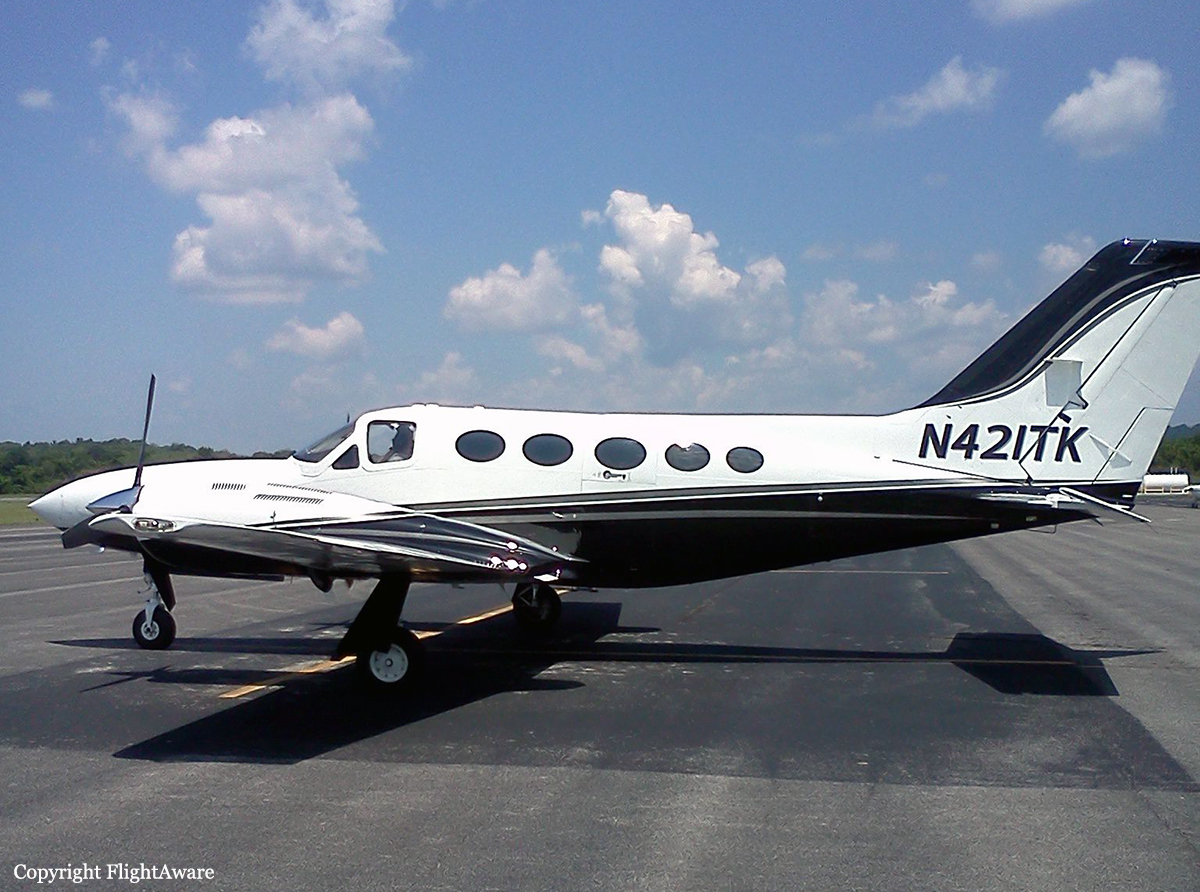
Crash of a Cessna 421C Golden Eagle III in Huntsville: 1 killed

Date & Time: Apr 25, 2017 at 1038 LT
Registration:
N421TK
Flight Type:
Survivors:
No
Schedule:
Conroe – College Station
MSN:
421C-0601
YOM:
1979
Crew on board:
1
Crew fatalities:
Pax on board:
0
Pax fatalities:
Other fatalities:
Total fatalities:
1
Captain / Total flying hours:
1567
Captain / Total hours on type:
219.00
Aircraft flight hours:
7647
Circumstances:
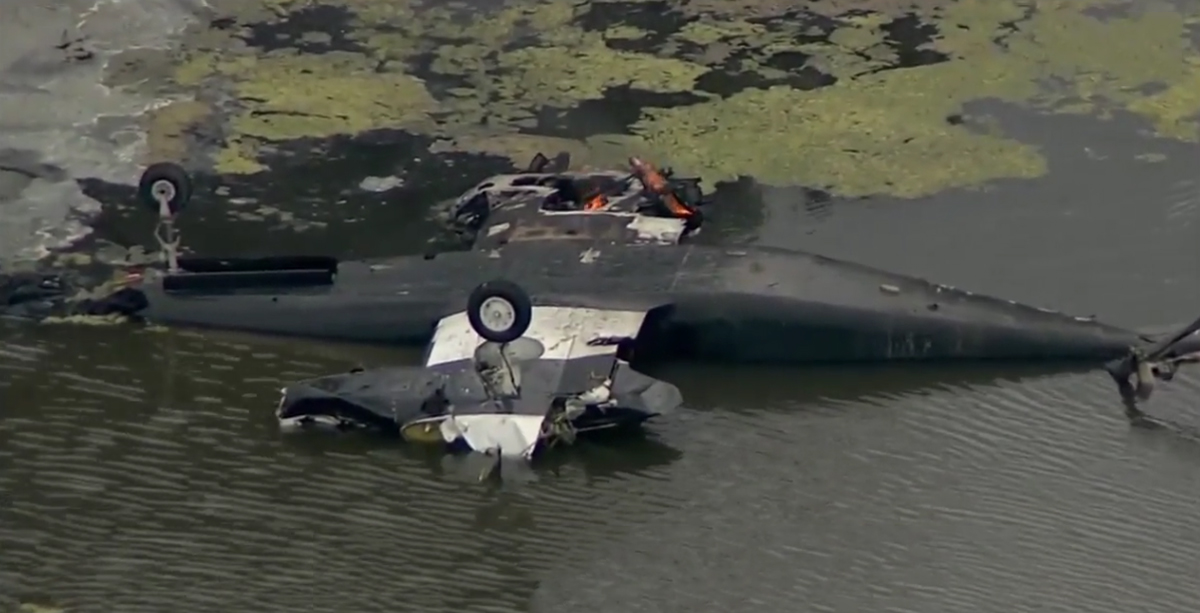
While conducting a post maintenance test flight in visual flight rules conditions, the private pilot of the multi-engine airplane reported an oil leak to air traffic control. The controller provided vectors for the pilot to enter a right base leg for a landing to the south at the nearest airport, about 7 miles away. The pilot turned toward the airport but indicated that he did not have the airport in sight. Further, while maneuvering toward the airport, the pilot reported that the engine was "dead," and he still did not see the airport. The final radar data point recorded the airplane's position about 3.5 miles west-northwest of the approach end of the runway; the wreckage site was located about 4 miles northeast of the runway, indicating that the pilot flew past the airport rather than turning onto a final approach for landing. The reason that the pilot did not see the runway during the approach to the alternate airport, given that the airplane was operating in visual conditions and the controller was issuing guidance information, could not be determined. Regardless, the pilot did not execute a precautionary landing in a timely manner and lost control of the airplane. Examination of the airplane's left engine revealed that the No. 2 connecting rod was broken. The connecting rod bearings exhibited signs of heat distress and discoloration consistent with a lack of lubrication. The engine's oil pump was intact, and the gears were wet with oil. Based on the available evidence, the engine failure was the result of oil starvation; however, examination could not identify the reason for the starvation.
Probable cause:
The pilot's failure to identify the alternate runway, to perform a timely precautionary landing, and to maintain airplane control. Contributing to the accident was the failure of the left engine due to oil starvation for reasons that could not be determined based on the post accident examination.
Final Report: