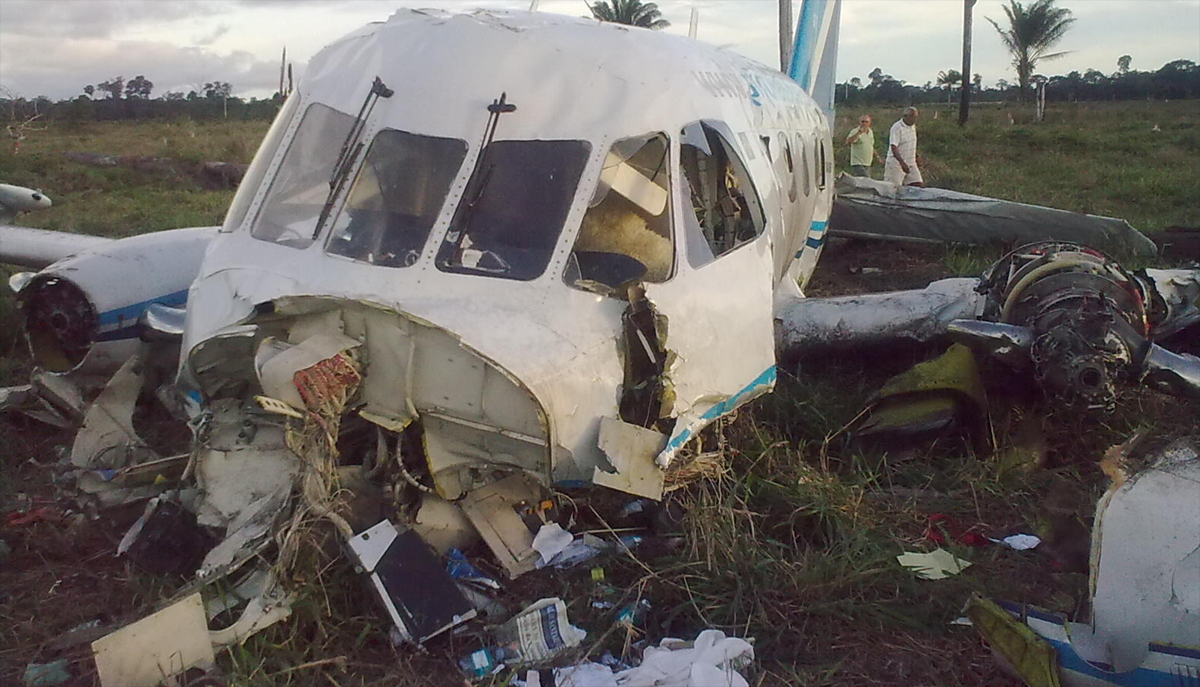
Crash of an Embraer EMB-110C Bandeirante in Senador José Porfirio: 2 killed

Date & Time: Jan 25, 2010 at 1320 LT
Operator:

Registration:
PT-TAF
Survivors:
Yes
Schedule:
Belém - Senador José Porfirio
MSN:
110-103
YOM:
1976
Country:
Crew on board:
2
Crew fatalities:
Pax on board:
8
Pax fatalities:
Other fatalities:
Total fatalities:
2
Captain / Total flying hours:
12350
Captain / Total hours on type:
3887.00
Copilot / Total flying hours:
701
Copilot / Total hours on type:
265
Circumstances:
Following an uneventful flight from Belém, the crew started the descent to Senador José Porfirio-Wilma Rebelo Airport in marginal weather conditions. On approach, the crew noticed an elevation of the left engine turbine temperature. The captain reduced the power on both engines and elected to make an emergency landing when the aircraft stalled and crashed in an open field located 4 km short of runway. The captain and a passenger were killed. All eight other occupants were killed, three seriously. The aircraft was destroyed.
Probable cause:
The following findings were identified:
- Weather conditions made it difficult for the crew to locate the runway;
- The crew failed to follow the emergency procedures and was unable to keep the aircraft level;
- The captain did not feather the left propeller, which resulted in increased drag and reduced aircraft speed;
- The engine maintenance did not meet the engine manufacturer's requirements;
- No technical overhaul of the left engine had been carried out despite the fact that the 12-year calendar limit set by the manufacturer had been exceeded;
- A nipple mounted on the left propeller governor was not intended for aeronautical use;
- The poor seal caused by the improper connection allowed the pressure to drop, resulting in a loss of power on the left engine;
- Poor organizational culture by the operator, which compromised the safety of the operation;
- The company did not have an effective supervision program;
- Poor judgment on part of the captain;
- Poor aircraft maintenance.
Final Report:

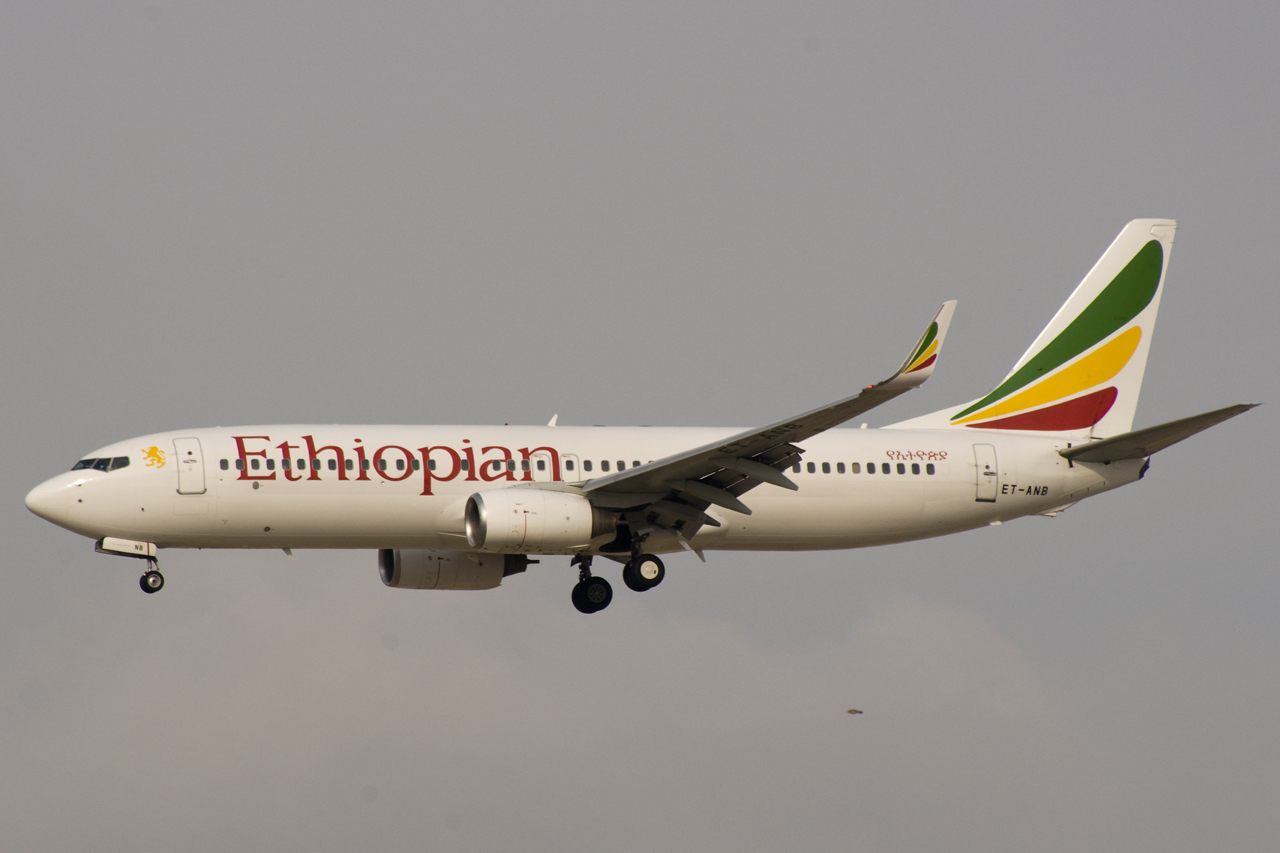
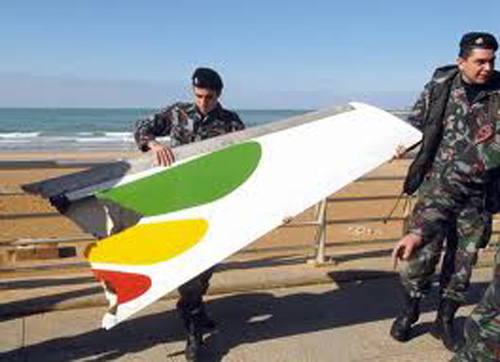
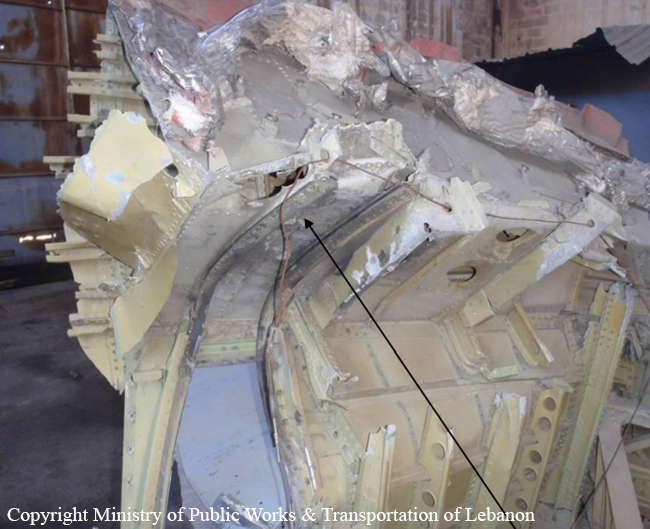
Crash of a Boeing 737-8AS off Beyrouth: 90 killed

Date & Time: Jan 25, 2010 at 0241 LT
Type of aircraft:
Operator:
Registration:
ET-ANB
Flight Phase:
Survivors:
No
Schedule:
Beirut - Addis Ababa
MSN:
29935/1061
YOM:
2002
Flight number:
ET409
Country:
Region:
Crew on board:
8
Crew fatalities:
Pax on board:
82
Pax fatalities:
Other fatalities:
Total fatalities:
90
Captain / Total flying hours:
10233
Captain / Total hours on type:
188.00
Copilot / Total flying hours:
673
Copilot / Total hours on type:
350
Aircraft flight hours:
26459
Aircraft flight cycles:
17823
Circumstances:
On 25 January 2010, at 00:41:30 UTC, Ethiopian Airlines flight ET 409, a Boeing 737-800 registered ET-ANB, crashed into the Mediterranean Sea about 5 NM South West of Beirut Rafic Hariri International Airport (BRHIA), Beirut, Lebanon. ET 409 was being operated under the provisions of the Ethiopian Civil Aviation Regulations (ECAR) and as a scheduled international flight between BRHIA and Addis Ababa Bole International Airport (ADD) - Ethiopia. It departed Beirut with 90 persons on board: 2 flight crew (a Captain and a First Officer), 5 cabin crew, an IFSO and 82 regular passengers. The flight departed at night on an instrument flight plan. Low clouds, isolated cumulonimbus (CB) and thunderstorms were reported in the area. The flight was initially cleared by ATC on a LATEB 1 D departure then the clearance was changed before take-off to an “immediate right turn direct Chekka”. After take-off ATC (Tower) instructed ET 409 to turn right on a heading of 315°. ET 409 acknowledged and heading 315° was selected on the Mode Control Panel (MCP). As the aircraft was on a right turn, Control suggested to ET 409 to follow heading 270° “due to weather”. However, ET 409 continued right turn beyond the selected heading of 315° and Control immediately instructed them to “turn left now heading 270°”. ET 409 acknowledged, the crew selected 270° on the MCP and initiated a left turn. ET 409 continued the left turn beyond the instructed/selected heading of 270° despite several calls from ATC to turn right heading 270° and acknowledgment from the crew. ET 409 reached a southerly track before sharply turning left until it disappeared from the radar screen and crashed into the sea 4‟ 59” after the initiation of the take-off roll (4‟17” in the air). The aircraft impacted the water surface around 5 NM South West of BRHIA and all occupants were fatally injured. Search and Rescue (S&R) operations were immediately initiated. The DFDR and CVR were retrieved from the sea bed and were read, as per the Lebanese Government decision, at the BEA facility at Le Bourget, France. The recorders data revealed that ET 409 encountered during flight two stick shakers for a period of 27” and 26”. They also recorded 11 “Bank Angle” aural warnings at different times during the flight and an over-speed clacker towards the end of the flight. The maximum recorded AOA was 32°, maximum recorded bank angle was 118° left, maximum recorded speed was 407.5 knots, maximum recorded G load was 4.76 and maximum recorded nose down pitch value 63.1°. The DFDR recording stopped at 00:41:28 with the aircraft at 1291‟. The last radar screen recording was at 00:41:28 with the aircraft at 1300‟. The last CVR recording was a loud noise just prior to 00:41:30.
Probable cause:
Probable Causes:
1- The flight crew's mismanagement of the aircraft's speed, altitude, headings and attitude through inconsistent flight control inputs resulting in a loss of control.
2- The flight crew failure to abide by CRM principles of mutual support and calling deviations hindered any timely intervention and correction.
Contributing Factors:
1- The manipulation of the flight controls by the flight crew in an ineffective manner resulted in the aircraft undesired behavior and increased the level of stress of the pilots.
2- The aircraft being out of trim for most of the flight directly increased the workload on the pilot and made his control of the aircraft more demanding.
3- The prevailing weather conditions at night most probably resulted in spatial disorientation to the flight crew and lead to loss of situational awareness.
4- The relative inexperience of the Flight Crew on type combined with their unfamiliarity with the airport contributed, most likely, to increase the Flight Crew workload and stress.
5- The consecutive flying (188 hours in 51 days) on a new type with the absolute minimum rest could have likely resulted in a chronic fatigue affecting the captain's performance.
6- The heavy meal discussed by the crew prior to take-off has affected their quality of sleep prior to that flight.
7- The aircraft 11 bank angle aural warnings, 2 stalls and final spiral dive contributed in the increase of the crew workload and stress level.
8- Symptoms similar to those of a subtle incapacitation have been identified and could have resulted from and/or explain most of the causes mentioned above. However, there is no factual evidence to confirm without any doubt such a cause.
9- The F/O reluctance to intervene did not help in confirming a case of captain's subtle incapacitation and/or to take over control of the aircraft as stipulated in the operator's SOP.
Final Report:
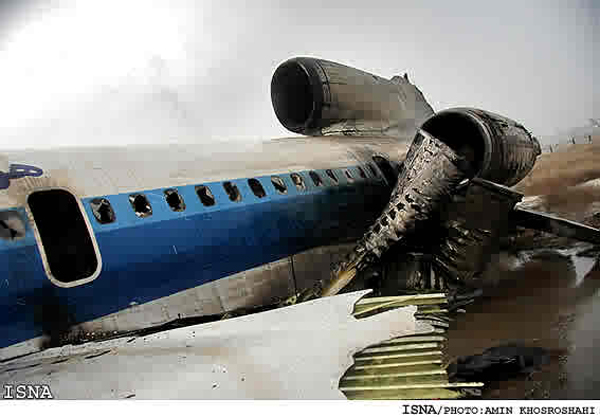
Crash of a Tupolev TU-154M in Mashhad

Date & Time: Jan 24, 2010 at 0720 LT
Type of aircraft:
Operator:
Registration:
RA-85787
Survivors:
Yes
Schedule:
Abadan - Machhad
MSN:
93A971
YOM:
1993
Flight number:
TBM6437
Country:
Region:
Crew on board:
13
Crew fatalities:
Pax on board:
157
Pax fatalities:
Other fatalities:
Total fatalities:
0
Circumstances:
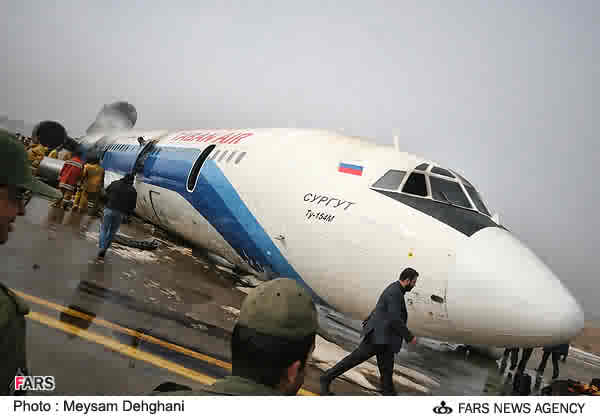
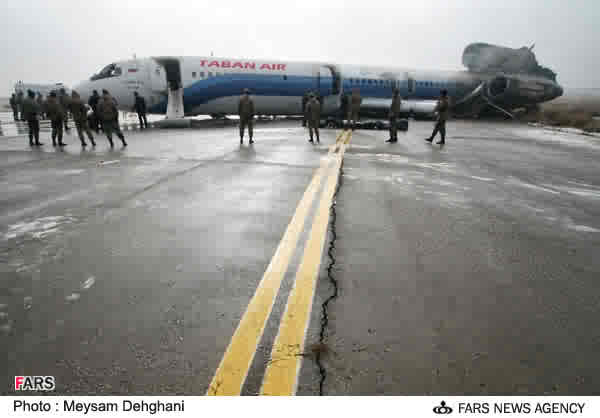
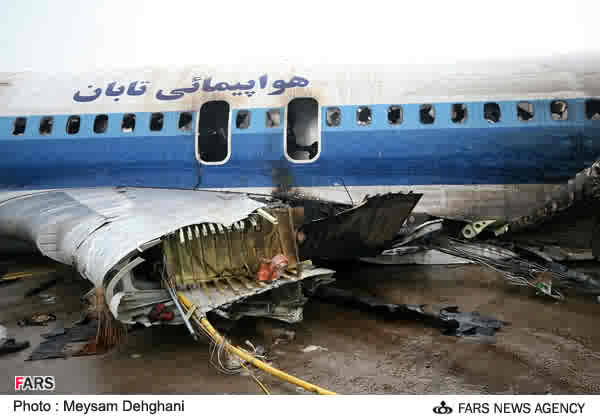
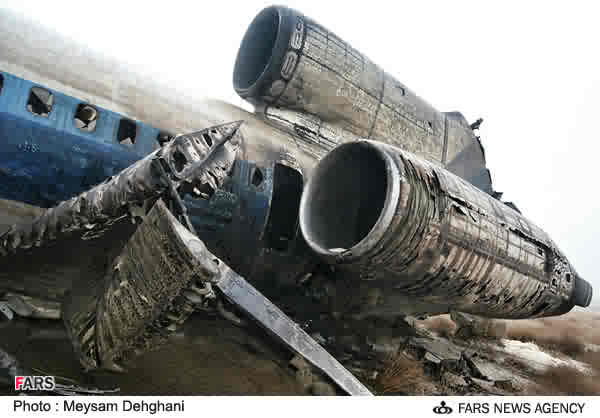
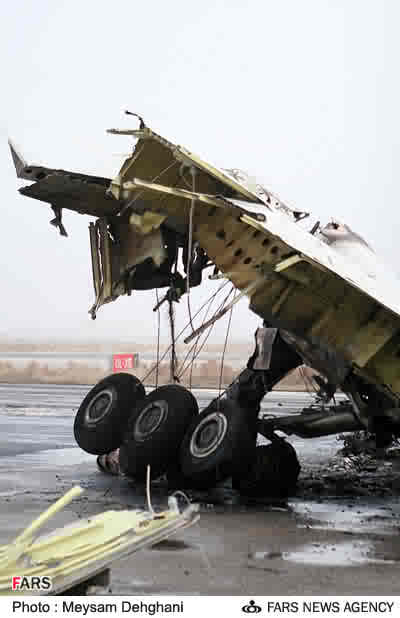
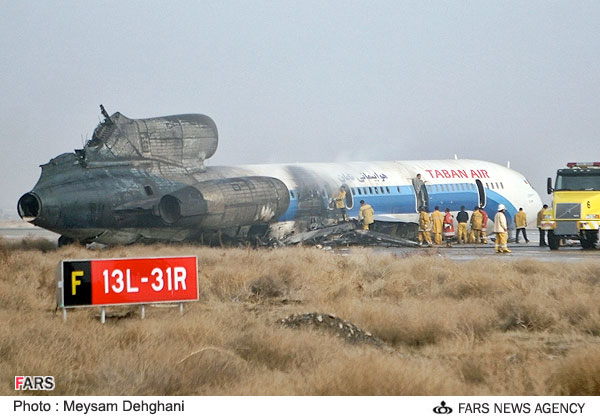
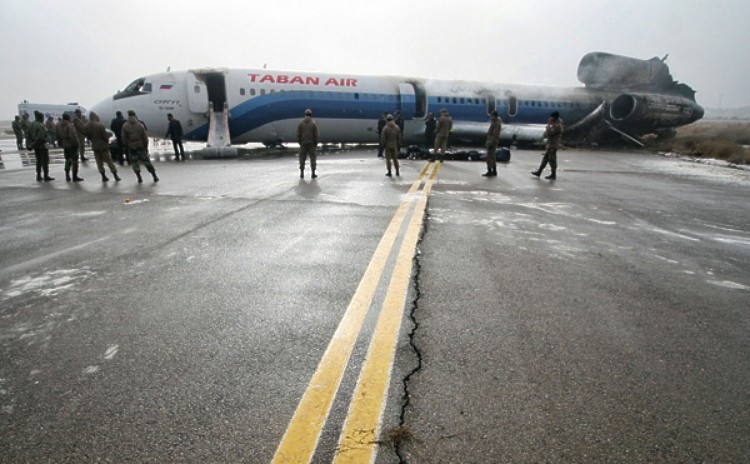
The three engine aircraft departed Abadan for a night flight to Mashhad. Due to poor weather conditions at destination, the crew diverted to Isfahan Airport. The aircraft departed Isfahan Airport at 0535LT bound to Mashhad. While on an ILS approach in thick fog, the aircraft was in a nose high attitude when the base of the empennage struck the runway surface and separated. On impact, the undercarriage were torn off. Out of control, the aircraft slid for few dozen metres, veered off runway and came to rest with both wings partially torn off, bursting into flames. At least 46 occupants were injured while the aircraft was partially destroyed by fire. Vertical visibility was 200 feet at the time of the accident due to fog.
Probable cause:
The following findings were reported:
- The visibility was below minimums,
- The crew continued the approach despite the aircraft attitude was incorrect,
- The crew failed to initiate a go-around procedure.

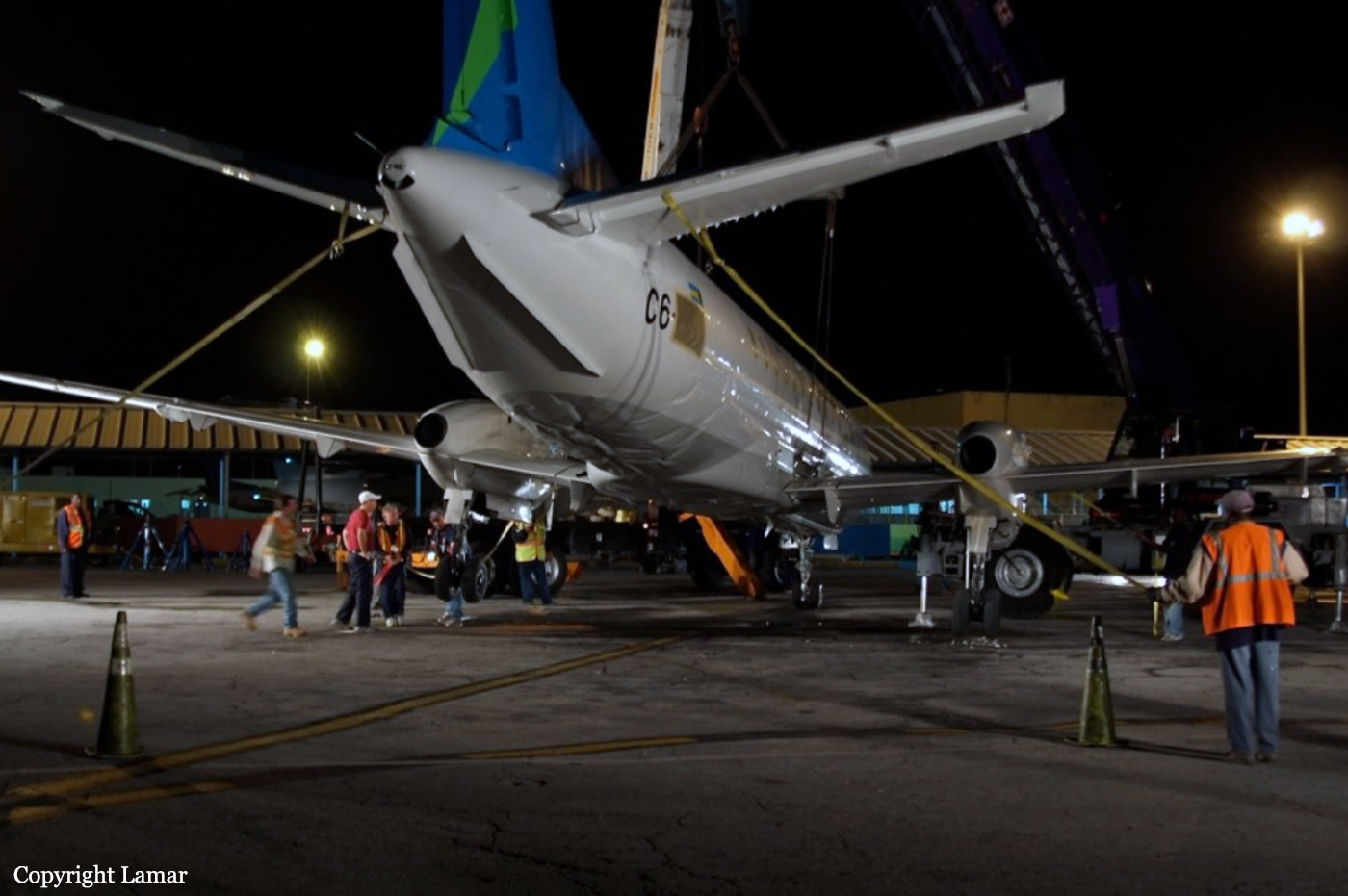
Ground accident of a Saab 340A in Nassau

Date & Time: Jan 7, 2010 at 1145 LT
Type of aircraft:
Operator:
Registration:
C6-SBE
Flight Phase:
Survivors:
Yes
Schedule:
Nassau - Marsh Harbour
MSN:
99
YOM:
1987
Country:
Crew on board:
2
Crew fatalities:
Pax on board:
0
Pax fatalities:
Other fatalities:
Total fatalities:
0
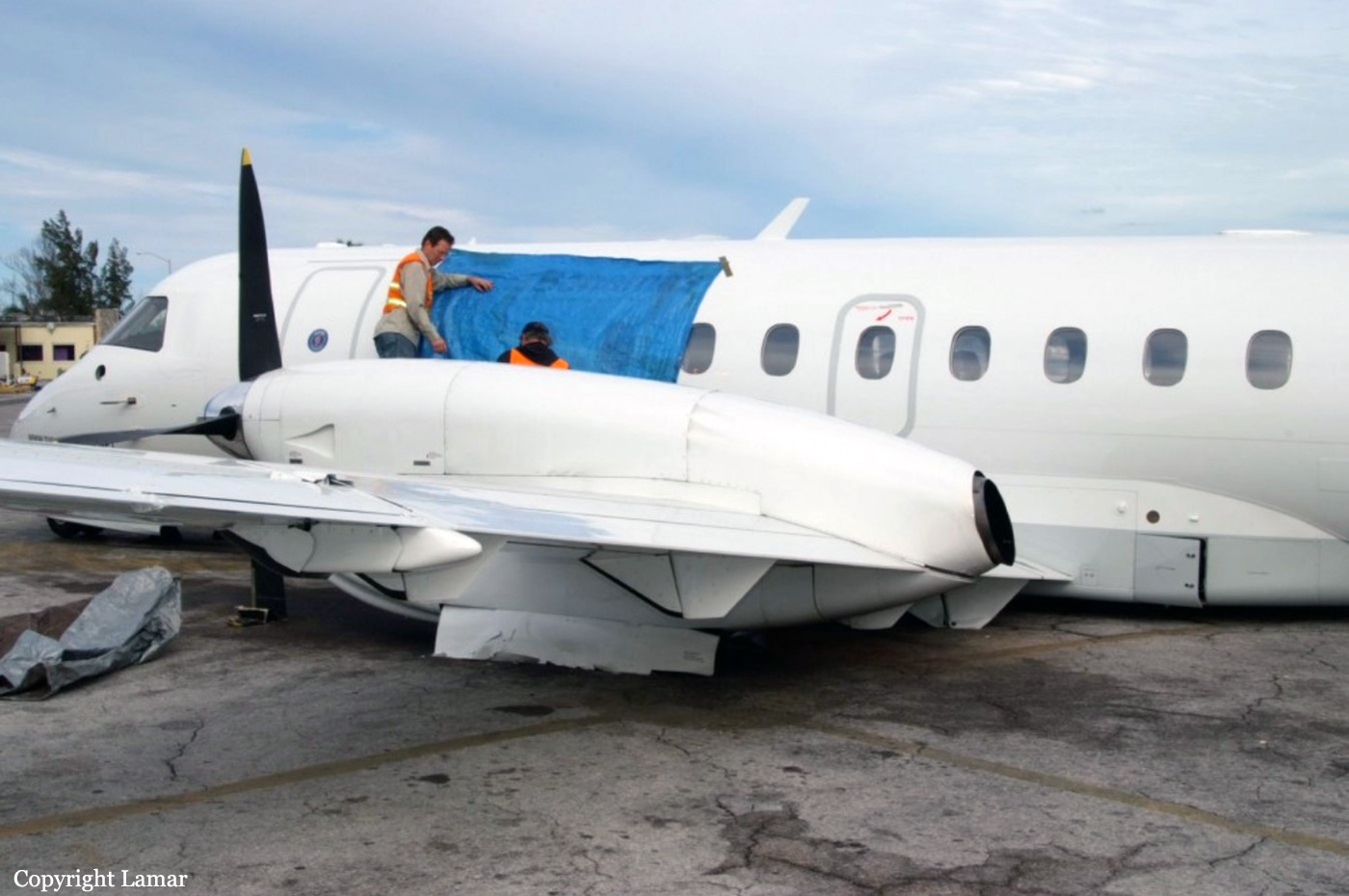
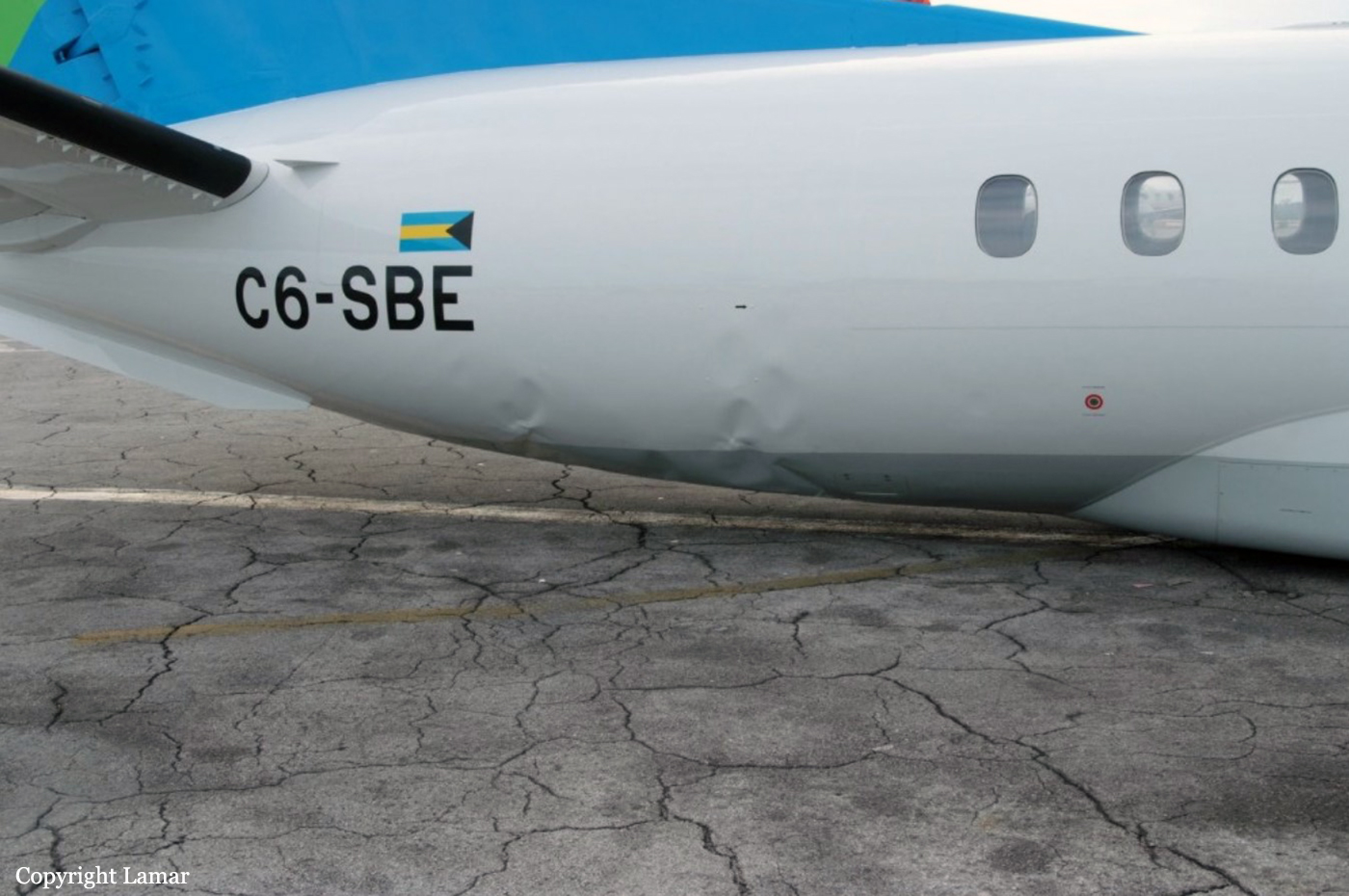
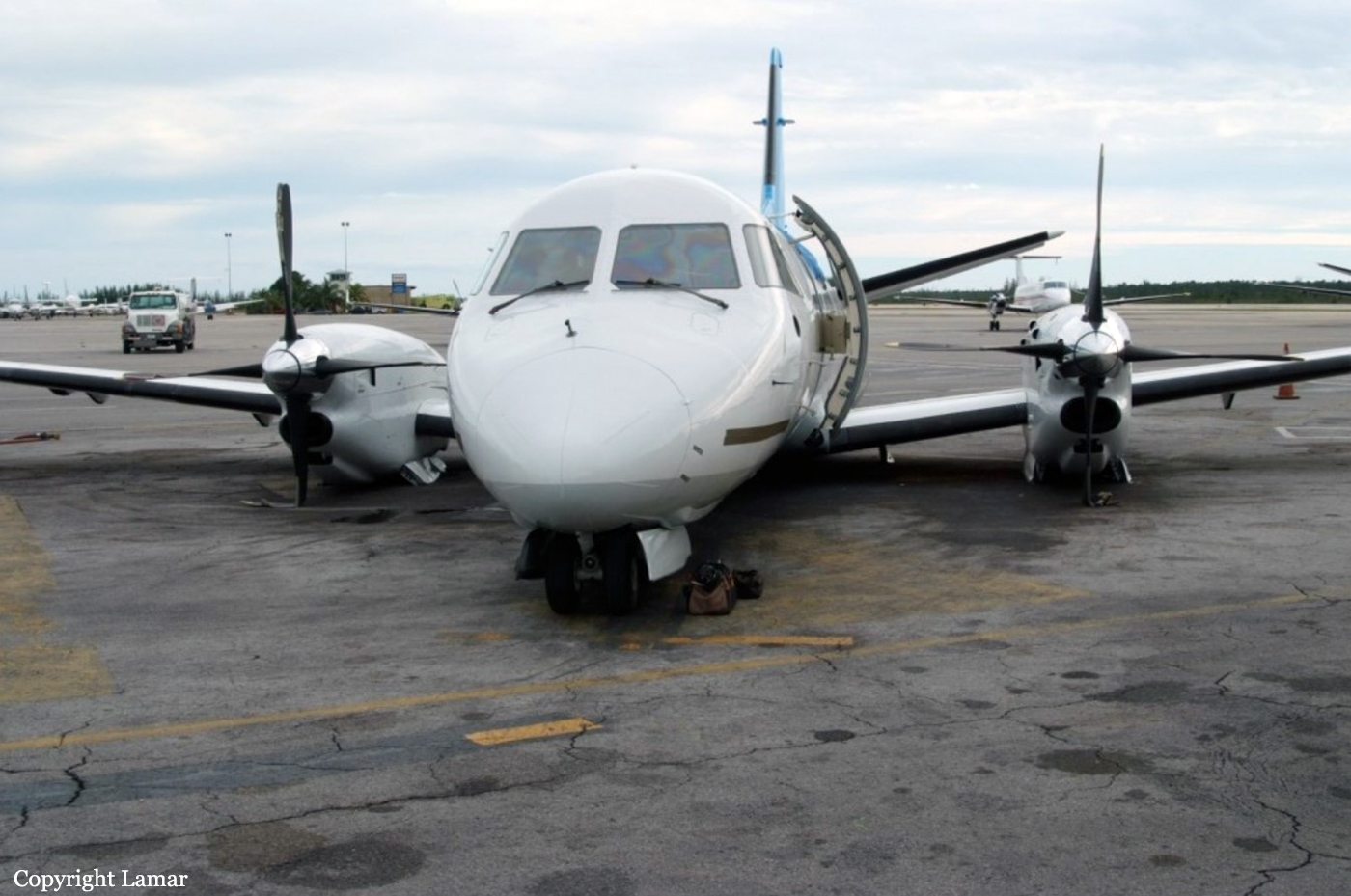
Circumstances:
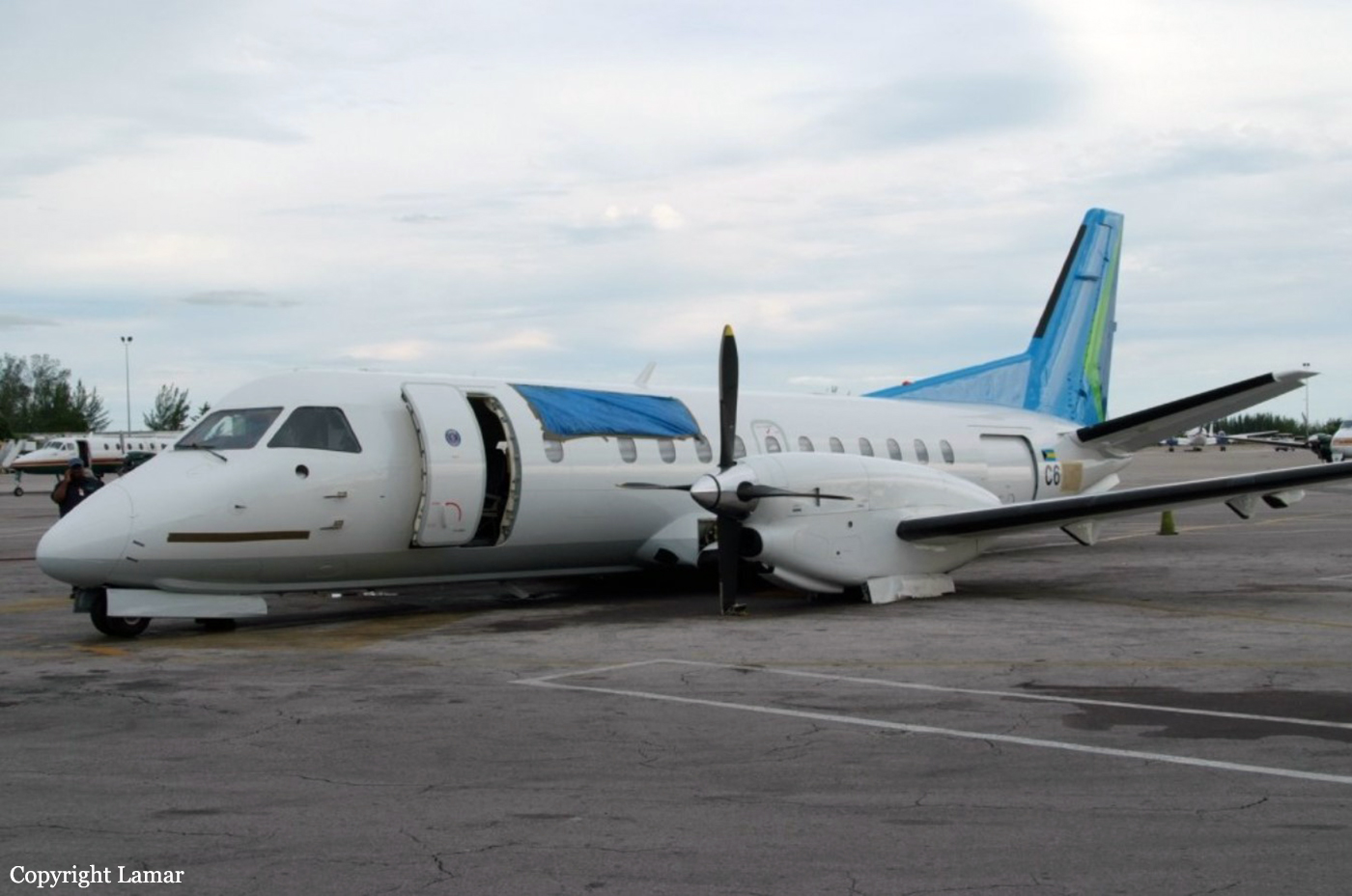
Two crew took place in the cockpit to prepare the aircraft for a scheduled commercial service to Marsh Harbour. In unknown circumstances, all three landing gear retracted, causing the aircraft to fall on the ground. Both occupants were uninjured while the aircraft was damaged beyond repair. It is unknown if the retraction of the undercarriage was the consequence of a mechanical failure or a mishandling from the crew.

Crash of a De Havilland DHC-3T Turbo Otter off Vomo Island

Date & Time: Dec 29, 2009 at 1800 LT
Type of aircraft:
Operator:
Registration:
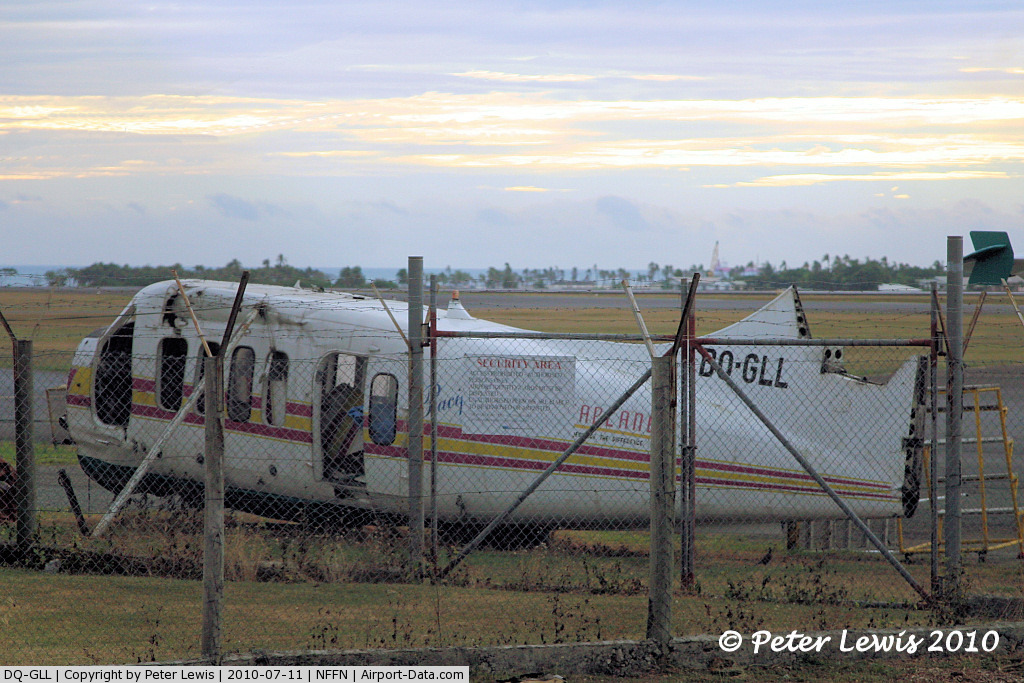
DQ-GLL
Survivors:
Yes
Schedule:
Nadi - Vomo Island
MSN:
288
YOM:
1958
Country:
Region:
Crew on board:
1
Crew fatalities:
Pax on board:
5
Pax fatalities:
Other fatalities:
Total fatalities:
0
Circumstances:
While approaching Vomo Island, near Viti Levu Island, Fiji, the single engine aircraft crashed into the sea few dozen metres offshore. All six occupants were slightly injured while the aircraft was damaged beyond repair.

Crash of a Boeing 737-800 in Kingston

Date & Time: Dec 22, 2009 at 2222 LT
Type of aircraft:
Operator:
Registration:
N977AN
Survivors:
Yes
Schedule:
Washington DC - Miami - Kingston
MSN:
29550/1019
YOM:
2001
Flight number:
AA331
Country:
Crew on board:
6
Crew fatalities:
Pax on board:
148
Pax fatalities:
Other fatalities:
Total fatalities:
0
Circumstances:
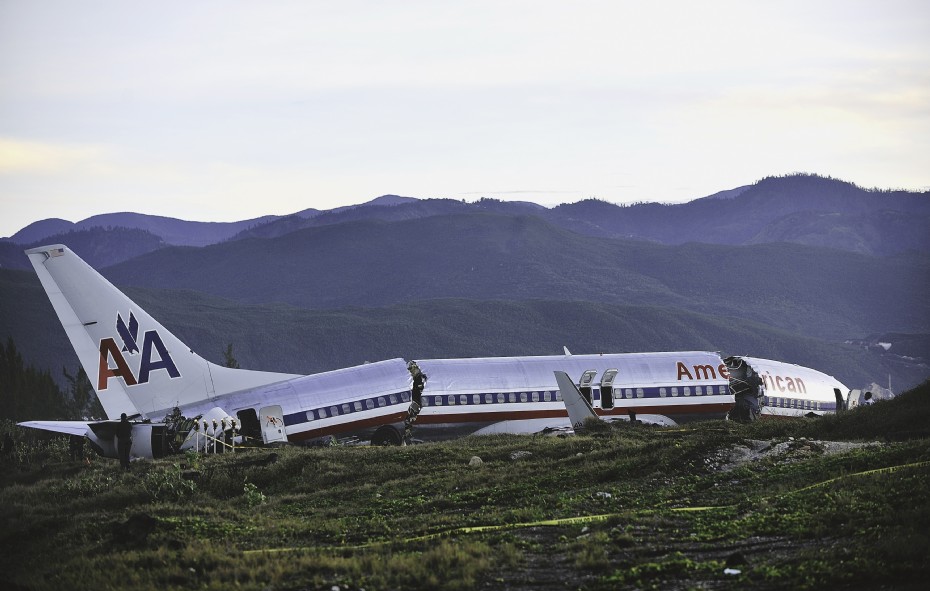
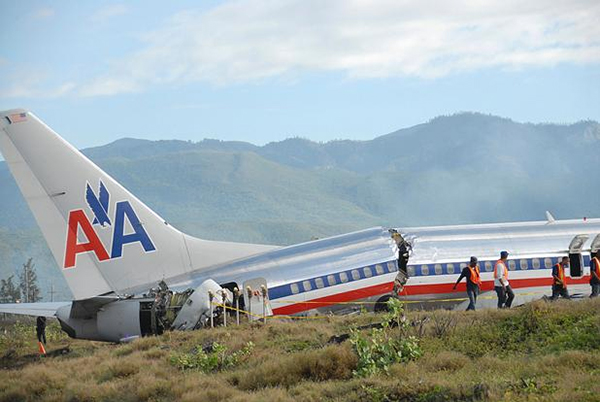
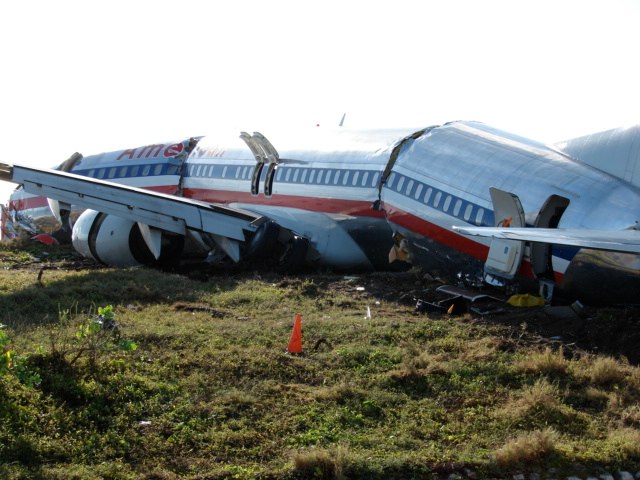
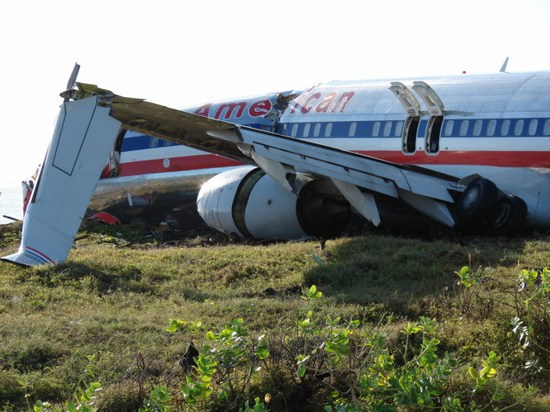
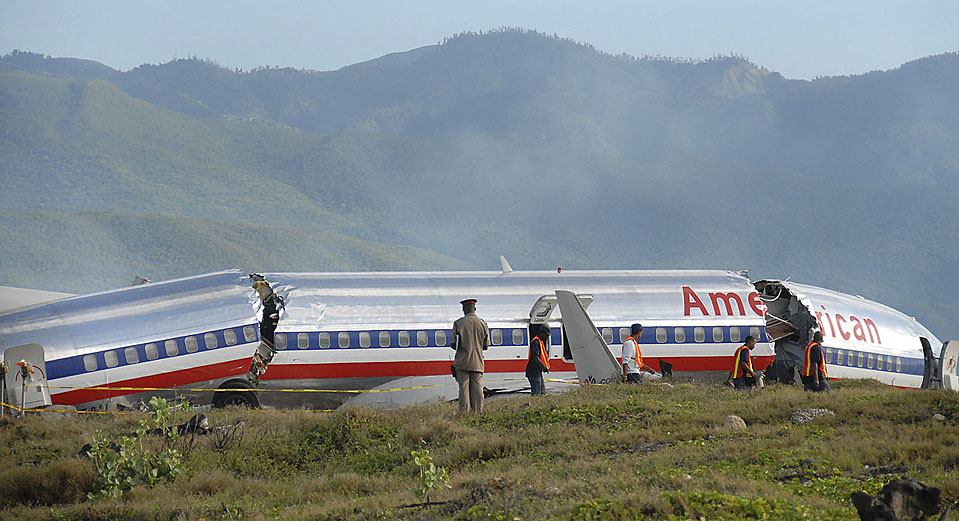
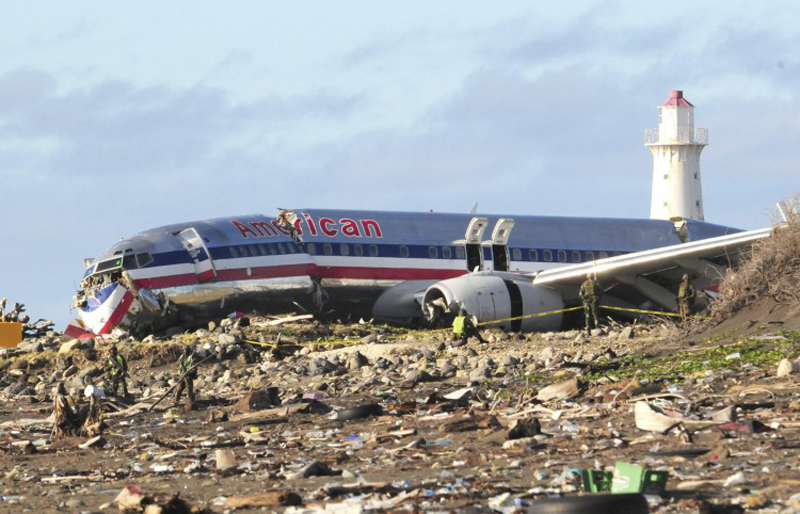
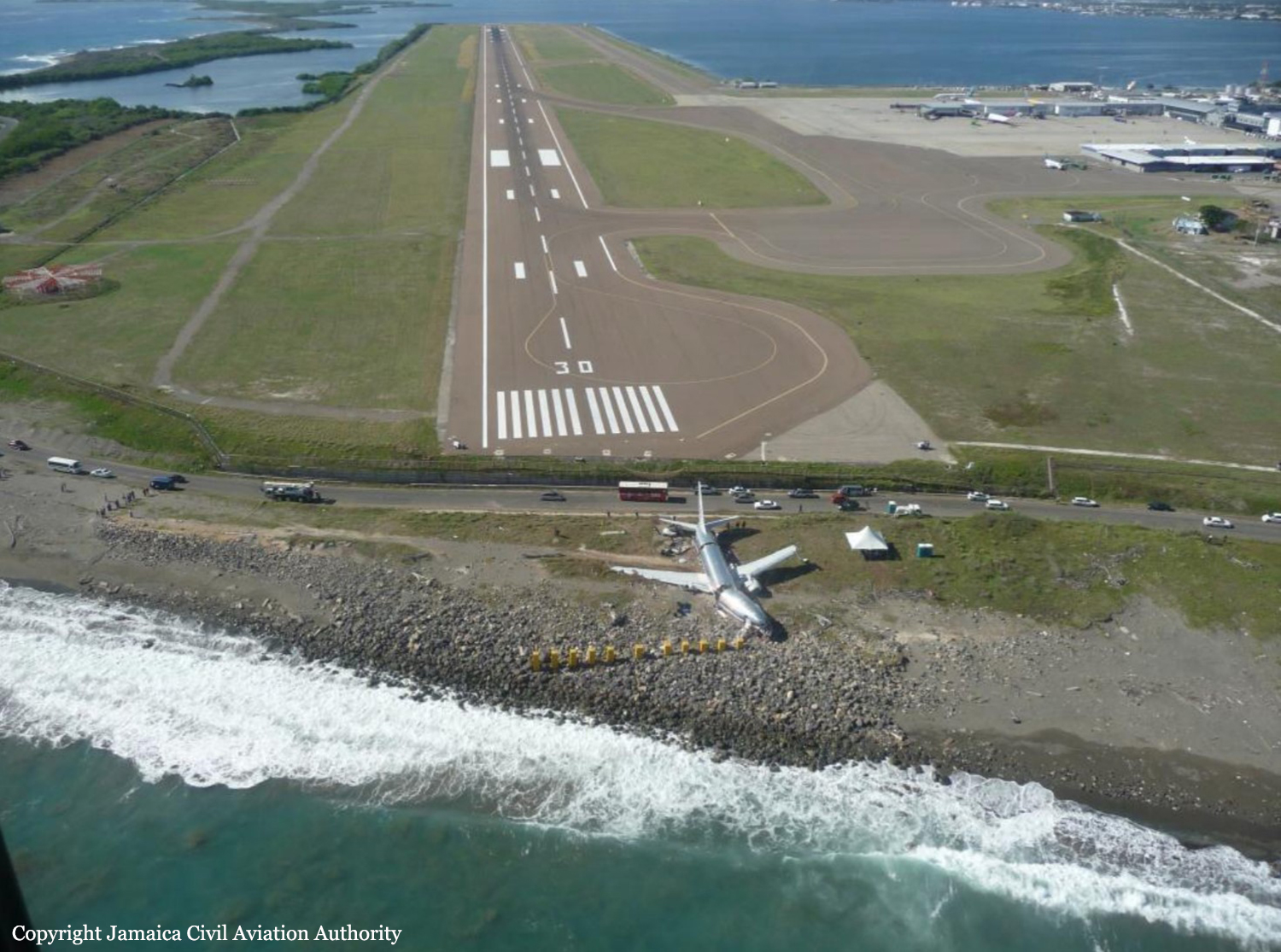
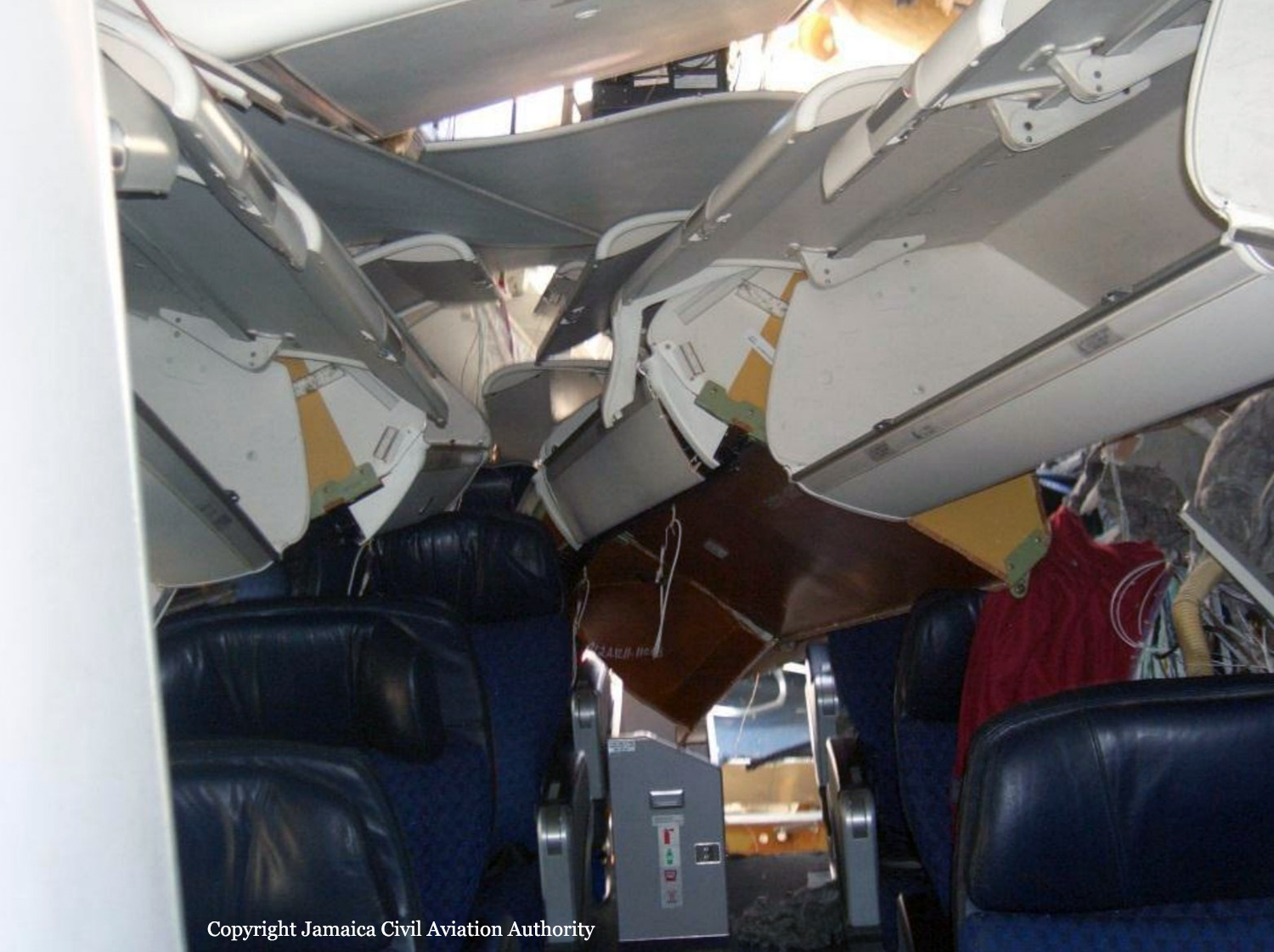
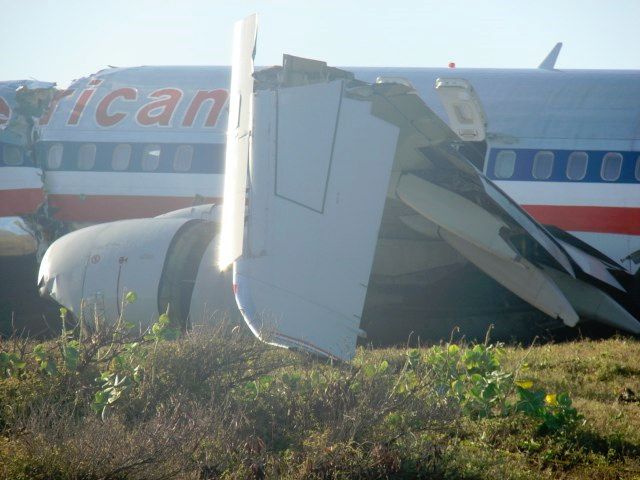
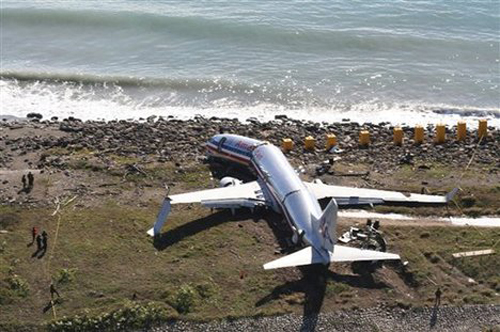
American Airlines Flight AA331, a Boeing 737-823 in United States registration N977AN, carrying 148 passengers, including three infants, and a crew of six, was being operated under the provisions of 14 Code of Federal Regulations (CFR) Part 121. The aircraft departed Miami (KMIA) at 20:22 Eastern Standard Time (EST) on 22 December 2009 (01:22 Universal Coordinated Time (UTC) on 23 December 2009) on an instrument flight rules (IFR) flight plan, on a scheduled flight to Norman Manley International Airport (NMIA), ICAO identifier: MKJP, Kingston, Jamaica. The aircraft landed at NMIA on runway 12 in the hours of darkness at 22:22 EST (03:22 UTC) in Instrument Meteorological Conditions (IMC) following an Instrument Landing System (ILS) approach flown using the heads up display (HUD) and becoming visual at approximately two miles from the runway. The aircraft touched down at approximately 4,100 feet on the 8,911 foot long runway in heavy rain and with a 14 knot left quartering tailwind. The crew was unable to stop the aircraft on the remaining 4,811 feet of runway and it overran the end of the runway at 62 knots ground speed. The aircraft broke through a fence, crossed above a road below the runway level and came to an abrupt stop on the sand dunes and rocks between the road and the waterline of the Caribbean Sea. There was no post-crash fire. The aircraft was destroyed, its fuselage broken into three sections, while the left landing gear collapsed. The right engine and landing gear were torn off, the left wingtip was badly damaged and the right wing fuel tanks were ruptured, leaking jet fuel onto the beach sand. One hundred and thirty four (134) passengers suffered minor or no injury, while 14 were seriously injured, though there were no life-threatening injuries. None of the flight crew and cabin crew was seriously injured, and they were able to assist the passengers during the evacuation.
Probable cause:
Jamaican Director General of Civil Aviation Col. Oscar Derby, stated in the week following the accident, that the jet touched down about halfway down the 8,910-foot (2,720 m) runway. He also noted that the 737-800 was equipped with a head-up display. Other factors that were under investigation included "tailwinds, and a rain soaked runway;" the runway in question was not equipped with rain-dispersing grooves common at larger airports. The aircraft held a relatively heavy fuel load at the time of landing; it was carrying enough fuel for a round trip flight back to the US. The FDR later revealed that the aircraft touched down some 4,100 feet (1,200 m) down the 8,910-foot (2,720 m) long runway. Normally touchdown would be between 1,000 feet (300 m) and 1,500 feet (460 m). The aircraft was still traveling at 72 miles per hour (116 km/h) when it departed the end of the runway. The aircraft landed with a 16 miles per hour (26 km/h) tailwind, just within its limit of 17 miles per hour (27 km/h).
Final Report:

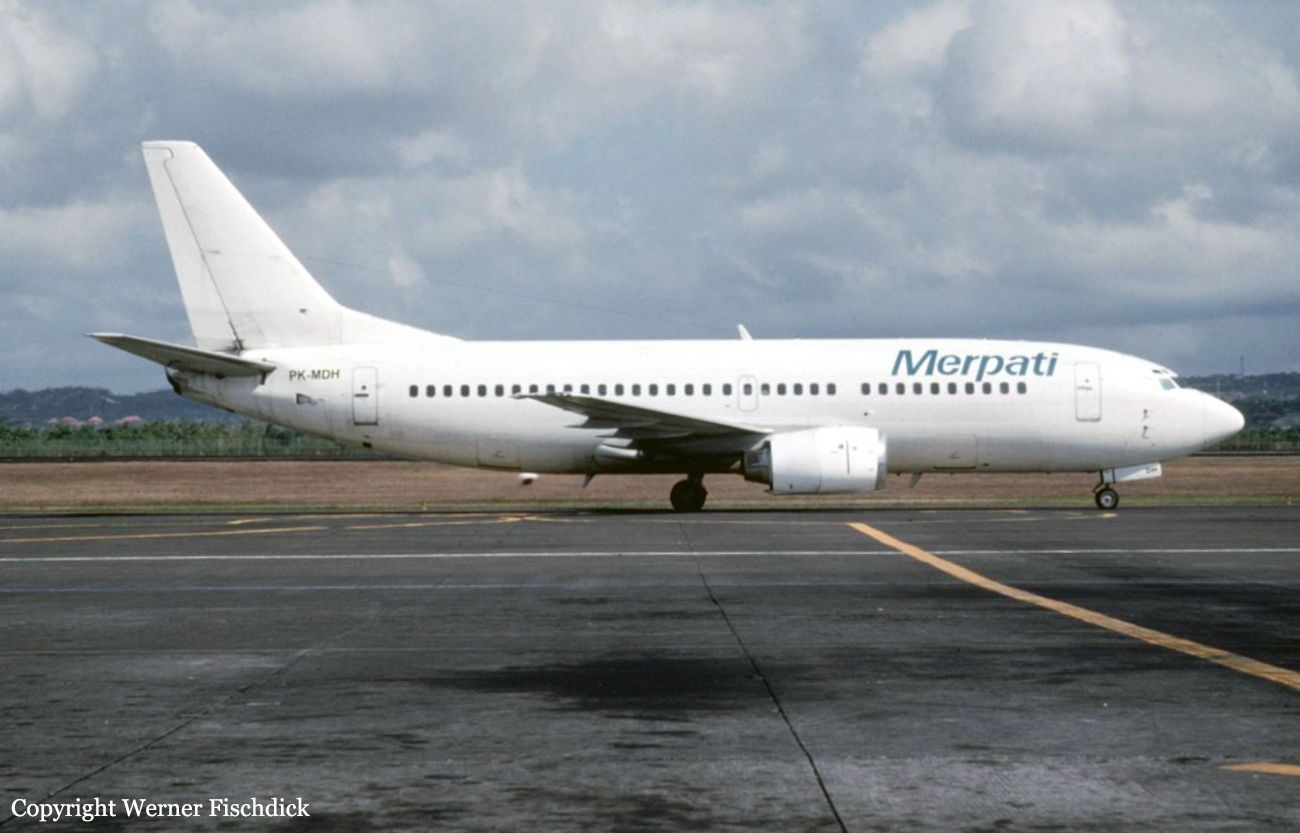
Crash of a Boeing 737-301 in Ujung Pandang

Date & Time: Dec 21, 2009 at 0151 LT
Type of aircraft:
Operator:
Registration:
PK-MDH
Survivors:
Yes
Schedule:
Surabaya – Ujung Pandang
MSN:
23932/1554
YOM:
1988
Flight number:
MZ766
Country:
Region:
Crew on board:
6
Crew fatalities:
Pax on board:
102
Pax fatalities:
Other fatalities:
Total fatalities:
0
Circumstances:
Following an uneventful flight from Surabaya-Juanda Airport, the crew started a night approach to Ujung Pandang-Sultan Hasanuddin Airport (Makassar). On short final, at a height of 50 feet, the aircraft descended fast and landed nose first. A tyre burst on impact and the aircraft was stopped following a normal landing course. All 108 occupants evacuated safely and the aircraft was damaged beyond repair due to fuselage damages.

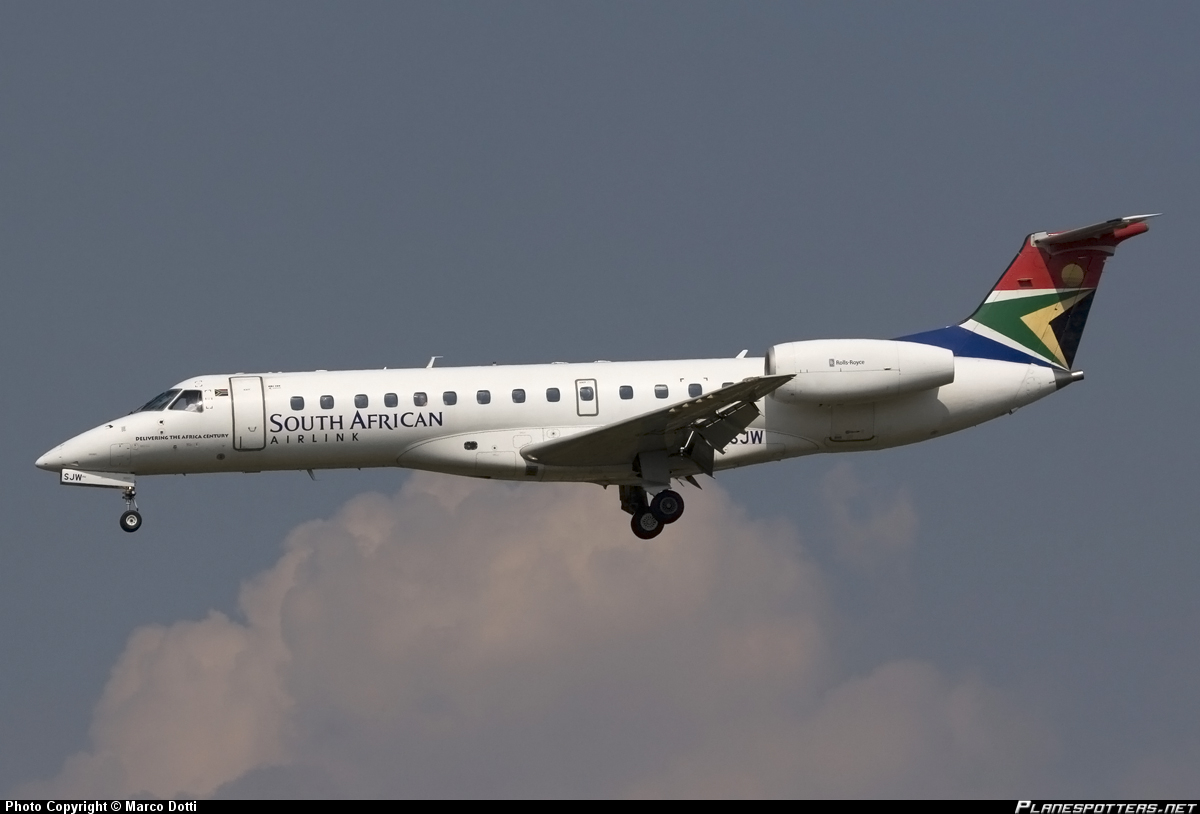
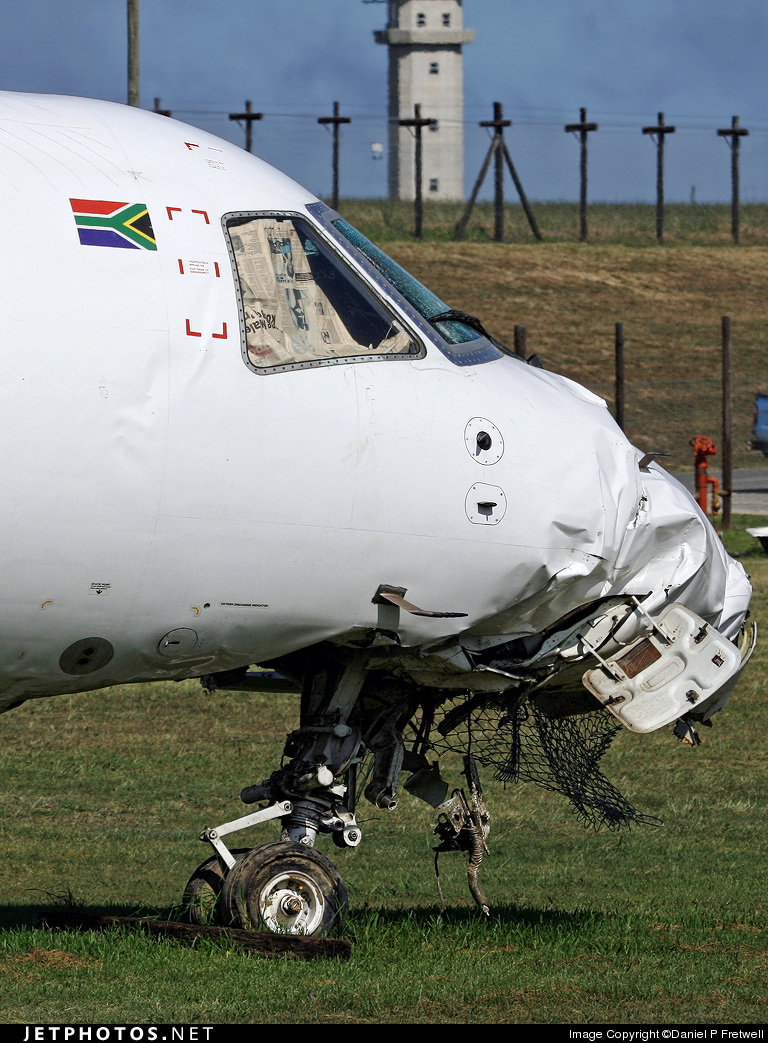
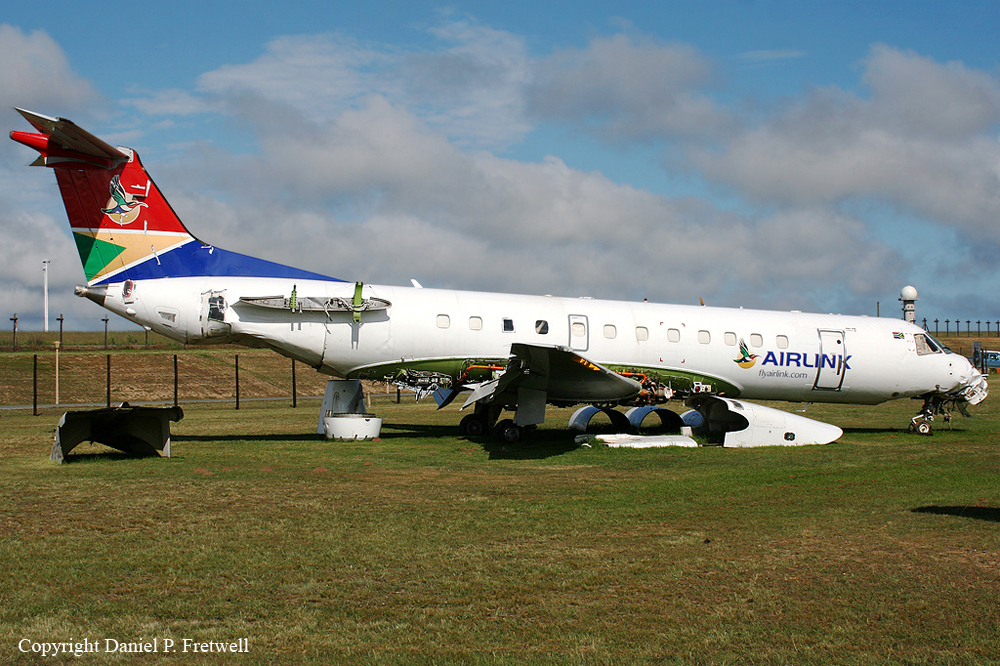
Crash of an Embraer 135 in George

Date & Time: Dec 7, 2009 at 1101 LT
Type of aircraft:
Operator:
Registration:
ZS-SJW
Survivors:
Yes
Schedule:
Cape Town - George
MSN:
145-423
YOM:
2001
Flight number:
SA8625
Country:
Region:
Crew on board:
3
Crew fatalities:
Pax on board:
32
Pax fatalities:
Other fatalities:
Total fatalities:
0
Captain / Total flying hours:
11973
Captain / Total hours on type:
2905.00
Copilot / Total flying hours:
2336
Copilot / Total hours on type:
864
Aircraft flight hours:
21291
Aircraft flight cycles:
17003
Circumstances:
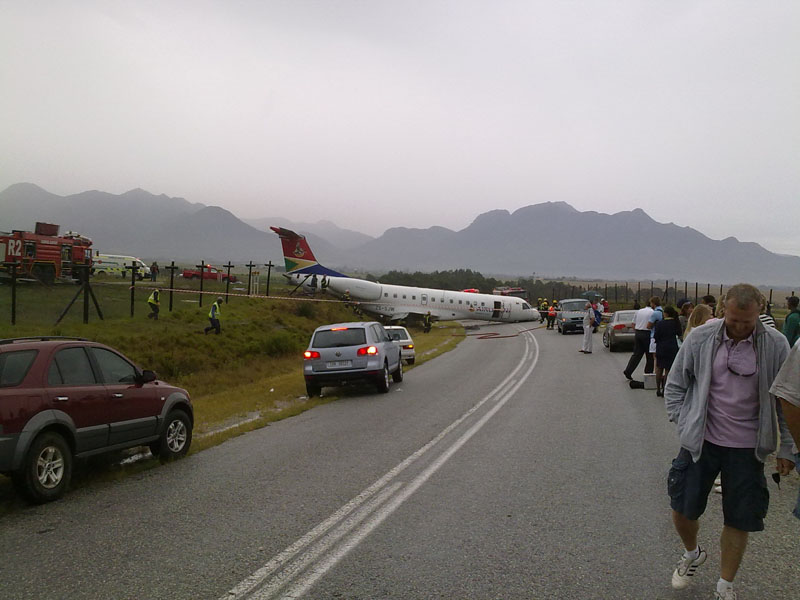
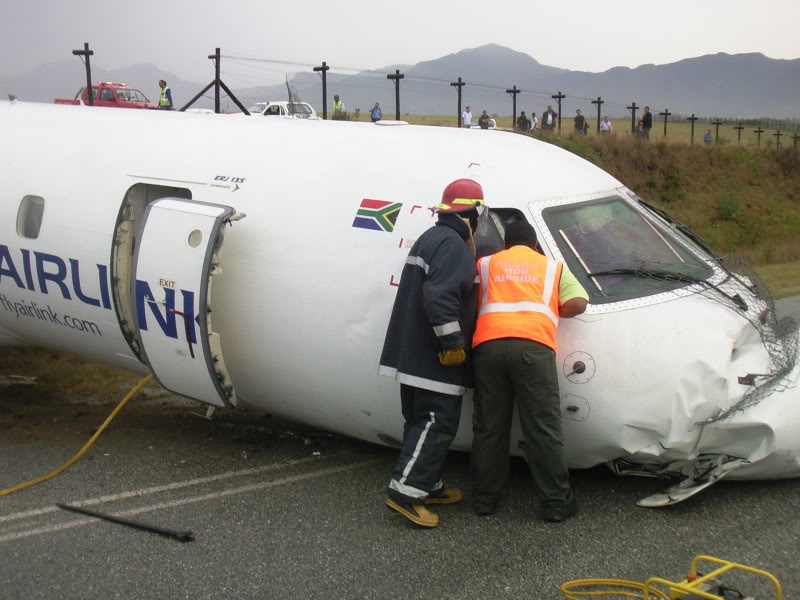
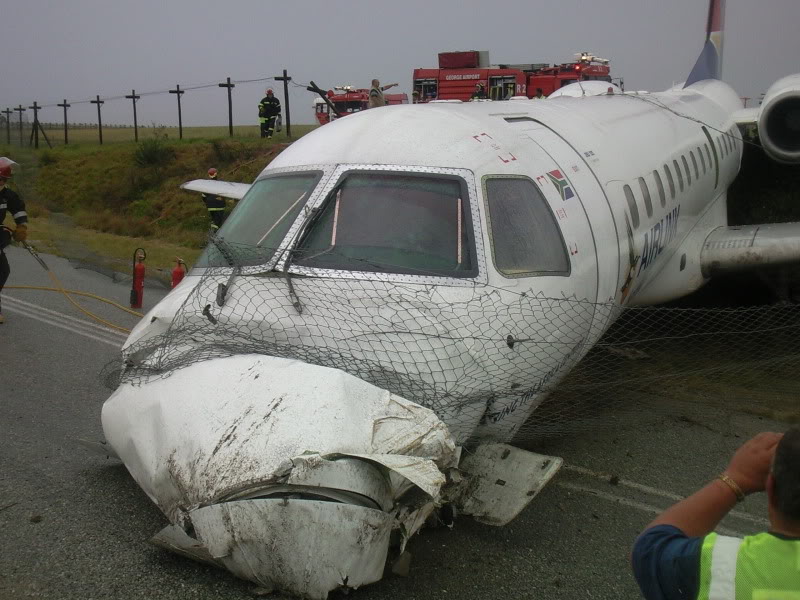
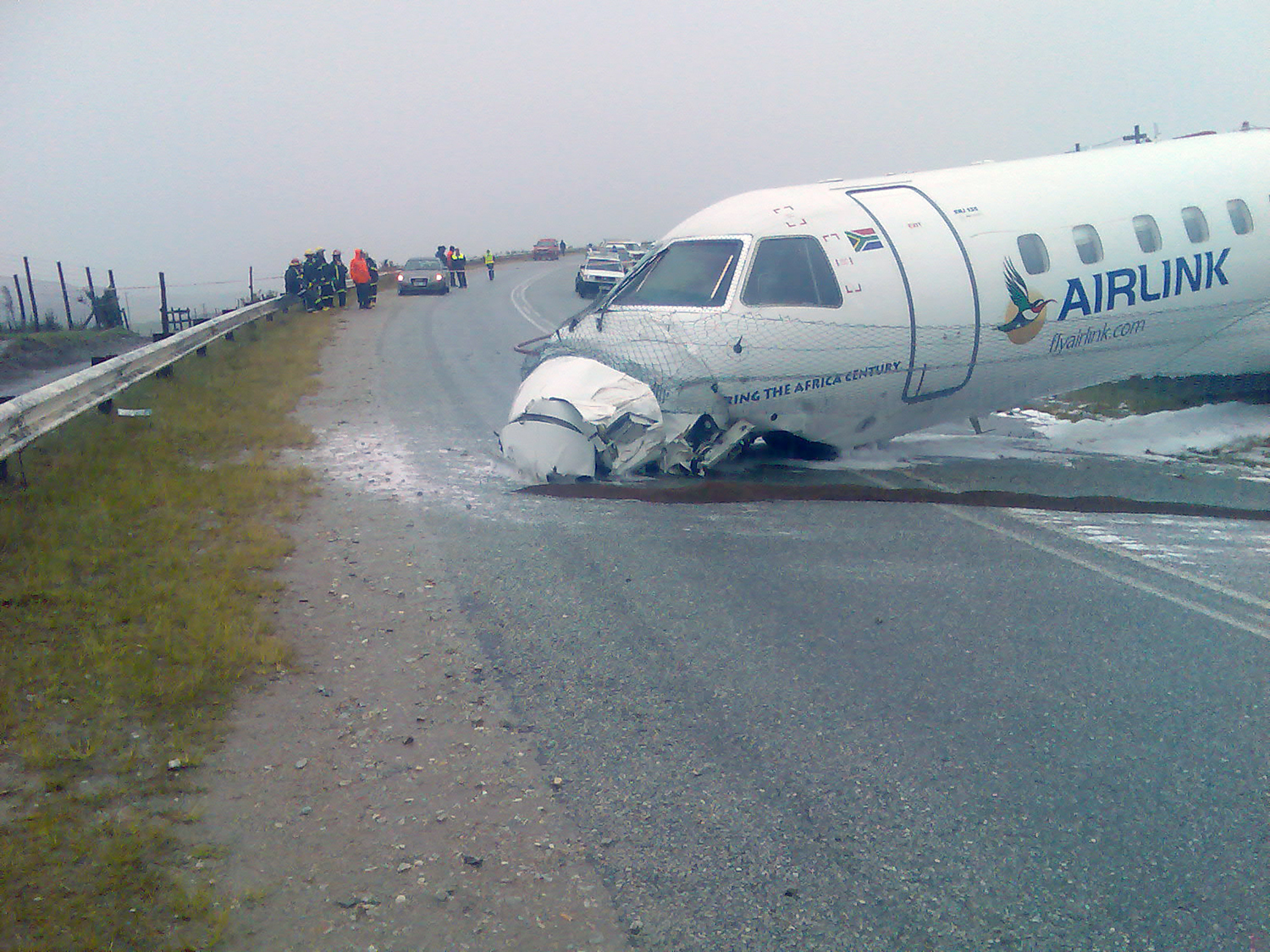
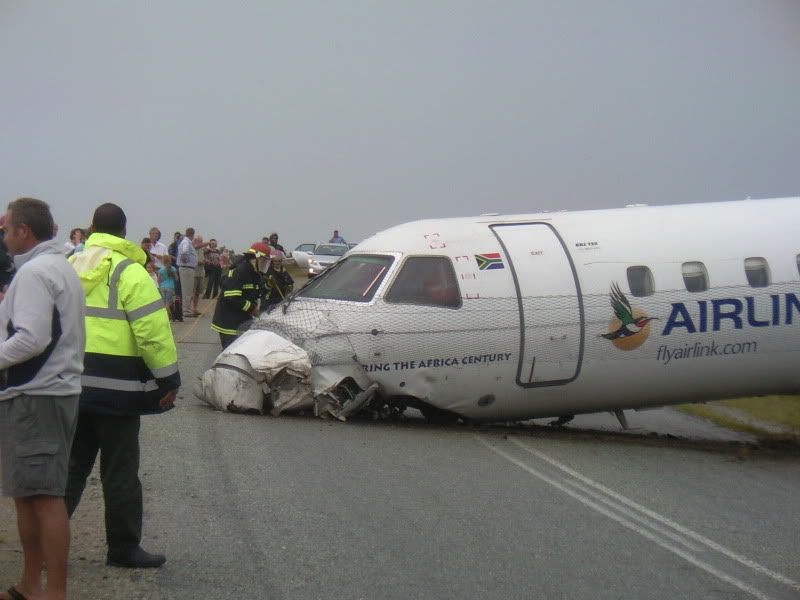
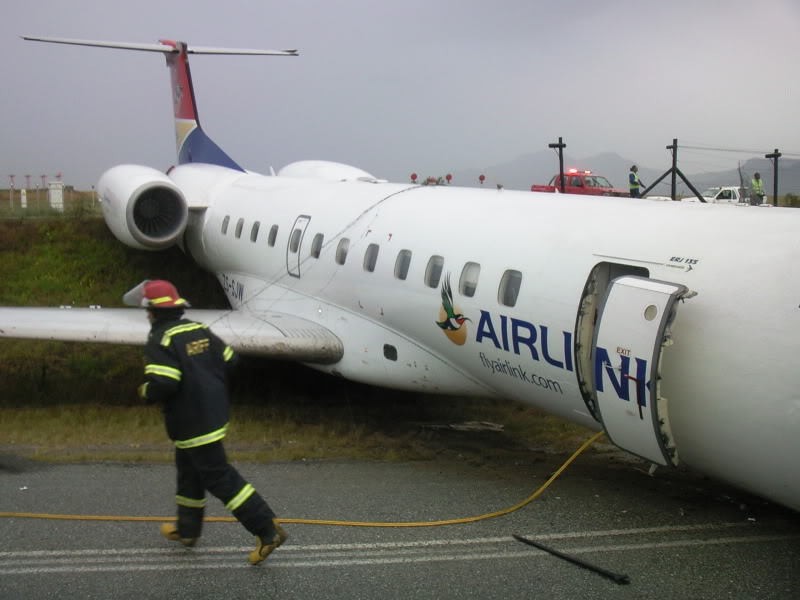
Flight SA8625 departed from Cape Town International Airport on a domestic scheduled flight to George Airport (FAGG) with three crew members and 32 passengers on board. The weather at FAGG was overcast with light rain, and the aircraft was cleared for an instrument landing system approach for runway 11. It touched down between the third and fourth landing marker. According to the air traffic controller, the landing itself appeared normal, but the aircraft did not vacate the runway to the left as it should have. Instead, it veered to the right, overran the runway and rolled on past the ILS localiser. Realising that something was wrong, he activated the crash alarm. The cockpit crew did not broadcast any messages to indicate that they were experiencing a problem. The aircraft collided with eleven approach lights before bursting through the aerodrome perimeter fence and coming to rest in a nose-down attitude on the R404 public road. Several motorists stopped and helped the passengers, who evacuated the aircraft through the service door (right front) and left mid-fuselage emergency exit. The aerodrome fire and rescue personnel arrived within minutes and assisted with the evacuation of the cockpit crew, who were trapped in the cockpit. Ten occupants were admitted to a local hospital for a check-up and released after a few hours. No serious injuries were reported.
Probable cause:
The crew were unable to decelerate the aircraft to a safe stop due to ineffective braking of the aircraft on a wet runway surface, resulting in an overrun.
Contributory factors:
- The aircraft crossed the runway threshold at 50 ft AGL at 143 KIAS, which was 15 kt above the calculated VREF speed.
- Although the aircraft initially touched down within the touchdown zone the transition back into air mode of 1.5 seconds followed by a 4 second delay in applying the brakes after the aircraft remained in permanent ground mode should be considered as a significant contributory factor to this accident as it was imperative to decelerate the aircraft as soon as possible.
- Two of the four main tyres displayed limited to no tyre tread. This was considered to have degraded the displacement of water from the tyre footprint, which had a significant effect on the braking effectiveness of the aircraft during the landing rollout on the wet runway surface.
Several non-compliance procedures were not followed.
Final Report:

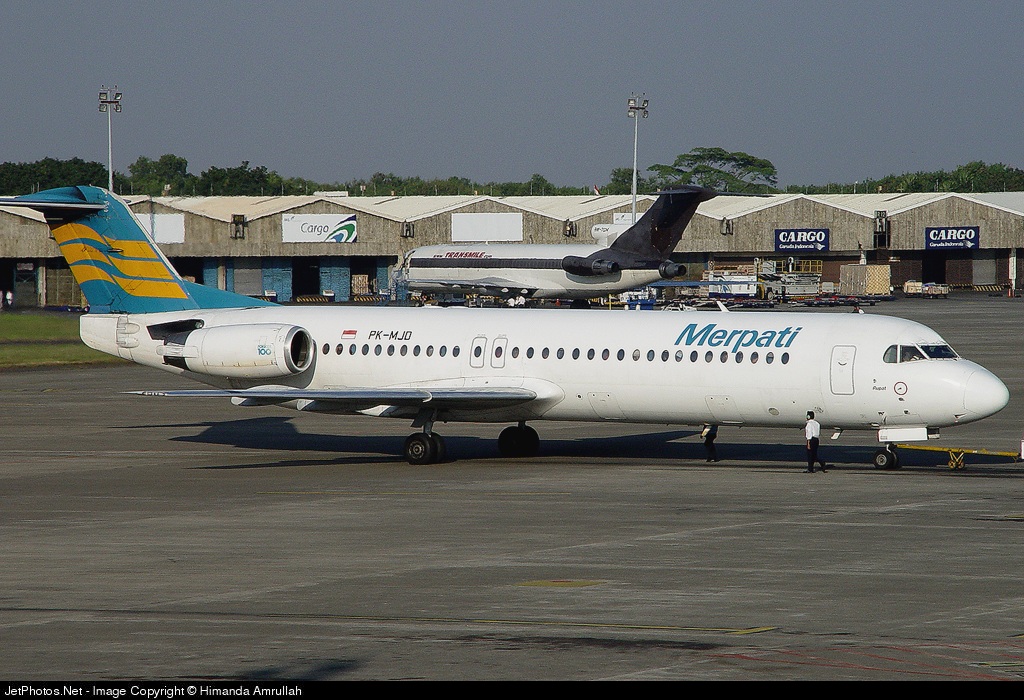
Crash of a Fokker 100 in Kupang

Date & Time: Dec 2, 2009 at 2215 LT
Type of aircraft:
Operator:
Registration:
PK-MJD
Survivors:
Yes
Schedule:
Ujung Pandang - Kupang
MSN:
11474
YOM:
1993
Flight number:
MZ5840
Country:
Region:
Crew on board:
7
Crew fatalities:
Pax on board:
88
Pax fatalities:
Other fatalities:
Total fatalities:
0
Captain / Total flying hours:
18776
Copilot / Total flying hours:
7074
Aircraft flight hours:
29637
Aircraft flight cycles:
29450
Circumstances:
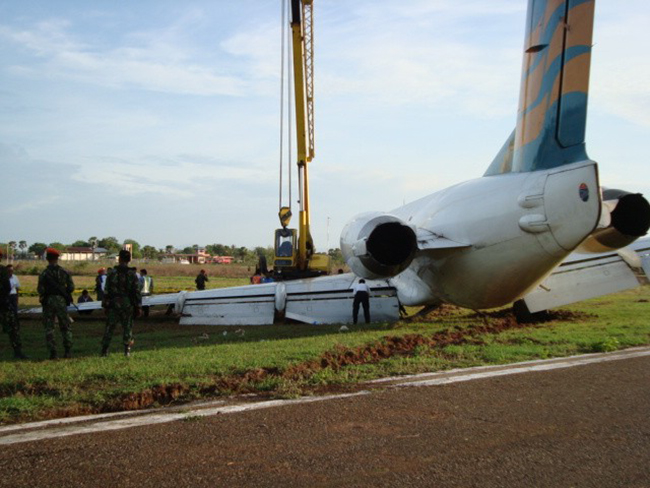
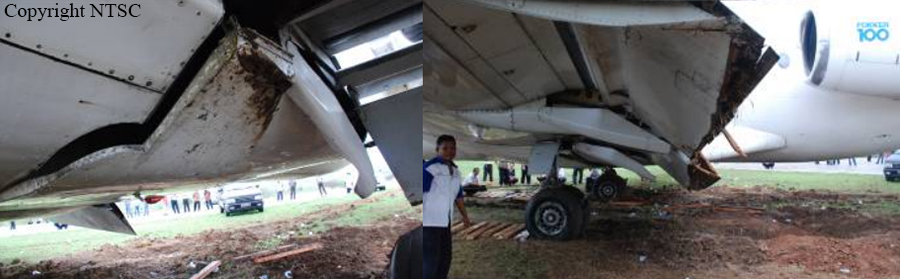
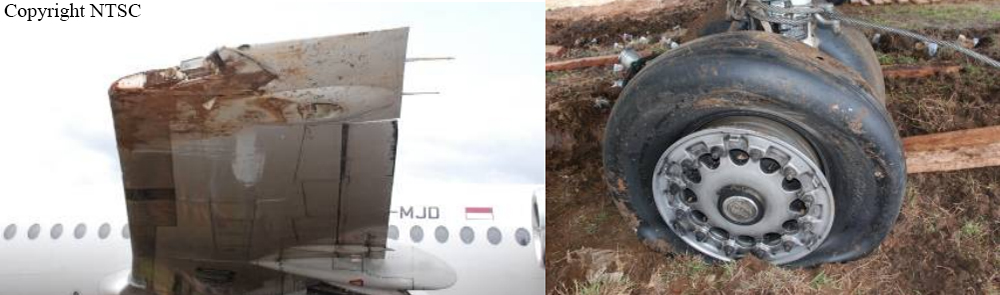
PK-MJD was on passenger schedule flight from Sultan Hasanuddin Airport, Makassar with destination El Tari Airport, Kupang, East Nusa Tenggara. The flight number was Merpati 5840 and carried 94 person on board consist of 88 passengers including four children and four infants, two pilot and four flight attendant. A maintenance engineer was on-board in this flight. Acting as pilot flying was the Second in Command (SIC) while the Pilot in Command acted as Pilot Monitoring. On approach, the pilot selected landing gear to down position. The left main landing gear indicator light was showed red, its means that the left main landing gear was not in down position and unsafe for landing. The pilot reported to the Air Traffic Controller (ATC) for a go-around and requested an area for holding to solve the problem. The ATC gave a clearance to hold over Kupang bay. The pilot tried to solve the problem by conducting the procedure according to the emergency checklist, including selected the landing gear by alternate selector. The pilot then requested to the ATC to fly at low altitude over the airport and asked to the ATC to observe the landing gear condition. The pilot also asked through the company radio for an engineer on-ground to observe visually the landing gear condition. The pilot then returned to the holding area, repeated the procedure but unsuccessful. Both pilots and engineer had a discussion and decided to attempt un-procedural method to make the landing gear down. Prior making these efforts the pilot announced to the passengers about the problem and their attempts that might be unpleasant to the passengers. After all attempts to lower the landing gear had failed, the pilot decided to land with the left main landing gear in up position. The pilot also asked the flight attendant to prepare for an abnormal landing. The ATC were prepared the airport fire fighting and ambulance, and also contacted the local police, armed forces, and hospitals and asking for additional ambulances. The ATC then informed the pilot that the ground support was ready. On short final the pilot instructed ‘brace for impact’ and the FA repeated that instruction to all passengers. The aircraft touched down at the touch down zone on runway 07. The pilot flying held the left wing as long as possible and kept the aircraft on the centre line, and the pilot monitoring shut down both engines. The aircraft stopped at about 1,200 meters from the beginning of runway 07, on the left shoulder of the runway and the FA instructed to the passengers to keep calm and to evacuate the aircraft. The pilot continued the procedures for emergency. The evacuation was performed through all door and window exits. No one was injured on this serious incident.
Probable cause:
The debris trapped in the chamber between the orifice and the stopper of the restrictor check valve, it caused the orifice closed. This condition was resulted the hydraulic flow from the actuator blocked and caused the left main landing gear jammed at up position.
Final Report:
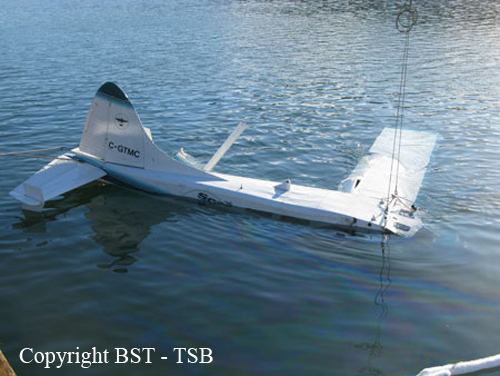
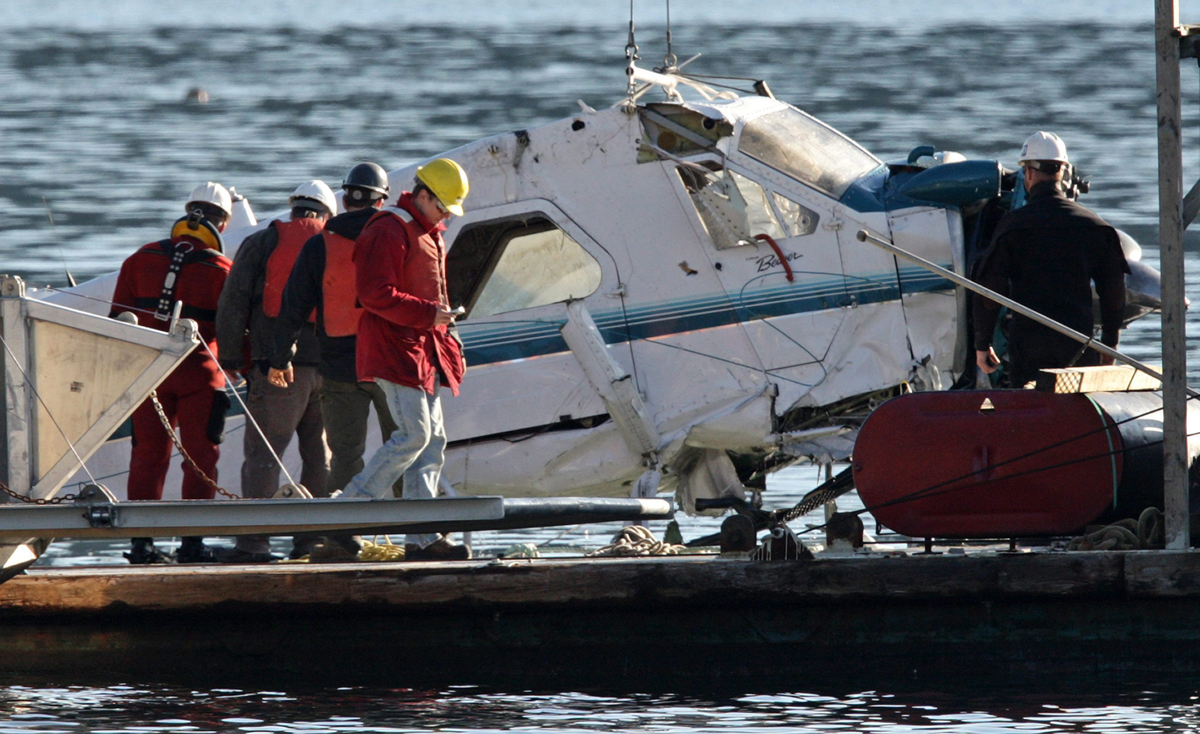
Crash of a De Havilland DHC-2 Beaver off Lyall Haarbour: 6 killed

Date & Time: Nov 28, 2009 at 1603 LT
Type of aircraft:
Operator:
Registration:
C-GTMC
Flight Phase:
Survivors:
Yes
Schedule:
Vancouver - Mayne Island - Pender Island - Lyall Harbour - Vancouver
MSN:
1171
YOM:
1958
Country:
Crew on board:
1
Crew fatalities:
Pax on board:
7
Pax fatalities:
Other fatalities:
Total fatalities:
6
Captain / Total flying hours:
2800
Captain / Total hours on type:
2350.00
Circumstances:
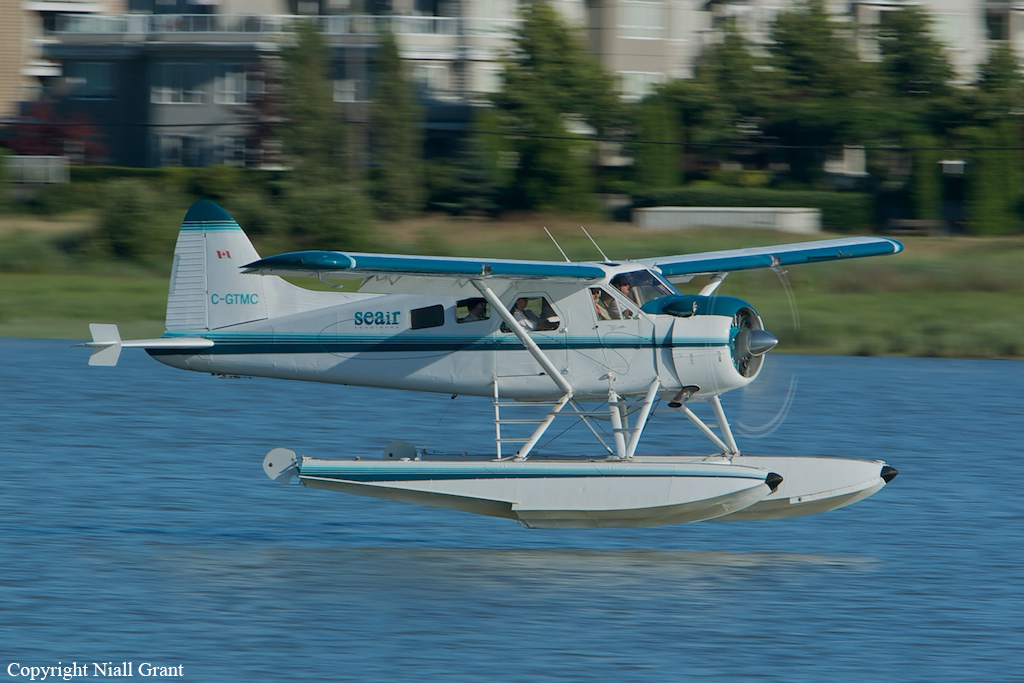
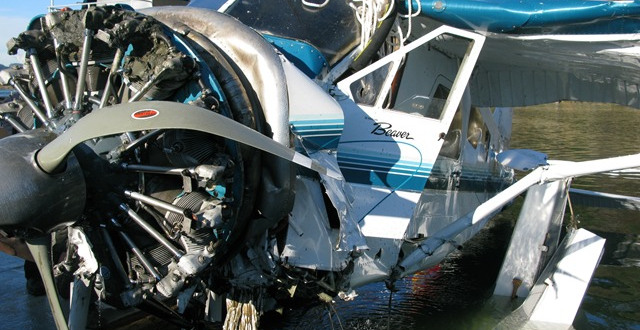
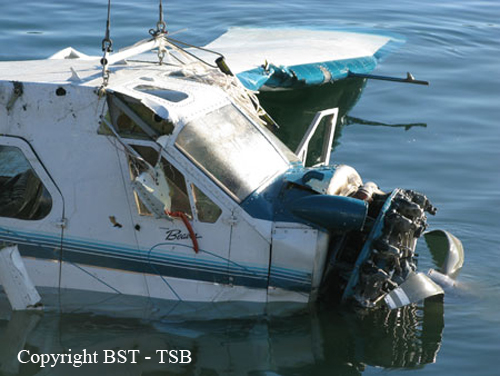
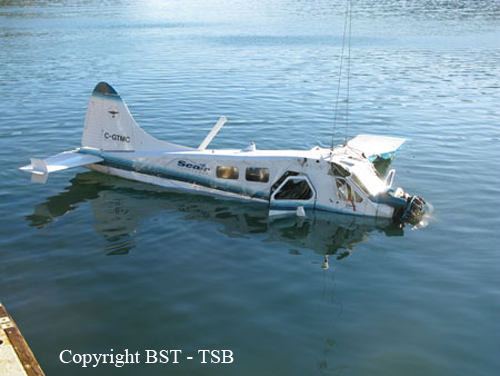
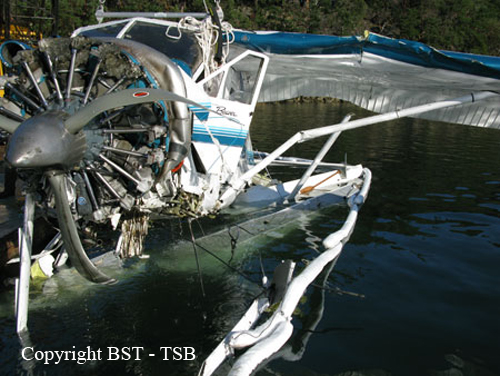
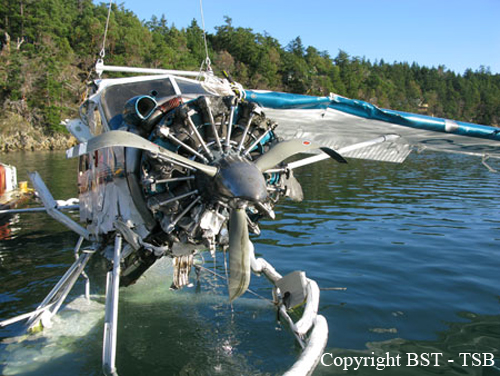
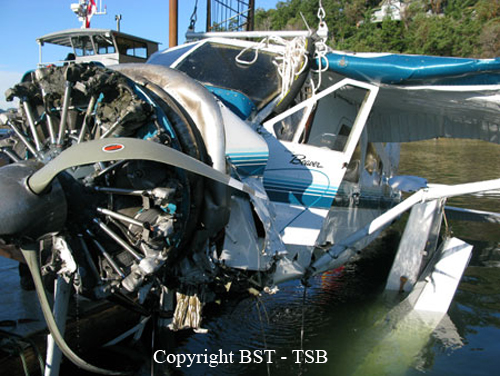
The Seair Seaplanes Beaver was departing Lyall Harbour, Saturna Island, for the water aerodrome at the Vancouver International Airport, British Columbia. After an unsuccessful attempt at taking off downwind, the pilot took off into the wind towards Lyall Harbour. At approximately 1603 Pacific Standard Time, the aircraft became airborne, but remained below the surrounding terrain. The aircraft turned left, then descended and collided with the water. Persons nearby responded immediately; however, by the time they arrived at the aircraft, the cabin was below the surface of the water. There were 8 persons on board; the pilot and an adult passenger survived and suffered serious injuries. No signal from the emergency locator transmitter was heard.
Probable cause:
Findings as to Causes and Contributing Factors:
1. The combined effects of the atmospheric conditions and bank angle increased the load factor, causing an aerodynamic stall.
2. Due to the absence of a functioning stall warning system, in addition to the benign stalling characteristics of the Beaver, the pilot was not warned of the impending stall.
3. Because the aircraft was loaded in a manner that exceeded the aft CG limit, full stall recovery was compromised.
4. The altitude from which recovery was attempted was insufficient to arrest descent, causing the aircraft to strike the water.
5. Impact damage jammed 2 of the 4 doors, restricting egress from the sinking aircraft.
6. The pilot’s seat failed and he was unrestrained, contributing to the seriousness of his injuries and limiting his ability to assist passengers.
Findings as to Risk:
1. There is a risk that pilots will inadvertently stall aircraft if the stall warning system is unserviceable or if the audio warnings have been modified to reduce noise levels.
2. Pilots who do not undergo underwater egress training are at greater risk of not escaping submerged aircraft.
3. The lack of alternate emergency exits, such as jettisonable windows, increases the risk that passengers and pilots will be unable to escape a submerged aircraft due to structural damage to primary exits following an impact with the water.
4. If passengers are not provided with explicit safety briefings on how to egress the aircraft when submerged, there is increased risk that they will be unable to escape following an impact with the water.
5. Passengers and pilots not wearing some type of flotation device prior to an impact with the water are at increased risk of drowning once they have escaped the aircraft.
Final Report: