Crash of a Boeing B-52D-75-DO Stratofortress at Ellsworth AFB: 5 killed

Date & Time: Feb 11, 1958
Type of aircraft:
Operator:
Registration:
56-0610
Flight Type:
Survivors:
Yes
Schedule:
Ellsworth - Ellsworth
MSN:
17293
YOM:
1956
Crew on board:
8
Crew fatalities:
Pax on board:
0
Pax fatalities:
Other fatalities:
Total fatalities:
5
Circumstances:
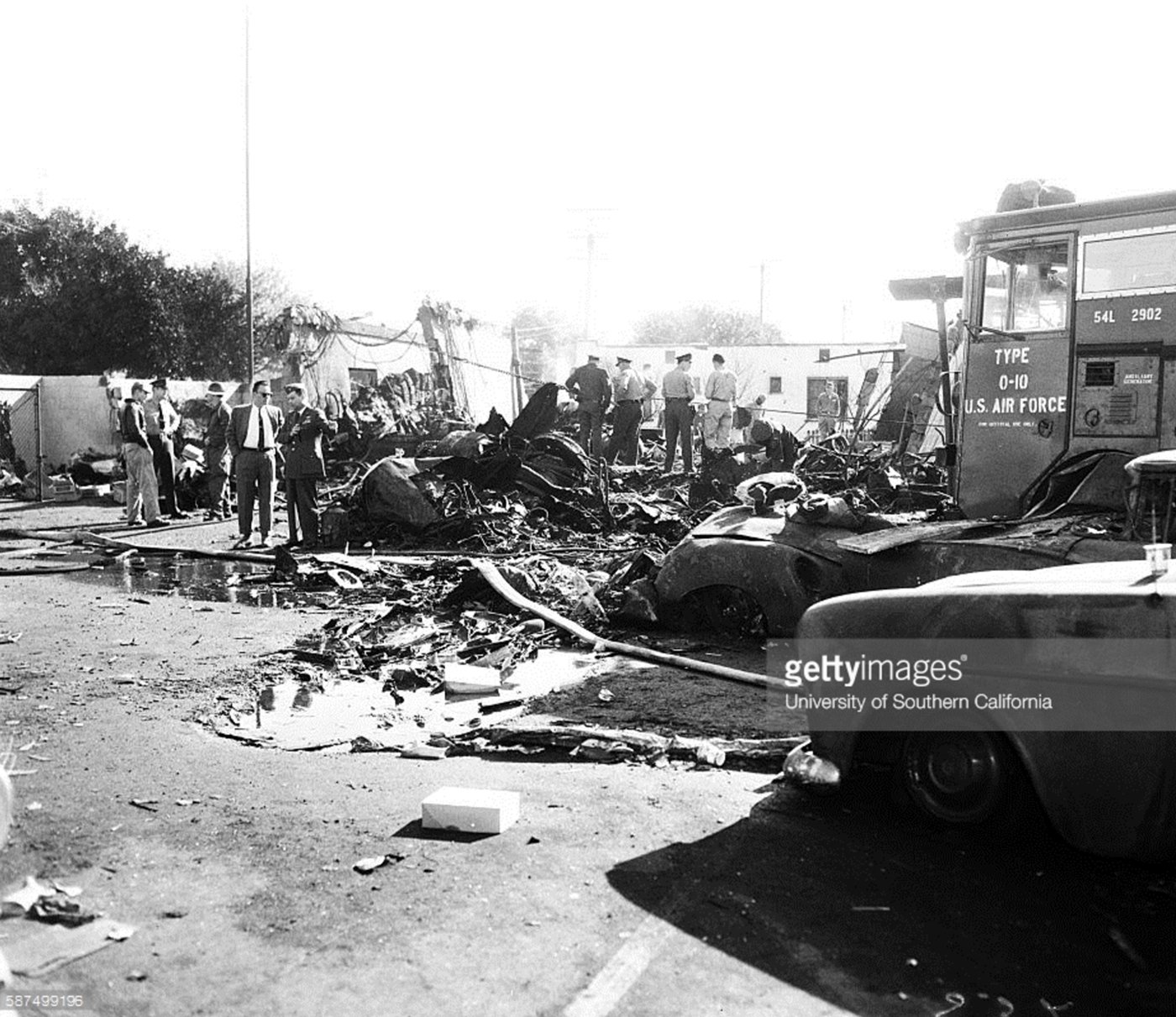
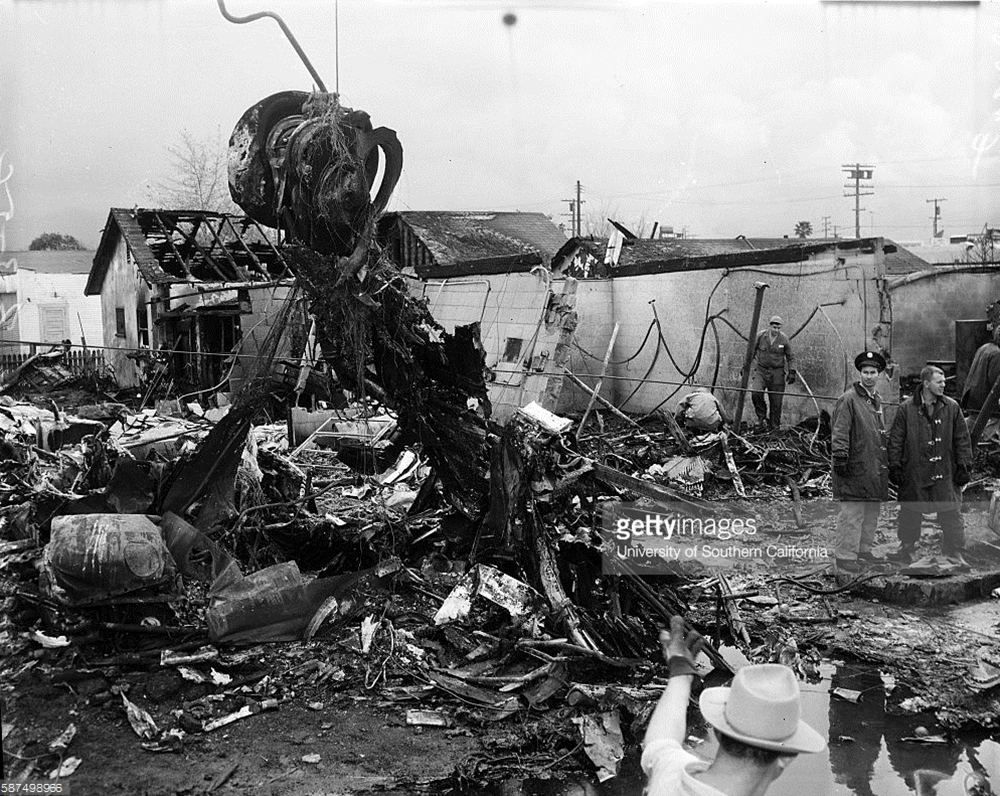
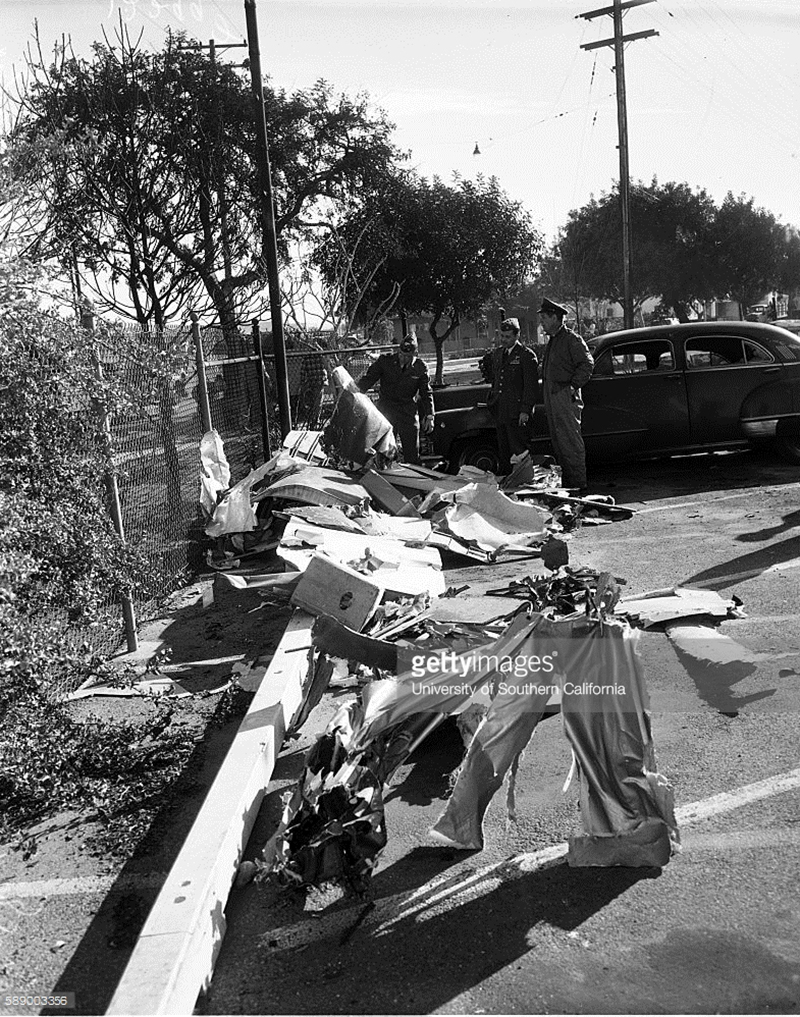
On final approach to Ellsworth AFB, while completing a local training sortie, all eight engine lost power. The aircraft stalled and crashed onto a building containing the equipment for the instrument landing approach system and located short of runway. Two crew members were killed while six others were injured. Three people working in the building were killed as well.
Crew:
Cpt Melvin J. Rudd, pilot,
Sgt Richard Gilbert, navigator,
Cpt Verle Rusk, navigator,
1st Lt Leonard R. Scotty, electronic countermeasures officer,
T/Sgt Oscar Orrs, gunner, 1,
Cpt John O'Connell Jr., navigator, †
1st Lt Kenneth B. Kaeppler, radar navigator. †
Those killed on ground were:
A1c Ronald R. Mitchell,
A1 James E. Ferrell,
Mr. Glen M. Allen.
Probable cause:
The accident was the result of a fuel pump screen iced over, leading to a total power loss on all engines.

Crash of a Lockheed P2V-5F Neptune in Norwalk: 6 killed

Date & Time: Feb 1, 1958 at 1913 LT
Type of aircraft:
Operator:
Registration:
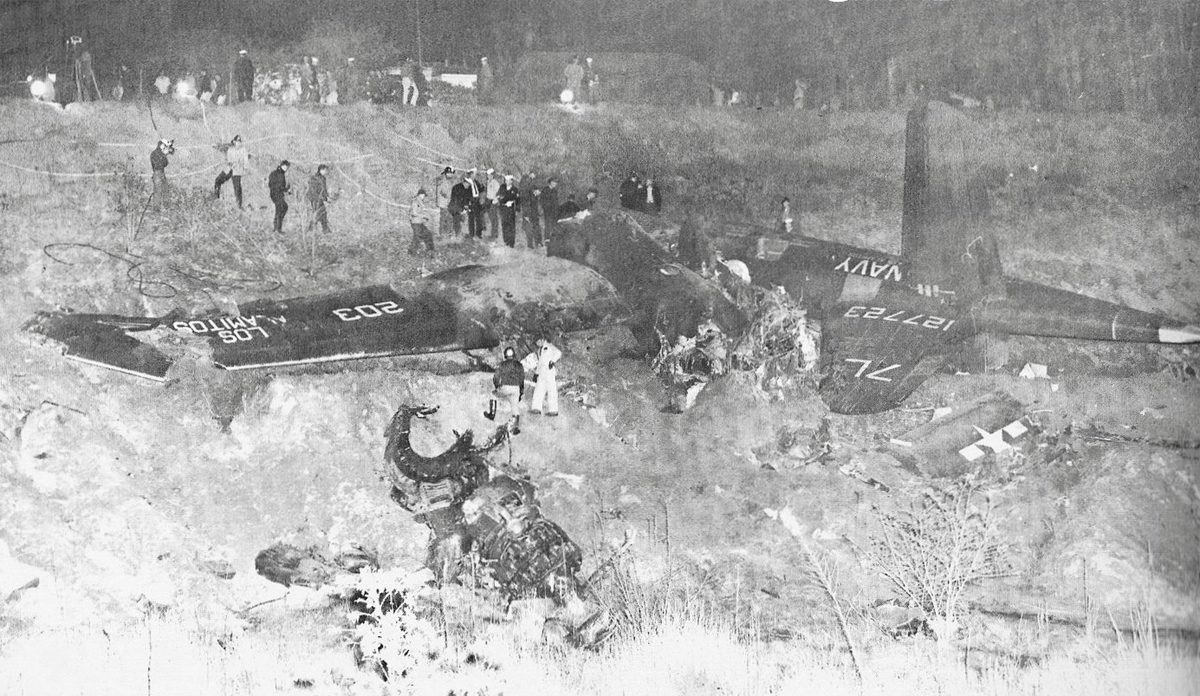
127723
Flight Phase:
Flight Type:
Survivors:
Yes
Schedule:
Los Alamitos - Los Alamitos
MSN:
426-5054
Crew on board:
8
Crew fatalities:
Pax on board:
0
Pax fatalities:
Other fatalities:
Total fatalities:
6
Circumstances:
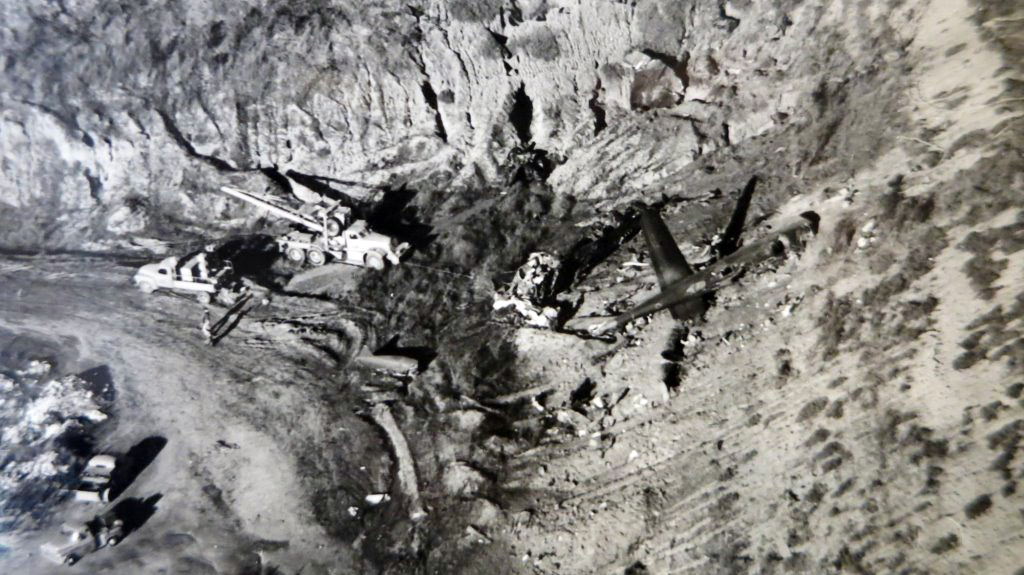
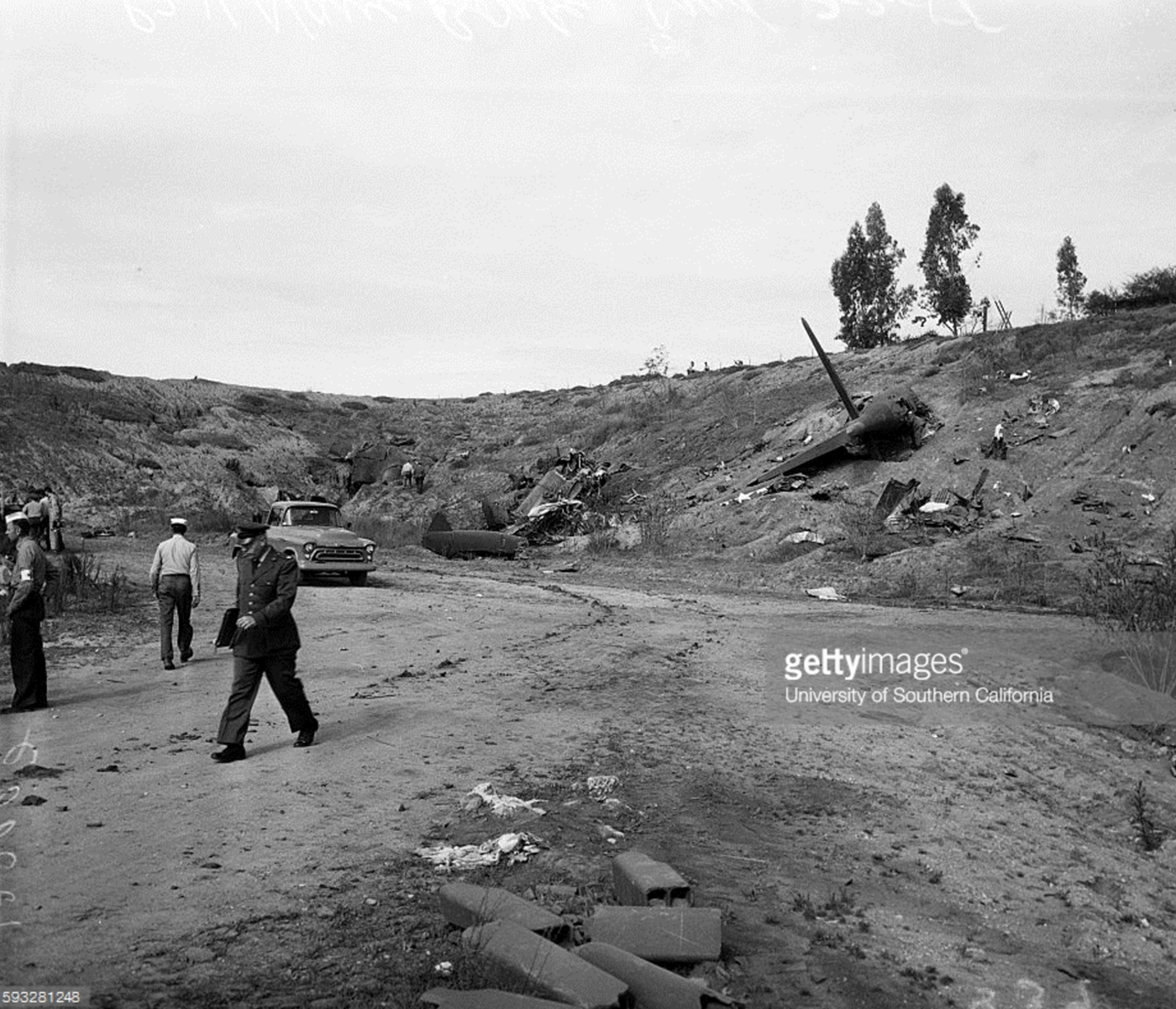
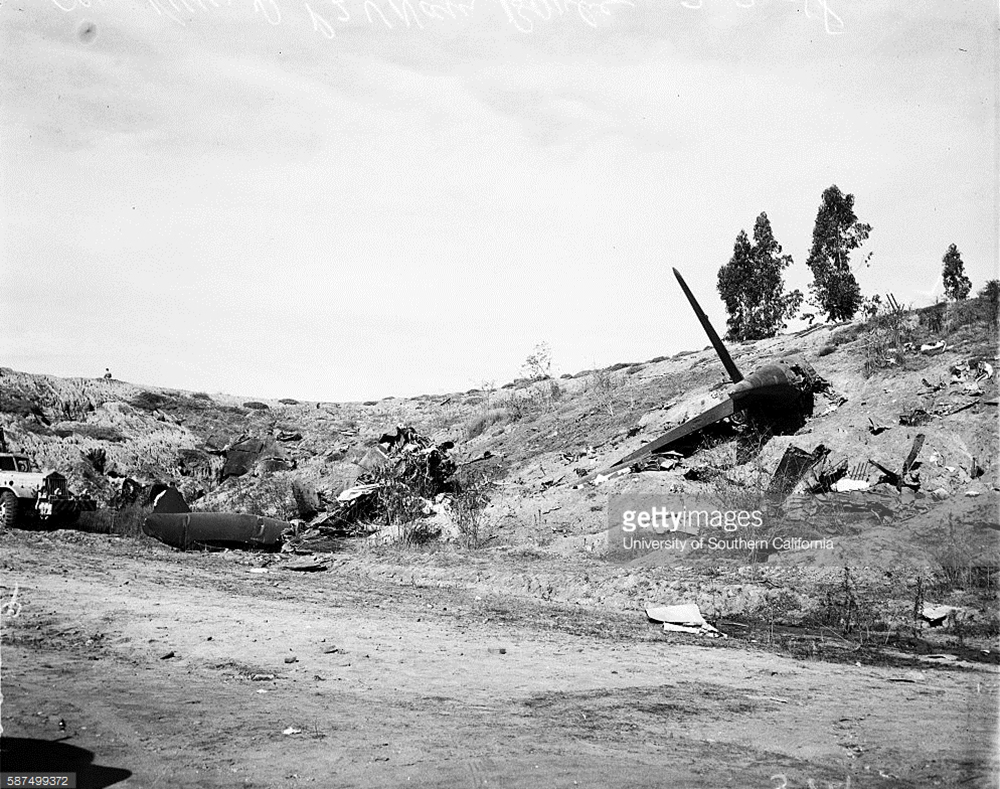
The aircraft departed Los Alamitos AAF for a local training flight with eight crew members on board. While cruising at an altitude of 3,000 feet, the airplane collided with a USAF Douglas C-118A Liftmaster. Registered 53-3277, it left Long Beach Airport five minutes earlier bound for McGuire AFB, New Jersey, with 35 passengers and a crew of six on board. Following the collision, both aircraft went out of control, dove into the ground and crashed in Norwalk. The Liftmaster crashed on several building and a fuel station, killing all 41 occupants and one woman on the ground. The Neptune crashed in a stone-pit located about 2.5 miles north of the C-118 crash site. Six crew members were killed while two others were seriously injured. The accident occurred by night but in good weather conditions with a visibility above 15 miles.
Probable cause:
It was determined that the collision occurred in an uncontrolled area. Both crews were considered as co-responsible of the accident as they failed to take the appropriate measures to avoid each other and to pay attention to potential traffic. The crew of the C-118 was blamed not giving the priority to the Neptune which was flying to his right.

Crash of a Douglas C-118A Liftmaster in Norwalk: 42 killed

Date & Time: Feb 1, 1958 at 1913 LT
Type of aircraft:
Operator:
Registration:
53-3277
Flight Phase:
Flight Type:
Survivors:
No
Site:
Schedule:
Long Beach – McGuire
MSN:
44648
YOM:
1955
Flight number:
USAF30W/02
Crew on board:
6
Crew fatalities:
Pax on board:
35
Pax fatalities:
Other fatalities:
Total fatalities:
42
Captain / Total flying hours:
7819
Captain / Total hours on type:
1448.00
Copilot / Total flying hours:
701
Copilot / Total hours on type:
439
Circumstances:
The four engine aircraft departed Long Beach Airport at 1908LT bound for McGuire AFB, New Jersey, with 35 passengers and a crew of six on board. Shortly after takeoff, the pilot was cleared to climb to the assigned altitude of 17,000 feet. About five minutes later, while climbing to an altitude of 3,000 feet, the airplane collided with a USN Lockheed P2V-5F Neptune registered 127723. Carrying eight crew members, the Neptune has taken off from Los Alamitos NAS and was completing a local training mission. Following the collision, both aircraft went out of control, dove into the ground and crashed in Norwalk. The Liftmaster crashed on several building and a fuel station, killing all 41 occupants and one woman on the ground. The Neptune crashed in a stone-pit located about 2.5 miles north of the C-118 crash site. Six crew members were killed while two others were seriously injured. The accident occurred by night but in good weather conditions with a visibility above 15 miles.
Probable cause:
It was determined that the collision occurred in an uncontrolled area. Both crews were considered as co-responsible of the accident as they failed to take the appropriate measures to avoid each other and to pay attention to potential traffic. The crew of the C-118 was blamed not giving the priority to the Neptune which was flying to his right.

Crash of a Douglas A-26B-25-DL Invader in the Old Dad Mountains: 2 killed

Date & Time: Jan 31, 1958 at 0943 LT
Type of aircraft:
Operator:
Registration:
41-39310
Flight Phase:
Flight Type:
Survivors:
No
Site:
Schedule:
George - Winslow - Phoenix - Blythe - George
MSN:
7023
YOM:
1941
Crew on board:
2
Crew fatalities:
Pax on board:
0
Pax fatalities:
Other fatalities:
Total fatalities:
2
Circumstances:
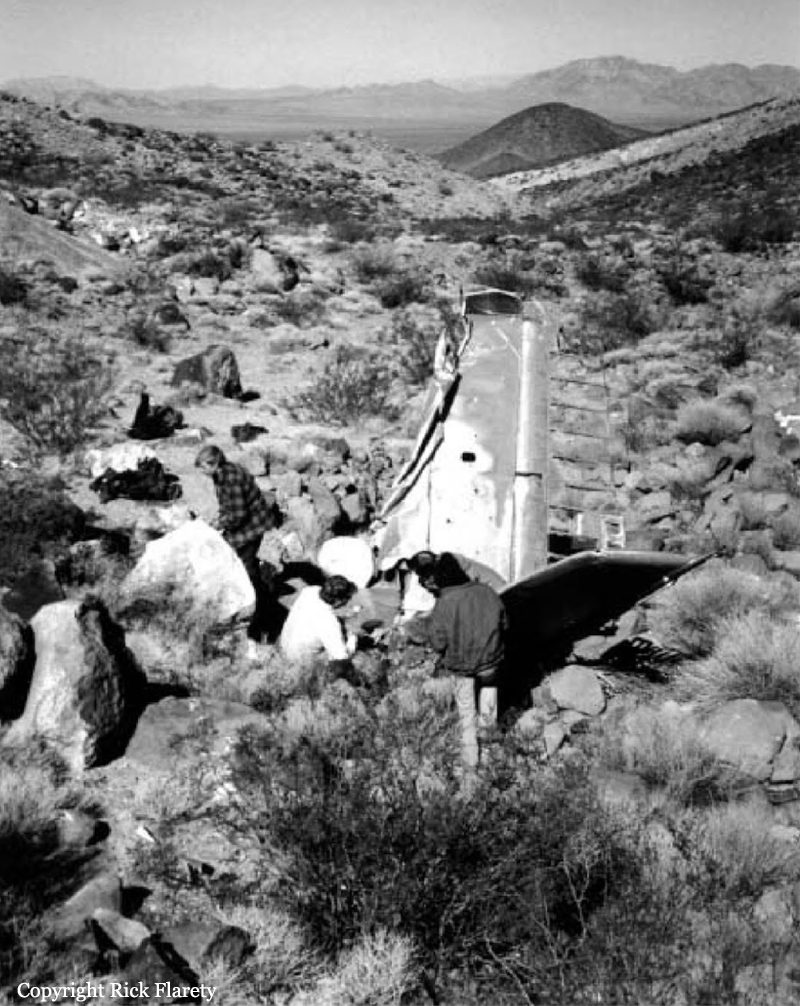
The crew left George AFB in the early morning on a training flight to Winslow, Phoenix, Blythe and return to George, with four other similar aircraft. While cruising, one of the Invader's crew made an error and left his position, causing his aircraft to struck the top of the Invader registered 41-39310. Out of control, the airplane dove into the ground and crashed in a desert and mountainous area located in the Old Dad Mountains, in the Mojave National Preserve. Both crew members were killed. The other plane was able to land without further incident but with one engine inoperative.
Crew:
1st Lt Alexander Aros,
A1c Patrick W. Hughes.

Crash of a Convair R3Y-2 Tradewind off Alameda NAS

Date & Time: Jan 24, 1958
Type of aircraft:
Operator:
Registration:
128446
Flight Type:
Survivors:
Yes
Schedule:
Honolulu - Alameda
Crew on board:
5
Crew fatalities:
Pax on board:
16
Pax fatalities:
Other fatalities:
Total fatalities:
0
Circumstances:
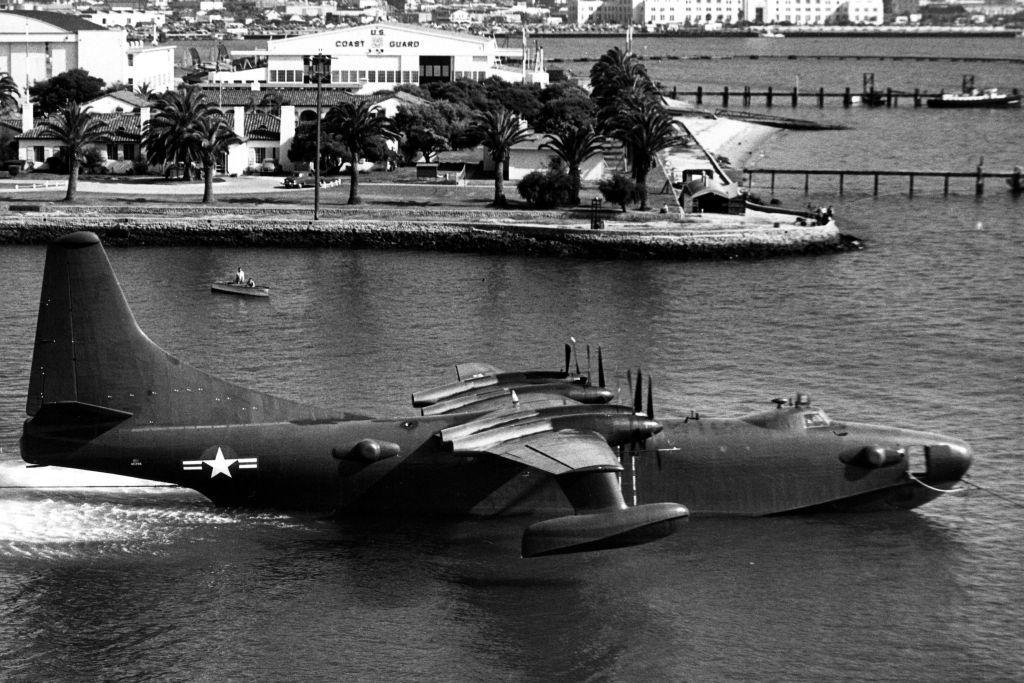
On a flight from Honolulu (Keehi lagoon) to Alameda NAS, the propeller detached from the engine number one and struck the fuselage, causing vibrations. The crew continued the flight to Alameda NAS and while landing on breakwater, the airplane crash landed and sank. All 21 occupants were rescued but the aircraft was lost.
Probable cause:
Loss of a propeller blade in flight.

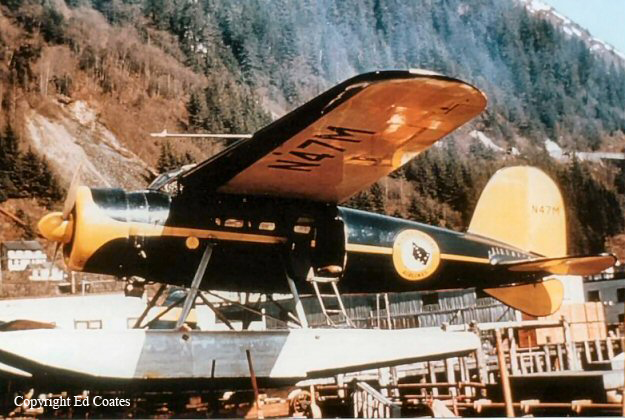
Crash of a Lockheed 5C Vega in Tenakee: 1 killed

Date & Time: Jan 15, 1958 at 1600 LT
Type of aircraft:
Operator:
Registration:
N47M
Survivors:
Yes
Schedule:
Juneau – Angoon – Hood Bay – Baranof – Rodgers Point – Tenakee – Juneau
MSN:
99
YOM:
1929
Flight number:
ACA040
Location:
Crew on board:
1
Crew fatalities:
Pax on board:
2
Pax fatalities:
Other fatalities:
Total fatalities:
1
Captain / Total flying hours:
1263
Captain / Total hours on type:
209.00
Aircraft flight hours:
13496
Circumstances:
Alaska Coastal Airlines, a scheduled air carrier, is authorized to conduct operations throughout southeastern Alaska. On January 15, 1958, Captain Fred B. Sheldon departed from Juneau to fly Trip 40. Scheduled stops were planned at Angoon, Hood Bay, Baranof, Rodgers Point, Tenakee, and the flight was to terminate at the point of origin, Juneau. Weather reports for the area indicated conditions to be generally good, enabling the flight to be conducted according to visual flight rules. Ceilings were forecast to be 2,000 to 3,000 feet and winds near the surface were anticipated to be moderate and generally southwesterly. At least one mountain pass over the route was reported closed because of clouds. The gross takeoff weight of the aircraft at Juneau was calculated to be 5,237 pounds, approximately 4 pounds less than the maximum allowable. The load was correctly distributed within the center of gravity limitations. Flight 40 departed Juneau at 1301 and was routine to Angoon. After refueling, the flight continued uneventfully to Hood Bay, Baranof, Rodgers Point; arriving at Rodgers Point about 1520. About 1530, after the takeoff from Rodgers Point, a radio operator there advised the station agent at Tenakee (the next intended en route stop) that flight 40 was off the water and would need 20 gallons of fuel when it arrived. At approximately 1557 the agent at Tenakee heard a distress call from flight 40 over the radio. The pilot called “Mayday” and stated he was trying to make it to the flats in Kadashan Bay. The agent then called Flight 40 by radio asking its position. Sheldon’s final message was “ . . . the flats across from Tenakee.” Immediately thereafter the aircraft crashed. Both passengers were injured while the pilot was killed.
Probable cause:
The Board determines that the probable cause of this accident was the poor flight planning by the pilot and his poor judgment in allowing the aircraft to run out of fuel. A contributing factor was the lack of adequate organization and management of the air carrier’s operations to ensure that all flights were planned and conducted with safety. The following findings were reported:
- With one fuel tank out of use, the aircraft did not comply with the requirements of Bulletin 7A under which it was certificated for passenger-carrying service,
- No evidence of mechanical or structural failure was found,
- The pilot did not plan his flight to provide for an adequate fuel reserve at all times,
- The company did not provide adequate supervision or control over flight planning or clearance of flights,
- A longer alternate route had to be followed by the flight because of unfavorable weather,
- The aircraft exhausted its fuel supply and crashed,
- The air carrier’s operations manual was incomplete and was not maintained current as required by regulations,
- The CAA safety inspection program was ineffective in terms of ensuring that the carrier was conducting operations at a level of safety appropriate for the carrier’s operating certificate and associated operating specifications.
Final Report:

Crash of a Lockheed R7V-1 Super Constellation at Patuxent River NAS: 9 killed

Date & Time: Jan 14, 1958 at 0830 LT
Operator:
Registration:
128437
Flight Type:
Survivors:
No
Schedule:
Patuxent River - Patuxent River
MSN:
4104
YOM:
1953
Crew on board:
9
Crew fatalities:
Pax on board:
0
Pax fatalities:
Other fatalities:
Total fatalities:
9
Circumstances:
After the crew completed several touch-and-go manoeuvres at Patuxent River NAS, he started a new descent in poor visibility due to foggy conditions. On final, the four engine airplane struck trees and crashed in flames short of runway threshold. The aircraft was destroyed by impact forces and a post crash fire and all nine crew members were killed. It appears the crew descended too low in marginal weather conditions.

Crash of a Lockheed WV-2 Super Constellation off Kahuku: 19 killed

Date & Time: Dec 23, 1957 at 1600 LT
Operator:
Registration:
143197
Flight Phase:
Flight Type:
Survivors:
Yes
MSN:
4471
YOM:
1957
Crew on board:
4
Crew fatalities:
Pax on board:
19
Pax fatalities:
Other fatalities:
Total fatalities:
19
Circumstances:
Constellation 143197 set out on its flight two days before Christmas with a crew of 23. Commander Guy Howard Jr., executive officer of the squadron was sitting in the copilot seat, to give Commander Frederick Woodward a checkout that would qualify him as a plane commander. For five and a half hours Howard put Woodward through his paces. Then, as the Connie cruised only 1,500 feet above the ocean, Howard called for a new exercise: what would Woodward do if a fire broke out in the forward baggage compartment? Responding correctly, Woodward "cut" (disconnected by pulling circuit breakers) some electrical Circuits. But something went wrong. The plane began falling. "I thought it was a drill" Navigator Richard Rentschler later told LIFE Correspondent James Goode. "The next thing I notice was water out the starboard window." Seconds later the plane hit the water, broke in two and caught fire. As the plane hit, Rentschler was hurled under the navigator’s table and came out surrounded by flames. He pushed Radioman Franklin Henry Jr. through the escape hatch, then jumped free himself Lt Thomas Kline, pinned under the radar console, was freed by another crewman (Robert O. Clark). "I jumped through the fire," says Kline, and swam under water 50 feet to avoid the flames. Commander Howard escaped from the cockpit. Nineteen crew members were killed and four others were rescued.
Source:
http://www.willyvictor.com/History/Accidents/1957/LifeArtcl.htm
Probable cause:
Mismanagement of the fuel supply system on part of the crew, which caused the simultaneous failure of all four engines in flight.

Crash of a Boeing B-52D-75-BO Stratofortress at Fairchild AFB: 8 killed

Date & Time: Dec 12, 1957 at 1602 LT
Type of aircraft:
Operator:
Registration:
56-0597
Flight Phase:
Flight Type:
Survivors:
Yes
Schedule:
Fairchild - Fairchild
MSN:
17280
YOM:
1956
Crew on board:
9
Crew fatalities:
Pax on board:
0
Pax fatalities:
Other fatalities:
Total fatalities:
8
Circumstances:
At approximately 4:00 p.m. on Thursday, December 12, 1957, U.S. Air Force B-52D Stratofortress, No. 56-0597, from the 92nd Bombardment Wing, was taking off from Runway 5 at Fairchild Air Force Base (AFB) on a routine training mission. According to eyewitnesses, as the aircraft left the runway, it made an abnormally steep climb to an altitude of approximately 2,000 feet. Fire started coming from the jet engines and pieces of metal began flying off the engine cowlings and mounts. The aircraft stalled, executed an abrupt, right wingover and appeared to level off. But, at an altitude of approximately 500 feet, the plane nose dived and crashed in a stubbled wheat field one mile west of the base. Exploding jet fuel sent a large column of smoke into the sky, attracting scores of curious onlookers. A crew member was injured while eight other occupants were killed:
Crew:
Maj Ralph Romaine Alworth, †
Cpt Douglas Earl Gray, †
1st Lt James Dennis Mann, †
Col Clarence Arthur Neely, †
Cpt Thomas N. Peebles, †
Cpt Douglas Franklin Schwartz, †
Cpt Herbert Henry Spiller Jr., †
1st Lt Jack Joseph Vainisi, †
T/Sgt Gene I. Graye.
Source: http://www.historylink.org/File/9857
Probable cause:
It is believed the loss of control was the consequence of an incorrect wiring of stabilizer trim switch.

Crash of a Martin P5M-1 Marlin near Corpus Christi: 8 killed

Date & Time: Dec 9, 1957
Type of aircraft:
Operator:
Registration:
130291
Flight Phase:
Flight Type:
Survivors:
Yes
Schedule:
Corpus Christi – Alameda
Crew on board:
9
Crew fatalities:
Pax on board:
0
Pax fatalities:
Other fatalities:
Total fatalities:
8
Circumstances:
Few minutes after its takeoff from Corpus Christi, the seaplane suffered an engine explosion. The airplane went out of control and crashed in flames about 18,5 miles from Corpus Christi. A crew member was seriously injured while eight other occupants were killed.
Probable cause:
Engine explosion during initial climb.