Country
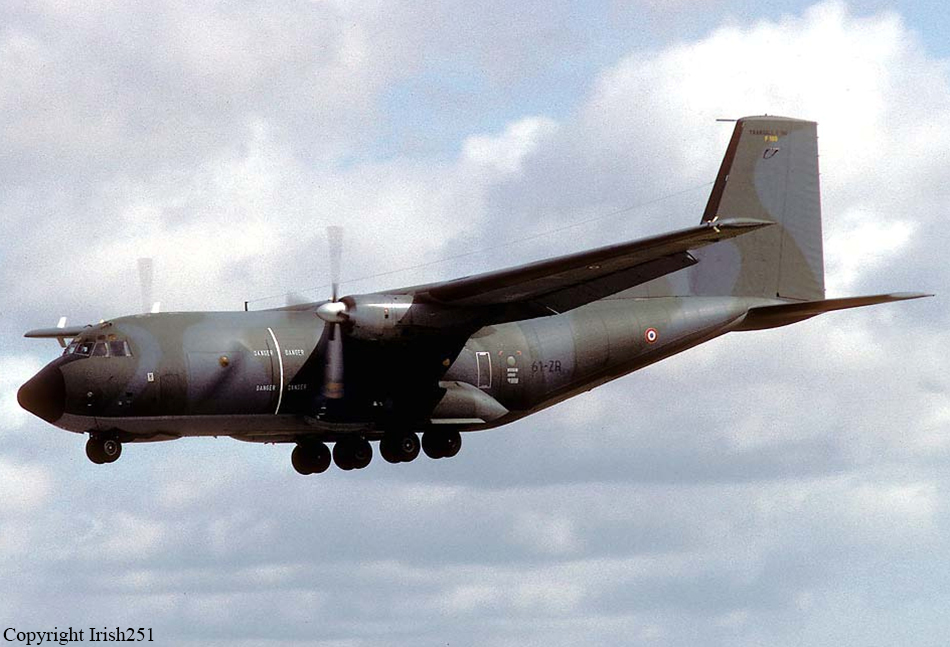
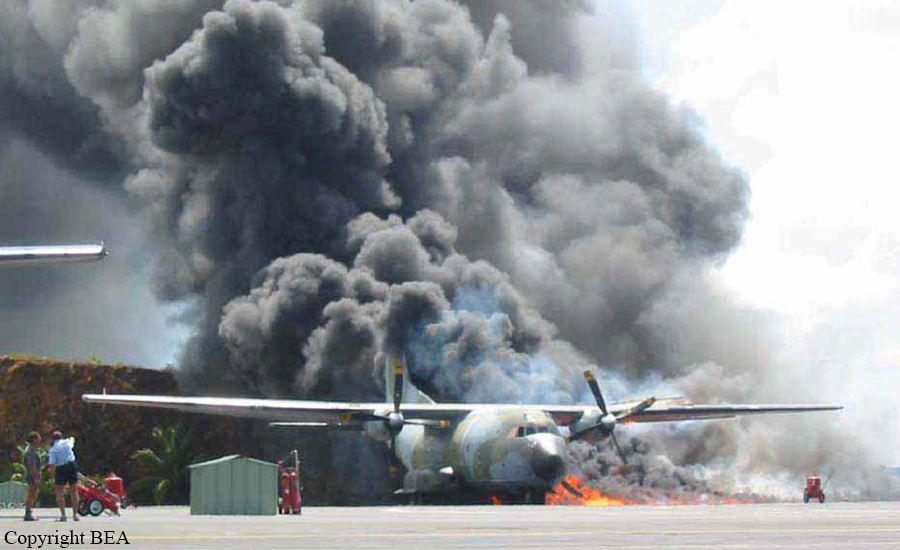
Ground fire of a Transall C-160 in Fort-de-France
Date & Time:
May 6, 2004 at 1358 LT
Operator:

Registration:
R100/F-RAZR
Survivors:
Yes
Schedule:
Fort-de-France - Fort-de-France
MSN:
F100
YOM:
1970
Crew on board:
8
Crew fatalities:
Pax on board:
0
Pax fatalities:
Other fatalities:
Total fatalities:
0
Aircraft flight hours:
18530
Circumstances:
The aircraft was engaged in a local post maintenance test flight at Fort-de-France-Le Lamentin Airport, carrying five technicians and three crew members on behalf of the Escadron de Transport Outremer 58. After engine startup, the crew started to taxi when a fire erupted. The aircraft was stopped on the ramp and all eight occupants escaped uninjured. Within three minutes, fire bombers were on site and extinguished the fire. Nevertheless, the aircraft was damaged beyond repair.
Probable cause:
The accident was caused by electrical arcing at the power cable to a submersible fuel pump. This arcing occurred above the kerosene liquid inside the tank full of fuel vapors. The cable type used was chosen at the time of the design of the aircraft. Atmospheric conditions on the apron of Fort de France have raised the temperature of the reservoir beyond the flash point kerosene. The vapors contained in this tank were explosive, and the arc was enough to initiate the blast. As such, atmospheric conditions are a certain cause of environmental origin of the accident. The appearance of the arc is, in turn, has only technical causes:
- The quality of cable used and age are in fact responsible for the creation of the electric arc.
- The formation of the insulating sheath of this type of cable is not likely to ensure an absolute seal. This quality is also not claimed by its manufacturer.
Indeed, the analysis carried out show a porosity of electrical cable, even nine, therefore that it is soaked in kerosene. The presence of kerosene increases the phenomenon of porosity of old cables. Degradation characteristics of dielectric strength of the cable insulation explains the appearance of the arc. The accident occurred while the cable was over 19 years old. The fuel pumps wiring has never been a problem. But there has not been a cable that had reached the age of 19 years. The aging of the cable could still degrade the seal. Finally, maintaining this type of cable on the first C160 series until this accident was part of a complex process in which traceability has not been formally established. Doubts indeed appeared in 1969 on the quality of these cables, doubts that can be considered today as precursors. Measures had been adopted precisely to overcome these deficiencies. In this regard, the replacement of the fuel pump wiring of the second series C 160 of these cables with a newer type and considered more efficient is particularly significant. Its extension to the first series aircraft might have seemed relevant, and would probably have prevented the accident. The reasons which led to the maintenance of such cables on the C 160 series first held in both the human factor (underestimation of risk, lack of global view on the issue) and organizational factors, which can be seen as a lack of traceability of technical and logistic actions, a lack of consistency of the measures adopted, and probable deficiencies in the information flow.
- The quality of cable used and age are in fact responsible for the creation of the electric arc.
- The formation of the insulating sheath of this type of cable is not likely to ensure an absolute seal. This quality is also not claimed by its manufacturer.
Indeed, the analysis carried out show a porosity of electrical cable, even nine, therefore that it is soaked in kerosene. The presence of kerosene increases the phenomenon of porosity of old cables. Degradation characteristics of dielectric strength of the cable insulation explains the appearance of the arc. The accident occurred while the cable was over 19 years old. The fuel pumps wiring has never been a problem. But there has not been a cable that had reached the age of 19 years. The aging of the cable could still degrade the seal. Finally, maintaining this type of cable on the first C160 series until this accident was part of a complex process in which traceability has not been formally established. Doubts indeed appeared in 1969 on the quality of these cables, doubts that can be considered today as precursors. Measures had been adopted precisely to overcome these deficiencies. In this regard, the replacement of the fuel pump wiring of the second series C 160 of these cables with a newer type and considered more efficient is particularly significant. Its extension to the first series aircraft might have seemed relevant, and would probably have prevented the accident. The reasons which led to the maintenance of such cables on the C 160 series first held in both the human factor (underestimation of risk, lack of global view on the issue) and organizational factors, which can be seen as a lack of traceability of technical and logistic actions, a lack of consistency of the measures adopted, and probable deficiencies in the information flow.
Final Report:
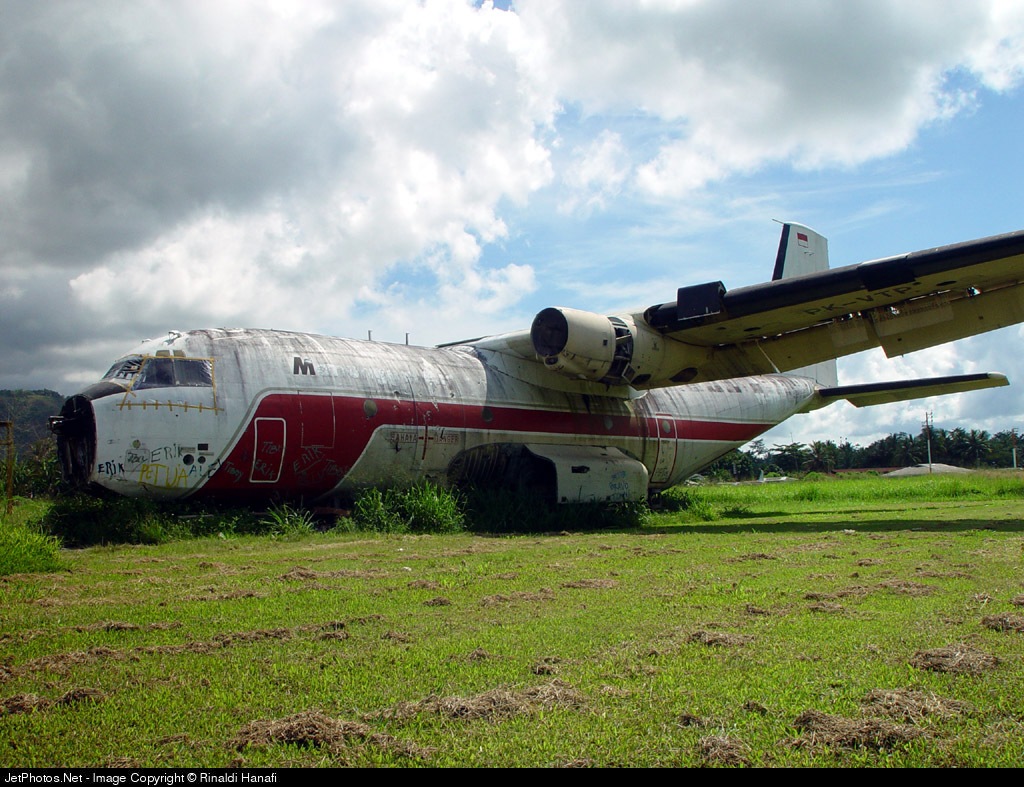
Crash of a Transall C-160NG in Jayapura: 1 killed
Date & Time:
Jun 16, 2001 at 1430 LT
Operator:

Registration:
PK-VTP
Survivors:
Yes
Schedule:
Jayapura – Wamena
MSN:
F234
YOM:
1985
Crew on board:
3
Crew fatalities:
Pax on board:
16
Pax fatalities:
Other fatalities:
Total fatalities:
1
Circumstances:
After takeoff from Jayapura-Sentani Airport, while climbing, the crew informed ATC about engine problems and was cleared for an immediate return. Following a 180 turn, the crew initiated an approach to runway 30. After touchdown, the crew started the braking procedure and reduced the engine power when a technical problem occurred on the right engine. The aircraft went out of control, veered off runway to the left, collided with a drainage ditch and came to rest against palm trees located 72 metres to the left of the runway centerline and 1,050 metres from the runway threshold. 18 occupants were injured and a passenger was killed. The aircraft was written off.
Probable cause:
A technical failure occurred on the right engine whose rotation could not be reduced below 14,200 rpm after touchdown, for reasons unknown.
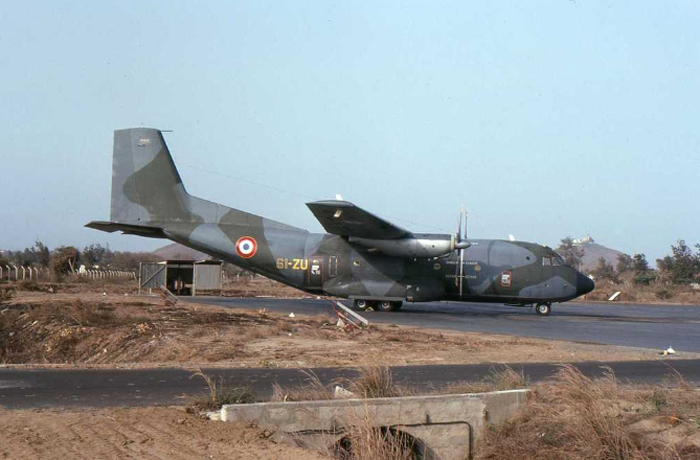
Crash of a Transall C-160R in Chevilly
Date & Time:
Dec 9, 1996
Operator:
Registration:
R155
Survivors:
Yes
Schedule:
Orléans - Orléans
MSN:
R155
Crew on board:
3
Crew fatalities:
Pax on board:
0
Pax fatalities:
Other fatalities:
Total fatalities:
0
Circumstances:
The crew was completing a local training at Orléans-Bricy AFB. Following several circuits, the crew was attempting a new approach by night when the aircraft struck power cables, lost height and crashed in a field located near Chevilly, few km from the runway threshold. All three crew members were injured and the aircraft was destroyed. It was reported that the crew was forced to shut an engine down few seconds prior to the accident while flying in icing conditions. Despite the aircraft was established on the ILS, the crew was descending at an insufficient altitude. At the time of the accident, the visibility was limited.
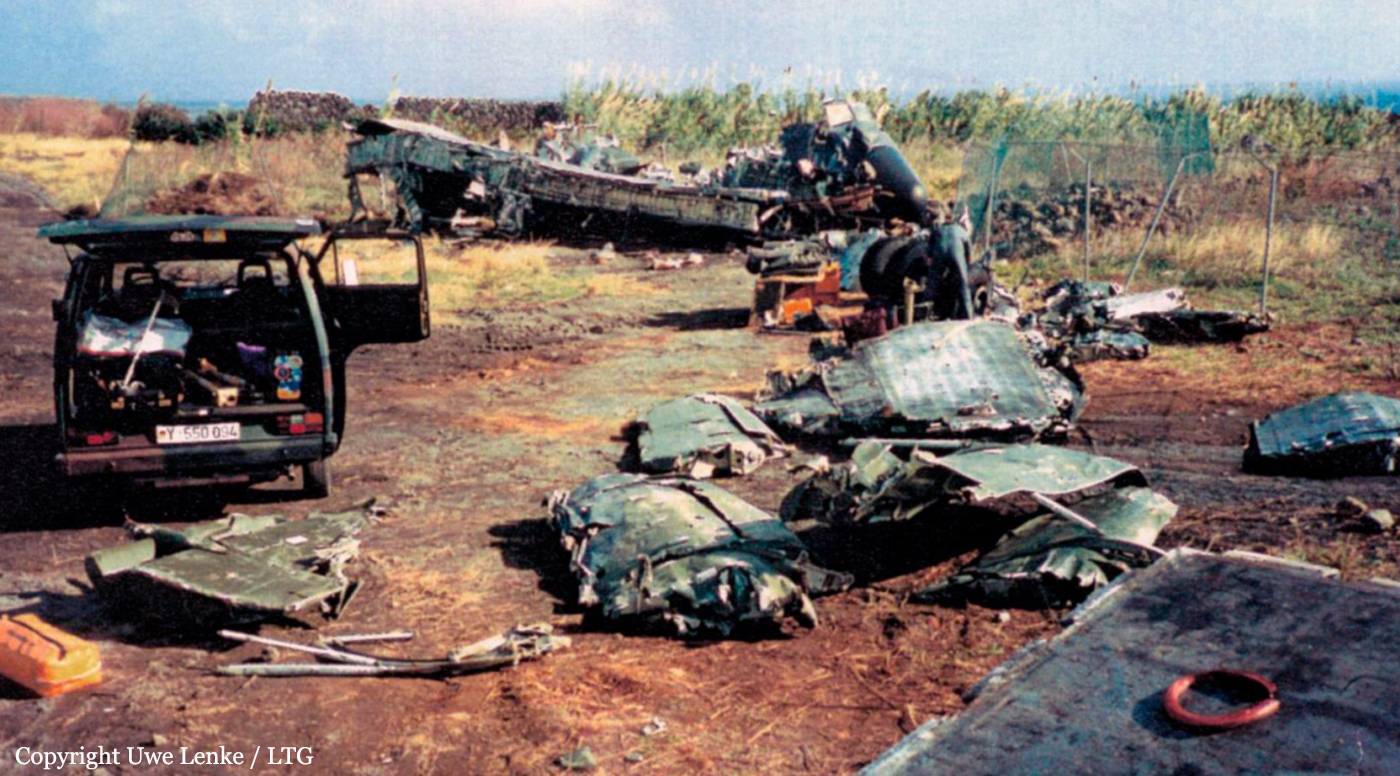
Crash of a Transall C-160D off Ponta Delgada: 7 killed
Date & Time:
Oct 22, 1995
Operator:

Registration:
50+43
Survivors:
No
Schedule:
Ponta Delgada - Saint John's
MSN:
D65
YOM:
1969
Crew on board:
7
Crew fatalities:
Pax on board:
0
Pax fatalities:
Other fatalities:
Total fatalities:
7
Circumstances:
After takeoff from Ponta Delgada-Nordela Airport, the aircraft encountered difficulties to gain height. It collided with power lines, stalled and crashed in the sea few dozen metres offshore. All seven crew members were killed.
Probable cause:
It was reported that one of the engine failed after Vr but before rotation. It was apparently too late for the crew to abort the takeoff procedure. Due to insufficient power, the aircraft was unable to gain height.
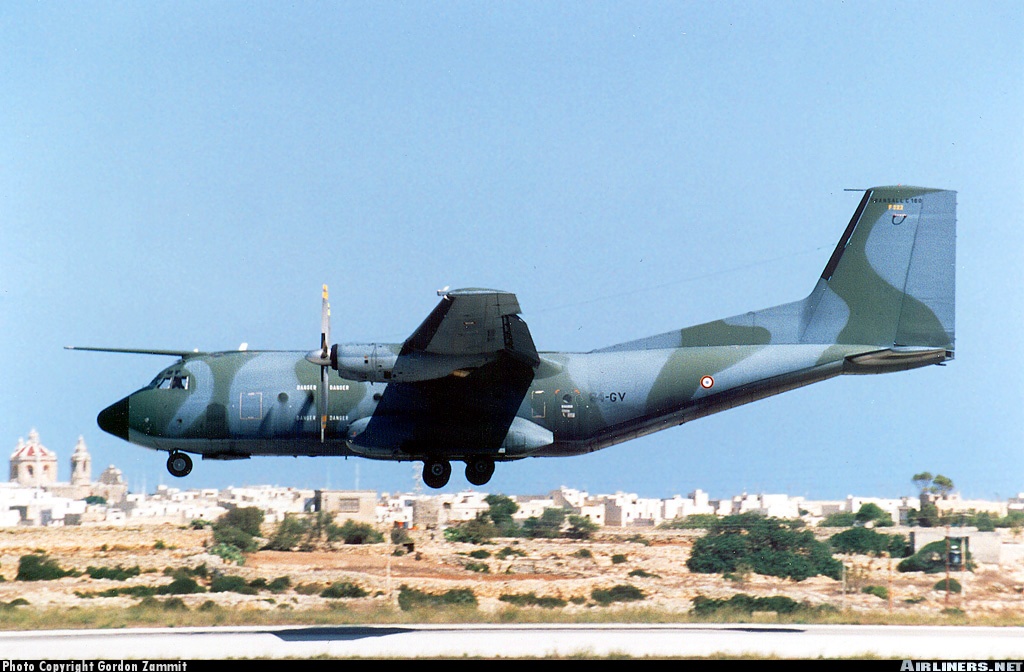
Crash of a Transall C-160 in Calvi
Date & Time:
Apr 6, 1995 at 1200 LT
Operator:
Registration:
F222
Survivors:
Yes
Schedule:
Calvi - Solenzara
MSN:
F225
Crew on board:
6
Crew fatalities:
Pax on board:
0
Pax fatalities:
Other fatalities:
Total fatalities:
0
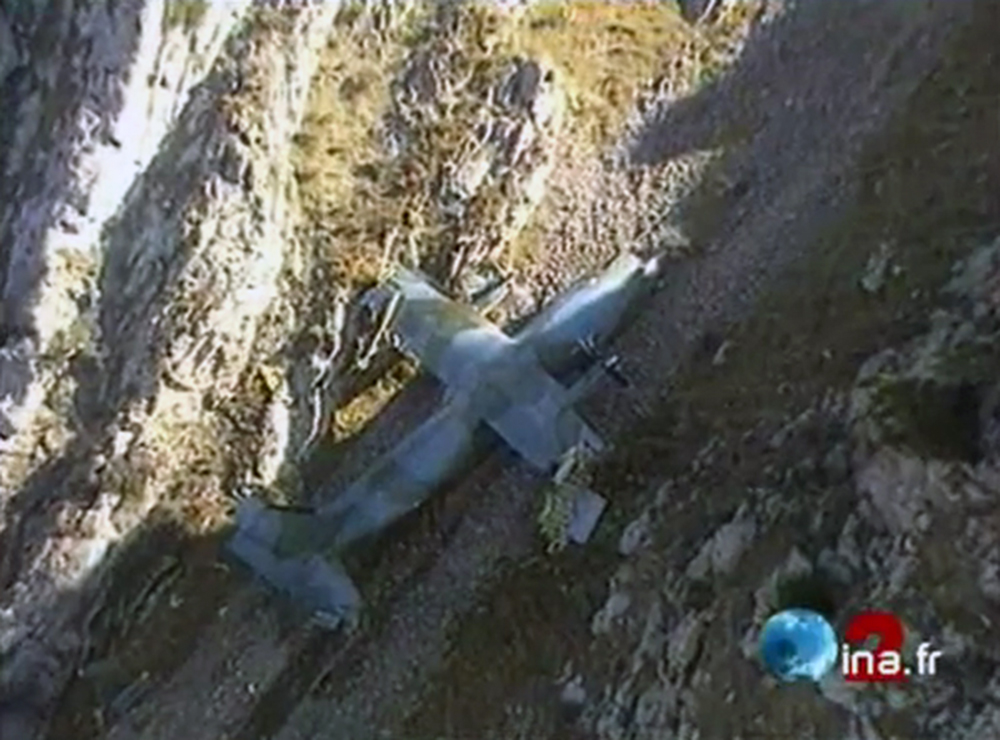
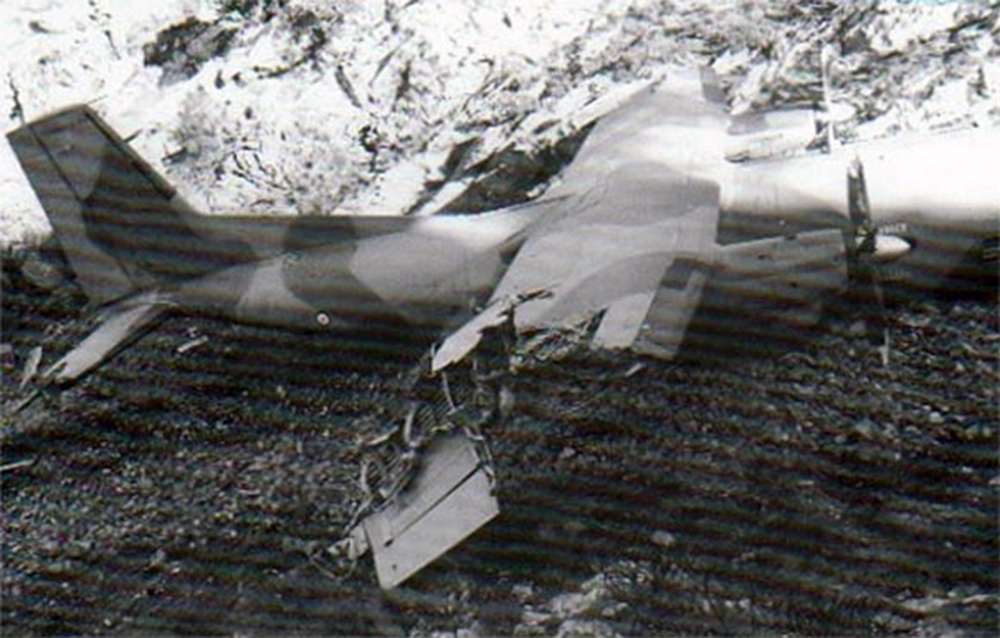
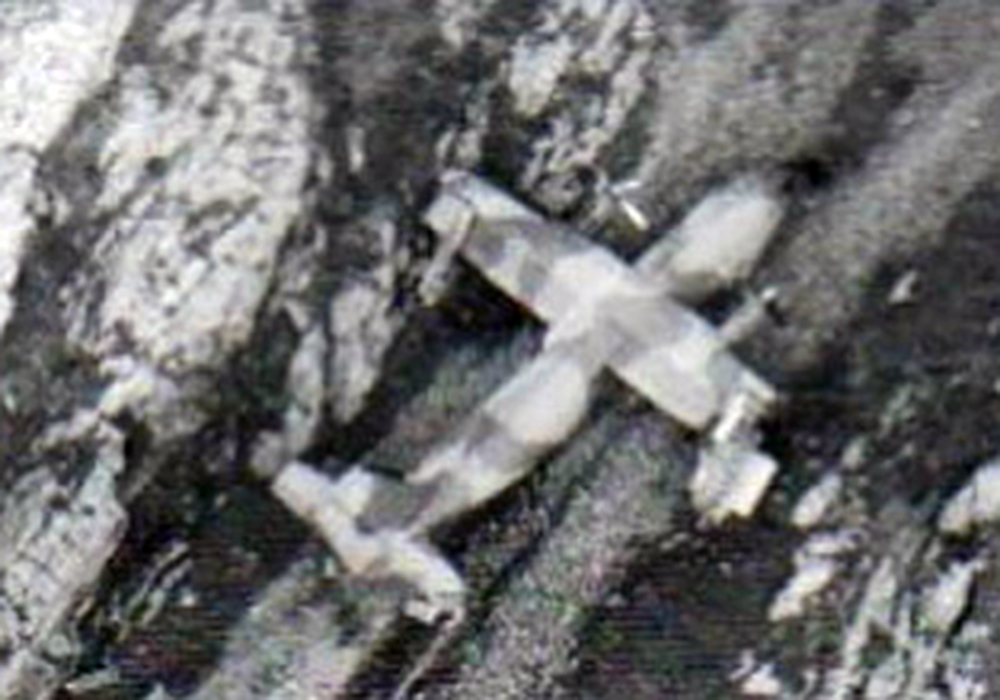
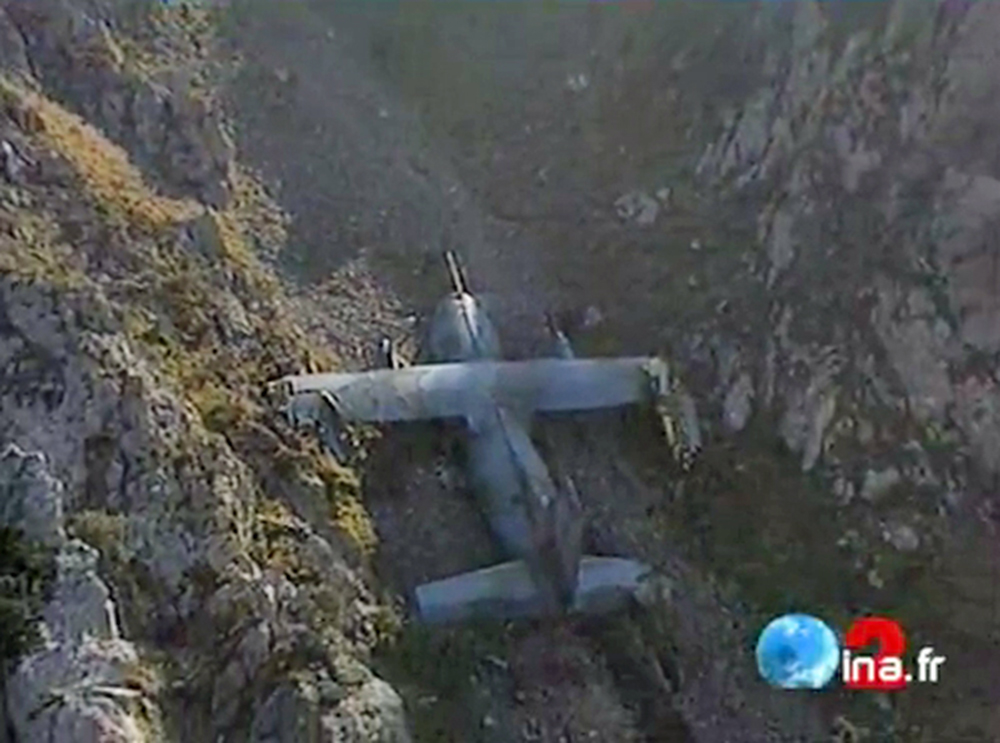
Circumstances:
Few minutes after takeoff from Calvi-Sainte Catherine Airport, en route to Solenzara Airbase, the crew encountered an unexpected situation and attempted an emergency landing. The aircraft crash landed in a very steep mountain slope located near Occhiatana, about 12 km from Calvi. the wreckage was found at an altitude of 1,300 metres near the Bocca di Battaglia Plateau. All six crew members were evacuated, among them two were injured.
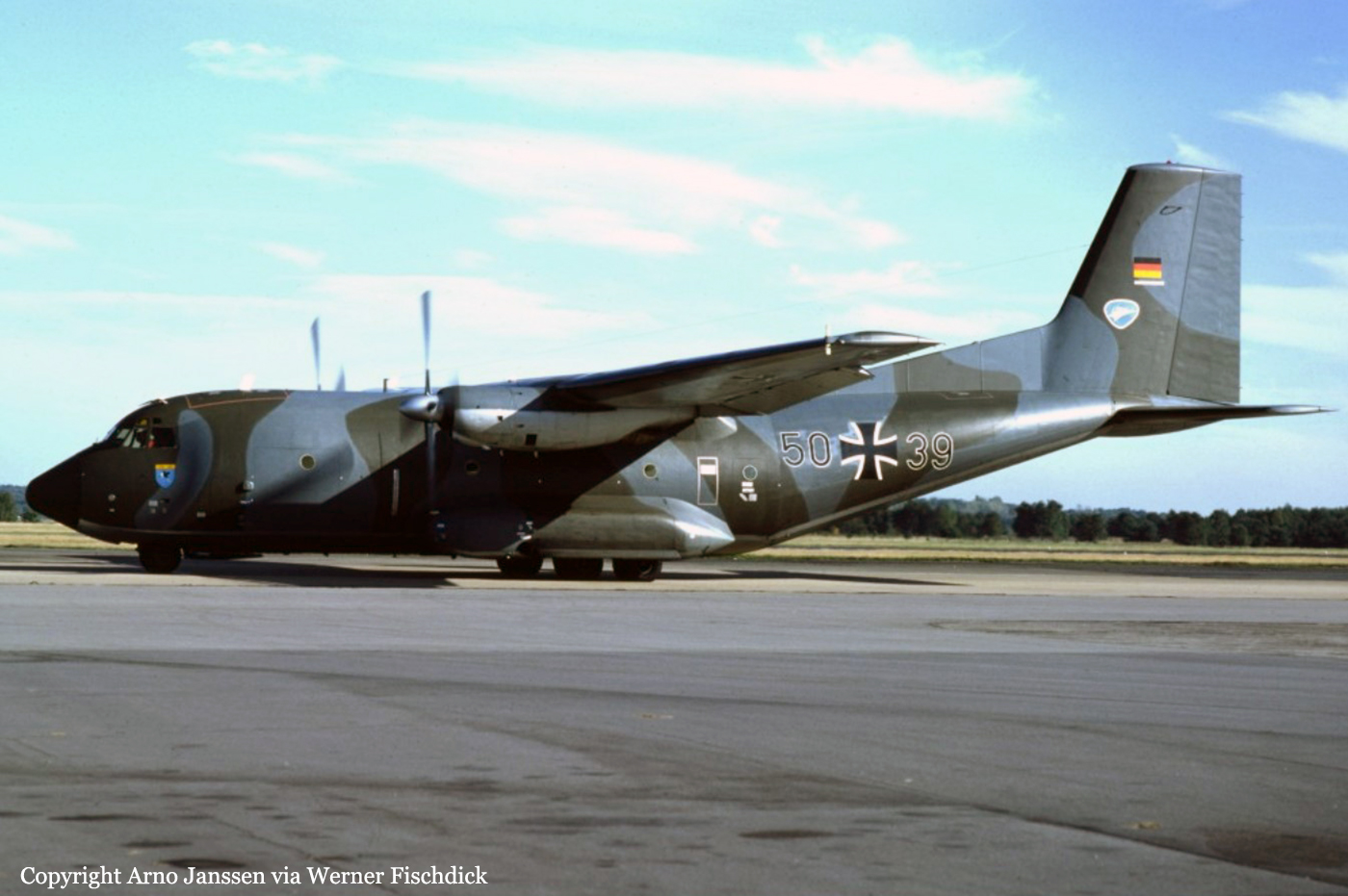
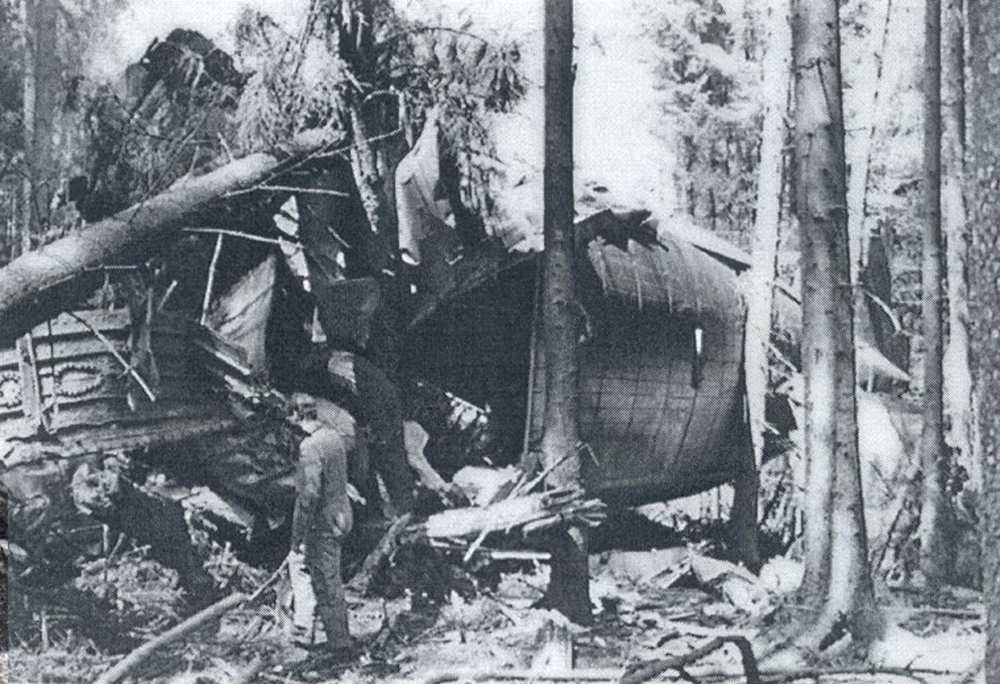
Crash of a Transall C-160D near Lohr am Main: 10 killed
Date & Time:
May 11, 1990
Operator:
Registration:
50+39
Survivors:
No
Schedule:
Wunstorf – Kaufbeuren
MSN:
D61
YOM:
1969
Crew on board:
5
Crew fatalities:
Pax on board:
5
Pax fatalities:
Other fatalities:
Total fatalities:
10
Circumstances:
The aircraft was completing a flight from Wunstorf AFB to Kaufbeuren AFB, carrying five technicians and five crew members. En route, while cruising in poor weather conditions, the crew failed to realize his altitude was insufficient when the aircraft struck trees and crashed in a wooded area located in the Spessart Mountain Range near Lohr am Main. The aircraft was destroyed and all 10 occupants were killed.
Probable cause:
Controlled flight into terrain.