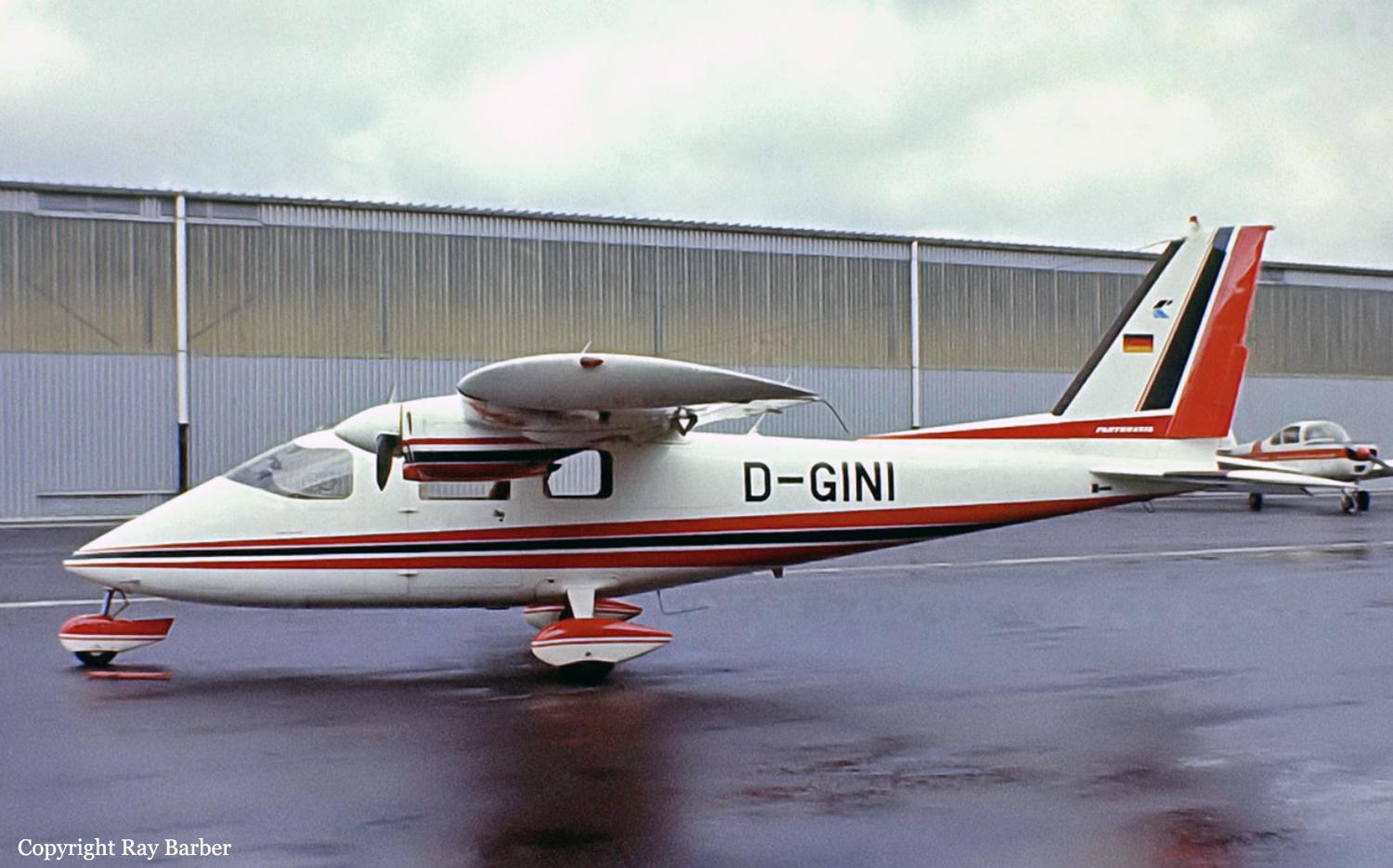
Crash of a Partenavia P.68C-TC Victor in Munich: 2 killed

Date & Time: Feb 10, 1991
Type of aircraft:
Operator:
Registration:
D-GANS
Flight Type:
Survivors:
No
MSN:
342-30-TC
YOM:
1984
Location:
Country:
Region:
Crew on board:
1
Crew fatalities:
Pax on board:
1
Pax fatalities:
Other fatalities:
Total fatalities:
2
Circumstances:
On approach to Munich Airport, the pilot encountered strong crosswinds when the twin engine aircraft went out of control and crashed few hundred meters short of runway. Both occupants were killed.

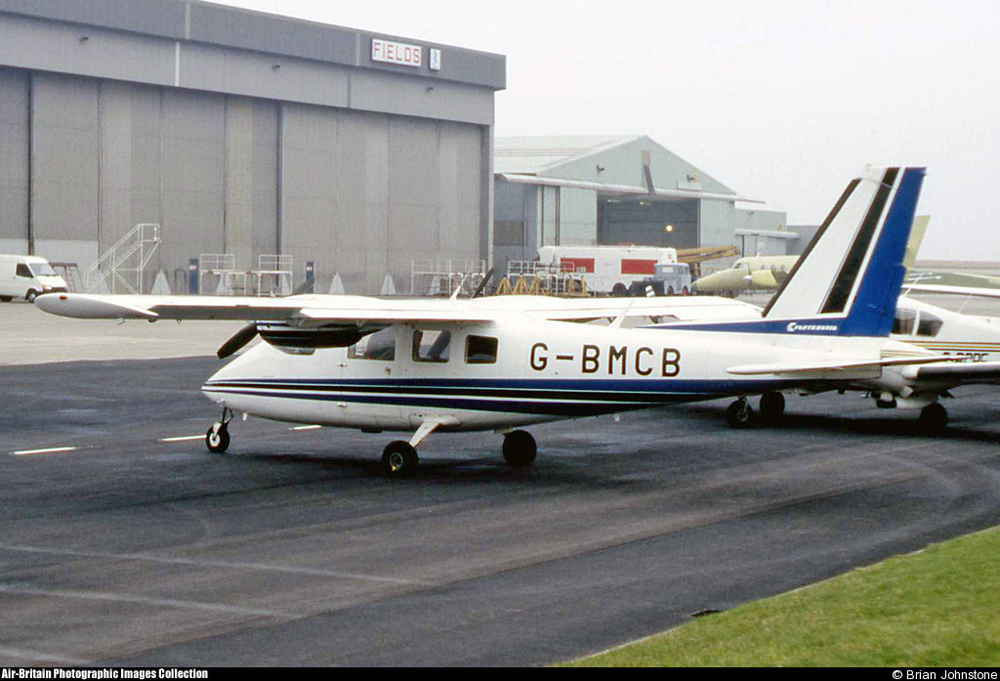
Crash of a Partenavia P.68B in East Midlands: 1 killed

Date & Time: Oct 20, 1990 at 0332 LT
Type of aircraft:
Operator:
Registration:
G-BMCB
Flight Phase:
Flight Type:
Survivors:
No
Schedule:
East Midlands – Manchester
MSN:
156
YOM:
1985
Region:
Crew on board:
1
Crew fatalities:
Pax on board:
0
Pax fatalities:
Other fatalities:
Total fatalities:
1
Captain / Total flying hours:
926
Circumstances:
The twin engine aircraft departed East Midlands runways 27 on a ferry flight to Manchester. During initial climb by night, the aircraft entered an uncontrolled descent and crashed at a speed of 160 knots and disintegrated in a field near the airport. The pilot, sole on board, was killed.
Probable cause:
Loss of control during initial climb by night after the pilot suffered a spatial disorientation due to the combination of a poor visibility (night and low clouds) and the possible malfunction of the horizontal stabilizer due to water in the vacuum system.
Final Report:

Crash of a Partenavia P.68B Victor in Kolane

Date & Time: Oct 14, 1988 at 1845 LT
Type of aircraft:
Operator:
Registration:
VH-PFQ
Flight Type:
Survivors:
Yes
Schedule:
Kolane - Taroom - Kolane
MSN:
95
YOM:
1977
Country:
Region:
Crew on board:
1
Crew fatalities:
Pax on board:
0
Pax fatalities:
Other fatalities:
Total fatalities:
0
Circumstances:
The Taroom aerodrome had recently been equipped with a pilot activated lighting (PAL) system which was due to be commissioned on the evening of 15 October 1988. The pilot, who is a local Council member had flown from his property "Kolane" to Taroom late in the afternoon, to check that the PAL system was functional. He had intended to fly to Taroom the following evening to activate the lights for the official opening celebration, which was planned to be held at the aerodrome. After checking that the system was working the pilot decided to take the opportunity to practice some night circuits and landings before returning to his property. Before departing Taroom he arranged to have two vehicles positioned at his property landing area to illuminate the strip which is 850 metres long, aligned 235/055 degrees magnetic, and 1000 feet above sea level. He apparently intended to check the suitability of the strip for a night landing on his return. The aircraft was observed to fly over the strip in a north-easterly direction and then make a left turn. The aircraft was then seen to descend and the sound of impact was heard by the occupant of a vehicle near the strip. The aircraft had impacted the ground whilst in a descending left turn at a ground speed of approximately 125 knots. Initial impact was in a clearing near trees. The aircraft slid 91 metres before the left wing struck a large tree and was torn off. The aircraft slid another 45 metres before coming to rest and catching fire. The pilot was thrown from the aircraft while still strapped to his seat and was able to move himself away from the immediate vicinity of the fire before help arrived.
Probable cause:
The pilot has no recollection of events immediately prior to the accident. There is no indication that the aircraft was not functioning normally at the time of the accident. The weather was fine, there was a light northerly breeze, and there was no moonlight. Indications are that the pilot may have become disorientated whilst attempting to carry out a visual circuit when there was no visual horizon. The landing area did not meet the requirements for night operations published in the Visual Flight Guide.
The following factor was considered relevant to the development of the accident:
The pilot was attempting to carry out a night visual circuit when there was no visual horizon.
Final Report:


Crash of a Partenavia P.68C off Duncan Town: 6 killed

Date & Time: Aug 19, 1988 at 1430 LT
Type of aircraft:
Registration:
N39272
Survivors:
No
Schedule:
Nassau - Duncan Town
MSN:
283
YOM:
1983
Country:
Crew on board:
2
Crew fatalities:
Pax on board:
4
Pax fatalities:
Other fatalities:
Total fatalities:
6
Captain / Total flying hours:
275
Circumstances:
The aircraft crashed in the ocean near Duncan Town, Bahamas. The weather according to witnesses was VMC. The flight had been airborne enroute from Nassau for about 1 hour and 20 minutes. Witnesses on a nearby boat said the aircraft was flying in a slight left bank when the left wing separated from the aircraft. The aircraft rolled to the left and impacted the water. The wreckage sank where the water was about 50 feet deep. The left outboard wing panel was recovered and examined at the NTSN laboratory. All fractures were found to be from overstress. No preexisting cracks were found and no evidence of fatigue or failure from corrosion. The wing tip had crushing damage and a blue paint transfer as if from a collision. The partly blue vertical stab was damaged from the separated wing sect striking it. The weather reported en route was: broken to overcast with rain showers and isolated thunderstorms. Examination of the later recovered inboard left wing section showed separation of the outboard wing section resulted from overstress. All six occupants were killed.
Probable cause:
Occurrence #1: airframe/component/system failure/malfunction
Phase of operation: cruise - normal
Findings
1. (c) wing, spar - failure, total
2. (c) design stress limits of aircraft - exceeded - pilot in command
----------
Occurrence #2: loss of control - in flight
Phase of operation: descent
----------
Occurrence #3: in flight collision with terrain/water
Phase of operation: descent - uncontrolled
Findings
3. Terrain condition - water
Final Report:

Crash of a Partenavia P.68C Victor off New Orleans

Date & Time: Sep 11, 1987 at 0629 LT
Type of aircraft:
Registration:
N1352W
Survivors:
Yes
Schedule:
Hammond - New Orleans
MSN:
232
YOM:
1982
Crew on board:
1
Crew fatalities:
Pax on board:
0
Pax fatalities:
Other fatalities:
Total fatalities:
0
Captain / Total flying hours:
15164
Captain / Total hours on type:
30.00
Aircraft flight hours:
913
Circumstances:
The pilot began an ILS runway 18R approach at night to the Lakefront Airport. He reported that after the aircraft broke out of the clouds at 1,700 feet, he transitioned to a visual approach. He stated that as he continued, the approach seemed normal, except the VASI lights seemed too far down the runway. He remembered that just before impact, the VASI was providing a red over red indication, but he did not worry as he perceived the aircraft was over the end of the runway and he was about to flare. At about that time, the aircraft impacted with water, well short of the runway. As the aircraft sank, the pilot escaped thru a hole in the windshield. Subsequently, he was found by passing fishermen. The pilot believed he had gotten a false perception of the runway location due to reflection of lights off of calm lake water.
Probable cause:
Occurrence #1: undershoot
Phase of operation: approach - vfr pattern - final approach
Findings
1. (f) light condition - dark night
2. (f) terrain condition - water, glassy
3. (c) in-flight planning/decision - improper - pilot in command
4. (c) unsafe/hazardous condition warning - disregarded - pilot in command
5. (c) distance - misjudged - pilot in command
6. (f) visual/aural perception - pilot in command
7. (c) altitude - misjudged - pilot in command
----------
Occurrence #2: in flight collision with terrain/water
Phase of operation: approach - vfr pattern - final approach
Findings
8. Terrain condition - water
Final Report:

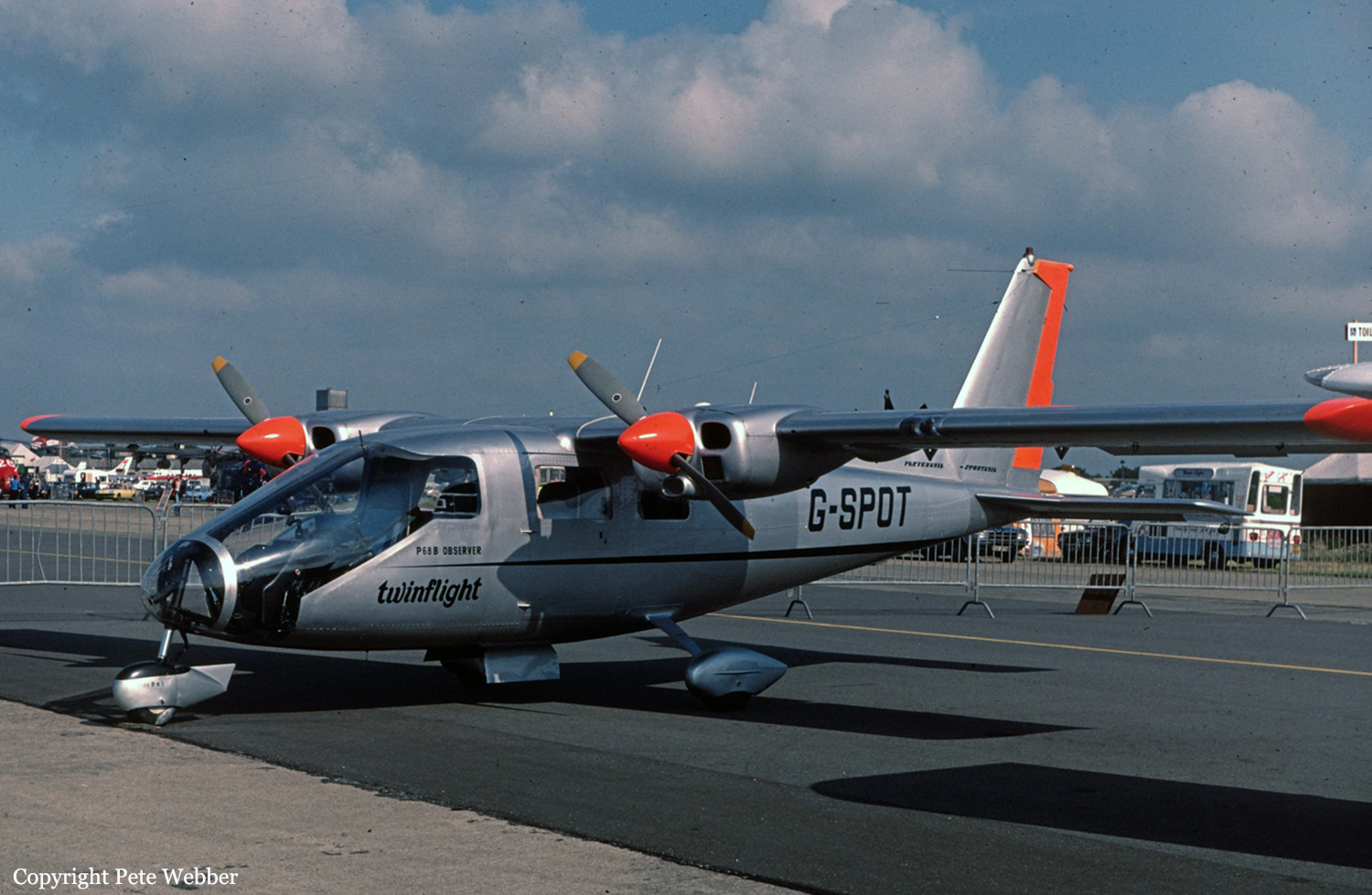
Crash of a Partenavia P.68B Observer near Tórshavn: 3 killed

Date & Time: Jul 6, 1987
Type of aircraft:
Operator:
Registration:
G-SPOT
Flight Type:
Survivors:
No
Schedule:
Aberdeen – Vágar
MSN:
15
YOM:
1981
Region:
Crew on board:
2
Crew fatalities:
Pax on board:
1
Pax fatalities:
Other fatalities:
Total fatalities:
3
Circumstances:
On approach to Vágar Airport, the crew encountered poor weather conditions and limited visibility when the aircraft struck a rocky face (150 metres high) located 15 km southeast from the airport, near Tórshavn. All three occupants were killed.

Crash of a Partenavia P.68B in Rønne

Date & Time: Apr 20, 1987
Type of aircraft:
Operator:
Registration:
SE-GFN
Survivors:
Yes
MSN:
56
YOM:
1975
Country:
Region:
Crew on board:
1
Crew fatalities:
Pax on board:
3
Pax fatalities:
Other fatalities:
Total fatalities:
0
Circumstances:
On final approach to Rønne Airport, both engines failed simultaneously. The aircraft stalled and crashed in an open field located few km short of runway. All four occupants escaped with minor injuries while the aircraft was damaged beyond repair.
Probable cause:
Double engine failure on approach caused by a fuel exhaustion.

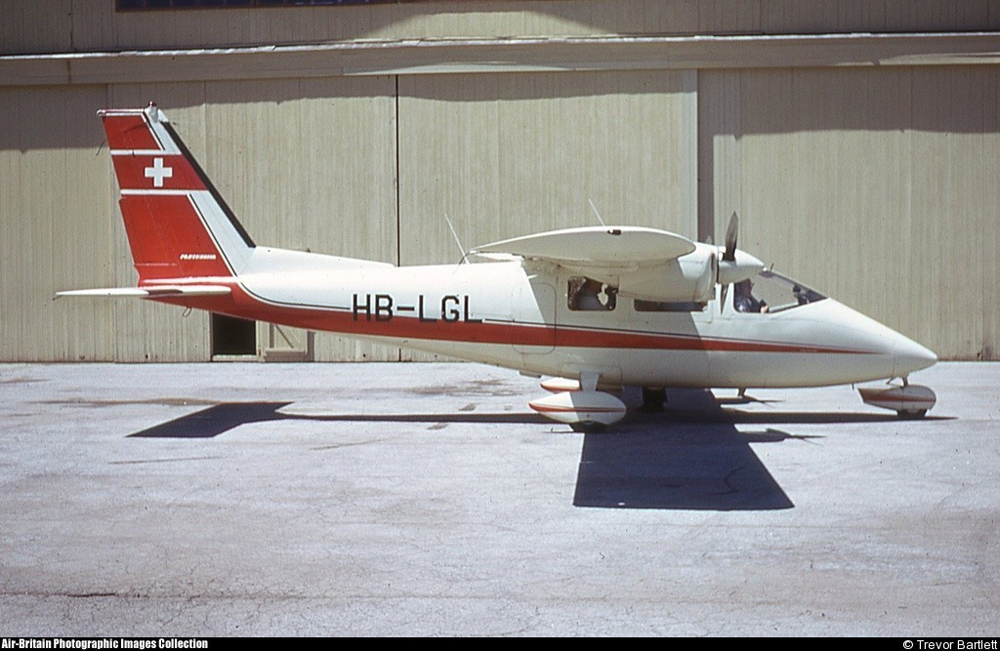
Crash of a Partenavia P.68N near Cuneo: 6 killed

Date & Time: Oct 17, 1986
Type of aircraft:
Operator:
Registration:
HB-LGL
Flight Phase:
Flight Type:
Survivors:
No
Site:
Schedule:
Ascona - Gerona
MSN:
05
YOM:
1975
Location:
Country:
Region:
Crew on board:
1
Crew fatalities:
Pax on board:
5
Pax fatalities:
Other fatalities:
Total fatalities:
6
Circumstances:
En route from Ascona, Ticino, to Gerona, weather conditions deteriorated. In limited visibility, the pilot failed to realize his altitude was insufficient when the aircraft struck the slope of Mt Bindino located near Cuneo. All six occupants were killed.
Probable cause:
Controlled flight into terrain.

Crash of a Partenavia P.68C Observer at Latina AFB: 2 killed

Date & Time: May 5, 1986
Type of aircraft:
Operator:
Registration:
PS-A95
Flight Type:
Survivors:
No
MSN:
336-23-OB
YOM:
1984
Country:
Region:
Crew on board:
2
Crew fatalities:
Pax on board:
0
Pax fatalities:
Other fatalities:
Total fatalities:
2
Circumstances:
The crew was completing a training mission when the twin engine aircraft crashed in unknown circumstances while approaching Latina-Enrico Comani AFB. Both pilots were killed.