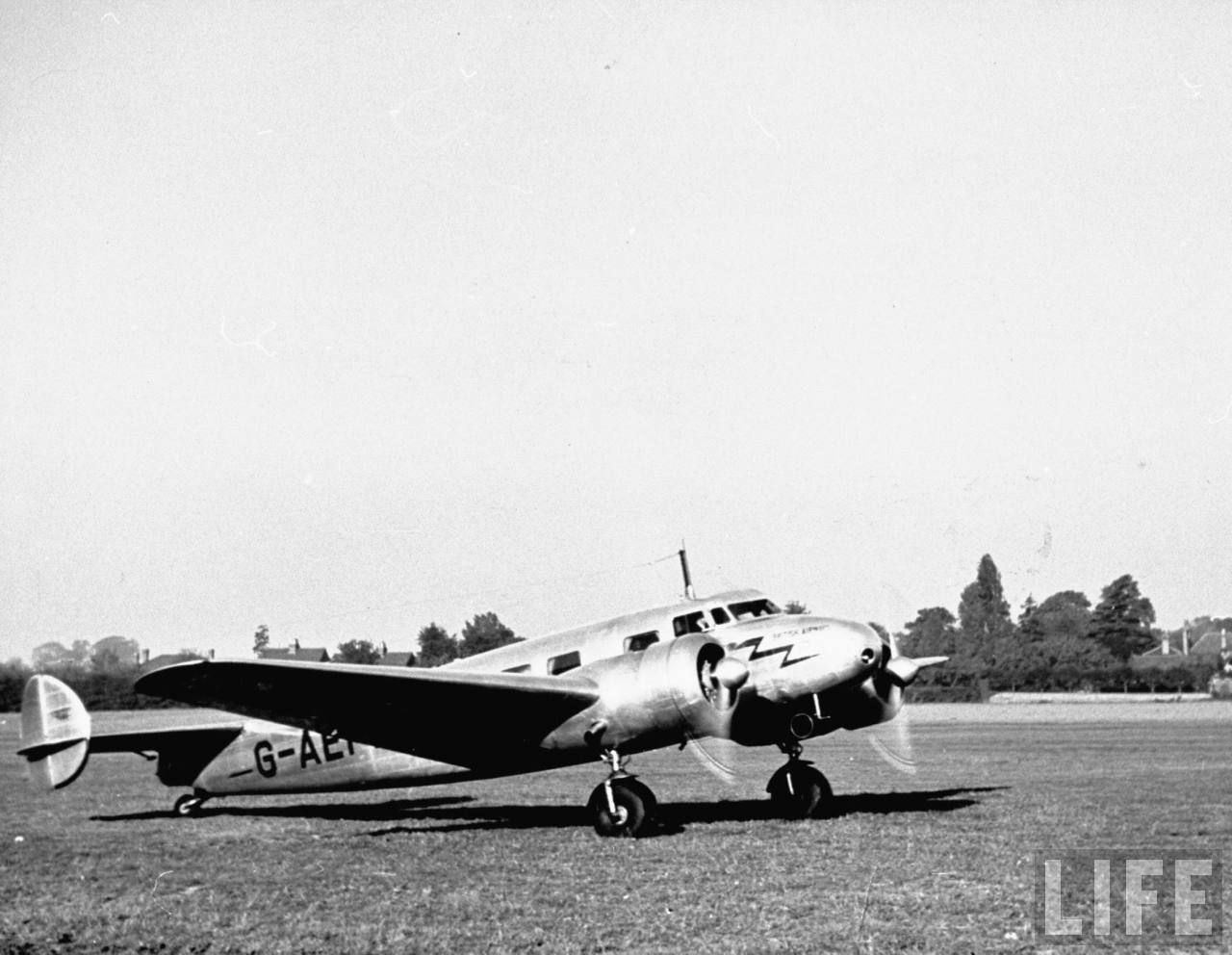
Crash of a Lockheed 10E Electra in Yoro: 7 killed

Date & Time: Oct 17, 1946
Type of aircraft:
Operator:
Registration:
XH-TAB
Flight Phase:
Survivors:
No
Schedule:
La Ceiba – Tegucigalpa
MSN:
1133
Location:
Country:
Crew on board:
2
Crew fatalities:
Pax on board:
5
Pax fatalities:
Other fatalities:
Total fatalities:
7
Circumstances:
While cruising in poor weather conditions, the twin engine aircraft went out of control and crashed in a field near Yoro. All seven occupants were killed.

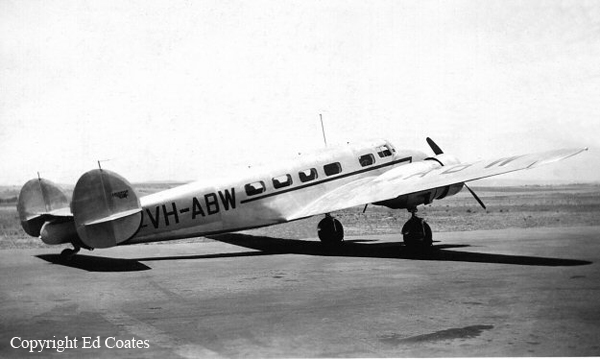
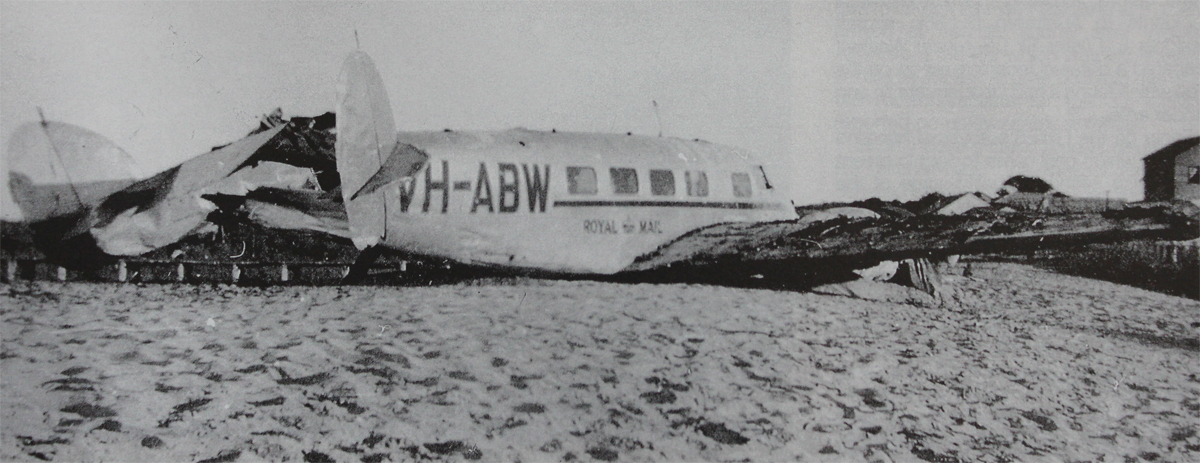
Crash of a Lockheed 10A Electra in Broome

Date & Time: Jun 17, 1946
Type of aircraft:
Operator:
Registration:
VH-ABW
Flight Phase:
Flight Type:
Survivors:
Yes
MSN:
1131
YOM:
1937
Country:
Region:
Crew on board:
3
Crew fatalities:
Pax on board:
0
Pax fatalities:
Other fatalities:
Total fatalities:
0
Circumstances:
Shortly after takeoff from Broome Airfield, while in initial climb, the aircraft stalled and crashed in a mangrove located in Roebuck Creek, near the airport. While all three crew members were slightly injured, the aircraft was written off.

Crash of a Lockheed 10E Electra in Barrackpore

Date & Time: Jun 14, 1946
Type of aircraft:
Operator:
Registration:
AX700
Flight Type:
Survivors:
Yes
MSN:
1139
YOM:
1937
Country:
Region:
Crew on board:
0
Crew fatalities:
Pax on board:
0
Pax fatalities:
Other fatalities:
Total fatalities:
0
Circumstances:
Crashed on approach to Barrackpore.

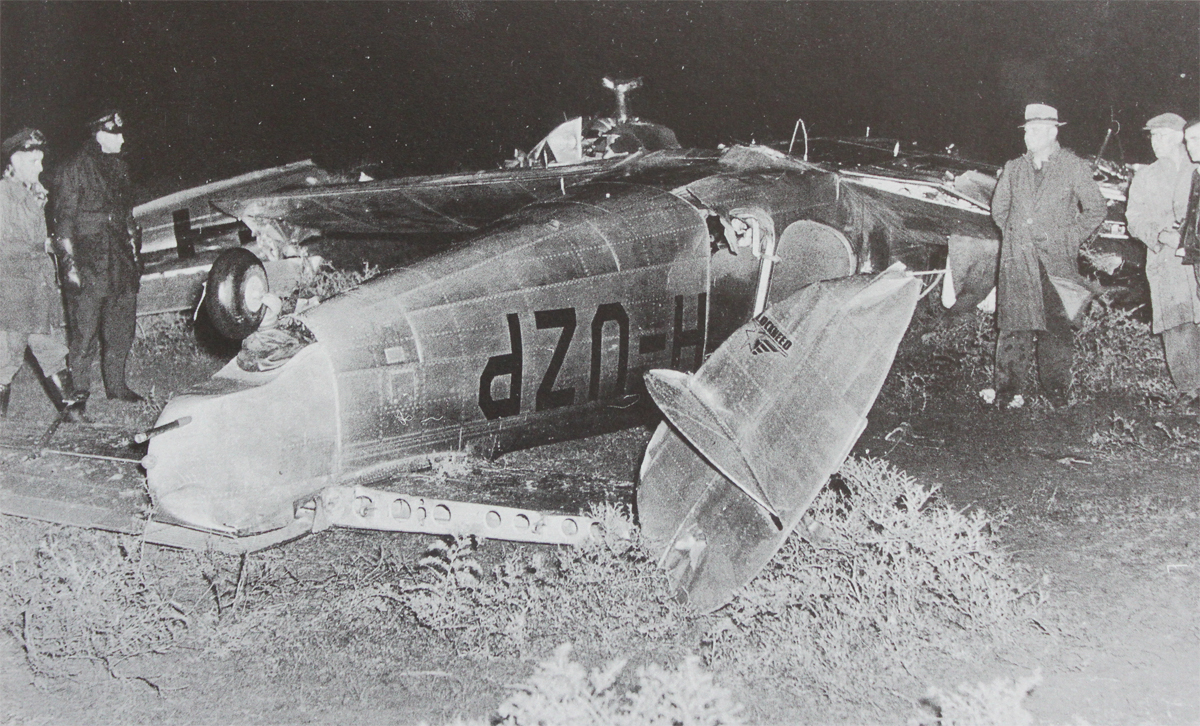
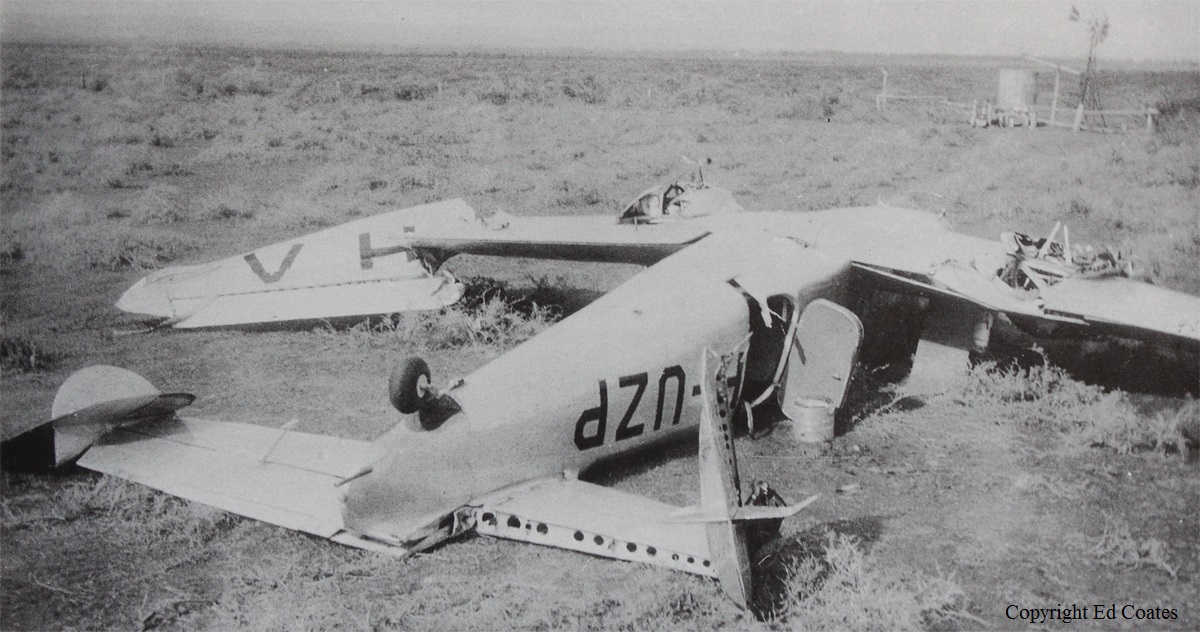
Crash of a Lockheed 10B Electra in Virginia

Date & Time: May 16, 1946 at 1800 LT
Type of aircraft:
Operator:
Registration:
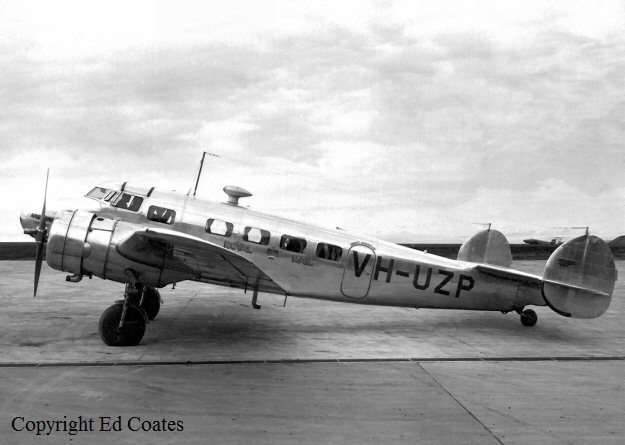
VH-UZP
Survivors:
Yes
MSN:
1109
YOM:
1937
Country:
Region:
Crew on board:
2
Crew fatalities:
Pax on board:
10
Pax fatalities:
Other fatalities:
Total fatalities:
0
Circumstances:
On approach to Adelaide-Parafield Airport, the crew lost visual contact with the ground due to heavy rain falls. The twin engine aircraft christened 'Ansalanta' hit the ground and came to rest upside down in a field located in Virginia, some 10 km north of Parafield Airport. All 12 occupants were evacuated safely while the aircraft was destroyed.

Crash of a Lockheed 10A Electra in Villa de la Pascua: 10 killed

Date & Time: Feb 9, 1946
Type of aircraft:
Operator:
Registration:
YV-ADA
Flight Phase:
Survivors:
No
Schedule:
Ciudad Bolivar – Maiquetía
MSN:
1126
YOM:
1937
Country:
Crew on board:
3
Crew fatalities:
Pax on board:
7
Pax fatalities:
Other fatalities:
Total fatalities:
10
Circumstances:
Crashed in unknown circumstances in Valle de la Pascua, killing all 10 occupants.

Crash of a Lockheed 10A Electra in Al Matariyyah

Date & Time: Aug 25, 1944
Type of aircraft:
Operator:
Registration:
AX701
Flight Type:
Survivors:
Yes
MSN:
1124
YOM:
1937
Country:
Region:
Crew on board:
0
Crew fatalities:
Pax on board:
0
Pax fatalities:
Other fatalities:
Total fatalities:
0
Circumstances:
On final approach to Cairo-Almaza Airport, the twin engine aircraft crashed in unknown circumstances in Al Matariyyah, some 4 km short of runway. While the aircraft was damaged beyond repair, there was no casualties.

Crash of a Lockheed 10C Electra in Porto Alegre: 10 killed

Date & Time: Jun 20, 1944
Type of aircraft:
Operator:
Registration:
PP-VAQ
Survivors:
No
MSN:
1008
Country:
Crew on board:
3
Crew fatalities:
Pax on board:
7
Pax fatalities:
Other fatalities:
Total fatalities:
10
Circumstances:
On approach to Port Alegre Airport, the twin engine aircraft went out of control and crashed into the Guaíba River. All ten occupants were killed.
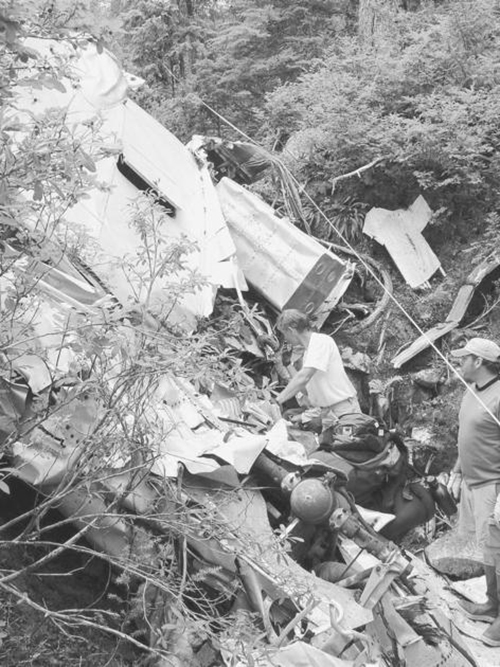
Crash of a Lockheed 10A Electra in Cairo

Date & Time: Nov 19, 1943
Type of aircraft:
Operator:
Registration:
G-AFCS
Survivors:
Yes
MSN:
1025
YOM:
1938
Country:
Region:
Crew on board:
0
Crew fatalities:
Pax on board:
0
Pax fatalities:
Other fatalities:
Total fatalities:
0
Circumstances:
Crashed in unknown circumstances at Cairo-Almaza Airport. There were no casualties but the aircraft christened 'Lea' was written off.

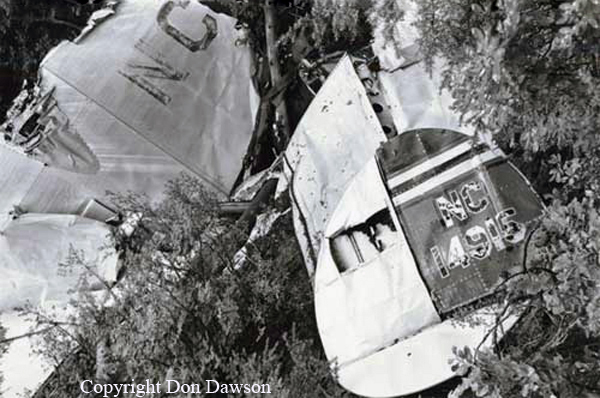
Crash of a Lockheed 10B Electra near Ketchikan: 2 killed

Date & Time: Jan 5, 1943 at 1830 LT
Type of aircraft:
Operator:
Registration:
NC14915
Flight Phase:
Survivors:
Yes
Site:
Schedule:
Seattle – Annette Island
MSN:
1021
YOM:
1935
Crew on board:
1
Crew fatalities:
Pax on board:
5
Pax fatalities:
Other fatalities:
Total fatalities:
2
Captain / Total flying hours:
7412
Captain / Total hours on type:
757.00
Circumstances:
The twin engine airplane departed Seattle-Boeing Field Airport at 1327LT on an on-demand taxi flight to Annette Island, carrying five passengers and one pilot. While approaching Ketchikan at an altitude of 7,000 feet, the pilot informed ground that the left engine failed. Due to strong winds and marginal weather conditions, it was difficult to control the airplane and maintain a radio contact with ATC. After crossing clouds at an altitude of 2,500 feet, the pilot cut the right engine and attempted an emergency landing when the airplane collided with two tall trees and crashed in hilly terrain some 48 km east of Ketchikan. All six occupants were injured. Two days after the accident, a female passenger died from injuries sustained. The four survivors remained lost for a period of 29 days following the accident, during which time and extensive air, land, and water search was carried on over large areas east and south of Ketchikan and up into British Columbia. After continuing the hazardous search during winter weather for a period of approximately three weeks, the party was given up for lost and the search was abandoned. On February 3, 1943, two of the survivors searching for aid came upon a United States Coast Guard patrol boat in Weasel Cove on Boca de Quadra Inlet and the remaining two were rescued from their camp on February 7, by civilian guides and Coast Guard personnel. The pilot was apparently uninjured in the accident but in an effort to summon aid to his injures passengers he perished by exposure and freezing. His remains were found on February 6, 1943, on the shores of the Boca de Quadra Inlet, some 11 km from the scene of the accident.
Crew:
Harold Gillam, pilot. †
Passengers:
Robert Gebo,
Percy Cutting,
Joseph H. Tippets,
Dewey Metzdorf,
Susan Winch Batzer. †
Probable cause:
While the stoppage of the left engine from an undetermined cause in extremely rough weather and over hazardous terrain undoubtedly was the primary cause of the accident, it is apparent that strong contributing factors were the pilot's failure:
- To equip himself with an up-to-date aeronautical chart and,
- To utilize the radio aids available to him to accurately establish the position of the flight while on instruments.
Final Report: