Country
code

North Rhine-Westphalia

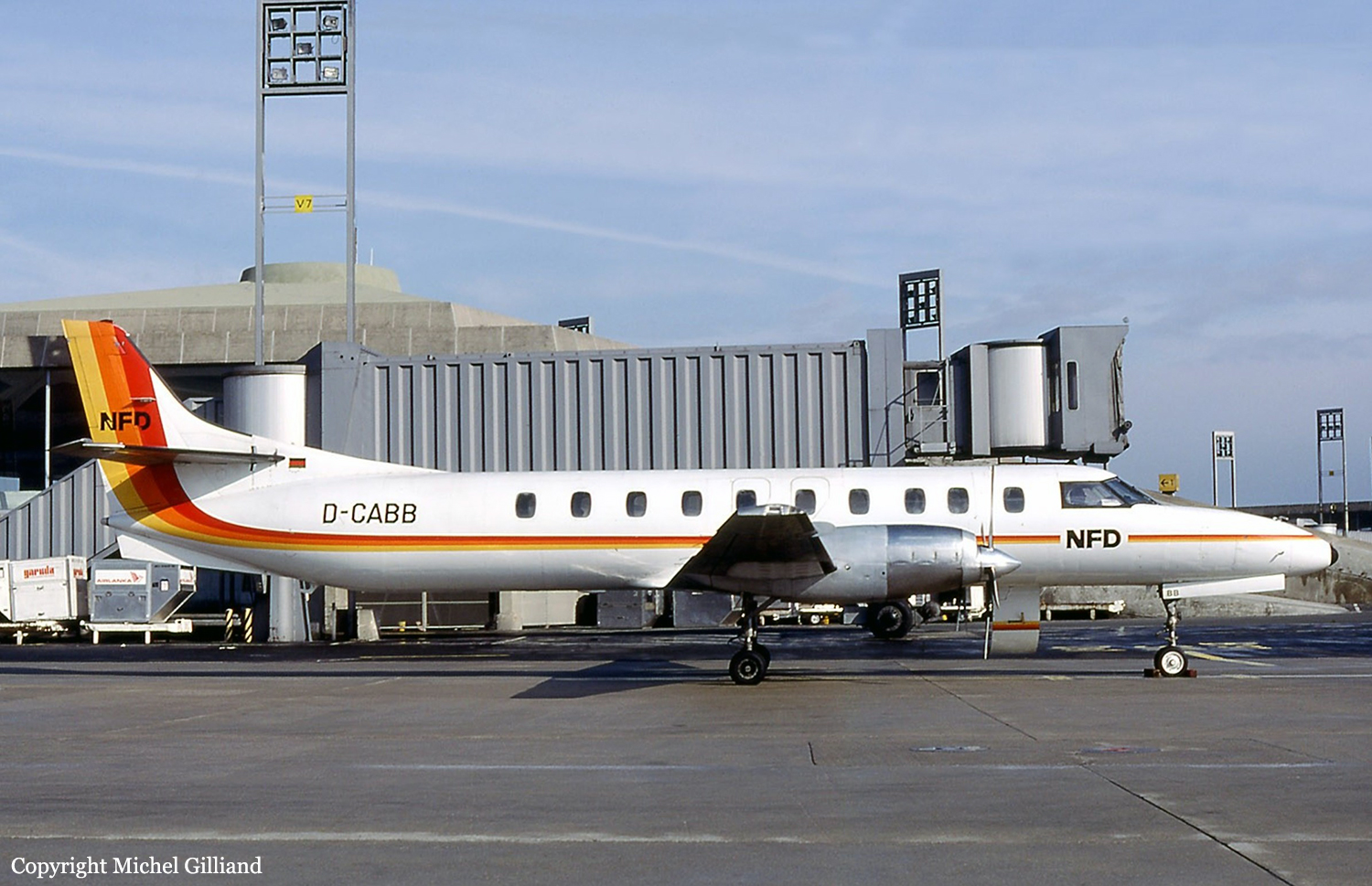
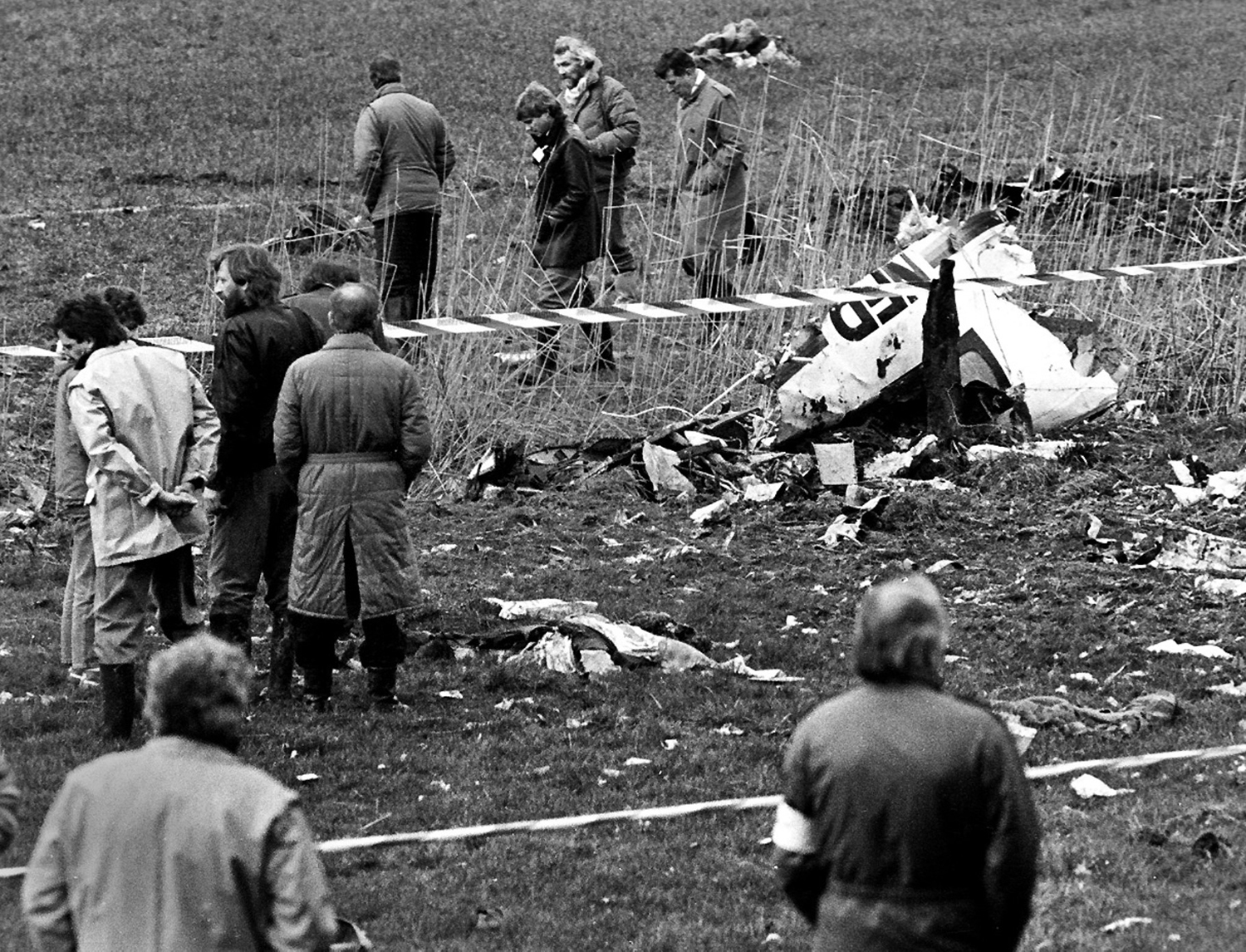
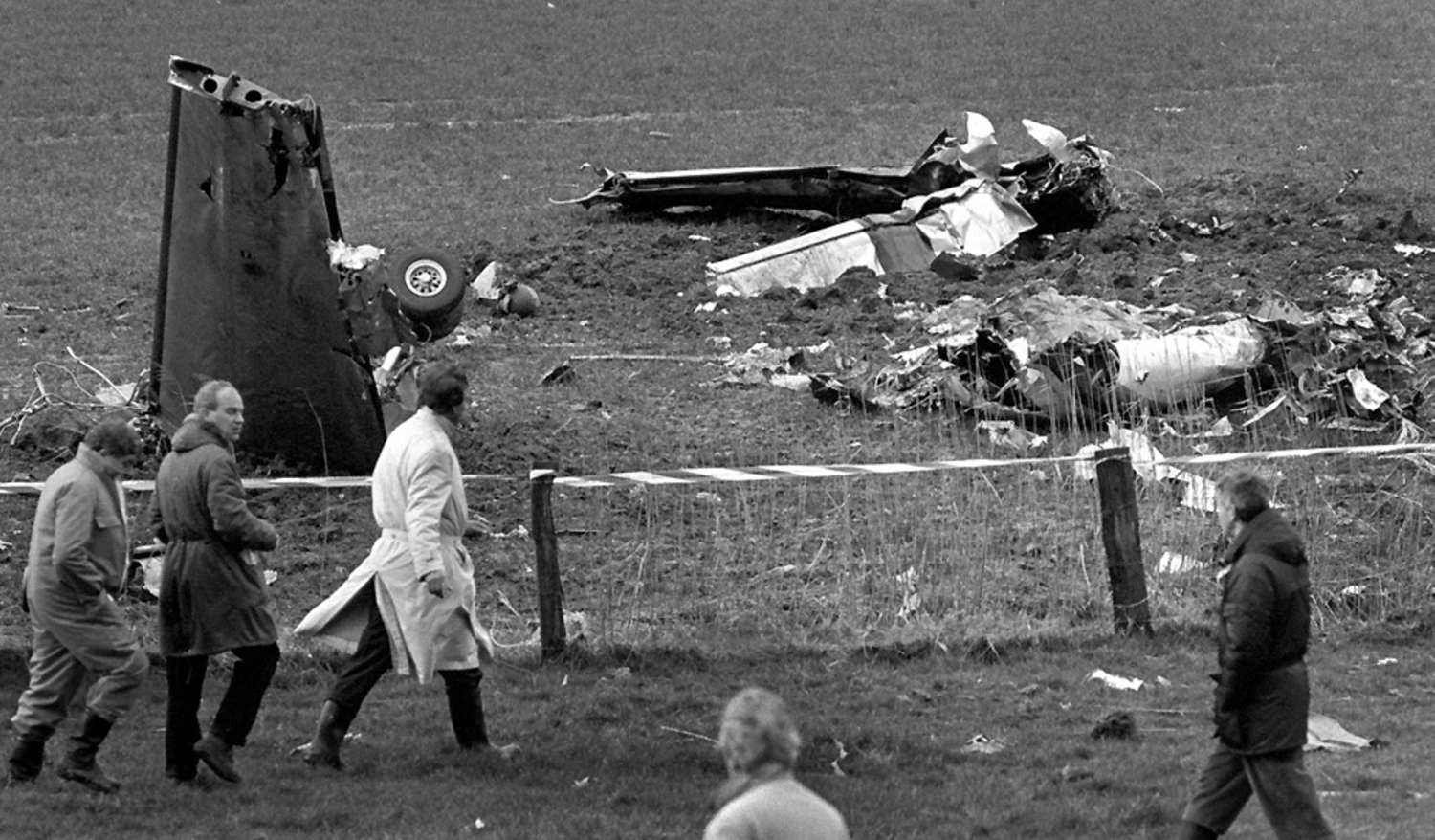
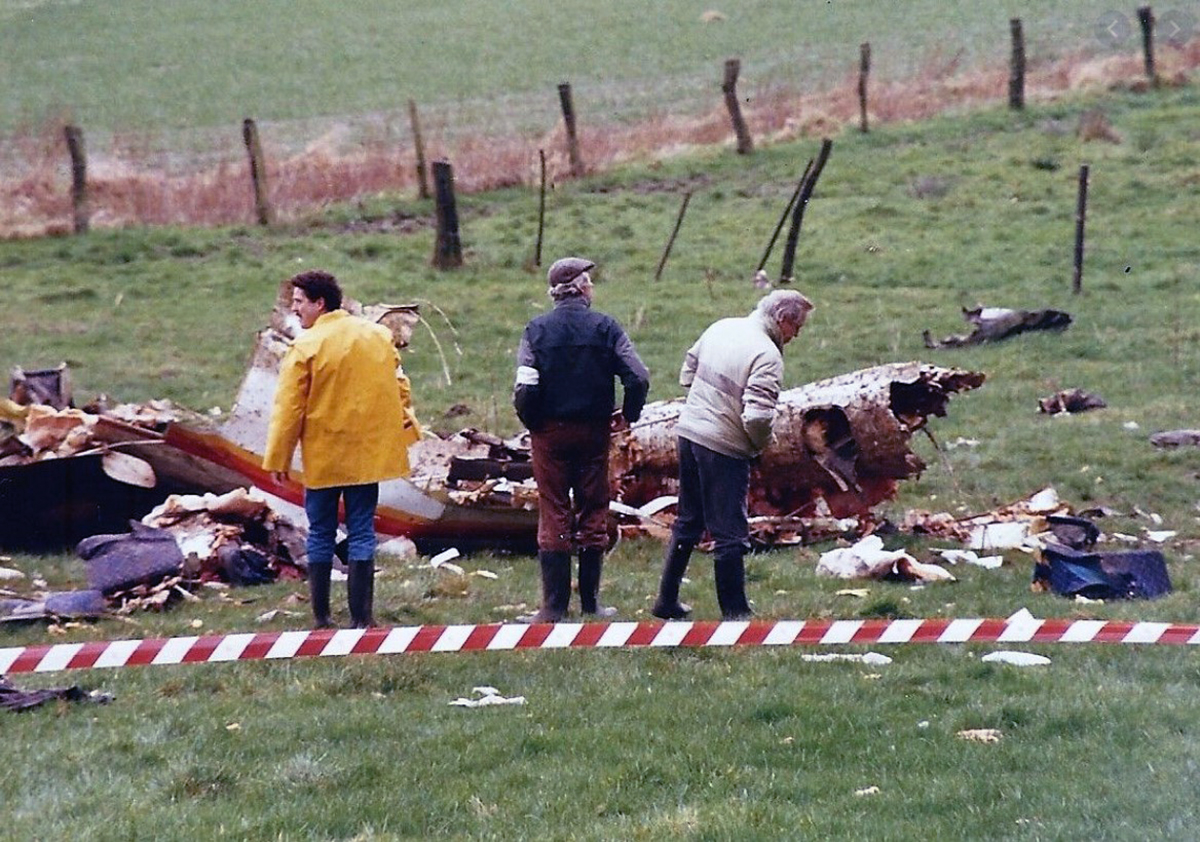
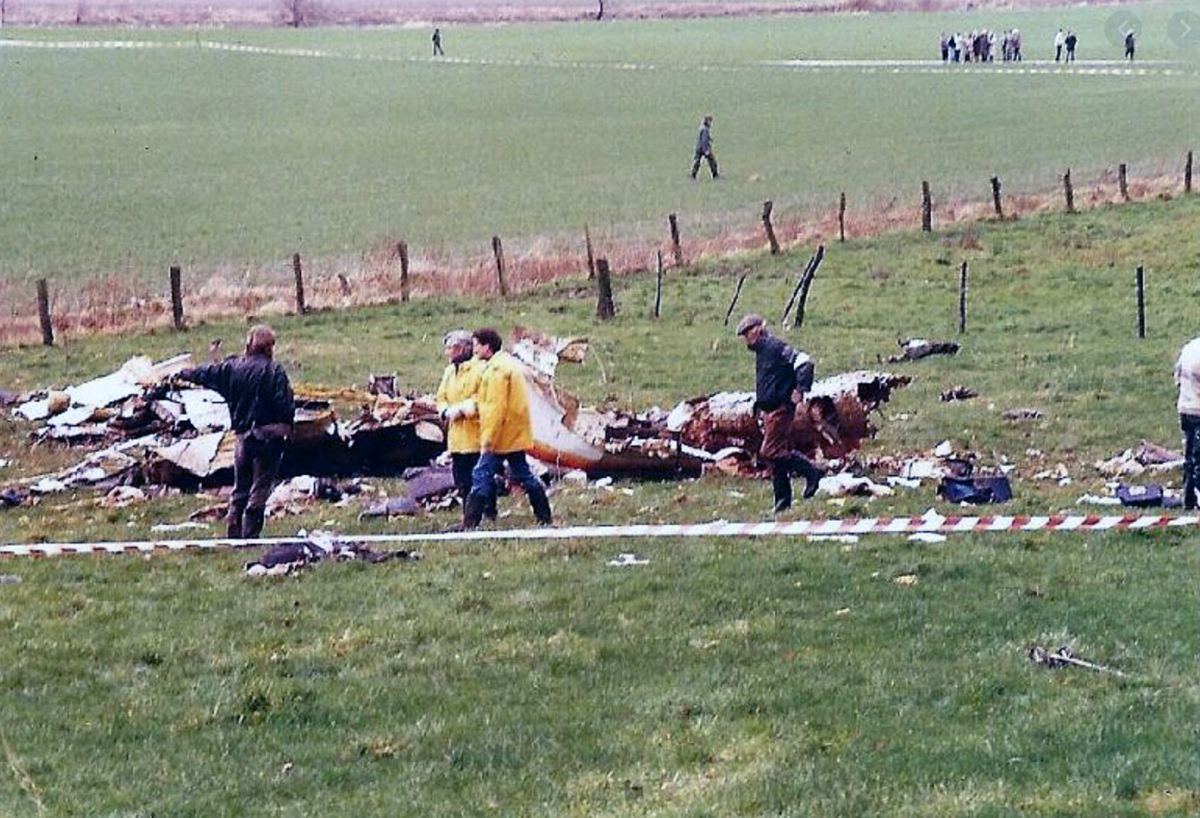
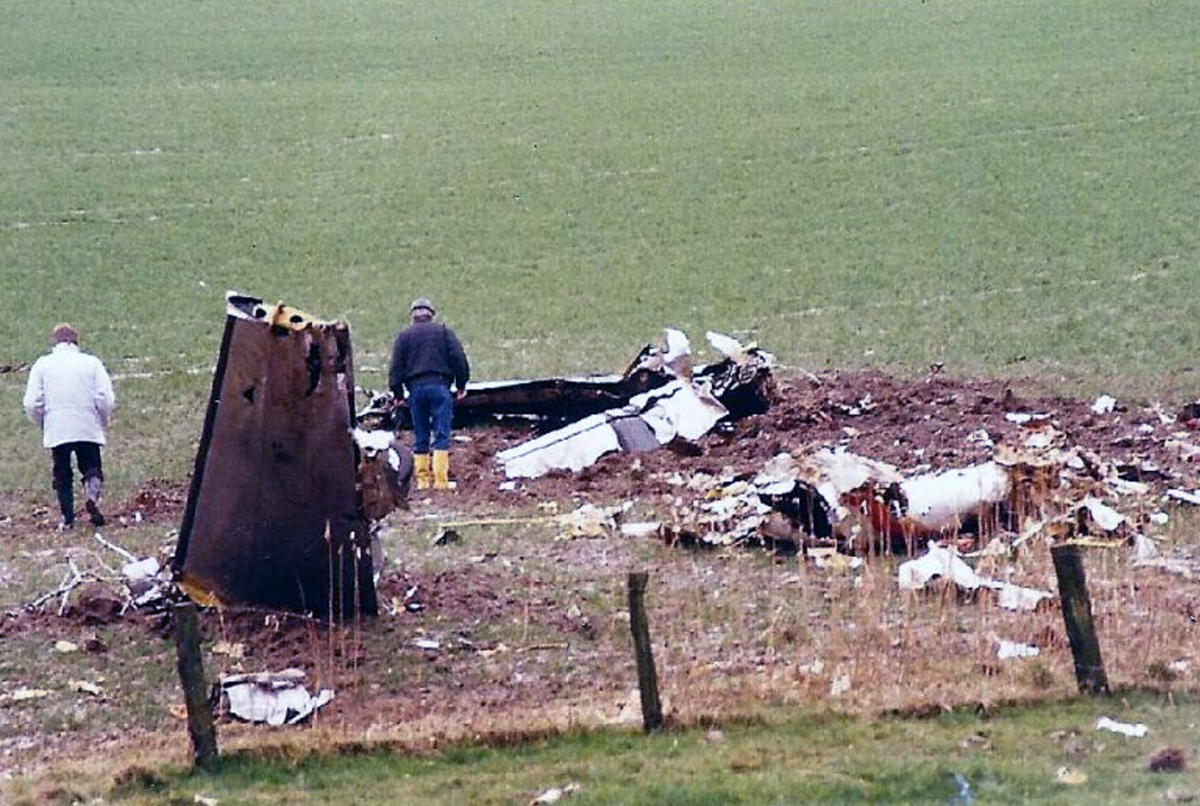
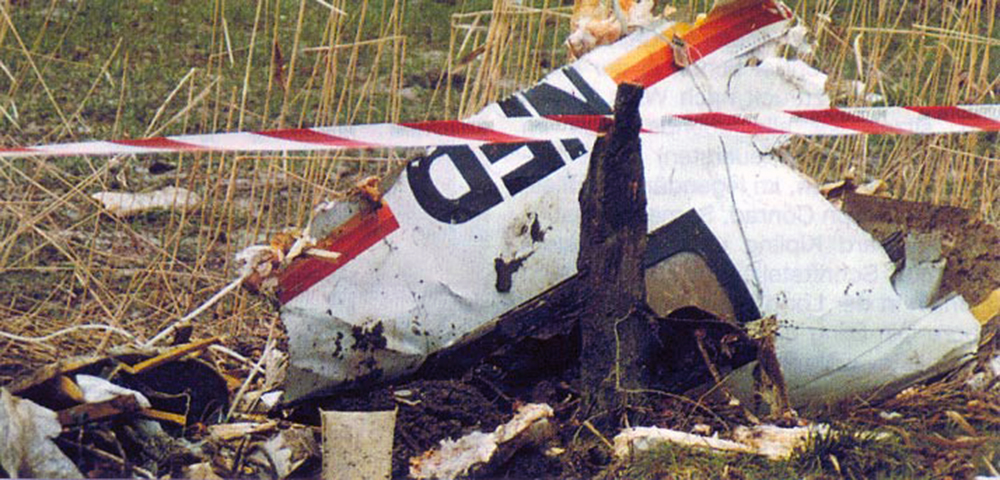
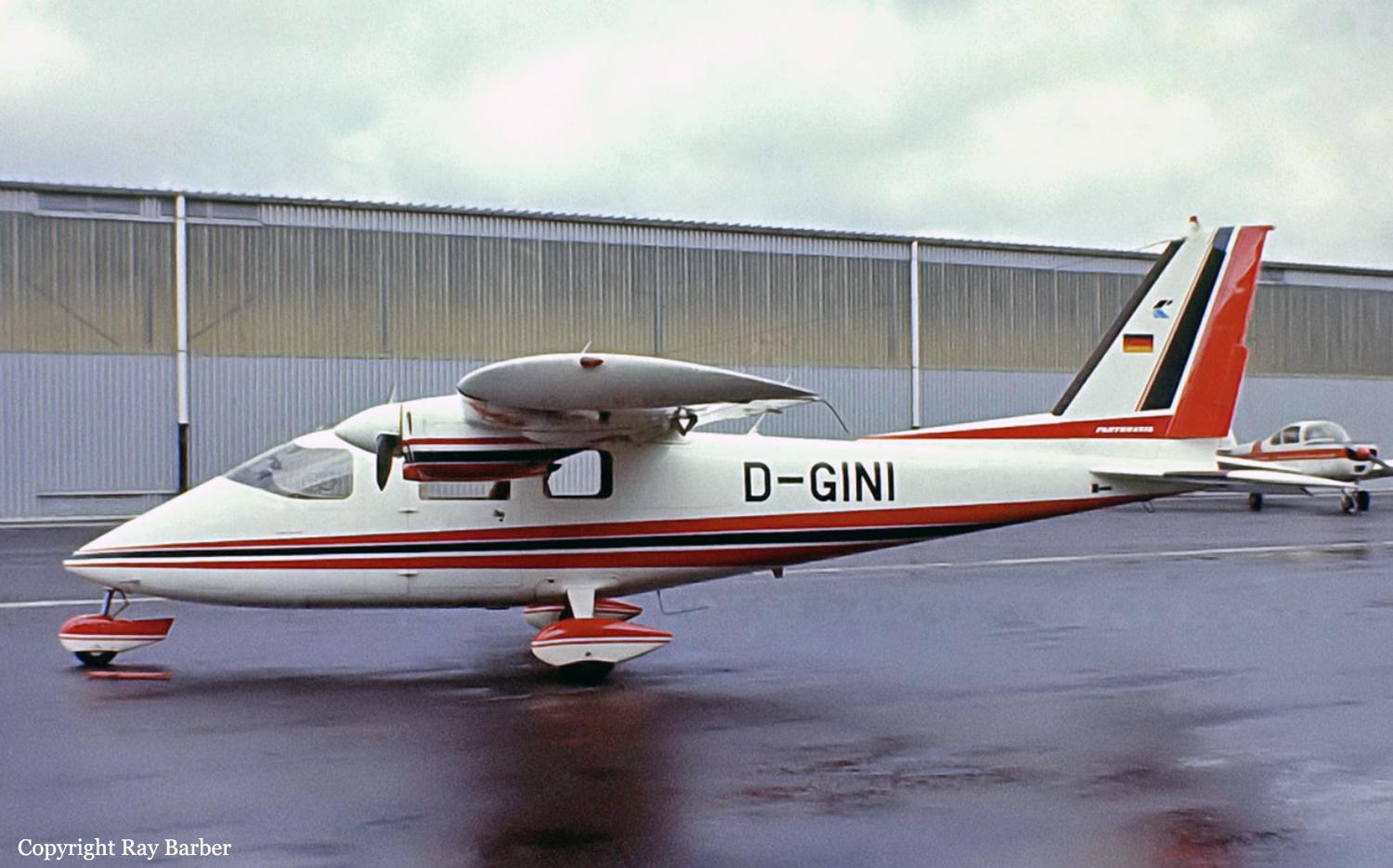
Crash of a Swearingen SA227AC Metro III in Kettwig: 21 killed

Date & Time: Feb 8, 1988 at 0758 LT
Type of aircraft:
Operator:
Registration:
D-CABB
Survivors:
No
Schedule:
Hanover - Düsseldorf
MSN:
AC-500
YOM:
1982
Flight number:
NS108
Country:
Region:
Crew on board:
2
Crew fatalities:
Pax on board:
19
Pax fatalities:
Other fatalities:
Total fatalities:
21
Captain / Total flying hours:
2473
Captain / Total hours on type:
277.00
Copilot / Total flying hours:
2544
Copilot / Total hours on type:
1344
Aircraft flight hours:
9184
Circumstances:
The twin engine aircraft departed Hanover Airport at 0715LT on a schedule service to Düsseldorf Airport, carrying 19 passengers and a crew of two. Following an uneventful flight at FL140, the crew started the descent at 0739LT. After being cleared to descend to 3,000 feet, the crew was informed about thunderstorm activity in the area and ATC informed the crew about a possible alternate route to avoid the area. This offer was denied by the crew who continued the descent. While flying in thunderstorm activity, the aircraft became unstable due to turbulences and lightnings strikes near the aircraft. After the failure of the electrical system, the crew lost control of the airplane that entered a dive, partially disintegrated in the air and eventually crashed in an open field located about 2 km north of Kettwig, near the airport of Essen-Mülheim. All 21 occupants were killed.
Probable cause:
The accident was caused by the combination of the followings:
- The flight crew had continued into an area in which the occurrence of electrical discharge was to be expected, although avoiding the area would have been possible,
- The total electricity supply failed due to a lightning strike in significant instrument flight conditions, causing the failure of the cockpit- and instrument lighting and making it impossible to use the flaps and stabilizer trim,
- The plane had entered a largely uncontrolled flight after the power failure,
- The aircraft became overloaded during the uncontrolled flight aircraft during and disintegrated.
The following contributing factors were reported:
- The crew did not agree on the flight path in the area of the thunderstorm,
- The crew were not prepared for a lightning strike,
- The crew possibly became physically and mentally impaired for a short time after the lightning strike,
- The crew could not understand each other for a short time after a short power failure because they wore headsets,
- When the lightning struck, the plane was in an unstabilized flight condition with nose trimmed down and flaps half way down,
- The crew was not able to restore power, probably because of the damage in the electrical wiring,
- The crew did not have sufficient means for orientation in order to transfer the plane back from a predominantly uncontrolled flight to controlled flight.


Crash of a Beechcraft F90 King Air in Düsseldorf: 4 killed

Date & Time: Dec 6, 1987
Type of aircraft:
Operator:
Registration:
D-IMWH
Flight Type:
Survivors:
No
Schedule:
Munich - Marl
MSN:
LA-114
YOM:
1981
Country:
Region:
Crew on board:
1
Crew fatalities:
Pax on board:
3
Pax fatalities:
Other fatalities:
Total fatalities:
4
Circumstances:
While approaching Marl Airport, the pilot encountered poor weather conditions and decided to divert to Düsseldorf-Lohausen Airport. For unknown reason, the pilot was unable to locate the airport, and while initiating a go-around procedure, he lost control of the aircraft that crashed near the airport. All four occupants were killed.

Crash of a Cessna 421C Golden Eagle III in Dortmund: 4 killed

Date & Time: Nov 21, 1985
Operator:
Registration:
D-IFLY
Flight Type:
Survivors:
No
Site:
Schedule:
Vienna - Dortmund
MSN:
421C-0517
YOM:
1978
Country:
Region:
Crew on board:
1
Crew fatalities:
Pax on board:
3
Pax fatalities:
Other fatalities:
Total fatalities:
4
Circumstances:
The twin engine aircraft was approaching Dortmund-Wickede Airport in poor visibility due to the night and rain falls. In unknown circumstances, the aircraft crashed into a school located in the city of Wickede, about one km north of the airport. All four occupants were killed while there were no injuries on the ground.

Crash of a Rockwell Gulfstream 695 Jetprop 980 in Paderborn-Lippstadt: 1 killed

Date & Time: Jan 31, 1985
Operator:
Registration:
D-IBAR
Flight Phase:
Flight Type:
Survivors:
No
MSN:
695-95054
YOM:
1980
Country:
Region:
Crew on board:
1
Crew fatalities:
Pax on board:
0
Pax fatalities:
Other fatalities:
Total fatalities:
1
Circumstances:
After takeoff from Paderborn-Lippstadt Airport, while climbing, the twin engine aircraft crashed in a field located near Steinhausen, some 5 km southwest of the airfield. The pilot, sole on board, was killed.

Crash of a Cessna 404 Titan in Dortmund: 1 killed

Date & Time: Jan 22, 1982
Type of aircraft:
Operator:
Registration:
D-ICRH
Flight Type:
Survivors:
No
Schedule:
Düsseldorf – Dortmund
MSN:
404-0850
YOM:
1981
Country:
Region:
Crew on board:
1
Crew fatalities:
Pax on board:
0
Pax fatalities:
Other fatalities:
Total fatalities:
1
Circumstances:
After landing at Dortmund-Wickede Airport, the pilot lost control of the airplane that veered off runway and collided with a hangar, bursting into flames. The aircraft as well a four other airplanes parked in the hangar were destroyed by a post crash fire. The pilot, sole on board, was killed. He was completing a positioning flight from Düsseldorf.

Crash of a Rockwell Aero Commander 500 in Münster: 3 killed

Date & Time: Aug 31, 1980 at 1617 LT
Operator:
Registration:
D-IBUD
Flight Phase:
Flight Type:
Survivors:
No
Schedule:
Münster-Telgte - Münster-Osnabrück
MSN:
500-0656-16
YOM:
1958
Country:
Region:
Crew on board:
2
Crew fatalities:
Pax on board:
1
Pax fatalities:
Other fatalities:
Total fatalities:
3
Circumstances:
The aircraft and its crew took part to an airshow that day at Münster-Telgte Airport. At the end of the afternoon, the crew departed Telgte Airport to return to his base at Münster-Osnabrück Airport. About two minutes after takeoff, the twin engine airplane lost height and crashed onto a farm located about 3,5 km from the airfield. The aircraft was destroyed and all three occupants were killed.
Probable cause:
It was determined that during initial climb, the crew shut down one engine and feathered its propeller for unknown reasons. Investigations did not reveal any technical issues on the engine. The fact that one engine was cut caused the aircraft to lose speed and height.

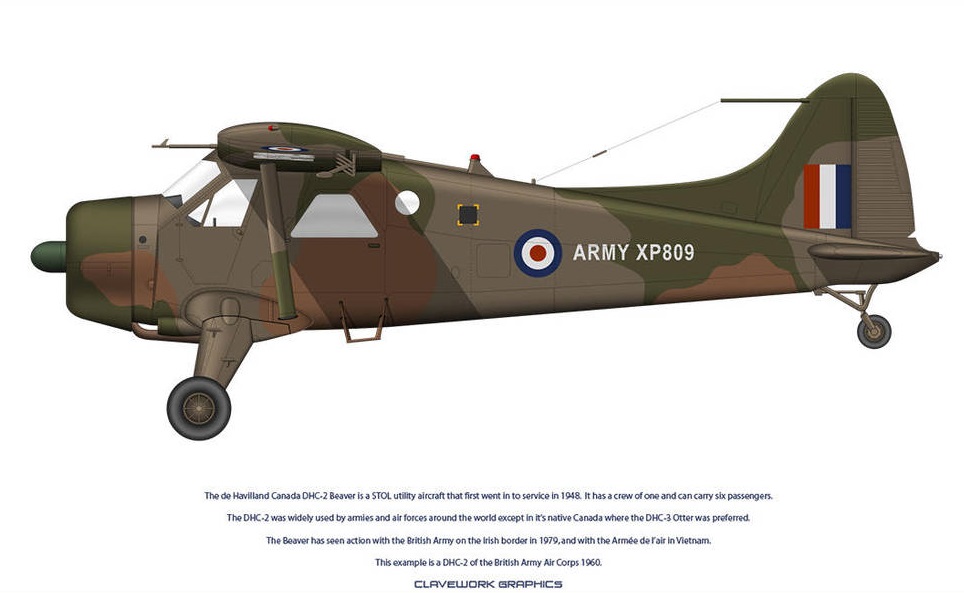
Crash of a De Havilland DHC-2 Beaver AL1 in Münster

Date & Time: Dec 7, 1973
Type of aircraft:
Operator:
Registration:
XP809
Flight Phase:
Flight Type:
Survivors:
Yes
MSN:
1463
YOM:
1961
Country:
Region:
Crew on board:
1
Crew fatalities:
Pax on board:
1
Pax fatalities:
Other fatalities:
Total fatalities:
0
Circumstances:
Just after takeoff from a military training area located near Münster, the single engine airplane stalled and crashed in a field. Both occupants were injured.
Probable cause:
Wrong flaps setting on takeoff caused the aircraft to crash.

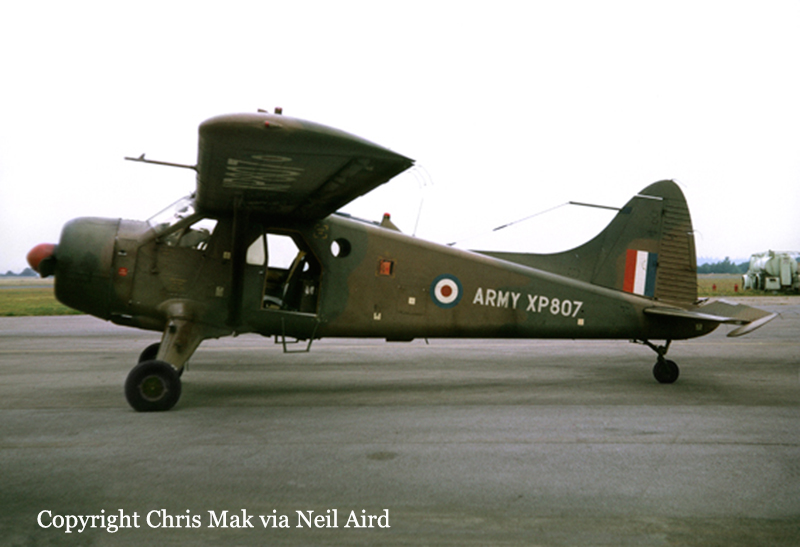
Crash of a De Havilland DHC-2 Beaver AL1 in Datteln: 3 killed

Date & Time: May 14, 1971
Type of aircraft:
Operator:
Registration:
XP807
Flight Phase:
Flight Type:
Survivors:
No
MSN:
1457
YOM:
1961
Country:
Region:
Crew on board:
1
Crew fatalities:
Pax on board:
2
Pax fatalities:
Other fatalities:
Total fatalities:
3
Circumstances:
Crashed during thunder storm . The aircraft was seen to leave cloud in a steep dive, whereupon a wing folded and the crash occurred. It was believed that the aircraft had suffered inadvertent 'negative G' during the thunderstorm activity and as a result the bottom wing strut bolt had sheered, thus the wing was no longer correctly braced. It is believed that the US Military Beaver fleet had also suffered a number of similar fatal accidents under these circumstances.