Crash of a Piper PA-31-350 Navajo Chieftain in Templeton: 3 killed

Date & Time: Jan 11, 1979 at 1110 LT
Operator:
Registration:
N33TN
Flight Phase:
Survivors:
No
Schedule:
Concord - White Plains
MSN:
31-7305050
YOM:
1973
Crew on board:
1
Crew fatalities:
Pax on board:
2
Pax fatalities:
Other fatalities:
Total fatalities:
3
Captain / Total flying hours:
12225
Captain / Total hours on type:
870.00
Circumstances:
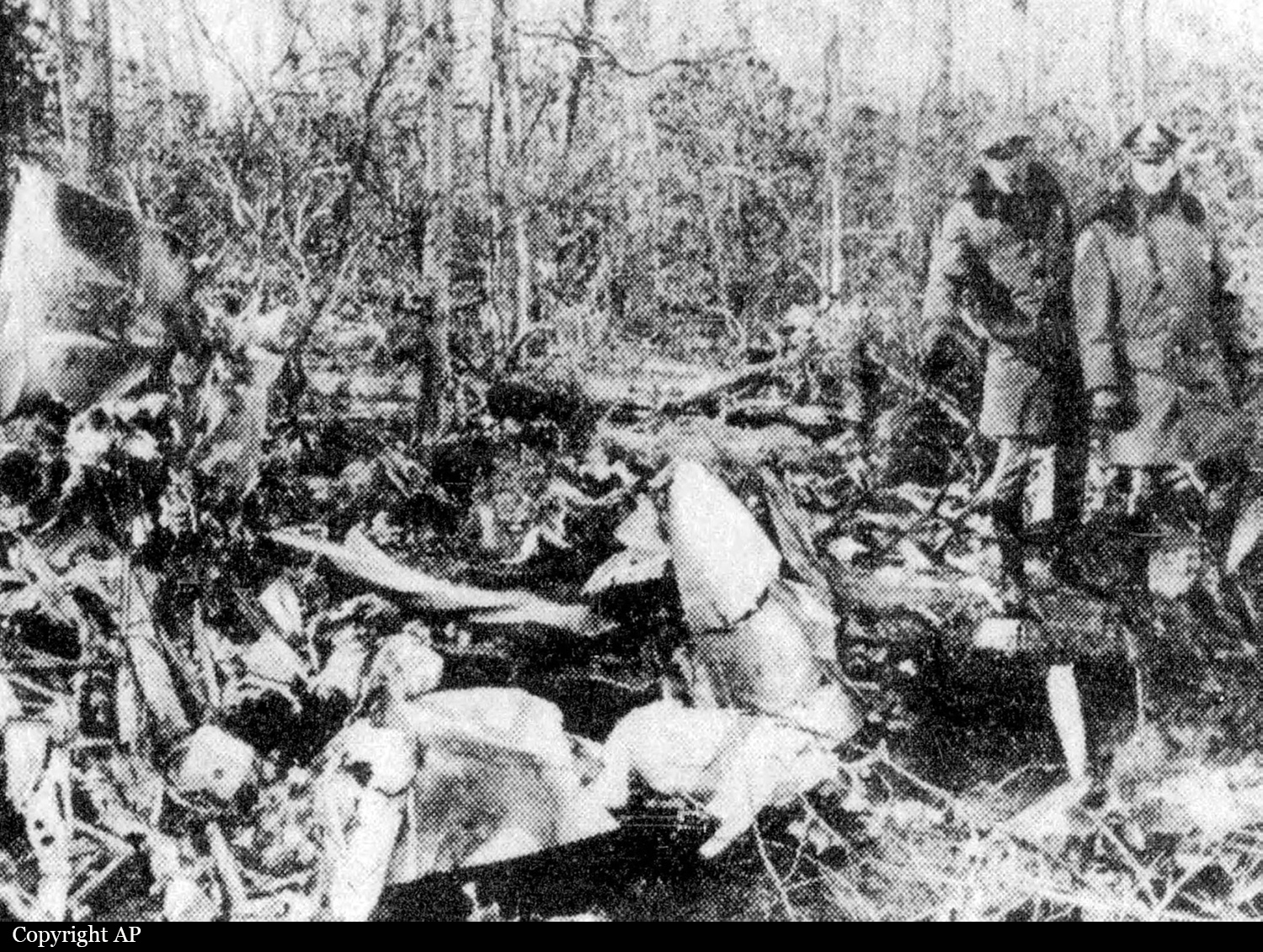
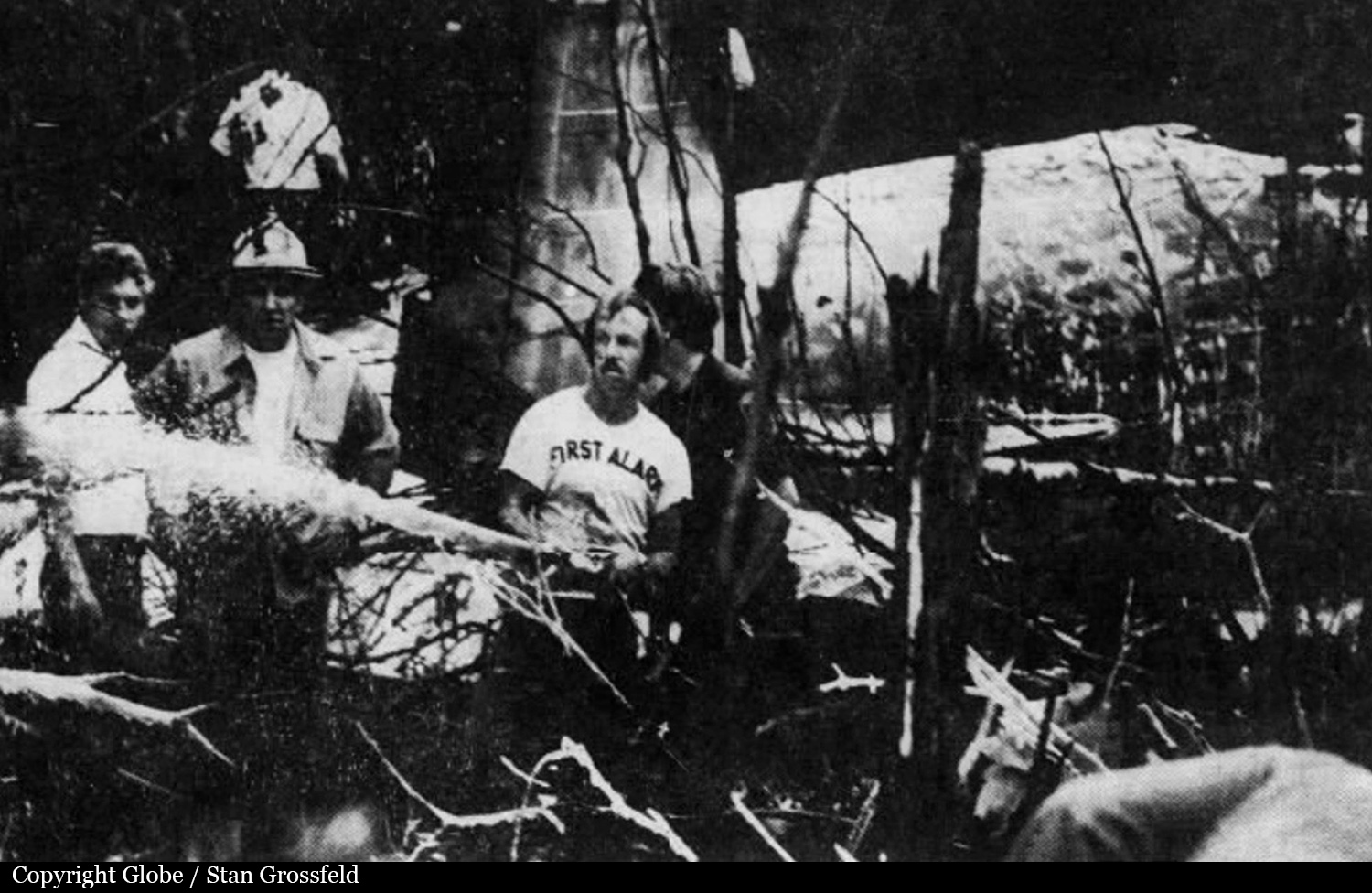
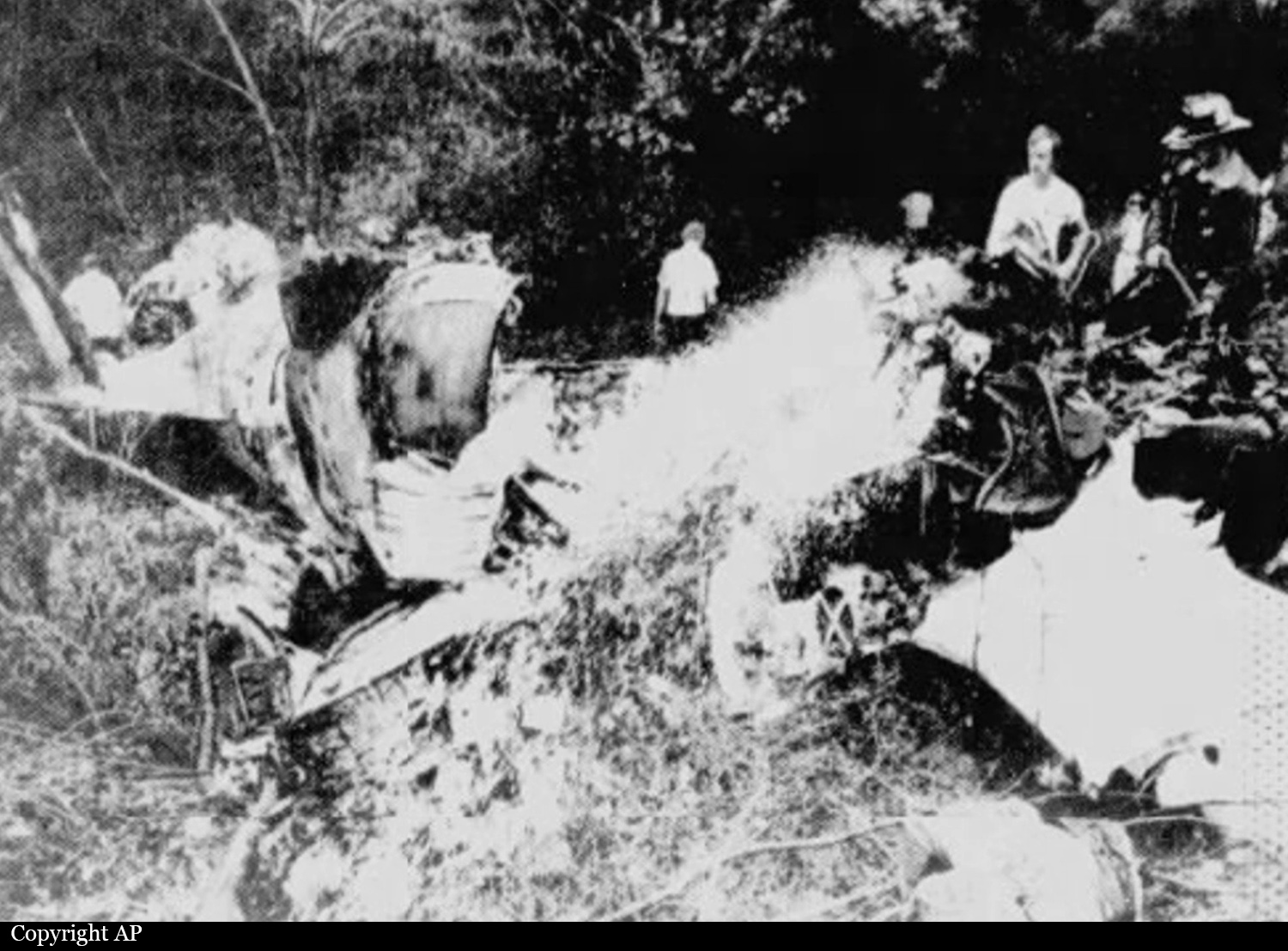
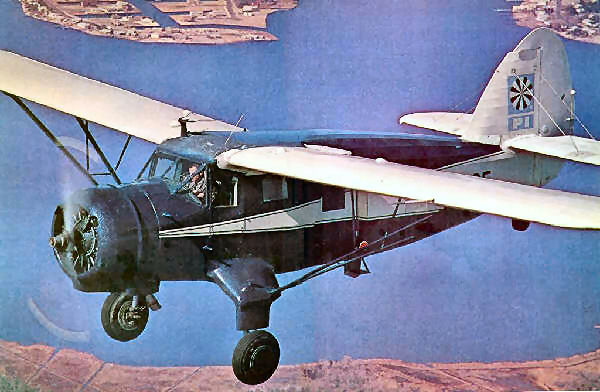
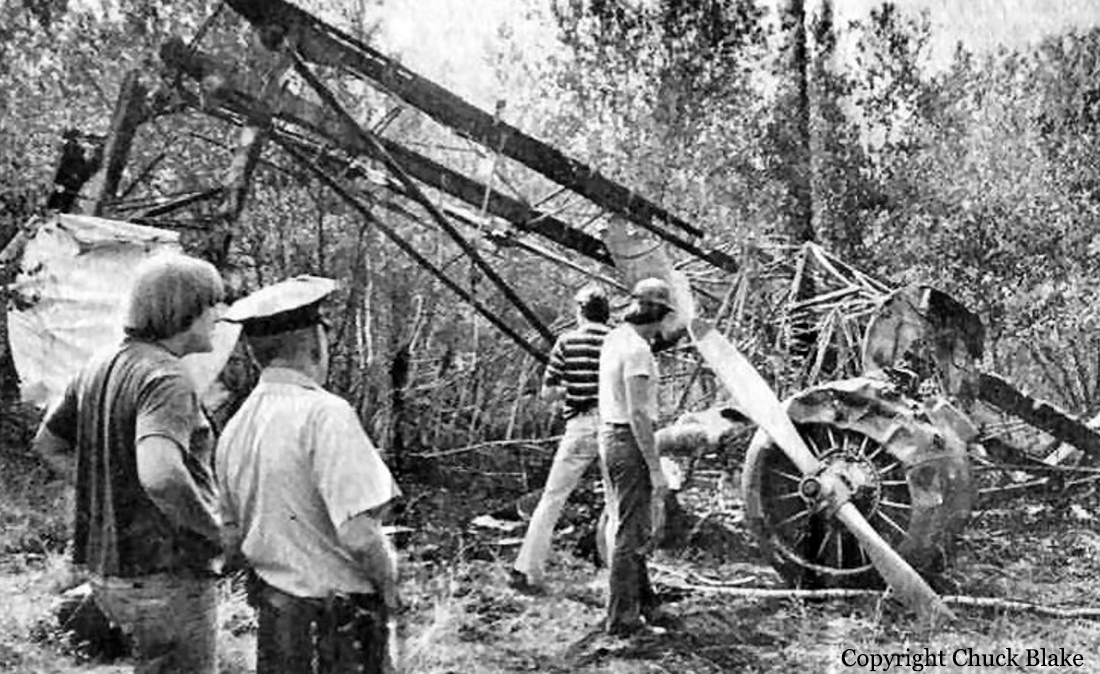
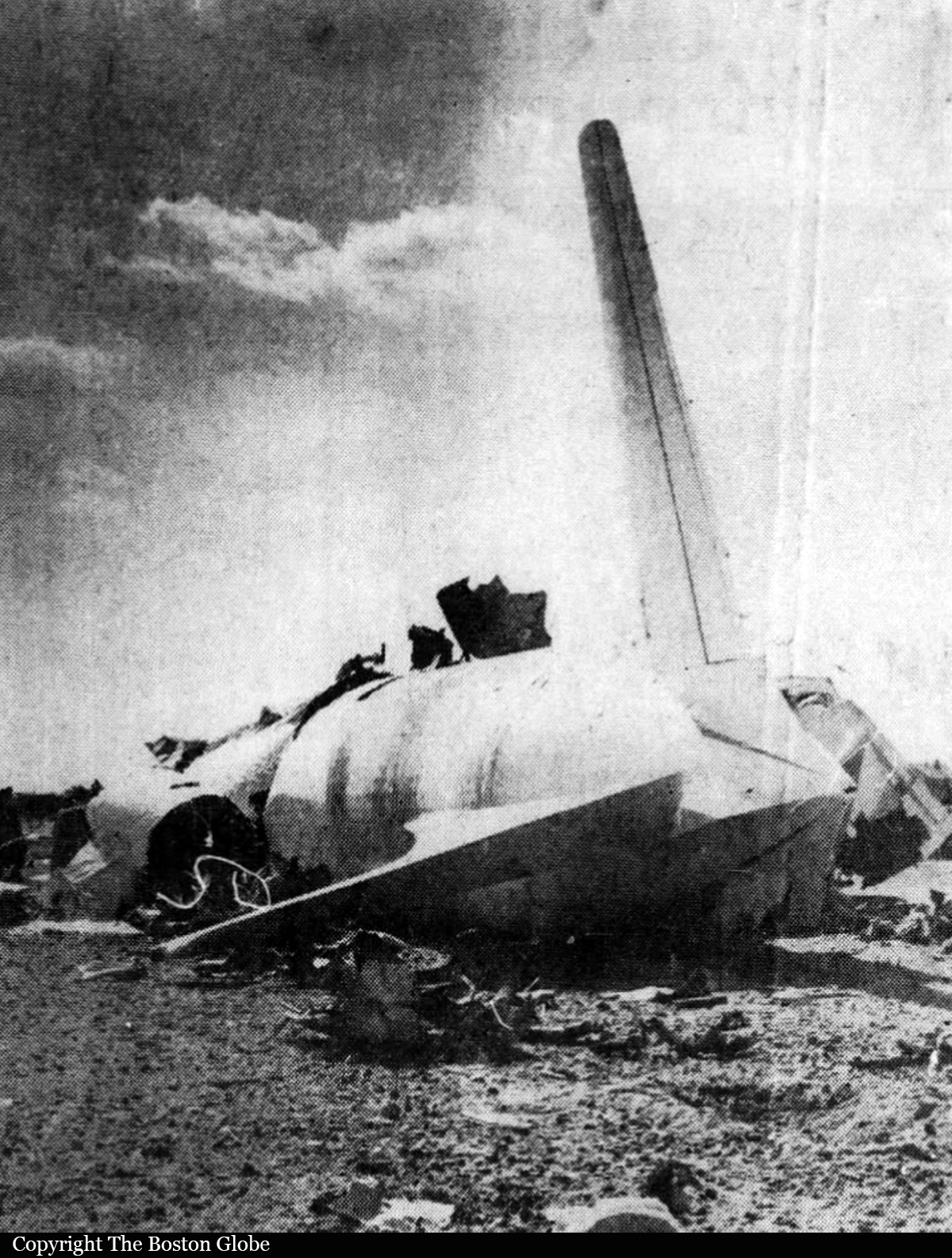
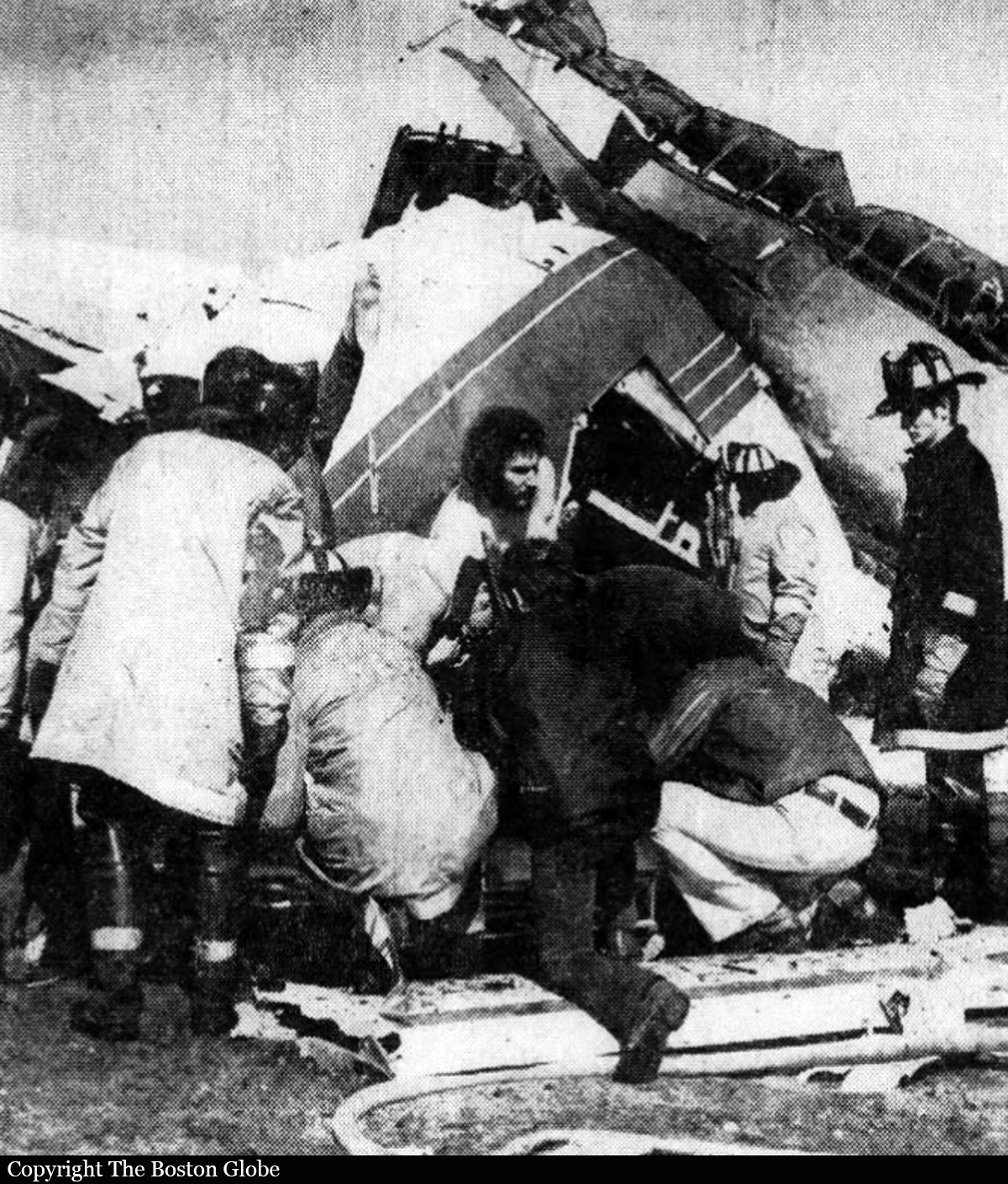
While in cruising altitude in good weather conditions, en route from Concord to White Plains, the twin engine airplane collided with a Piper PA-60 Aerostar (Ted Smith Aerostar 600) owned by Northeast Cellulose Inc and registered N8011J. En route from Boston to Syracuse, it was carrying one passenger and one pilot. Following the collision, both aircraft entered a dive and crashed near Templeton. Both aircraft were destroyed and all five occupants were killed.
Probable cause:
In-flight collision with another aircraft after the pilot failed to see and avoid other traffic while cruising in an uncontrolled area.
Final Report:

Crash of a Piper PA-31-350 Navajo Chieftain in Granville: 2 killed

Date & Time: Sep 18, 1978 at 1042 LT
Registration:
N63731
Flight Phase:
Flight Type:
Survivors:
No
Site:
Schedule:
Westfield - Pontiac
MSN:
31-7752054
YOM:
1977
Crew on board:
1
Crew fatalities:
Pax on board:
1
Pax fatalities:
Other fatalities:
Total fatalities:
2
Captain / Total flying hours:
6500
Circumstances:
While cruising in marginal weather conditions on a cargo flight from Westfield-Barnes to Pontiac, the twin engine airplane struck the slope of a mountain located in Granville, Massachusetts. The burnt wreckage was found 500 feet below the summit and both occupants were killed.
Probable cause:
Controlled flight into terrain after the pilot continued VFR flight in adverse weather conditions. The following contributing factors were reported:
- Unwarranted low flying,
- Low ceiling,
- Rain,
- Fog.
Final Report:

Crash of a Grumman S2F-1 Tracker near South Weymouth NAS: 2 killed

Date & Time: Aug 24, 1978
Type of aircraft:
Operator:
Registration:
133176
Flight Type:
Survivors:
No
Schedule:
South Weymouth - South Weymouth
MSN:
147
YOM:
1957
Crew on board:
2
Crew fatalities:
Pax on board:
0
Pax fatalities:
Other fatalities:
Total fatalities:
2
Circumstances:
The crew was completing a local training mission at South Weymouth NAS. On approach, the left engine failed and was shut down. Then the right engine lost power and white smoke got out. The airplane lost height then crashed few miles from the airfield. Both crew members Cdr Bailey and Lcdr Marriott were killed.
Probable cause:
Engine failure for unknown reasons.

Crash of a Fairchild C-123K Provider at Westover AFB

Date & Time: Oct 11, 1977
Type of aircraft:
Operator:
Registration:
54-0707
Flight Type:
Survivors:
Yes
MSN:
20156
YOM:
1954
Crew on board:
0
Crew fatalities:
Pax on board:
0
Pax fatalities:
Other fatalities:
Total fatalities:
0
Circumstances:
En route, the crew contacted ATC and declared an emergency following an in-flight fire. The pilot-in-command diverted to Westover AFB and the airplane landed hard and came to rest in flames. All occupants escaped uninjured while the aircraft was damaged beyond repair.
Probable cause:
In-flight fire of unknown origin.

Crash of a Noorduyn UC-64A Norseman in New Salem

Date & Time: Aug 28, 1977 at 1200 LT
Type of aircraft:
Operator:
Registration:
N69795
Flight Phase:
Survivors:
Yes
Schedule:
New Salem - New Salem
MSN:
667
YOM:
1944
Crew on board:
1
Crew fatalities:
Pax on board:
9
Pax fatalities:
Other fatalities:
Total fatalities:
0
Captain / Total flying hours:
859
Captain / Total hours on type:
125.00
Circumstances:
The single engine airplane was engaged in a local flight, carrying one pilot and nine skydivers. After takeoff from New Salem Airstrip, the airplane encountered difficulties to gain height. It struck trees then stalled and crashed in flames in a wooded area. All 10 occupants were injured and the aircraft was destroyed.
Probable cause:
Engine malfunction during initial climb and collision with trees due to fuel system corroded. The following contributing factors were reported:
- Powerplant, fuel system, carburetor, corroded and obstructed,
- Fuel starvation,
- High obstructions,
- Forced landing off airport on land,
- Corrosion deposit found blocking accelerator pump outlet orifice of Bendix Stromberg NA-Y9E1 carburetor.
Final Report:

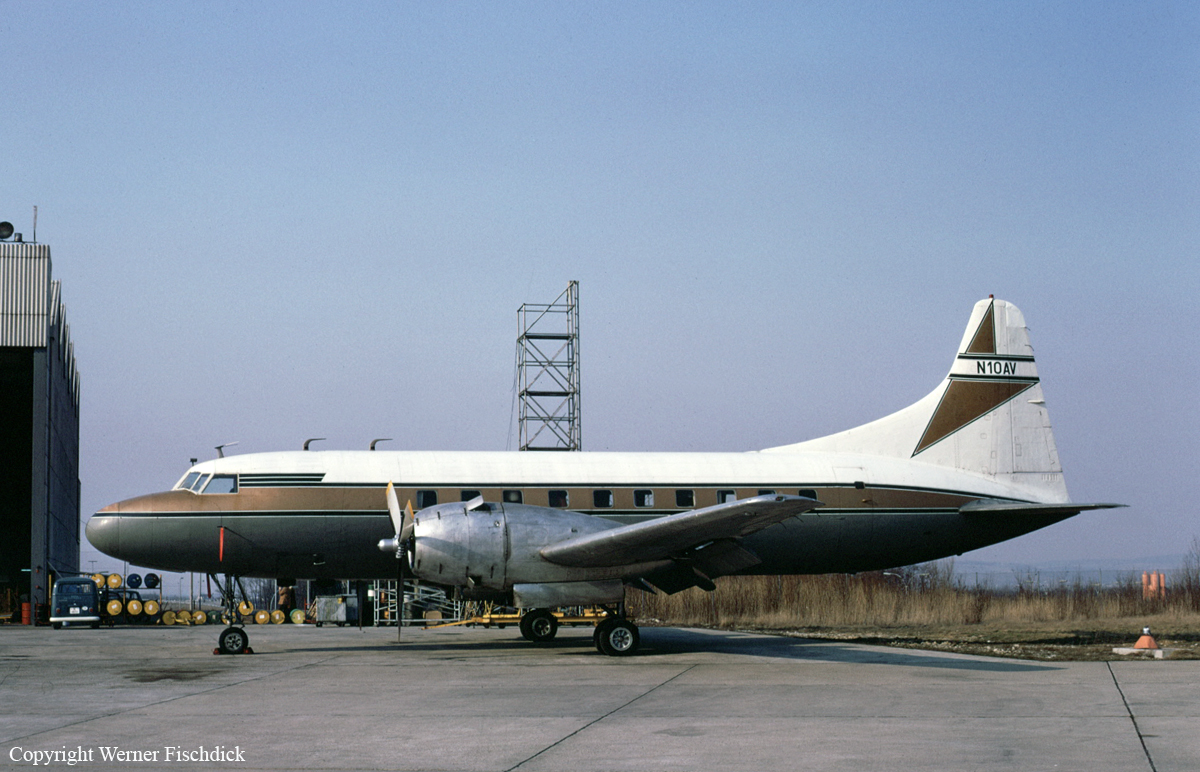
Crash of a Convair CV-240-0 in Hyannis

Date & Time: Apr 9, 1977 at 1315 LT
Type of aircraft:
Registration:
N10AV
Flight Phase:
Flight Type:
Survivors:
Yes
Schedule:
Hyannis - Hyannis
MSN:
8
YOM:
1947
Crew on board:
2
Crew fatalities:
Pax on board:
3
Pax fatalities:
Other fatalities:
Total fatalities:
0
Captain / Total flying hours:
15774
Captain / Total hours on type:
600.00
Circumstances:
The airplane departed Hyannis-Barnstable Airport for a local private flight. While flying at an altitude of about 500 feet, the right engine failed. Due to populated area around his position, the captain decided to attempt an emergency landing on a beach. Upon landing, the airplane struck huge boulders and crashed. All five occupants were injured and the airplane was damaged beyond repair.
Probable cause:
Engine failure caused by ice in fuel. The following contributing factors were reported:
- Collision with objects,
- Inadequate preflight preparation,
- Mismanagement of fuel,
- Ice in fuel,
- Forced landing off airport on land,
- Ice in right fuel tank, crossfeed on,
- Boost pumps on tank valves both on.
Final Report:

Crash of a Piper PA-61 Aerostar (Ted Smith 601) in Framingham

Date & Time: Dec 12, 1976 at 1800 LT
Operator:
Registration:
N90337
Flight Phase:
Flight Type:
Survivors:
Yes
Schedule:
Boston - White Plains
MSN:
61-0195-090
YOM:
1975
Crew on board:
1
Crew fatalities:
Pax on board:
1
Pax fatalities:
Other fatalities:
Total fatalities:
0
Captain / Total flying hours:
5000
Captain / Total hours on type:
1600.00
Circumstances:
En route from Boston to White Plains in normal cruise, both engines failed. The pilot reduced his altitude and attempted an emergency landing when the airplane struck trees and crashed in Framingham. Both occupants were seriously injured and the aircraft was destroyed.
Probable cause:
Double engine failure in flight due to fuel exhaustion. The following contributing factors were reported:
- Inadequate preflight preparation,
- Mismanagement of fuel,
- Fuel exhaustion,
- Powerplant - fuel quantity gauge,
- Forced landing off airport on land.
Final Report:

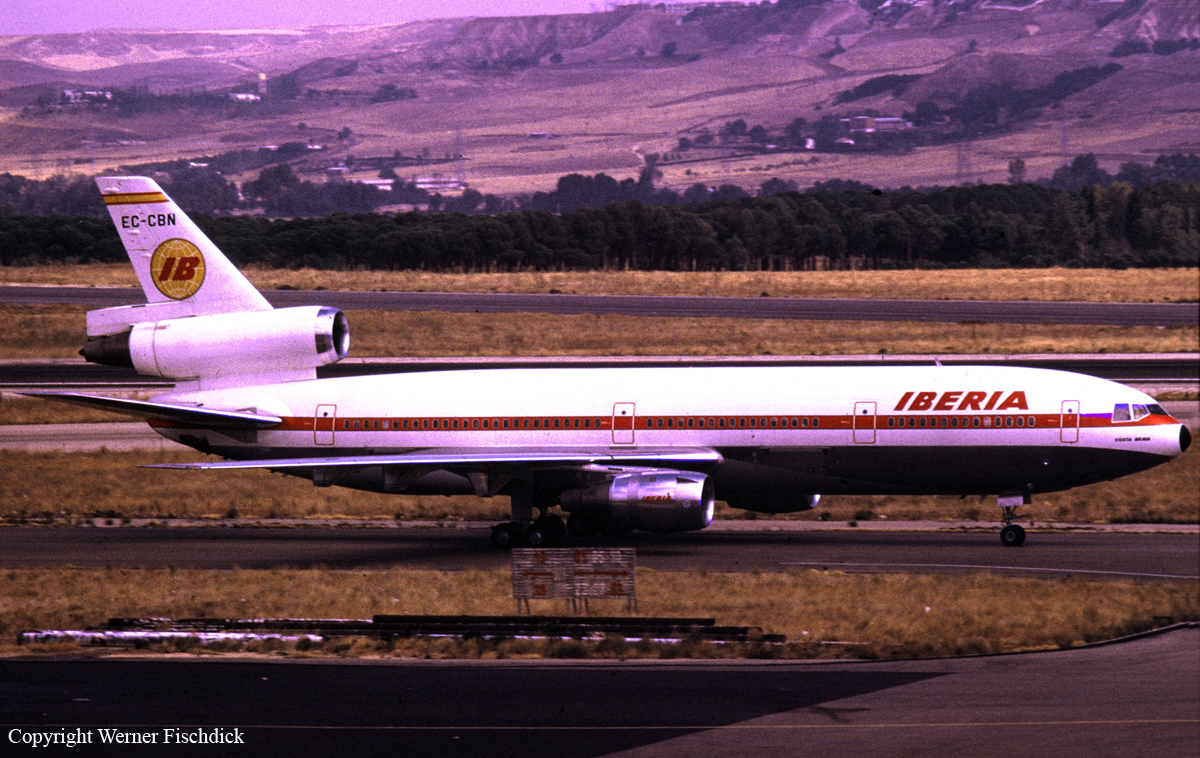
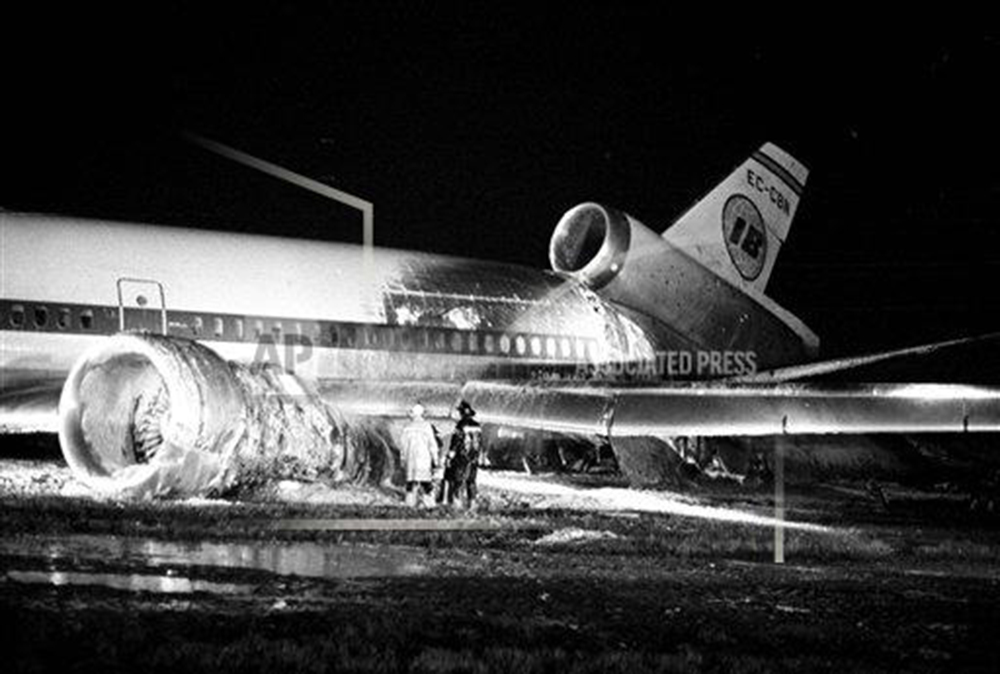
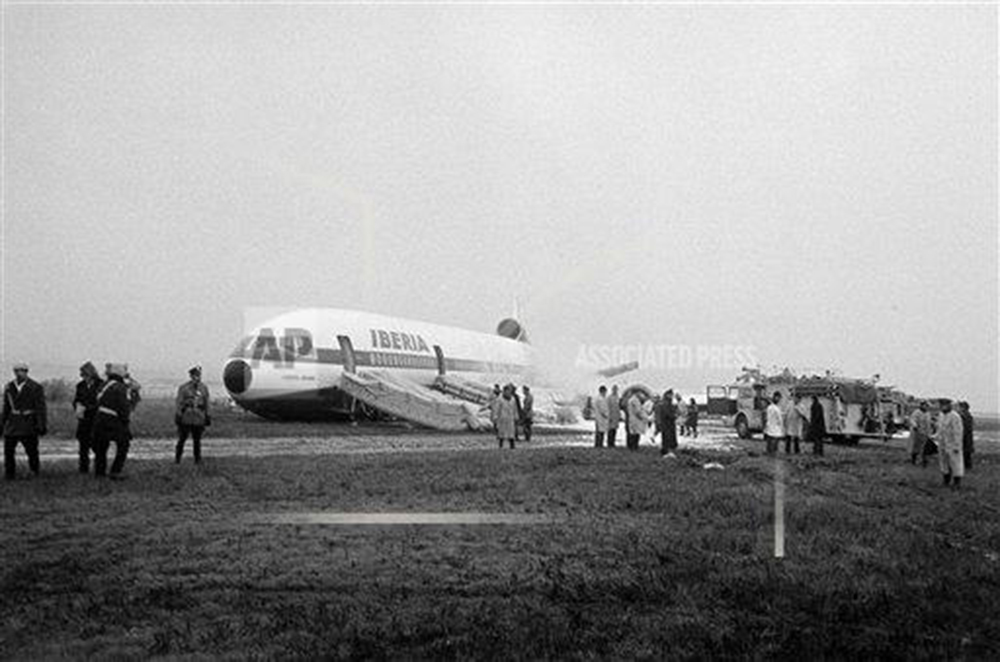
Crash of a Douglas DC-10-30 in Boston

Date & Time: Dec 17, 1973 at 1543 LT
Type of aircraft:
Operator:
Registration:
EC-CBN
Survivors:
Yes
Schedule:
Madrid - Boston
MSN:
46925/87
YOM:
1973
Flight number:
IB933
Crew on board:
14
Crew fatalities:
Pax on board:
154
Pax fatalities:
Other fatalities:
Total fatalities:
0
Captain / Total flying hours:
21705
Captain / Total hours on type:
426.00
Copilot / Total flying hours:
34189
Copilot / Total hours on type:
403
Aircraft flight hours:
2016
Circumstances:
On approach to runway 33L at Boston-Logan Airport, the crew encountered marginal weather conditions with rain falls and a limited visibility to 3/4 mile in fog. While passing from IFR to VFR mode on short final, the captain failed to realize that the airplane lost height when the right main gear struck a dyke and was torn off. The airplane struck the runway surface, veered off runway to the right then lost its undercarriage and came to rest in flames. All 168 occupants were evacuated, six of them were injured. The aircraft was destroyed.
Probable cause:
The captain did not recognize, and may have been unable to recognize, an increased rate of descent in time to arrest it before the aircraft struck the approach light piers. The increased rate of descent was induced by an encounter with a low-level wind shear at a critical point in the landing approach where he was transitioning from automatic flight control under instrument flight conditions to manual flight control with visual references. The captain's ability to detect and arrest the increased rate of descent was adversely affected by a lack of information as to the existence of the wind shear and the marginal visual cues available. The minimal DC-10 wheel clearance above the approach lights and the runway threshold afforded by the ILS glide slope made the response time critical and, under the circumstances, produced a situation wherein a pilot's ability to make a safe landing was greatly diminished.
Final Report:

Crash of a Cessna 402B in West Stockbridge: 4 killed

Date & Time: Nov 16, 1973 at 1800 LT
Type of aircraft:
Registration:
N50YL
Flight Phase:
Flight Type:
Survivors:
No
Schedule:
Pittsfield - Morristown
MSN:
402B-0350
YOM:
1973
Crew on board:
1
Crew fatalities:
Pax on board:
3
Pax fatalities:
Other fatalities:
Total fatalities:
4
Captain / Total flying hours:
935
Captain / Total hours on type:
400.00
Circumstances:
While in cruising altitude on a flight from Pittsfield to Morristown, the pilot informed ATC about an in-flight fire and that smoke spread in the cockpit and the cabin. He was cleared to divert to the nearest airport when, few seconds later, the twin engine airplane entered a dive and eventually crashed in flames in an open field located in West Stockbridge. The aircraft disintegrated on impact and all four occupants were killed.
Probable cause:
The right engine caught fire in flight for undetermined reason. The following factors were reported:
- Uncontrolled descent,
- Smoke in cockpit,
- Fire in cabin, cockpit and baggage compartment,
- In-flight fire in the right engine compartment,
- Cause of fire undetermined due to fire damage to aircraft.
Final Report:

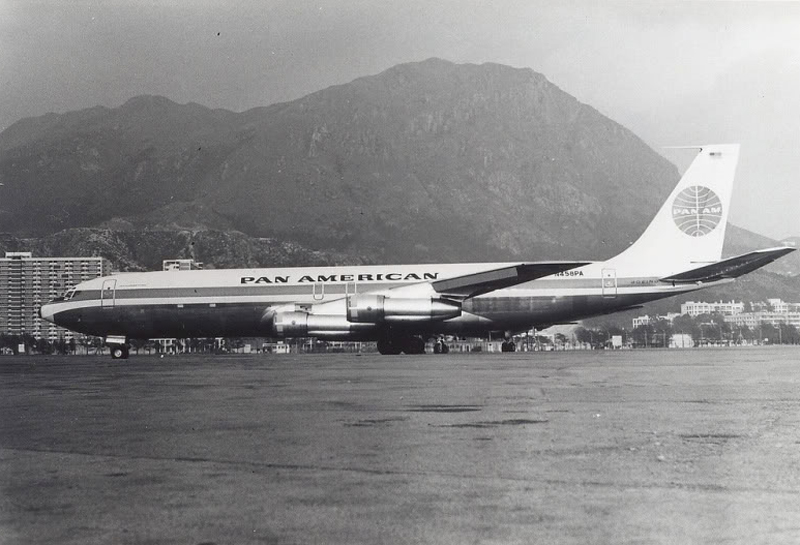
Crash of a Boeing 707-321C in Boston: 3 killed

Date & Time: Nov 3, 1973 at 0939 LT
Type of aircraft:
Operator:
Registration:
N458PA
Flight Type:
Survivors:
No
Schedule:
New York - Glasgow - Frankfurt
MSN:
19368/640
YOM:
1967
Flight number:
PA160
Crew on board:
3
Crew fatalities:
Pax on board:
0
Pax fatalities:
Other fatalities:
Total fatalities:
3
Captain / Total flying hours:
16477
Captain / Total hours on type:
5824.00
Copilot / Total flying hours:
3843
Copilot / Total hours on type:
3843
Aircraft flight hours:
24537
Circumstances:
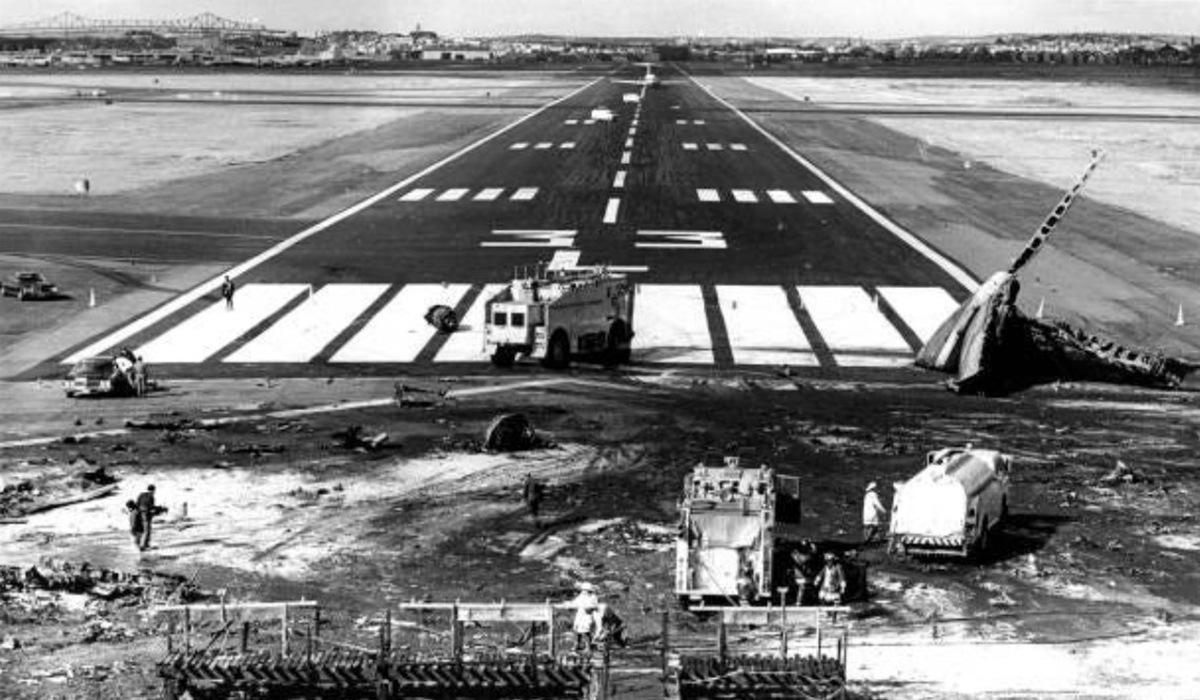
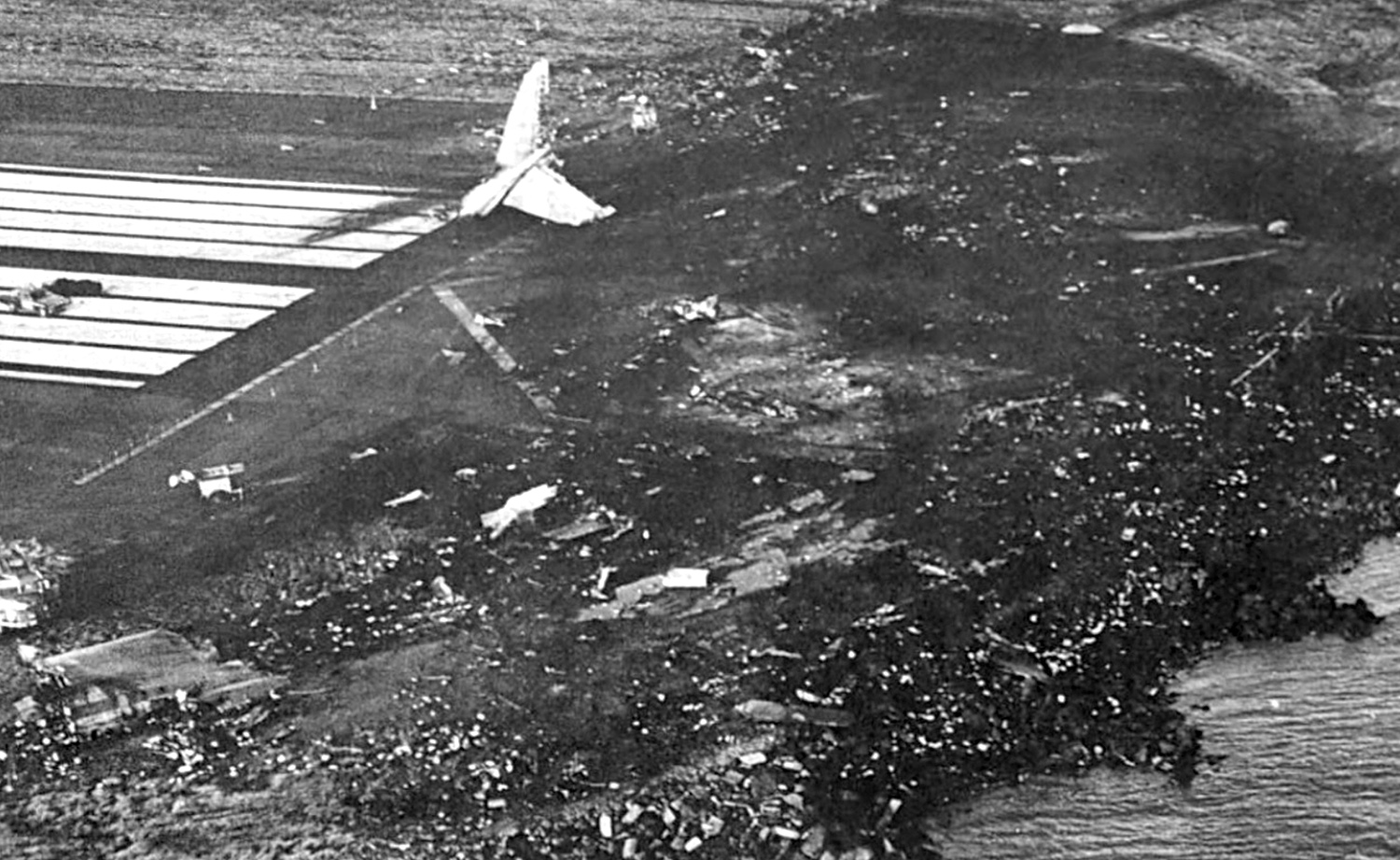
Pan American World Airways Clipper Flight 160 was a scheduled cargo flight from New York-JFK to Frankfurt (FRA), Germany, with a scheduled stop at Prestwick (PIK), Scotland. At 08:25 the flight departed JFK. The aircraft was carrying 52912 lb (24000 kg) of cargo, 15,360 lb (6967 kg) of which were chemicals. After departure, Clipper 160 was vectored on course while climbing to FL330. At 08:44, Clipper 160's clearance was amended, and it was instructed to maintain FL310 as a final cruising altitude. Clipper 160 reported level at FL310 at 08:50. As the flight approached Sherbrooke VORTAC 100 miles east of Montreal, Canada, at about 09:04, it advised Pan American Operations (PANOP) in New York that smoke had accumulated in the "lower 41" electrical compartment, and that the flight was diverting to Boston. At 09:08, Clipper 160 advised Montreal Center that they were level at FL310 and wanted to return to JFK. Montreal Center cleared Clipper 160 for a right turn to a heading of 180 degrees. At 09:10, Clipper 160 advised PANOP that it was returning to New York and that the smoke seemed to be "getting a little thicker in here." At 09:11, the crew advised PANOP that they were now going to Boston and that "this smoke is getting too thick." They also requested that emergency equipment be available when they arrived at Boston. During this conversation, the comment was made that the "cockpit's full back there." During its return to Boston, the flight was given preferential air traffic control treatment, although it had not declared an emergency. After issuing appropriate descent clearances en route so that fuel could be burned off more rapidly at lower altitudes, at 09:26:30 Boston Center advised Boston Arrival Radar that the flight was at 2,000 feet. At 09:29, Clipper 160 asked Boston Center for the flight's distance from Boston, and added, "The DME's don't seem to be working." The Center answered, "You're passing abeam, Pease Air Force Base, right now, sir, and you're about 40 to 45 miles to the northwest of Boston." The first communication between Clipper 160 and the arrival radar controller was at 09:31:21. The flight was cleared "direct Boston, maintain 2,000." The controller asked if the flight was declaring an emergency; the reply was "negative on the emergency, and may we have runway 33 left?" The controller approved the request, and the flight proceeded to Boston as cleared. At approximately the same time, the captain instructed the crew to "shut down everything you don't need." At 09:34:20, the controller asked, "Clipper 160, what do you show for a compass heading right now?" Clipper 160 answered, "Compass heading at this time is 205." The controller then asked, "will you accept a vector for a visual approach to a 5-mile final for runway 33 left, or do you want to be extended out further?" The crew replied, "Negative, we want to get it on the ground as soon as possible." At 09:35:46, the controller stated, "Clipper 160, advise anytime you have the airport in sight." Clipper 160 did not reply. At 09:37:04, the arrival controller made the following transmission: "Clipper 160, this is Boston approach control. If you read, squawk ident on any transponder. I see your transponder just became inoperative. Continue inbound now for runway 33 left, you're No. 1. There is a Lufthansa 747 on a 3-mile final for runway 27, the spacing is good. Remain on this frequency, Clipper 160." There was no reply from the flight. With flaps and spoilers had been extended for speed reduction, the airplane approached runway 33L. The yaw damper was rendered inoperative by the uncoordinated execution of emergency procedures earlier. This made the 707 extremely difficult to control at low speeds. Control was lost and the airplane struck the ground nose down about 262 feet from the right edge of the approach end of runway 33.Pan American World Airways Clipper Flight 160 was a scheduled cargo flight from New York-JFK to Frankfurt (FRA), Germany, with a scheduled stop at Prestwick (PIK), Scotland. At 08:25 the flight departed JFK. The aircraft was carrying 52912 lb (24000 kg) of cargo, 15,360 lb (6967 kg) of which were chemicals. After departure, Clipper 160 was vectored on course while climbing to FL330. At 08:44, Clipper 160's clearance was amended, and it was instructed to maintain FL310 as a final cruising altitude. Clipper 160 reported level at FL310 at 08:50. As the flight approached Sherbrooke VORTAC 100 miles east of Montreal, Canada, at about 09:04, it advised Pan American Operations (PANOP) in New York that smoke had accumulated in the "lower 41" electrical compartment, and that the flight was diverting to Boston. At 09:08, Clipper 160 advised Montreal Center that they were level at FL310 and wanted to return to JFK. Montreal Center cleared Clipper 160 for a right turn to a heading of 180 degrees. At 09:10, Clipper 160 advised PANOP that it was returning to New York and that the smoke seemed to be "getting a little thicker in here." At 09:11, the crew advised PANOP that they were now going to Boston and that "this smoke is getting too thick." They also requested that emergency equipment be available when they arrived at Boston. During this conversation, the comment was made that the "cockpit's full back there." During its return to Boston, the flight was given preferential air traffic control treatment, although it had not declared an emergency. After issuing appropriate descent clearances en route so that fuel could be burned off more rapidly at lower altitudes, at 09:26:30 Boston Center advised Boston Arrival Radar that the flight was at 2,000 feet. At 09:29, Clipper 160 asked Boston Center for the flight's distance from Boston, and added, "The DME's don't seem to be working." The Center answered, "You're passing abeam, Pease Air Force Base, right now, sir, and you're about 40 to 45 miles to the northwest of Boston." The first communication between Clipper 160 and the arrival radar controller was at 09:31:21. The flight was cleared "direct Boston, maintain 2,000." The controller asked if the flight was declaring an emergency; the reply was "negative on the emergency, and may we have runway 33 left?" The controller approved the request, and the flight proceeded to Boston as cleared. At approximately the same time, the captain instructed the crew to "shut down everything you don't need." At 09:34:20, the controller asked, "Clipper 160, what do you show for a compass heading right now?" Clipper 160 answered, "Compass heading at this time is 205." The controller then asked, "will you accept a vector for a visual approach to a 5-mile final for runway 33 left, or do you want to be extended out further?" The crew replied, "Negative, we want to get it on the ground as soon as possible." At 09:35:46, the controller stated, "Clipper 160, advise anytime you have the airport in sight." Clipper 160 did not reply. At 09:37:04, the arrival controller made the following transmission: "Clipper 160, this is Boston approach control. If you read, squawk ident on any transponder. I see your transponder just became inoperative. Continue inbound now for runway 33 left, you're No. 1. There is a Lufthansa 747 on a 3-mile final for runway 27, the spacing is good. Remain on this frequency, Clipper 160." There was no reply from the flight. With flaps and spoilers had been extended for speed reduction, the airplane approached runway 33L. The yaw damper was rendered inoperative by the uncoordinated execution of emergency procedures earlier. This made the 707 extremely difficult to control at low speeds. Control was lost and the airplane struck the ground nose down about 262 feet from the right edge of the approach end of runway 33. The aircraft was totally destroyed and all three crew members were killed.
Probable cause:
The presence of smoke in the cockpit which was continuously generated and uncontrollable. The smoke led to an emergency situation that culminated in loss of control of the aircraft during final approach, when the crew in uncoordinated action deactivated the yaw damper in conjunction with incompatible positioning of flight spoilers and wing flaps. The NTSB further determines that the dense smoke in the cockpit seriously impaired the flight crew's vision and ability to function effectively during the emergency. Although the source of the smoke could not be established conclusively, the NTSB believes that the spontaneous chemical reaction between leaking acid, improperly packaged and stowed, and the improper sawdust packing surrounding the acid's package initiated the accident sequence. A contributing factor was the general lack of compliance with existing regulations governing the transportation of hazardous materials which resulted from the complexity of the regulations, the industry wide lack of familiarity with the regulations and the working level, the over-lapping jurisdictions, and the inadequacy of government surveillance.
Final Report: