code

LA

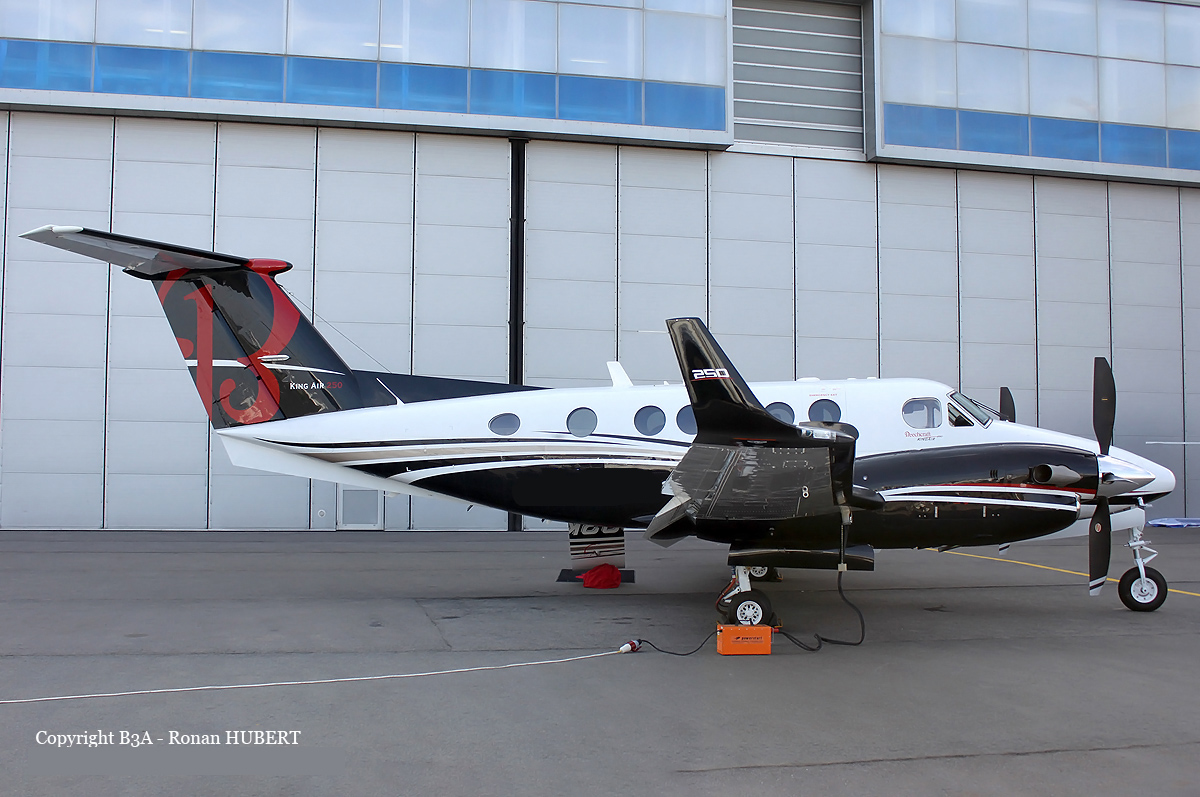
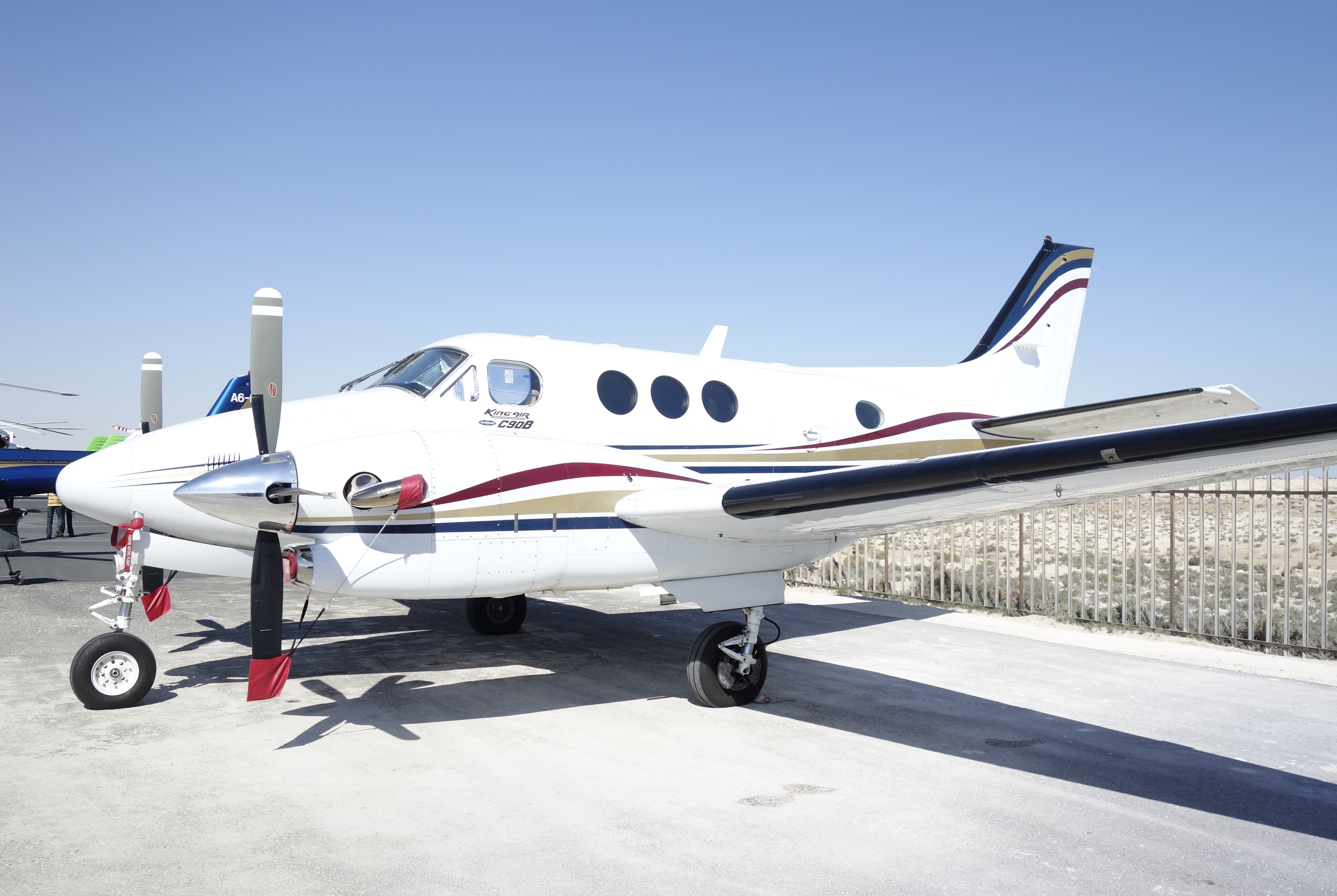
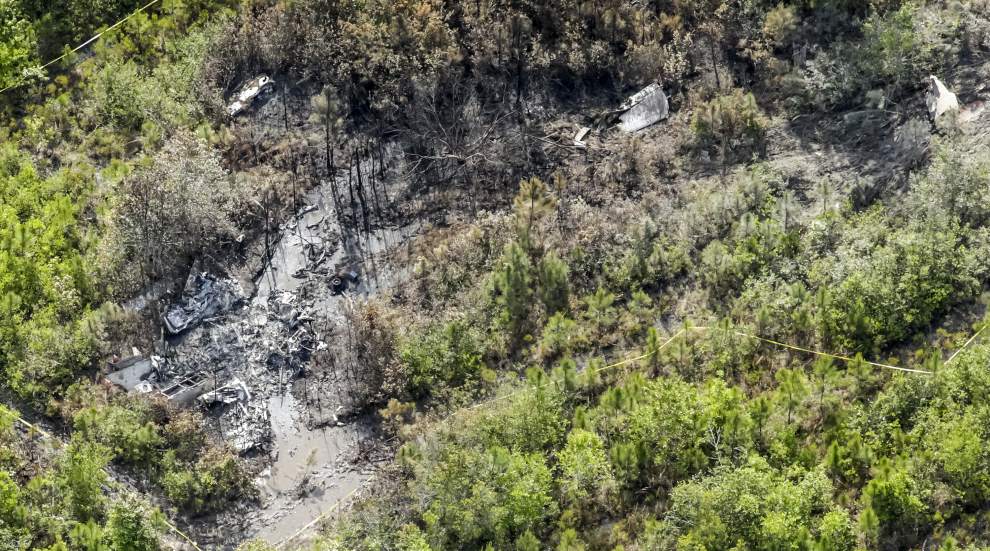
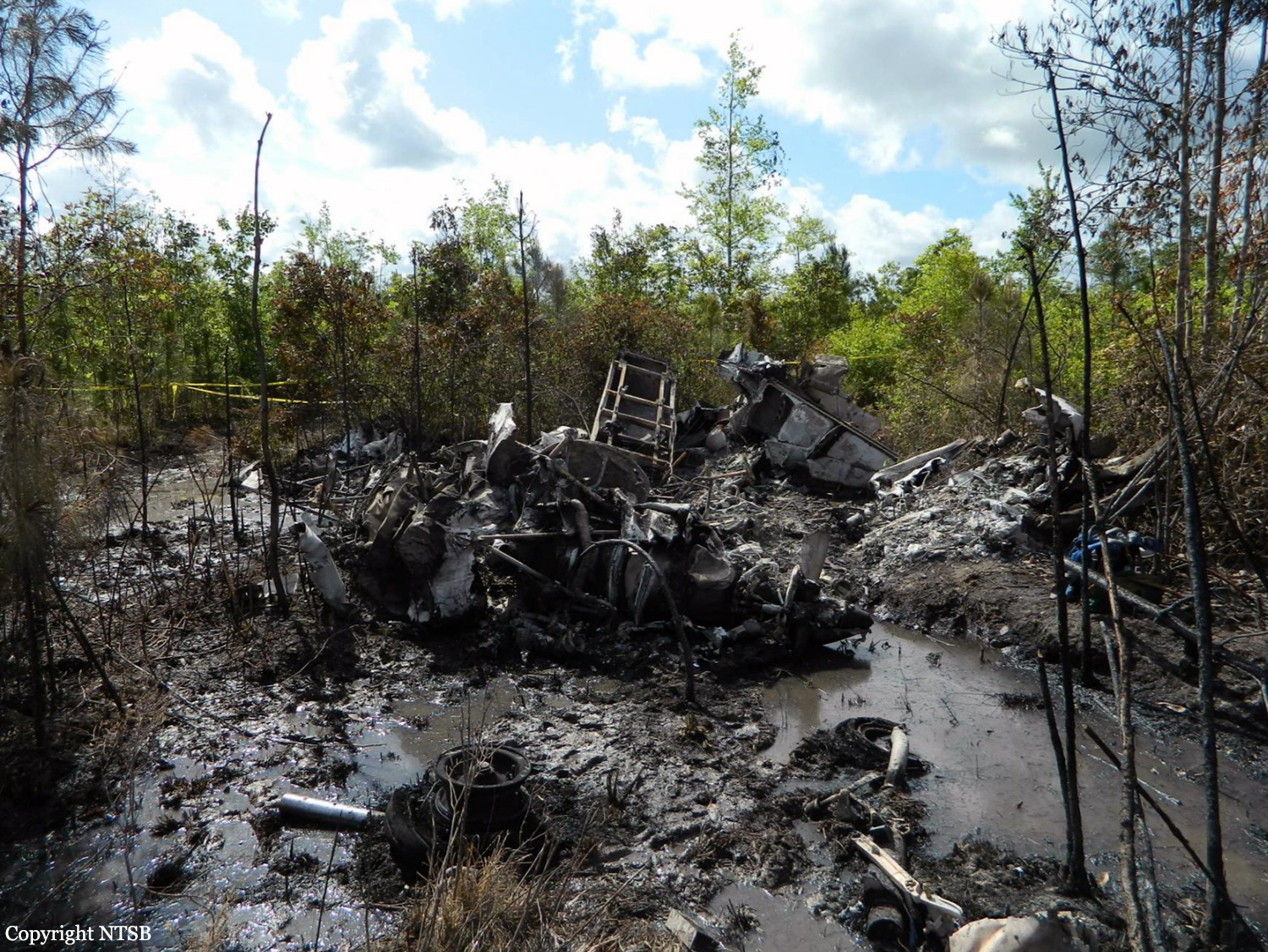
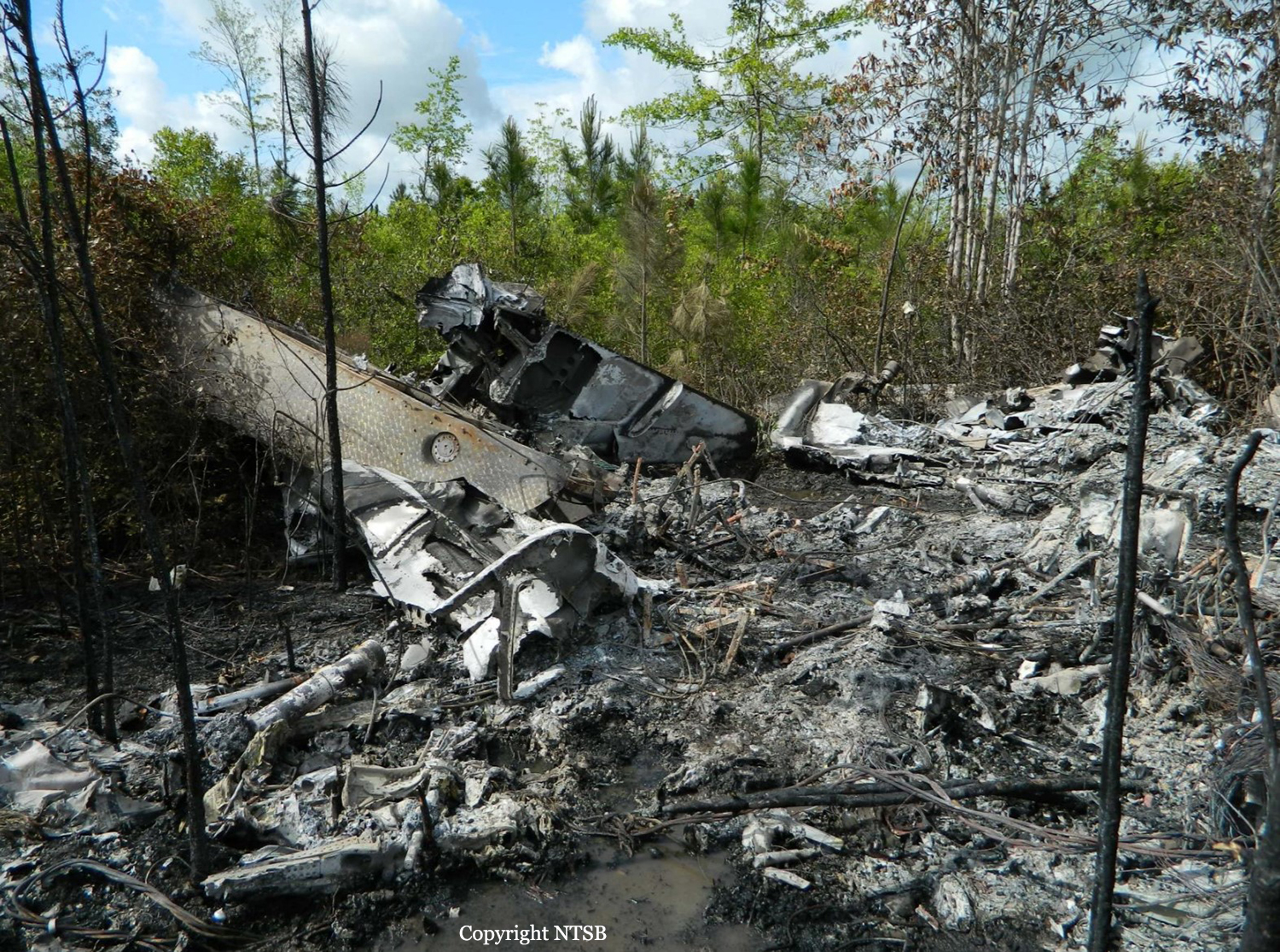
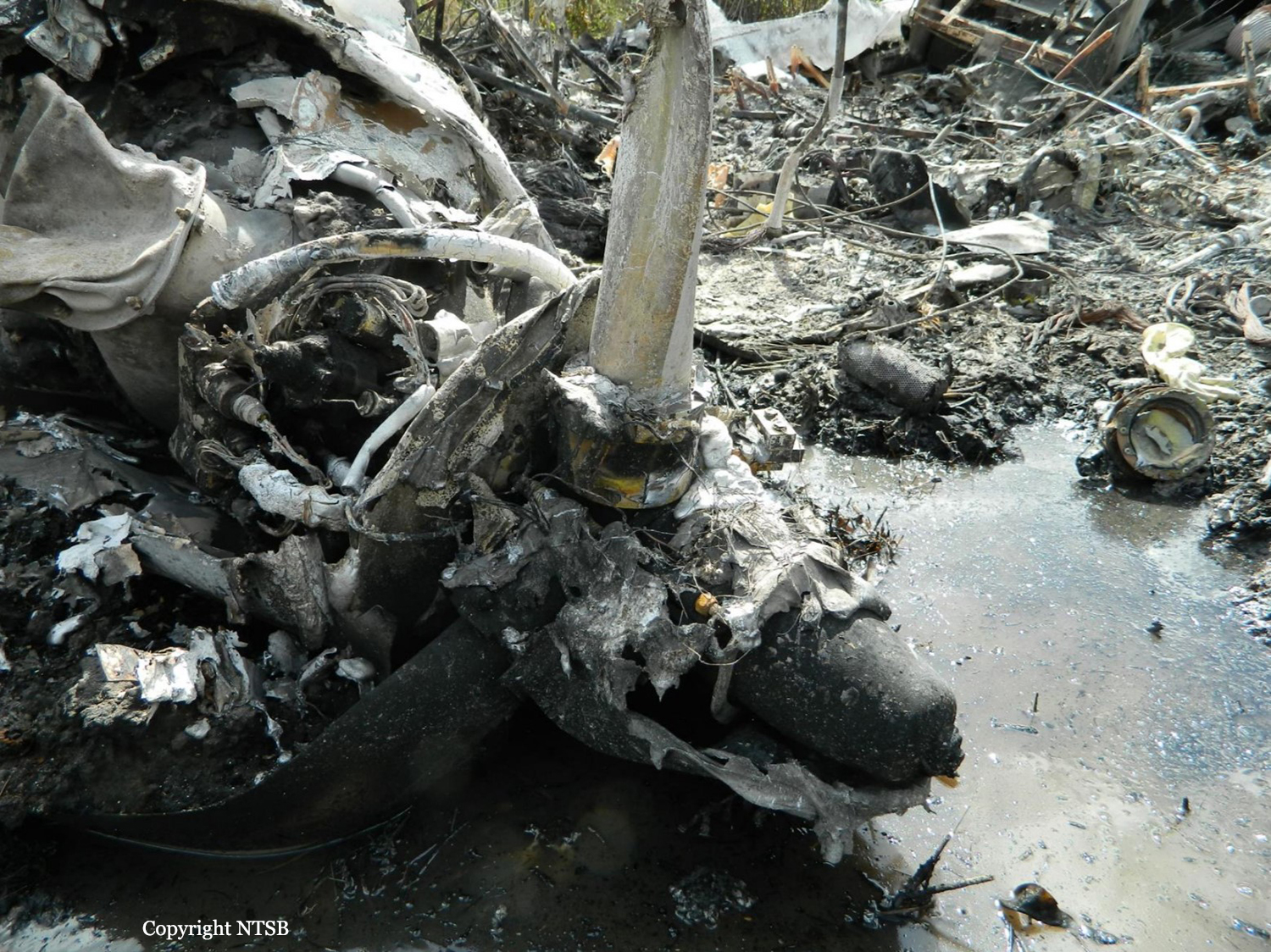
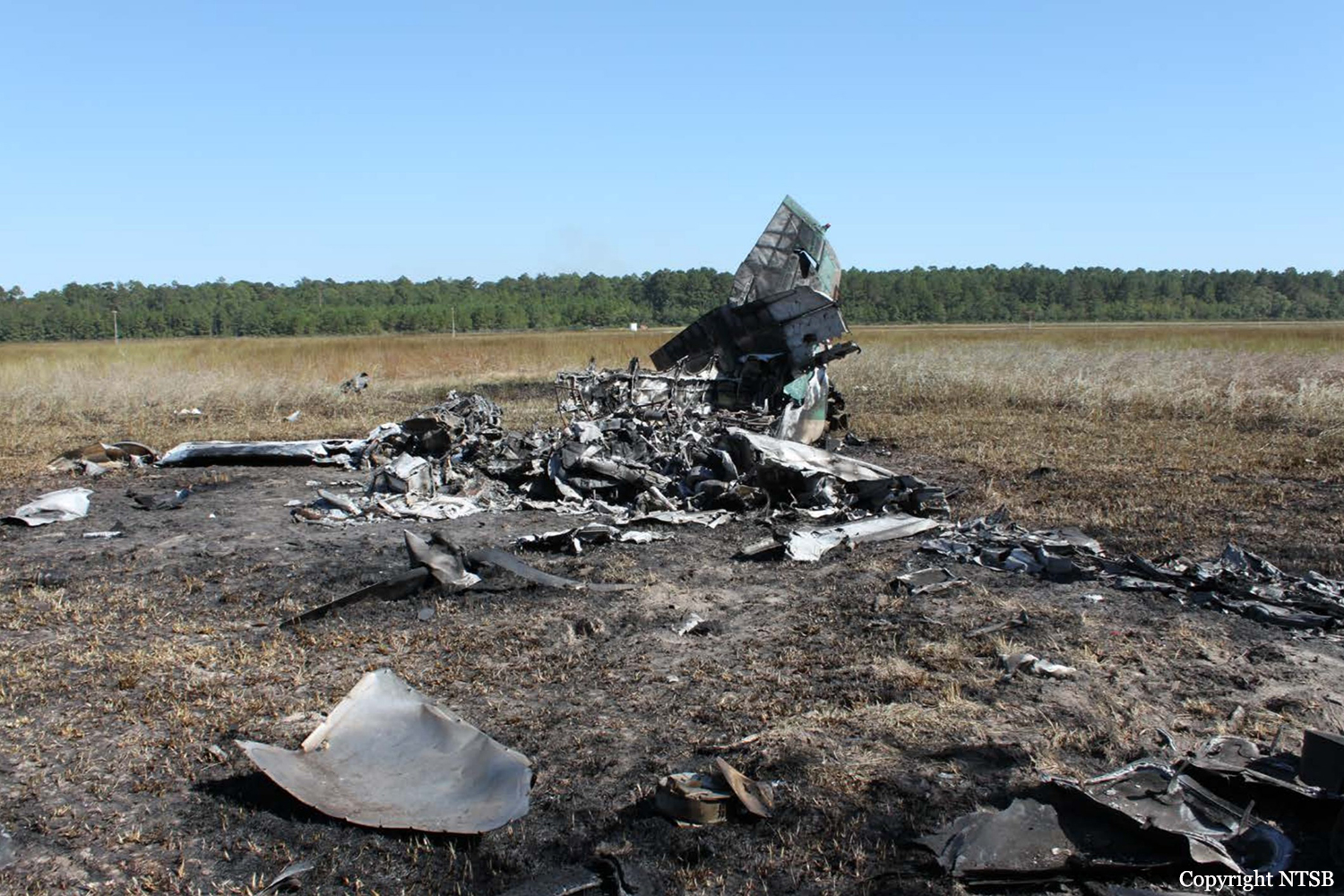
Crash of a Beechcraft B200GT Super King Air 250 near Boyce: 1 killed

Date & Time: Mar 22, 2026 at 1418 LT
Registration:
N886DS
Flight Type:
Survivors:
No
Schedule:
Fort Lauderdale - Alexandria
MSN:
BY-248
YOM:
2015
Location:
Crew on board:
1
Crew fatalities:
Pax on board:
0
Pax fatalities:
Other fatalities:
Total fatalities:
1
Circumstances:
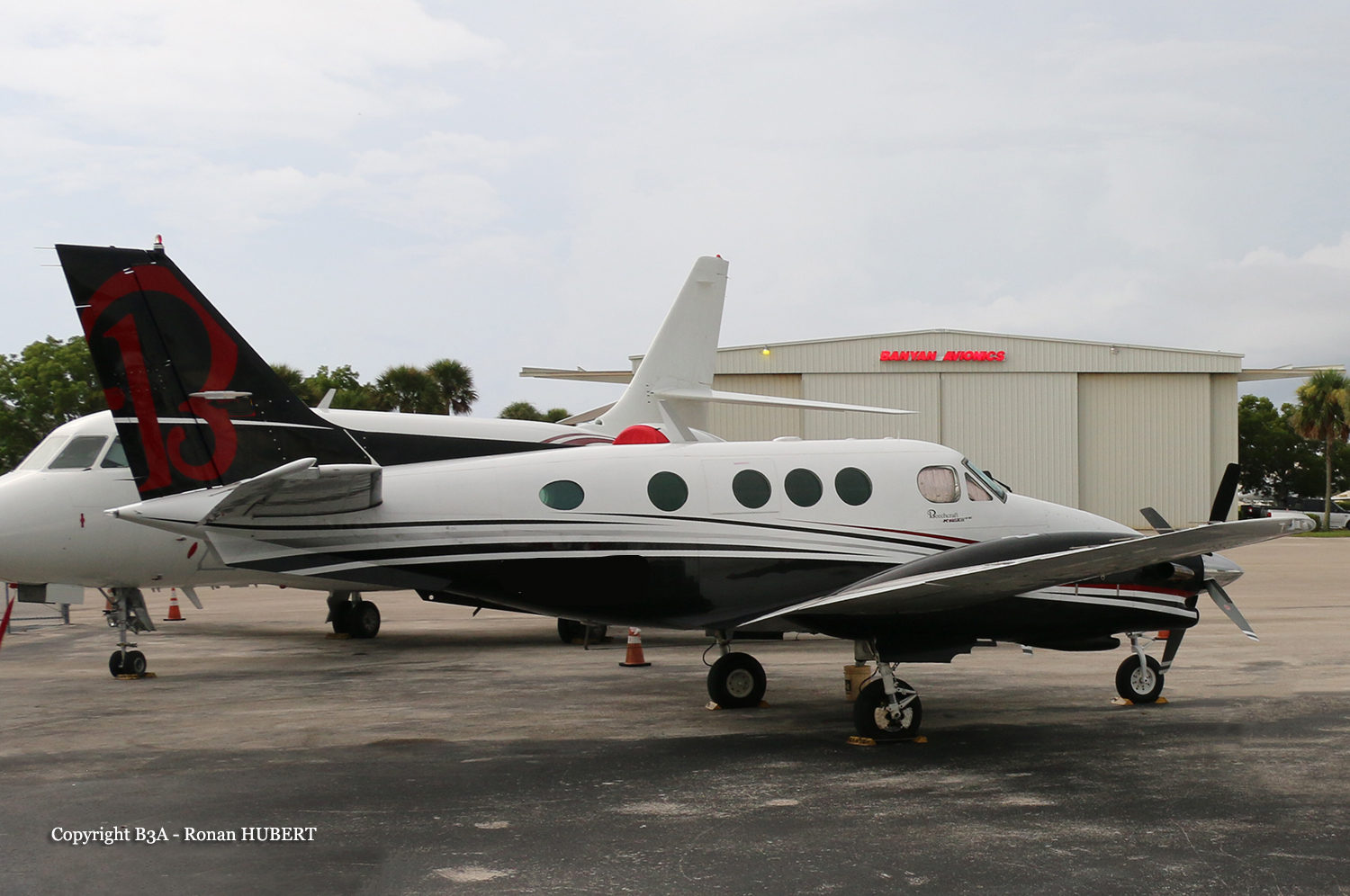
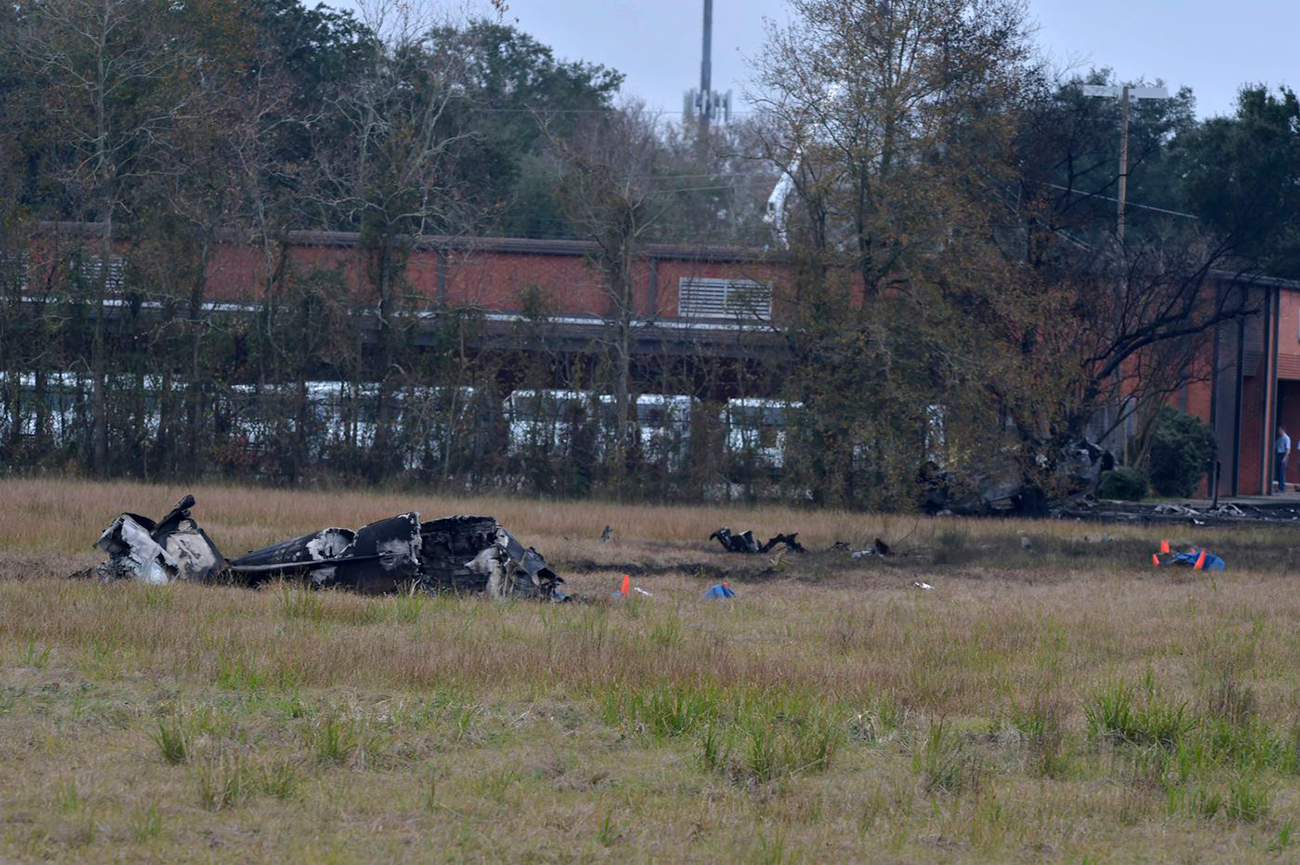
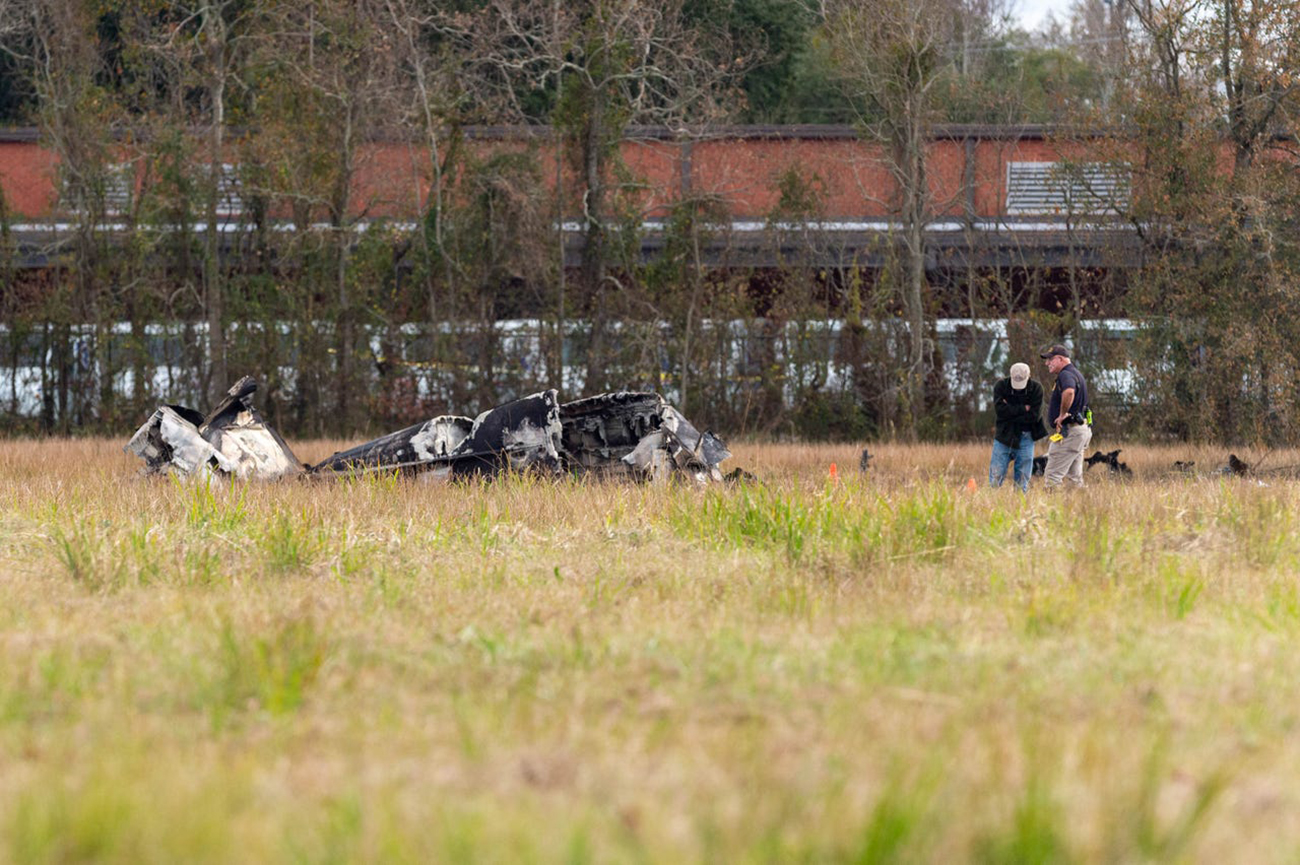
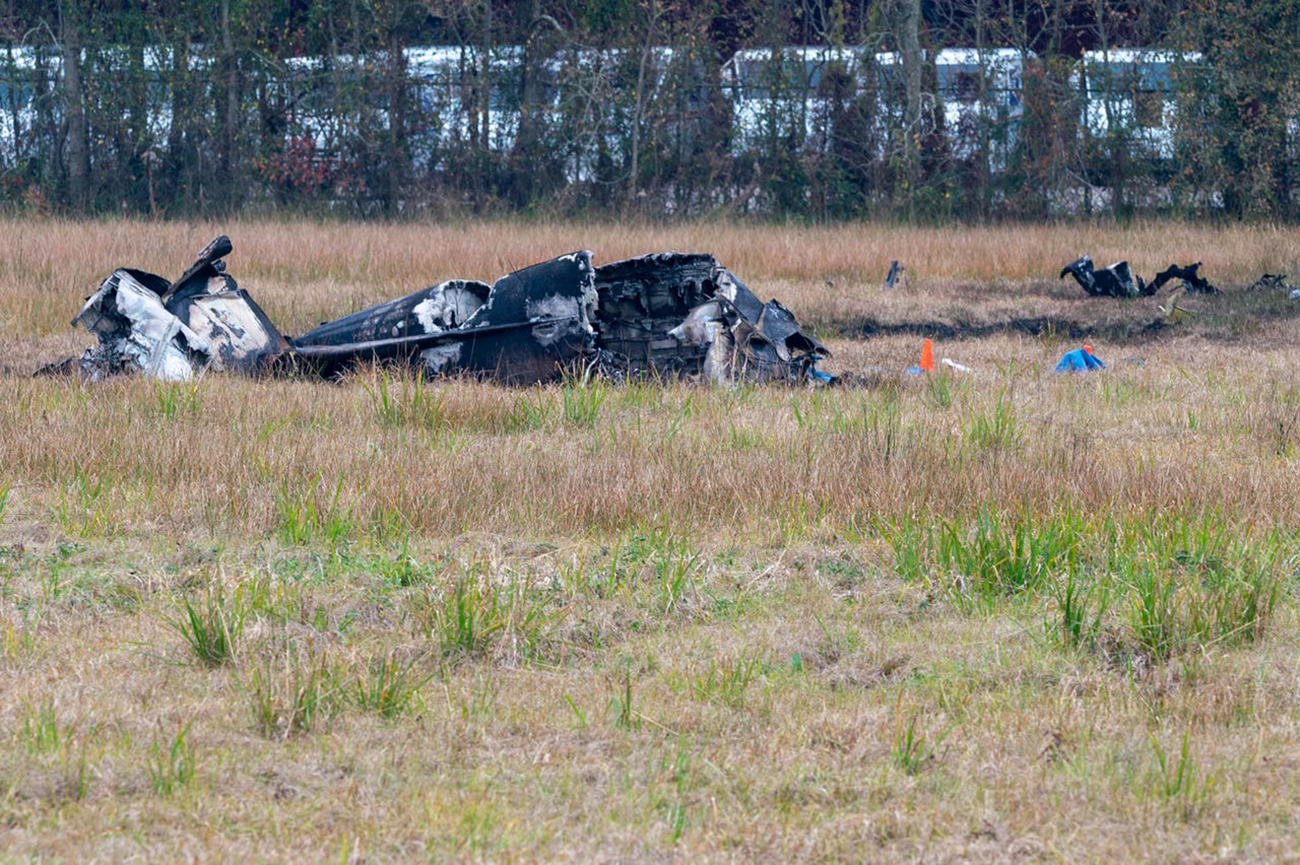
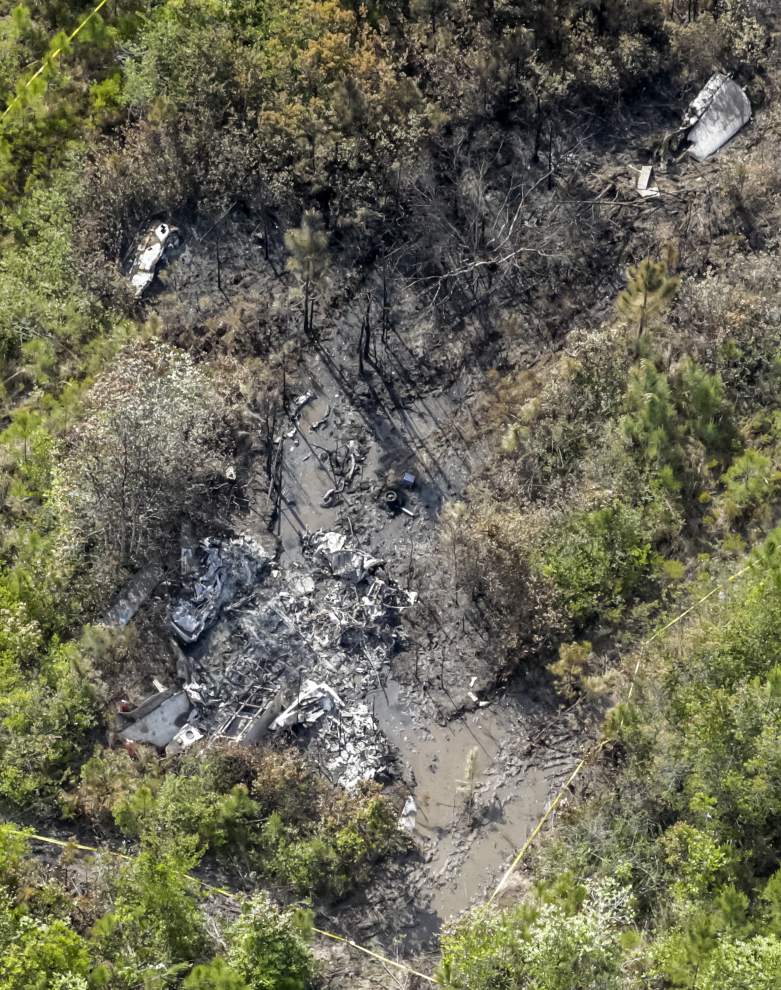
The twin engine airplane departed Fort Lauderdale-Executive Airport at 1227LT on a flight to Alexandria, Louisiana. The pilot was sole on board. After completing a right turn descending to Alexandria Airport, the airplane entered an uncontrolled descent and crashed south of Boyce, east of Rodemacher Lake. The airplane was destroyed and the pilot was killed.

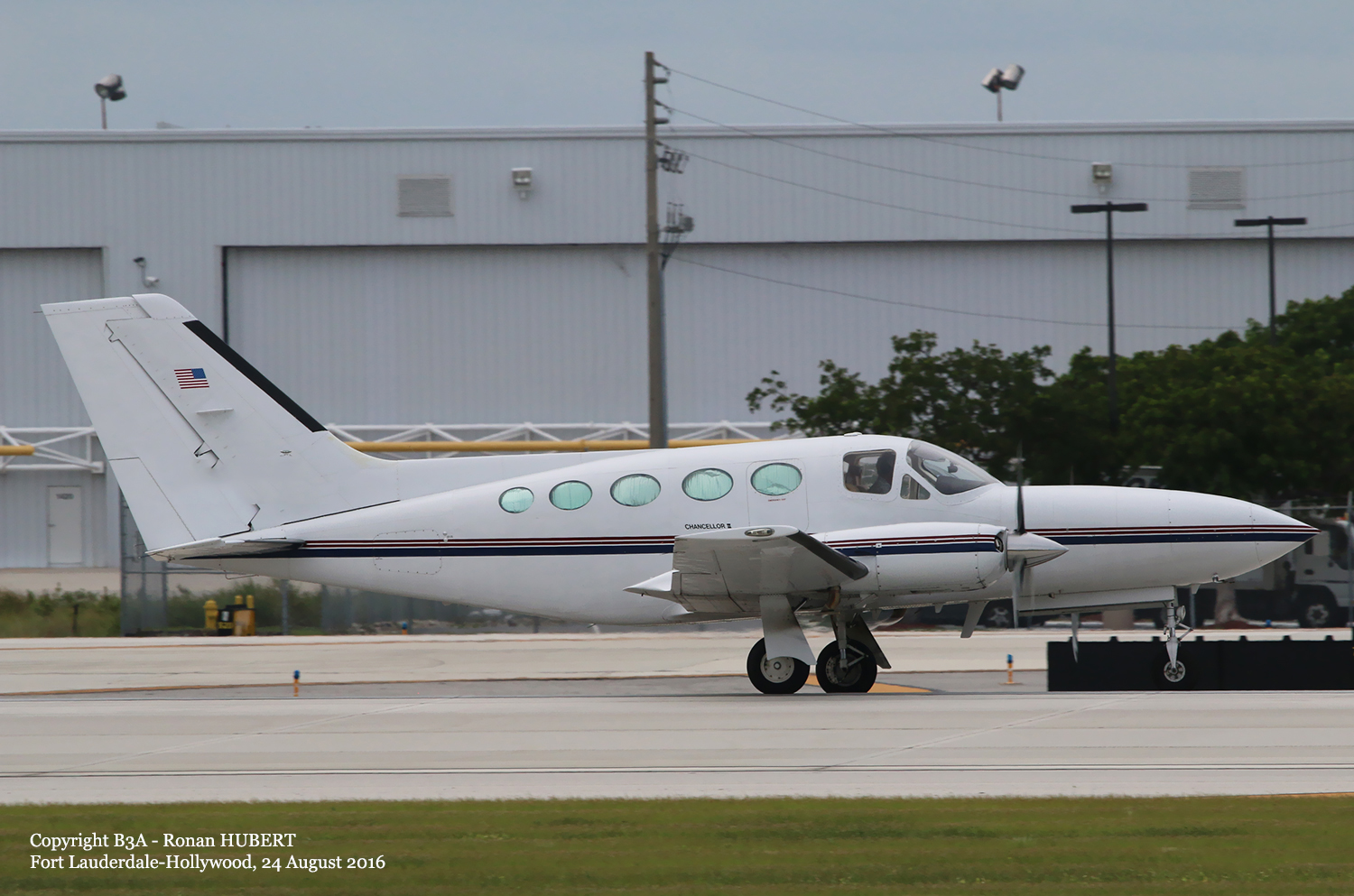
Crash of a Cessna 414 Chancellor in Patterson: 2 killed

Date & Time: Oct 12, 2023 at 1521 LT
Type of aircraft:
Operator:
Registration:
N880A
Flight Phase:
Flight Type:
Survivors:
No
Schedule:
Gonzales – Patterson - Houston
MSN:
414-0397
YOM:
1973
Crew on board:
1
Crew fatalities:
Pax on board:
1
Pax fatalities:
Other fatalities:
Total fatalities:
2
Captain / Total flying hours:
985
Aircraft flight hours:
8787
Circumstances:
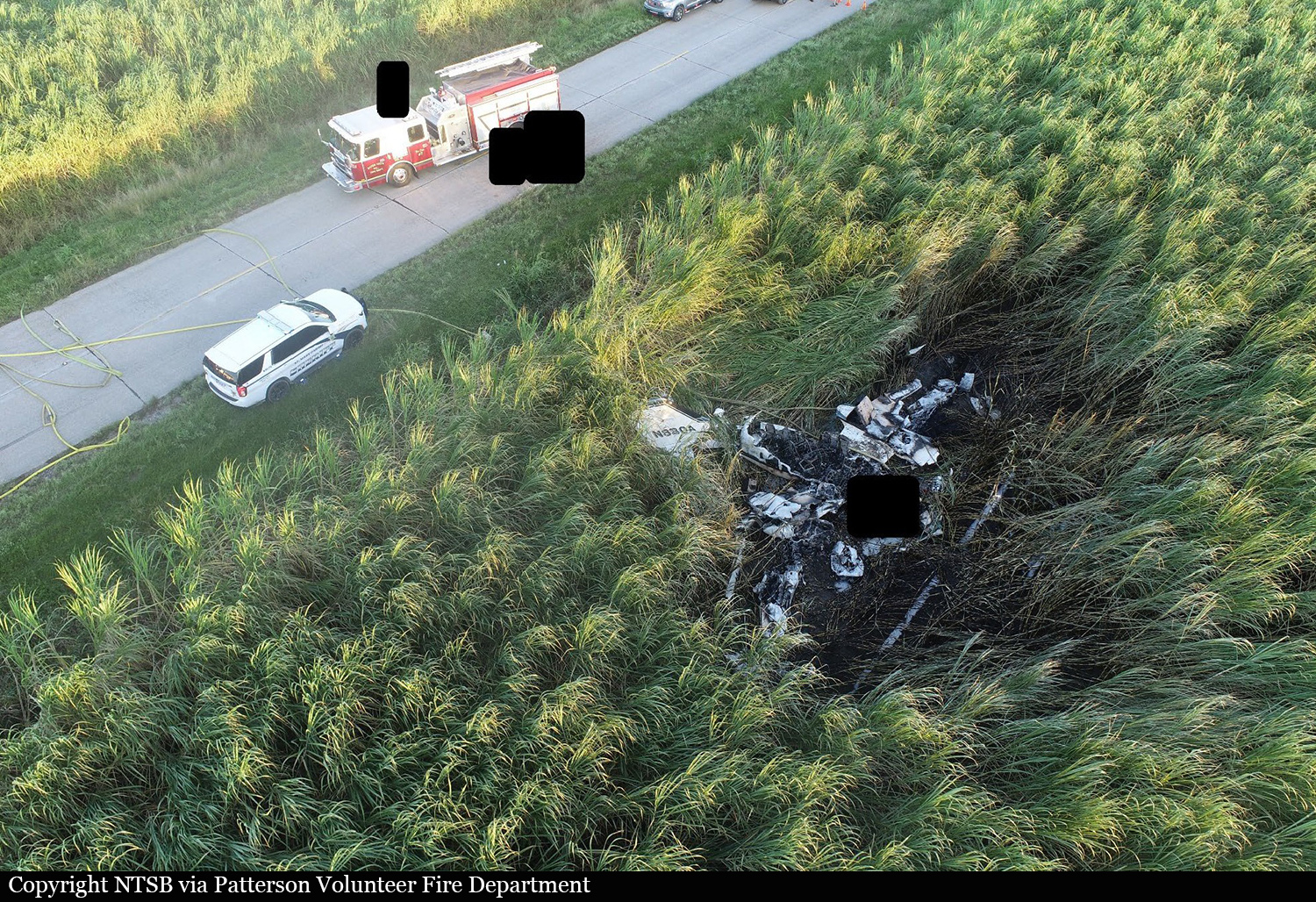
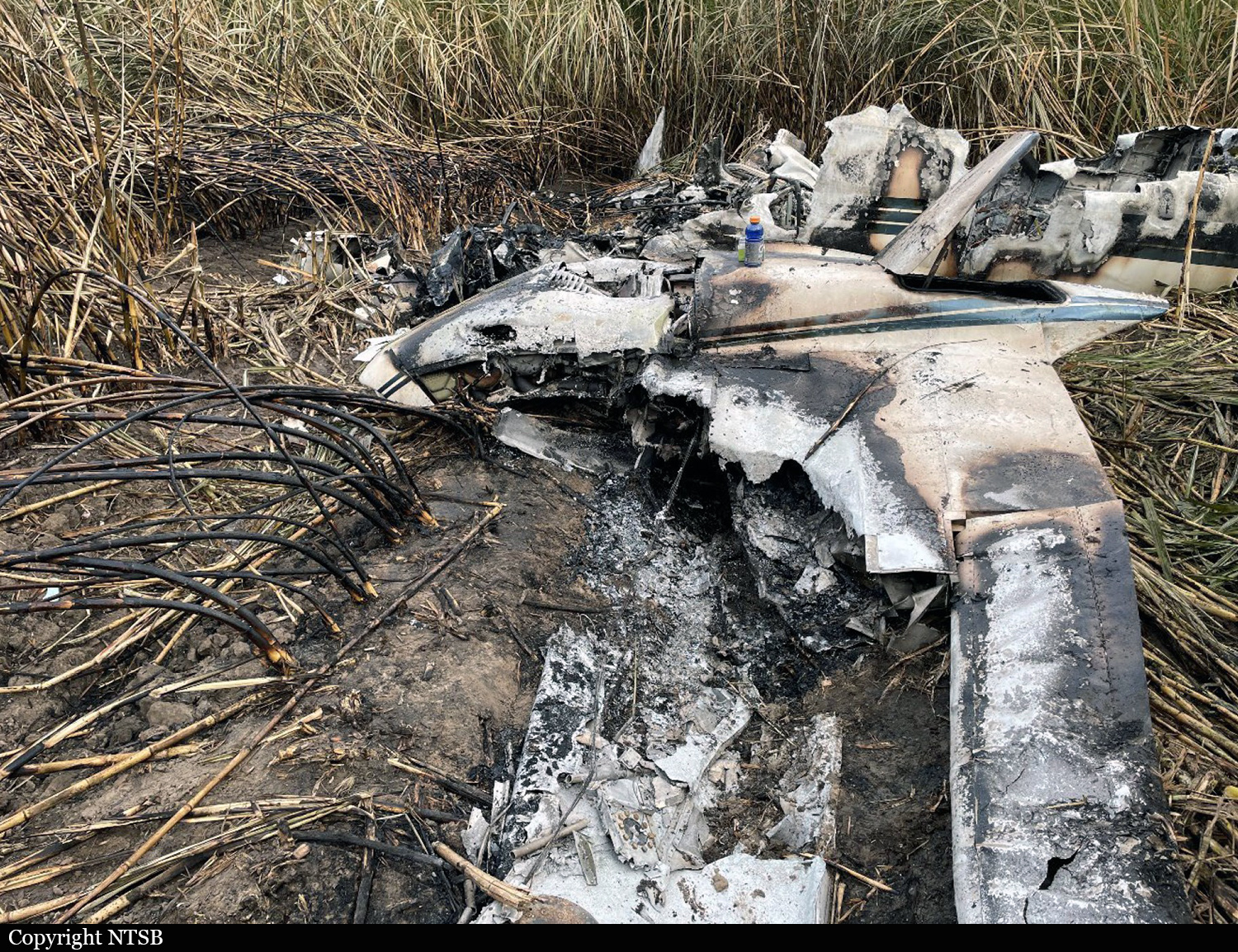
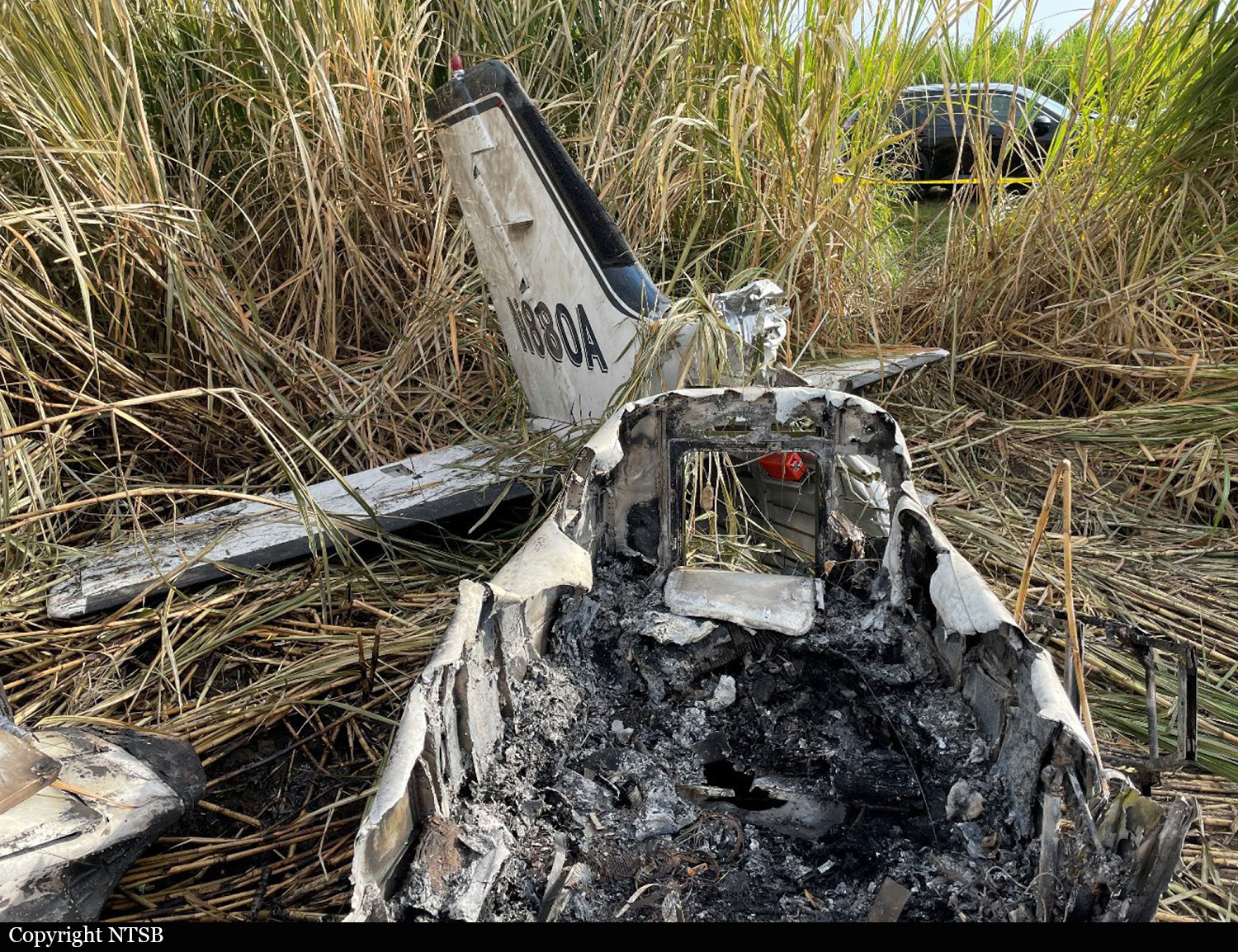
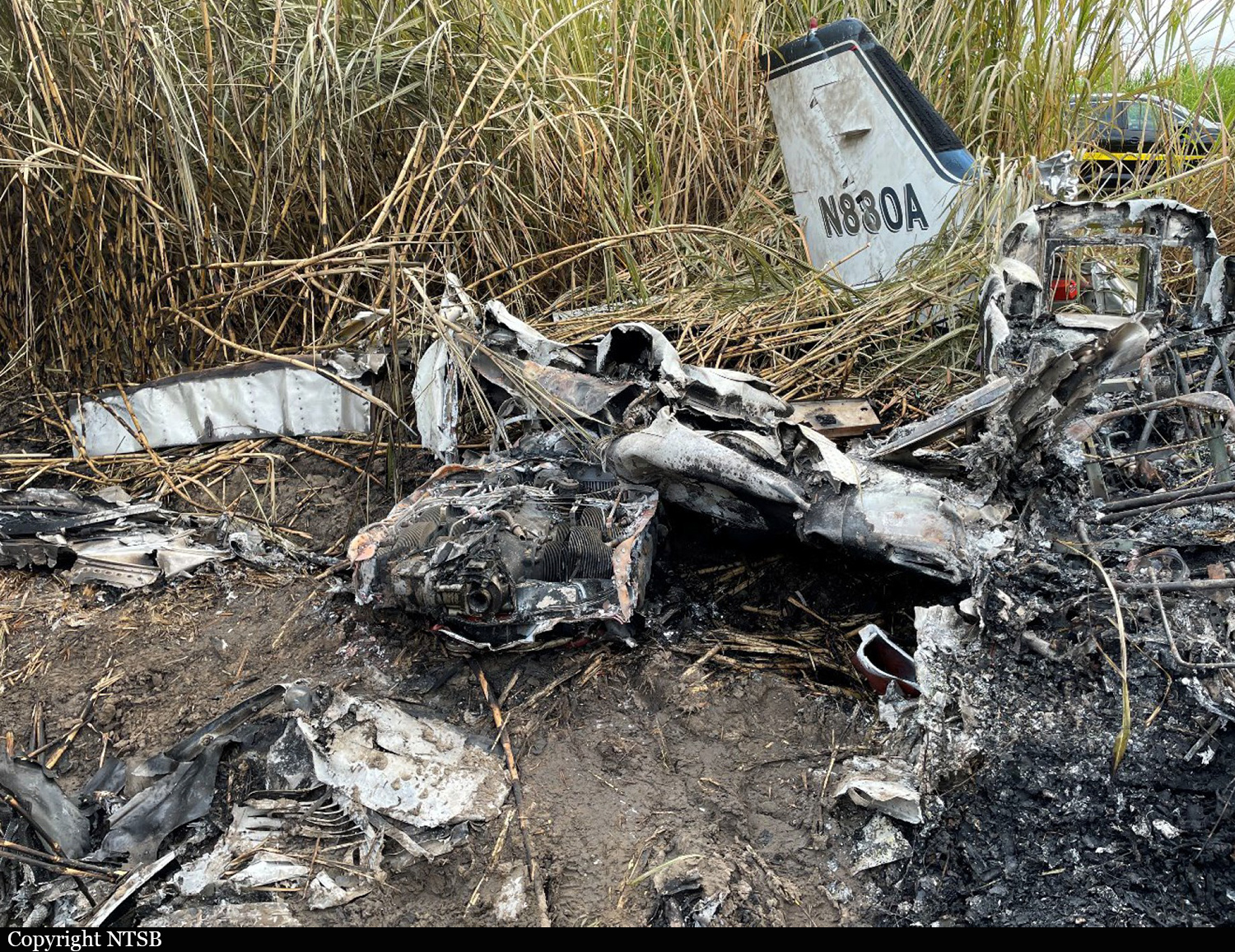
According to the pilot’s family, the purpose of the flight was to transport the passenger to the Sugarland Regional Airport (SGR), Houston, Texas, where a family member would pick him up. According to the passenger’s family, the purpose of the flight was for the passenger to travel to Houston for a medical appointment. A review of ADS-B data showed that the airplane departed from the Gonzales Regional Airport (REG), Gonzales, Louisiana, at 1456 and landed at 1511 at the Harry P. Williams Memorial Airport (PTN), Patterson, Louisiana. According to the PTN airport manager, the airplane taxied over to the fixed-base operator and remained at idle while the passenger boarded the airplane. Video footage showed that the passenger pulled a rolling suitcase out to the airplane. Once the passenger boarded, the pilot then got out of the airplane and walked over to the left side, where he appeared to look at something on the airplane. The pilot then boarded the airplane and taxied to runway 24 for departure. The pilot announced on the airport common traffic advisory frequency that the airplane was departing runway 24, and no further radio transmissions were heard from the airplane. No ADS-B data were available for the airplane’s takeoff. Video footage captured part of the accident sequence, showing the airplane in an extreme, nose-low attitude while rolling through inverted and impacting a field near the departure end of runway 24. A witness, who was driving in her vehicle near an intersection just to the west of PTN, observed the airplane shortly after it departed from runway 24. She observed that the airplane was “tilted to the left,” turned on its side, and then entered a nosedive. She observed the airplane impact a field, explode, and both the wreckage and surrounding area caught fire. She could not tell if the airplane’s engines sounded abnormal before impact, as she was driving at the time, nor did she observe any smoke or flames emitting from the airplane before impact. She said that, from her position, it did not appear that the airplane was trying to turn back to the airport. The airplane was destroyed by a post crash fire and both occupants were killed.
Probable cause:
The pilot’s failure to properly set the elevator trim before takeoff, which resulted in an exceedance of the airplane’s critical angle of attack and an aerodynamic stall during takeoff.
Final Report:

Crash of a Beechcraft E90 King Air in Slidell

Date & Time: Nov 6, 2022 at 2145 LT
Type of aircraft:
Operator:
Registration:
N809DM
Flight Type:
Survivors:
Yes
Schedule:
Nashville – Slidell
MSN:
LW-334
YOM:
1980
Crew on board:
1
Crew fatalities:
Pax on board:
0
Pax fatalities:
Other fatalities:
Total fatalities:
0
Captain / Total flying hours:
4800
Captain / Total hours on type:
325.00
Aircraft flight hours:
7111
Circumstances:
The pilot flew a visual approach to his home airport but did a go-around due to ground fog. After receiving an instrument flight rules clearance, he flew an RNAV/GPS approach that he also discontinued due to ground fog. After executing a missed approach, the pilot flew another RNAV/GPS approach. The pilot reported that during this last approach he lost visual references and initiated a go-around, during which the airplane impacted trees about 800 ft to the right of the runway. The main wreckage came to rest upright and was consumed by a post-impact fire. The postaccident examination revealed no preimpact anomalies that would have precluded normal operation. The pilot reported that he observed the right engine was slower to accelerate than the left engine during the attempted go-around, and that he was distracted looking at the engine indications. He reported that he did not notice if the airplane yaw to the right and, before he could correct for the altitude loss, the airplane descended into and struck the trees.
Probable cause:
The pilot’s failure to maintain airplane control during an attempted go-around in low visibility conditions.
Final Report:

Crash of a Piper PA-31T Cheyenne II in Lafayette: 5 killed

Date & Time: Dec 28, 2019 at 0921 LT
Type of aircraft:
Registration:
N42CV
Flight Phase:
Survivors:
Yes
Site:
Schedule:
Lafayette - Atlanta
MSN:
31T-8020067
YOM:
1980
Crew on board:
1
Crew fatalities:
Pax on board:
5
Pax fatalities:
Other fatalities:
Total fatalities:
5
Captain / Total flying hours:
1531
Captain / Total hours on type:
730.00
Aircraft flight hours:
5954
Circumstances:
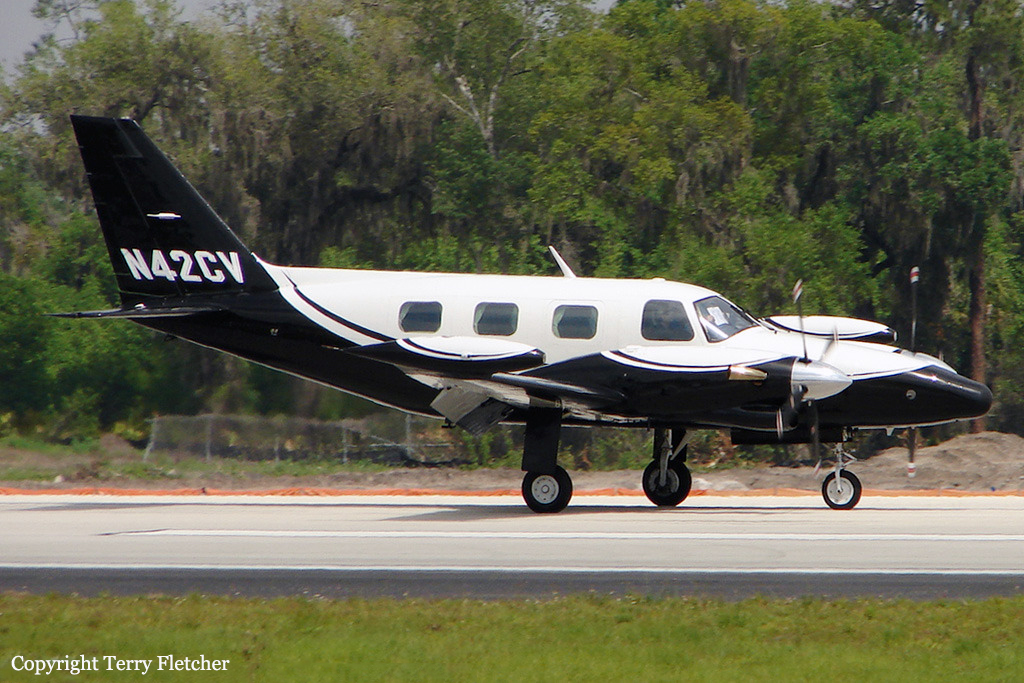
The personal flight departed from Lafayette Regional Airport/Paul Fournet Field (LFT), Lafayette, Louisiana, and entered the clouds when the airplane was at an altitude of about 200 ft above ground level. Before takeoff, the controller issued an instrument flight rules clearance to the pilot, instructing him to turn right onto a heading of 240° and climb to and maintain an altitude of 2,000 ft mean sea level (msl) after takeoff. Automatic dependent surveillance-broadcast (ADS-B) data for the accident flight started at 0920:05, and aircraft performance calculations showed that the airplane was climbing through an altitude of 150 ft msl at that time. The calculations also showed that the airplane then turned slightly to the right toward the assigned heading of 240° and climbed at a rate that varied between 1,000 and 2,400 ft per minute and an airspeed that increased from about 151 to 165 knots. At 0920:13, the airplane started rolling back toward wings level and, 7 seconds later, rolled through wings level and toward the left. At that time, the airplane was tracking 232° at an altitude of 474 ft and an airspeed of 165 knots. The airplane’s airspeed remained at 165 knots for about 10 seconds before it started increasing again, and the airplane continued to roll steadily to the left at an average roll rate of about 2° per second. The aircraft performance calculations further showed that, at 0920:40, the airplane reached a peak altitude of 925 ft msl. At that time, the airplane was tracking 200°, its bank angle was about 35° to the left, and its airspeed was about 169 knots. The airplane then started to descend while the left roll continued. At 0920:55, the airplane reached a peak airspeed of about 197 knots, which then started decreasing. At 0920:57, the airplane descended through 320 ft at a rate of descent of about 2,500 ft per minute and reached a bank angle of 75° to the left. At 0920:58, the controller issued a low altitude alert, stating that the pilot should “check [the airplane’s] altitude immediately” because the airplane appeared to be at an altitude of 300 ft msl. The pilot did not respond, and no mayday or emergency transmission was received from the airplane. The last ADS-B data point was recorded at 0920:59; aircraft performance calculations showed that, at that time, the airplane was descending through an altitude of 230 ft msl at a flightpath angle of about -7°, an airspeed of 176 knots, and a rate of descent of about 2,300 ft per minute. (The flightpath angle is in the vertical plane—that is, relative to the ground. The ground track, as discussed previously, is in the horizontal plane—that is, relative to north.) The airplane struck trees and power lines before striking the ground, traveled across a parking lot, and struck a car. The car rolled several times and came to rest inverted at the edge of the parking lot, and a postcrash fire ensued. The airplane continued to travel, shedding parts before coming to rest at the far end of an adjacent field. At the accident site, the surviving passenger told a local police officer that “the plane went straight up and then straight down.”
Probable cause:
The pilot’s loss of airplane control due to spatial disorientation during the initial climb in instrument meteorological conditions.
Final Report:

Crash of a Piper PA-46-350P Malibu Mirage off Boothville

Date & Time: Sep 15, 2019 at 1146 LT
Operator:
Registration:
N218MW
Flight Phase:
Flight Type:
Survivors:
Yes
Schedule:
Titusville – Ozona – Santee
MSN:
46-36470
YOM:
2010
Crew on board:
1
Crew fatalities:
Pax on board:
0
Pax fatalities:
Other fatalities:
Total fatalities:
0
Captain / Total flying hours:
3500
Captain / Total hours on type:
2000.00
Aircraft flight hours:
1116
Circumstances:
On September 15, 2019, at 1146 central daylight time, a Piper PA-46-350P, N218MW, lost engine power while maneuvering over the Gulf of Mexico, and the pilot was forced to ditch. The private pilot was not injured. The airplane was registered to and operated by Mailworks, Inc., Spring Valley, California, under Title 14 Code of Federal Regulations Part 91 as a personal flight. Visual meteorological conditions existed near the accident site at the time of the accident, and the flight was operated on a visual flight rules flight plan. The flight originated at 0830 eastern daylight time from Space Coast Regional Airport (TIX), Titusville, Florida, and was en route to Ozona Municipal Airport (OZA), Ozona, Texas. His final destination was Gillespie Field Airport (SEE), El Cajon, California. According to the pilot's accident report, he departed TIX with 140 gallons of fuel. After crossing Gulfport (GPT), Mississippi's Terminal Radar Service Area (TRSA) at 10,500 ft, he initiated a slow descent over Boothville, Louisiana, and proceeded southbound towards the mouth of the Mississippi River, descending to 1,500 ft. He then configured the airplane for climb. The engine did not respond to the application of power and the airplane began losing altitude. After going through the emergency checklist, he was unable to restore engine power, and declared an emergency to Houston air route traffic control center (ARTCC) and on frequency 121.5 mHz. He also activated the emergency locator transmitter (ELT) prior to ditching. After ditching, the pilot put on his life jacket, exited the airplane, and remained on its wing until it sank. About an hour later, a U.S. Coast Guard helicopter rescued the pilot and transported him to a hospital in New Orleans, Louisiana. He was discharged a few hours later. The airplane has not been recovered.
Probable cause:
A loss of engine power for undetermined reasons.
Final Report:

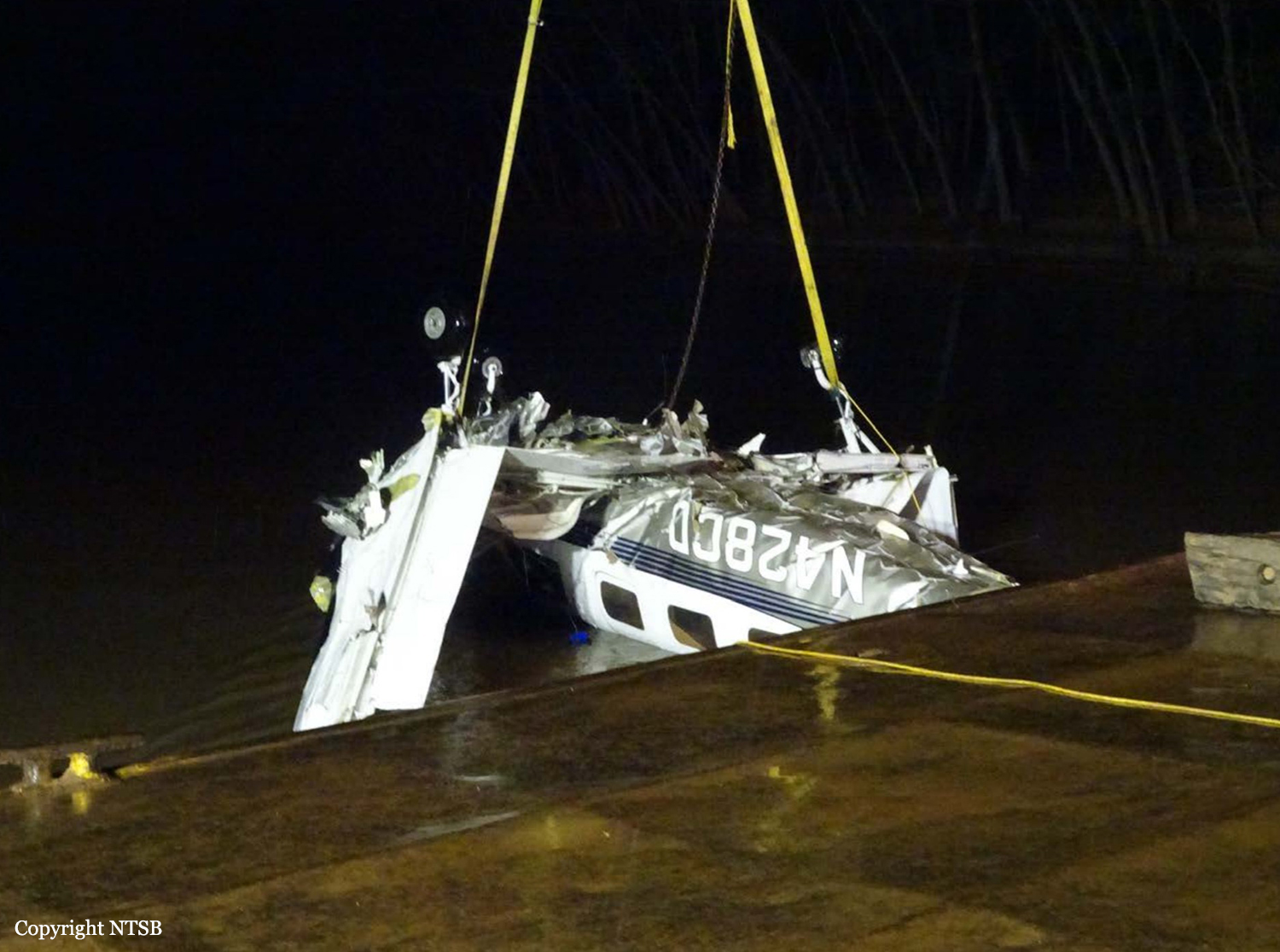
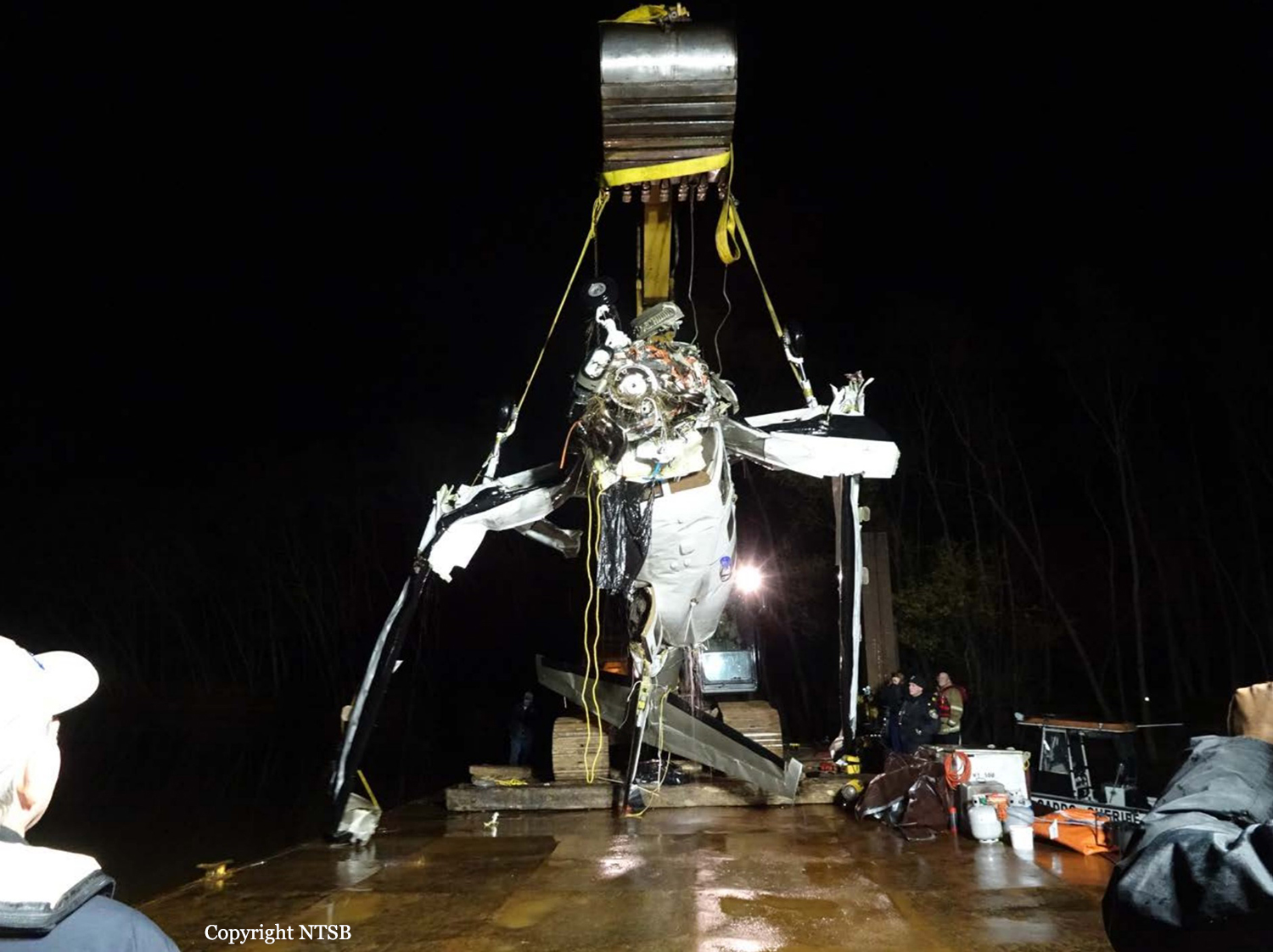
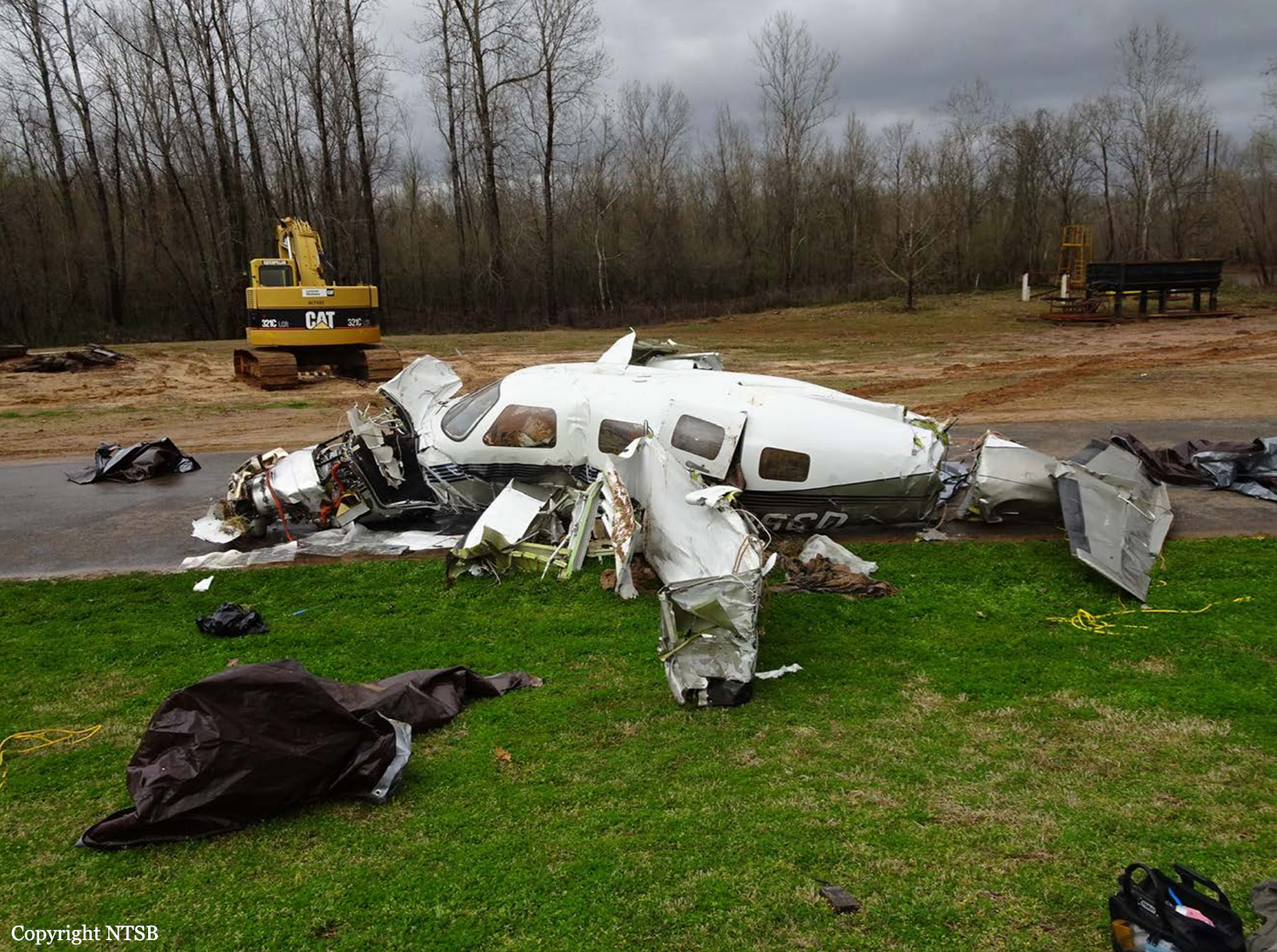
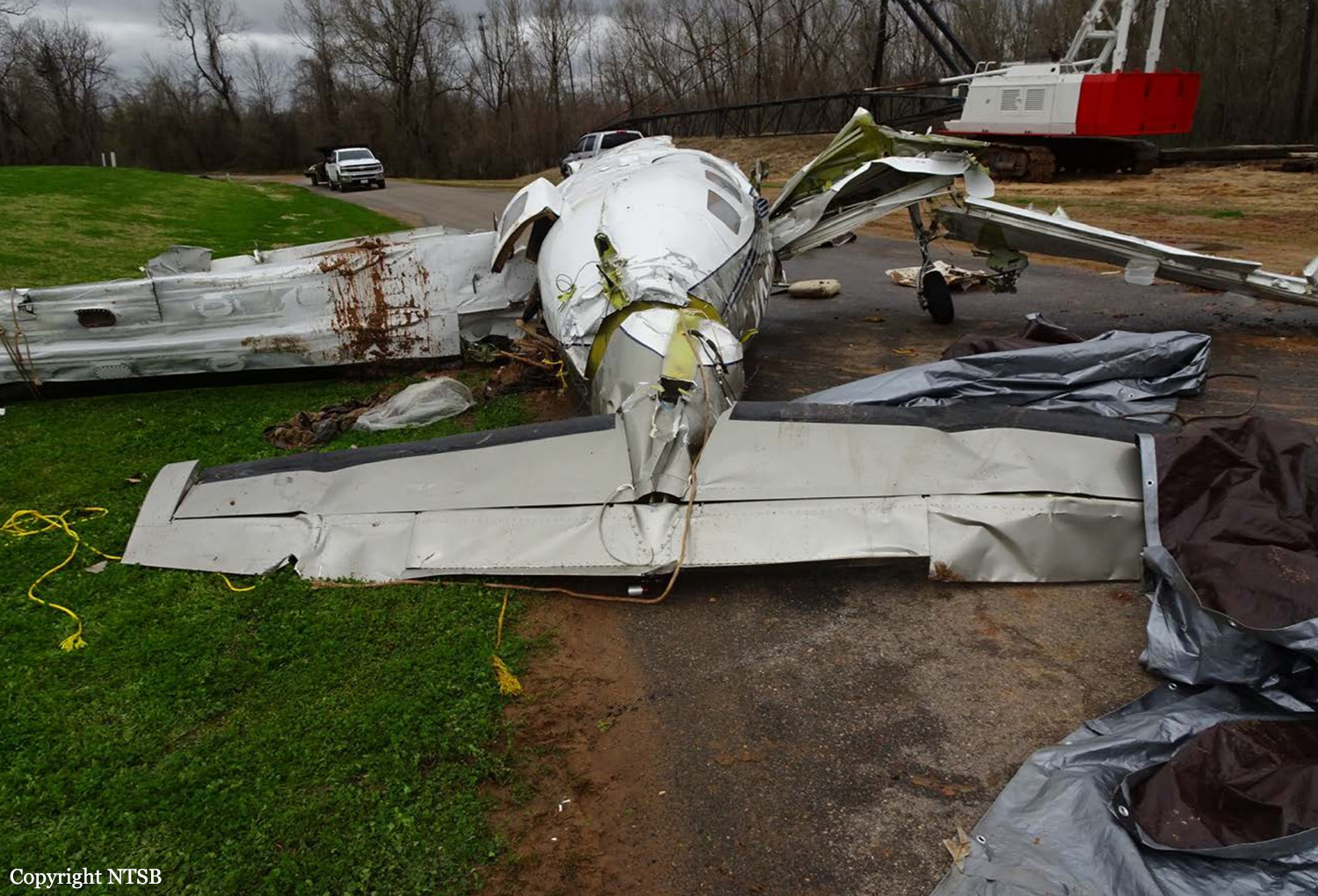
Crash of a Piper PA-46-350P Malibu Mirage in Shreveport: 2 killed

Date & Time: Feb 28, 2019 at 1039 LT
Operator:
Registration:
N428CD
Flight Phase:
Flight Type:
Survivors:
No
Schedule:
Shreveport - Vernon
MSN:
46-36232
YOM:
1999
Crew on board:
1
Crew fatalities:
Pax on board:
1
Pax fatalities:
Other fatalities:
Total fatalities:
2
Captain / Total flying hours:
1393
Captain / Total hours on type:
323.00
Aircraft flight hours:
1901
Circumstances:
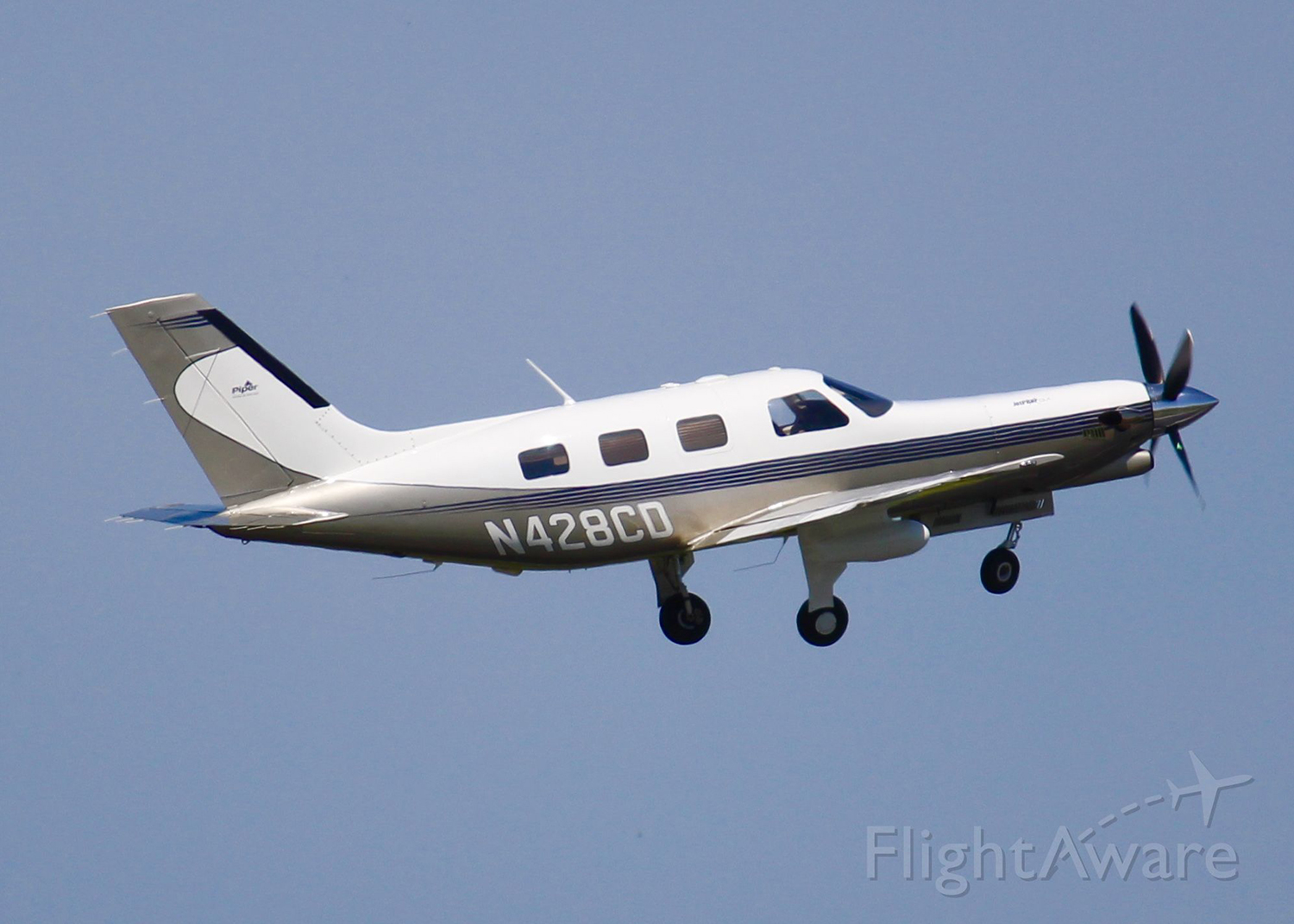
The instrument-rated private pilot and passenger departed into instrument meteorological conditions with a 600-ft cloud ceiling in an airplane that was about 550 lbs over gross weight. Air traffic control data showed the airplane in a climbing left turn that continued beyond the assigned heading. After reaching 1,400 ft msl, the airplane continued turning left and its altitude and speed began to vary. The airplane continued in a left spiral, completing more than two full circles, then decelerated in a right turn and rapidly descended until impact with terrain. Examination of the flight control system revealed no evidence of mechanical malfunctions and downloaded engine data indicated normal engine operation. Downloaded data from the autopilot system revealed three in-flight error codes. The first error code, which likely occurred about 1 minute after takeoff, would have resulted in the autopilot, if it was engaged at the time, disengaging. The subsequent error codes likely occurred during the erratic flight profile, with the autopilot disengaged. Before the accident flight, the pilot had informed a mechanic, who is also a pilot, of intermittent issues with the autopilot system and that these issues were unresolved. The mechanic had flown with the accident pilot previously and assessed his instrument flying skills as weak. The flight instructor who provided initial flight training for the turbine engine transition stated the pilot's instrument flying proficiency was poor when he was hand flying the airplane. Toxicology testing revealed that the pilot had used marijuana, and his girlfriend stated the pilot would take a marijuana gummy before bedtime to sleep more soundly. However, given that no psychoactive compounds were found in blood specimens, it is unlikely that the pilot was impaired at the time of the accident. The instrument conditions at the time of the accident, the airplane's erratic flightpath, and the pilot's reported lack of instrument proficiency when flying by hand support the likelihood that the pilot experienced spatial disorientation sometime after takeoff. In addition, given the reports of the intermittently malfunctioning autopilot that had not been fixed, it is likely the pilot experienced an increased workload during a critical phase of flight that, in combination with spatial disorientation, led to the pilot's loss of airplane control.
Probable cause:
The pilot's conduct of a departure into instrument meteorological conditions (IMC), which resulted in spatial disorientation and subsequent loss of airplane control. Contributing to the accident was the pilot's poor instrument flying skills and his decision to depart into IMC with an unresolved autopilot maintenance issue.
Final Report:

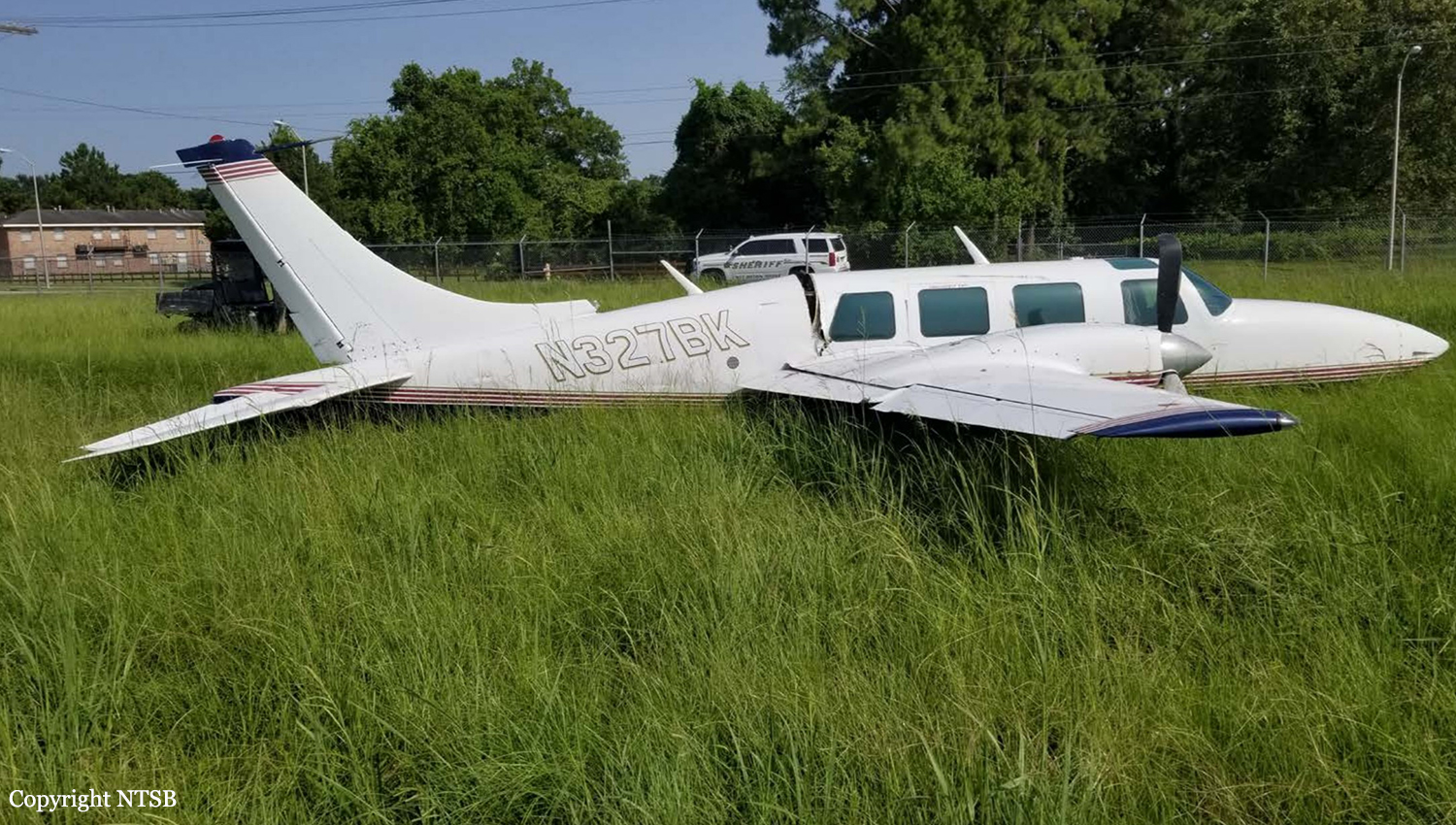
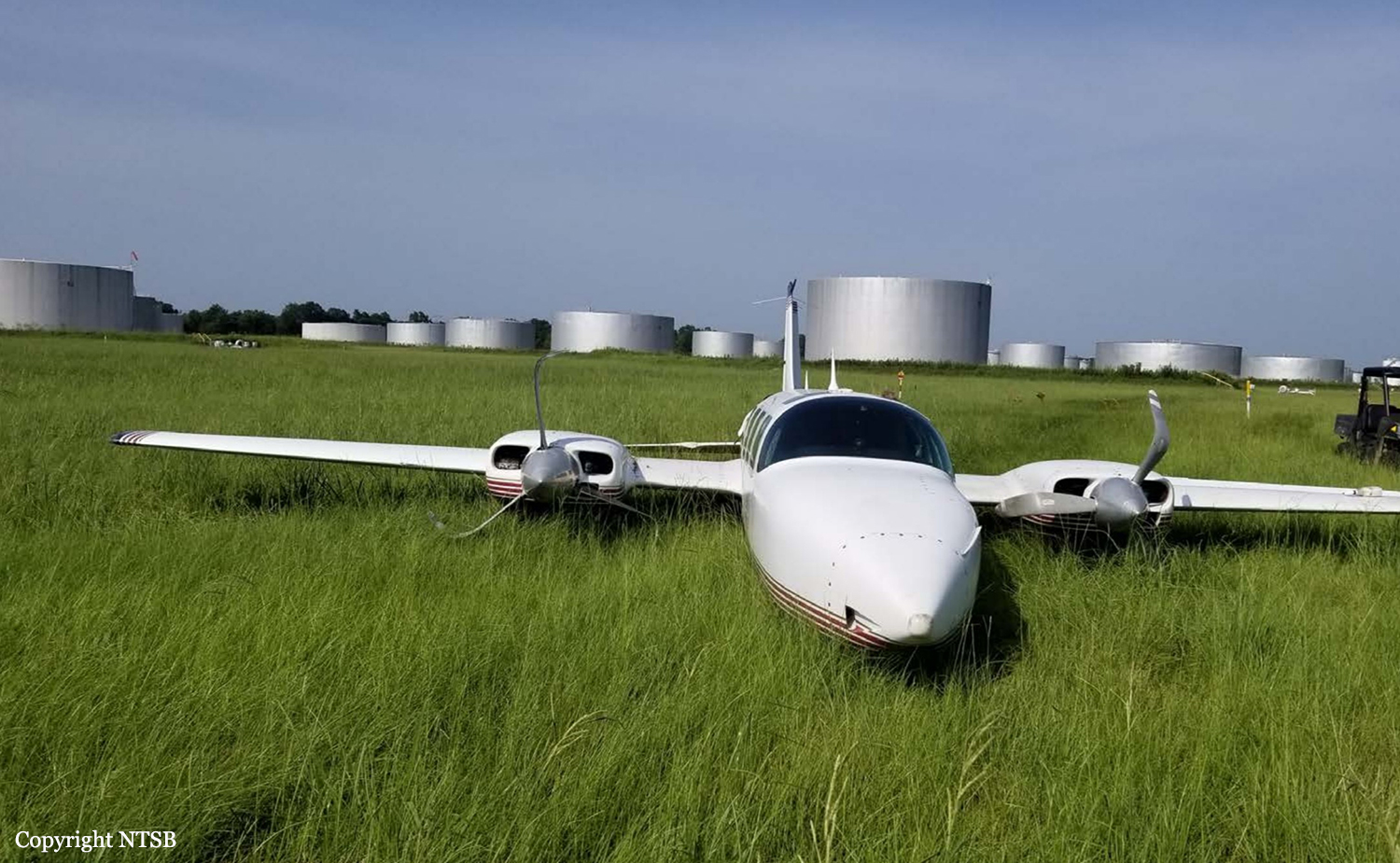
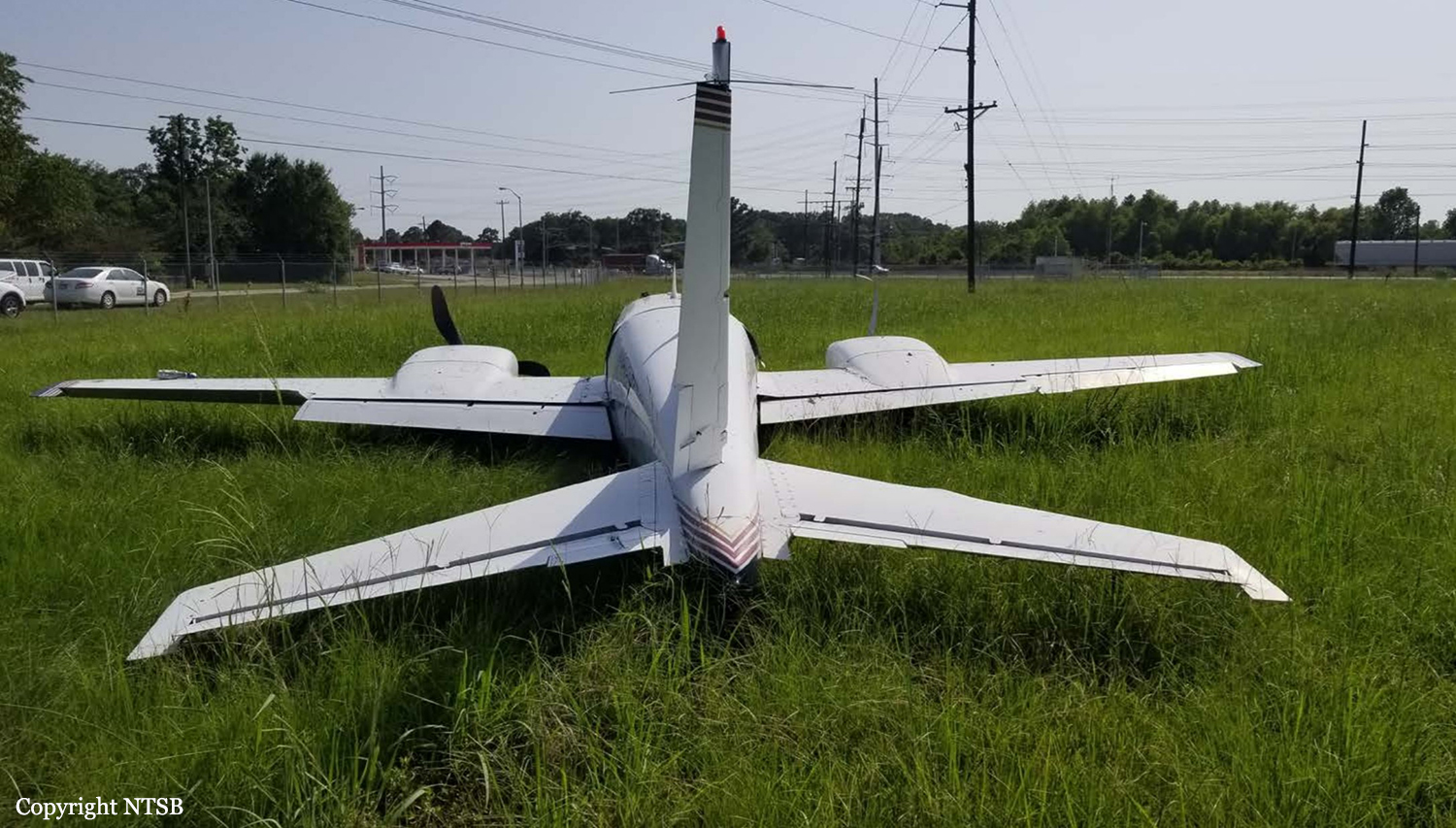
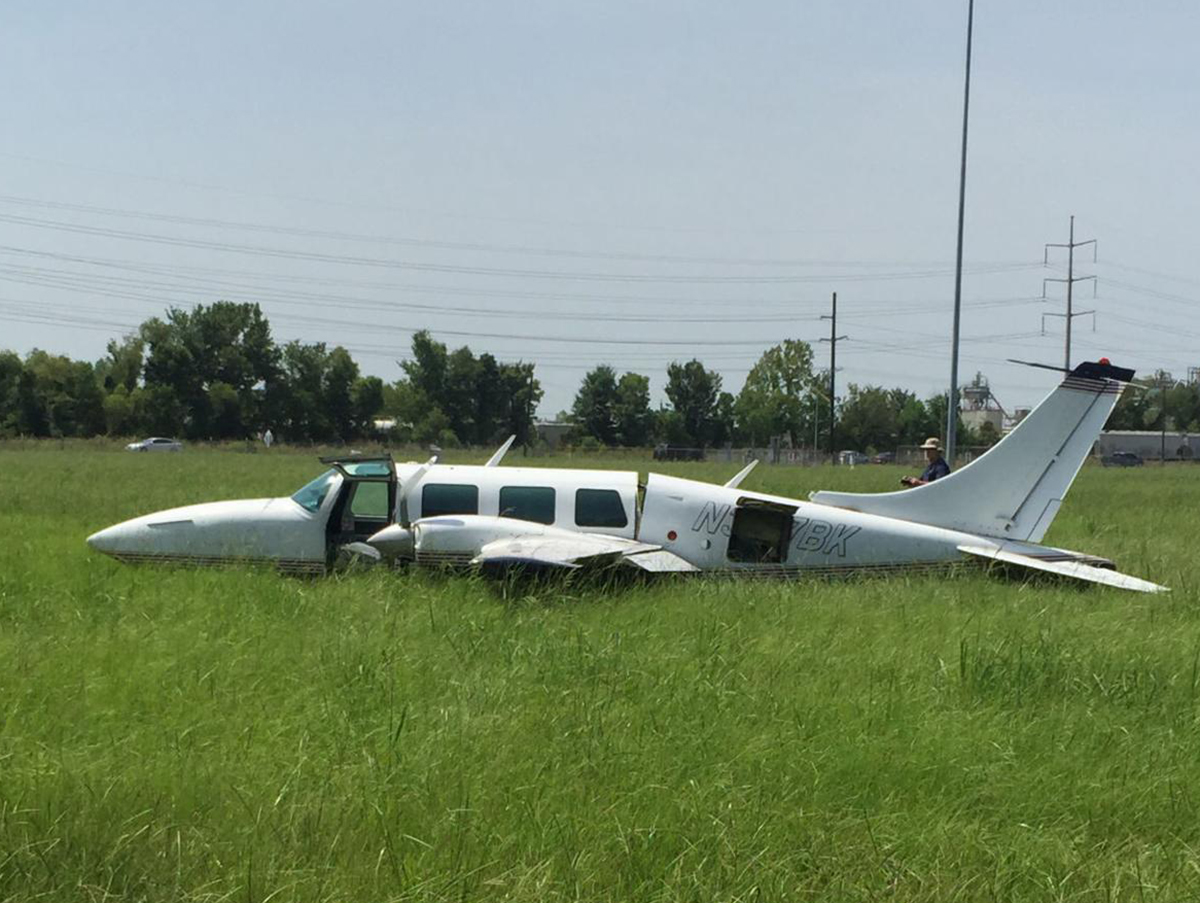
Crash of a Piper PA-61 Aerostar (Ted Smith 601) in Baton Rouge

Date & Time: Jul 20, 2018 at 1430 LT
Registration:
N327BK
Flight Phase:
Flight Type:
Survivors:
Yes
Schedule:
Baton Rouge - Baton Rouge
MSN:
61-0145-076
YOM:
1973
Crew on board:
1
Crew fatalities:
Pax on board:
1
Pax fatalities:
Other fatalities:
Total fatalities:
0
Captain / Total flying hours:
28829
Captain / Total hours on type:
600.00
Aircraft flight hours:
1912
Circumstances:
The mechanic who maintained the airplane reported that, on the morning of the accident, the right engine would not start due to water contamination in the fuel system. The commercial pilot and mechanic purged the fuel tanks, flushed the fuel system, and cleaned the left engine fuel injector nozzles. After the maintenance work, they completed engine ground runs for each engine with no anomalies noted. Subsequently, the pilot ordered new fuel from the local fixed-based operator to complete a maintenance test flight. The pilot stated that he completed a preflight inspection, followed by engine run-ups for each engine with no anomalies noted and then departed with one passenger onboard. Immediately after takeoff, the right engine stopped producing full power, and the airplane would not maintain altitude. No remaining runway was left to land, so the pilot conducted a forced landing to a field about 1 mile from the runway; the airplane landed hard and came to rest upright. Postaccident examination revealed no water contamination in the engines. Examination of the airplane revealed numerous instances of improper and inadequate maintenance of the engines and fuel system. The fuel system contained corrosion debris, and minimal fuel was found in the lines to the fuel servo. Although maintenance was conducted on the airplane on the morning of the accident, the right engine fuel injectors nozzles were not removed during the maintenance procedures; therefore, it is likely that the fuel flow volume was not measured. It is likely that the corrosion debris in the fuel system resulted when the water was recently purged from the fuel system. The contaminants were likely knocked loose during the subsequent engine runs and attempted takeoff, which subsequently blocked the fuel lines and starved the right engine of available fuel.
Probable cause:
The loss of right engine power due to fuel starvation, which resulted from corrosion debris in the fuel lines. Contributing to the accident was the mechanic's and pilot's inadequate maintenance of the airplane before the flight.
Final Report:

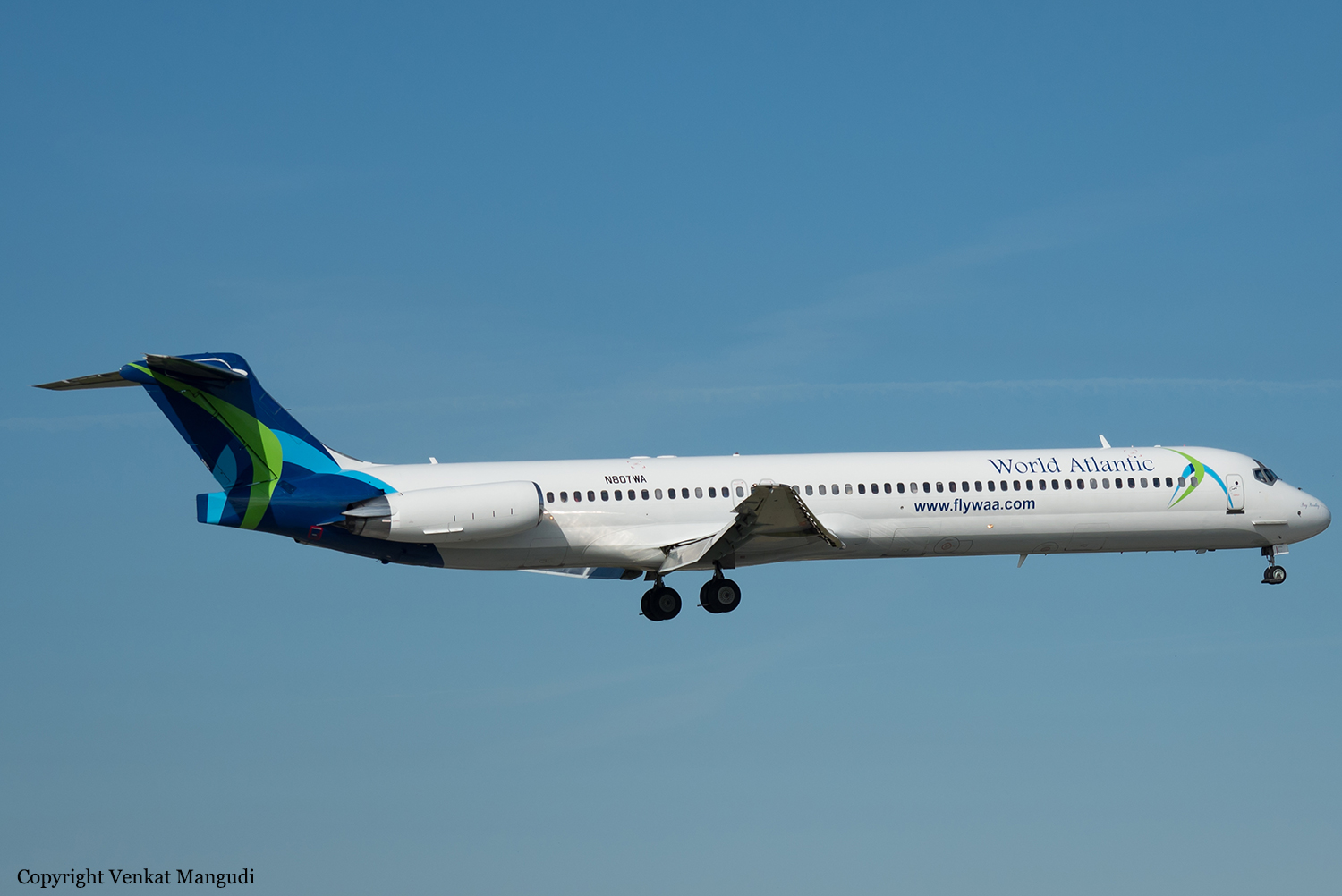
Crash of a McDonnell Douglas MD-83 in Alexandria

Date & Time: Apr 20, 2018 at 1420 LT
Type of aircraft:
Operator:
Registration:
N807WA
Survivors:
Yes
Schedule:
Chicago - Alexandria
MSN:
53093/2066
YOM:
1993
Flight number:
WAL708
Crew on board:
7
Crew fatalities:
Pax on board:
94
Pax fatalities:
Other fatalities:
Total fatalities:
0
Captain / Total flying hours:
13335
Captain / Total hours on type:
6466.00
Copilot / Total flying hours:
4590
Copilot / Total hours on type:
2474
Aircraft flight hours:
43724
Circumstances:
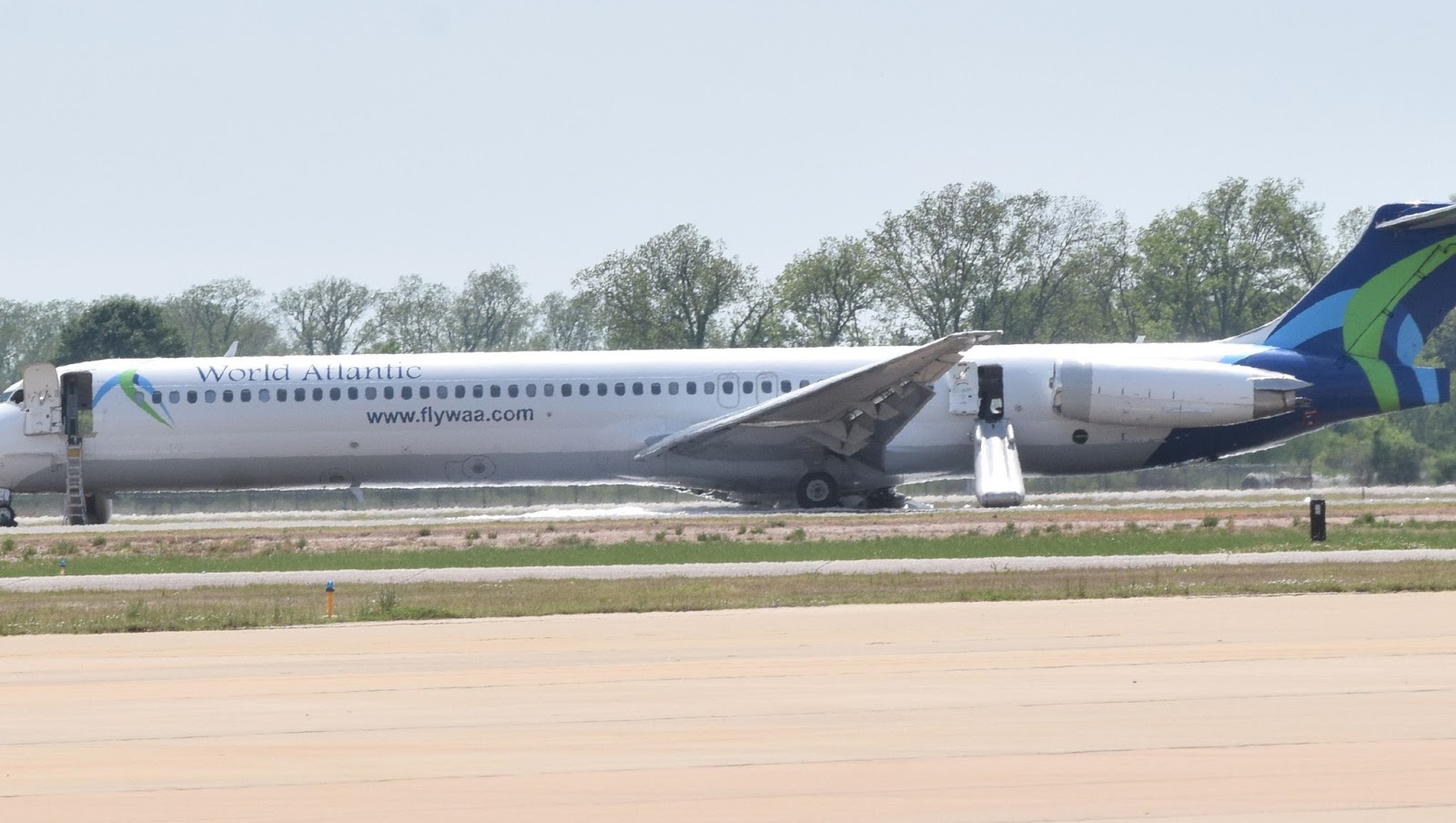
The airplane suffered a right main landing gear collapse during landing at the destination airport. The airplane sustained substantial damage to the right lower wing skin when it contacted the runway after the landing gear collapse. The crew stopped the airplane on the runway and an emergency evacuation was performed through three of the four doors on the airplane. The escape slide at the left forward door did not deploy or inflate due to the depletion of the gas charge in the reservoir. The reservoir depleted due to a leak in the valve assembly and was not caught during multiple inspections since installation of the slide assembly in the airplane. The landing gear cylinder fractured under normal landing loads due to the presence of a fatigue crack on the forward side of the cylinder in an area subject to an AD inspection for cracks. The most recent AD inspection of the cylinder was performed 218 landings prior when the fatigue crack was large enough to be detectable. A previous AD inspection performed 497 landings prior to the accident also did not detect the crack that would have been marginally detectable at the time.
Probable cause:
The failure of the right main landing gear under normal loads due to fatigue cracking in an area subject to an FAA Airworthiness Directive that was not adequately inspected.
Final Report:

Crash of a Beechcraft 65-A90-1 King Air in Slidell: 2 killed

Date & Time: Apr 19, 2016 at 2115 LT
Type of aircraft:
Operator:
Registration:
N7MC
Survivors:
No
Schedule:
Slidell - Slidell
MSN:
LM-106
YOM:
1968
Crew on board:
2
Crew fatalities:
Pax on board:
0
Pax fatalities:
Other fatalities:
Total fatalities:
2
Captain / Total flying hours:
18163
Captain / Total hours on type:
614.00
Copilot / Total flying hours:
7769
Copilot / Total hours on type:
22
Aircraft flight hours:
15208
Circumstances:
The airline transport pilot and commercial copilot were conducting a mosquito abatement application flight. Although flight controls were installed in both positions, the pilot typically operated the airplane. During a night, visual approach to landing at their home airfield, the airplane was on the left base leg and overshot the runway's extended centerline and collided with 80-ft-tall power transmission towers and then impacted terrain. Examination of the airplane did not reveal any preimpact anomalies that would have precluded normal operation. Both pilots were experienced with night operations, especially at their home airport. The pilot had conducted operations at the airport for 14 years and the copilot for 31 years, which might have led to crew complacency on the approach . Adequate visibility and moon disk illumination were available; however, the area preceding the runway is a marsh and lacks cultural lighting, which can result in black-hole conditions in which pilots may perceive the airplane to be higher than it actually is while conducting an approach visually. The circumstances of the accident are consistent with the pilot experiencing the black hole illusion which contributed to him flying an approach profile that was too low for the distance remaining to the runway. It is likely that the pilot did not maintain adequate crosscheck of his altimeter and radar altimeter during the approach and that the copilot did not monitor the airplane's progress; thus, the flight crew did not recognize that they were not maintaining a safe approach path. Further, it is likely that neither pilot used the visual glidepath indicator at the airport, which is intended to be a countermeasure against premature descent in visual conditions.
Probable cause:
The unstable approach in black-hole conditions, resulting in the airplane overshooting the runway extended centerline and descending well below a safe glidepath for the runway. Contributing to the accident was the lack of monitoring by the copilot allowing the pilot to fly well below a normal glidepath.
Final Report:

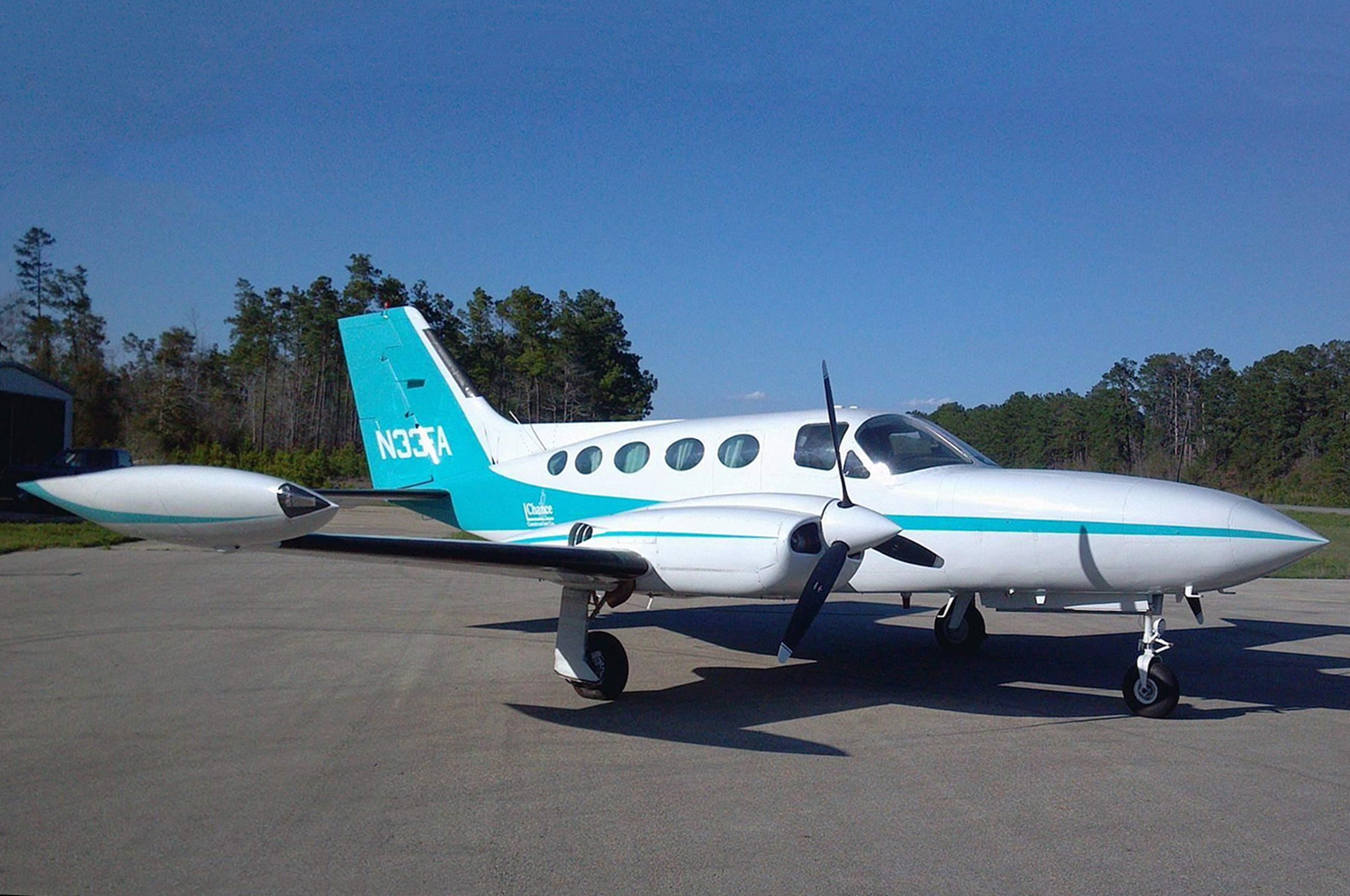
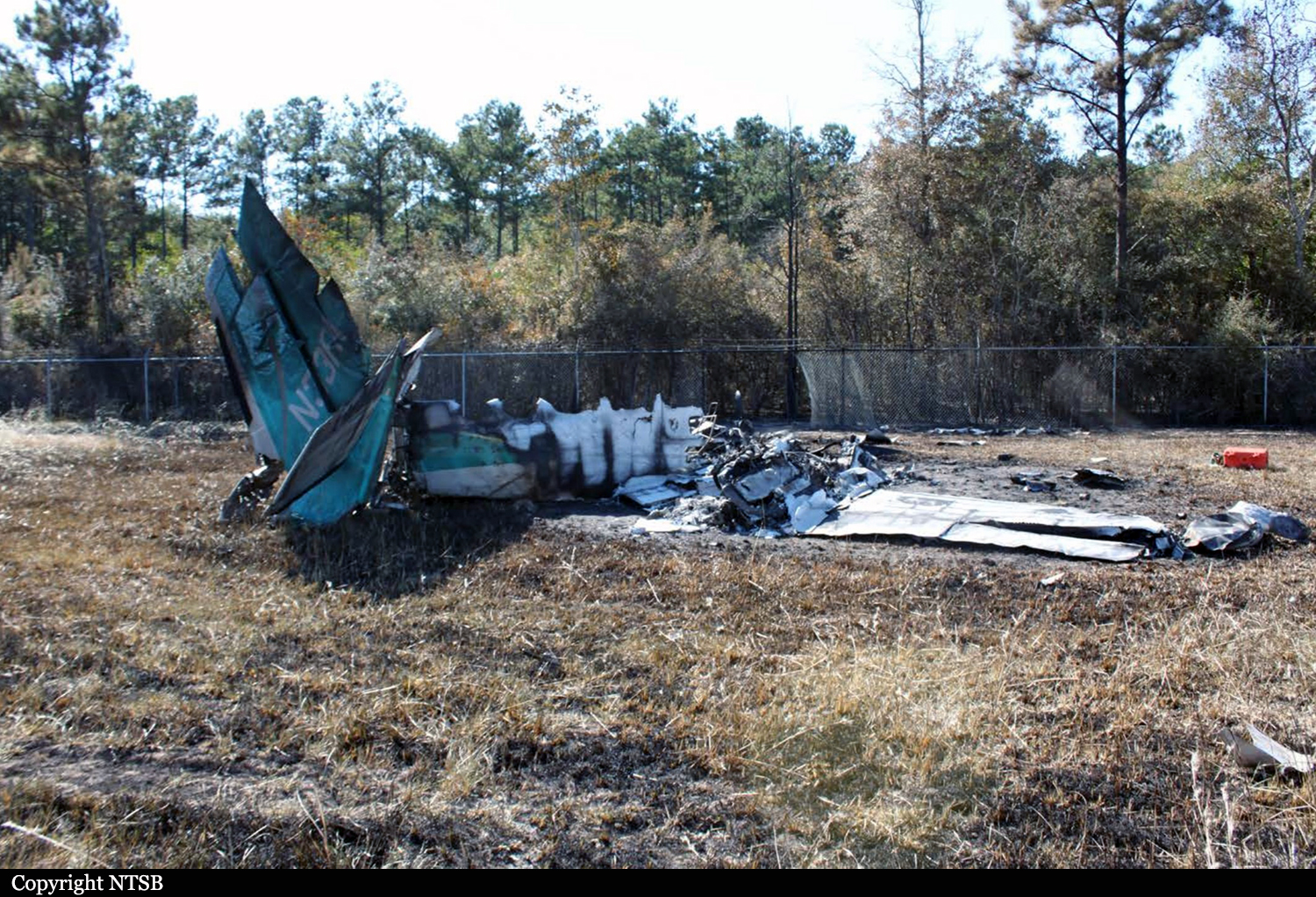
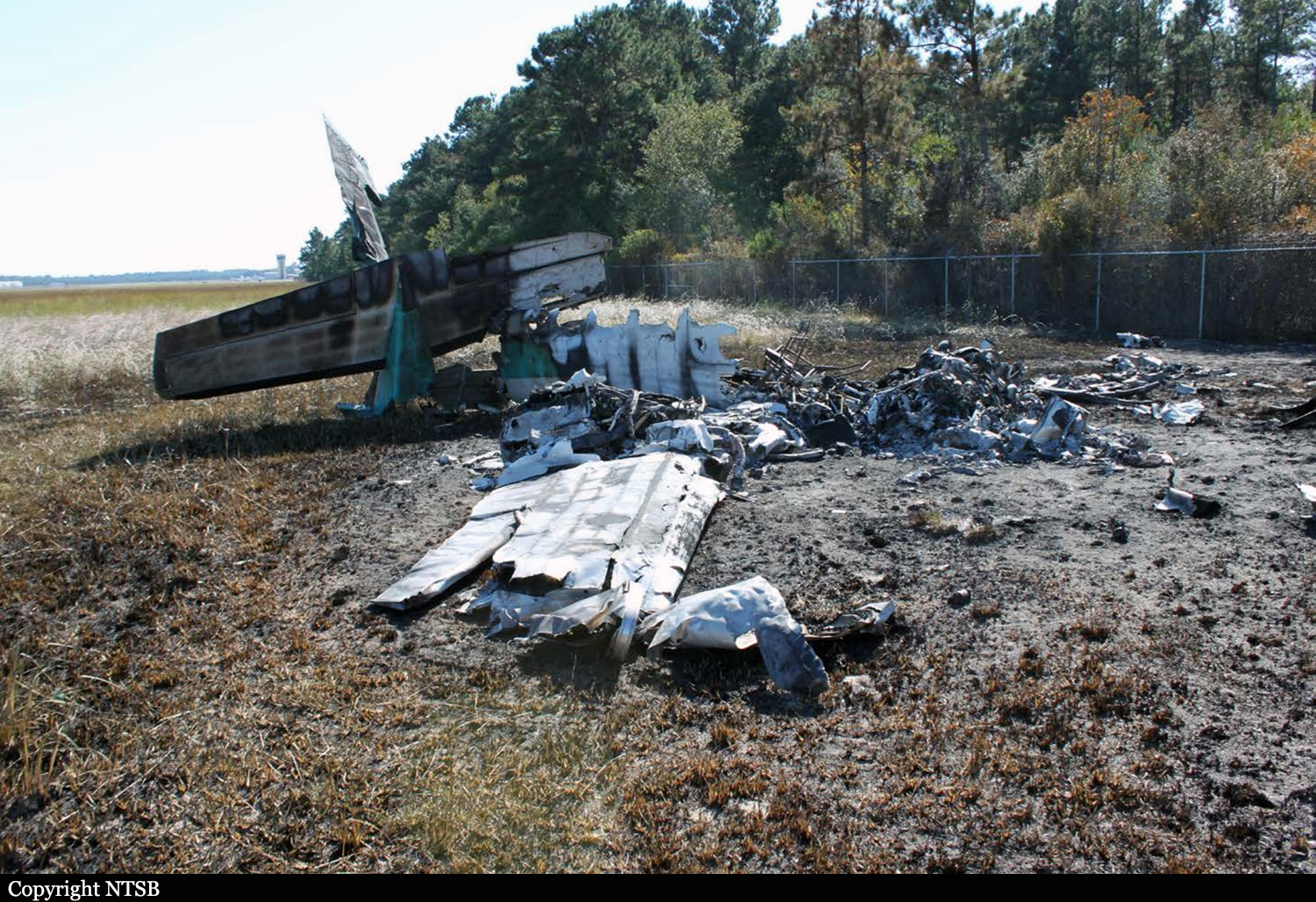
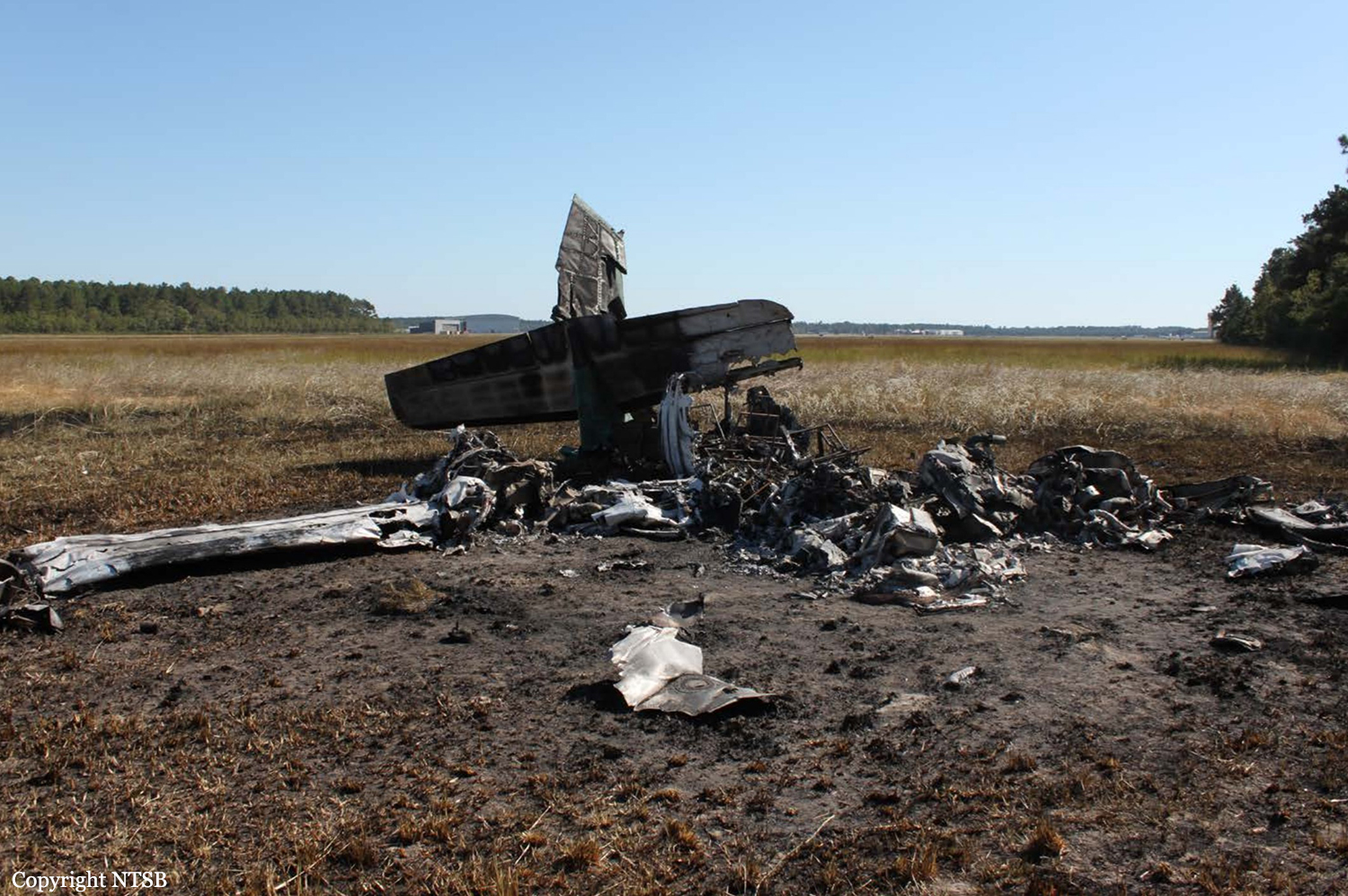
Crash of a Cessna 421B Golden Eagle II in Hammond: 2 killed

Date & Time: Oct 14, 2015 at 1548 LT
Operator:
Registration:
N33FA
Flight Phase:
Survivors:
No
Schedule:
Hammond - Atlanta
MSN:
421B-0502
YOM:
1973
Crew on board:
1
Crew fatalities:
Pax on board:
1
Pax fatalities:
Other fatalities:
Total fatalities:
2
Circumstances:
The twin-engine airplane, flown by a commercial pilot, was departing on a business flight from runway 31 when the right engine lost power. According to a pilot-rated witness, the airplane was about halfway down the 6,500 ft runway at an altitude of about 100 ft above ground level when he heard a "loud pop" and then saw the airplane's right propeller slow. The witness reported that the airplane yawed to the right and then began a right turn toward runway 18 with the right engine's propeller windmilling. The witness further reported that the airplane cleared a tree line by about 150 ft, rolled right, descended straight down to ground impact, and burst into flames. Postaccident examination of the airplane's right engine revealed that the crankshaft was fractured adjacent to the No. 2 main bearing, which had rotated. The crankcase halves adjacent to the No. 2 main bearing were fretted where the case through-studs were located. The fretting of the mating surfaces was consistent with insufficient clamping force due to insufficient torque of the through-stud nuts. Records indicated that all six cylinders on the right engine had been replaced at the airplane's most recent annual inspection 8 months before the accident. In order to replace the cylinders, the through-stud nuts had to be removed as they also served to hold down the cylinders. It is likely that when the cylinders were replaced, the through-stud nuts were not properly torqued, which, over time, allowed the case halves to move and led to the bearing spinning and the crankshaft fracturing. During the accident sequence, the pilot made a right turn in an attempt to return to the airport and did not feather the failed (right) engine's propeller, allowing it to windmill, thereby creating excessive drag. It is likely that the pilot allowed the airspeed to decay below the minimum required for the airplane to remain controllable, which combined with his failure to feather the failed engine's propeller and the turn in the direction of the failed engine resulted in a loss of airplane control.
Probable cause:
The loss of right engine power on takeoff due to maintenance personnel's failure to properly tighten the crankcase through-studs during cylinder replacement, which resulted in crankshaft fracture. Also causal were the pilot's failure to feather the propeller on the right engine and his failure to maintain control of the twin-engine airplane while maneuvering to return to the airport.
Final Report: