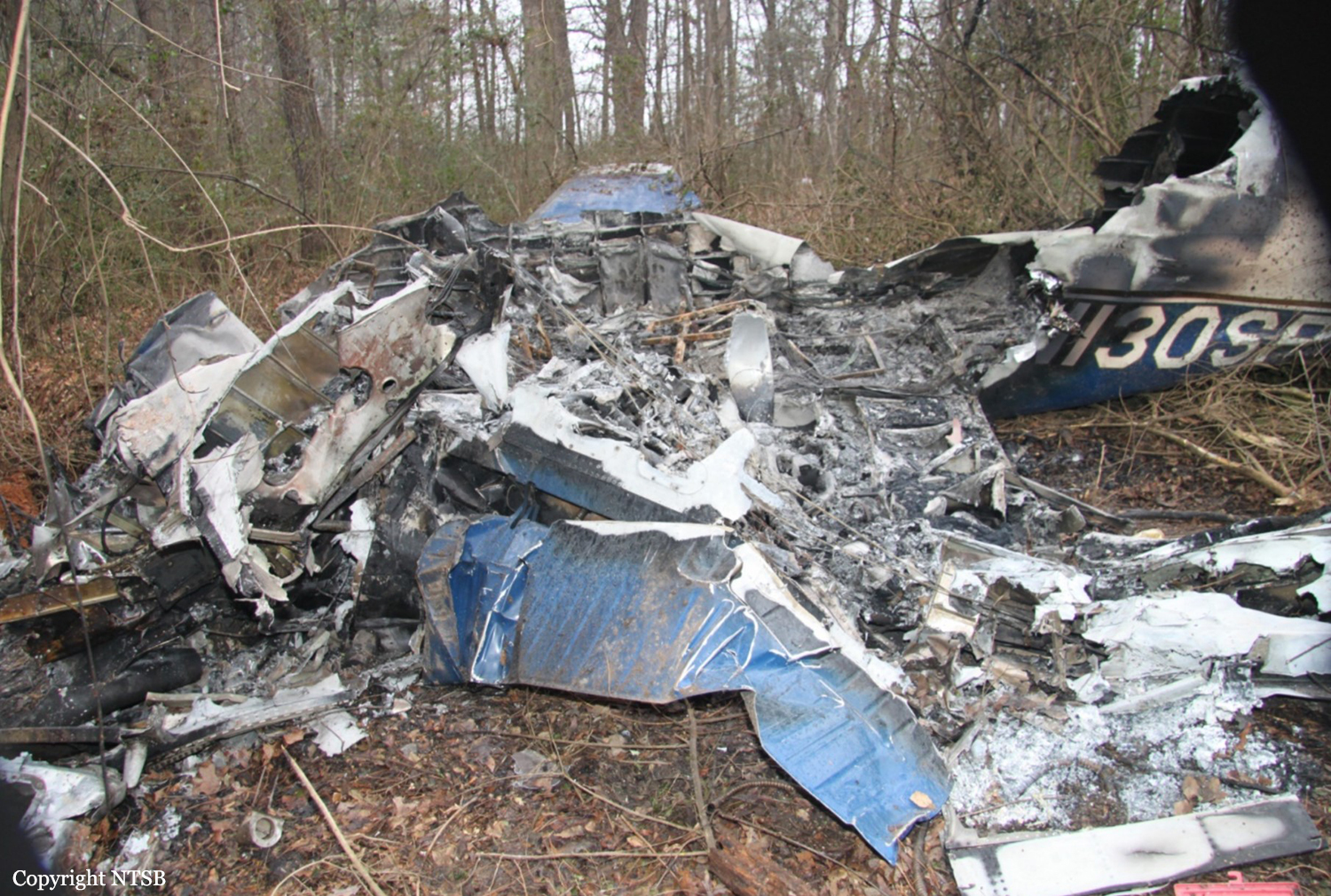
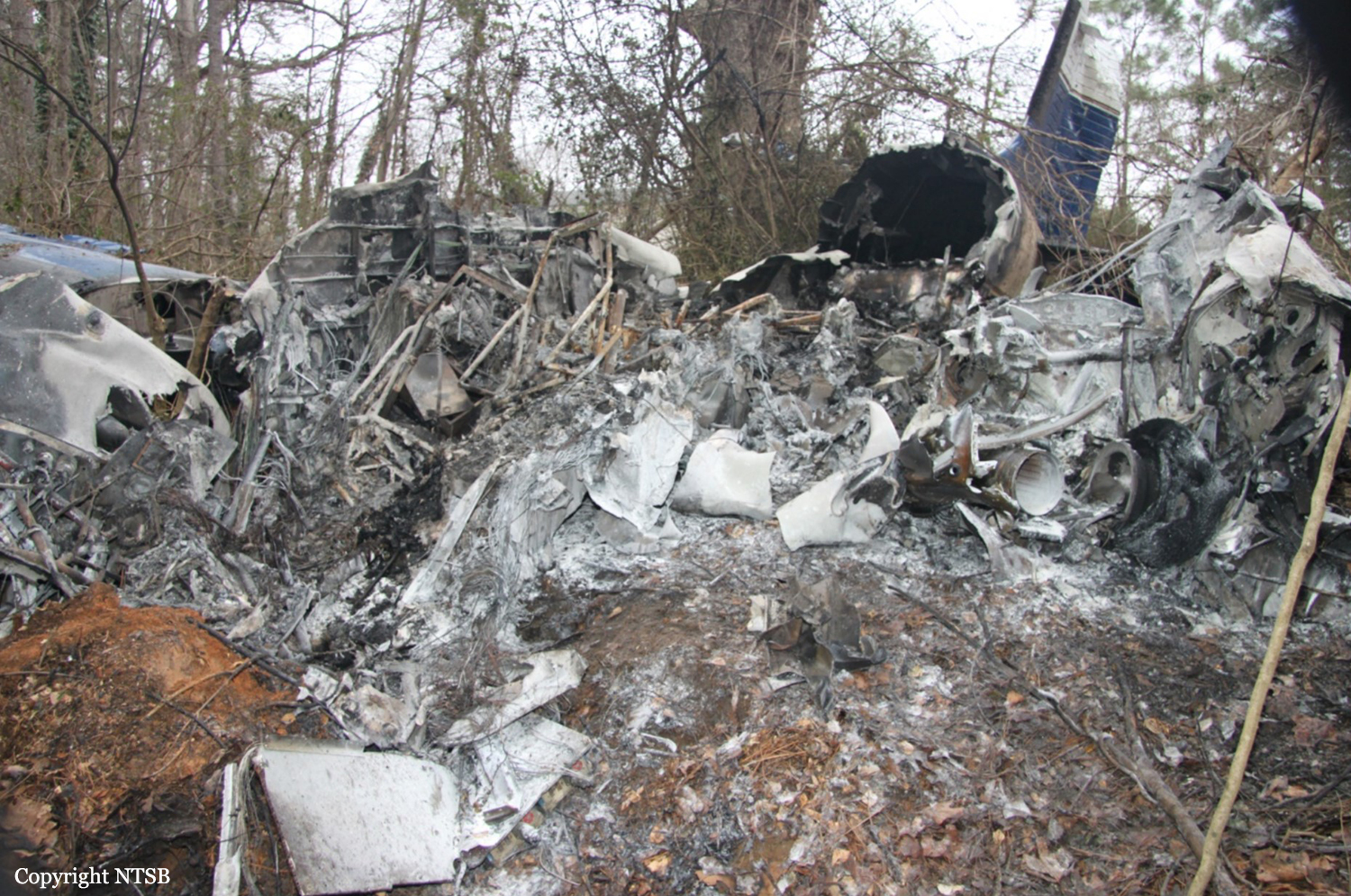
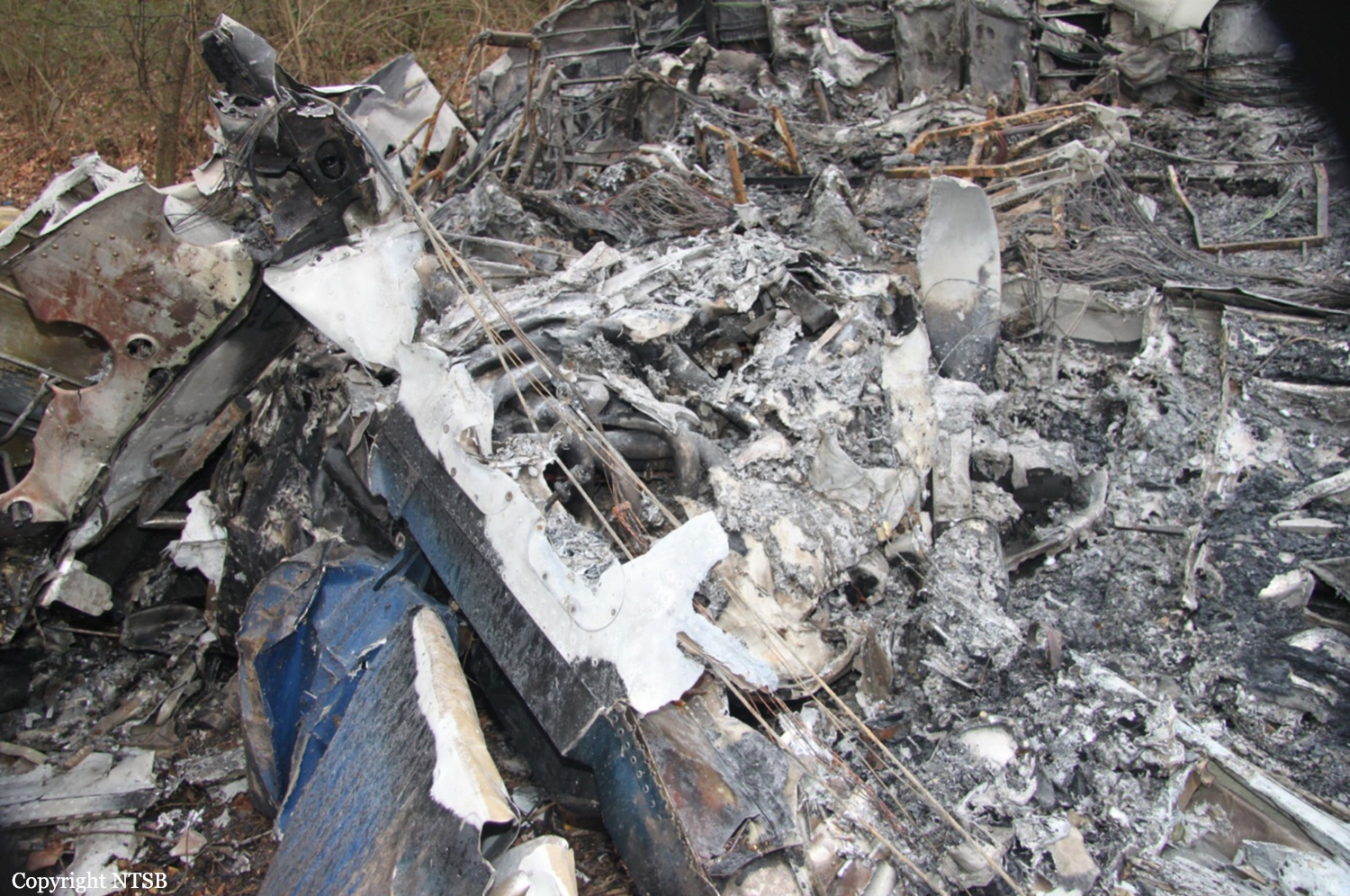
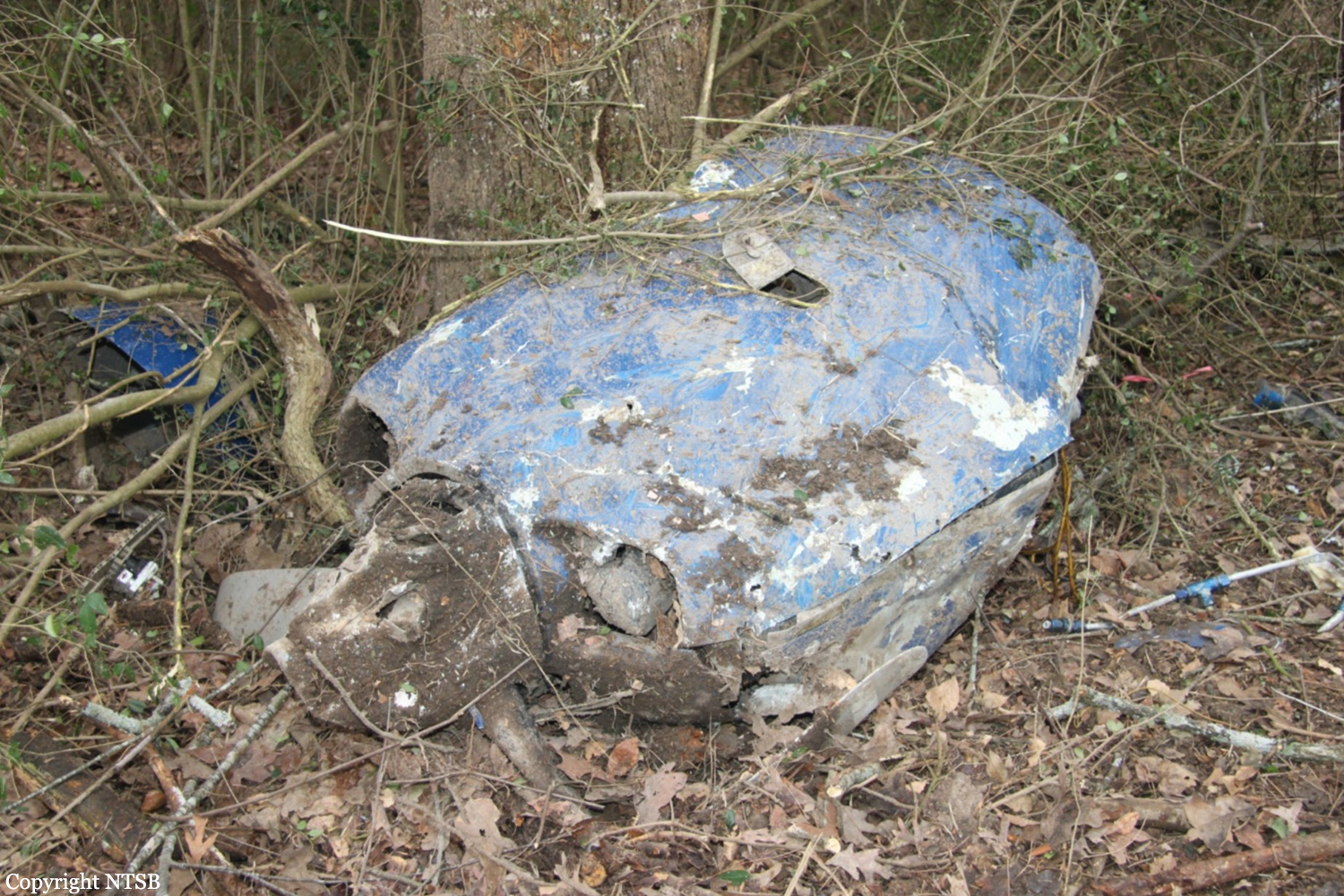
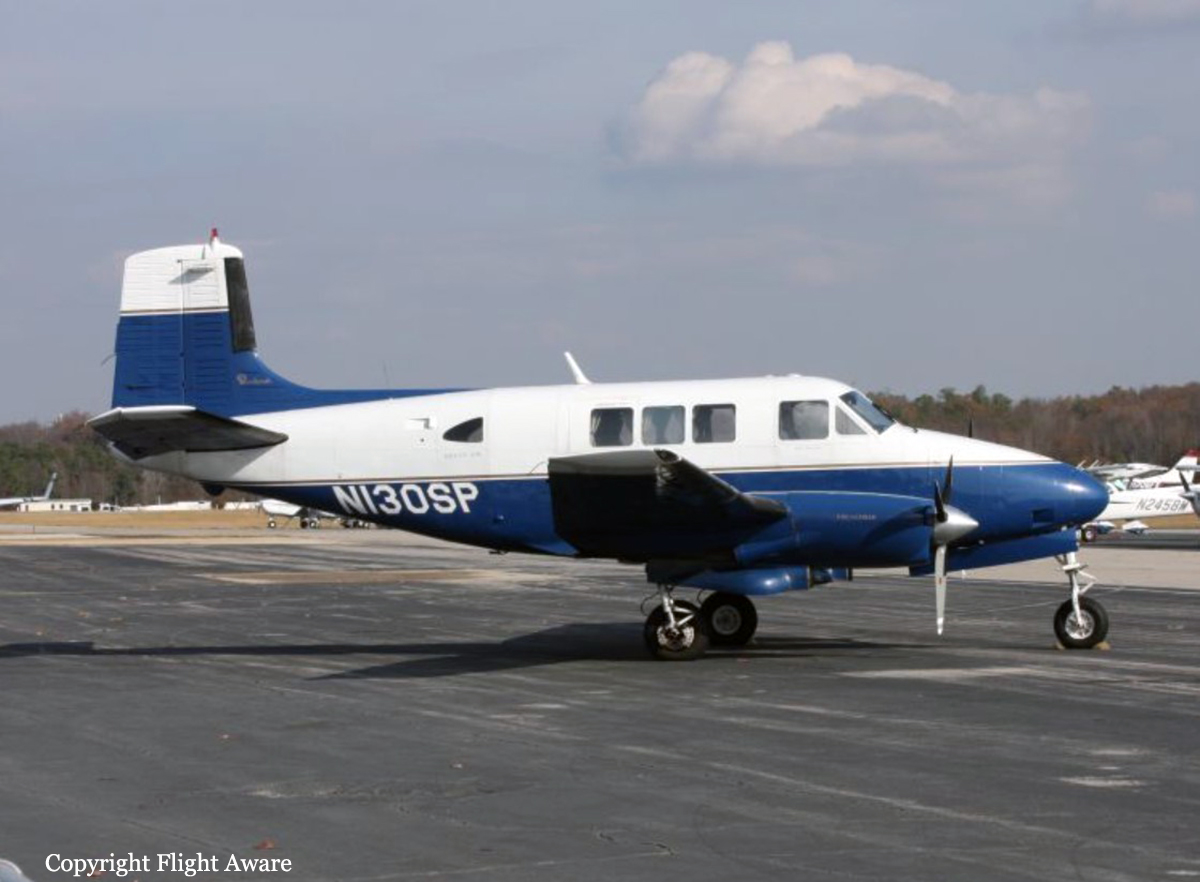
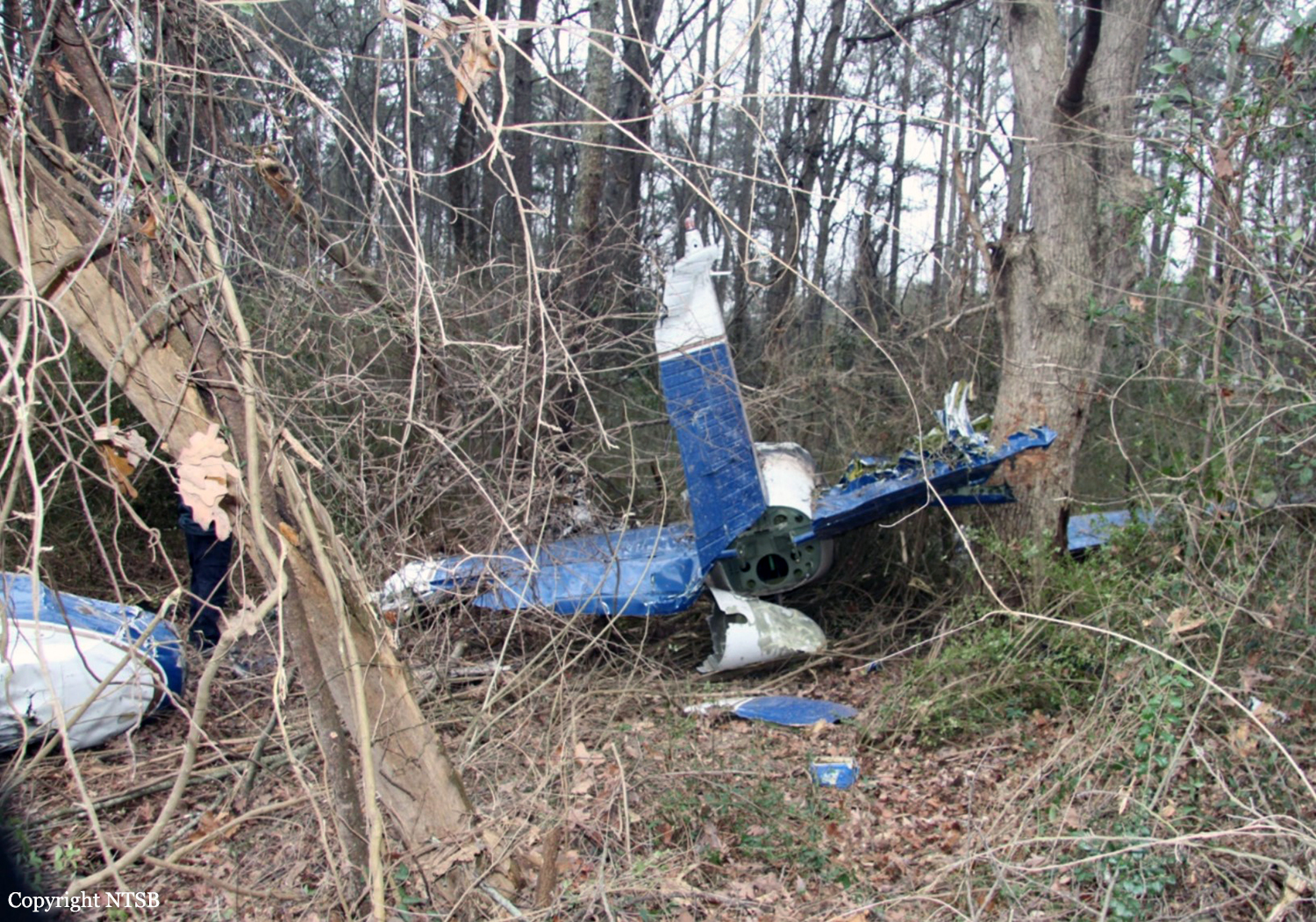
Crash of a Beechcraft 65 Queen Air in Lawrenceville: 1 killed

Date & Time: Feb 8, 2010 at 1705 LT
Type of aircraft:
Registration:
N130SP
Flight Phase:
Flight Type:
Survivors:
Yes
Schedule:
Lawrenceville - Lawrenceville
MSN:
LF-17
YOM:
1960
Crew on board:
1
Crew fatalities:
Pax on board:
3
Pax fatalities:
Other fatalities:
Total fatalities:
1
Captain / Total flying hours:
10099
Captain / Total hours on type:
1332.00
Aircraft flight hours:
9234
Circumstances:
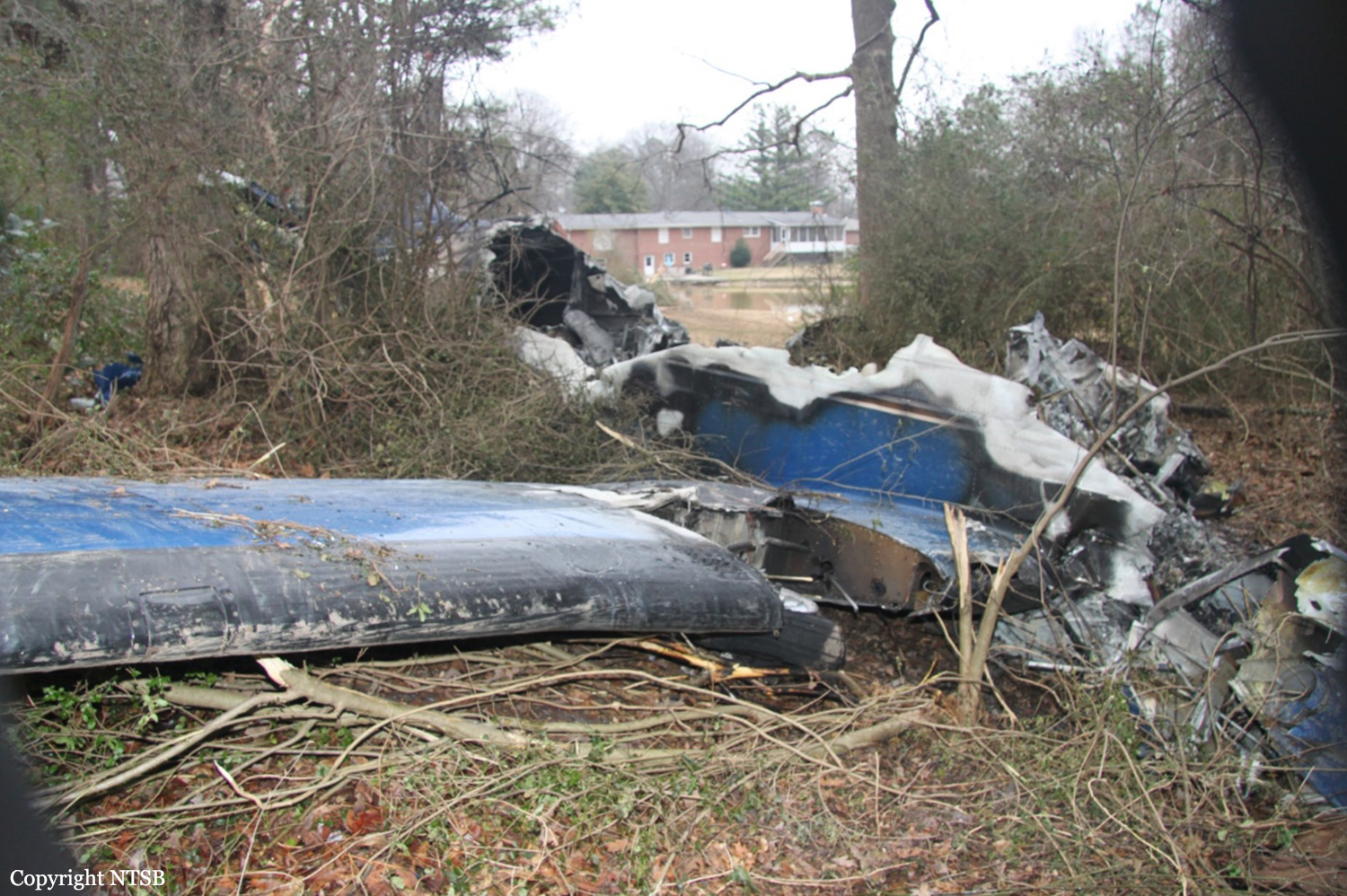
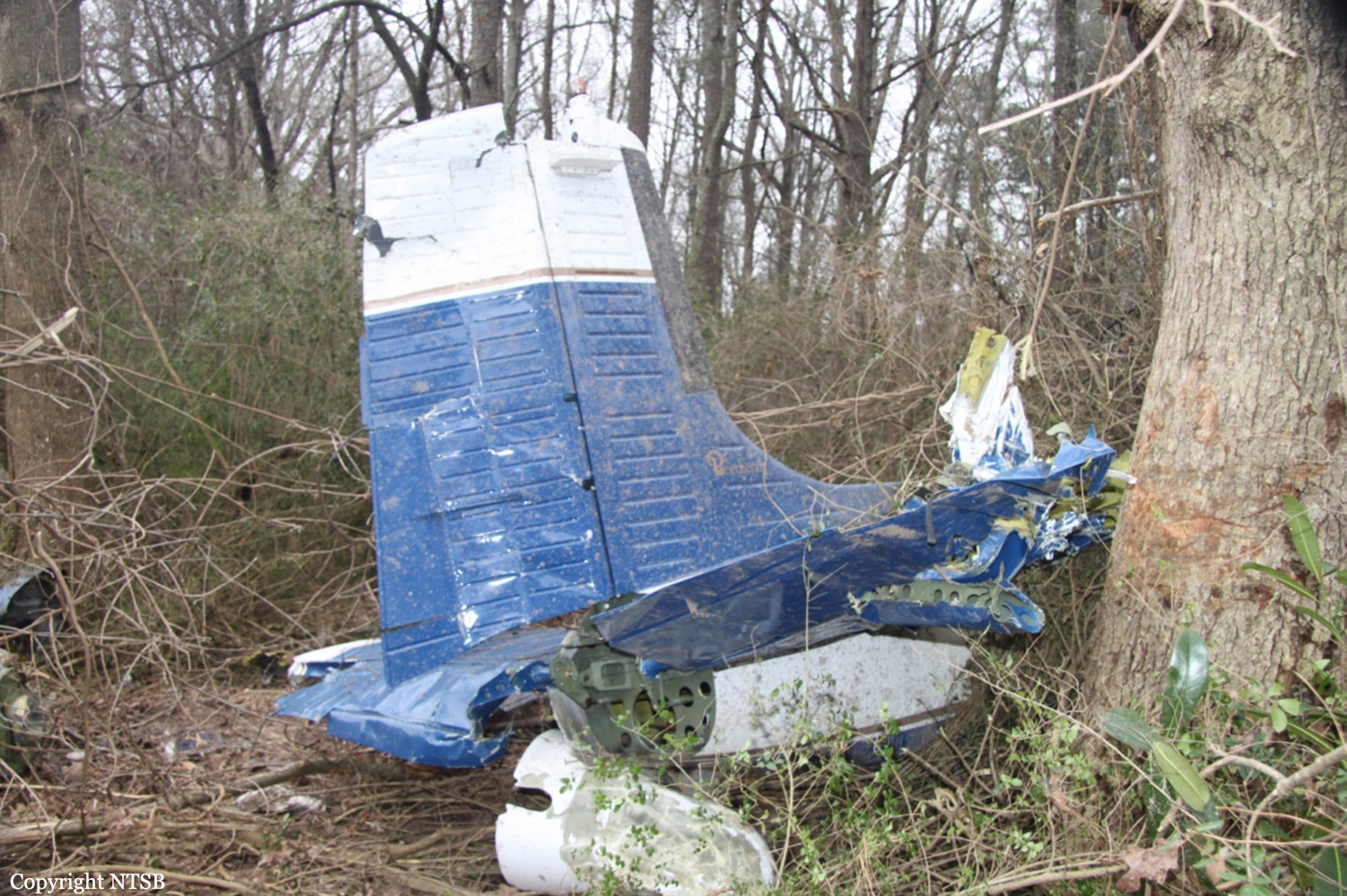
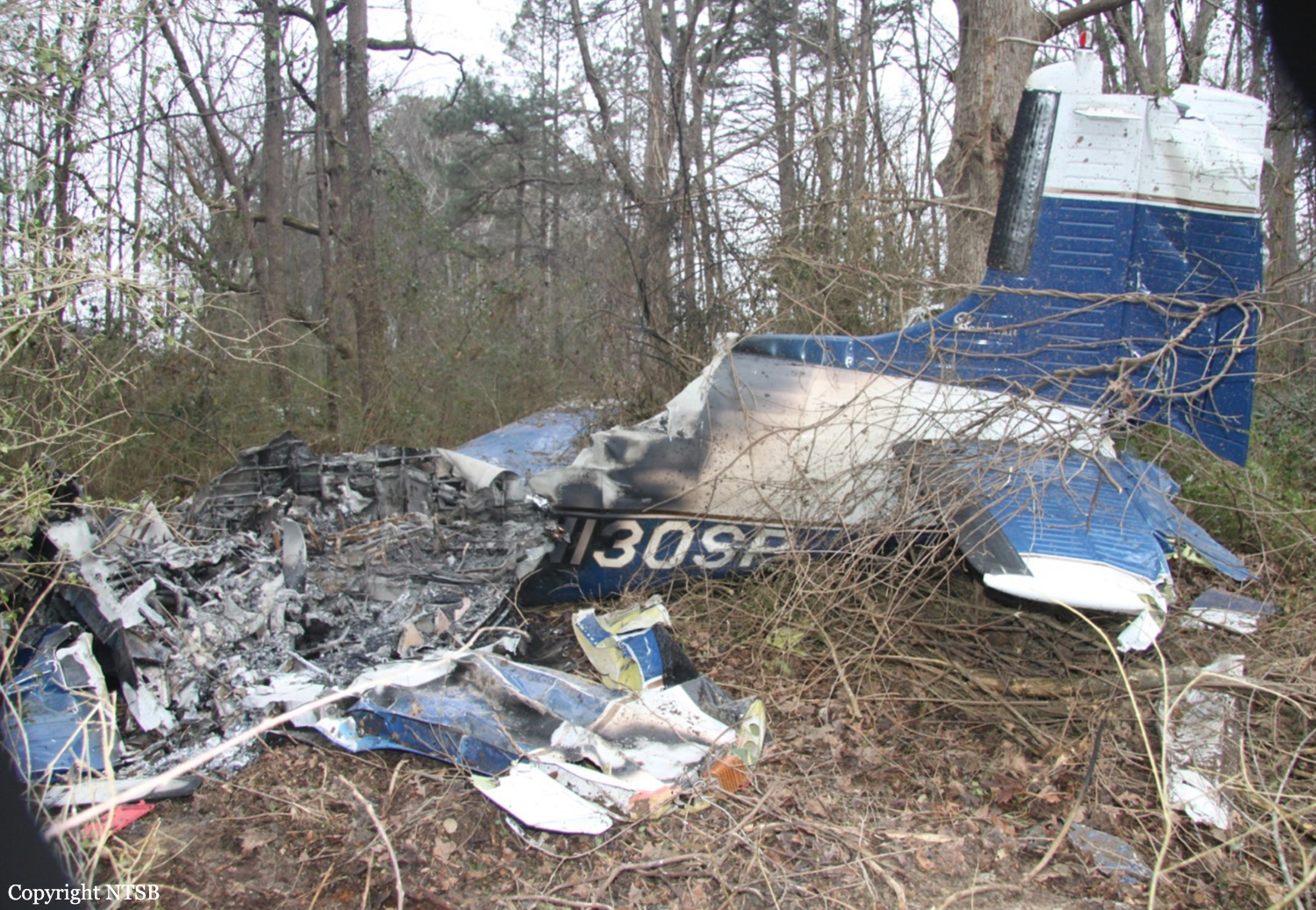
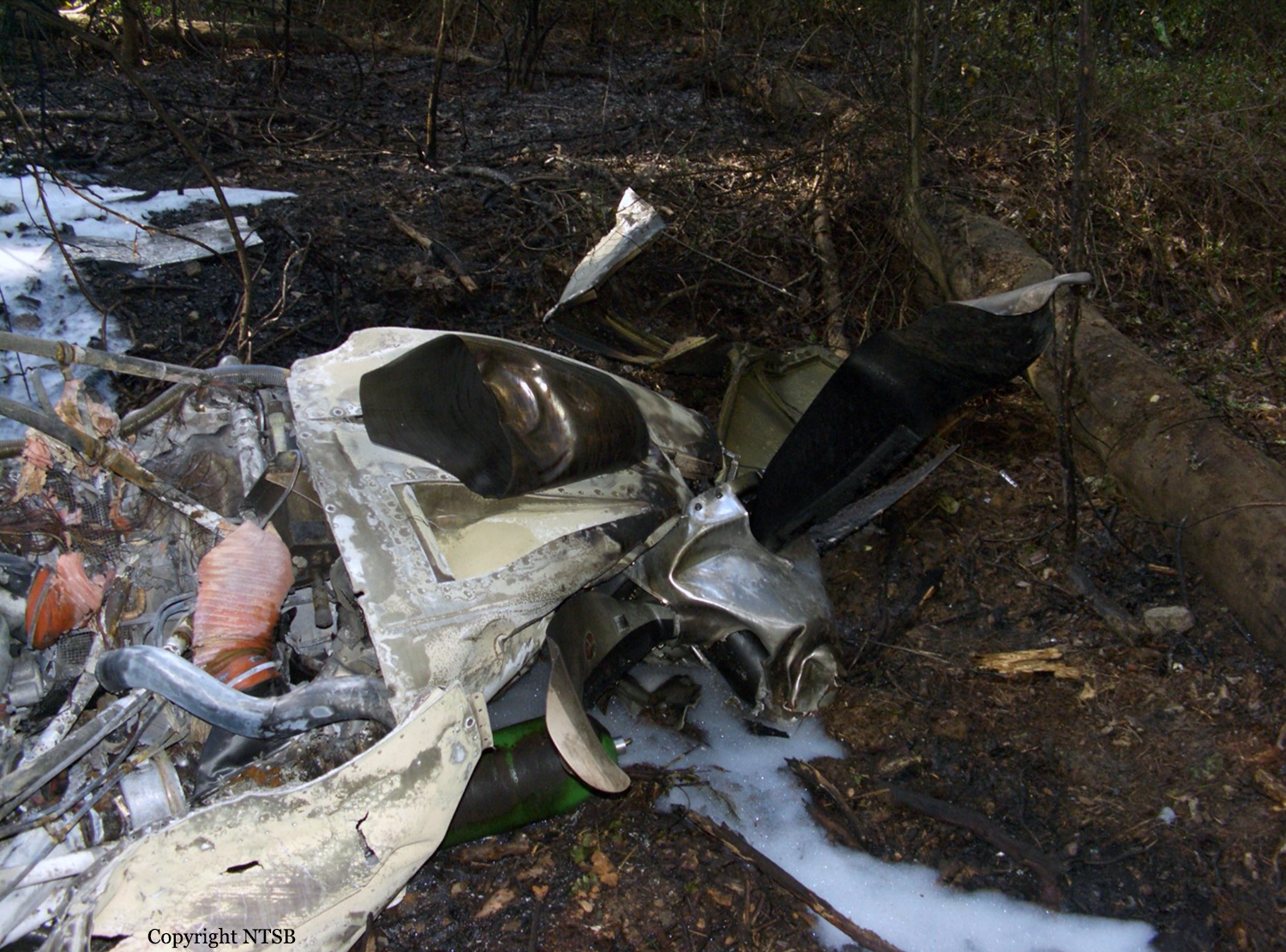
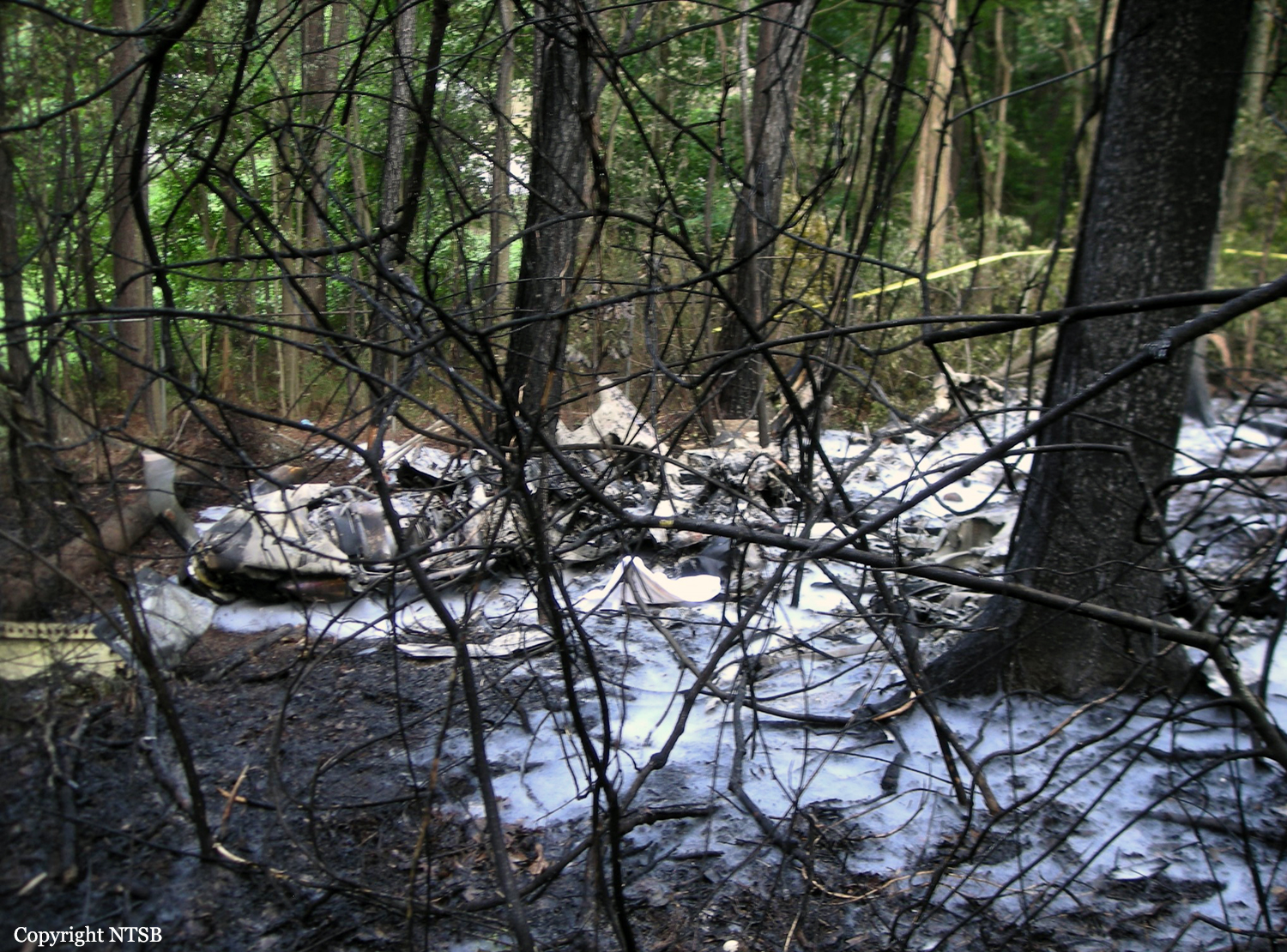
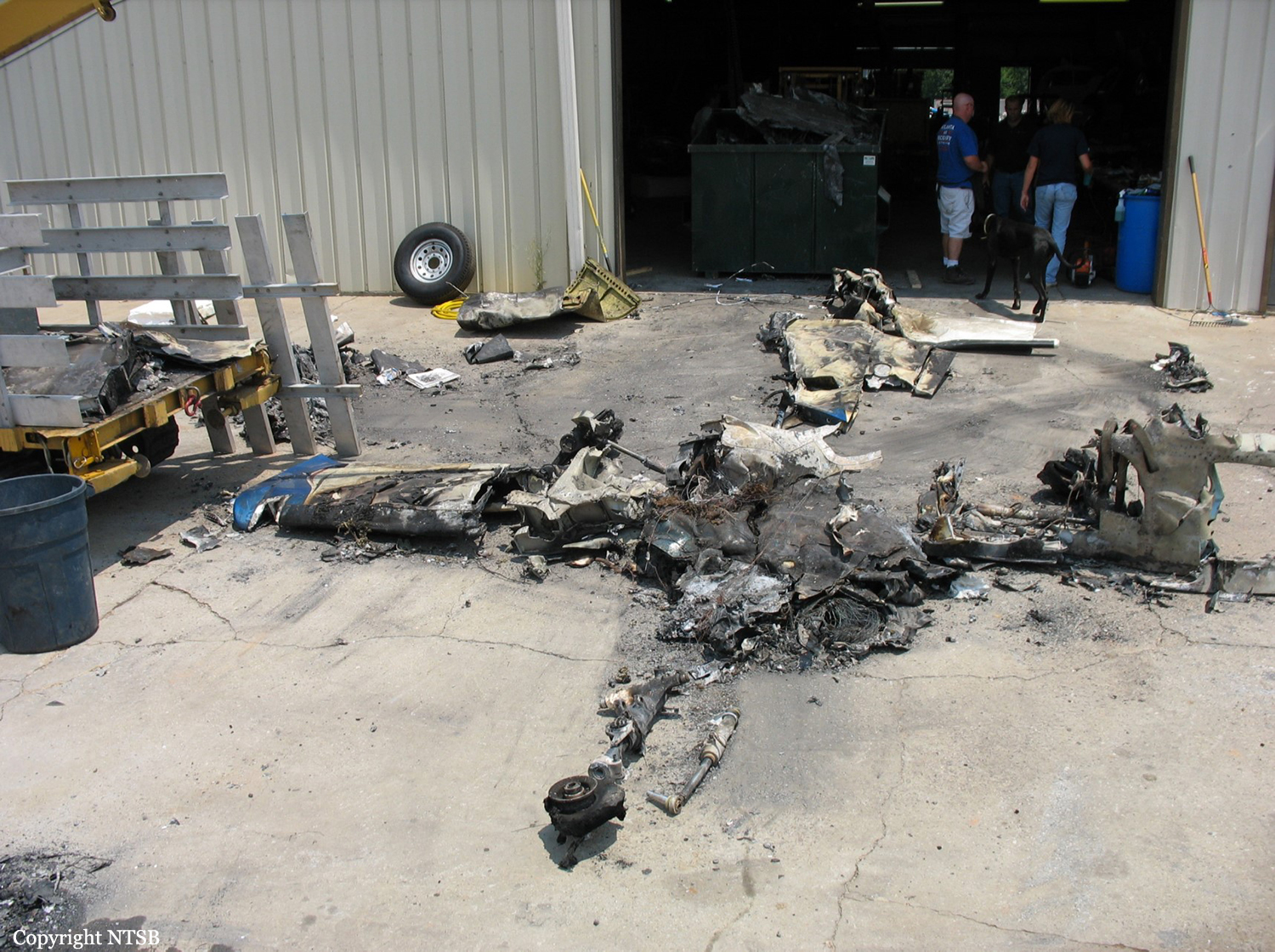
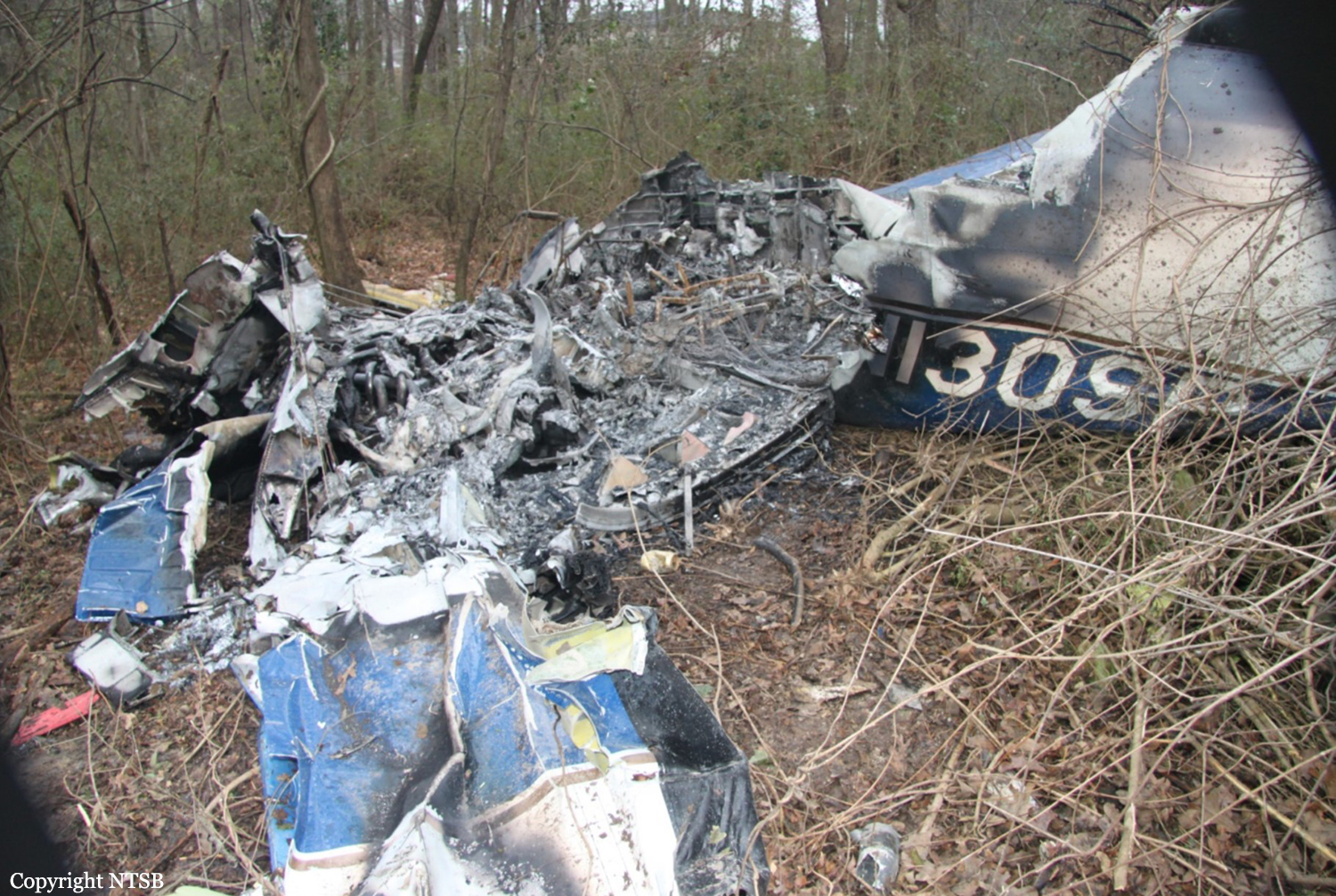
During the preflight inspection, some water was present in the fuel sample; it was drained until a clear sample was observed. Subsequently, the fuel tanks were topped off, and the remaining preflight inspection revealed no other anomalies. The pilot initiated a takeoff and upon reaching rotation speed, the airplane became airborne and the landing gear was retracted. The right engine immediately lost power, and the pilot feathered the engine and attempted to return to the airport. Shortly thereafter, the left engine lost power. The pilot informed the air traffic controller that the airplane had lost all power. The airplane subsequently collided with trees and terrain and a post crash fire ensued. A postaccident examination of the airframe and engine revealed no mechanical malfunctions or failures that would have precluded normal operation. Examination of fuel retrieved from the right main fuel tank, as well as fuel from the fixed base operator, revealed no anomalies. The left fuel selector valve was observed in the plugged port (no fluid flow) position, but it was most likely moved to that position during the accident sequence. The right fuel selector valve was partially aligned with the main fuel passageway and was unobstructed. The reason for the loss of engine power to both engines was not determined.
Probable cause:
The failure of both engines for undetermined reasons.
Final Report:
Crash of a Socata TBM700 in Kennesaw: 1 killed

Date & Time: Jul 15, 2008 at 1457 LT
Type of aircraft:
Operator:
Registration:
N484RJ
Flight Type:
Survivors:
No
Schedule:
Albany - Kennesaw
MSN:
333
YOM:
2005
Crew on board:
1
Crew fatalities:
Pax on board:
0
Pax fatalities:
Other fatalities:
Total fatalities:
1
Captain / Total flying hours:
975
Captain / Total hours on type:
44.00
Aircraft flight hours:
398
Circumstances:
During approach to runway 9, the tower controller instructed the pilot to perform an “S” turn 3 miles from the runway. The pilot initiated the “S” turn to the left, and after turning back to the right towards the runway to complete the other half of the turn, the controller advised the pilot that he did not need to finish the maneuver, and could turn onto final approach. The last recorded ground speed was 89 knots when the pilot banked the airplane sharply to the left at this time, witnesses stated that the airplane seemed to do a wing over onto its back and go straight down. Flight simulation tests revealed that while making a steep turn and not adding power, as the bank angle increased the airspeed would decrease and the airplane would enter an aerodynamic stall. Toxicology testing indicated that the pilot had been using tramadol, a prescription painkiller with potentially impairing effects. The pilot had not reported its use on his most recent application for airman medical certificate approximately 20 months prior to the accident. It is unclear what role, if any, the medication or the condition for which it might have been used played in the accident.
Probable cause:
The pilot’s failure to maintain airspeed during final approach resulting in an aerodynamic stall.
Final Report:

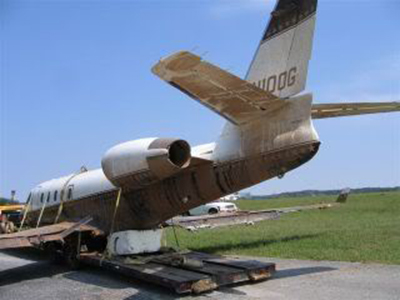
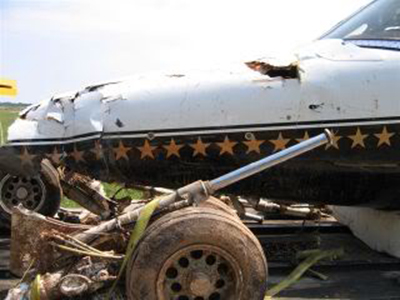
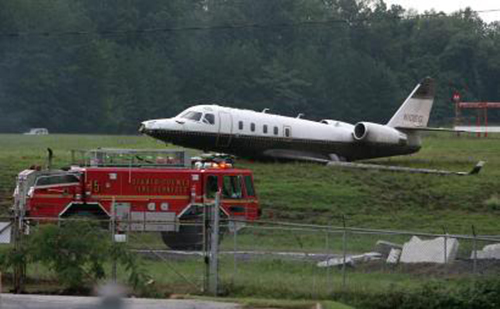
Crash of an IAI 1125 Astra APX in Atlanta

Date & Time: Sep 14, 2007 at 1719 LT
Type of aircraft:
Operator:
Registration:
N100G
Survivors:
Yes
Schedule:
Coatesville - Atlanta
MSN:
092
YOM:
1998
Crew on board:
2
Crew fatalities:
Pax on board:
2
Pax fatalities:
Other fatalities:
Total fatalities:
0
Captain / Total flying hours:
10800
Captain / Total hours on type:
2200.00
Copilot / Total flying hours:
16042
Copilot / Total hours on type:
1500
Aircraft flight hours:
4194
Circumstances:
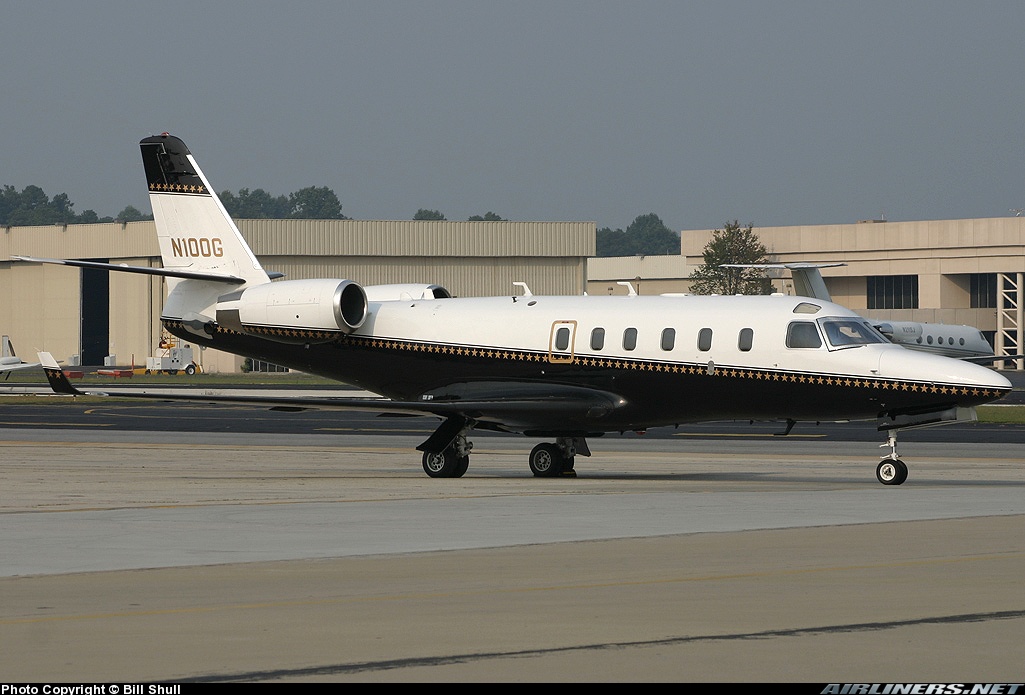
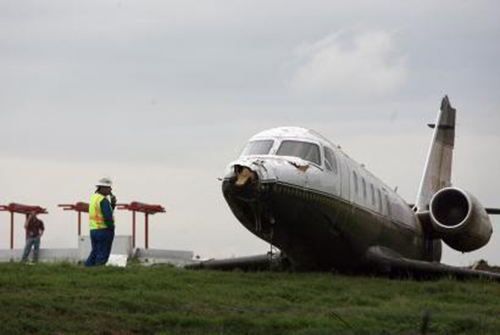
The pilot-in-command (PIC) of the of the airplane was the flight department's chief pilot, who was in the right seat and monitoring the approach as the non-flying pilot. The second-in-command (SIC) was a captain for the flight department, who was in the left seat and the flying pilot. On arrival at their destination, they were vectored for an instrument-landing-system (ILS) approach to a 6,001-foot-long runway. Visibility was 1-1/4 miles in rain. The autopilot was on and a coupled approach was planned. After the autopilot captured the ILS, the airplane descended on the glideslope. The PIC announced that the approach lights were in sight and the SIC stated that he also saw the lights and disengaged the autopilot. The SIC turned on the windshield wipers and then lost visual contact with the runway. He announced that he lost visual contact, but the PIC stated that he still saw the runway. The SIC considered a missed approach, but continued because the PIC still had visual contact. The PIC stated, "I have the lights" and began to direct the SIC. He then "took over the controls." The airplane touched down, the speed brakes extended and, approximately 1,000 feet later, the airplane overran the runway. The PIC stated that he was confused as to who was the PIC, and that he and the SIC were "co-captains." When asked about standard operating procedures (SOPs), the PIC advised that they did not have any. They had started out with one pilot and one airplane, and they now had five pilots and two airplanes. The PIC later stated that they probably should have gone around when the flying pilot could not see out the window. The PIC added that the windshields had no coating and did not shed water. One year prior, while flying in rain, his vision through the windshield was blurred but he did not report it to their maintenance provider. Manufacturer's data revealed that the windshield was coated to enhance vision during rain conditions. The manufacturer advised that the coating might not last the life of the windshield and provided guidance to determine both acceptable and unacceptable rain repellent performance.
Probable cause:
The pilot's failure to initiate a missed approach and his failure to obtain the proper touchdown point while landing in the rain. Contributing to the accident were the operator's lack of standard operating procedures and the inadequate maintenance of the windshield.
Final Report:

Crash of a Cessna 414A Chancellor in Lawrenceville: 3 killed

Date & Time: Dec 25, 2006 at 2030 LT
Type of aircraft:
Operator:
Registration:
N62950
Flight Type:
Survivors:
No
Schedule:
Pahokee - Lawrenceville
MSN:
414-0086
YOM:
1970
Crew on board:
1
Crew fatalities:
Pax on board:
2
Pax fatalities:
Other fatalities:
Total fatalities:
3
Captain / Total flying hours:
631
Captain / Total hours on type:
406.00
Aircraft flight hours:
4313
Circumstances:
According to Atlanta Air Route Traffic Control Center (ARTCC) personnel, the pilot was given the current weather information before attempting his first instrument approach into Gwinnett County Airport-Briscoe Field (LZU), Lawrenceville, Georgia, which included: winds calm, visibility 1/2-mile in fog, and ceiling 100 feet. The pilot acknowledged the current weather information and elected to continue for the instrument landing system (ILS) runway-25 approach. During the first landing attempt, the pilot reported that he was going to execute a missed approach, but that he saw the airport below and wanted to attempt another approach. The ARTCC controller provided the pilot with radar vectors back to the ILS runway-25 approach and again updated the pilot with current weather conditions. During the second approach the tower controller advised the pilot that he was left of the runway-25 centerline. Shortly after the pilot acknowledged that he was left of the centerline, the tower controller saw a bright "orange glow" off of the left side of the approach end of runway 25. Although the weather conditions were below approach minimums for the runway 25-approach, the pilot elected to attempt the landing. A flight inspection of the ILS was completed on December 26, 2006, and the results of the inspection revealed that the ILS runway-25 approach system was satisfactory. Examination of the airframe, flight control system components, engines and system components revealed no evidence of preimpact mechanical malfunction.
Probable cause:
The pilot's failure to follow the instrument approach procedure. Contributing to the accident was the pilot's descent below the prescribed decision height altitude.
Final Report:

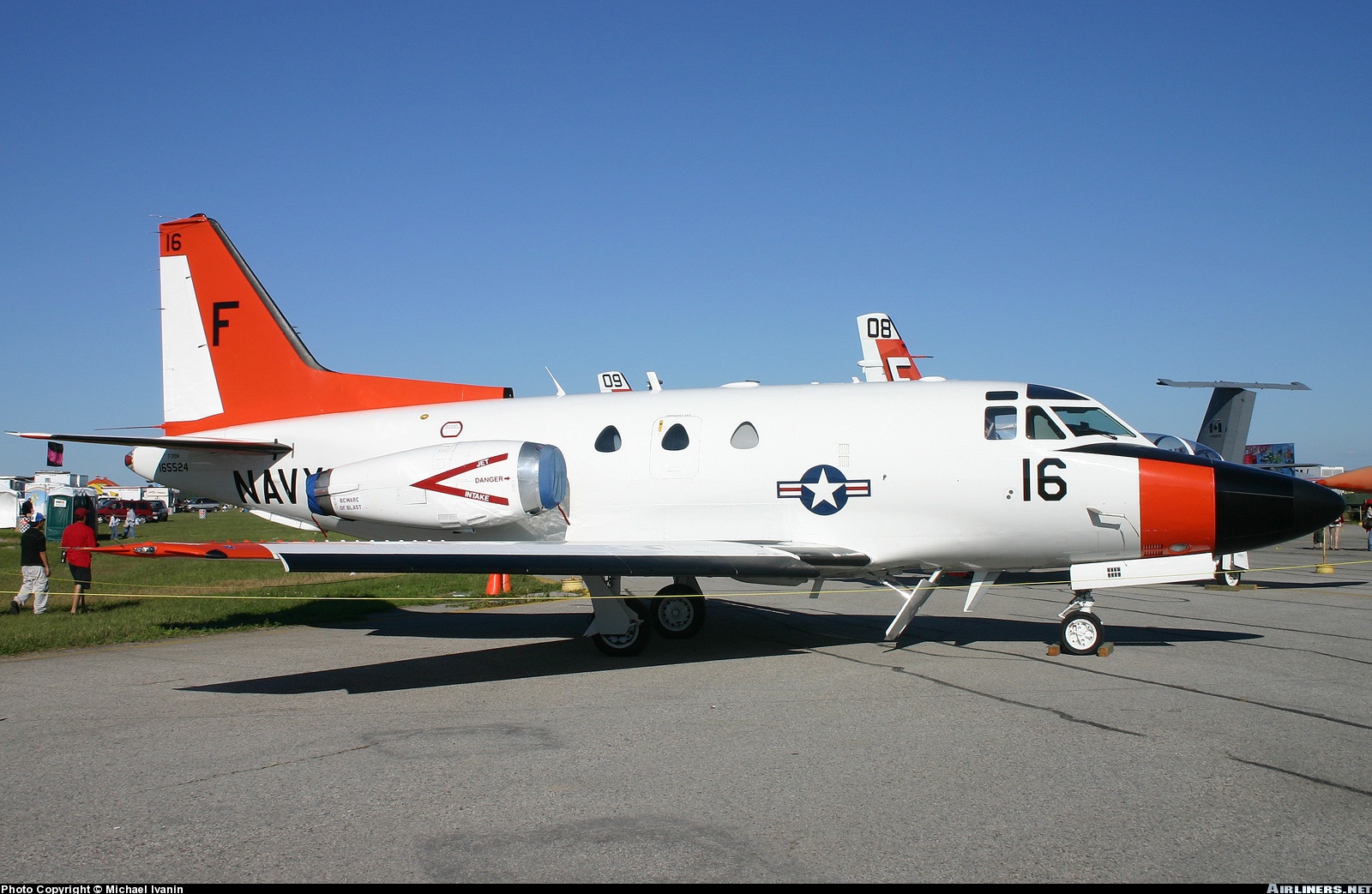
Crash of a Rockwell CT-39N Sabreliner in Villanow: 4 killed

Date & Time: Jan 10, 2006 at 1120 LT
Type of aircraft:
Operator:
Registration:
165524
Flight Phase:
Flight Type:
Survivors:
No
Site:
Schedule:
Chattanooga - Pensacola
MSN:
282-060
YOM:
1966
Crew on board:
4
Crew fatalities:
Pax on board:
0
Pax fatalities:
Other fatalities:
Total fatalities:
4
Circumstances:
The crew departed Chattanooga-Lovell Field on a training flight to Pensacola-Forrest Sherman Field NAS, Florida. About 20 minutes into the flight, while cruising at low altitude, the aircraft contacted a tree and crashed a mile further on the slope of Mt Johns, near Villanow, Georgia. All four occupants were killed.

Crash of a Swearingen SA26AT Merlin IIB in Lawrenceville

Date & Time: Apr 26, 2005 at 1826 LT
Type of aircraft:
Registration:
N50KV
Survivors:
Yes
Schedule:
Spartanburg – Lawrenceville
MSN:
T26-115
YOM:
1968
Crew on board:
1
Crew fatalities:
Pax on board:
1
Pax fatalities:
Other fatalities:
Total fatalities:
0
Captain / Total flying hours:
14000
Captain / Total hours on type:
3500.00
Aircraft flight hours:
9415
Circumstances:
While executing an instrument approach to land on runway 25, the airplane collided with the runway, and collapsed the right main landing gear. The airplane subsequently burst into flames after the pilot and passenger exited the airplane. Post-accident examination of the engines found both the left and right engine fuel controls in a low power setting. Examination of the propeller control found both propellers at 30-degrees. The pilot did not report any flight control or mechanical problems during flight.
Probable cause:
The pilot's improper landing flare that resulted in a hard landing.
Final Report:

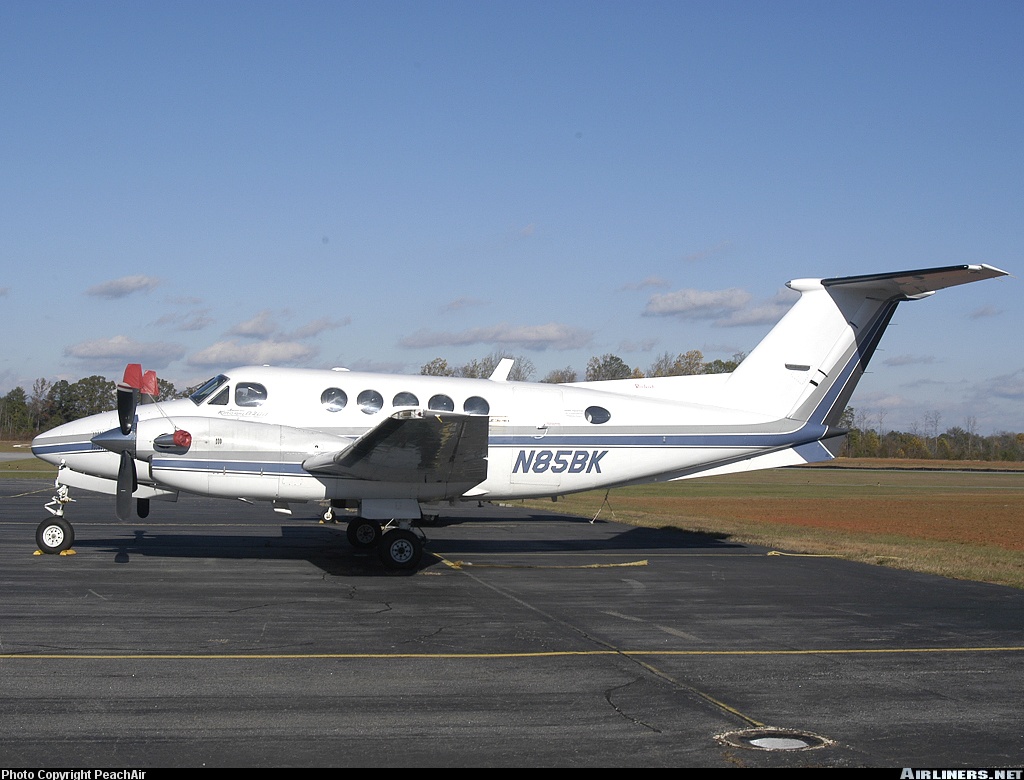
Crash of a Beechcraft B200 Super King Air in Newnan: 2 killed

Date & Time: Dec 4, 2003 at 1940 LT
Registration:
N85BK
Flight Type:
Survivors:
No
Schedule:
Douglas – Newnan
MSN:
BB-734
YOM:
1981
Crew on board:
2
Crew fatalities:
Pax on board:
0
Pax fatalities:
Other fatalities:
Total fatalities:
2
Captain / Total flying hours:
1248
Aircraft flight hours:
9864
Circumstances:
Upon arriving at the destination airport, the controller cleared the flight for localizer 32 approach and informed the pilot that radar service was terminated and a frequency change was approved, report canceling IFR this frequency. The pilot acknowledged the clearance. A review of radar data revealed that the airplane was on course and lined up with the runway when the airplane collided with trees and the ground one mile south of runway 32. A review of information on file with Southeastern Air Charter, Inc., the operator of the accident airplane, found that the pilot's most recent Airman Competency/Proficiency Check was conducted in a Cessna 210. There were no records to indicate the pilot had undergone a flight-check in the Beech 200, as outlined in the Corporations FAA Approved Operational Specifications. Examination of the airframe and engines found no pre-existing discrepancies that would have precluded the airplane from operating properly prior to impact. Surface Weather Observations reported near the time of the accident. was visibility 1 to 1¼ miles; ceiling 200 feet overcast. A review of the approach plate found the minimum descent altitude for the approach to be 325 AGL and visibility 1 mile.
Probable cause:
The pilot's inadequate in-flight planning/decision when he continued the flight below the decision height and collided with trees. A related factor was the low ceiling.
Final Report:

Crash of a Piper PA-31P Pressurized Navajo in Augusta: 2 killed

Date & Time: Jun 16, 2003 at 1302 LT
Type of aircraft:
Registration:
N577FS
Flight Phase:
Flight Type:
Survivors:
No
Schedule:
Augusta – Belmont
MSN:
31-7730008
YOM:
1977
Crew on board:
1
Crew fatalities:
Pax on board:
1
Pax fatalities:
Other fatalities:
Total fatalities:
2
Captain / Total flying hours:
8000
Aircraft flight hours:
4412
Circumstances:
A witness at the airport stated the airplane appeared to use half of the 8,000-foot runway on takeoff roll, and the climb out appeared "very flat." During climbout, the pilot reported to the tower controller the airplane "lost an engine," and he announced intentions to return to the runway. The controller stated he noticed the airplane continued straight out and appeared to be losing altitude. Witnesses north of the airport observed the airplane flying low and described its engine noises as "erratic," "skipping," "sputtering," and "some sort of backfire." One witness stated the airplane was moving slowly to the north with a high nose-up angle, and the airplane "appeared to stall" then dove vertically into the trees. Examination of the accident site revealed wreckage debris and broken trees were scattered approximately 120 feet. The airframe, engines, and the right propeller sustained fire damage. The left propeller, top forward portion of the left engine case, and the left propeller gear shaft and bearings were not located. Examination of recovered components revealed no evidence of mechanical malfunction could be determined. According to the Pilot's Operating Handbook for the Piper PA-31P, the stall speed for the airplane with the gear and flaps up is: "(7800 lbs) 80 KCAS, 81 KIAS."
Probable cause:
The pilot's failure to maintain airspeed while maneuvering on initial take off climb resulting in an inadvertent stall, loss of control, and subsequent in-flight collision with trees and a swamp. A factor in the accident was a reported loss of engine power for undetermined reasons.
Final Report:
Crash of a Cessna 414 Chancellor in Canton: 1 killed

Date & Time: Apr 10, 2003 at 1700 LT
Type of aircraft:
Operator:
Registration:
N822DB
Flight Type:
Survivors:
No
Site:
Schedule:
Rome – Canton
MSN:
414-0813
YOM:
1975
Crew on board:
1
Crew fatalities:
Pax on board:
0
Pax fatalities:
Other fatalities:
Total fatalities:
1
Captain / Total flying hours:
4500
Captain / Total hours on type:
245.00
Aircraft flight hours:
5078
Circumstances:
The VFR repositioning flight departed Rome, Georgia en route to Canton, Georgia but never arrived. Late on the evening of April 10, 2003, the pilot's spouse contacted the local authorities when her husband did not arrive at home or call. The spouse stated that her husband flew out of Rome early Thursday morning headed to Augusta, Georgia to pick up an unknown number of passengers and fly them back to Rome, Georgia. The authorities confirmed that the passengers had arrived at their destination. The Civil Air patrol began a search and located the airplane on the side of "Bear Mountain" in Canton, Georgia, on April 11, 2003. The wreckage site was located 11.3 nautical miles west of Cherokee County Airport, Canton, Georgia, and 26 nautical miles east of Rome, Georgia on the west side of Bear Mountain. The mountains ridgeline runs northeast and southwest, near the town of Waleska, Georgia. The field elevation at the crash site was 1,750 feet above mean sea level (msl) and the peak of Bear Mountain was 2,268 feet msl. The upslope of the terrain at the site was estimated at 30-40 degrees. Examination of the airframe, flight controls, engine assembly and accessories revealed no anomalies.
Probable cause:
The pilot's failure to maintain clearance from terrain.
Final Report:

Crash of a Rockwell Grand Commander 690B in Homerville: 2 killed

Date & Time: Mar 27, 2003 at 0113 LT
Operator:
Registration:
N53LG
Flight Phase:
Flight Type:
Survivors:
No
Schedule:
Mount Pleasant – Titusville
MSN:
690-11523
YOM:
1979
Crew on board:
1
Crew fatalities:
Pax on board:
1
Pax fatalities:
Other fatalities:
Total fatalities:
2
Captain / Total flying hours:
3581
Captain / Total hours on type:
47.00
Aircraft flight hours:
6317
Circumstances:
The flight was in cruise flight at 27,000 feet when the airplane encountered unforecasted severe turbulence. The pilot made a "mayday" on the airplane radio to Jacksonville Center. Within several seconds the airplane accelerated from 175 knots through 300 knots ground speed and descended from 27,000 feet to 16,500 feet. The airplane disappeared from radar coverage and was located by Sheriff Department personnel 15 miles north of Homerville, Georgia, in a swampy area. Airframe components recovered from the accident site were submitted to the NTSB Materials laboratory for examination. The examinations revealed all failures were due to overload. Examination of the airframe revealed that the airframe design limits were exceeded. The pilot did not obtain a weather briefing before the flight departed.
Probable cause:
An in-flight encounter with unforecasted severe turbulence in cruise flight resulting in the design limits of the airplane being exceeded due to an overload failure of the airframe, and collision with a swampy area.
Final Report: