Crash of a Piper PA-46-310P Malibu in Clayton: 1 killed

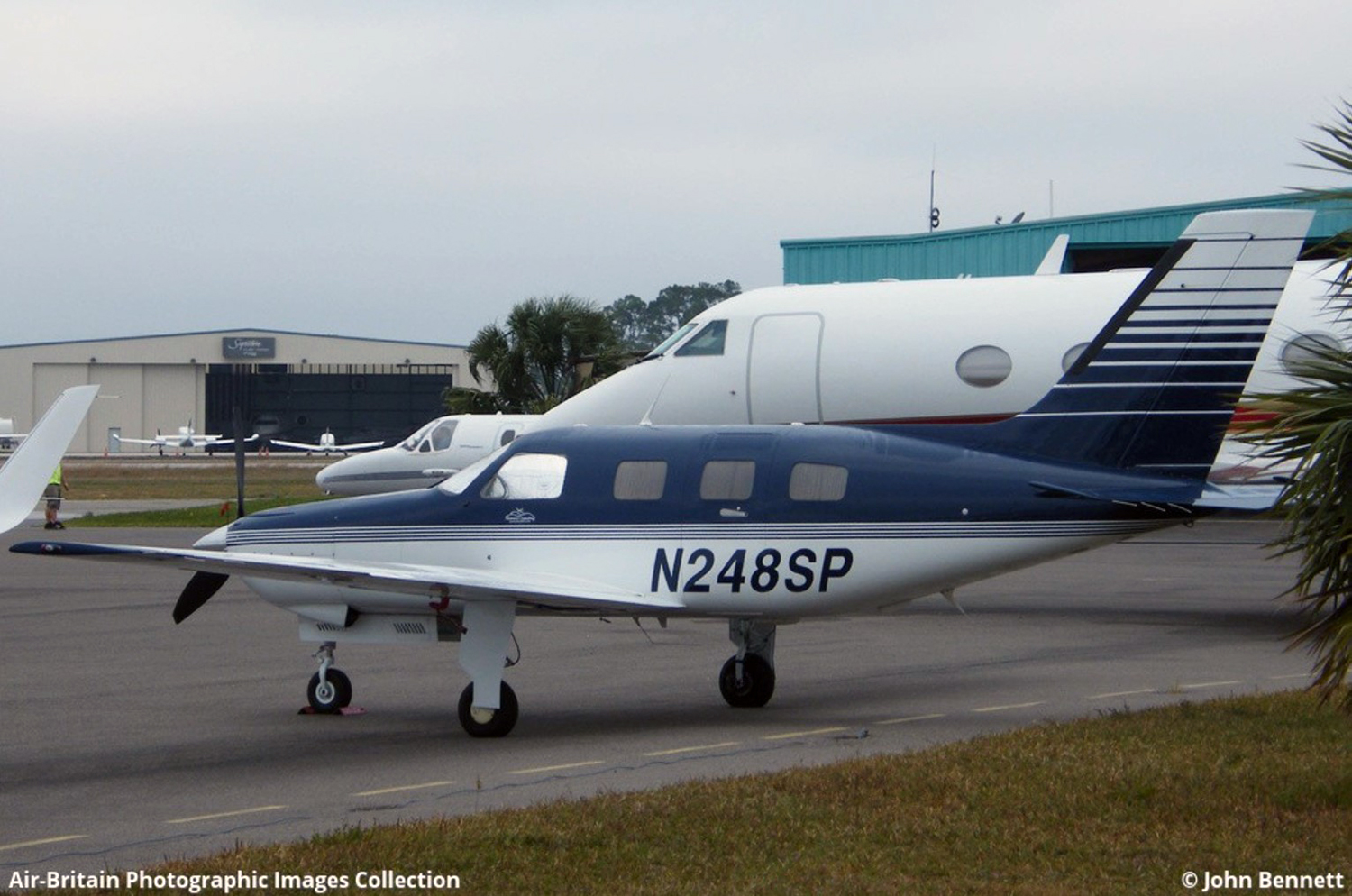
Date & Time: Jul 26, 2014 at 0850 LT
Operator:
Registration:
N248SP
Flight Phase:
Flight Type:
Survivors:
No
Schedule:
Clayton - Aurora
MSN:
46-8608024
YOM:
1986
Location:
Crew on board:
1
Crew fatalities:
Pax on board:
0
Pax fatalities:
Other fatalities:
Total fatalities:
1
Captain / Total flying hours:
4200
Aircraft flight hours:
3593
Circumstances:
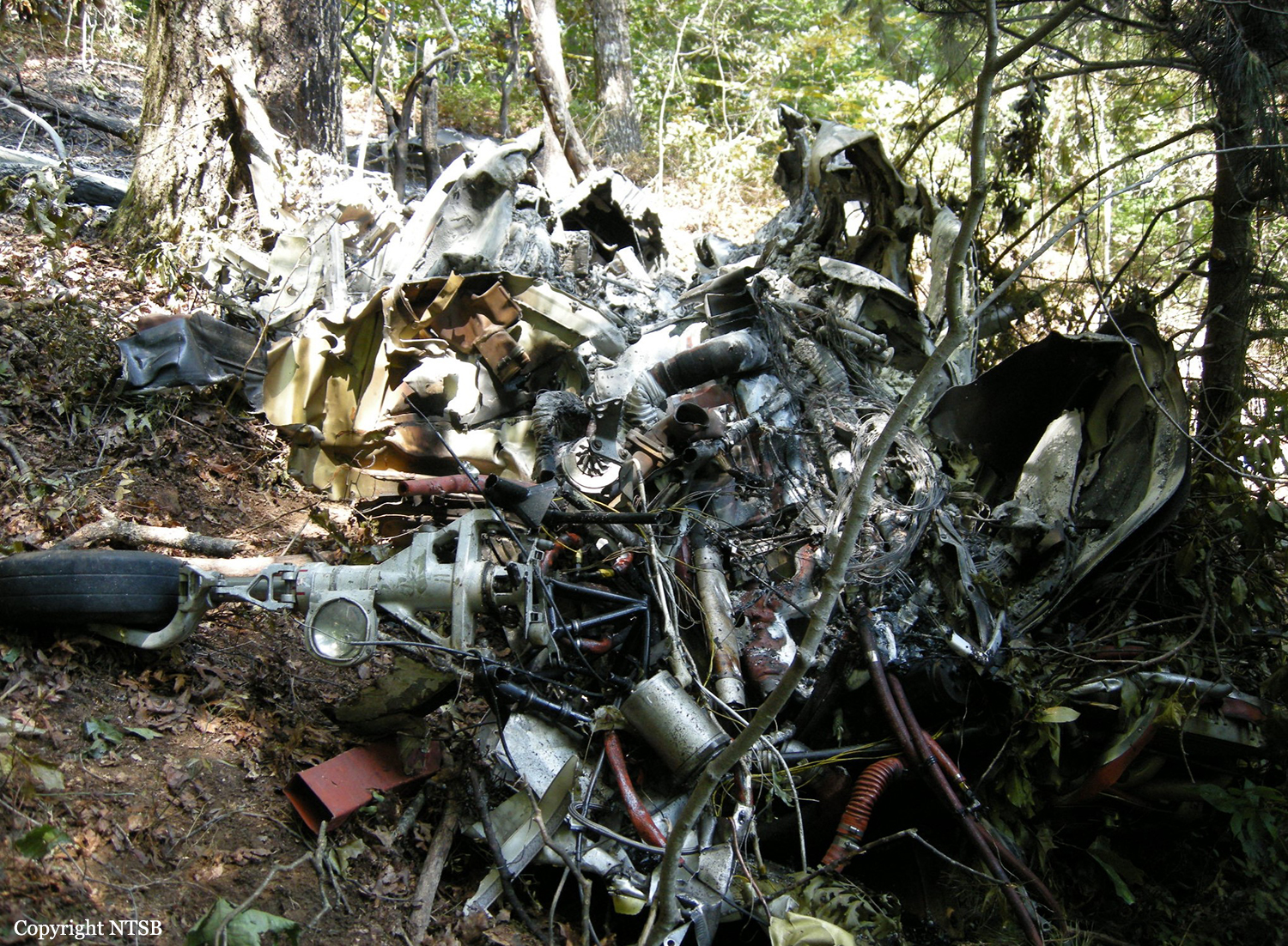
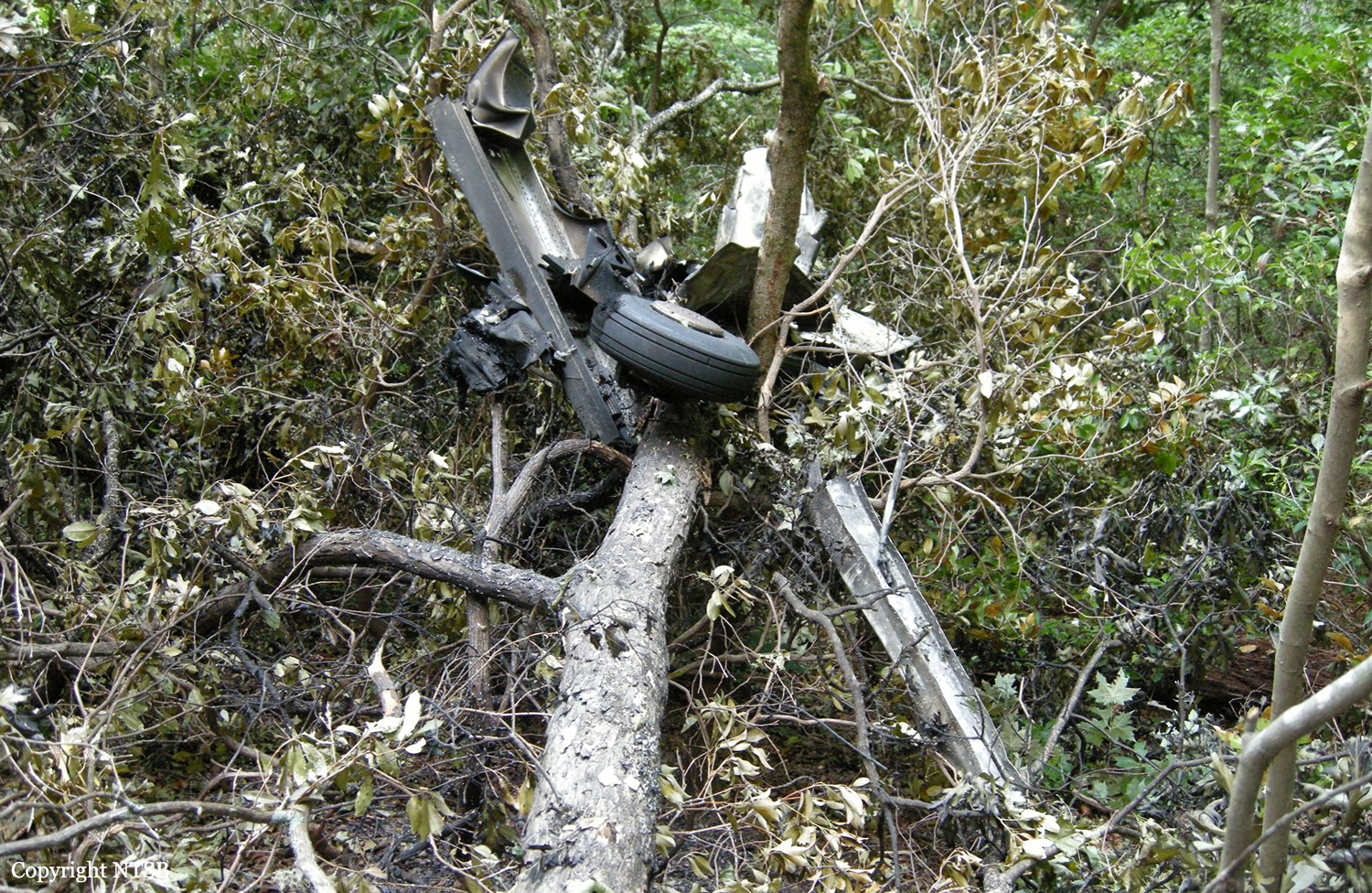
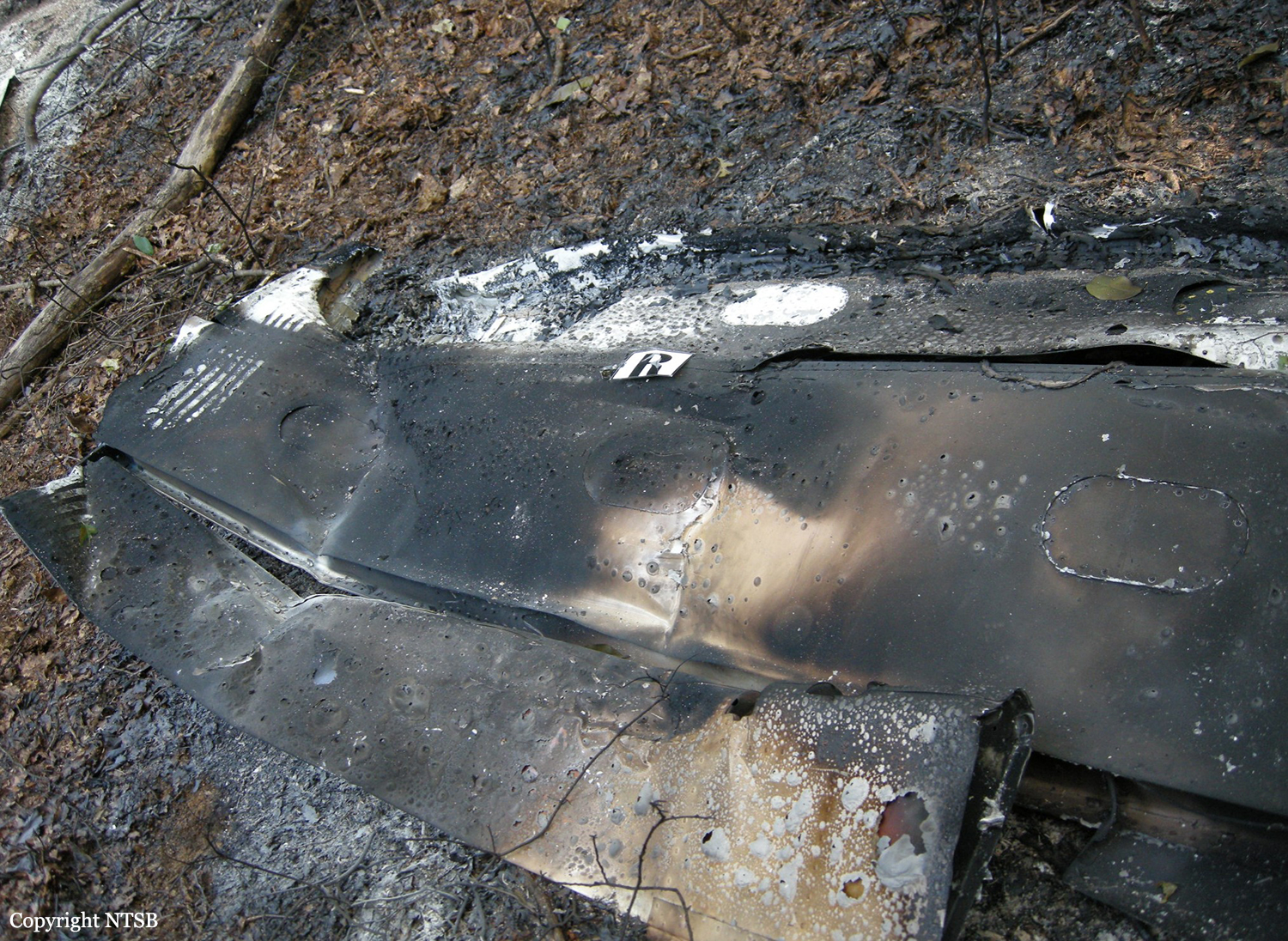
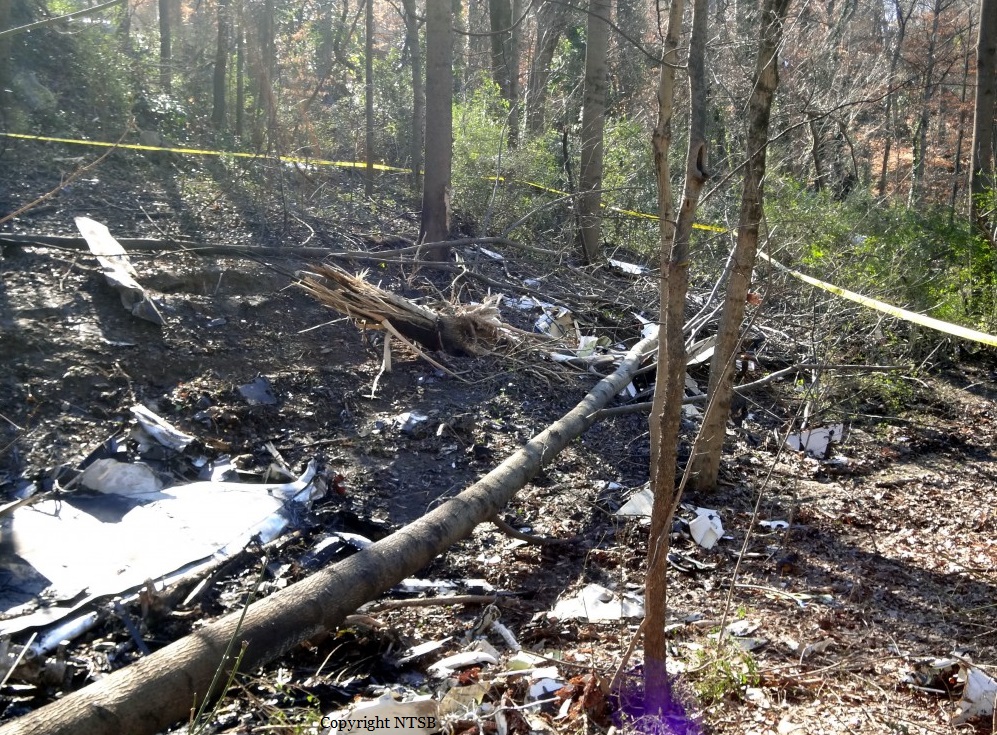
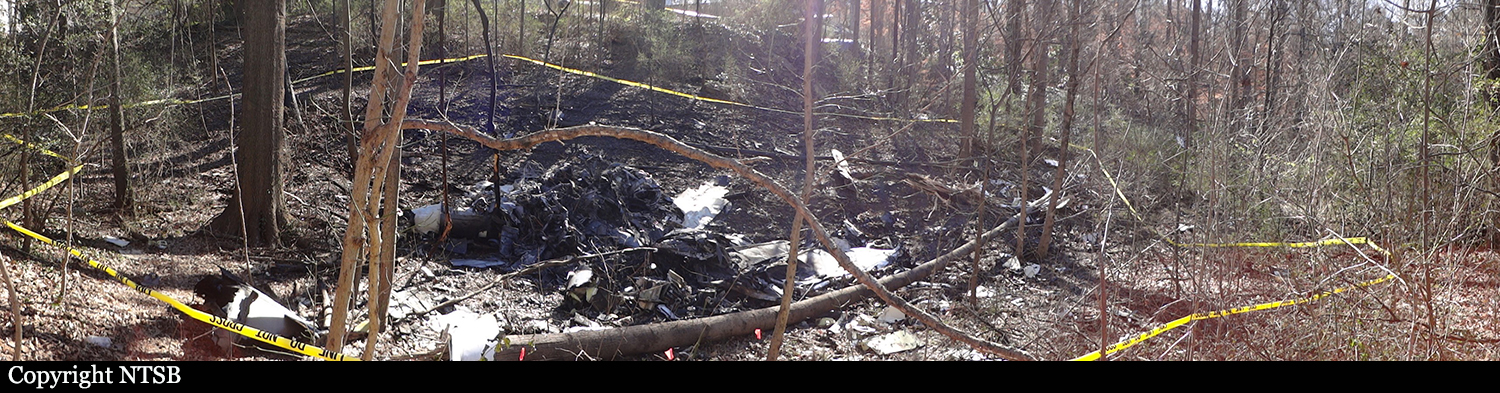
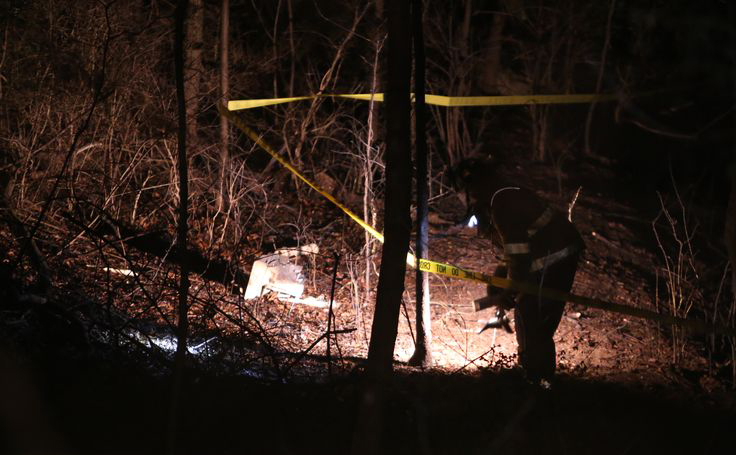
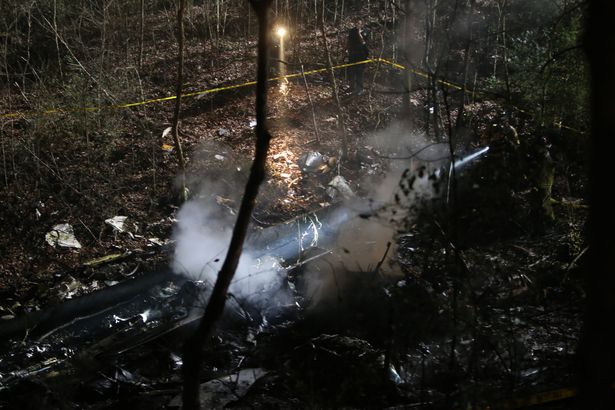
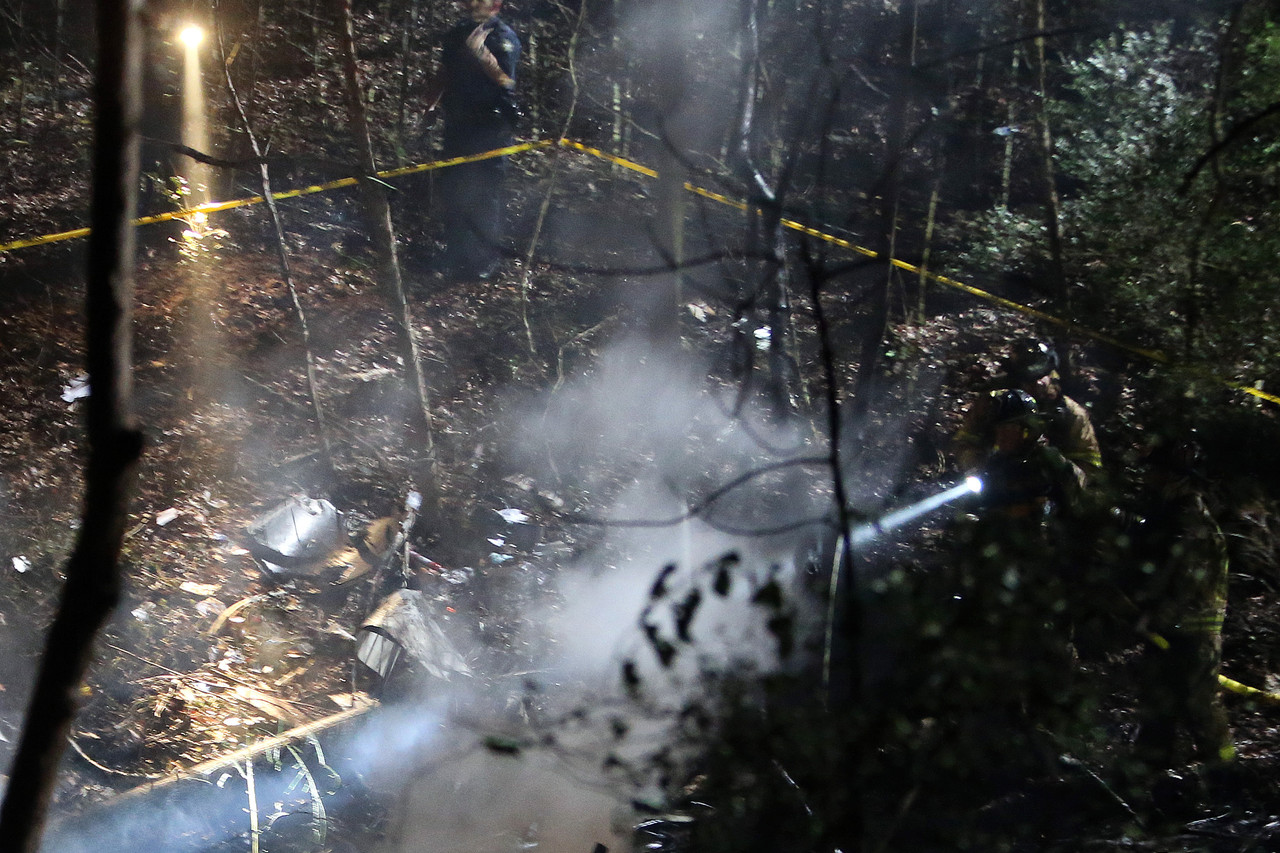
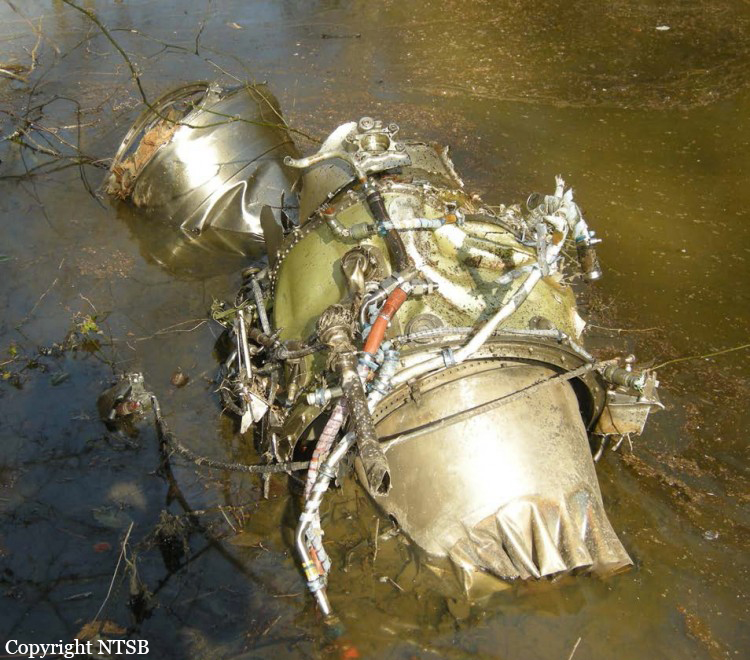
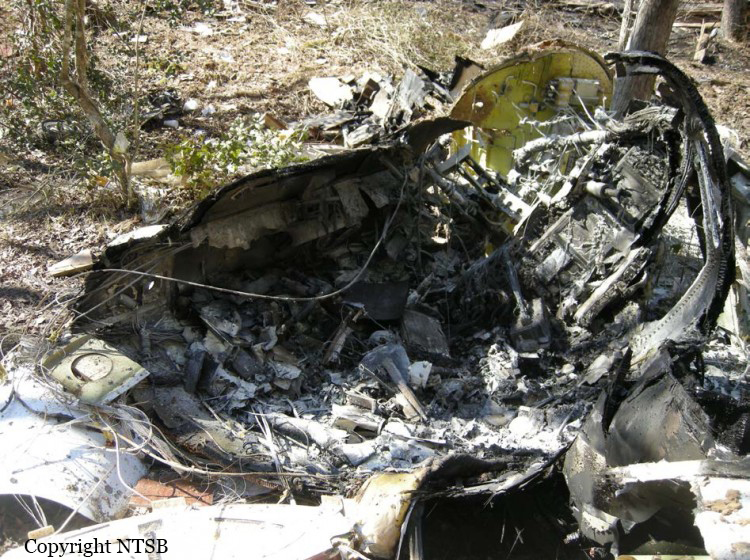
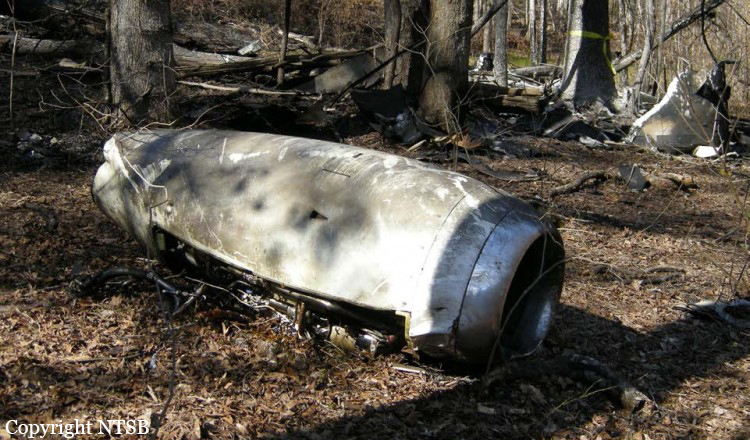
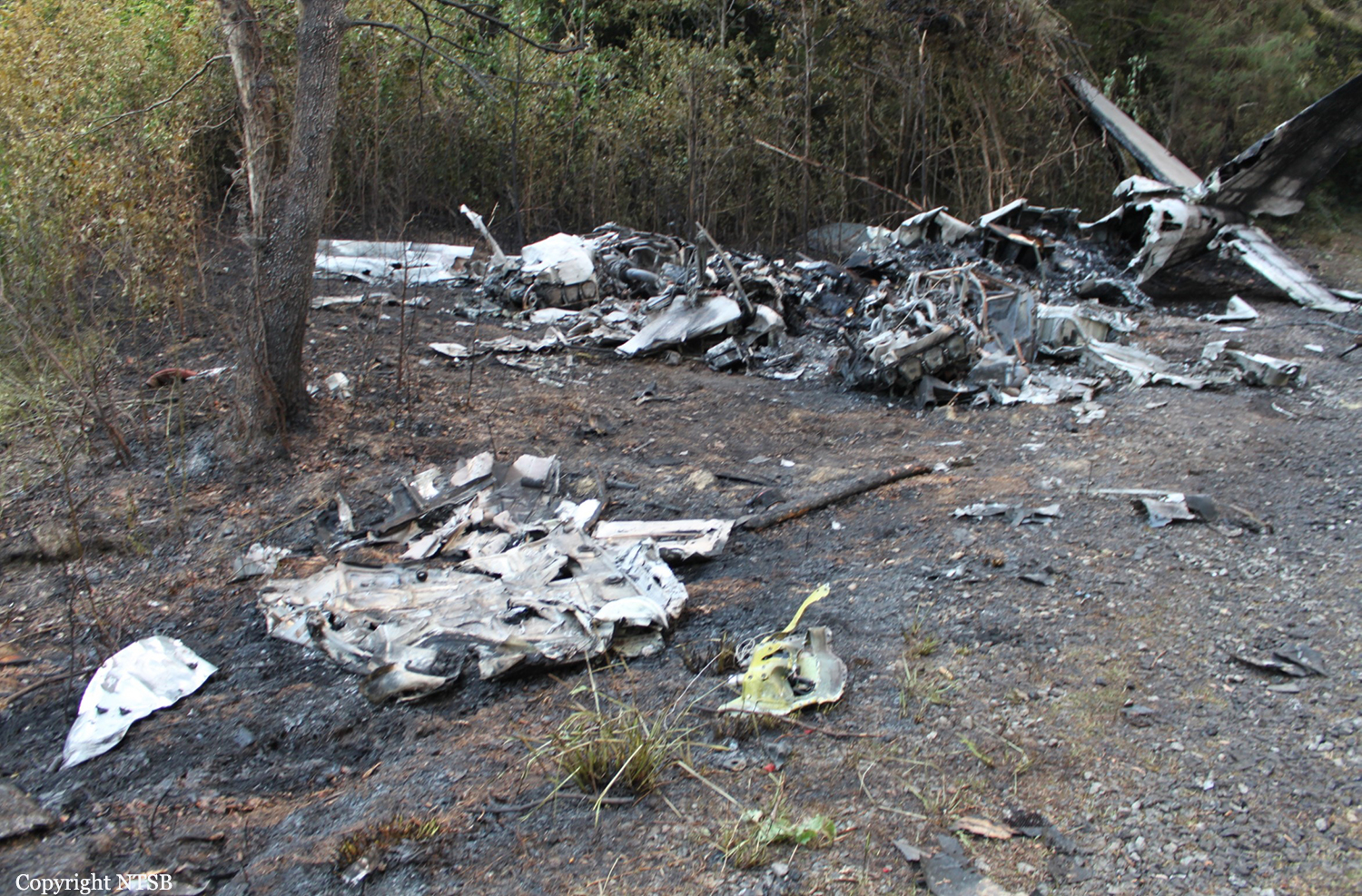
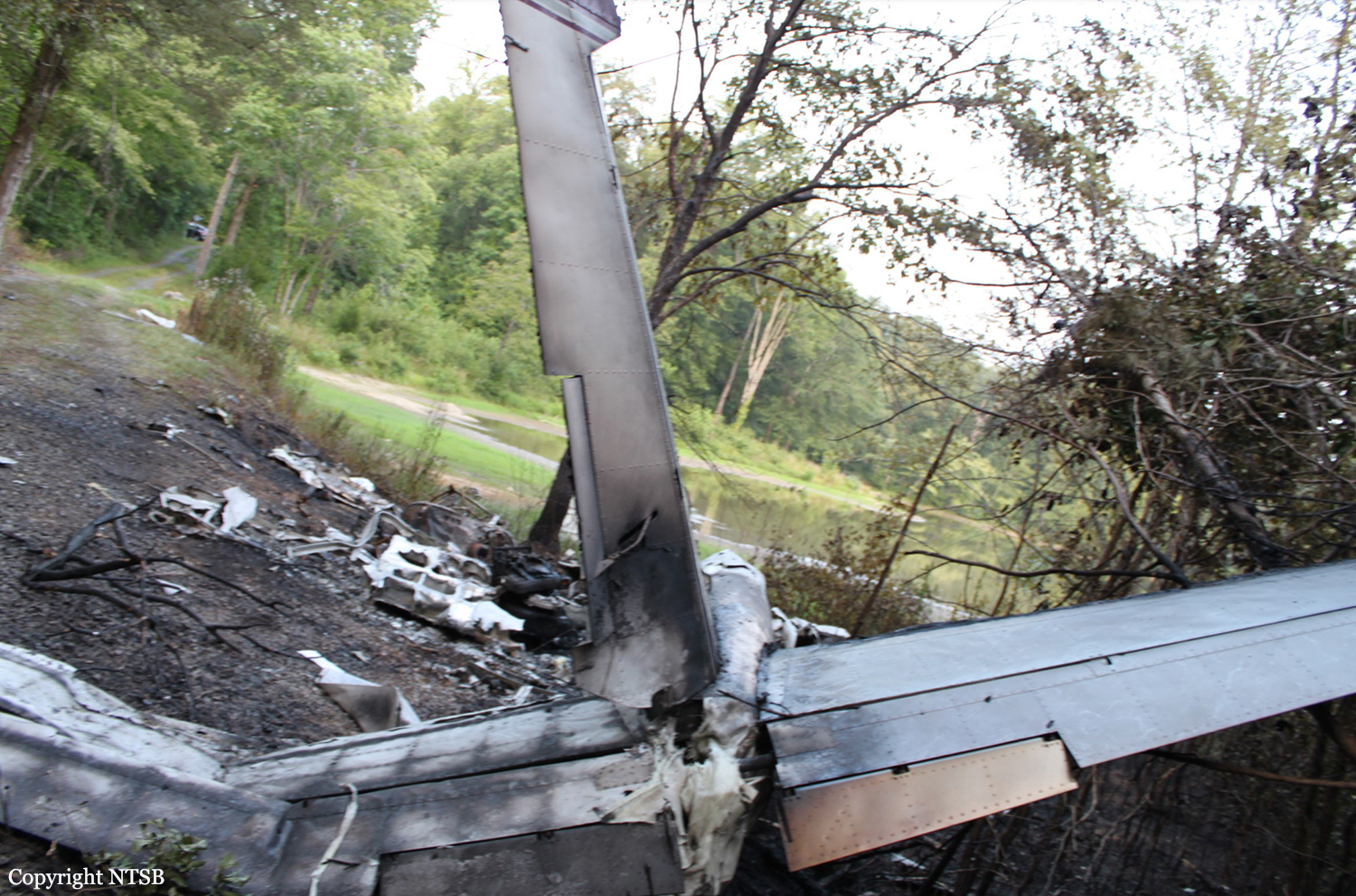
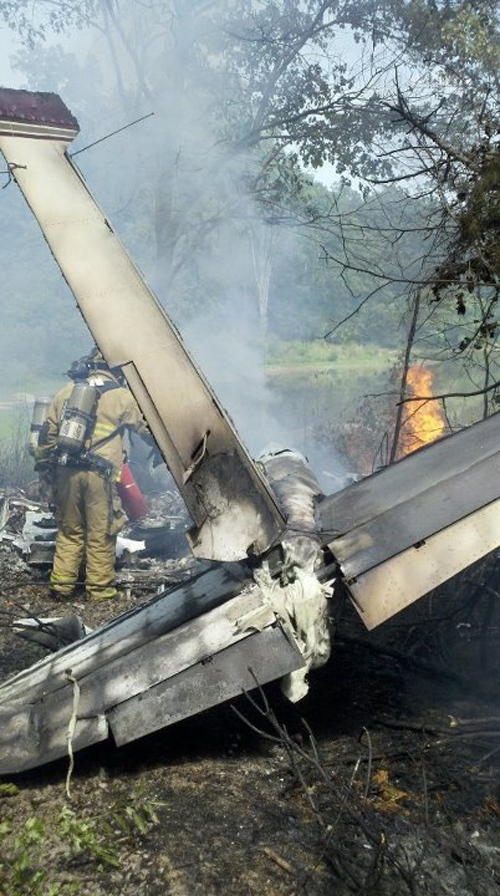
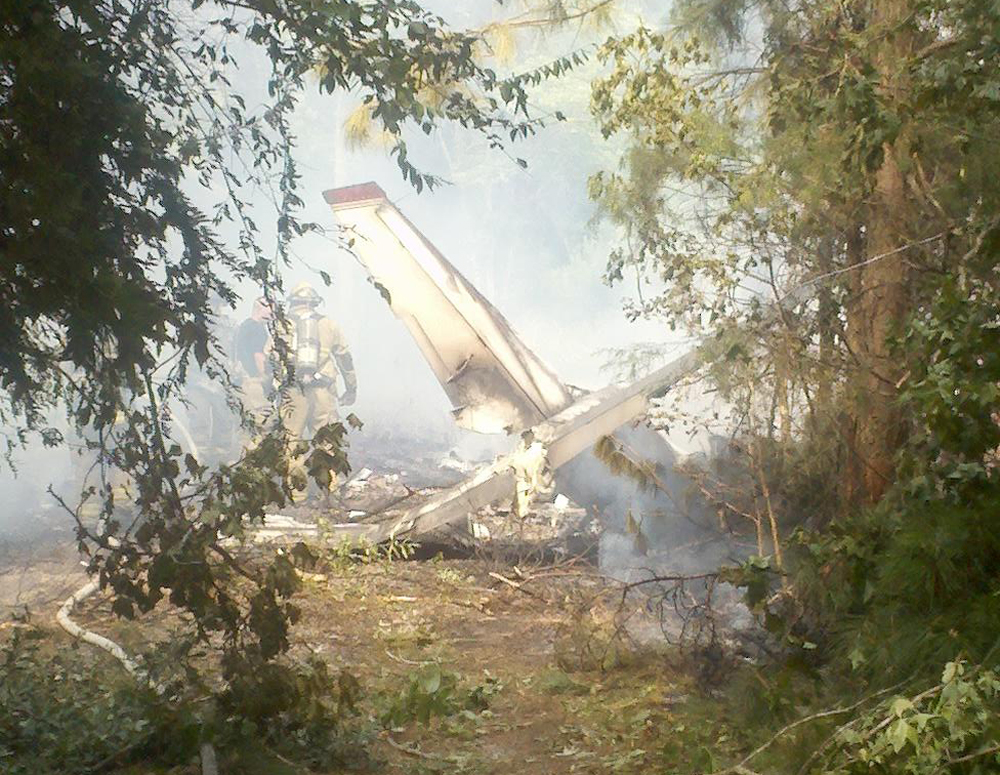
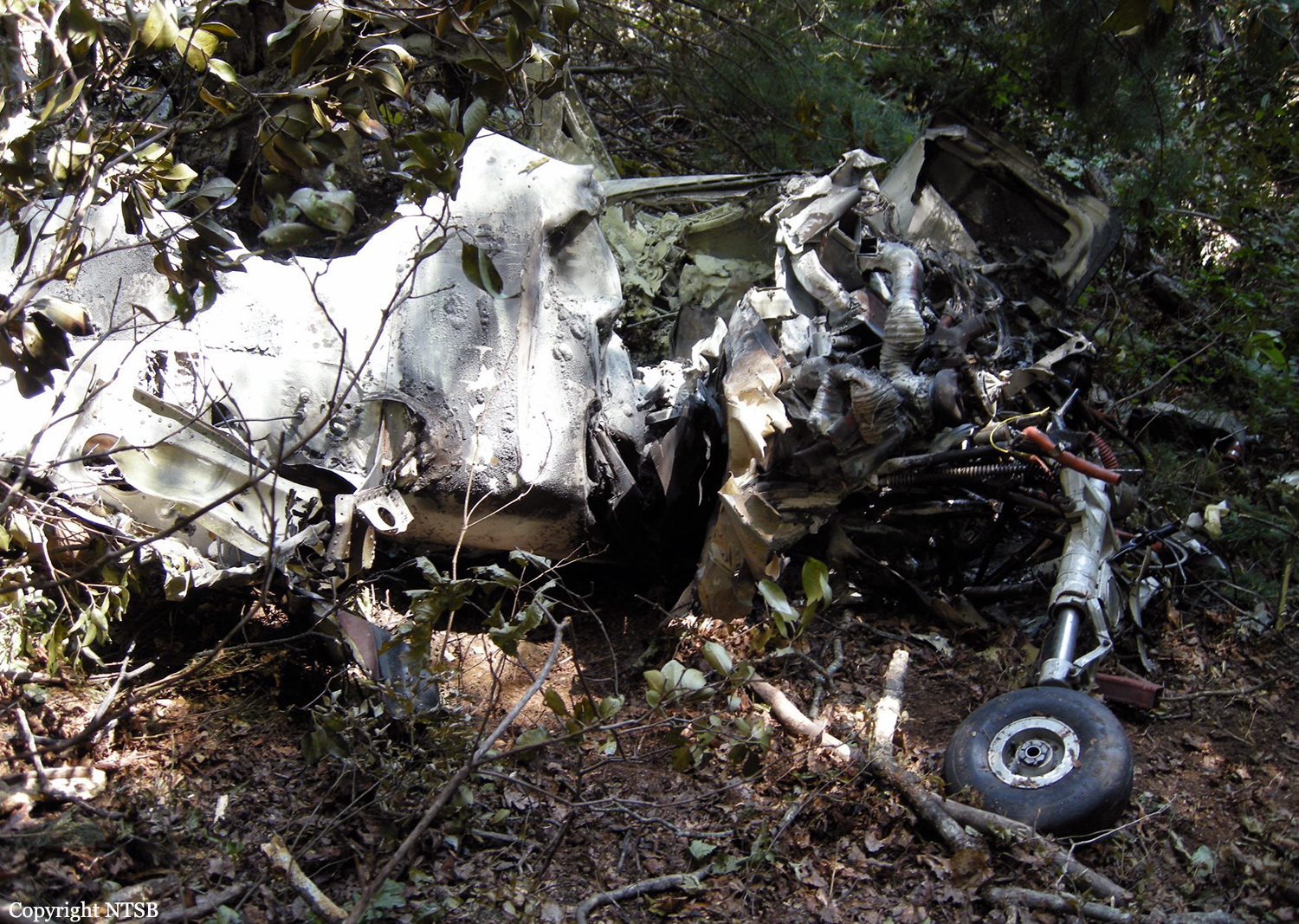
The pilot was departing the private, fly-in community airport on a personal flight. He was familiar with the airport/fly-in community and was instrumental in its development. Fog was present at the time, and, according to witnesses, it was "rolling up the valley," which was a frequent event at the airport. The witnesses observed the airplane lift off the runway, drift to the left, and disappear into the fog with the landing gear extended. They heard the engine running normally, with no change in sound, until the crash. They heard two distinct "booms" about 4 to 6 seconds apart. They ran down to the departure end of the runway to look for a crash site and could not see the wreckage or any smoke or fire due to the fog. The wreckage was located on elevated terrain in a heavily wooded area, about 1,500 feet north of the departure end of the runway. The elevation at the crash site was about 250 feet higher than the elevation at the departure end of runway. A swath through the treetops leading to the main wreckage was indicative of a near-level flight path at impact. An examination of the airframe and engine did not reveal any evidence of a preexisting mechanical malfunction or failure. A review of the weather by a NTSB meteorologist revealed that the departure airport was at the edge of an area of low-topped clouds. Airport remarks included "Mountainous terrain all quadrants."
Probable cause:
The pilot's decision to begin a flight with fog and low clouds present at the airport, which resulted in an encounter with instrument meteorological conditions immediately after takeoff and a controlled flight into terrain.
Final Report:
Crash of a Raytheon 390 Premier I in Atlanta: 2 killed

Date & Time: Dec 17, 2013 at 1924 LT
Type of aircraft:
Operator:
Registration:
N50PM
Flight Phase:
Flight Type:
Survivors:
No
Schedule:
Atlanta - New Orleans
MSN:
RB-80
YOM:
2003
Crew on board:
1
Crew fatalities:
Pax on board:
1
Pax fatalities:
Other fatalities:
Total fatalities:
2
Captain / Total flying hours:
7200
Captain / Total hours on type:
1030.00
Aircraft flight hours:
713
Circumstances:
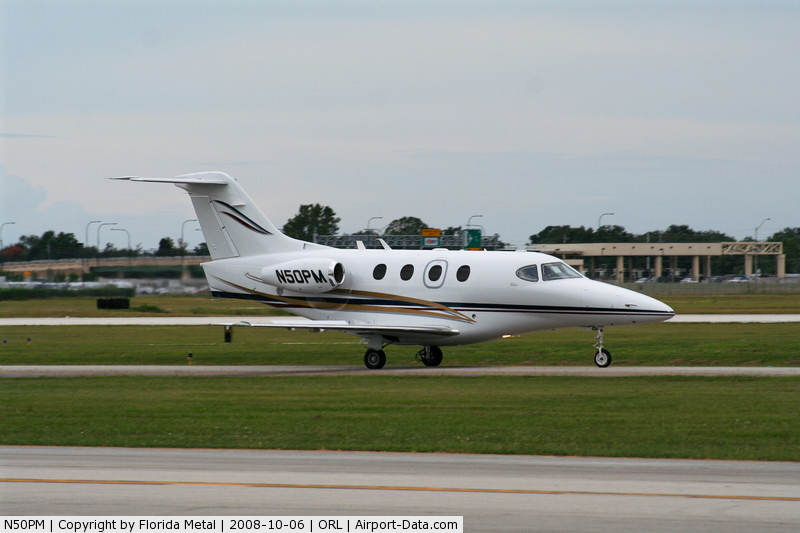
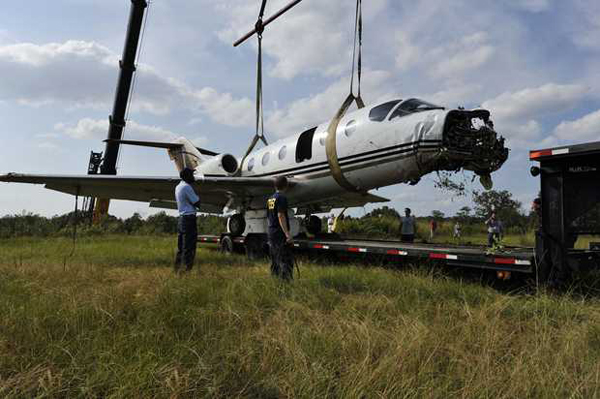
The pilot and passenger departed on a night personal flight. A review of the cockpit voice recorder (CVR) transcript revealed that, immediately after departure, the passenger asked the pilot if he had turned on the heat. The pilot subsequently informed the tower air traffic controller that he needed to return to the airport. The controller then cleared the airplane to land and asked the pilot if he needed assistance. The pilot replied "negative" and did not declare an emergency. The pilot acknowledged to the passenger that it was hot in the cabin. The CVR recorded the enhanced ground proximity warning system (EGPWS) issue 11 warnings, including obstacle, terrain, and stall warnings; these warnings occurred while the airplane was on the downwind leg for the airport. The airplane subsequently impacted trees and terrain and was consumed by postimpact fire. Postaccident examination of the airplane revealed no malfunctions or anomalies that would have precluded normal operation. During the attempted return to the airport, possibly to resolve a cabin heat problem, the pilot was operating in a high workload environment due to, in part, his maneuvering visually at low altitude in the traffic pattern at night, acquiring inbound traffic, and being distracted by the reported high cabin temperature and multiple EGPWS alerts. The passenger was seated in the right front seat and in the immediate vicinity of the flight controls, but no evidence was found indicating that she was operating the flight controls during the flight. Although the pilot had a history of coronary artery disease, the autopsy found no evidence of a recent cardiac event, and an analysis of the CVR data revealed that the pilot was awake, speaking, and not complaining of chest pain or shortness of breath; therefore, it is unlikely that the pilot's cardiac condition contributed to the accident. Toxicological testing detected several prescription medications in the pilot's blood, lung, and liver, including one to treat his heart disease; however, it is unlikely that any of these medications resulted in impairment. Although the testing revealed that the pilot had used marijuana at some time before the accident, insufficient evidence existed to determine whether the pilot was impaired by its use at the time of the accident. Toxicology testing also detected methylone in the pilot's blood. Methylone is a stimulant similar to cocaine and Ecstasy, and its effects can include relaxation, euphoria, and excited calm, and it can cause acute changes in cognitive performance and impair information processing. Given the level of methylone (0.34 ug/ml) detected in the pilot's blood, it is likely that the pilot was impaired at the time of the accident. The pilot's drug impairment likely contributed to his failure to maintain control of the airplane.
Probable cause:
The pilot's failure to maintain airplane control while maneuvering the airplane in the traffic pattern at night. Contributing to the accident was the pilot's impairment from the use of illicit drugs.
Final Report:
Crash of a Raytheon 390 Premier I in Thomson: 5 killed

Date & Time: Feb 20, 2013 at 2006 LT
Type of aircraft:
Operator:
Registration:
N777VG
Flight Phase:
Survivors:
Yes
Schedule:
Nashville - Thomson
MSN:
RB-208
YOM:
2007
Crew on board:
2
Crew fatalities:
Pax on board:
5
Pax fatalities:
Other fatalities:
Total fatalities:
5
Captain / Total flying hours:
13319
Captain / Total hours on type:
198.00
Copilot / Total flying hours:
2932
Copilot / Total hours on type:
45
Aircraft flight hours:
635
Circumstances:
Aircraft was destroyed following a collision with a utility pole, trees, and terrain following a go-around at Thomson-McDuffie Regional Airport (HQU), Thomson, Georgia. The airline transport-rated pilot and copilot were seriously injured, and five passengers were fatally injured. The airplane was registered to the Pavilion Group LLC and was operated by the pilot under the provisions of 14 Code of Federal Regulations Part 91 as a business flight. Night visual meteorological conditions prevailed, and an instrument flight rules flight plan was filed. The flight originated at John C. Tune Airport (JWN), Nashville, Tennessee, about 1828 central standard time (1928 eastern standard time). The purpose of the flight was to transport staff members of a vascular surgery practice from Nashville to Thomson, where the airplane was based. According to initial air traffic control information, the pilot checked in with Augusta approach control and reported HQU in sight. About 2003, the pilot cancelled visual flight rules flight-following services and continued toward HQU. The last recorded radar return was observed about 2005, when the airplane was at an indicated altitude of 700 feet above mean sea level and 1/2 mile from the airport. There were no distress calls received from the crew prior to the accident. Witnesses reported that the airplane appeared to be in position to land when the pilot discontinued the approach and commenced a go-around. The witnesses observed the airplane continue down the runway at a low altitude. The airplane struck a poured-concrete utility pole and braided wires about 59 feet above ground level. The pole was located about 1/4 mile east the departure end of runway 10. The utility pole was not lighted. During the initial impact with the utility pole, the outboard section of the left wing was severed. The airplane continued another 1/4 mile east before colliding with trees and terrain. A postcrash fire ensued and consumed a majority of the airframe. The engines separated from the fuselage during the impact sequence. On-scene examination of the wreckage revealed that all primary airframe structural components were accounted for at the accident site. The landing gear were found in the down (extended) position, and the flap handle was found in the 10-degree (go-around) position. An initial inspection of the airport revealed that the pilot-controlled runway lights were operational. An examination of conditions recorded on an airport security camera showed that the runway lights were on the low intensity setting at the time of the accident. The airport did not have a control tower. An inspection of the runway surface did not reveal any unusual tire marks or debris. Weather conditions at HQU near the time of the accident included calm wind and clear skies.
Probable cause:
The pilot's failure to follow airplane flight manual procedures for an antiskid failure in flight and his failure to immediately retract the lift dump after he elected to attempt a go-around on the runway. Contributing to the accident were the pilot's lack of systems knowledge and his fatigue due to acute sleep loss and his ineffective use of time between flights to obtain sleep.
Final Report:
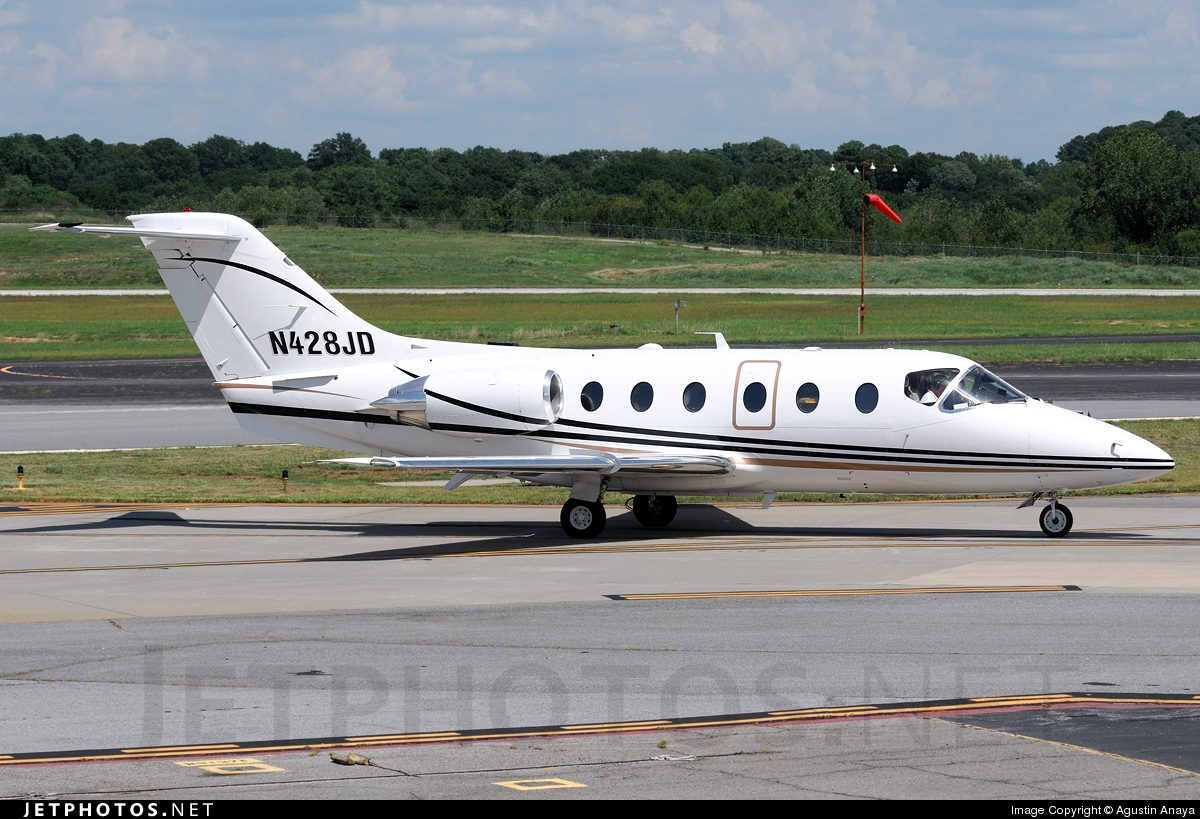
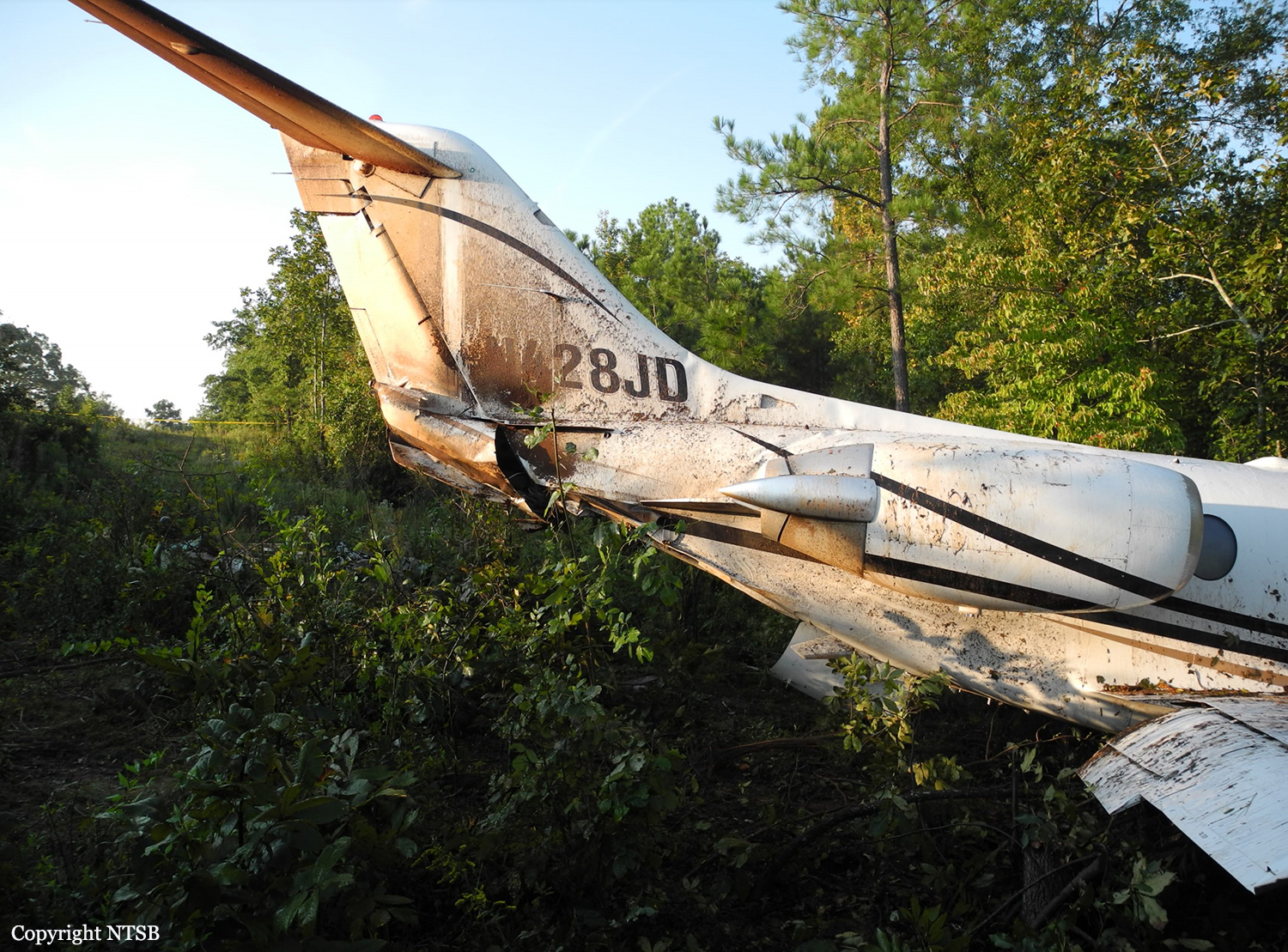
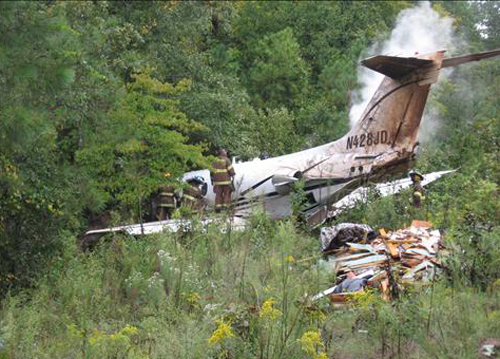
Crash of a Beechcraft Beechjet 400A in Macon

Date & Time: Sep 18, 2012 at 1003 LT
Type of aircraft:
Operator:
Registration:
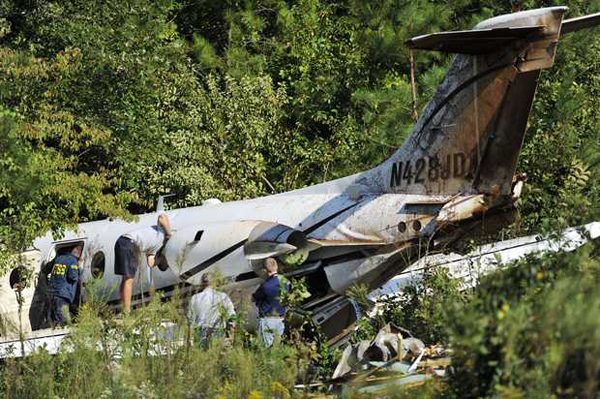
N428JD
Survivors:
Yes
Schedule:
Charleston - Macon
MSN:
RJ-13
YOM:
1986
Location:
Crew on board:
2
Crew fatalities:
Pax on board:
1
Pax fatalities:
Other fatalities:
Total fatalities:
0
Captain / Total flying hours:
7000
Captain / Total hours on type:
4000.00
Copilot / Total flying hours:
2500
Copilot / Total hours on type:
450
Aircraft flight hours:
5416
Circumstances:
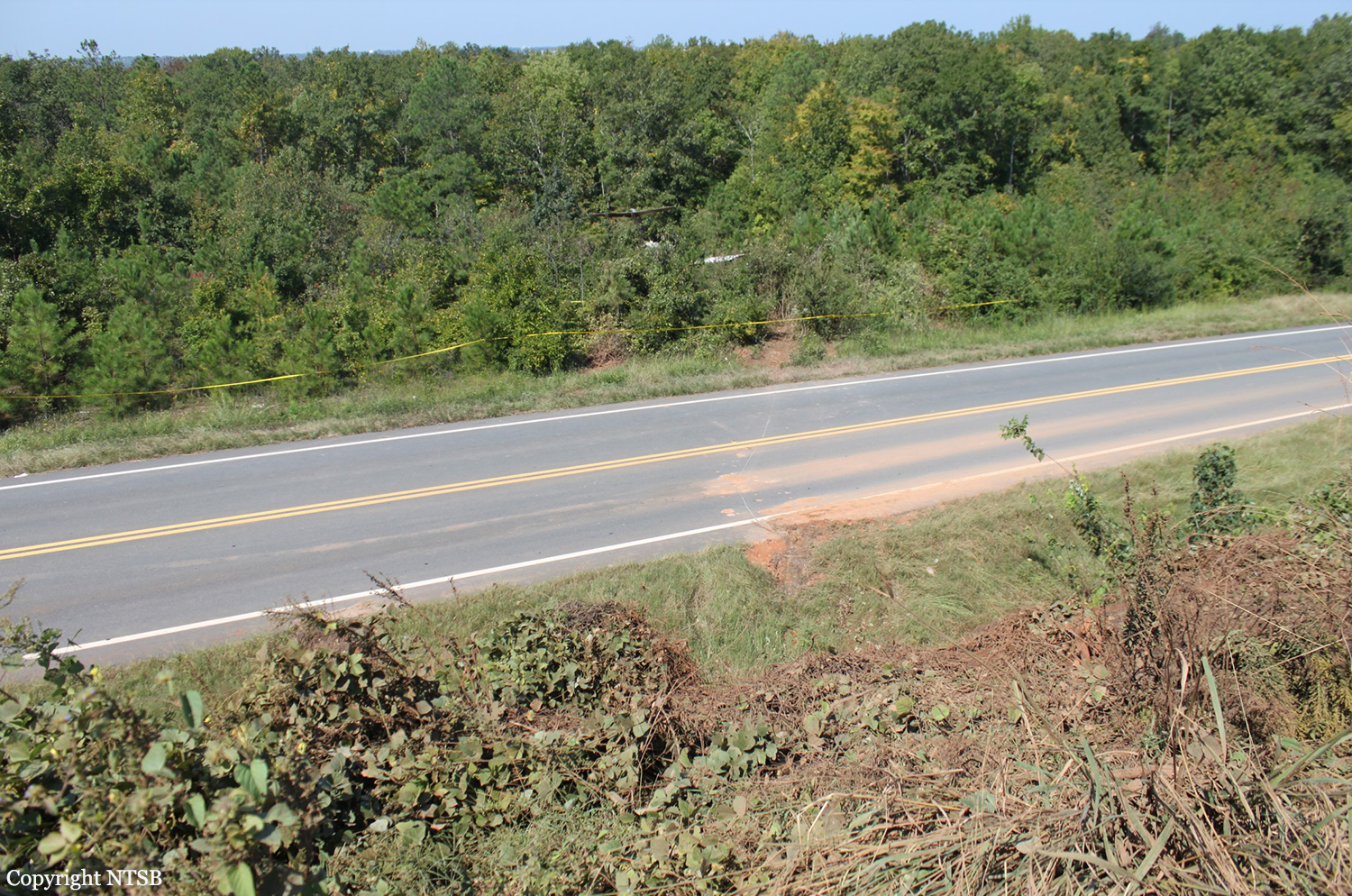
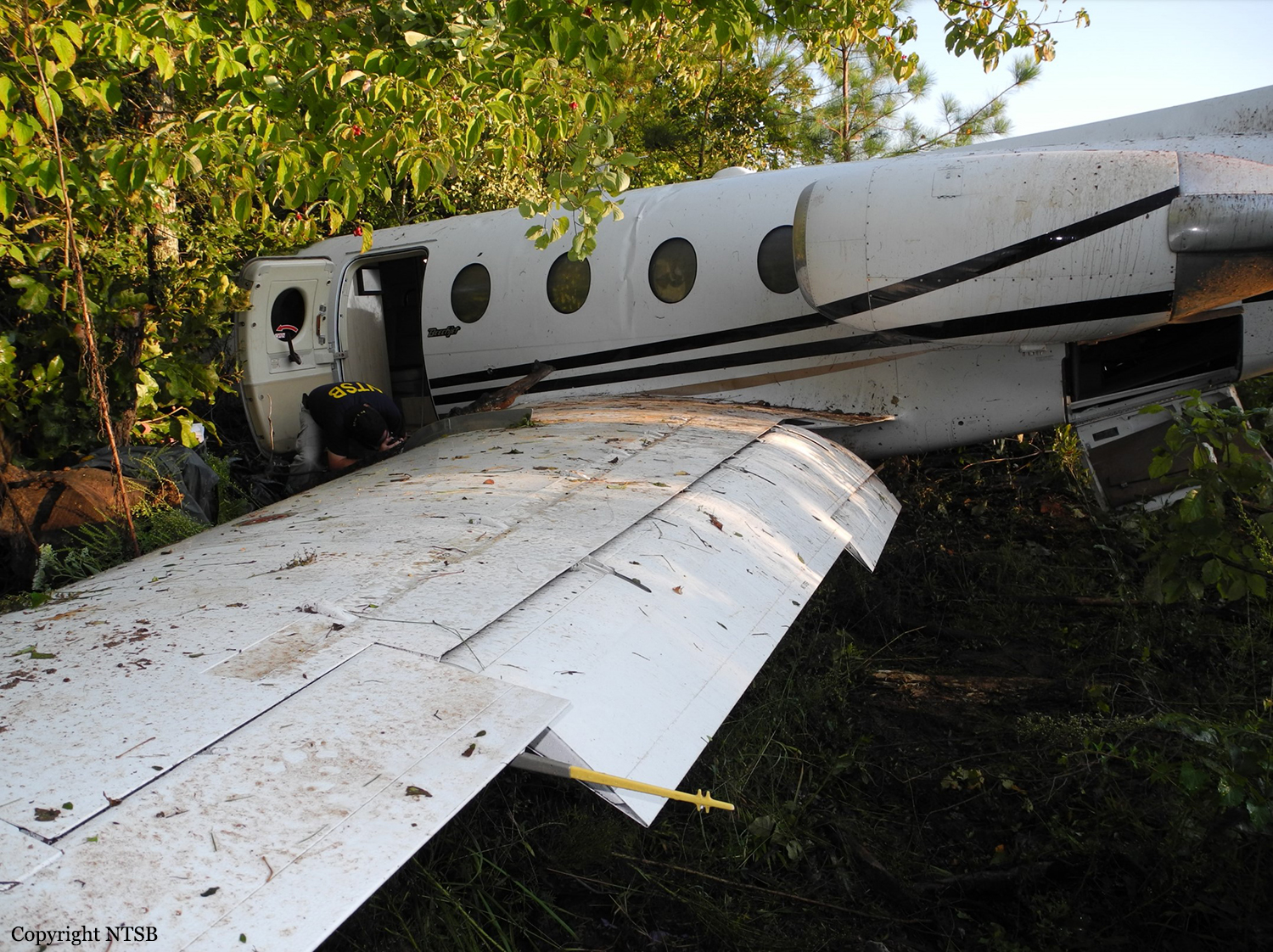
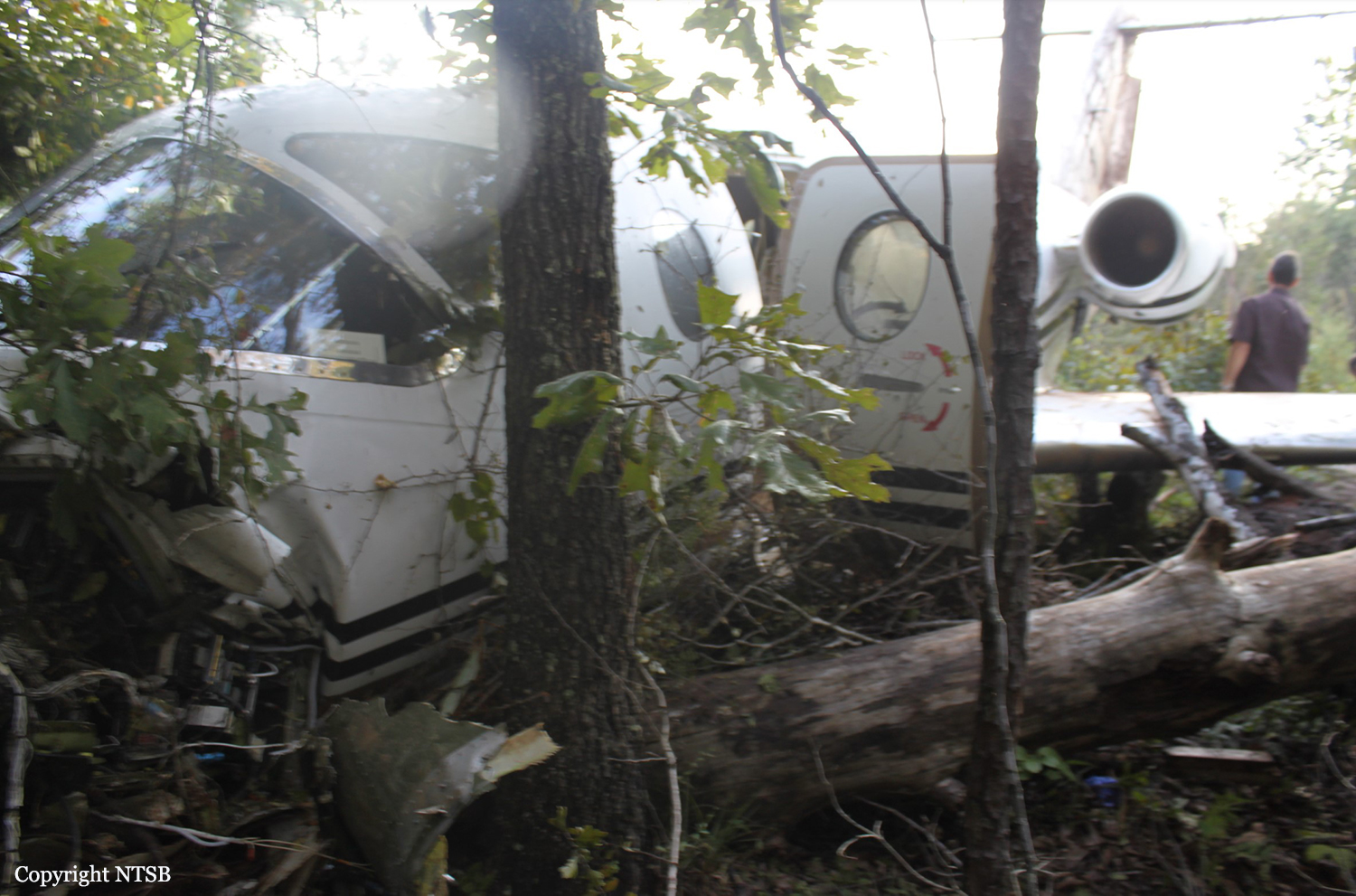
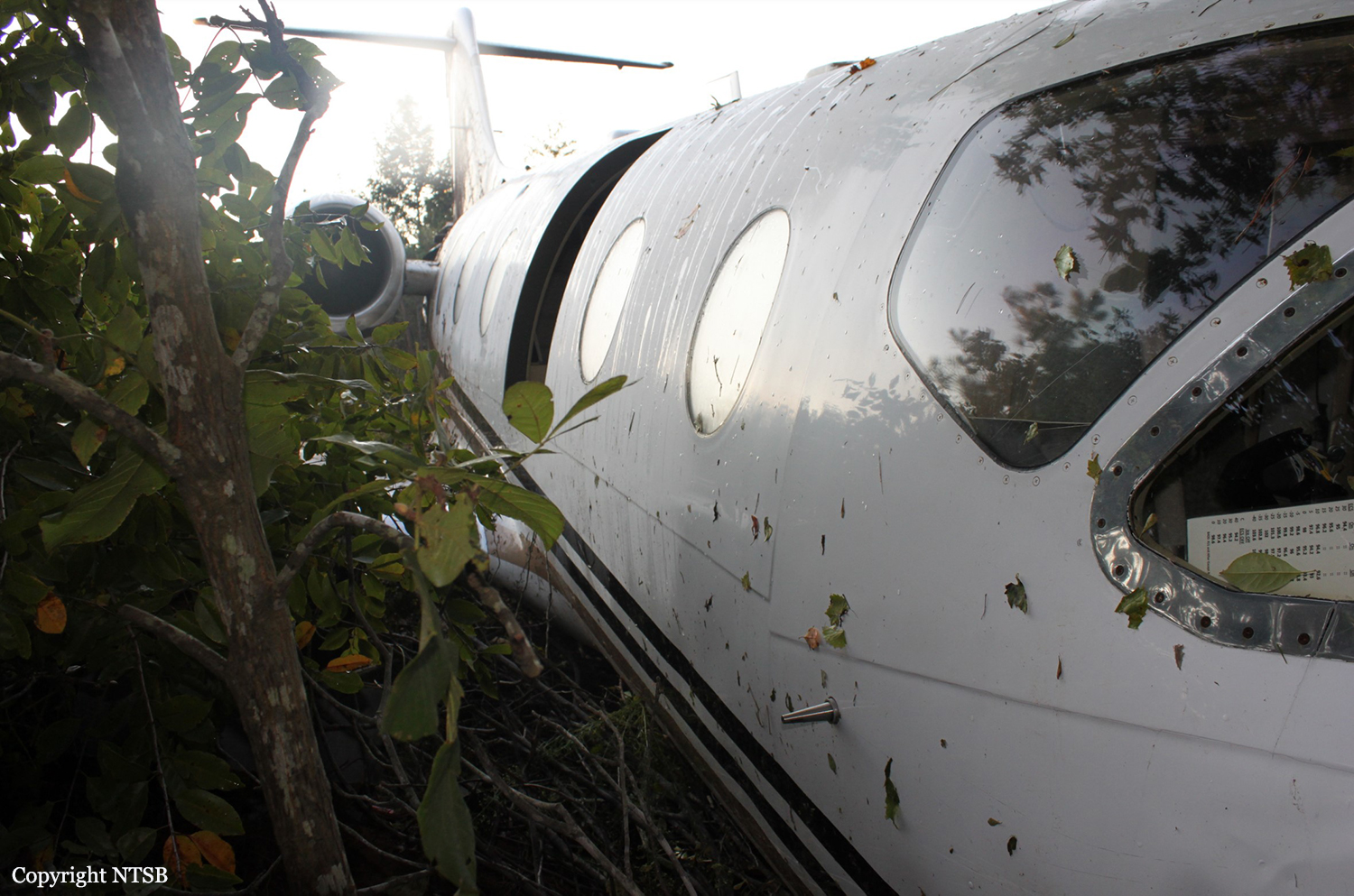
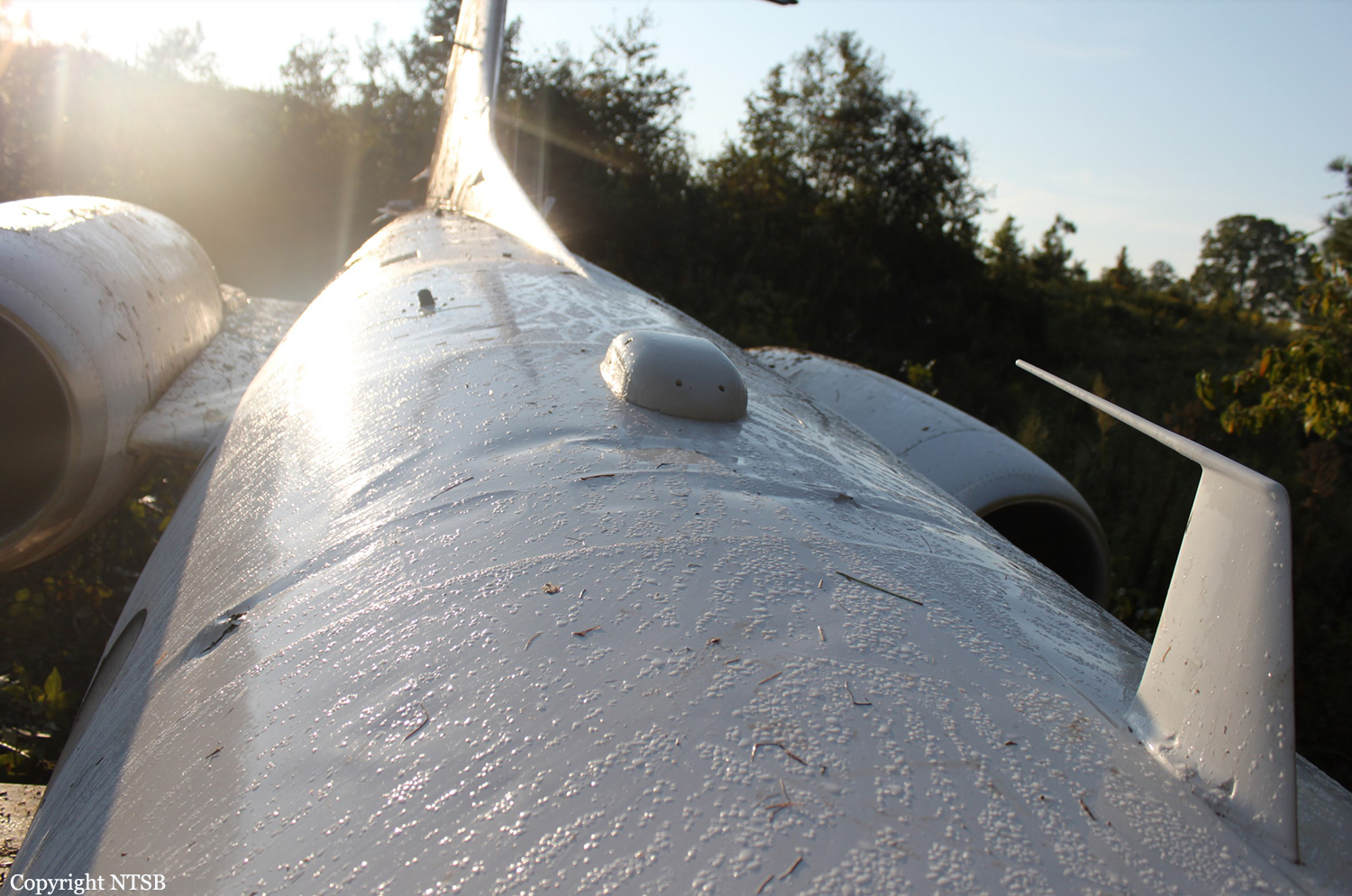
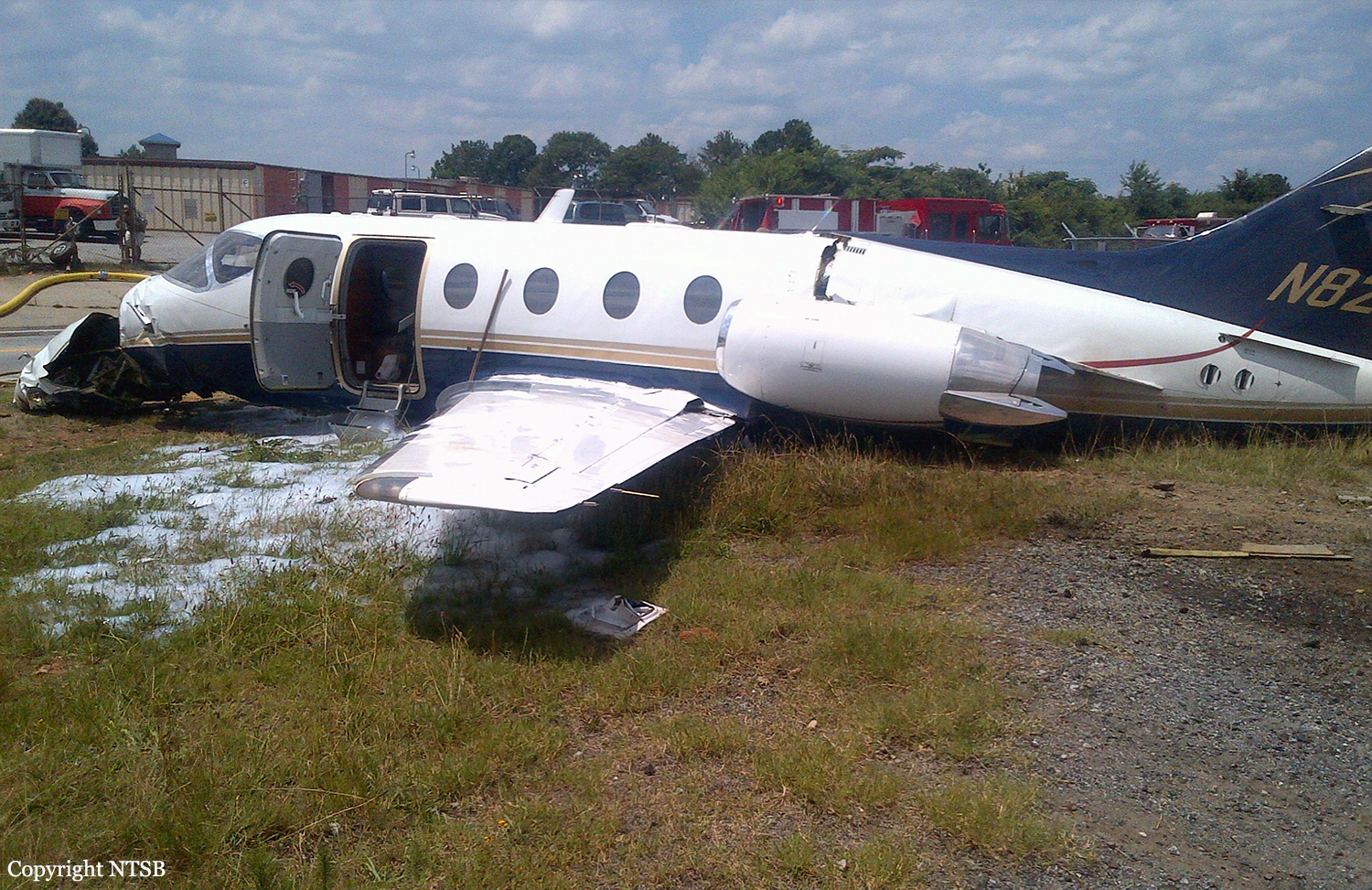
The aircraft was substantially damaged when it overran runway 28 during landing at Macon Downtown Airport (MAC), Macon, Georgia. The airplane departed from Charleston Air Force Base/International Airport (CHS), Charleston, South Carolina, about 0930. Visual meteorological conditions prevailed and an instrument flight rules (IFR) flight plan was filed. Both Airline Transport Pilots (ATP) and one passenger sustained minor injuries. The airplane was owned by Dewberry, LLC and operated by The Aviation Department. The corporate flight was conducted under the provisions of Title 14 Code of Federal Regulations (CFR) Part 91. According to an interview with the pilots, they arrived at DeKalb-Peachtree Airport (PDK), Atlanta, Georgia, which was their home base airport, about 0400, and then drove about 4 1/2 hours to CHS for the 0930 flight. The flight departed on time, the airspeed index bug was set on the co-pilot's airspeed for a decision takeoff speed (V1) of about 102 knots and a single engine climb speed (V2) on the pilot's side of 115 knots. The flight climbed to 16,000 feet prior to beginning the descent into MAC. When the flight was about 11 miles from the airport the flight crew visually acquired the airport and cancelled their IFR clearance with the Macon Radar Approach controller and proceeded to the airport visually. The second-in-command activated the runway lights utilizing the common traffic advisory frequency for the airport. Both crew members reported that about 3 seconds following activation of the lights and the precision approach path indicator (PAPI) lights, the PAPI lights turned off and would not reactivate. During the approach, the calculated reference speed (Vref) was 108 knots and was set on both pilots' airspeed indicator utilizing the index bug that moved around the outside face of the airspeed instrument. The landing was within the first 1,000 feet of the runway and during the landing roll out the airplane began to "hydroplane" since there was visible standing water on the runway and the water was "funneling into the middle." Maximum reverse thrust, braking, and ground spoilers were deployed; however, both pilots reported a "pulsation" in the brake system. The airplane departed the end of the runway into the grass, went down an embankment, across a road, and into trees. They further added that the airplane "hit hard" at the bottom of the embankment. They also reported that there were no mechanical malfunctions with the airplane prior to the landing. According to an eyewitness statement, a few minutes prior to the airplane landing, the airport experienced a rain shower with a "heavy downpour." The witness reported observing the airplane on approach, heard the engine thrust reverse, and then observed the airplane "engulfed in a large ball of water vapor." However, he did not observe the airplane as it departed the end of the runway. Another witness was located in a hangar on the west side of the airport and heard the airplane, looked outside and then saw the airplane with the reverse thrusters deployed. He watched it depart the end of the runway and travel into the nearby woods.
Probable cause:
The pilot’s failure to maintain proper airspeed, which resulted in the airplane touching down too fast on the wet runway with inadequate runway remaining to stop and a subsequent runway overrun. Contributing to the landing overrun were the flight crew members’ failure to correctly use the appropriate performance chart to calculate the runway required to stop on a contaminated runway and their general lack of proper crew resource management.
Final Report:
Crash of a Piper PA-31P-425 Navajo in Dalton: 1 killed

Date & Time: Jun 30, 2012 at 1620 LT
Type of aircraft:
Registration:
N33CG
Flight Phase:
Flight Type:
Survivors:
No
Schedule:
Dalton - Dalton
MSN:
31-7300157
YOM:
1973
Location:
Crew on board:
1
Crew fatalities:
Pax on board:
0
Pax fatalities:
Other fatalities:
Total fatalities:
1
Captain / Total flying hours:
1685
Circumstances:
According to a friend of the pilot, the pilot was taking the airplane to have an annual inspection completed. The friend assisted the pilot before departure and watched as the airplane departed. He did not notice any anomalies with the airplane during the takeoff or the climbout. According to a witness in the vicinity of the accident site, he heard the airplane coming toward him, and it was flying very low. He looked up and saw the airplane approximately 200 feet over his house and descending toward the trees. As he watched the airplane, he noticed that the right propeller was not turning, and the right engine was not running. He stated that the left engine sounded as if it was running at full power. The airplane pitched up to avoid a power line and rolled to the right, descending below the tree line. A plume of smoke and an explosion followed. Examination of the right propeller assembly revealed evidence of significant frontal impact. The blades were bent but did not have indications of rotational scoring; thus they likely were not rotating at impact. One preload plate impact mark indicated that the blades were at an approximate 23-degree angle; blades that are feathered are about 86 degrees. Due to fire and impact damage of the right engine and related system components, the reason for the loss of power could not be determined. An examination of the airframe and left engine revealed no mechanical malfunctions or failures that would have precluded normal operation. A review of the airplane maintenance logbooks revealed that the annual inspection was 12 days overdue. According to Lycoming Service Instruction No. 1009AS, the recommended time between engine overhaul is 1,200 hours or 12 years, whichever occurs first. A review of the right engine maintenance logbook revealed that the engine had accumulated 1,435 hours since major overhaul and that neither engine had been overhauled within the preceding 12 years. Although the propeller manufacturer recommends that the propeller be feathered before the engine rpm drops below 1,000 rpm, a review of the latest revision of the pilot operating handbook (POH) revealed that the feathering procedure for engine failure did not specify this. It is likely that the pilot did not feather the right propeller before the engine reached the critical 1,000 rpm, which prevented the propeller from engaging in the feathered position
Probable cause:
The pilot’s failure to maintain airplane control following loss of power in the right engine for reasons that could not be determined because of fire and impact damage. Contributing to the accident was the pilot’s delayed feathering of the right propeller following the loss of engine power and the lack of specific emergency procedures in the pilot operating handbook indicating the need to feather the propellers before engine rpm falls below 1,000 rpm.
Final Report:
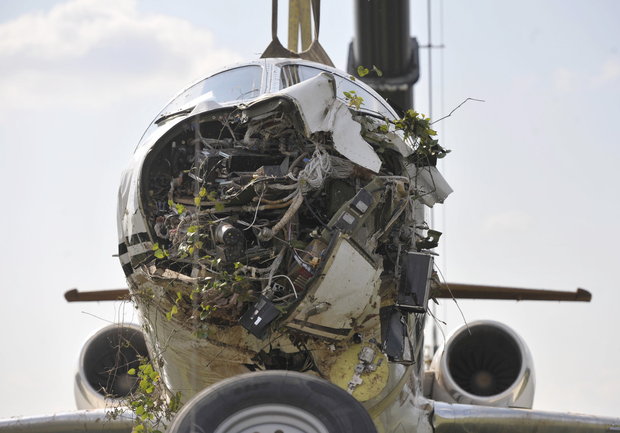
Crash of a Beechcraft Beechjet 400A in Atlanta

Date & Time: Jun 18, 2012 at 1006 LT
Type of aircraft:
Operator:
Registration:
N826JH
Survivors:
Yes
Schedule:
Gadsden - Atlanta
MSN:
RK-70
YOM:
1993
Crew on board:
2
Crew fatalities:
Pax on board:
2
Pax fatalities:
Other fatalities:
Total fatalities:
0
Captain / Total flying hours:
10800
Captain / Total hours on type:
1500.00
Copilot / Total flying hours:
3500
Copilot / Total hours on type:
150
Aircraft flight hours:
4674
Circumstances:
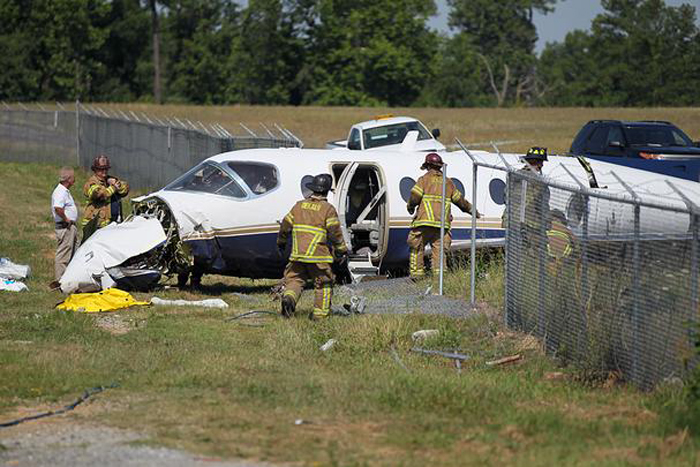
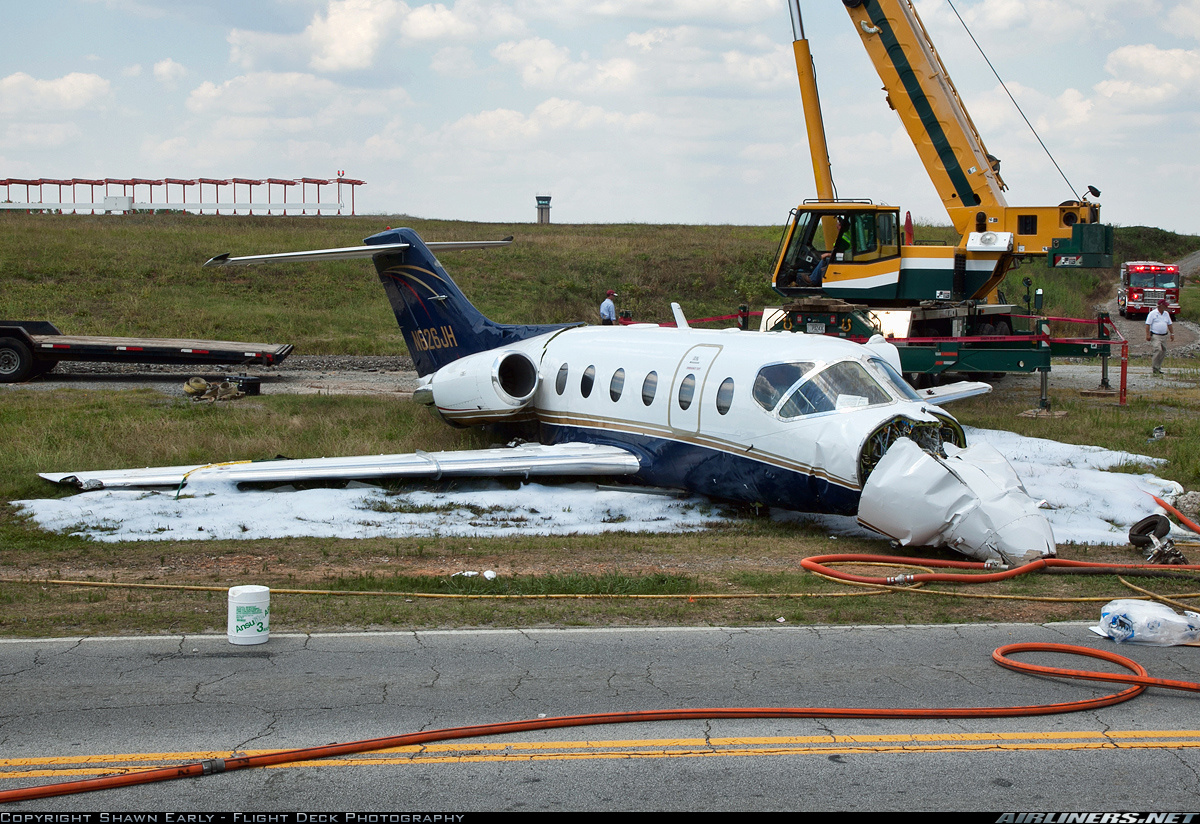
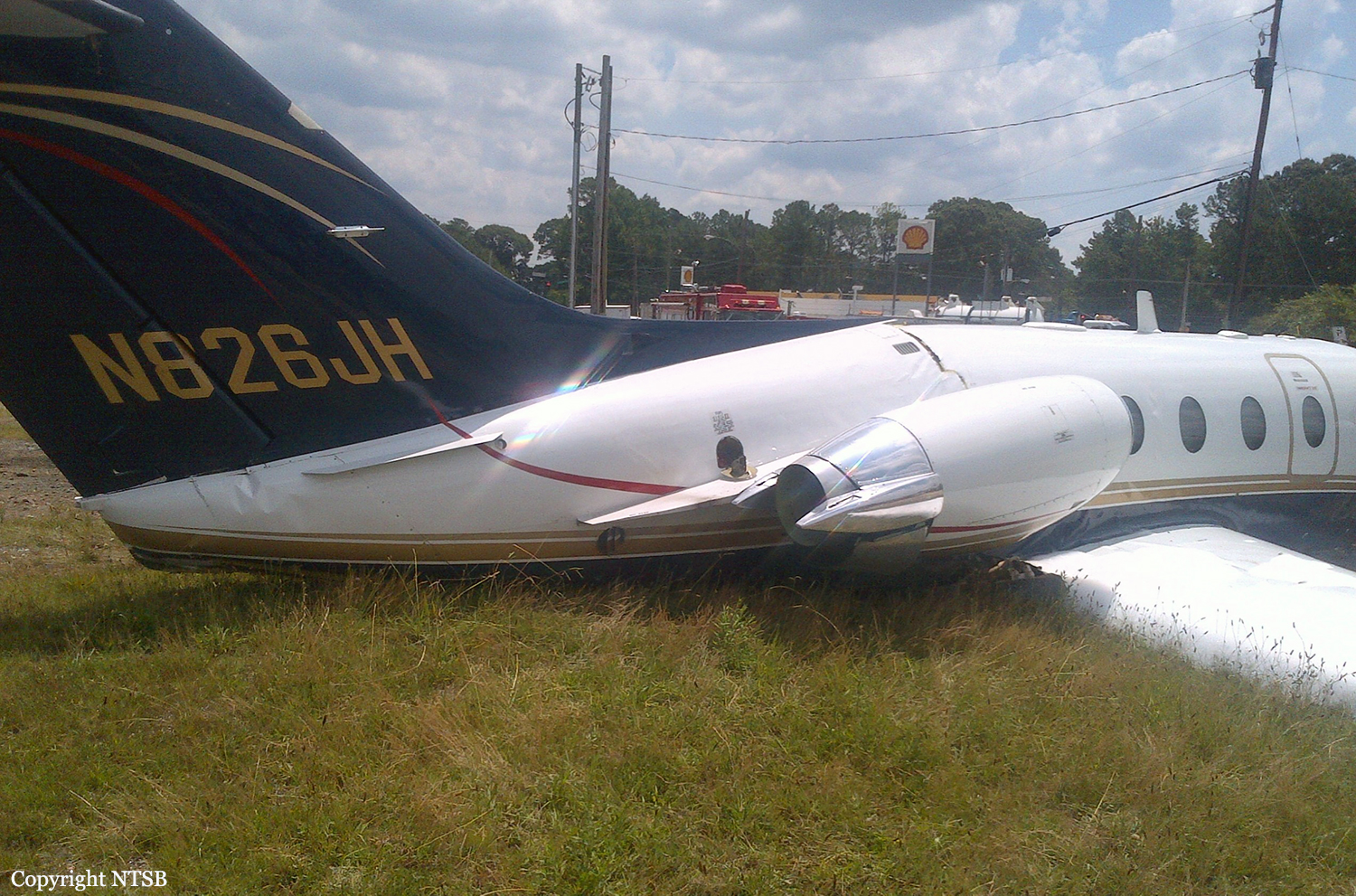
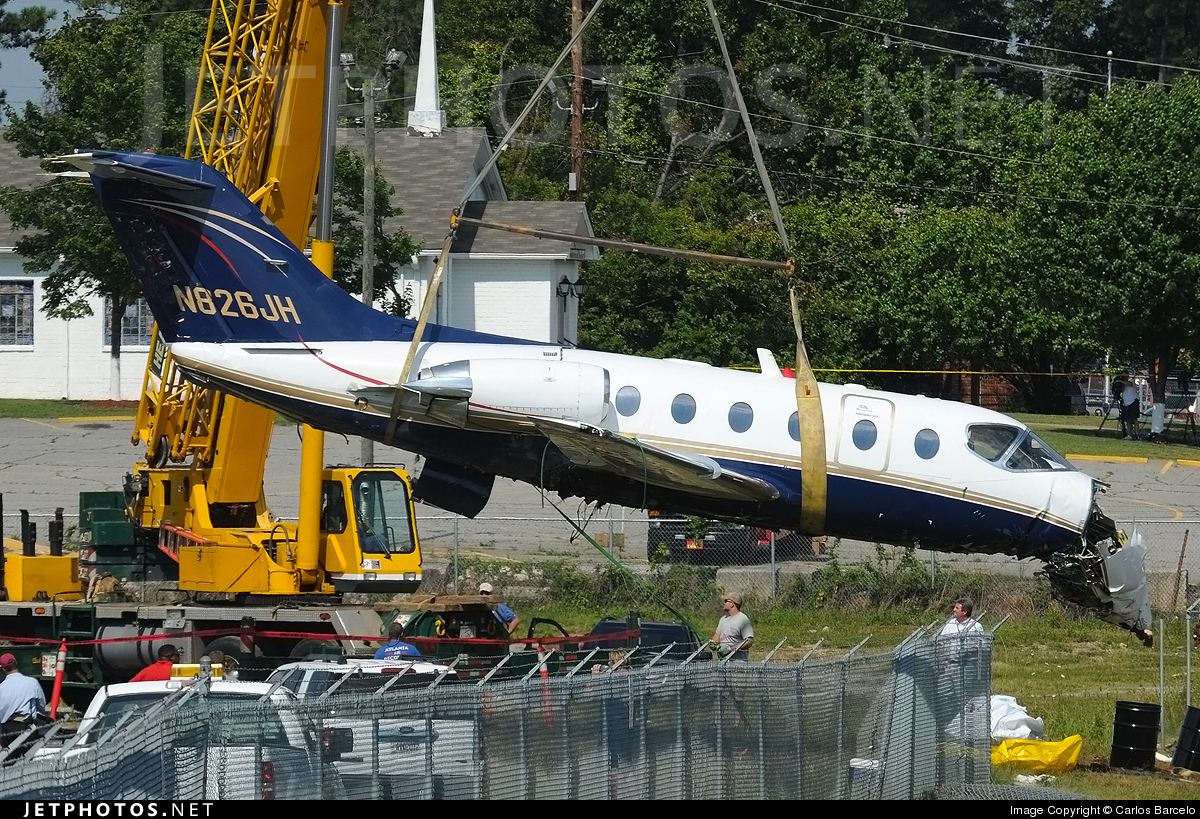
The second-in-command (SIC) was the pilot flying for most of the flight (takeoff, climb, cruise, and descent) and was in the left seat, while the pilot-in-command (PIC) was the pilot monitoring for most of the flight and was in the right seat. Before takeoff, the PIC calculated reference speed (Vref) for the estimated landing weight and flaps 30-degree extension was 120 knots, with a calculated landing distance of 3,440 ft. Further, before takeoff, there were no known mechanical difficulties with the brakes, flaps, antiskid, or traffic alert and collision avoidance (TCAS) systems. After takeoff and for most of the flight, the PIC coached/instructed the SIC, including instructions on how to set the airspeed command cursor, a request to perform the after-takeoff checklist, and a comment to reduce thrust to silence an overspeed warning aural annunciation. When the flight was northwest of Dekalb Peachtree Airport (PDK), Atlanta, Georgia, on a right base leg for a visual approach to runway 20L with negligible wind, air traffic controllers repeatedly announced the location and distance of a Cessna airplane (which was ahead of the Beech 400A on a straight-in visual approach to runway 20R). Because the Beech 400A flight crew did not see the other airplane, the controllers appropriately instructed them to maintain their altitude (which was 2,300 ft mean sea level [msl]) for separation until they had the traffic in sight; radar data indicated the Beech 400A briefly descended to 2,200 ft msl then climbed back to 2,300 ft msl. According to the cockpit voice recorder (CVR) transcript, at 1004:42, which was about 12 seconds after the controller instructed the Beech 400A flight crew to maintain altitude, the on board TCAS alerted "traffic traffic." While the Beech 400A did climb back to 2,300 ft msl, this was likely a response to the air traffic control (ATC) instruction to maintain altitude and not a response to the TCAS "traffic traffic" warning. At 1004:47, the CVR recorded the SIC state, "first degree of," likely referring to flap extension, but the comment was not completed. The CVR recorded an immediate increase in background noise, which was likely due to the landing gear extension. The PIC then advised the local controller that the flight was turning onto final approach. The CVR did not record any approach briefing or discussion of runway length or Vref speed. After landing on runway 20L at Atlanta-DeKalb Peachtree Airport, aircraft did not stop as expected. It overrun the runway, went through a fence and came to rest near a road, broken in two. All four occupants were injured, both pilots seriously.
Probable cause:
The flight crew's failure to obtain the proper airspeed for landing, which resulted in the airplane touching down too fast with inadequate runway remaining to stop and a subsequent
runway overrun. Contributing to the accident were the failure of either pilot to call for a go-around and the flight crew's poor crew resource management and lack of professionalism.
Final Report:
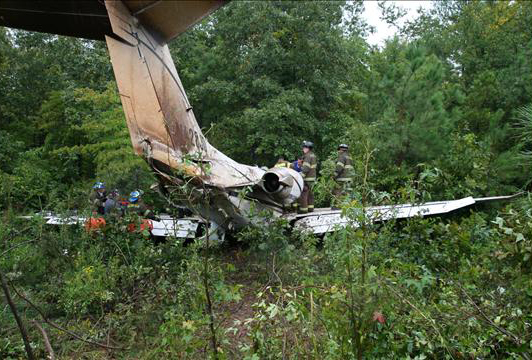
Ground accident of a Dassault Falcon 20F in Newnan

Date & Time: Oct 3, 2011
Type of aircraft:
Registration:
XA-NCC
Flight Phase:
Flight Type:
Survivors:
Yes
MSN:
264
YOM:
1972
Crew on board:
1
Crew fatalities:
Pax on board:
0
Pax fatalities:
Other fatalities:
Total fatalities:
0
Circumstances:
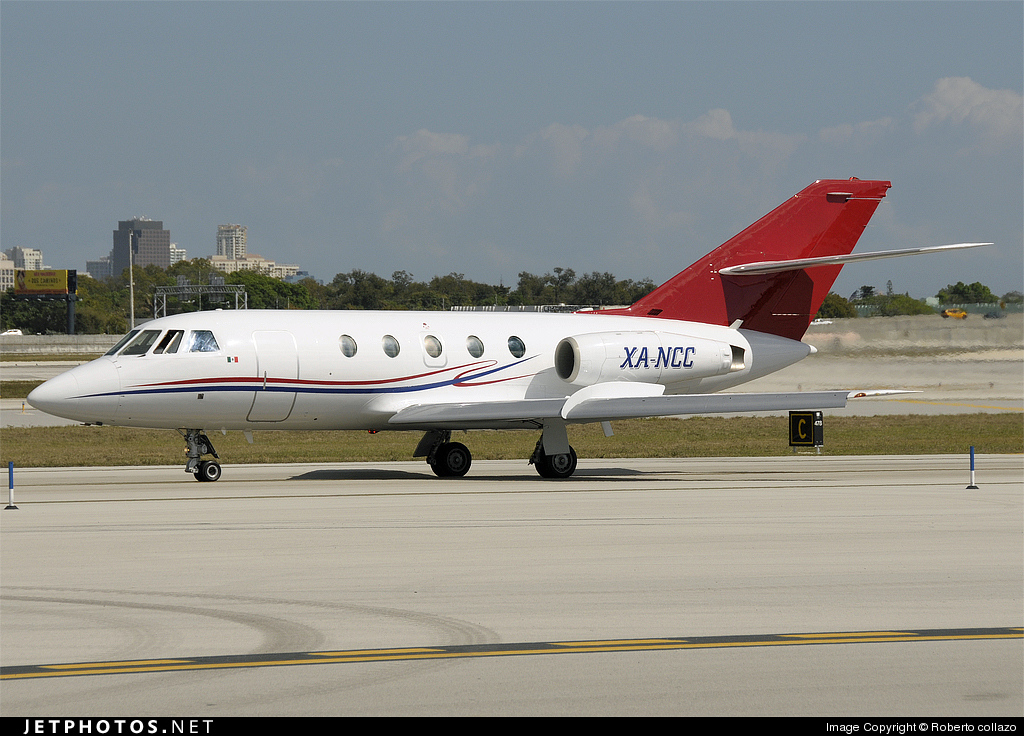
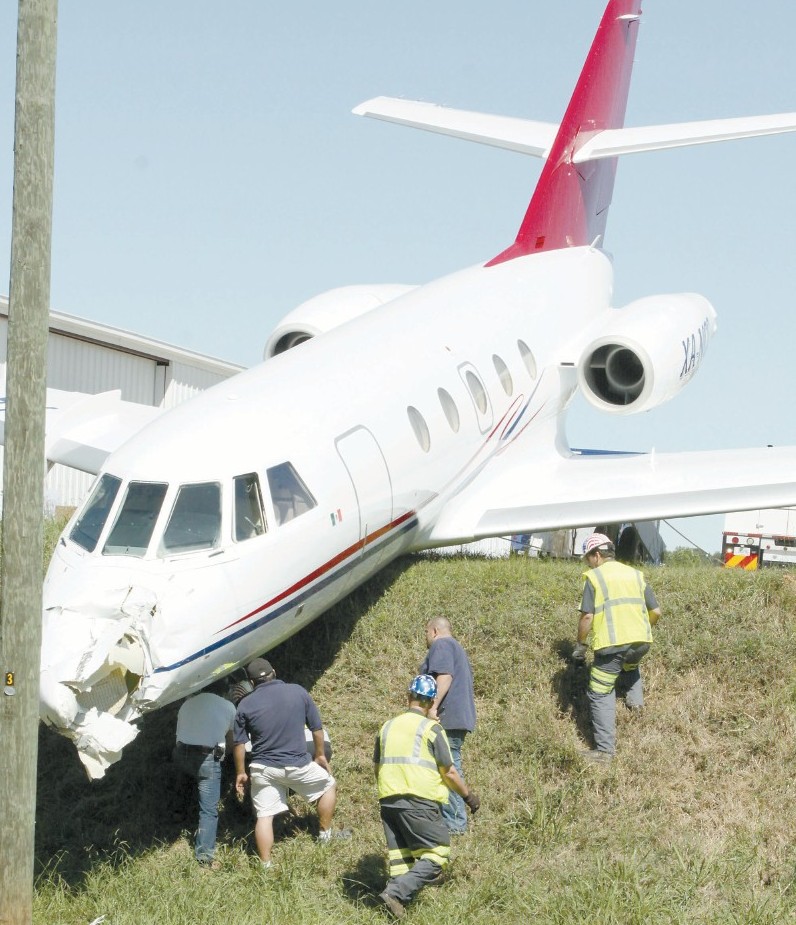
A technician was in charge to ferry the airplane to a hangar for a maintenance control. While taxiing, the Falcon went out of control, rolled down an embankment and collided with a utility pole. The nose was severely damaged and the aircraft was damaged beyond repair. According to the technician, who escaped uninjured, the brakes failed while taxiing.
Probable cause:
No investigation was conducted by the NTSB.

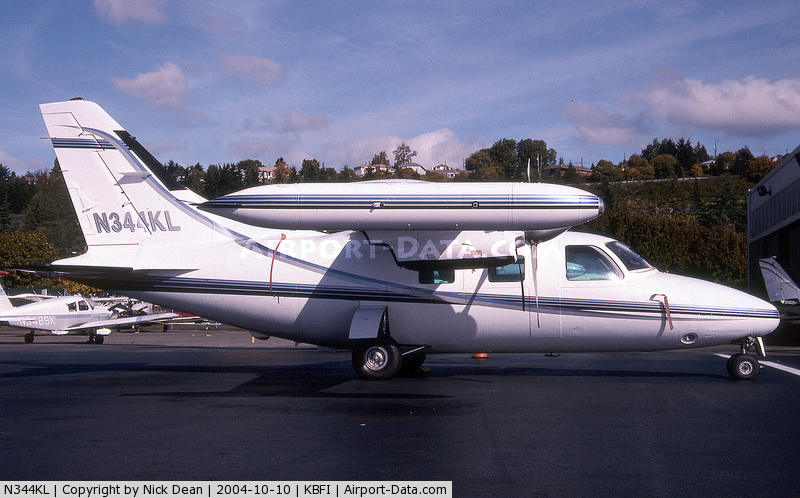
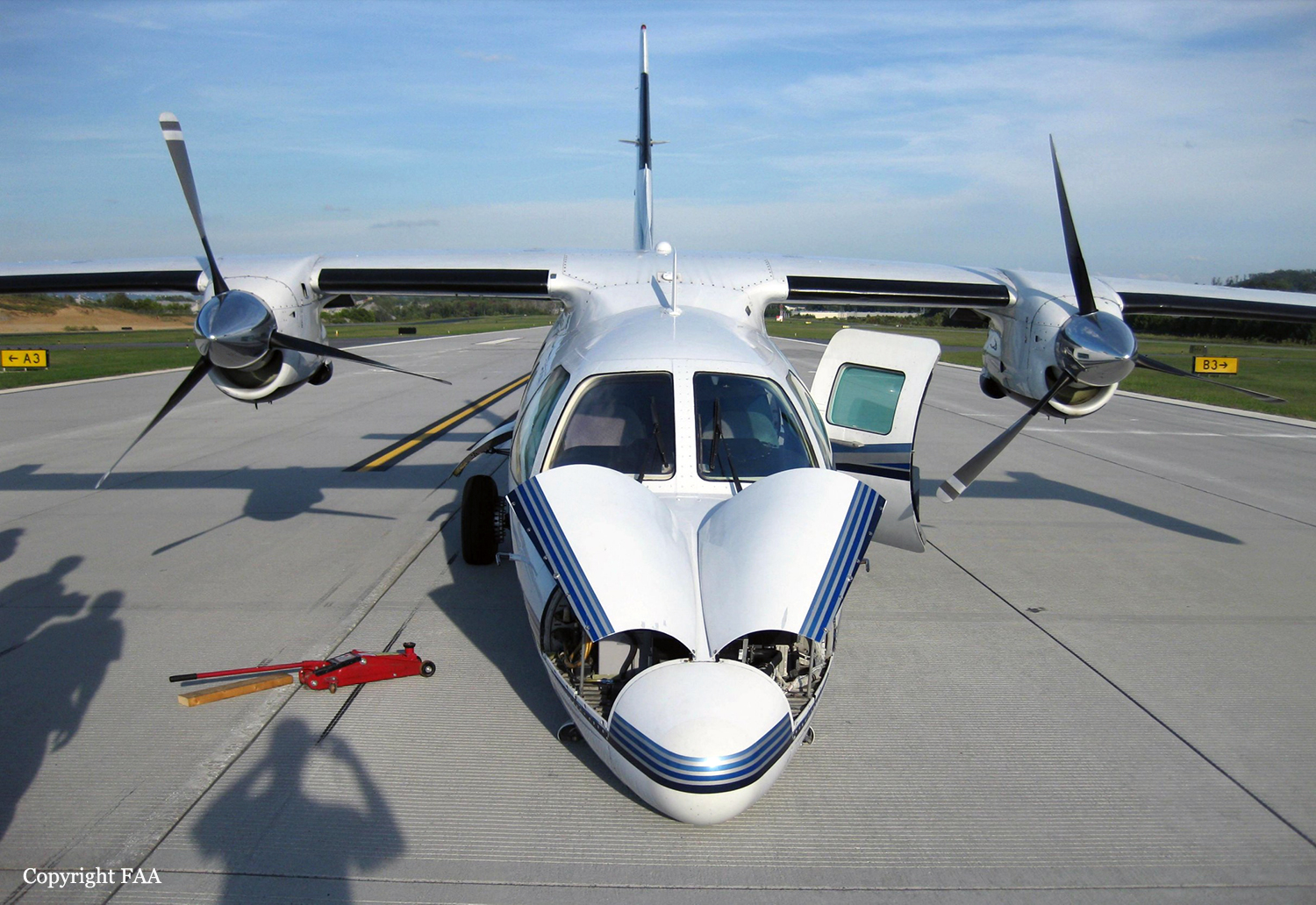
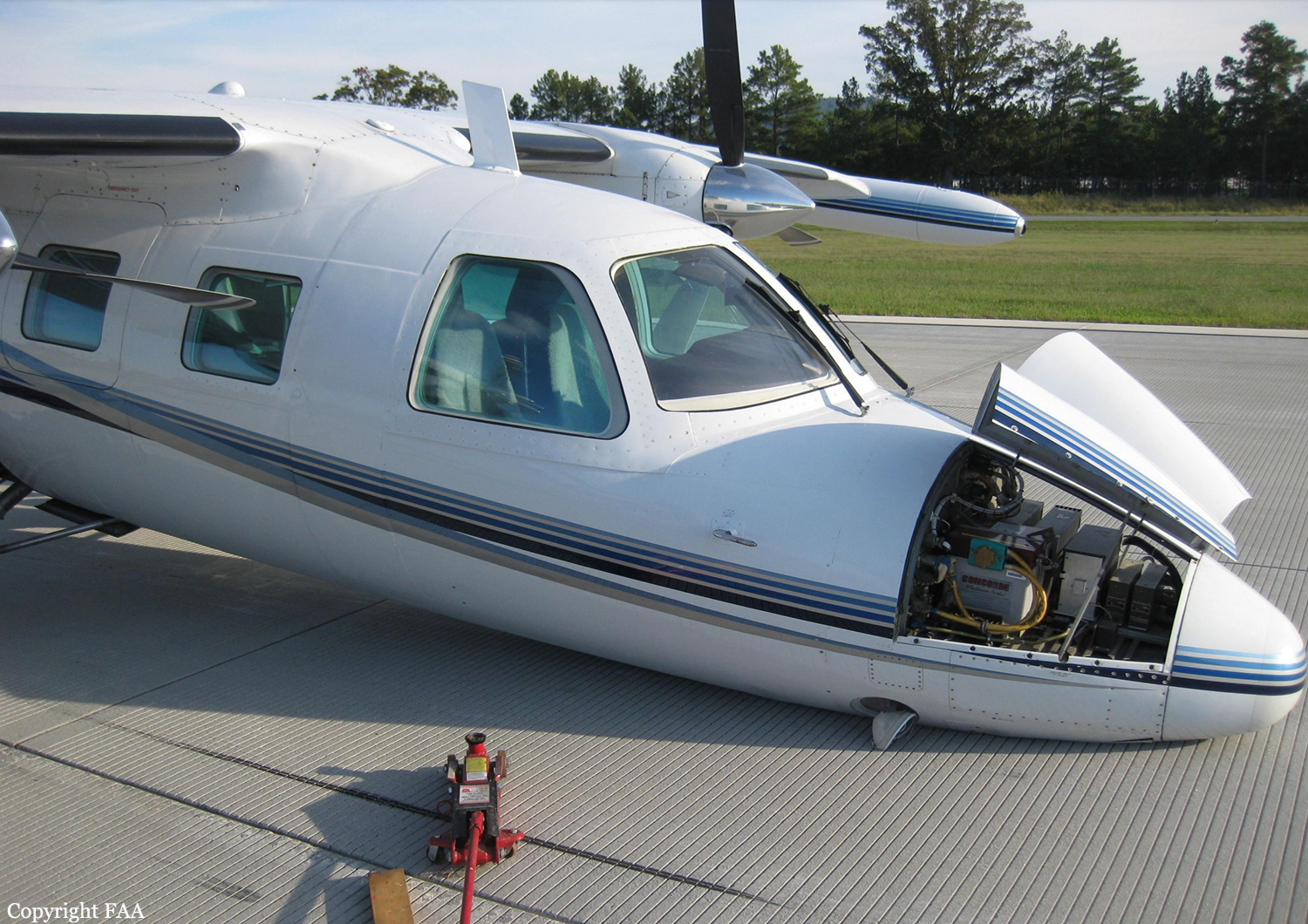
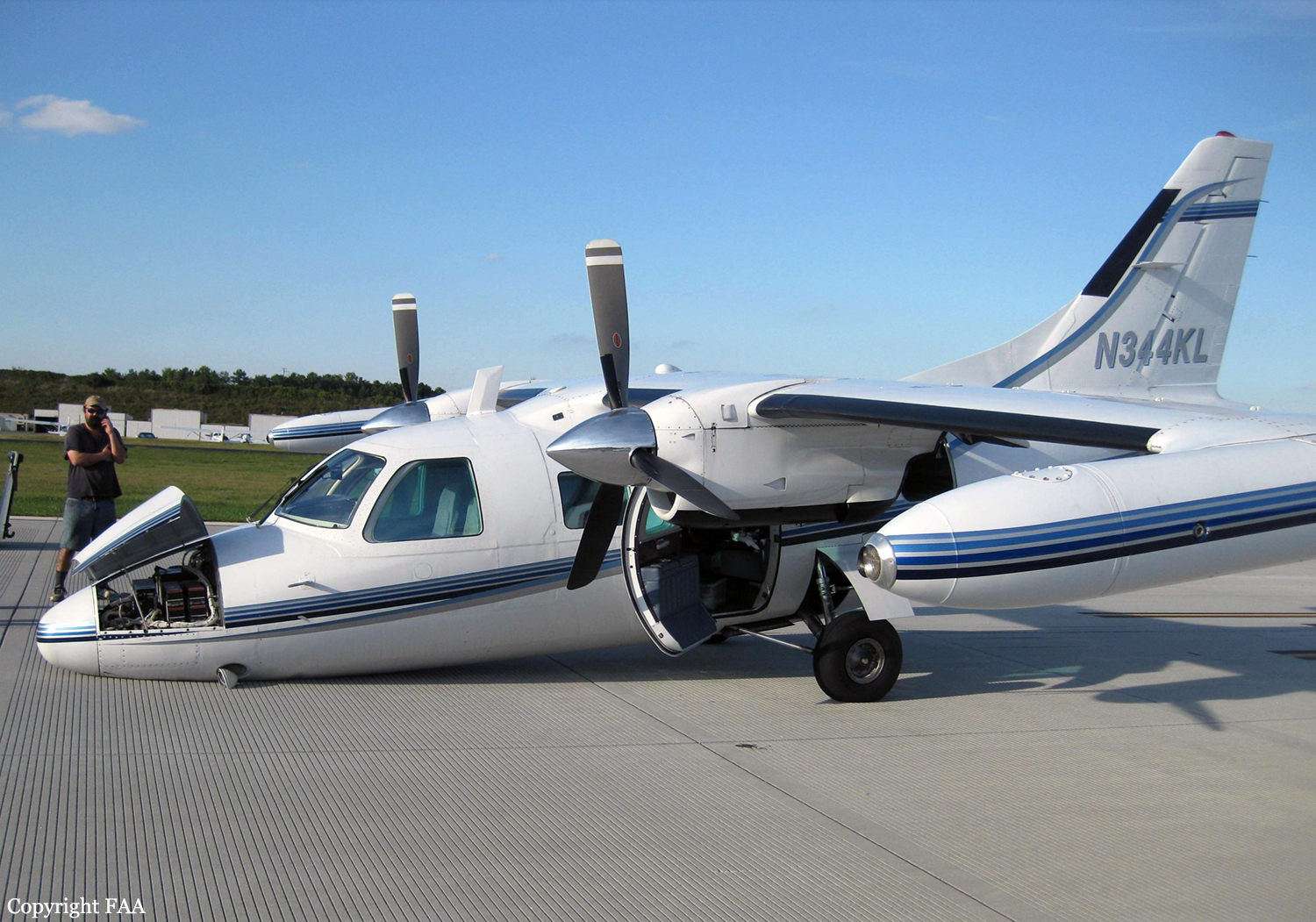
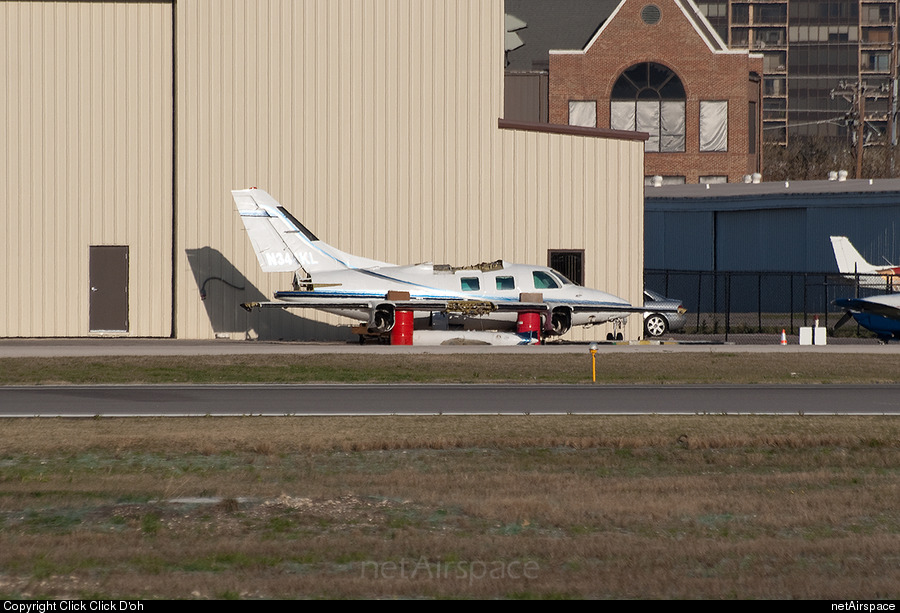
Crash of a Mitsubishi MU-2B-25 Marquise in Kennesaw

Date & Time: Sep 28, 2011 at 1715 LT
Type of aircraft:
Registration:
N344KL
Survivors:
Yes
Schedule:
Huntsville - Cobb County
MSN:
257
YOM:
1973
Crew on board:
1
Crew fatalities:
Pax on board:
2
Pax fatalities:
Other fatalities:
Total fatalities:
0
Captain / Total flying hours:
11100
Captain / Total hours on type:
1500.00
Aircraft flight hours:
6196
Circumstances:
The pilot stated that after landing, the nose landing gear collapsed. Examination of the airplane nose strut down-lock installation revealed that the strut on the right side of the nose landing gear trunnion was installed incorrectly; the strut installed on the right was a left-sided strut. Incorrect installation of the strut could result in the bearing pulling loose from the pin on the right side of the trunnion, which could allow the nose landing gear to collapse. A review of maintenance records revealed recent maintenance activity on the nose gear involving the strut. The design of the strut is common for the left and right. Both struts have the same base part number, and a distinguishing numerical suffix is added for left side and right side strut determination. If correctly installed, the numbers should be oriented facing outboard. The original MU-2 Maintenance Manual did not address the installation or correct orientation of the strut. The manufacturer issued MU-2 Service Bulletin (SB) No. 200B, dated June 24, 1994, to address the orientation and adjustment. Service Bulletin 200B states on page 8 of 10 that the “Part Number may be visible in this (the) area from the out board sides (Inked P/N may be faded out).”
Probable cause:
The improper installation of the nose landing gear strut and subsequent collapse of the nose landing gear during landing.
Final Report:
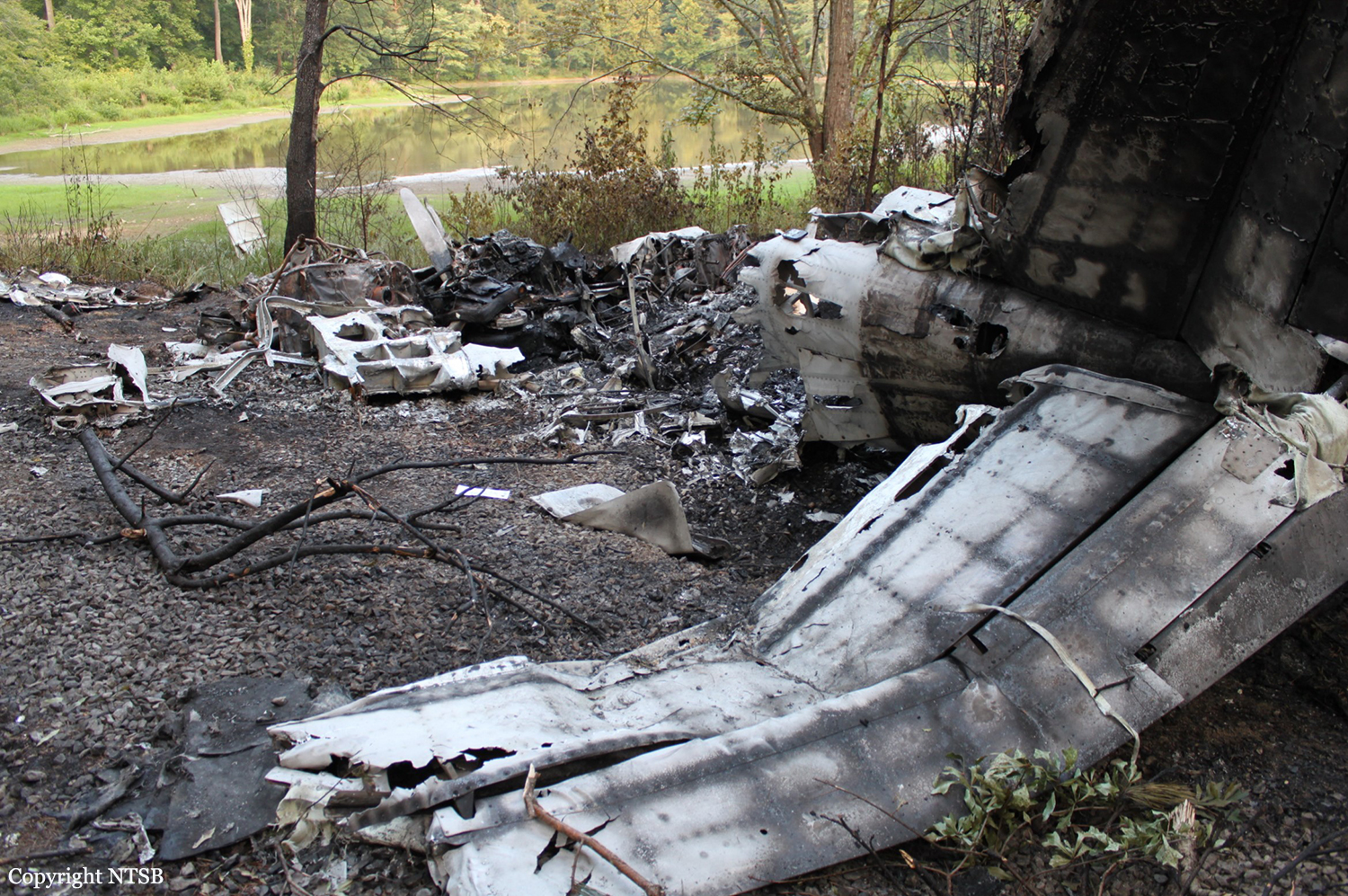
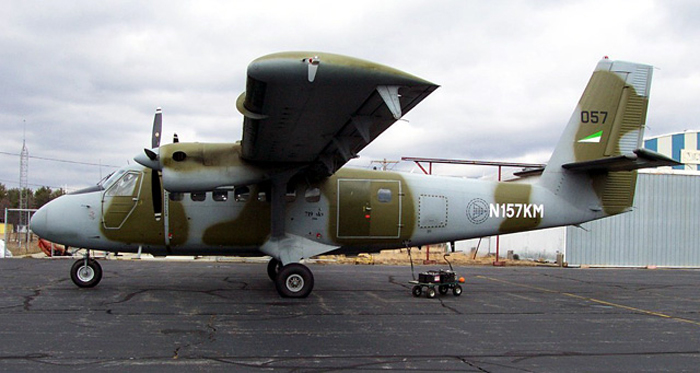
Crash of a De Havilland DHC-6 Twin Otter 100 in Clayton: 2 killed

Date & Time: Mar 8, 2011 at 1140 LT
Operator:
Registration:
N157KM
Flight Type:
Survivors:
No
Schedule:
Clayton - Clayton
MSN:
57
YOM:
1967
Location:
Crew on board:
2
Crew fatalities:
Pax on board:
0
Pax fatalities:
Other fatalities:
Total fatalities:
2
Captain / Total flying hours:
1255
Captain / Total hours on type:
492.00
Aircraft flight hours:
16541
Aircraft flight cycles:
20927
Circumstances:
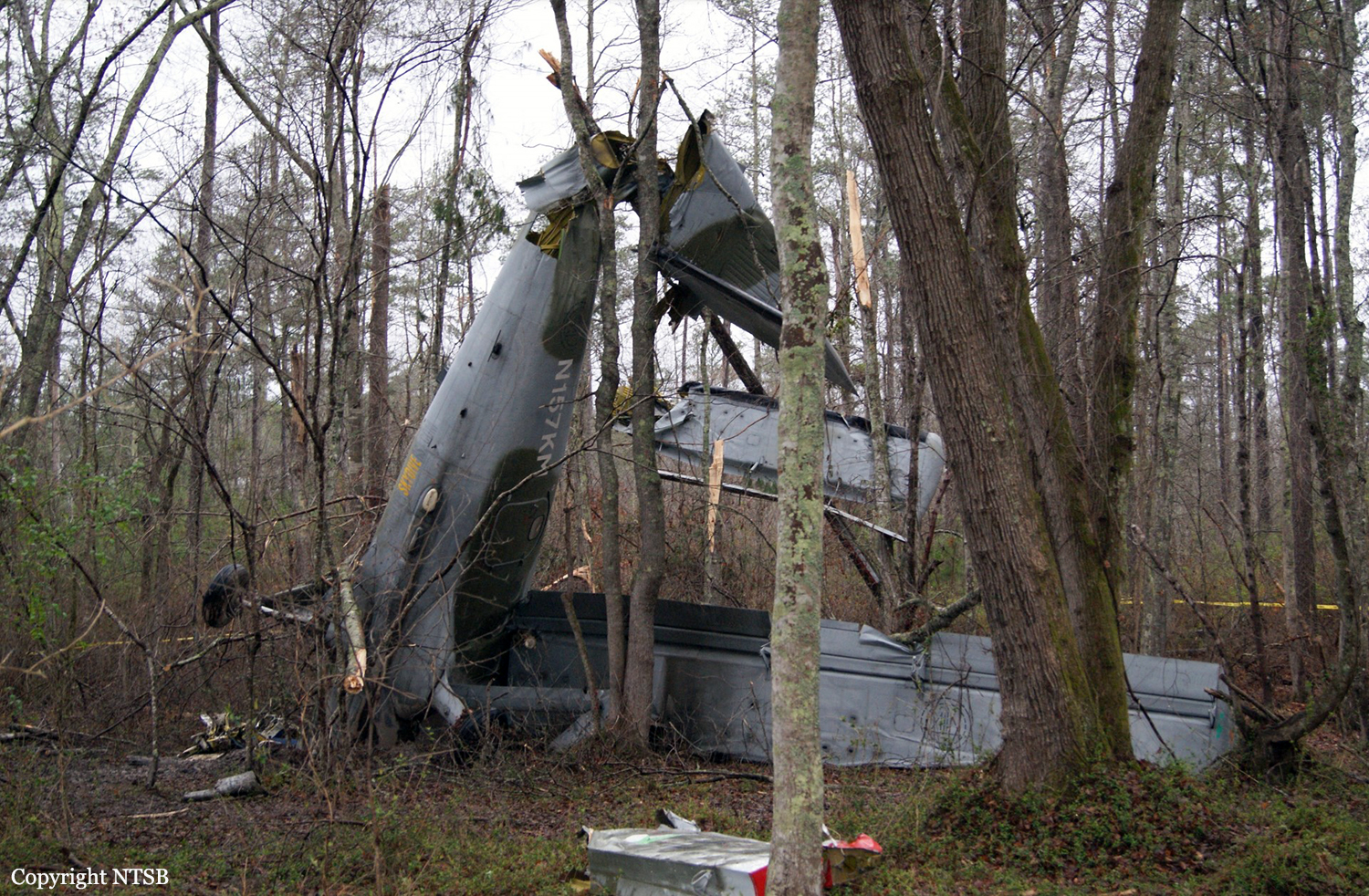
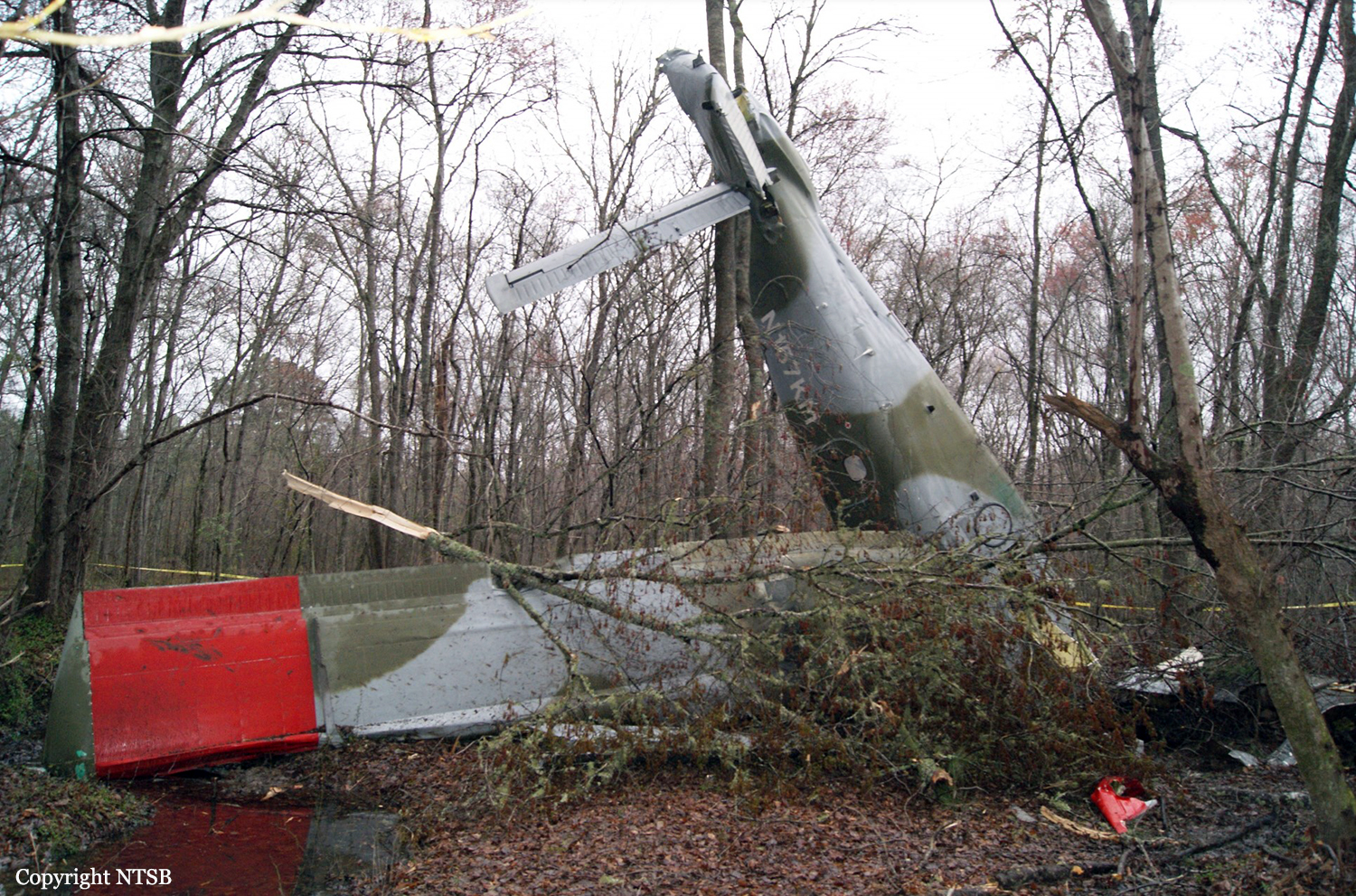
The airplane had not been flown for about 5 months and the purpose of the accident flight was a maintenance test flight after both engines had been replaced with higher horsepower models. Witnesses observed the airplane depart and complete two uneventful touch-and-go landings. The airplane was then observed to be struggling to gain altitude and airspeed while maneuvering in the traffic pattern. One witness, who was an aircraft mechanic, reported that he observed the airplane yawing to the left and heard noises associated with propeller pitch changes, which he believed were consistent with the "Beta" range. The airplane stalled and impacted trees in a wooded marsh area, about 1 mile from the airport. It came to rest about 80-degrees vertically. Examination of the wreckage did not reveal any preimpact malfunctions; however, the lack of flight recorders and the condition of the wreckage precluded the gathering of additional relevant information. Damage observed to both engines and both propellers revealed they were likely operating at symmetrical power settings and blade angles at the time of the impact, with any differences in scoring signatures likely the result of impact damage. The reason for the yawing and the noise associated with propeller pitch changes that were reported prior to the stall could not be determined.
Probable cause:
The pilot did not maintain airspeed while maneuvering, which resulted in an aerodynamic stall.
Final Report:
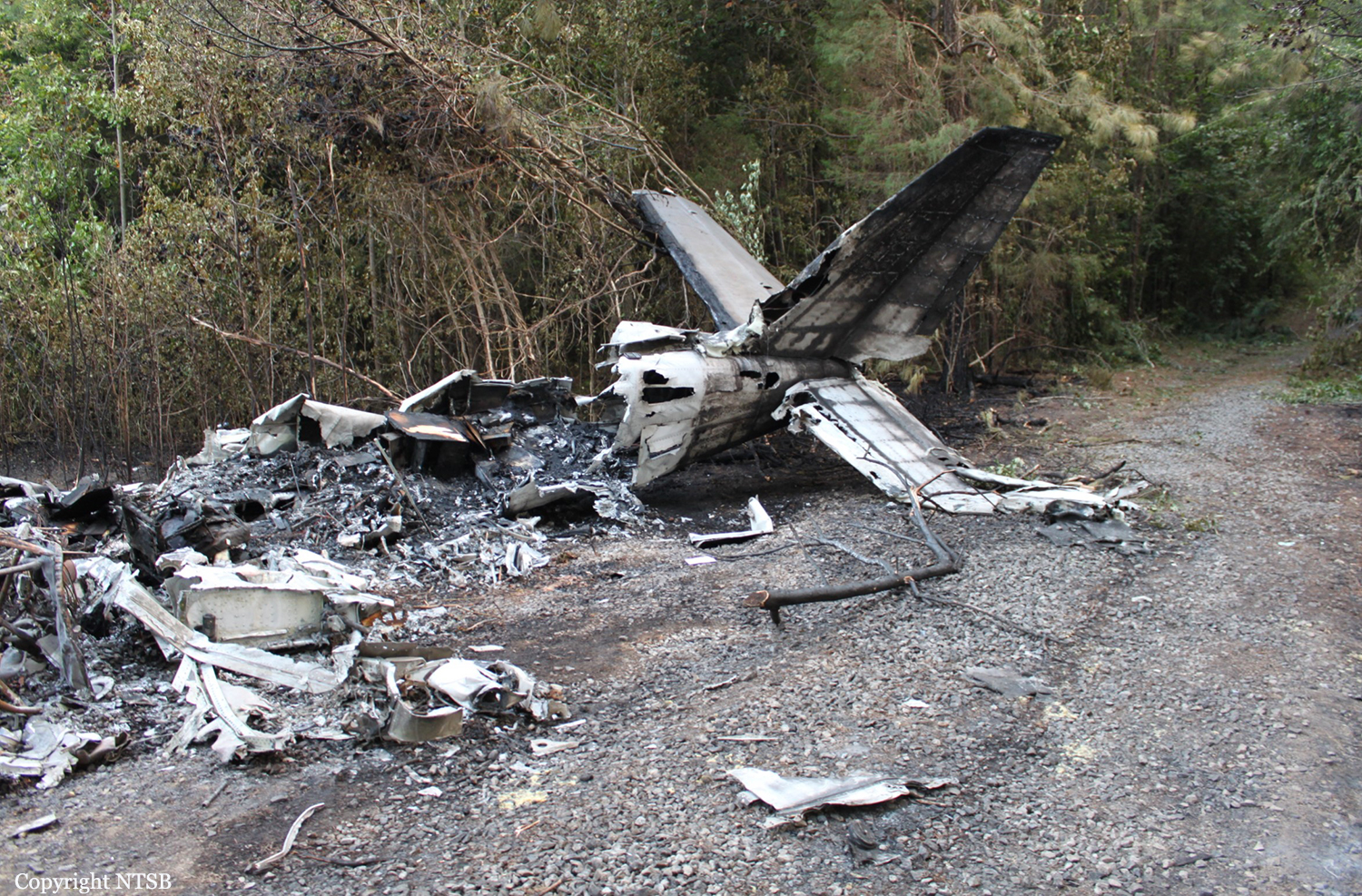
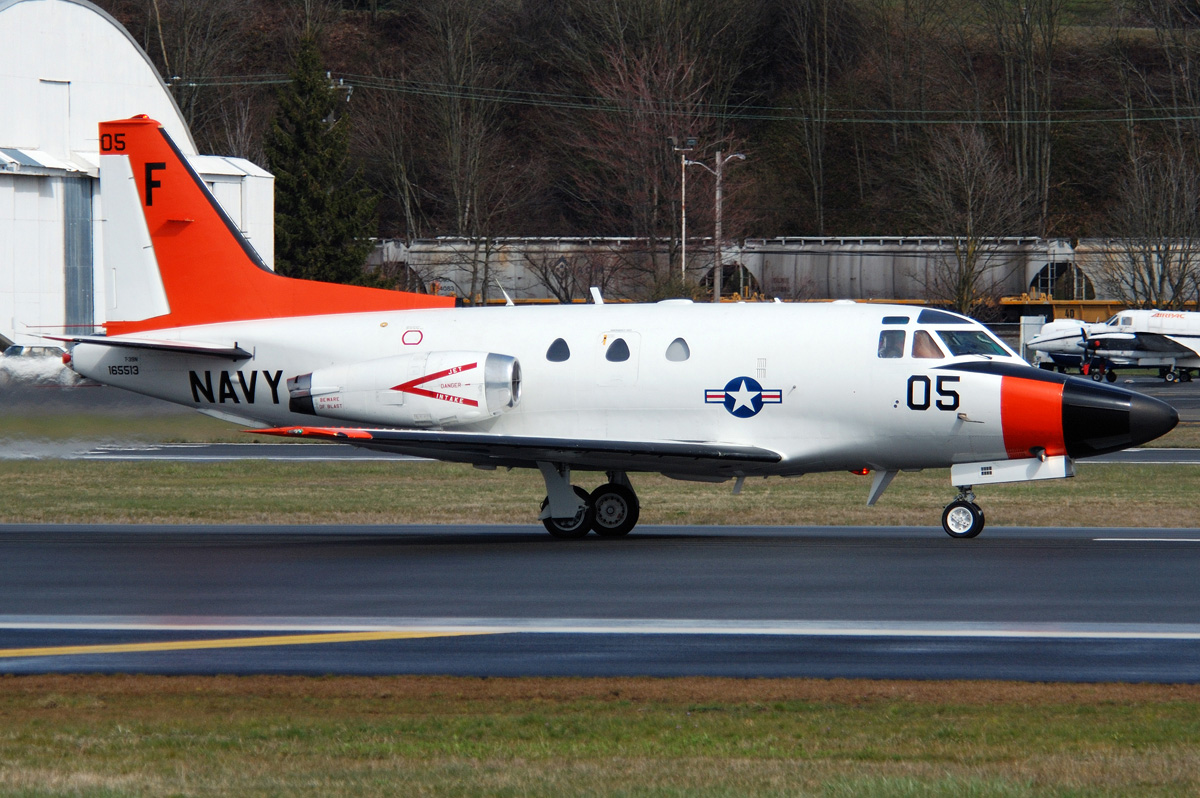
Crash of a Rockwell T-39N Sabreliner near Morganton: 4 killed

Date & Time: Apr 12, 2010 at 1525 LT
Type of aircraft:
Operator:
Registration:
165513
Flight Phase:
Flight Type:
Survivors:
No
Schedule:
Pensacola - Pensacola
MSN:
282-66
YOM:
1966
Crew on board:
4
Crew fatalities:
Pax on board:
0
Pax fatalities:
Other fatalities:
Total fatalities:
4
Circumstances:
The crew departed Pensacola NAS, Florida, for a training flight. En route, the aircraft entered an uncontrolled descent and crashed in unknown circumstances in a wooded area located 8 km northeast of Morganton. All four occupants were killed.