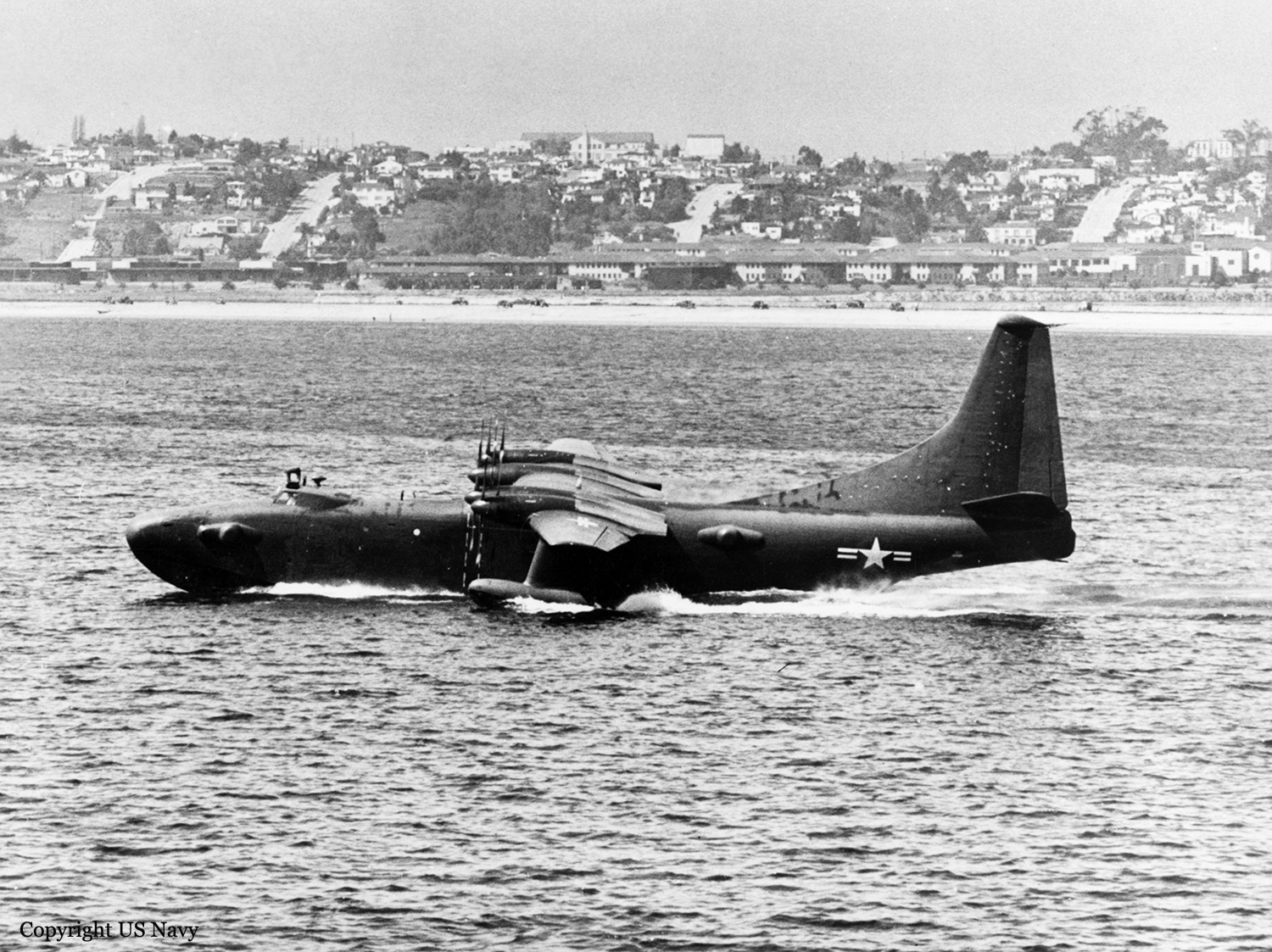
Crash of a Douglas JD-1 Invader in El Centro: 2 killed

Date & Time: Mar 5, 1954
Type of aircraft:
Operator:
Registration:
77172
Flight Phase:
Flight Type:
Survivors:
No
Crew on board:
2
Crew fatalities:
Pax on board:
0
Pax fatalities:
Other fatalities:
Total fatalities:
2
Circumstances:
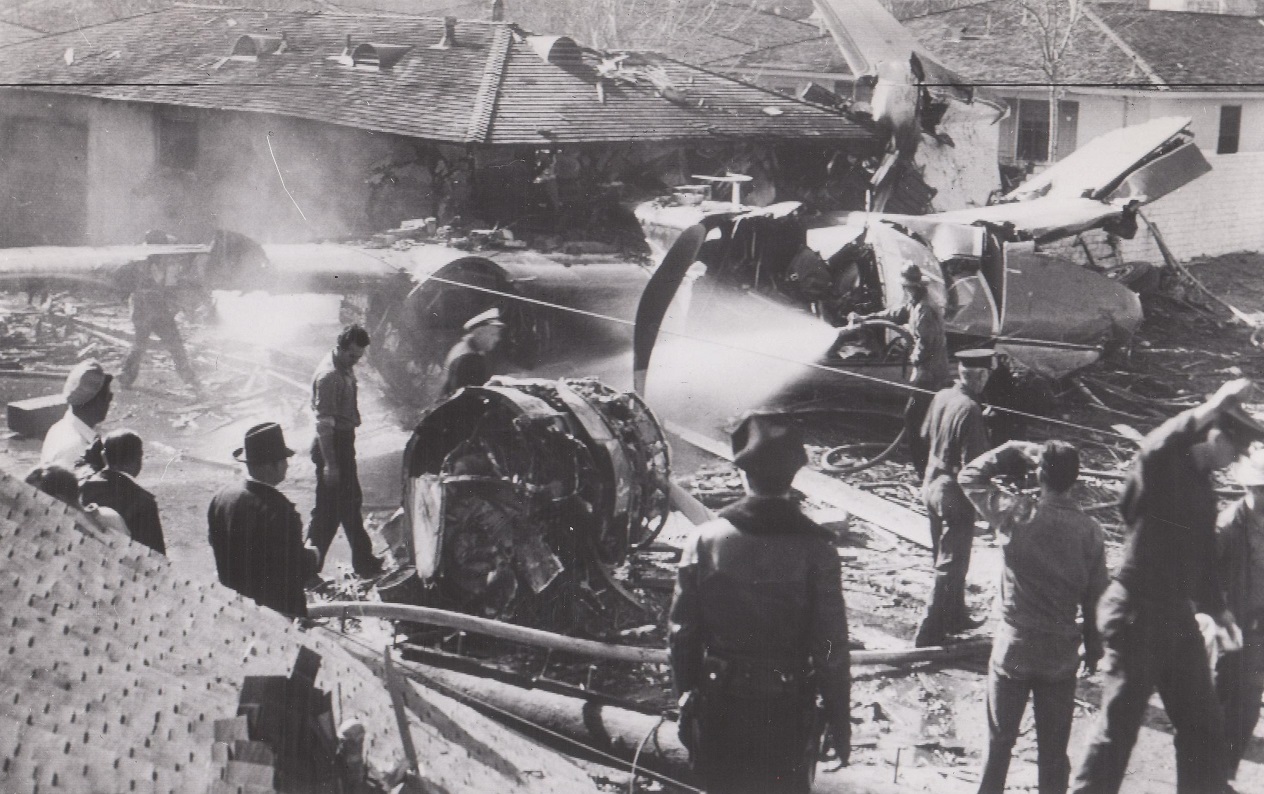
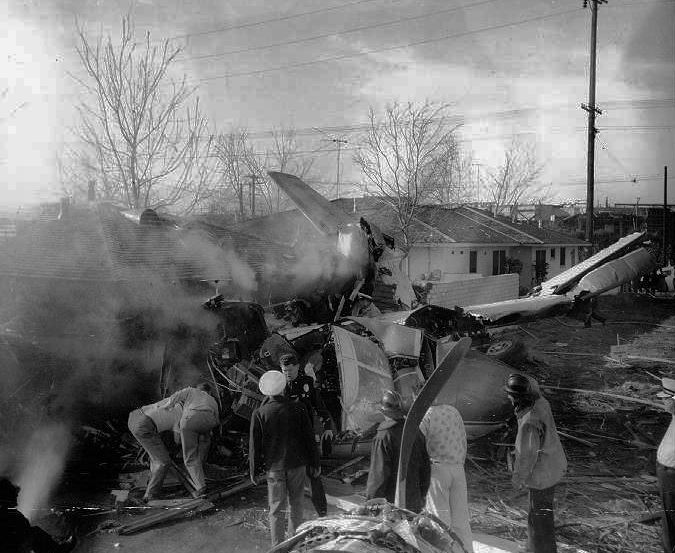
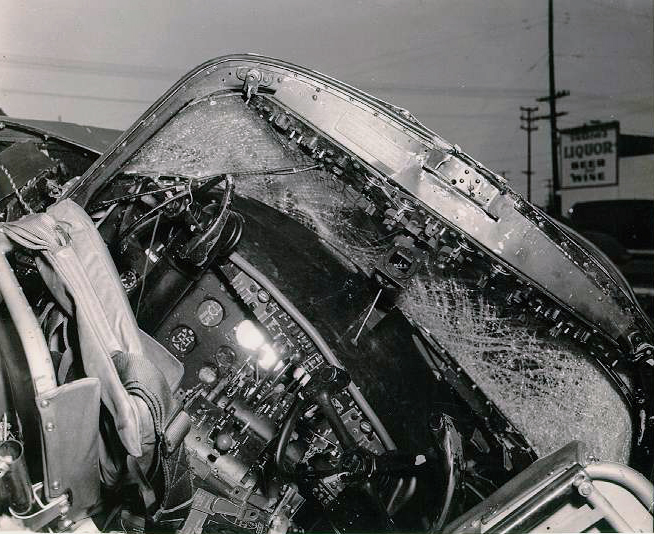
The crew was performing a combined exercice with other aircraft. In flight, the Invader collided with a USAF North American F-86 Sabre. Out of control, it dove into the ground and crashed in El Centro, killing both crew members.

Crash of a Douglas A-26B Invader in Glendale: 1 killed

Date & Time: Jan 10, 1954 at 0927 LT
Type of aircraft:
Registration:
N65Y
Flight Phase:
Flight Type:
Survivors:
Yes
MSN:
7240
YOM:
1941
Crew on board:
2
Crew fatalities:
Pax on board:
0
Pax fatalities:
Other fatalities:
Total fatalities:
1
Circumstances:
Shortly after takeoff from Glendale Airport, while in initial climb, the airplane encountered difficulties to gain height. It struck power cables and crashed onto houses near the airport. While both crew members were injured, one person on the ground was killed.
Final Report:

Crash of a Lockheed RC-121C Super Constellation off Hamilton AFB

Date & Time: Nov 21, 1953 at 2130 LT
Operator:
Registration:
51-3838
Flight Type:
Survivors:
Yes
Schedule:
McClellan - Hamilton
MSN:
4114
YOM:
1953
Crew on board:
13
Crew fatalities:
Pax on board:
0
Pax fatalities:
Other fatalities:
Total fatalities:
0
Circumstances:
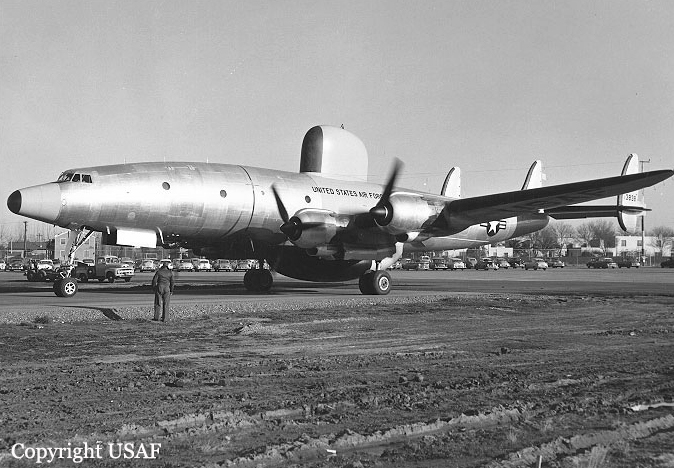
The crew was completing a flight from McClellan AFB. On final approach to Hamilton AFB by night, the crew encountered foggy conditions when the four engine airplane hit the water surface and crashed into the San Pablo Bay about two miles southeast of the airbase. All 13 occupants were rescued while the aircraft was considered as damaged beyond repair. USAF headquarter reported that the aircraft suffered a loss of engine power on final.

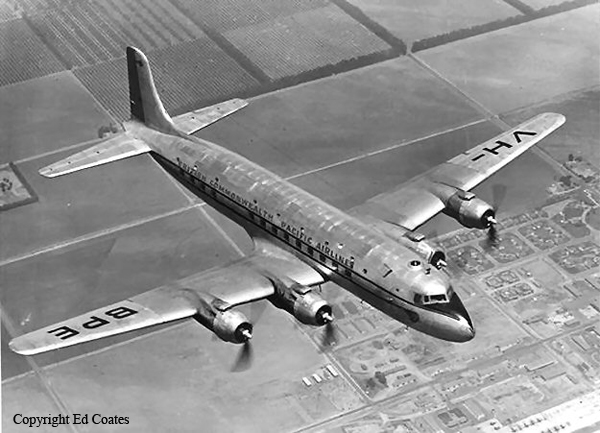
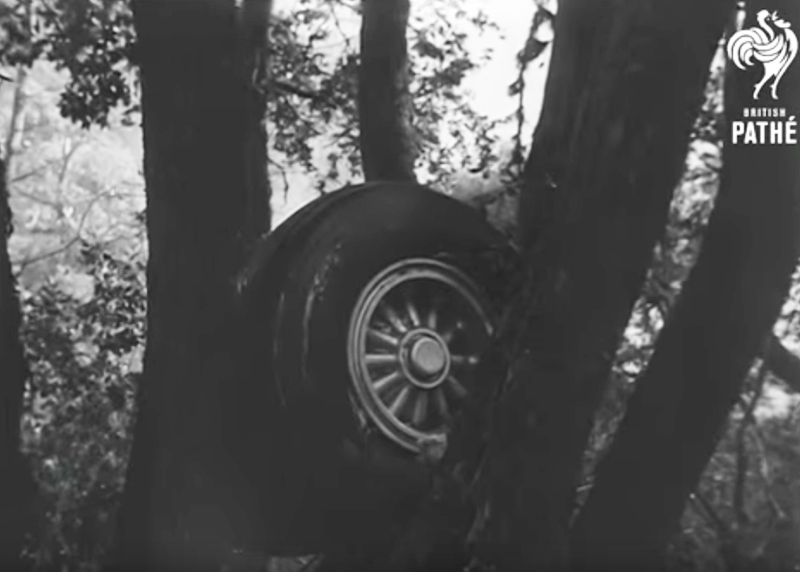
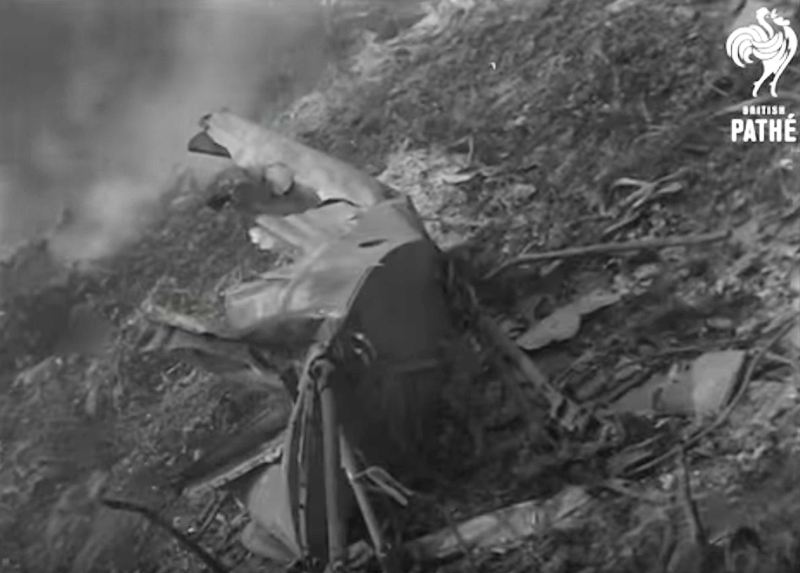
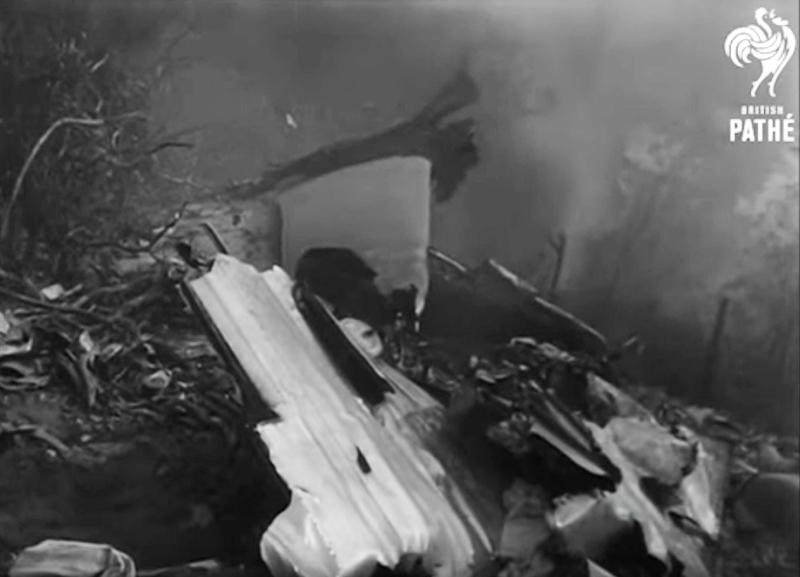
Crash of a Douglas DC-6 near Half Moon Bay: 19 killed

Date & Time: Oct 29, 1953 at 0843 LT
Type of aircraft:
Operator:
Registration:
VH-BPE
Survivors:
No
Site:
Schedule:
Sydney – Nadi – Canton – Honolulu – San Francisco
MSN:
43125
YOM:
1948
Flight number:
BCP304
Crew on board:
8
Crew fatalities:
Pax on board:
11
Pax fatalities:
Other fatalities:
Total fatalities:
19
Captain / Total flying hours:
10696
Captain / Total hours on type:
4136.00
Copilot / Total flying hours:
4782
Copilot / Total hours on type:
3896
Aircraft flight hours:
5904
Circumstances:
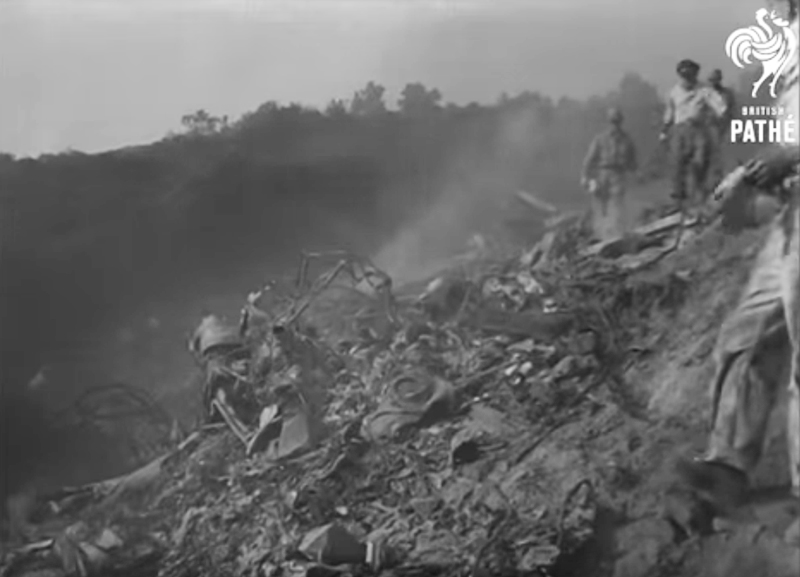
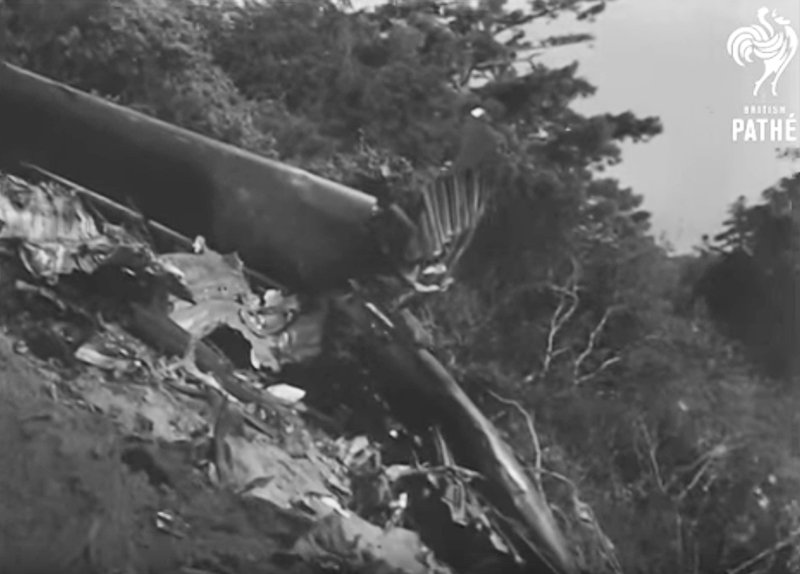
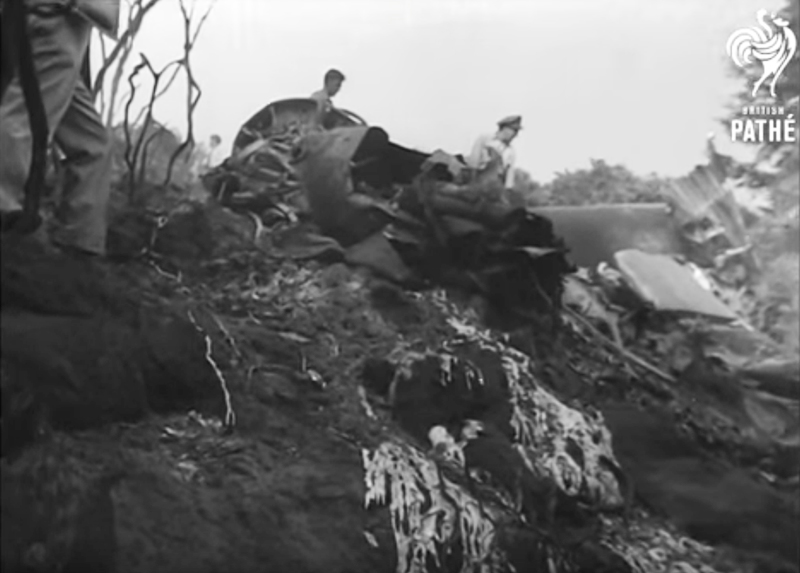
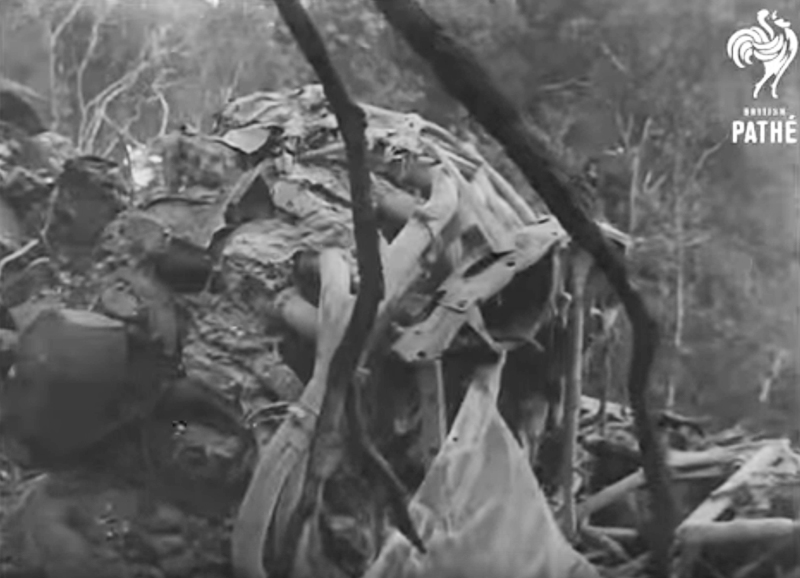
British Commonwealth Pacific Airlines' Flight 304/44 of October 28. 1953, was scheduled between Sydney, Australia., and San Francisco., California., with intermediate stops at Nadi., Fiji Island, Canton Island., and Honolulu, T. H. The flight to Honolulu was without incident. A routine crew change was effected at Honolulu and the new crew consisted of Captain B. N. Dickson. First Officer F. A. Campbell. Navigator G. R. Murtagh. Radio Officer V. A. Walker, Flight Engineer C. N. Cattanach., Purser W. Knight and Hostesses J. F. Elder and A. K. Lewis. Following a briefing on expected en route and terminal weather by U. S. Weather Bureau personnel: the crew filed an IFR (Instrument Flight Rules) flight plan with ARTC (Air Route Traffic Control) which indicated a rhumb line course was to be flown to San Francisco with Sacramento, California,, the alternate airport. The estimated flying time of the flight was nine hours and 25 minutes and there was 12 hours and 53 minutes of fuel on board. Flight 304/44 departed Honolulu at 2259, October 28, 1953, with 10 adult passengers and one child. According to company records., the gross takeoff weight of the aircraft was 90,166 pounds which was below the allowable gross takeoff weight of 95,200 pounds and the load was properly distributed with respect to the center of gravity of the aircraft. Following departure from Honolulu, the flight called the tower and requested to leave tower frequency. This request was granted. At 2302, the flight again called the tower and reported that it was over Diamond Head requesting permission to return to the airport. At this time the pilot stated, "We're having a little trouble with one of the props." The IFR flight plan was then cancelled. Three minutes later when over the airport the flight reported: "The relay is working okay now; desire to continue flight." Upon receipt of this message., ARTC revalidated the original clearance and the flight proceeded on course. As the flight proceeded toward San Francisco hourly routine position reports were made to OFACS (Overseas Foreign Aeronautical Communication Station). At 0555, the following message was sent by the flight: "VHBPE Position 32.39N 134,40W. Time 13502 (0550). Altitude 11,500. Track 064 degrees. Ground speed 225 knots. Estimating over SFO at 1640Z (0840). Estimating arrival at Blocks 1650Z (0850)." Communications to and from the flight were then changed from CW (code) to voice. In answer to a request from the flight, San Francisco ARTC,, at 0807, cleared it to descend in accordance with Visual Flight Rules and to maintain at least 500 feet on top of clouds. The flight reported that it was starting descent at 0815 and at that time was given the San Francisco 0800 weather: "Measured ceiling 1.200 feet. broken. visibility nine statute miles. temperature 54. dew point 50, wind west 12 knots and altimeter 30.13." As the aircraft approached the coast, it was identified by Western Air Defense Force Radar and released from corridor assignment at 0821. ARTC shortly there after cleared VHBPE as follows: "ATC clears VHBPE to the San Francisco ILS Outer Marker via the Half Moon Bay Fan Marker direct to the San Francisco Outer Marker. Maintain at least 500 feet above all clouds. Contact San Francisco Approach Control after passing Half Moon Bay Fan Marker. Cloud tops reported in the Bay area l.,700 feet." This message was acknowledged and repeated back. The last communication from the flight heard by OFACS was at 0823 when the aircraft reported approximately 60 miles west of the coast. At 0839., the flight called San Francisco Approach Control on 3105 kc., identified itself as "Air Pacific Echo" and advised that it was over Half Moon Bay. 500 on top and was listening on 278 kc. Approach Control acknowledged and gave the following clearance: "Cleared for an ILS approach to the airport, Runway 28, wind west 15; cross the outer marker initial (ly) at least 500 on top, report when inbound; ceiling 1.200, visibility nine. altimeter 30.14." Approximately three minutes later, the flight made a report which was acknowledged by the controller as "Air Pacific Easy., Roger, southeast, turning inbound"; the controller then added. "Cheek passing the ILS outer marker inbound." At 0845, a call to the flight was unanswered as were all subsequent calls. Shortly thereafter, appropriate search and rescue agencies were alerted that the flight was overdue. The wreckage was sighted at 1010, approximately seven and one-half miles southeast of the town of Half Moon Bay. All 19 occupants have been killed.
Probable cause:
The Board determines the probable cause of this accident was the failure of the crew to follow prescribed procedures for an instrument approach. The following findings were reported:
- The clearance given the flight for its instrument approach to San Francisco Airport was proper. was acknowledged. and was read back correctly,
- The radio navigational and landing facilities for this area were functioning normally at the time the approach was being made,
- The accident location was in a mountainous area seven and one-half miles southeast of Half Moon Bay at an elevation of 1,950 feet MSL,
- The weather conditions in the area precluded an approach by means of visual reference to the ground,
- The time element involved would not have permitted the aircraft to have flown from Half Moon Bay Fan Marker to the ILS outer marker and then execute the CAA approved instrument approach procedure,
- The undestroyed wreckage yielded no evidence of mechanical or structural failure of the aircraft prior to impact.
Final Report:

Crash of a Curtiss C-46A-1-CU Commando near San Diego: 2 killed

Date & Time: Aug 18, 1953
Type of aircraft:
Registration:
XA-GOT
Flight Phase:
Flight Type:
Survivors:
No
Site:
MSN:
26403
YOM:
1943
Crew on board:
2
Crew fatalities:
Pax on board:
0
Pax fatalities:
Other fatalities:
Total fatalities:
2
Circumstances:
Crashed in unknown circumstances in a mountainous area located east of San Diego. Both pilots were killed in the accident.

Crash of a Convair XP5Y-1 Tradewind off Point Loma

Date & Time: Jul 15, 1953
Type of aircraft:
Operator:
Registration:
121455
Flight Phase:
Flight Type:
Survivors:
Yes
Schedule:
North Island - North Island
MSN:
1
YOM:
1953
Crew on board:
11
Crew fatalities:
Pax on board:
0
Pax fatalities:
Other fatalities:
Total fatalities:
0
Circumstances:
The crew was engaged in a local test flight on behalf of the Convair Company. After departure from North Island-Halsey Field NAS, while in cruising altitude, the crew encountered control difficulties. All 11 crew members decided to bail out and abandoned the aircraft that dove into the seas and crashed off Point Loma. All 11 occupants were rescued while the airplane was destroyed.
Probable cause:
Failure of an elevator torque tube in flight.

Crash of a Douglas DC-3A in Los Angeles: 1 killed

Date & Time: Jun 29, 1953 at 1726 LT
Type of aircraft:
Operator:
Registration:
N15569
Flight Phase:
Flight Type:
Survivors:
Yes
Schedule:
Los Angeles - Los Angeles
MSN:
4887
YOM:
1942
Crew on board:
3
Crew fatalities:
Pax on board:
0
Pax fatalities:
Other fatalities:
Total fatalities:
1
Aircraft flight hours:
30793
Circumstances:
The airplane was cleared by the tower at 1723 for takeoff on Runway 25R, for a local VFR flight. On takeoff run at 1725, just when becoming airborne, and near the intersection of Runway 25R with Runway 22-4, it appeared that control of the aircraft had been lost. The right wing dropped and shortly struck the ground. The aircraft was then 15-20 feet high and the right wing remained down and the tail rose. It then veered to the right of the runway cartwheeled over its nose, and came to rest upside down. Fire broke out a few seconds later in the forward portion of the fuselage. Captain Johnson received minor injuries, Copilot Williams was seriously burned, and Company Chief Inspector Stromisky, sitting in the jump seat, was killed. Tower personnel had alerted emergency equipment when the aircraft first appeared to be in trouble, and fire apparatus arrived at the scene within a few minutes and extinguished the fire. The gross weight of the aircraft at the time of takeoff was 21,203 pounds, well below the prescribed maximum of 25,346 pounds, which was distributed within the approved C. G. limits. Weather at the time and place was good, with unlimited ceiling and visibility and a southwest wind at 10 mph.
Probable cause:
The Board determines that the probable cause of this accident was reversed installation of aileron control cables and pulleys, and failure of the inspection department to detect this mistake. The following findings were pointed out:
- During overhaul, aileron control cables were improperly connected,
- Inspection, or lack of inspection, failed to detect this error,
- Lateral control was lost during takeoff and the aircraft overturned,
- Weather at the time was good and had no bearing on the accident.
Final Report:

Crash of a Grumman SA-16B Albatross in the Kings Canyon National Park

Date & Time: May 25, 1953
Operator:
Registration:
51-7173
Flight Phase:
Survivors:
Yes
Site:
MSN:
G-223
Crew on board:
5
Crew fatalities:
Pax on board:
0
Pax fatalities:
Other fatalities:
Total fatalities:
0
Circumstances:
The crew was taking part to SAR operations for a missing Beechcraft Bonanza registered N8449A. En route, an engine failed. All five crew members decided to bail out and abandoned the aircraft that crashed in the Kings Park National Park. All five occupants were recovered uninjured while the aircraft was destroyed.
Probable cause:
Engine failure in flight.

Crash of a Douglas DC-6B off Oakland: 8 killed

Date & Time: Apr 20, 1953 at 2308 LT
Type of aircraft:
Operator:
Registration:
N91303
Survivors:
Yes
Schedule:
Los Angeles – San Francisco – Oakland
MSN:
43823
YOM:
1952
Flight number:
WA636
Crew on board:
5
Crew fatalities:
Pax on board:
5
Pax fatalities:
Other fatalities:
Total fatalities:
8
Captain / Total flying hours:
11500
Captain / Total hours on type:
79.00
Copilot / Total flying hours:
3100
Copilot / Total hours on type:
38
Aircraft flight hours:
826
Circumstances:
The four engine aircraft left San Francisco Airport at 2305LT on a VFR flight to Oakland, distant of 10 miles. At this time, weather conditions were considered as good. On approach to Oakland runway 27R, the pilot-in-command descended below the minimum safe altitude of 500 feet when the aircraft hit the water, exploded and sank into the Bay of Oakland. A stewardess and a passenger were rescued while eight other occupants were killed.
Probable cause:
The Board determines that the probable cause of this accident was the pilot’s action in continuing descent below the 500-feet prescribed minimum altitude until the aircraft struck the water. A probable contributing factor to the aircraft striking the water was the sensory illusion experienced by the pilots. The following findings were pointed out:
- The reported weather conditions at San Francisco and Oakland at the time of departure were above the prescribed minima,
- Actual weather conditions over the Bay at the time and place of the accident were later determined to be below the prescribed minima for trans-bay clearance,
- The pilot of the aircraft failed to comply with the instructions provided in the Visual Trans-Bay procedures which are to be followed in case ceiling and/or visibility below prescribed minima are encountered en route,
- No evidence was found of mechanical malfunction of the aircraft or any of its components recovered,
- The flight descended below minimum specified altitude in an attempt to maintain visual reference.
Final Report:

Crash of a Douglas R5D-1 off San Francisco

Date & Time: Mar 27, 1953 at 0340 LT
Type of aircraft:
Operator:
Registration:
N229A
Flight Phase:
Flight Type:
Survivors:
Yes
Schedule:
Travis – Honolulu
MSN:
10322
YOM:
1944
Crew on board:
3
Crew fatalities:
Pax on board:
1
Pax fatalities:
Other fatalities:
Total fatalities:
0
Circumstances:
The four engine aircraft left Travis AFB at 2220LT on March 26 on a cargo flight to Honolulu, carrying one passenger and a crew of three. At 0155LT on March 27, while cruising at an altitude of 8,000 feet, the engine number four suffered a loss of hydraulic pressure and was shut down and its propeller was feathered. In such conditions, the captain decided to divert to San Francisco for a precautionary landing when, about an hour later, the manifold pressure of the engine number three dropped. This engine was also shut down and its propeller was feathered as well. Unable to maintain a safe altitude, the crew decided to ditch the aircraft into the Pacific Ocean few miles off San Francisco. All four occupants were rescued while the aircraft sank five hours later.
Probable cause:
Loss of power and manifold pressure issue on engine four en three in flight.