Crash of a Rockwell Grand Commander 690 in Bridgeport: 2 killed

Date & Time: Jun 21, 1987 at 0133 LT
Operator:

Registration:
N662DM
Flight Type:
Survivors:
No
Schedule:
Reno - Bridgeport
MSN:
690-11015
YOM:
1972
Crew on board:
1
Crew fatalities:
Pax on board:
1
Pax fatalities:
Other fatalities:
Total fatalities:
2
Captain / Total flying hours:
9521
Captain / Total hours on type:
34.00
Aircraft flight hours:
5234
Circumstances:
The flight conditions for the air ambulance trip consisted of a clear, moonless, dark night and the destination airport was in a mountain valley with the only ground reference lights the town adjacent to the airport. Witnesses saw the aircraft overfly the town and airport at pattern altitude then head out over the lake north of the airport. About 1 mile from the runway, the aircraft was seen to suddenly pitch up, roll inverted and dive straight down into the lake (Bridgeport Reservoir). The aircraft was heading away from the only ground reference lights and was over a reflective body of water near the base turn point when the accident occurred. Witnesses heard increased eng/prop noise before impact. Wreckage revealed evidence of power at impact. The shifts for the pilots in the operation consisted of 4 days on, 2 days off, with alternating day and night shifts. The pilot was on the 4th night of the current shift cycle and was also giving flight instruction during the days. Both occupants, a pilot and a nurse, were killed.
Probable cause:
Occurrence #1: loss of control - in flight
Phase of operation: approach - vfr pattern - base leg/base to final
Findings
1. (f) light condition - dark night
2. (f) visual lookout - inadequate - pilot in command
3. (c) flight controls - inadvertent use - pilot in command
4. (c) proper altitude - not maintained - pilot in command
5. (c) visual/aural perception - pilot in command
6. (c) spatial disorientation - pilot in command
7. (f) fatigue (circadian rhythm) - pilot in command
8. (f) fatigue (flight and ground schedule) - pilot in command
9. (f) insuff standards/requirements, operation/operator - company/operator mgmt
----------
Occurrence #2: in flight collision with terrain/water
Phase of operation: descent - uncontrolled
Findings
10. (f) descent - uncontrolled - pilot in command
Final Report:
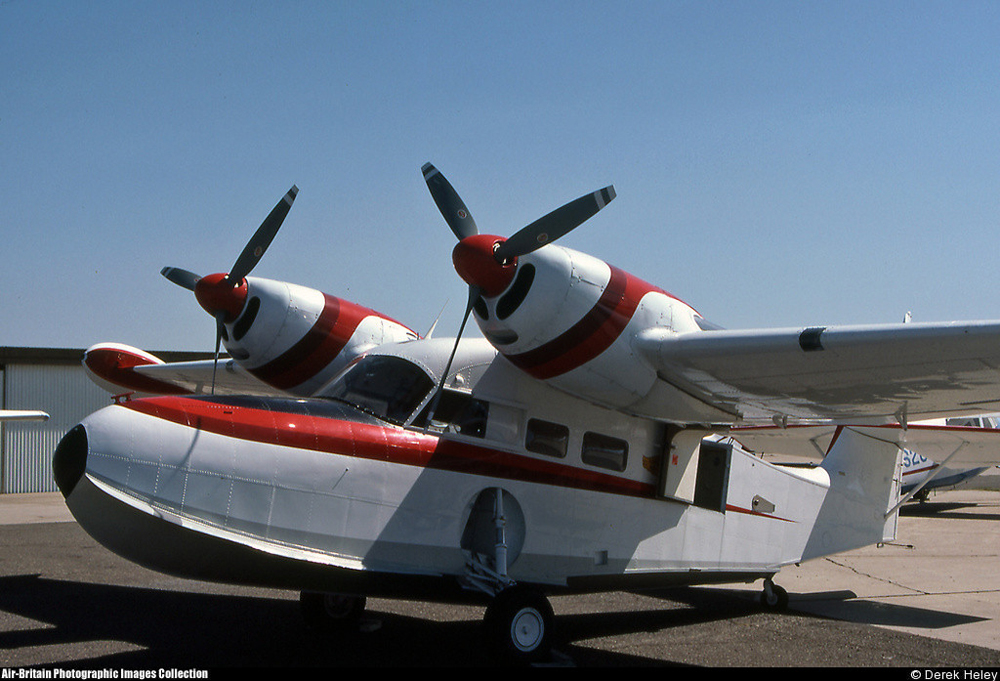
Crash of a Grumman G-44 Widgeon off Ventura

Date & Time: Apr 12, 1987 at 1403 LT
Type of aircraft:
Registration:
N32BB
Flight Phase:
Flight Type:
Survivors:
Yes
Schedule:
Santa Barbara - Santa Barbara
MSN:
1475
YOM:
1944
Crew on board:
1
Crew fatalities:
Pax on board:
2
Pax fatalities:
Other fatalities:
Total fatalities:
0
Captain / Total flying hours:
2100
Captain / Total hours on type:
450.00
Aircraft flight hours:
5500
Circumstances:
During a local pleasure flight, the pilot had reduced power and descended to a lower altitude to take pictures of a sailboat race. At approximately 200 feet the pilot made a descending right turn, then leveled off. The aircraft stalled and the pilot lowered the nose and abruptly added power. The engines did not respond in time to regain altitude and airspeed. The aircraft then impacted the water left wing first. On impact a fire started. The aircraft eventually sank and was not recovered. All three occupants were rescued, two of them were seriously injured.
Probable cause:
Occurrence #1: loss of control - in flight
Phase of operation: descent - normal
Findings
1. (f) throttle/power control - excessive - pilot in command
2. (c) stall - uncontrolled - pilot in command
3. (f) remedial action - delayed - pilot in command
----------
Occurrence #2: ditching
Phase of operation: descent - uncontrolled
Findings
4. (f) terrain condition - water, rough
----------
Occurrence #3: fire
Phase of operation: landing - flare/touchdown
Final Report:

Crash of a Lockheed L-382G-31C Hercules at Travis AFB: 5 killed

Date & Time: Apr 8, 1987 at 1732 LT
Type of aircraft:
Operator:
Registration:
N517SJ
Flight Type:
Survivors:
No
Schedule:
Travis AFB - Travis AFB
MSN:
4558
YOM:
1974
Flight number:
SJ517
Crew on board:
5
Crew fatalities:
Pax on board:
0
Pax fatalities:
Other fatalities:
Total fatalities:
5
Captain / Total flying hours:
8600
Captain / Total hours on type:
8000.00
Aircraft flight hours:
17027
Circumstances:
The Hercules aircraft took off from Travis AFB at 14:45 for the second of a series of local training flights. Approaches and practice landings were carried out at McClellan AFB before returning to Travis. A runway 21L ILS approach and full stop landing were to be made by a 1st officer candidate. A balked landing forced the captain to take over the controls and initiate a go-around. The no. 1 and no. 2 engines both decelerated when throttles were advanced. The aircraft then banked left and struck the airport perimeter fence in a nose-low and steep left-wing low attitude.
Probable cause:
Inadequate Southern Air Transport engine maintenance which allowed the accumulation of oil residues in the engine compressor sections until two engines were incapable of responding to rapid demands for increased power. Contributing to the accident was the continuation of the go-around by the captain after power had been lost from two engines and the movement of the flap handle to the flaps retracted position during the go-around.
Final Report:

Crash of a Cessna 208 Caravan near Cima: 1 killed

Date & Time: Jan 16, 1987 at 0640 LT
Type of aircraft:
Registration:
N9613F
Flight Phase:
Flight Type:
Survivors:
No
Site:
Schedule:
Ontario - North Las Vegas
MSN:
208-0106
YOM:
1986
Location:
Crew on board:
1
Crew fatalities:
Pax on board:
0
Pax fatalities:
Other fatalities:
Total fatalities:
1
Captain / Total flying hours:
2478
Captain / Total hours on type:
91.00
Aircraft flight hours:
126
Circumstances:
While on a day/VFR flight from Ontario, CA to Las Vegas, NV, the aircraft collided with mountainous terrain near the top of a 6,500 feet peak. Radar data showed that approximately 20 minutes before the accident, the aircraft began a gradual descent from about 10,000 feet. No preimpact part failure or malfunction of the aircraft, engine or autopilot was found. The pilot had a rest period on the previous day, but the investigation did not determine whether he had obtained any sleep before a 1700 pst flight. After the 1700 pst flight, he voluntarily flew on a late night flight with another company. That flight was delayed in returning and did not land at Ontario until about 0500 pst the next morning. Approximately 41 min later, the pilot took off on the accident flight.
Probable cause:
Occurrence #1: altitude deviation, uncontrolled
Phase of operation: cruise - normal
Findings
1. (c) altitude - not maintained - pilot in command
2. (c) descent - inadvertent - pilot in command
3. (c) fatigue (lack of sleep) - pilot in command
----------
Occurrence #2: in flight collision with terrain/water
Phase of operation: descent - uncontrolled
Findings
4. (f) terrain condition - mountainous/hilly
Final Report:

Crash of a Rockwell Aero Commander 520 in Lucerne Valley

Date & Time: Nov 2, 1986 at 1000 LT
Registration:
N70FM
Flight Phase:
Flight Type:
Survivors:
Yes
Site:
Schedule:
Corona - Corona
MSN:
520-147
YOM:
1954
Crew on board:
1
Crew fatalities:
Pax on board:
0
Pax fatalities:
Other fatalities:
Total fatalities:
0
Captain / Total flying hours:
700
Captain / Total hours on type:
200.00
Circumstances:
During a pleasure flight, the pilot reported that the right engine caught on fire. The pilot made a landing on dry lake bed and disembarked from the plane examination of the wreckage revealed that the path of the landing roll showed no signs of melted metal or debris. There was a large fuel stain visible around the remains of the right wing, right engine and right cowling. The engine components and accessories showed moderate heat distress with no evidence of a blow torch effect. The right wing fuel sump drain valve was located inside a cup of melted aliminum and was in the open position.
Probable cause:
Occurrence #1: fire
Phase of operation: standing
Findings
1. (f) fuel system, drain - open
2. (c) reason for occurrence undetermined
Final Report:

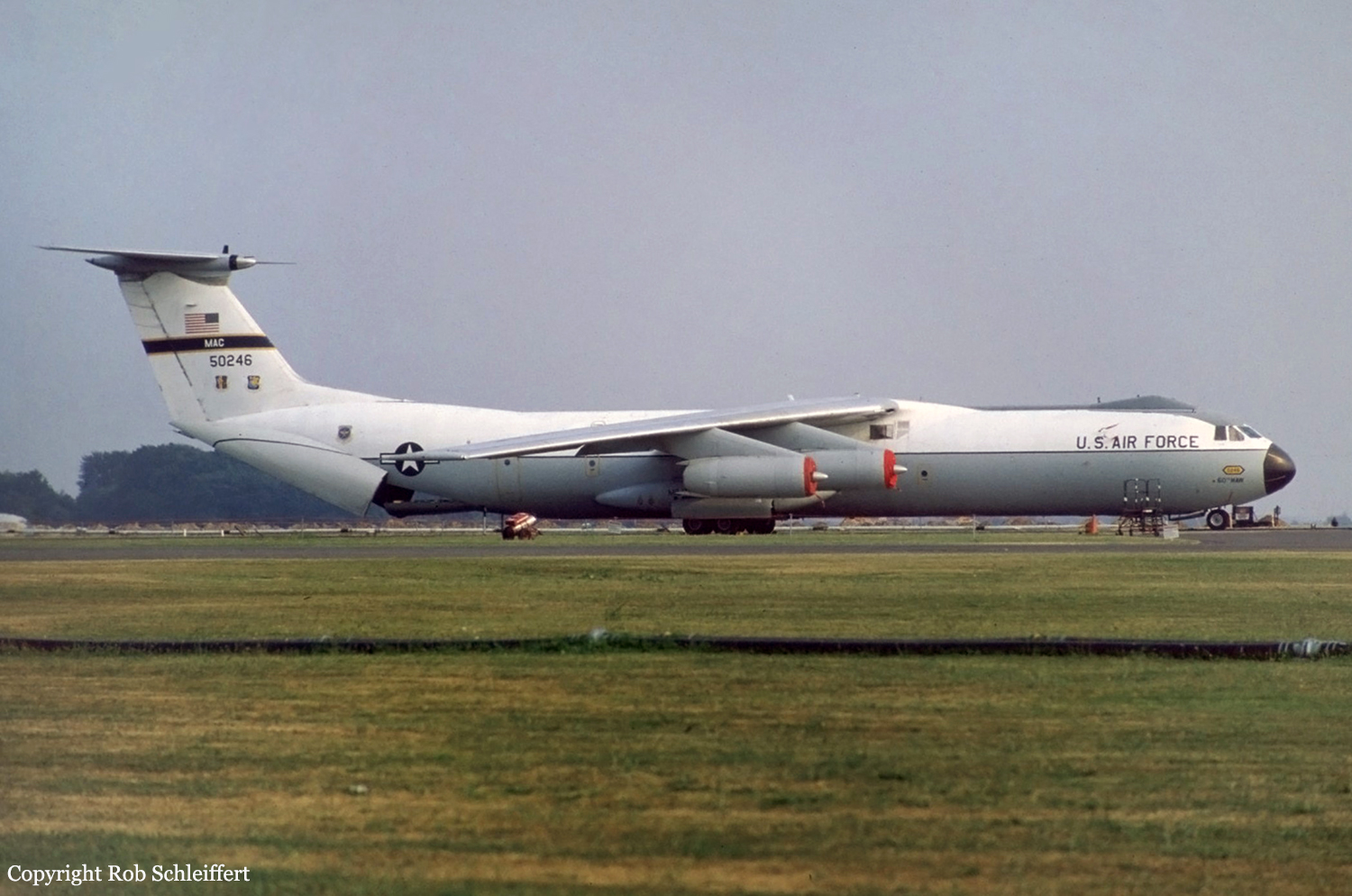
Crash of a Lockheed C-141B Starlifter at Travis AFB

Date & Time: Oct 15, 1986
Type of aircraft:
Operator:
Registration:
65-0246
Flight Phase:
Flight Type:
Survivors:
Yes
MSN:
300-6097
YOM:
1965
Crew on board:
0
Crew fatalities:
Pax on board:
0
Pax fatalities:
Other fatalities:
Total fatalities:
0
Aircraft flight hours:
28675
Circumstances:
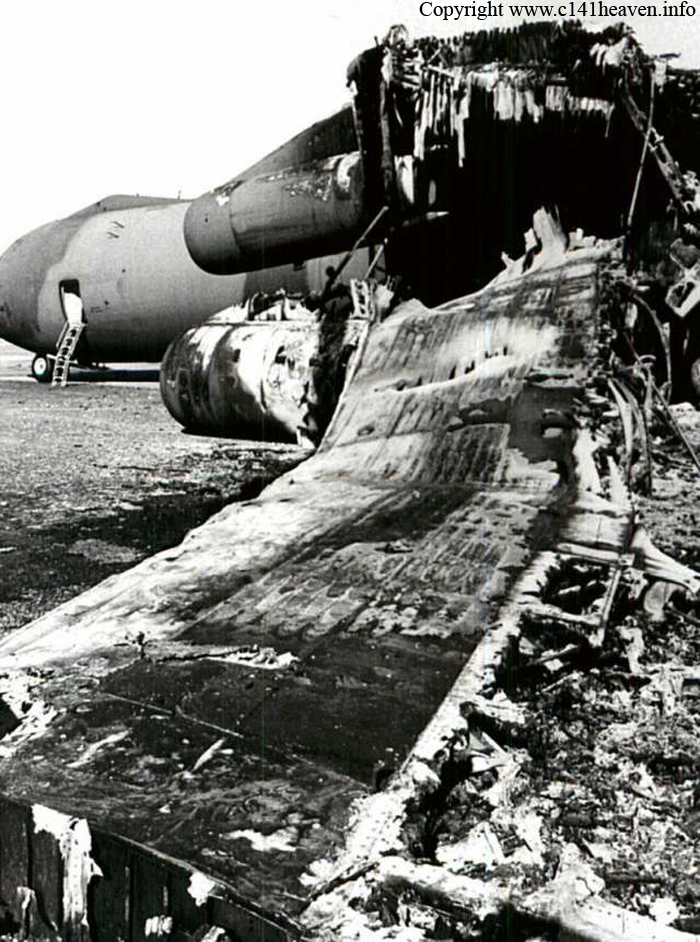
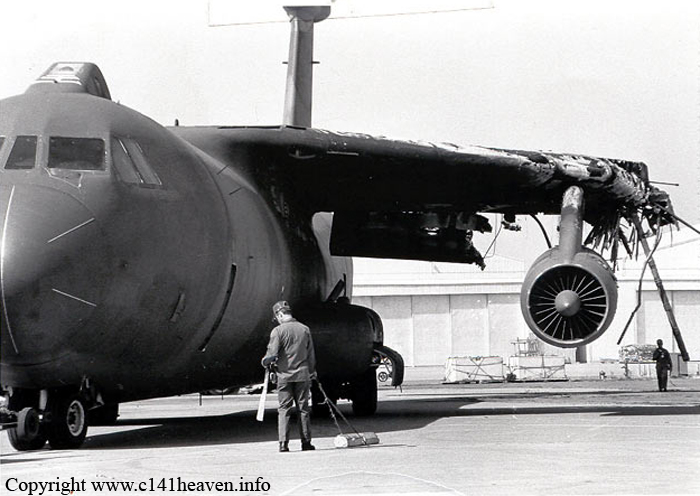
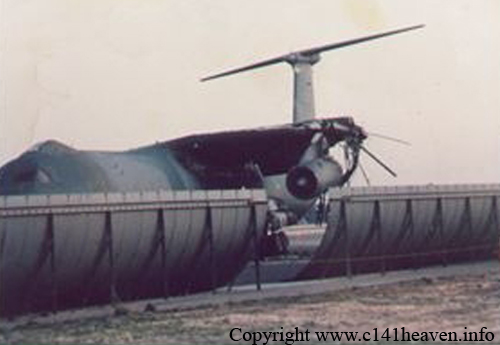
On approach to Travis AFB, the crew was advised of a bomb threat at the passenger terminal. In night-time conditions, he had to park the aircraft which was normally reserved for tow-in parking. The captain complained about this to the marshaller, but he was told to taxi the aircraft to the parking spot. Wingwalkers were present by each wing. While completing a sharp turn to the right, the left wing struck a light pole, rupturing the n°1 fuel tank. Fuel leaked down the light pole and ignited after contacting a high voltage junction box located at the base of the pole. An intensive fire erupted, destroyed the left part of the aircraft. All occupants evacuated safely and were unhurt.

Crash of a Douglas DC-9-32 in Cerritos: 79 killed

Date & Time: Aug 31, 1986 at 1152 LT
Type of aircraft:
Operator:
Registration:
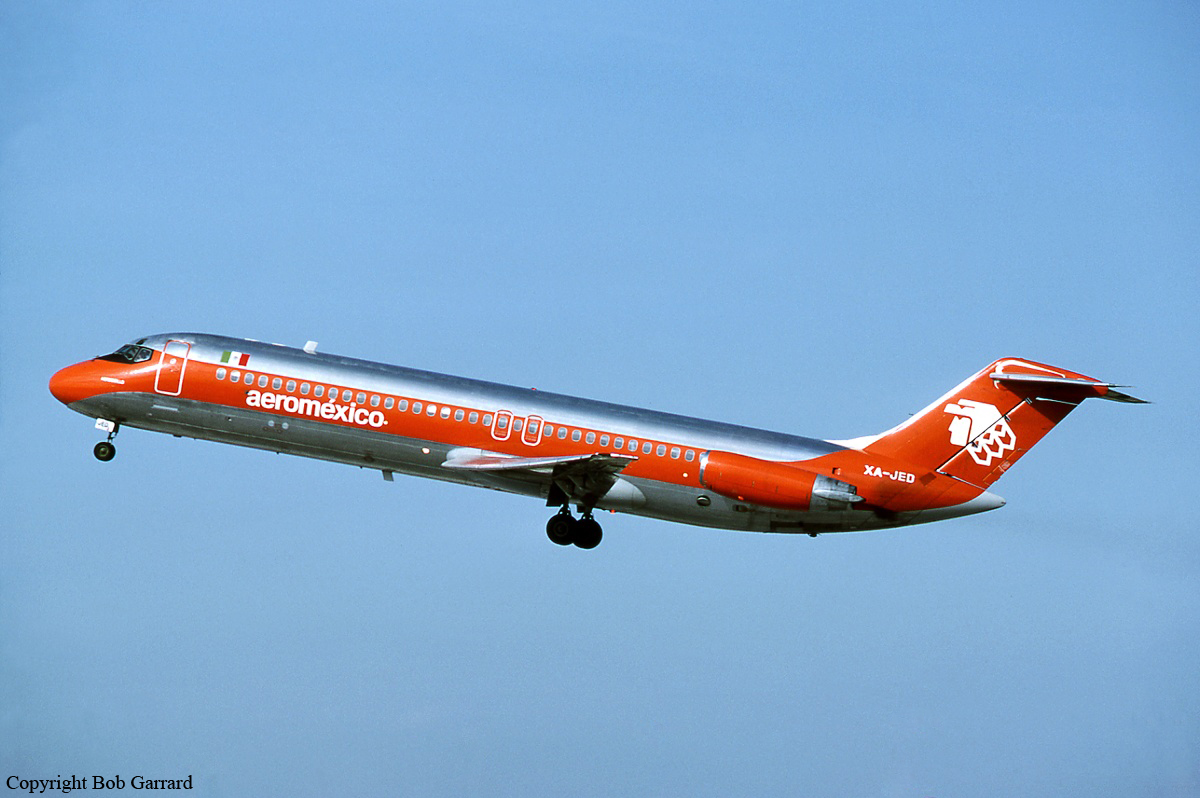
XA-JED
Survivors:
No
Site:
Schedule:
Mexico City – Guadalajara – Loreto – Tijuana – Los Angeles
MSN:
47356
YOM:
1969
Flight number:
AM498
Crew on board:
6
Crew fatalities:
Pax on board:
58
Pax fatalities:
Other fatalities:
Total fatalities:
79
Captain / Total flying hours:
10641
Captain / Total hours on type:
4632.00
Copilot / Total flying hours:
1463
Copilot / Total hours on type:
1245
Circumstances:
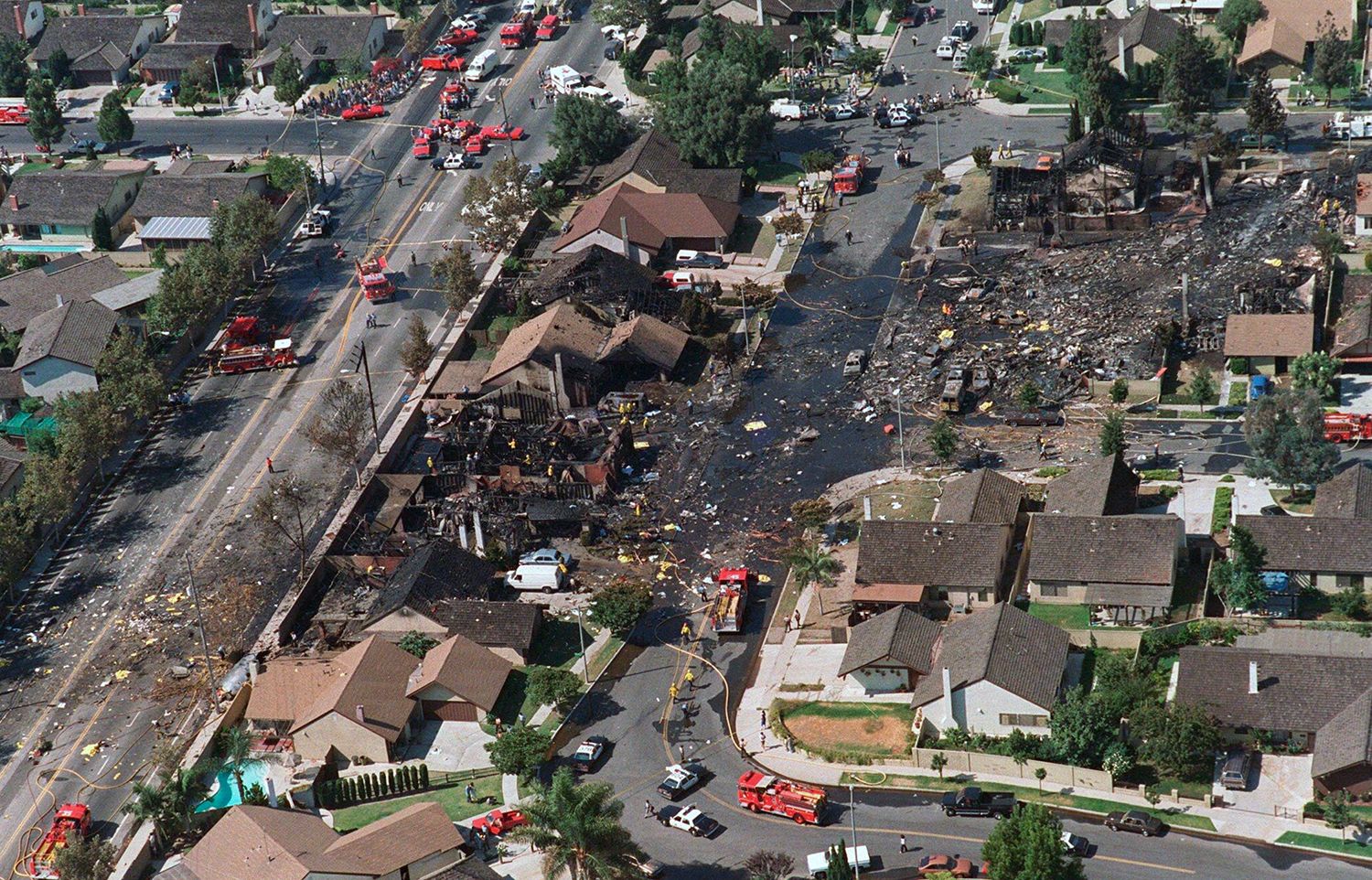
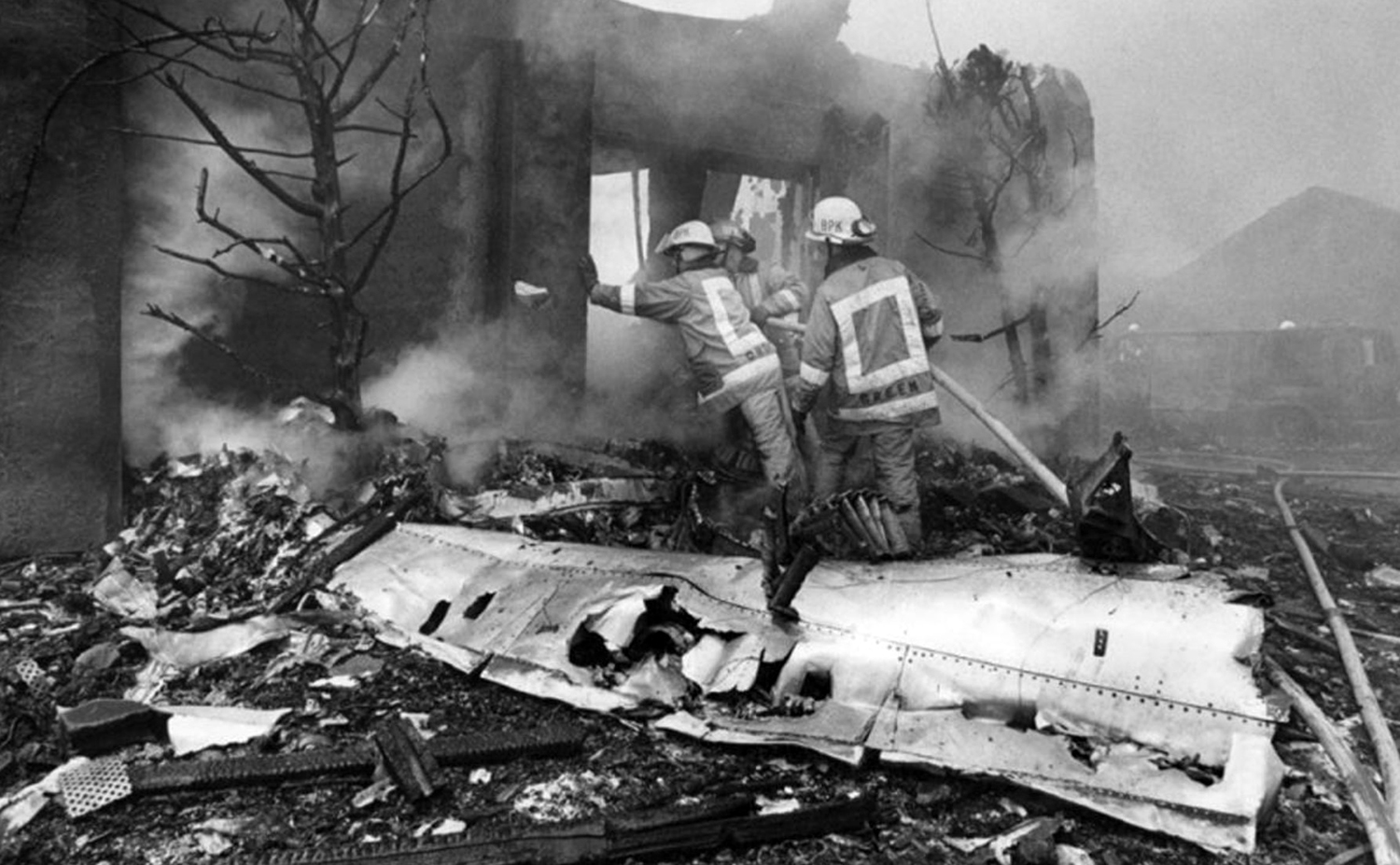
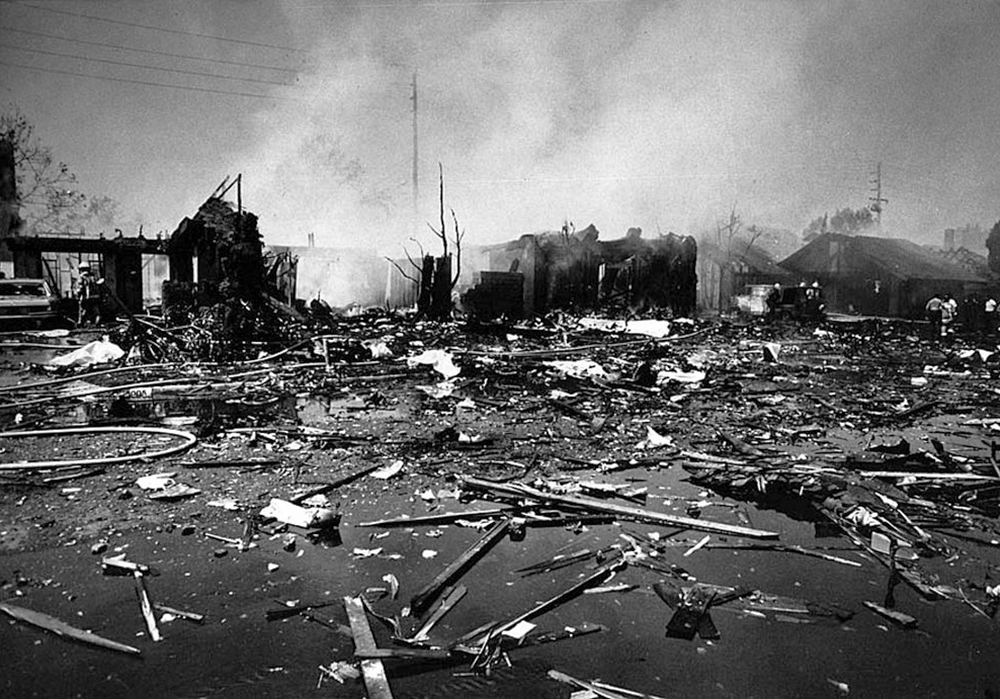
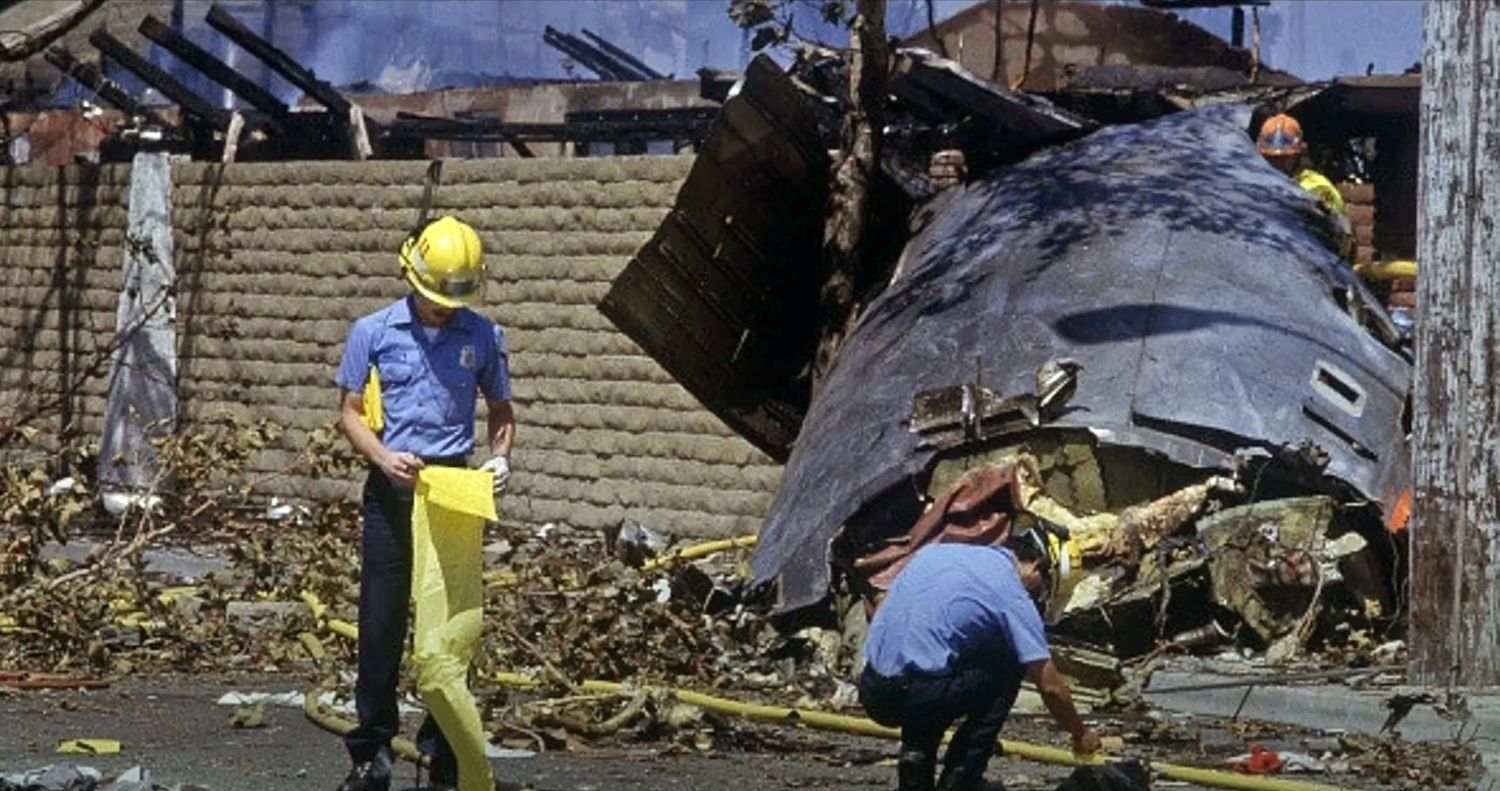
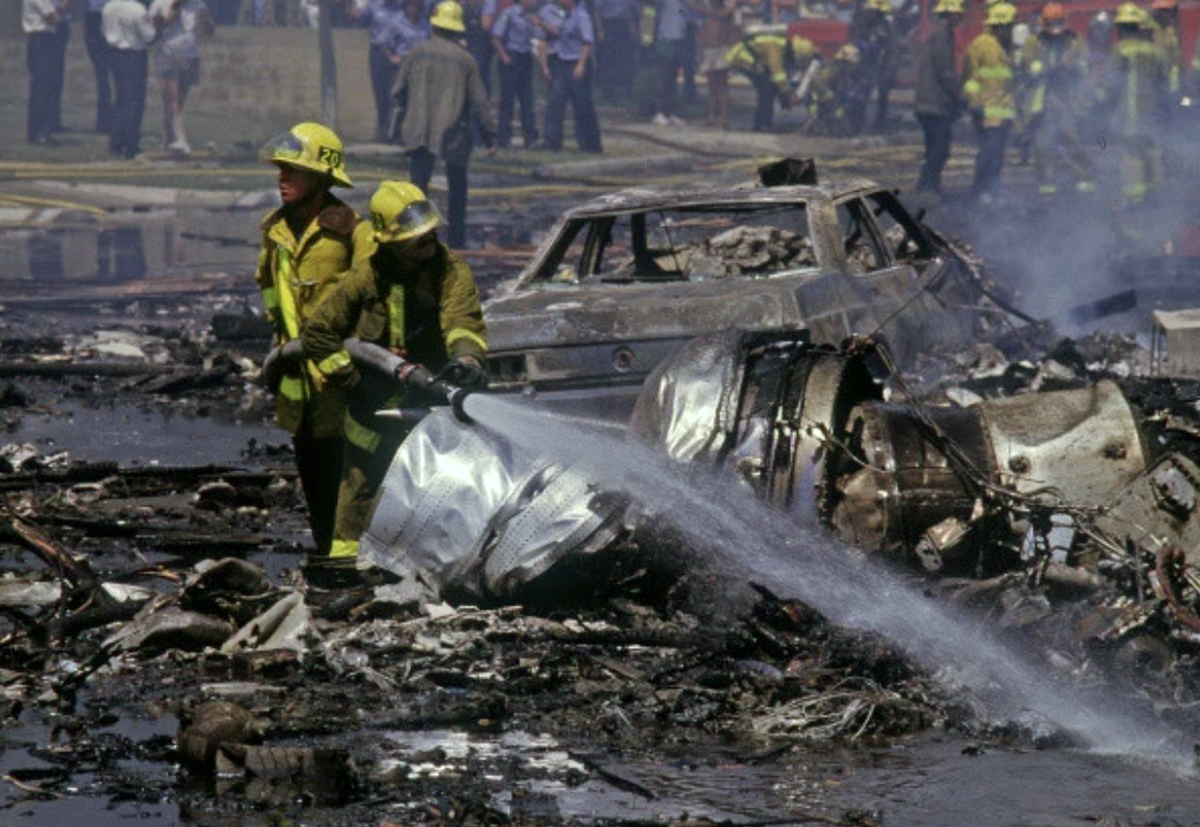
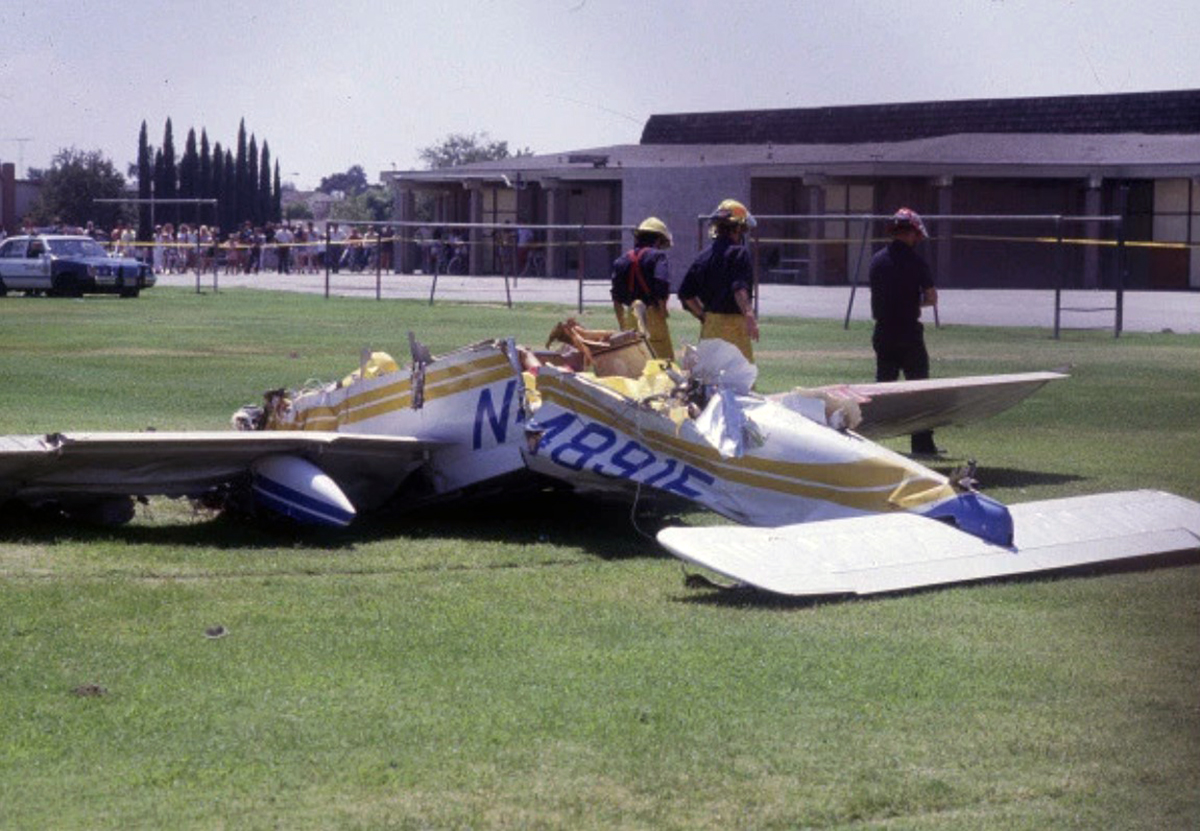
AeroMéxico flight AM498 was a scheduled passenger flight from Mexico City to Los Angeles with intermediate stops at Guadalajara, Loreto and Tijuana. The DC-9, named 'Hermosillo', departed Tijuana Airport at 11:20 and proceeded toward Los Angeles at FL100. At 11:44 Coast Approach Control cleared the flight to 7,000 feet. Just three minutes earlier Piper PA-28-181 Cherokee N4891F departed Torrance Airport, CA for a VFR flight to Big Bear, CA. On board were a pilot and two passengers. The Piper pilot turned to an easterly heading toward the Paradise VORTAC and entered the Terminal Control Area (TCA) without receiving clearance from ATC as required by FAR Part 91.90. At 11:47 the AeroMéxico pilot contacted LA Approach Control and reported level at 7,000 feet. The approach controller cleared flight 498 to depart Seal Beach on a heading of 320 degrees for the ILS runway "two five left final approach course...". At 11:51:04, the approach controller asked the flight to reduce its airspeed to 190 KIAS and cleared it to descend to 6,000 feet. At about 11:52:09, flight 498 and the Piper collided over Cerritos at an altitude of about 6,560 feet. The Piper struck the left hand side of the DC-9's horizontal and vertical stabilizer. The horizontal stabilizer sliced through the Piper's cabin following which it separated from the tailplane. Both planes tumbled down out of control. The wreckage and post impact fires destroyed five houses and damaged seven others. Fifteen persons on the ground were killed. The sky was clear, the reported visibility was 14 miles.
Probable cause:
The limitations of the ATC system to provide collision protection, through both ATC procedures and automated redundancy. Factors contributing to the accident were:
- The inadvertent and unauthorized entry of the PA-28 into the Los Angeles Terminal Control Area and
- The limitations of the 'see and avoid' concept to ensure traffic separation under the conditions of the conflict.
Final Report:

Crash of a Cessna 421C Golden Eagle III in Callahan: 1 killed

Date & Time: Aug 6, 1986 at 1115 LT
Operator:
Registration:
N98998
Flight Phase:
Survivors:
No
Schedule:
Medford - Santa Rosa
MSN:
421C-0113
YOM:
1976
Crew on board:
1
Crew fatalities:
Pax on board:
0
Pax fatalities:
Other fatalities:
Total fatalities:
1
Captain / Total flying hours:
2440
Captain / Total hours on type:
370.00
Aircraft flight hours:
2519
Circumstances:
After dropping company executives off at Medford, the pilot was to return to Santa Rosa empty. Witnesses along the 25 nm valley which ends at the accident site reported that the aircraft buzzed their locations at agl altitudes variously described as '10 feet' and 'so low you could count the rivets.' US forest services personnel near the accident site reported that the aircraft flew over their position 'just above the trees' following the slope of the mountain upward. The accident site is on a popular hiking trail the pilot's girlfriend reportedly said she would like to visit. On site examination revealed that the aircraft first contacted the upper 5 feet of the treetops in a climb attitude. No preimpact failures of the acft were identified. The pilot, sole on board, was killed.
Probable cause:
Occurrence #1: in flight collision with object
Phase of operation: climb
Findings
1. Object - tree(s)
2. (c) in-flight planning/decision - poor - pilot in command
3. (f) overconfidence in personal ability - pilot in command
4. (c) buzzing - intentional - pilot in command
5. (c) clearance - misjudged - pilot in command
----------
Occurrence #2: in flight collision with terrain/water
Phase of operation: descent - uncontrolled
Final Report:

Crash of a Learjet 24D off San Clemente Island: 2 killed

Date & Time: Mar 5, 1986
Type of aircraft:
Operator:
Registration:
N97DM
Flight Phase:
Flight Type:
Survivors:
No
MSN:
24-253
YOM:
1972
Crew on board:
2
Crew fatalities:
Pax on board:
0
Pax fatalities:
Other fatalities:
Total fatalities:
2
Circumstances:
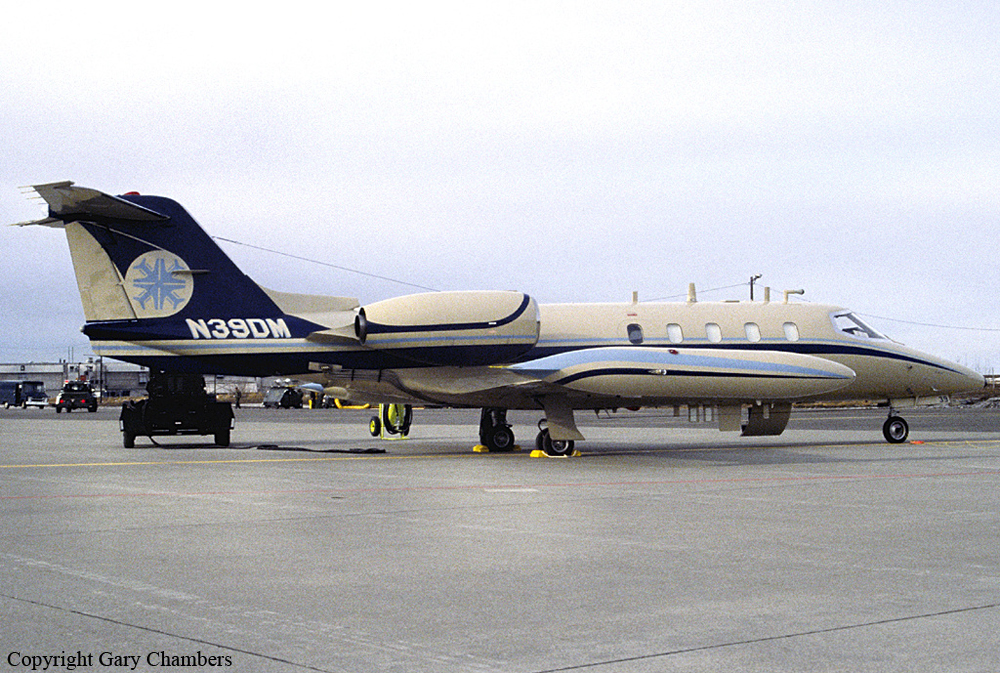
The crew was engaged in a military exercise consisting of an aerial attack of a US Navy vessel. In unknown circumstances, the aircraft collided with a second Flight International Learjet 35 registered N39DM. Both aircraft crashed in the sea about 27 miles southeast of San Clemente Island and all four crew members were killed.
Probable cause:
In-flight collision for unknown reasons.

Crash of a Learjet 35 off San Clemente Island: 2 killed

Date & Time: Mar 5, 1986
Type of aircraft:
Operator:
Registration:
N39DM
Flight Phase:
Flight Type:
Survivors:
No
MSN:
35-040
YOM:
1975
Crew on board:
2
Crew fatalities:
Pax on board:
0
Pax fatalities:
Other fatalities:
Total fatalities:
2
Circumstances:
The crew was engaged in a military exercise consisting of an aerial attack of a US Navy vessel. In unknown circumstances, the aircraft collided with a second Flight International Learjet 24D registered N97DM. Both aircraft crashed in the sea about 27 miles southeast of San Clemente Island and all four crew members were killed.
Probable cause:
In-flight collision for unknown reasons.