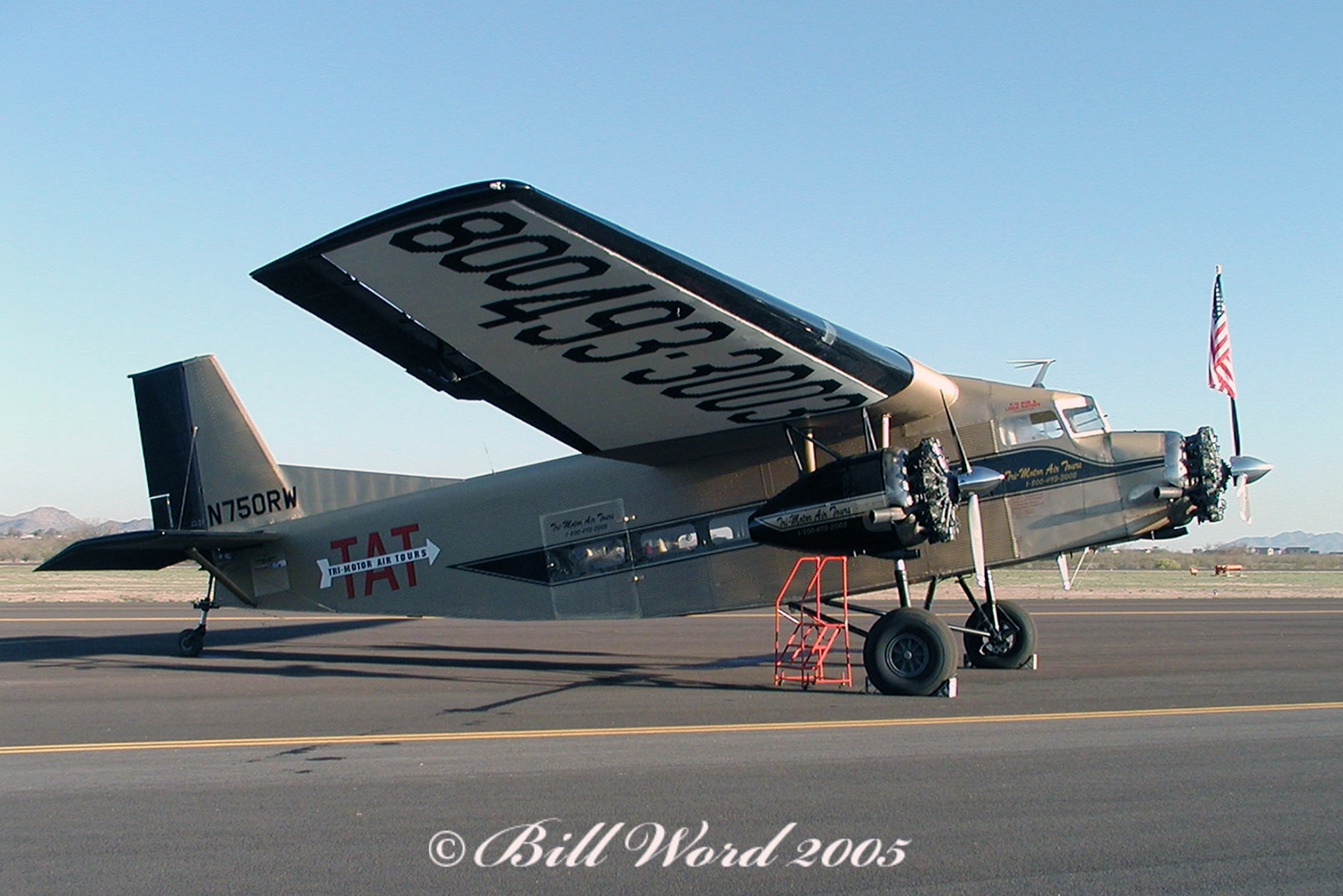
Crash of a Bushmaster 2000 in Fullerton

Date & Time: Sep 25, 2004 at 1523 LT
Type of aircraft:
Operator:
Registration:
N750RW
Flight Phase:
Flight Type:
Survivors:
Yes
Site:
Schedule:
Fullerton - Fullerton
MSN:
2
YOM:
1985
Crew on board:
2
Crew fatalities:
Pax on board:
0
Pax fatalities:
Other fatalities:
Total fatalities:
0
Captain / Total flying hours:
3700
Captain / Total hours on type:
54.00
Aircraft flight hours:
1420
Circumstances:
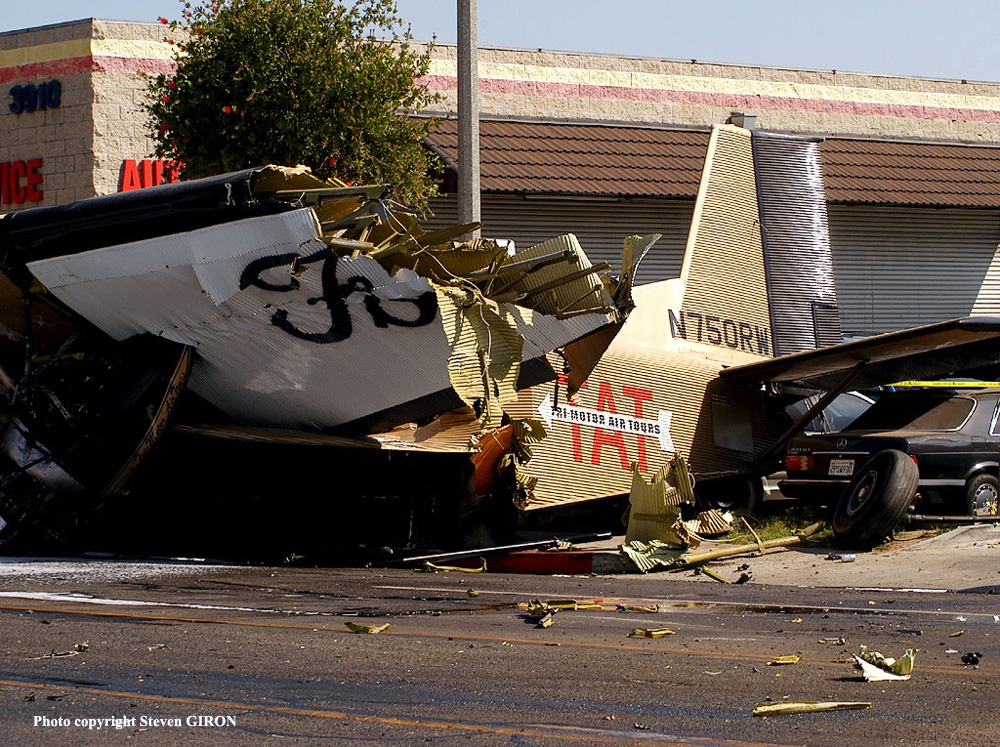
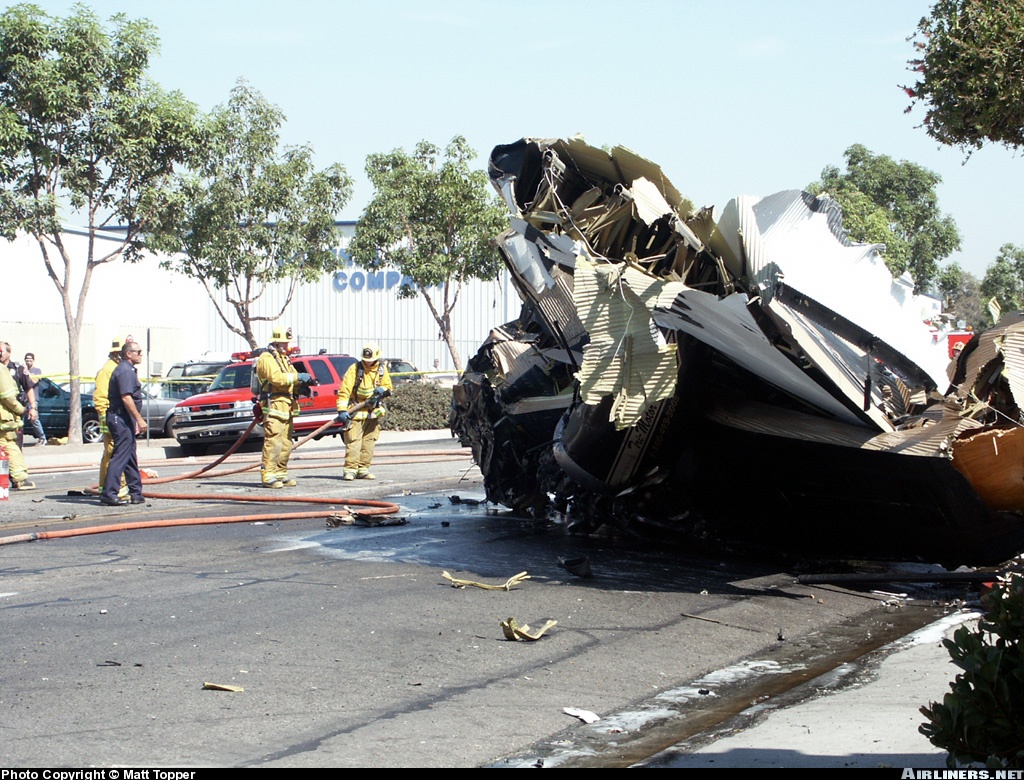
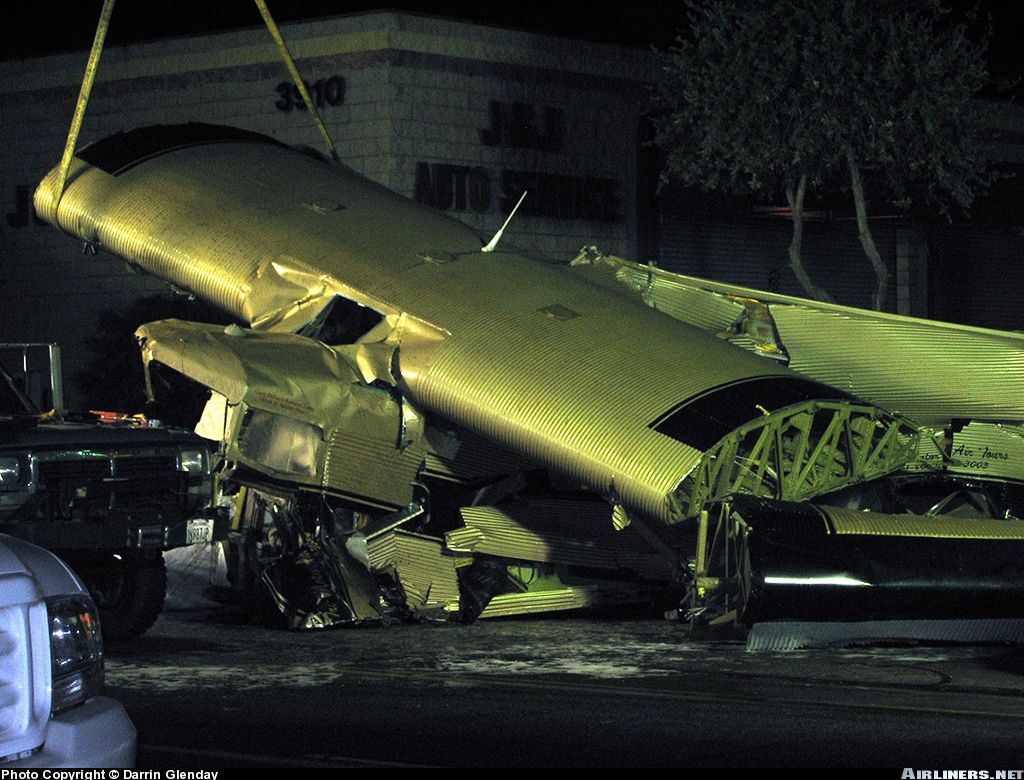
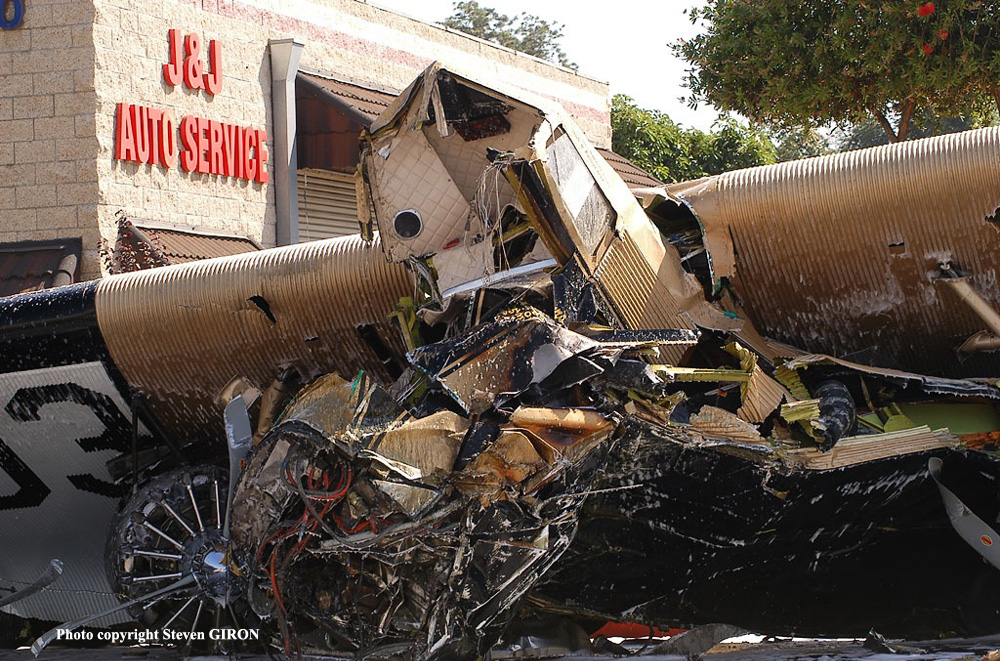
The airplane crashed onto a street adjacent to the airport shortly after takeoff. As the airplane started its takeoff roll, it began to veer to the left off of the runway. About midway down the runway the airplane lifted off the ground and flew over a crowd of people assembled at the airport for an airport appreciation day. The airplane climbed to about 50 feet, made a steep roll to the left, flying in-between the control tower and a light pole, and crossed over the boundary fence where the left wing struck a moving vehicle before coming to rest against several parked cars. Numerous photographs (including video footage) were taken by witnesses on the airport of the airplane on the takeoff ground roll and throughout the accident sequence. The photographs clearly show a nylon strap connecting the left elevator and rudder. It was surmised that the use of the nylon strap was as a flight control/gust lock for the airplane. During the investigation, a nylon strap was observed hanging from an S-hook that was attached to the vertical stabilizer/rudder hinge attach point. The loop at the other end of the strap had come apart, and when investigators looked under the left stabilizer/elevator hinge attach area they noted a similar S-hook attached to the hinge attach area.
Probable cause:
The inadequate preflight inspection by the pilot-in-command, where the pilot failed to remove the makeshift gust lock attached to the rudder and left elevator of the airplane. As a result, the airplane veered off the runway surface during the takeoff roll, became airborne, and immediately began an uncontrolled descending left roll until impacting vehicles and the ground.
Final Report:
Crash of a Mitsubishi MU-2B-40 Solitaire in Napa: 2 killed

Date & Time: Mar 11, 2004 at 2035 LT
Type of aircraft:
Registration:
N966MA
Flight Type:
Survivors:
No
Schedule:
Imperial – Napa
MSN:
405
YOM:
1979
Location:
Crew on board:
1
Crew fatalities:
Pax on board:
1
Pax fatalities:
Other fatalities:
Total fatalities:
2
Captain / Total flying hours:
4546
Captain / Total hours on type:
1651.00
Aircraft flight hours:
4119
Circumstances:
The airplane entered a descending turn while on a night visual approach and impacted a river. At 2030, the pilot reported leaving 6,000 feet, and stated that he had the airport in sight. The controller cleared him for the approach. He advised the controller that he would like to cancel his IFR clearance, and switch to the traffic advisory frequency. The controller cleared him to switch to advisory frequency. No further transmissions were recorded from the flight. According to radar data, the airplane was southeast of the airport, and maintaining a westerly heading south of the airport. At 2035, it crossed a river, and began a sharp left turn away from the airport. It completed about 90 degrees of turn before abruptly disappearing from radar contact, with the last radar target on the west side of the river near the impact location. The highly fragmented wreckage was recovered from the river after several weeks underwater. The teardown and examination of the engines disclosed that the left engine was not rotating or operating at the time of impact, and the left propeller was in feather. The type and degree of damage to the right engine was indicative of engine rotation and operation at the time of impact. Investigators found no pre-existing condition on either engine, or with the airframe systems, that would have interfered with normal operation, or explained the apparent shutdown of the left engine.
Probable cause:
The pilot's failure to maintain control of the airplane following a shutdown of the left engine during a night visual approach. A factor contributing to the accident was the dark night.
Final Report:

Crash of a Cessna 560 Citation Encore at Miramar NAS: 4 killed

Date & Time: Mar 10, 2004 at 2042 LT
Type of aircraft:
Operator:
Registration:
165938
Flight Type:
Survivors:
No
Schedule:
Grand Junction - Miramar
MSN:
560-0567
YOM:
2000
Crew on board:
2
Crew fatalities:
Pax on board:
2
Pax fatalities:
Other fatalities:
Total fatalities:
4
Circumstances:
The crew was returning to Miramar NAS following a routine training mission in Grand Junction. On final approach to Miramar NAS by night, the aircraft crashed near the interstate 15, about 2,400 metres short of runway 24R. The aircraft was destroyed and all four occupants were killed. A weather observation taken from the base at 2045LT reported five-mile visibility with light fog or haze, and a cloud ceiling at 800 feet.
Crew:
Lt Col T. Nicholson,
Lt Col Robert Zeisler.
Passengers:
Sgt Francisco Cortez,
Cpl Jeremy Lindroth.

Crash of a Learjet 24B in Helendale: 2 killed

Date & Time: Dec 23, 2003 at 0913 LT
Type of aircraft:
Operator:
Registration:
N600XJ
Flight Phase:
Survivors:
No
Site:
Schedule:
Chino – Hailey
MSN:
24-190
YOM:
1969
Crew on board:
2
Crew fatalities:
Pax on board:
0
Pax fatalities:
Other fatalities:
Total fatalities:
2
Captain / Total flying hours:
11783
Captain / Total hours on type:
7900.00
Copilot / Total flying hours:
250
Copilot / Total hours on type:
24
Aircraft flight hours:
9438
Circumstances:
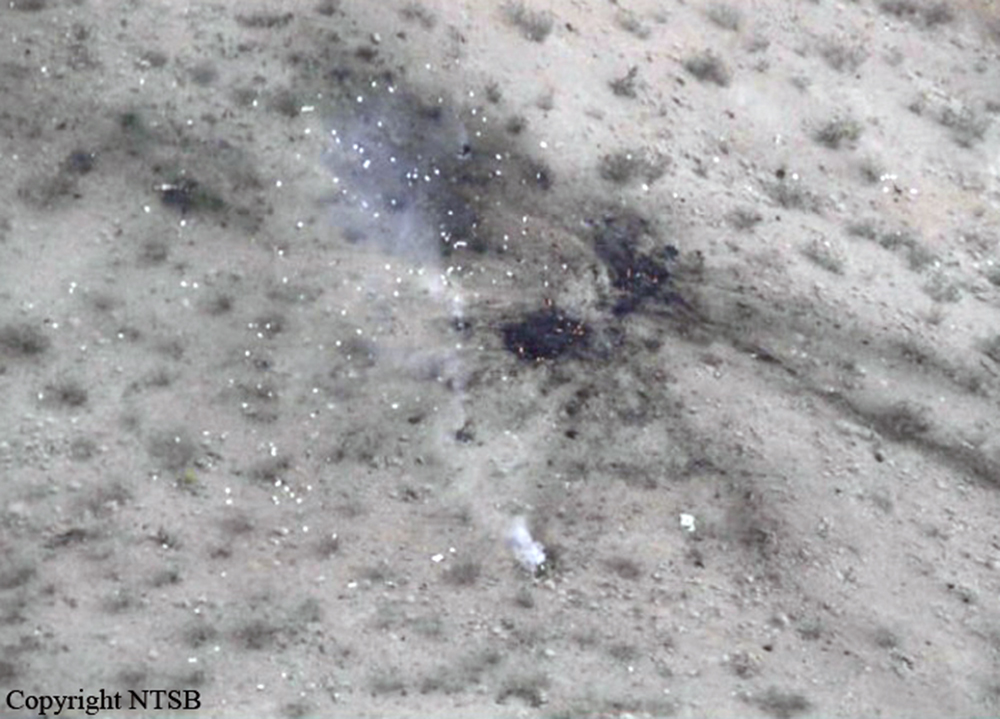
The aircraft departed controlled flight and crashed near Helendale, California. The captain and the first officer were killed, and the airplane was destroyed. The flight was operating under the provisions of 14 Code of Federal Regulations (CFR) Part 912 from San Bernardino County Airport (CNO), Chino, California, to Friedman Memorial Airport, Hailey, Idaho. Visual meteorological conditions prevailed for the flight, which operated on an instrument flight rules flight plan. A review of radar data and air traffic control (ATC) transcripts revealed that the flight departed CNO about 0858 and was cleared to climb to an altitude of 29,000 feet mean sea level (msl). About 0909:55, as the airplane was climbing through an altitude of 26,000 feet, the first officer requested a return to CNO. About 0910:01, the controller asked the first officer if he needed to declare an emergency, and the first officer replied that he did not. The controller then directed the flight crew to maintain an altitude of 24,000 feet. Mode C information for the flight showed that, from about 0910:12 to about 0910:59, the airplane descended from 26,500 to 24,000 feet at a rate of about 2,000 feet per minute (fpm). About 0911:08, the controller cleared the flight directly to HECTOR (a navigation fix) and asked the first officer to confirm that the airplane was in level flight at an altitude of 24,000 feet. The first officer did not respond. Radar data showed the airplane descending through 23,000 feet at a rate of about 6,500 fpm about that time. About 0911:24, while the airplane was descending at a rate of about 10,000 fpm, the first officer stated, “we’re declaring an emergency now.” No further transmissions were received from the airplane. No radar data were available after about 0911:35. Starting about 0911:47, mode C information was invalid. The airplane impacted high desert terrain (an elevation of 3,350 feet) about 3 miles southeast of Helendale. The accident site was located about 46 nautical miles (nm) north of CNO. A witness to the accident, who was located about 4.5 miles northwest of the accident site, stated that, after hearing the sound of a jet flying high overhead, he looked up and observed the accident airplane flying straight and level below a high, overcast cloud layer. He stated that the airplane then pitched “nose down a little” and “straightened again.” He also stated that, shortly thereafter, he observed the airplane’s nose pitch “straight down” until it impacted terrain. The witness reported that he did not notice whether the airplane was rotating about its longitudinal axis during the descent, but he did indicate that the airplane appeared to be intact without any components separating from the airplane during the descent. The witness added that he did not observe any smoke or fire before the airplane impacted terrain and that the airplane exploded into a “mushroom cloud” when it impacted terrain. San Bernardino County firefighters, who were performing controlled burns near the accident site, reported hearing an explosion about the time of the accident. The firefighters reported that they looked toward the direction of the explosion and saw a rising smoke cloud. None of the firefighters observed the airplane before the sound of the explosion. The firefighters drove to the accident site and were the first to arrive there. The firefighters extinguished small fires that had erupted as a result of the crash.
Probable cause:
A loss of airplane control for undetermined reasons.
Final Report:

Crash of a Cessna 421C Golden Eagle III in Upland: 1 killed

Date & Time: Dec 15, 2003 at 1723 LT
Registration:
N6887L
Flight Type:
Survivors:
No
Schedule:
Camarillo – Upland
MSN:
421C-1113
YOM:
1981
Crew on board:
1
Crew fatalities:
Pax on board:
0
Pax fatalities:
Other fatalities:
Total fatalities:
1
Captain / Total flying hours:
600
Captain / Total hours on type:
175.00
Aircraft flight hours:
3257
Circumstances:
The airplane impacted a residence during a missed approach. After completing the en route portion of the instrument flight, a controller cleared the pilot to proceed direct to the initial approach fix for the global positioning satellite (GPS) approach to the airport. After being cleared for the approach, the airplane continued on a course to the east and at altitudes consistent with flying the GPS published approach procedure. Radar data indicated that at the missed approach point at the minimum descent altitude of 2,000 feet msl, the airplane made a turn to the left, changing course in a northerly direction toward rapidly rising mountainous terrain. The published missed approach specified a climbing right turn to 4,000 feet, and noted that circling north of the airport was not allowed. Remaining in a slight left turn, the airplane climbed to 3,300 feet msl over the duration of 1 minute 9 seconds. The controller advised the pilot that he was flying off course toward mountainous terrain and instructed him to make an immediate left turn heading in a southbound direction. The airplane descended to 3,200 feet msl and made a left turn in a southerly direction. The airplane continued to descend to 2,100 feet msl and the pilot read back the instructions that the controller gave him. The airplane then climbed to 3,300 feet, with an indicated ground speed of 35 knots, and began a sharp left turn. It then descended to impact with a house. At no time during the approach did the pilot indicate that he was experiencing difficulty navigating or request assistance. An examination of the airplane revealed no evidence a mechanical malfunction or failures prior to impact; however, both the cockpit and instrument panel sustained severe thermal damage, precluding any detailed examinations.
Probable cause:
The pilot became lost/disoriented during the approach, failed to maintain course alignment with the missed approach procedure, and subsequently lost control of the airplane.
Final Report:

Crash of a Cessna 421B Golden Eagle II in Kelso: 5 killed

Date & Time: Oct 29, 2003 at 1222 LT
Registration:
N444AM
Flight Phase:
Flight Type:
Survivors:
No
Schedule:
Bullhead City – Van Nuys
MSN:
421B-0367
YOM:
1973
Crew on board:
1
Crew fatalities:
Pax on board:
4
Pax fatalities:
Other fatalities:
Total fatalities:
5
Captain / Total flying hours:
11371
Captain / Total hours on type:
1237.00
Aircraft flight hours:
3114
Circumstances:
The aircraft broke up in-flight during a high speed descent after encountering clouds and reduced visibilities aloft. The weather conditions included multiple cloud layers at 9,000, 12,000 and 16,000 feet, and reduced visibility aloft from smoke and haze from wilderness wild fires that were occurring over large portions of Southern California. The aircraft departed the airport toward a VORTAC to the west, approximately 30 nautical miles (nm) away. The first radar contact was at 1159, and the aircraft's Mode C transponder reported an altitude of 3,500 feet mean sea level (msl). By the time the aircraft reached the VORTAC, the altitude had increased to 4,900 feet msl. The aircraft continued to climb, passing through the VFR flight plan filed altitude of 8,500 feet msl, until it reached an altitude of 12,900 feet msl. The last 6 minutes of radar data reported the aircraft at various altitudes, starting at 11,000 feet msl and climbing to a maximum altitude of 12,700 feet msl. During the last 3 minutes of flight, radar data showed the aircraft made numerous left and right climbing and descending turns, eventually reversing course. The next to last radar return at 1221:24 indicated an altitude of 11,900 feet msl. Nineteen seconds later, the last radar return reported an altitude of 7,700 feet msl. The computed vertical speed between the last two radar returns was 13,263 feet per minute. The wreckage was distributed over a 0.2-nm distance, with the main wreckage approximately 0.5 miles northwest of the last radar return. The northern end of the debris path began with pieces of the left elevator, followed by sections of the right stabilizer and elevator, and more sections from both horizontal empennage surfaces. Pieces of the vertical stabilizer, rudder, and both ailerons were also found along the debris path. The southern 100 feet of the debris path contained the fuselage and both sets of wings, engines, and propellers. The aircraft impacted the ground inverted. The wings separated just outboard of the nacelles at the initial point of impact. Examination of the wreckage showed that all structural failures were the result of overload.
Probable cause:
The pilot's continued VFR flight into instrument conditions between cloud layers and with reduced visibility due to smoke that resulted in an in-flight loss of control from spatial disorientation, and the structural overload of the airframe during the subsequent high speed descent.
Final Report:

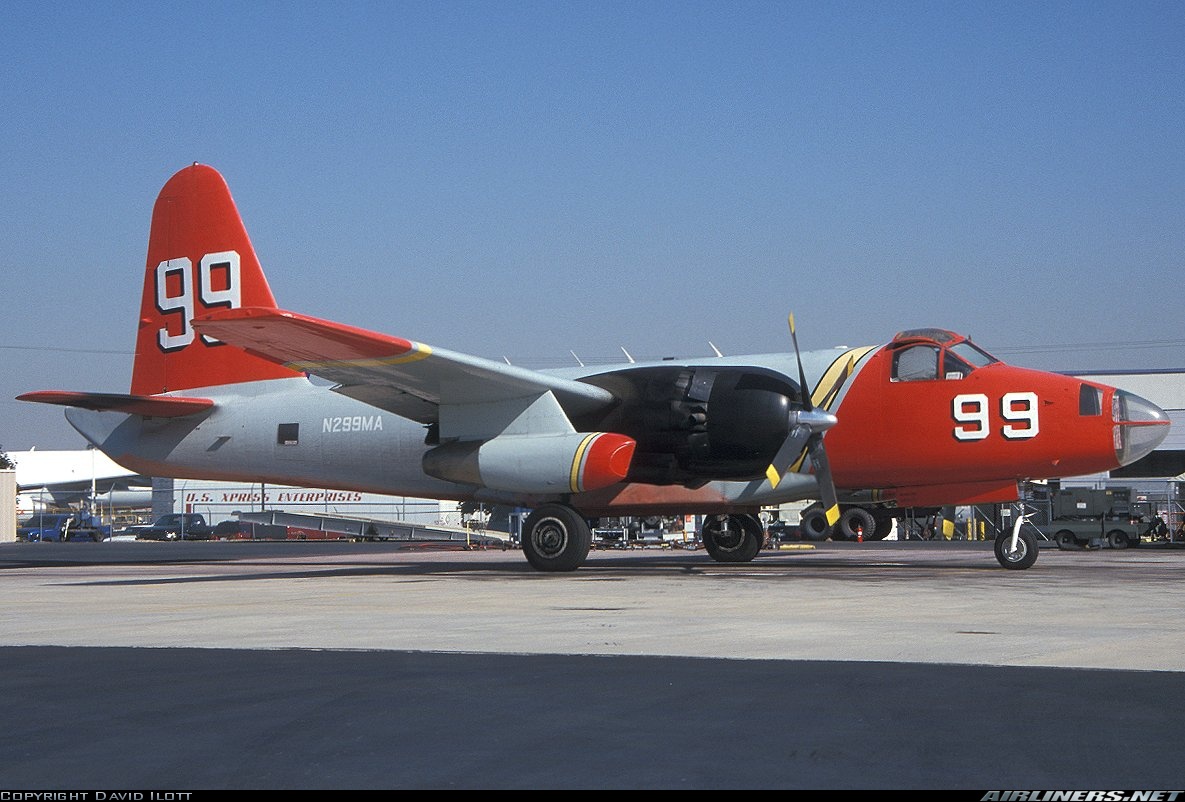
Crash of a Lockheed P2V-7 Neptune near San Bernardino: 2 killed

Date & Time: Oct 3, 2003 at 1116 LT
Type of aircraft:
Operator:
Registration:
N299MA
Flight Type:
Survivors:
No
Site:
Schedule:
Prescott – San Bernardino
MSN:
726-7211
YOM:
1958
Flight number:
Tanker 99
Crew on board:
2
Crew fatalities:
Pax on board:
0
Pax fatalities:
Other fatalities:
Total fatalities:
2
Captain / Total flying hours:
7803
Captain / Total hours on type:
1853.00
Copilot / Total flying hours:
7363
Copilot / Total hours on type:
853
Circumstances:
The fire tanker airplane was on a cross-country positioning flight and collided with mountainous terrain while maneuvering in a canyon near the destination airport. Witnesses who held pilot certificates were on a mountain top at 7,900 feet and saw a cloud layer as far to the south as they could see. They used visual cues to estimate that the cloud tops were around 5,000 feet mean sea level (msl). They noted that the clouds did not extend all the way up into the mountain canyons; the clouds broke up near the head of some canyons. When they first saw the airplane, they assumed that it came from above the clouds. It was proceeding north up a canyon near the edge of clouds, which were breaking up. They were definitely looking down at the airplane the whole time. They saw the airplane make a 180-degree turn that was steeper than a standard rate turn. The wings leveled and the airplane went through one cloud, reappeared briefly, and then entered the cloud layer. It appeared to be descending when they last saw it. About 2 minutes later, they saw the top of the cloud layer bulge and turn a darker color. The bulge began to subside and they observed several smaller bulges appear. They notified local authorities that they thought a plane was down. Searchers discovered the wreckage at that location and reported that the wreckage and surrounding vegetation were on fire. The initial responders reported that the area was cloudy and the visibility was low. Examination of the ground scars and wreckage debris path disclosed that the airplane collided with the canyon walls in controlled flight on a westerly heading of 260 degrees at an elevation of 3,400 feet msl. The operator had an Automated Flight Following (AFF) system installed on the airplane. It recorded the airplane's location every 2 minutes using a GPS. The data indicated that the airplane departed Prescott and flew direct to the Twentynine Palms VORTAC (very high frequency omnidirectional radio range, tactical air navigation). The flight changed course slightly to 260 degrees, which took it to the northeast corner of the wilderness area where the accident occurred. At 1102:57, the data indicated that the airplane was at 11,135 feet msl at 204 knots. The airplane then made three left descending 360-degree turns. The third turn began at 6,010 feet msl. At 1116:57, the last recorded data point indicated that the airplane was at an altitude of 3,809 feet heading 256 degrees at a speed of 128 knots.
Probable cause:
The pilot's inadequate in-flight planning/decision and continued flight into instrument meteorological conditions that resulted in controlled flight into mountainous terrain.
Final Report:

Crash of a Cessna 340A in Bishop: 1 killed

Date & Time: Aug 8, 2003 at 2132 LT
Type of aircraft:
Operator:
Registration:
N340DC
Flight Phase:
Flight Type:
Survivors:
No
Schedule:
Bishop - Upland
MSN:
340A-0968
YOM:
1980
Crew on board:
1
Crew fatalities:
Pax on board:
0
Pax fatalities:
Other fatalities:
Total fatalities:
1
Captain / Total flying hours:
1302
Captain / Total hours on type:
1.00
Aircraft flight hours:
1123
Circumstances:
During a nighttime takeoff initial climb, the airplane collided with terrain near the airport. Witnesses reported watching the airplane accelerate on runway 12, rotate, and climb to 200 to 300 feet above ground level. The climb rate decreased and the airplane appeared to initiate a left turn, with the roll continuing to a wings vertical attitude. At this point the airplane descended into the terrain. One witness north of the accident site described the landing lights going from horizontal to vertical followed by a decrease in engine sound just before impact. According to the airplane owner, the pilot had never flown the accident airplane before the first leg to the accident location to drop off the owner and another passenger. Examination of the pilot records failed to locate any previous flight time in Cessna 300 or 400 series airplanes. In the last 30 days he had given instruction in a smaller light twin engine airplane. Post accident examination of the wreckage revealed the landing gear to be in the down position at the time of impact. The retractable landing lights were extended and the nose gear taxi light was destroyed. Both propellers exhibited symmetrical power signatures. No preimpact mechanical malfunctions or failures were identified. The impact site was east of the airport about 0.68 nautical miles. The departure direction is towards a mountain range with sparse population and few ground reference lights. The moon's disk was 25 degrees above the southeastern horizon and was 89 percent illuminated. The FAA AC61-23C Pilot's Handbook of Aeronautical Knowledge addresses the environmental factors and potential in-flight visual illusions, which could affect pilot performance. The reference material describes Somatogravic Illusion as, "a rapid acceleration during takeoff can create the illusion of being in a nose up attitude. The disoriented pilot will push the airplane into a nose low, or dive attitude. A rapid deceleration by a quick reduction of the throttles can have the opposite effect, with the disoriented pilot pulling the airplane into a nose up, or stall attitude."
Probable cause:
The pilot's in-flight loss of control due to a Somatogravic illusion and/or spatial disorientation. Factors in the accident were the dark lighting conditions and the pilot's lack of familiarity with the airplane.
Final Report:

Crash of a Cessna 411 in Corona: 1 killed

Date & Time: May 4, 2003 at 1453 LT
Type of aircraft:
Operator:
Registration:
N1133S
Flight Phase:
Flight Type:
Survivors:
No
Schedule:
Corona – Santa Monica
MSN:
411-0202
YOM:
1966
Crew on board:
1
Crew fatalities:
Pax on board:
0
Pax fatalities:
Other fatalities:
Total fatalities:
1
Captain / Total flying hours:
3901
Captain / Total hours on type:
412.00
Aircraft flight hours:
4915
Circumstances:
The pilot lost control of his twin engine airplane and collided with terrain while returning to the departure airport after reporting an engine problem. Shortly after takeoff, about 4,000 feet msl, the pilot reported to ATC that he had an engine problem and would return to the airport. The radar plot reveals a steady descent of the airplane from 4,000 feet msl to the accident site, approximately 2 miles from the designated airport. Ground witnesses reported that they saw the airplane flying very low, about 500 feet agl, seconds prior to the accident apparently heading toward the departure airport. The witnesses reported consistent observations of the airplane "wobbling," then going into a steep knife-edge left bank before it dove into the ground. Witnesses at the airport said that the pilot sought out help in getting his radios operating prior to takeoff, telling the witness, "it's been four and a half months since I've been in an airplane, I can't even figure out how to put the radios back in." No fueling records were found for the airplane at the departure airport. The last documented fueling of the airplane was on October 31, 2002, with the addition of 56.2 gallons. Witnesses reported that the airplane did not take on any fuel immediately prior to the flight on May 4th. The flight was the first flight since the airplane received its annual inspection 2 months prior to the accident, and, it was the pilot's first flight after 4 months of inactivity. It is a common practice for maintenance personnel to pull the landing light circuit breakers during maintenance to prevent the fuel transfer pumps, which are wired through the landing light system, from operating continuously. The fuel transfer pumps move fuel from the forward part of the main fuel tank to the center baffle area where it is picked up and routed to the engine. It is conceivable that these circuit breakers were not reset by the pilot for this flight. Wreckage examination revealed a post accident fire on the right wing of the airplane and no fire on the left wing. Additionally, only a small amount of fuel was identified around the left wing tanks after the accident, and no hydraulic deformation was observed to the left main tank or the internal baffles. The landing gear bellcrank indicates that the landing gear was in the down position. The engine and propeller post impact signatures indicate that the left engine was operating at a low power setting (wind milling), while the right engine and propeller indicate a high power setting. Disassembly and inspection of the internal propeller hub components showed that the left propeller was not feathered. The left engine is the critical engine and loss of power in that engine would make directional control more difficult at slower speeds. The airplane owners manual states that "climb or continued level flight at a moderate altitude is improbable with the landing gear extended or the propeller windmilling." The single engine flight procedure delineated in the manual dictates a higher than normal altitude for a successful single engine landing approach.
Probable cause:
The failure of the pilot to properly configure the airplane for a one engine inoperative condition (including his failure to feather the propeller of the affected engine, retract the landing gear, and maintain minimum single engine speed). Factors related to the accident were fuel starvation of the left engine, due to an inadequate fuel supply in the left tanks, inoperative fuel transfer pumps, and the pilot's decision to take off without fueling.
Final Report:

Crash of a Cessna 402C in Sacramento

Date & Time: Jan 23, 2003 at 2030 LT
Type of aircraft:
Operator:
Registration:
N6814A
Survivors:
Yes
Schedule:
Ukiah – Sacramento
MSN:
402C-0645
YOM:
1982
Crew on board:
1
Crew fatalities:
Pax on board:
0
Pax fatalities:
Other fatalities:
Total fatalities:
0
Captain / Total flying hours:
3400
Captain / Total hours on type:
350.00
Aircraft flight hours:
13817
Circumstances:
The airplane collided with obstructions following a loss of power in one engine during a missed approach. Following the collision sequence the airplane came to rest upright about 500 feet from the approach end of the runway and was destroyed in a post-impact ground fire. The pilot told a responding sheriff's deputy and a Federal Aviation Administration (FAA) inspector that he made the ILS approach to land and initiated a missed approach. When he added power, the left engine sputtered and the airplane veered to the left. He activated the fuel boost pump, but the airplane contacted obstructions and crashed. The responding sheriff's deputy also observed the accident. He heard an engine of an airplane making unusual sounds. The engine "seemed to get quiet and then revved higher as if to climb." He looked in the direction of the sound and saw a series of blue flashes and then an orange fireball. The deputy reported that there was a dense fog in the area at the time. At the time of the accident, the airport's weather conditions were reported as 100 feet overcast and 1/4-mile visibility in fog. The landing minimums for the ILS approach are 200 feet and 1/2-mile. According to the operator's records, when the airplane departed from Ukiah, its gross takeoff weight was about 5,909 pounds. The pilot operating handbook (POH) for the airplane lists the following items in the single engine go around checklist: 1) Throttle full forward; 2) wing flaps up; 3) when positive climb rate achieved, gear up; 4) ensure the inoperative engine is feathered. For a gross weight of 5,900 pounds, and the existing atmospheric conditions, the single engine climb performance chart shows an expected positive rate of climb of 500 feet per minute if the airplane was configured correctly. The chart also lists the following subtractions from that performance for the listed condition: 1) -400 fpm for wind milling inoperative engine; 2) -350 feet for landing gear down; 3) -200 fpm for flaps extended to 15 degrees. Examination of the wreckage disclosed that neither engine's propeller was feathered, the landing gear was down and the flaps were extended to 10 degrees. Without the airplane configured correctly for the single engine missed approach, the net climb performance would be a negative 400 feet per minute. There were no discrepancies noted with the airframe examination. The engine examination revealed no mechanical anomalies with either engine that would have precluded normal operation. 14 CFR 135.224 states that a pilot cannot initiate an approach if the weather conditions are below landing minimums if the approach is started outside of the final approach fix. The pilot can continue the landing if they are already established on the approach and the airport goes below landing minimums. According to the operator's FAA approved operating specifications, the operator had not been approved for lower than standard landing minimums.
Probable cause:
Loss of engine power in the left engine for undetermined reasons. Also causal was the pilot's failure to correctly configure the airplane for a single engine missed approach, which resulted in a negative climb performance. A factor was the pilot's decision to initiate the approach when the weather conditions were below the published approach minimums.
Final Report: