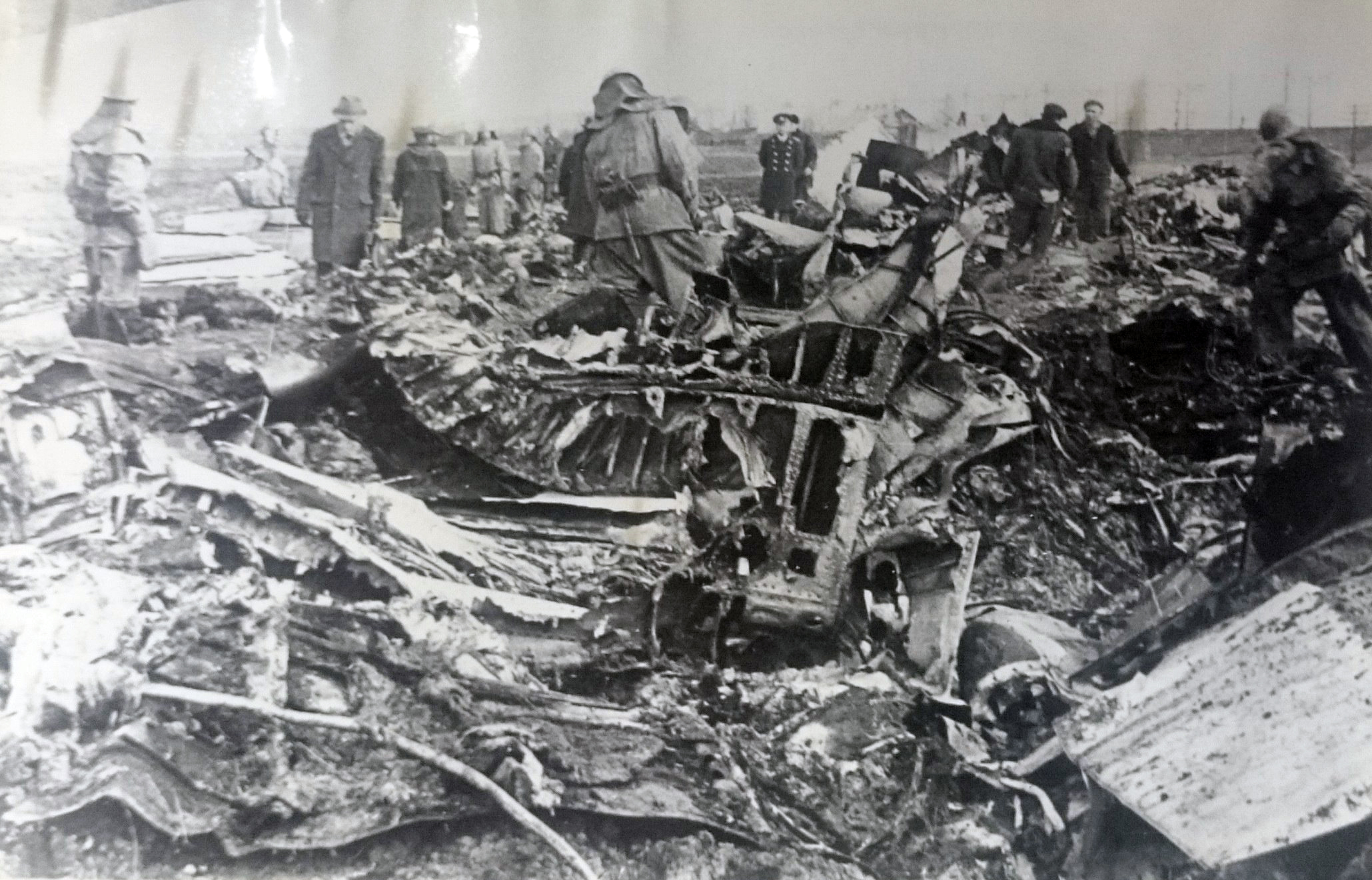
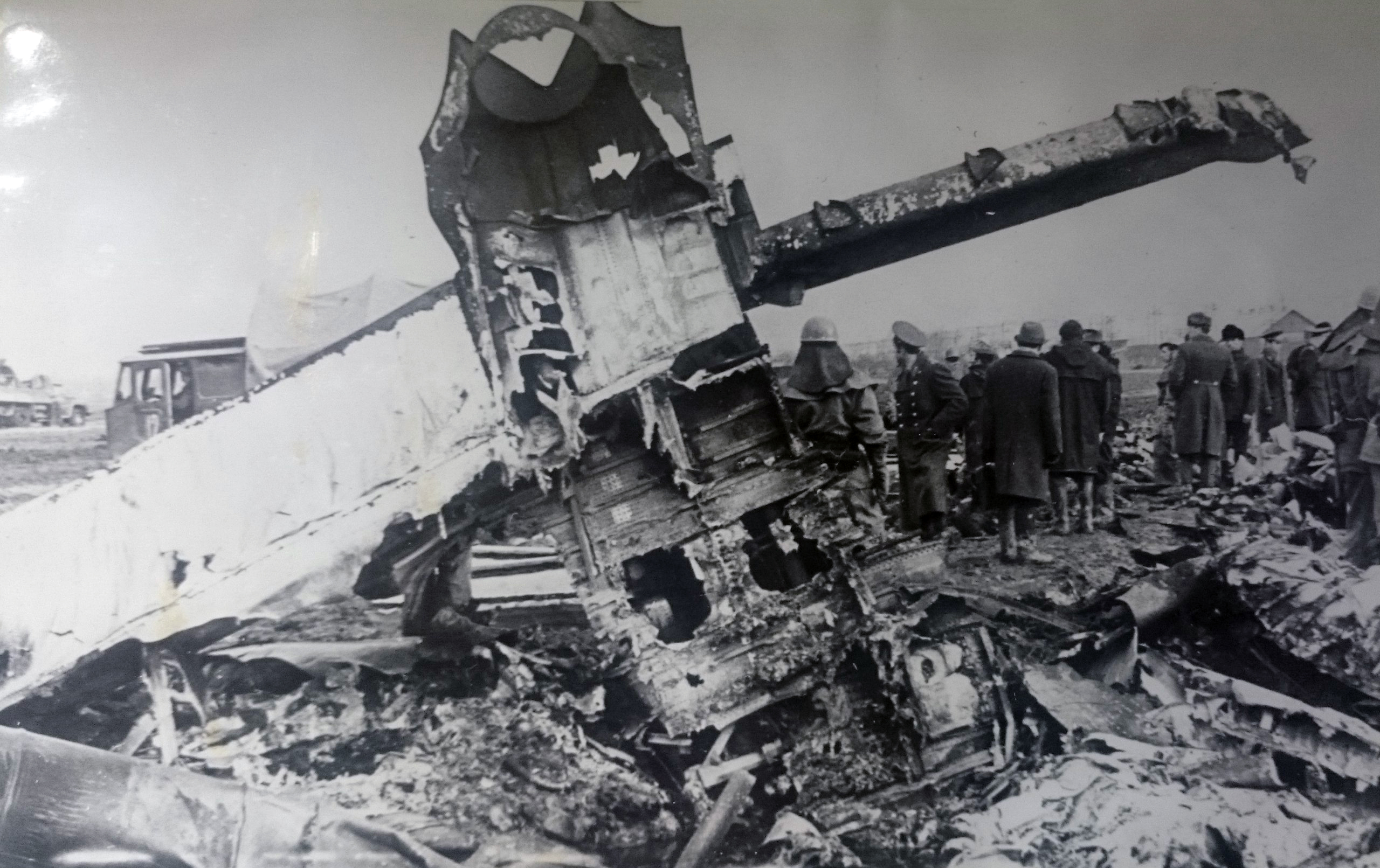
Crash of a Douglas C-47A-75-DL near Mueda

Date & Time: May 6, 1974 at 1358 LT
Operator:

Registration:
6175
Flight Phase:
Flight Type:
Survivors:
Yes
Schedule:
Nangade - Nampula
MSN:
19393
YOM:
1944
Country:
Region:
Crew on board:
5
Crew fatalities:
Pax on board:
7
Pax fatalities:
Other fatalities:
Total fatalities:
0
Circumstances:
En route from Nangade to Nampula, the airplane was hit by a SAM-7 missile (Strella) that struck the right engine. The crew decided to divert to Mueda but was eventually forced to attempt an emergency landing on the short training runway of Nacatári-Chapa. After landing, the airplane was unable to stop within the remaining distance (too short runway), overran and came to rest. There were no casualties but the aircraft was written off.
Probable cause:
Shot down by ground fire.


Crash of a Cessna 411 in Braco

Date & Time: May 5, 1974 at 0530 LT
Type of aircraft:
Registration:
N4925T
Flight Phase:
Flight Type:
Survivors:
Yes
Schedule:
Cockburn Town - Montego Bay
MSN:
411-0125
YOM:
1965
Location:
Country:
Crew on board:
1
Crew fatalities:
Pax on board:
1
Pax fatalities:
Other fatalities:
Total fatalities:
0
Circumstances:
At about 0530LT, the aircraft was fired upon by soldiers of the Jamaica Defence Force (JDF) as it was attempting to take off from the Braco Airfield near Discovery Bay. The plane crashed and burned at the edge of the runway. The occupants escaped the fire but the pilot was seriously injured as the passenger was slightly wounded. According to the JDF, the pilot was attempting to take off shortly after he had landed and after the JDF had ordered him to halt. The aircraft was fired upon only after it had refused to obey the order and after it had run the JDF men off the runway. The JDF found several thousands US$ in cash on the two Americans and a load Smith & Wesson revolver. He was later reported that the aircraft had an engine trouble en route from Turks & Caicos Islands to Montego Bay. Jamaican Authorities reported to the US DEA that they saw the aircraft arrive in Braco Airfield and after landing, the pilot climbed on a wing and signaled with a flashlight. When challenged, he reentered the aircraft and attempted to run down the guard. At this point the JDF guards opened fire.
Probable cause:
Shot down by JDF soldiers while taking off.

Crash of a Cessna 207 Skywagon in Miami

Date & Time: May 3, 1974 at 1708 LT
Registration:
N1504U
Flight Phase:
Survivors:
Yes
Schedule:
Miami - Freeport
MSN:
207-0104
YOM:
1969
Crew on board:
1
Crew fatalities:
Pax on board:
6
Pax fatalities:
Other fatalities:
Total fatalities:
0
Captain / Total flying hours:
217
Captain / Total hours on type:
1.00
Circumstances:
Just after liftoff from Opa Locka Airport, while in initial climb, the engine lost power. The pilot elected to make an emergency landing but failed to recover from bounced landing. The airplane crashed and came to rest in flames. All seven occupants escaped uninjured while the aircraft was destroyed.
Probable cause:
Engine problems after takeoff following hydraulic pitch control mechanism. The following factors were reported:
- Attempted operations with known deficiencies in equipment,
- RPM uncontrollable overspeed,
- Improper level off,
- Improper recovery from bounced landing,
- Overload failure,
- Suspected mechanical discrepancy,
- Prop would not respond to control,
- The pilot was aware of problem before takeoff,
- Fire started in the right brake.
Final Report:

Crash of a Yakovlev Yak-40 in Rostov-on-Don: 1 killed

Date & Time: May 2, 1974 at 1410 LT
Type of aircraft:
Operator:
Registration:
CCCP-87398
Flight Phase:
Survivors:
Yes
Schedule:
Lipetsk – Rostov-on-Don – Mineralnye Vody
MSN:
9 41 10 33
YOM:
1974
Flight number:
SU1255
Country:
Region:
Crew on board:
4
Crew fatalities:
Pax on board:
34
Pax fatalities:
Other fatalities:
Total fatalities:
1
Aircraft flight hours:
124
Aircraft flight cycles:
111
Circumstances:
After a roll of 1,040 meters on the wet runway 03, the captain decided to abandon the takeoff procedure but the remaining distance was 40 meters only. Unable to stop on a so short distance, the airplane overran and collided with an embankment 185 meters further, hit a hammock, broke up and came to rest in a ravine. The flight mechanic was killed while 18 other occupants were injured. 19 others were unhurt. The aircraft was destroyed.
Probable cause:
The crew decided to takeoff from an inadequate runway for such type of aircraft (too short runway). Poor flight preparation as the V1 & V2 speed were not verified and properly calculated prior to takeoff. Other factors were considered as contributing such as aircraft weight, wet runway and weather conditions.

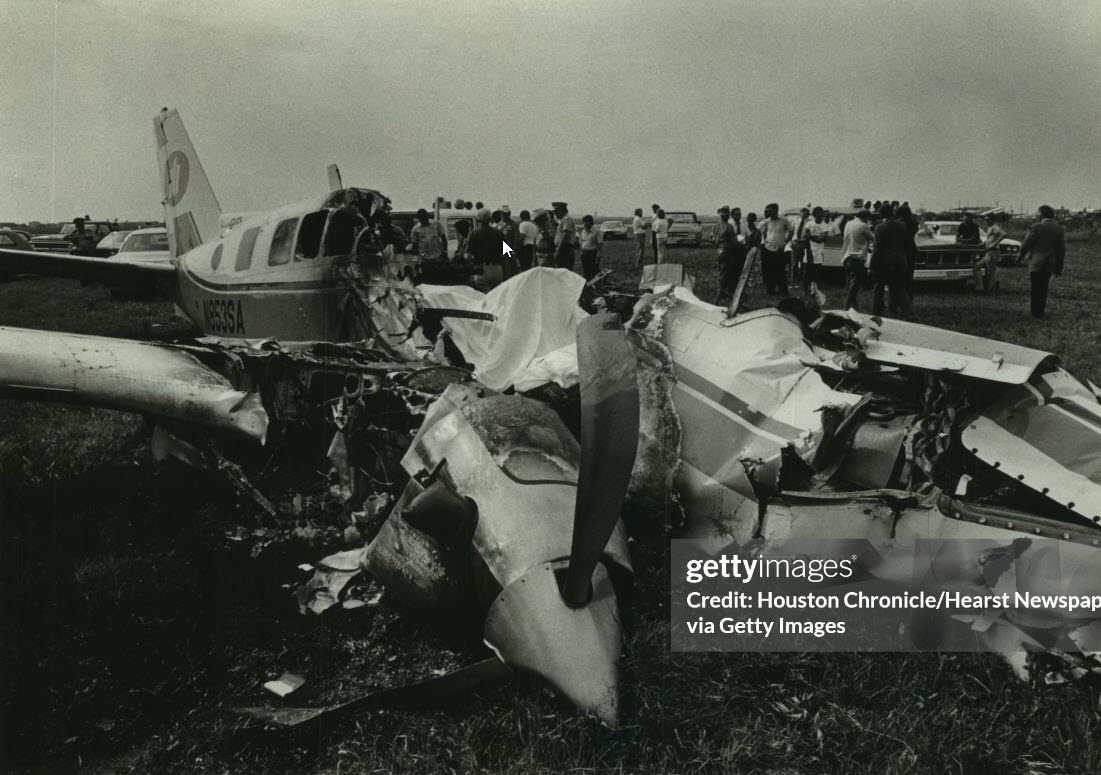
Crash of a Beechcraft 99 Airlines in Galveston: 6 killed

Date & Time: Apr 30, 1974 at 1347 LT
Type of aircraft:
Operator:
Registration:
N853SA
Flight Phase:
Survivors:
Yes
Schedule:
Galveston - Houston
MSN:
U-41
YOM:
1968
Location:
Crew on board:
2
Crew fatalities:
Pax on board:
10
Pax fatalities:
Other fatalities:
Total fatalities:
6
Captain / Total flying hours:
6346
Captain / Total hours on type:
129.00
Circumstances:
Shortly after takeoff from Galveston-Scholes Field Airport, while in initial climb at an altitude of 400 feet, the airplane became unstable, lost height then crashed in a field past the south runway end. A pilot and five passengers were killed while six other occupants were seriously injured. The aircraft was destroyed by impact forces and a post crash fire.
Probable cause:
Uncontrolled descent after takeoff following an inadequate preflight preparation on part of the crew. The following factors were reported:
- Lack of familiarity with aircraft,
- Misused or failed to use flaps,
- Gust locks engaged,
- 10 minutes behind schedule,
- Passengers not briefed concerning emergency evacuation procedures,
- Trim stab on standby position,
- No foam available from the fire truck,
- The captain had only three hours flight during last 90 days.
Final Report:

Crash of a Fokker F27 Friendship 200 in Bassein

Date & Time: Apr 30, 1974
Type of aircraft:
Operator:
Registration:
XY-ADM
Survivors:
Yes
MSN:
10237
YOM:
1963
Country:
Region:
Crew on board:
4
Crew fatalities:
Pax on board:
36
Pax fatalities:
Other fatalities:
Total fatalities:
0
Aircraft flight hours:
19441
Aircraft flight cycles:
20658
Circumstances:
After touchdown at Bassein Airport, the airplane was unable to stop within the remaining distance, overran and lost its nose gear before coming to rest. All 40 occupants escaped uninjured while the aircraft was damaged beyond repair.
Probable cause:
Wrong approach configuration on part of the flying crew who landed too far down the runway, reducing the landing distance available.

Crash of a De Havilland DHC-6 Twin Otter 300 in Sala Phou Khoun

Date & Time: Apr 28, 1974 at 1039 LT
Operator:
Registration:
N389EX
Survivors:
Yes
Schedule:
Long Tieng - Sala Phou Khoun
MSN:
251
YOM:
1969
Country:
Region:
Crew on board:
2
Crew fatalities:
Pax on board:
8
Pax fatalities:
Other fatalities:
Total fatalities:
0
Captain / Total flying hours:
14200
Captain / Total hours on type:
290.00
Circumstances:
After touchdown, the airplane was unable to stop within the remaining distance, overran and came to rest. All 10 occupants escaped uninjured while the aircraft was damaged beyond repair.
Probable cause:
Conditions of landing on a too short airstrip.
Final Report:

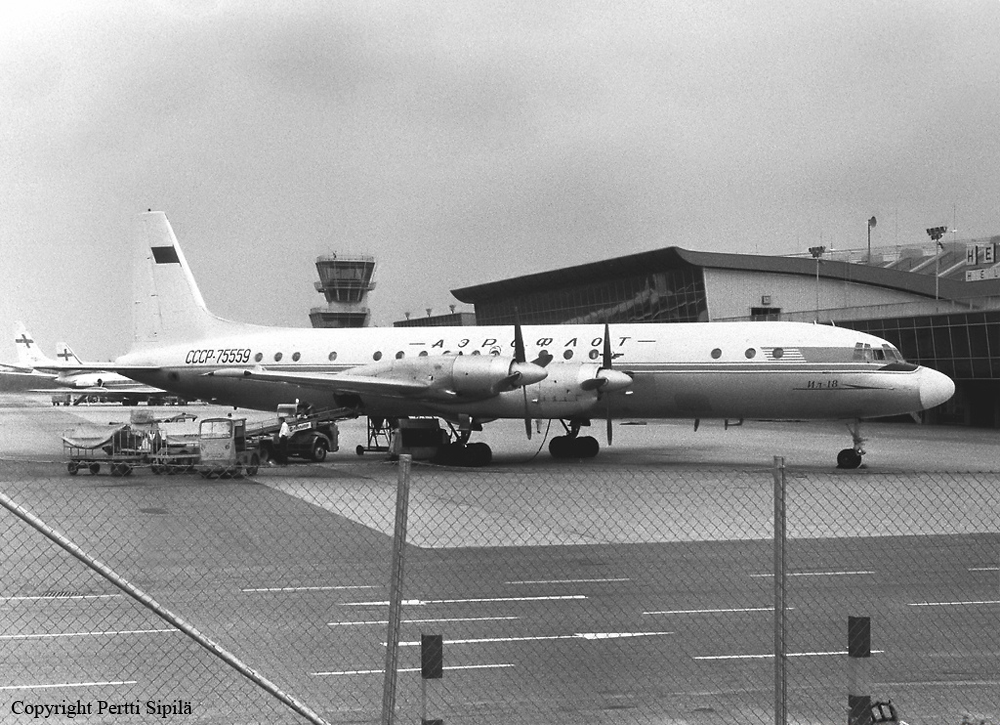
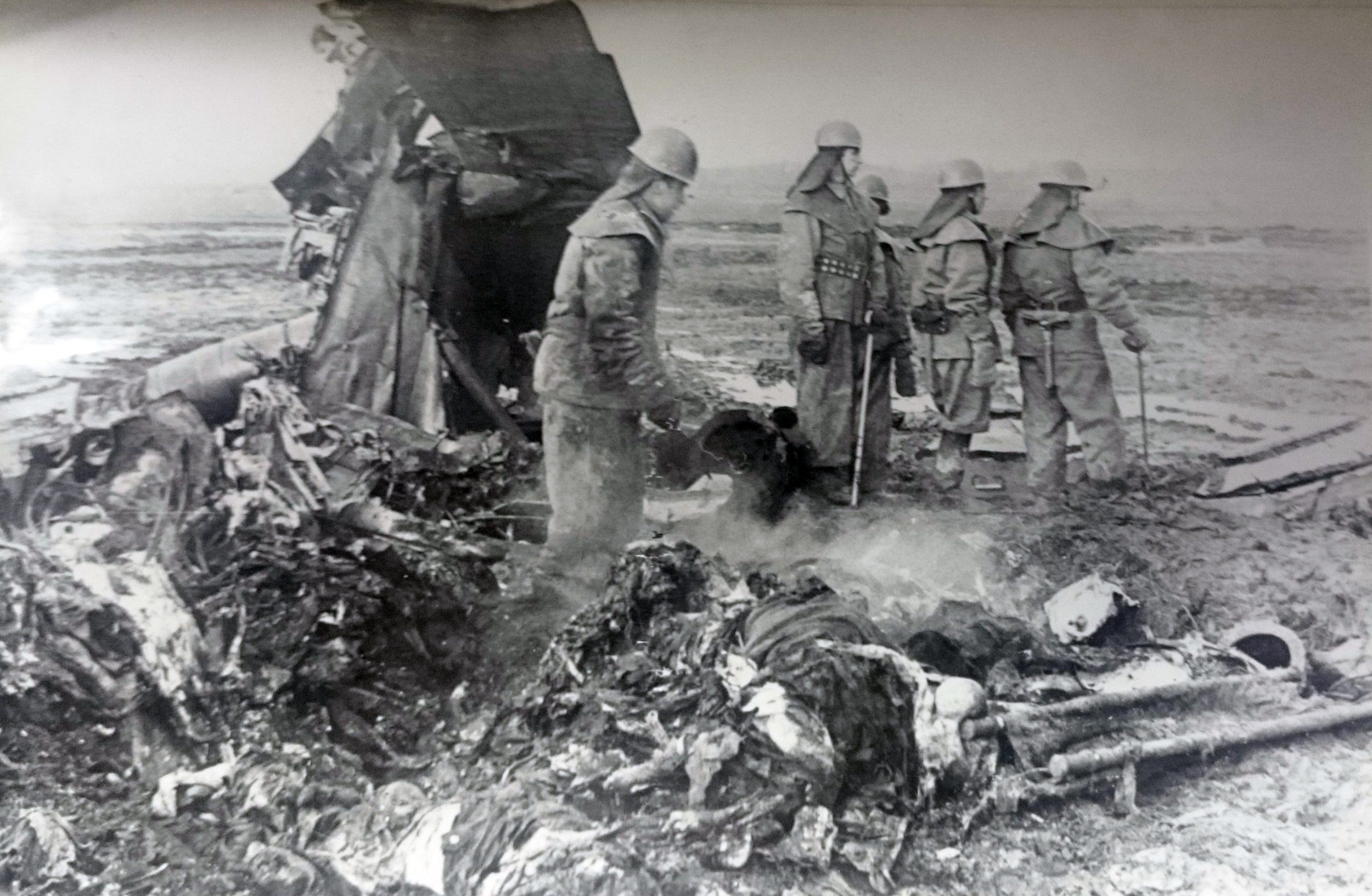
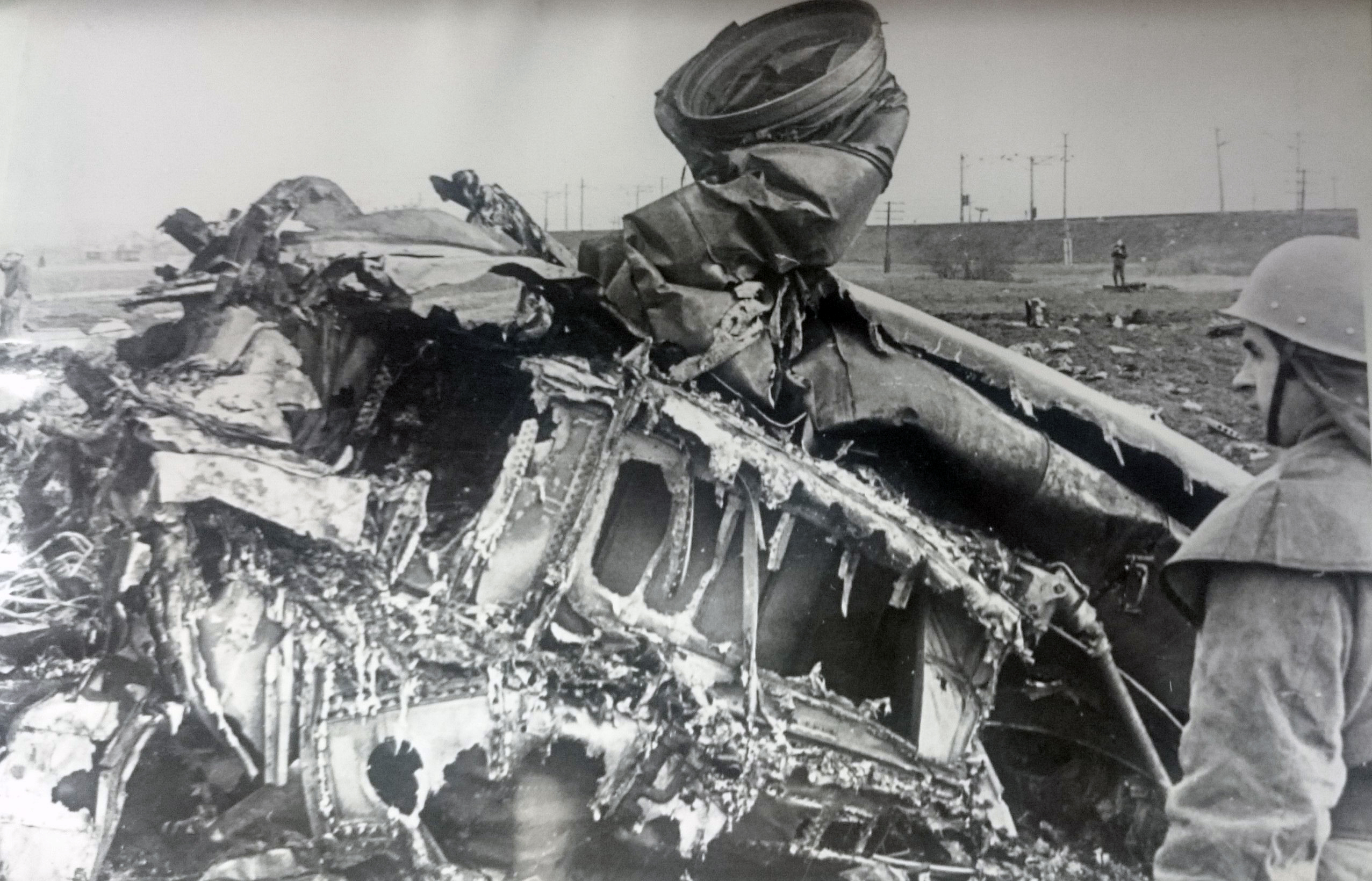
Crash of an Ilyushin II-18V in Leningrad: 109 killed

Date & Time: Apr 27, 1974 at 1807 LT
Type of aircraft:
Operator:
Registration:
CCCP-75559
Survivors:
No
Schedule:
Leningrad - Zaporozhie - Krasnodar
MSN:
186 0077 03
YOM:
1966
Country:
Region:
Crew on board:
7
Crew fatalities:
Pax on board:
102
Pax fatalities:
Other fatalities:
Total fatalities:
109
Aircraft flight hours:
18358
Aircraft flight cycles:
7501
Circumstances:
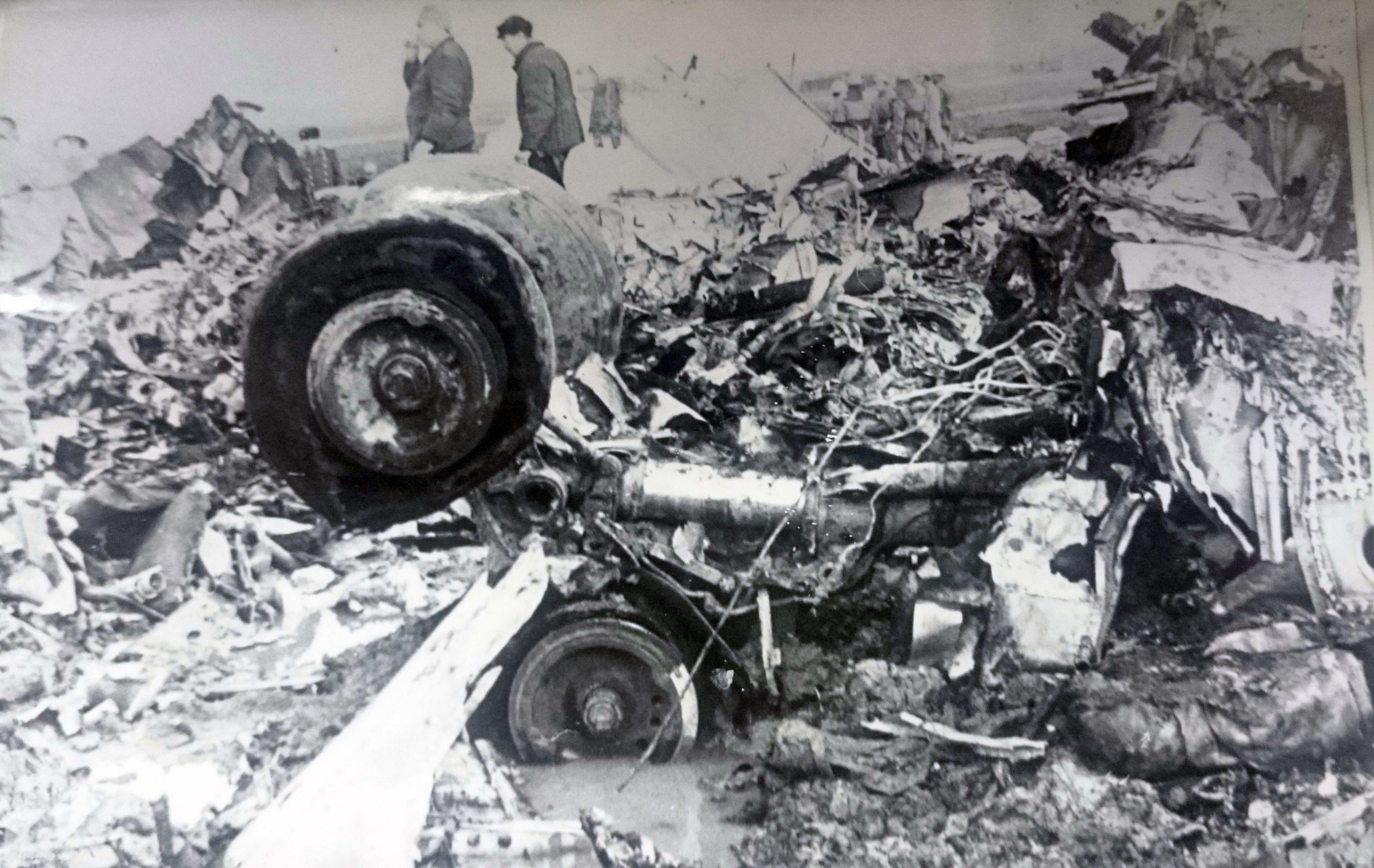
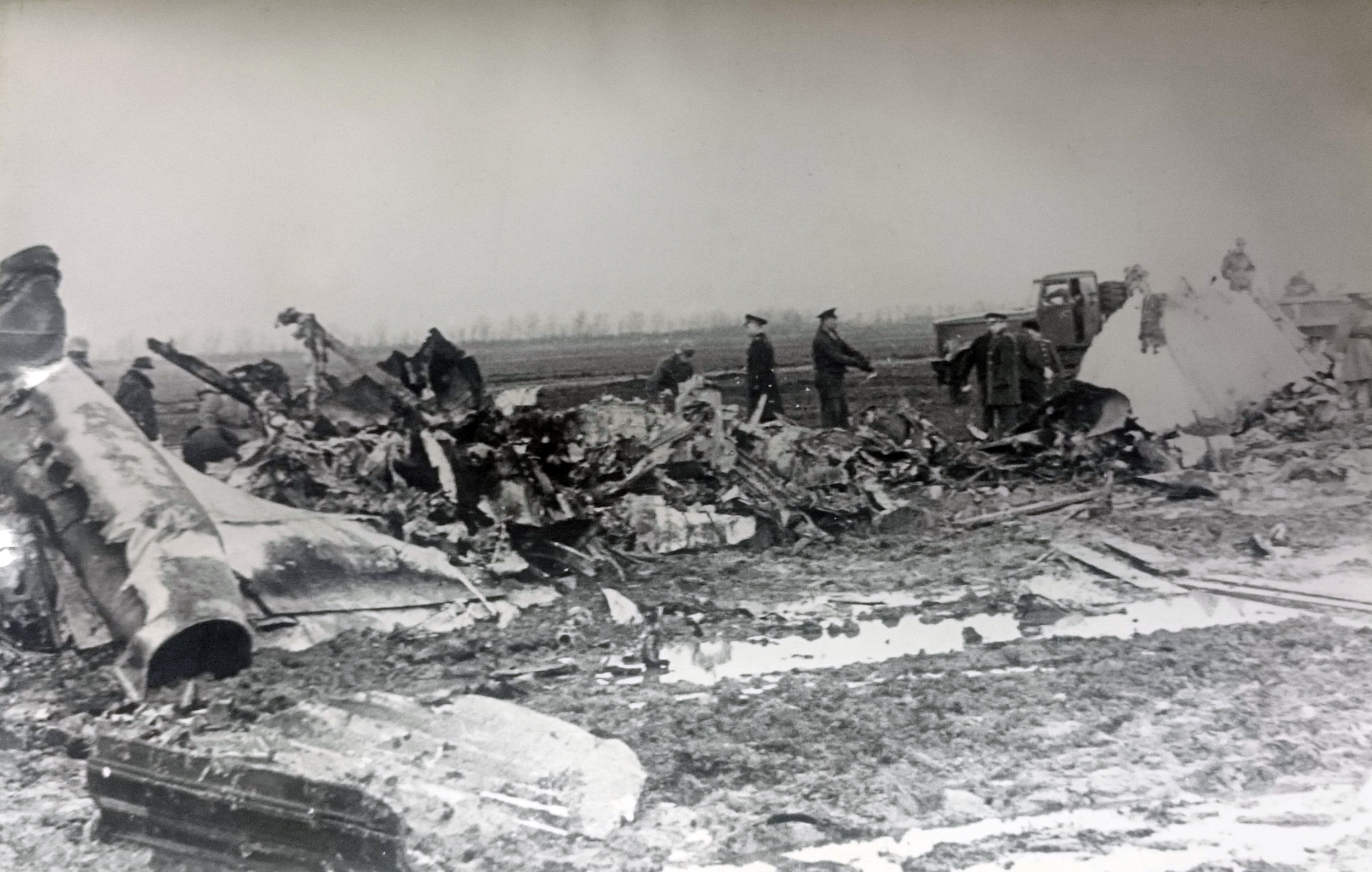
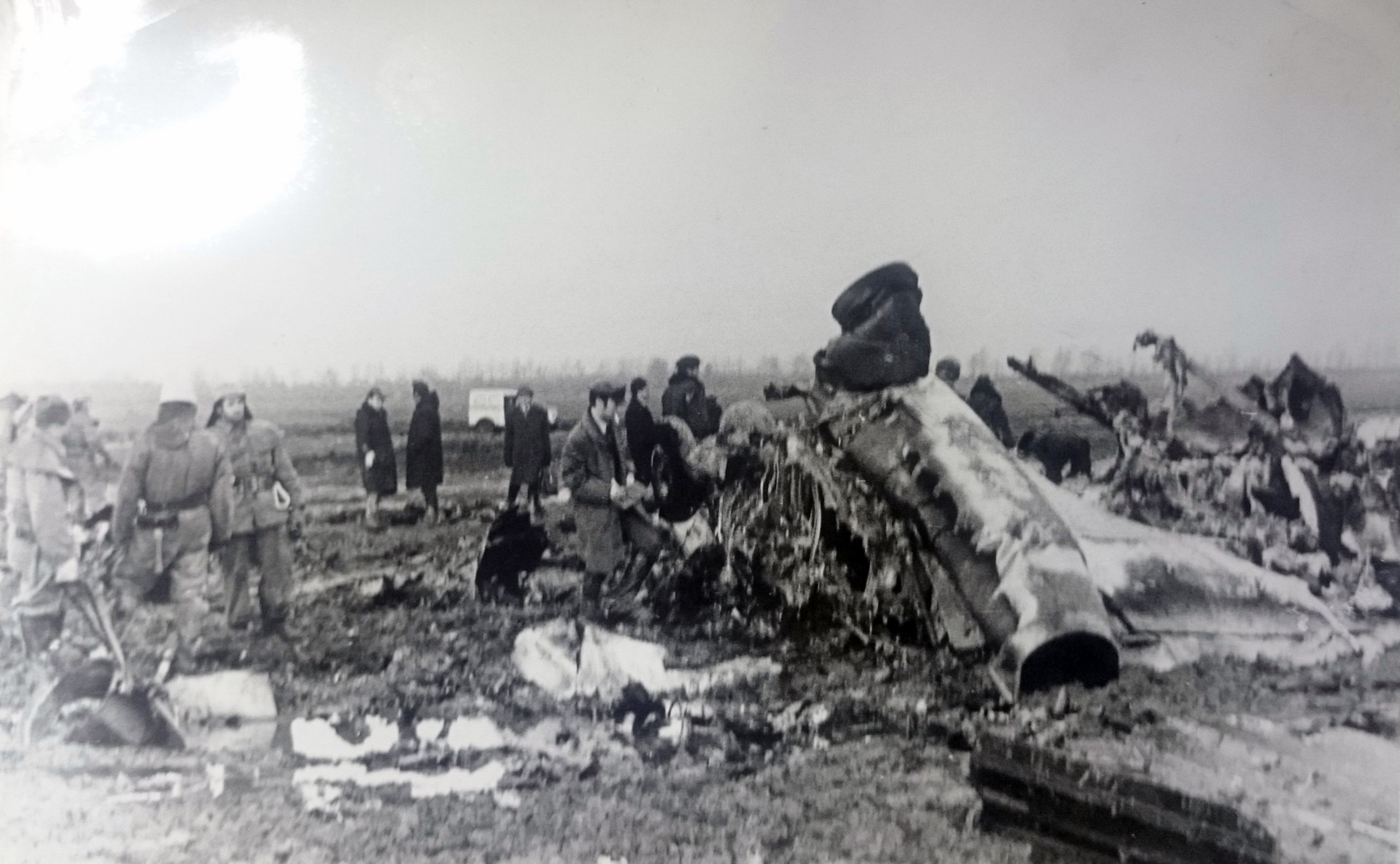
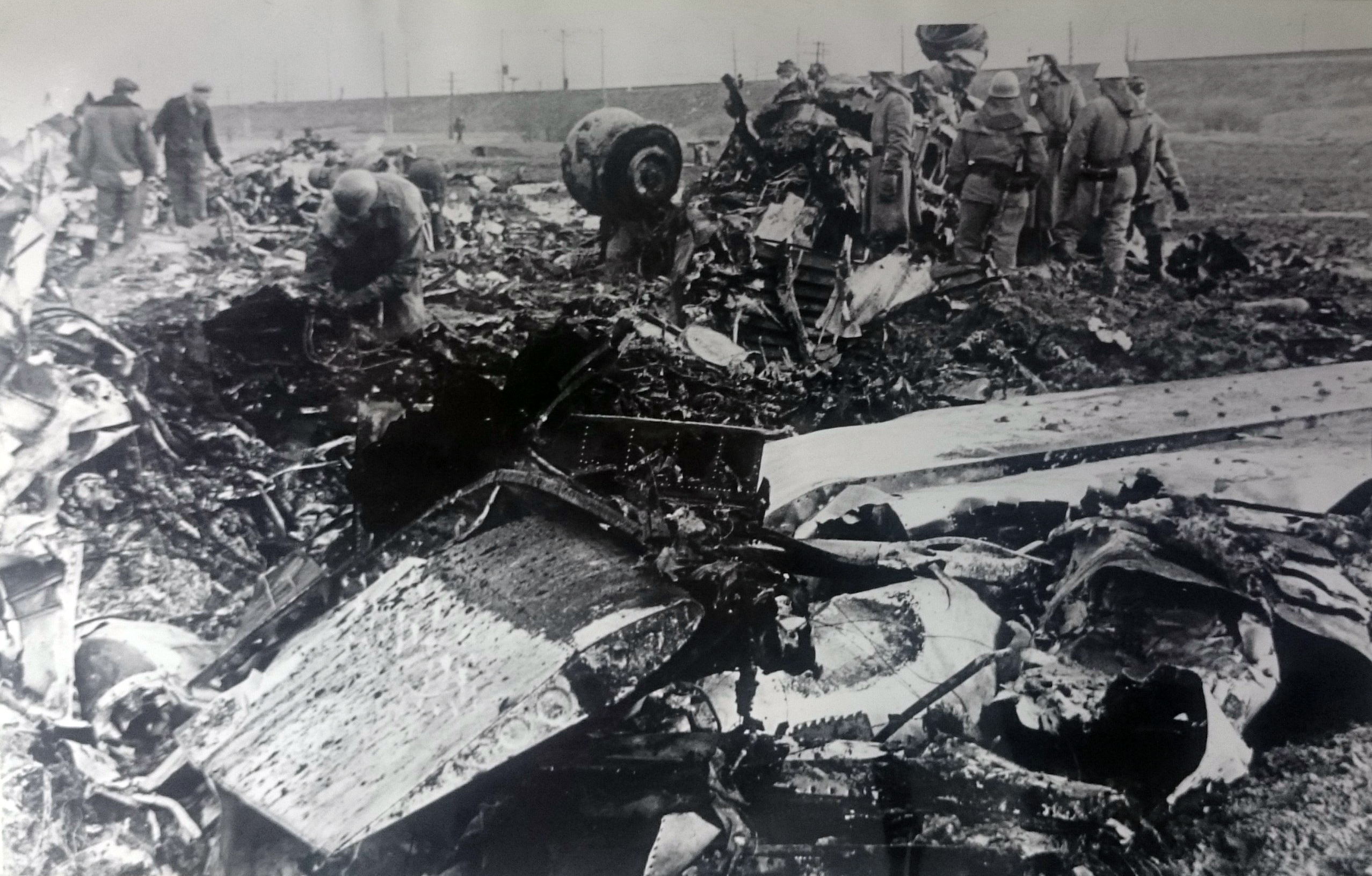
Less than three minutes after takeoff from Leningrad-Pulkovo Airport, while in initial climb, the crew informed ATC about the failure of the engine n°4, declared an emergency and was cleared to return. About three minutes later, the engine n°4 caught fire and exploded. On final, the airplane went out of control, nosed down by an angle of 60° and crashed in a huge explosion in an open field located 2,480 meters short of runway. The aircraft disintegrated on impact and most of the debris were found 242 meters to the right of the extended centerline. None of the 109 occupants survived the crash.
Probable cause:
It was determined that the third stage of the high pressure turbine disintegrated two minutes and 53 seconds after takeoff. The engine then exploded three minutes later and some debris impacted the right aileron that was jammed in a down position while the left aileron was in a up position. This asymmetric situation contributed to the loss of control on short final.

Crash of a Lockheed C-130E Hercules in Agana: 6 killed

Date & Time: Apr 20, 1974 at 2100 LT
Type of aircraft:
Operator:
Registration:
62-1841
Flight Type:
Survivors:
No
Schedule:
Andersen - Agana
MSN:
3804
YOM:
1963
Country:
Region:
Crew on board:
6
Crew fatalities:
Pax on board:
0
Pax fatalities:
Other fatalities:
Total fatalities:
6
Circumstances:
The crew departed Andersen AFB on a night training flight. While approaching Agana-Antonio Borja Won Pat Airport, the instructor shut down both engines n°3 & 4 and continued the approach when the airplane lost height and landed hard on runway. On impact, all tires on the right main gear burst. Out of control, the airplane veered off runway to the right, went through the apron, collided with a parked fighter then came to rest in flames against an embankment. The aircraft was destroyed and all six crew members were killed.

Crash of a Beechcraft E18S in Cheyenne

Date & Time: Apr 12, 1974 at 2346 LT
Type of aircraft:
Registration:
N40K
Flight Type:
Survivors:
Yes
Schedule:
Riverton - Cheyenne - Denver
MSN:
BA-160
YOM:
1956
Crew on board:
1
Crew fatalities:
Pax on board:
0
Pax fatalities:
Other fatalities:
Total fatalities:
0
Captain / Total flying hours:
3300
Captain / Total hours on type:
900.00
Circumstances:
The pilot, sole on board, was completing a cargo flight from Riverton to Denver with an intermediate stop in Cheyenne. After touchdown on a wet/slushy runway, the pilot realized it was difficult to decelerate properly and decided to make a go-around. This decision was taken too late so the airplane departed far down the runway. After liftoff, the twin engine airplane struck an electric pole and several trees before crashing in a small lake. The pilot was injured and the aircraft was destroyed.
Probable cause:
Ice/slush on runway and hydroplaning on wet runway. The following contributing factors were reported:
- Delayed in initiating go-around,
- Unfavorable wind conditions,
- Selected wrong runway relative to existing wind,
- High obstructions,
- No effective braking on roll out,
- Hit poles and trees on go-around,
- Aircraft man-no crosswind limits chart.
Final Report: