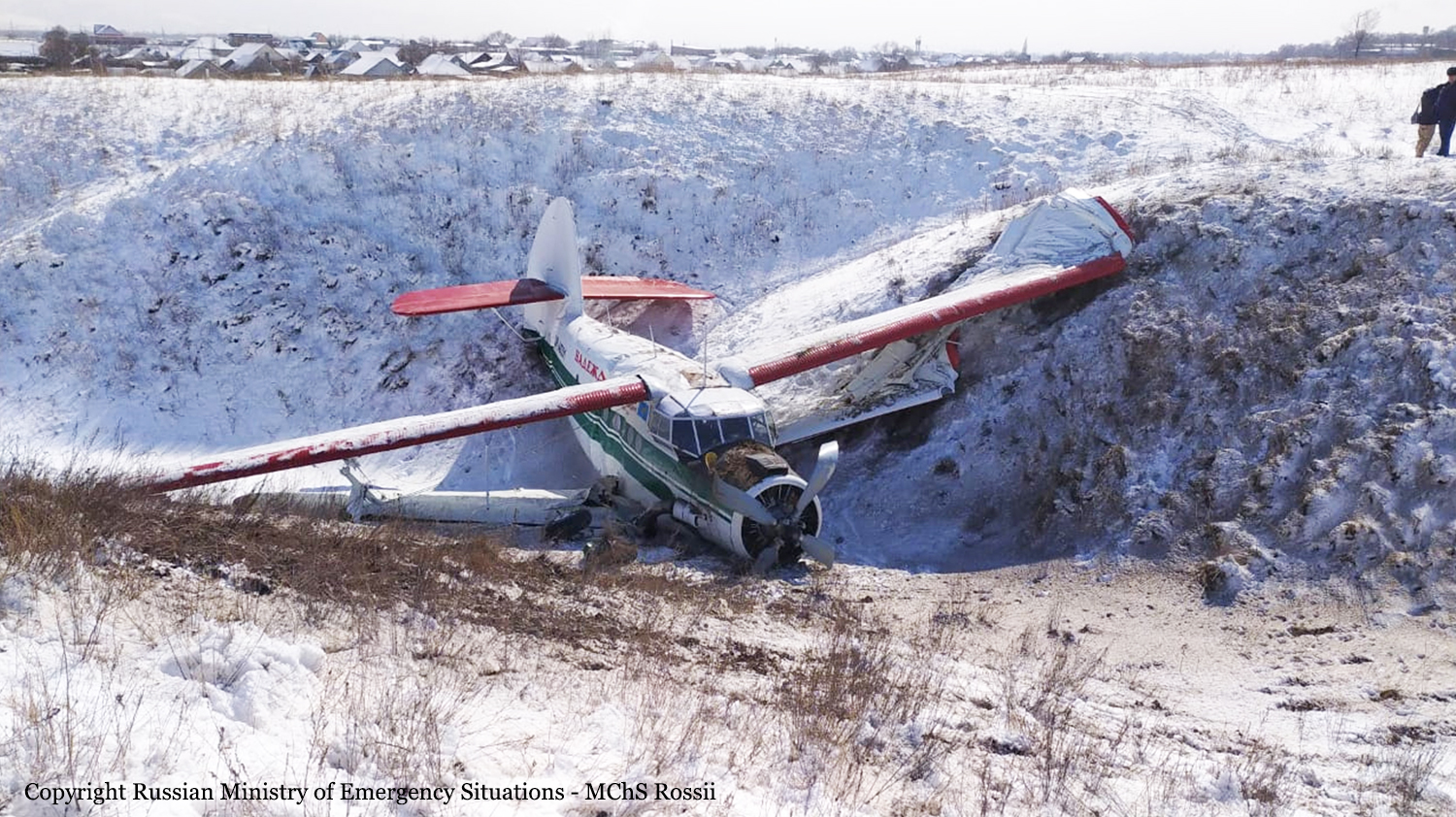
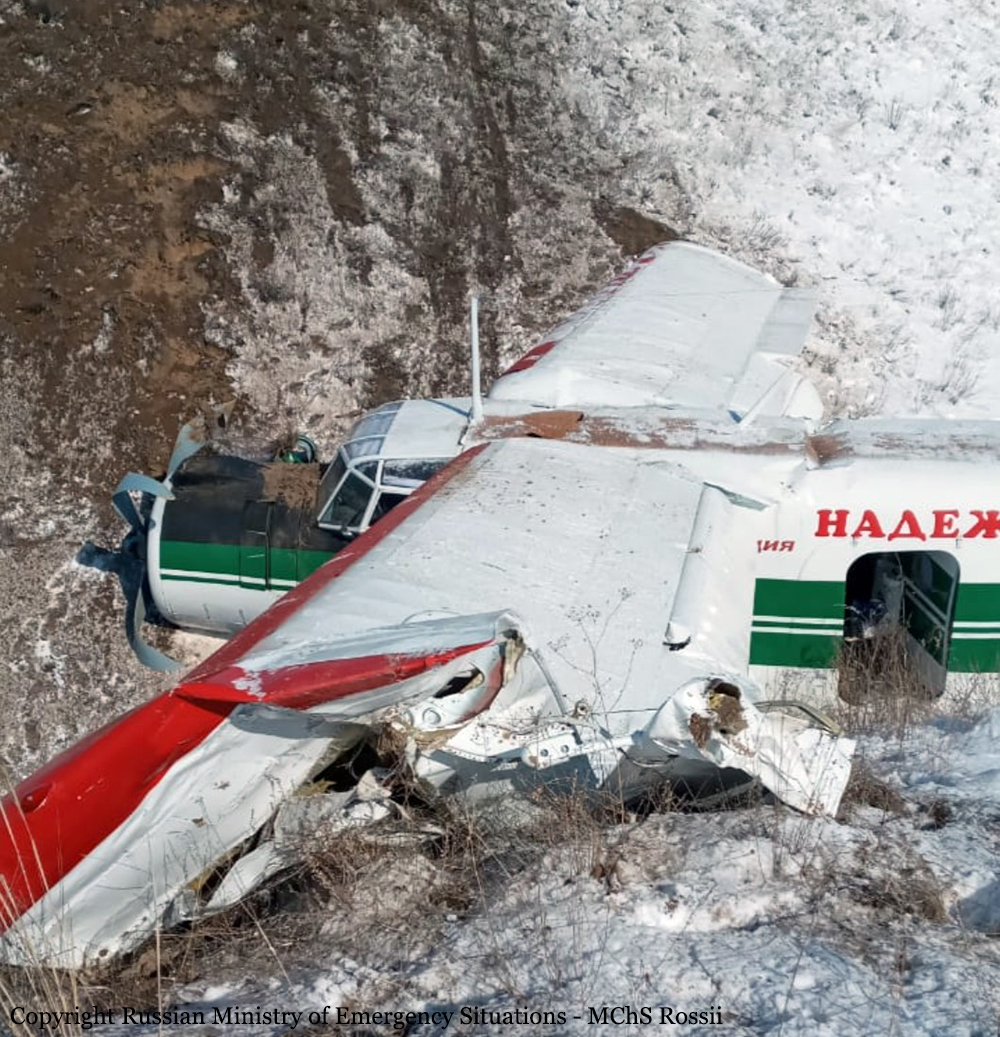
Crash of a PZL-Mielec AN-2T in Boralday

Date & Time: Feb 26, 2021 at 1226 LT
Type of aircraft:
Operator:
Registration:
UP-A0351
Flight Phase:
Flight Type:
Survivors:
Yes
Schedule:
Boralday - Kegen
MSN:
1G194-19
YOM:
1981
Country:
Region:
Crew on board:
2
Crew fatalities:
Pax on board:
3
Pax fatalities:
Other fatalities:
Total fatalities:
0
Circumstances:
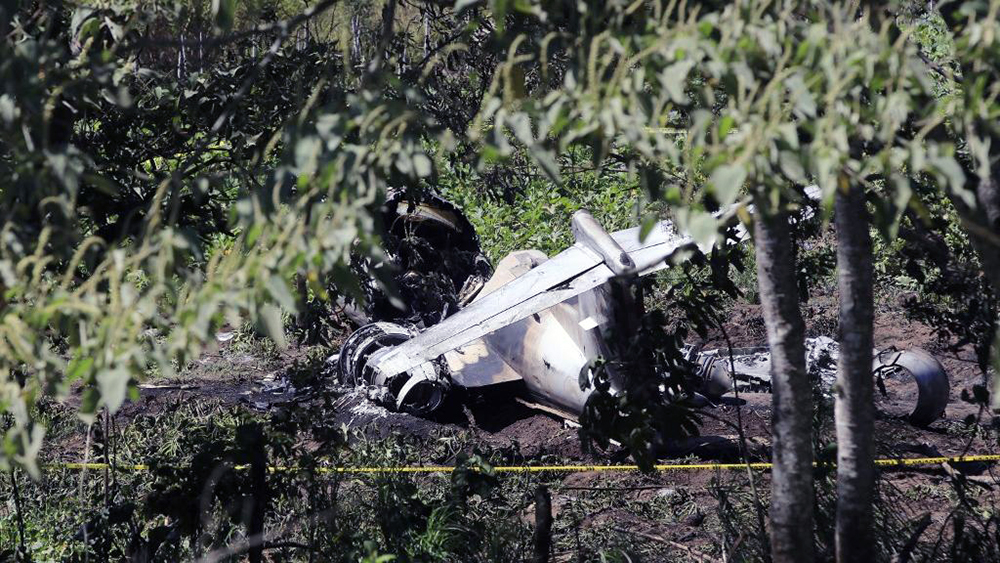
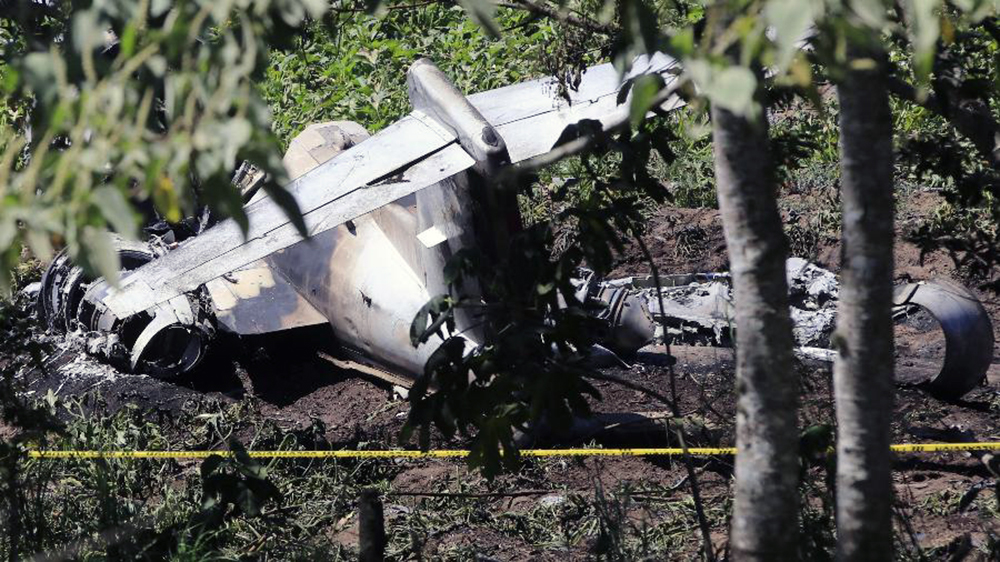
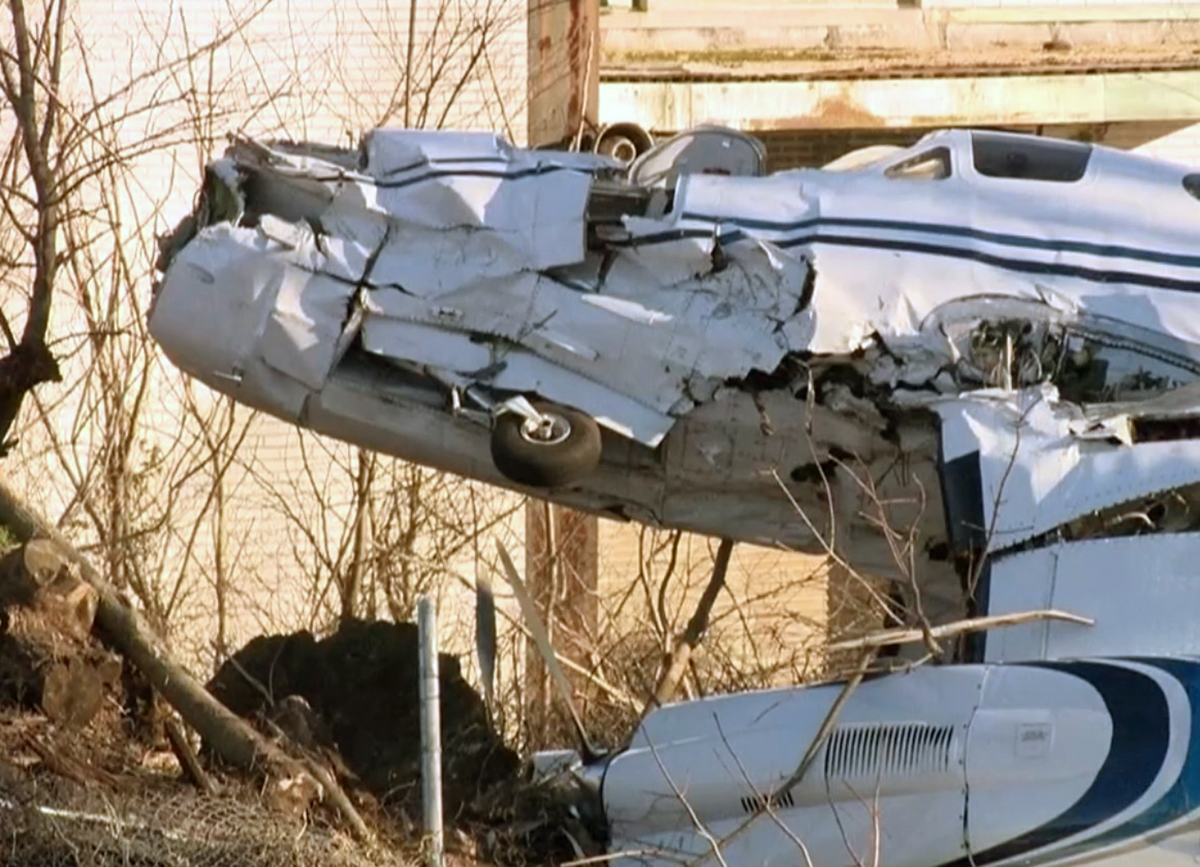
The single engine aircraft departed Boralday Airport in the suburb of Almaty on an ambulance flight to Kegen with five people on board. Shortly after takeoff, while climbing, the engine suffered a loss of power. The crew attempted an emergency landing when the aircraft lost height and crashed in hilly terrain. All five occupants escaped uninjured while the aircraft was damaged beyond repair. Operator reported as Asia Continental Airlines.

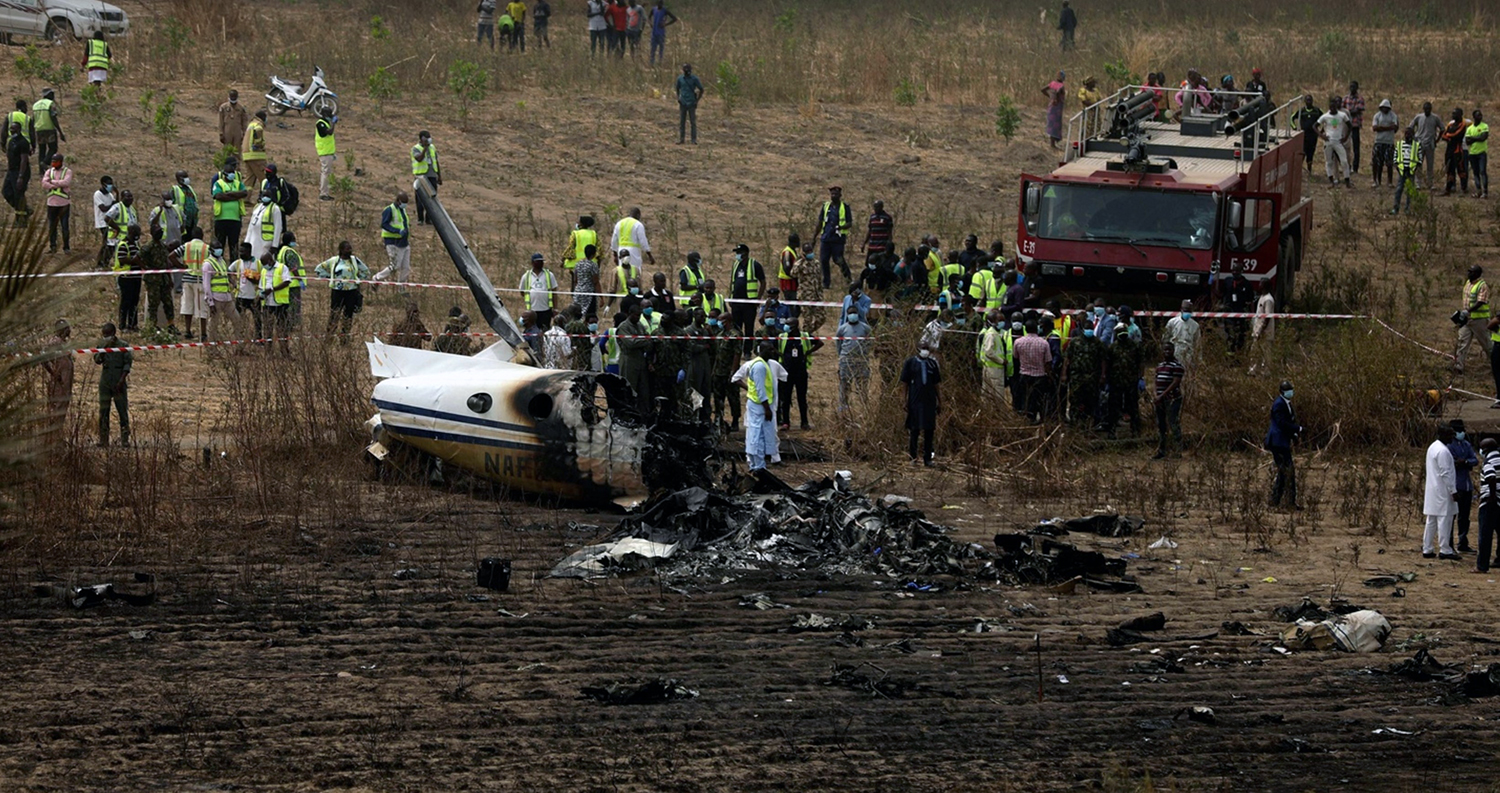
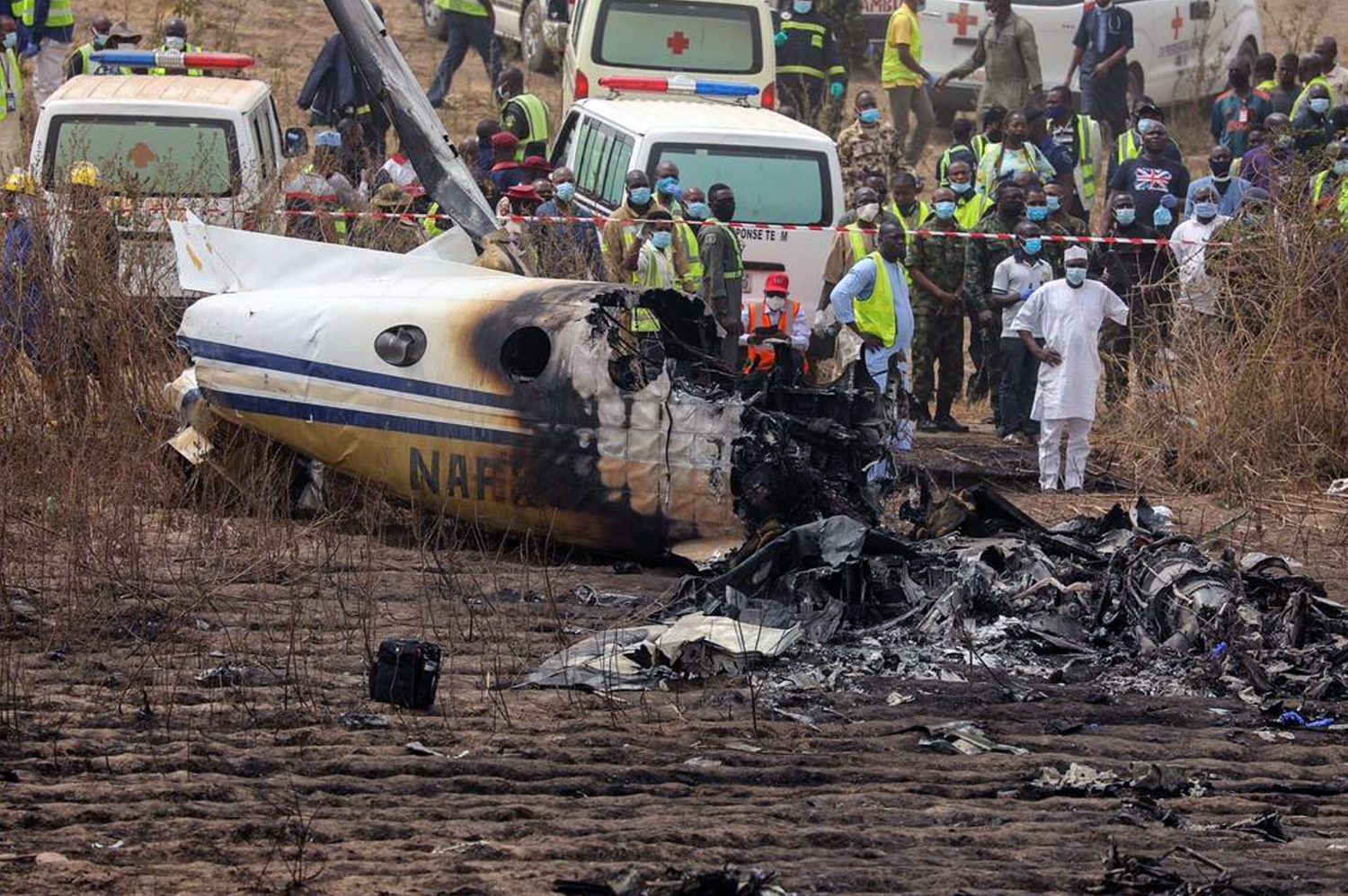
Crash of a Beechcraft 350 Super King Air in Abuja: 7 killed

Date & Time: Feb 21, 2021 at 1148 LT
Operator:
Registration:
NAF201
Flight Type:
Survivors:
No
Schedule:
Abuja - Minna
MSN:
FL-585
YOM:
2008
Country:
Region:
Crew on board:
2
Crew fatalities:
Pax on board:
5
Pax fatalities:
Other fatalities:
Total fatalities:
7
Circumstances:
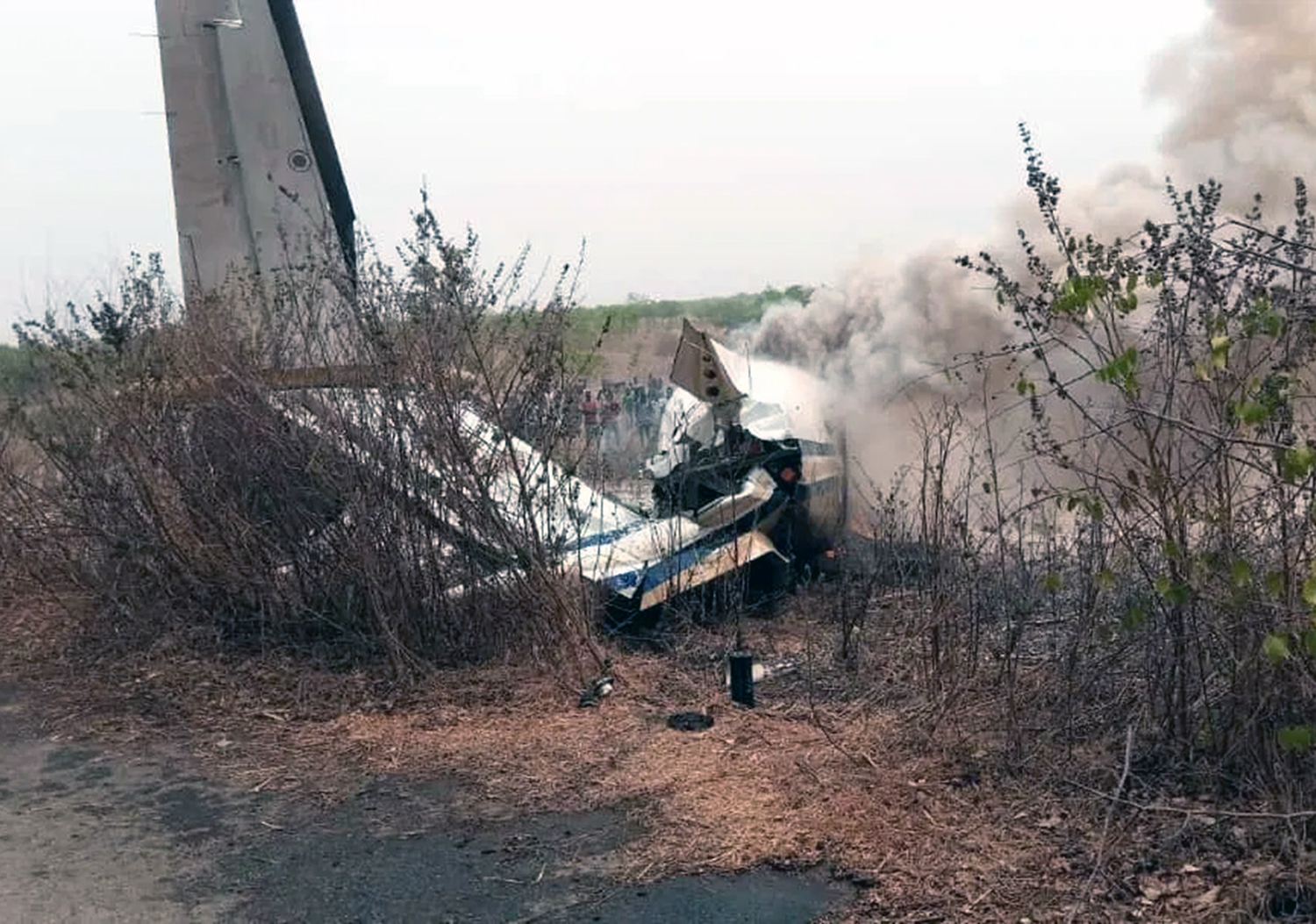
After takeoff from Abuja-Nnamdi Azikiwe Airport, while climbing, the crew informed ATC about an engine failure and was cleared for an immediate return. On final approach to runway 22, the aircraft went out of control and crashed in an open field, bursting into flames. The aircraft was destroyed and all 7 occupants were killed, among them two pilots, four ATOS specialists (Airborne Tactical Observation System) and one technician.

Crash of a Learjet 45XR in Xalapa: 6 killed

Date & Time: Feb 21, 2021 at 0945 LT
Type of aircraft:
Operator:
Registration:
3912
Flight Phase:
Flight Type:
Survivors:
No
Schedule:
Xalapa – Villahermosa
MSN:
45-325
YOM:
2007
Country:
Crew on board:
2
Crew fatalities:
Pax on board:
4
Pax fatalities:
Other fatalities:
Total fatalities:
6
Circumstances:
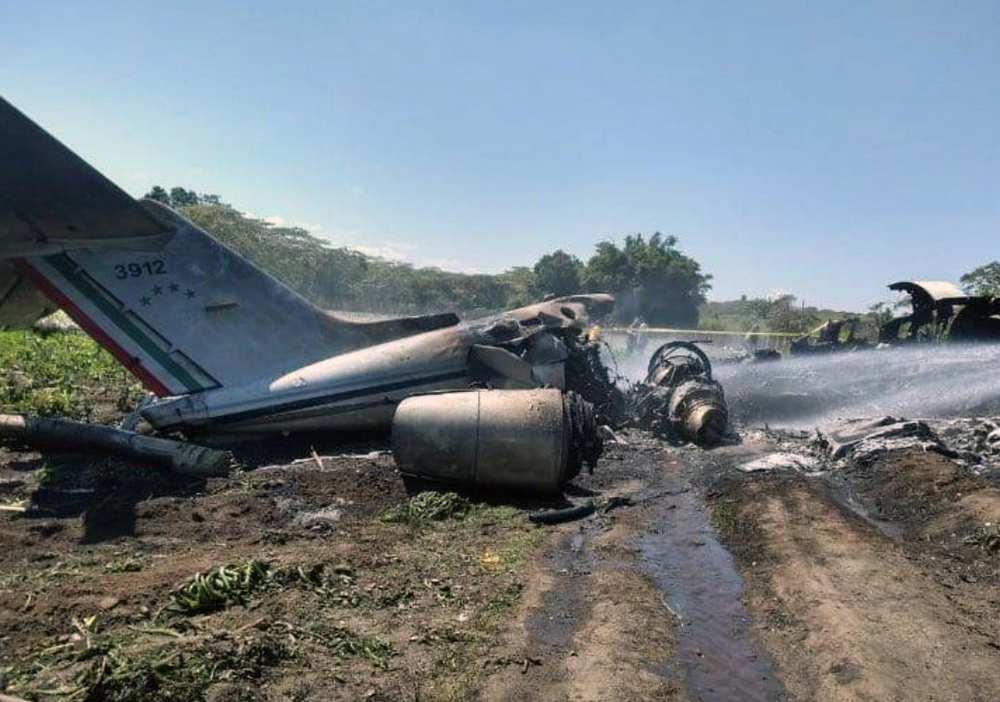
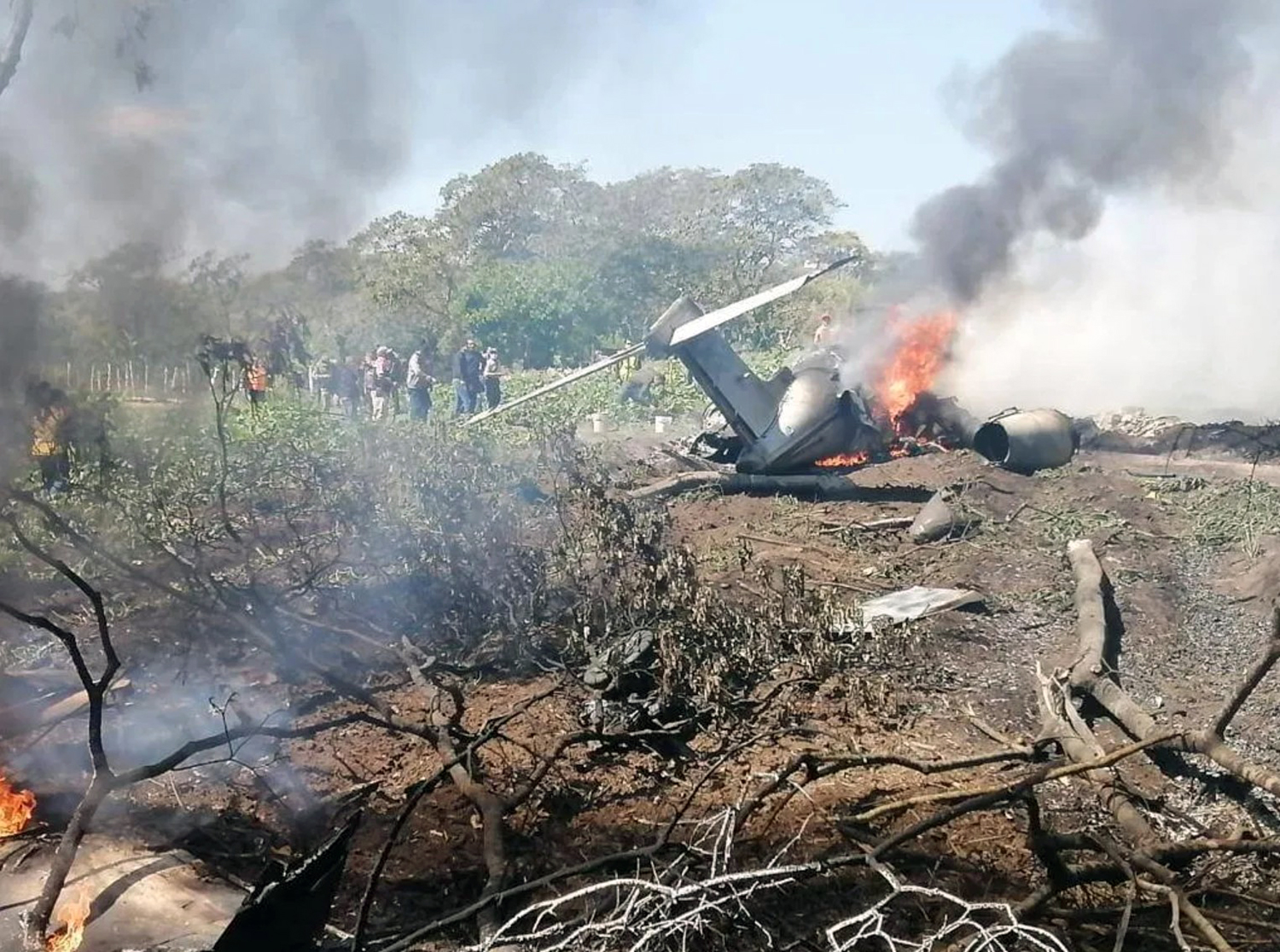
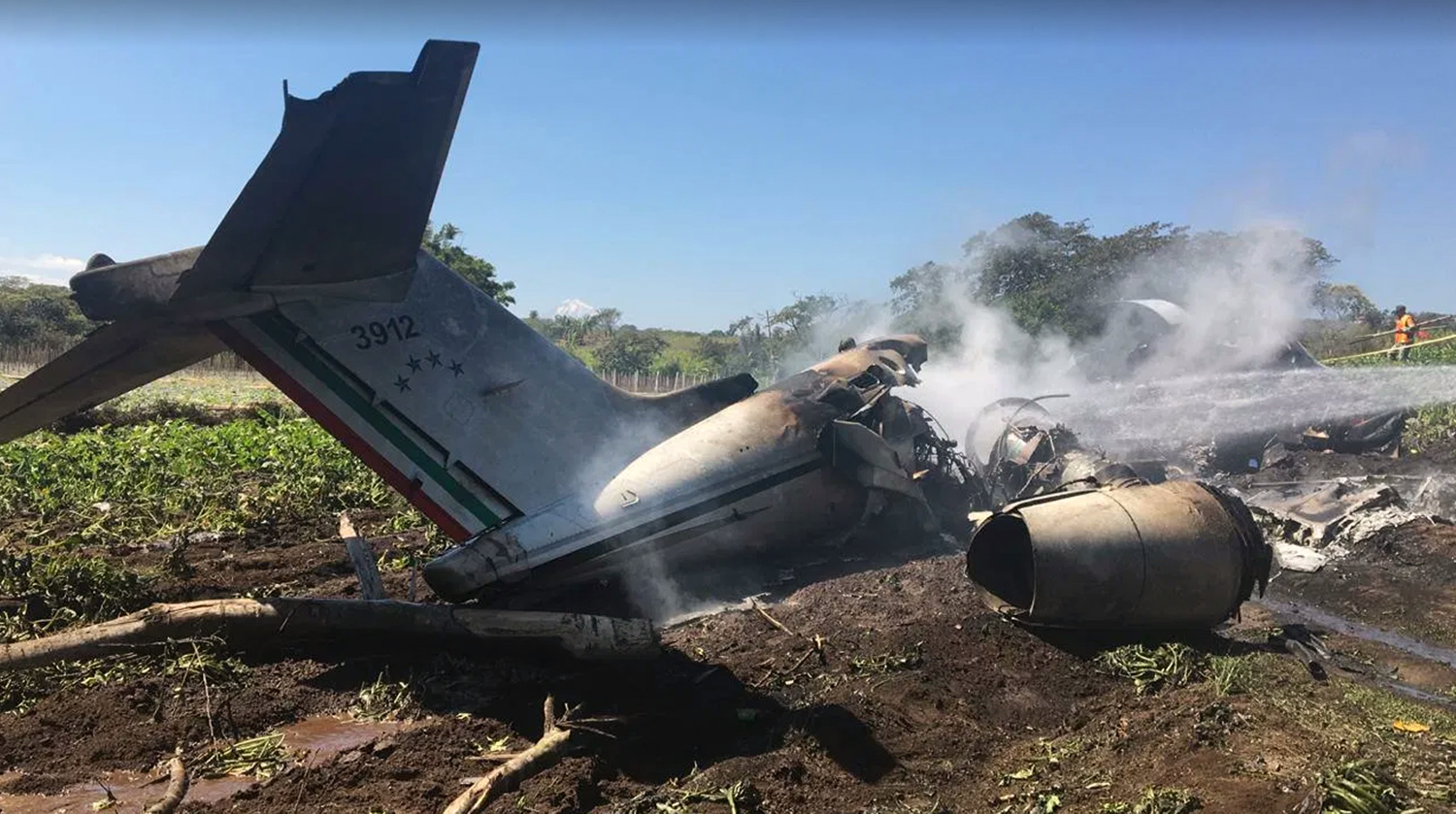
During the takeoff roll from runway 26 at Xalapa Airport, the aircraft was unable to rotate for unknown reasons. It struck a small berm located at the end of the concrete area, flew over trees and crashed in a field about 120 metres further, bursting into flames. The aircraft was destroyed by a post crash fire and all six occupants were killed.

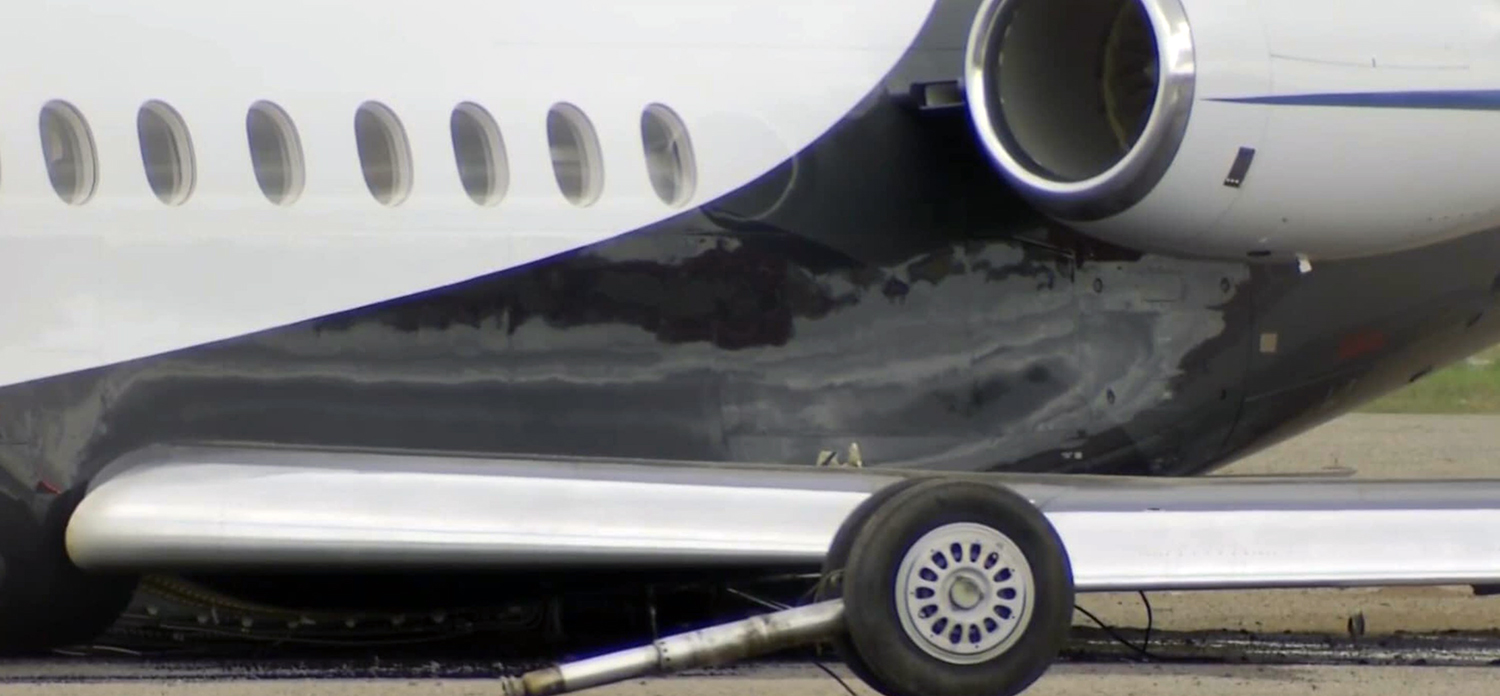
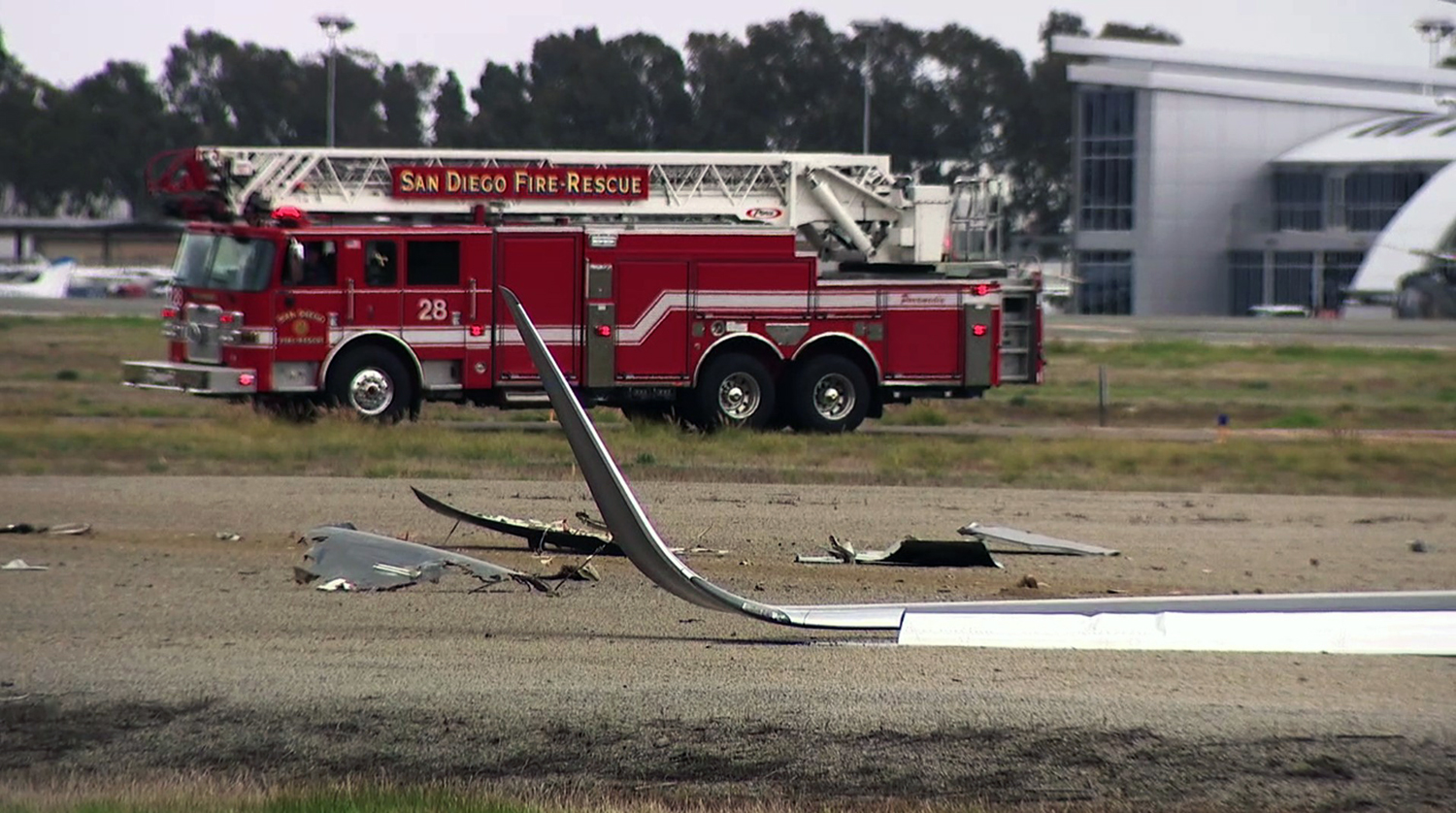
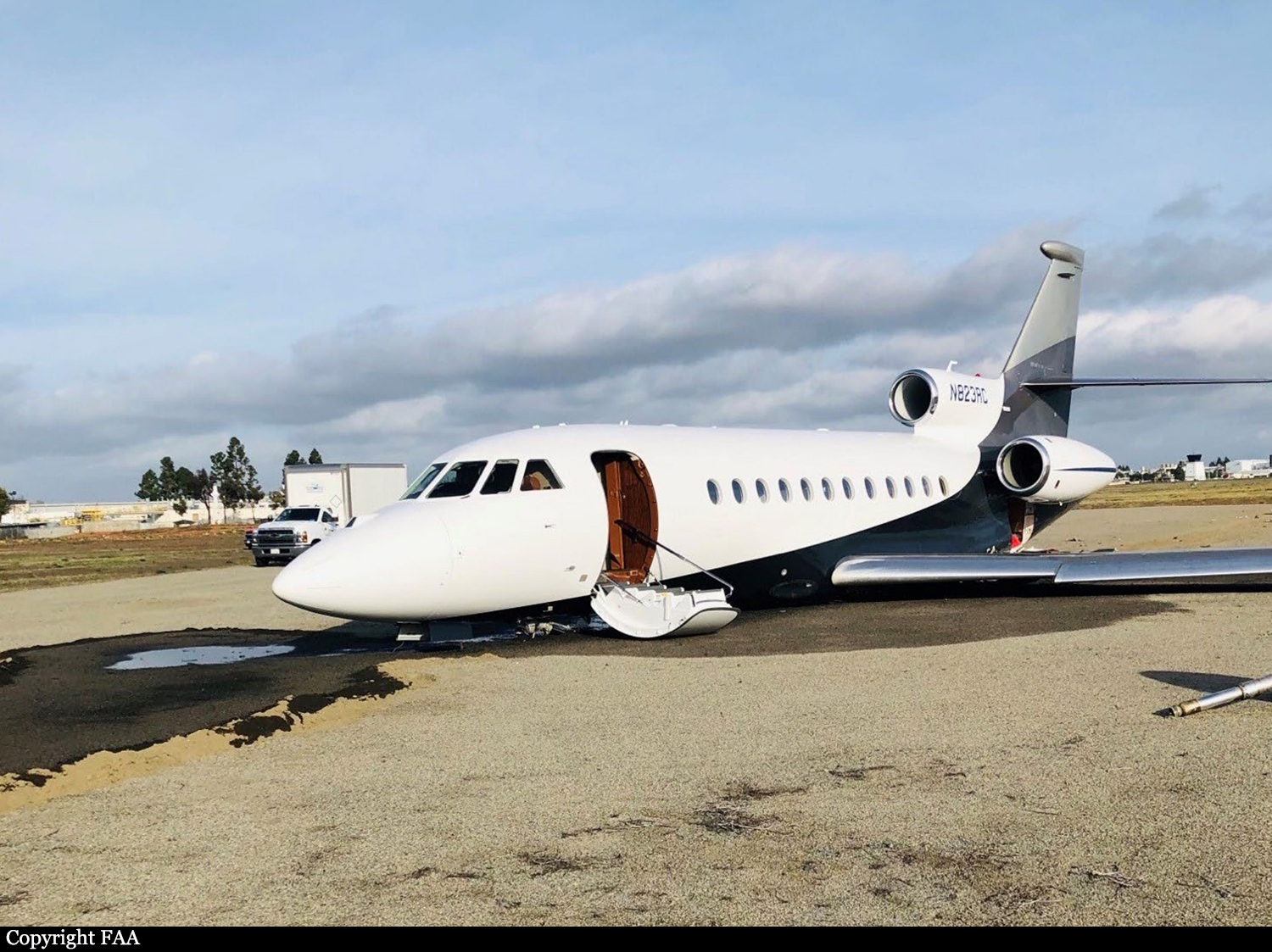
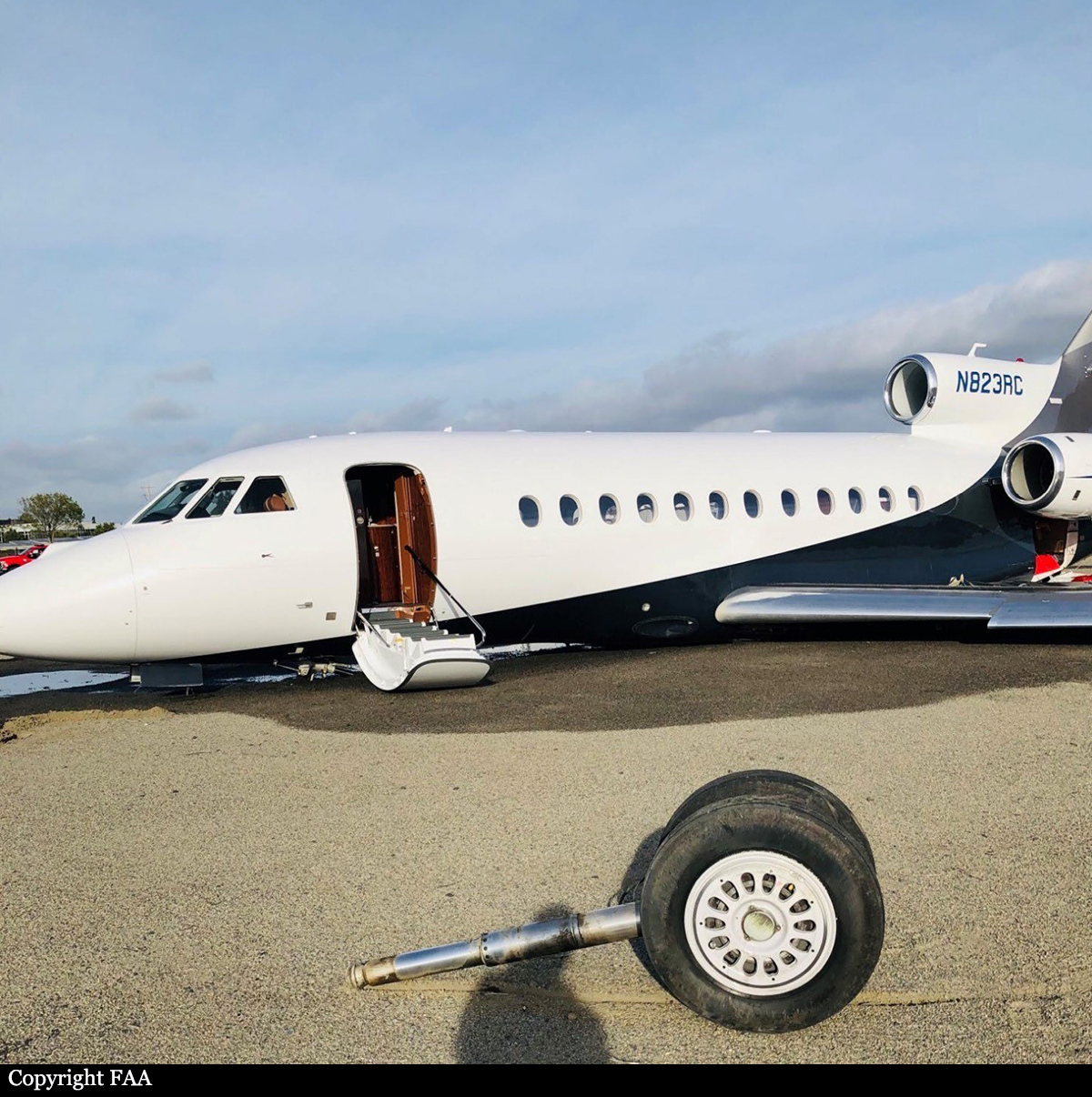
Crash of a Dassault Falcon 900EX in San Diego

Date & Time: Feb 13, 2021 at 1150 LT
Type of aircraft:
Operator:
Registration:
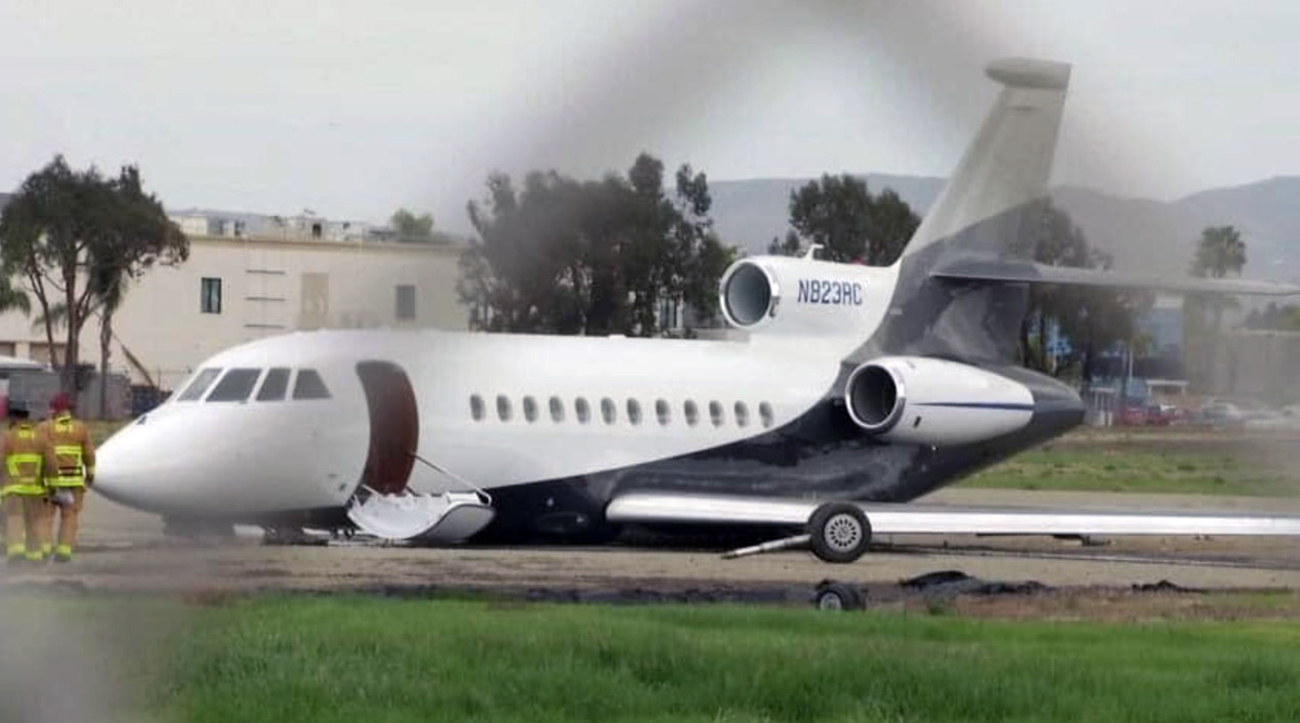
N823RC
Flight Phase:
Flight Type:
Survivors:
Yes
Schedule:
San Diego - Kona
MSN:
201
YOM:
2008
Crew on board:
3
Crew fatalities:
Pax on board:
2
Pax fatalities:
Other fatalities:
Total fatalities:
0
Captain / Total flying hours:
8800
Captain / Total hours on type:
1.00
Copilot / Total flying hours:
567
Copilot / Total hours on type:
17
Aircraft flight hours:
2914
Circumstances:
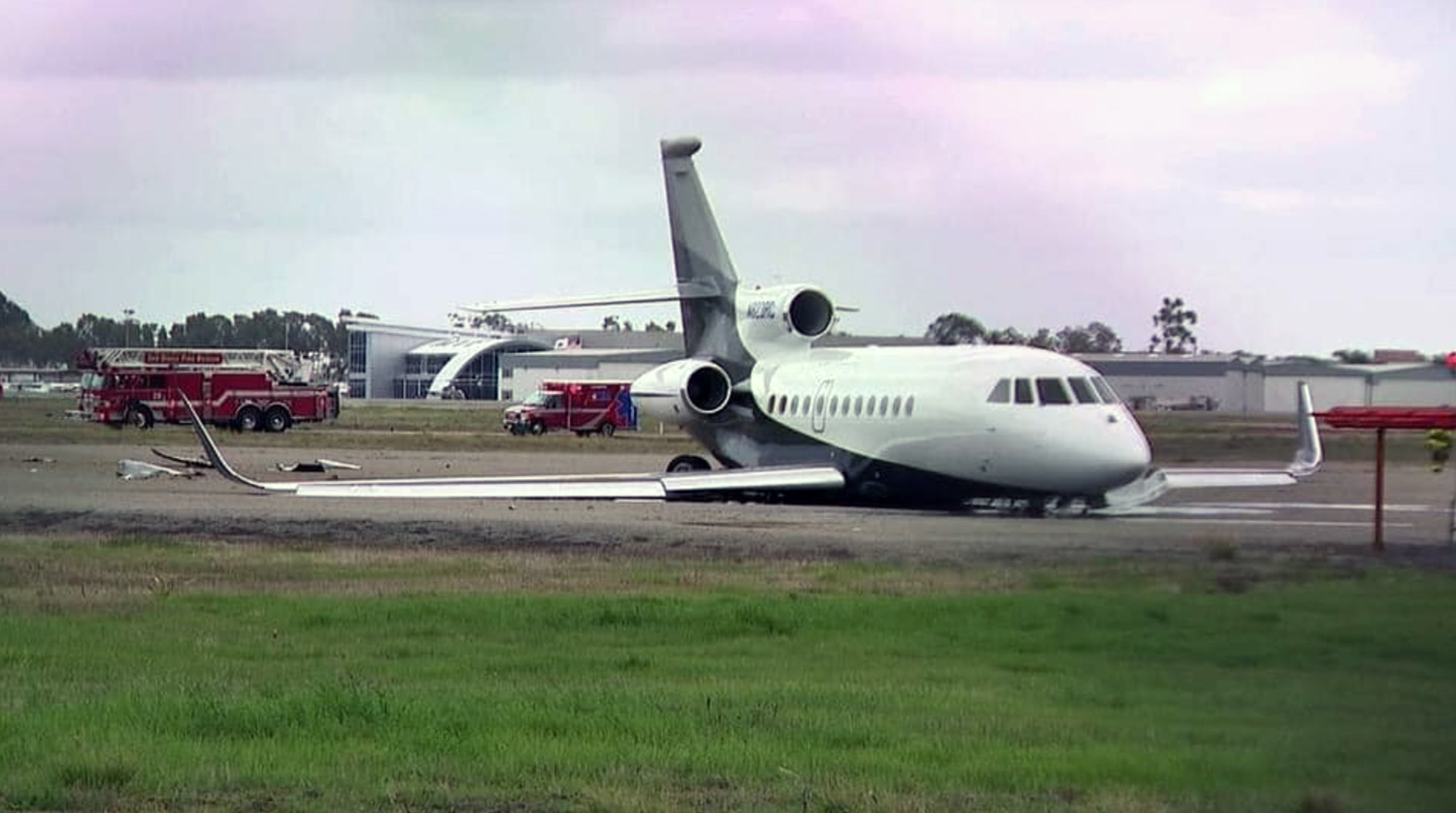
The flight crew was conducting a flight with two passengers and one flight attendant onboard the multiengine jet airplane. The flight crew later stated that at rotation speed, the captain applied back pressure to the control yoke; however, the nose did not rotate to a takeoff attitude. The captain attempted to rotate the airplane once more by relaxing the yoke then pulling it back again, and, with no change in the airplane’s attitude, he made the decision to reject the takeoff by retarding the thrust levers and applying maximum braking. The airplane overran the end of the runway onto a gravel pad where the landing gear collapsed. Continuity was confirmed from the flight controls to the control surfaces. No mechanical anomalies with the engines or airplane systems were noted during the investigation that would have precluded normal operation. A review of performance data indicated that the flight crew attempted to takeoff with the airplane 2,975 lbs over the maximum takeoff weight (MTOW), a center of gravity (CG) close to the most forward limit, and an incorrect stabilizer trim setting. The digital flight data recorder (DFDR) data indicated that the captain attempted takeoff at a rotation speed 23 knots (kts) slower than the calculated rotation speed for the airplane at maximum weight. Takeoff performance showed the departure runway was 575 ft shorter than the distance required for takeoff at the airplane’s weight. The captain, who was the pilot flying, did not hold any valid pilot certificates at the time of the accident because they had been revoked 2 years prior due to his falsification of logbook entries and records. Additionally, he had never held a type rating for the accident airplane and had started, but not completed, training in the accident airplane model before the accident. The first officer had accumulated about 16 hours of flight experience in the make and model of the airplane and was not authorized to operate as pilot-in-command. The airplane’s flight management system (FMS) data were not recovered; therefore, it could not be determined what data the flight crew entered into the FMS that allowed the airspeed numbers to be generated. The investigation revealed that had the actual performance numbers been entered, a “FIELD LIMITED” amber message would have illuminated warning the crew that the MTOW was exceeded, and airspeed numbers would not have been generated. Therefore, it is likely that the crew entered incorrect data into the FMS either by manually entering a longer runway length and/or decreased the weight of the fuel, passengers, and/or cargo.
Probable cause:
The flight crew’s operation of the airplane outside of the manufacturer’s specified weight and balance limitations and with an improper trim setting, which resulted in the airplane’s inability to rotate during the attempted takeoff. Contributing to the accident, was the captain’s lack of proper certification and the crew’s lack of flight experience in the airplane make and model.
Final Report:

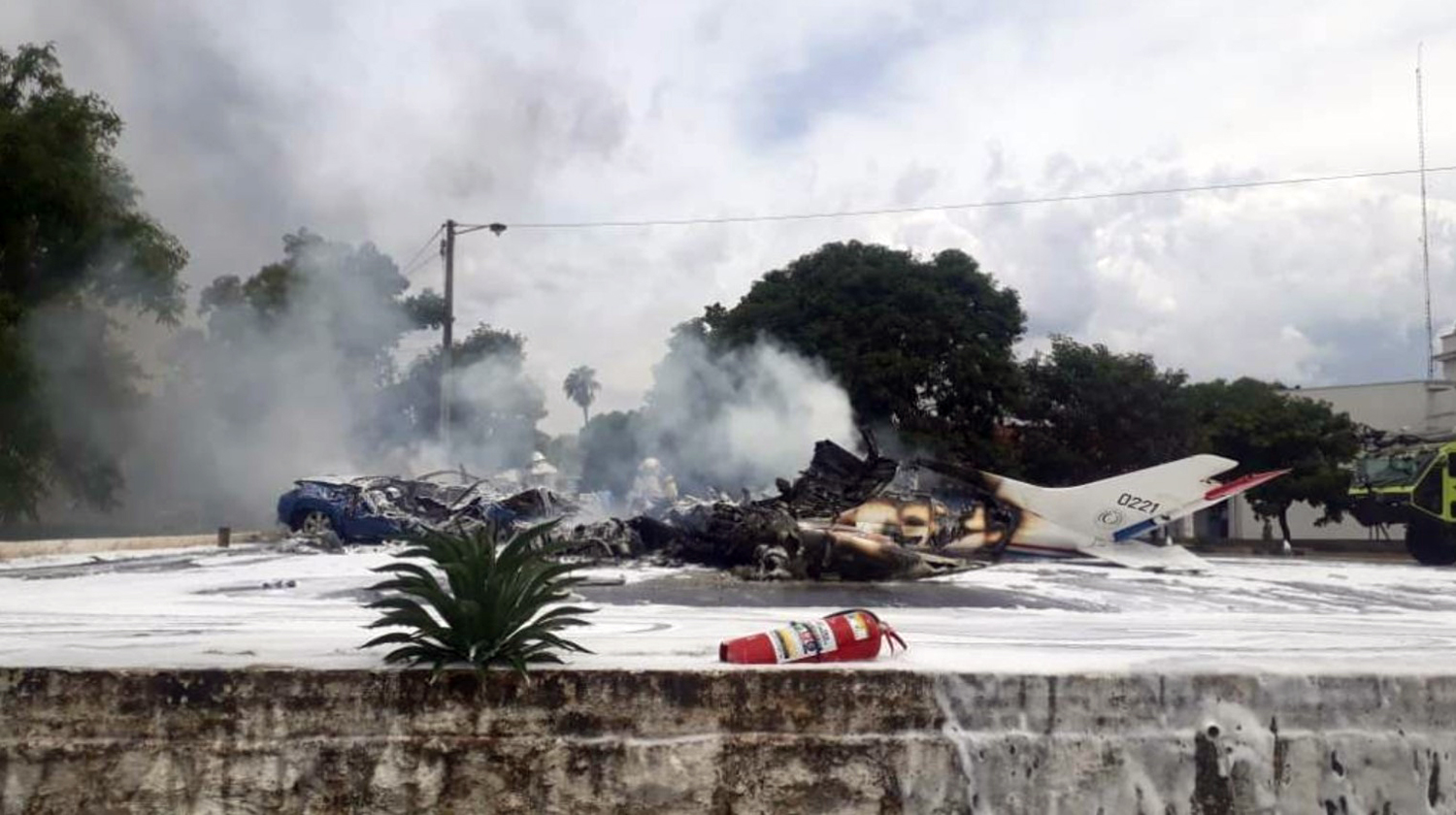
Crash of a Cessna 402B in Asunción: 7 killed

Date & Time: Feb 9, 2021 at 1430 LT
Type of aircraft:
Operator:
Registration:
0221
Flight Type:
Survivors:
Yes
Schedule:
Fuerte Olimpo – Asunción
MSN:
402B-1360
YOM:
1978
Country:
Crew on board:
2
Crew fatalities:
Pax on board:
6
Pax fatalities:
Other fatalities:
Total fatalities:
7
Circumstances:
On final approach to Asunción-Silvio Pettirossi Airport, the twin engine aircraft crashed on a parking place and burst into flames. A passenger was seriously injured while seven other occupants were killed.

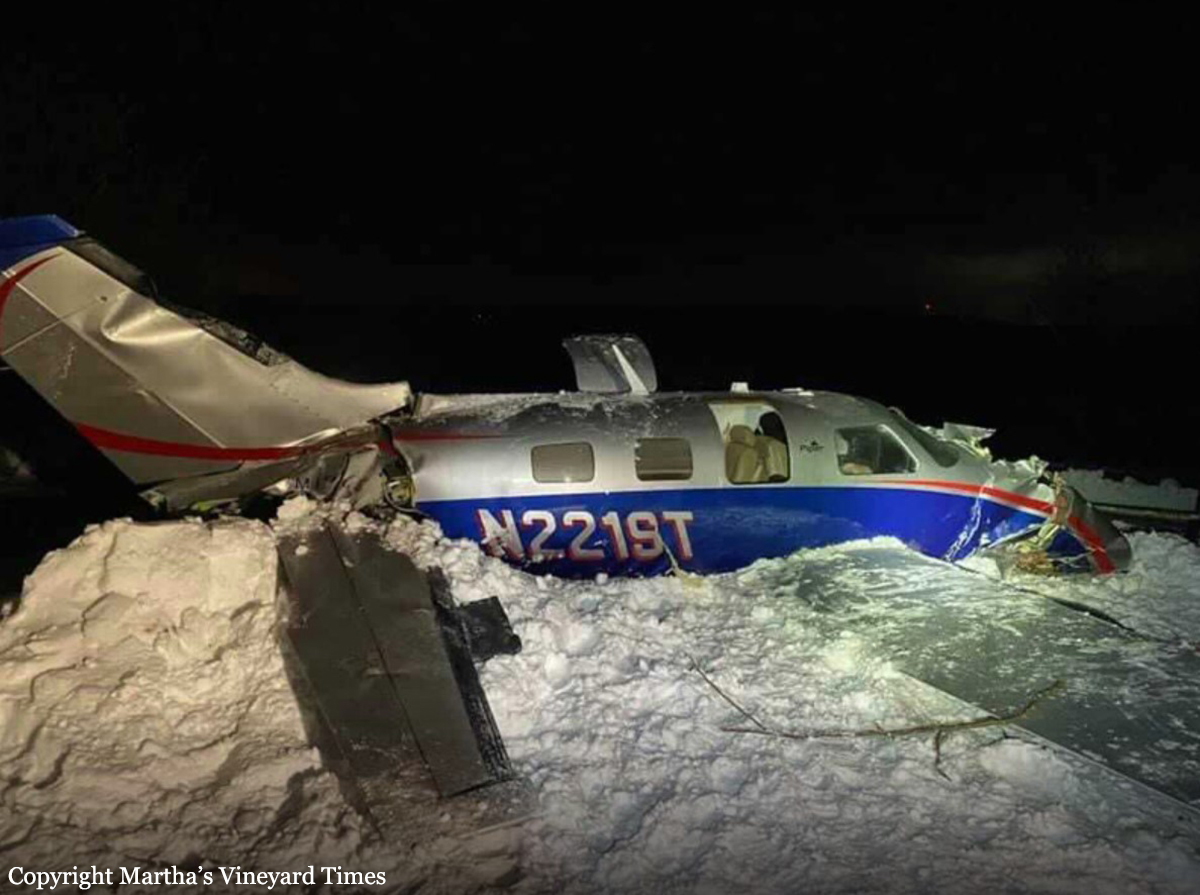
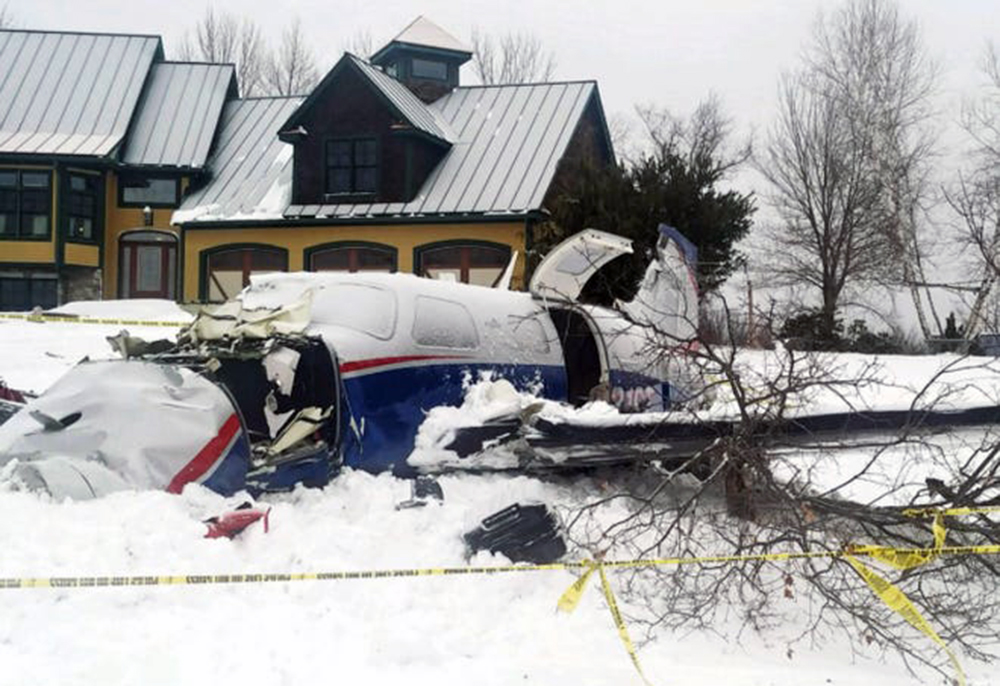
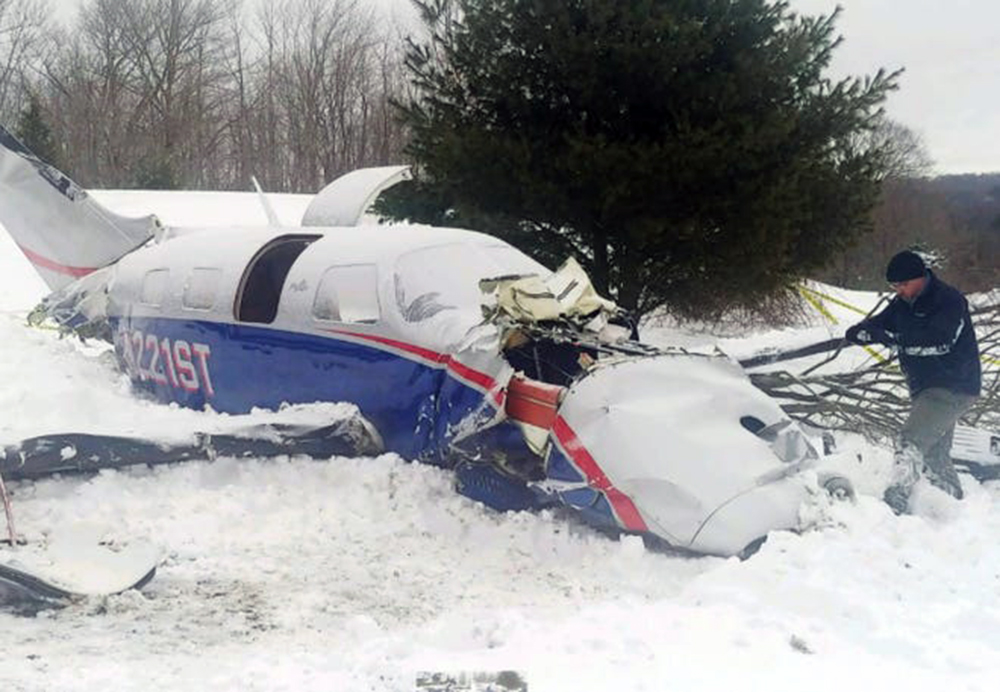
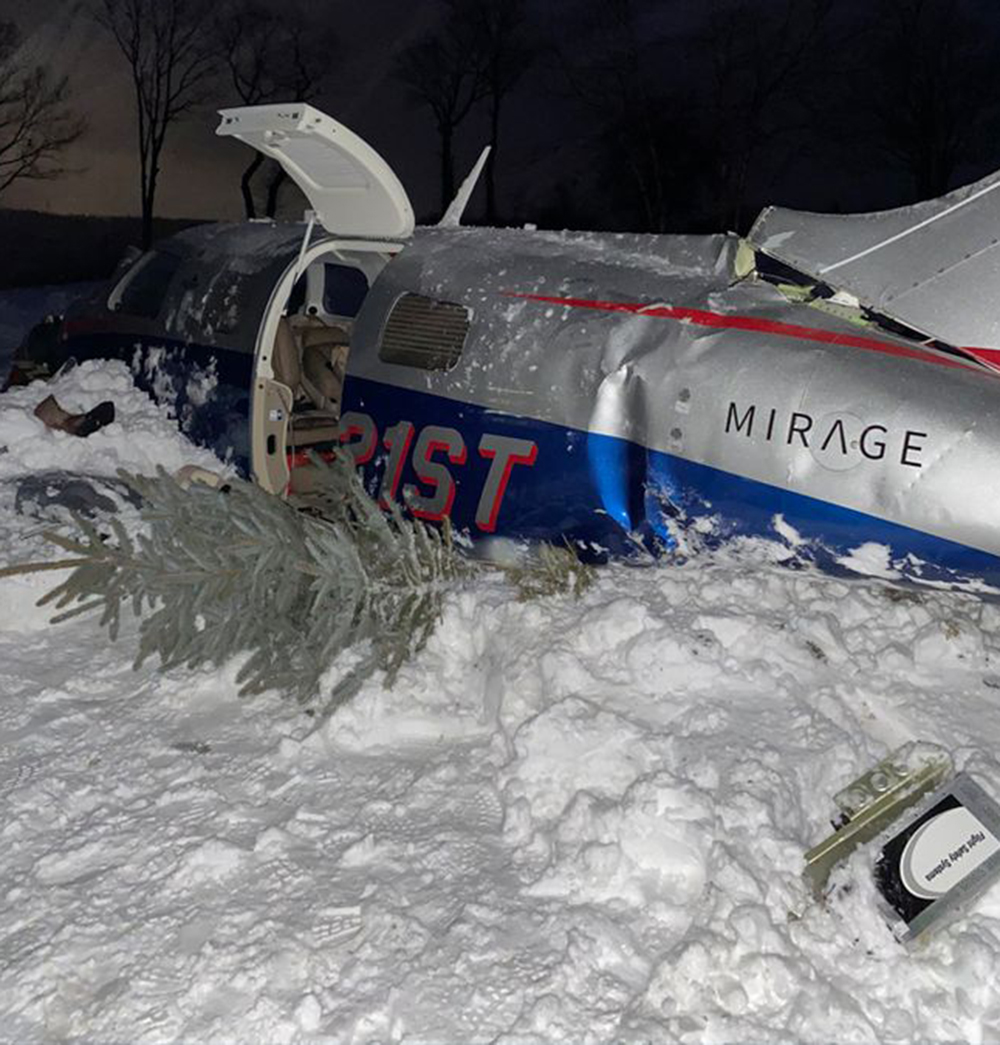
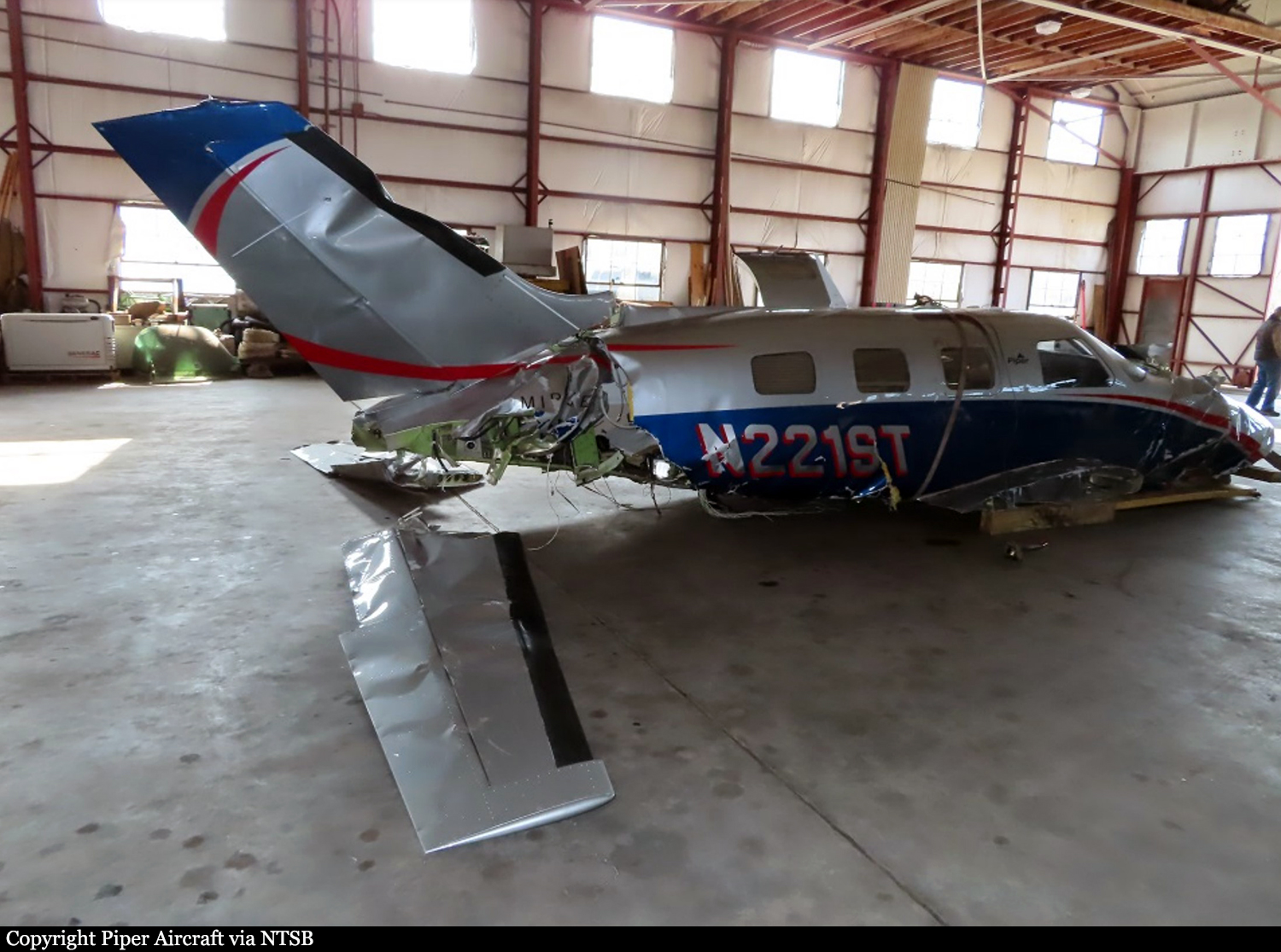
Crash of a Piper PA-46-350P Malibu Mirage in Worcester

Date & Time: Feb 2, 2021 at 1655 LT
Registration:
N221ST
Flight Type:
Survivors:
Yes
Schedule:
Martha’s Vineyard – Worcester
MSN:
46-36651
YOM:
2014
Crew on board:
1
Crew fatalities:
Pax on board:
2
Pax fatalities:
Other fatalities:
Total fatalities:
0
Circumstances:
The pilot reported that, while descending through clouds and beginning the instrument approach, some ice accumulated on the wings and he actuated the deice boots twice. The pilot saw the deice boots functioning normally on the wings and could not see the tail; however, the elevator began to shake, and he lost elevator control. The pilot applied forward pressure on the yoke and had to trim nose-down to avoid a stall. There were no cockpit caution indications and the pilot had disengaged the autopilot before descent. The airplane descended through the clouds and impacted a tree before coming to rest upright in a grass area. Postaccident examination of the wreckage, including component testing of the deice system, did not reveal any preimpact mechanical malfunctions. The flap jackscrew position suggested that the flaps were likely in transit between 0° and 10° flap extension at the time of impact. Review of radar data revealed that, during the 2 minutes before the accident, the airplane’s groundspeed averaged about 82 knots; or an approximate average airspeed of 94 knots when accounting for the winds aloft. Current weather observations and forecast weather products indicated that the airplane was likely operating in an area where moderate and potentially greater structural icing conditions prevailed, and where there was the potential for the presence of supercooled liquid droplets. Review of the pilot operating handbook for the airplane revealed that the minimum speed for flight in icing conditions was 130 knots indicated airspeed. It is likely that the pilot’s failure to maintain an appropriate speed for flight in icing conditions resulted in insufficient airflow over the ice contaminated elevator and the subsequent loss of elevator control.
Probable cause:
The pilot’s failure to maintain the minimum airspeed for flight in icing conditions, which resulted in a loss of elevator control during approach due to ice accumulation.
Final Report:

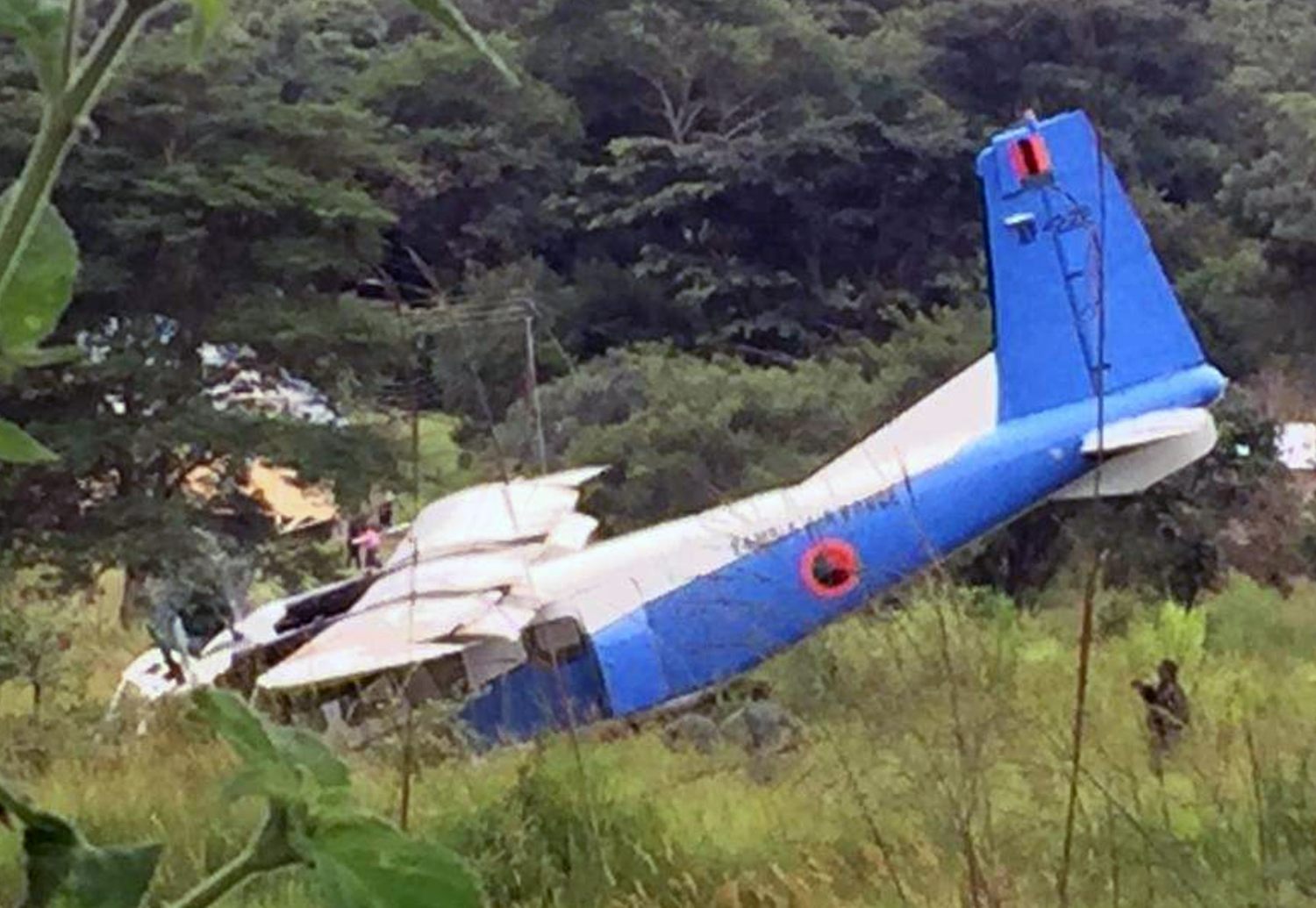
Crash of a Harbin Yunsunji Y-12E in Mukinge

Date & Time: Jan 26, 2021 at 0850 LT
Type of aircraft:
Operator:
Registration:
AF-222
Flight Type:
Survivors:
Yes
Schedule:
Lusaka - Mukinge
Country:
Region:
Crew on board:
5
Crew fatalities:
Pax on board:
0
Pax fatalities:
Other fatalities:
Total fatalities:
0
Circumstances:
The aircraft departed Lusaka Airport on a flight to Mukinge, carrying five crew members and a load of five diesel drums. After touchdown at Mukinge Airfield, the aircraft was unable to stop within the remaining distance. It overran, collided with obstacles and came to rest with its nose and cockpit severely damaged. Both pilots were injured and three other crew members escaped uninjured.

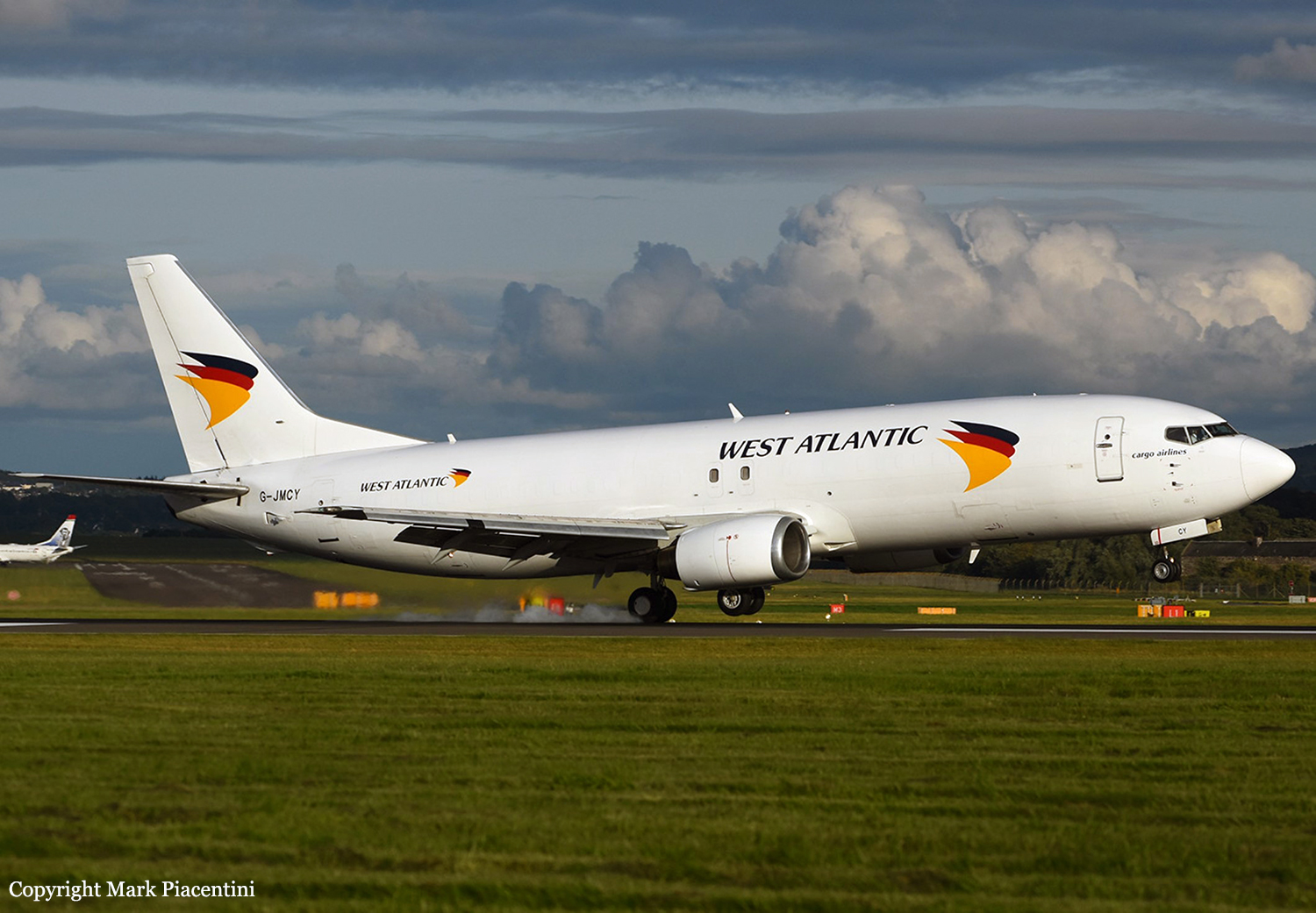
Very hard landing of a Boeing 737-4Q8 in Exeter

Date & Time: Jan 19, 2021 at 0237 LT
Type of aircraft:
Operator:
Registration:
G-JMCY
Flight Type:
Survivors:
Yes
Schedule:
East Midlands – Exeter
MSN:
25114/2666
YOM:
1994
Flight number:
NPT05L
Region:
Crew on board:
2
Crew fatalities:
Pax on board:
0
Pax fatalities:
Other fatalities:
Total fatalities:
0
Captain / Total flying hours:
15218
Captain / Total hours on type:
9000.00
Circumstances:
The crew were scheduled to operate two cargo flights from Exeter Airport (EXT), Devon, to East Midlands Airport (EMA), Leicestershire, and return. The co-pilot was the PF for both sectors, and it was night. The sector from EXT to EMA was uneventful with the crew electing to landed with FLAP 40. The subsequent takeoff and climb from EMA to EXT proceeded without event. During the cruise the crew independently calculated the landing performance, using the aircraft manufacturer’s software, on their portable electronic devices. Runway 26 was forecast to be wet, so they planned to use FLAP 40 for the landing on Runway 26, with AUTOBRAKE 3. With both pilots being familiar with EXT the PF conducted a short brief of the pertinent points for the approach. However, while they did mention that the ILS had a 3.5° glideslope (GS), they did not mention that the stabilized approach criteria differed from that on a 3° GS. From the ATIS they noted that the weather seemed to be better than forecast and the surface wind was from 230° at 11 kt. The ATC provided the flight crew with radar vectors from ATC to the ILS on Runway 26 at EXT. The landing gear was lowered and FLAP 25 selected before the aircraft intercepted the GS. FLAP 40 (the landing flap) was selected on the GS just below 2,000 ft amsl. With a calculated VREF of 134 kt and a surface wind of 10 kt the PF planned to fly the approach with a VAPP of 140 kt. At about 10 nm finals, upon looking at the flight management computer, the PM noticed there was a 30 kt headwind, so a VAPP of 144 kt was selected on the Mode Control Panel (MCP). The crew became visual with the runway at about 1,000 ft aal. The PF then disconnected the Auto Pilot and Auto Throttle; the Flight Directors remained on. As the wind was now starting to decrease, the VAPP was then reduced from 142 to 140 kt at about 600 ft aal. As the wind reduced, towards the 10 kt surface wind, the PF made small adjustments to the power to maintain the IAS at or close to VAPP. At 500 ft radio altimeter (RA) the approach was declared stable by the crew, as per their standard operating procedures. At this point the aircraft had a pitch attitude of 2.5° nose down, the IAS was 143 kt, the rate of descent (ROD) was about 860 ft/min, the engines were operating at about 68% N1 and the aircraft was 0.4 dots above the GS. However, the ROD was increasing and soon thereafter was in excess of 1,150 ft/min. This was reduced to about 300 ft/min but soon increased again. At 320 ft RA, the aircraft went below the GS for about 8 seconds and, with a ROD of 1,700 ft/min, a “SINK RATE” GPWS alert was enunciated. The PF acknowledged this and corrected the flightpath to bring the aircraft back to the GS before stabilizing slightly above the GS; the PM called this deviation too. As the PF was correcting back to the GS the PM did not feel there was a need to take control. During this period the maximum recorded deviation was ¾ of a dot below the GS. At about 150 ft RA, with a ROD of 1,300 ft/min, there was a further “SINK RATE” GPWS alert, to which the PM said, “WATCH THAT SINK RATE”, followed by another “SINK RATE” alert, which the PF responded by saying “AND BACK…”. The commander recalled that as the aircraft crossed the threshold, at about 100 ft, the PF retarded the throttles, pitched the aircraft nose down, from about 5° nose up to 4° nose down, and then applied some power in the last few feet. During these final moments before the landing, there was another “SINK RATE” alert. The result was a hard landing. A “PULL UP” warning was also triggered by the GPWS, but it was not audible on the CVR. The last surface wind transmitted by ATC, just before the landing, was from 230° at 10 kt. During the rollout the commander took control, selected the thrust reversers and slowed down to taxi speed. After the aircraft had vacated the runway at Taxiway Bravo it became apparent the aircraft was listing to the left. During the After Landing checks the co-pilot tried to select FLAPS UP, but they would not move. There was then a HYDRAULIC LP caution. As there was still brake accumulator pressure the crew were content to taxi the aircraft slowly the short distance onto Stand 10. Once on stand the listing became more obvious. It was then that the crew realized there was something “seriously wrong” with the aircraft. After they had shut the aircraft down, the flight crew requested that the wheels were chocked, and the aircraft be connected to ground power before going outside to inspect the aircraft. Once outside a hydraulic leak was found and the airport RFFS, who were present to unload the aircraft, were informed.
Probable cause:
The aircraft suffered a hard landing as a result of the approach being continued after it became unstable after the aircraft had past the point where the crew had declared the approach stable and continued. Despite high rates of descent being observed beyond the stable point, together with associated alerts the crew elected to continue to land. Had the approach been discontinued and a GA flown, even at a low height, while the aircraft may have touched down the damage sustained may have been lessened. While the OM did not specifically state that an approach was to remain stable beyond the gate on the approach, the FCTM was specific that, if it did not remain stable, a GA should be initiated. The commander may have given the co-pilot the benefit of doubt and believed she had the ability to correct an approach that became unstable in the final few hundred feet of the approach. However, had there been any doubt, a GA should be executed.
Final Report:

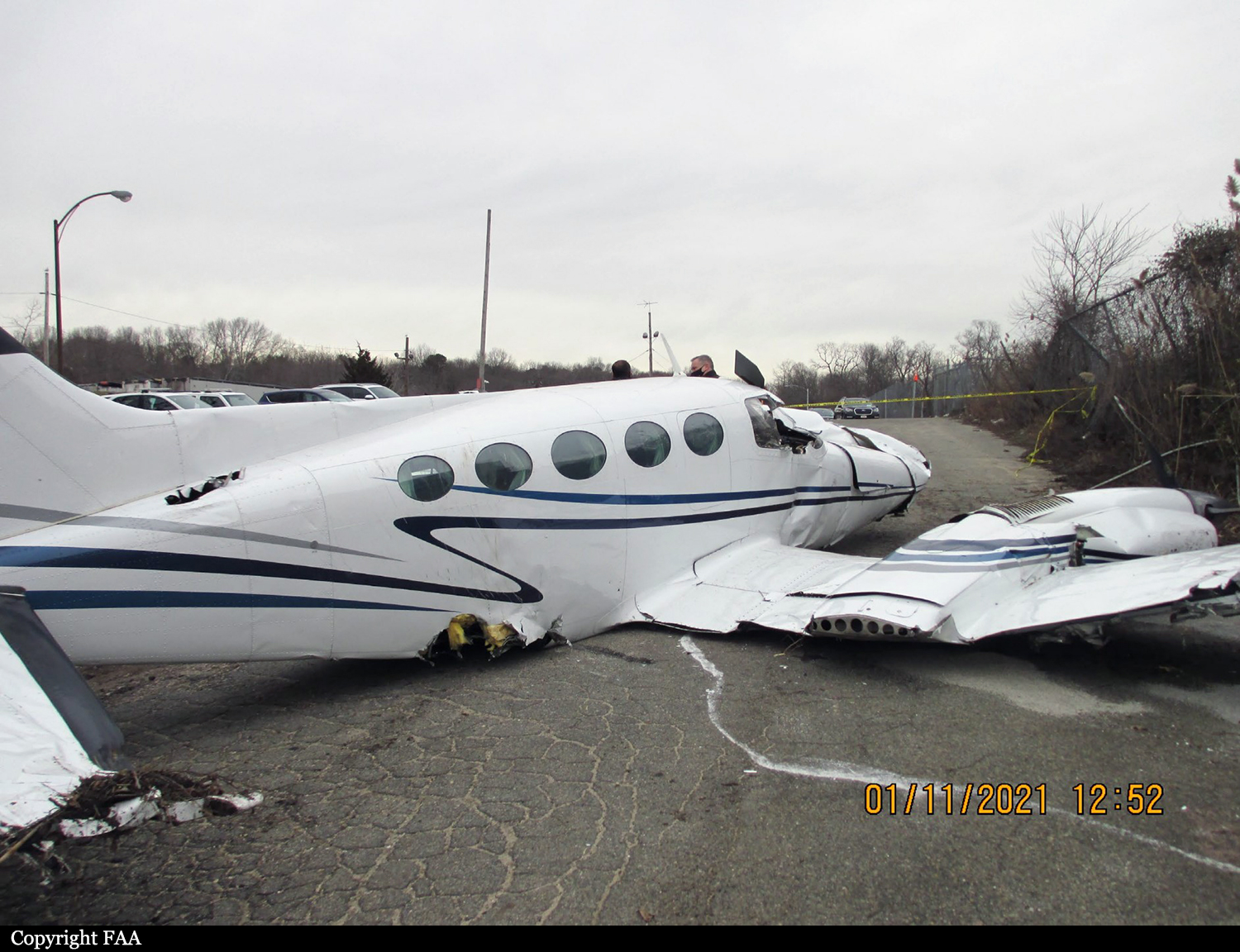
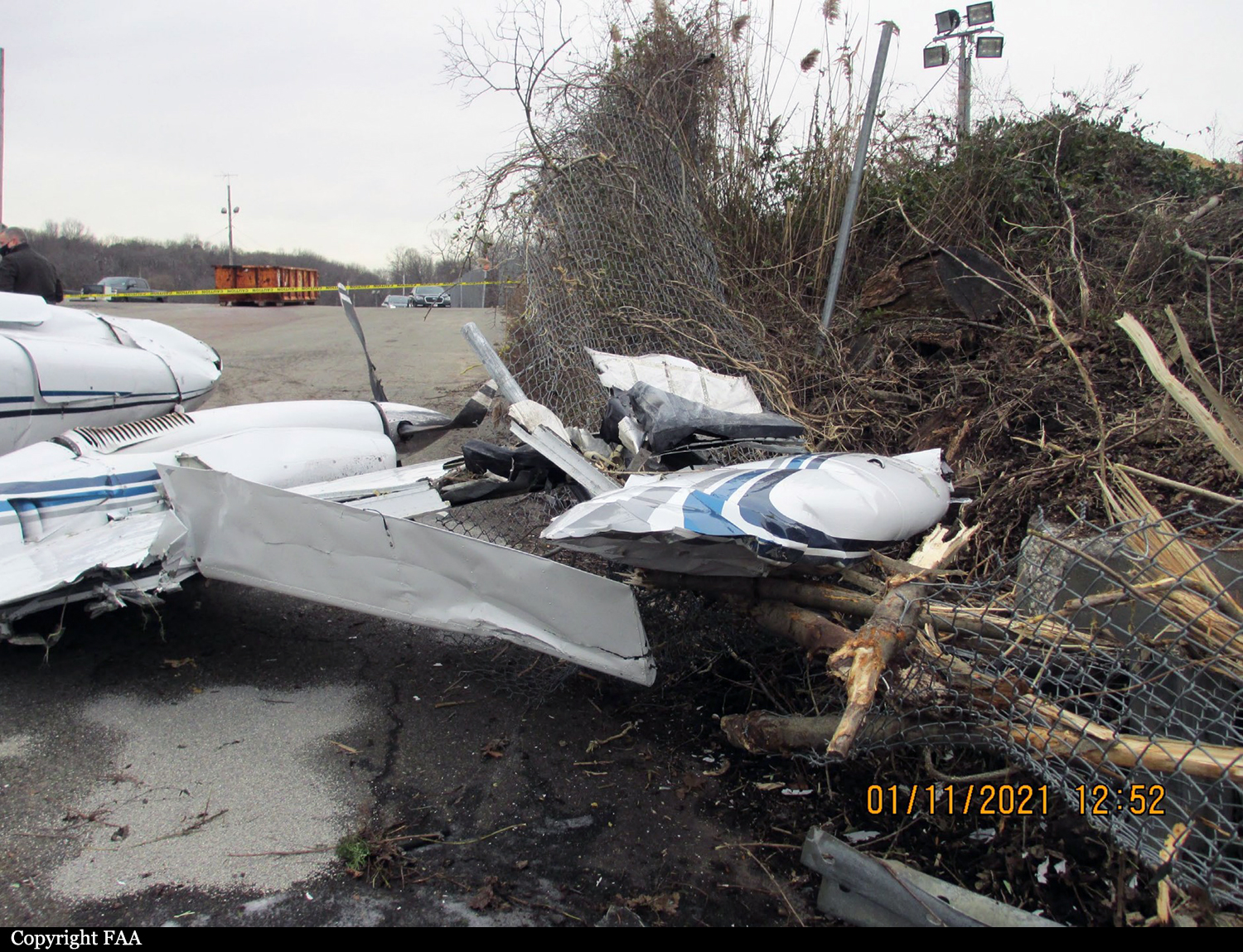
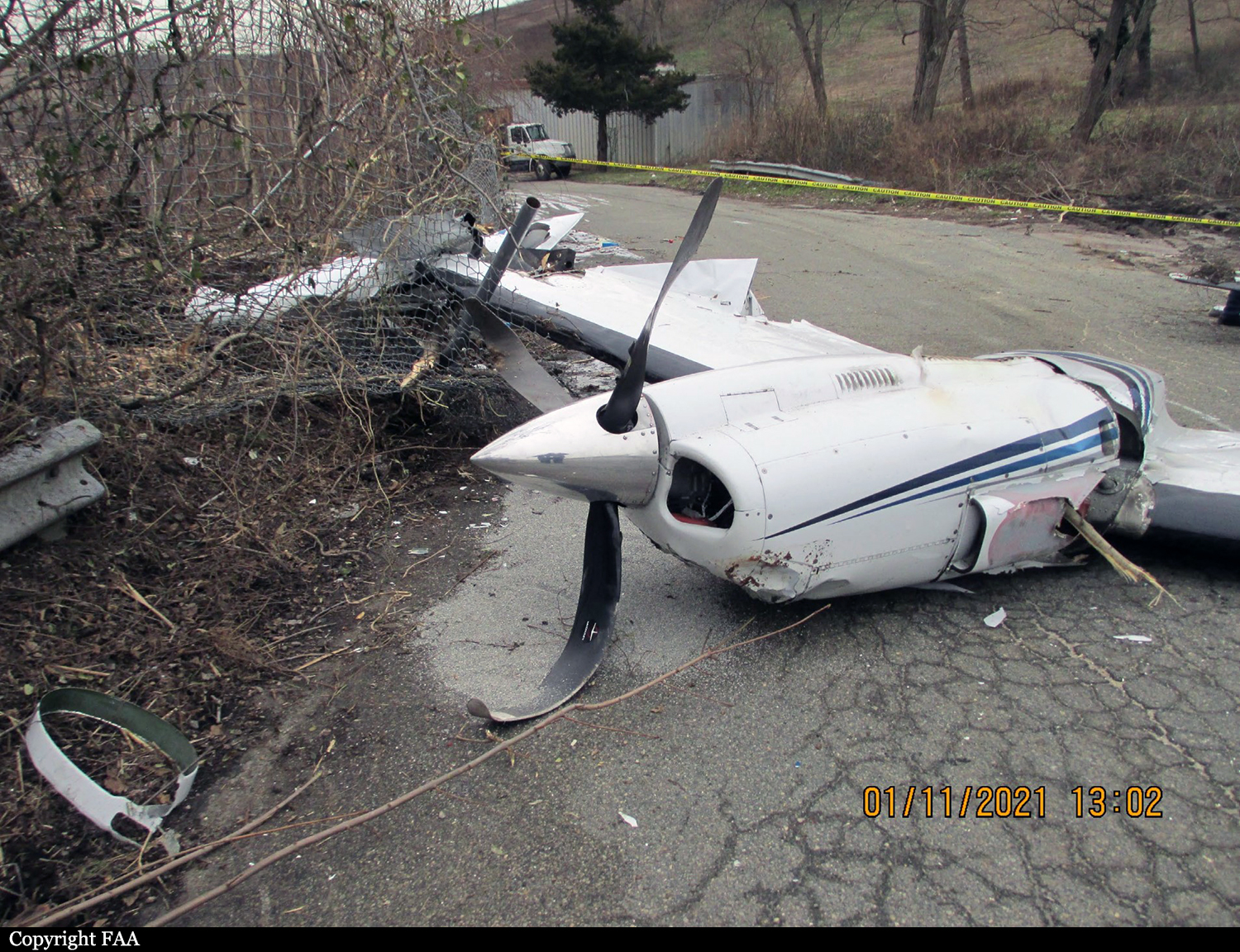
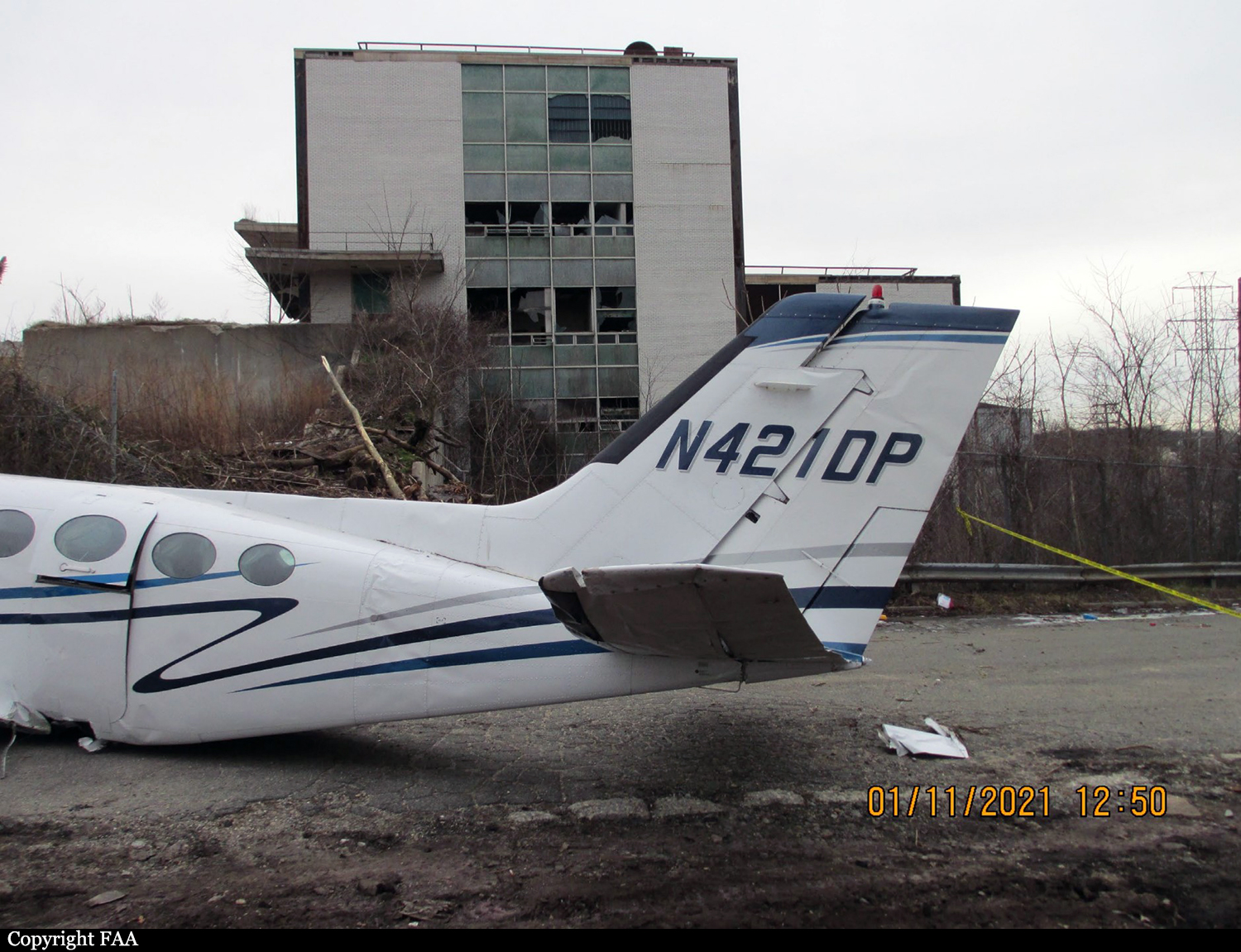
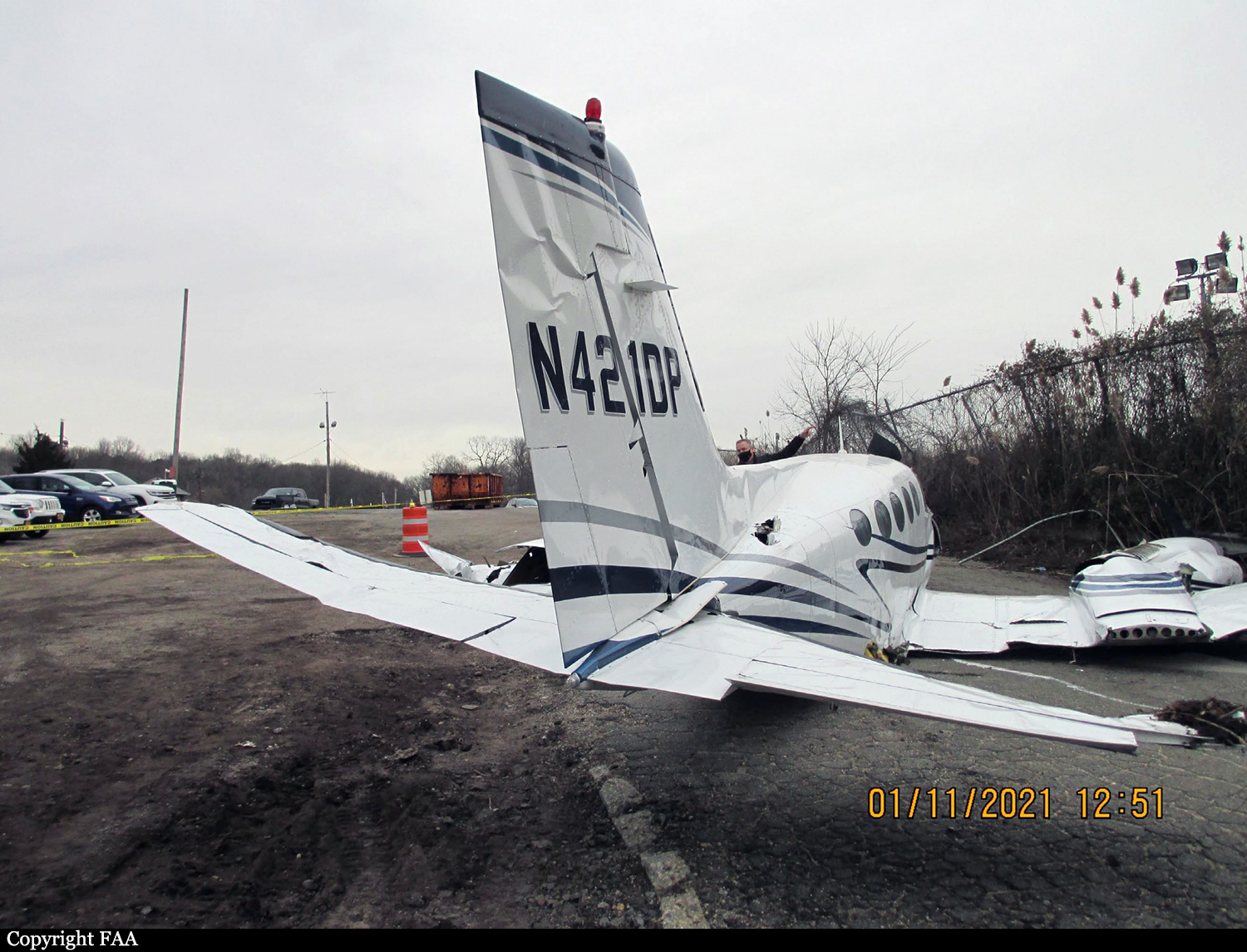
Crash of a Cessna 421B Golden Eagle II in Old Bethpage

Date & Time: Jan 10, 2021 at 1302 LT
Registration:
N421DP
Flight Phase:
Flight Type:
Survivors:
Yes
Schedule:
Farmingdale – Bridgeport
MSN:
421B-0353
YOM:
1973
Crew on board:
1
Crew fatalities:
Pax on board:
0
Pax fatalities:
Other fatalities:
Total fatalities:
0
Captain / Total flying hours:
1893
Captain / Total hours on type:
12.00
Aircraft flight hours:
5331
Circumstances:
The pilot reported that, during the initial climbout, about 1,000 ft above ground level, one of the engines stopped producing power. He confirmed that all engine controls were full forward and the main fuel tanks were selected. Immediately thereafter, the remaining engine began to surge, then stopped producing power. He established best glide speed and looked for an area to perform a forced landing. The airplane crashed into a solid waste disposal facility, about 2.3 nautical miles northwest of the departure airport. First responders arrived immediately after the accident and found only a trace amount of fuel within the confines of the accident site or in the fuel tanks. The only postaccident fire was centered on a small, localized area near the right engine turbocharger. Both main fuel tanks were empty, and the auxiliary bladder tanks were ruptured by impact forces. Examination of both engines revealed no evidence of a pre accident malfunction or anomaly. A surveillance video showed no evidence of smoke or mist training the airplane seconds prior to impact. The pilot reported that he departed the airport with 112 gallons of fuel on board. The pilot did not provide evidence of the latest refueling when requested by investigators. The available evidence is consistent with a total loss of engine power to both engines due to fuel exhaustion.

Probable cause:
The pilot’s inadequate preflight fuel planning, which resulted in a total loss of engine power due to fuel exhaustion and a forced landing.
Final Report:

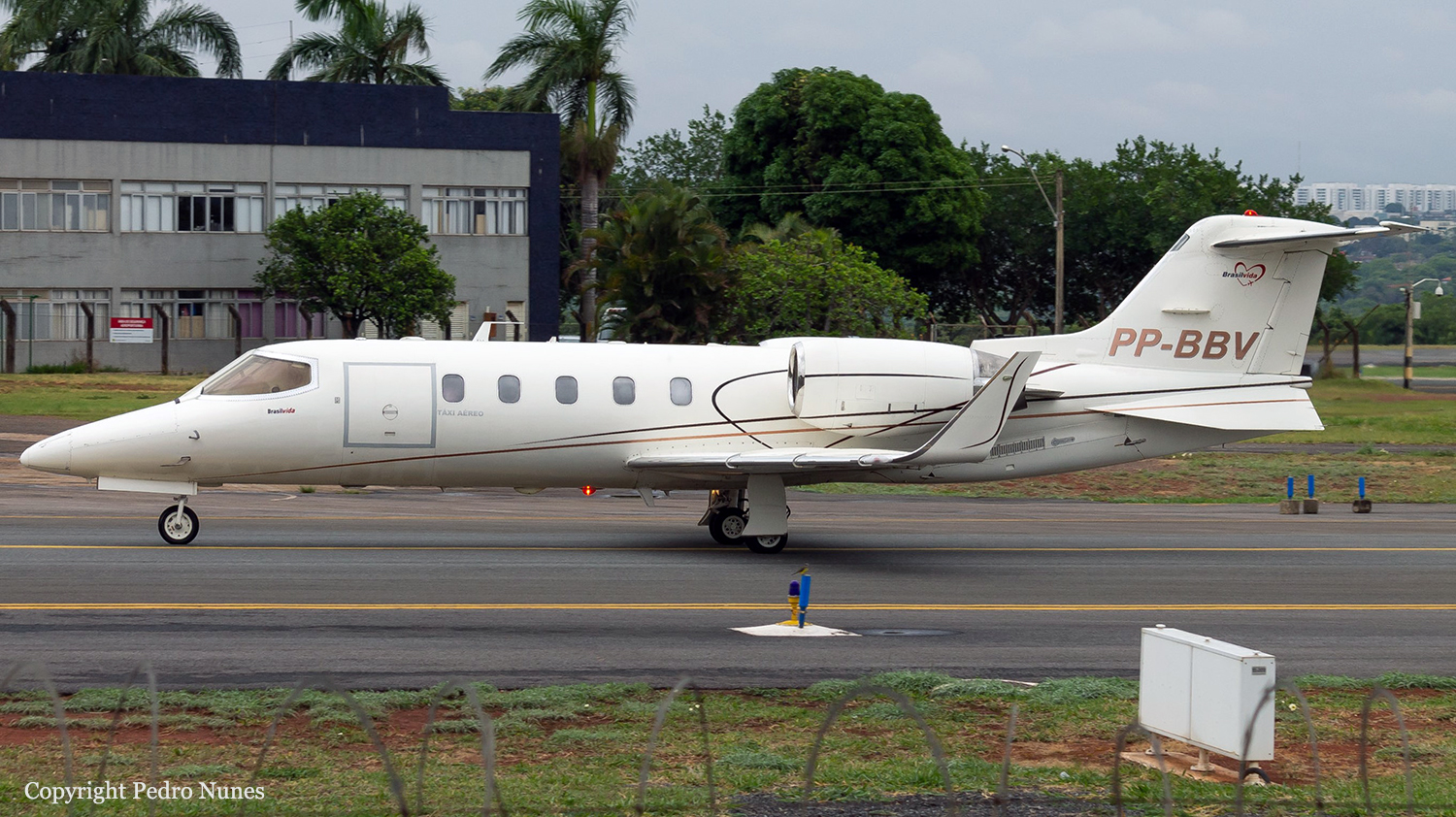
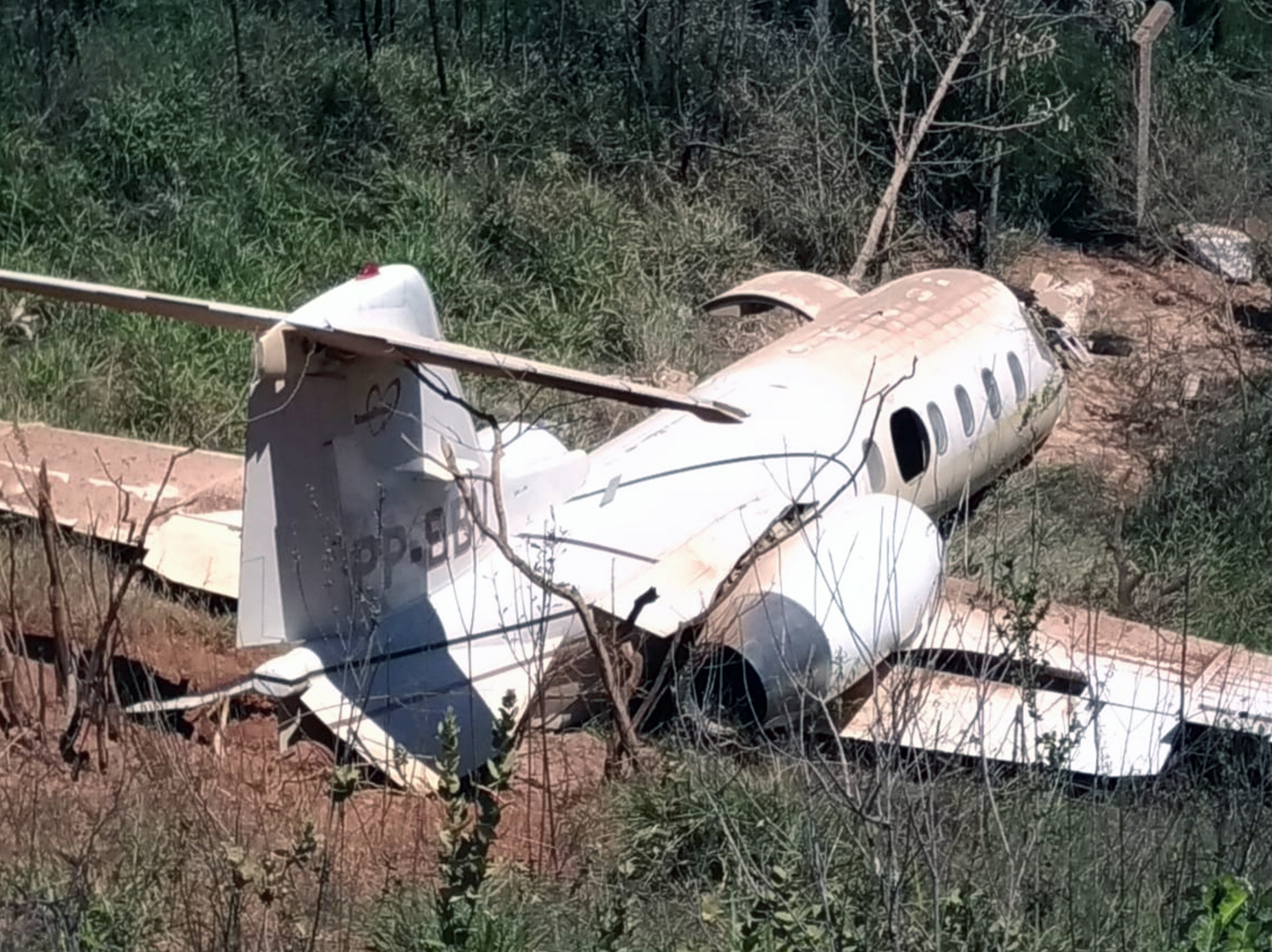
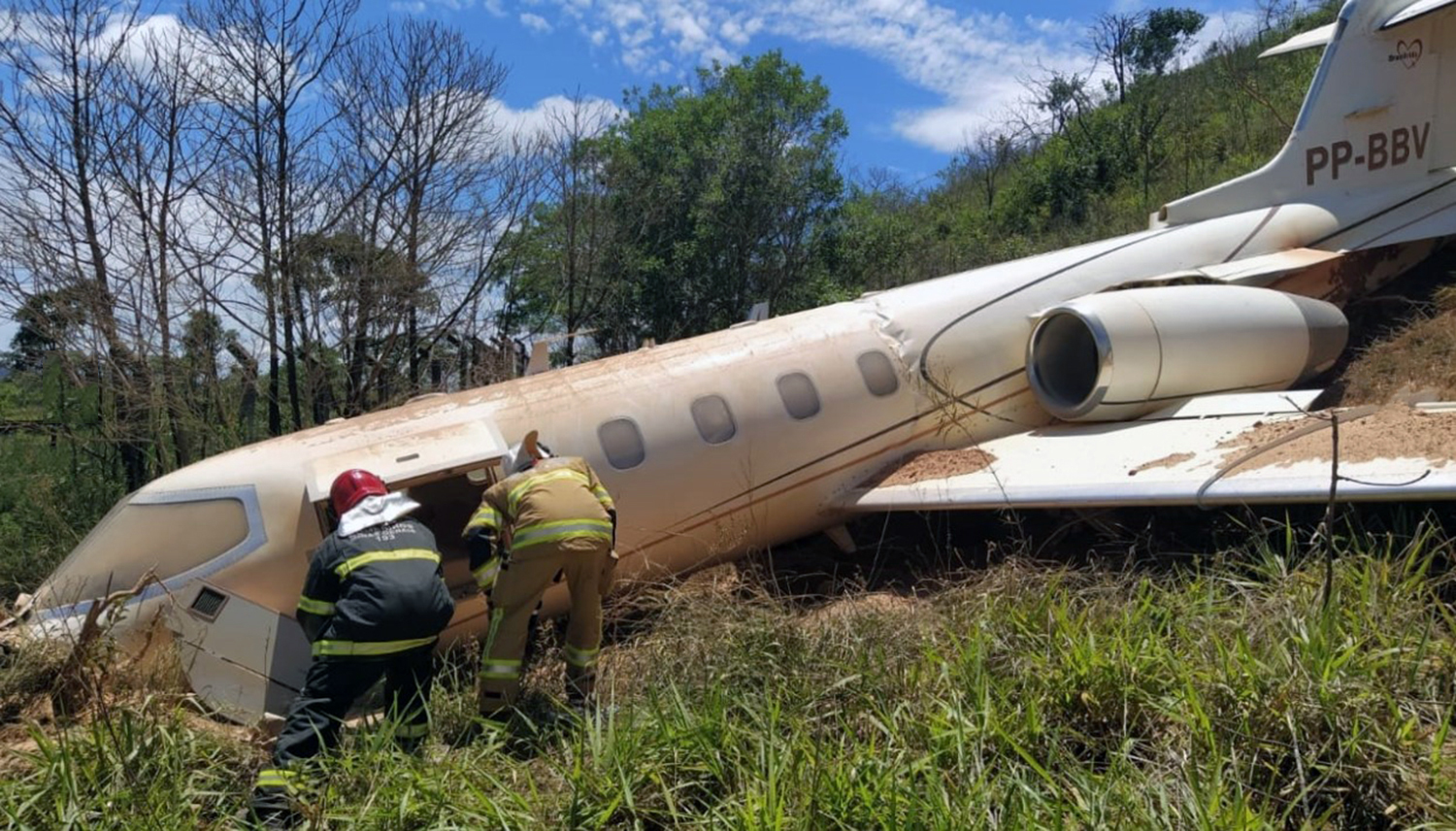
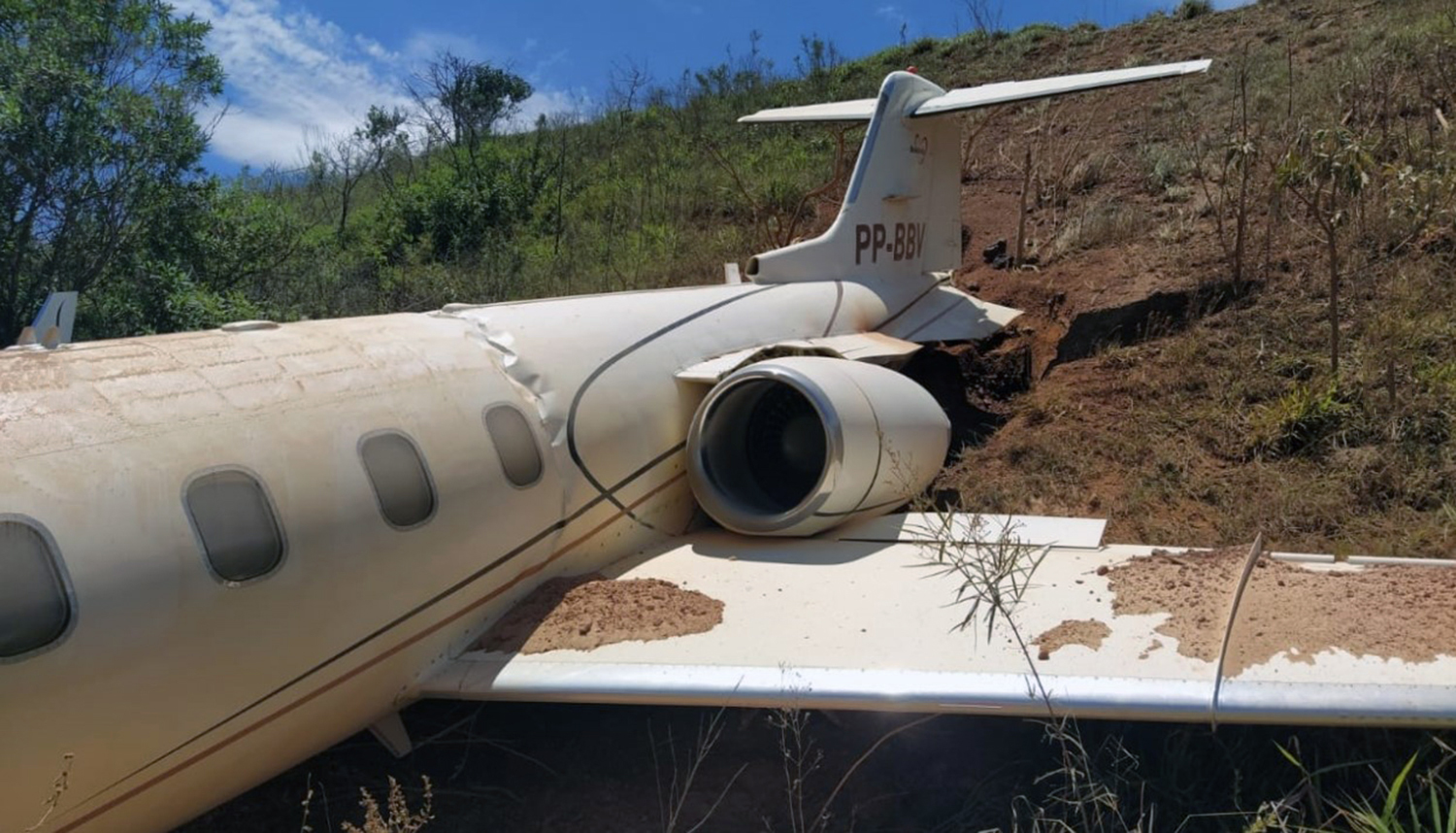
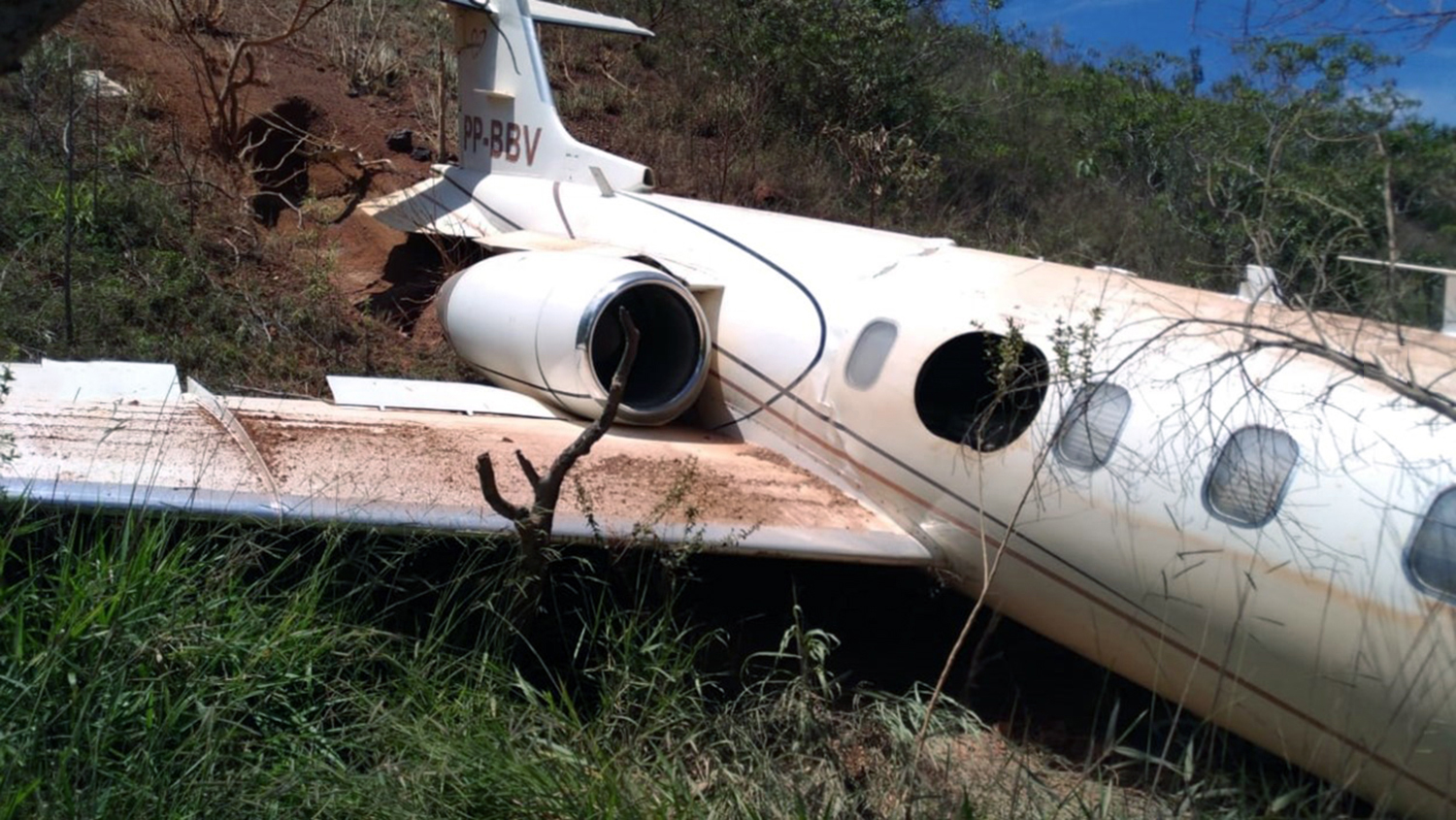
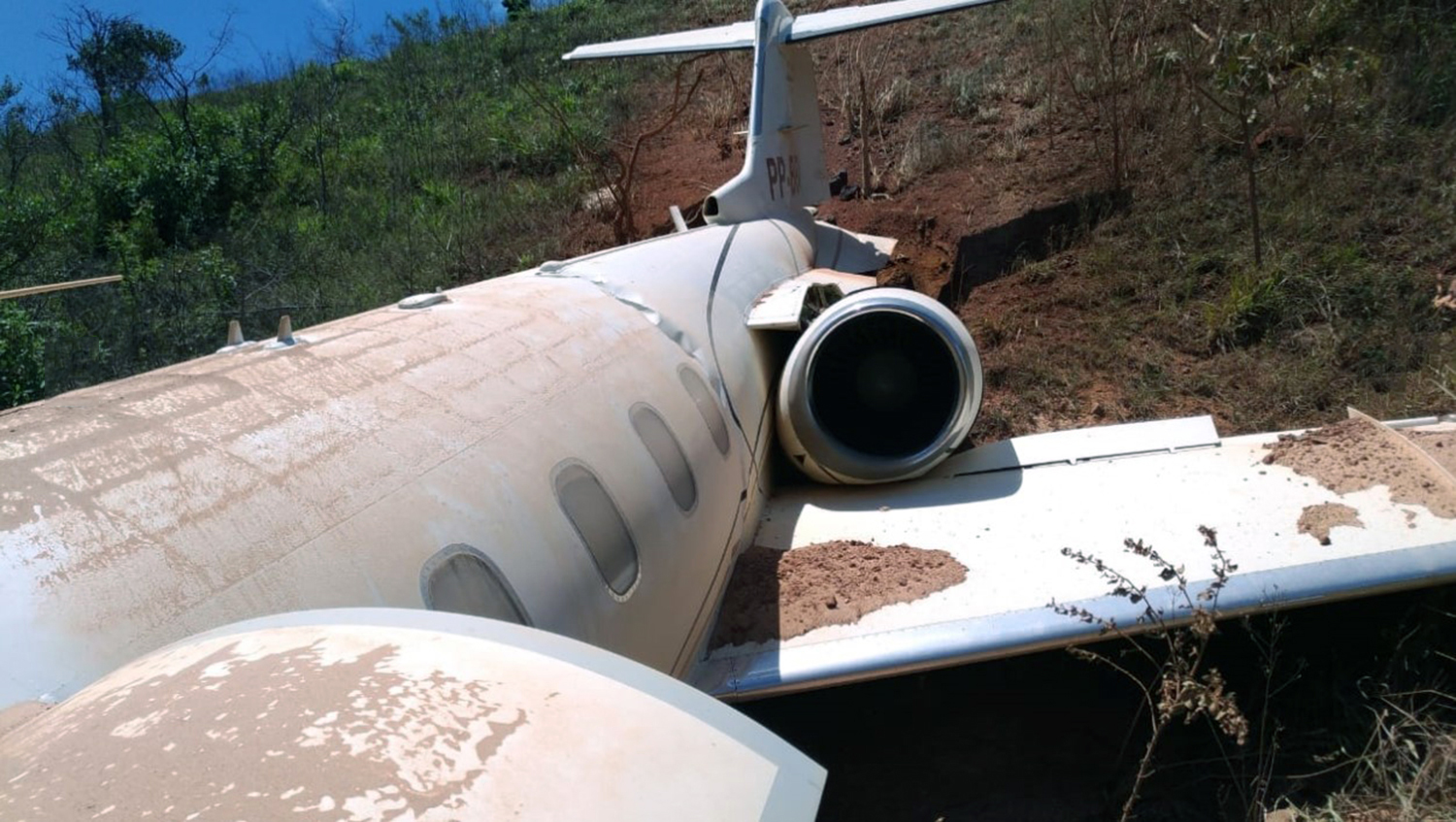
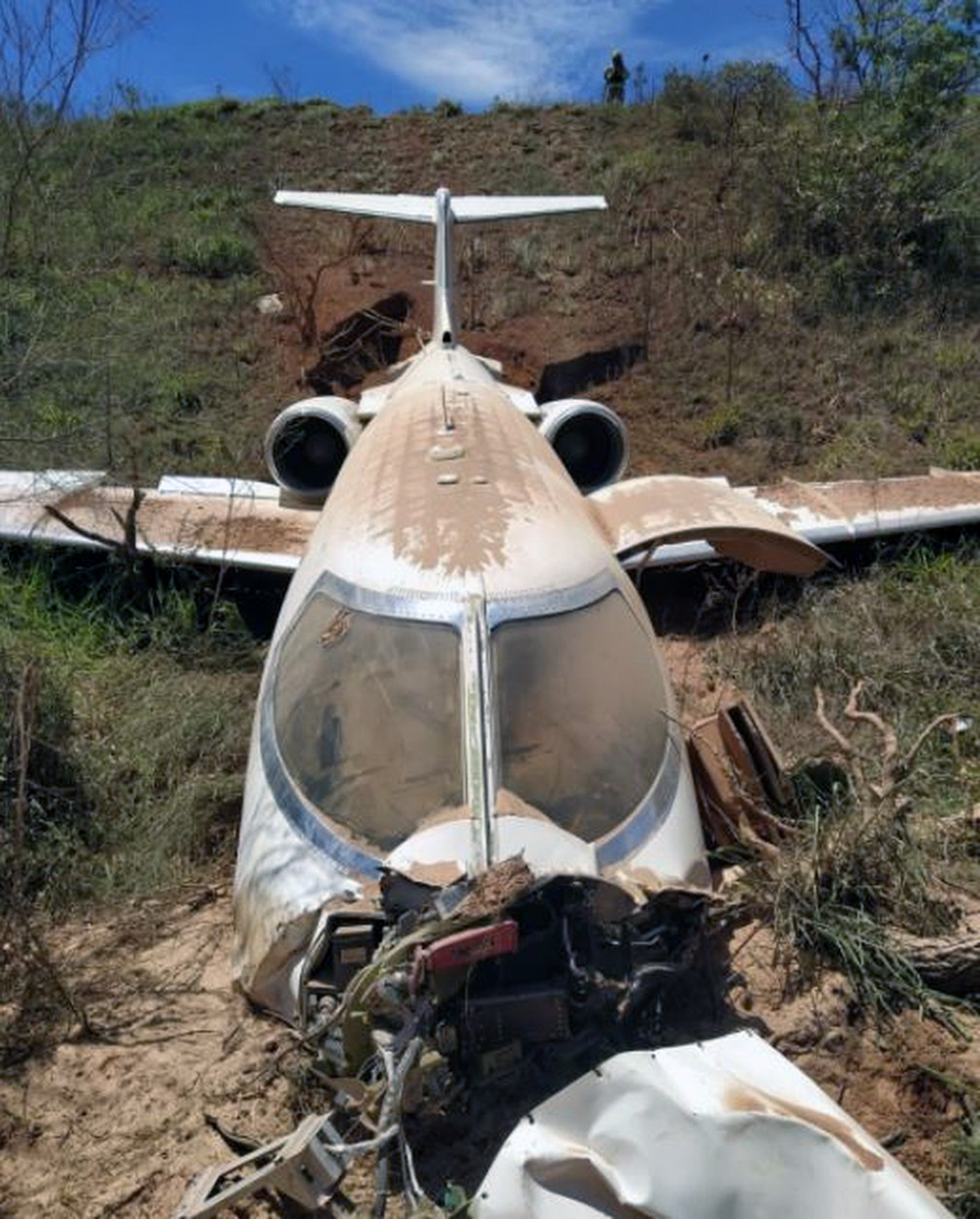
Crash of a Learjet 31A in Diamantina

Date & Time: Jan 2, 2021 at 0851 LT
Type of aircraft:
Operator:
Registration:
PP-BBV
Flight Type:
Survivors:
Yes
Schedule:
São Paulo – Diamantina
MSN:
31-113
YOM:
1995
Country:
Crew on board:
2
Crew fatalities:
Pax on board:
2
Pax fatalities:
Other fatalities:
Total fatalities:
0
Captain / Total flying hours:
4606
Captain / Total hours on type:
1138.00
Copilot / Total flying hours:
1475
Copilot / Total hours on type:
680
Circumstances:
The airplane departed São Paulo-Congonhas Airport on an ambulance flight to Diamantina-Juscelino Kubitschek Airport, carrying two doctors and two pilots. Following an unstabilized approach, the airplane landed too far down the runway 03 and was unable to stop within the remaining distance. It overran, went down a ravine and came to rest. All four occupants evacuated with minor injuries while the aircraft was damaged beyond repair.
Probable cause:
Following a wrong approach configuration on part of the crew, it was determined that the airplane landed about 600 metres from the runway end. In such conditions, the airplane could not be stopped within the remaining distance.
The following contributing factors were identified:
- Both pilots knew each other well and often flew together, thus it is possible that they over-relied on each other during the final phase of the flight,
- This over-confidence led the crew to neglect certain parameters related to the approach manoeuvre,
- Lack of crew coordination,
- Post-accident medical examinations revealed that the pilot-in-commands' (PF) lack of reaction to the pilot monitoring's (PM) warnings, and his impaired alertness, could indicate that he was suffering from the effects of alcohol and fatigue, reducing his performances,
- The pilots' decision to continue with the landing procedure despite an unstabilized approach characterized by inadequate situational awareness,
- Poor judgment on the part of the crew who failed to take the correct decision to initiate a go-around procedure.
Final Report: