Crash of an Antonov AN-24RV at Rogachevo AFB

Date & Time: Dec 14, 2010
Type of aircraft:
Operator:
Registration:
RA-47305
Survivors:
Yes
Schedule:
Arkhangelsk - Rogachevo
MSN:
5 73 103 05
YOM:
1975
Flight number:
AUL137
Country:
Region:
Crew on board:
7
Crew fatalities:
Pax on board:
32
Pax fatalities:
Other fatalities:
Total fatalities:
0
Circumstances:
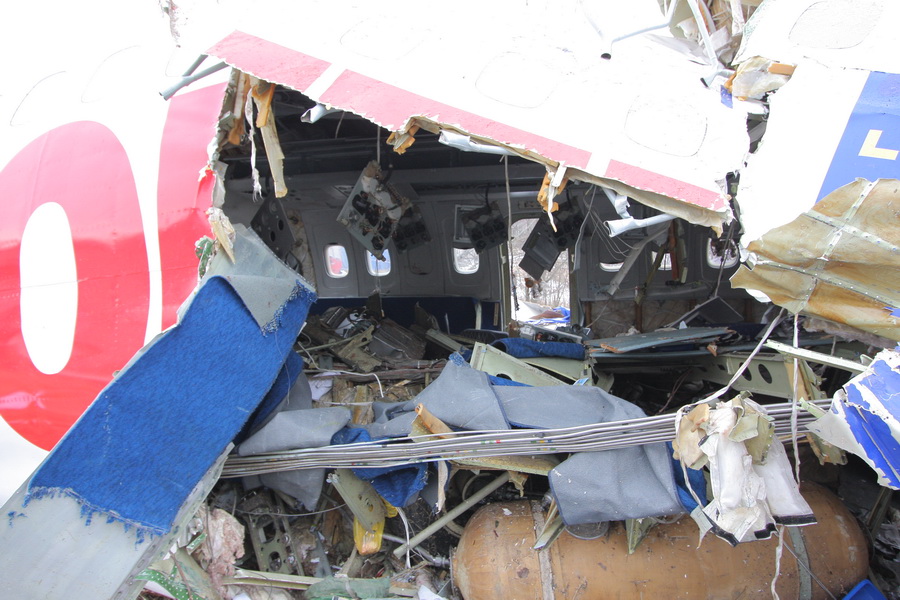
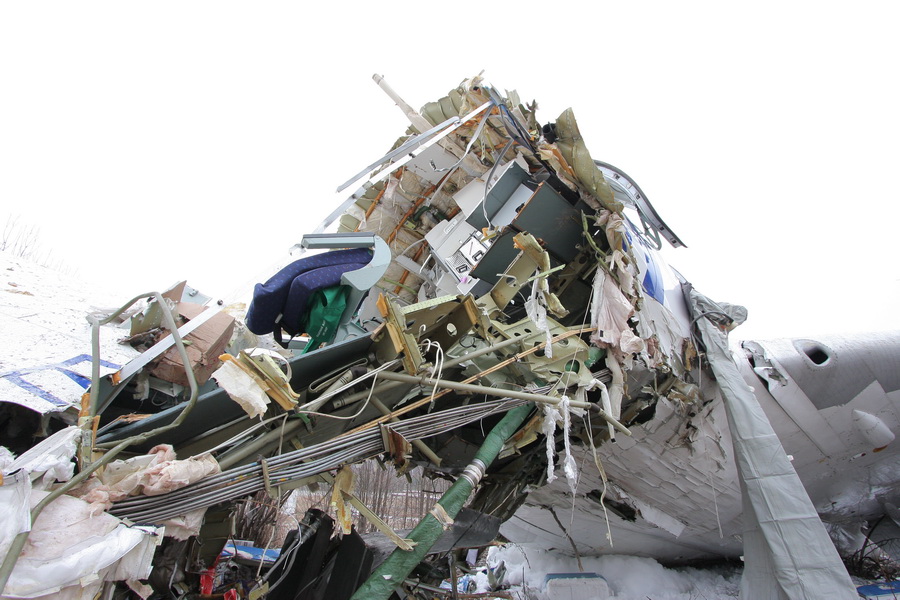
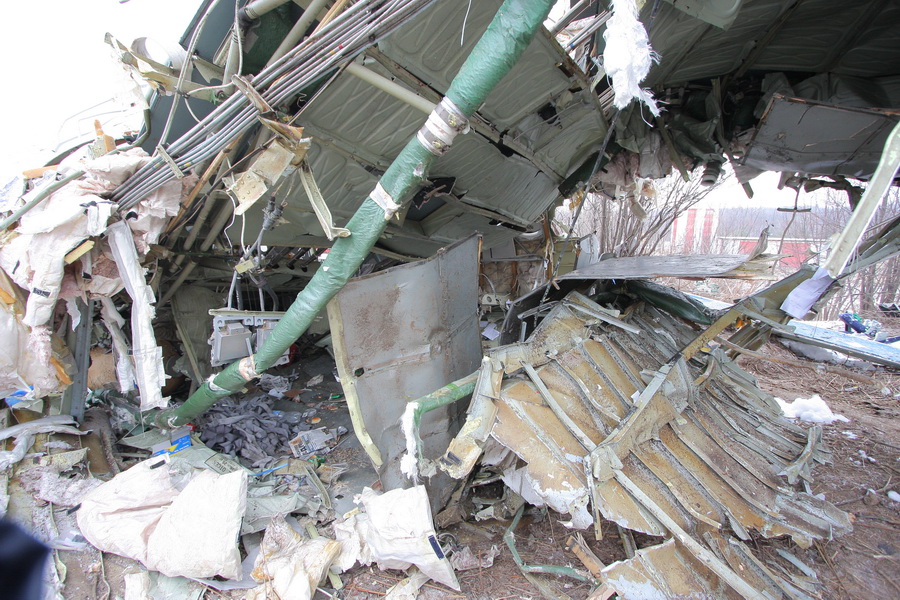
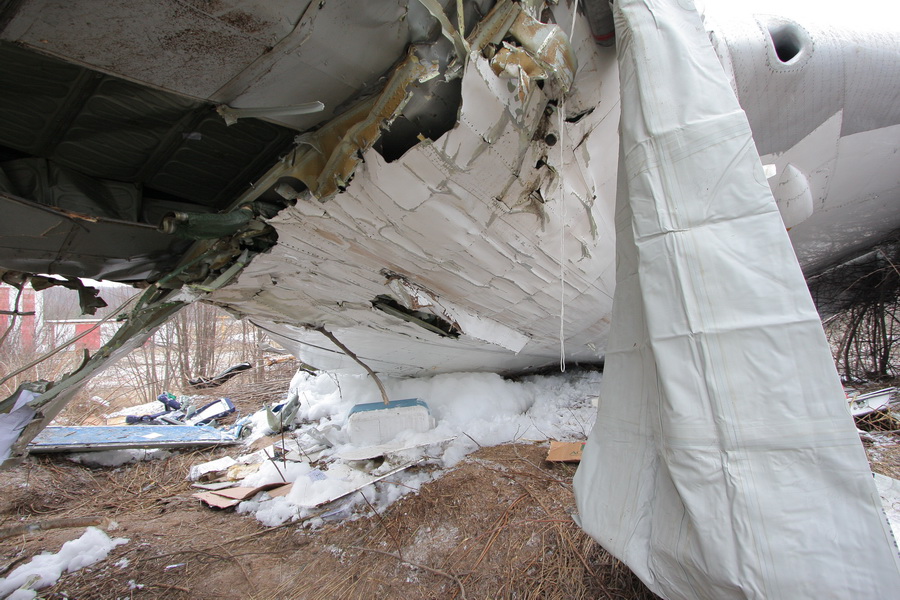
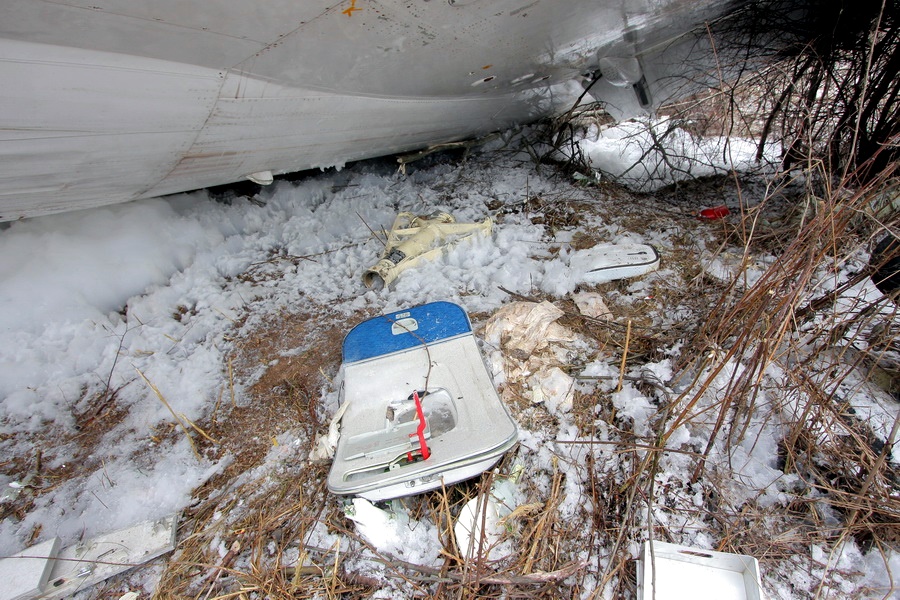
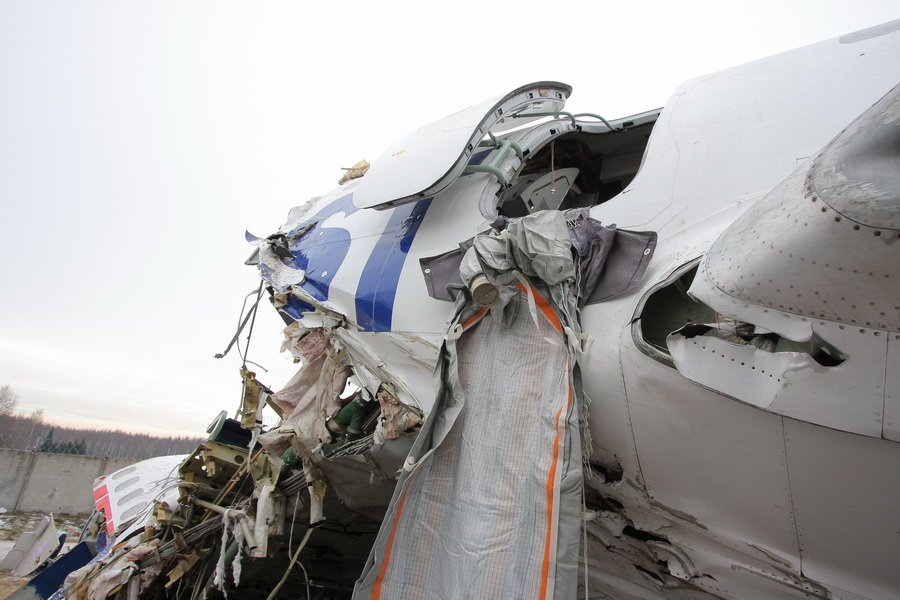
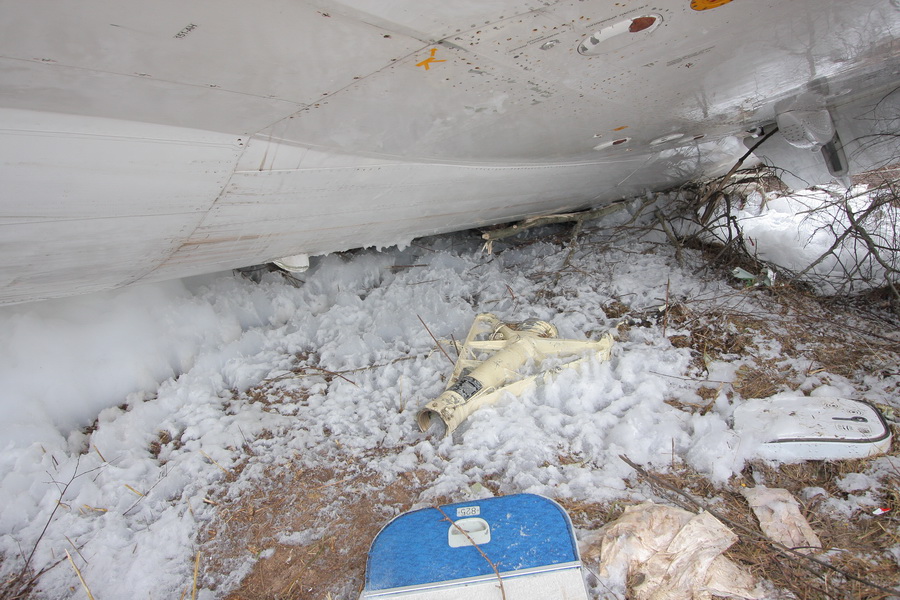
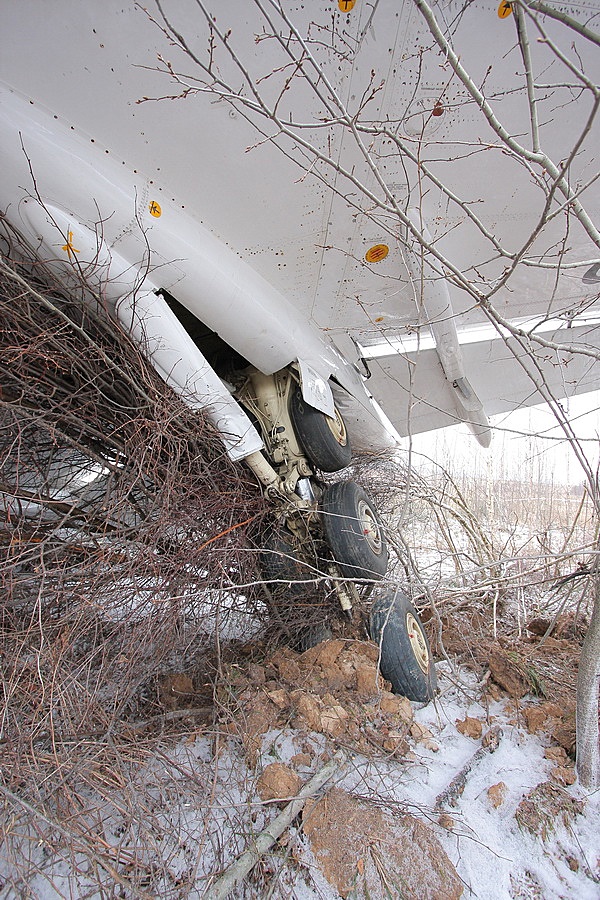
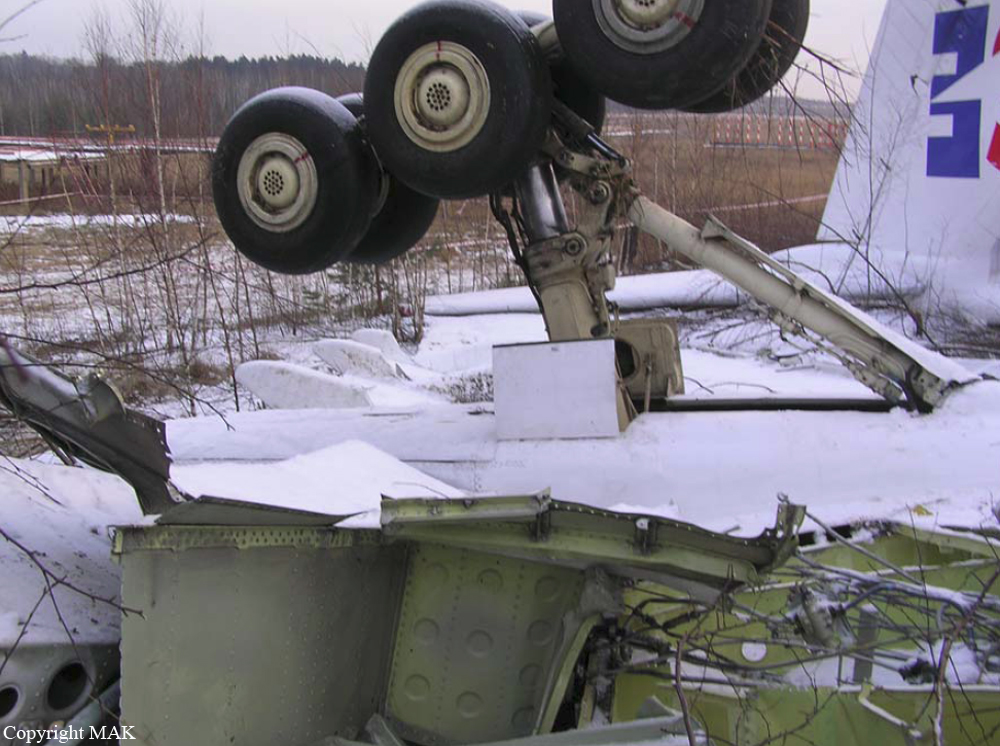
After landing on runway 16 at Rogachevo AFB (Anderma-2), the aircraft encountered difficulties to stop within the remaining distance. It overran, lost its left main gear and came to rest 8 metres further. All 39 occupants escaped uninjured and the aircraft was damaged beyond repair.

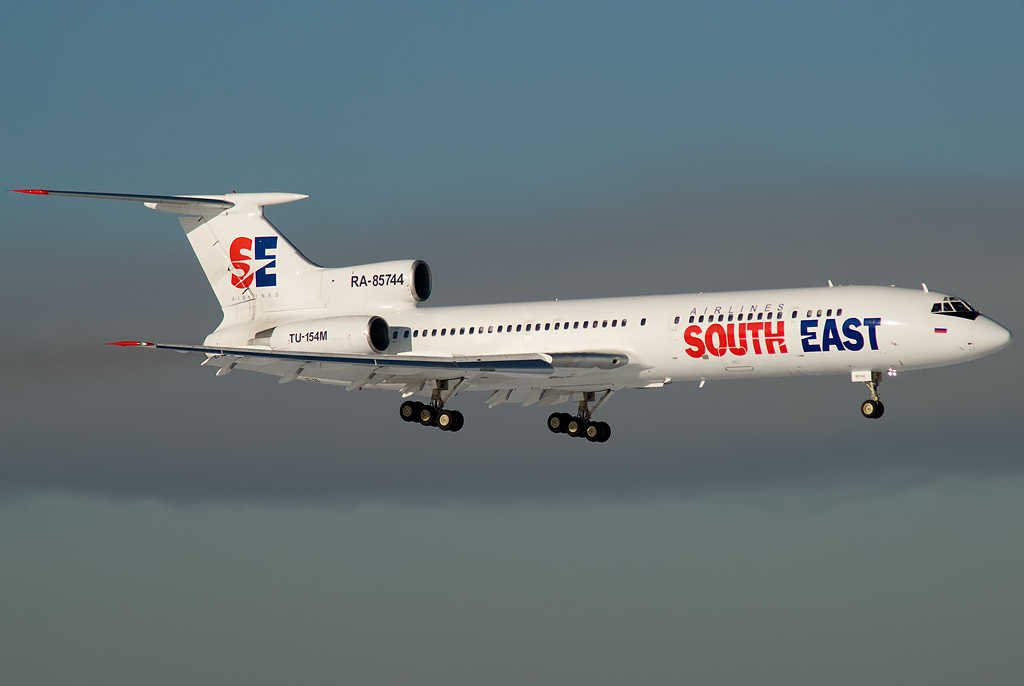
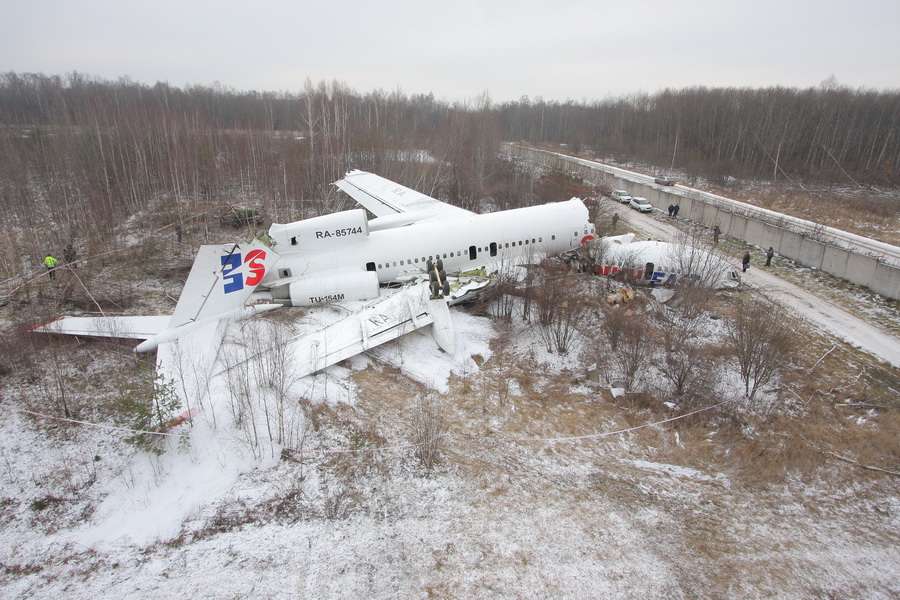
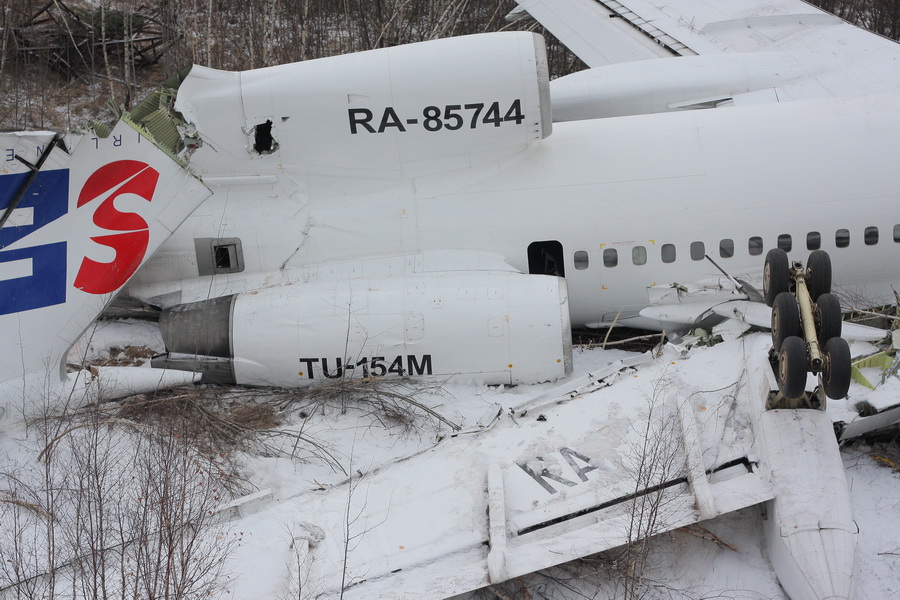
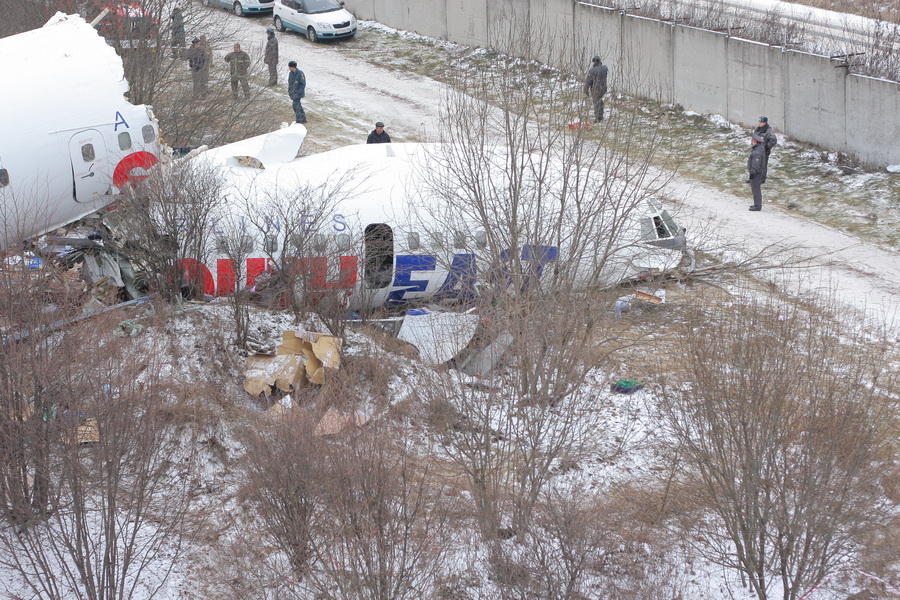
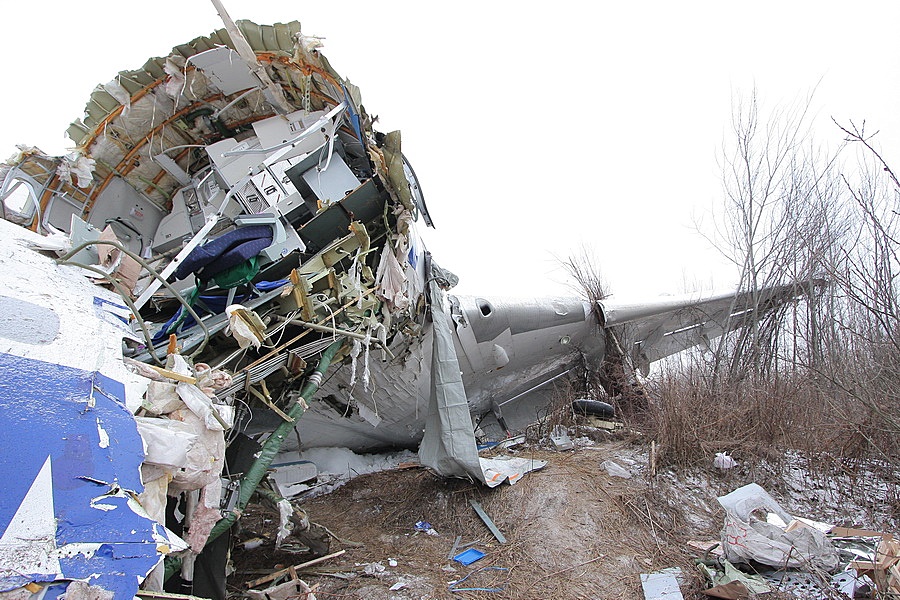
Crash of a Tupolev TU-154M in Moscow: 2 killed

Date & Time: Dec 4, 2010 at 1436 LT
Type of aircraft:
Operator:
Registration:
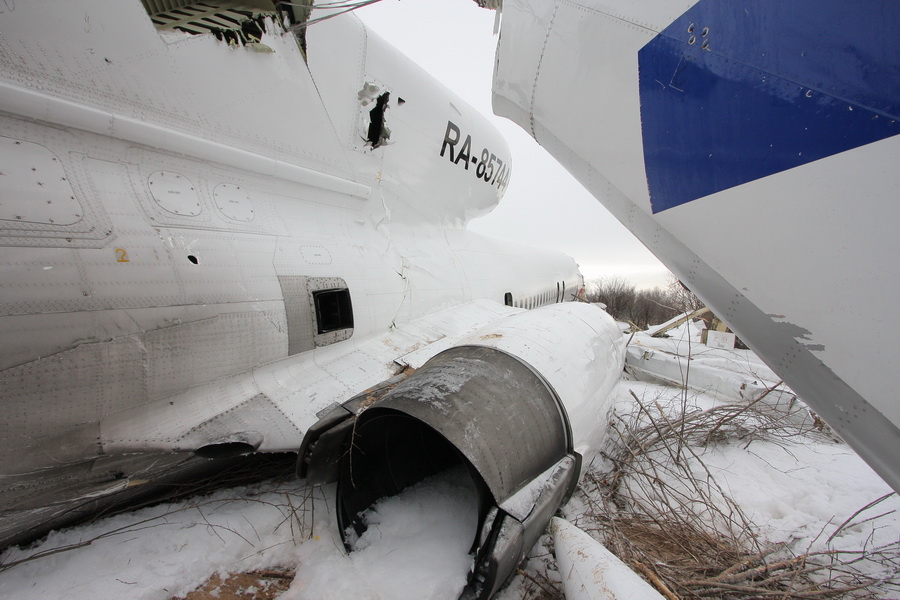
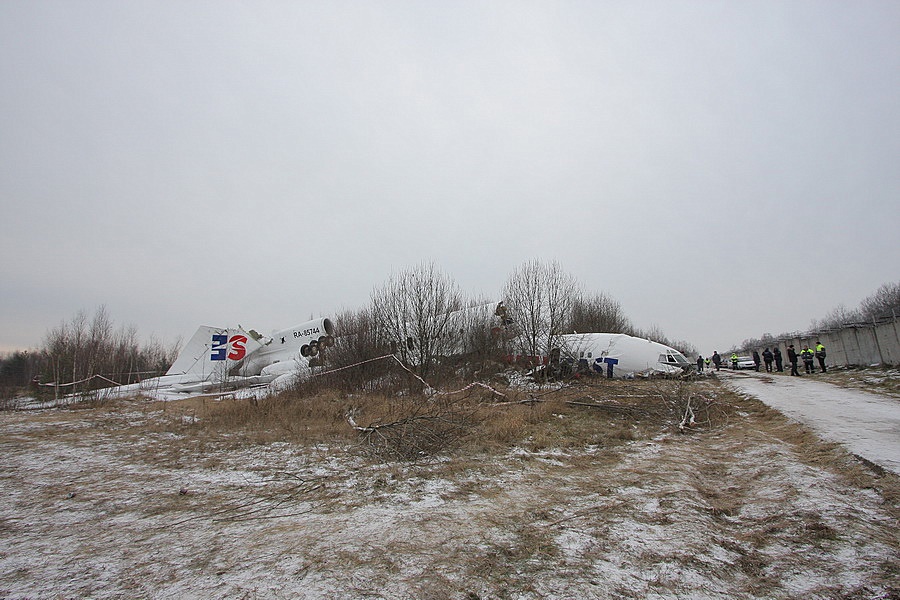
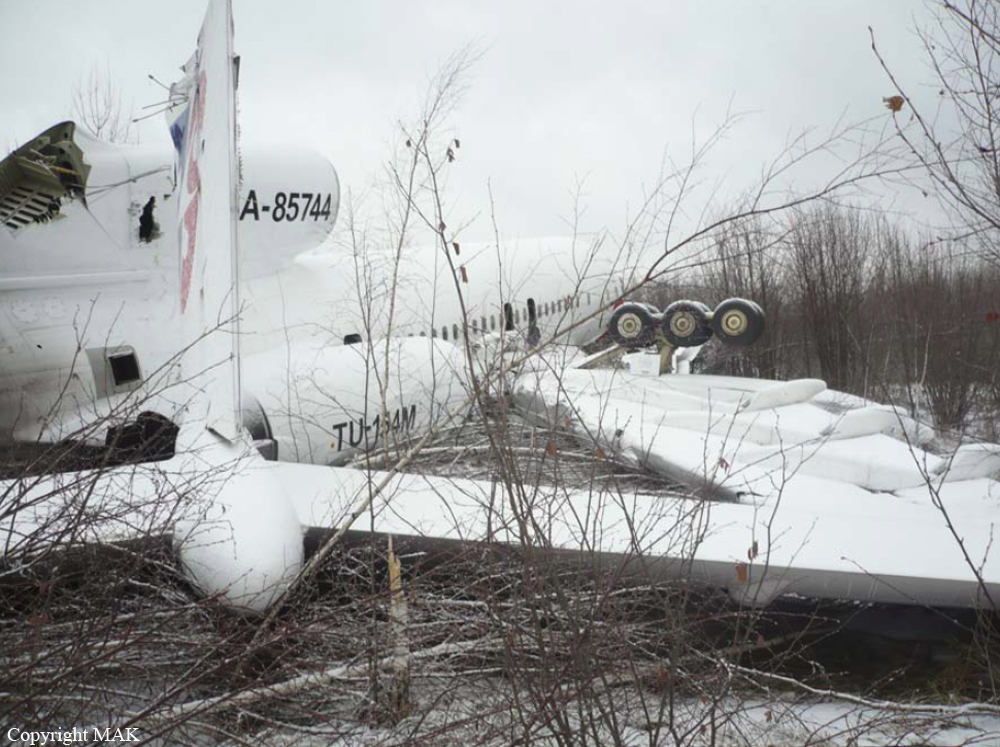
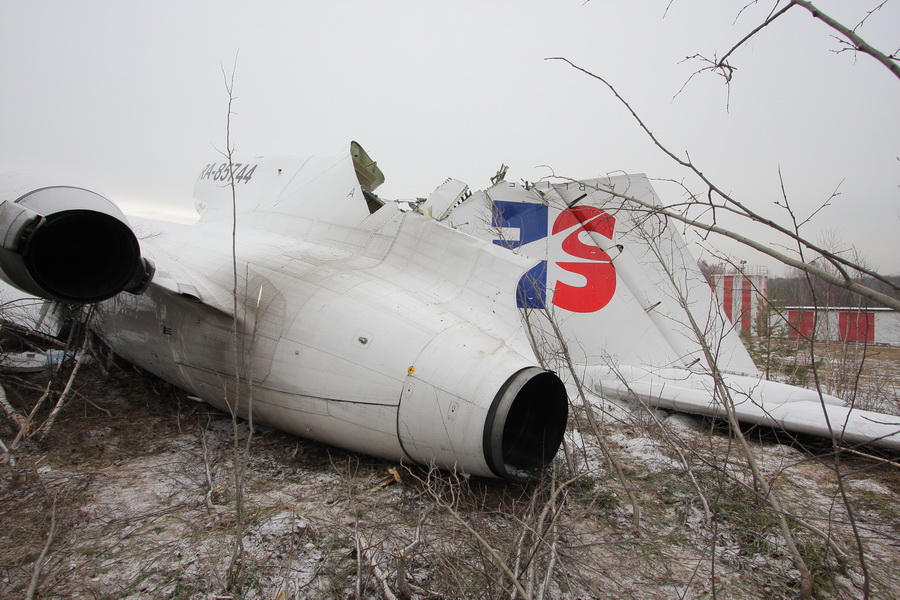
RA-85744
Survivors:
Yes
Schedule:
Moscow - Makhatchkala
MSN:
92A-927
YOM:
1992
Flight number:
DAG372
Country:
Region:
Crew on board:
9
Crew fatalities:
Pax on board:
160
Pax fatalities:
Other fatalities:
Total fatalities:
2
Captain / Total flying hours:
17384
Captain / Total hours on type:
10000.00
Copilot / Total flying hours:
3111
Copilot / Total hours on type:
1150
Aircraft flight hours:
9285
Aircraft flight cycles:
2983
Circumstances:
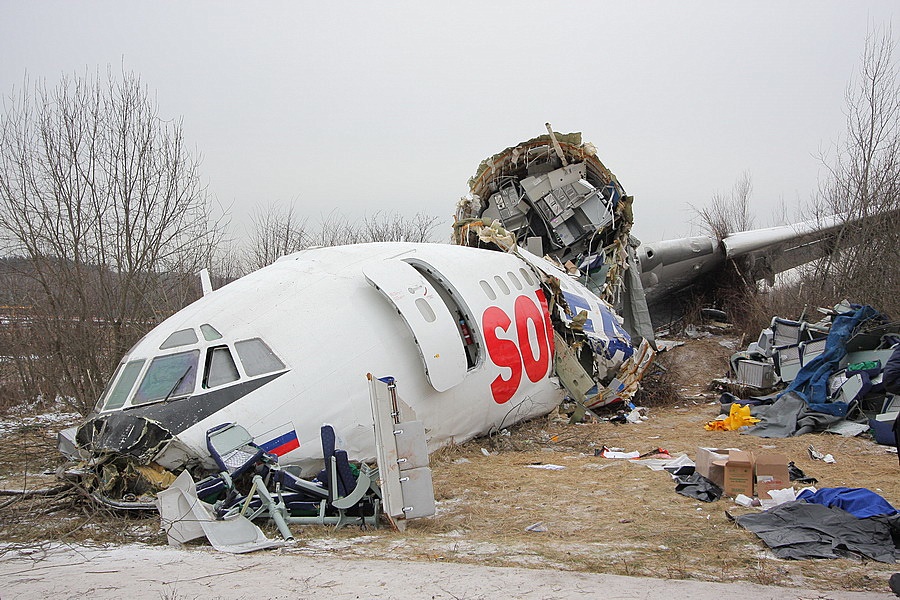
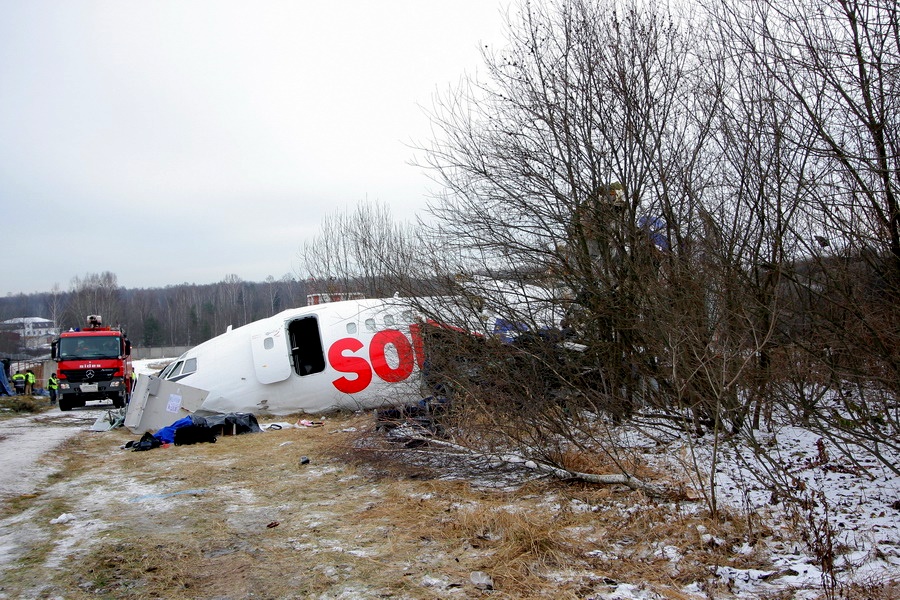
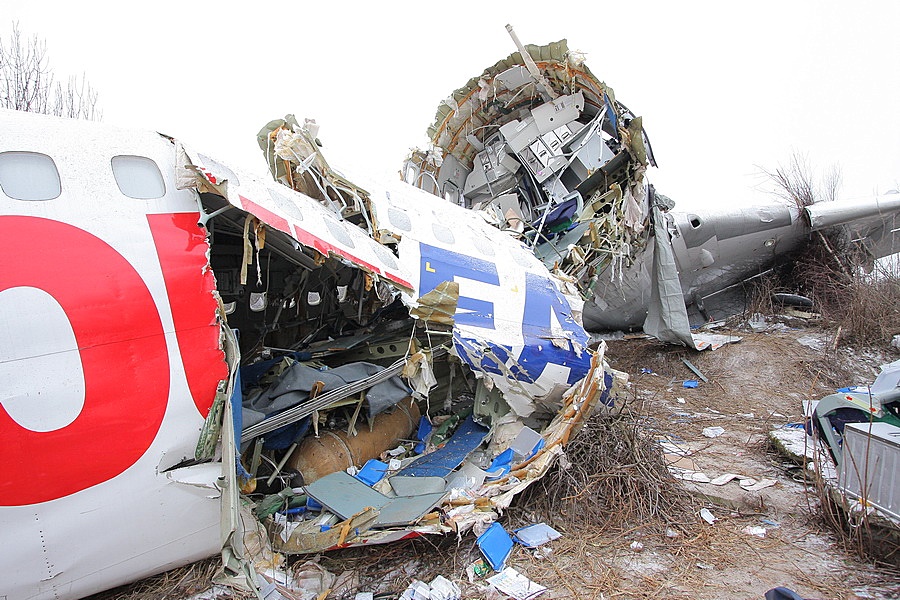
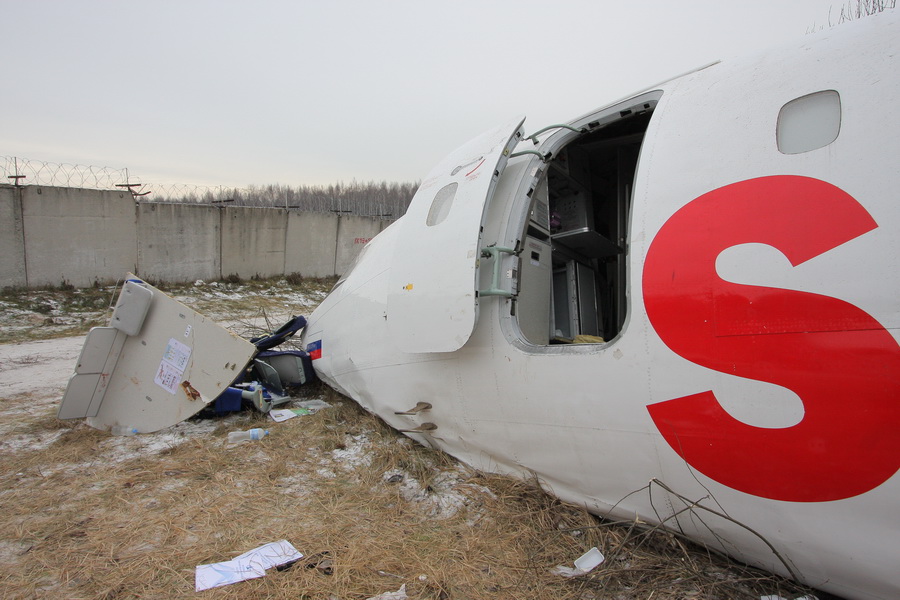
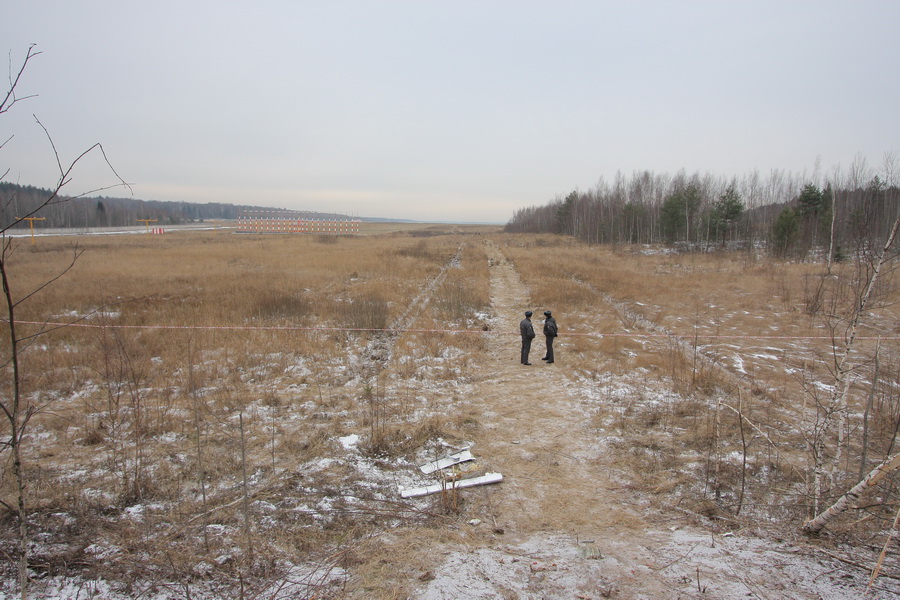
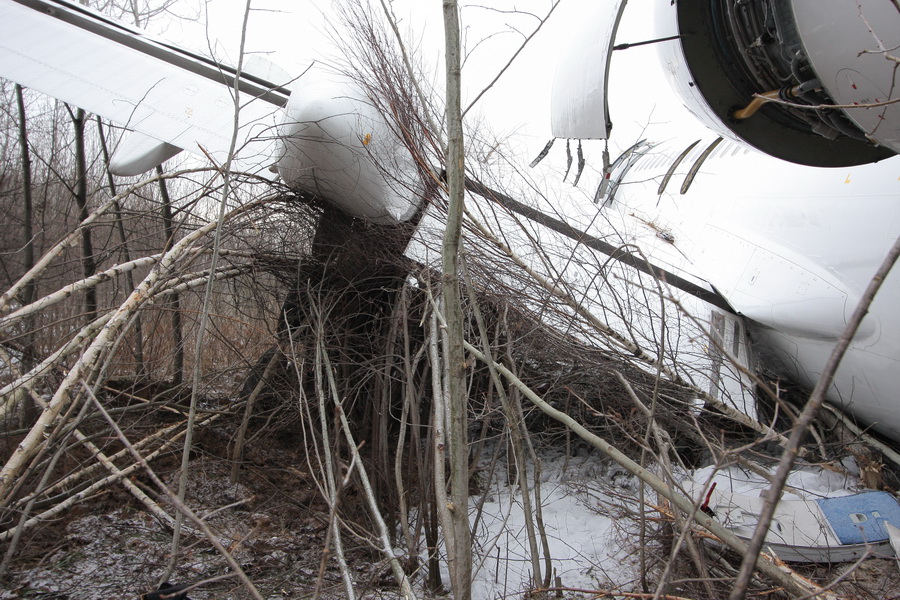
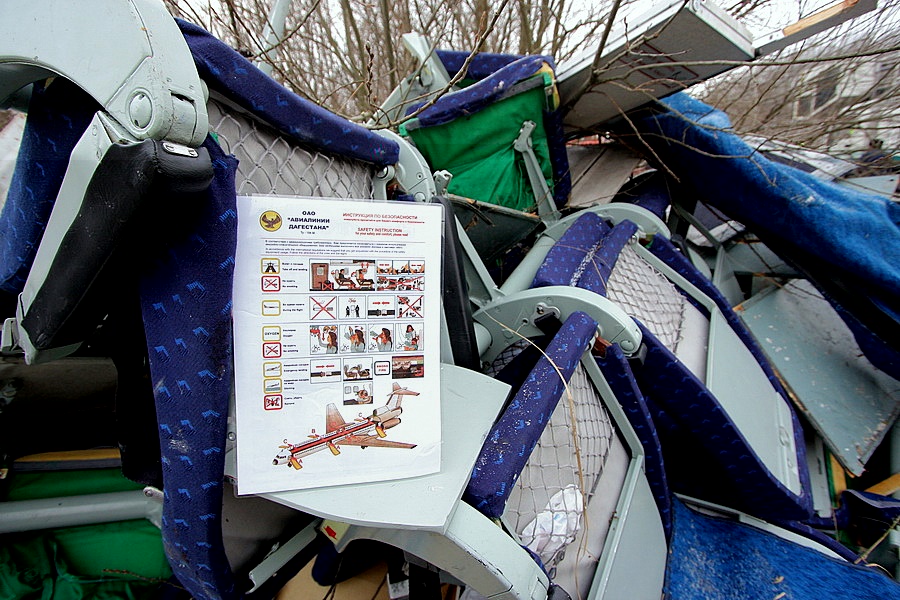
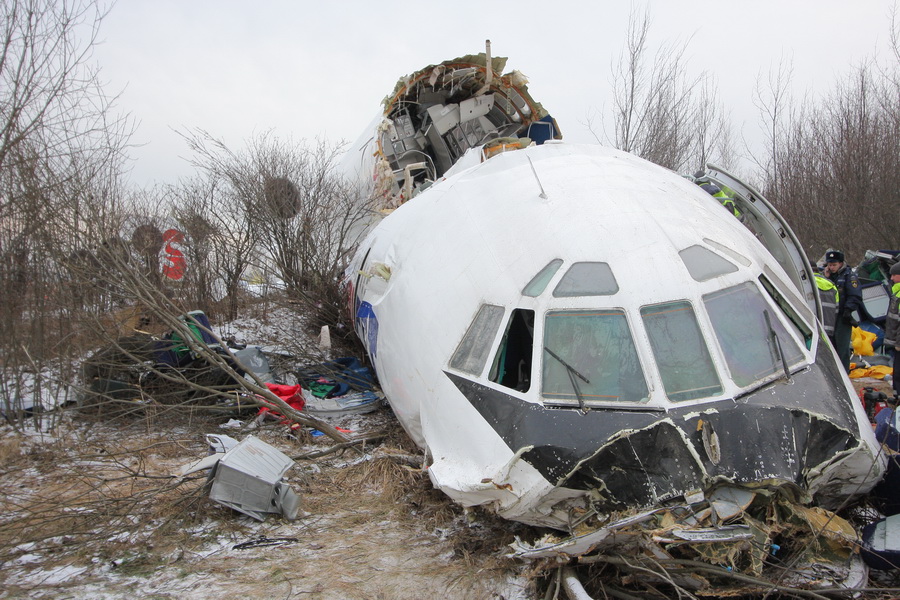
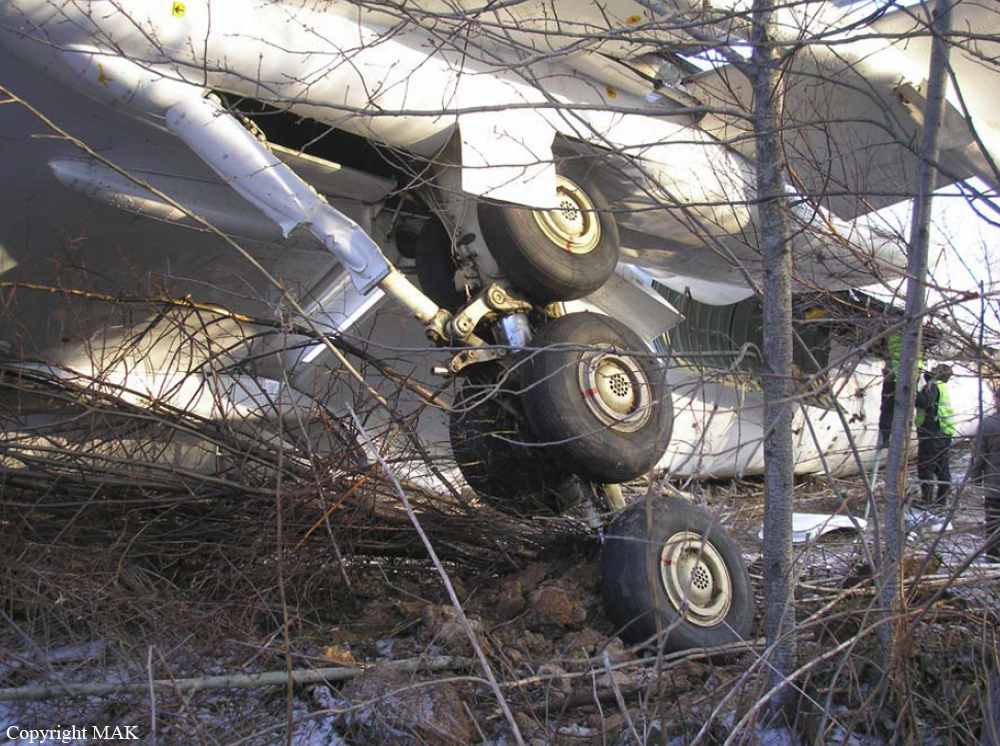
Daghestan Airlines (Avialinii Dagestana) flight DAG372 departed Moscow-Vnukovo Airport at 1408LT bound for Makhatchkala, Daghestan. Fourteen minutes after takeoff, while cruising at an altitude of 9,000 metres some 80 kilometers south of Moscow, the crew informed ATC about the failure of the engines n°1 and 3 and was cleared to return to Moscow-Domodedovo Airport. On final, the aircraft descended below the clouds at a height of 500 feet but was not properly aligned with the runway centerline. It landed hard to the right of runway 32R, went out of control, impacted an earth mound and bushed before coming to rest, broken in two. Two passengers were killed while 78 other occupants were injured.
Probable cause:
Erroneous actions on part of the crew who, while landing in instrument meteorological conditions with one engine running, permitted the aircraft to touch down significantly to the right of the runway.
These actions were the result of following factors:
- The flight engineer inadvertently turned off the fuel booster pumps of the service tank while working the procedures for manual fuel transfer during the climb, which led to fuel starvation, all engines spooling down with the outer engines (#1 and #3) shutting down as well as loss of electrical power for 2:23 minutes due to loss of all three generators
- Failure by the crew to take use of all available possibilities to restore on-board systems after generator #2 was recovered and the APU spooled up and was successfully connected
- Failure to comply with recommendations "flying with two engines inoperative" and "approach and landing with two engines inoperative"
- Lack of leadership and lack of management and distribution of responsibilities by the captain leading to independent but not always accurate actions by the other crew members as result of insufficient training in crew resource management
- A complex wind environment varying with heights which contributed to the deviation from the proper approach trajectory while the crew was flying on stand by instruments rather than regular instruments
- Insufficient training of the crew as a whole as well as each individual to act in emergency and complex scenarios
- The non-implementation of safety recommendations developed in earlier investigations to prevent the flight engineer inadvertently turn off the fuel booster pumps.
Final Report:

Crash of a Beechcraft A65 Queen Air near Tuguegarao

Date & Time: Nov 29, 2010 at 1330 LT
Type of aircraft:
Registration:
RP-C1111
Flight Phase:
Flight Type:
Survivors:
Yes
Schedule:
Basco – Tuguegarao
MSN:
LC-270
YOM:
1968
Country:
Region:
Crew on board:
2
Crew fatalities:
Pax on board:
11
Pax fatalities:
Other fatalities:
Total fatalities:
0
Circumstances:
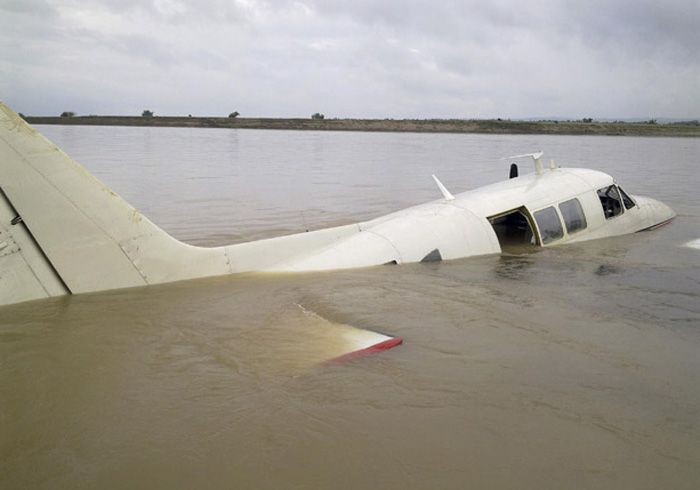
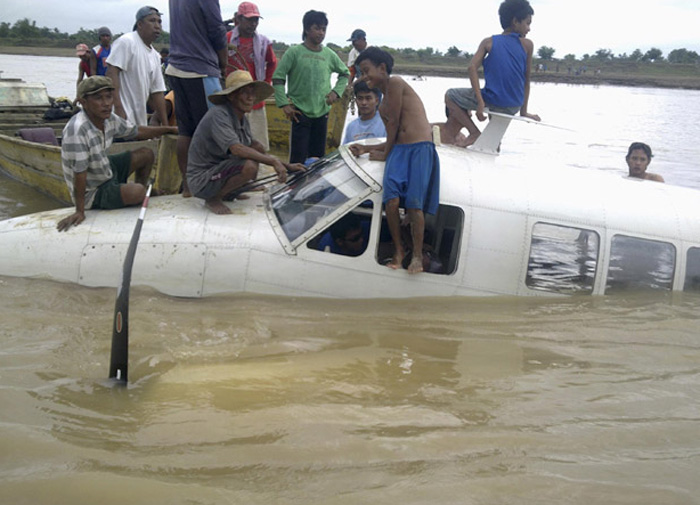
En route from Basco to Tuguegarao, the crew encountered technical problems and elected to divert to the nearest airport for an emergency landing. The twin engine aircraft stalled and crashed in a river. All 13 occupants, among them two children, evacuated safely. The aircraft damaged beyond repair.
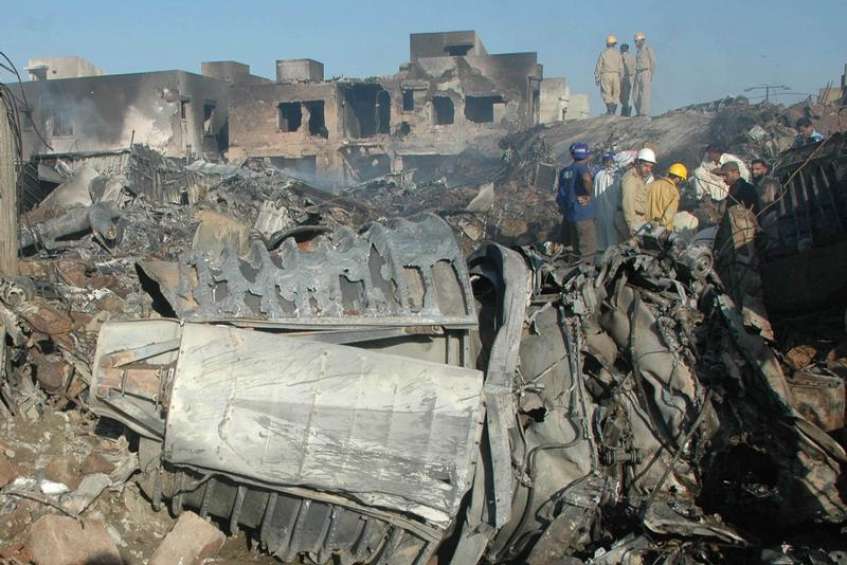
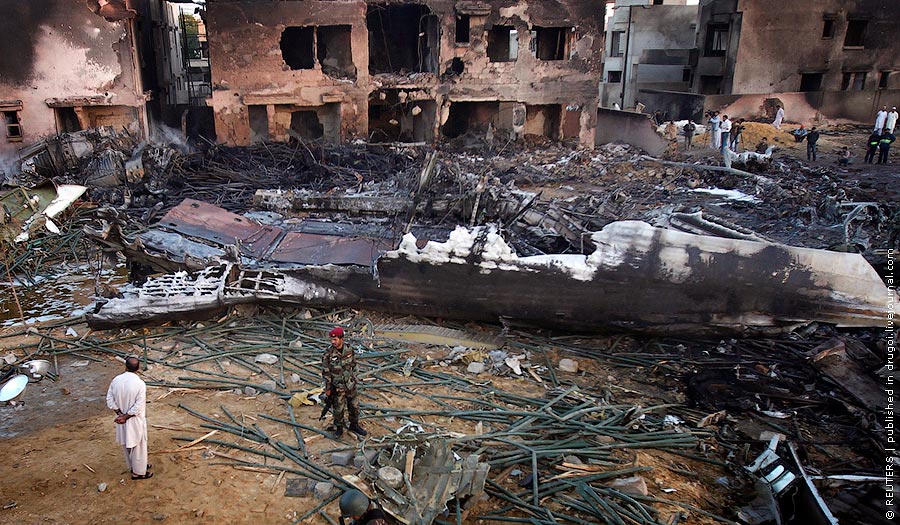
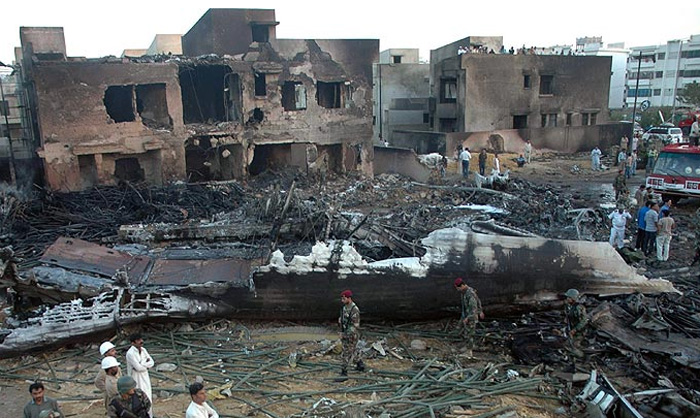
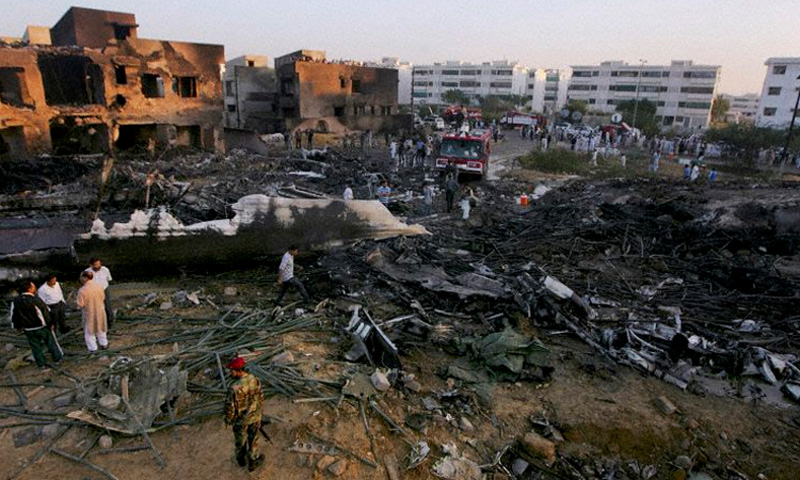
Crash of an Ilyushin II-76TD in Karachi: 11 killed

Date & Time: Nov 28, 2010 at 0145 LT
Type of aircraft:
Operator:
Registration:
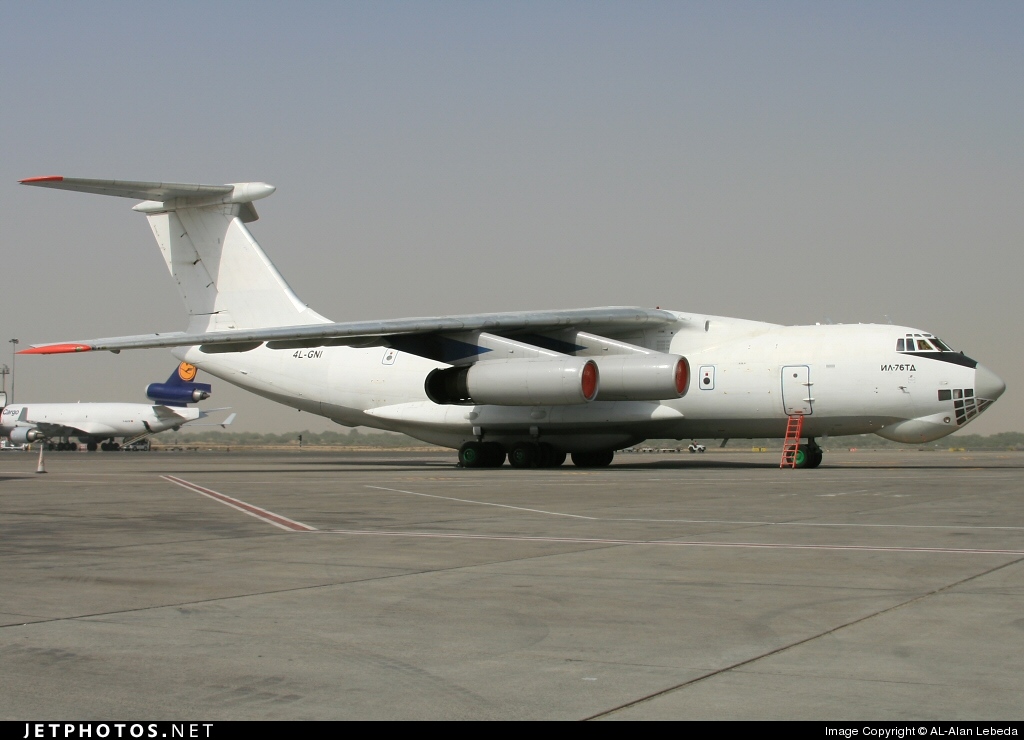
4L-GNI
Flight Phase:
Flight Type:
Survivors:
No
Site:
Schedule:
Karachi - Khartoum - Douala
MSN:
43452546
YOM:
1982
Flight number:
MGC4412
Country:
Region:
Crew on board:
6
Crew fatalities:
Pax on board:
2
Pax fatalities:
Other fatalities:
Total fatalities:
11
Captain / Total flying hours:
7272
Captain / Total hours on type:
5502.00
Copilot / Total flying hours:
2220
Aircraft flight hours:
8357
Aircraft flight cycles:
3373
Circumstances:
On 27th November, 2010 the operating crew of mishap aircraft flew from Fujairah (UAE) to JIAP, Karachi (Pakistan) at 1000 UTC. The load onboard was weighing 9 tons (Packaged Boeing
747 engine). The aircraft had flown to Fujairah airport from Kandahar. According to the provided information on the 27-11-2010 the crew comprising Aircraft Commander, Second Pilot, Navigator, Flight Engineer, Flight Radio Operator, and Flight Operator flew from Fujairah (UAE) to JIAP Karachi. After landing the crew members were shifted to “Regent Plaza” hotel in Karachi. The stay of crew in the hotel was not less than 8 hours. The aircraft was refuelled at JIAP, Karachi and total fuel onboard was 74 tons. A cargo load of 30.5 tons was also loaded after refuelling the aircraft. The aircraft mass was 197 tons with its CG at 30% Mean Aerodynamic Chord (MAC) before undertaking the mishap flight. The aircraft was scheduled for departure from JIAP, Karachi at 2025 UTC 28th November, 2010) on route “Karachi – Khartoum – Douala, Cameroon to deliver humanitarian aid (tents). The crew arrived at airport around 1900 UTC. The weather conditions were satisfactory. The weather details are mentioned in this report at Para 1.7. After starting engines the crew taxied the plane to Runway 25L and reported to the air traffic controller that the plane would take off in 3 minutes and the aircraft took off at 2048 UTC. According to the radar data the aircraft ascended to 600 feet, started descending and then disappeared from the radar screen. The air traffic controller did not receive any information from the crew members about emergency conditions onboard. The aircraft crashed at about 2050 UTC on a bearing of 070 degree and approximately 02 NM from JIAP, Karachi at geographical location N24°53.651’, E 067°06.406’.

Probable cause:
The cause of the occurrence was uncontained failure of the 2nd stage disk of LP compressor of Engine # 4 due to fatigue fracture which resulted in in-flight fire and damage to adjacent areas of right wing / flaps to an extent that flight could not be sustained.
The use of mishap engine beyond its manufacturer’s assigned life without assessment and life enhancement by the manufacturer was the cause of its uncontained fatigue failure.
Final Report:

Crash of a Lockheed C-130H Hercules in Sanaa

Date & Time: Nov 18, 2010
Type of aircraft:
Operator:
Registration:
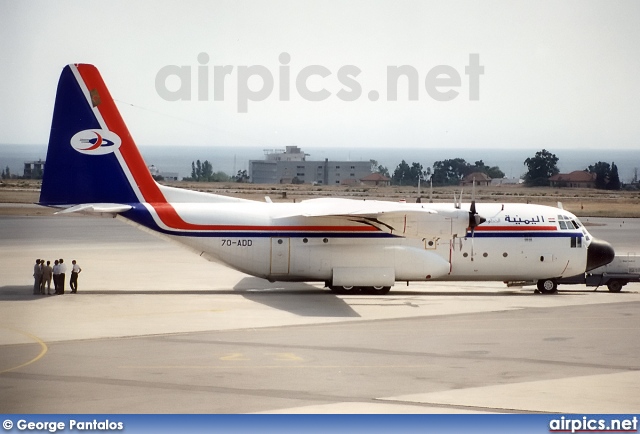
7O-ADD
Flight Type:
Survivors:
Yes
MSN:
4827
YOM:
1979
Country:
Region:
Crew on board:
0
Crew fatalities:
Pax on board:
0
Pax fatalities:
Other fatalities:
Total fatalities:
0
Circumstances:
After landing at Sanaa Airport, the four engine aircraft veered off runway and came to rest, bursting into flames. All occupants escaped uninjured. The fire was quickly extinguished but the aircraft was damaged beyond repair.