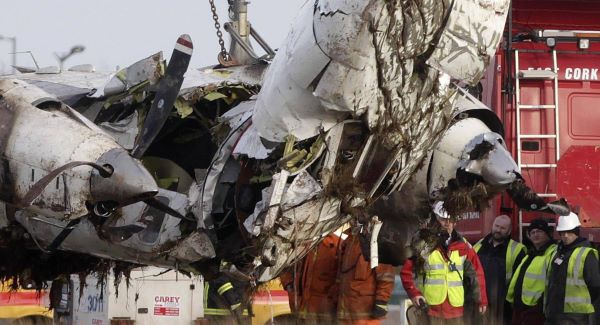
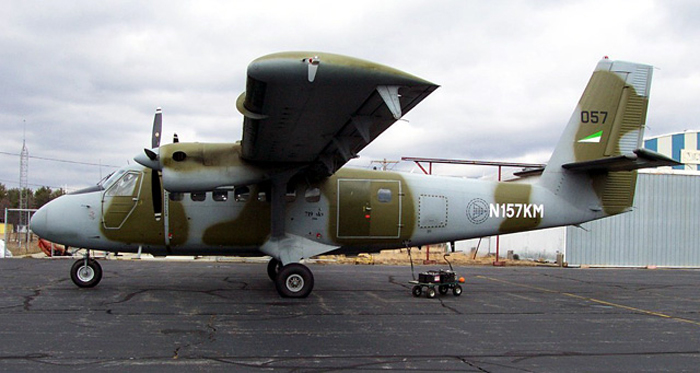
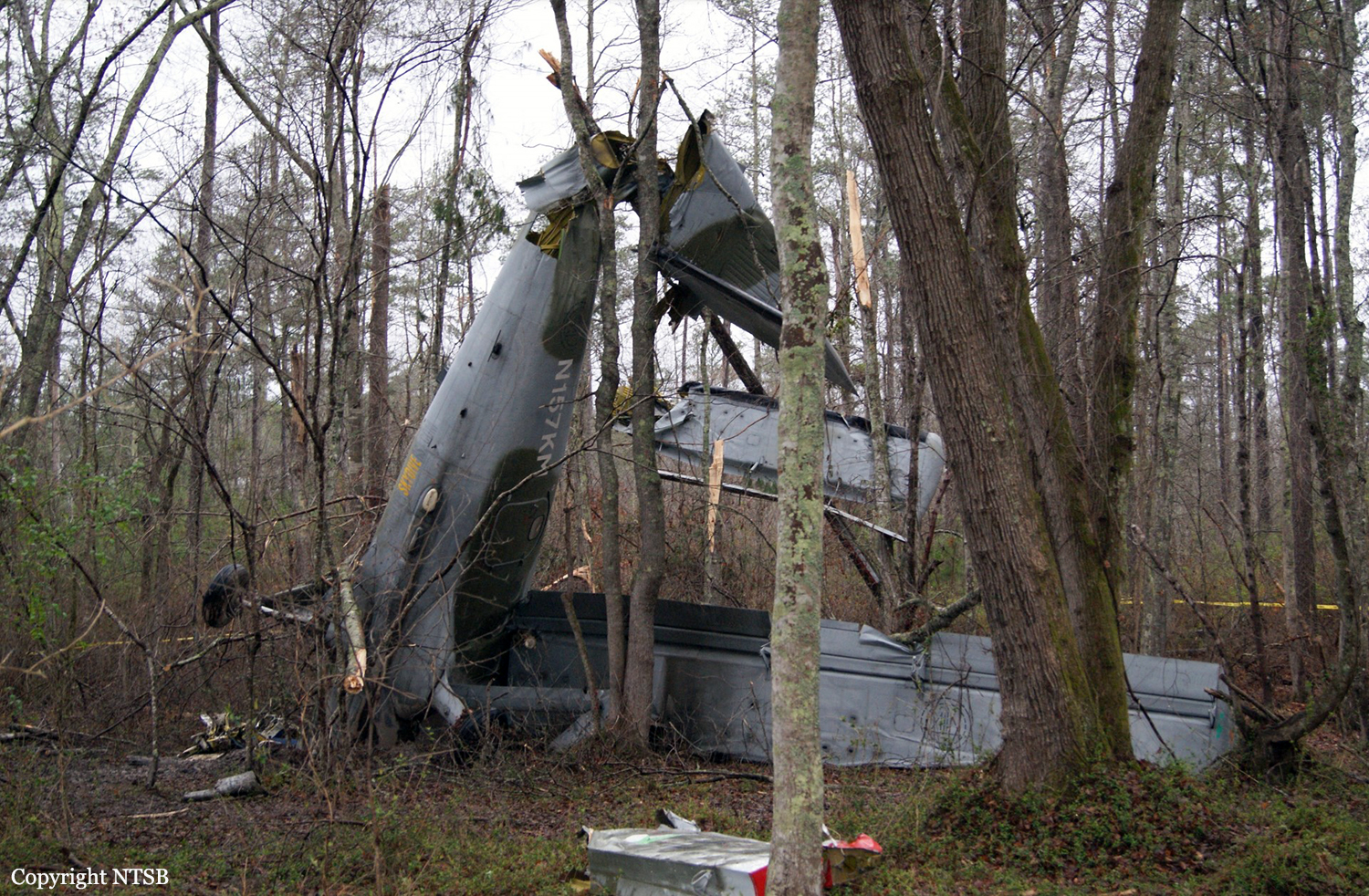
Crash of a De Havilland DHC-6 Twin Otter 100 in Clayton: 2 killed

Date & Time: Mar 8, 2011 at 1140 LT
Operator:

Registration:
N157KM
Flight Type:
Survivors:
No
Schedule:
Clayton - Clayton
MSN:
57
YOM:
1967
Location:
Crew on board:
2
Crew fatalities:
Pax on board:
0
Pax fatalities:
Other fatalities:
Total fatalities:
2
Captain / Total flying hours:
1255
Captain / Total hours on type:
492.00
Aircraft flight hours:
16541
Aircraft flight cycles:
20927
Circumstances:
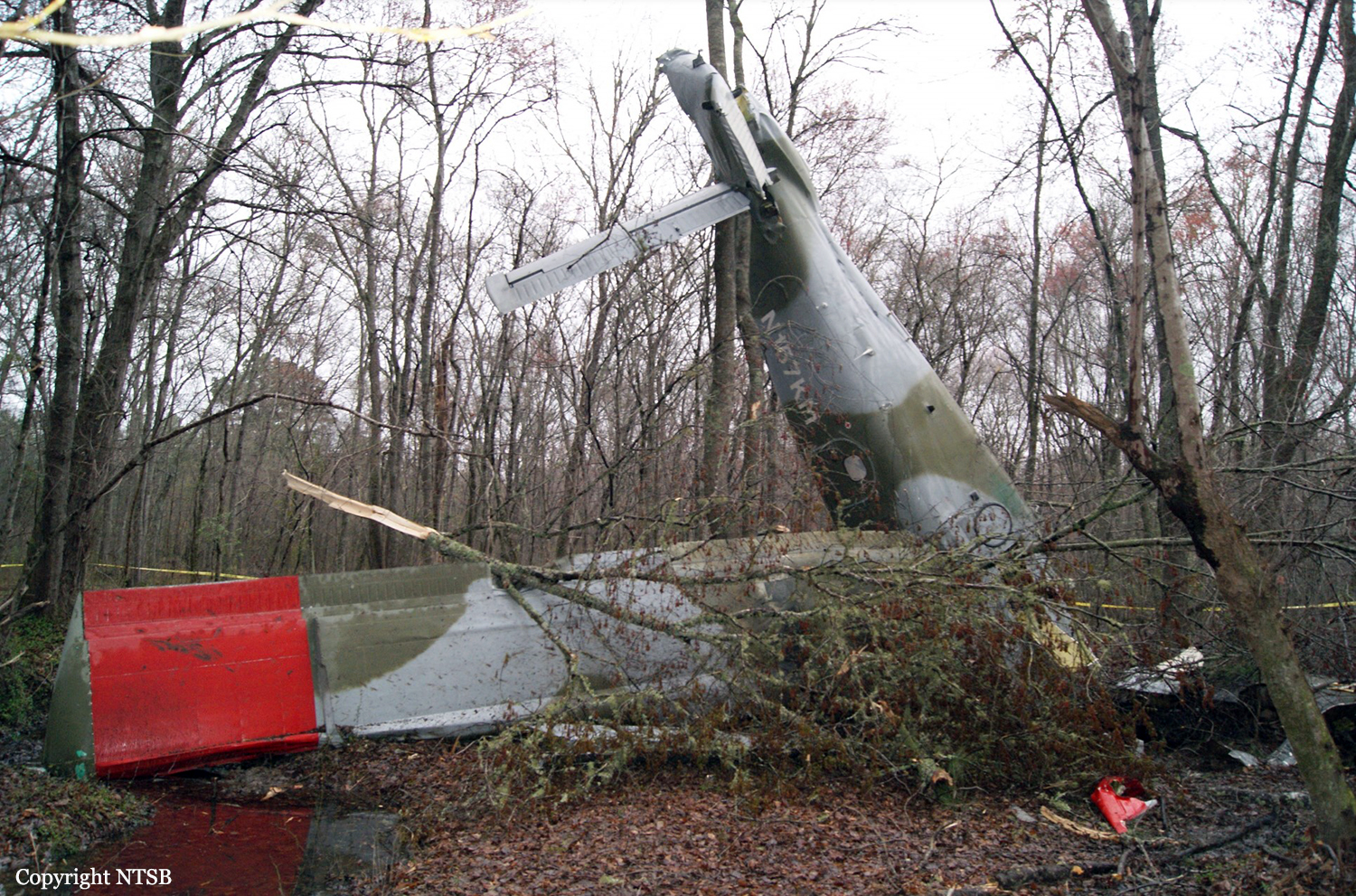
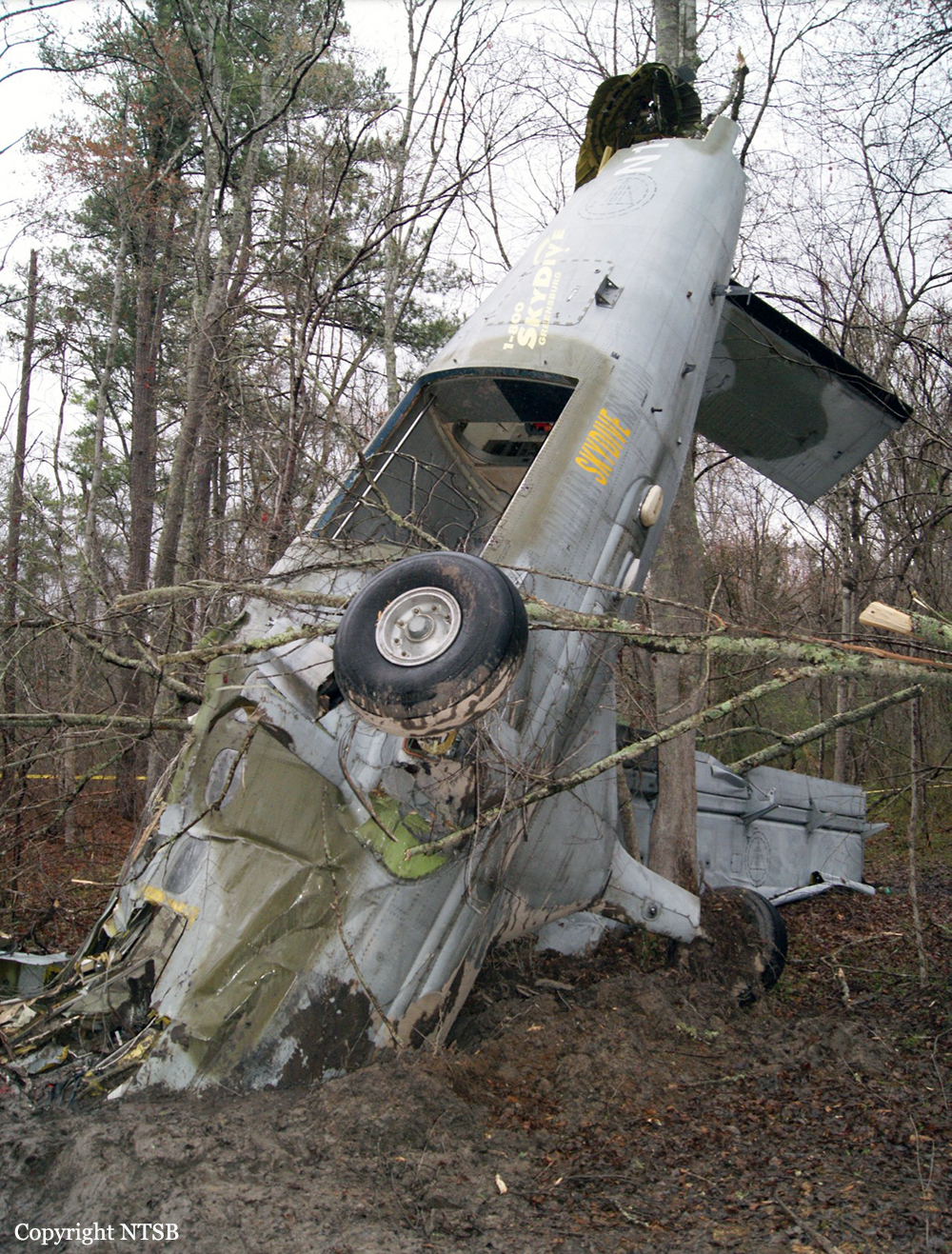
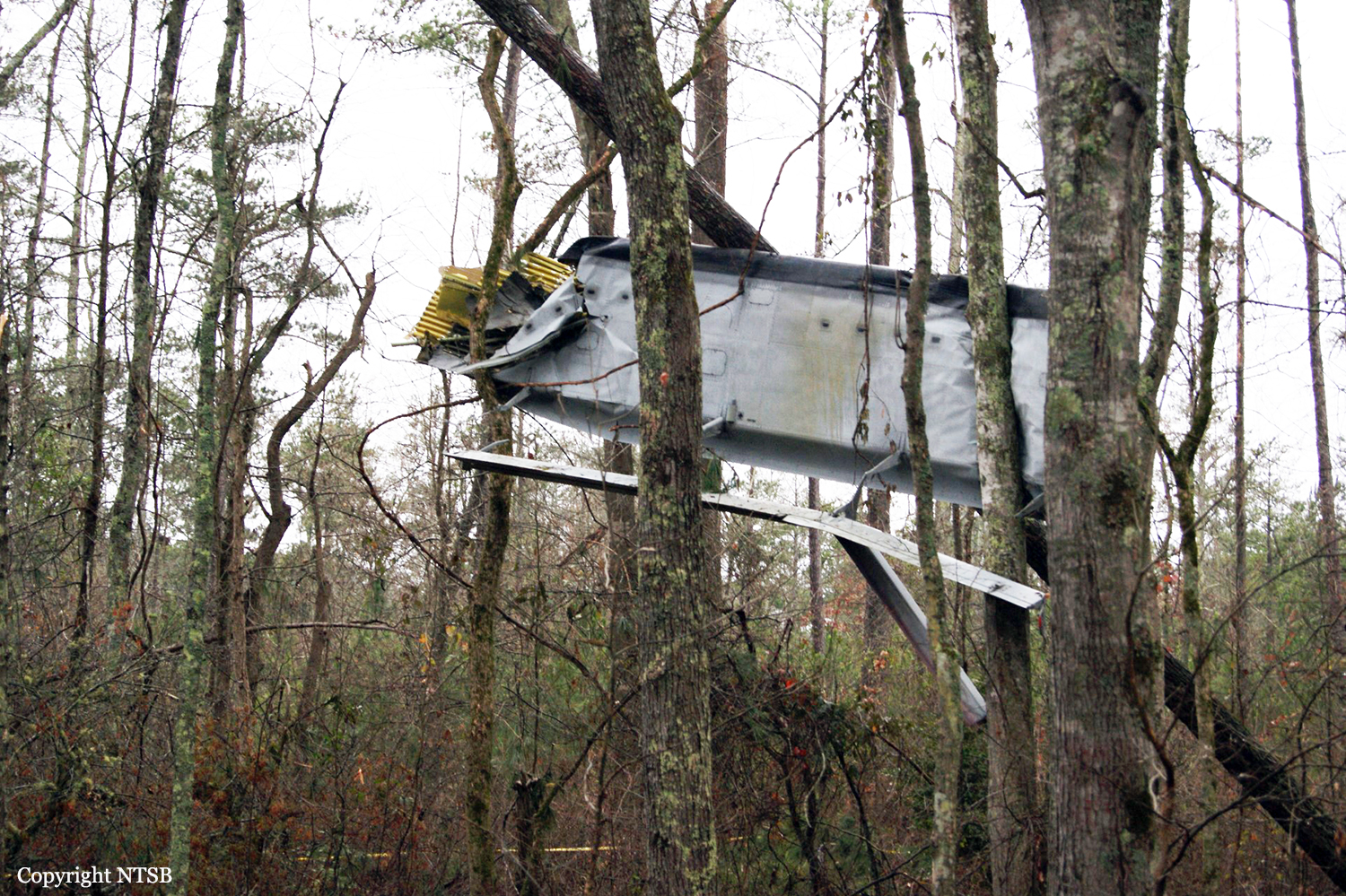
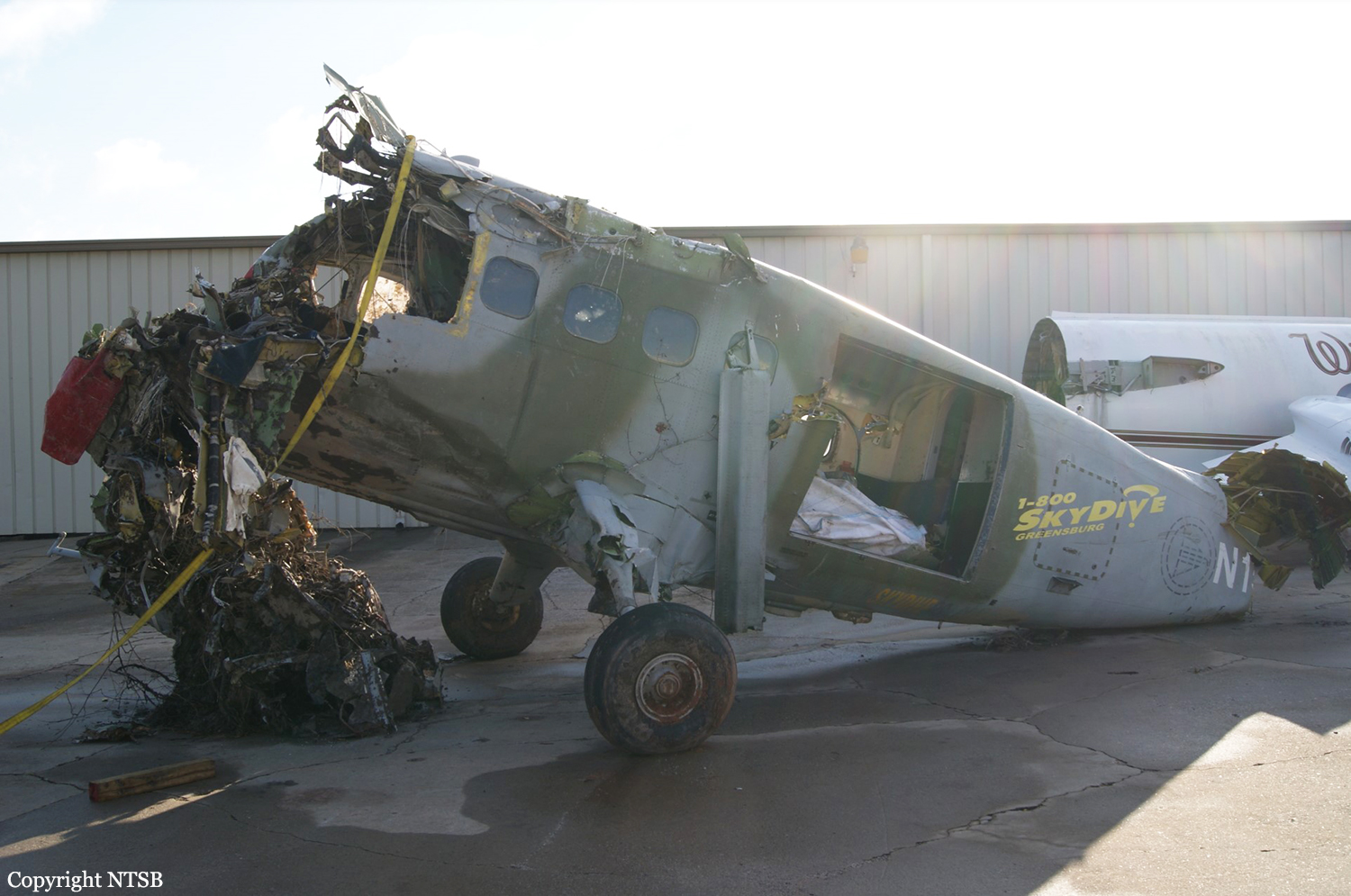
The airplane had not been flown for about 5 months and the purpose of the accident flight was a maintenance test flight after both engines had been replaced with higher horsepower models. Witnesses observed the airplane depart and complete two uneventful touch-and-go landings. The airplane was then observed to be struggling to gain altitude and airspeed while maneuvering in the traffic pattern. One witness, who was an aircraft mechanic, reported that he observed the airplane yawing to the left and heard noises associated with propeller pitch changes, which he believed were consistent with the "Beta" range. The airplane stalled and impacted trees in a wooded marsh area, about 1 mile from the airport. It came to rest about 80-degrees vertically. Examination of the wreckage did not reveal any preimpact malfunctions; however, the lack of flight recorders and the condition of the wreckage precluded the gathering of additional relevant information. Damage observed to both engines and both propellers revealed they were likely operating at symmetrical power settings and blade angles at the time of the impact, with any differences in scoring signatures likely the result of impact damage. The reason for the yawing and the noise associated with propeller pitch changes that were reported prior to the stall could not be determined.
Probable cause:
The pilot did not maintain airspeed while maneuvering, which resulted in an aerodynamic stall.
Final Report:
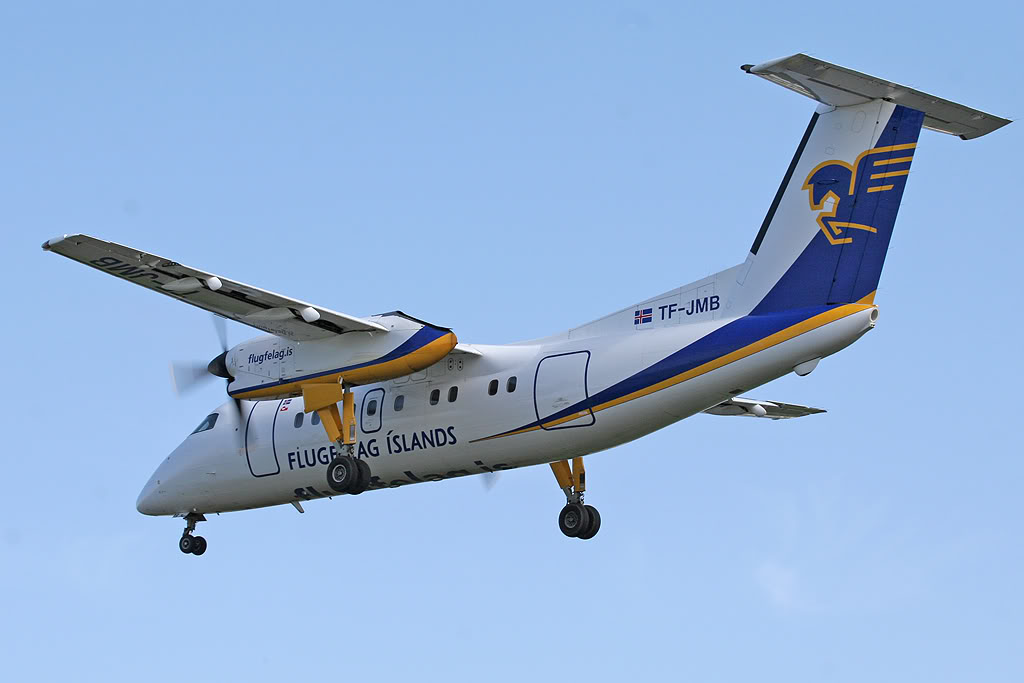
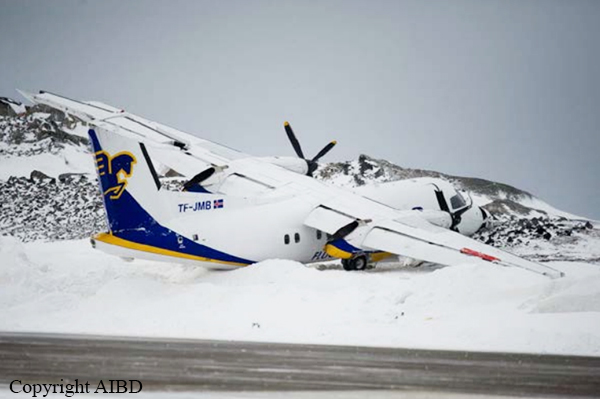
Crash of a De Havilland DHC-8-106 in Nuuk

Date & Time: Mar 4, 2011 at 1609 LT
Operator:
Registration:
TF-JMB
Survivors:
Yes
Schedule:
Reykjavik - Kulusuk - Nuuk
MSN:
337
YOM:
1992
Flight number:
FXI223
Country:
Region:
Crew on board:
3
Crew fatalities:
Pax on board:
31
Pax fatalities:
Other fatalities:
Total fatalities:
0
Captain / Total flying hours:
8163
Captain / Total hours on type:
44.00
Copilot / Total flying hours:
4567
Copilot / Total hours on type:
1130
Aircraft flight hours:
32336
Aircraft flight cycles:
35300
Circumstances:
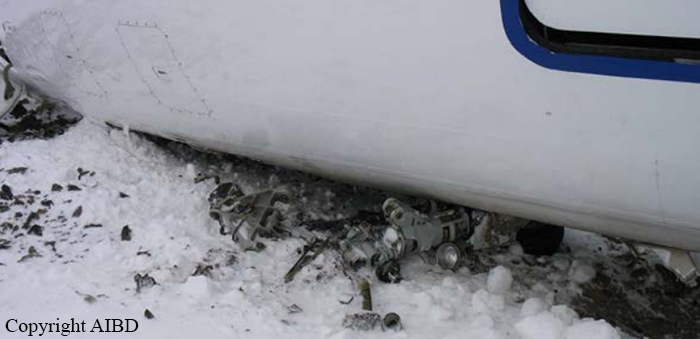
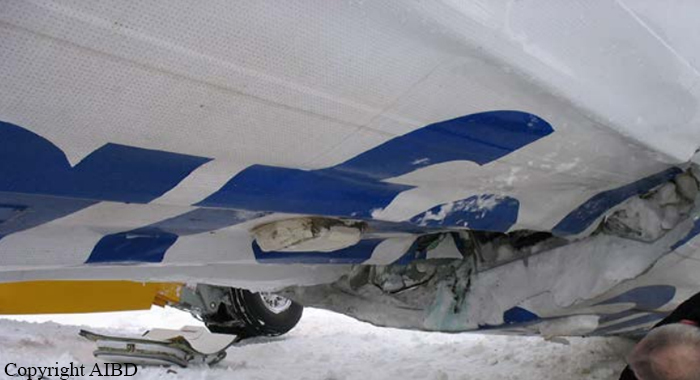
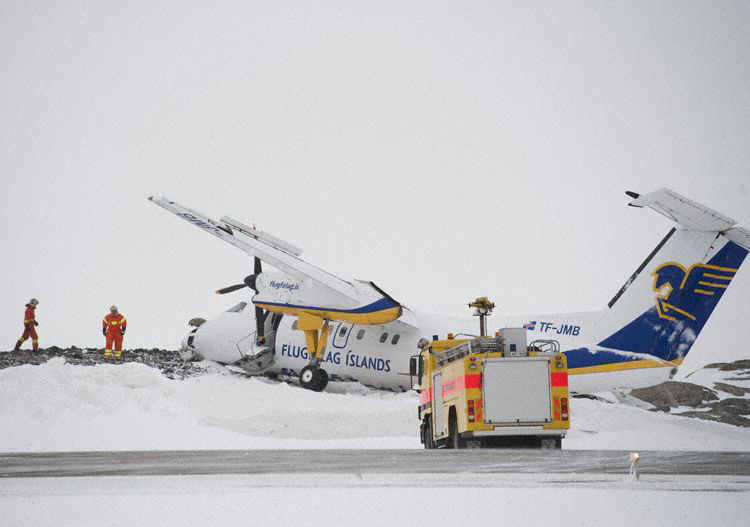
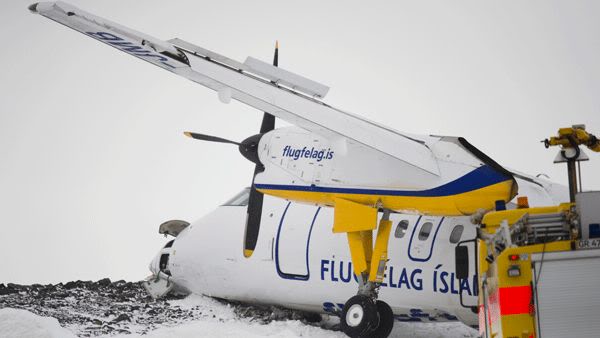
The flight crew got visual contact with the runway at BGGH and decided to deviate to the right (west) of the offset localizer (LLZ) to runway 23. The flight continued towards the runway from a position right of the extended runway centerline. As the aircraft approached runway 23, it was still in the final right turn over the landing threshold. The aircraft touched down on runway 23 between the runway threshold and the touchdown zone and to the left of the runway centerline. The right main landing gear (MLG) shock strut fuse pin sheared leading to a right MLG collapse. The aircraft skidded down the runway and departed the runway to the right. Neither passengers nor crew suffered any injuries. The aircraft was substantially damaged. The accident occurred in daylight under visual meteorological conditions (VMC).
Probable cause:
Findings:
- The licenses and qualifications held by the flight crew, flight and duty times, the documented technical status of the aircraft and the aircraft mass and balance had no influence on the sequence of events
- The flight crew planned the flight from BGKK to BGGH with the destination alternate BGSF
- The latest BGGH TAF before departure from BGKK indicated marginal weather conditions (strong winds, low visibility and low cloud base) for a successful approach and landing at BGGH
- The forecasted weather conditions at the expected approach time at BGGH were below preplanning minima (use of two destination alternate aerodromes)
- The actual weather conditions at BGGH and enroute weather briefings were equivalent to the forecasted weather conditions
- With reference to the operator’s aerodrome and procedure briefing and the latest reported wind conditions from Nuuk AFIS before landing, a landing was prohibited
- Strong winds and moderate to severe orographic turbulence from the surrounding mountainous terrain increased the flight crew load
- On approach, the flight crew had difficulties of maintaining stabilized approach parameters
- The flight crew most likely suffered from task saturation and information overload
- No flight crew call outs on divergence from the operator’s stabilized approach policy were made
- An optimum crew resource management was not present
- Important low altitude stabilized approach parameters like airspeed, bank angle and runway alignment were not sufficiently corrected
- The flight crew was solely focused on landing and task saturation mentally blocked a decision of going around
- A divergence from the operator’s stabilized approach policy caused an unstabilized approach and a hard landing leading to an excess load of the right MLG at touchdown
- The right MLG fuse pin sheared as a result of overload
Factors:
- A divergence from the operator’s stabilized approach policy caused an unstabilized approach and a hard landing leading to an excess load of the right MLG at touchdown
- The right MLG fuse pin sheared as a result of stress
Summary:
Adverse wind and turbulence conditions at BGGH led to flight crew task saturation on final approach and a breakdown of optimum cockpit resource management (CRM) resulting in a divergence from the operator’s stabilized approach policy.
The divergence from the operator’s stabilized approach policy caused an unstabilized approach and a hard landing leading to an excess load of the right MLG at touchdown. According to its design, the right MLG fuse pin sheared as a result of stress.
Final Report:
Crash of a Swearingen SA227AC Metro III in Oslo

Date & Time: Mar 2, 2011 at 0905 LT
Type of aircraft:
Operator:
Registration:
OY-NPB
Survivors:
Yes
Schedule:
Ørland - Oslo
MSN:
AC-420
YOM:
1981
Flight number:
NFA990
Country:
Region:
Crew on board:
2
Crew fatalities:
Pax on board:
9
Pax fatalities:
Other fatalities:
Total fatalities:
0
Captain / Total flying hours:
5187
Captain / Total hours on type:
2537.00
Copilot / Total flying hours:
2398
Copilot / Total hours on type:
1278
Aircraft flight hours:
24833
Aircraft flight cycles:
29491
Circumstances:
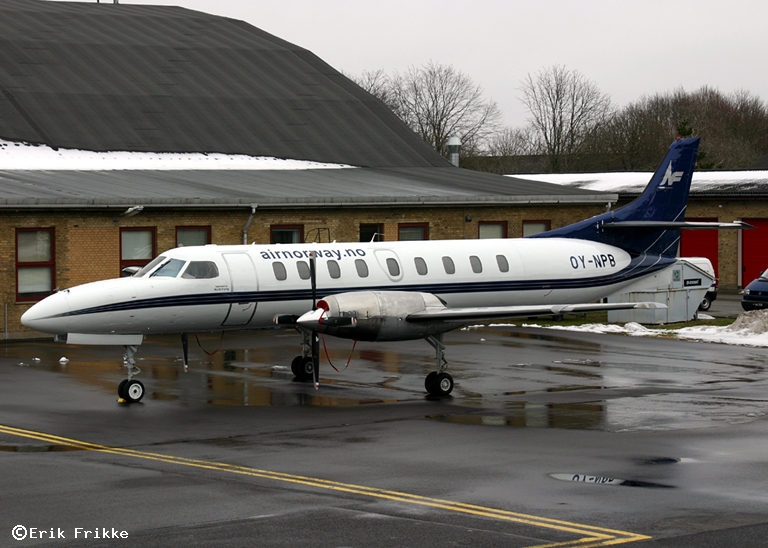
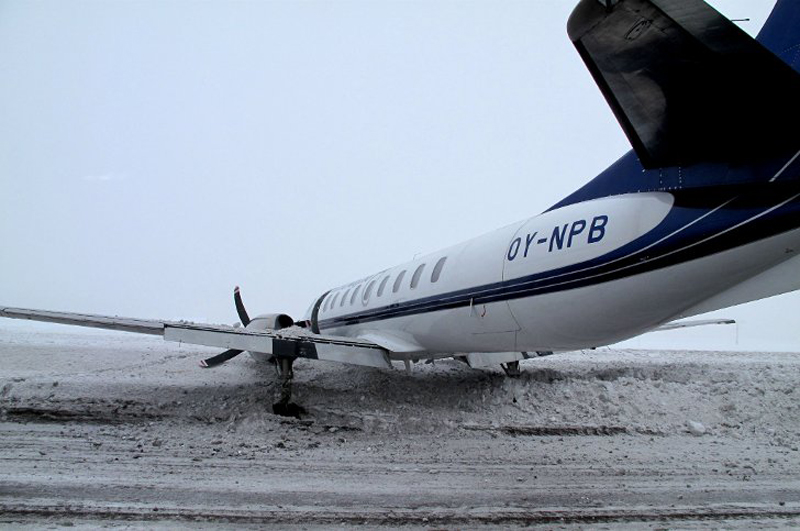
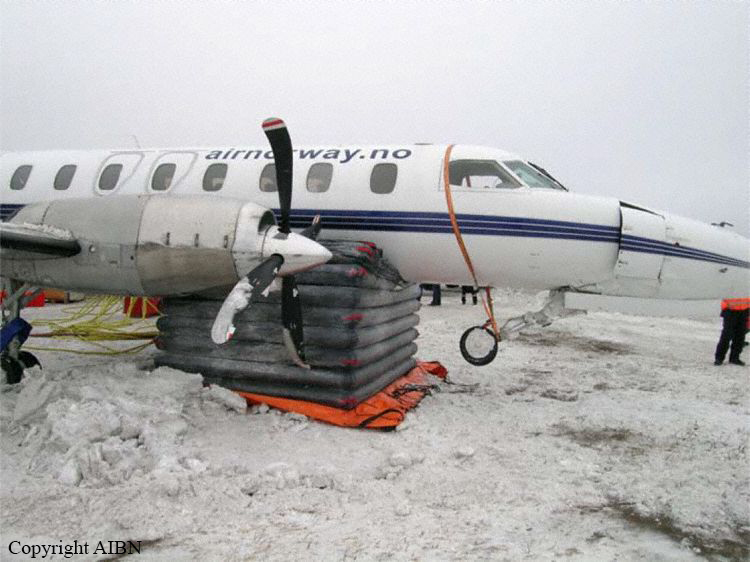
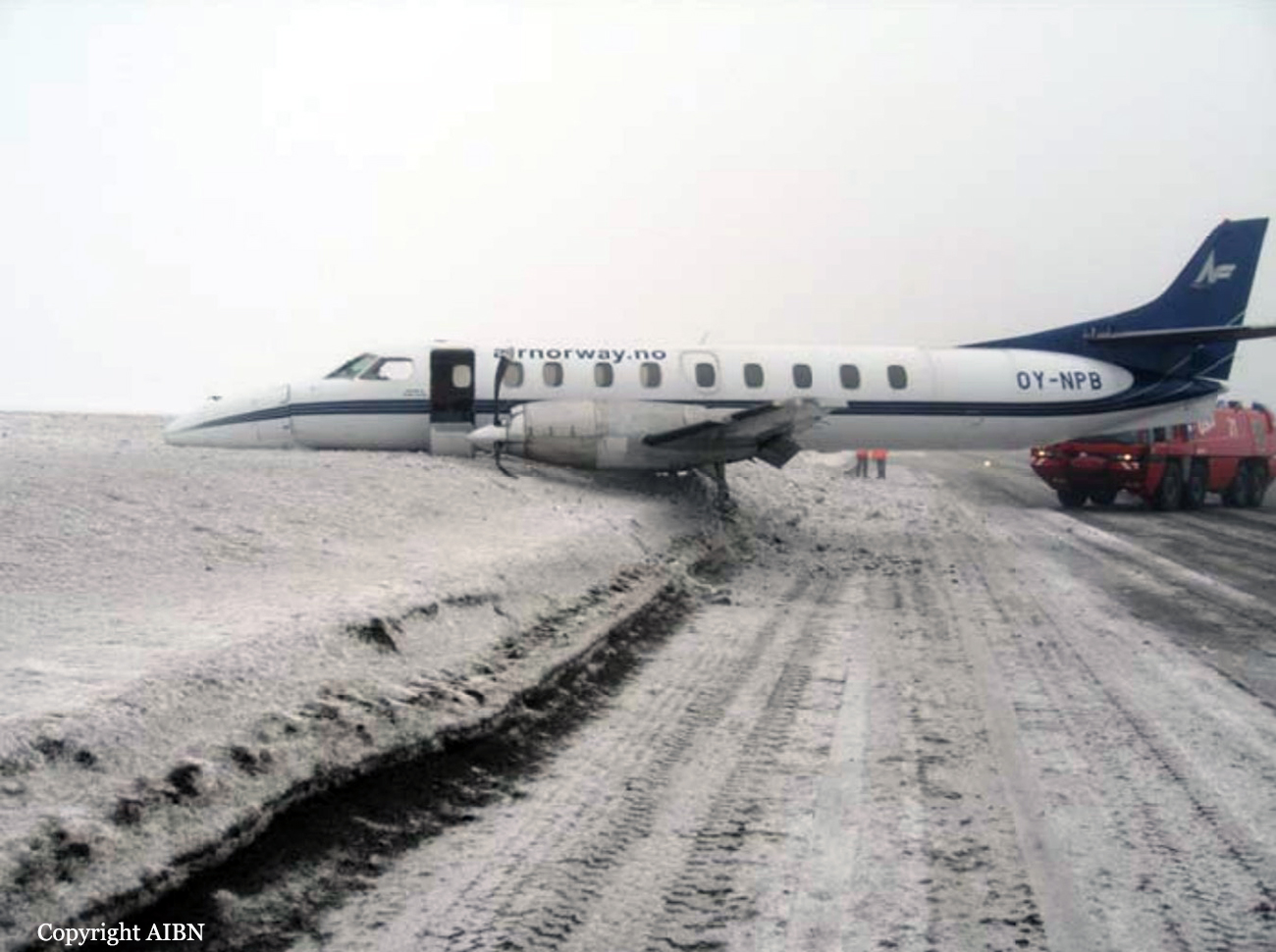
After touchdown on runway 19R at Oslo-Gardermoen Airport, while decelerating to a speed of 60 knots, the aircraft deviated to the right. At a speed of 40 knots, it impacted a snow berm then rotated to the right and came to rest in deep snow with its both propellers and the nose damaged. All 11 occupants evacuated safely while the aircraft was considered as damaged beyond repair.
Probable cause:
Comprehensive technical examination of the nose wheel steering on OY-NPB uncovered no single causal factor, but some indications of unsatisfactory maintenance. Irregularities that alone or in combination could have caused a temporary fault with the steering were present. The Accident Investigation Board believes that a temporary fault caused the nose wheel to unintentionally lock itself in a position towards the right. No other defects or irregularities that could explain why the aircraft veered off the runway were found. The AIBN reported that the same fault had occurred 6 days earlier as well, during that encounter the captain managed to disconnect nose wheel steering quickly enough to regain control. Maintenance could not replace the fault and the aircraft was released to service.
Final Report:

Crash of a Swearingen SA227DC Metro III in La Paz

Date & Time: Feb 27, 2011 at 1510 LT
Type of aircraft:
Operator:
Registration:
CP-2473
Survivors:
Yes
Schedule:
San Borja - Rurrenabaque
MSN:
DC-842B
YOM:
1993
Country:
Crew on board:
2
Crew fatalities:
Pax on board:
6
Pax fatalities:
Other fatalities:
Total fatalities:
0
Circumstances:
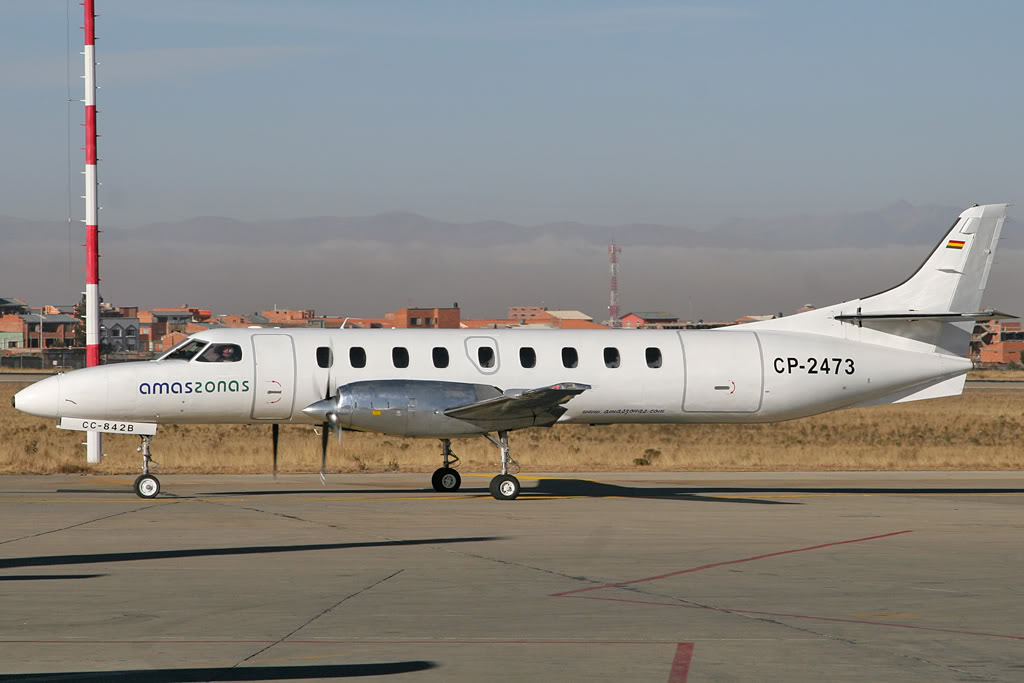
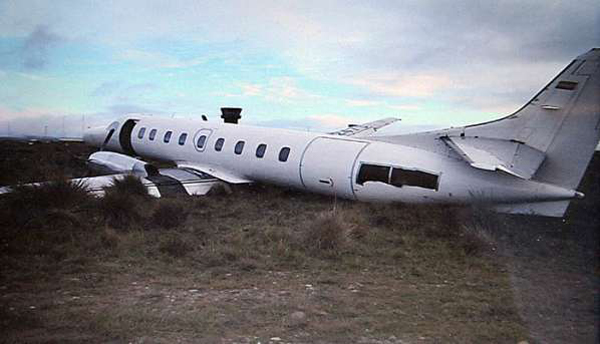
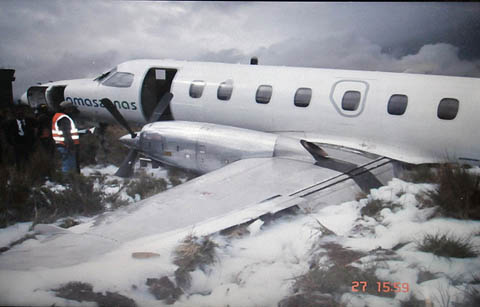
On approach to Rurrenabaque, following an uneventful flight from San Borja, the crew encountered problems with the landing gear which failed to lock down. As all three green lights were not ON on the cockpit panel, the Captain decided to divert to La Paz-El Alto Airport where rescue teams were alerted. After touchdown, the left main gear collapsed. The aircraft veered off runway to the left before coming to rest in a grassy area. All eight occupants escaped uninjured and the aircraft was damaged beyond repair.

Crash of a Rockwell Shrike Commander 500S off Horn Island: 1 killed

Date & Time: Feb 24, 2011 at 0800 LT
Operator:
Registration:
VH-WZU
Flight Type:
Survivors:
No
Schedule:
Cairns - Horn Island
MSN:
3060
YOM:
1970
Country:
Region:
Crew on board:
1
Crew fatalities:
Pax on board:
0
Pax fatalities:
Other fatalities:
Total fatalities:
1
Captain / Total flying hours:
4154
Captain / Total hours on type:
209.00
Aircraft flight hours:
17545
Circumstances:
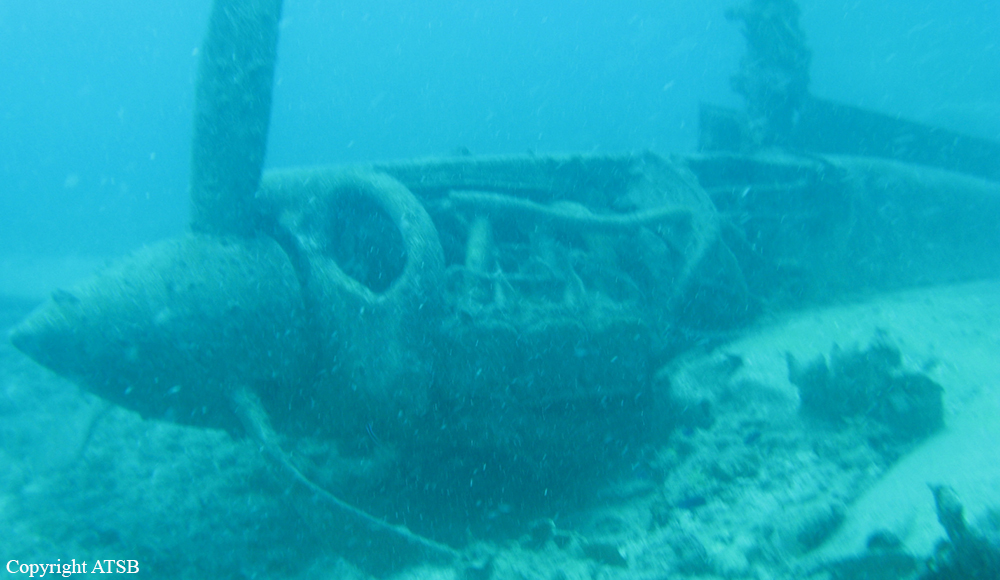
At 0445 Eastern Standard Time on 24 February 2011, the pilot of an Aero Commander 500S, registered VH-WZU, commenced a freight charter flight from Cairns to Horn Island, Queensland under the instrument flight rules. The aircraft arrived in the Horn Island area at about 0720 and the pilot advised air traffic control that he intended holding east of the island due to low cloud and rain. At about 0750 he advised pilots in the area that he was north of Horn Island and was intending to commence a visual approach. When the aircraft did not arrive a search was commenced but the pilot and aircraft were not found. On about 10 October 2011, the wreckage was located on the seabed about 26 km north-north-west of Horn Island.
Probable cause:
The ATSB found that the aircraft had not broken up in flight and that it impacted the water at a relatively low speed and a near wings-level attitude, consistent with it being under control at impact. It is likely that the pilot encountered rain and reduced visibility when manoeuvring to commence a visual approach. However, there was insufficient evidence available to determine why the aircraft impacted the water.
Several aspects of the flight increased risk. The pilot had less than 4 hours sleep during the night before the flight and the operator did not have any procedures or guidance in place to minimize the fatigue risk associated with early starts. In addition, the pilot, who was also the operator’s chief pilot, had either not met the recency requirements or did not have an endorsement to conduct the types of instrument approaches available at Horn Island and several other locations frequently used by the operator.
Final Report:
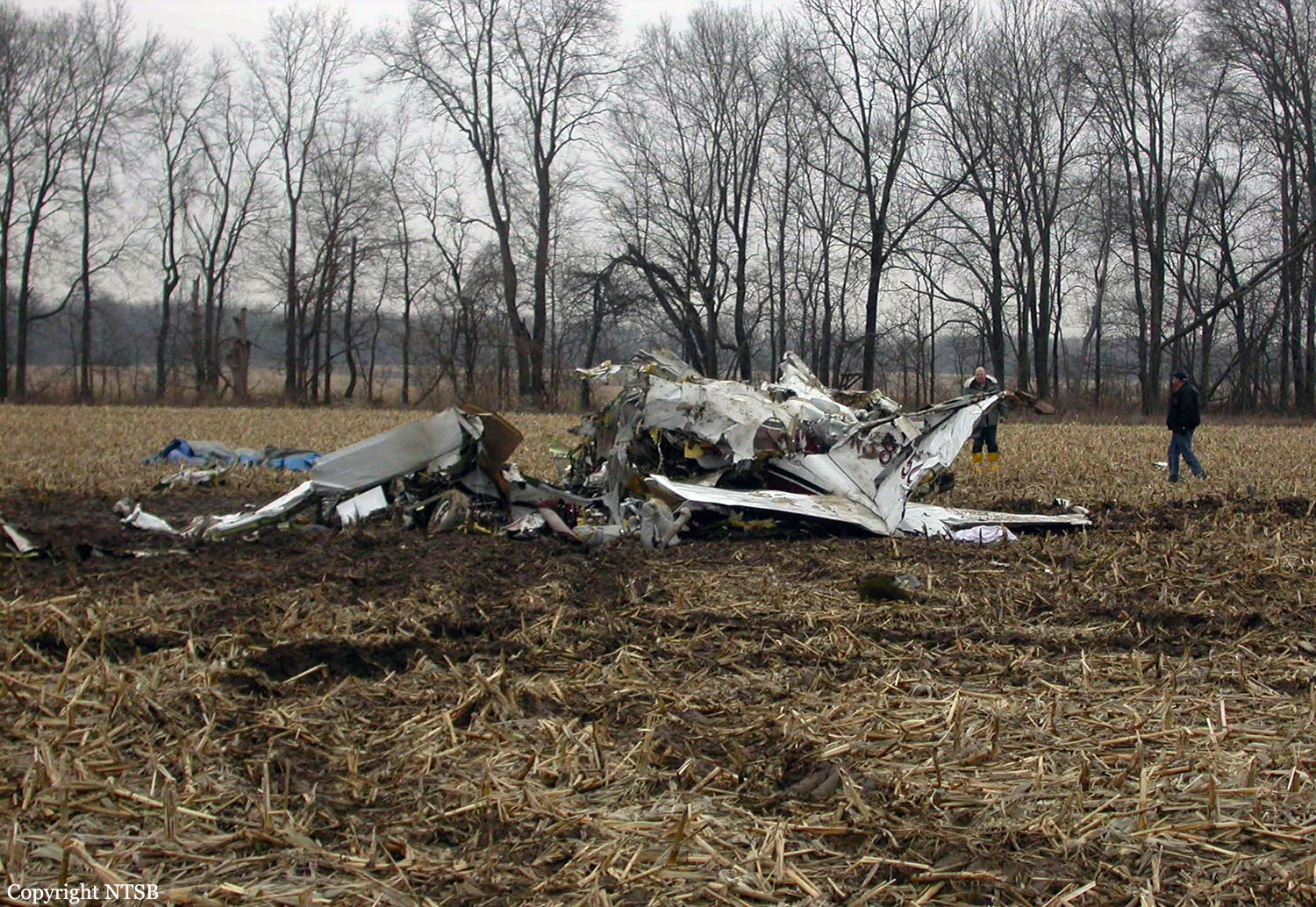
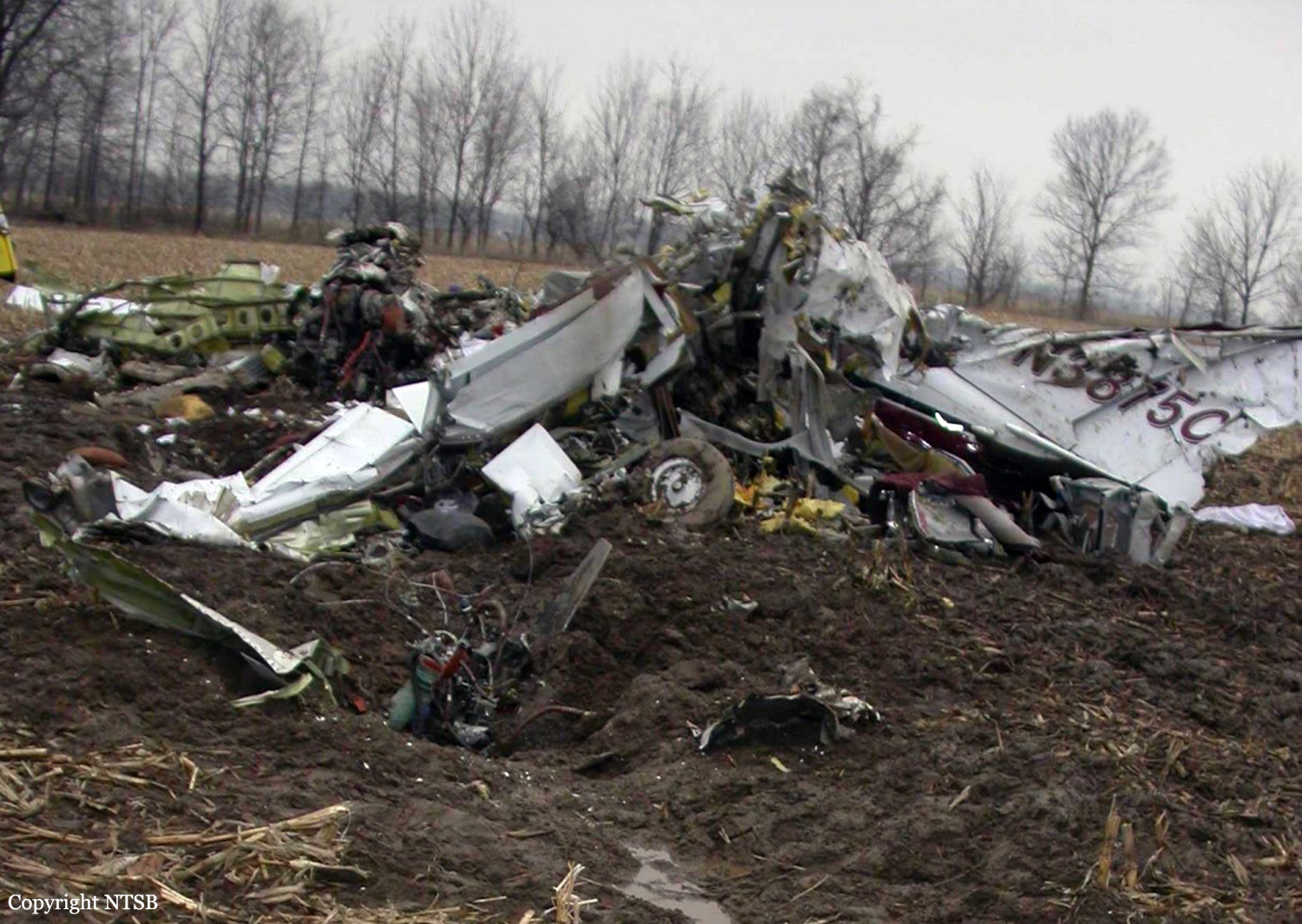
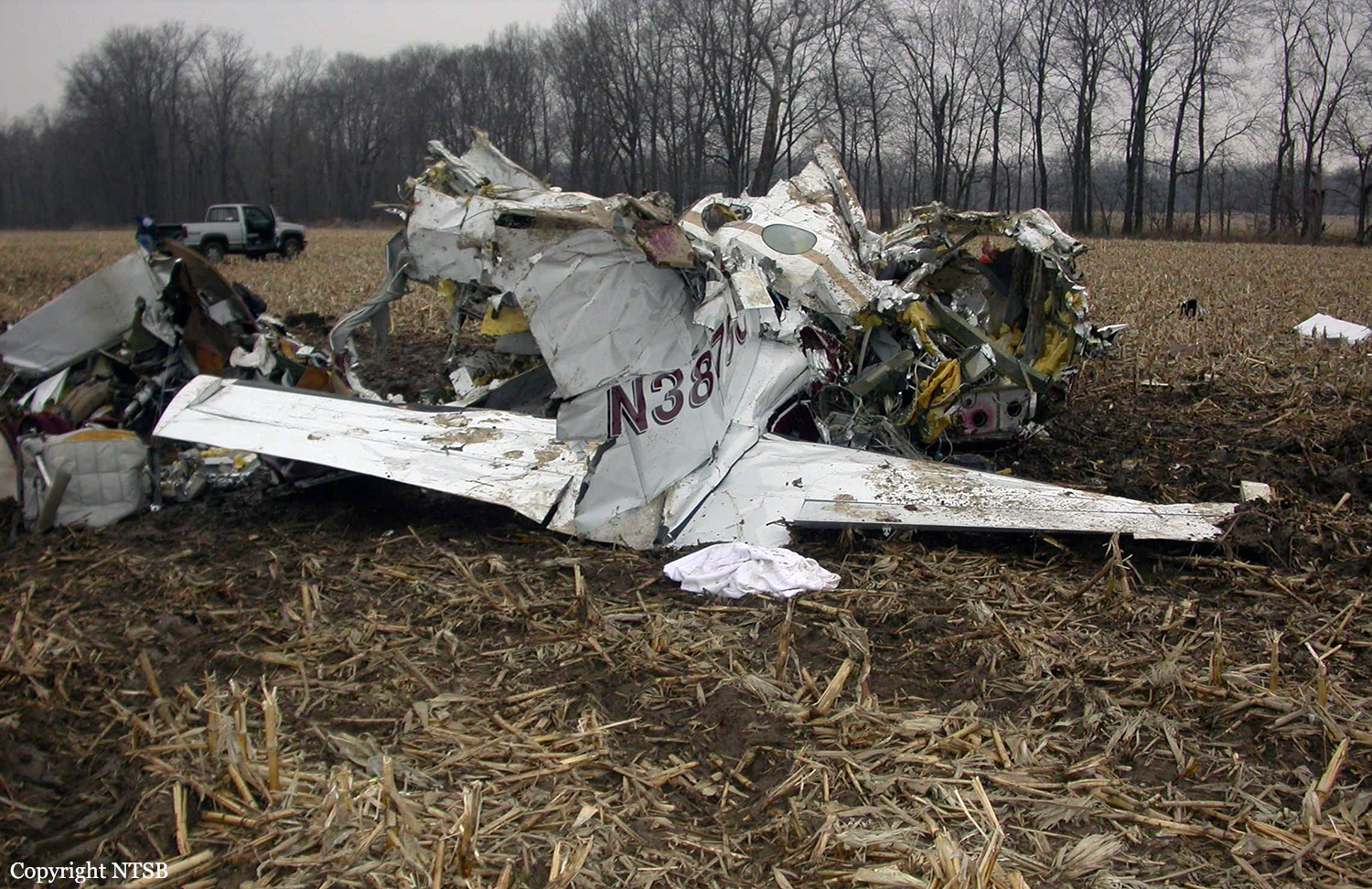
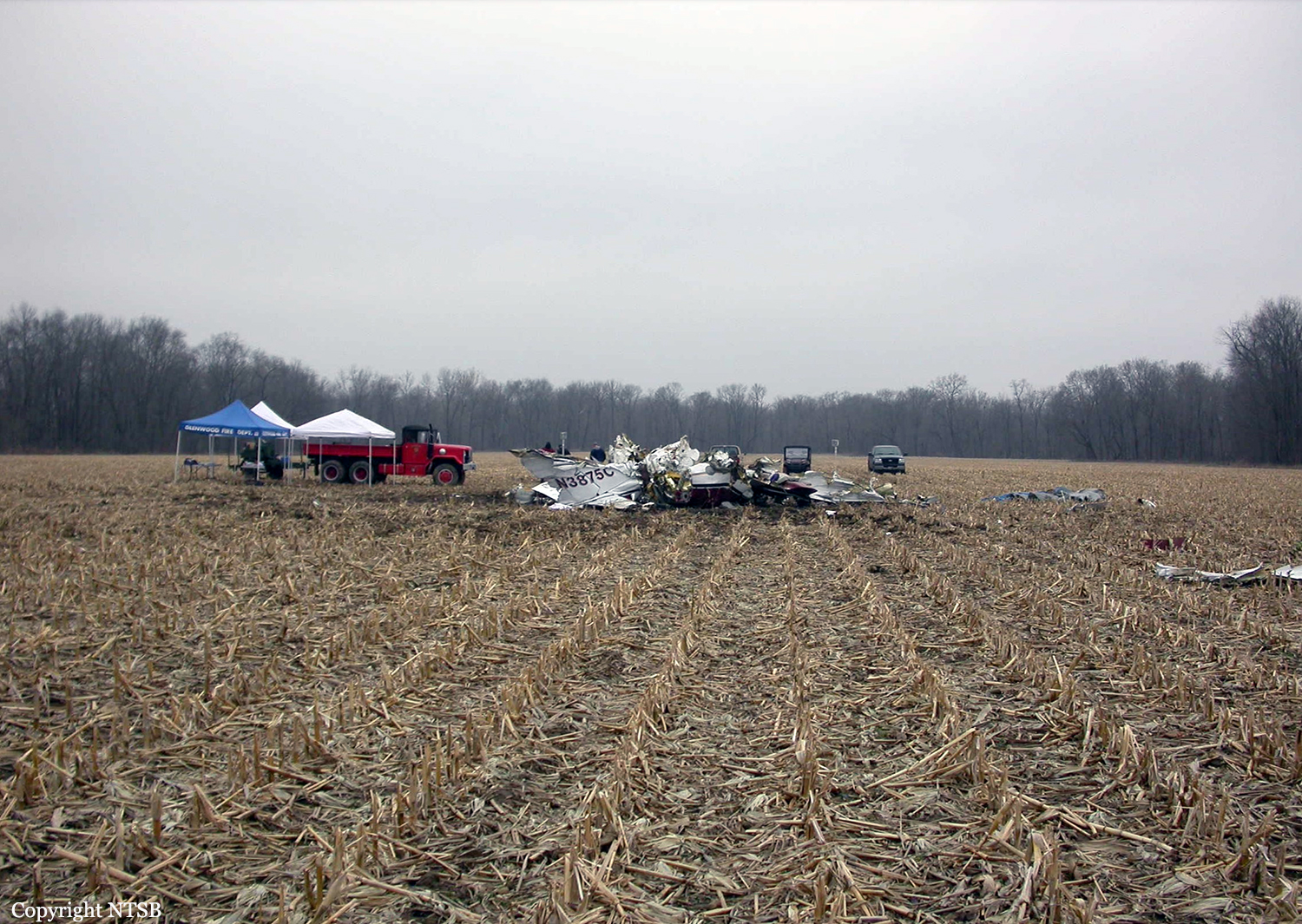
Crash of a Cessna 421C Golden III Eagle in Connersville: 1 killed

Date & Time: Feb 23, 2011 at 2002 LT
Operator:
Registration:
N3875C
Flight Type:
Survivors:
No
Schedule:
Indianapolis - Connersville
MSN:
421C-0127
YOM:
1976
Crew on board:
1
Crew fatalities:
Pax on board:
0
Pax fatalities:
Other fatalities:
Total fatalities:
1
Captain / Total flying hours:
1360
Captain / Total hours on type:
558.00
Aircraft flight hours:
4158
Circumstances:
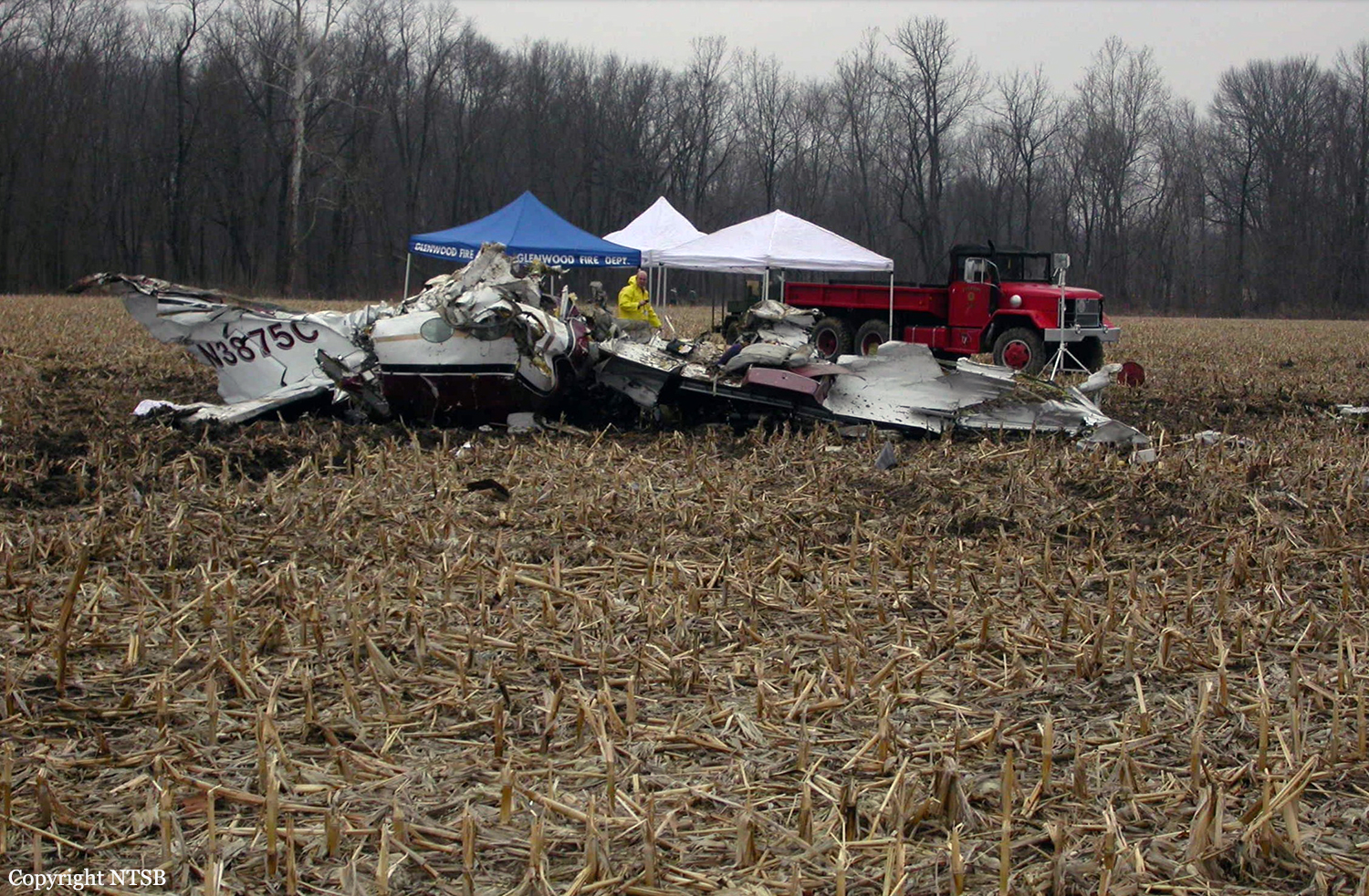
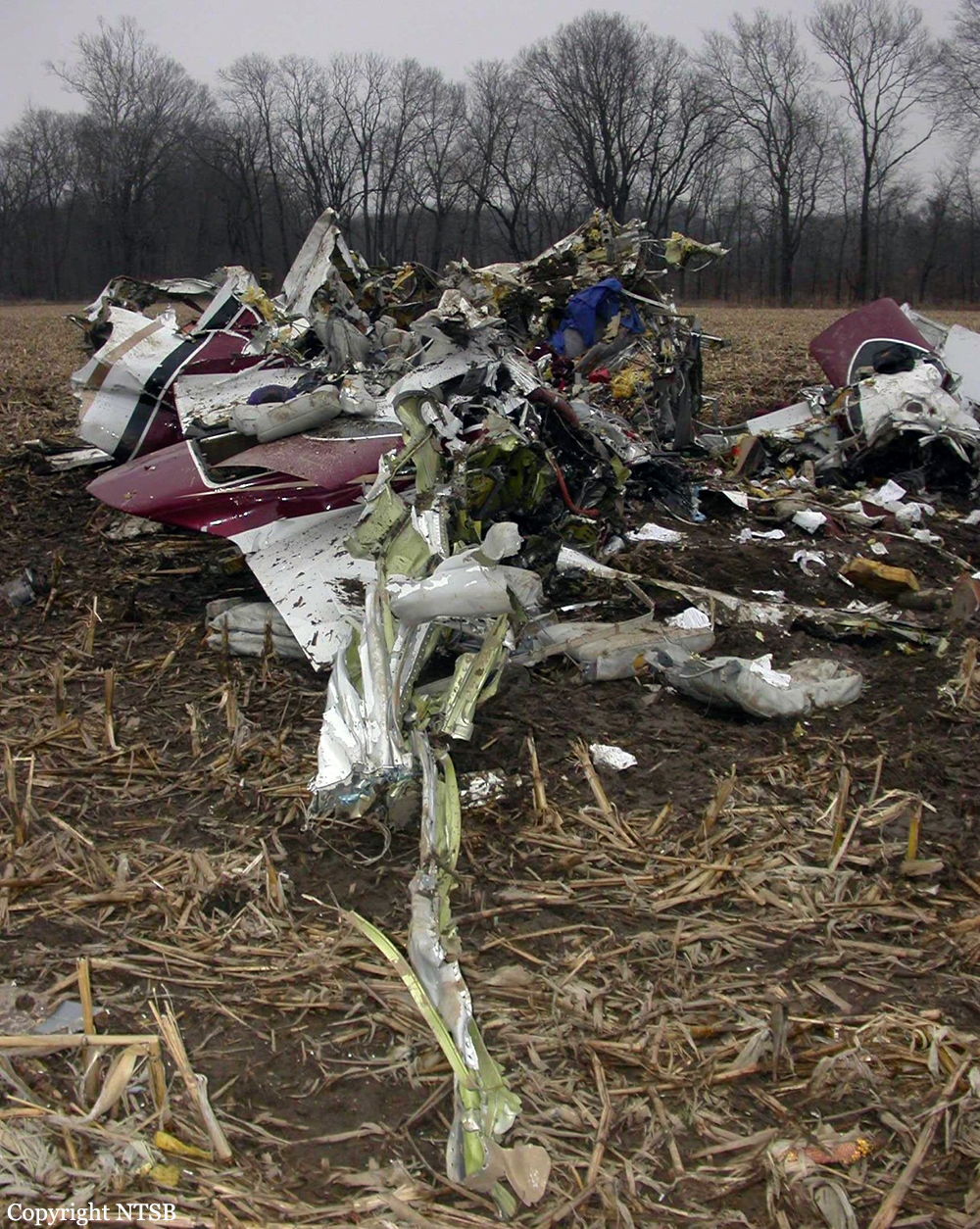
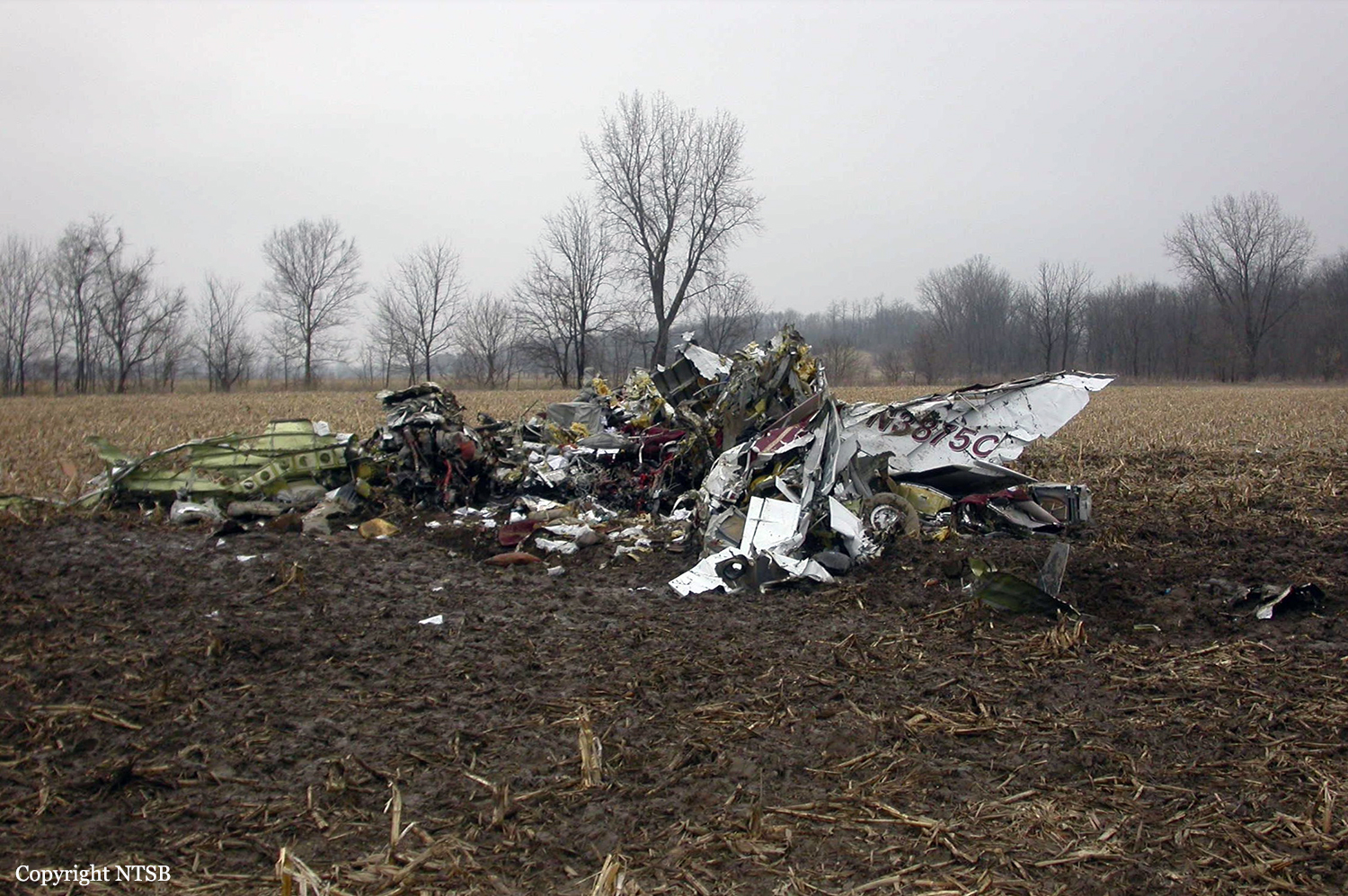
A witness reported that, despite the darkness, he was able to see the navigation lights on the airplane as it flew over the south end of the airport at an altitude of 150 to 200 feet above the ground. The airplane made a left turn to the downwind leg of the traffic pattern and continued a descending turn until the airplane impacted the ground in a near-vertical attitude. Due to the airplane’s turn, the 10- to 20-knot quartering headwind became a quartering tailwind. The airplane was also turned toward a rural area with very little ground lighting. A postaccident examination of the airplane and engines did not reveal any preimpact anomalies that would have precluded normal operation of the airplane.
Probable cause:
The pilot did not maintain control of the airplane while making a low-altitude turn during dark night conditions.
Final Report:
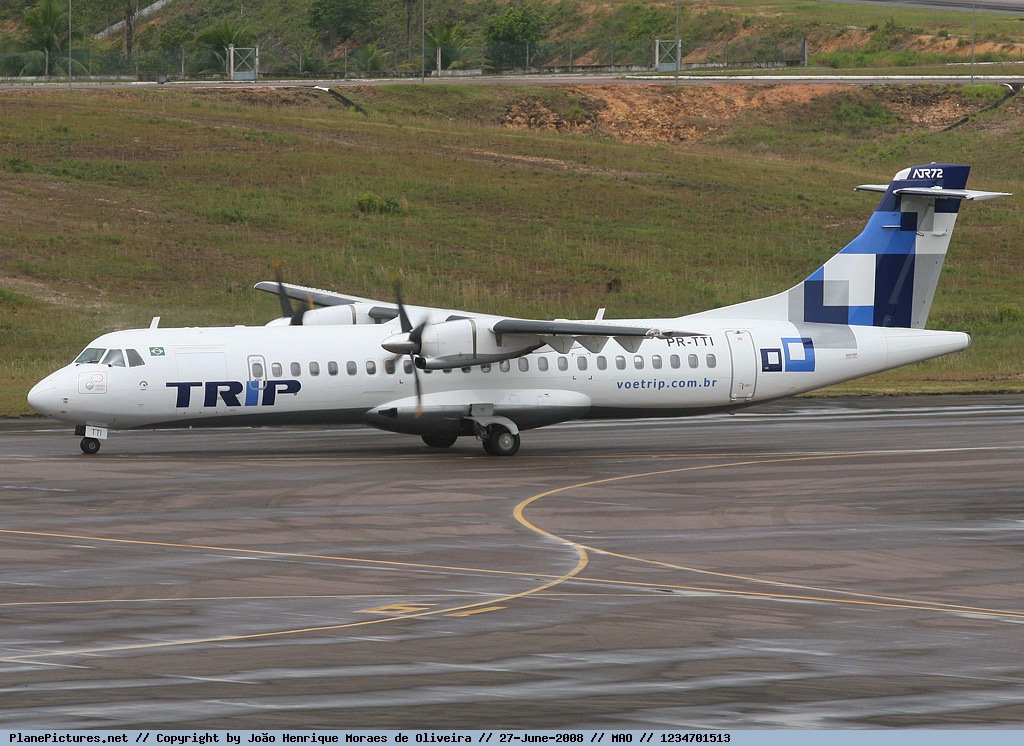
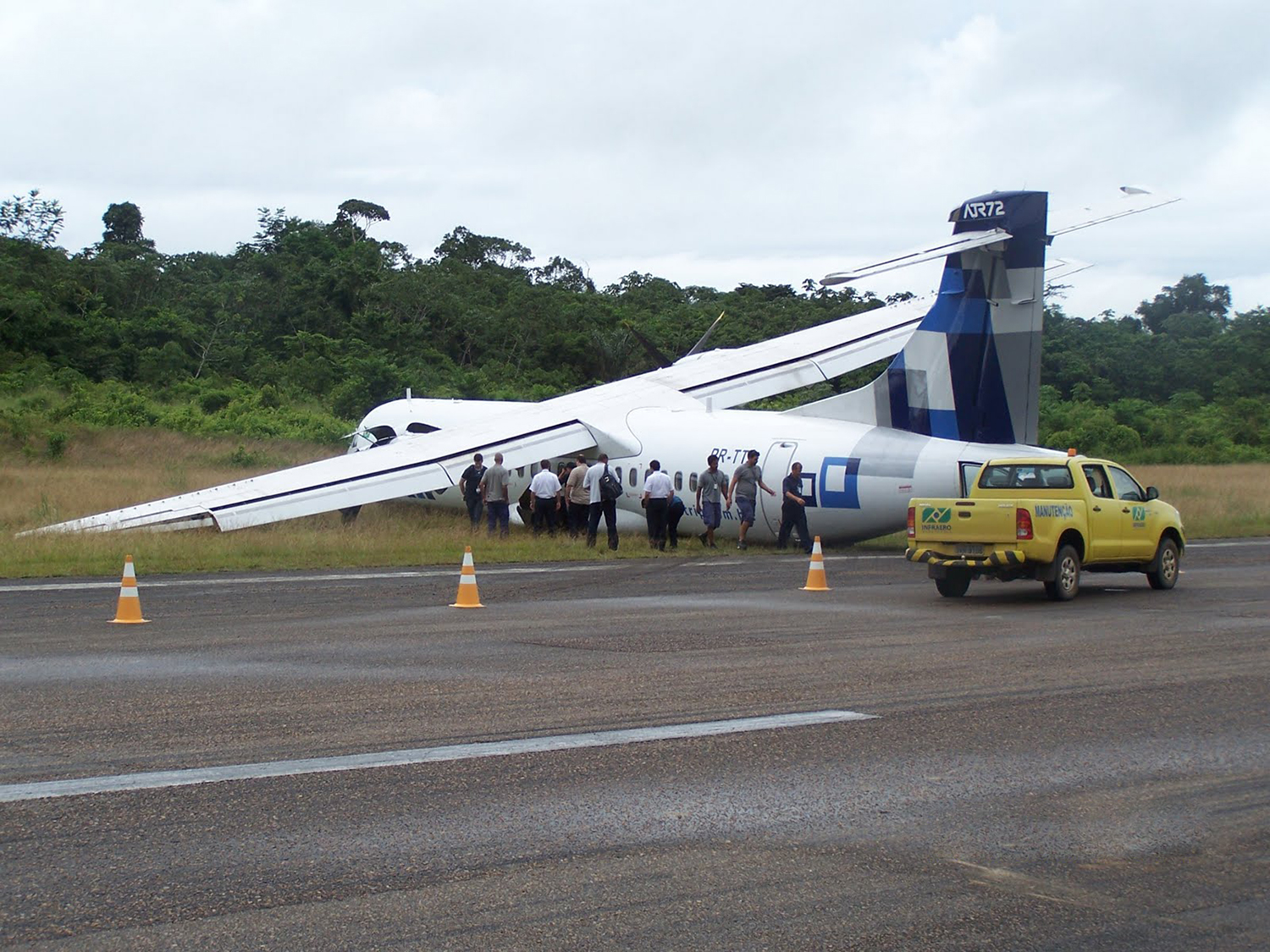
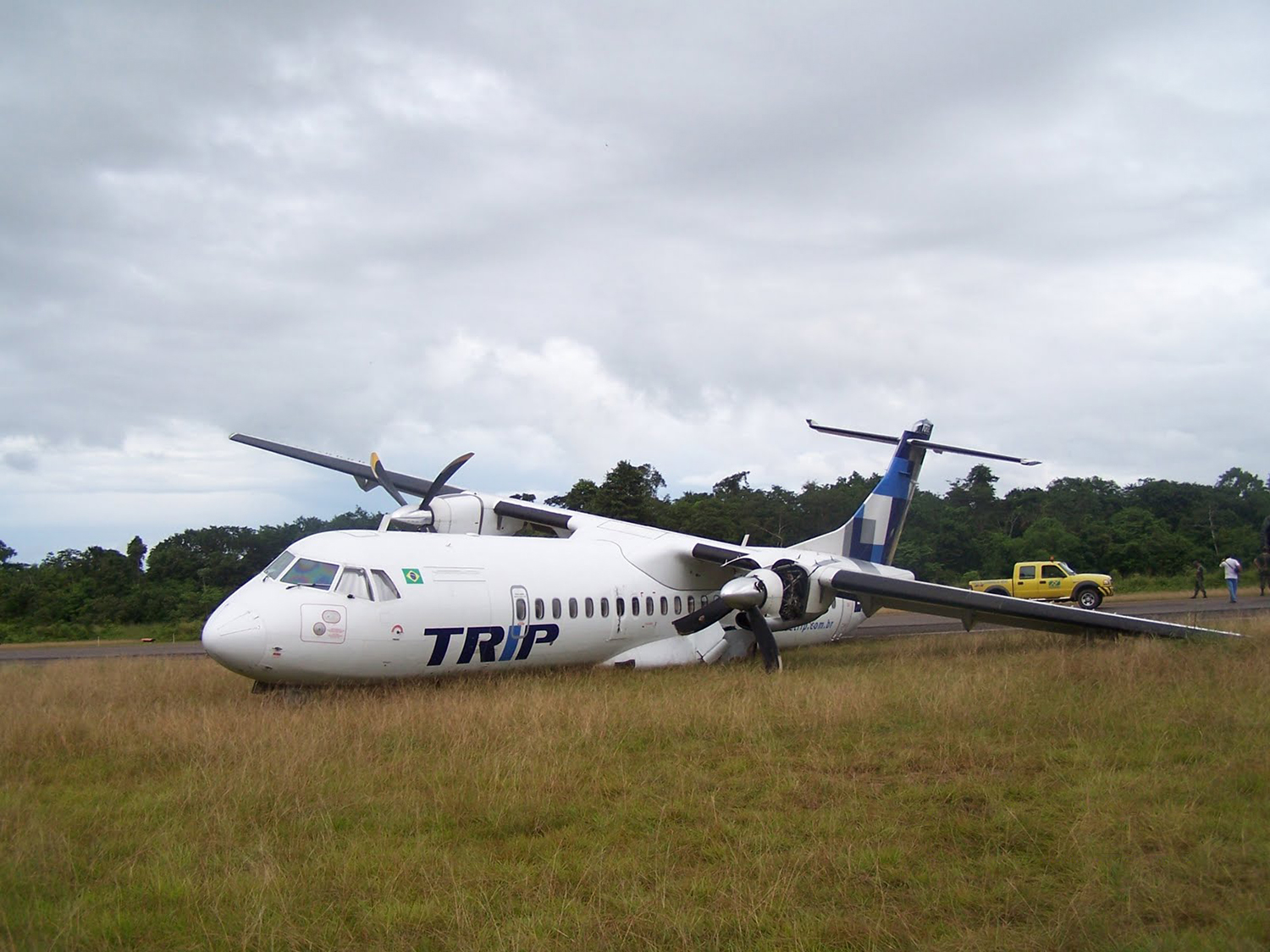
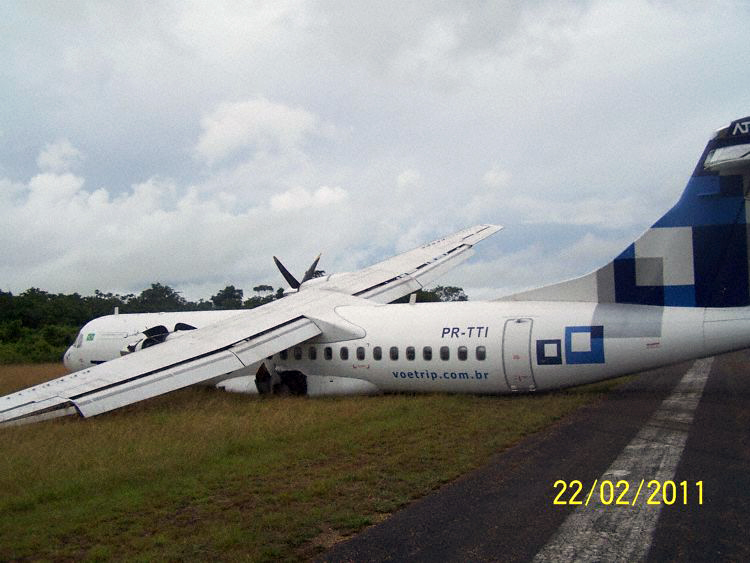
Crash of an ATR72-212 in Altamira

Date & Time: Feb 21, 2011 at 1845 LT
Type of aircraft:
Operator:
Registration:
PR-TTI
Survivors:
Yes
Schedule:
Belém - Altamira
MSN:
454
YOM:
1995
Flight number:
TIB5204
Location:
Country:
Crew on board:
4
Crew fatalities:
Pax on board:
47
Pax fatalities:
Other fatalities:
Total fatalities:
0
Captain / Total flying hours:
6000
Captain / Total hours on type:
2600.00
Copilot / Total flying hours:
1210
Copilot / Total hours on type:
50
Aircraft flight hours:
32886
Circumstances:
The aircraft departed Belém-Val de Cans Airport on a schedule service to Altamira with 47 passengers and 4 crew members on board. The approach for landing in Altamira was completed in VFR mode and the aircraft was stabilized. The touchdown on the runway was smooth, with gradual deceleration, in which only the 'ground idle' was used. After the '70 knots' callout, a strong noise was heard, and the left main gear collapsed with the aircraft deviating to the left. The aircraft veered off runway and came to rest in a grassy area. Among the 51 occupants, one passenger suffered minor injuries.
Probable cause:
The following findings were identified:
- The LEFT MAIN LANDING GEAR ASSEMBLY (PN D23189000-19 and SN MN1700) collapsed, failing with 5,130 cycles after the last overhaul.
- A specific component (pin) of the assembly connecting the landing gear to the airframe, the AFT PIVOT PIN (P / N D61000, S / N 25), broke on account of fatigue, whose onset was facilitated by a machining process carried out in the pin section transition region.
- The ANAC-approved ATR72 Series Aircraft Maintenance Program of the TRIP Linhas Aéreas company read that the LEFT MAIN LANDING GEAR ASSEMBLY had to undergo overhaul every eight years or 18,000 cycles.
- On 27 February 2009, the PR-TTI landing gear was removed and, on 09 March 2009, was sent to be overhauled by the AV Indústria Aeronáutica Ltda. It had 31,684 cycles since new and 18,095 cycles since the last overhaul.
- AV Indústria Aeronáutica Ltda. was homologated for conducting such inspection, as specified in the List attached to the Addendum, Revision no. 11, dated 05 January 2009, and accepted by means of the Official Document no. 0173/2009-GGAC/SAR, issued by the Civil Aviation Authority.
- The AV Indústria Aeronáutica Ltda. company disassembled the legs of the landing gear, and outsourced some of the tasks for not possessing technical knowledge and/or appropriate machinery (necessary for the process of reconditioning the AFT PIVOT PIN (D61000 SN 25).
- Two of the three companies outsourced by AV Indústria Aeronáutica Ltda. were not homologated by the Civil Aviation Authority.
- The AV Indústria Aeronáutica Ltda. company conducted external audits of the three companies involved in the overhaul.
- The audits carried out by AV Indústria Aeronáutica Ltda. were not sufficient to identify that the contractors lacked qualified personnel, manuals and the machinery necessary to work with aeronautical products.
- The AV Indústria Aeronáutica Ltda. Technical Manager did not supervise the overhaul inspections and services performed by the contracted companies.
- The AFT PIVOT PIN (D61000 SN 25) is part of the assembly that connects the landing gear to the airframe.
- All revision tasks were described in the manuals of the manufacturer.
- The AFT PIVOT PIN (D61000 SN 25) failure-analysis report stated that the PRTTI aircraft left main landing gear collapsed on account of fatigue, whose onset was facilitated by a machining process carried out in the section transition region of the pin.
- The manufacturer's maintenance manual did not refer to any machining work in that region of the pin.
- In only one stage of the pin reconditioning process was it possible to observe that a machining task was required, namely, the Grinding of chromium.
- The lack of capacitation and training of the subcontractors’ professionals for handling aircraft material hindered the execution of an efficient maintenance work as prescribed by the manufacturer's manual, culminating in inadequate machining during the maintenance process.
- The lack of an effective process of supervision, both on the part of TRIP Linhas Aéreas and on the part of the other contractors and subcontractors allowed the existing maintenance services’ latent failures not to be checked and corrected, in a way capable of subsidizing, in an adequate and safe manner, the execution of the landing gear maintenance service.
- The process of supervision of the TRIP Linhas Aéreas and the AV Indústria Aeronáutica Ltda. companies by the Civil Aviation Authority, prescribed by specific legislation in force, was not enough to mitigate the latent conditions present in the accident in question.
- According to the technical opinion issued by the DCTA, the AFT PIVOT PIN (D61000 and SN 25) presented fracture surfaces with ± 45º inclination, as well as a flat area with multiple initiations, indicative of a fracture mechanism related to fatigue. In examinations of the external surface of the pin, in a region close to the fatigue fracture, cracks were observed that had initiated from scratches created by an inadequate maintenance machining process. In the region where the overload-related fracture occurred, it was also possible to identify that the machining process had modified the profile of the part in the section transition region, by producing a depression. Thus, it can be said that the AFT PIVOT PIN (D61000 and SN 25) of the PR-TTI left main gear broke on account of fatigue, whose onset was facilitated by an inadequate machining process that had been performed in the section transition region of the pin.
Final Report:
Crash of a Learjet 24 in Pachuca de Soto: 2 killed

Date & Time: Feb 18, 2011 at 1104 LT
Type of aircraft:
Registration:

XB-GHO
Flight Type:
Survivors:
No
Schedule:
Pachuca de Soto - Pachuca de Soto
MSN:
24-141
YOM:
1967
Country:
Crew on board:
2
Crew fatalities:
Pax on board:
0
Pax fatalities:
Other fatalities:
Total fatalities:
2
Circumstances:
The crew was completing a local training flight at Pachuca de Soto Airport. After landing, the aircraft went out of control, veered off runway and eventually collided with a building housing a military canine unit, bursting into flames. The aircraft was destroyed and both pilots were killed.

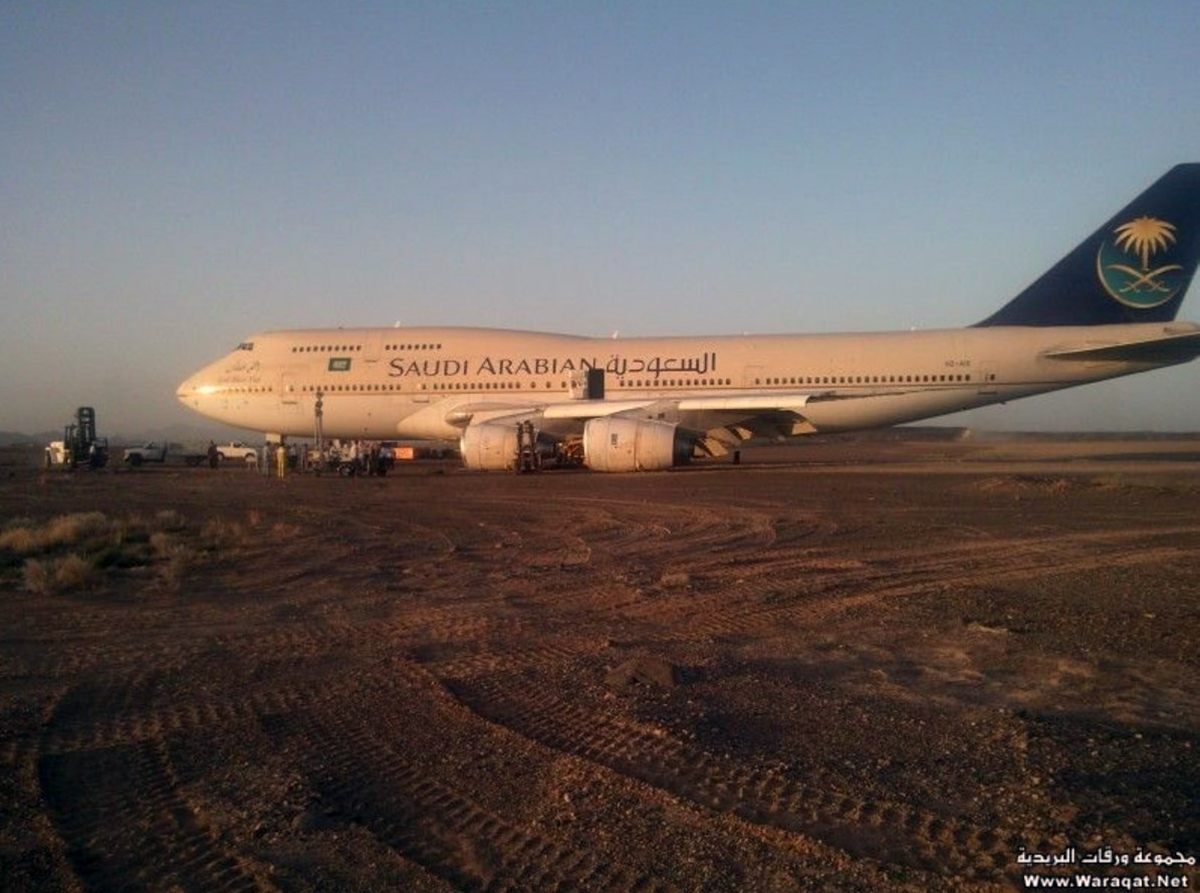
Ground accident of a Boeing 747-368 in Madinah

Date & Time: Feb 16, 2011
Type of aircraft:
Operator:
Registration:
HZ-AIS
Survivors:
Yes
Schedule:
Riyadh - Madinah
MSN:
23270/645
YOM:
1986
Flight number:
SV817
Country:
Region:
Crew on board:
17
Crew fatalities:
Pax on board:
260
Pax fatalities:
Other fatalities:
Total fatalities:
0
Circumstances:
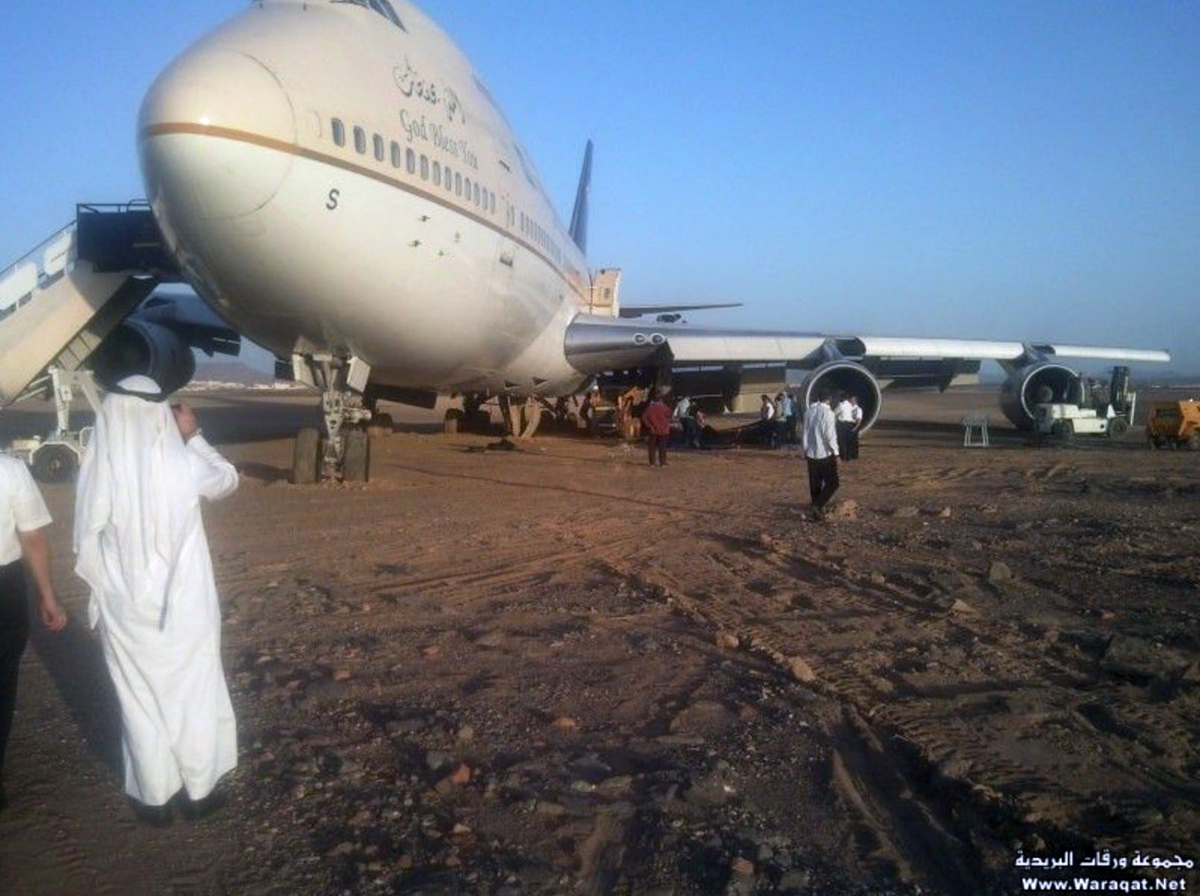
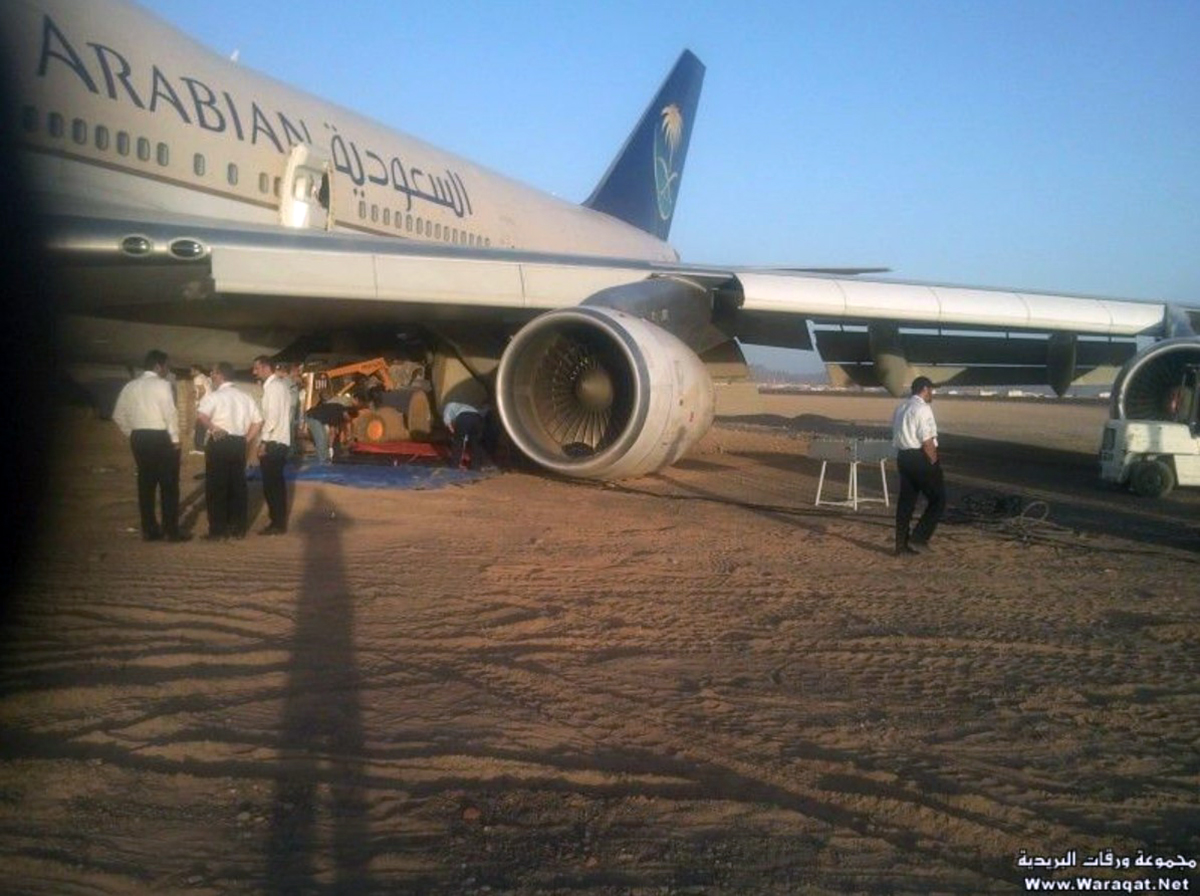
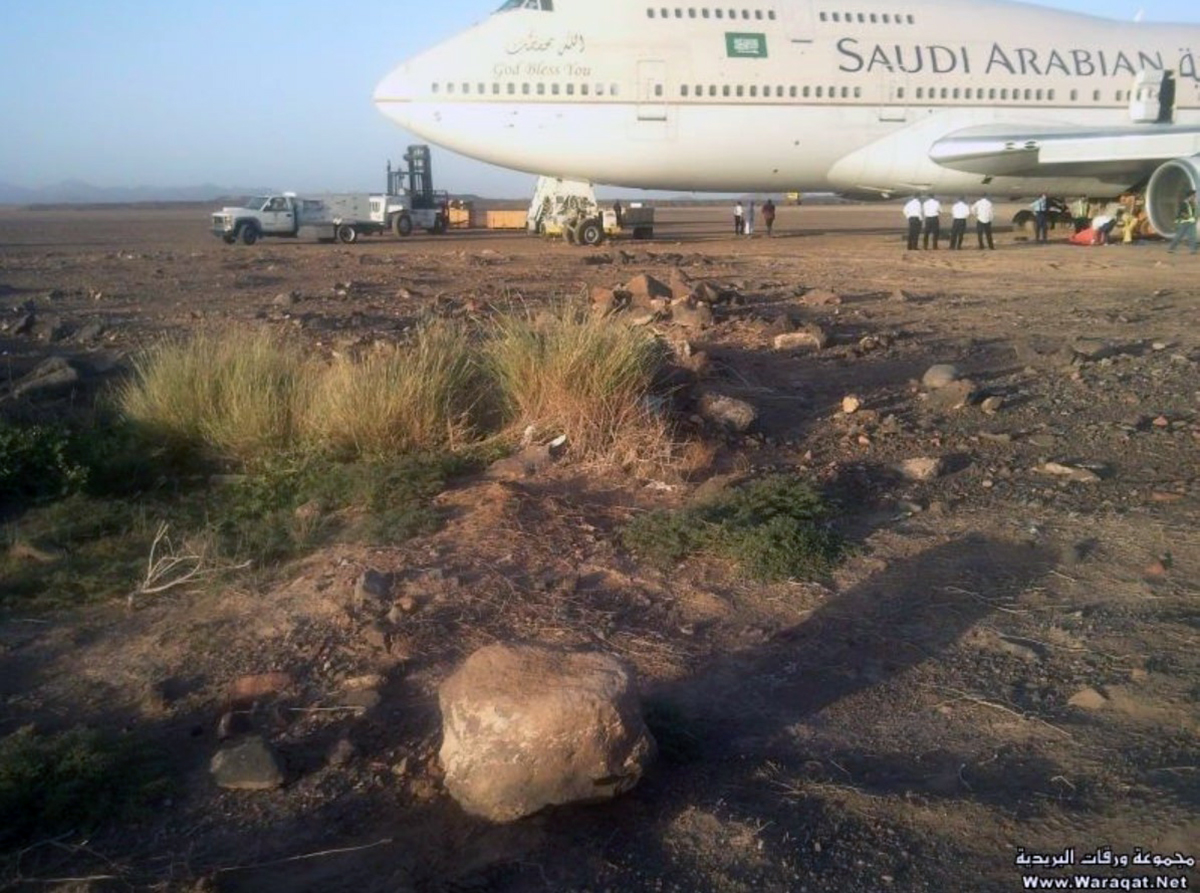
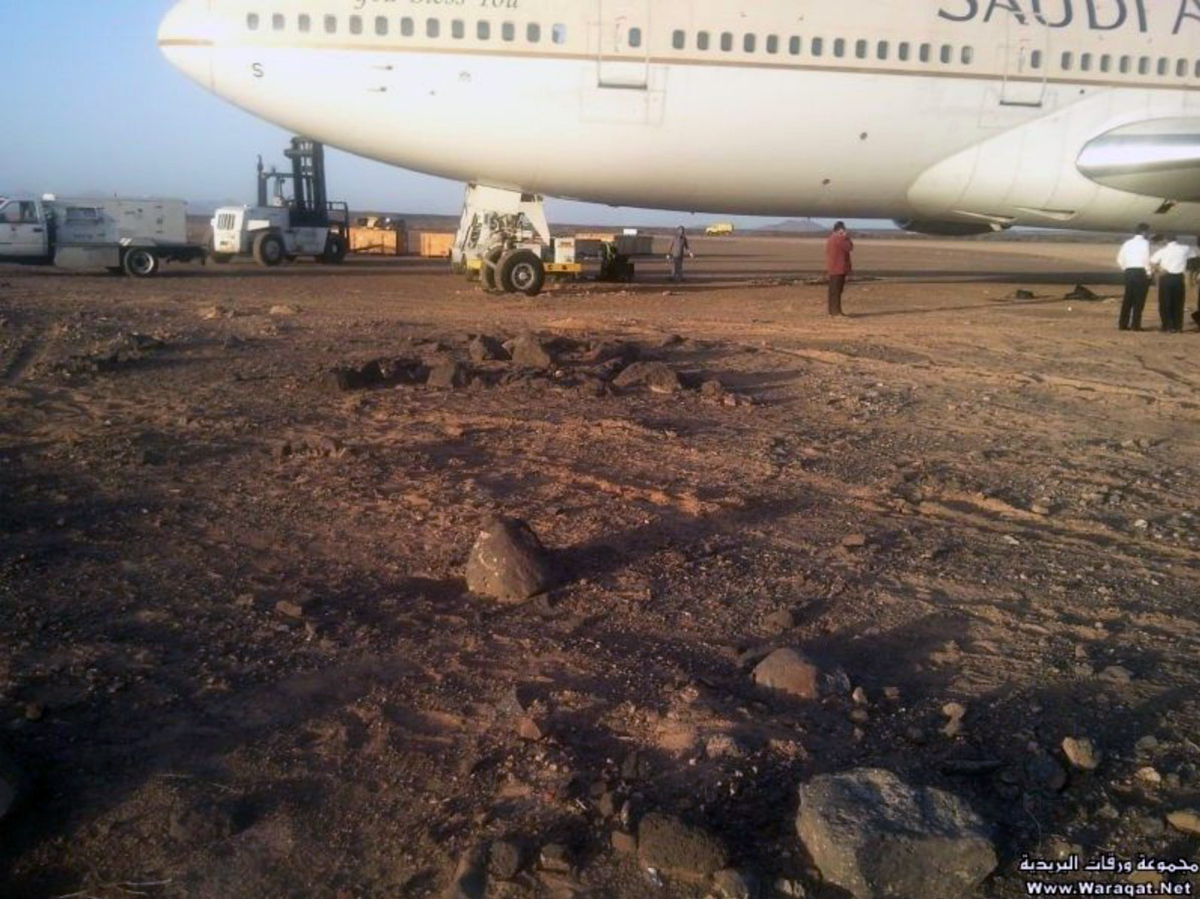
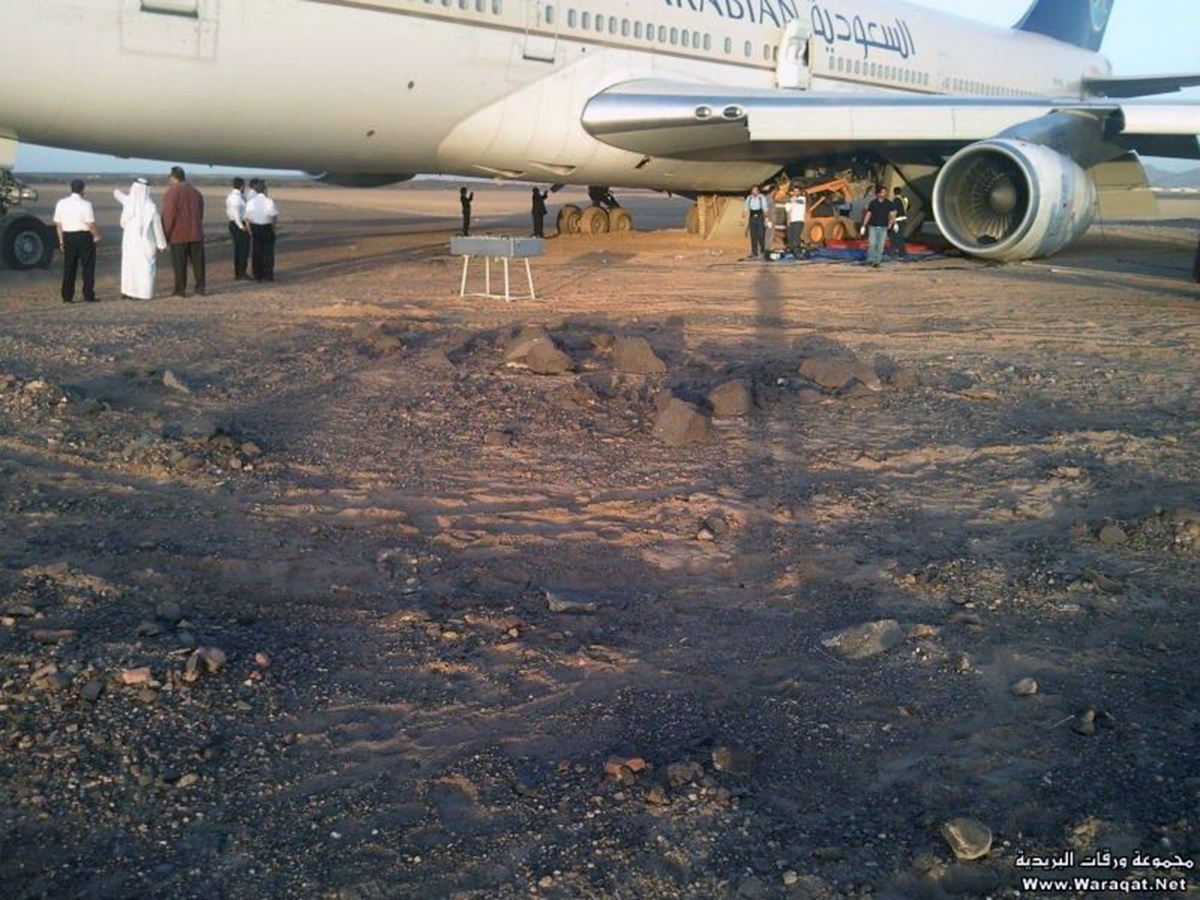
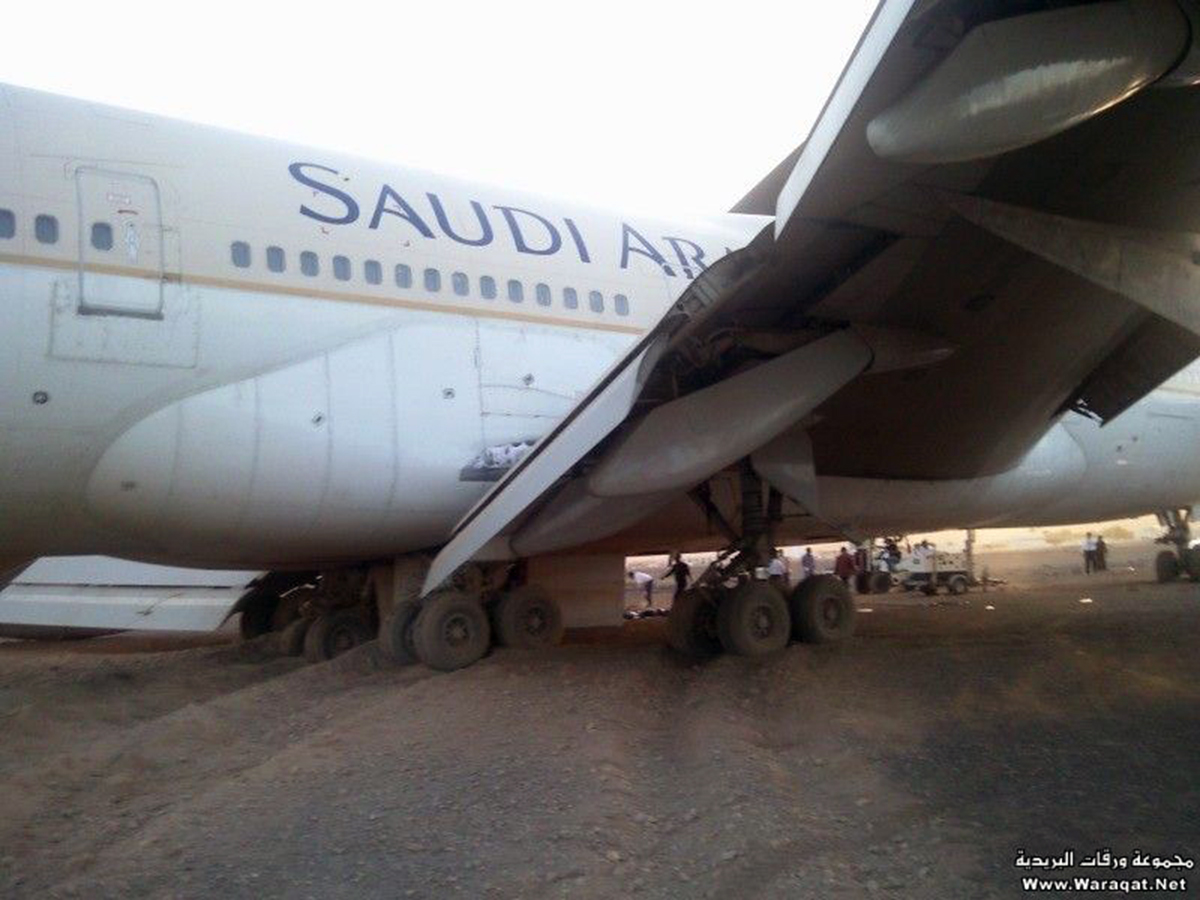
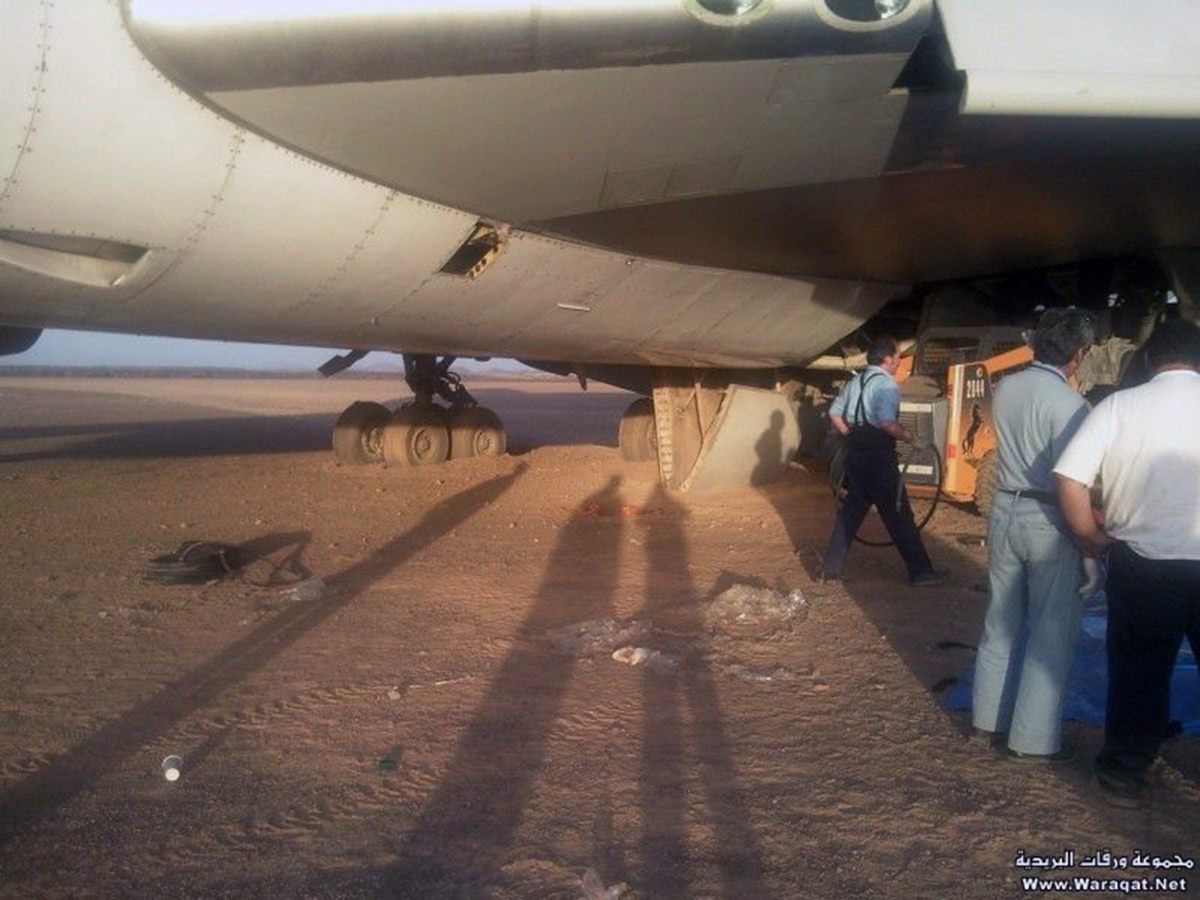
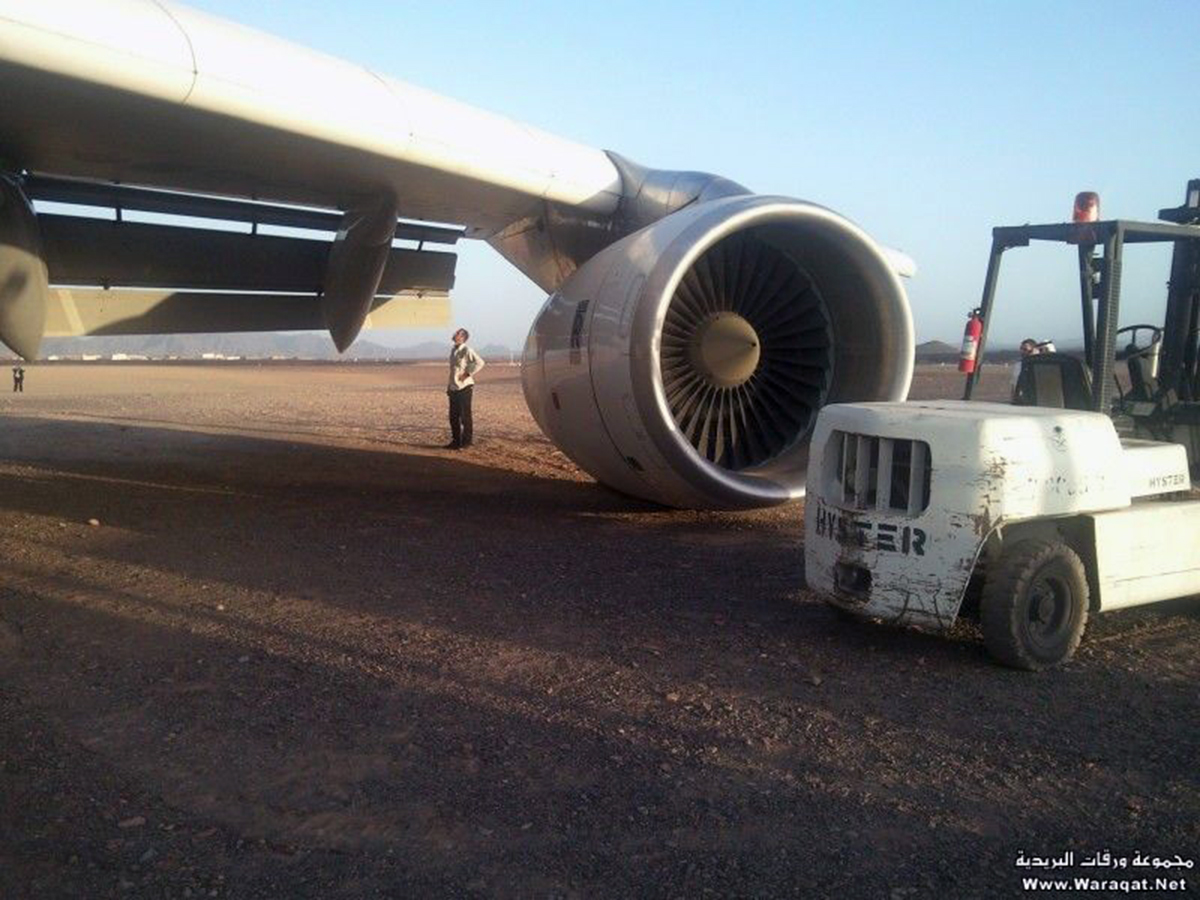
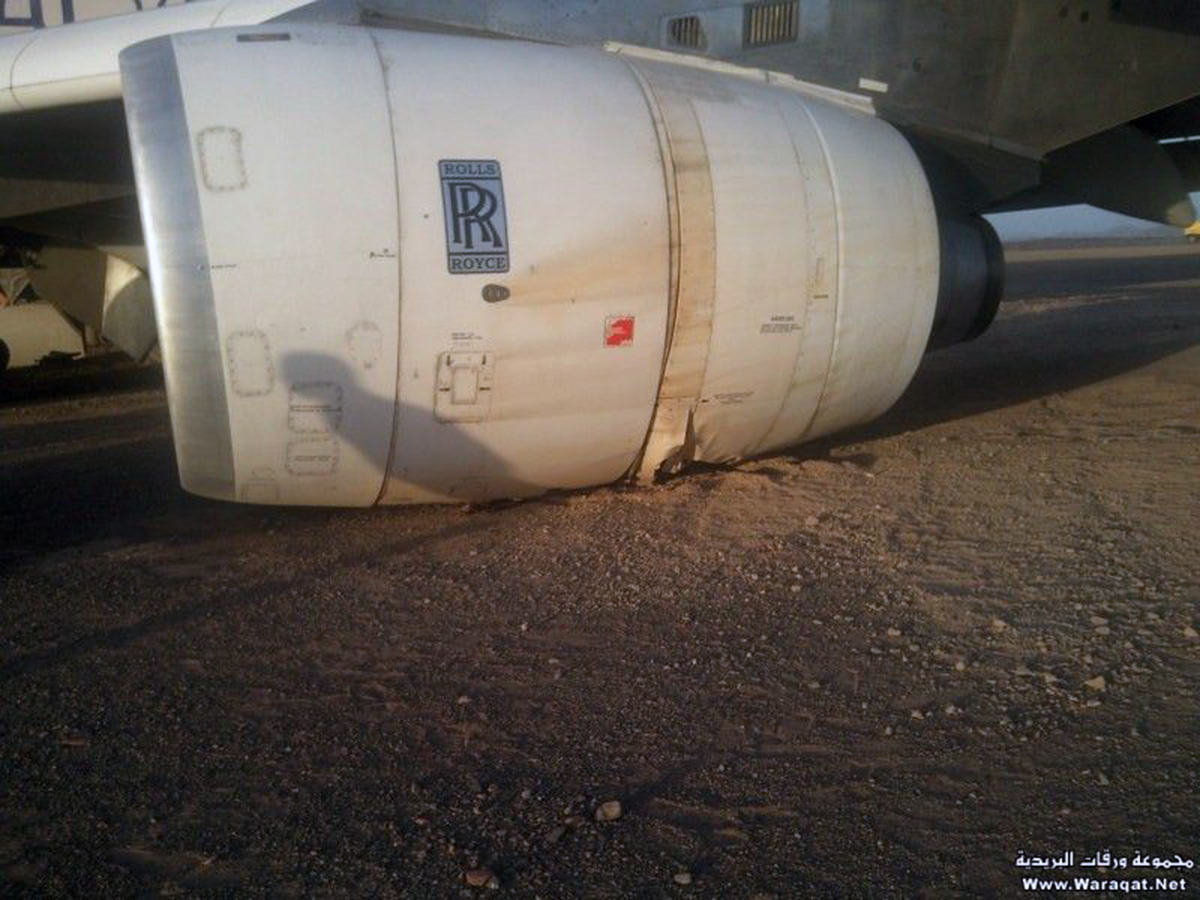
After landing at Madinah-Mohammad Bin Abdulaziz Airport runway 17, the crew completed the braking procedure and vacated via taxiway B. For unknown reasons, the aircraft departed the concrete zone and entered a sandy area, causing the left main gear to dug in and both left engines n°1 and 2 to struck the ground. All 277 occupants evacuated safely while the aircraft was damaged beyond repair.

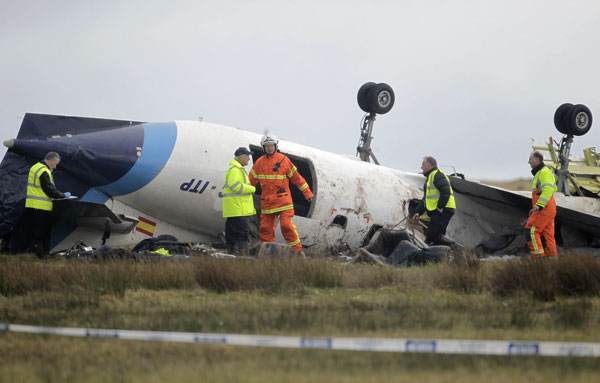
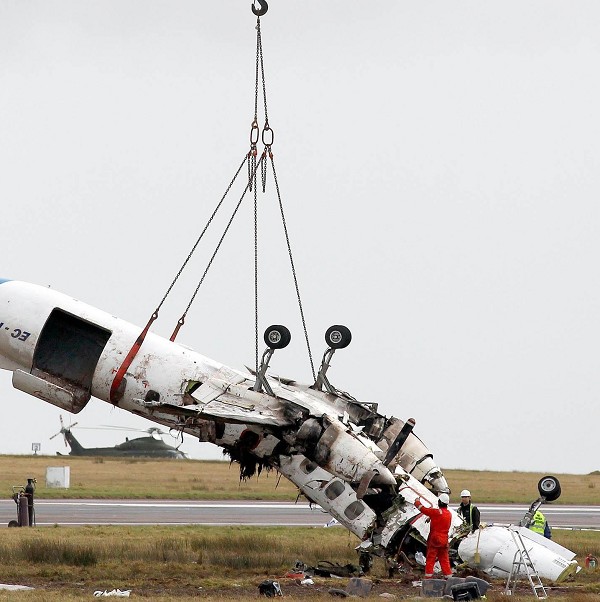
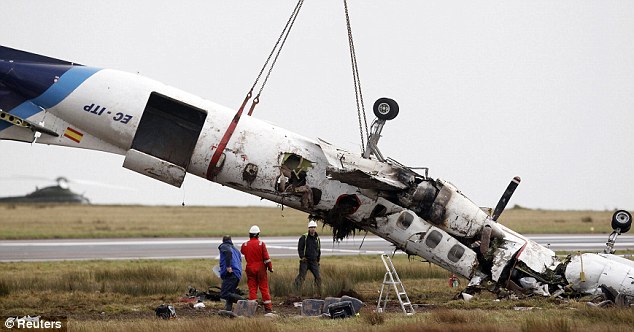
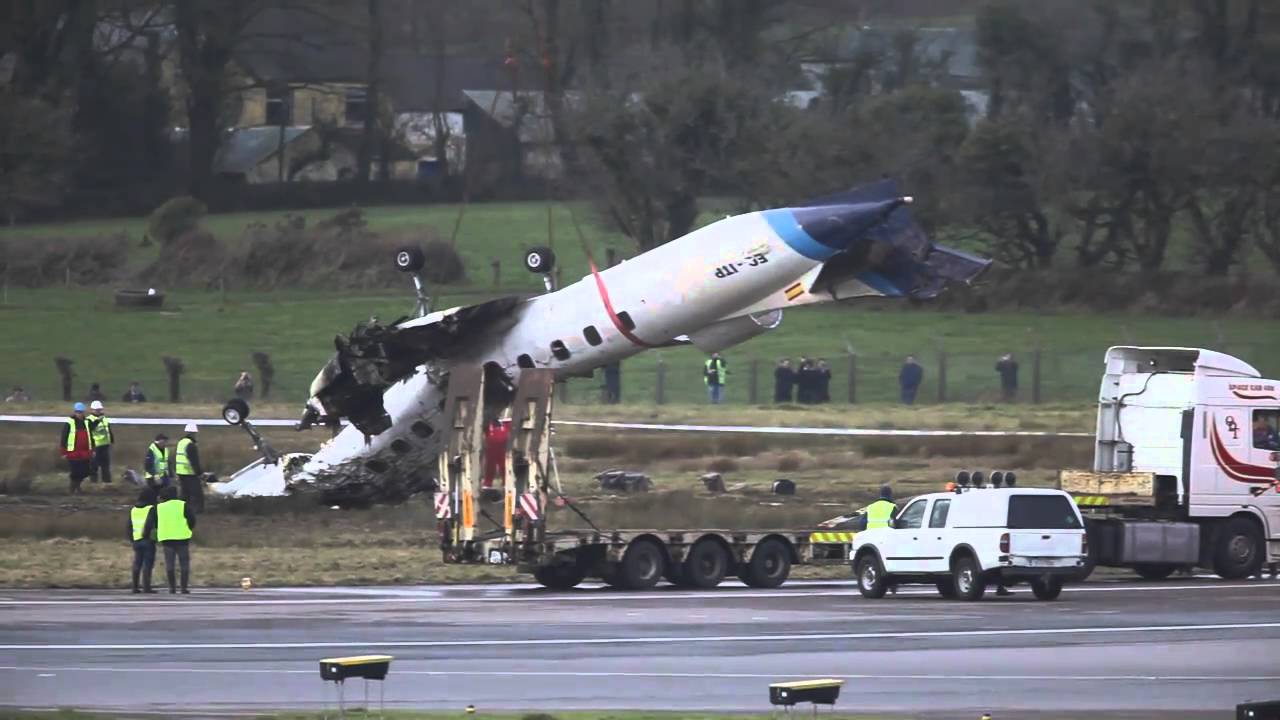
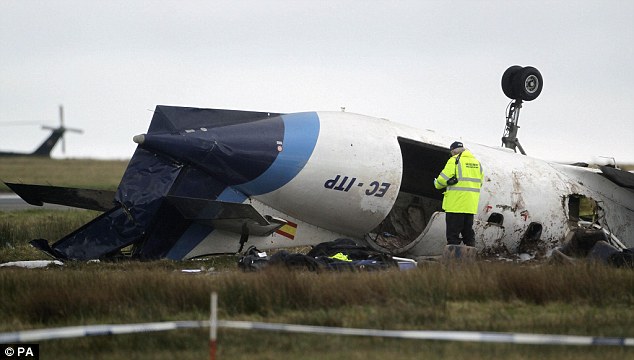
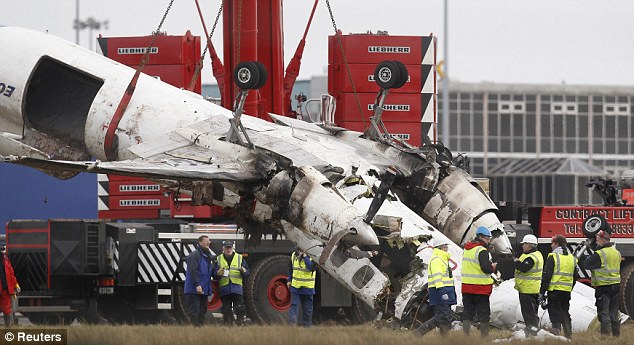
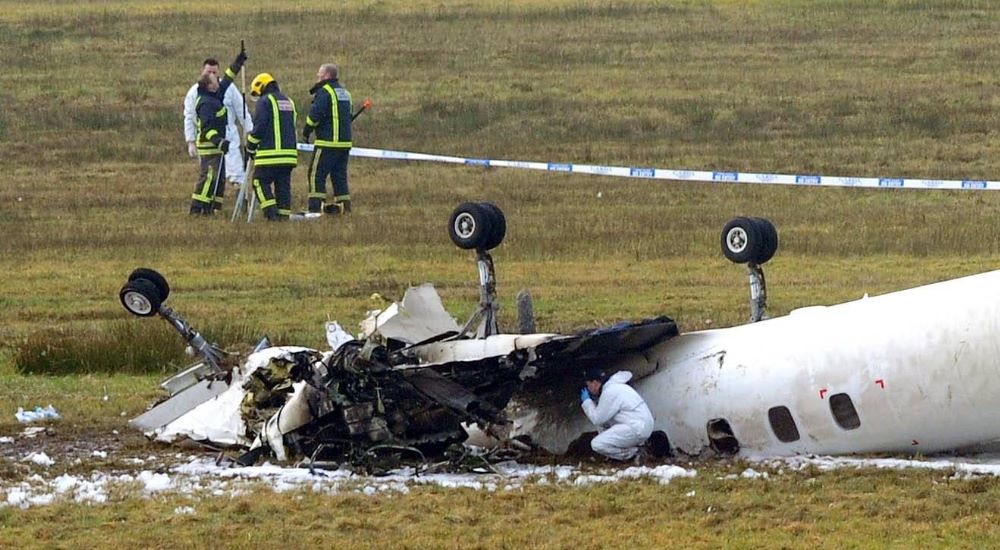
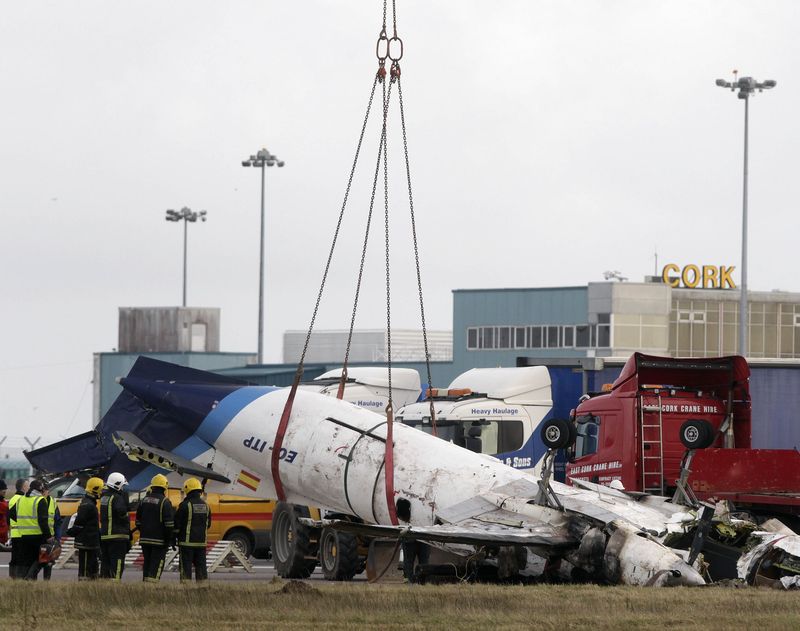
Crash of a Swearingen SA227BC Metro III in Cork: 6 killed

Date & Time: Feb 10, 2011 at 0950 LT
Type of aircraft:
Operator:
Registration:
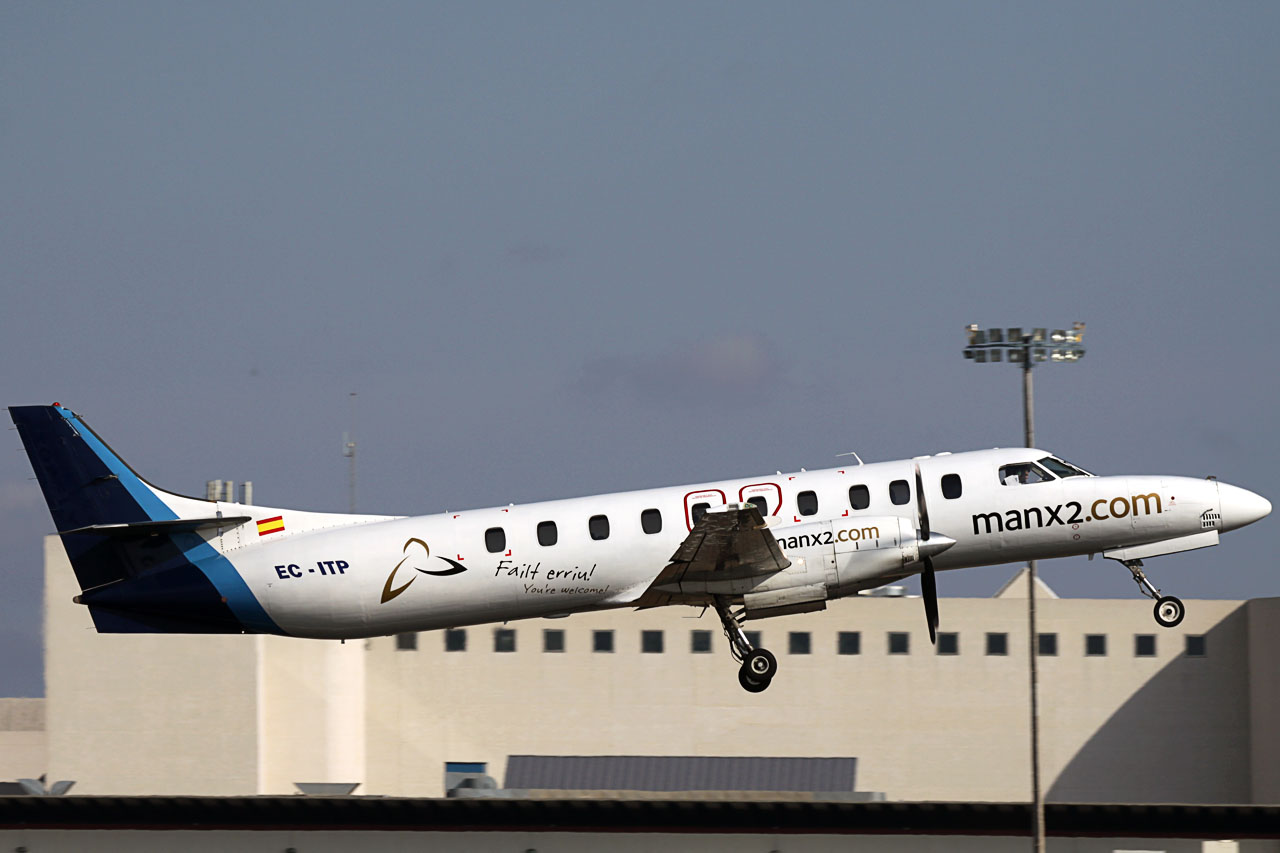
EC-ITP
Survivors:
Yes
Schedule:
Belfast – Cork
MSN:
BC-789B
YOM:
1992
Flight number:
NM7100
Location:
Country:
Region:
Crew on board:
2
Crew fatalities:
Pax on board:
10
Pax fatalities:
Other fatalities:
Total fatalities:
6
Captain / Total flying hours:
1801
Captain / Total hours on type:
1600.00
Copilot / Total flying hours:
539
Copilot / Total hours on type:
289
Aircraft flight hours:
32653
Aircraft flight cycles:
34156
Circumstances:
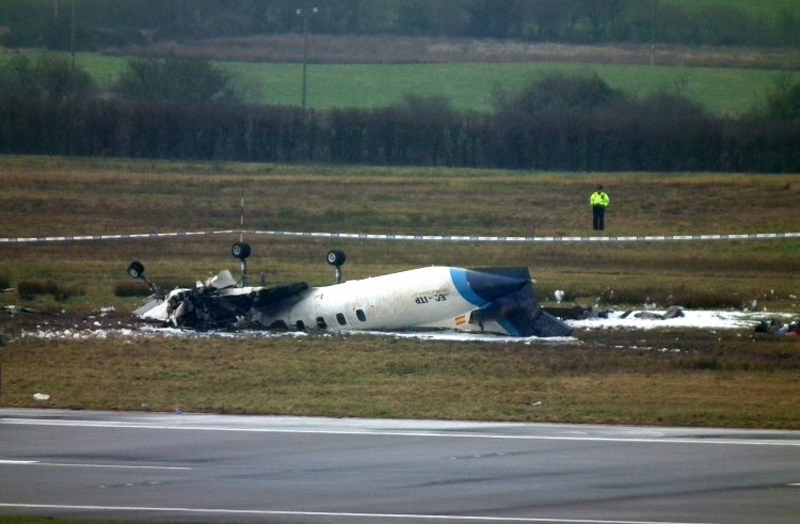
The aircraft departed Belfast City Airport (EGAC) on an international scheduled passenger service to Cork Airport (EICK). Low Visibility Procedures (LVP) were in operation at the destination. The aircraft carried out two ILS1 approaches, each followed by a missed approach. The aircraft then entered a holding pattern following which a third ILS approach was made to Runway (RWY) 17. The approach was continued below Decision Height (200 ft) and a missed approach was initiated. Approaching the runway threshold, the aircraft rolled to the left followed by a rapid roll to the right during which the right wingtip contacted the runway surface. The aircraft continued to roll and impacted the runway in a fully inverted position. The aircraft departed the runway surface to the right and came to rest in soft ground. A significant quantity of mud entered the aircraft through a fracture in the roof, partially filling the cabin. Six persons (including the two Flight Crew members) were fatally injured, four were seriously injured and two received minor injuries. The propeller blades on both engines were severely damaged; three of the four propeller blades on the right-hand engine detached during the impact sequence. Fire occurred in both engines after impact. These fires were extinguished expeditiously by the Airport Fire Service.
Probable cause:
Loss of control during an attempted go-around initiated below Decision Height (200 feet) in Instrument Meteorological Conditions.
The following factors were considered as significant:
- The approach was continued in conditions of poor visibility below those required.
- The descent was continued below the Decision Height without adequate visual reference being acquired.
- Uncoordinated operation of the flight and engine controls when go-around was attempted
- The engine power-levers were retarded below the normal in-flight operational range, an action prohibited in flight.
- A power difference between the engines became significant when the engine power levers were retarded below the normal in-flight range.
- Tiredness and fatigue on the part of the Flight Crew members.
- Inadequate command training and checking.
- Inappropriate pairing of Flight Crew members, and
- Inadequate oversight of the remote Operation by the Operator and the State of the Operator.
Final Report: