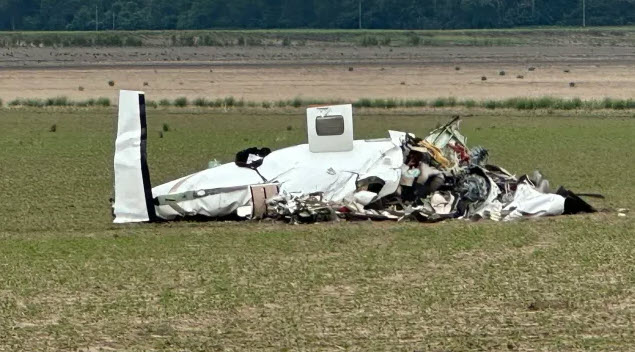
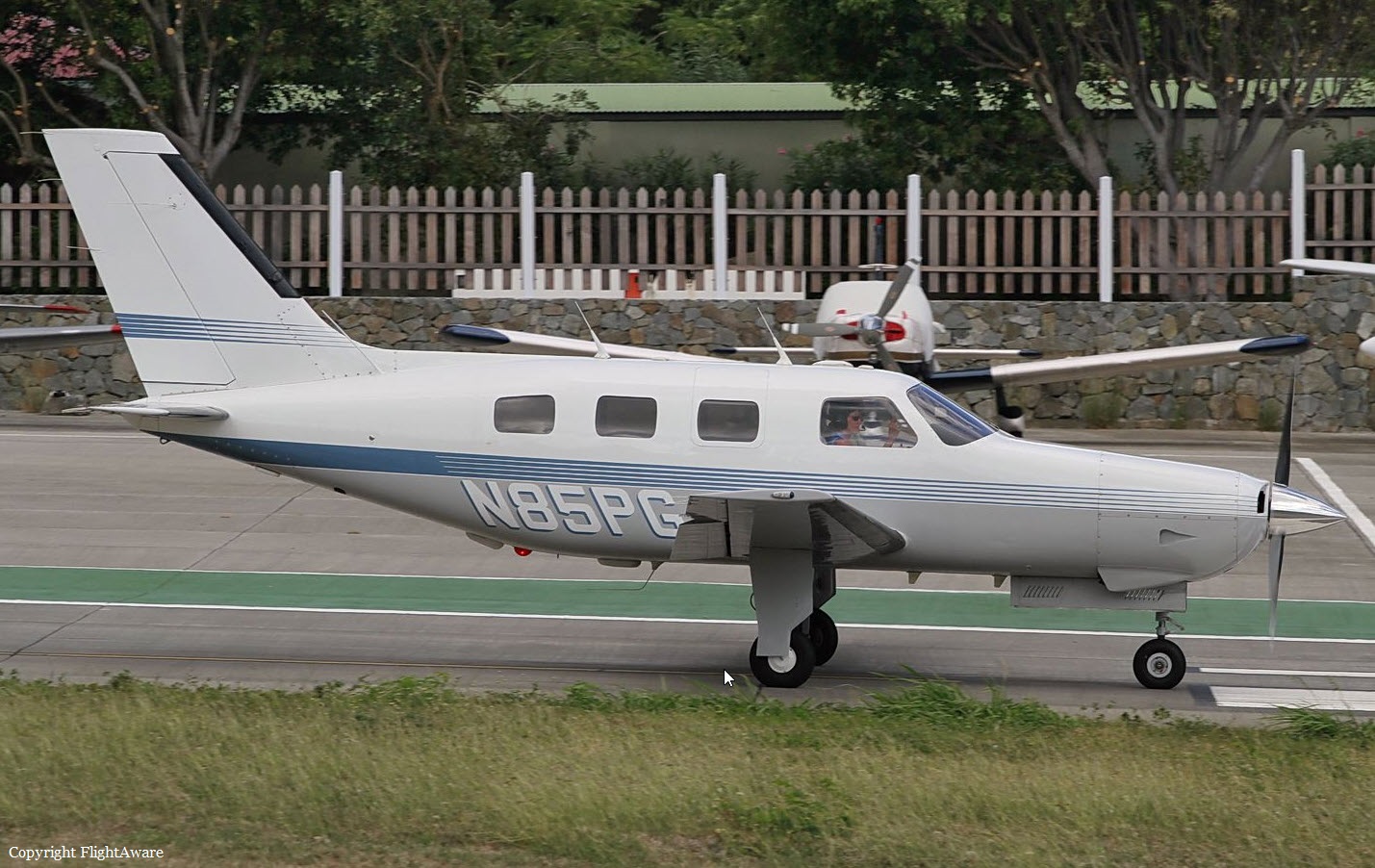
Crash of a Piper PA-46-310P Malibu near Trout Creek: 5 killed

Date & Time: Jun 30, 2024 at 1355 LT
Operator:
Registration:
N85PG
Flight Phase:
Flight Type:
Survivors:
No
Schedule:
Oneonta - Charleston
MSN:
46-8508066
YOM:
1985
Crew on board:
1
Crew fatalities:
Pax on board:
4
Pax fatalities:
Other fatalities:
Total fatalities:
5
Captain / Total flying hours:
1460
Aircraft flight hours:
6024
Circumstances:
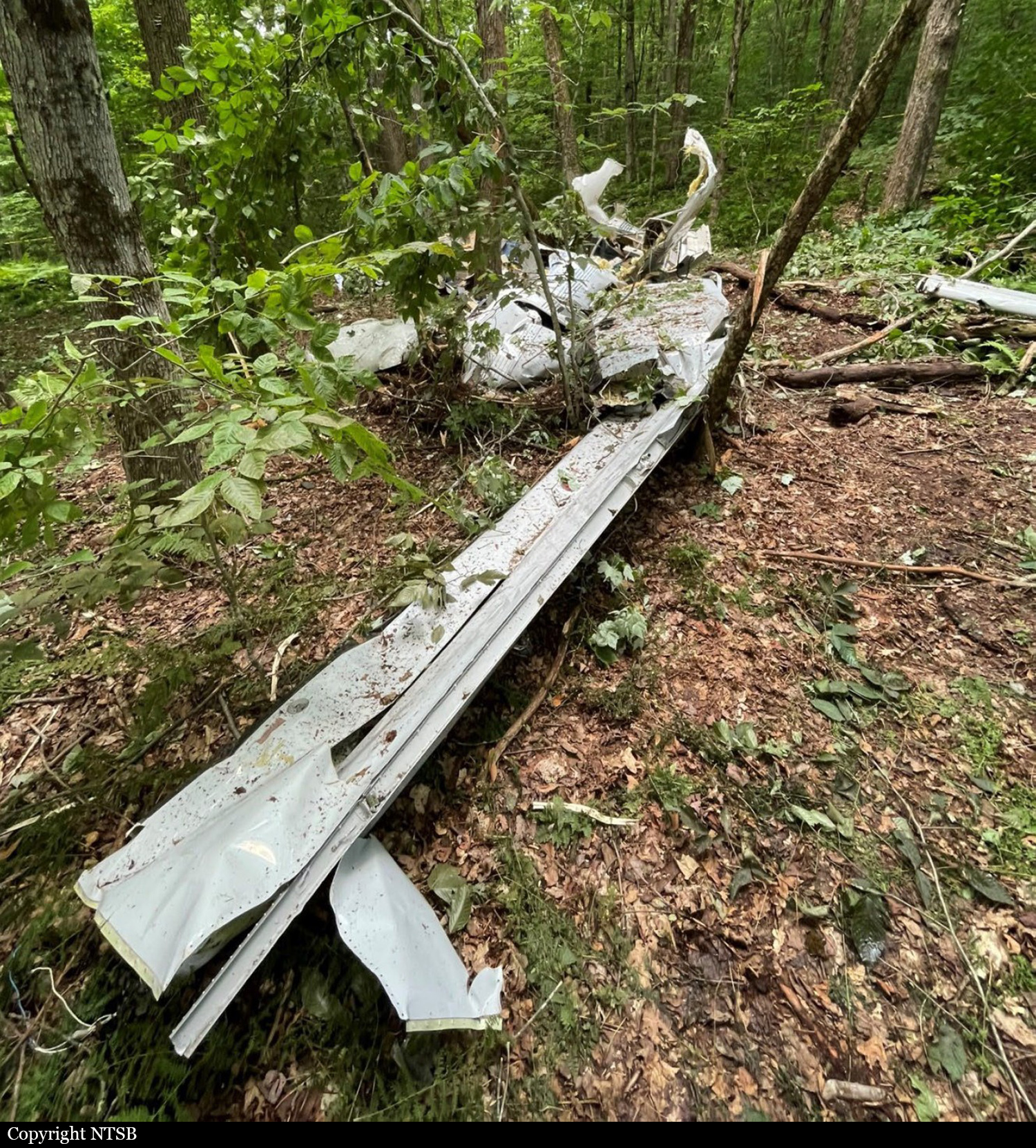
The pilot filed an instrument flight rules (IFR) flight plan from the departure airport with an estimated time en route of 2 hours 47 minutes and a cruising altitude of 12,000 ft mean sea level (msl). The flight planning application the pilot used to file the flight plan provided weather briefing information, which included a convective SIGMET active for the time and route of flight and pilot weather reports (PIREPs) for turbulence and moderate chop; however, it could not be determined whether the pilot reviewed this information. The flight departed about 45 minutes after the pilot’s filed departure time. Flight track data and air traffic control communications showed that, about 1 minute after departing, the pilot contacted air traffic control (ATC) to obtain an IFR clearance. The controller cleared the pilot to his destination as filed, issued a climb to 10,000 ft msl, and provided a weather advisory for moderate and heavy precipitation along the route, which the pilot acknowledged. About 4 minutes later, the controller issued the pilot a climb to 12,000 ft msl, which the pilot acknowledged. About that time, the controller began a position relief briefing with a relieving controller, which took about 2 minutes. About 2 minutes later, the new controller queried the pilot after observing that the flight had deviated left of course. The flight track data showed that, just before the query from the controller, the airplane deviated from its southwesterly ground track and began a 45-second, right 270° turn starting at an altitude of 9,800 ft msl. While in the turn, the airplane descended to an altitude of 8,700 ft msl before climbing back to an altitude of 9,800 ft msl when the airplane rolled out on an easterly ground track. About 1 minute after the query from the controller, the pilot responded, stating he had “lost” something, followed by a similar transmission 27 seconds later. This was the last transmission heard that could be attributed to the accident airplane. The airplane continued on a wavering east track for about 40 seconds, descending back down to 8,700 ft msl before climbing to 9,025 ft msl, after which the airplane entered a tight, right, descending spiral until track data was lost. The airplane crashed in a dense wooded area located in Trout Creek and was totally destroyed. All five occupants were killed.
Probable cause:
The pilot’s loss of airplane control in flight due to spatial disorientation during a climb to cruise altitude in instrument meteorological conditions and turbulence, which resulted in the in-flight breakup of the airplane. Contributing to the accident was the pilot’s continued flight into an area of known convective activity.
Final Report:
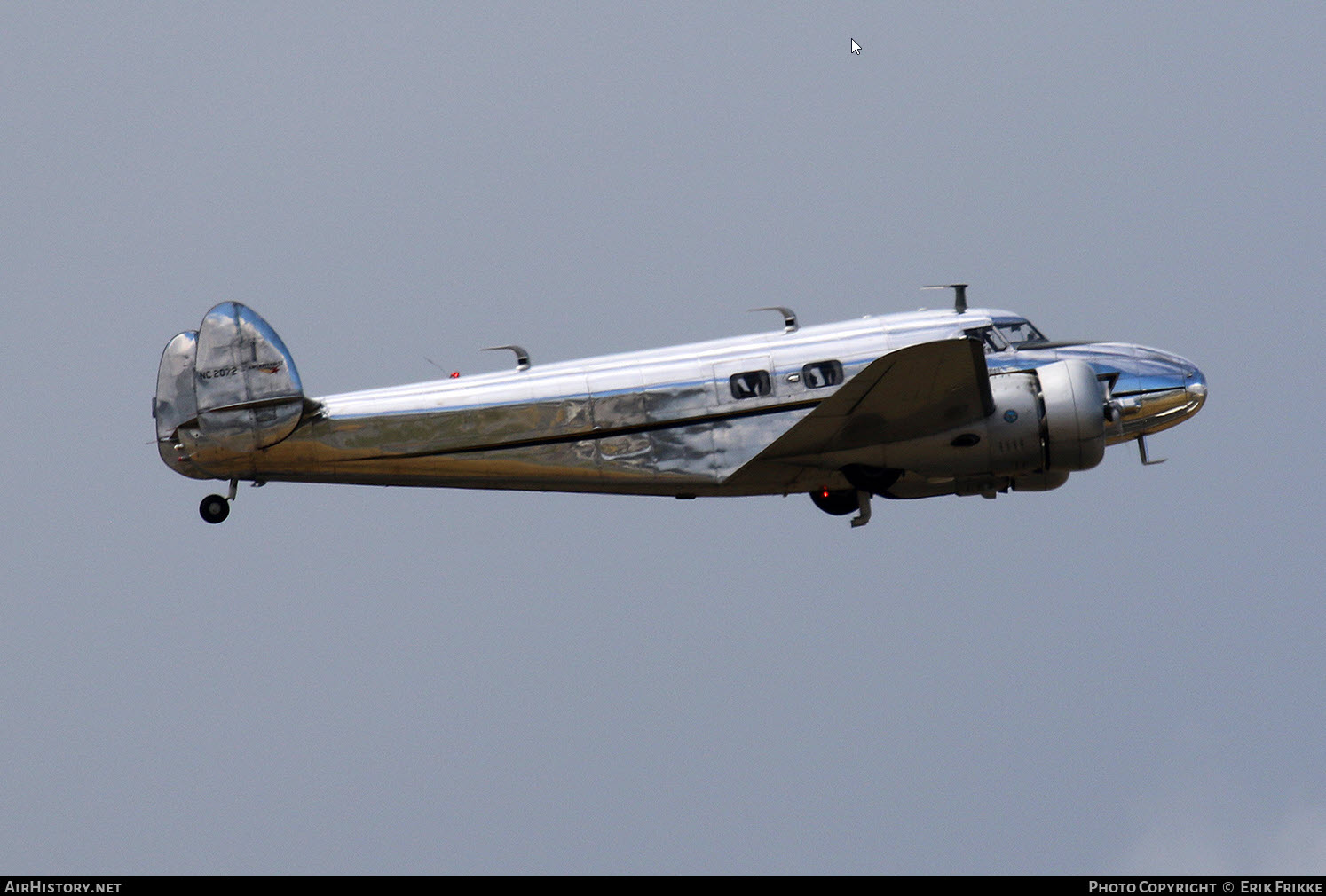
Crash of a Lockheed 12A Electra Junior in Jackson

Date & Time: Jun 17, 2024 at 2000 LT
Type of aircraft:
Operator:
Registration:
N2072
Flight Type:
Survivors:
Yes
MSN:
1208
YOM:
1936
Crew on board:
2
Crew fatalities:
Pax on board:
1
Pax fatalities:
Other fatalities:
Total fatalities:
0
Circumstances:
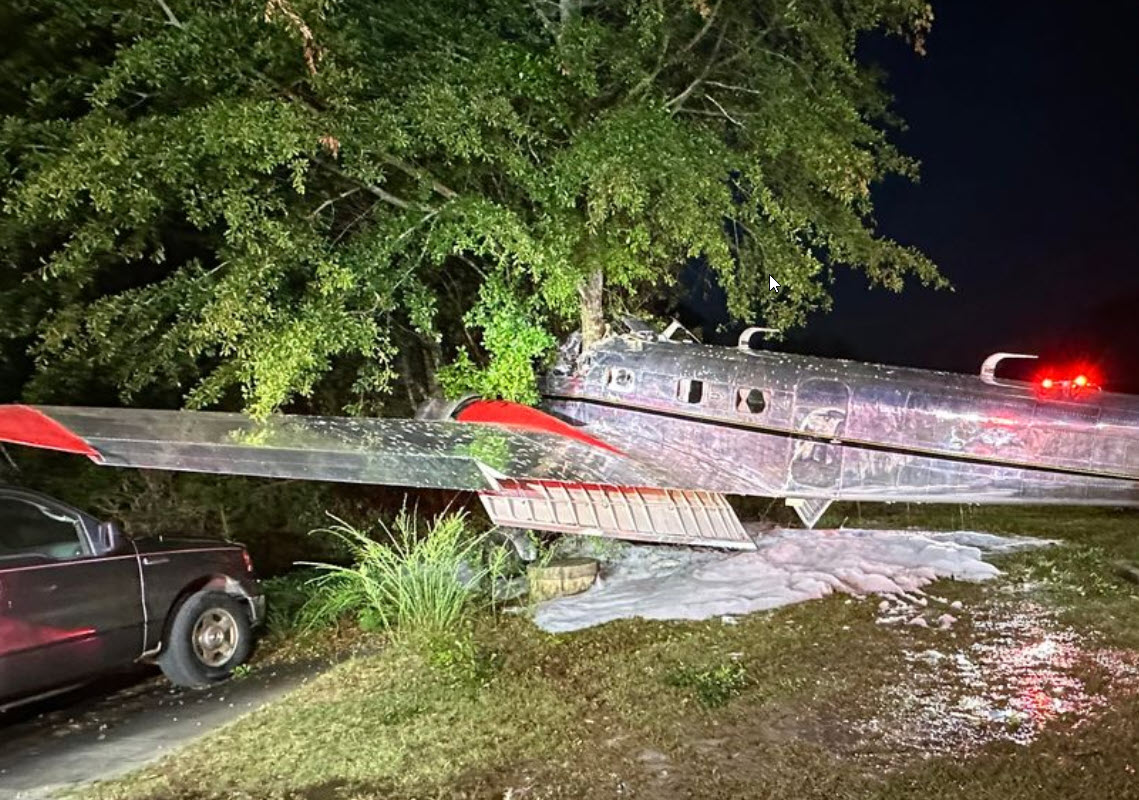
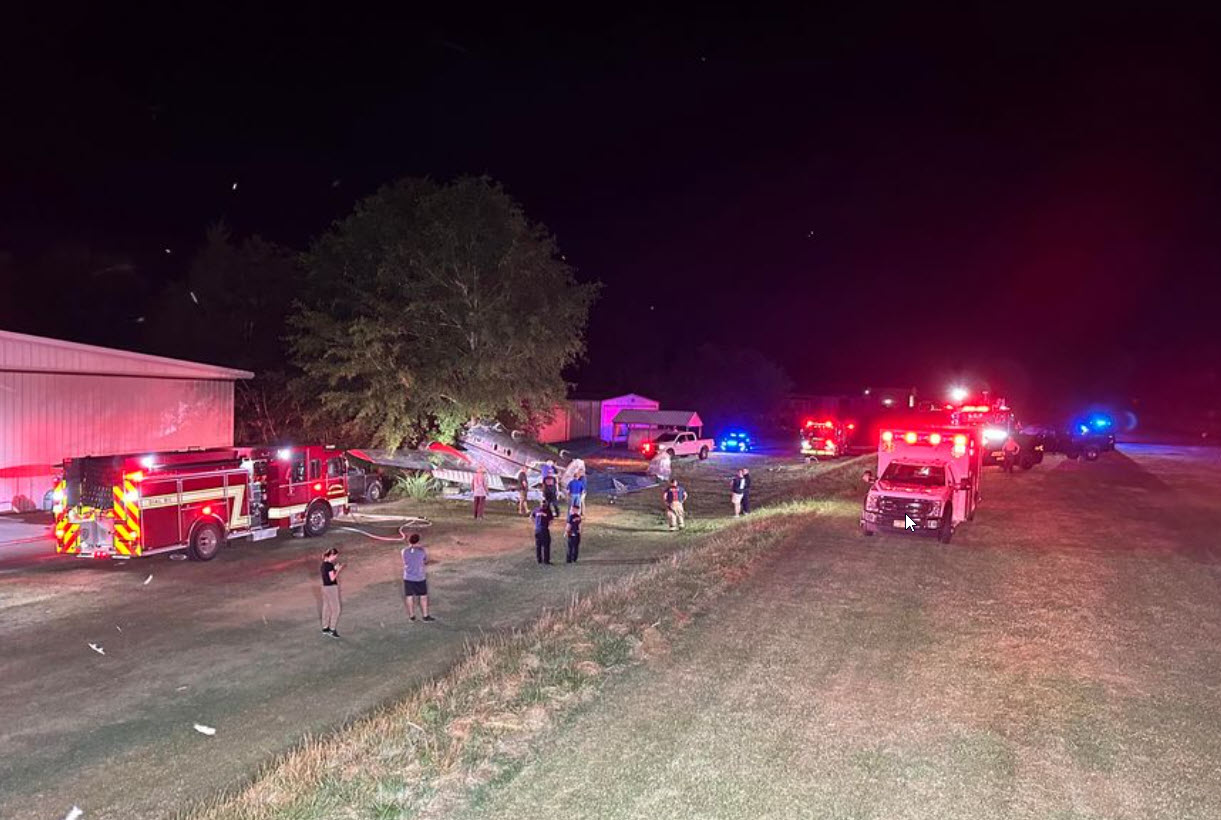
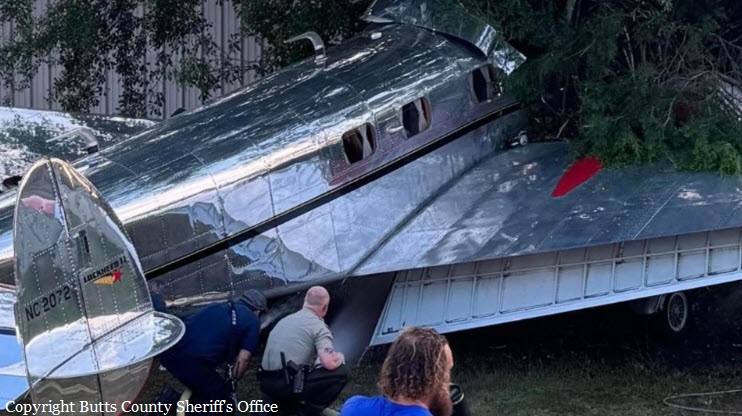
After landing on the grassy runway 36 at Jackson-Seven Lakes Airfield, the twin engine airplane went out of control, veered off runway to the left and came to rest against a tree. All three occupants were injured and the airplane was damaged beyond repair. It was officially registered N2072 and the registration NC2072 was on the fuselage.

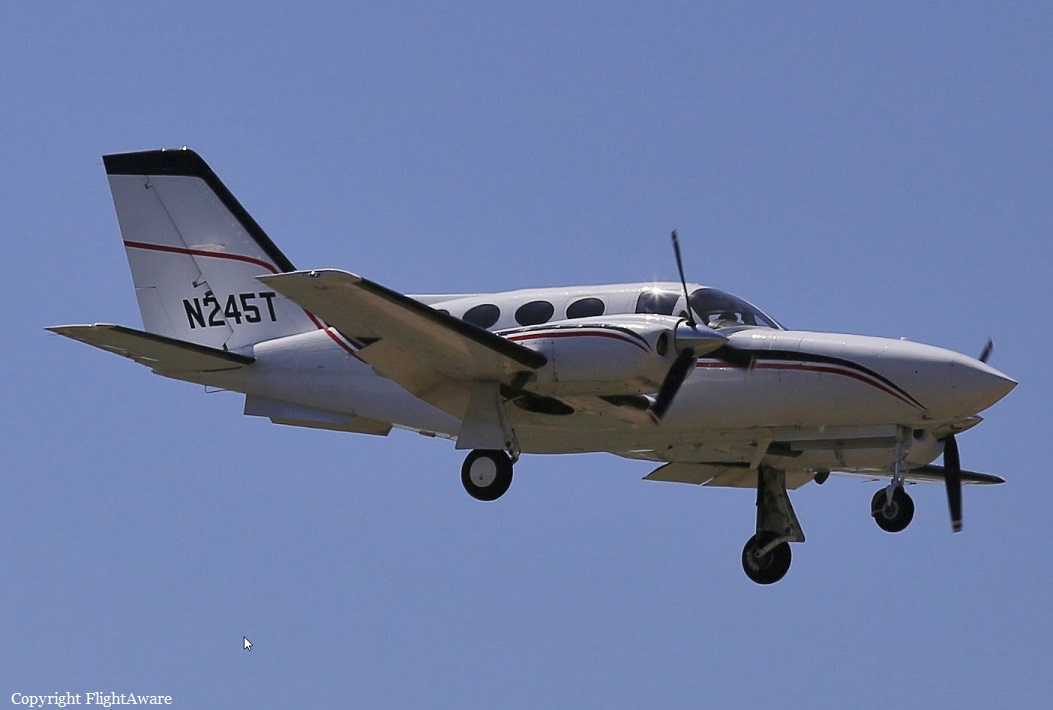
Crash of a Cessna 421C Golden Eagle III in Steamboat Springs: 2 killed

Date & Time: Jun 17, 2024 at 1623 LT
Registration:
N245T
Flight Type:
Survivors:
No
Site:
Schedule:
Longmont - Ogden
MSN:
421C-1104
YOM:
1981
Crew on board:
1
Crew fatalities:
Pax on board:
1
Pax fatalities:
Other fatalities:
Total fatalities:
2
Captain / Total flying hours:
600
Captain / Total hours on type:
59.00
Aircraft flight hours:
3139
Circumstances:
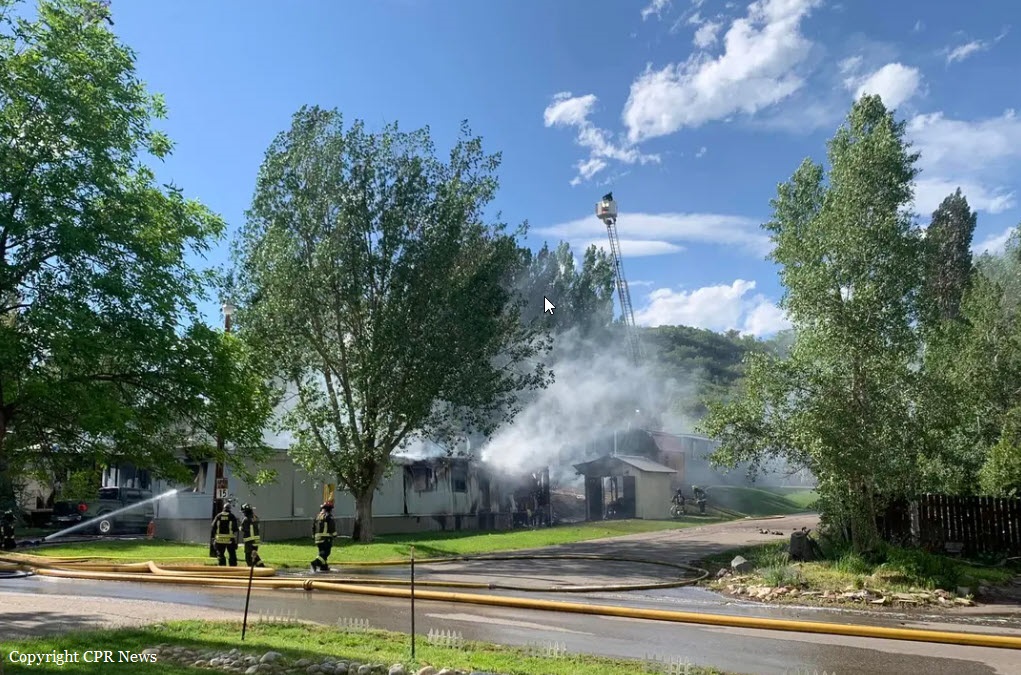
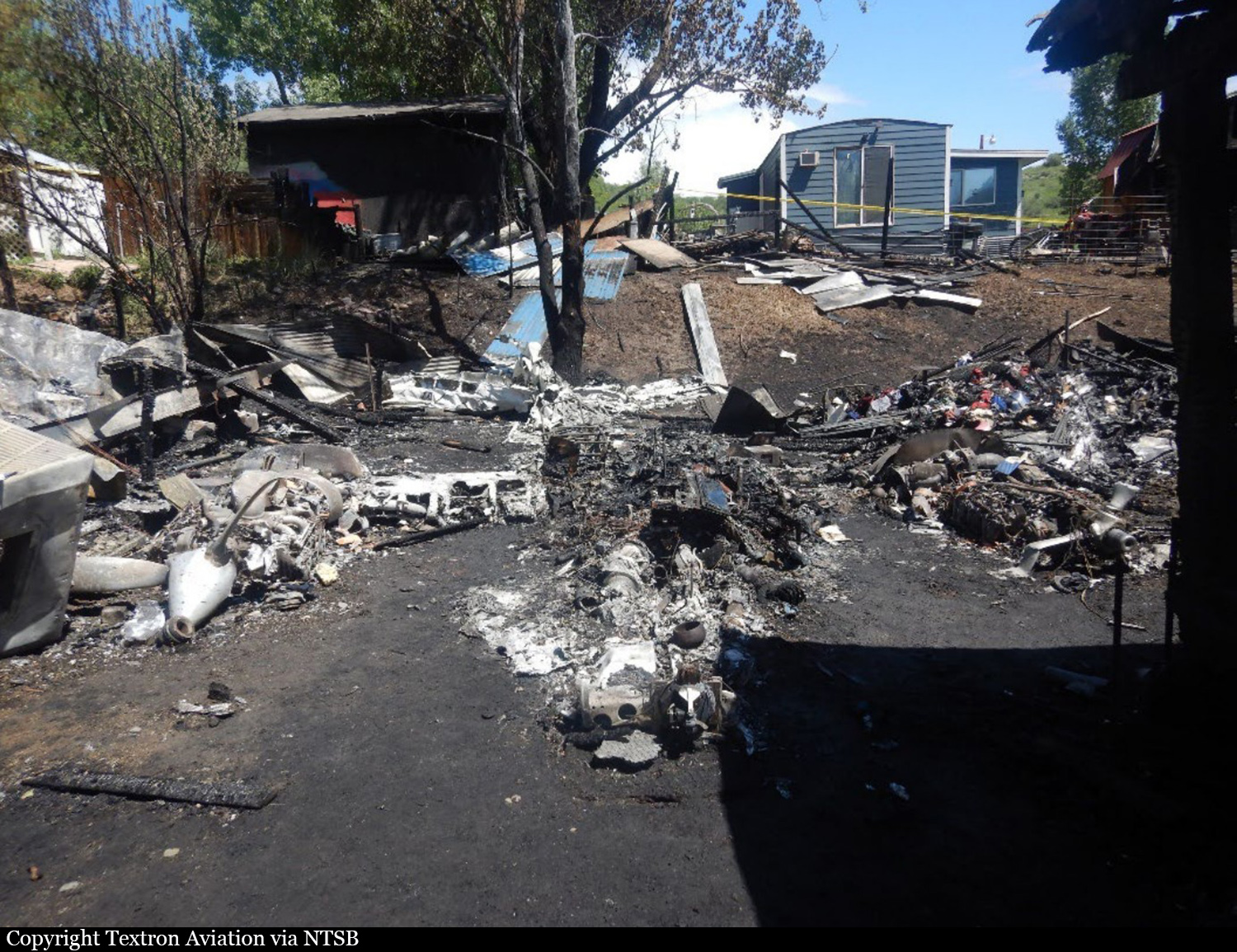
While enroute to the destination airport, the pilot reported a “cylinder temperature issue” to air traffic control (ATC) and the pilot diverted to another airport for a visual approach. The pilot overflew the airport and requested vectors for another visual approach. He then requested vectors to divert to an airport to the east before he informed air traffic control that the left engine lost power, and he received vectors back to the airport for a visual approach. The pilot maneuvered the airplane to land on runway 14, but for an unknown reason he decided to land on runway 32 instead. A pilot-rated witness reported that he observed the airplane while it was on the base to final turn for runway 32. He reported that the airplane’s wings leveled momentarily before it made a 60° left-bank turn and then entered a stall/spin in a counterclockwise rotation. The airplane impacted a trailer park about 0.38 miles from the approach end of runway 32. A postimpact fire ensued and destroyed the airplane. Examination of the airframe, flight controls, and the right engine did not detect any preimpact anomalies that would have precluded normal operation. Examination of the left engine found that the starter adapter spline was worn, with broken teeth on its crankshaft gear. The crankshaft gear remained properly timed with the crankshaft cluster gear, the investigation could not determine if the idler gear, which drives the magnetos, slipped timing. Mistiming of the magnetos could result in abnormal cylinder head temperature(s). In addition, there was improper hardware securing the cylinder No. 6 intake valve, which might have altered performance of that valve. Due to thermal damage, testing of the ignition and fuel systems could not be accomplished. Evidence of detonation was observed on the left engine’s piston heads. The installed engine data monitor was destroyed by the postimpact fire and did not provide further details as to the operational condition of the engine before the accident. Inspection of the starter adapter assembly is required annually by airworthiness directive and was accomplished on the most recent annual inspection. The airplane had flown about 5.5 hours since the inspection.
Probable cause:
The pilot’s failure to maintain sufficient airspeed following a loss of engine power, which resulted in an inadvertent aerodynamic stall/spin at low altitude.
Final Report:

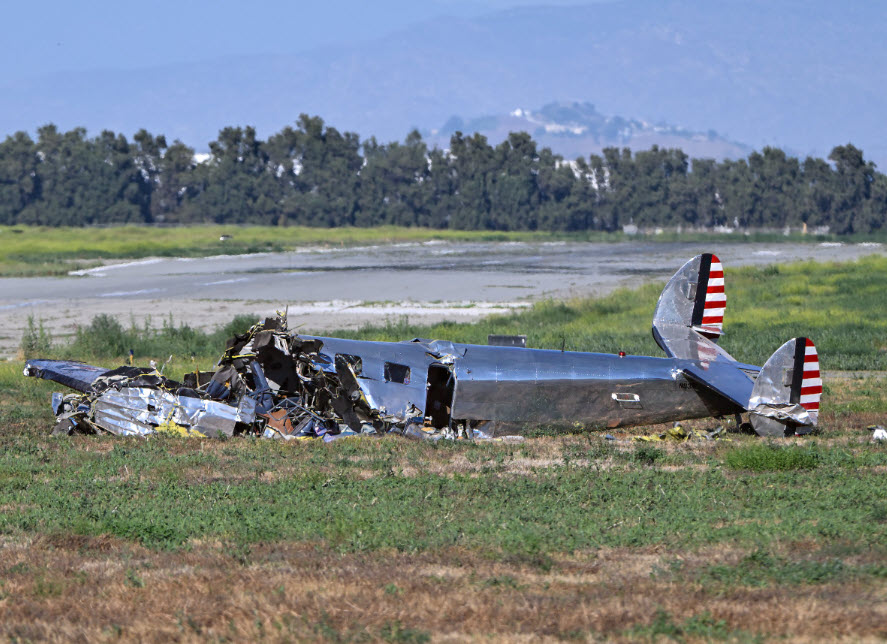
Crash of a Lockheed 12A Electra Junior in Chino: 2 killed

Date & Time: Jun 15, 2024 at 1235 LT
Type of aircraft:
Registration:
N93R
Flight Phase:
Flight Type:
Survivors:
No
Schedule:
Chino - Chino
MSN:
1257
YOM:
1939
Crew on board:
2
Crew fatalities:
Pax on board:
0
Pax fatalities:
Other fatalities:
Total fatalities:
2
Circumstances:
Shortly after takeoff from Chino Airport runway 21, while climbing, the twin engine airplane rolled to the left, descended to the ground and crashed in a grassy area, bursting into flames. Both occupants were fatally injured. The airplane was operated on behalf of the Yanks Air Museum.

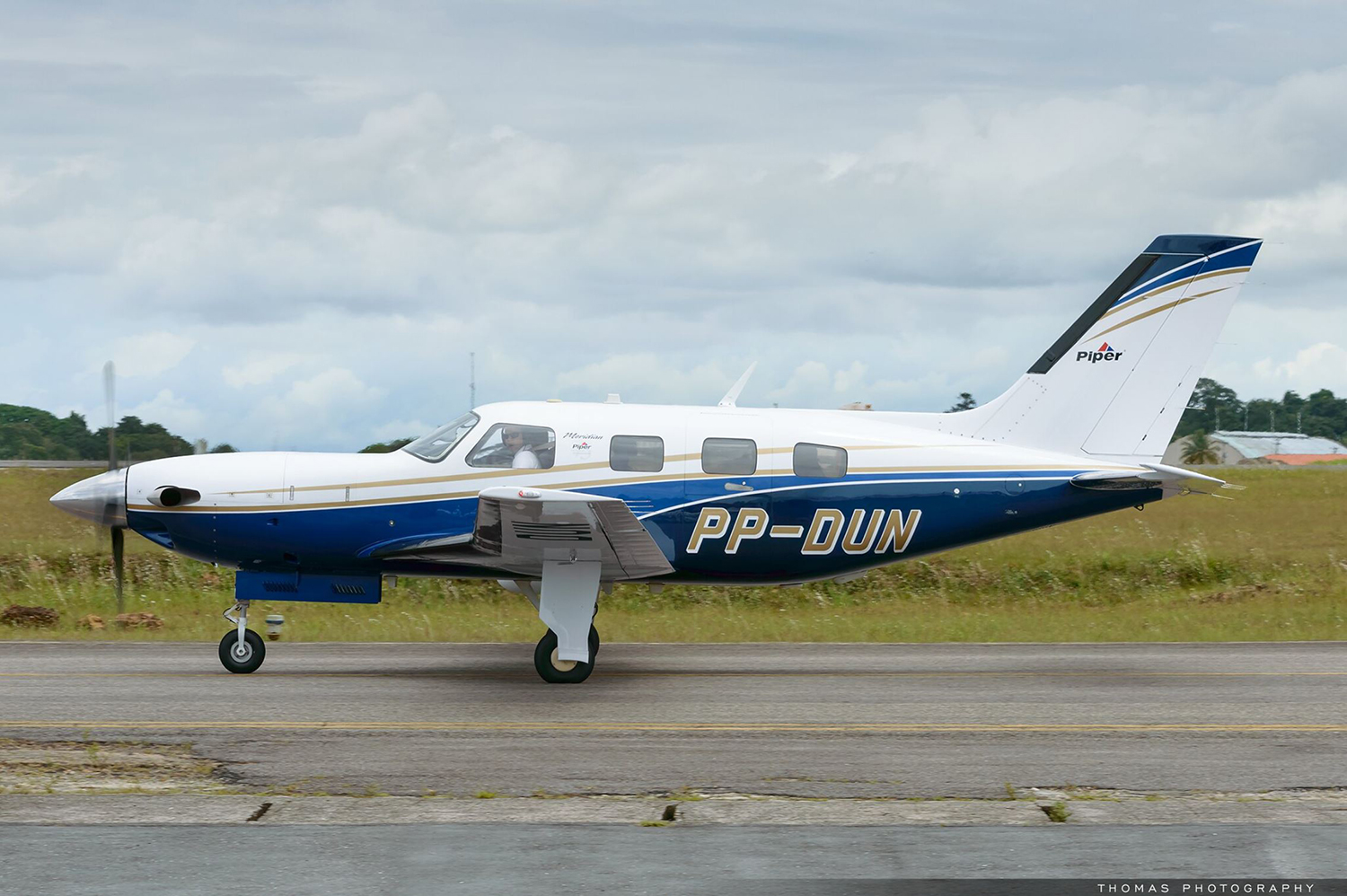
Crash of a Piper PA-46-500TP Malibu Meridian in Sorriso: 2 killed

Date & Time: Jun 7, 2024 at 0600 LT
Registration:
PP-DUN
Flight Phase:
Flight Type:
Survivors:
No
Schedule:
Sorriso - São José do Rio Claro
MSN:
46-97499
YOM:
2012
Country:
Crew on board:
1
Crew fatalities:
Pax on board:
1
Pax fatalities:
Other fatalities:
Total fatalities:
2
Circumstances:
After takeoff from Sorriso-Aero Agro Airfield, the pilot encountered an unexpected situation and apparently elected to return to the airport. The airplane entered an uncontrolled descent in a right turn then crashed in a dense wooded area located southeast of the city of Sorriso, bursting into flames. The airplane was totally destroyed and both occupants were killed.

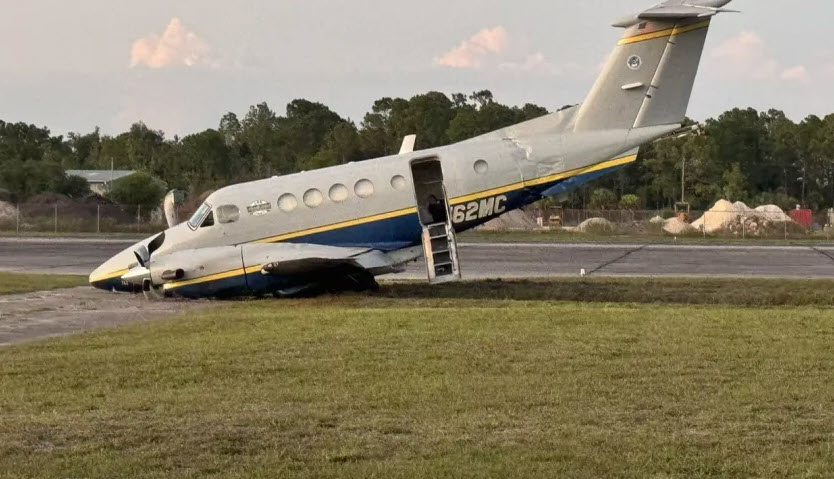
Crash of a Beechcraft 200 Super King Air in Buckingham

Date & Time: May 20, 2024 at 1103 LT
Operator:
Registration:
N762MC
Flight Phase:
Flight Type:
Survivors:
Yes
Schedule:
Buckingham - Buckingham
MSN:
BJ-16
YOM:
1980
Crew on board:
2
Crew fatalities:
Pax on board:
0
Pax fatalities:
Other fatalities:
Total fatalities:
0
Circumstances:
While taking off from runway 32 at Buckingham Airport, the twin engine airplane went out of control, veered off runway to the left, lost its nose gear and left main gear and came to rest. Both crew members evacuated safely.

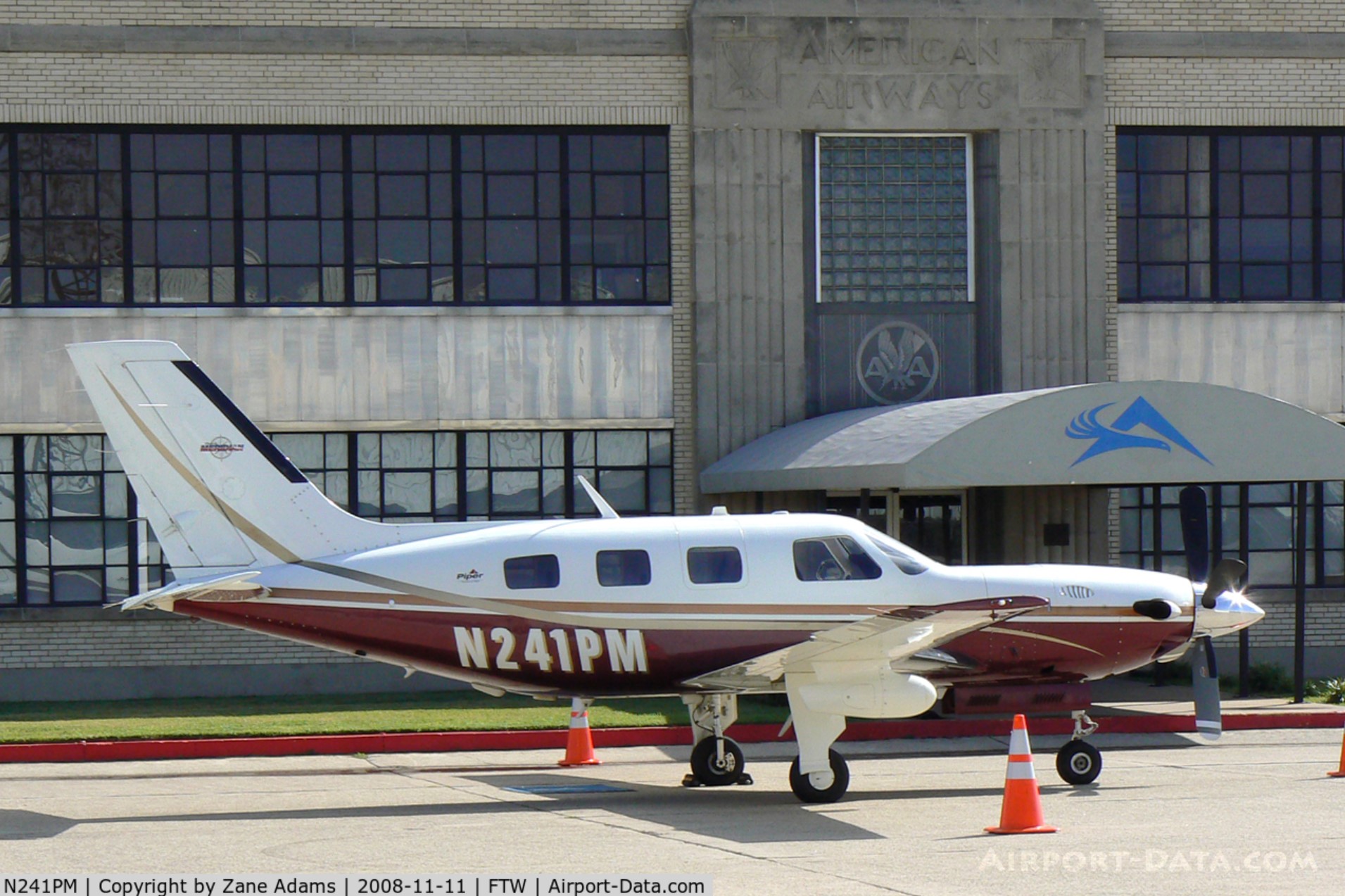
Crash of a Piper PA-46-500TP Malibu Meridian in Marianna: 2 killed

Date & Time: May 12, 2024 at 1957 LT
Registration:
N241PM
Flight Phase:
Flight Type:
Survivors:
No
Schedule:
Pensacola - Batesville
MSN:
46-97150
YOM:
2003
Crew on board:
1
Crew fatalities:
Pax on board:
1
Pax fatalities:
Other fatalities:
Total fatalities:
2
Circumstances:
The single engine airplane departed Pensacola Regional Airport, Florida, on a private flight to Batesville, Arkansas, with two people on board. About 1,5 hour into the flight, while cruising at an altitude of 28,000 feet, the pilot initiated a descent when control was lost. The airplane crashed in an open field located southeast of Marianna and was destroyed. Both occupants were killed.

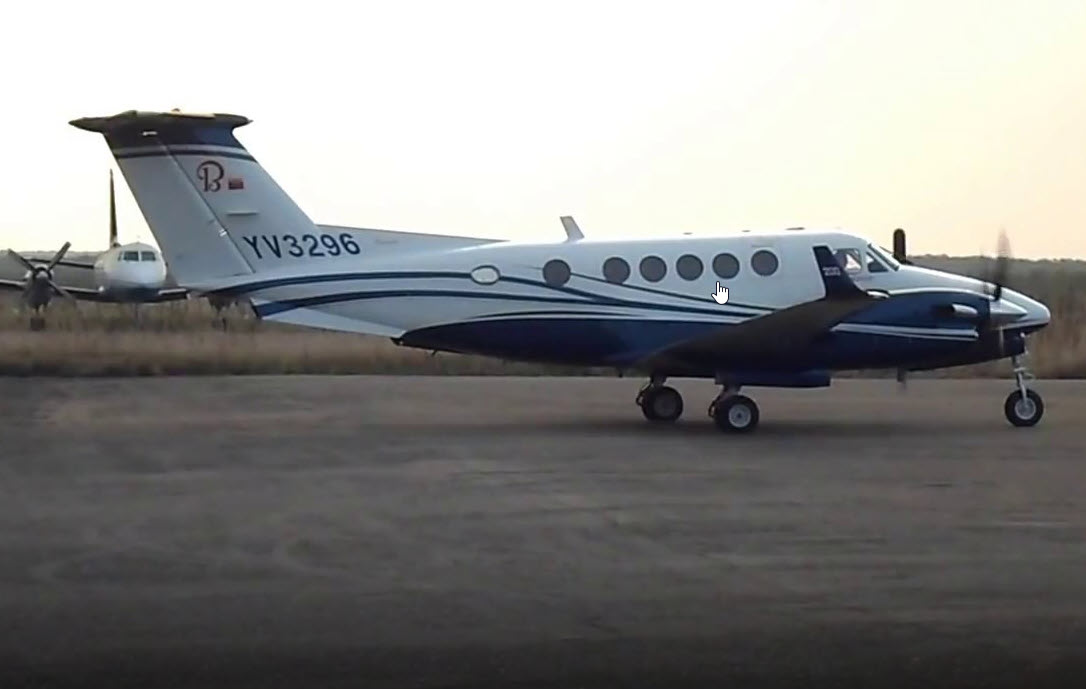
Crash of a Beechcraft B200 Super King Air into Lake Maracaibo: 8 killed

Date & Time: May 9, 2024 at 1548 LT
Operator:
Registration:
YV3296
Flight Phase:
Flight Type:
Survivors:
No
Schedule:
Maracaibo - Porlamar
MSN:
BB-885
YOM:
1981
Country:
Crew on board:
2
Crew fatalities:
Pax on board:
6
Pax fatalities:
Other fatalities:
Total fatalities:
8
Circumstances:
About 12 minutes after takeoff from Maracaibo-La Chinita Airport, while flying at an altitude of 10,000 feet, the twin engine airplane entered an uncontrolled descent and crashed into Lake Maracaibo. The airplane disintegrated on impact and all 8 occupants were killed. The flight was en route to Porlamar-Del Caribe-General en Jefe Santiago Mariño Airport when the accident occurred.

Crash of a Cessna 402B in Deza

Date & Time: May 6, 2024 at 0710 LT
Type of aircraft:
Operator:
Registration:
ZS-MBH
Flight Type:
Survivors:
Yes
Schedule:
Crocodile’s Nest - Deza
MSN:
402B-0381
YOM:
1973
Location:
Country:
Region:
Crew on board:
1
Crew fatalities:
Pax on board:
6
Pax fatalities:
Other fatalities:
Total fatalities:
0
Captain / Total flying hours:
499
Captain / Total hours on type:
172.00
Aircraft flight hours:
9125
Circumstances:
The twin engine airplane took off on a private flight from Crocodile Nest Private Aerodrome near Thabazimbi in Limpopo province to Deza Private Aerodrome, west of Thabazimbi, in the same province. Visual meteorological conditions (VMC) by day prevailed at the time of the flight. The flight was conducted under the provisions of Part 91 of the Civil Aviation Regulations (CAR) 2011 as amended. According to the pilot, the flight from Crocodile Nest Private Aerodrome to Deza Private Aerodrome was approximately 15 minutes. The aircraft approached from the south-east and landed in a north-westerly direction on Runway 34, which is an upslope. During the landing roll as the aircraft slowed down with an indicated airspeed of 20-25 knots, it drifted to the left of the runway and the left wheel rolled over the soft sand. The left wing tip tank impacted the trees on the side of the runway and broke off. As a result, the aircraft turned 90 degrees before it impacted another tree with its nose section. The aircraft sustained substantial damage and the occupants were not injured. After the accident, it was found that the first tree that the left-wing tip tank impacted was located approximately 98 metres (m) from the runway threshold. The farm owner of the land on which the private aerodrome is located stated that the runway is 1,300 metres long and 20 metres wide. The tree line span alongside the length of the runway.
Probable cause:
Loss of directional control during the landing roll which resulted in the left wheel rolling on the soft sand. The aircraft veered off to the left of the runway before the left-wing tip tank and the nose section impacted trees.
The following contributing factors were identified:
- Loss of situational awareness.
- Misjudging the distance between the left-wing tip and the tree.
Final Report:

Crash of a Rockwell Grand Commander 690 in Palmyra: 2 killed

Date & Time: May 5, 2024 at 0854 LT
Registration:
N690BM
Flight Phase:
Flight Type:
Survivors:
No
Schedule:
Manassas - Georgetown
MSN:
690-11311
YOM:
1976
Crew on board:
1
Crew fatalities:
Pax on board:
1
Pax fatalities:
Other fatalities:
Total fatalities:
2
Captain / Total flying hours:
3817
Captain / Total hours on type:
18.00
Aircraft flight hours:
9069
Circumstances:
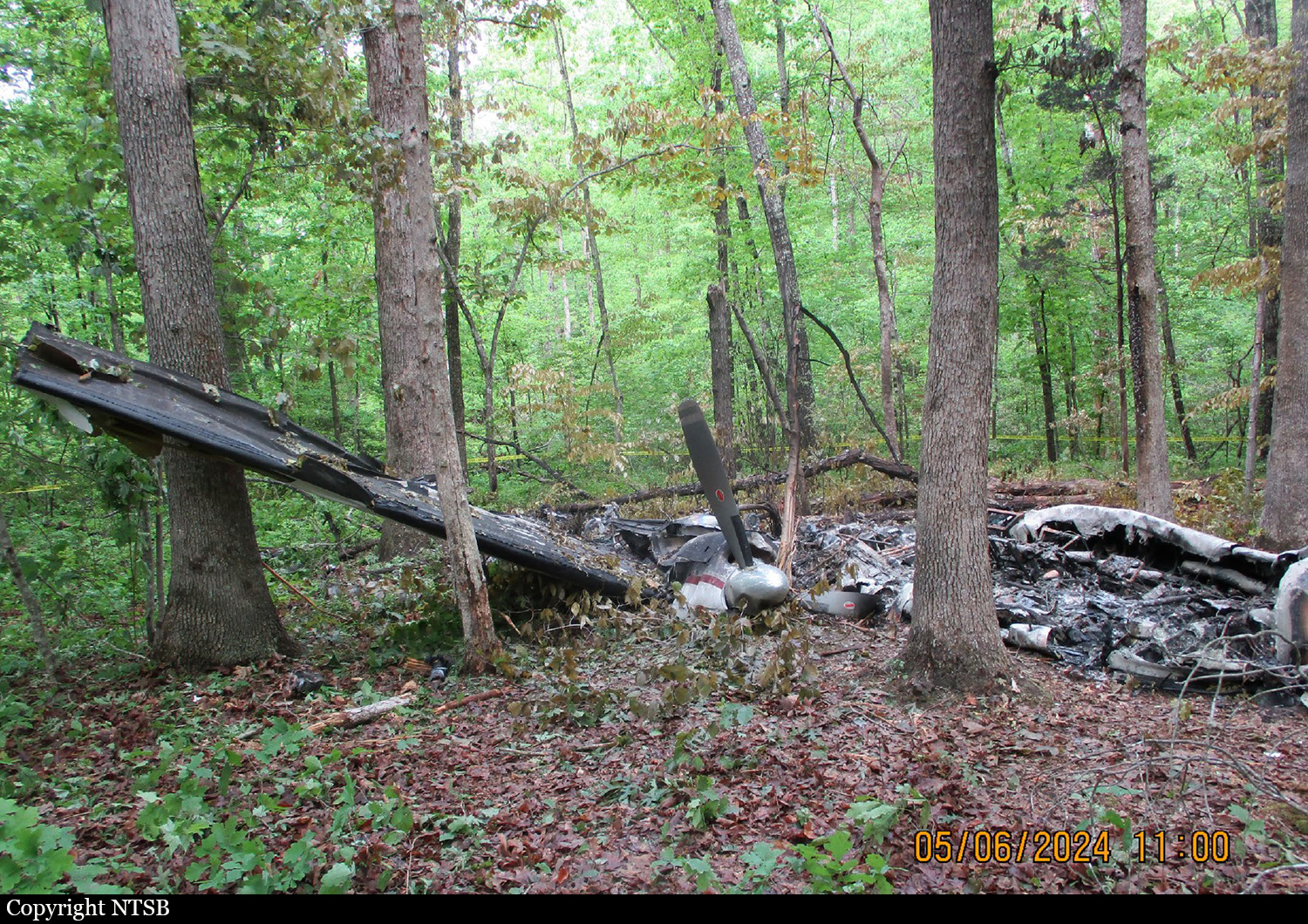
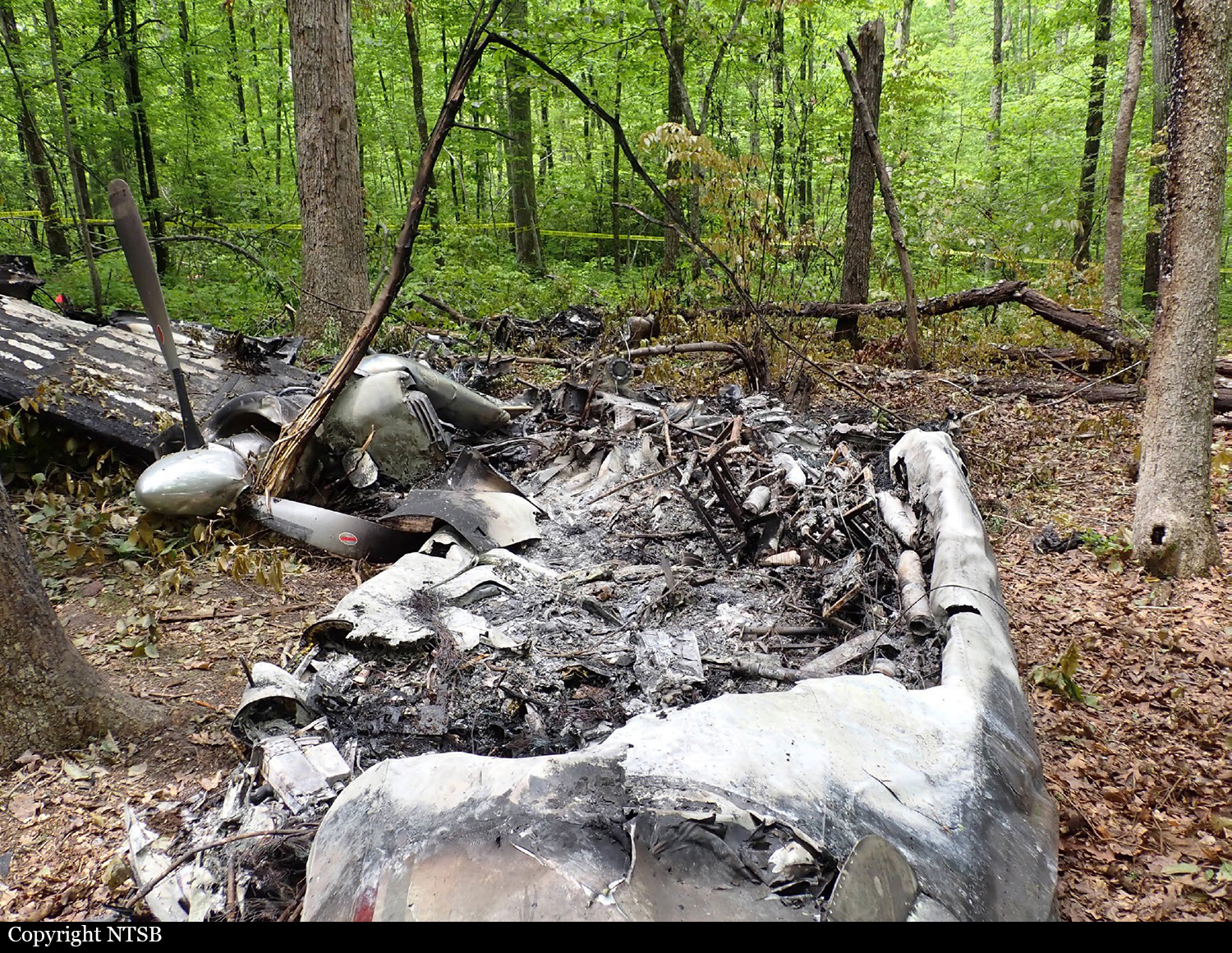
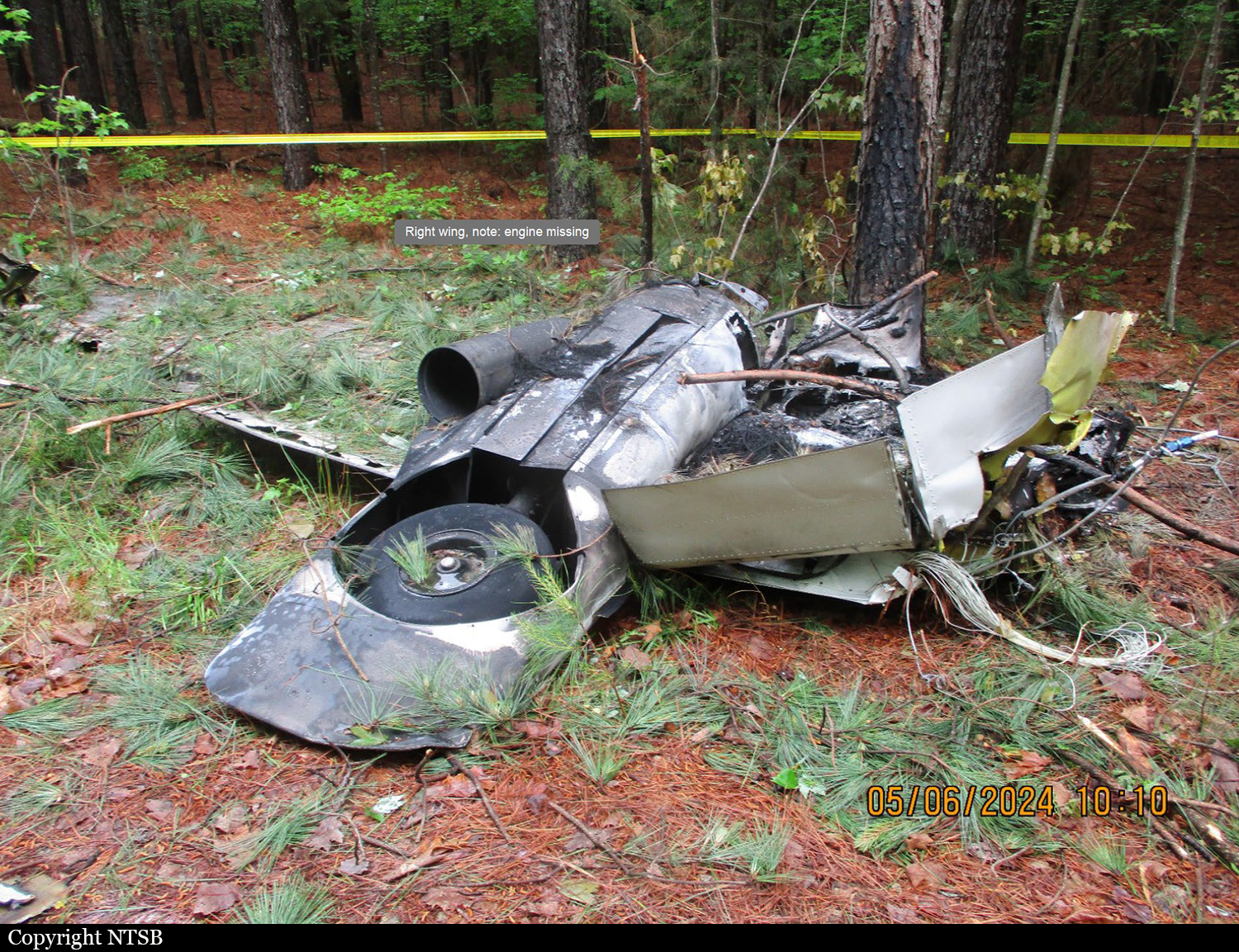
The airplane was in cruise flight at 20,000 ft on an instrument flight rules (IFR) cross-country flight when the pilot reversed course. When an air traffic controller queried the pilot, he replied, “we have lost…we need to climb.” The controller then asked the pilot, “what is your issue?” and the pilot responded, “we have lost autopilot.” There were no further communications received from the pilot and radar contact with the airplane was lost shortly thereafter. A witness who saw the airplane as it descended toward ground impact described that it was on fire. The wreckage of the airplane was heavily fragmented and scattered amongst a wooded area, with a debris path over 3 miles long. The left wing, left engine, left propeller, and empennage were heavily burnt and found at the main wreckage site. The right wing was separated at the wing root and was found 1/4-mile north of the main wreckage. The right wing was fire damaged, and the right engine and right propeller were not located. The vertical and horizontal stabilizers were found about 3/4-mile north of the main wreckage. All fractures exhibited overstress features consistent with an in-flight breakup. Mapping of the wreckage indicated that the tail components likely separated first, followed by the right wing. This structural failure resulted in the horizontal and vertical stabilizers deforming and subsequently separating from the airplane. The lack of heat damage indicated that this separation occurred before the fire and that the inflight fire observed by the witness was likely a result of the inflight breakup. No evidence of any mechanical malfunctions or failures that would have preceded the inflight breakup was found during the postaccident wreckage examination. Both occupants were killed.
Probable cause:
The pilot’s loss of control following an encounter with structural icing, which resulted in an inflight breakup of the airplane.
Final Report: