code

VA

Crash of a Canadair CRJ-701ER in Washington DC: 64 killed

Date & Time: Jan 29, 2025 at 2048 LT
Operator:

Registration:
N709PS
Survivors:
No
Schedule:
Wichita - Washington DC
MSN:
10165
YOM:
2004
Flight number:
AA5342
Crew on board:
4
Crew fatalities:
Pax on board:
60
Pax fatalities:
Other fatalities:
Total fatalities:
64
Captain / Total flying hours:
3950
Captain / Total hours on type:
3024.00
Copilot / Total flying hours:
2469
Copilot / Total hours on type:
965
Circumstances:
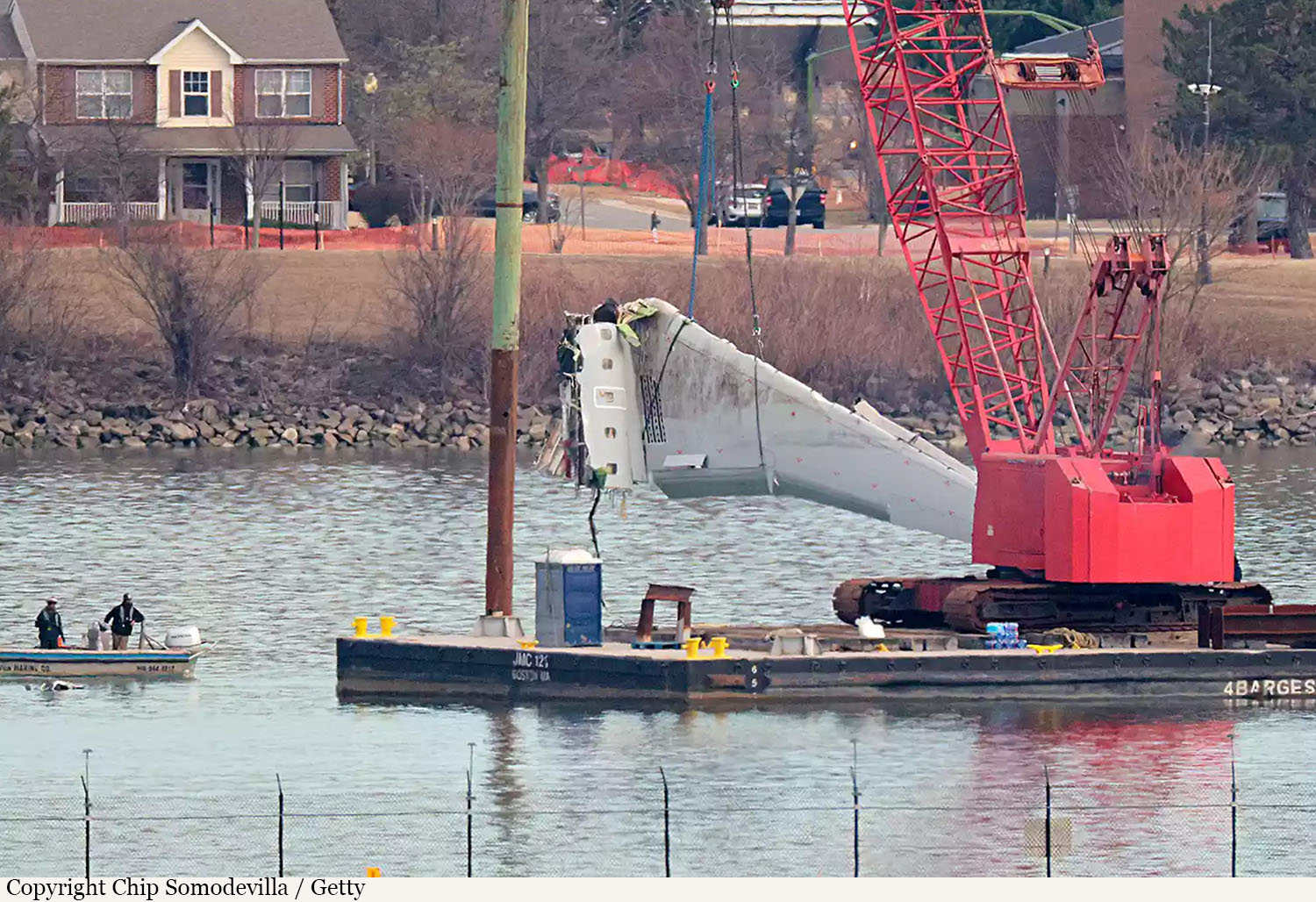
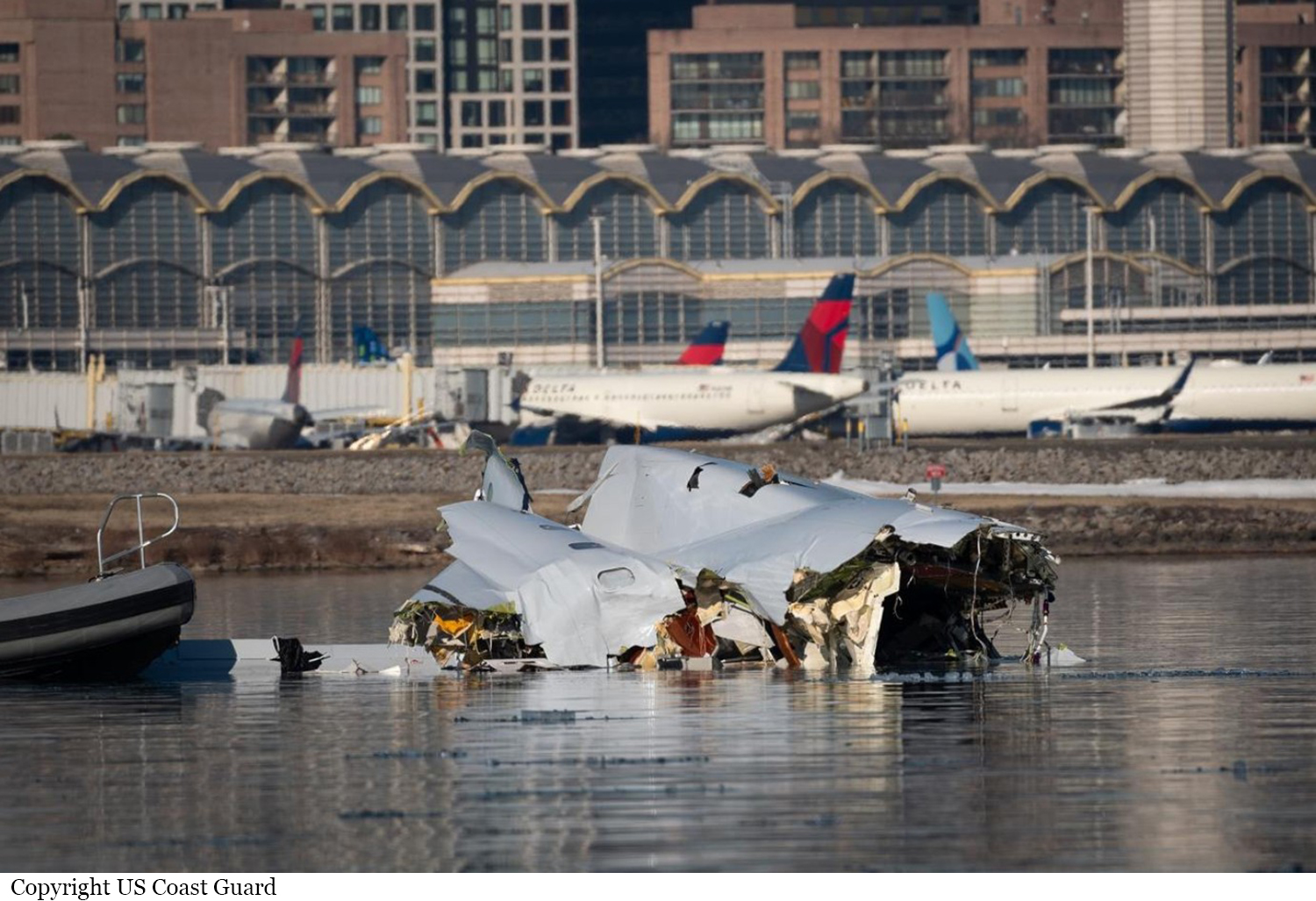
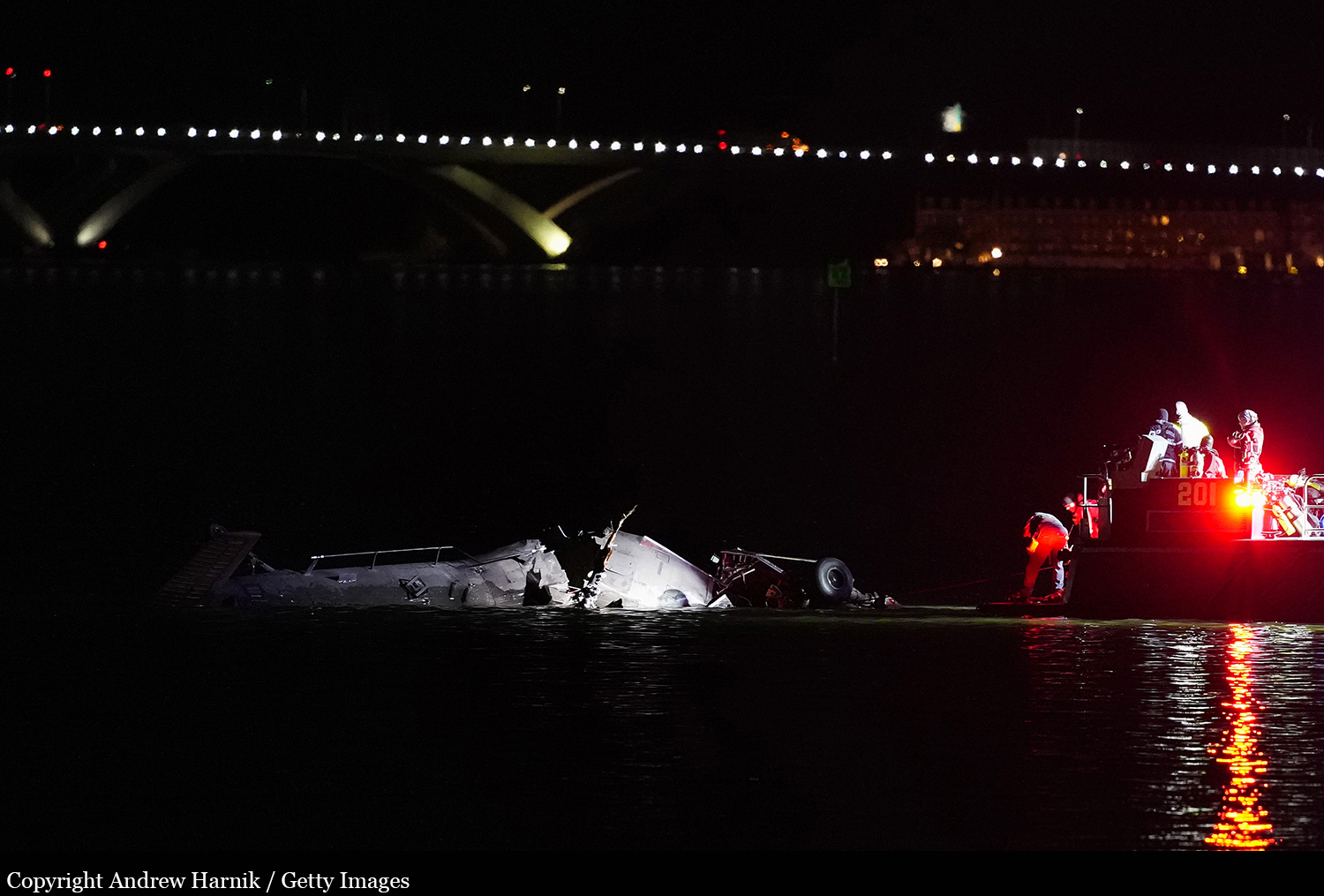
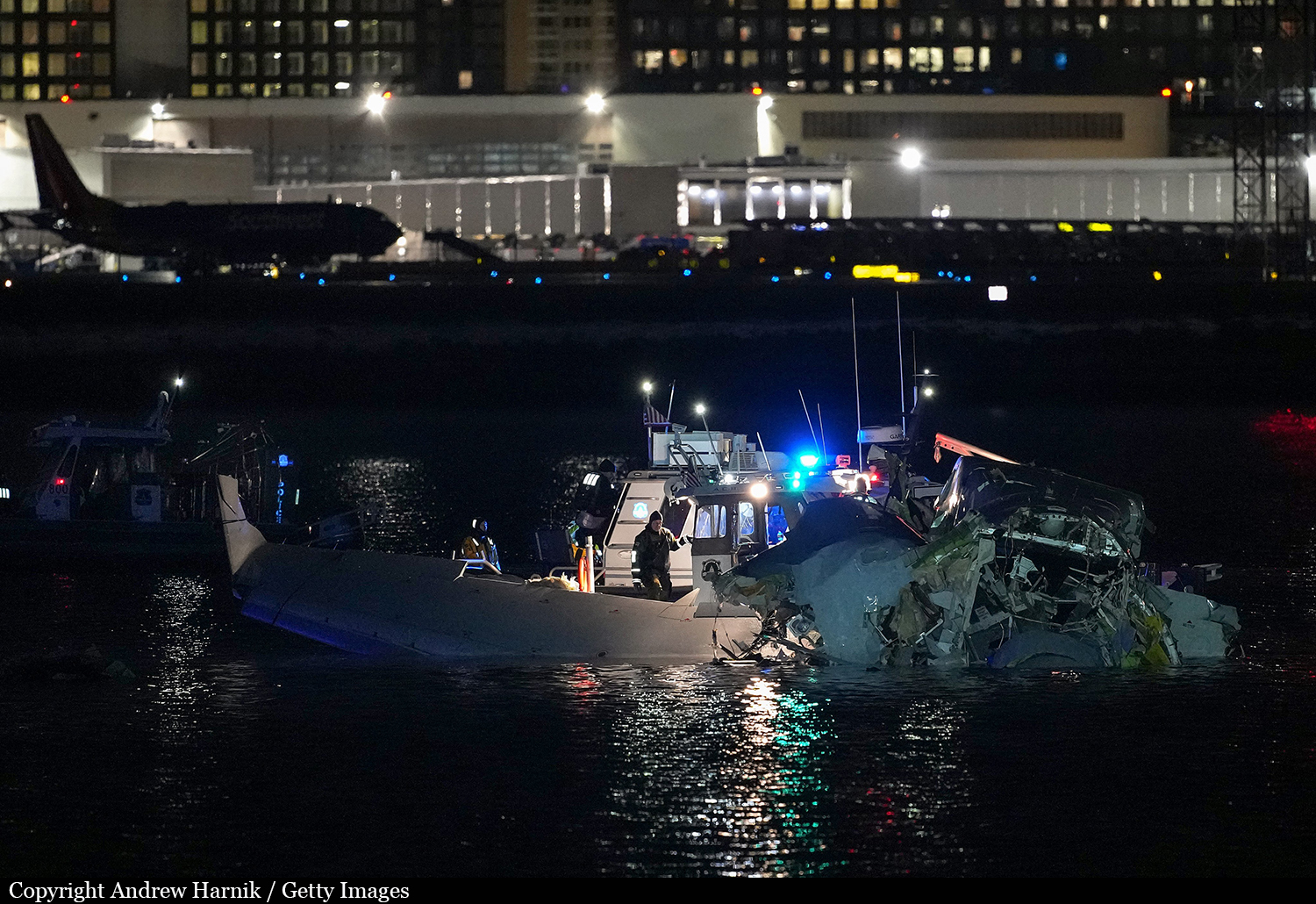
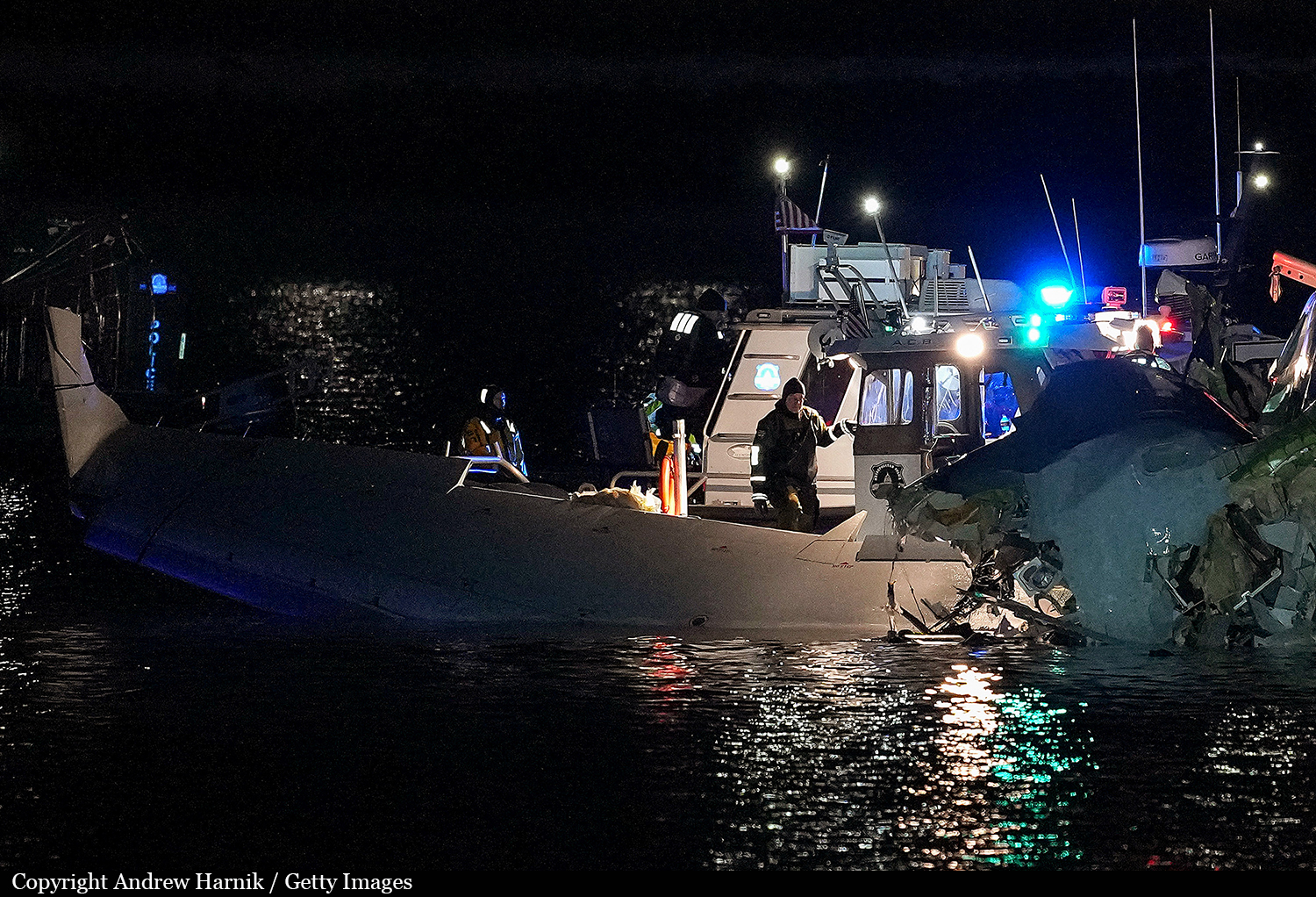
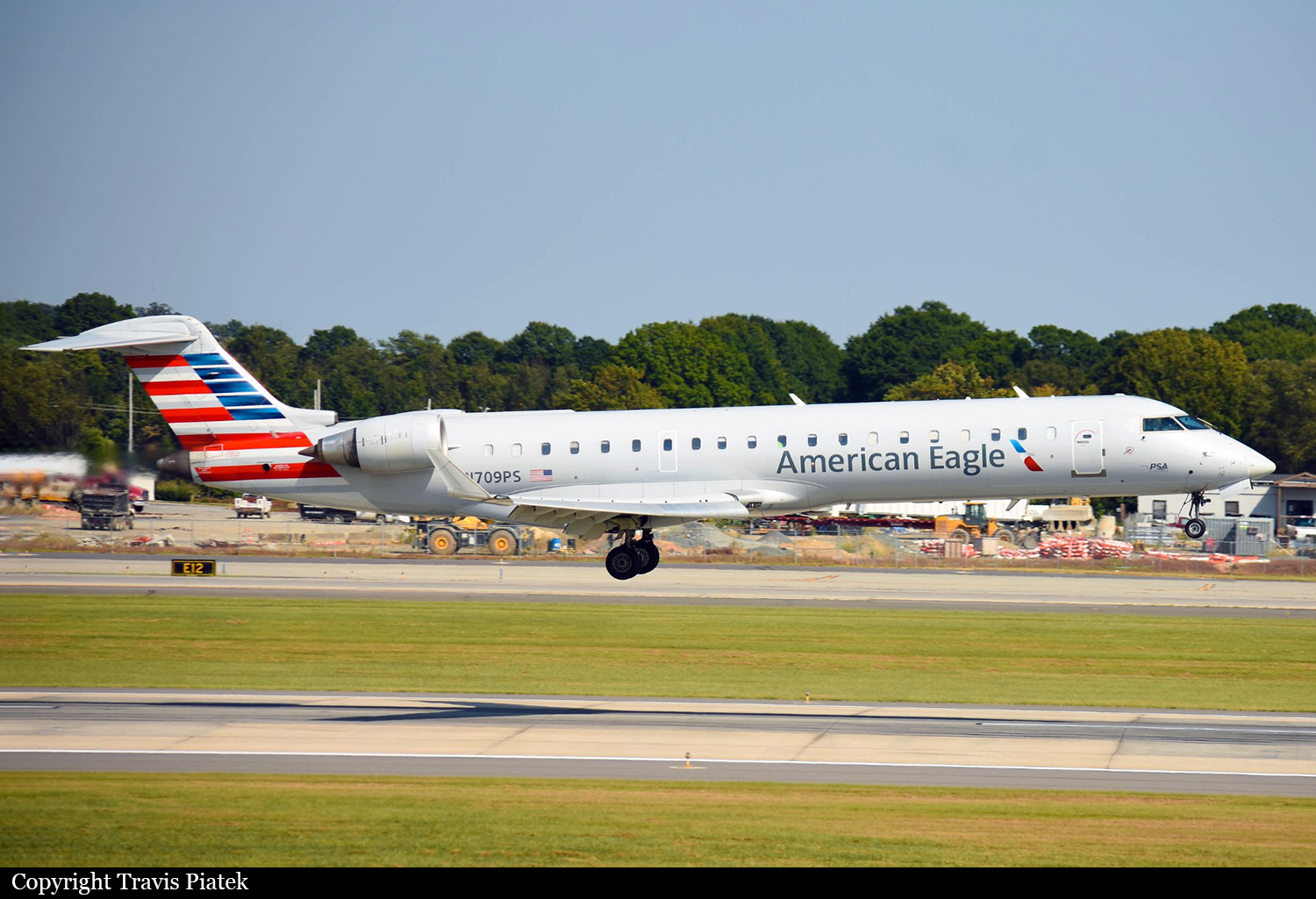
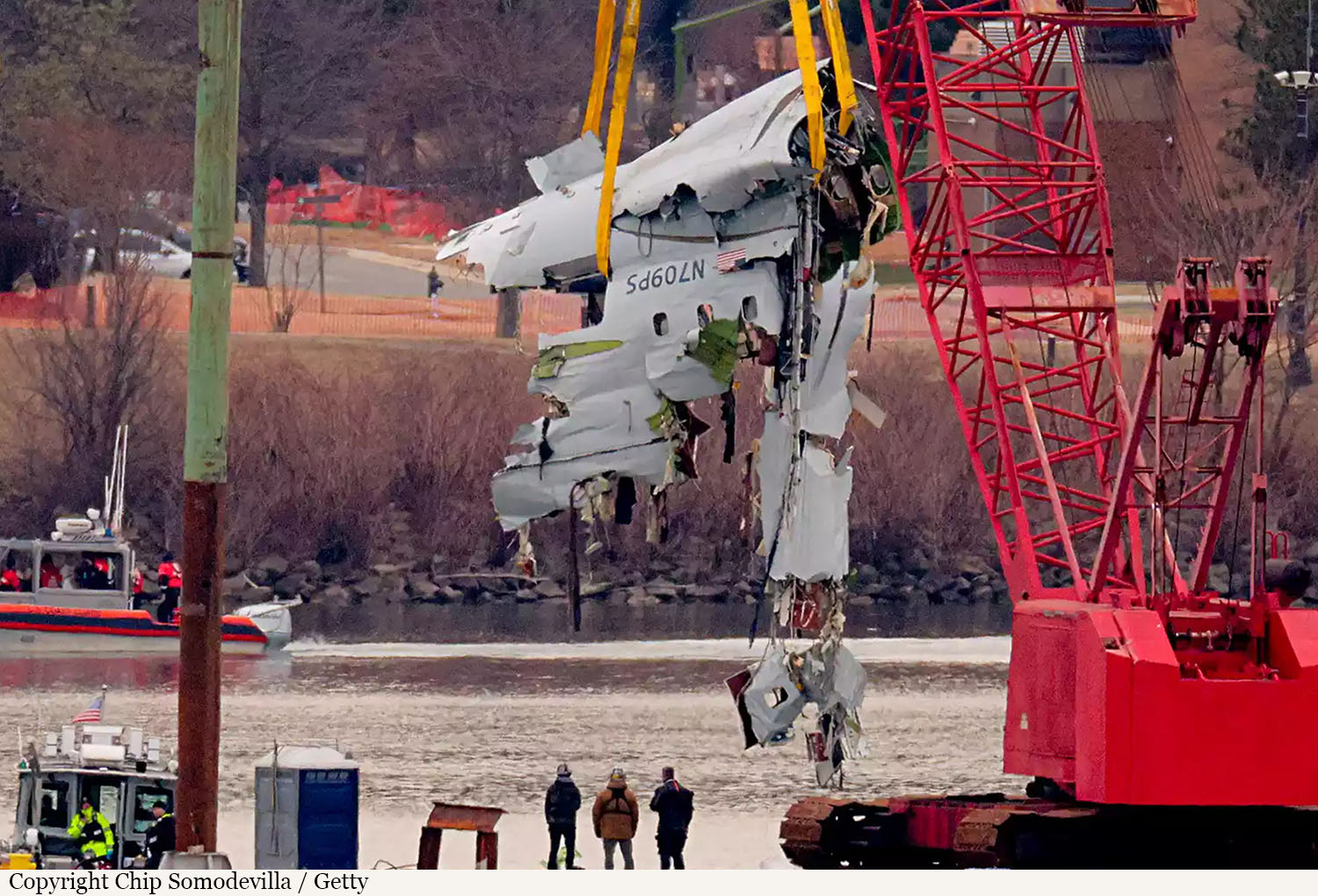
On January 29, 2025, about 2048 eastern standard time (EST), a Sikorsky UH-60L, operated by the US Army under the callsign PAT25 (Priority Air Transport Flight 25), and an MHI (Mitsubishi Heavy Industries) RJ Aviation (formerly Bombardier) CL-600-2C10 (CRJ700), N709PS, operated by PSA Airlines as American Airlines flight 5342, collided in flight about 0.5 miles southeast of Ronald Reagan Washington National Airport (DCA), Arlington, Virginia, and impacted the Potomac River in southwest Washington, DC. The 2 pilots, 2 flight attendants, and 60 passengers on board the airplane and all 3 crew members on board the helicopter died. Both aircraft were destroyed as a result of the accident. Flight 5342 was operating under the provisions of Title 14 Code of Federal Regulations Part 121 as a scheduled domestic passenger flight from Wichita Dwight D. Eisenhower National Airport, Wichita, Kansas, to DCA. PAT25 originated from Davison Army Airfield (DAA), Fort Belvoir, Virginia, for the purpose of the pilot’s annual standardization evaluation flight with the use of night vision goggles (NVGs). Night visual meteorological conditions prevailed in the area of DCA at the time of the accident. PAT25 departed DAA and landed at sites in Virginia and Maryland before the crew turned south toward Washington, DC, and was cleared by the DCA tower controller (who was working combined local control and helicopter control positions) to transition the DCA airspace via helicopter Routes 1 and 4 before proceeding back to DAA. The helicopter joined Route 1 near Cabin John, Maryland, and followed the Potomac River southbound at low altitude, passing the Key Bridge, Memorial Bridge, Tidal Basin, and Hains Point before continuing onto Route 4. At the same time, flight 5342 was approaching DCA on an instrument flight rules flight that had been uneventful during departure, cruise, and initial descent. The airplane was inbound from the south on a visual approach to runway 1 when the DCA tower controller asked the flight crew if they could accept runway 33 instead. After confirming landing performance, the crew accepted a circling approach to runway 33 and maneuvered the airplane to align with the runway 33 final approach path. While PAT25 was transitioning from Route 1 to Route 4 and flight 5342 was circling to land, the controller issued a traffic advisory to the helicopter crew about the airplane, which was south of the Woodrow Wilson Bridge. At this time, the airplane was about 6.5 nautical miles (about 7.5 statute miles) south of the helicopter’s position, and its exterior lights would have been visible in the dark among those of several other airplanes, which were on approach to runway 1 from the south. The instructor pilot onboard PAT25 stated that they had the traffic in sight and requested visual separation, which the controller approved. As the aircraft flightpaths converged near the runway 33 approach corridor about 1 1/2 minutes later (20 seconds before impact), the controller asked the helicopter crew whether they had the airplane in sight and instructed PAT25 to pass behind it; however, one of the helicopter pilots pressed the radio push-to-talk switch for 0.8 seconds while the controller was speaking, and this brief radio transmission blocked the helicopter crew from receiving the “pass behind” portion of the controller’s instruction. The instructor pilot onboard PAT25 again indicated that they had the airplane in sight and requested visual separation, which the controller approved. PAT25 continued southbound along Route 4 while flight 5342 descended on final approach for runway 33, and the aircraft collided over the Potomac River at an altitude about 278 ft above mean sea level (msl).
Probable cause:
We determined that the probable cause of this accident was the FAA’s placement of a helicopter route in close proximity to a runway approach path; their failure to regularly review and evaluate helicopter routes and available data, and their failure to act on recommendations to mitigate the risk of a midair collision near Ronald Reagan Washington National Airport; as well as the air traffic system’s overreliance on visual separation in order to promote efficient traffic flow without consideration for the limitations of the see-and-avoid concept. Also causal was the lack of effective pilot-applied visual separation by the helicopter crew, which resulted in a midair collision. Additional causal factors were the tower team’s loss of situation awareness and degraded performance due to the high workload of the combined helicopter and local control positions and the absence of a risk assessment process to identify and mitigate real-time operational risk factors, which resulted in misprioritization of duties, inadequate traffic advisories, and the lack of safety alerts to both flight crews. Also causal was the Army’s failure to ensure pilots were aware of the effects of error tolerances on barometric altimeters in their helicopters, which resulted in the crew flying above the maximum published helicopter route altitude. Contributing factors included:
• the limitations of the traffic awareness and collision alerting systems on both aircraft, which precluded effective alerting of the impending collision to the flight crews;
• an unsustainable airport arrival rate, increasing traffic volume with a changing fleet mix, and airline scheduling practices at DCA, which regularly strained the DCA ATCT workforce and degraded safety over time;
• the Army’s lack of a fully implemented safety management system, which should have identified and addressed hazards associated with altitude exceedances on the Washington, DC, helicopter routes;
• the FAA’s failure across multiple organizations to implement previous NTSB recommendations, including ADS-B In, and to follow and fully integrate its established safety management system, which should have led to several organizational and operational changes based on previously identified risks that were known to management; and
• the absence of effective data sharing and analysis among the FAA, aircraft operators, and other relevant organizations.
Final Report:
Crash of a Rockwell Grand Commander 690 in Palmyra: 2 killed

Date & Time: May 5, 2024 at 0854 LT
Registration:
N690BM
Flight Phase:
Flight Type:
Survivors:
No
Schedule:
Manassas - Georgetown
MSN:
690-11311
YOM:
1976
Crew on board:
1
Crew fatalities:
Pax on board:
1
Pax fatalities:
Other fatalities:
Total fatalities:
2
Captain / Total flying hours:
3817
Captain / Total hours on type:
18.00
Aircraft flight hours:
9069
Circumstances:
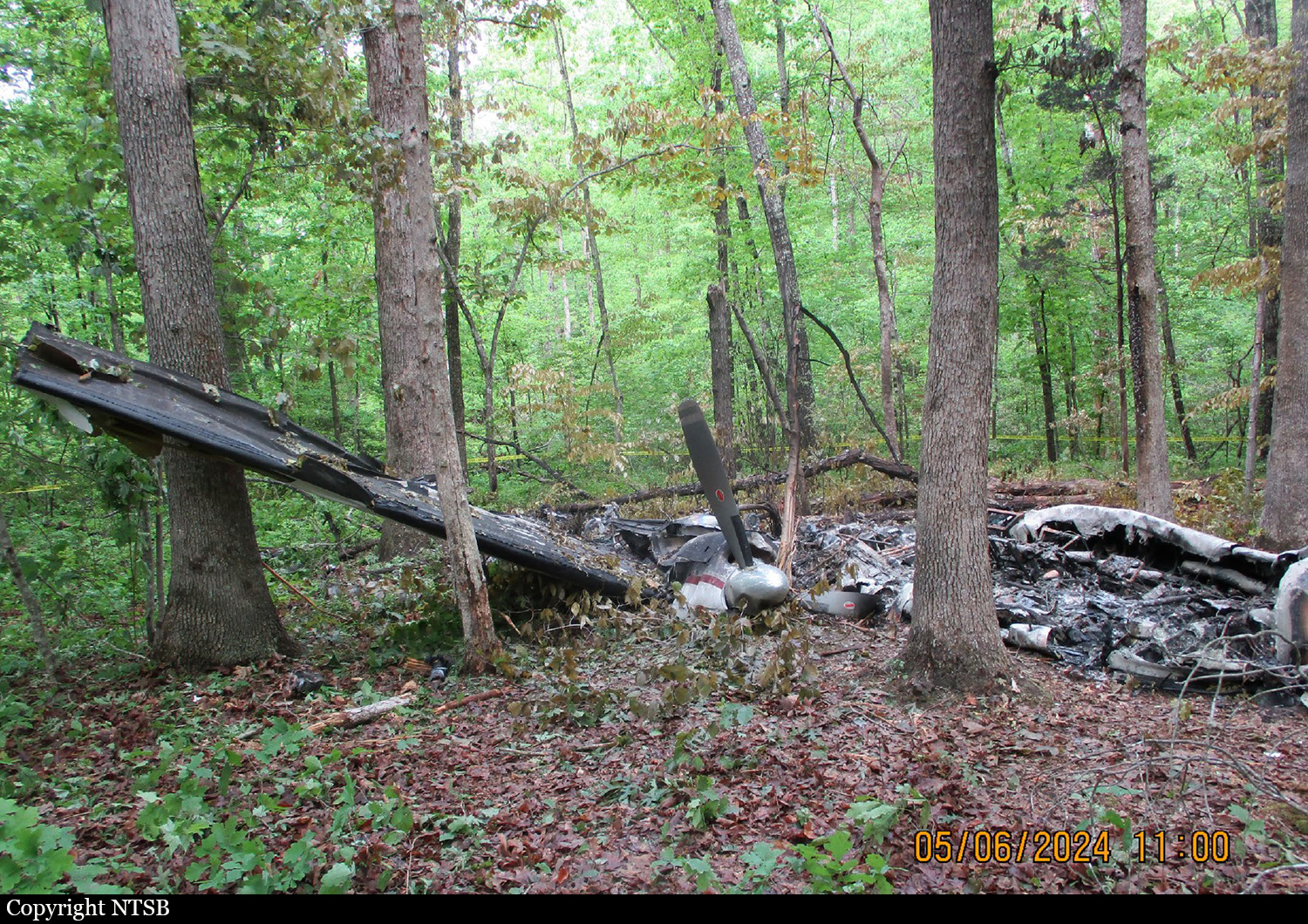
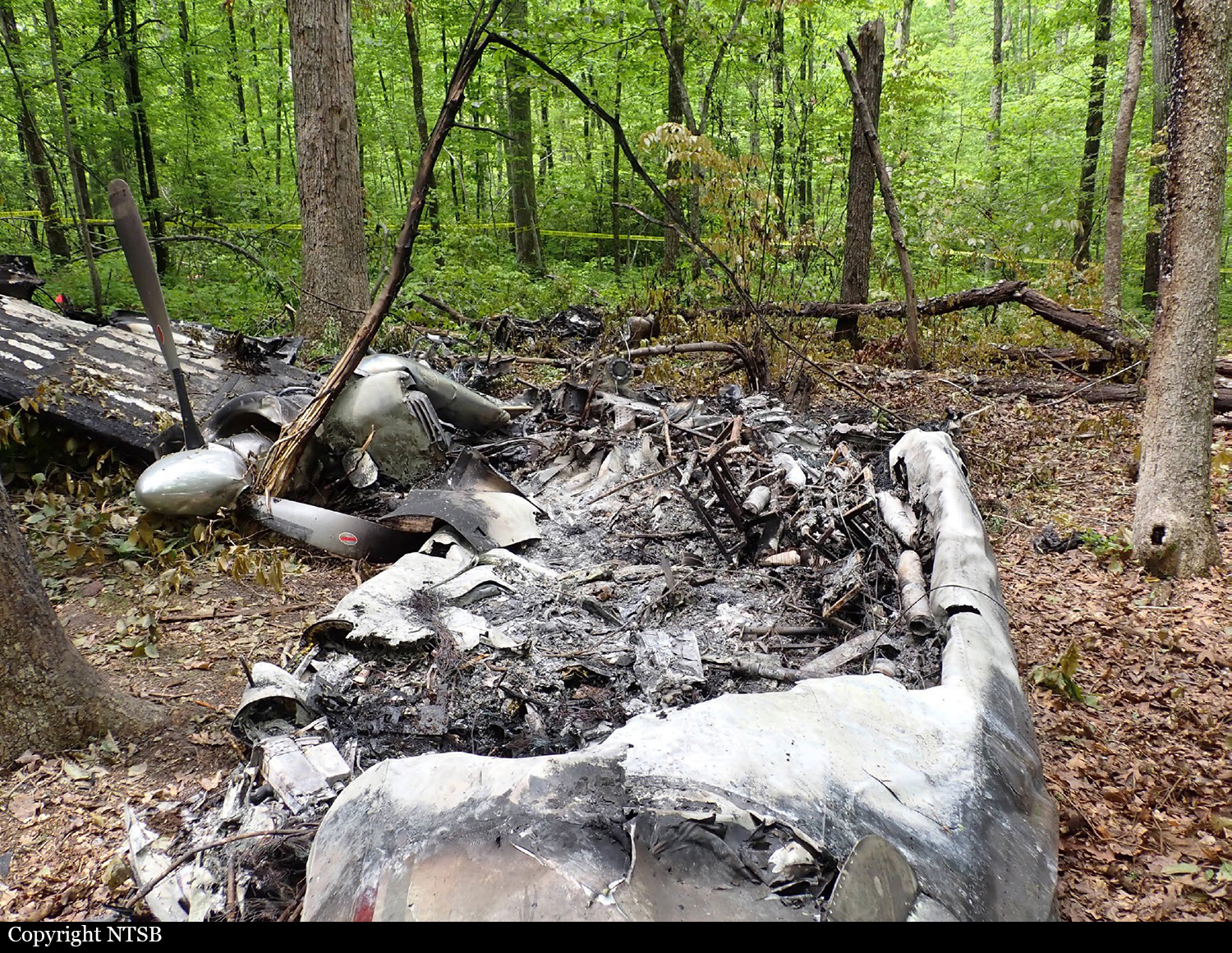
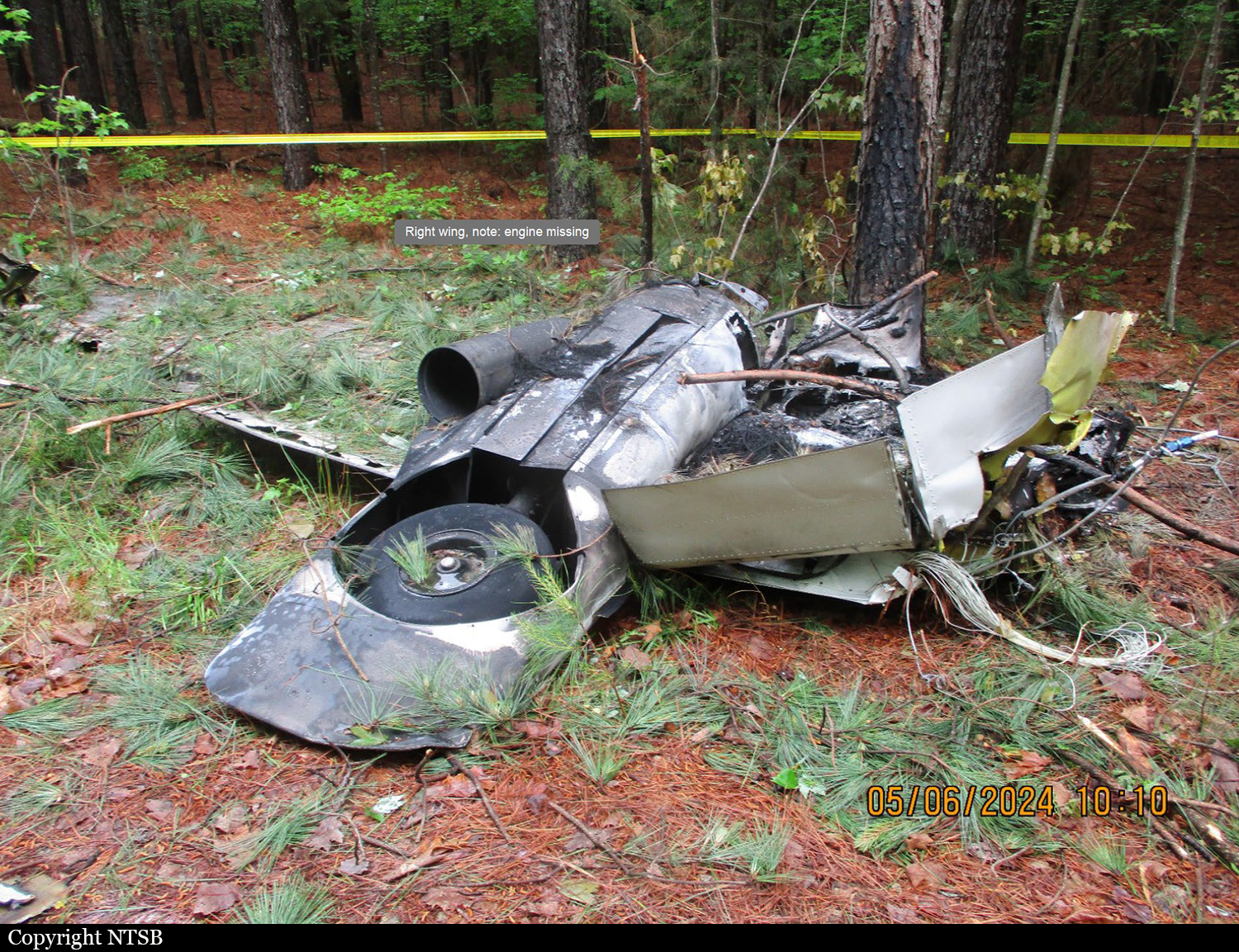
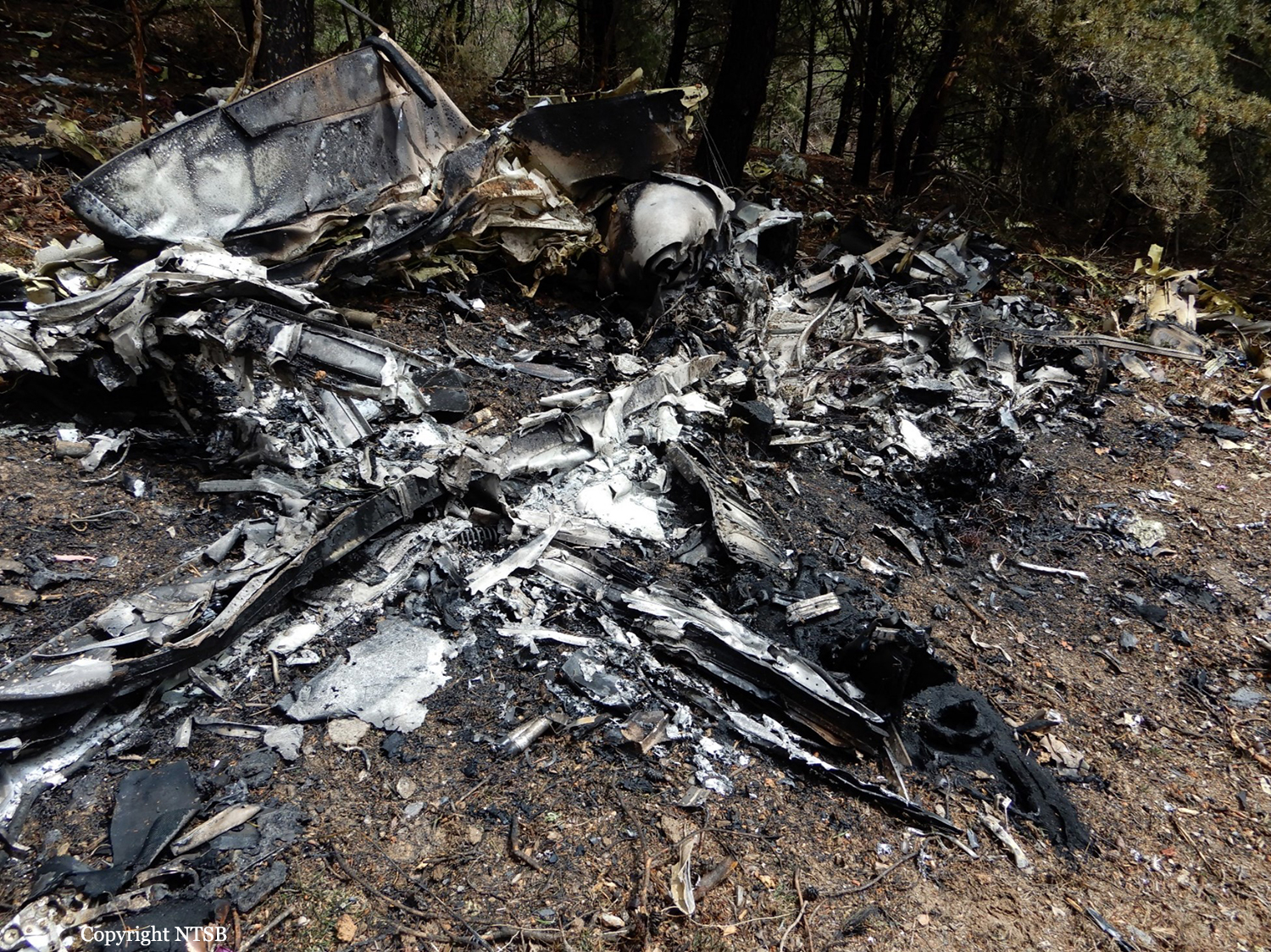
The airplane was in cruise flight at 20,000 ft on an instrument flight rules (IFR) cross-country flight when the pilot reversed course. When an air traffic controller queried the pilot, he replied, “we have lost…we need to climb.” The controller then asked the pilot, “what is your issue?” and the pilot responded, “we have lost autopilot.” There were no further communications received from the pilot and radar contact with the airplane was lost shortly thereafter. A witness who saw the airplane as it descended toward ground impact described that it was on fire. The wreckage of the airplane was heavily fragmented and scattered amongst a wooded area, with a debris path over 3 miles long. The left wing, left engine, left propeller, and empennage were heavily burnt and found at the main wreckage site. The right wing was separated at the wing root and was found 1/4-mile north of the main wreckage. The right wing was fire damaged, and the right engine and right propeller were not located. The vertical and horizontal stabilizers were found about 3/4-mile north of the main wreckage. All fractures exhibited overstress features consistent with an in-flight breakup. Mapping of the wreckage indicated that the tail components likely separated first, followed by the right wing. This structural failure resulted in the horizontal and vertical stabilizers deforming and subsequently separating from the airplane. The lack of heat damage indicated that this separation occurred before the fire and that the inflight fire observed by the witness was likely a result of the inflight breakup. No evidence of any mechanical malfunctions or failures that would have preceded the inflight breakup was found during the postaccident wreckage examination. Both occupants were killed.
Probable cause:
The pilot’s loss of control following an encounter with structural icing, which resulted in an inflight breakup of the airplane.
Final Report:
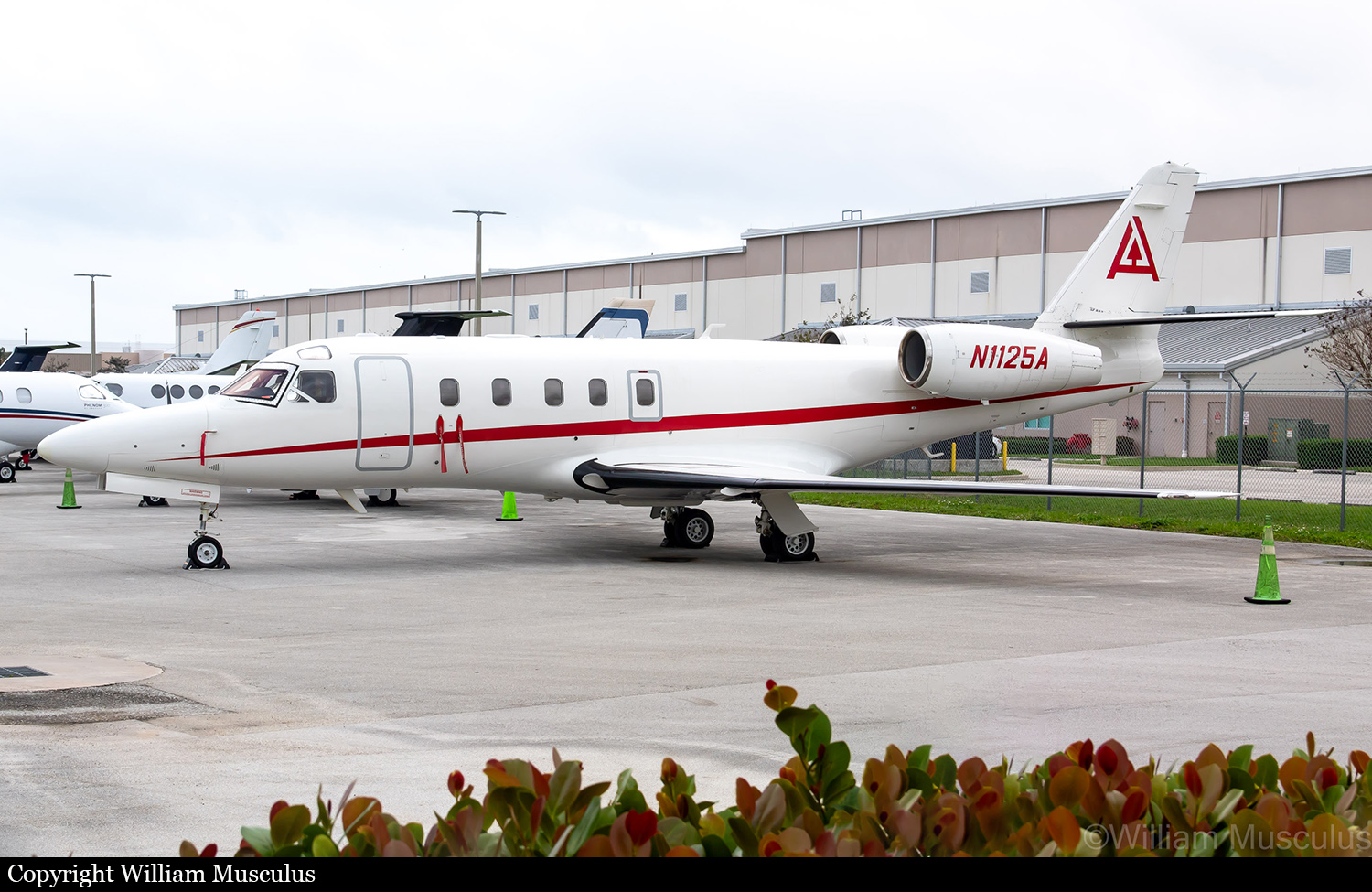
Crash of an IAI-1125 Astra in Hot Springs: 5 killed

Date & Time: Mar 10, 2024 at 1452 LT
Type of aircraft:
Operator:
Registration:
N1125A
Flight Type:
Survivors:
No
Schedule:
Fort Lauderdale – Hot Springs
MSN:
51
YOM:
1990
Crew on board:
2
Crew fatalities:
Pax on board:
3
Pax fatalities:
Other fatalities:
Total fatalities:
5
Captain / Total flying hours:
13776
Captain / Total hours on type:
63.00
Copilot / Total flying hours:
1068
Copilot / Total hours on type:
136
Aircraft flight hours:
8145
Circumstances:
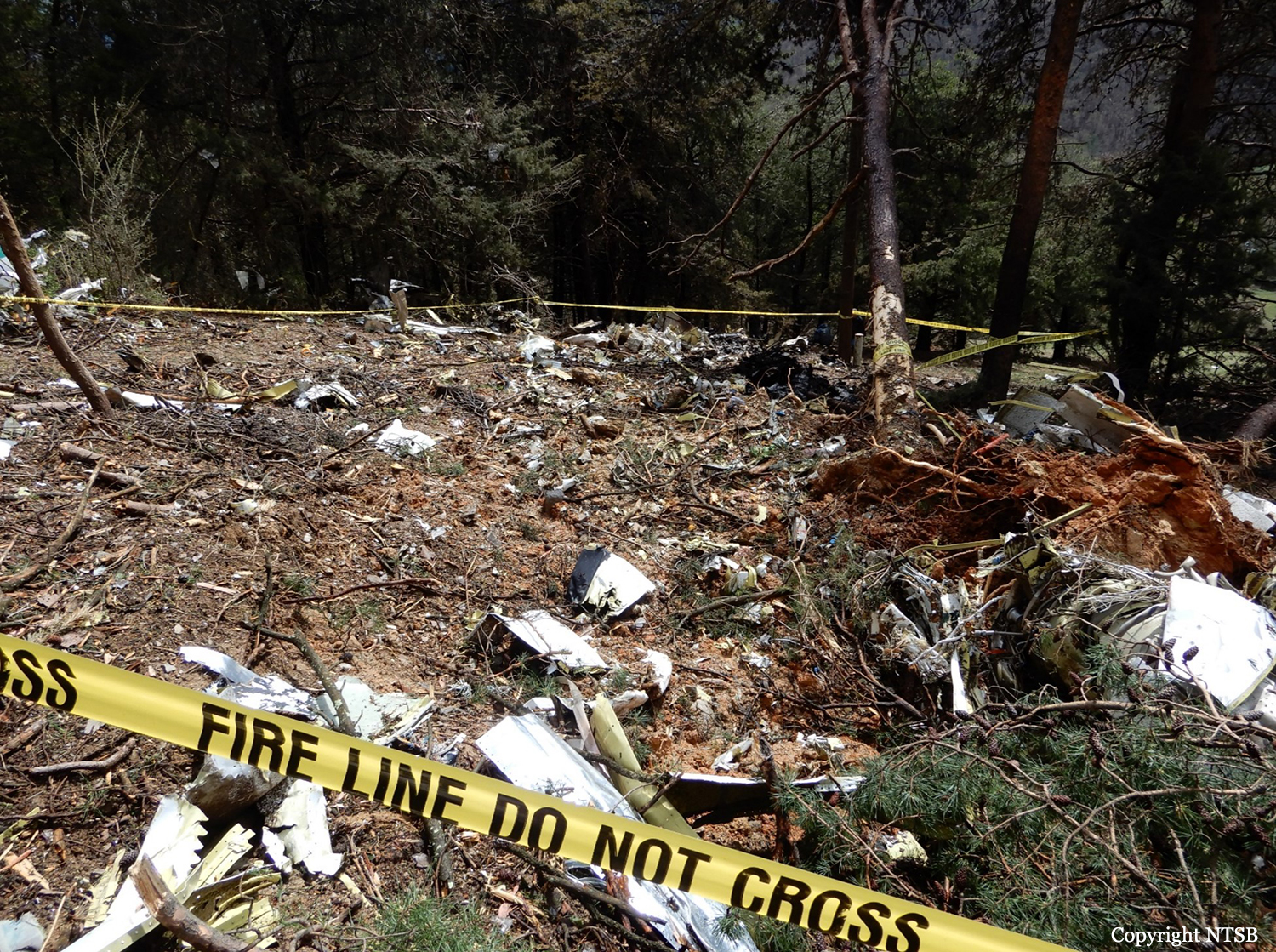
Following an uneventful flight, the flight crew was descending the twin-engine business jet for landing at the destination airport, which was equipped with a 5,600-ft-long runway and located on a mountain ridge. Cockpit voice recorder (CVR) audio indicated that the pilot-in-command (PIC) was the pilot flying and the second-in-command (SIC) was the pilot monitoring. Air traffic control provided the crew with the local altimeter setting as they began their descent from cruise altitude about 24 minutes before the accident. About 12 minutes later, the crew informed the controller that they had obtained the weather information at the destination. Shortly thereafter, the controller cleared the crew direct to an intermediate fix on the intended instrument landing system (ILS) approach, instructing them to cross the fix at or above 6,100 ft mean sea level (msl). The crew acknowledged and began turning toward the final approach course. About two minutes later, the controller queried the crew about their altitude, stating that he observed the airplane at 5,900 ft msl. The crew responded that they were at the assigned altitude and continued the approach. Given that the CVR did not record the crew performing any crosscheck or verification of the altimeter settings as they descended, nor did it capture the crew conducting an approach briefing, the controller’s observation that the airplane 200 ft lower than its assigned altitude suggests that the crew did not reset the airplane’s altimeter setting during the descent. As the crew descended toward the final approach fix, the SIC asked the PIC if he would like the airplane’s flight guidance system (FGS) set to vertical speed (VS) mode, which the PIC confirmed. In this mode, the airplane’s autopilot would maintain a specified descent rate set by the crew, and would continue to descend to the set altitude at the specified rate of descent regardless of the airplane’s position on the glideslope. As the airplane neared the final approach course, the SIC stated that FLOC was captured on both sides. This likely referenced a flight management system (FMS)-generated final approach course based on the waypoints that had been programmed into the system, rather than the localizer signal broadcast by the ILS. If the ILS frequency had been tuned and selected as the navigation source, the display should have indicated LOC, not FLOC. About 7 miles from the runway threshold (about 3 minutes before the accident), the crew began to configure the airplane for landing. The PIC stated that he had the airport in sight, and shortly thereafter, the SIC confirmed that he also had the airport in sight. Upon crossing the final approach fix, the PIC began a descent and the SIC extended the landing gear. There was no mention of a change in autopilot mode, and it is likely that this descent was also performed in VS mode. The PIC called for the before landing checklist, which the SIC completed, concluding the checklist by reporting to the PIC that the airplane was below glideslope. About 1.5 nautical miles (nm) from the runway, the SIC reported full deflection below glideslope. Shortly thereafter, the SIC announced that the airplane was 15 knots above reference speed. About 30 seconds before the accident, the PIC turned the autopilot off. Shortly after the automated Enhanced Ground Proximity Warning System (EGPWS) 1,000-ft annunciation, the SIC suggested a go-around; the PIC did not respond. The SIC again called for a go-around just before the EGPWS 500-ft annunciation; again, the PIC did not respond. About 3 seconds later, the airplane impacted rising terrain about 300 ft before the runway threshold. The airplane was destroyed by impact forces and a post crash fire and all five occupants were killed. Passengers were SkyJet Elite’s CEO with wife and child.
Crew:
Claudio Colmenares, pilot,
Gagan Reddy, copilot.
Passengers:
Alfredo Diez,
Kseniia Shanina,
Nicholas Diez.
Probable cause:
The PIC’s continuation of an unstabilized approach in gusting wind conditions and his failure to monitor the airplane’s altitude during the approach, which led to a descent into terrain short of the runway. Contributing was the flight crew’s failure to set the appropriate altimeter setting and failure to properly configure the avionics for the ILS approach.
Final Report:
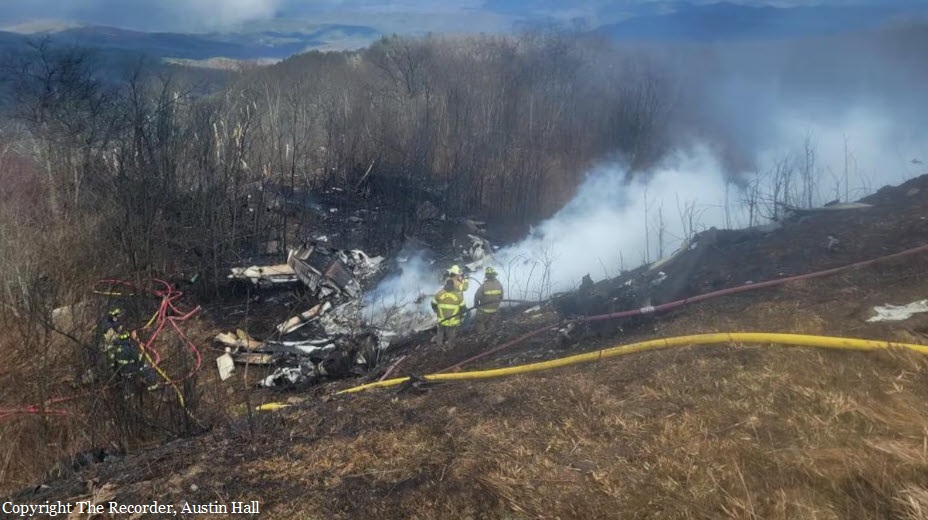
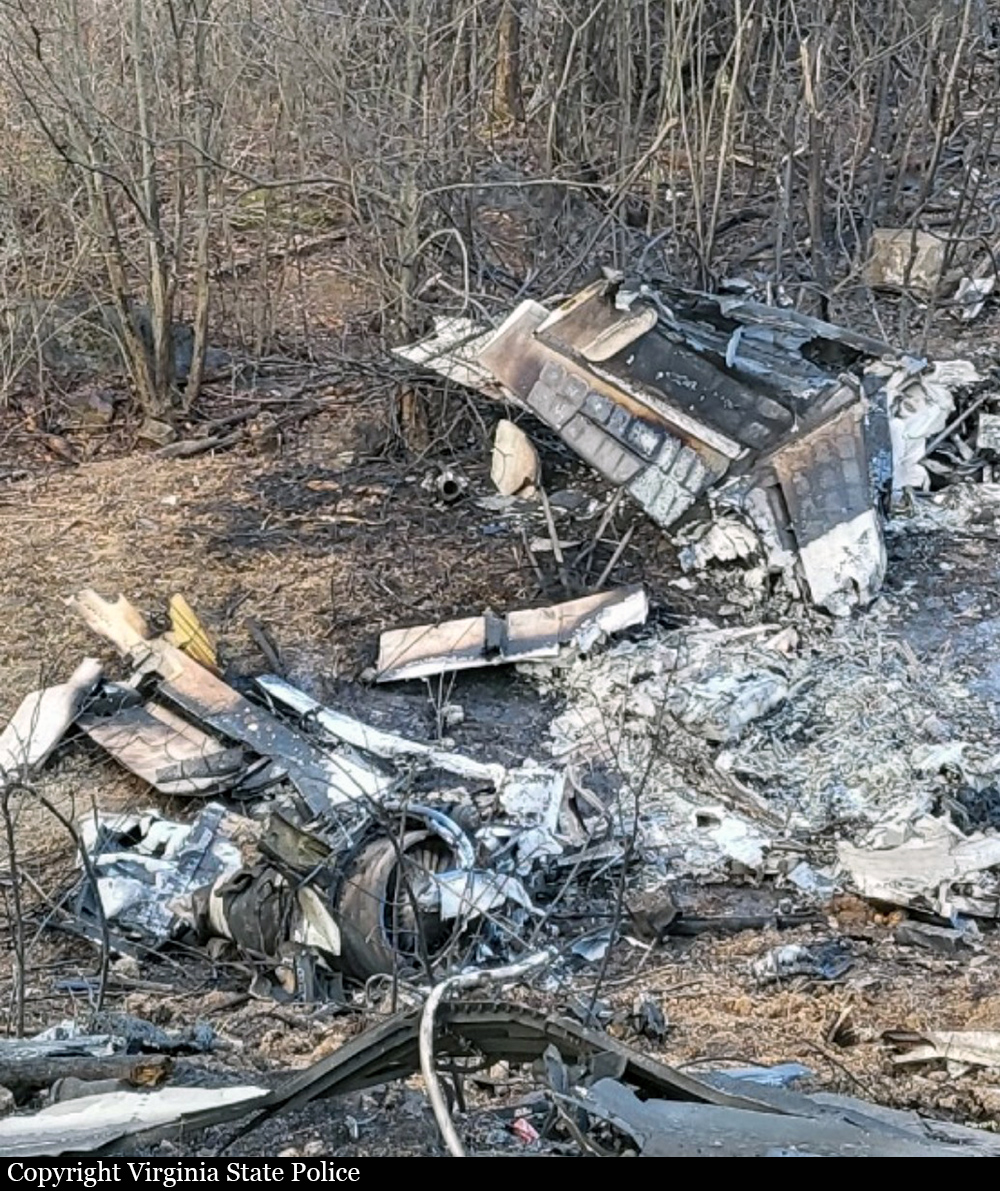
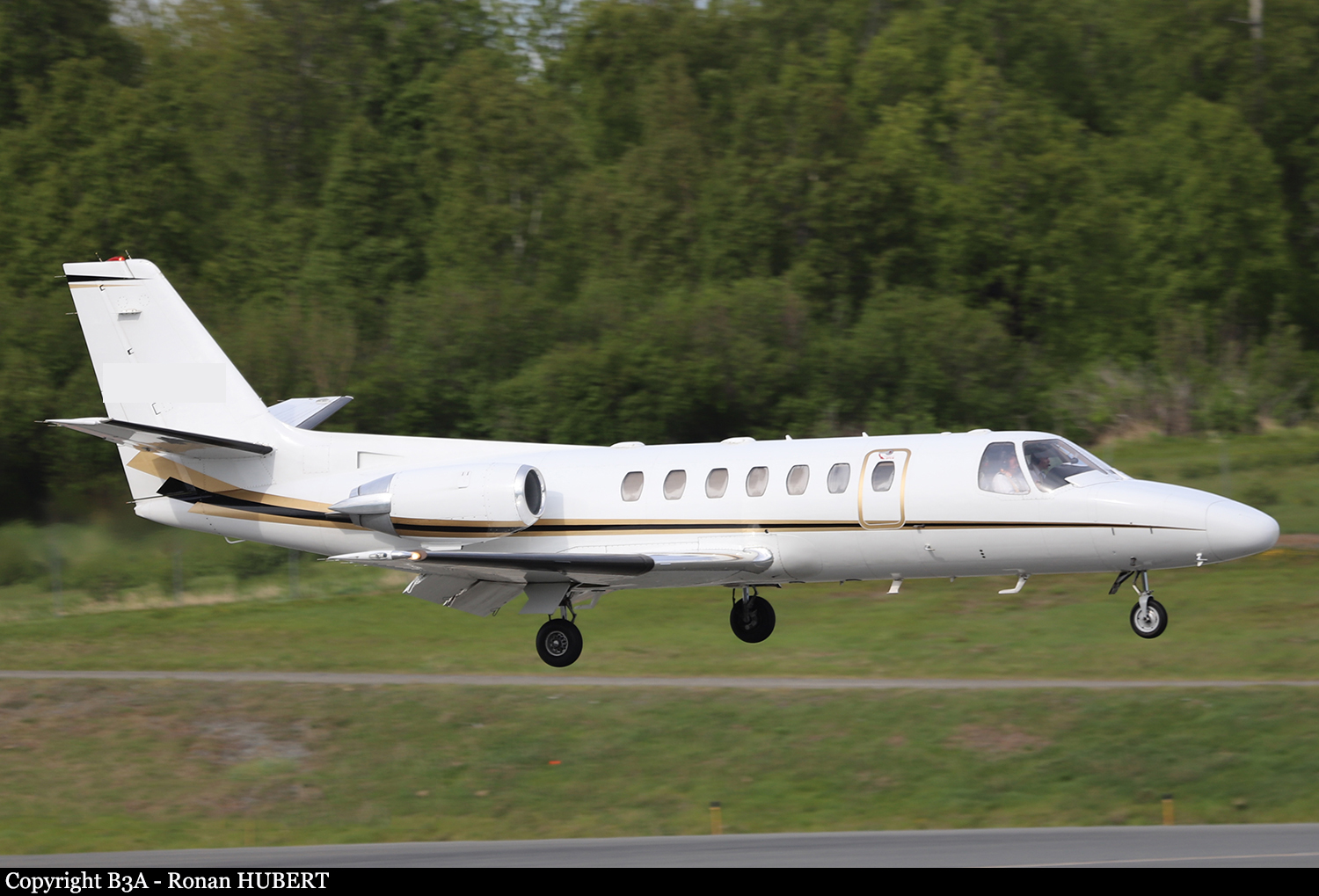
Crash of a Cessna 560 Citation V near Staunton: 4 killed

Date & Time: Jun 4, 2023 at 1523 LT
Type of aircraft:
Operator:
Registration:
N611VG
Flight Phase:
Flight Type:
Survivors:
No
Site:
Schedule:
Elizabethton - Ronkonkoma
MSN:
560-0091
YOM:
1990
Crew on board:
1
Crew fatalities:
Pax on board:
3
Pax fatalities:
Other fatalities:
Total fatalities:
4
Captain / Total flying hours:
34500
Captain / Total hours on type:
850.00
Circumstances:
The pilot and three passengers departed on a cross-country flight. Shortly after the airplane climbed through 26,600 ft, the pilot stopped responding to air traffic control instructions. According to ADS-B data, the airplane continued climbing to 34,000 ft, then flew at that altitude along its flight plan waypoints, turning southwest to overfly the intended destination about 1 hour later. The airplane continued flying for about another hour along a relatively constant track and altitude before entering a spiraling descent and impacting terrain. United States Air Force (USAF) pilots intercepted the airplane about 2 minutes before it began the spiraling descent. They observed no breaches of the airplane structure or doors, no smoke in the cockpit or passenger cabin, and no oxygen masks deployed in the cabin. One occupant was observed slumped over in the pilot seat and no movement or other occupants were observed in the cabin. Based on the lack of response to air traffic control communications, ADS-B data showing the airplane following its flight plan waypoints at the altitude last assigned by air traffic control, and the USAF pilot observations, it is likely that the pilot of the accident airplane became incapacitated during the climb to cruise altitude. It is also likely the airplane trajectory was then directed by the autopilot until a point at which it was no longer able to maintain control. The pilot had medical conditions, including high blood pressure and high cholesterol, that represented some increased risk of an impairing or incapacitating cardiovascular event. In addition, the pilot had prior prescriptions for medications that could be impairing if used too recently before flight. However, there was no evidence of the pilot being at exceptionally high incapacitation risk, or of using medications inappropriately. Based on the accident circumstances, it is likely that all the airplane occupants were incapacitated due to a common environmental condition, such as loss of cabin pressurization. Maintenance records indicated that, at the time of the accident flight, five items were overdue for inspection, including the co-pilot oxygen mask. About 4 weeks before the accident flight, maintenance personnel noted 26 discrepancies that the owner declined to address, including several related to the pressurization and environmental control system. Furthermore, 2 days before the accident flight, maintenance personnel noted that the pilot-side oxygen mask was not installed, and the supplementary oxygen was at its minimum serviceable level. At that level, oxygen would not have been available to the airplane occupants and passenger oxygen masks would not have deployed in the event of a loss of pressurization. No evidence was found to indicate that the oxygen system was serviced or that the pilot-side oxygen mask was reinstalled before the accident flight. Altitude-related hypoxia, although not verifiable from forensic medical evidence, likely explains the incapacitation of the airplane occupants. According to the FAA Pilot’s Handbook of Aeronautical Knowledge, impairing effects from hypoxia are often vague and are experienced differently by different individuals; they include confusion, disorientation, diminished judgment and reactions, worsened motor coordination, difficulty communicating and performing simple tasks, a false sense of well-being, diminished consciousness, and, if conditions aren’t remedied or mitigated, death. Between 30,000 and 35,000 ft, the time of useful consciousness for a pilot to take protective action against hypoxia, including donning an oxygen mask and descending, is about 1/2 to 2 minutes. These times depend on multiple variables, including medical factors, with substantial variation among individuals. The times are decreased by about half when depressurization is rapid. However, gradual depressurization can be as dangerous or more dangerous than rapid depressurization because of its potential to insidiously impair a pilot’s ability to recognize and respond to the developing emergency until the pilot is no longer effectively able to do so. Cognitive impairment from hypoxia makes it harder for affected individuals to recognize their own impairment. Based on the available information, it is likely that the airplane occupants became hypoxic due to a lack of oxygen during the flight and became incapacitated. However, the reason for the loss of pressurization, and whether it was rapid or progressed over time, could not be determined.
Probable cause:
Pilot incapacitation due to loss of cabin pressure for undetermined reasons. Contributing to the accident was the pilot’s and owner/operator’s decision to operate the airplane without supplemental oxygen.
Final Report:
Crash of a Grumman E-2D Hawkeye in the Chincoteague Bay: 1 killed

Date & Time: Mar 30, 2022 at 1930 LT
Type of aircraft:
Operator:
Registration:
169065
Flight Phase:
Flight Type:
Survivors:
Yes
Schedule:
Norfolk - Norfolk
MSN:
AA31
Crew on board:
3
Crew fatalities:
Pax on board:
0
Pax fatalities:
Other fatalities:
Total fatalities:
1
Circumstances:
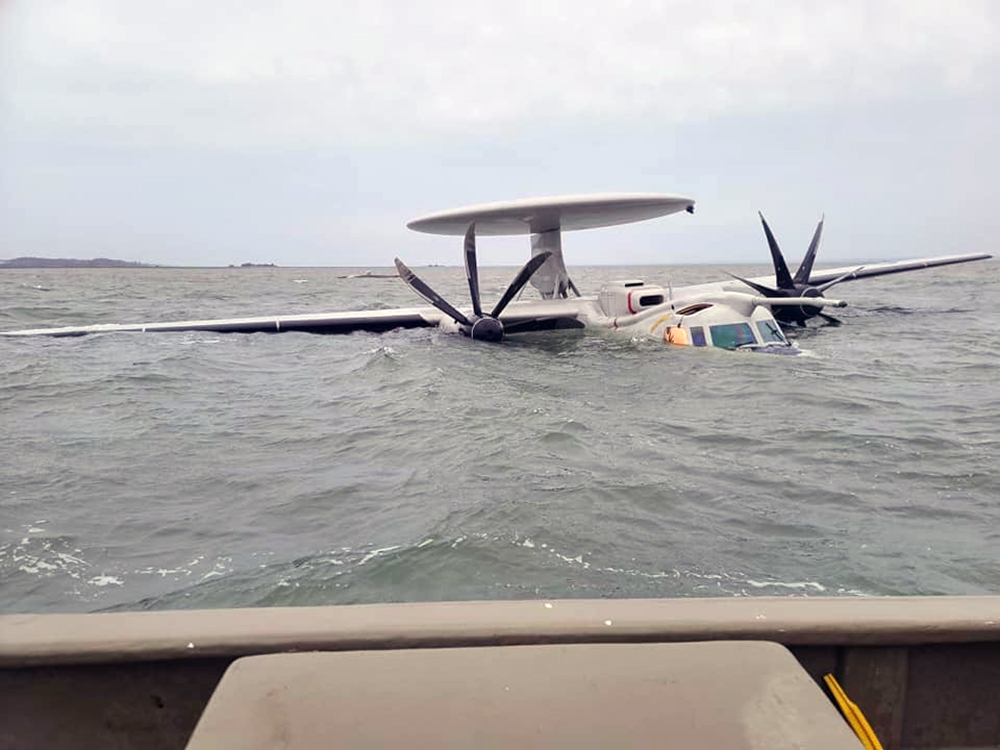
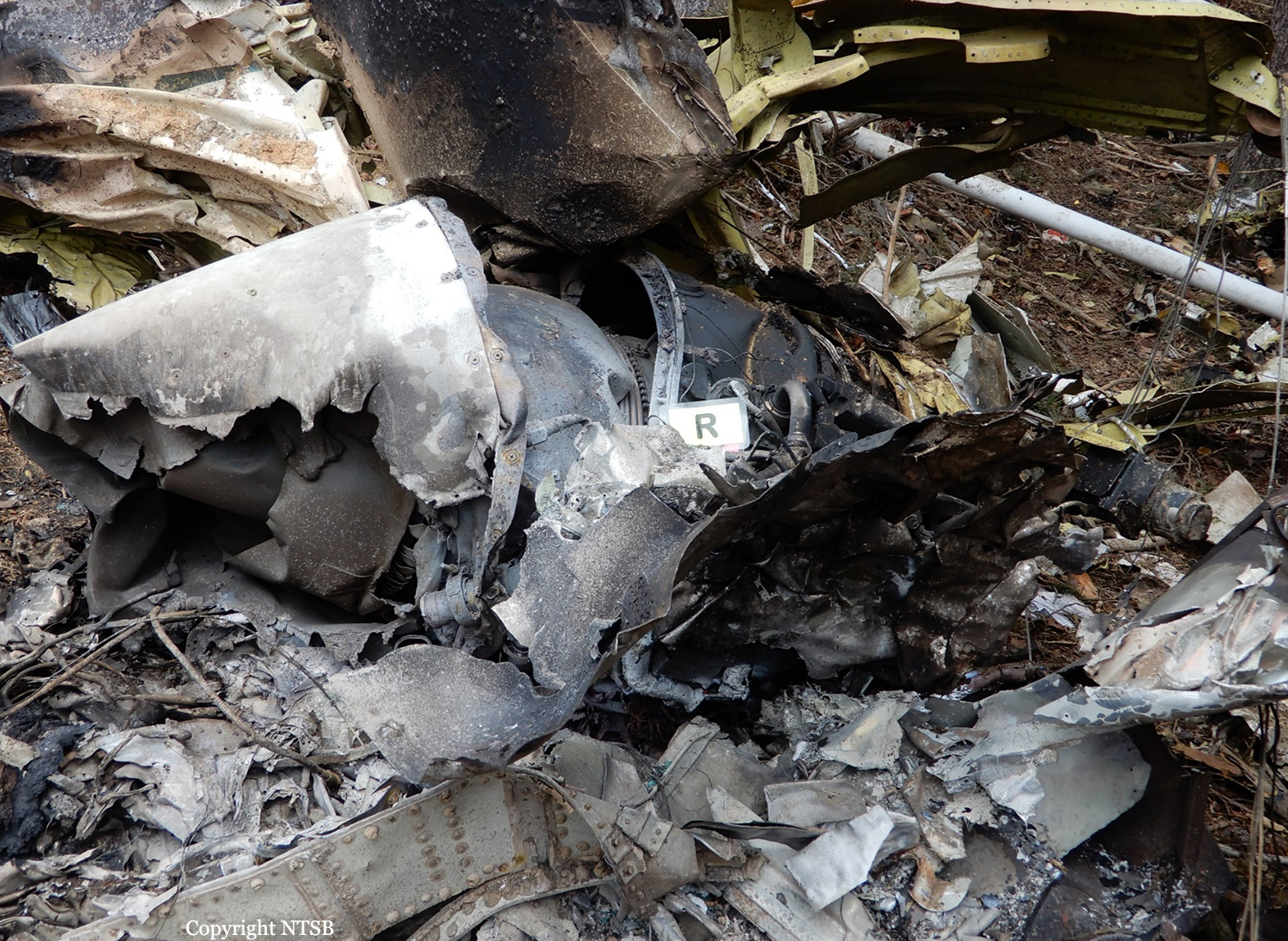
The crew departed Norfolk-Chambers Field NAS on a local mission. En route, the airplane crashed in unknown circumstances in the Chincoteague Bay, off Wallops Island. The aircraft came to rest partially submerged in shallow waters. Two crew members were rescued while the pilot Lt Hyrum Hanlon was killed.

Crash of a Grumman E-2C Hawkeye in Wallops Island

Date & Time: Aug 31, 2020 at 1550 LT
Type of aircraft:
Operator:
Registration:
166503
Flight Phase:
Flight Type:
Survivors:
Yes
Schedule:
Norfolk-Chambers Field - Norfolk-Chambers Field
MSN:
AA3
Crew on board:
4
Crew fatalities:
Pax on board:
0
Pax fatalities:
Other fatalities:
Total fatalities:
0
Circumstances:
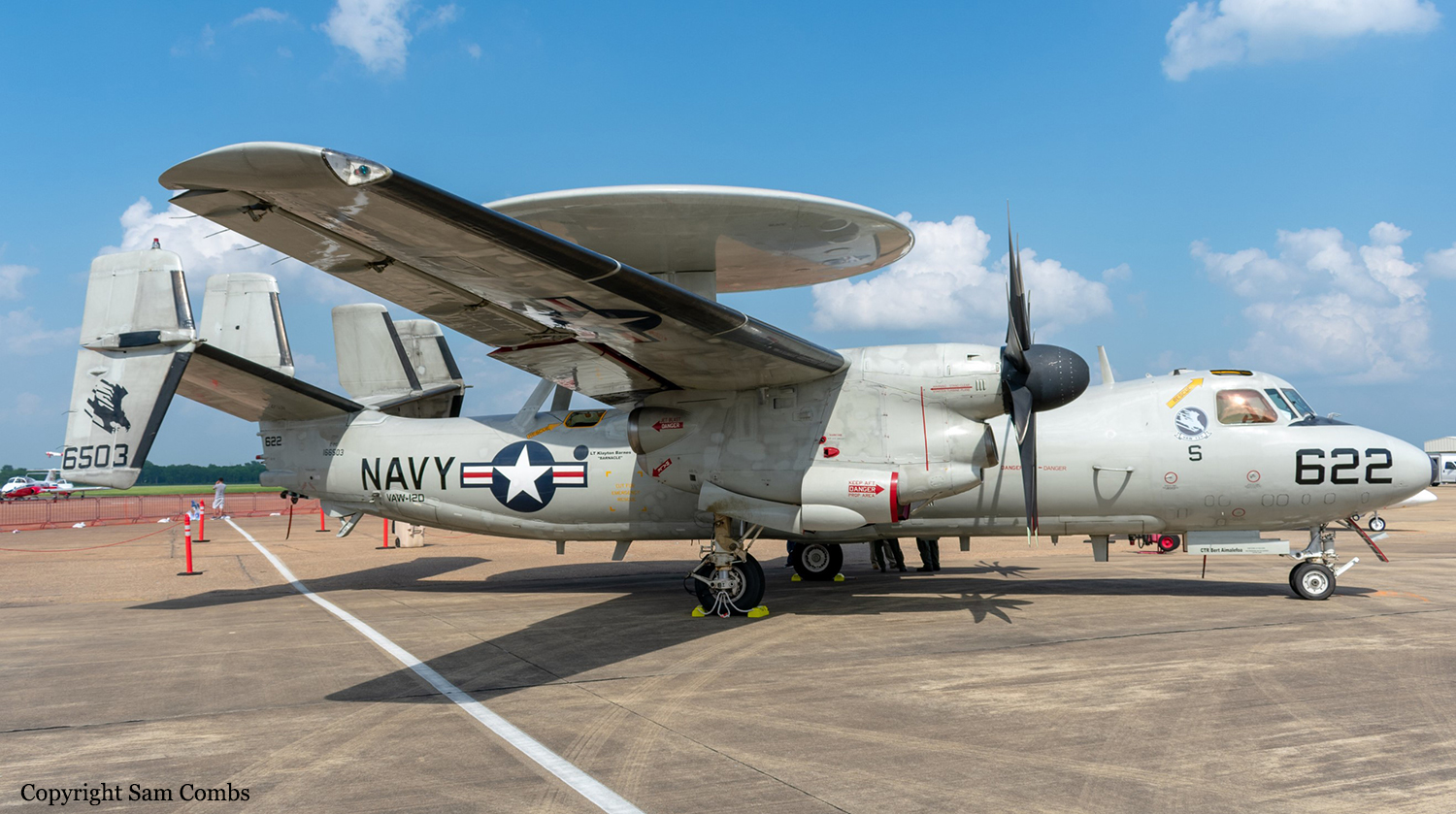
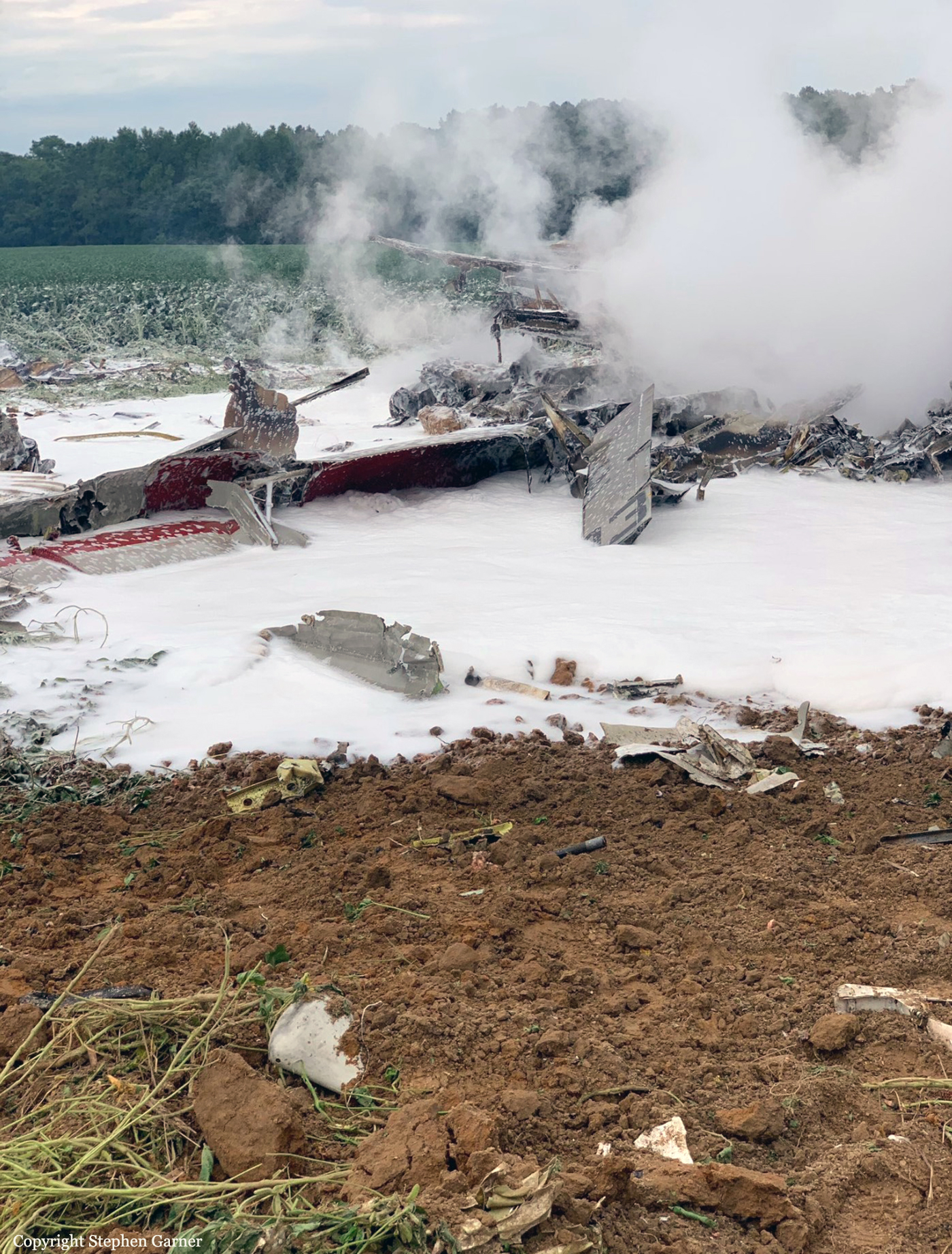
The aircraft, assigned to Airborne Command & Control Squadron (VAW) 120 Fleet Replacement Squadron, departed Norfolk-Chambers Field NAS on a training flight. In the afternoon, the crew encountered an unexpected situation, abandoned the aircraft and bailed out. Out of control, the aircraft entered a dive and crashed in a field located near Wallops Island. All four occupants parachuted to safety while the aircraft was totally destroyed by impact forces and a post crash fire.

Crash of a Cessna 525 CJ1 in Crozet: 1 killed

Date & Time: Apr 15, 2018 at 2054 LT
Type of aircraft:
Registration:
N525P
Flight Phase:
Flight Type:
Survivors:
No
Schedule:
Rchmond - Weyers Cave
MSN:
525-0165
YOM:
1996
Location:
Crew on board:
1
Crew fatalities:
Pax on board:
0
Pax fatalities:
Other fatalities:
Total fatalities:
1
Captain / Total flying hours:
737
Captain / Total hours on type:
165.00
Aircraft flight hours:
3311
Circumstances:
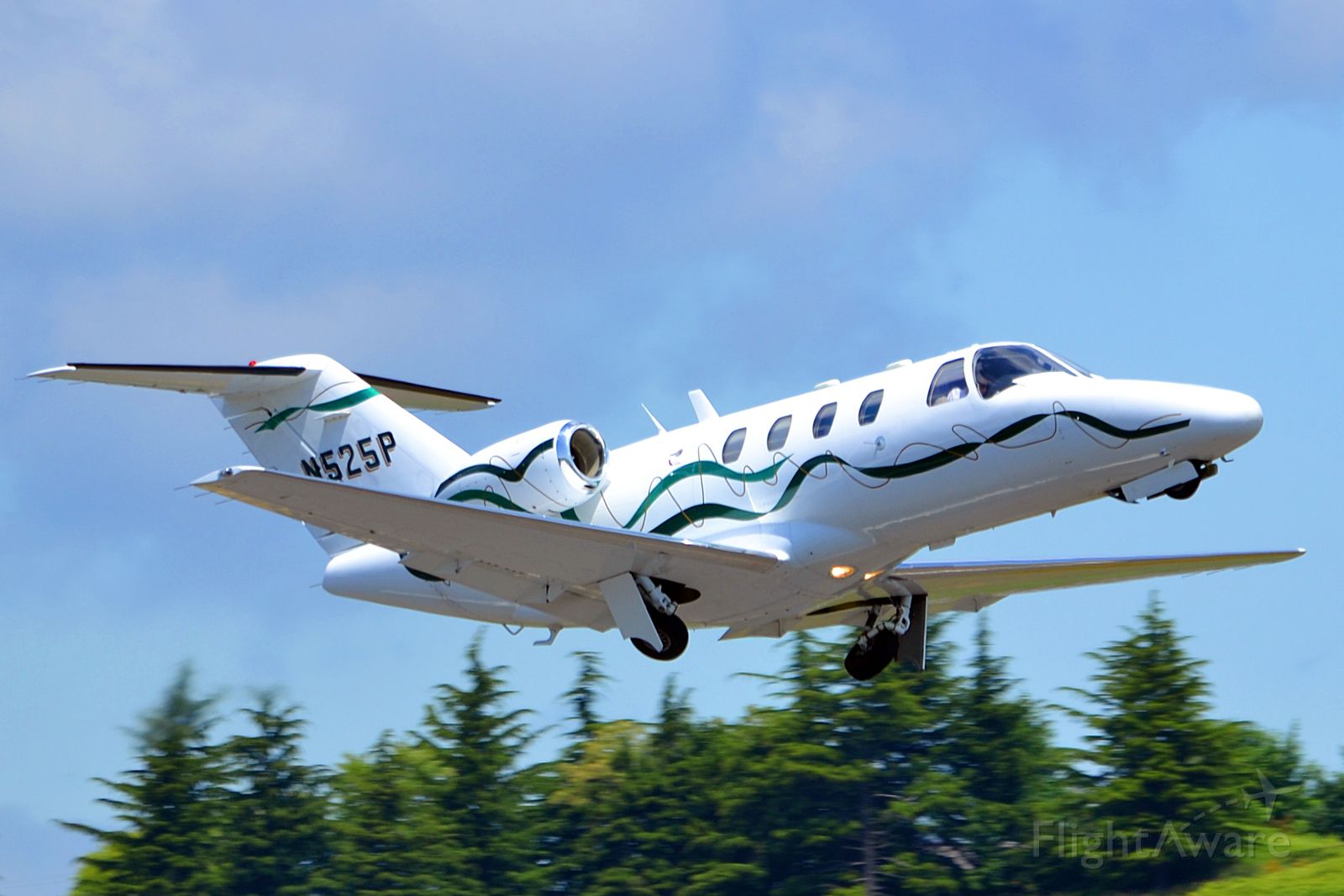
The instrument rated private pilot was drinking alcohol before he arrived at the airport. Before the flight, he did not obtain a weather briefing or file an instrument flight rules flight plan for the flight that was conducted in instrument meteorological conditions. The pilot performed a 3-minute preflight inspection of the airplane and departed with a tailwind (even though he had initially taxied the airplane to the runway that favored the wind) and without communicating on the airport Unicom frequency. After departure, the airplane climbed to a maximum altitude of 11,500 feet mean sea level (msl), and then the airplane descended to 4,300 ft msl (which was 1,400 ft below the minimum safe altitude for the destination airport) and remained at that altitude for 9 minutes. Afterward, the airplane began a descending left turn, and radar contact was lost at 2054. The pilot did not talk to air traffic control during the flight and while operating in night instrument meteorological conditions. During the flight, the airplane flew through a line of severe thunderstorms with heavy rain, tornados, hail, and multiple lightning strikes. Before the airplane's descending left turn began, it encountered moderate-to-heavy rain. The airplane's high descent rate of at least 6,000 ft per minute and impact with a mountain that was about 450 ft from the last radar return, the damage to the airplane, and the distribution of the wreckage were consistent with a loss of control and a high-velocity impact. Examination of the airplane revealed no evidence of any preimpact mechanical anomalies. Based on the reported weather conditions at the time the flight, the pilot likely completed the entire flight in night instrument meteorological conditions. His decision to operate at night in an area with widespread thunderstorms and reduced visibility were conducive to the development of spatial disorientation. The airplane's descending left turn and its high-energy impact were consistent with the known effects of spatial disorientation. The pilot was not aware of the conditions near and at the destination airport because he failed to obtain a weather briefing and was not communicating with air traffic control. Also, the pilot's decision to operate an airplane within 8 hours of consuming alcohol was inconsistent with the Federal Aviation Administration's regulation prohibiting such operations, and the level of ethanol in the pilot's toxicology exceeded the level allowed by the regulation. Overall, the pilot's intoxication, combined with the impairing effects of cetirizine, affected his judgment; contributed to his unsafe decision-making; and increased his susceptibility to spatial disorientation, which resulted in the loss of control of the airplane.
Probable cause:
The National Transportation Safety Board determines the probable cause(s) of this accident to be:
The pilot's loss of control while operating in night instrument meteorological conditions as a result of spatial disorientation. Contributing to the accident was the pilot's decision to operate
an airplane after consuming alcohol and his resulting intoxication, which degraded the pilot's judgment and decision-making.
Final Report:
Crash of a Cessna 340A in Hampton Roads: 4 killed

Date & Time: Oct 10, 2013 at 1209 LT
Type of aircraft:
Operator:
Registration:
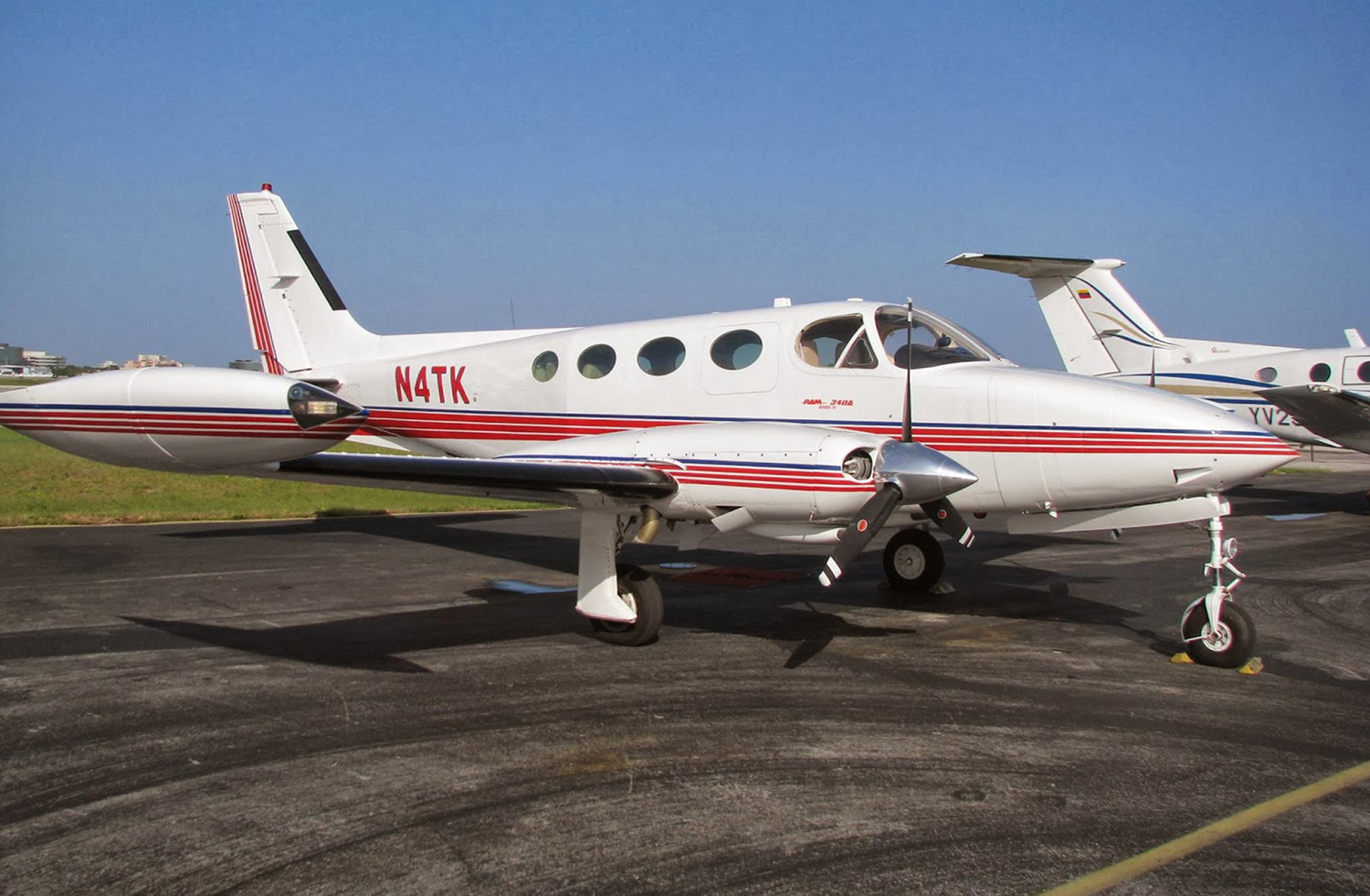
N4TK
Flight Type:
Survivors:
No
Schedule:
Fort Lauderdale – Hampton Roads
MSN:
340A-0777
YOM:
1979
Crew on board:
1
Crew fatalities:
Pax on board:
3
Pax fatalities:
Other fatalities:
Total fatalities:
4
Circumstances:
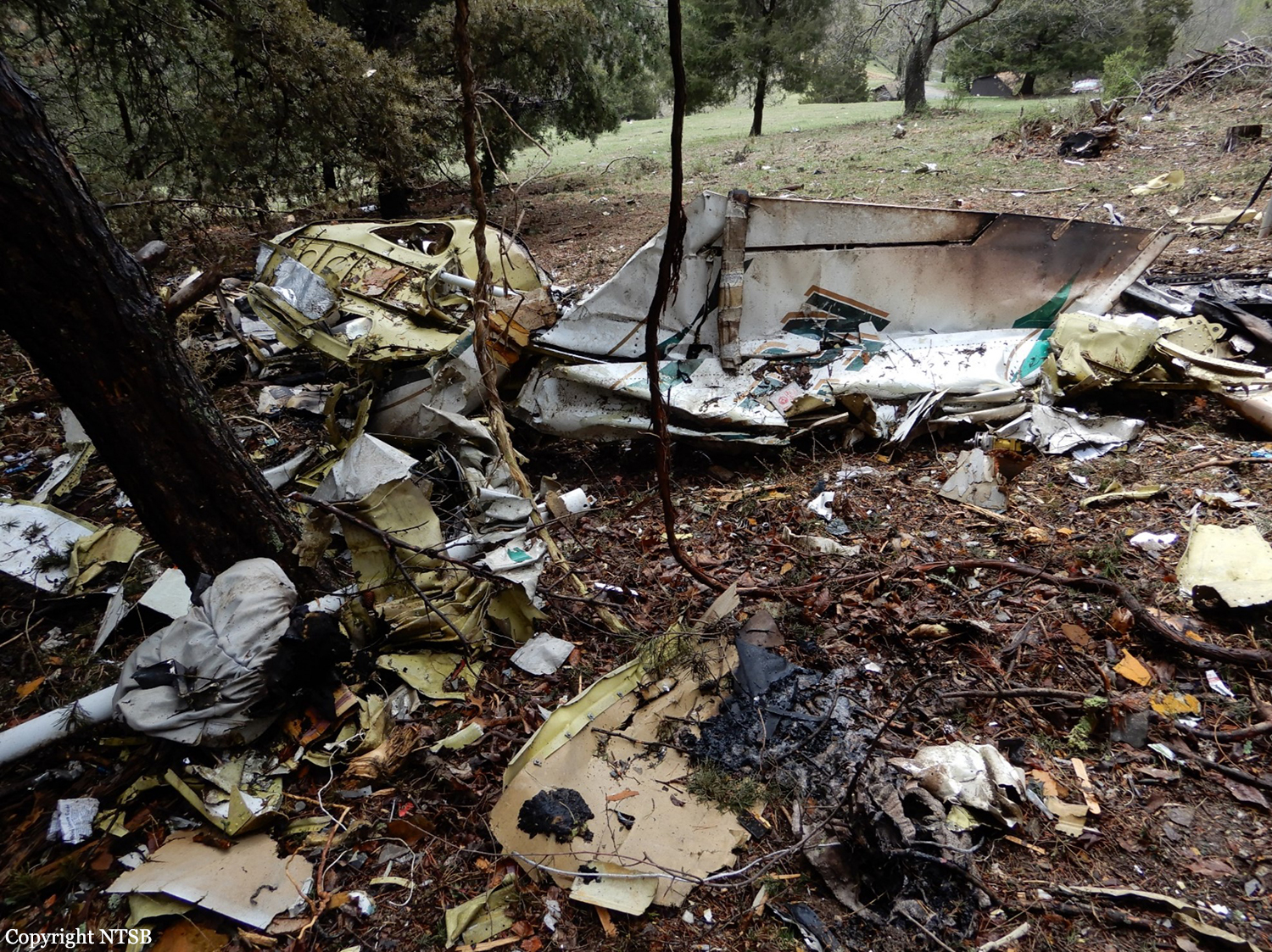
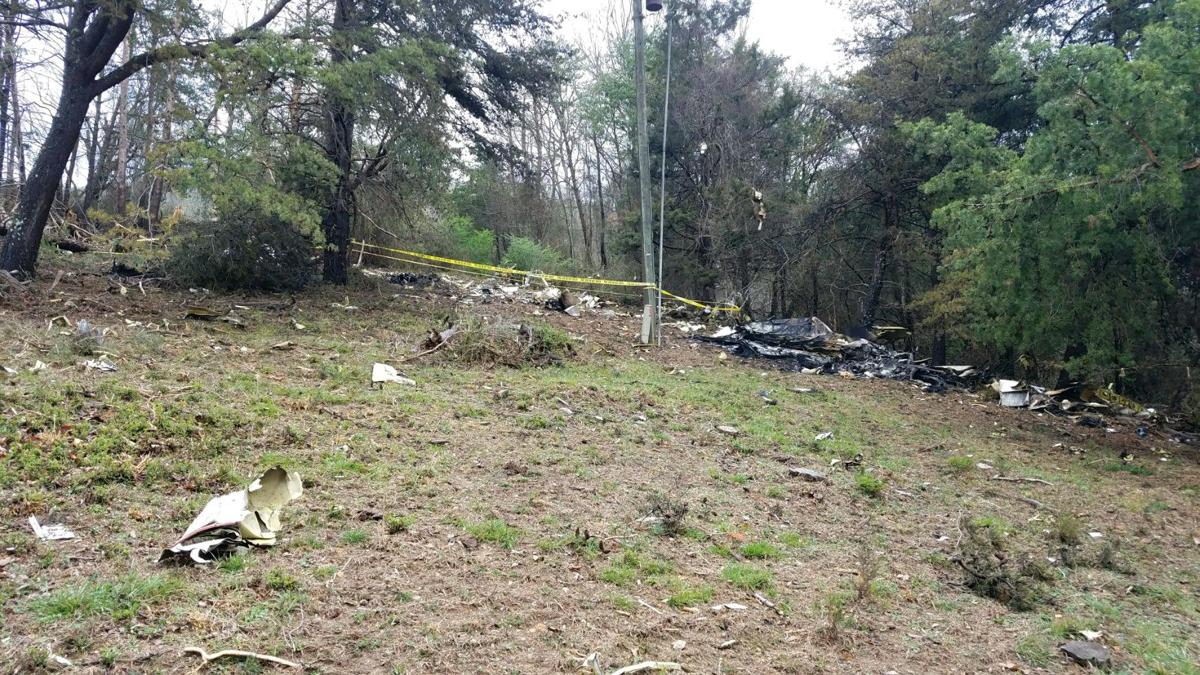
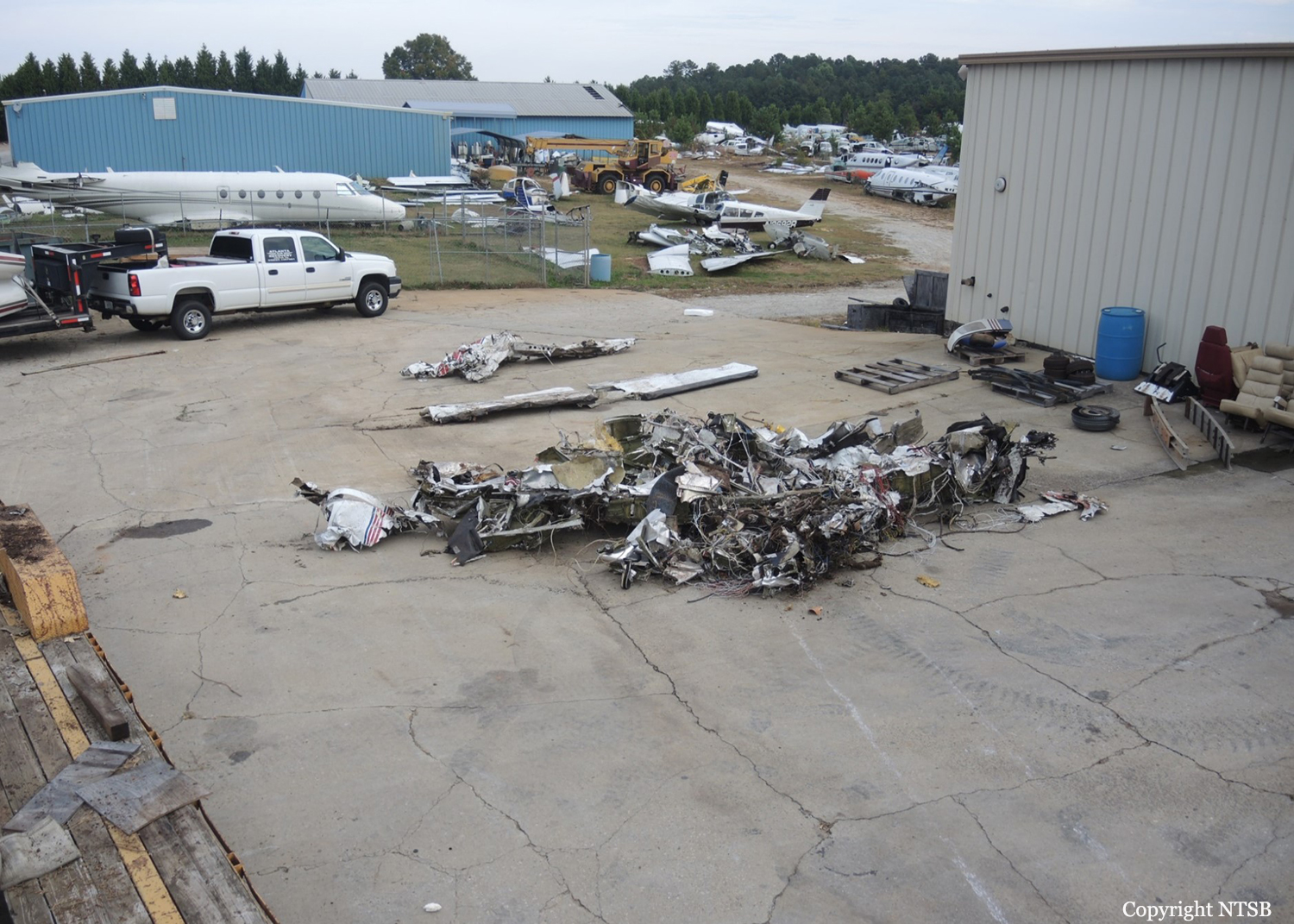
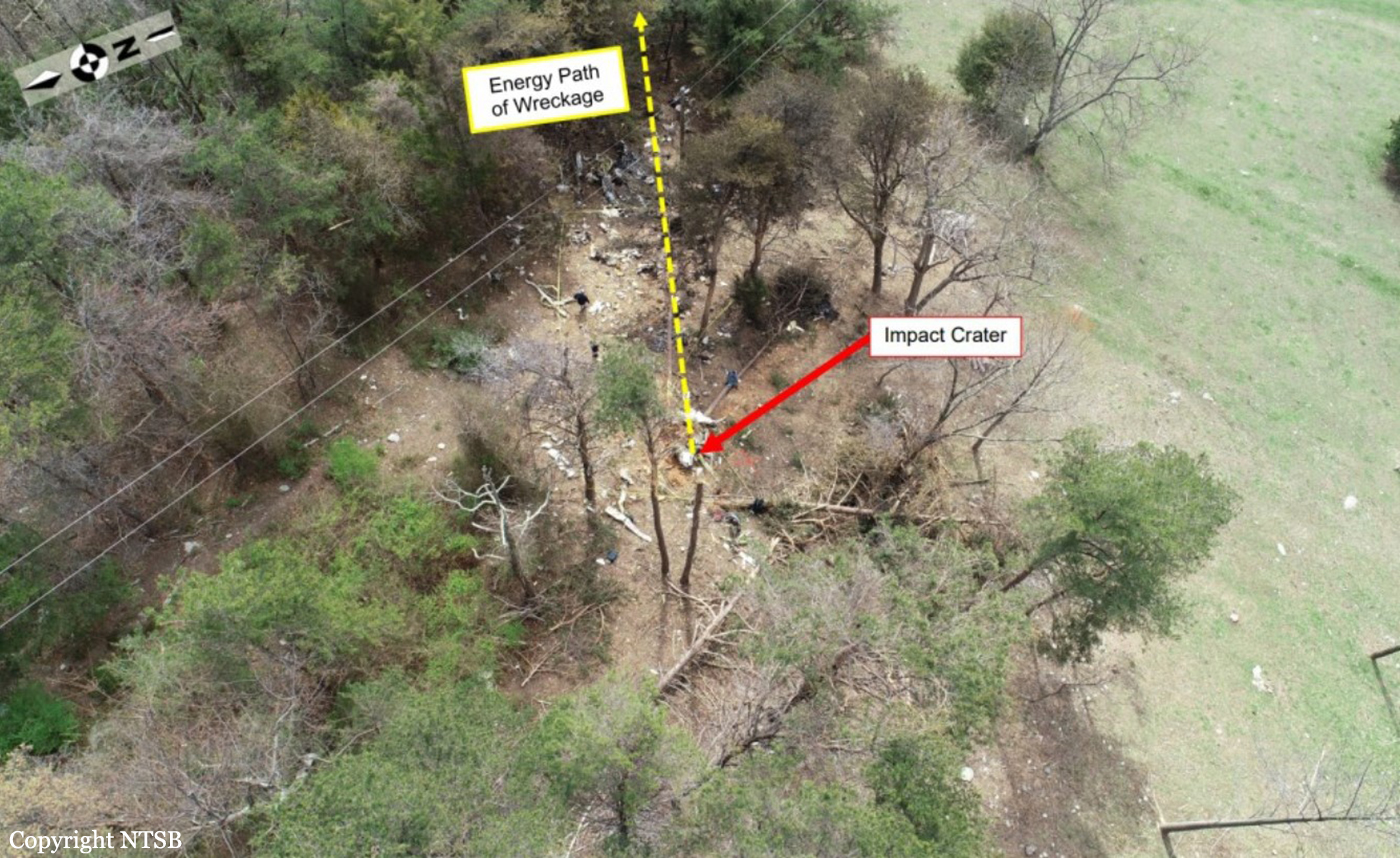
The instrument-rated pilot was on a cross-country flight. According to air traffic control records, an air traffic controller provided the pilot vectors to an intersection to fly a GPS approach. Federal Aviation Administration radar data showed that the airplane tracked off course of the assigned intersection by 6 nautical miles and descended 800 ft below its assigned altitude before correcting toward the initial approach fix. The airplane then crossed the final approach fix 400 ft below the minimum crossing altitude and then continued to descend to the minimum descent altitude, at which point, the pilot performed a missed approach. The missed approach procedure would have required the airplane to make a climbing right turn to 2,500 ft mean sea level (msl) while navigating southwest back to the intersection; however, radar data showed that the airplane flew southeast and ascended and descended several times before leveling off at 2,800 ft msl. The airplane then entered a right 360-degree turn and almost completed another circle before it descended into terrain. Examination of the wreckage revealed no evidence of any preimpact mechanical malfunctions or failures. During the altitude and heading deviations just before impact, the pilot reported to an air traffic controller that adverse weather was causing the airplane to lose "tremendous" amounts of altitude; however, weather radar did not indicate any convective activity or heavy rain at the airplane's location. The recorded weather at the destination airport about the time of the accident included a cloud ceiling of 400 ft above ground level and visibility of 3 miles. Although the pilot reported over 4,000 total hours on his most recent medical application, the investigation could not corroborate those reported hours or document any recent or overall actual instrument experience. In addition, it could not be determined whether the pilot had experience using the onboard GPS system, which had been installed on the airplane about 6 months before the accident; however, the accident flight track is indicative of the pilot not using the GPS effectively, possibly due to a lack of proficiency or familiarity with the equipment. The restricted visibility and precipitation and maneuvering during the missed approach would have been conducive to the development of spatial disorientation, and the variable flightpath off the intended course was consistent with the pilot losing airplane control due to spatial disorientation. Toxicological tests detected ethanol and other volatiles in the pilot's muscle indicative of postmortem production.
Probable cause:
The pilot's failure to maintain airplane control due to spatial disorientation in low-visibility conditions while maneuvering during a missed approach. Contributing to the accident was the pilot's ineffective use of the onboard GPS equipment.
Final Report: