Crash of a De Havilland DHC-2 Beaver near Red Lake: 1 killed

Date & Time: Jun 16, 2024 at 0655 LT
Type of aircraft:
Operator:
Registration:
C-GBZH
Flight Phase:
Survivors:
Yes
Schedule:
Chukuni River - Thicketwood Lake
MSN:
1518
YOM:
1963
Country:
Crew on board:
1
Crew fatalities:
Pax on board:
4
Pax fatalities:
Other fatalities:
Total fatalities:
1
Captain / Total flying hours:
1773
Captain / Total hours on type:
816.00
Aircraft flight hours:
13590
Circumstances:
The float-equipped aircraft operated by Canadian Fly-in Fishing was preparing to depart from the Chukuni River, approximately 2.2 nautical miles (NM) southeast of the Red Lake (Howey Bay) Water Aerodrome (CKS4), on a visual flight rules flight to Thicketwood Lake. At approximately 0653LT the aircraft departed with the pilot, 4 passengers, and cargo on board. Winds were observed by the pilot to be from the south. A normal takeoff was conducted with the flaps in the TAKEOFF setting, and with the heading approximately 120° magnetic. The aircraft accelerated and lifted off as planned about halfway down the waterway (approximately 2,500 feet downriver). As the aircraft gained airspeed to 80 mph, the pilot initiated a climb. Once the climb was established at approximately 100 feet above water, the pilot reduced the engine power to 30 inches of manifold pressure at 2,000 rpm. Along with this power change, the wing flaps were raised from the TAKEOFF position to the CLIMB position. Shortly thereafter, the pilot noticed the aircraft descending, accompanied by a decrease in airspeed to 60 mph. The pilot pushed forward on the control wheel and simultaneously added full power in an attempt to regain airspeed. The aircraft’s airspeed did not increase, and the pilot made a turn to the right, into the wind. At a height of approximately 80 feet above the water, the aircraft entered an aerodynamic stall, with a roll to the right. Aircraft control was lost and, at 0655LT, the aircraft collided with the shoreline in a nose-down, banked attitude. The aircraft was substantially damaged. There was no post-impact fire. The emergency locator transmitter activated. The aircraft occupants were all partially submerged in water when the aircraft came to rest. The pilot egressed through the right-side door and assisted the front-seat passenger out of the aircraft while the other 3 passengers were assisted from the aircraft by local residents. Two of the passengers, who had been seated in the left and right back seats, were seriously injured and were airlifted to hospital in Thunder Bay. One of these passengers subsequently died while in hospital. The pilot and the 2 other passengers were medically evaluated at a local hospital and released.
Probable cause:
Based on the aircraft’s configuration and the most accurate weight information available to the investigation, it was determined that, at the time of takeoff, the estimated weight of the aircraft was 334 pounds over the maximum gross take-off weight of 5,090 pounds, but within the correct centre of gravity range. The operator’s take-off weight calculation prior to the flight was 5,359 pounds as the passenger weights were averaged from a group weigh-in as per the company operations manual approved by TC. The eight passengers weighed a total of 1,812 pounds. The group was then split between two aircraft, four passengers in each. One of the passengers weighed significantly more than the average for the group and was positioned in the occurrence aircraft, resulting in a gross weight increase that was not accounted for.
Final Report:


Crash of an Antonov AN-26-100 in Utrenniy

Date & Time: Jun 14, 2024 at 1539 LT
Type of aircraft:
Operator:
Registration:
RA-26662
Survivors:
Yes
Schedule:
Sabetta - Utrenniy
MSN:
81 01
YOM:
1979
Flight number:
UT9706
Country:
Region:
Crew on board:
5
Crew fatalities:
Pax on board:
36
Pax fatalities:
Other fatalities:
Total fatalities:
0
Captain / Total flying hours:
13397
Captain / Total hours on type:
10188.00
Copilot / Total flying hours:
7731
Copilot / Total hours on type:
2270
Aircraft flight hours:
38913
Aircraft flight cycles:
18124
Circumstances:
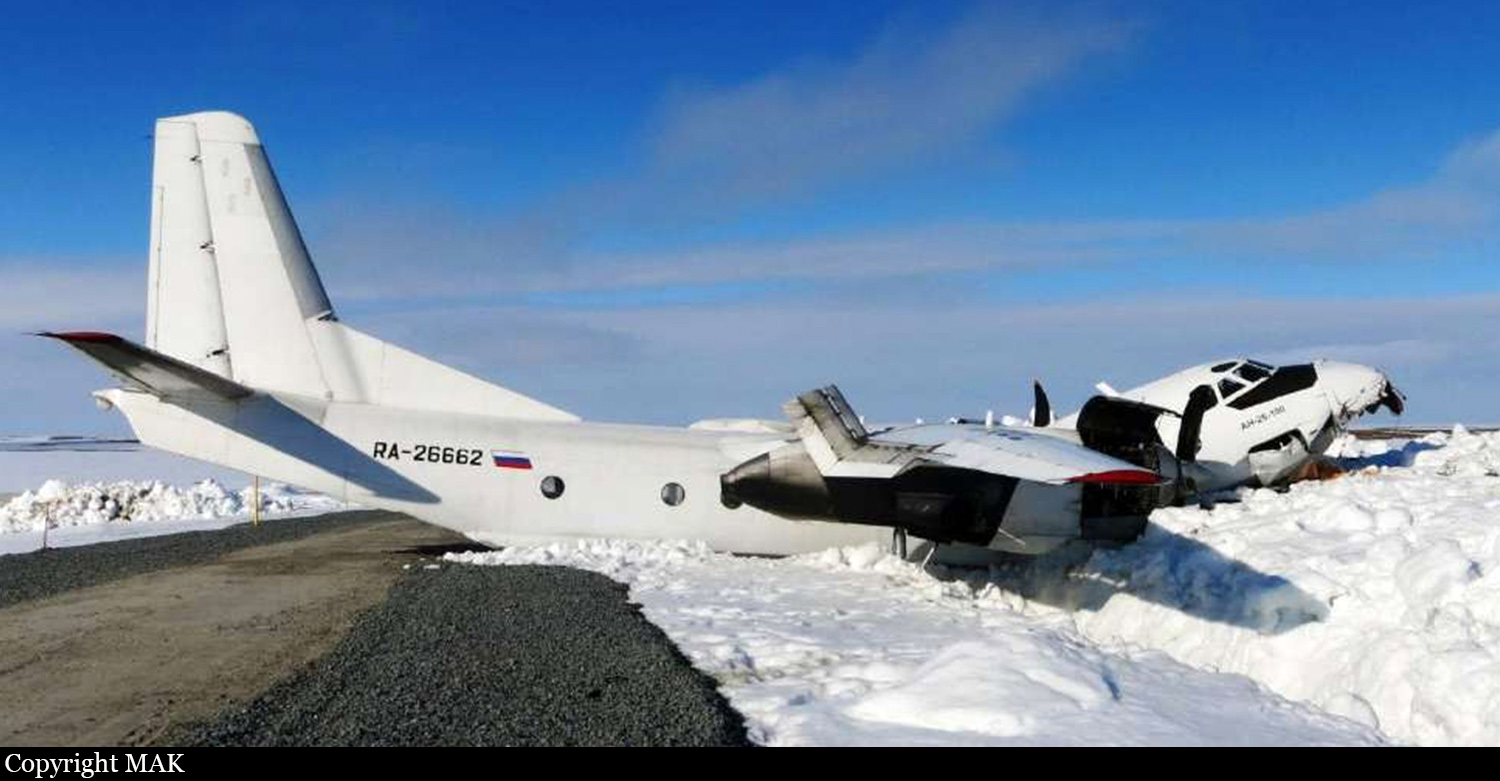
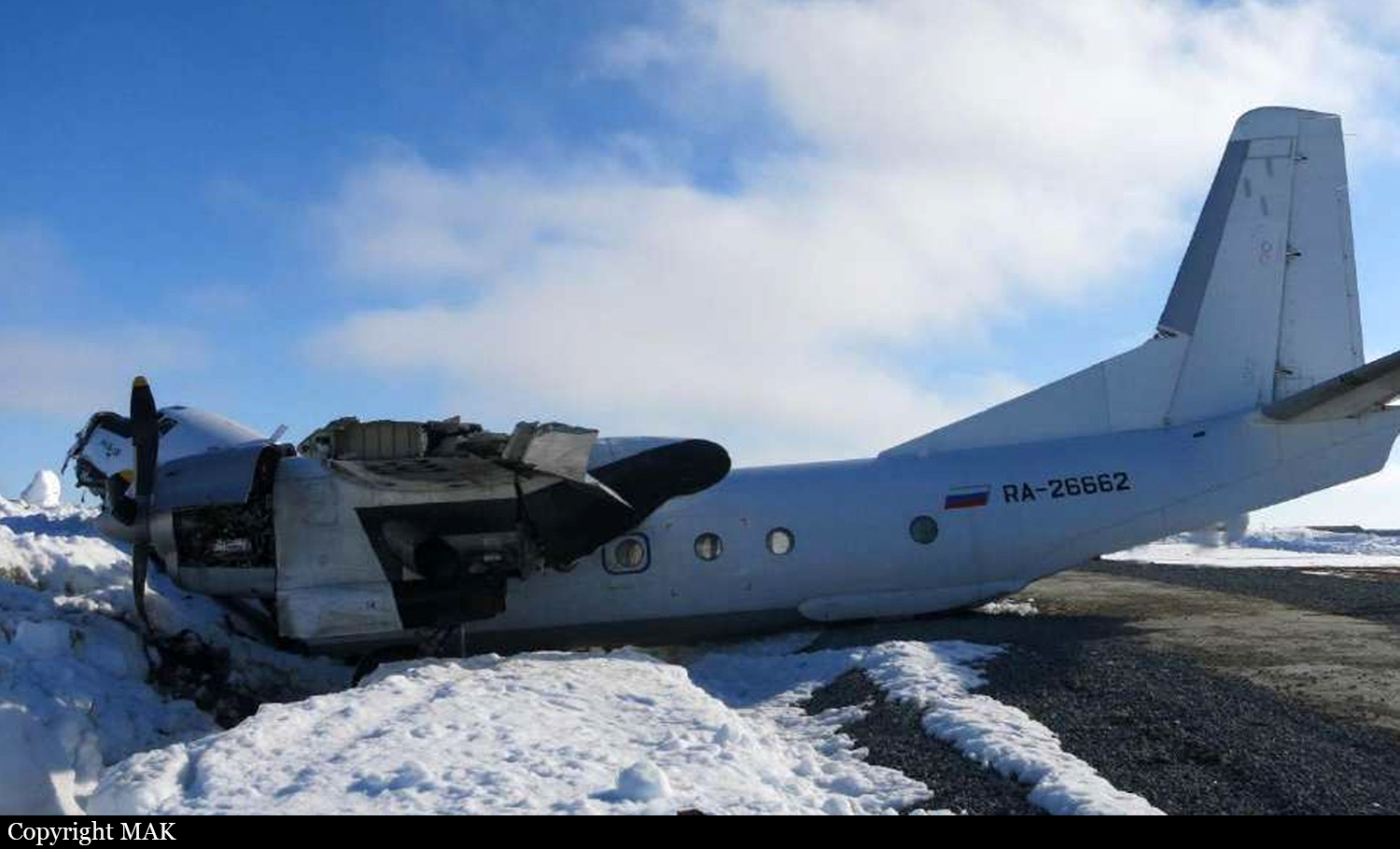
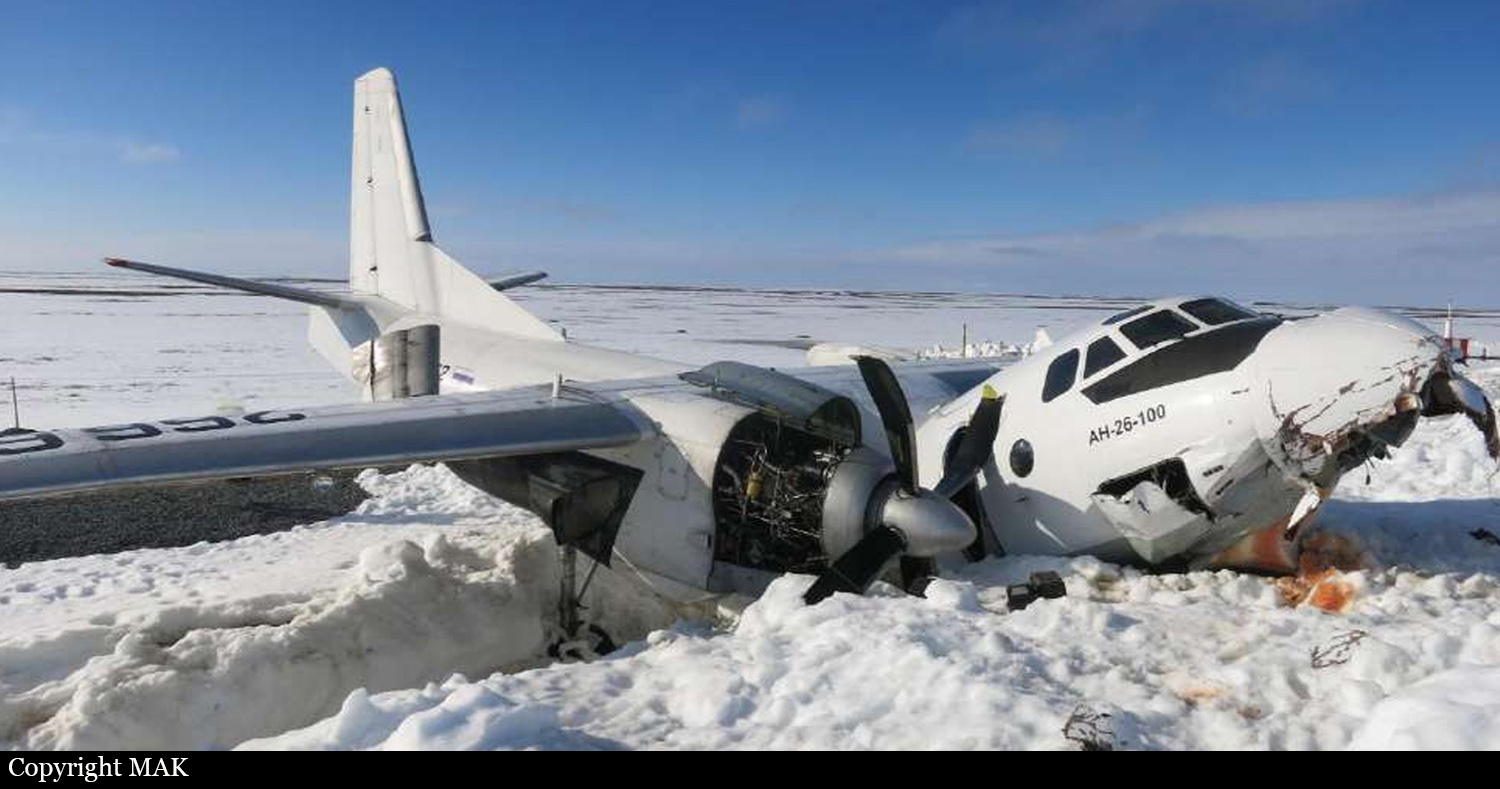
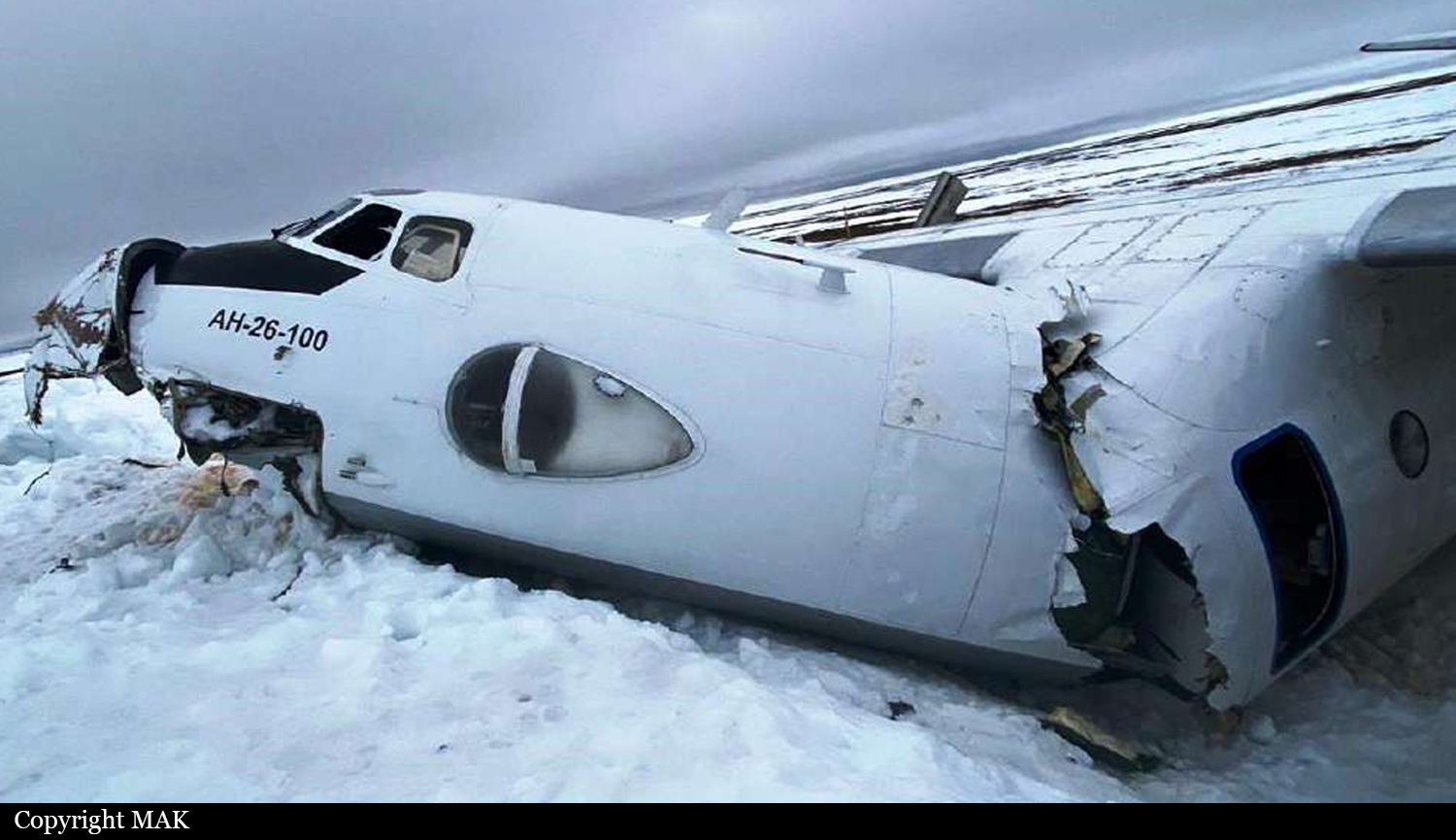
The airplane departed Sabetta on a charter flight to Utrenniy, carrying 36 passengers and five crew members. Following an uneventful flight, the crew initiated the descent to the destination airport in marginal weather conditions. On final approach, the copilot reported the altitude of 300 metres and that the airplane was stabilized. Once the aircraft reached the altitude of 80 metres on descent, the navigator noticed that it was beginning to descend below the glide path and pointed this out to the captain, who confirmed that the runway was in sight. At a distance of 2,150 metres from the runway threshold, the radio altimeter alarm sounded for a period of five seconds. On short final, after the aircraft's speed decreased from 220 km/h to 165 km/h, the captain initiated a go-around, pitching the aircraft up to a 20° angle. Simultaneously, the aircraft's speed dropped to 125 km/h and, at too low an altitude, struck with its left main landing gear a snowbank located 955 metres short of runway 19 threshold. With a positive acceleration of 2,2 G, the aircraft struck the snow-covered ground and pivoted to the left before coming to rest in the snow, broken in two. The wreckage was found 865 metres from the runway threshold. All 41 occupants were rescued, among them three were injured including both pilots.
Probable cause:
The accident occurred during an approach for landing in meteorological conditions below the established minimum operational limits of the airport. This resulted in the aircraft landing approximately 955 metres short of the runway threshold and colliding with a snow barrier.
The following contributing factors were identified:
- The decision by the flight commander to continue the flight to the destination airport and to execute the landing approach, despite having information about meteorological conditions at the destination airport below the established operational minimum,
- The crew's failure to maintain flight parameters that meet the criteria for a stabilized approach to landing, as well as their failure to go around when these were not met,
- Descending below the established minimum descent altitude (MDA/H) with insufficient visual contact with ground landmarks necessary for making a landing decision,
- The flight commander's (crew's) error in recognizing the runway and its landmarks,
- Poor crew coordination,
- Insufficient crew resource management by the flight commander.
Final Report:
Crash of a Beechcraft E90 King Air near Palenque: 9 killed

Date & Time: Mar 28, 2024 at 1322 LT
Type of aircraft:
Registration:
XB-SKA
Survivors:
No
Site:
Schedule:
Tuxtla Gutiérrez - Palenque
MSN:
LW-43
YOM:
1973
Country:
Crew on board:
2
Crew fatalities:
Pax on board:
7
Pax fatalities:
Other fatalities:
Total fatalities:
9
Circumstances:
Following an uneventful flight from Tuxtla Gutiérrez-Francisco Sarabia Airport, the crew initiated the descent to Palenque Airport in limited visibility. On approach, the twin engine airplane impacted the slope of a wooded terrain located in the Cerro Norte about 12 km southwest of the destination airport. The airplane disintegrated on impact and all occupants were killed, among them Juan Pablo Montes de Oca, Federal Deputy who was flying to Palenque with his family.
Crew:
Roberto Villanueva Valdez, pilot,
Carlos Alberto Culebro Esquinca, copilot.
Passengers:
Juan Pablo Montes de Oca,
Sofía Montes de Oca, Juan Pablo's daughter,
Pablo Montes de Oca, Juan Pablo's son,
Guillermina Rincón Cruz, Juan Pablo's wife,
Rosalía, Juan Pablo's sister,
Daniela, Juan Pablo's nephew,
Eduardo, juan Pablo's nephew.

Crash of a Canadair CL-600-2B16 Challenger 604 in Naples: 2 killed

Date & Time: Feb 9, 2024 at 1511 LT
Type of aircraft:
Operator:
Registration:
N823KD
Survivors:
Yes
Site:
Schedule:
Columbus - Naples
MSN:
5584
YOM:
2004
Flight number:
HPJ823
Location:
Crew on board:
3
Crew fatalities:
Pax on board:
2
Pax fatalities:
Other fatalities:
Total fatalities:
2
Captain / Total flying hours:
10380
Captain / Total hours on type:
2695.00
Copilot / Total flying hours:
24581
Copilot / Total hours on type:
116
Aircraft flight hours:
9763
Circumstances:
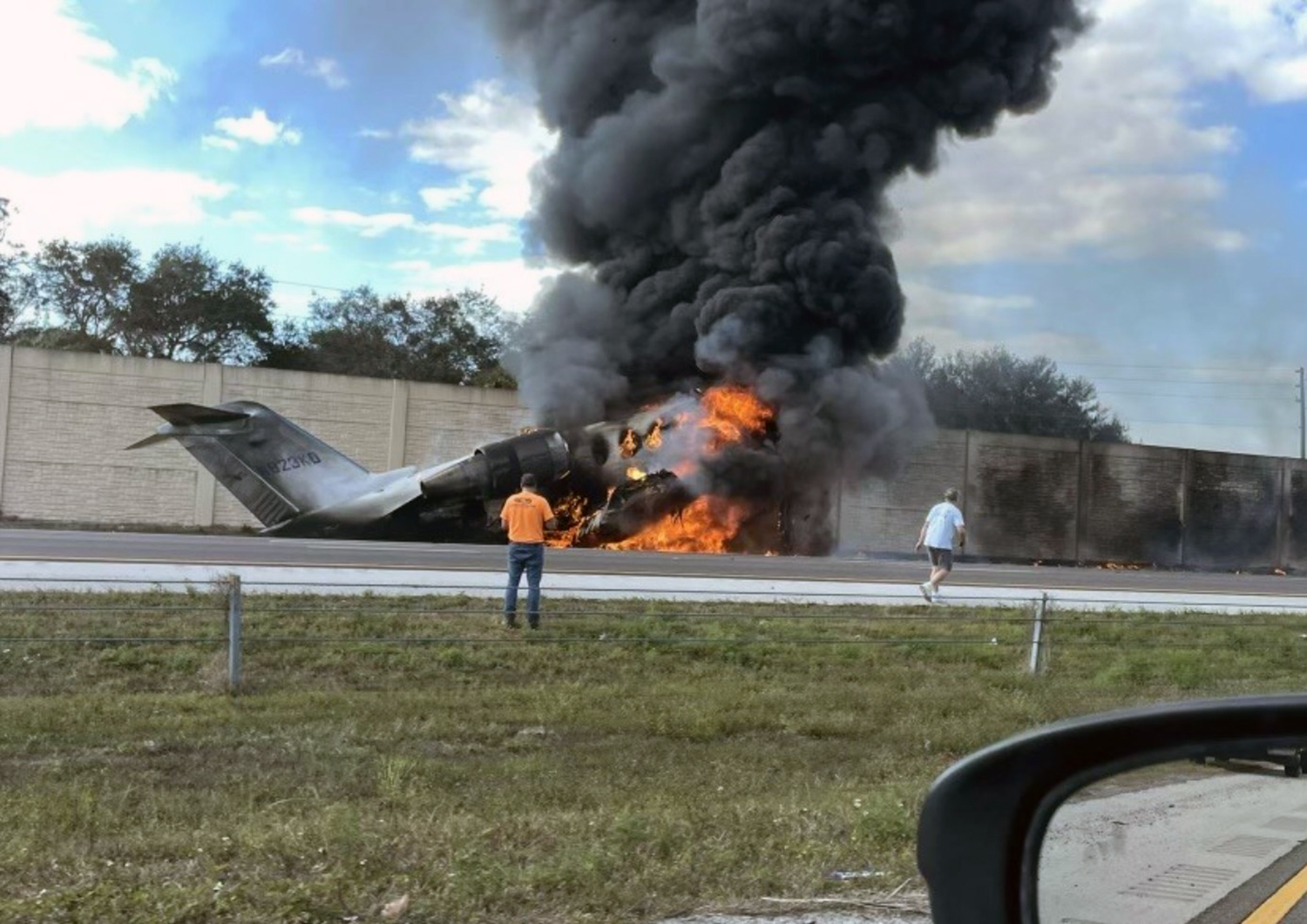
On February 9, 2024, about 1517 eastern standard time, a Bombardier Inc CL-600-2B16, N823KD, was destroyed when it was involved in an accident near Naples, Florida. The two airline transport pilots were fatally injured. The cabin attendant and the two passengers sustained minor injuries, and one person on the ground suffered minor injury. The airplane was operated by Ace Aviation Services (doing business as Hop-A-Jet) as a Title 14 Code of Federal Regulations Part 135 on-demand passenger flight. The airplane was returning to Naples Municipal Airport (APF), Naples, Florida, from Ohio State University Airport (OSU), Columbus, Ohio, where it had flown earlier in the day. The airplane was serviced with 350 gallons of fuel before departure from OSU. Preliminary Automatic Dependent Surveillance – Broadcast (ADS-B) flight track and air traffic control (ATC) data revealed that the flight crew contacted the ATC tower at APF while on a right downwind leg of the approach to the airport and maneuvering for a 5-mile final approach to runway 23. At 1508, the tower controller cleared the flight to land. The airplane was about 6.5 miles north of APF, about 2,000 ft geometric altitude (GEO) and 166 knots ground speed, as it turned for the base leg of the traffic pattern. A preliminary review of the data recovered from the airplane’s flight data recorder revealed that the first of three Master Warnings was recorded at 1509:33 (L ENGINE OIL PRESSURE), the second immediately following at 1509:34 (R ENGINE OIL PRESSURE), and at 1509:40 (ENGINE). The system alerted pilots with illumination of a “Master Warning” light on the glareshield, a corresponding red message on the crew alerting system page and a triple chime voice advisory (“Engine oil”). Twenty seconds later, at 1510:05, about 1,000 ft msl and 122 kts, on a shallow intercept angle for the final approach course, the crew announced, “…lost both engines… emergency… making an emergency landing” (see figure 1). The tower controller acknowledged the call and cleared the airplane to land. At 1510:12, about 900 ft and 115 knots, the crew replied, “We are cleared to land but we are not going to make the runway… ah… we have lost both engines.” There were no further transmissions from the flight crew and the ADS-B track data ended at 1510:47, directly over Interstate 75 in Naples, Florida. Dashcam video submitted to the National Transportation Safety Board captured the final seconds of the flight. The airplane descended into the camera’s view in a shallow left turn and then leveled its wings before it touched down aligned with traffic travelling the southbound lanes of Interstate 75. The left main landing gear touched down first in the center of the three lanes, and then the right main landing gear touched down in the right lane. The airplane continued through the break-down lane and into the grass shoulder area before impacting a concrete sound barrier. The airplane was obscured by dust, fire, smoke, and debris until the video ended. This information is preliminary and subject to change. After the airplane came to rest, the cabin attendant stated that she identified that the cabin and emergency exits were blocked by fire and coordinated the successful egress of her passengers and herself through the baggage compartment door in the tail section of the airplane.
Probable cause:
Corrosion of both engines’ variable geometry (VG) system components, which led to their operation in an off-schedule position and resulted in near-simultaneous sub-idle rotating compressor stalls on approach, subsequent loss of thrust in both engines, and an off-airport landing. Contributing to the accident was inadequate fault isolation guidance from the engine manufacturer, which prevented the identification of corrosion buildup in VG system components during troubleshooting of hung start events of both engines about 1 month before the accident.
Final Report:
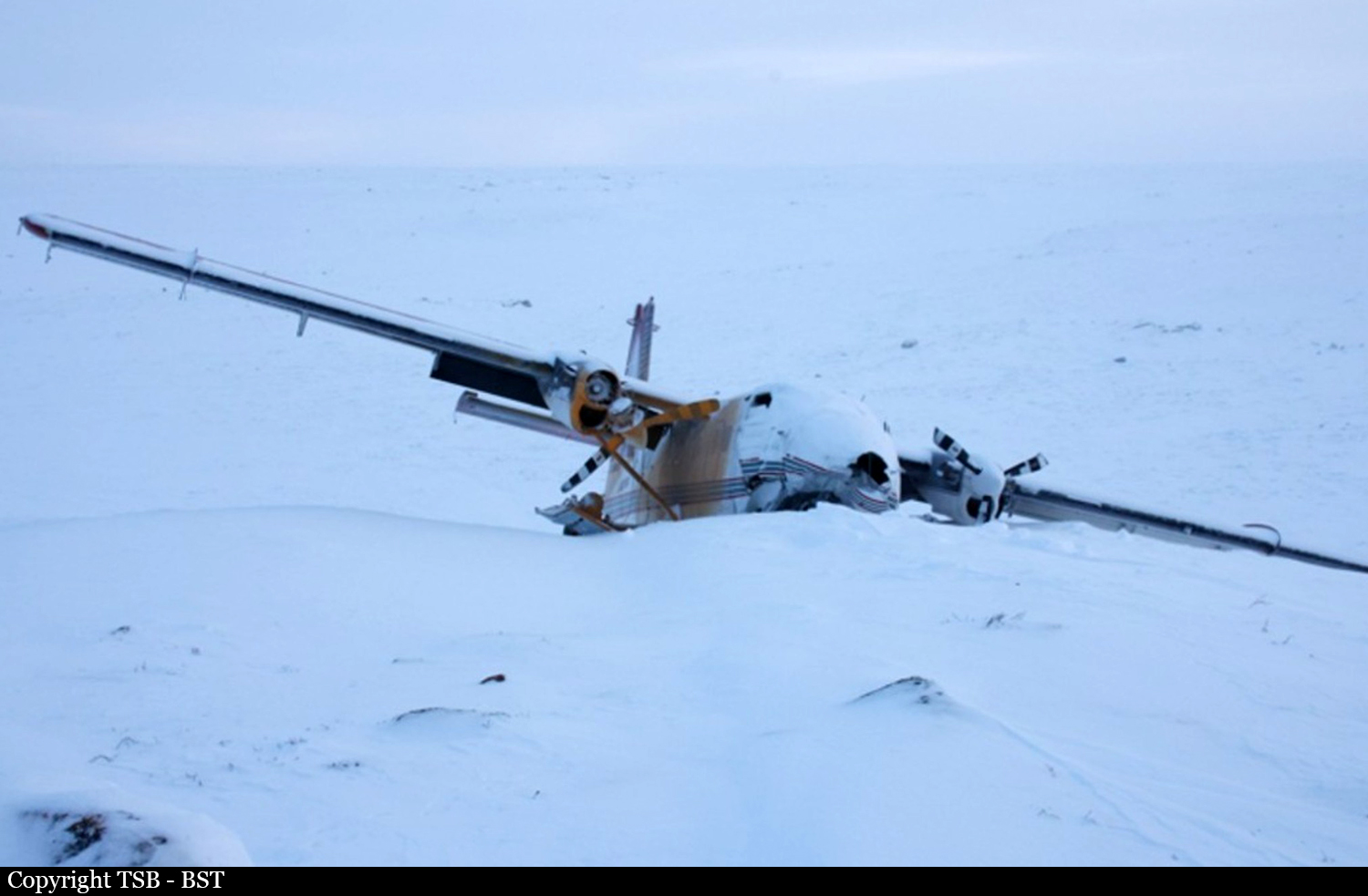
Crash of a Cessna 208B Grand Caravan on Lizard Island

Date & Time: Jan 8, 2024 at 0700 LT
Type of aircraft:
Operator:
Registration:
VH-NWJ
Survivors:
Yes
Schedule:
Lizard Island - Cairns
MSN:
208B-2161
YOM:
2010
Country:
Region:
Crew on board:
1
Crew fatalities:
Pax on board:
9
Pax fatalities:
Other fatalities:
Total fatalities:
0
Captain / Total flying hours:
3706
Captain / Total hours on type:
2431.00
Aircraft flight hours:
8765
Circumstances:
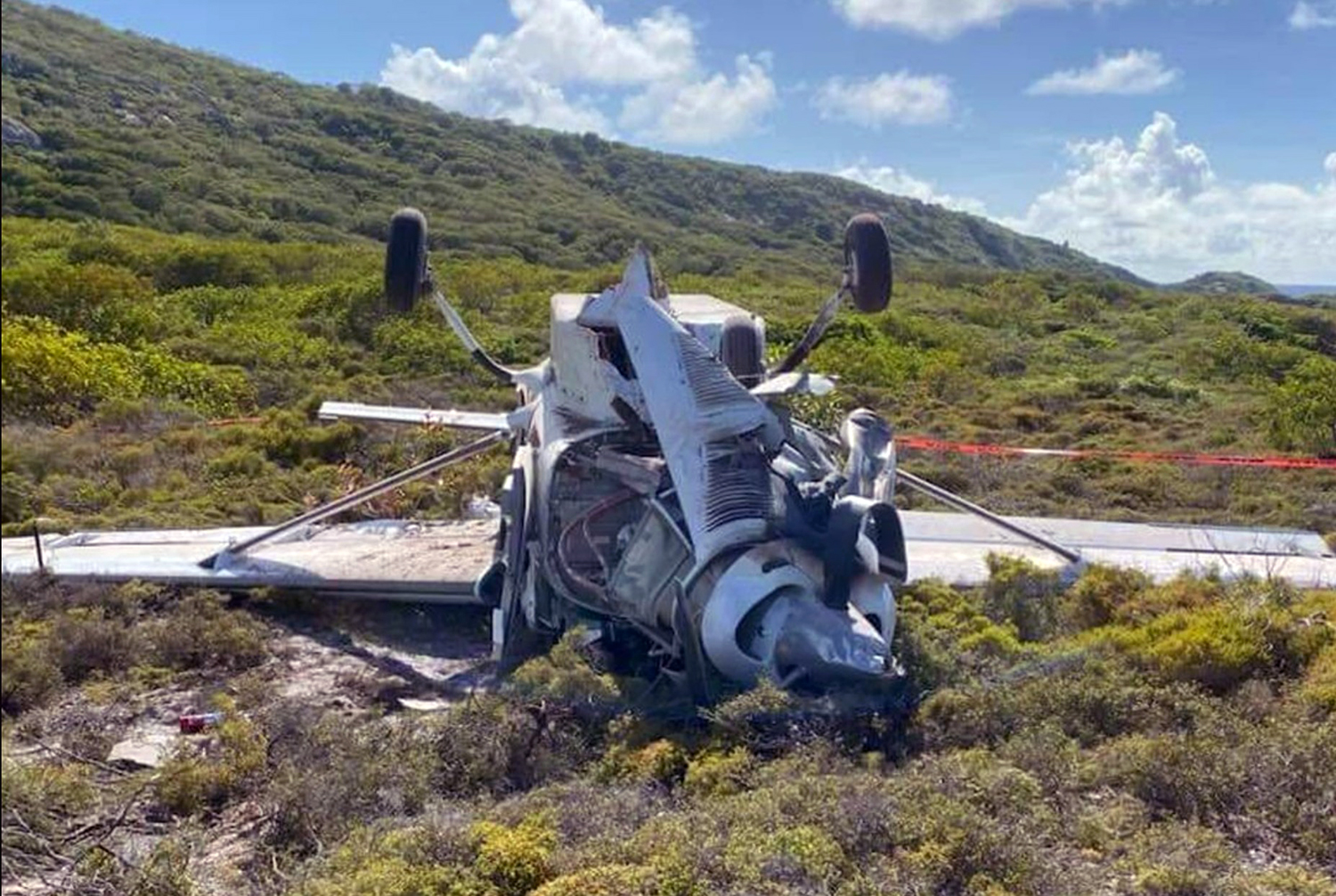
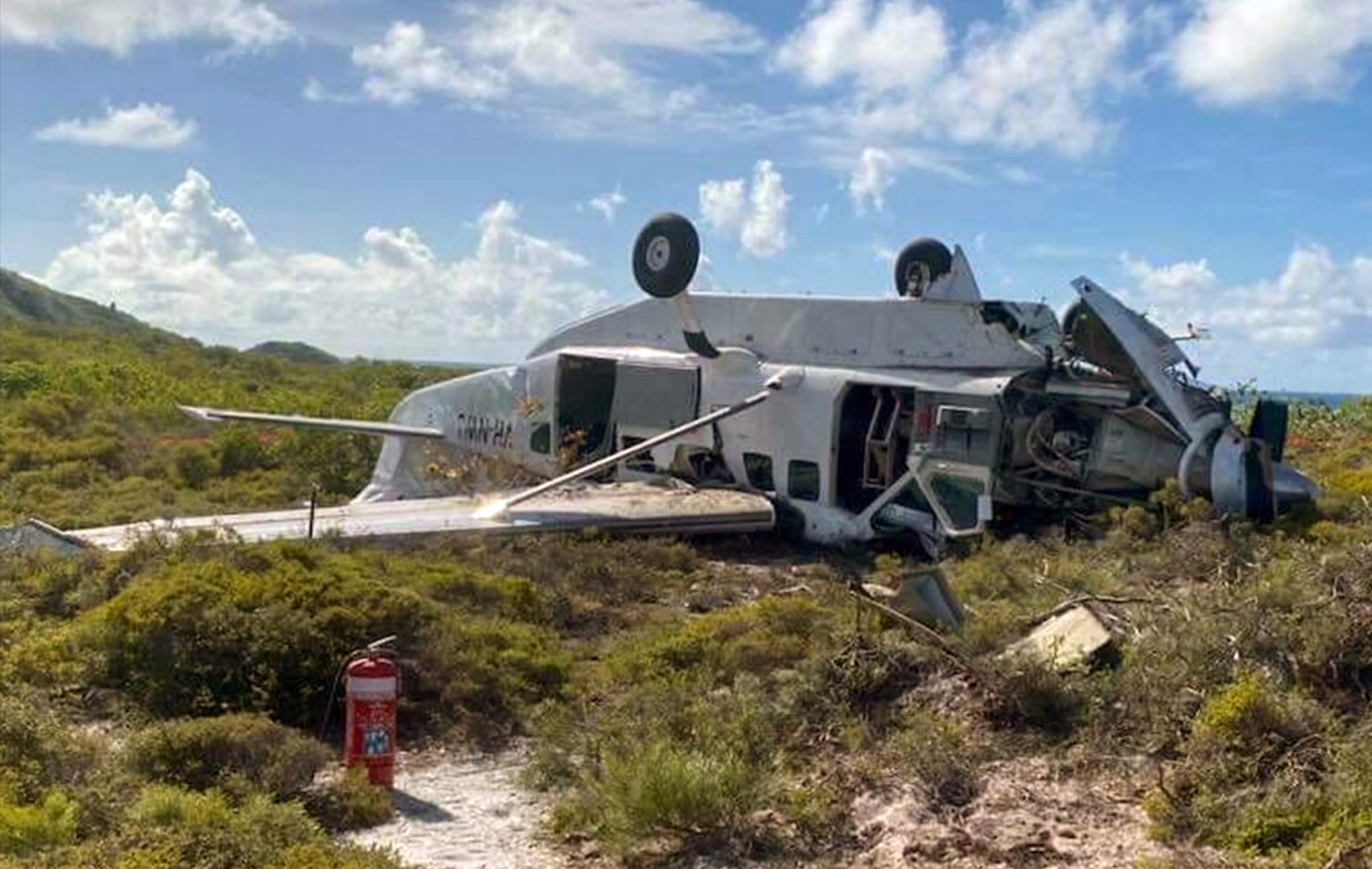
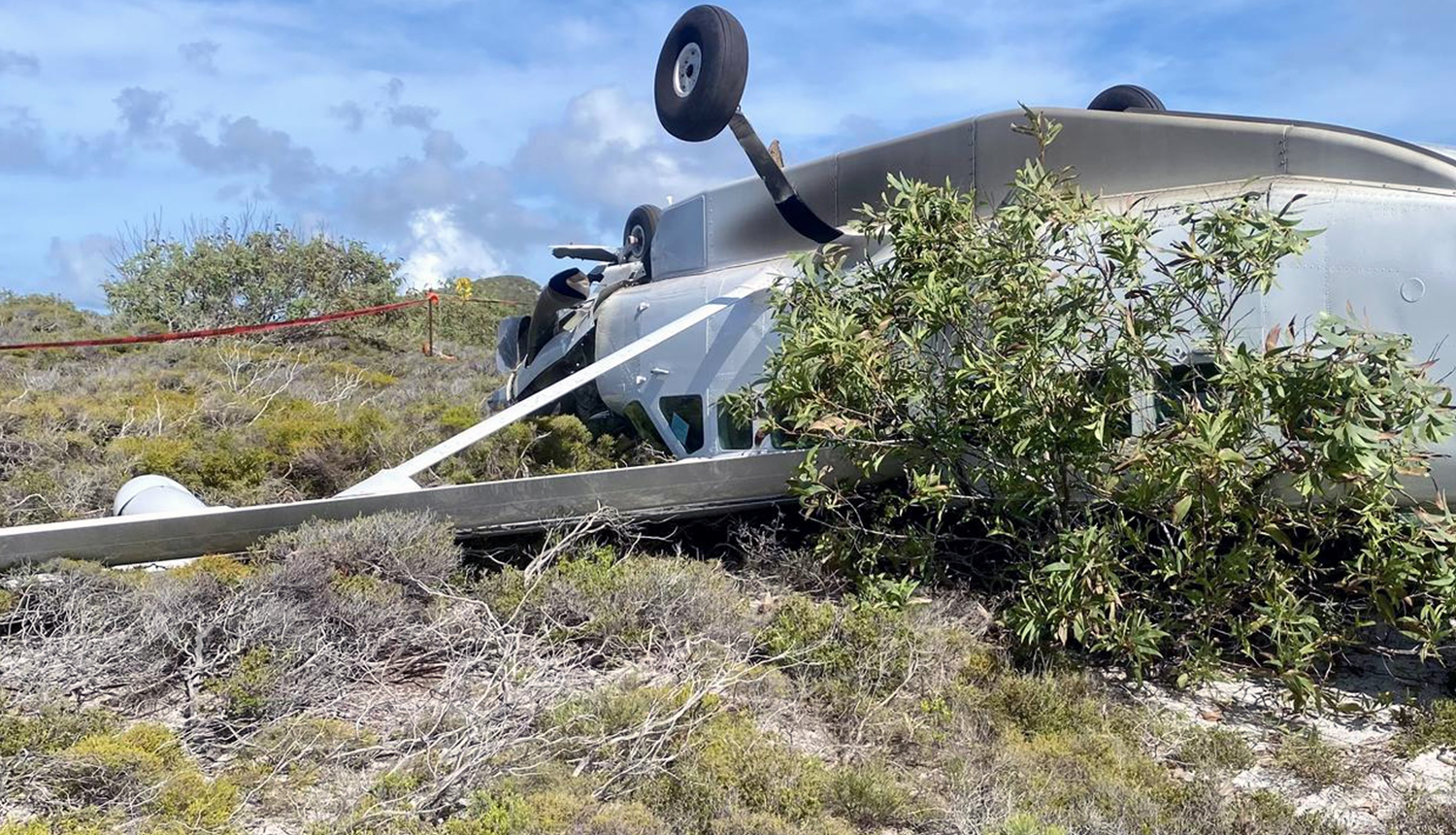
At 0646LT, the single engine airplane departed Lizard Island Airport on a non-scheduled passenger service to Cairns. On board were the pilot and 9 passengers. After takeoff from runway 12, the pilot turned right, tracked south-southwest and made a departure call to Brisbane Centre air traffic control (ATC). At 1,750 feet above mean sea level, the pilot turned left onto the departure track in a cruise climb and engaged the autopilot. At 0652LT, passing 3,400 feet at an indicated airspeed of 102 kt, the pilot noted a change to the engine sound and that the aircraft was accelerating. The pilot checked the engine gauges on the Garmin G1000 multifunction flight display. They noted the values indicated on both the engine torque and interstage turbine temperature gauges were above the redline and the gas generator speed and fuel flow were not indicating, being marked with a diagonal red cross through the gauge locations. The propeller revolutions per minute was high but within the green operating range. Within 10 seconds, the pilot initiated a left turn with the purpose of returning to Lizard Island and broadcast a PAN PAN call on the area frequency advising their intentions. Despite trying to arrest it, the aircraft continued to climb and accelerate over the next 2 minutes reaching 4,000 feet and 166 kt. The pilot started troubleshooting the issue by moving the power, propeller control and emergency power levers with the only response coming from the propeller control lever. The pilot also partially moved the fuel condition lever through the gate from low idle to cut-off and noted the engine power cutting in and out and returned the condition lever to low idle. At the same time, the pilot conducted a large orbit around the island attempting a shallow descent while the engine continued to produce excessive power. Further manipulation of the propeller control lever somewhat reduced the engine thrust. The pilot updated ATC on their situation and progressively deployed the flaps to create drag in an attempt to slow the aircraft. After one orbit of the island, the pilot felt they were low enough to attempt a landing with a 2 NM (4 km) final approach to runway 12 and notified ATC of their intentions. The pilot reported they were concerned with the populated resort accommodation and maintenance buildings on the approach end of the runway and the possibility of injury to those on board and on the ground if the aircraft did not have the energy to make the runway. To ensure they cleared potential obstacles, the pilot elected to perform a powered-on approach. The pilot continued to adjust the propeller lever in an attempt to reduce the engine thrust. The final approach was started at 147 kt (the pilot operating handbook stated the normal approach speed with full flaps was 75–85 kt). The pilot was able to reduce the airspeed to 123 kt by the runway threshold and reported attempting to shut down the engine. The aircraft floated along the down-sloping runway, bouncing and touching down at around 100 kt, an estimated two-thirds of the way along the runway. The pilot applied maximum braking, but the aircraft exited the end of the runway at 92 kt. The aircraft continued across undulating sandy soil and low vegetation before the left wingtip struck the ground, which spun and flipped the aircraft, coming to rest inverted, 127 metres from the end of the runway. All 10 occupants escaped with minor injuries and the airplane was damaged beyond repair.
Probable cause:
The accident was the consequence of the following:
- Shortly after departure, the fuel control unit very likely malfunctioned resulting in an uncommanded engine acceleration event beyond limits, necessitating a return to the airport.
- The engine power was unable to be reduced and the engine was not successfully shut down on final approach. As a result, the aircraft could not be slowed sufficiently to prevent a runway overrun.
The following contributing factor was identified:
- While uncommanded engine acceleration or inability to reduce power events occur at a higher rate than any other type of fuel control unit malfunction in Pratt & Whitney Canada PT6A single-engine aircraft, there were no flight manual procedures addressing this type of occurrence. Consequently, there was limited awareness by pilots and operators on how to identify and safely respond to an uncommanded engine acceleration event.
Final Report:

Crash of a De Havilland DHC-6 Twin Otter 300 near Lac de Gras

Date & Time: Dec 27, 2023 at 1245 LT
Operator:
Registration:
C-GMAS
Survivors:
Yes
Schedule:
Margaret Lake - Lac de Gras
MSN:
438
YOM:
1974
Flight number:
TID601
Country:
Crew on board:
2
Crew fatalities:
Pax on board:
8
Pax fatalities:
Other fatalities:
Total fatalities:
0
Captain / Total flying hours:
14300
Captain / Total hours on type:
8000.00
Copilot / Total flying hours:
400
Copilot / Total hours on type:
200
Aircraft flight hours:
51995
Circumstances:
The wheel-ski equipped airplane departed Margaret Lake at 1205LT on flight TID601 to Lac de Gras, carrying eight passengers and two crew members. Upon arriving over the Lac de Gras road camp, the flight crew conducted 4 approaches toward the desired landing area on the frozen lake surface, descending at times to heights below 50 feet above ground level. During the 4th and final approach attempt, the aircraft descended to below 50 feet above ground level, and the flight crew lost visual contact with the terrain. At 1245LT, the aircraft impacted the terrain 1,850 metres southeast from the desired landing site. Two passengers were seriously injured and were unable to egress. The remaining occupants, including one passenger who was ejected, sustained minor injuries. The airplane was damaged beyond repair.
Probable cause:
Findings as to causes and contributing factors:
- The oversight mechanisms employed by Air Tindi were unable to detect the drift away from standard operating procedures, and deviations by pilots, including the conduct of improvised instrument approaches in instrument meteorological conditions, were not addressed.
- The flight crew’s decision to depart on the day’s flights and continue flying in deteriorating weather was influenced by both the flight crew’s past successful experiences in similar conditions and by a plan continuation bias, which led to a reduced perception of risk associated with continuing this visual flight rules flight in instrument meteorological conditions.
- The flight crew’s overreliance on the electronic flight bags for situational awareness contributed to their decision to continue operating visually in instrument meteorological conditions.
- While conducting an improvised instrument approach in an area of reduced visibility, the flight crew intentionally descended below 50 feet above ground level without sufficient visual reference to the surface and the aircraft impacted rising terrain.
Final Report:

Crash of a Grumman G-21A Goose in Bella Bella

Date & Time: Dec 18, 2023 at 1429 LT
Type of aircraft:
Operator:
Registration:
C-GDDJ
Flight Phase:
Survivors:
Yes
Schedule:
Bella Bella - Port Hardy
MSN:
1184
YOM:
1942
Country:
Crew on board:
1
Crew fatalities:
Pax on board:
4
Pax fatalities:
Other fatalities:
Total fatalities:
0
Captain / Total flying hours:
9297
Captain / Total hours on type:
1719.00
Aircraft flight hours:
26603
Circumstances:
The airplane departed Bella Bella (Campbell Island) Airport Runway 13 on a visual flight rules flight to Port Hardy Airport, carrying one pilot and four passengers. Shortly after takeoff, the aircraft experienced a dual engine failure and was unable to maintain altitude. The pilot transmitted a Mayday call on the radio before the aircraft collided with terrain some 1,5 km southeast from the airfield. All five occupants were injured and the airplane was damaged beyond repair.
Probable cause:
Findings as to causes and contributing factors:
1. The operator did not store fuel drums in a way that minimized the possibility of fuel contamination because the operator was not aware of Transport Canada’s fuel drum storage guidelines. As a result, the occurrence fuel drum was stored upright, and water likely entered via the vent or bung and contaminated the fuel.
2. The operator did not consider the hazards related to fueling from previously opened or contaminated fuel drums. As a result, physical defenses commonly used to detect contamination, such as filters or water detection paste, were not implemented.
3. Because drum fueling operations were new and in the process of changing, the operator delayed the communication of specific procedures describing how to safely perform the task.
4. Training was not provided on the equipment or procedures for drum fueling by the operator because it was perceived to be a simple task, and it was believed that company pilots would have prior experience with drum fueling.
5. Because there were no physical defenses, no specific procedures, and no training, water contamination was introduced into the fuel system when the aircraft was fueled.
6. Company guidance required fuel to be sampled only as part of the daily inspection, and the practice of omitting fuel sampling had become normalized. As a result, the contamination that was introduced into the fuel system was not detected before departure.
7. As a result of fuel contamination, the left and right engines lost power shortly after departure. The pilot performed a forced landing in a wooded area, which resulted in substantial damage to the aircraft and minor injuries to the 5 occupants.
Final Report:
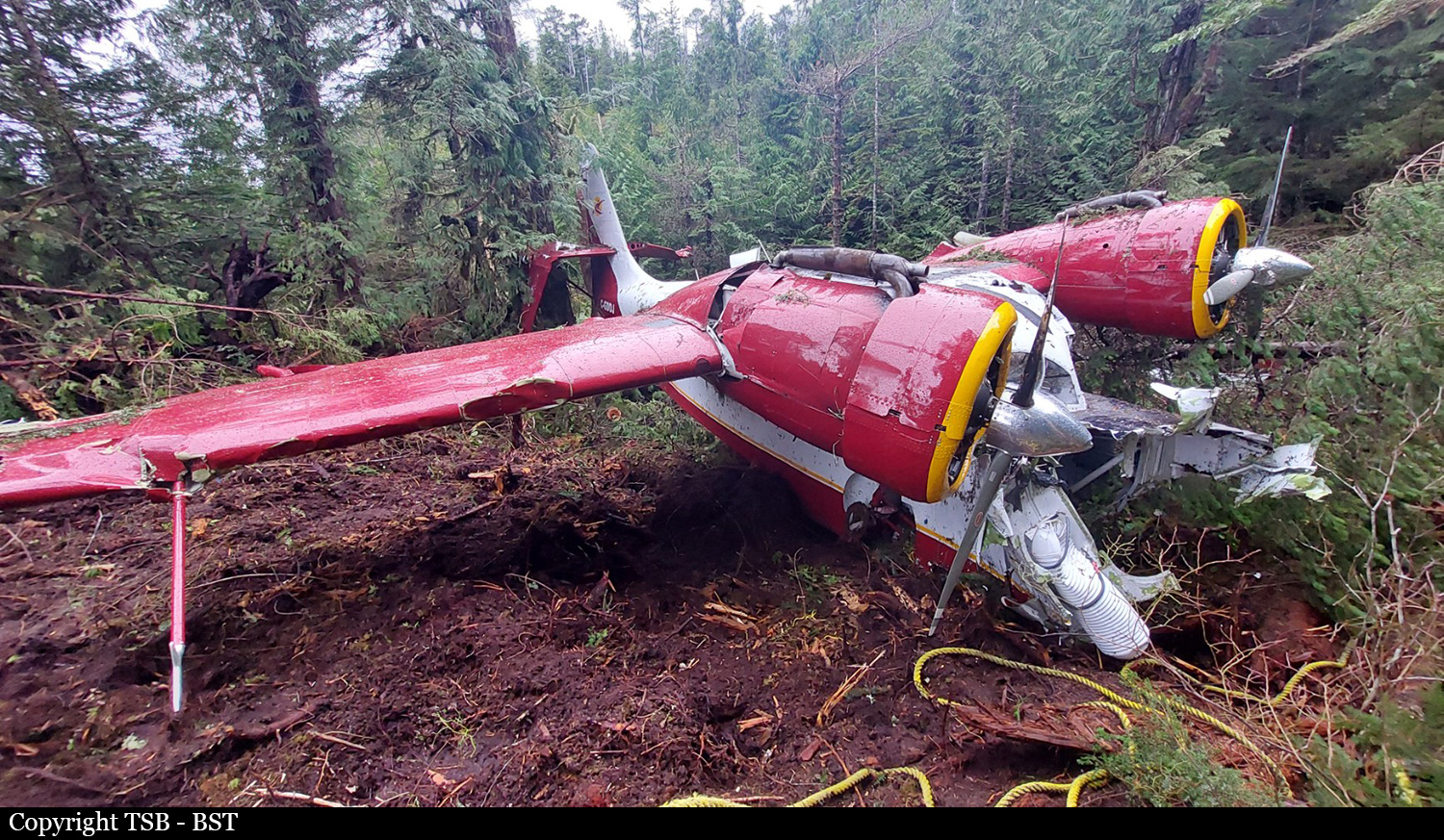
Crash of a Hawker 800XP in Ibadan

Date & Time: Nov 3, 2023 at 2018 LT
Type of aircraft:
Operator:
Registration:
5N-AMM
Survivors:
Yes
Schedule:
Abuja - Ibadan
MSN:
258286
YOM:
1995
Flight number:
IB500
Location:
Country:
Region:
Crew on board:
3
Crew fatalities:
Pax on board:
7
Pax fatalities:
Other fatalities:
Total fatalities:
0
Captain / Total flying hours:
3864
Captain / Total hours on type:
335.00
Copilot / Total flying hours:
2030
Copilot / Total hours on type:
1730
Aircraft flight hours:
10492
Aircraft flight cycles:
7195
Circumstances:
The airplane departed Abuja-Nnamdi Azikiwe Airport at 1941LT on a charter flight (IB500) to Ibadan, carrying seven passengers and three crew members. At 2013LT, the crew was cleared to land on runway 22 and continued the approach. On short final, the airplane impacted the first row of approach lights on the approach path, then touched down first with the right main landing gear, about 220 metres short of the threshold of the runway, and in the grass verge, followed shortly by the left main and nose landing gears respectively. The aircraft continued towards the paved area of the runway, impacting several other rows of approach lights along its path. A total of six impact points were observed. Subsequently, the aircraft entered the paved area and veered right of the centerline, runway 22. At about 156 metres from the threshold, the aircraft crossed the right runway shoulder and continued into the grass verge for a distance of about 184 metres before coming to a stop, partially impeded by vegetation. Number one tyre was found deflated and the nose landing gear collapsed. All 10 occupants disembarked safely.
The below preliminary report was quickly published by NSIB.
Final Report:
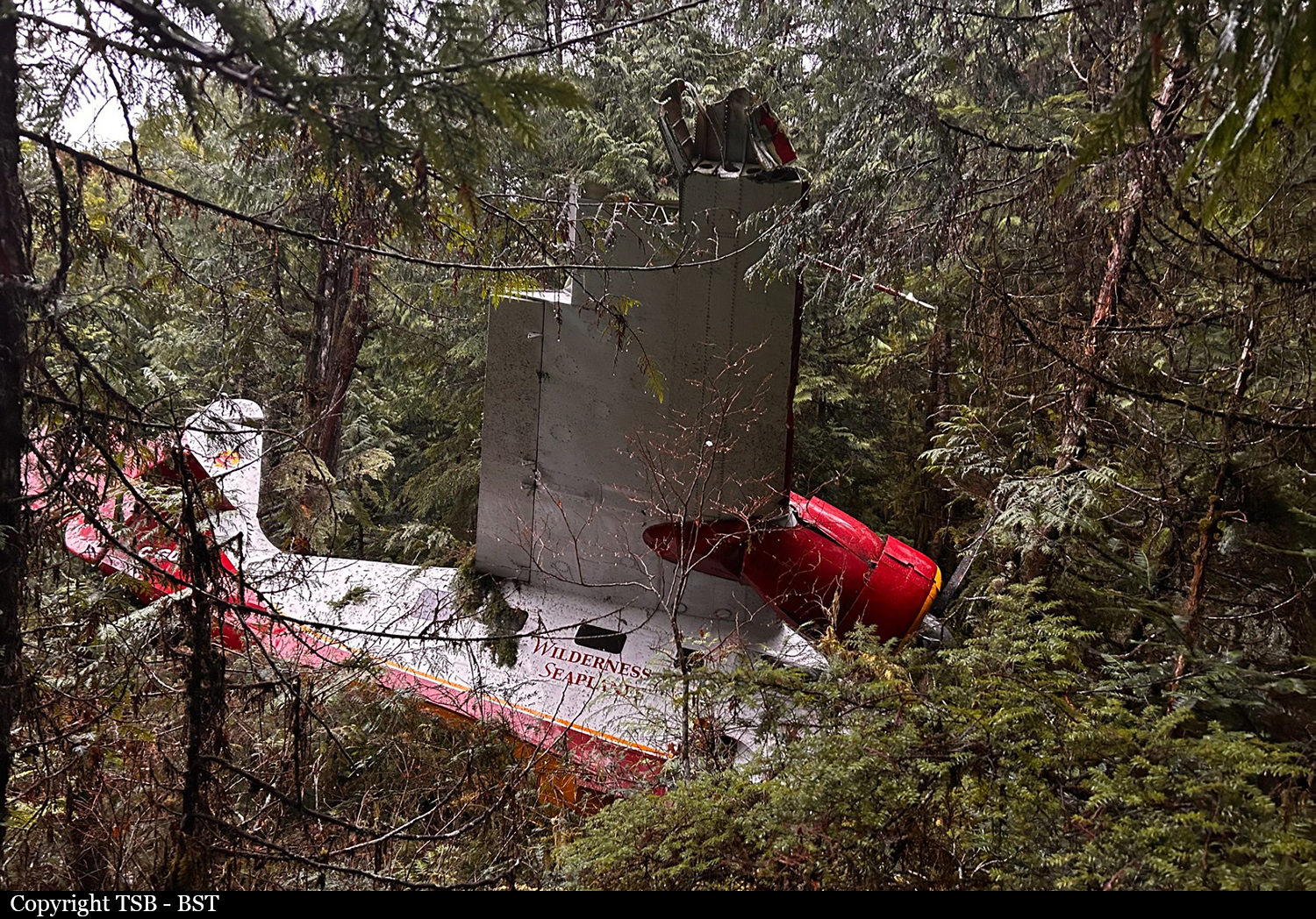
Crash of a Cessna 208B Grand Caravan in Rio Branco: 12 killed

Date & Time: Oct 29, 2023 at 0721 LT
Type of aircraft:

Operator:

Registration:
PT-MEE
Flight Phase:
Survivors:
No
Schedule:
Rio Branco – Envira
MSN:
208B-0344
YOM:
1993
Country:
Crew on board:
2
Crew fatalities:
Pax on board:
10
Pax fatalities:
Other fatalities:
Total fatalities:
12
Circumstances:
The airplane was on its way from Rio Branco to Envira, carrying two pilots and 10 passengers, among them three women and two children. Shortly after takeoff from Rio Branco-Plácido de Castro Airport, the single engine airplane went out of control and crashed in a dense wooded area, bursting into flames. It was totally destroyed by impact forces and a post crash fire and all 12 occupants were killed.

Crash of a Learjet 45 in Xalapa

Date & Time: Oct 4, 2023 at 1133 LT
Type of aircraft:
Operator:
Registration:
XA-JAO
Survivors:
Yes
Schedule:
Tuxtla Gutiérrez – Xalapa
MSN:
45-042
YOM:
1999
Country:
Crew on board:
2
Crew fatalities:
Pax on board:
5
Pax fatalities:
Other fatalities:
Total fatalities:
0
Circumstances:
After landing on runway 26 at Xalapa-El Lencero Airport, the airplane went out of control, veered off runway and came to rest in a bushy and grassy area. All seven occupants were rescued and the airplane was damaged beyond repair.