



Crash of a Fokker Super Universal in Carcross
Date & Time:
Nov 7, 1938
Registration:
CF-ATJ
Survivors:
Yes
MSN:
853
YOM:
1932
Crew on board:
0
Crew fatalities:
Pax on board:
0
Pax fatalities:
Other fatalities:
Total fatalities:
0
Circumstances:
Shortly after takeoff, while climbing, the float plane impacted a tree and crashed. There were no casualties.
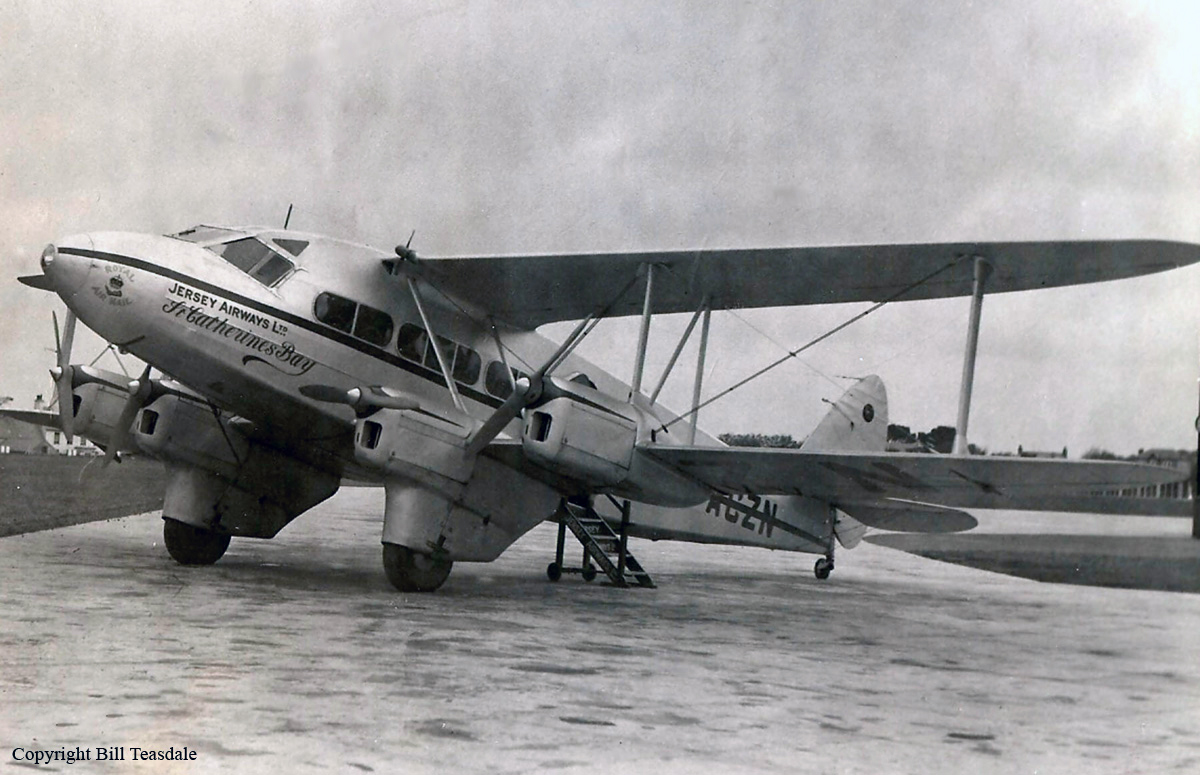
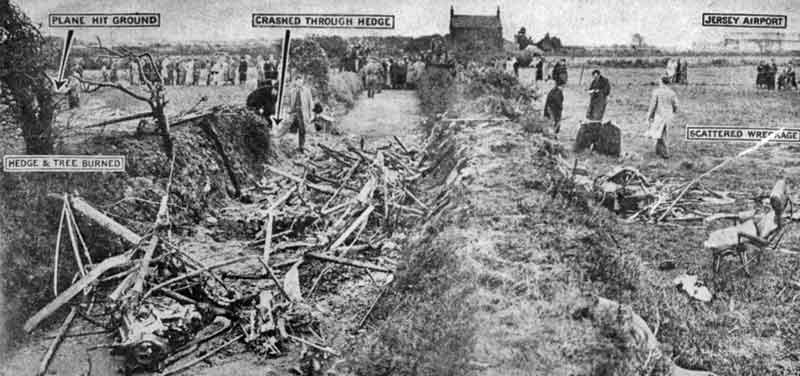
Crash of a De Havilland DH.86 Express in Jersey: 14 killed
Date & Time:
Nov 4, 1938 at 1050 LT
Operator:

Registration:
G-ACZN
Survivors:
No
Schedule:
Jersey – Southampton
MSN:
2316
YOM:
1934
Crew on board:
1
Crew fatalities:
Pax on board:
12
Pax fatalities:
Other fatalities:
Total fatalities:
14
Circumstances:
Less than a minute after takeoff from Jersey-States Airport, while climbing to a height of 120 feet, the twin engine aircraft named 'Saint Catherines Bay' entered clouds when the pilot initiated a turn to the left. The aircraft slid then stalled and crashed in an open field located 500 yards from the airport, bursting into flames. All 13 occupants were killed as well as a farmer who was working his field.
Probable cause:
It is believed that the pilot had allowed the De Havilland to fall into a side-slip while climbing through a low overcast, and at an insufficient altitude for him to regain control. The aircraft was seen to emerge from the cloud base at a height of around 120 feet and plunge to earth, and after impact it slid across the ground until it struck a solid earth bank, whereupon it burst into flames.
Crash of a Polikarpov P-5 near Kokpekty: 2 killed
Date & Time:
Nov 4, 1938
Operator:

Registration:
CCCP-L1622
Survivors:
Yes
Schedule:
Zaysan – Kokpekty – Semipalatinsk
MSN:
9196
YOM:
1934
Crew on board:
1
Crew fatalities:
Pax on board:
2
Pax fatalities:
Other fatalities:
Total fatalities:
2
Circumstances:
The pilot departed Kokpekty without any information about weather conditions. Few minutes after takeoff, he entered an area of snow falls and his decision to fly back was taken too late. While approaching Kokpekty at an insufficient altitude, he saw a hill and initiated a turn when the airplane crashed. The pilot was seriously injured and both passengers were killed.
Probable cause:
The decision of the pilot to leave Kokpekty without accurate weather information and later to fly at a too low altitude in poor visibility.
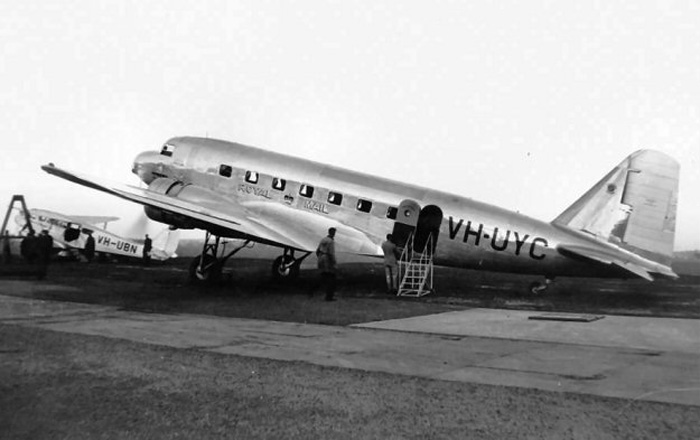
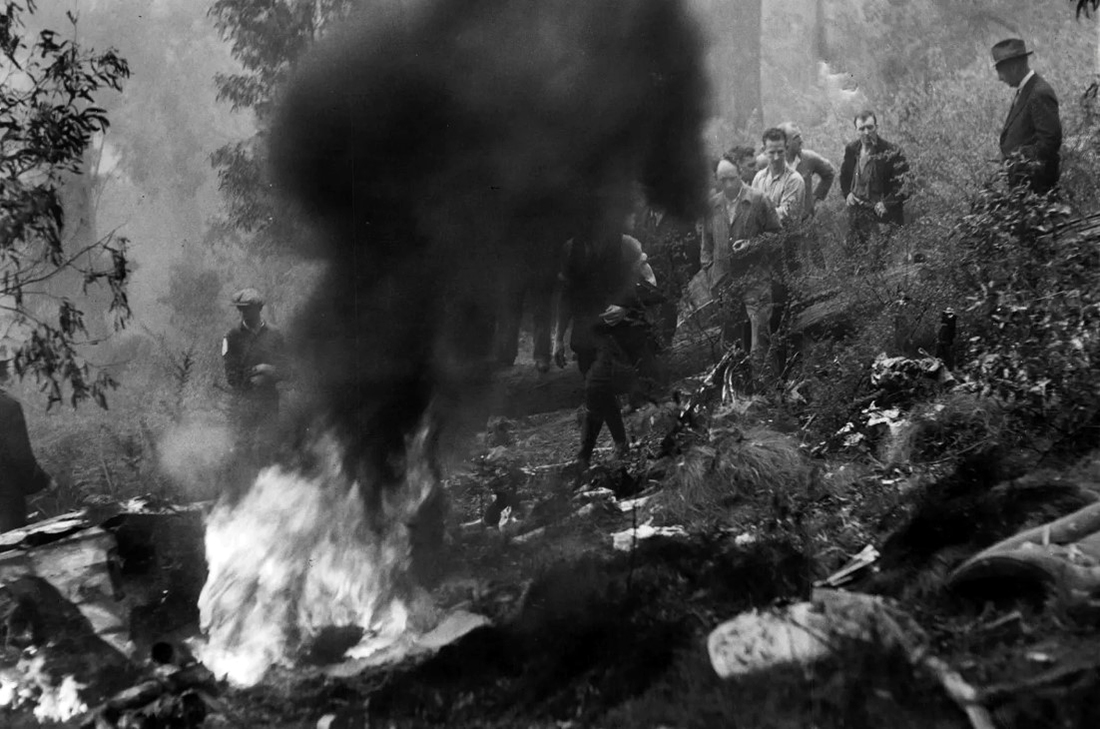
Crash of a Douglas DC-2-210 in Mont Dandenong: 18 killed
Date & Time:
Oct 25, 1938 at 1345 LT
Operator:

Registration:
VH-UYC
Survivors:
No
Schedule:
Adelaide – Melbourne
MSN:
1566
YOM:
1937
Crew on board:
4
Crew fatalities:
Pax on board:
14
Pax fatalities:
Other fatalities:
Total fatalities:
18
Circumstances:
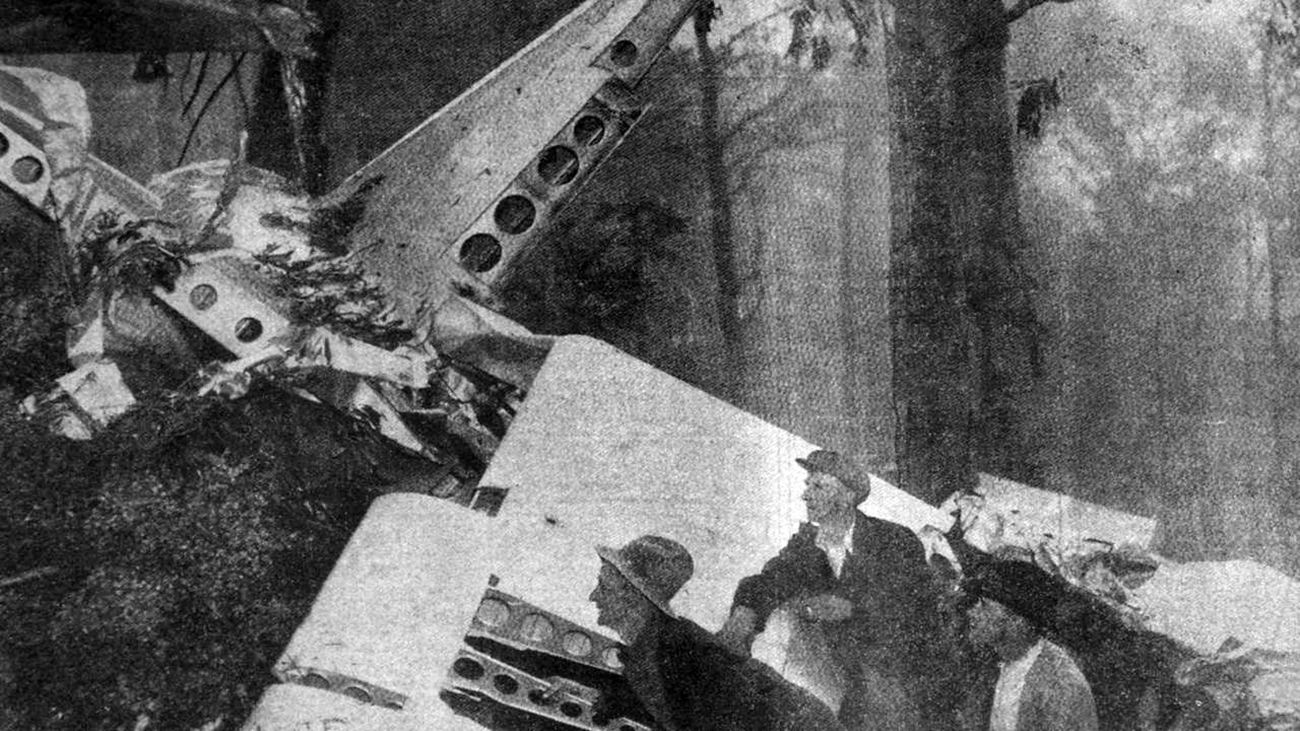
While descending to Melbourne, the crew lost his orientation and was unable to locate the airport of Essendon. The pilot continued the descent and the aircraft named 'Kyeema' went through a thick layer of cloud when it impacted trees and crashed in a wooded and hilly terrain located in Mont Dandenong, some 40 km east of Essendon Airport. The aircraft was destroyed by impact forces and a post crash fire and all 18 occupants were killed.
Crew:
A. C. Webb, pilot,
A. J. Steen, copilot,
Phillip Pring, pilot, acting as radio operator,
Elva Jones, stewardess,
Crew:
A. C. Webb, pilot,
A. J. Steen, copilot,
Phillip Pring, pilot, acting as radio operator,
Elva Jones, stewardess,
Probable cause:
The following deficiencies were identified as contributing to the accident:
1) The aircraft’s navigational log was either not kept or had not been properly utilized during the latter part of the flight, as required by the carrier;
2) The company’s procedure for descent through an overcast into this airport was not adopted, and
3) A request for a bearing from the aircraft was not received by the radio operator at the airport nor logged at any other operating station. Also noted in the investigative report was the lack in Australia of an ultra-high frequency (UHF) beacon network, and indeed, the crash of VH-UYC would prove pivotal in the development of the nation’s airway system.
1) The aircraft’s navigational log was either not kept or had not been properly utilized during the latter part of the flight, as required by the carrier;
2) The company’s procedure for descent through an overcast into this airport was not adopted, and
3) A request for a bearing from the aircraft was not received by the radio operator at the airport nor logged at any other operating station. Also noted in the investigative report was the lack in Australia of an ultra-high frequency (UHF) beacon network, and indeed, the crash of VH-UYC would prove pivotal in the development of the nation’s airway system.
Crash of a Douglas DC-2-112 in Montgomery
Date & Time:
Oct 18, 1938 at 2244 LT
Operator:

Registration:
NC13735
Survivors:
Yes
Schedule:
San Antonio – Houston – New Orleans – Mobile – Montgomery – Atlanta – Spartanburg – Charlotte – Greensboro – Richmond – Washington DC – Baltimore – Camden – Newark
MSN:
1261
YOM:
1934
Flight number:
EA002
Crew on board:
3
Crew fatalities:
Pax on board:
11
Pax fatalities:
Other fatalities:
Total fatalities:
0
Captain / Total hours on type:
2546.00
Copilot / Total hours on type:
1092
Circumstances:
After takeoff, while climbing to a height of 1,000 feet, the pilot retracted the landing gear when he felt several vibrations coming from the right engine. A fire erupted on the right engine and the crew decided to return to Montgomery. Because the situation deteriorated rapidly, the captain decided to attempt an emergency landing in a field located near the airport. The aircraft slid for few dozen metres before the right wing was partially torn off while contacting a tree. All occupants escaped uninjured, except the captain who was slightly burned. The aircraft was destroyed by a post crash fire.
Probable cause:
Fire in the right engine nacelle, resulting from progressive failure of engine parts, which increased in area and intensity to such an extent as to make it impossible to continue the aircraft in flight. The fire on the right engine was caused by the failure of the sixth cylinder.
Crash of a Simmonds Spartan Gipsy II in Mundaring Weir
Date & Time:
Oct 16, 1938
Operator:

Registration:
VH-URB
Survivors:
Yes
Schedule:
Perth – Adelaide
MSN:
63
YOM:
1932
Crew on board:
1
Crew fatalities:
Pax on board:
1
Pax fatalities:
Other fatalities:
Total fatalities:
0
Circumstances:
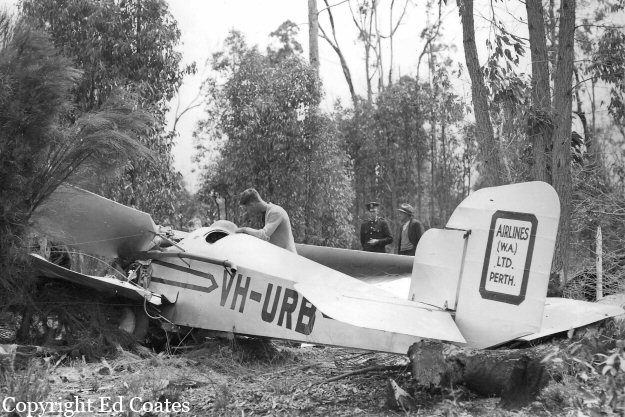
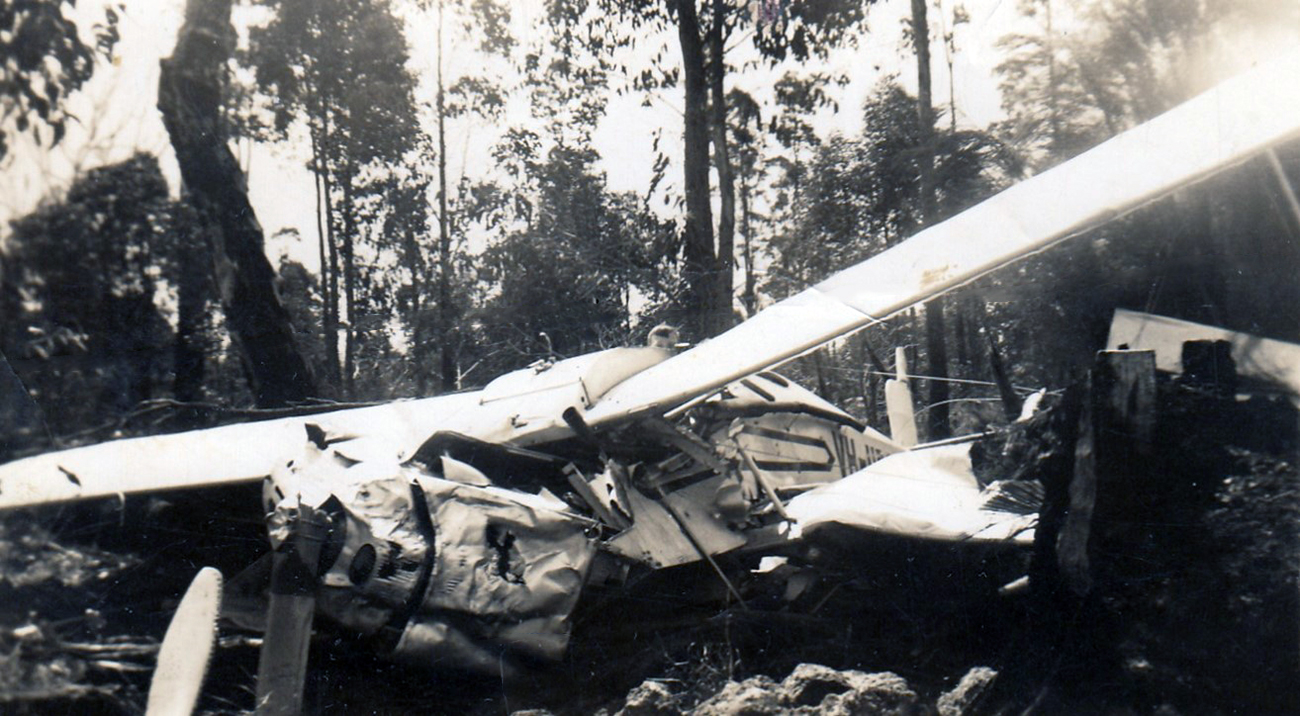
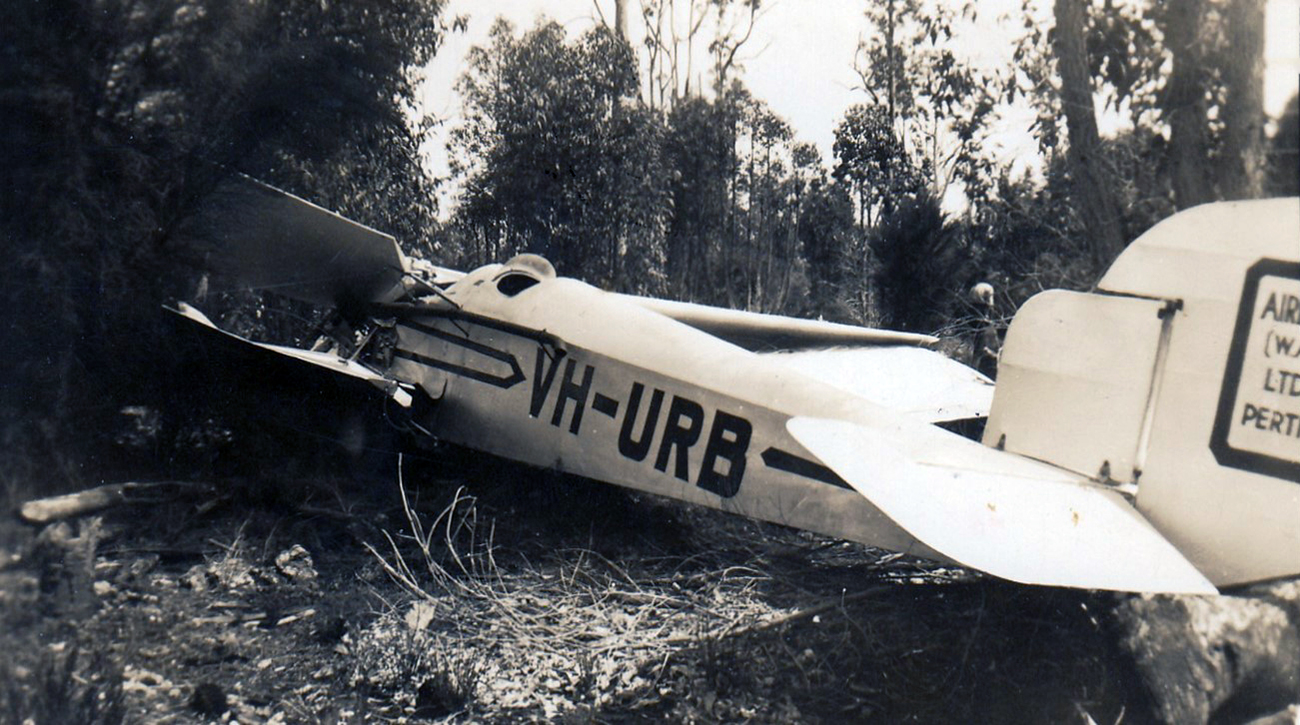
While overflying a hilly and wooded area, the pilot encountered downdraft and was unable to maintain control of the aircraft that crashed in a wooded area. Both occupants were injured and the aircraft was damaged beyond repair.
Probable cause:
Loss of control due to severe downdraft.
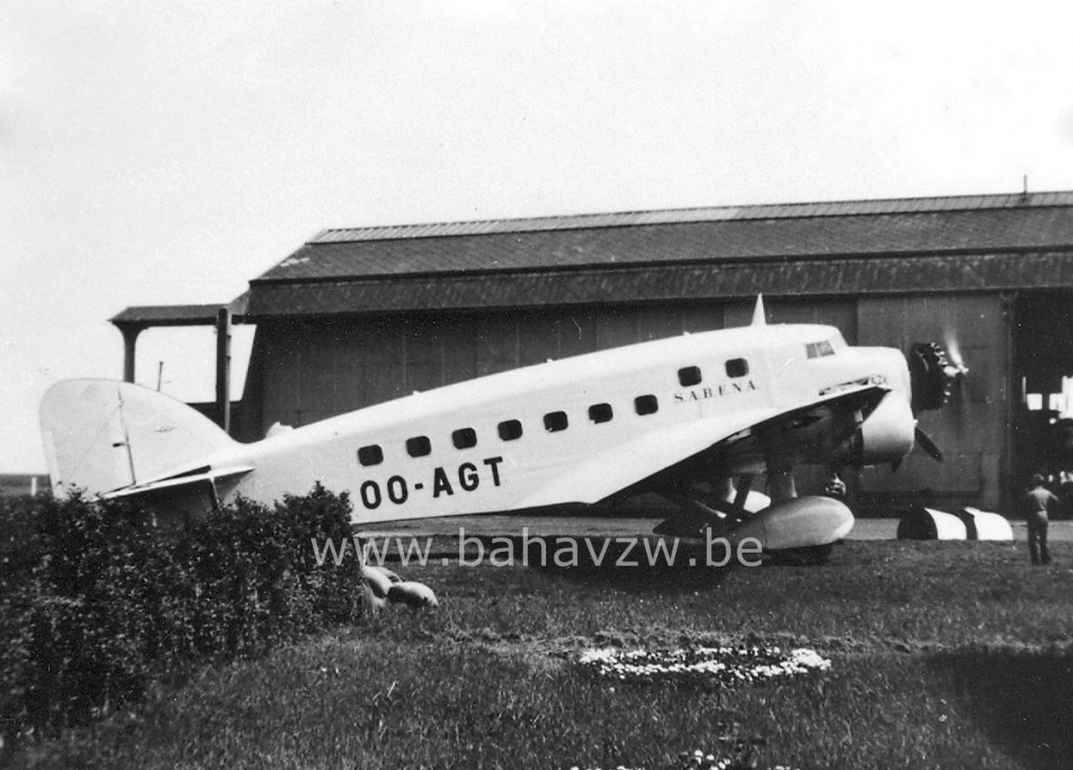
Crash of a Savoia-Marchetti SM.73 in Soest: 20 killed
Date & Time:
Oct 10, 1938 at 1100 LT
Operator:

Registration:
OO-AGT
Survivors:
No
Schedule:
Brussels – Düsseldorf – Berlin
MSN:
4
YOM:
1936
Crew on board:
4
Crew fatalities:
Pax on board:
16
Pax fatalities:
Other fatalities:
Total fatalities:
20
Circumstances:
On the leg from Düsseldorf to Berlin, while cruising at an altitude of 5,000 feet in fog and rain, the aircraft went out of control, dove into the ground and crashed in an open field. All 20 occupants were killed.
Crew:
Joseph Vanden Eynde, pilot,
André Edmond Moulin, copilot,
Josef Baus, radio operator,
Charles Deleusse, engineer.
Passengers:
Friedrich Luther,
Ernst Maurach,
Walter Kappes,
Mrs. Walter Kappes and three children,
Paul Ullmann +8.
Crew:
Joseph Vanden Eynde, pilot,
André Edmond Moulin, copilot,
Josef Baus, radio operator,
Charles Deleusse, engineer.
Passengers:
Friedrich Luther,
Ernst Maurach,
Walter Kappes,
Mrs. Walter Kappes and three children,
Paul Ullmann +8.
Probable cause:
Investigations were unable to determine the exact cause of the accident. There was speculation that a propeller may have broken, tearing loose an engine, or that the pilot may have attempted a sudden pullout from a rapid descent, the manoeuvre over stressing a wing and causing its failure.
Crash of a Junkers G.24 in Coruripe

Crash of a Junkers JU.52/3mte on Piz Cengalo: 13 killed
Date & Time:
Oct 1, 1938
Operator:

Registration:
D-AVFB
Survivors:
No
Schedule:
Frankfurt – Milan
MSN:
5928
YOM:
1938
Crew on board:
3
Crew fatalities:
Pax on board:
10
Pax fatalities:
Other fatalities:
Total fatalities:
13
Circumstances:
While overflying the Swiss Alps, the aircraft disappeared. As it failed to arrive in Milan, SAR operations were initiated but eventually suspended few weeks later as no trace of the aircraft nor the 13 occupant was found. A mountain guide found the wreckage 14 years later, on 14 July 1952, on the slope of the Piz Cengalo located at the border between Italy and Switzerland, on the Italian territory. Few mail bags were recovered and returned to local authorities.
Probable cause:
Controlled flight into terrain.

