Crash of a Douglas C-47-DL in Ribeirão Claro: 20 killed

Date & Time: Dec 1, 1949 at 1300 LT
Operator:
Registration:
PP-YPM
Flight Phase:
Survivors:
Yes
Site:
Schedule:
São Paulo – Jacarezinho – Londrina
MSN:
4241
YOM:
1941
Country:
Crew on board:
4
Crew fatalities:
Pax on board:
18
Pax fatalities:
Other fatalities:
Total fatalities:
20
Circumstances:
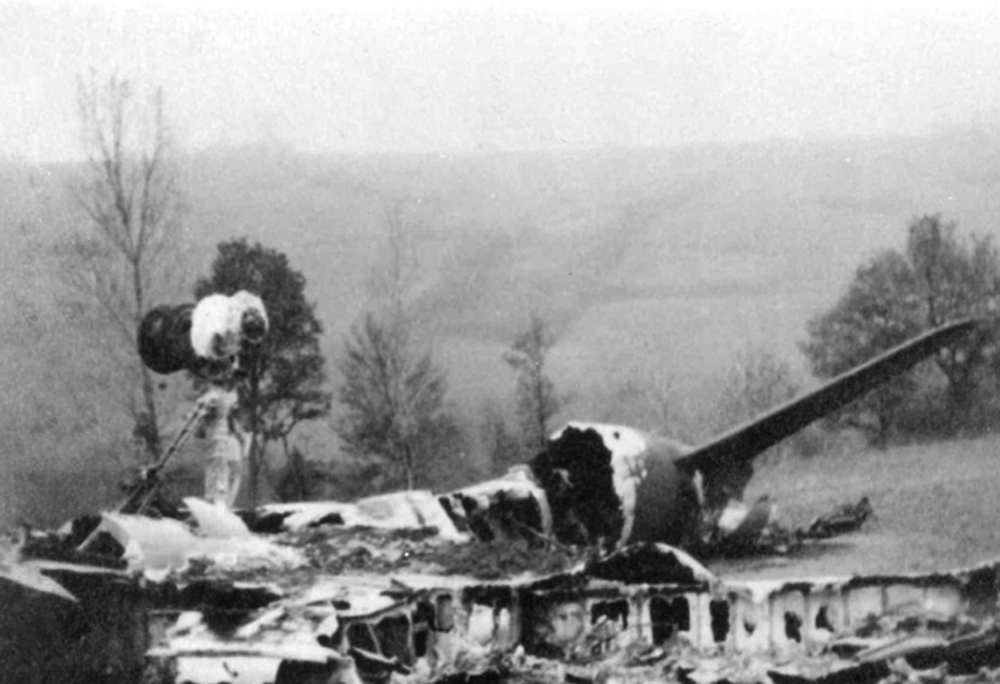
The aircraft left São Paulo-Congonhas Airport in the morning on a flight to Londrina with an intermediate stop in Jacarezinho. En route, the on board ADF system failed and the captain (aged 23) decided to return to Congonhas. But the operations forced the crew to continue the flight. Few minutes later, weather conditions worsened and the visibility was very bad due to low clouds and heavy rain falls. While cruising at an insufficient altitude, the aircraft hit the slope of the Serra dos Ruvina located near Ribeirão Claro. Two passengers, a woman and her kid aged 5 were rescued while all 20 other occupants were killed.
Probable cause:
It was determined that the captain was imprudent and showed a lack of discipline in continuing the flight in VFR mode in IMC conditions (poor visibility due to low clouds and heavy rain falls). Nevertheless, experts retained some responsibilities against the head of the operations who disallowed the pilot to return to Congonhas Airport and 'forced' him to continue the flight in spite of the poor weather conditions.

Crash of a Douglas C-54A-15-DC Skymaster in Saint-Just-Chaleyssin: 5 killed

Date & Time: Nov 29, 1949 at 1645 LT
Type of aircraft:
Operator:
Registration:
F-BELO
Survivors:
Yes
Schedule:
Paris – Lyon – Tunis
MSN:
10391
YOM:
1944
Country:
Region:
Crew on board:
5
Crew fatalities:
Pax on board:
33
Pax fatalities:
Other fatalities:
Total fatalities:
5
Circumstances:
On approach to Lyon-Bron Airport, the crew encountered poor weather conditions with fog. On final, the pilot in command descended to low when the aircraft hit a chestnut tree, overturned and crashed in flames in a field located in Saint-Just-Chaleyssin, about 15 km from runway 34 threshold. The aircraft was destroyed by a post crash fire and five people were killed, three crew members and two passengers.
Crew killed were:
Louis Villeval, pilot,
Pierre Vire, radio navigator,
Jean-Maurice Dauget, mechanic.
Passengers killed were:
Mr. & Mrs. Haick.

Crash of a Douglas DC-6 in Dallas: 28 killed

Date & Time: Nov 29, 1949 at 0549 LT
Type of aircraft:
Operator:
Registration:
N90728
Survivors:
Yes
Schedule:
New York – Washington DC – Dallas – Mexico City
MSN:
42895
YOM:
1947
Flight number:
AA157
Crew on board:
5
Crew fatalities:
Pax on board:
41
Pax fatalities:
Other fatalities:
Total fatalities:
28
Aircraft flight hours:
5260
Circumstances:
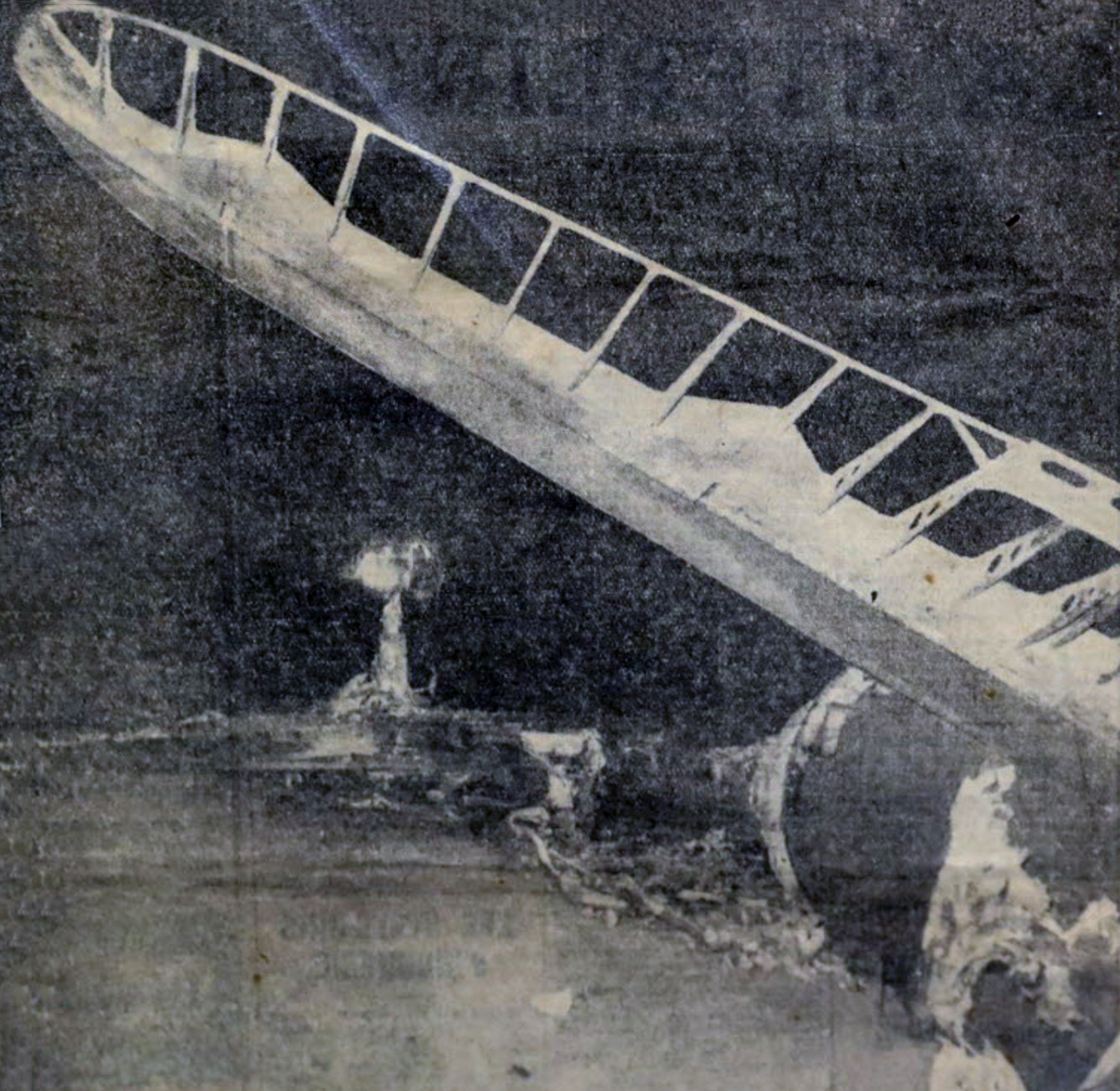
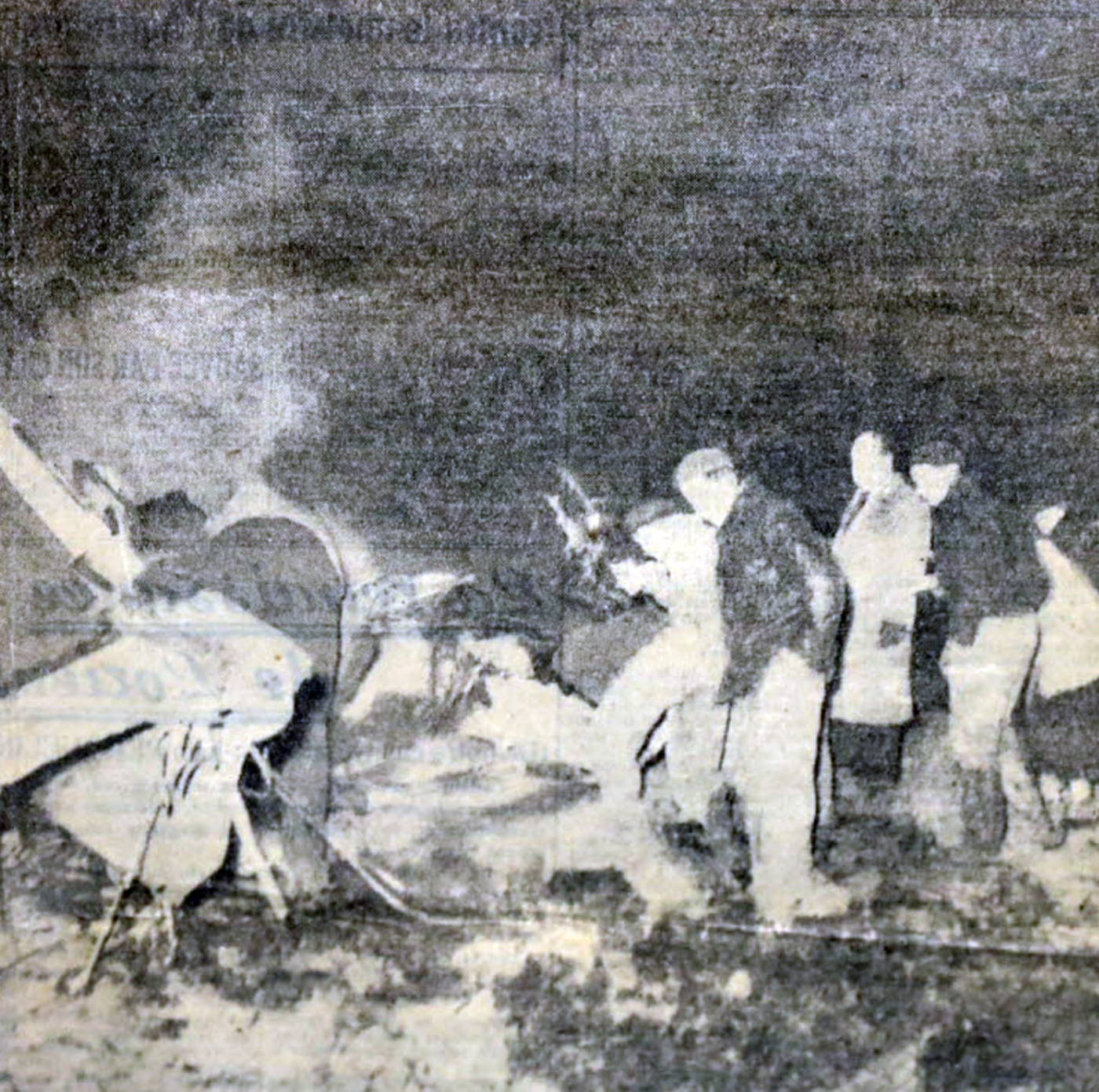
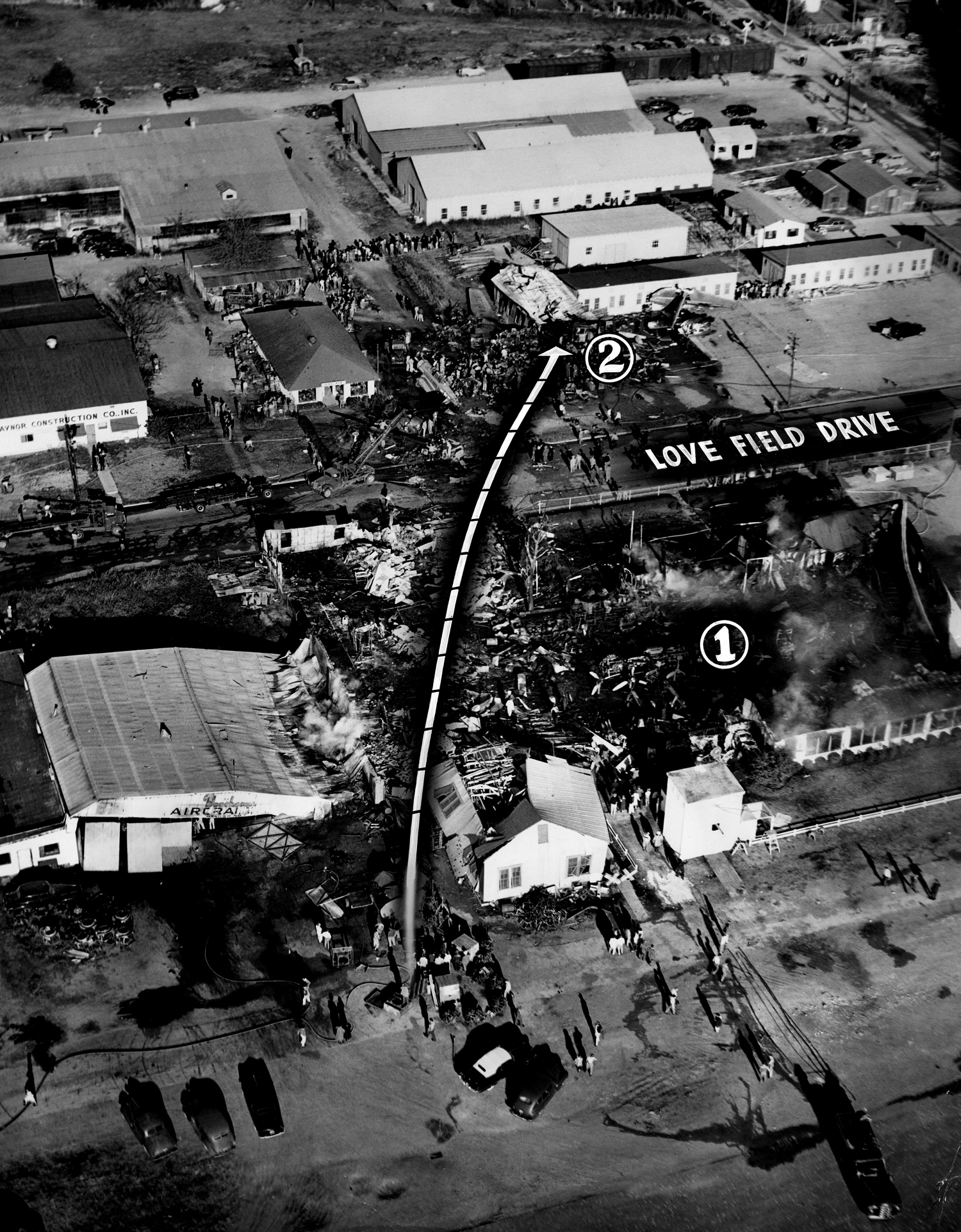
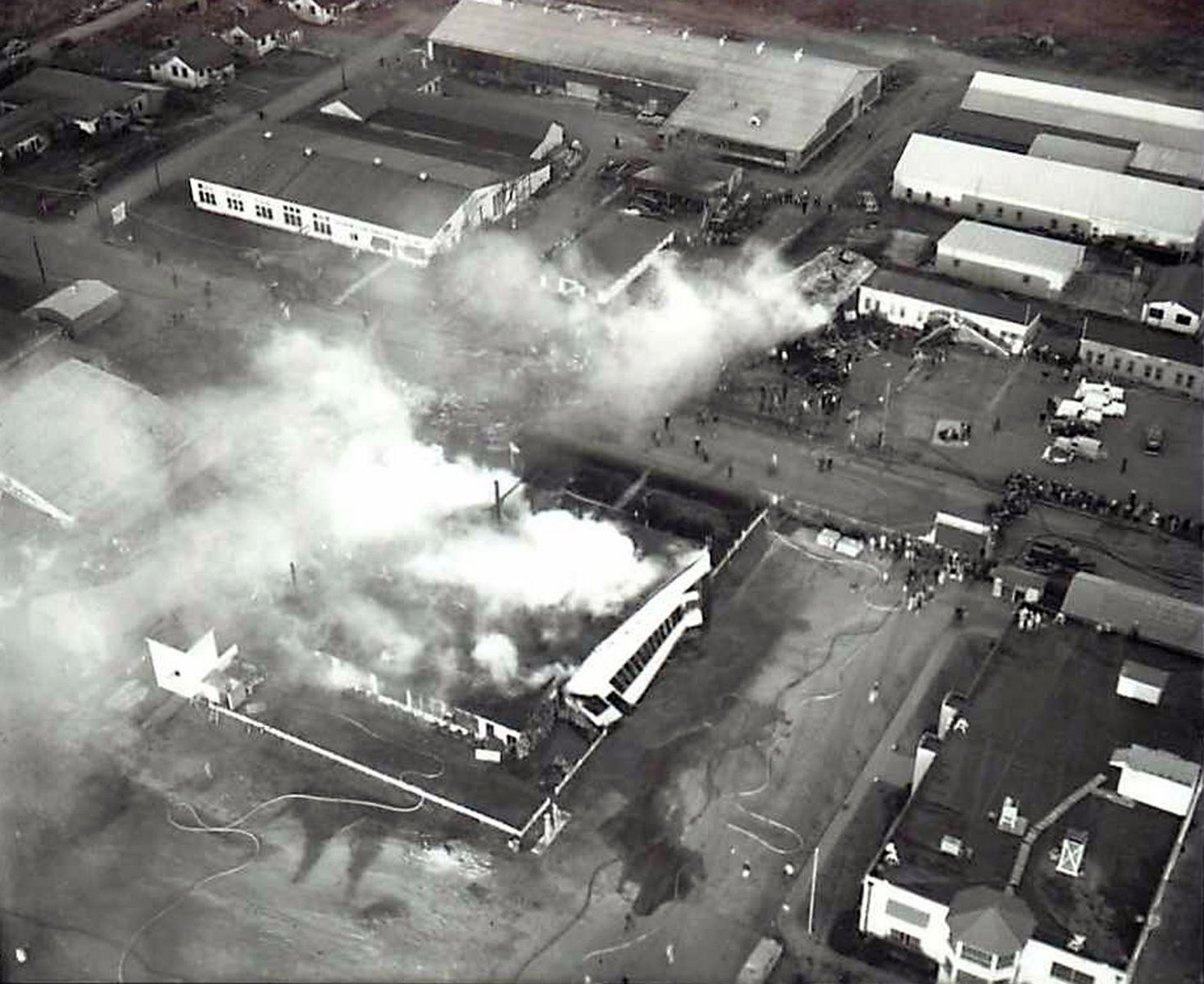
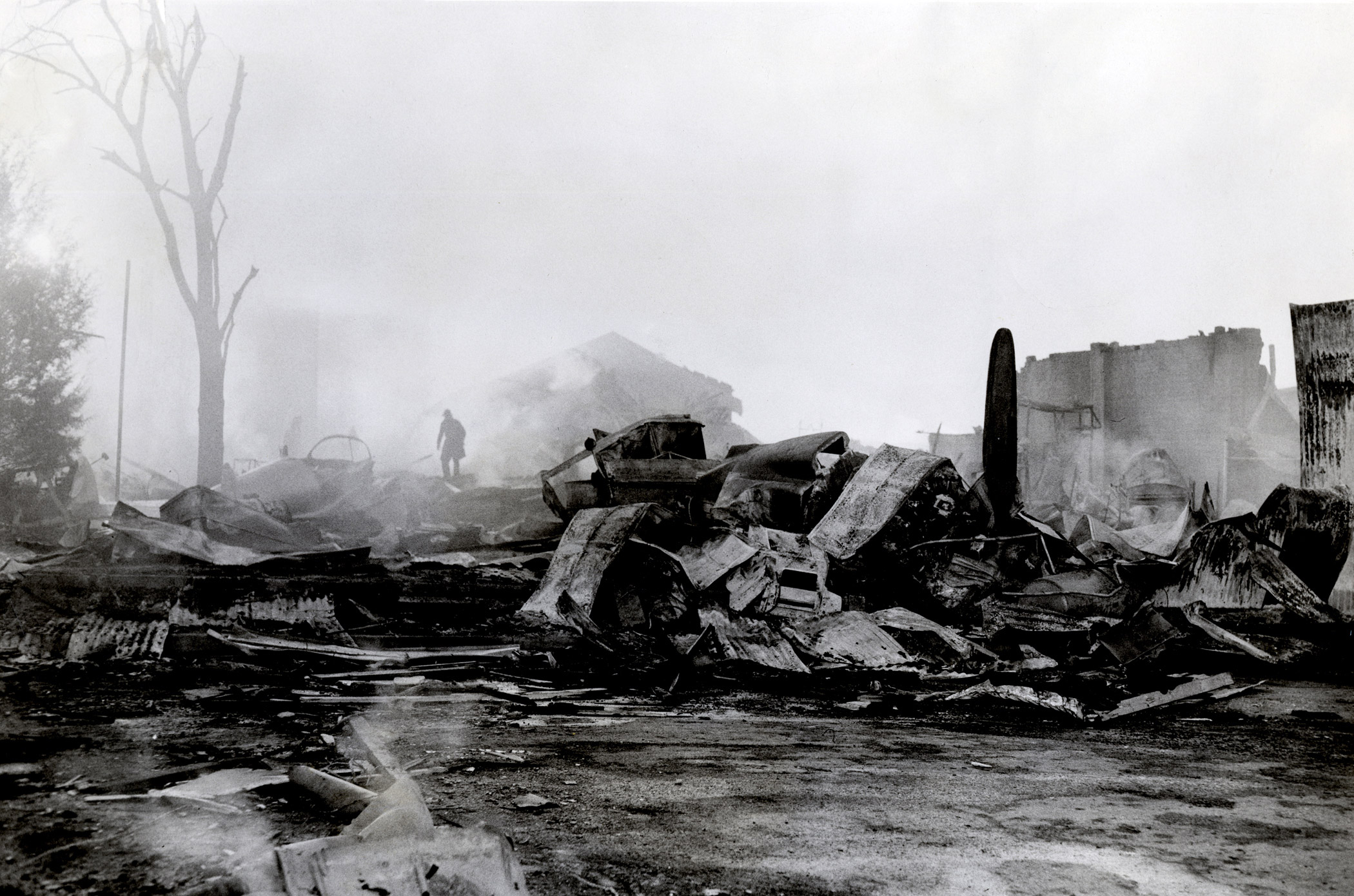
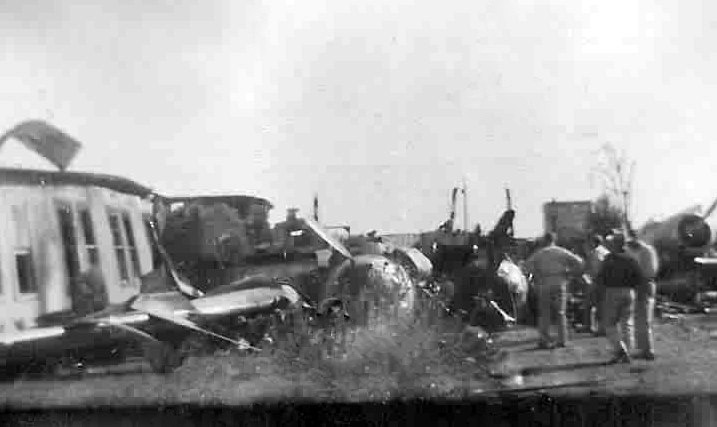
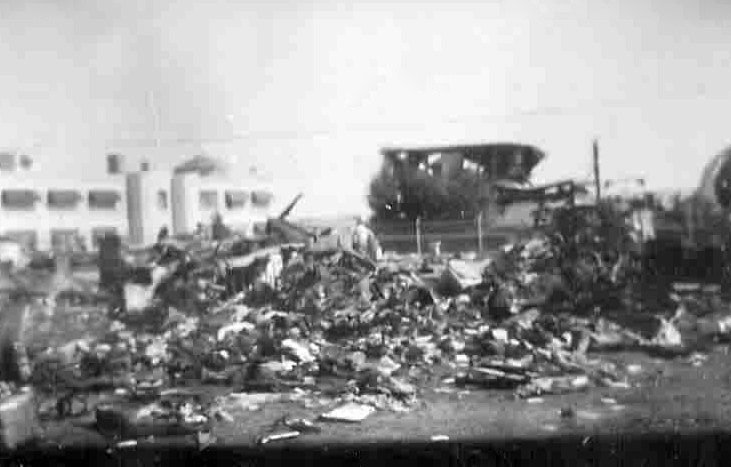
Flight 157 originated at LaGuardia Field, New York, for Mexico City, Mexico, with stops scheduled at Washington, D C., and Dallas, Tex. Departure from LaGuardia was at 2147, November 28 Between LaGuardia and Washington the flight was reported to be uneventful with all of the aircraft's components functioning normally. At Washington, a flight plan was filed with, and approved by, Airway Route Traffic Control It specified Instrument Flight Rules to Dallas, with Wichita Falls, Tex, as the alternate, a cruising altitude of 18,000 feet, and a flight time of 5 hours and 4 minutes The gross height of the aircraft at takeoff was 82,298 pounds, which was 3,577 pounds less than the maximum allowable gross weight of 85,875 pounds, and the disposable load was distributed so that the center of gravity was within prescribed limits. At 0206 the flight requested and received permission to change its flight plan to Visual Flight Rules A posit-,on report was made over Nashville at 16,000 feet at 0254 and a descent was started to 6,000 feet When approaching Nashville, 1 No 1 engine had started backfiring at intervals of about 20 seconds Various corrective measures, including the application of alcohol and carburetor heat, and the richening of fuel mixture, were applied but were not successful and the backfiring continued. The captain and the flight engineer discussed the malfunctioning following which No 1 engine was feathered at a point about 25 miles southwest of Nashville at approximately 0300, however, the feathering was not reported to the company until 0429, where the flight was in the vicinity of Altheimer, Ark, a routine position reporting point about 125 miles beyond Memphis At that time, the crew advised a change of aircraft on arrival at Dallas. When 15 miles northeast of Dallas, at 0536, the flight was given permission to enter the traffic pattern at Love Field, Dallas, with a right-hand turn and instructed to land on Runway 36 The altimeter setting of 29 83 inches and the weather, which included unlimited ceiling, a visibility of 15 miles and a north-northeast wind of 5 mph, were given the flight The captain and the flight engineer conferred regarding returning No 1 engine to service and decided against doing so. The crew then went through the pre-landing cheek The landing lights were turned or and the Plans were lowered to the 20 degree position. The flight turned -flight to final approach when approximately over the Range Station which is 2 2 miles south of the approach end of Runway 36 At this time its altitude was estimated to be 1200 feet AFL 2 by the captain and 800 feet AFL by the first officer At a distance of about 1 1/2 miles from the approach end of the runway, the landing gear was extended. Shortly thereafter the flaps were extended fully, the turn to final placed be aircraft to the left of the runway Accordingly an "S" turn was made to correct the misalignment During this "S" turn the aircraft skidded to Its left, the air speed dropped abruptly and the aircraft settled rapidly. At this point the captain increased power to engines Nos. 2, 3 and 4 in an attempt to maintain control. Control tower operators watching the approach estimated that the aircraft cleared by 75 to 100 feet obstruction lights mounted on 30-foot poles on a power line located 800 feet south of the approach end of the runway. The aircraft continued in a generally northwest direction, across the airport on a heading about 40 degrees to the left of Runway 36, in a tail low attitude. Its air speed continued to fall, its attitude became increasingly nose-high. and a stall developed just prior to striking a hangar and other buildings on the northwest side of the airport. Both pilots and 26 passengers were killed.
Probable cause:
It was determined that the accident was caused by a faulty execution of an engine-out approach on part of the crew.
The following findings were noted:
- The captain failed to align the aircraft with the runway centerline after the final turn,
- After realizing the misalignment, the captain attempted to correct it with a risky "S"-turn at low altitude. There is little room for error if a problem arises during this maneuver because as the angle of the bank increases, so does the probability of stalling the airplane,
- The crew made no attempt to balance the airplane’s fuel load after the No. 1 engine failed. The DC-6 is equipped with four main fuel tanks that serve individual engines, while a network of valves allow fuel to be transferred from one engine’s tank to feed other engines. The crew did not cross feed fuel from the tank serving the failed engine to balance the plane's weight as recommended in the flight operations manual. Flight 157 had flown for almost three hours with the No. 1 engine out, and the CAB concluded that the No. 1 main fuel tank was holding about 1,400 lbs (635 kg) more gasoline than the other three main tanks when the plane arrived at Love Field. The investigators primarily attributed the left wing’s sharp drop to the excessive weight of the fuel at its outboard end,
- The captain applied excessive rudder during the “S”-turn, causing a condition known in aviation terminology as a skid. This maneuver would have caused the plane’s airspeed to drop, and according to the CAB findings, it caused the fuel in the No. 4 main tank to slosh away from the fuel outlet, lowering the engine’s fuel pressure,
- The captain’s application of full throttle to both right-hand engines caused to airplane to turn further to the left due to the relative lack of thrust from the single functioning left-hand engine. This exacerbated his loss of directional control,
- The first officer disobeyed the captain’s order to raise the wing flaps, and did not tell the captain,
- The first officer misinterpreted the No. 4 engine’s fuel pressure drop as a sign of incipient engine failure and feathered the prop. However, the CAB partially exonerated Lewis for this act, concluding that the craft was so close to the ground at that point that his mistake probably had little influence on the final outcome,
- Excessive elevator input by the captain caused the aircraft to stall.
The CAB concluded that the accident could have been avoided if the crew had held the plane straight and level when the misalignment was first noticed, then raised the flaps, climbed to a safe altitude, circled the airport, and attempted another landing. The CAB concluded that there were no factors present that would compel the crew to land immediately despite the sloppy approach, such as rapidly deteriorating weather or a shortage of fuel.
Final Report:

Ground fire of a De Havilland DH.89A Dragon Rapide in Masindi

Date & Time: Nov 29, 1949
Registration:
VP-KFV
Flight Phase:
Survivors:
Yes
MSN:
6406
YOM:
1938
Location:
Country:
Region:
Crew on board:
1
Crew fatalities:
Pax on board:
0
Pax fatalities:
Other fatalities:
Total fatalities:
0
Circumstances:
A fire erupted when the pilot started the engines. He was able to vacate the cabin before the aircraft was destroyed by fire.

Crash of a Douglas C-47B-5-DK in Đông Khê: 10 killed

Date & Time: Nov 27, 1949 at 1600 LT
Operator:
Registration:
F-OABJ
Flight Phase:
Survivors:
No
MSN:
14429/25874
YOM:
1944
Country:
Region:
Crew on board:
2
Crew fatalities:
Pax on board:
8
Pax fatalities:
Other fatalities:
Total fatalities:
10
Circumstances:
En route, the twin engine aircraft was shot down and crashed near Đông Khê, killing all 10 occupants. The origine of the fire remains unknown.
Probable cause:
Shot down.

Crash of a Douglas C-47-DL in Bucaramanga: 12 killed

Date & Time: Nov 26, 1949
Operator:
Registration:
HK-305
Flight Phase:
Survivors:
No
Site:
Schedule:
Bucaramanga – Cúcuta
Country:
Crew on board:
3
Crew fatalities:
Pax on board:
9
Pax fatalities:
Other fatalities:
Total fatalities:
12
Circumstances:
Few minutes after takeoff, while climbing to an altitude of 2,000 feet in marginal weather conditions, the aircraft hit the slope of a mountain located in the north part of the Cordillera Oriental. All 12 occupants were killed.

Crash of a Bristol 170 Freighter 21E in Mahón

Date & Time: Nov 24, 1949
Type of aircraft:
Operator:
Registration:
EC-ADK
Survivors:
Yes
Schedule:
Barcelona – Mahón
MSN:
12777
YOM:
1946
Flight number:
AO201
Country:
Region:
Crew on board:
4
Crew fatalities:
Pax on board:
22
Pax fatalities:
Other fatalities:
Total fatalities:
0
Circumstances:
Apparently following a wrong approach configuration, the aircraft landed very hard. Unable to stop within the remaining distance, it overran, lost its undercarriage and the right engine before coming to rest. All 26 occupants were unhurt while the aircraft was damaged beyond repair.

Crash of a Douglas C-47A-90-DL in Yangon

Date & Time: Nov 17, 1949
Operator:
Registration:
HS-TA180
Survivors:
Yes
Schedule:
Bangkok – Yangon
MSN:
20583
YOM:
1944
Country:
Region:
Crew on board:
0
Crew fatalities:
Pax on board:
0
Pax fatalities:
Other fatalities:
Total fatalities:
0
Circumstances:
After touchdown in Yangon-Mingaladon Airport, the aircraft was unable to stop within the remaining distance. It overran and came to rest. There were no casualties but the aircraft damaged beyond repair.
Probable cause:
Failure of the brake systems upon landing.

Crash of a Savoia-Marchetti SM.95 in Villa Cisneros

Date & Time: Nov 15, 1949
Type of aircraft:
Operator:
Registration:
I-LATI
Survivors:
Yes
Schedule:
Rome – Marseille – Barcelona – Casablanca – Villa Cisneros – Dakar – Natal – Recife – Caravelas – Vitoria – Rio de Janeiro – Porto Alegre – Montevideo – Buenos Aires – Santiago de Chile
MSN:
41017
YOM:
1948
Region:
Crew on board:
5
Crew fatalities:
Pax on board:
12
Pax fatalities:
Other fatalities:
Total fatalities:
0
Circumstances:
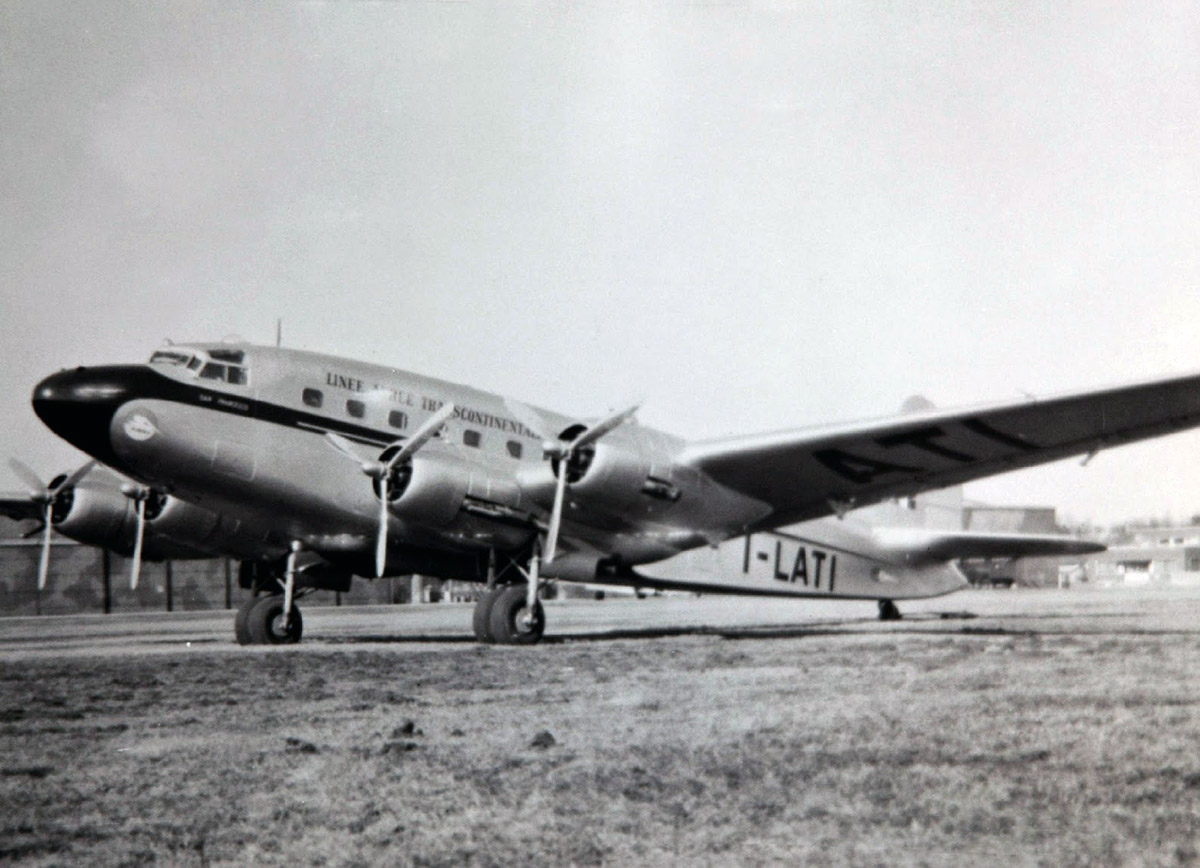
Mislanding in Villa Cisneros in unknown circumstances. There were no casualties but the aircraft was considered as damaged beyond repair. The accident occurred in November 1949 (exact date remains unknown).

Crash of a Lisunov LI-2P in Pécs: 6 killed

Date & Time: Nov 14, 1949 at 1034 LT
Type of aircraft:
Operator:
Registration:
HA-LIK
Survivors:
Yes
Site:
Schedule:
Budaörs – Pécs
MSN:
184 275 01
YOM:
1951
Location:
Country:
Region:
Crew on board:
6
Crew fatalities:
Pax on board:
1
Pax fatalities:
Other fatalities:
Total fatalities:
6
Circumstances:
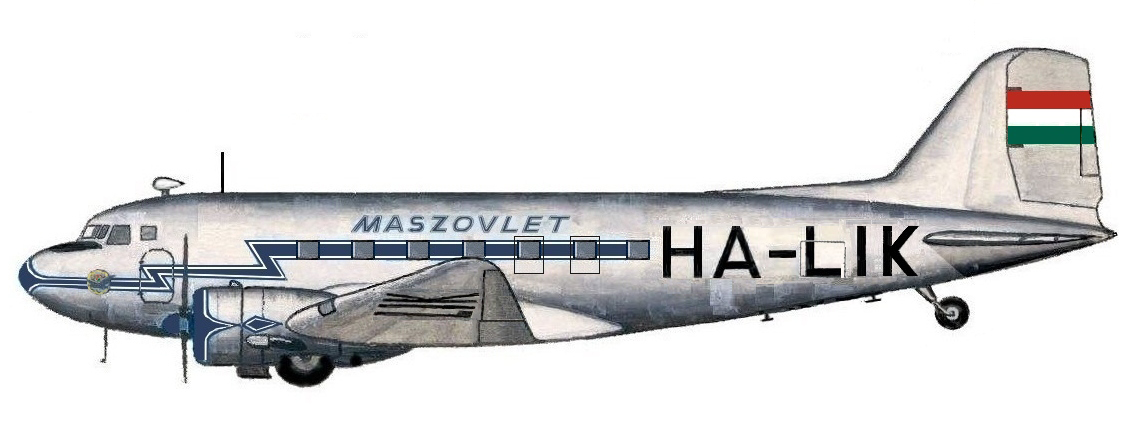
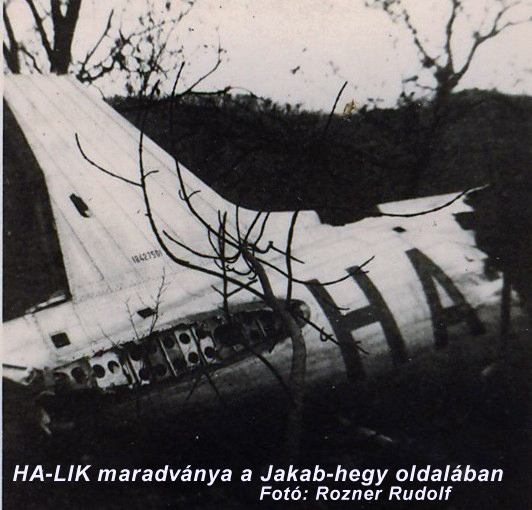
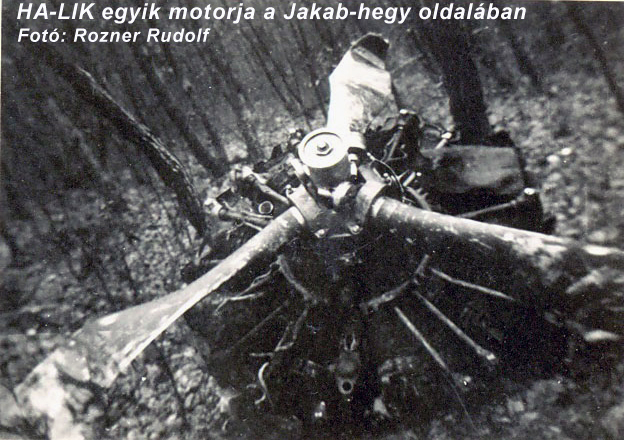
The aircraft left Budaörs Airport (west of Budapest City) at 0934LT bound for Pécs-Pogány Airport with one passenger and a crew of six. At this time, the weather at destination was as follow: horizontal visibility 4 km with a ceiling at 320 meters. Upon arrival, these conditions worsened and the ceiling dropped to 240 meters. At 1028LT, the pilot started a visual approach and while at a height of 150 meters, he told ATC he did not need the ground transmitter that was switched off. Three minutes later, as he was unable to locate the runway, he started a go around and made a turn to the right. Shortly later, while flying in clouds, the airplane hit trees and crashed in a wooded area located on Mt Jakab, few km from the airport. A crew member was seriously injured while six other occupants were killed.
Source & photos: http://www.li-2.hu/
Probable cause:
After he started the go around maneuver, it was reported that the pilot in command made a turn to the right which was against the published procedures that specified a turn to the left.