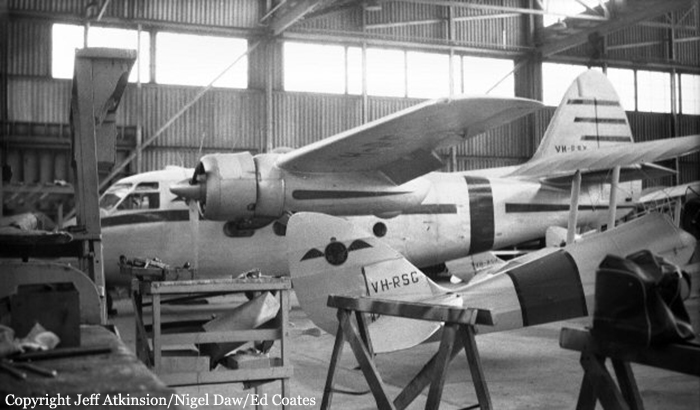
Crash of an Antonov AN-2 near the Santash Pass: 9 killed

Date & Time: Jan 3, 1961
Type of aircraft:
Operator:
Registration:
CCCP-25482
Flight Phase:
Survivors:
No
Site:
Schedule:
Frunze - Przhevalsk - Kegen
MSN:
1 42 473 18
YOM:
1954
Country:
Region:
Crew on board:
2
Crew fatalities:
Pax on board:
7
Pax fatalities:
Other fatalities:
Total fatalities:
9
Aircraft flight hours:
4270
Circumstances:
Seven passengers embarked at Przhevalsk Airport and after takeoff, the crew climbed to the altitude of 2,700 meters in a visibility of 5 km. After passing the Santash Pass, weather conditions worsened and the visibility dropped below minimums. The captain decided to reduce his altitude and to continue below the clouds. In a visibility reduced to one km due to snow falls and at high speed, the single engine airplane struck a snow covered hill and disintegrated on impact. All nine occupants were killed.
Probable cause:
The decision of the captain to reduce his altitude without ATC clearance and to continue the flight in a visibility that was below minimums until impact with the ground. A poor flight preparation on part of the crew was considered as a contributing factor.

Crash of a Douglas C-47A-90-DL in Cebu City: 28 killed

Date & Time: Dec 22, 1960 at 1131 LT
Operator:
Registration:
PI-C126
Flight Phase:
Survivors:
Yes
Schedule:
Manila – Cebu City – Davao City
MSN:
20593
YOM:
1944
Flight number:
PR085
Location:
Country:
Region:
Crew on board:
3
Crew fatalities:
Pax on board:
35
Pax fatalities:
Other fatalities:
Total fatalities:
28
Aircraft flight hours:
18611
Circumstances:
Just after liftoff from runway 03, while in initial climb, the captain informed ATC about the failure of the left engine. He received the permission to return for an emergency landing but the airplane stalled, banked left and crashed in a huge explosion about 4 km from the airfield. Both pilots and 26 passengers were killed while nine other occupants were injured.
Probable cause:
The accident was caused by the malfunctioning of the left engine shortly after take-off but after V2 (the takeoff safety speed). Contributing factors were:
- The darkness of the night which limited the visibility of the pilot during the emergency,
- The inappropriate emergency procedure(s) carried out, or resorted to by the pilot.

Crash of a De Havilland DH.89A Dragon Rapide in Kota Kinabalu

Date & Time: Dec 21, 1960
Operator:
Registration:
VR-OAC
Survivors:
Yes
MSN:
6812
YOM:
1944
Country:
Region:
Crew on board:
1
Crew fatalities:
Pax on board:
4
Pax fatalities:
Other fatalities:
Total fatalities:
0
Circumstances:
On final approach to Kota Kinabalu Airport, the twin engine aircraft stalled and crashed at Jesselton Point, about 5 km from runway 20 threshold. All five occupants were injured and the aircraft was written off.

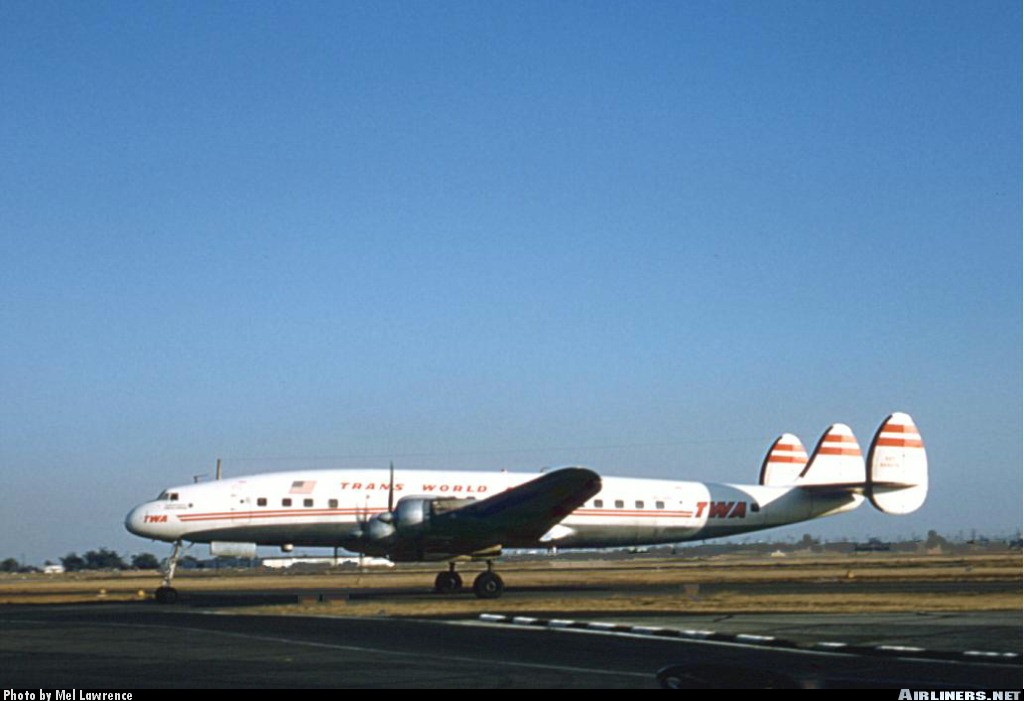
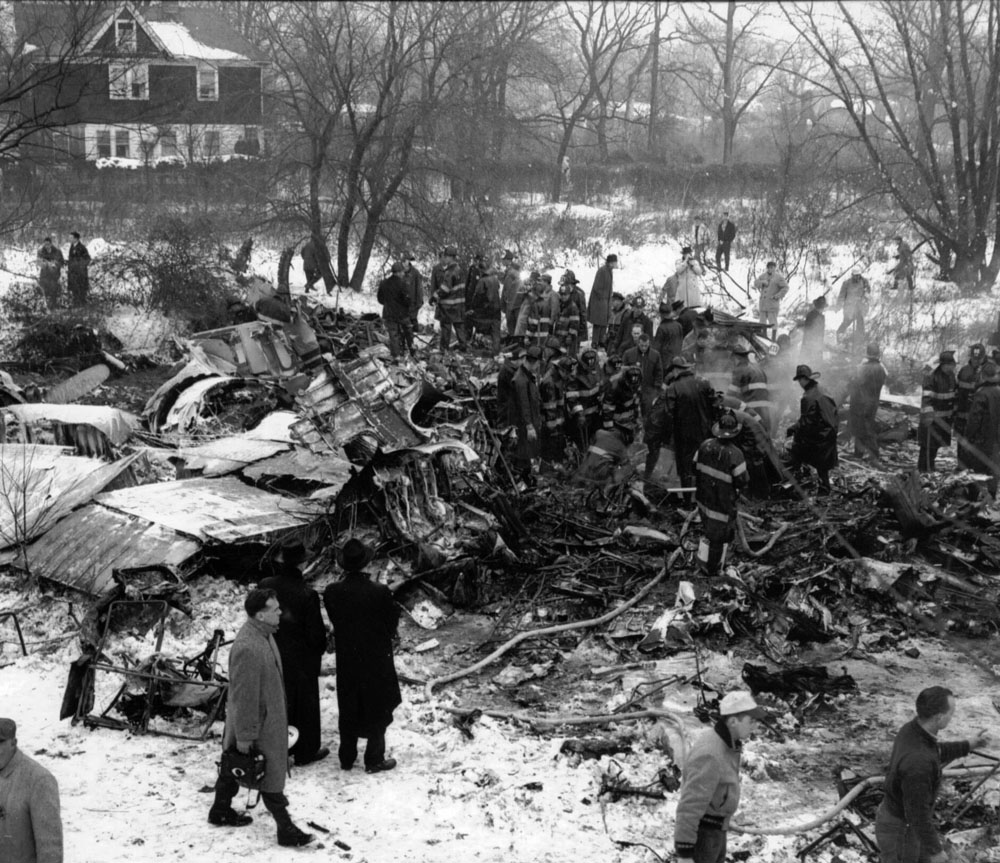
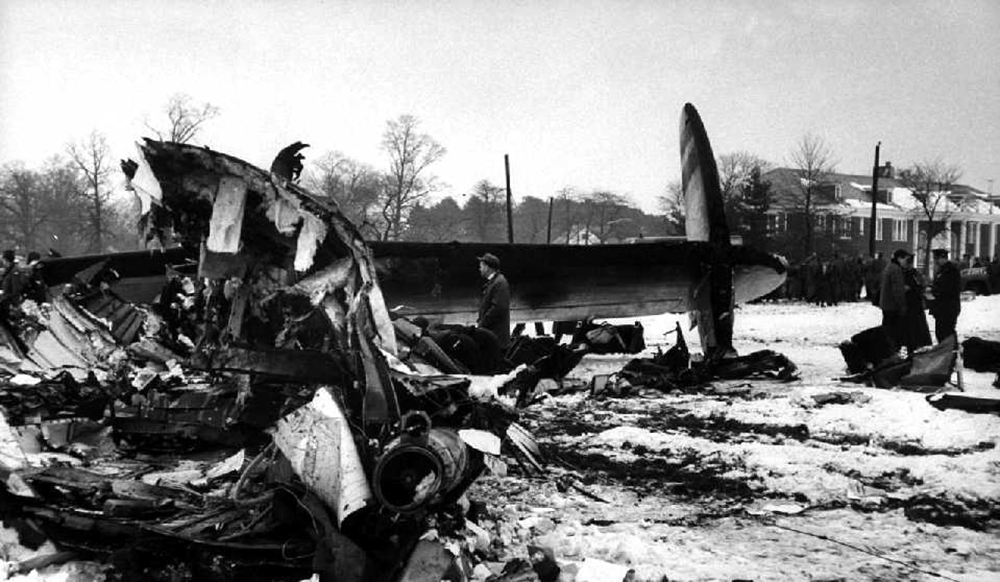
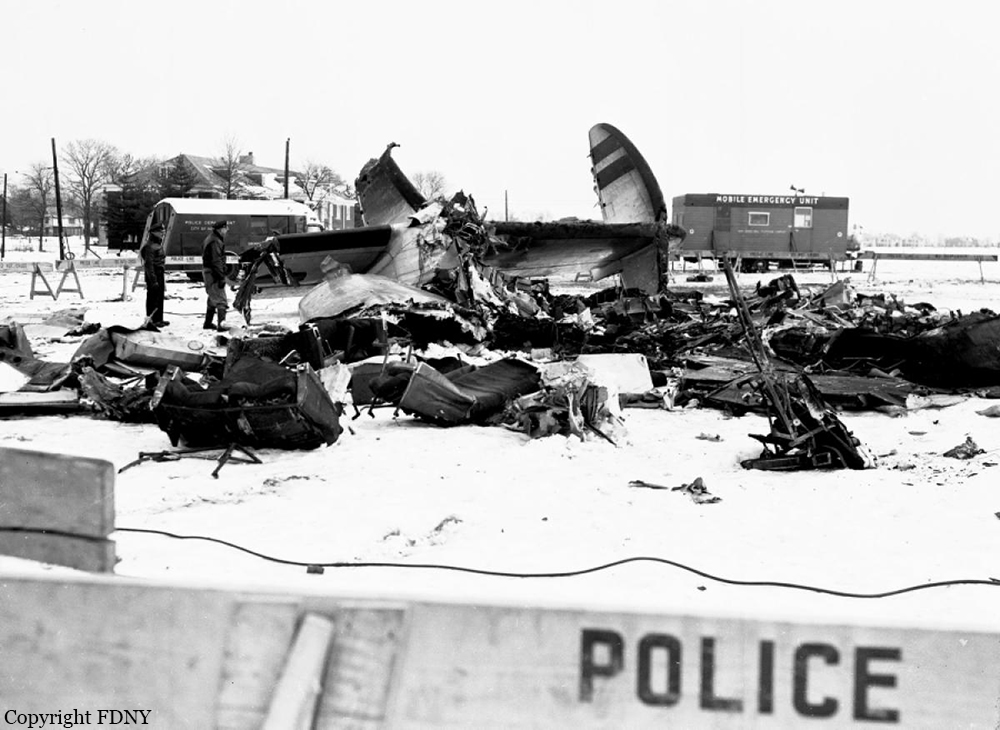
Crash of a Lockheed L-1049 Super Constellation in New York: 44 killed

Date & Time: Dec 16, 1960 at 1033 LT
Operator:
Registration:
N6907C
Survivors:
No
Site:
Schedule:
Dayton – Columbus – New York
MSN:
4021
YOM:
1952
Flight number:
TW266
Crew on board:
6
Crew fatalities:
Pax on board:
38
Pax fatalities:
Other fatalities:
Total fatalities:
44
Captain / Total flying hours:
14583
Captain / Total hours on type:
267.00
Copilot / Total flying hours:
6411
Copilot / Total hours on type:
268
Aircraft flight hours:
21555
Circumstances:
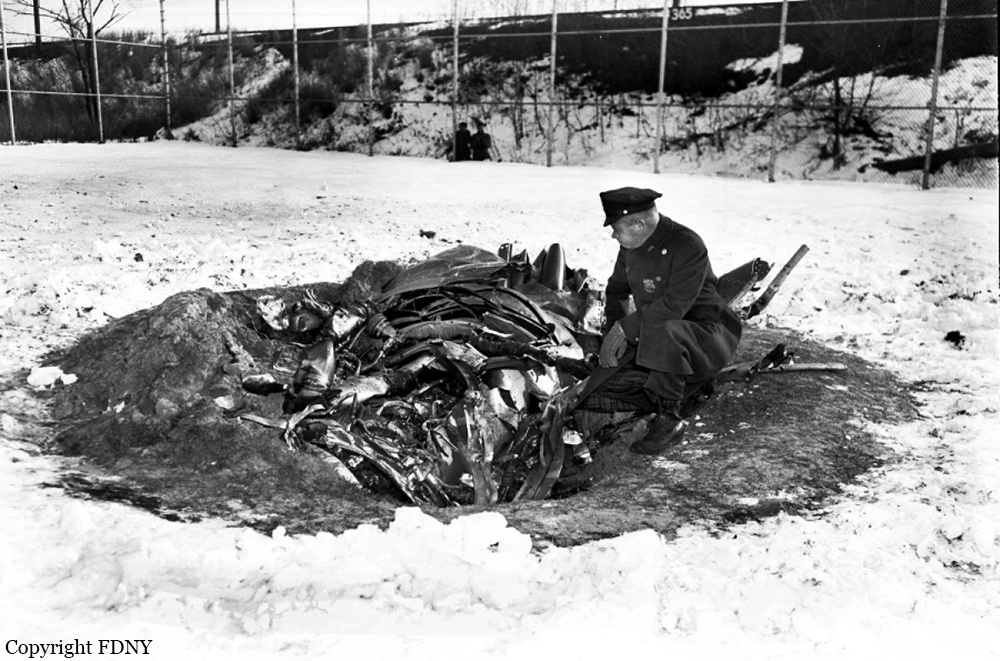
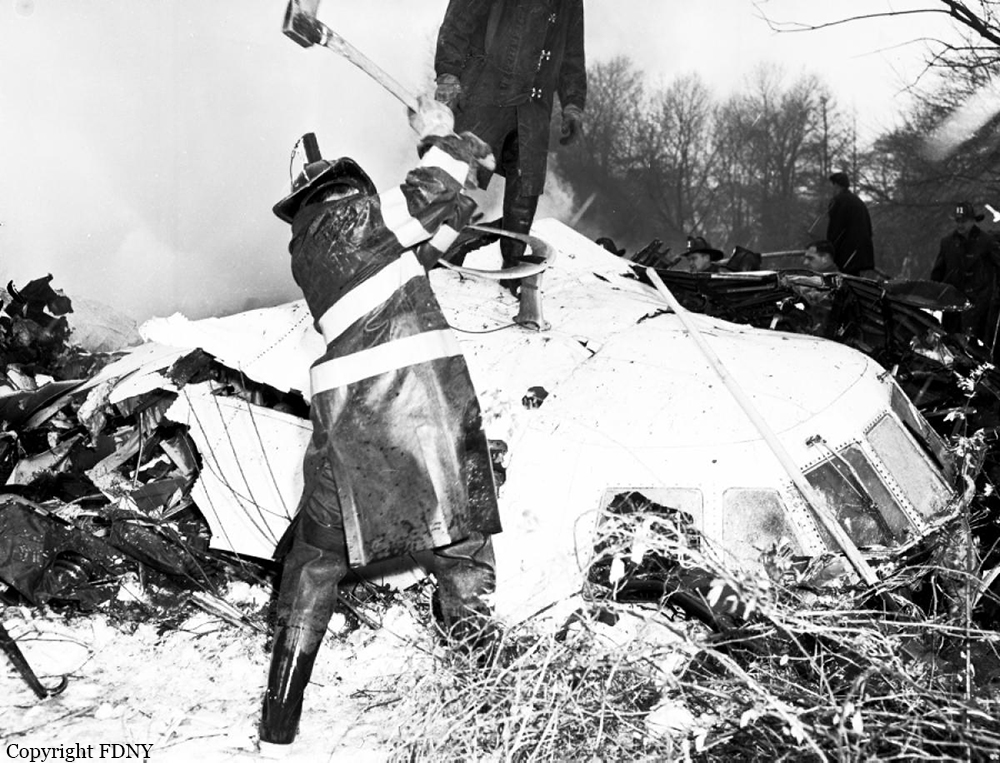
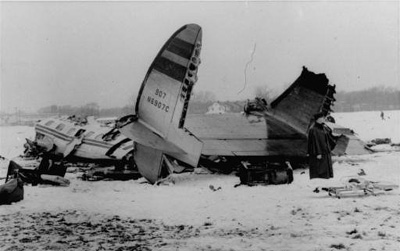
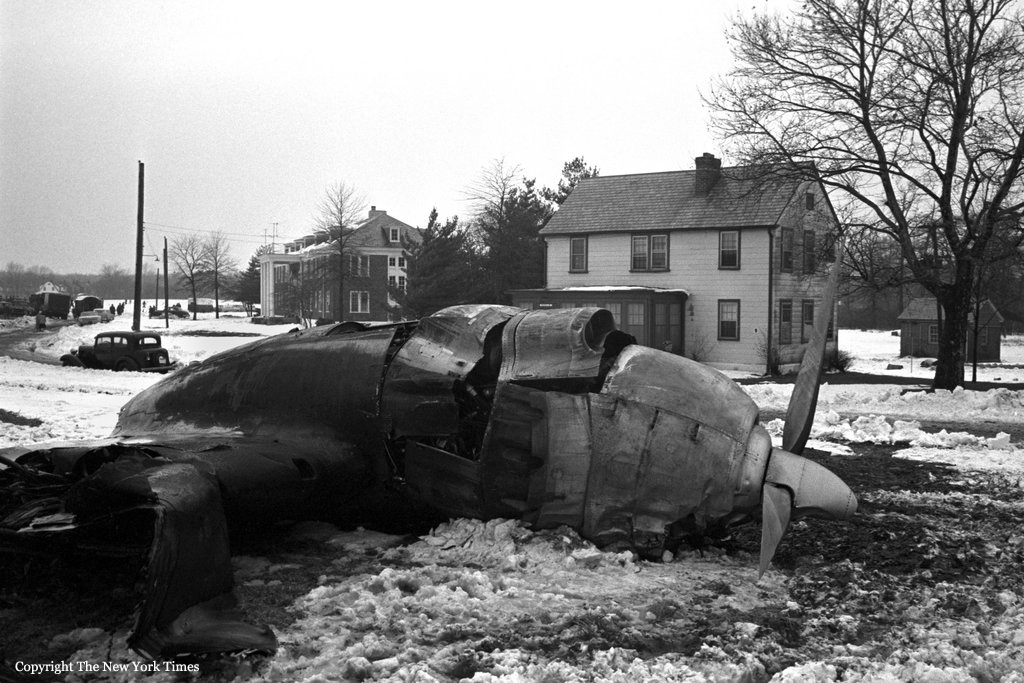
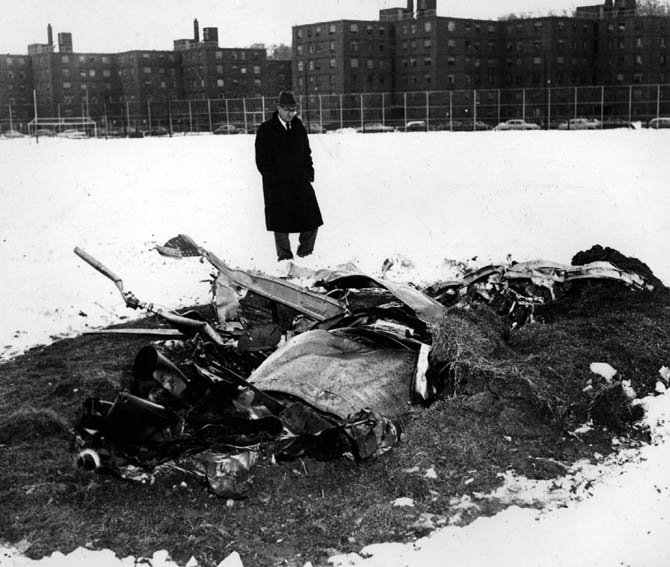
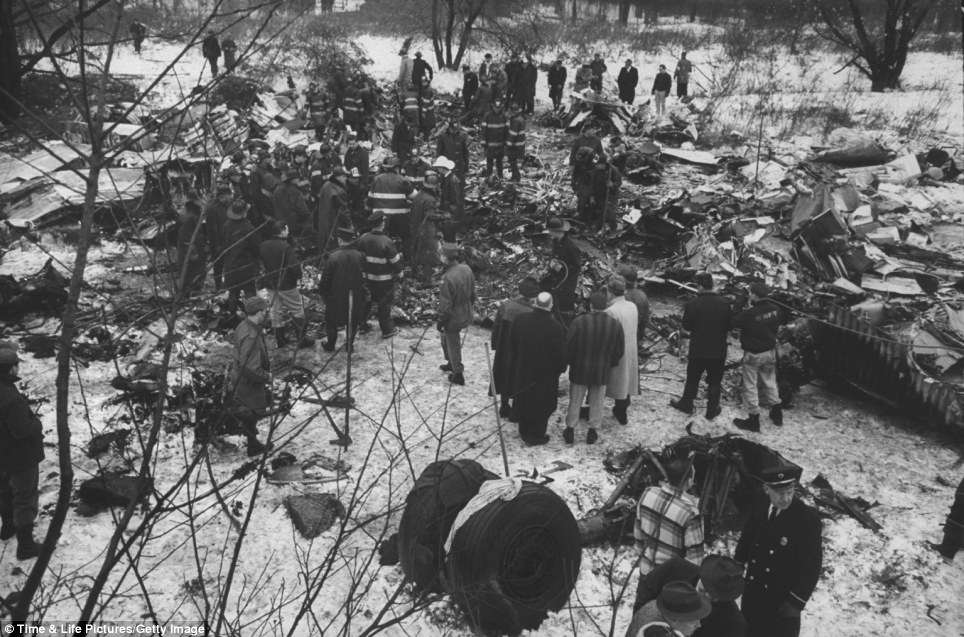
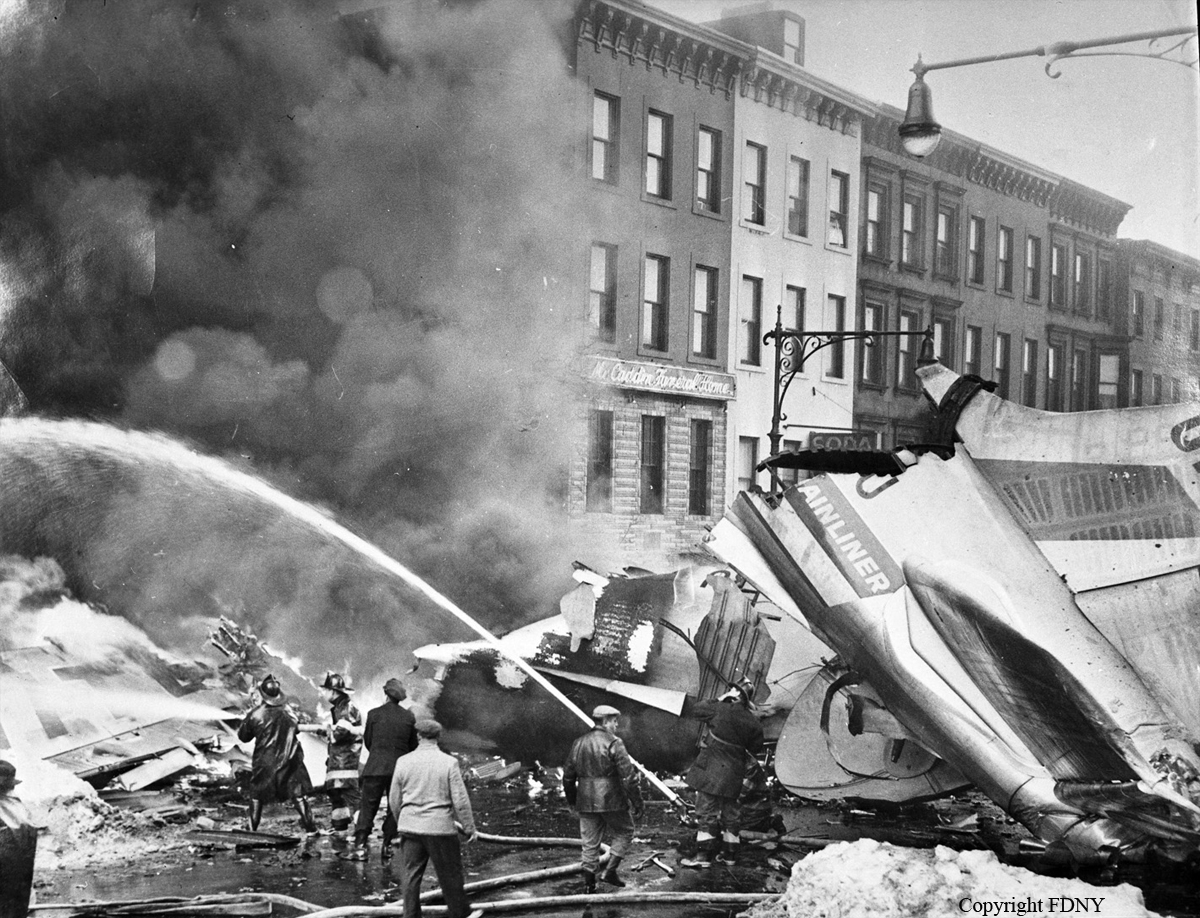
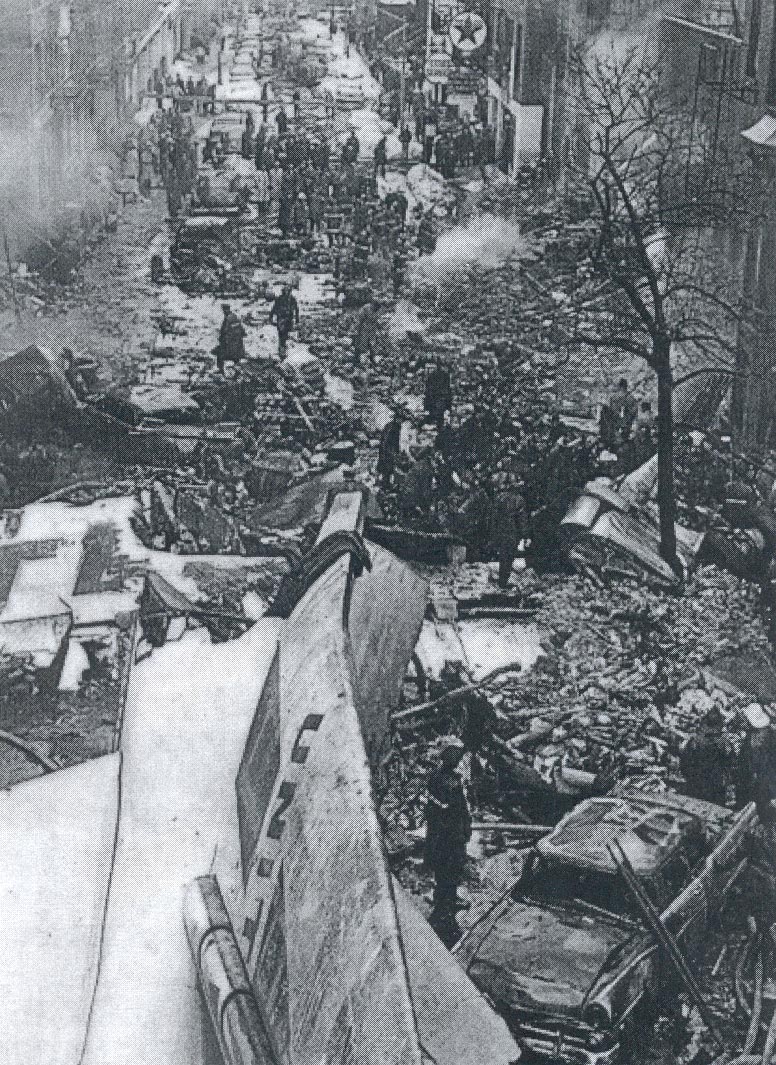
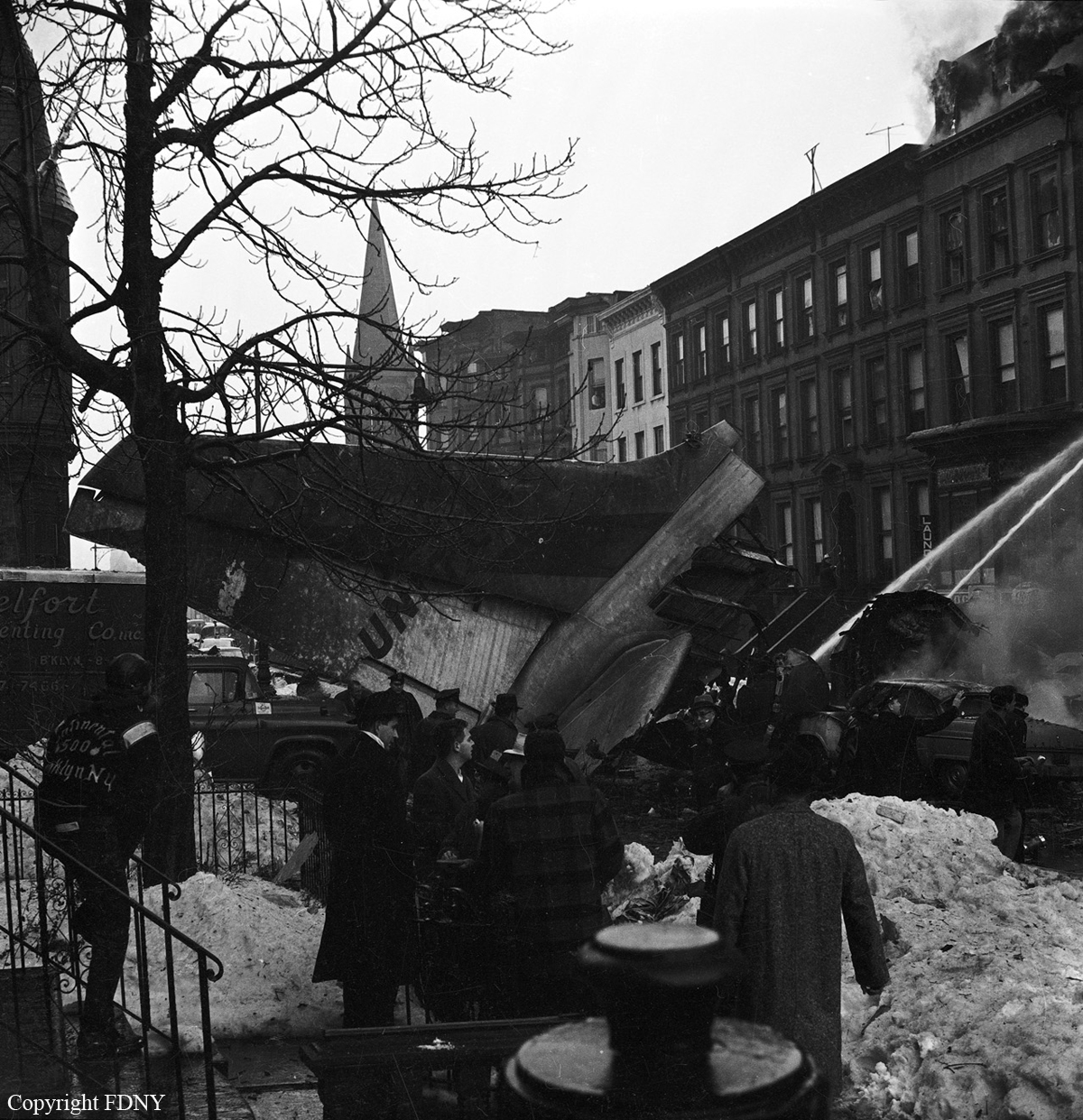
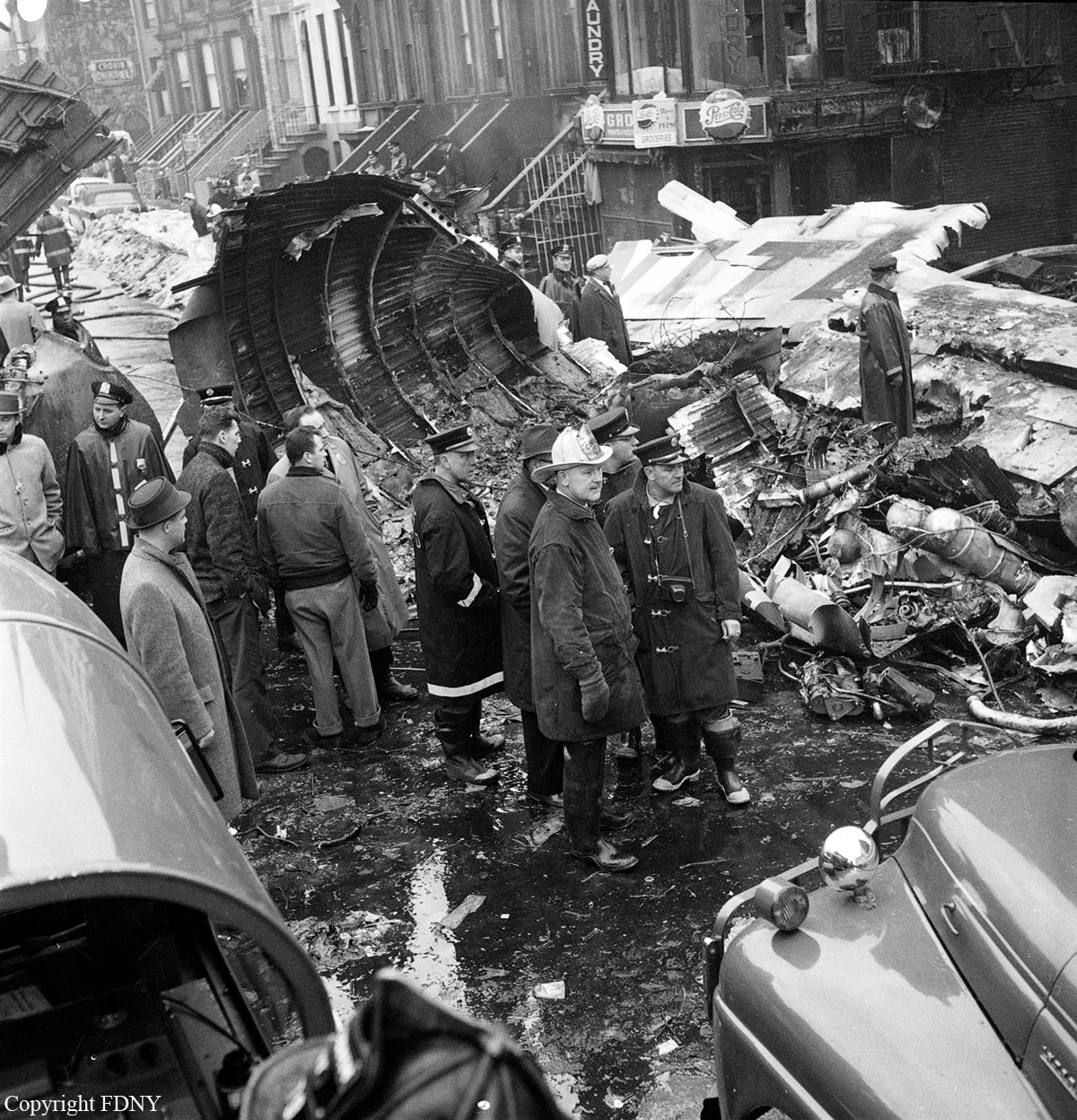
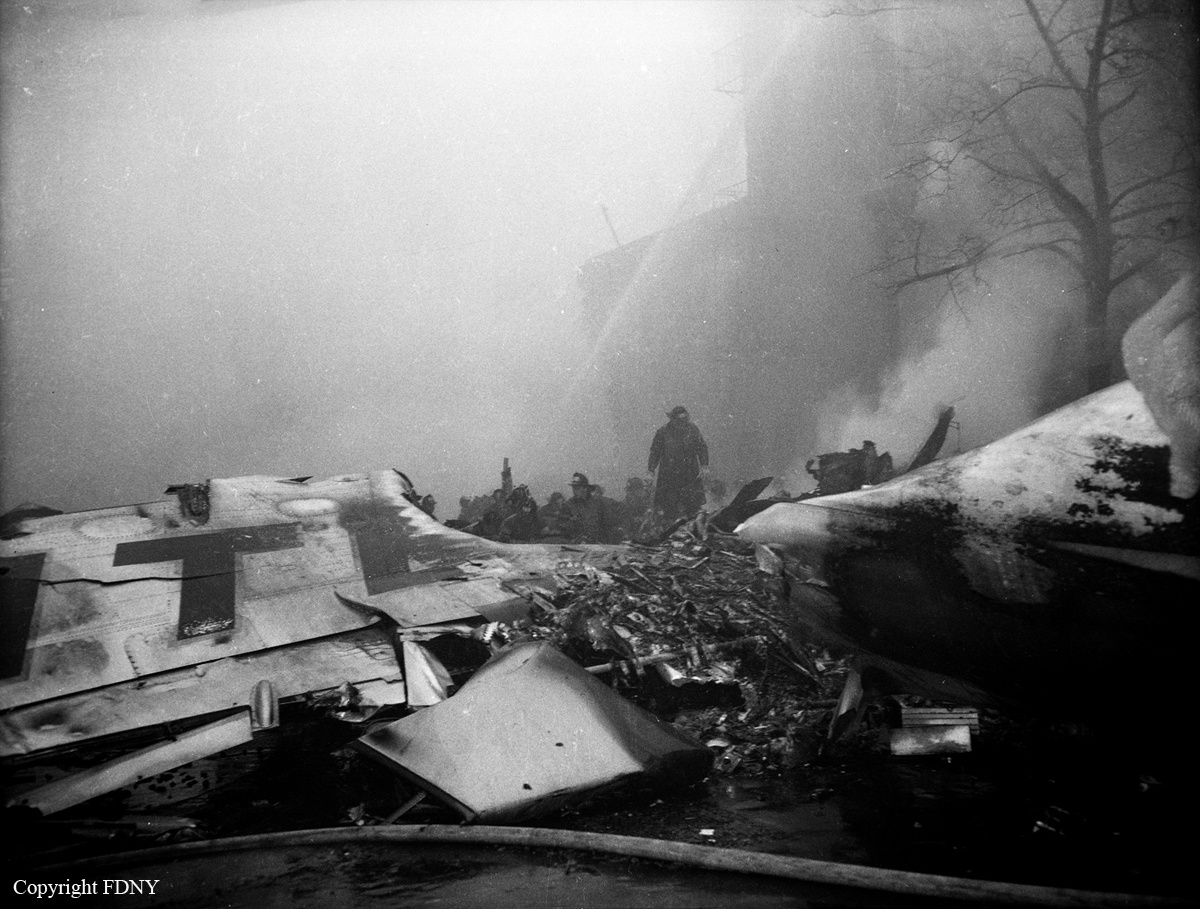
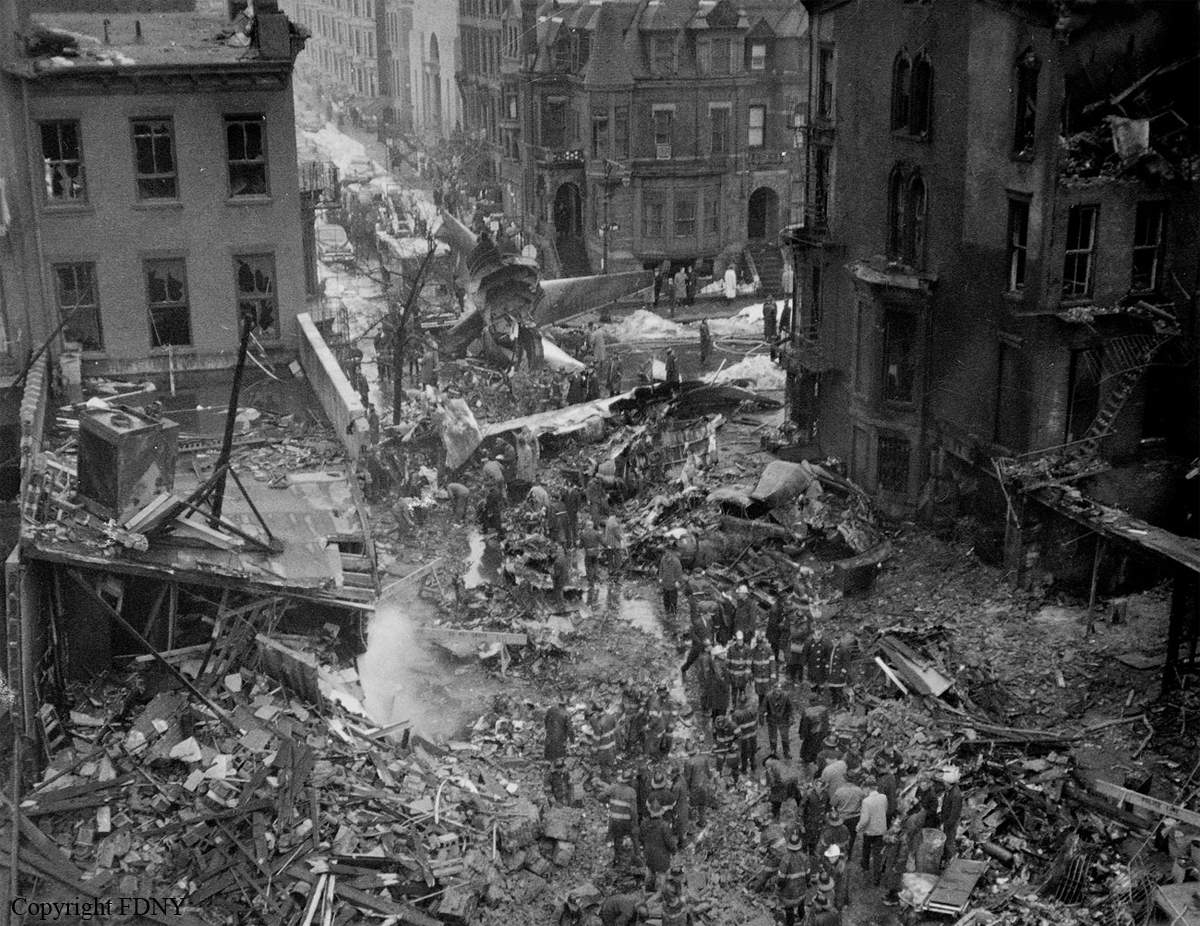
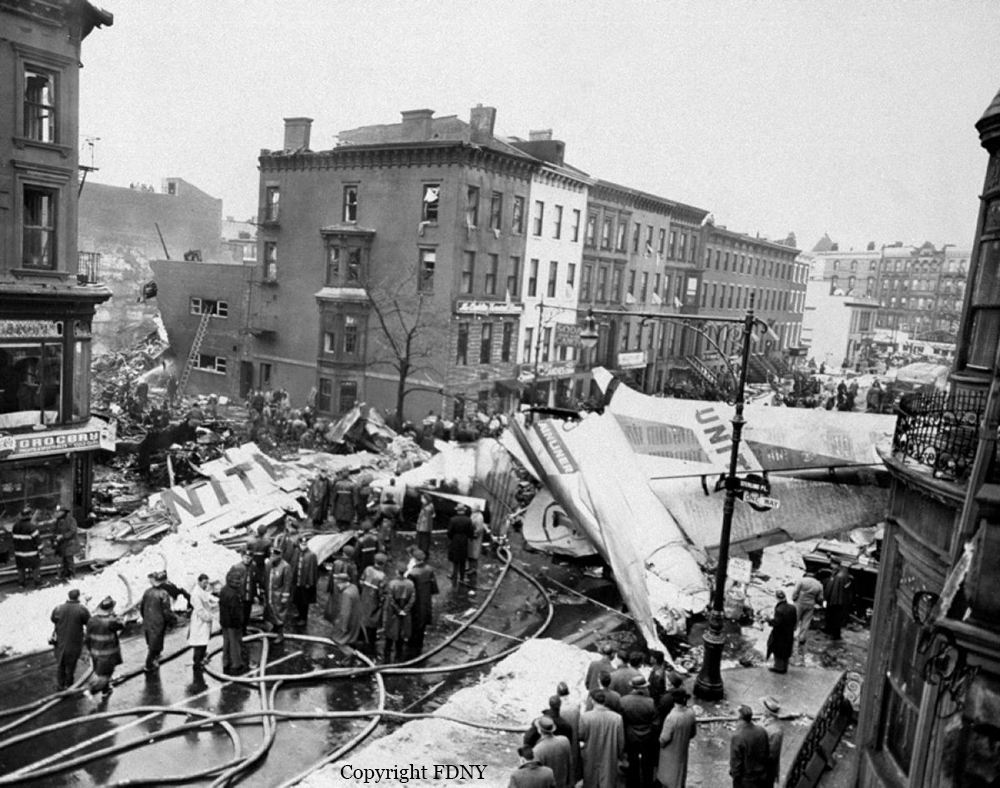
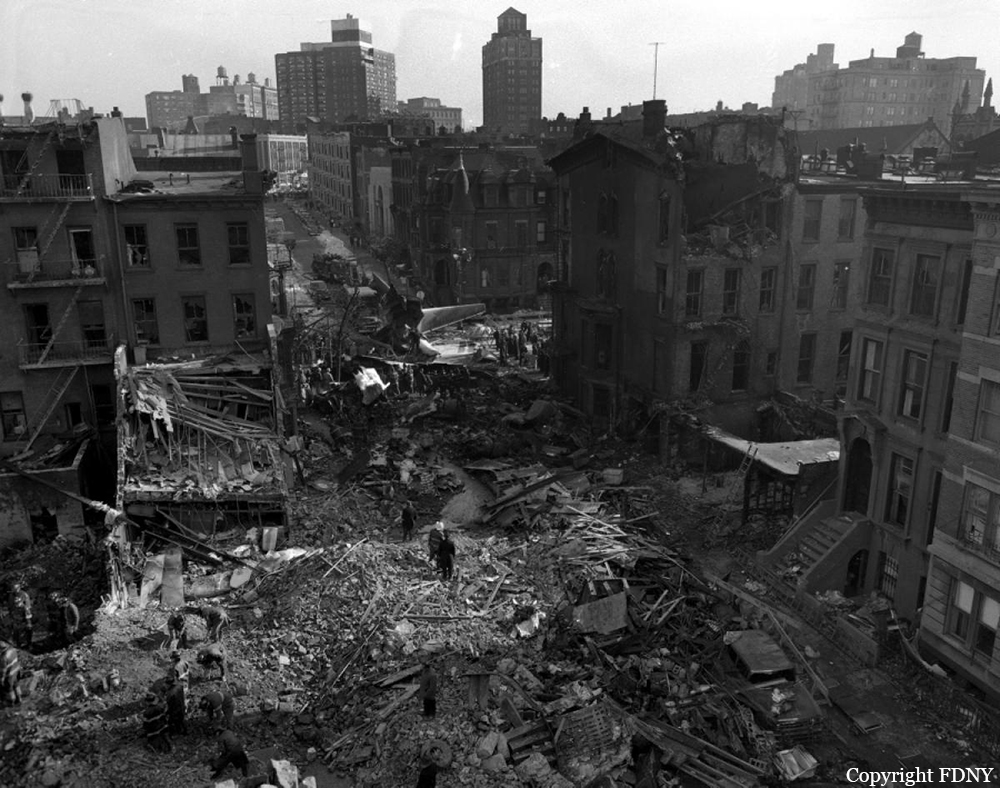
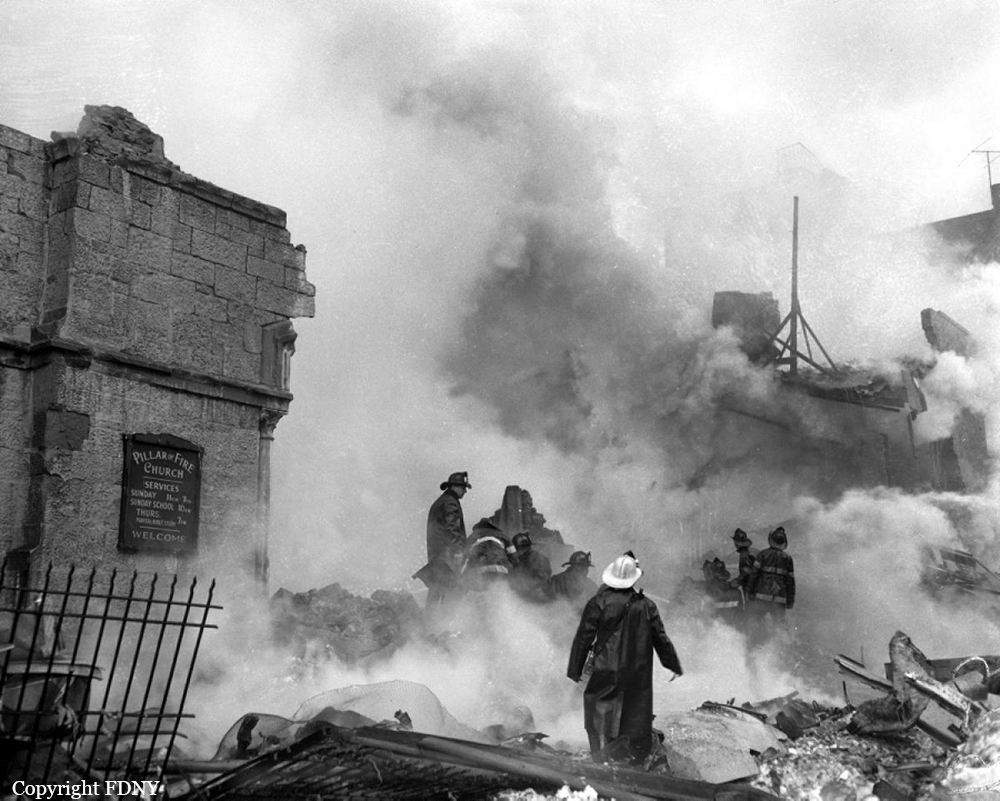
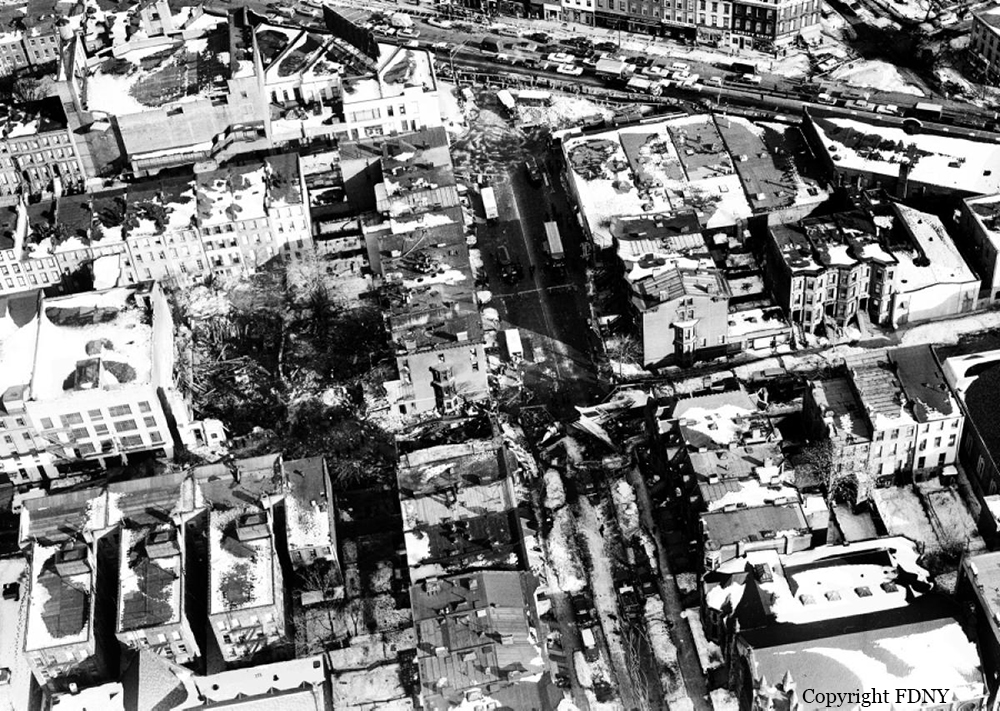
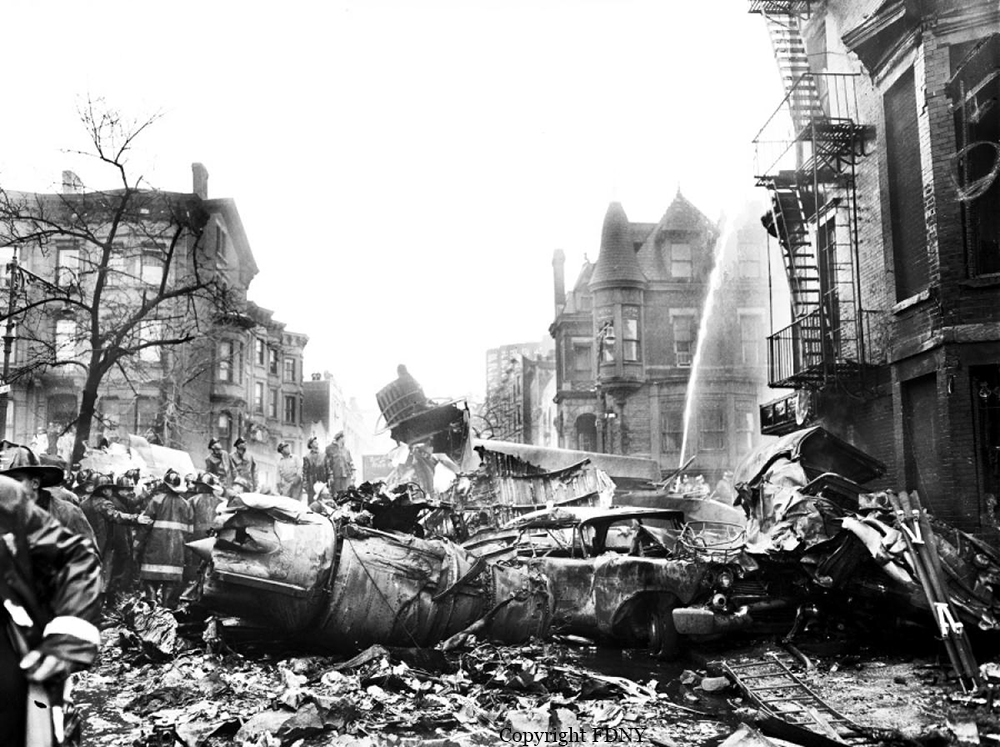
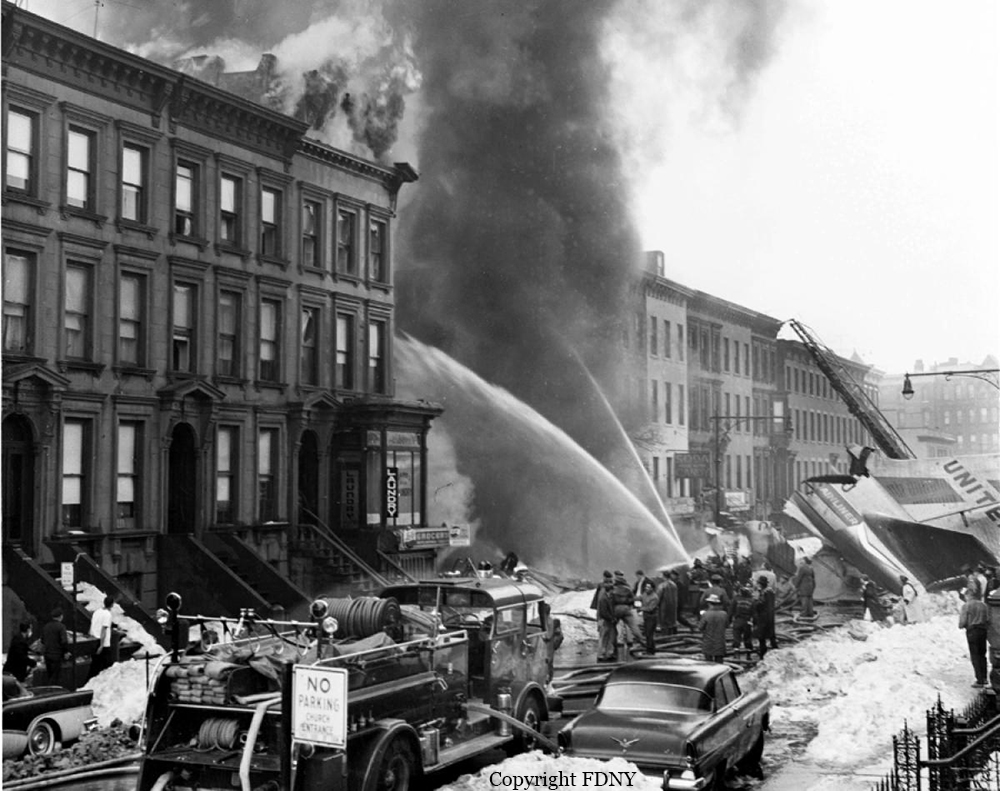
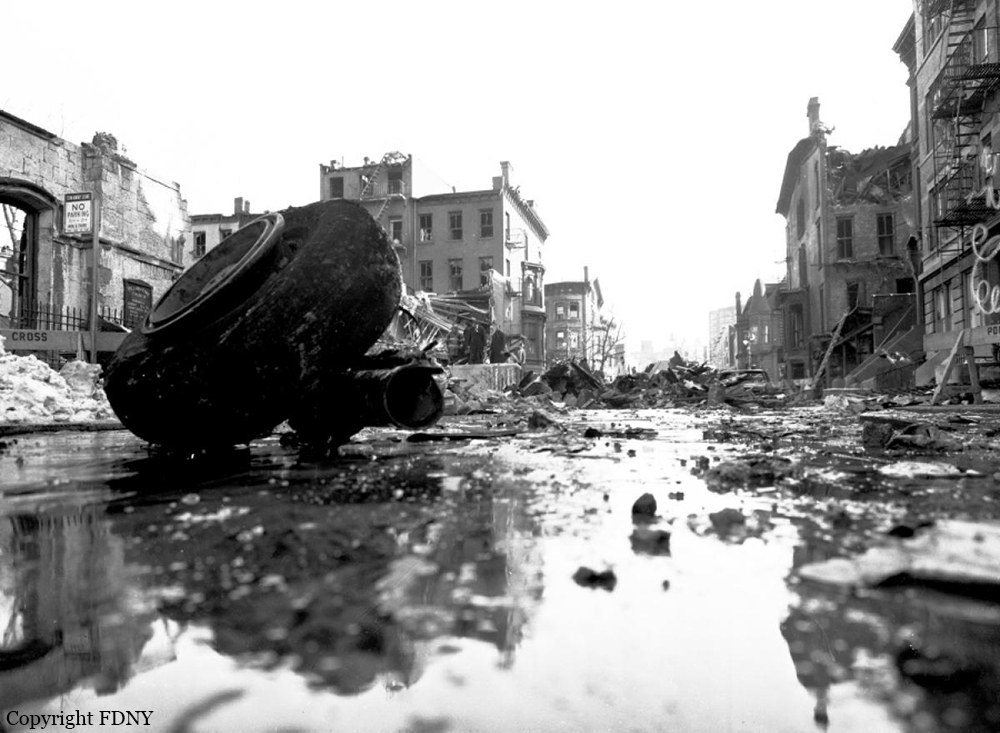
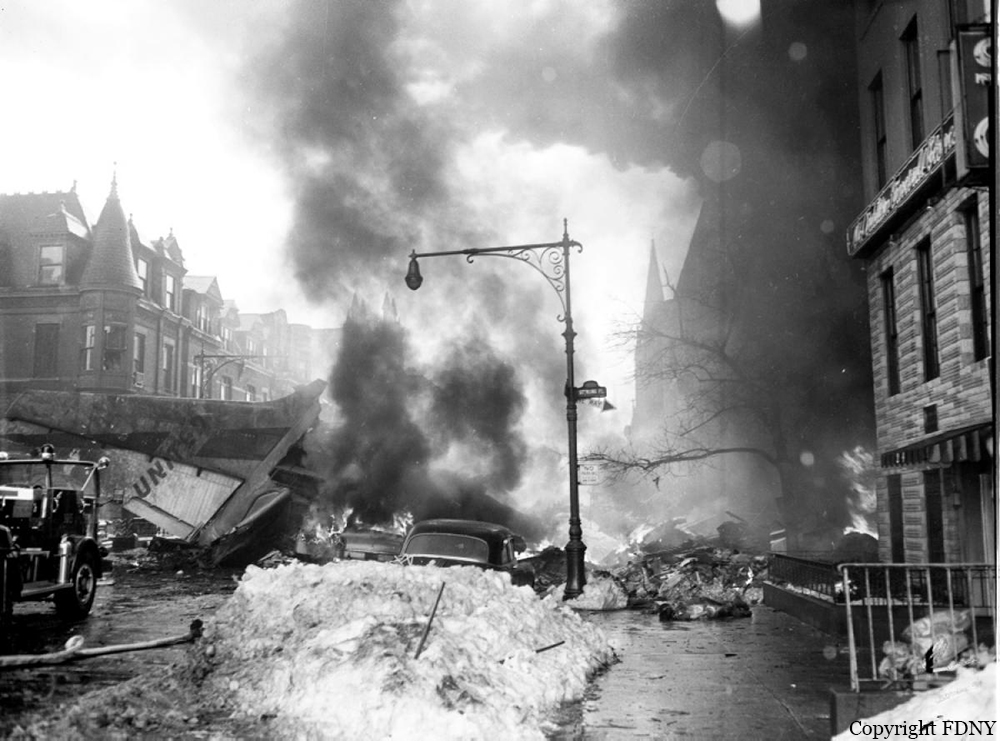
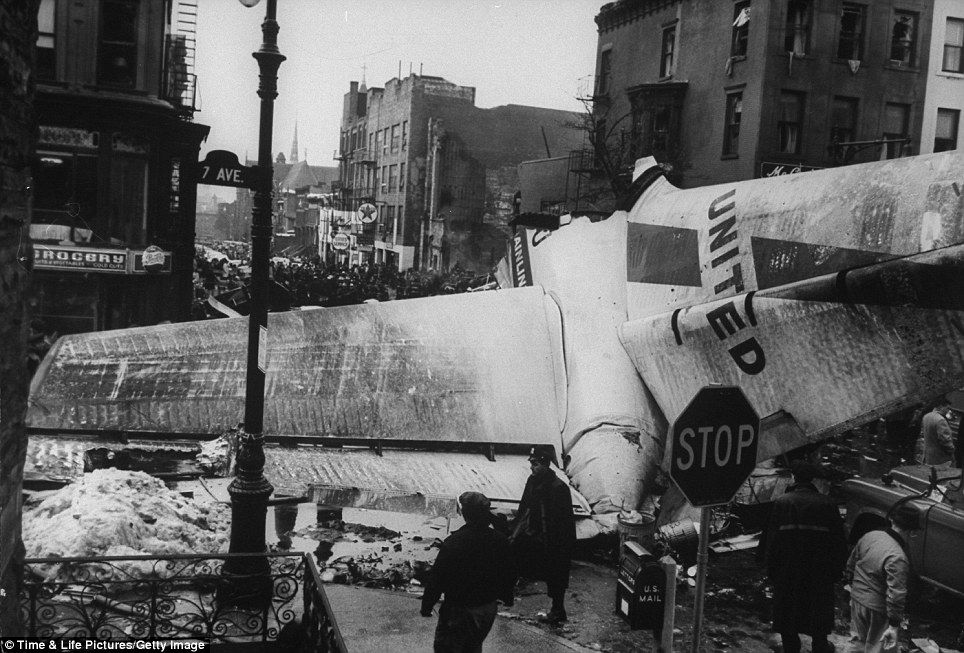
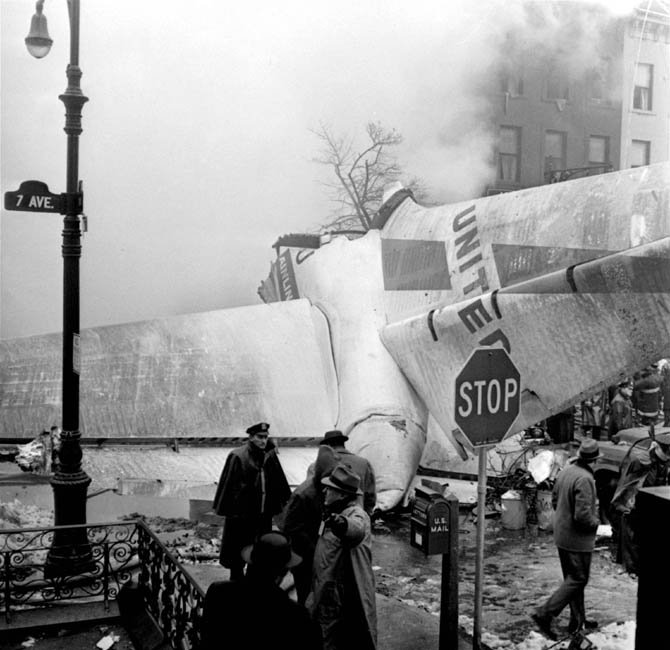
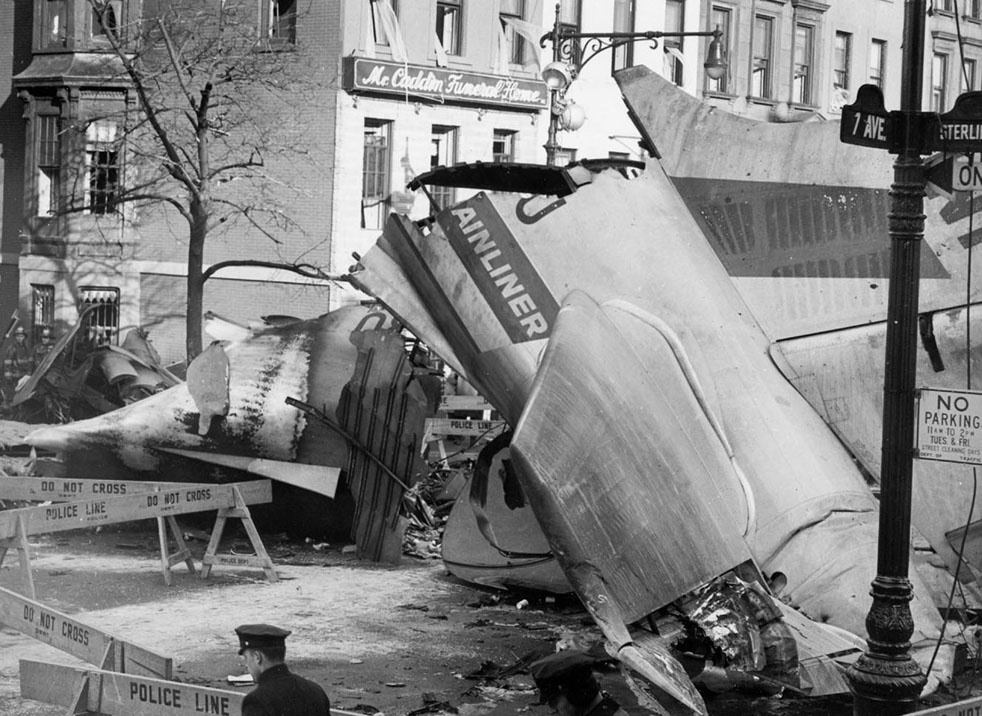
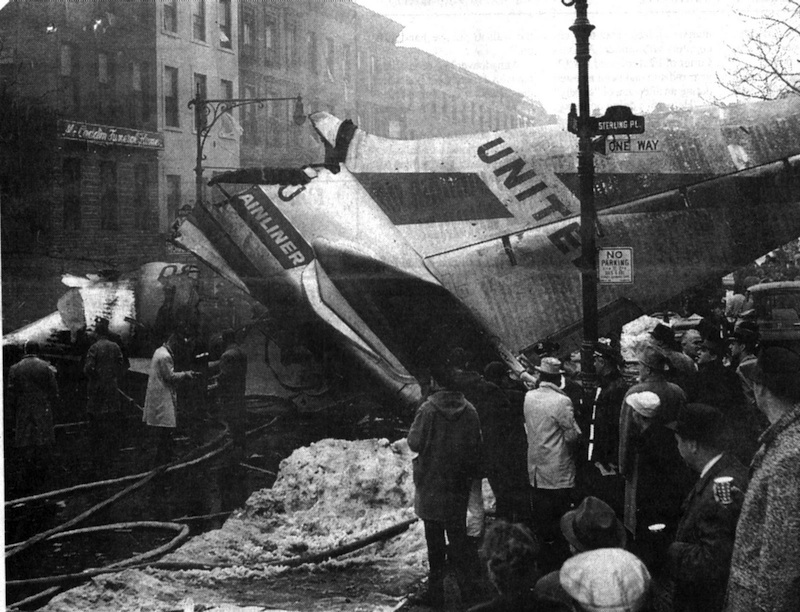
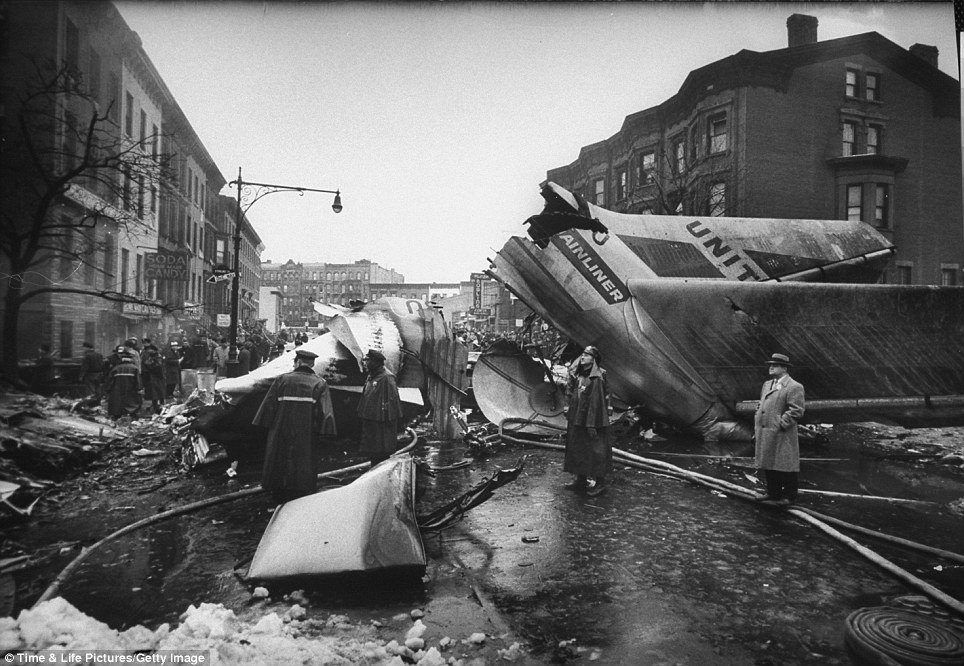
On December 16, 1960, at 1033 e.s.t., a collision between Trans World Airlines Model 1049A Constellation, N6907C, and a United Air Lines DC-8, N8013U, occurred near Miller Army Air Field, Staten Island, New York. Trans World Airlines Flight 266 originated at Dayton, Ohio. The destination was LaGuardia Airport, New York, with one en route stop at Columbus, Ohio United Air Lines Flight 826 was a non-stop service originating at O'Hare Airport, Chicago, Illinois, with its destination New York International Airport, New York. Both aircraft were operating under Instrument Flight Rules. Following the collision the Constellation fell on Miller Army Field, and the DC-8 continued in a northeasterly direction, crashing into Sterling place near Seventh Avenue in Brooklyn, New York. Both aircraft were totally destroyed. All 128 occupants of both aircraft and 6 persons on the ground in Brooklyn were fatally injured. There was considerable damage to property in the area of the ground impact of the DC-8. TWA Flight 266 departed Port Columbus Airport at 0900, operating routinely under Air Traffic Control into the New York area The New York Air Route Traffic Control Center (ARTCC) subsequently advised that radar contact had been established and cleared the flight to the Linden. Intersection, Control of the flight was subsequently transferred to LaGuardia Approach Control. When the flight was about over the Linden Intersection, LaGuardia Approach Control began vectoring TWA 266 by radar to the final approach course for a landing on runway 4 at LaGuardia. Shortly thereafter TWA 266 was cleared to descend to 5,000 feet, and was twice advised of traffic in the vicinity on a northeasterly heading. Following the transmission of this information the radar targets appeared to merge on the LaGuardia Approach Control radar scope, and communications with TWA 266 were lost. United Air Lines Flight 826 operated routinely between Chicago and the New York area, contacting the New York ARTCC at 1012 Shortly thereafter the New York Center cleared UAL 826 to proceed from the Allentown, Pa., very high frequency omni directional radio range station (VOR) direct to the Robbinsville, New Jersey, VOR, and thence to the Preston Intersection via Victor Airway 123. At approximately 1021, UAL 826 contacted Aeronautical Radio, Inc. (ARINC) to advise their company that the No. 2 receiver accessory unit was inoperative, which would indicate that one of the aircraft's two VHF radio navigational receivers was not functioning. A "fix" is established by the intersection of two radials from two separate radio range stations. With one unit inoperative the cross-bearings necessary can be taken by tuning the remaining receiver from one station to the other. This process consumes considerable time, however, and is not as accurate as the simultaneous display of information on two separate position deviation indicators While UAL 826 advised the company that one unit was inoperative, Air Traffic Control was not advised. At 1025 the New York ARTCC issued a clearance for a new routing which shortened the distance to Preston by approximately 11 miles. As a result, this reduced the amount of time available to the crew to retune the single radio receiver to either the Colt' s Neck, New Jersey, or Solberg, New Jersey, VOR in order to establish the cross-bearing with Victor 123, which would identify the Preston Intersection. In the event the crew would not attempt to retune the single VOR receiver, crossbearings on the Scotland Low Frequency Radiobeacon could be taken with the aircraft direction finding (ADF) equipment. This would be a means of identifying the Preston Intersection but, under the circumstances, would require rapid mental calculation in the interpretation of a display which could be easily misread. Several factors support the conclusion that this occurred. Instructions had been issued to UAL 826 for holding at the Preston Intersection the clearance limit, should holding be necessary. Clearance beyond Preston for an approach to Idlewild Airport would be received from Idlewild Approach Control and the transfer of control of the flight from the New York Center to Idlewild Approach Control would normally take place as the aircraft was approaching Preston. UAL 826 was not receiving radar vectors, but was providing its own navigation. After the flight reported passing through 6,000 feet the New York Center advised that radar service was terminated and instructed the flight to contact Idlewild Approach Control. UAL 826 then called Idlewild Approach Control, stating "United 826 approaching Preston at 5,000." This was the last known transmission from UAL 826. At the time UAL 826 advised it was approaching Preston it had in fact gone on by this clearance limit several seconds before and was several miles past the point at which it should have turned into the holding pattern. This is confirmed by the data obtained from the flight recorder which had been installed in the UAL DC-8, as well as by analysis of the communication tapes At a point approximately 11 miles past the Preston Intersection a collision occurred between TWA 266 and UAL 826. Weather at the altitude of the collision and at the time of the accident was such as to preclude flight by visual means.
Probable cause:
The Board determines that the probable cause of this accident was that United Flight 826 proceeded beyond its clearance limit and the confines of the airspace allocated to the flight by Air Traffic Control A contributing factor was the high rate of speed of the United DC-8 as it approached the Preston intersection, coupled with the change of clearance which reduced the enroute distance along VICTOR 123 by approximately 11 miles.
Final Report:

Crash of a Douglas DC-8-11 in New York: 90 killed

Date & Time: Dec 16, 1960 at 1033 LT
Type of aircraft:
Operator:
Registration:
N8013U
Survivors:
No
Site:
Schedule:
Chicago – New York
MSN:
45290
YOM:
1959
Flight number:
UA826
Crew on board:
7
Crew fatalities:
Pax on board:
77
Pax fatalities:
Other fatalities:
Total fatalities:
90
Captain / Total flying hours:
19100
Captain / Total hours on type:
344.00
Copilot / Total flying hours:
8500
Copilot / Total hours on type:
379
Aircraft flight hours:
2434
Circumstances:
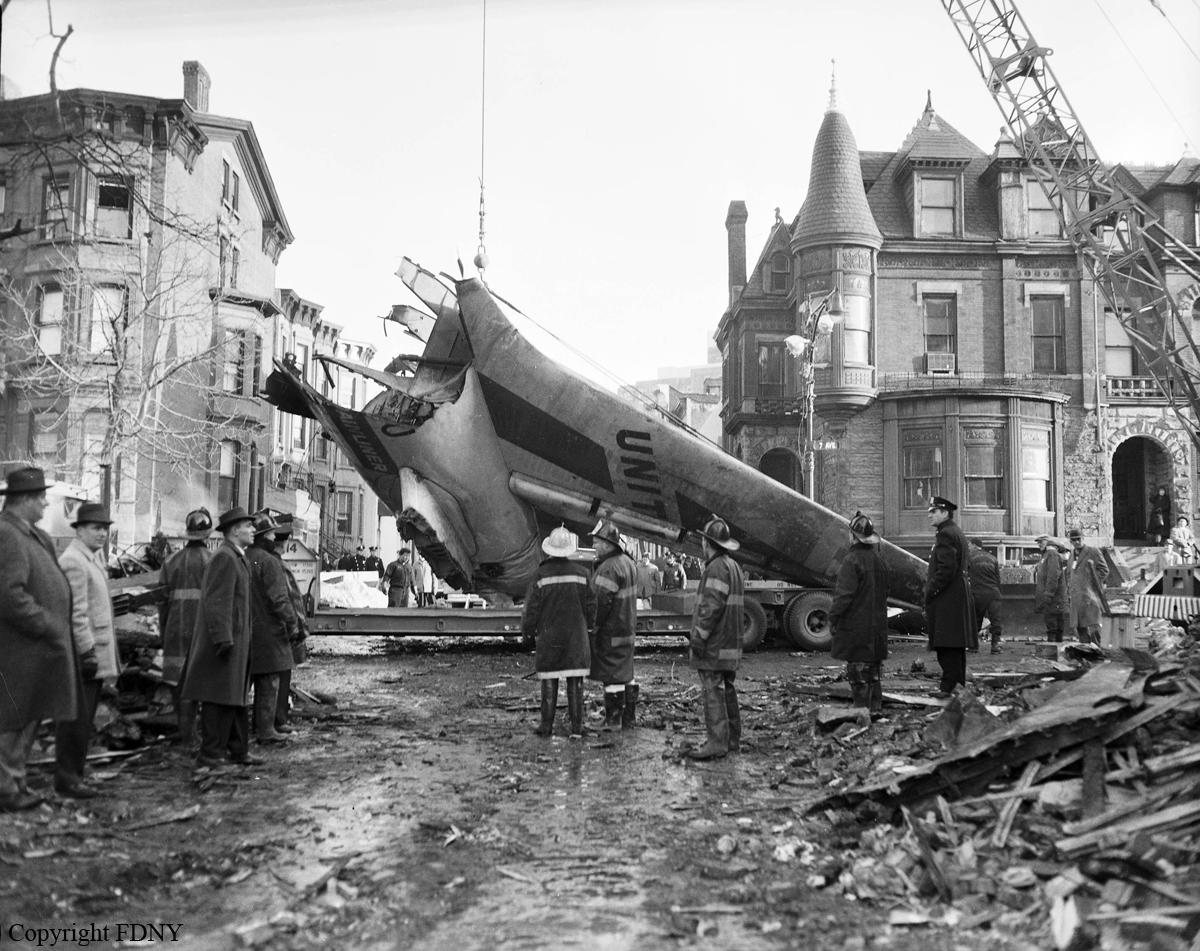
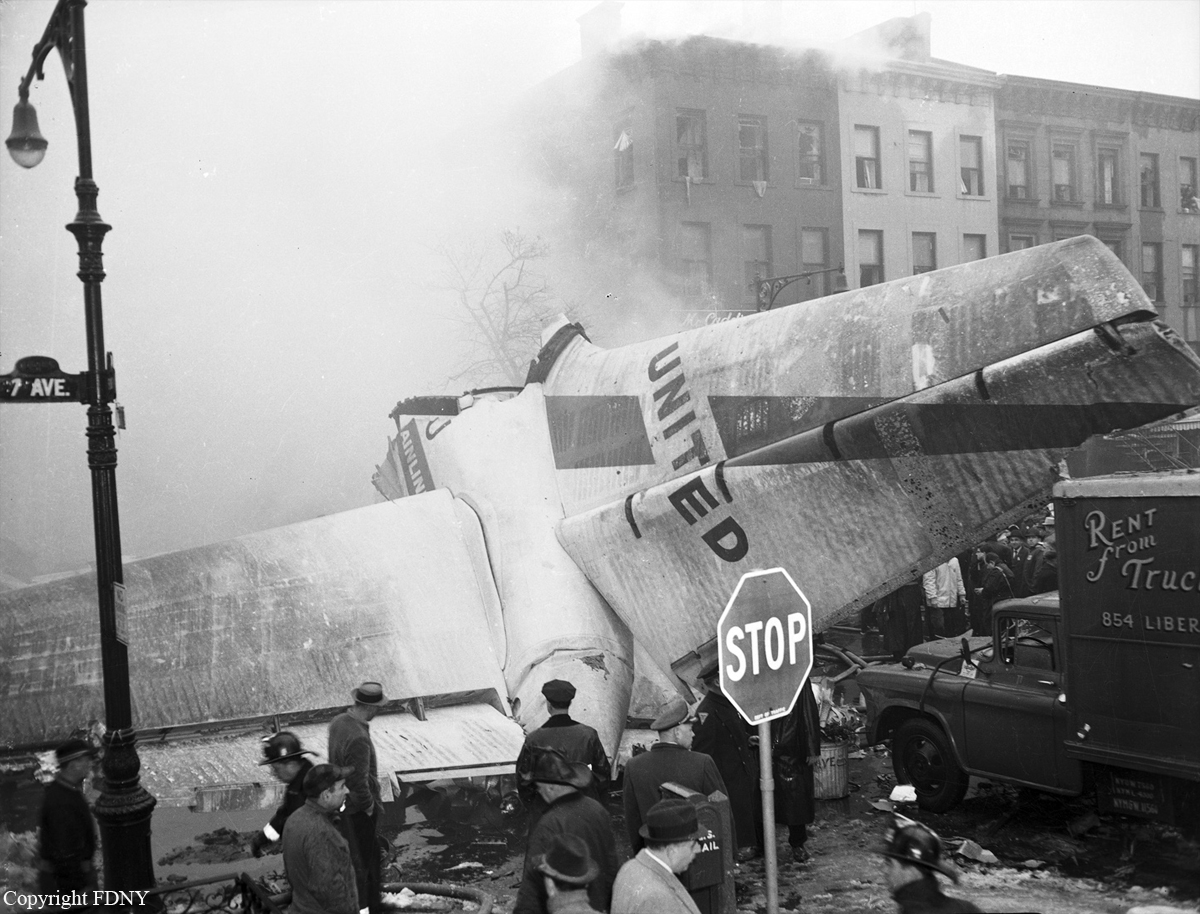
On December 16, 1960, at 1033 e.s.t., a collision between Trans World Airlines Model 1049A Constellation, N 6907C, and a United Air Lines DC-8, N 8013U, occurred near Miller Army Air Field, Staten Island, New York. Trans World Airlines Flight 266 originated at Dayton, Ohio. The destination was LaGuardia Airport, New York, with one en route stop at Columbus, Ohio United Air Lines Flight 826 was a non-stop service originating at O'Hare Airport, Chicago, Illinois, with its destination New York International Airport, New York. Both aircraft were operating under Instrument Flight Rules. Following the collision the Constellation fell on Miller Army Field, and the DC-8 continued in a northeasterly direction, crashing into Sterling place near Seventh Avenue in Brooklyn, New York. Both aircraft were totally destroyed. All 128 occupants of both aircraft and 6 persons on the ground in Brooklyn were fatally injured. There was considerable damage to property in the area of the ground impact of the DC-8. TWA Flight 266 departed Port Columbus Airport at 0900, operating routinely under Air Traffic Control into the New York area The New York Air Route Traffic Control Center (ARTCC) subsequently advised that radar contact had been established and cleared the flight to the Linden. Intersection, Control of the flight was subsequently transferred to LaGuardia Approach Control. When the flight was about over the Linden Intersection, LaGuardia Approach Control began vectoring TWA 266 by radar to the final approach course for a landing on runway 4 at LaGuardia. Shortly thereafter TWA 266 was cleared to descend to 5,000 feet, and was twice advised of traffic in the vicinity on a northeasterly heading. Following the transmission of this information the radar targets appeared to merge on the LaGuardia Approach Control radar scope, and communications with TWA 266 were lost.United Air Lines Flight 826 operated routinely between Chicago and the New York area, contacting the New York ARTCC at 1012 Shortly thereafter the New York Center cleared UAL 826 to proceed from the Allentown, Pa., very high frequency omni directional radio range station (VOR) direct to the Robbinsville, New Jersey, VOR, and thence to the Preston Intersection via Victor Airway 123. At approximately 1021, UAL 826 contacted Aeronautical Radio, Inc. (ARINC) to advise their company that the No. 2 receiver accessory unit was inoperative, which would indicate that one of the aircraft's two VHF radio navigational receivers was not functioning. A "fix" is established by the intersection of two radials from two separate radio range stations. With one unit inoperative the cross-bearings necessary can be taken by tuning the remaining receiver from one station to the other. This process consumes considerable time, however, and is not as accurate as the simultaneous display of information on two separate position deviation indicators While UAL 826 advised the company that one unit was inoperative, Air Traffic Control was not advised. At 1025 the New York ARTCC issued a clearance for a new routing which shortened the distance to Preston by approximately 11 miles. As a result, this reduced the amount of time available to the crew to retune the single radio receiver to either the Colt' s Neck, New Jersey, or Solberg, New Jersey, VOR in order to establish the cross-bearing with Victor 123, which would identify the Preston Intersection. In the event the crew would not attempt to retune the single VOR receiver, crossbearings on the Scotland Low Frequency Radiobeacon could be taken with the aircraft direction finding (ADF) equipment. This would be a means of identifying the Preston Intersection but, under the circumstances, would require rapid mental calculation in the interpretation of a display which could be easily misread. Several factors support the conclusion that this occurred. Instructions had been issued to UAL 826 for holding at the Preston Intersection the clearance limit, should holding be necessary. Clearance beyond Preston for an approach to Idlewild Airport would be received from Idlewild Approach Control and the transfer of control of the flight from the New York Center to Idlewild Approach Control would normally take place as the aircraft was approaching Preston. UAL 826 was not receiving radar vectors, but was providing its own navigation. After the flight reported passing through 6,000 feet the New York Center advised that radar service was terminated and instructed the flight to contact Idlewild Approach Control. UAL 826 then called Idlewild Approach Control, stating "United 826 approaching Preston at 5,000." This was the last known transmission from UAL 826. At the time UAL 826 advised it was approaching Preston it had in fact gone on by this clearance limit several seconds before and was several miles past the point at which it should have turned into the holding pattern. This is confirmed by the data obtained from the flight recorder which had been installed in the UAL DC-8, as well as by analysis of the communication tapes At a point approximately 11 miles past the Preston Intersection a collision occurred between TWA 266 and UAL 826. Weather at the altitude of the collision and at the time of the accident was such as to preclude flight by visual means.

Probable cause:
The Board determines that the probable cause of this accident was that United Flight 826 proceeded beyond its clearance limit and the confines of the airspace allocated to the flight by Air Traffic Control A contributing factor was the high rate of speed of the United DC-8 as it approached the Preston intersection, coupled with the change of clearance which reduced the enroute distance along VICTOR 123 by approximately 11 miles.
Final Report:

Crash of an Antonov AN-2 near Semipalatinsk: 12 killed

Date & Time: Dec 10, 1960 at 0936 LT
Type of aircraft:
Operator:
Registration:
CCCP-33181
Flight Phase:
Survivors:
No
Schedule:
Semipalatinsk – Abay
MSN:
1145 473 17
YOM:
14
Country:
Region:
Crew on board:
2
Crew fatalities:
Pax on board:
10
Pax fatalities:
Other fatalities:
Total fatalities:
12
Aircraft flight hours:
149
Circumstances:
The single engine aircraft departed Semipalatinsk Airport at 0917LT on a flight to Abay, carrying 10 passengers and two pilots. About fifteen minutes after takeoff, the crew encountered poor weather conditions with a sky broken from 600 to 1,000 meters, snow falls, wind up to 45 km/h and a visibility between 4 and 6 km. In such conditions, ATC instructed the crew to return to Semipalatinsk and the crew confirmed this instruction when the contact was lost at 0936LT. SAR operations were conducted and the burned wreckage was found in a snow covered field located 35 km south of Semipalatinsk. The aircraft was totally destroyed and all 12 occupants were killed.
Probable cause:
Investigations determined that the immediate cause of the accident was a loss of speed resulting in a stall of the aircraft due to a loss of longitudinal controllability when the aircraft's center of gravity moved beyond the range of 40-42% of the envelope. The movement of the CofG occurred when several passengers moved from the rear of the cabin (toilet). Poor flight preparation on part of the flying crew who failed to check the weather conditions properly and the lack of visibility were considered as contributing factors.

Crash of a Curtiss C-46A-60-CK Commando near Cachimbo: 15 killed

Date & Time: Dec 7, 1960
Type of aircraft:
Operator:
Registration:
PP-AKF
Flight Phase:
Survivors:
No
Site:
Schedule:
Cuiabá – Manaus
MSN:
295
YOM:
1945
Location:
Country:
Crew on board:
2
Crew fatalities:
Pax on board:
13
Pax fatalities:
Other fatalities:
Total fatalities:
15
Circumstances:
En route, the right engine failed and the crew was forced to jettison some of the cargo to maintain a safe altitude. Eventually, the aircraft stalled and crashed on a hilly and wooded terrain located in the region of Cachimbo. The wreckage was found few hours later in the jungle and all 15 occupants were killed.
Probable cause:
In-flight failure of the right engine for unknown reason.

Crash of an Ilyushin II-14M in Chernovo: 14 killed

Date & Time: Dec 4, 1960 at 2253 LT
Type of aircraft:
Operator:
Registration:
CCCP-52091
Flight Phase:
Survivors:
No
Schedule:
Syktyvkar – Gorki – Moscow
MSN:
7 34 29 05
YOM:
12
Flight number:
SU081
Country:
Region:
Crew on board:
5
Crew fatalities:
Pax on board:
9
Pax fatalities:
Other fatalities:
Total fatalities:
14
Aircraft flight hours:
6163
Circumstances:
The aircraft departed Syktyvkar Airport at 2228LT on a flight to Moscow via Gorki and the crew received the permission to climb to 3,000 meters. 18 minutes later, the crew reported icing conditions and received the permission to climb to 3,600 meters. Three minutes later, at 2249LT, the crew reported that the right engine caught fire and requested the permission to divert to the nearest airport. Apparently, the crew was unable to extinguish the fire and the captain completed a rapid descent. After passing the last cloud layer, at an altitude of 100-150 meters, the airplane went out of control and crashed in flames in a field located 500 meters from the village of Chernovo, some 134 km northeast of Gorki Airport. The aircraft was totally destroyed upon impact and all 14 occupants have been killed.
Probable cause:
Failure of the cylinders and pistons on the right engine in flight which caused a fuel and hydraulic leak. Both fluids caught fire when contacted high temperature equipment of the engine. The right engine totalized 1,164 hours and 390 hours since last overhaul.

Crash of a Percival P.50 Prince 3C in Faleolo

Date & Time: Dec 4, 1960
Type of aircraft:
Operator:
Registration:
ZK-BMQ
Survivors:
Yes
MSN:
38
YOM:
1952
Region:
Crew on board:
0
Crew fatalities:
Pax on board:
0
Pax fatalities:
Other fatalities:
Total fatalities:
0
Circumstances:
Landed on flat tires for unknown reason. There were no injuries but the aircraft was damaged beyond repair.

Crash of a Douglas DC-3C on Mt Baco: 33 killed

Date & Time: Nov 23, 1960 at 1845 LT
Type of aircraft:
Operator:
Registration:
PI-C133
Flight Phase:
Survivors:
No
Site:
Schedule:
Iloilo – Manila
MSN:
13397
YOM:
1944
Flight number:
PR026
Country:
Region:
Crew on board:
4
Crew fatalities:
Pax on board:
29
Pax fatalities:
Other fatalities:
Total fatalities:
33
Aircraft flight hours:
17996
Circumstances:
While flying in poor weather conditions on a flight from Iloilo City to Manila, the airplane struck the slope of Mt Baco located in the occidental Mindoro province. The wreckage was found a week later, on the east slope of the mountain, at an altitude of 1,829 meters. All 33 occupants were killed in the crash. At the time of the accident, the airplane was off course by 51 km and weather conditions were poor with thunderstorm activity.
Probable cause:
The probable cause of the accident was a navigational error. Contributing factors were: adverse weather conditions and poor visibility, a 25-35 knot crosswind coming from the east, unreliability of the airborne navigational equipment due to either atmospheric disturbance night and terrain effects and/or its possible malfunctioning.