Crash of a Tupolev TU-104B in Sverdlovsk: 7 killed

Date & Time: Mar 16, 1961 at 1310 LT
Type of aircraft:
Operator:
Registration:
CCCP-42438
Flight Phase:
Survivors:
Yes
Schedule:
Novosibirsk – Sverdlovsk – Leningrad
MSN:
9 2 08 05
YOM:
24
Flight number:
SU068
Country:
Region:
Crew on board:
10
Crew fatalities:
Pax on board:
41
Pax fatalities:
Other fatalities:
Total fatalities:
7
Aircraft flight hours:
1600
Aircraft flight cycles:
789
Circumstances:
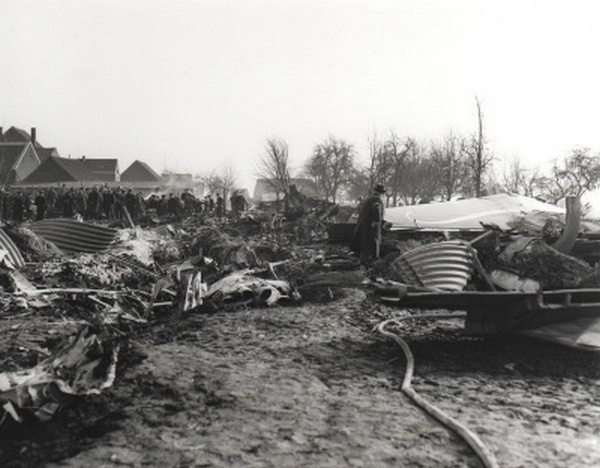
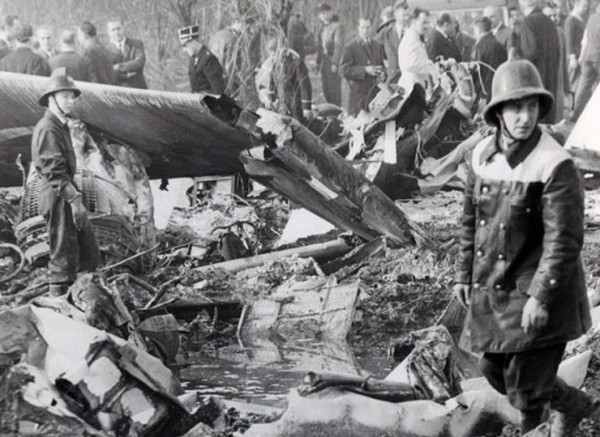
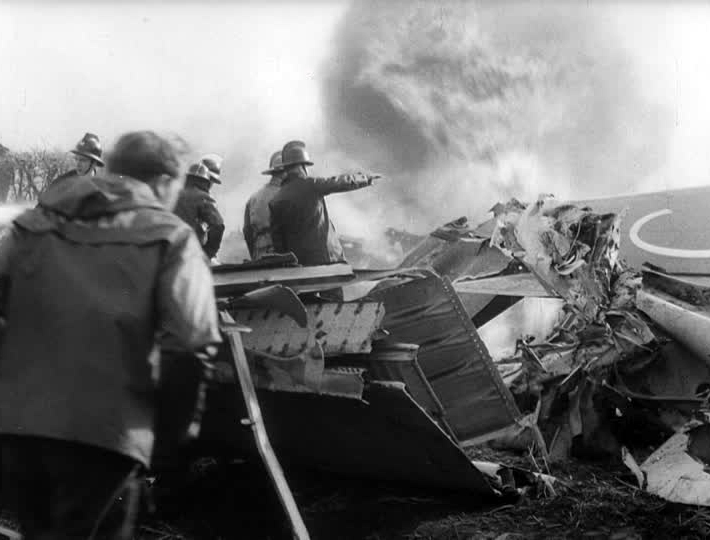
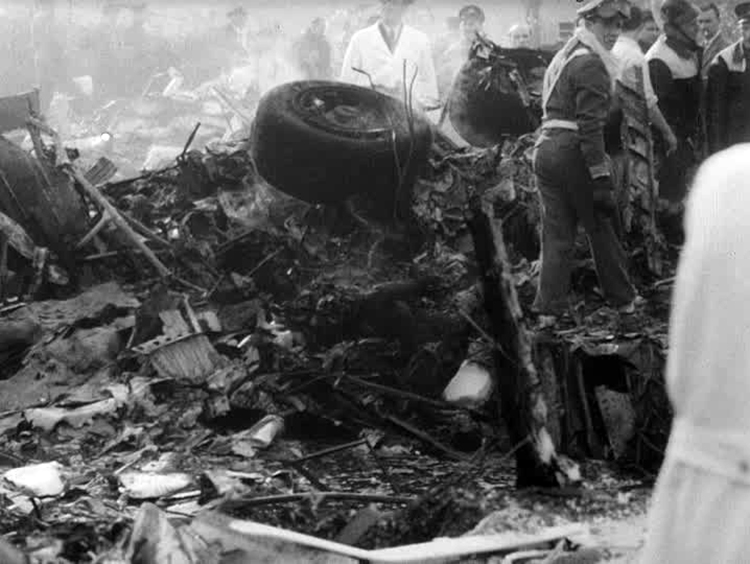
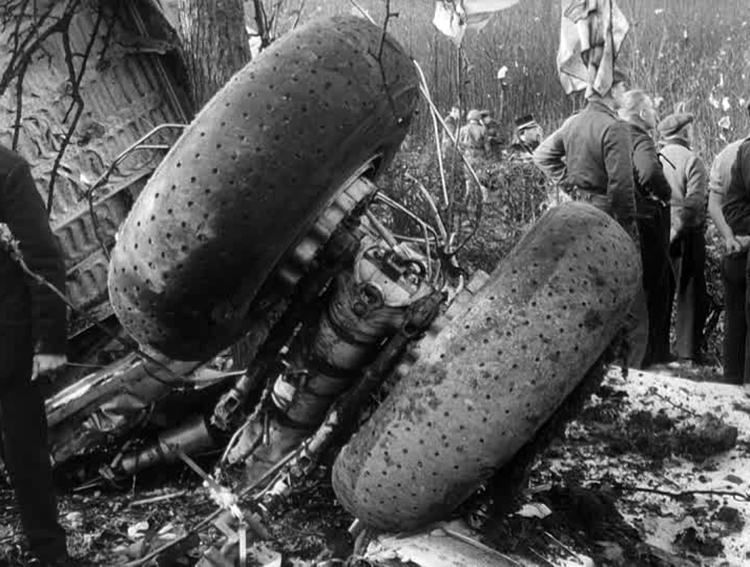
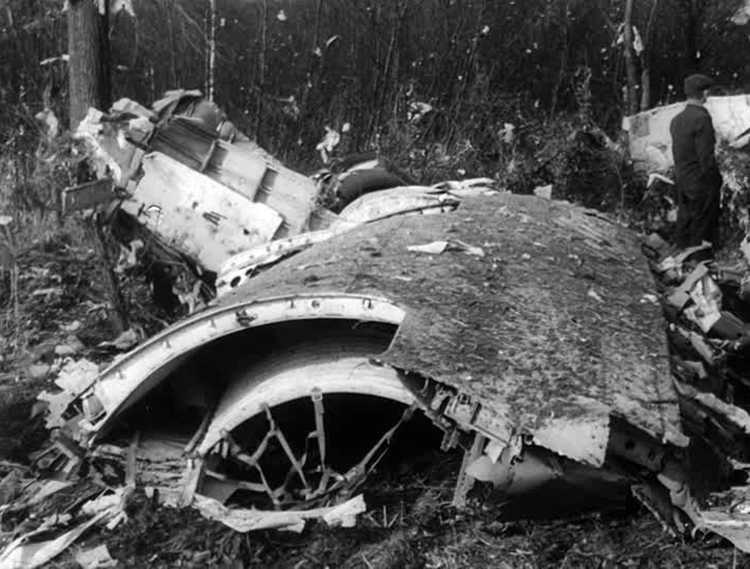
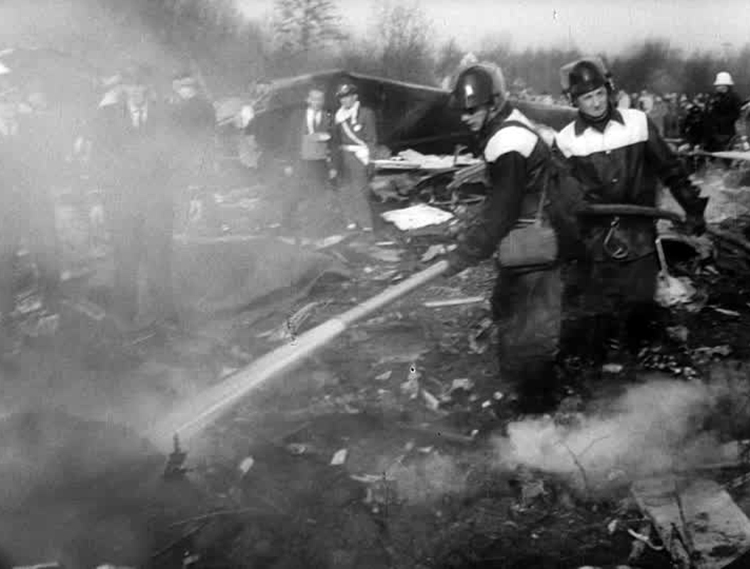
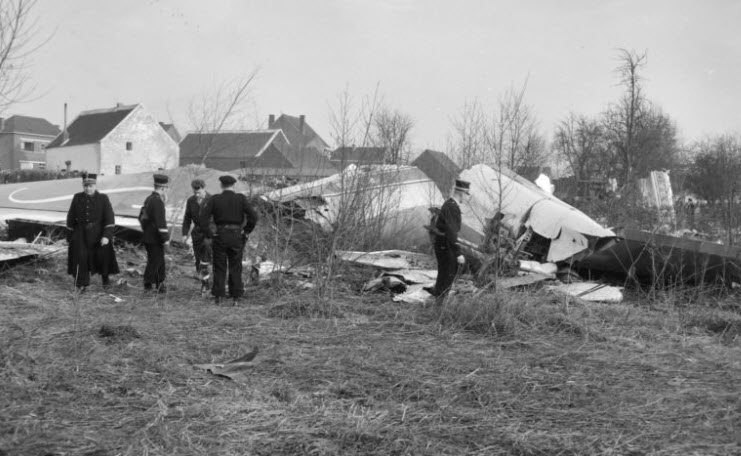
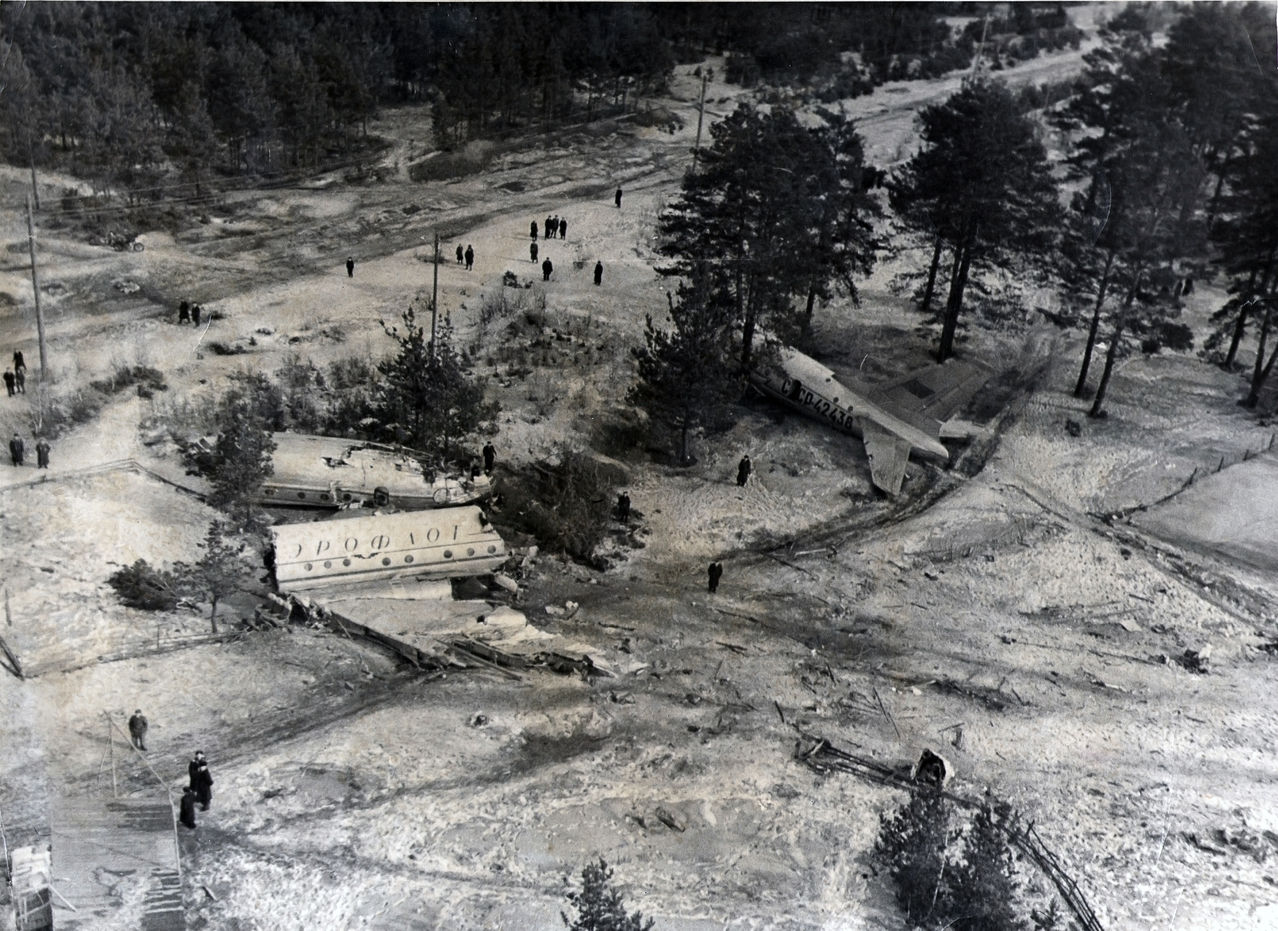
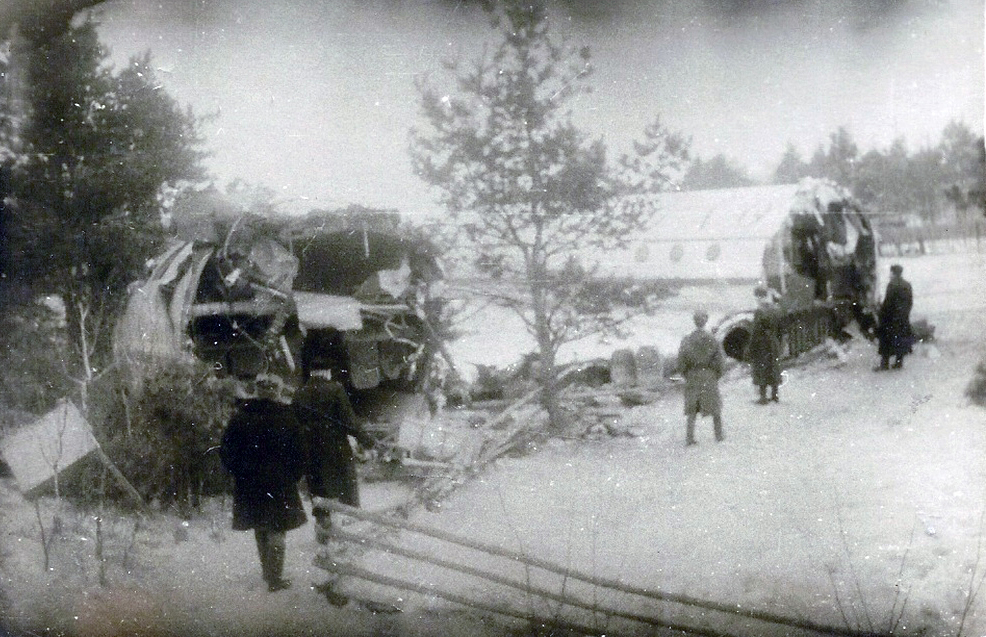
After takeoff from runway 27 at Sverdlovsk-Koltsovo Airport, while climbing to a height of 130-150 meters, the right engine failed. This caused severe vibrations and the crew was unable to read the instruments properly. Trying to manipulate the throttle, the flight engineer inadvertently shut down the left engine. Due to a loss of power and insufficient thrust, the airplane lost height and the captain elected to make an emergency landing in a frozen pond located nine km west of the airfield. The aircraft landed at high speed, collided with several obstacles and eventually came to rest, broken in three, after a course of 1,220 meters. Two crew members, three passengers and two people on the ground were killed. 31 occupants were injured and 15 were unhurt. The aircraft was destroyed.
Probable cause:
Due to fatigue cracks, a blade located on the second stage of the compressor failed during initial climb, causing the failure of the right engine and severe vibrations. The inadvertent shut down of the left engine was a contributing factor.
Crash of a Douglas C-47A-85-DL in Páramo de Turmal: 12 killed

Date & Time: Mar 9, 1961
Operator:
Registration:
YV-C-AZQ
Flight Phase:
Survivors:
No
Site:
Schedule:
San Antonio del Tachira – Maiquetía
MSN:
19986
YOM:
1944
Country:
Crew on board:
4
Crew fatalities:
Pax on board:
8
Pax fatalities:
Other fatalities:
Total fatalities:
12
Aircraft flight hours:
23352
Circumstances:
The aircraft departed San Antonio del Tachira Airport at 1230LT for a 2 hours and 45 minutes flight to Maiquetía-Simon Bolivar Airport. En route, while cruising in poor weather conditions, the airplane struck the slope of a mountain located near Páramo de Turmal. The wreckage was found few hours later and all 12 occupants have been killed. At the time of the accident, the airplane was not following the assigned route due to navigation error on part of the crew.
Probable cause:
A navigational error in course of an instrument flight at insufficient altitude caused the accident. Contributing factors were:
- Failure to follow the route San Antonio - Maiquetía as called for by the LAV Operations Manual,
- The flight took place outside of the route established by the National Airways Division,
- Overconfidence of the pilot in his knowledge of the route,
- Instrument flight which prevented visual checking of the position of the aircraft.
Final Report:

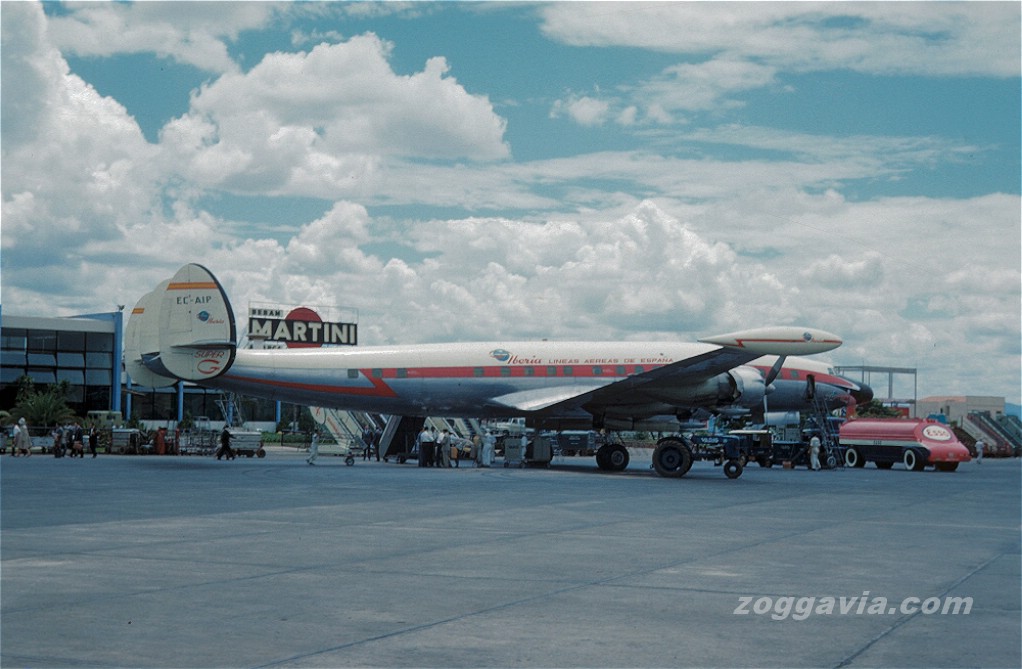
Crash of a Lockheed L-1049G Super Constellation in São Paulo

Date & Time: Mar 6, 1961 at 1337 LT
Operator:
Registration:
EC-AIP
Survivors:
Yes
Schedule:
Madrid – Tenerife – Sal – Natal – São Paulo – Montevideo – Buenos Aires – Santiago
MSN:
4552
YOM:
1954
Flight number:
IB991
Country:
Crew on board:
10
Crew fatalities:
Pax on board:
36
Pax fatalities:
Other fatalities:
Total fatalities:
0
Circumstances:
On final approach to São Paulo-Congonhas Airport, the four engine aircraft stalled and crashed short of runway 16 threshold. All 46 occupants were evacuated while the aircraft was destroyed.
Probable cause:
It was determined the approach was completed in heavy winds and turbulences and that the aircraft was caught by downdrafts during the last segment. However, it is reported the crew failed to adapt the approach speed to the wind conditions, causing the aircraft to lose height.

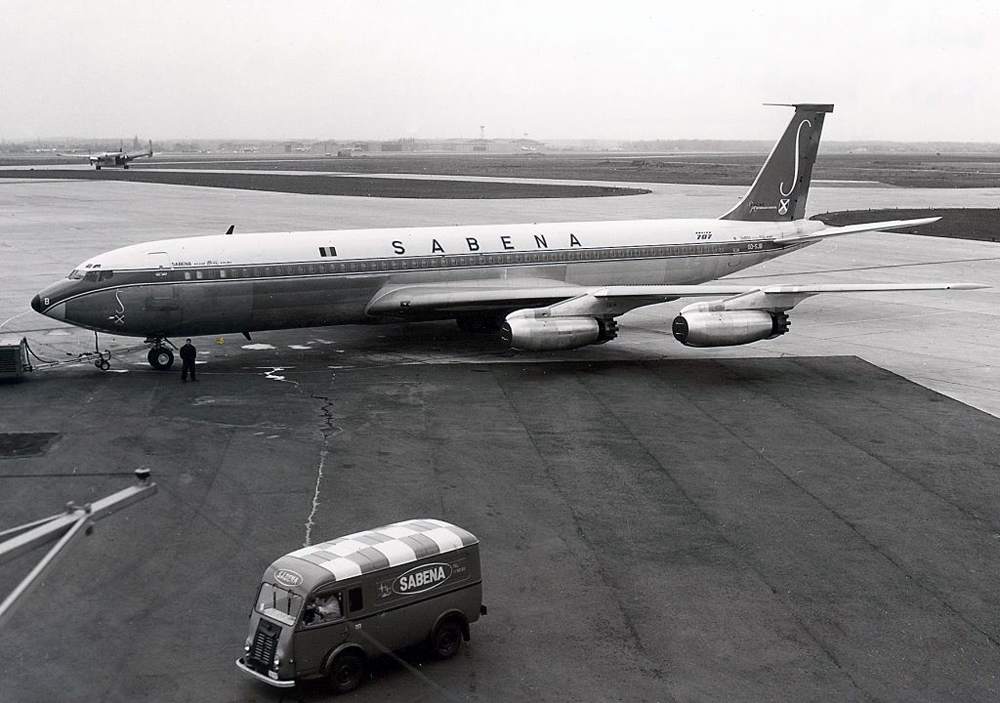
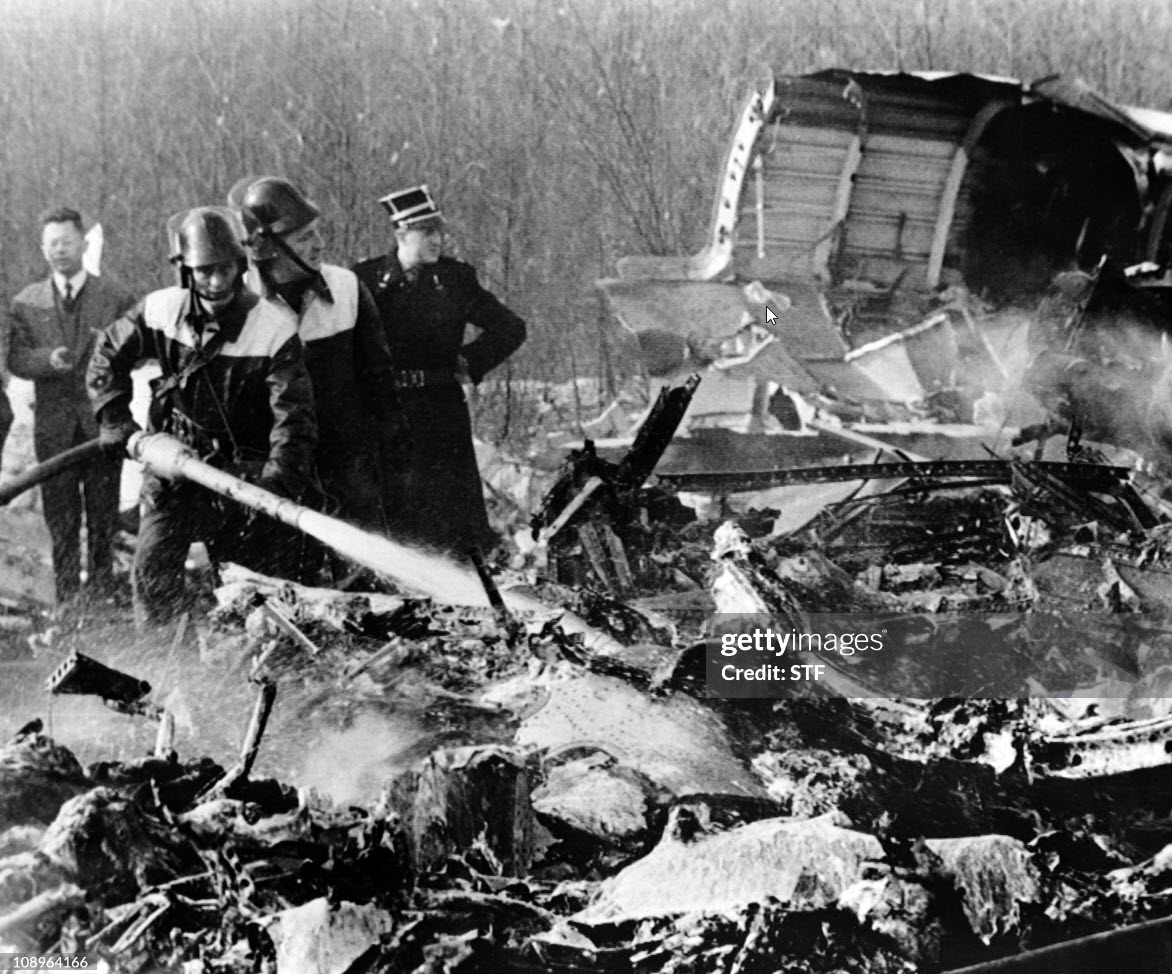
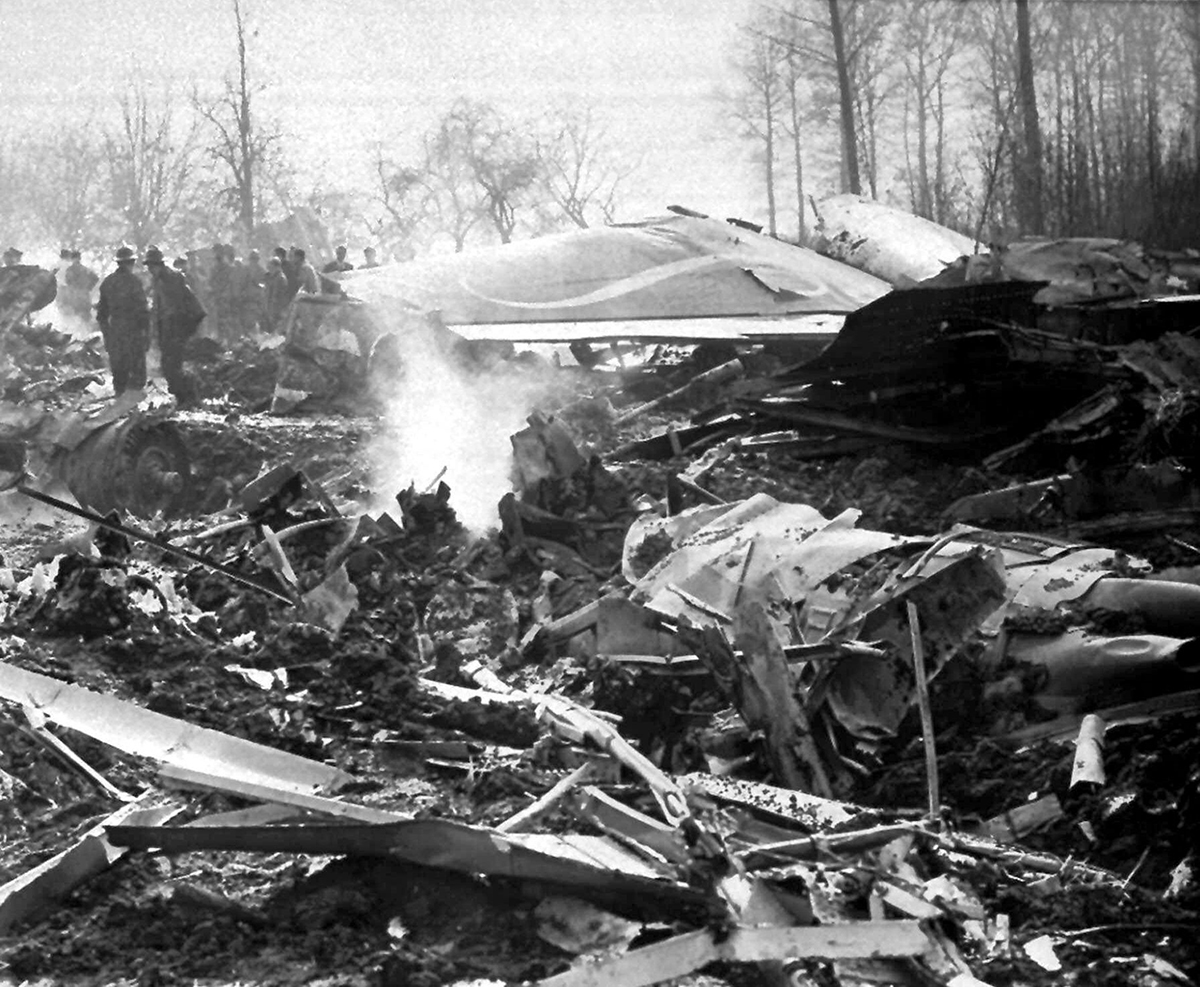
Crash of a Boeing 707-329 in Brussels: 73 killed

Date & Time: Feb 15, 1961 at 1005 LT
Type of aircraft:
Operator:
Registration:
OO-SJB
Survivors:
No
Schedule:
New York – Brussels
MSN:
17624
YOM:
1959
Flight number:
SN548
Country:
Region:
Crew on board:
11
Crew fatalities:
Pax on board:
61
Pax fatalities:
Other fatalities:
Total fatalities:
73
Captain / Total flying hours:
15384
Captain / Total hours on type:
21.00
Copilot / Total flying hours:
16231
Copilot / Total hours on type:
20
Aircraft flight hours:
3038
Circumstances:
Following an uneventful transatlantic flight from New York, the crew started the approach to runway 20 at Brussels-Zaventem Airport. On short final, while at an altitude of 900 feet, the crew raised the landing gear, increased engine power and made a go around. The plane made three 360° turns to the left and climbed to 1,500 feet. During these turns the bank angle increased more and more until the aircraft was in a near vertical bank. The wings then leveled, followed by an abrupt pitch up. The 707 lost speed, started to spiral rapidly towards the ground nose down, crashed and caught fire. All 72 occupants were killed as well as one farmer working in the field. Among the passengers were 17 members of the US National Hockey Team who were flying to Prague to take part to the World Championship.
Probable cause:
Having carried out all possible reasonable investigations, the Commission concluded that the cause of the accident had to be looked for in the material failure of the flying controls. However, while it was possible to advance certain hypotheses regarding the possible causes, they could not be considered entirely satisfactory. Only the material failure of two systems could lead to a complete explanation, but left the way open to an arbitrary choice because there was not sufficient evidence to corroborate it. The FAA commented that the most plausible hypothesis was a malfunction of the stabilizer adjusting mechanism permitting the stabilizer to run to the 10.5° nose-up position.
Final Report:

Crash of a Douglas C-47A-20-DK into the Java Sea: 26 killed

Date & Time: Feb 3, 1961 at 2350 LT
Operator:
Registration:
PK-GDY
Flight Phase:
Survivors:
No
Schedule:
Surabaya – Balikpapan
MSN:
13052
YOM:
1944
Flight number:
GA542
Country:
Region:
Crew on board:
5
Crew fatalities:
Pax on board:
21
Pax fatalities:
Other fatalities:
Total fatalities:
26
Aircraft flight hours:
18829
Circumstances:
The aircraft departed Surabaya-Juanda Airport in the evening bound for Balikpapan. While in cruising altitude, the airplane disappeared from radar screens and crashed into the Java Sea. SAR were conducted but eventually suspended after few days as no trace of the aircraft nor the 26 occupants was found. The crew was unable to send any distress call prior to the accident.
Probable cause:
Due to lack of evidence, it was not possible to determine the exact cause of the accident.
Final Report:

Crash of a Tupolev TU-104A in Vladivostok

Date & Time: Feb 1, 1961
Type of aircraft:
Operator:
Registration:
CCCP-42357
Survivors:
Yes
MSN:
8 66 008 03
YOM:
1958
Country:
Region:
Crew on board:
0
Crew fatalities:
Pax on board:
0
Pax fatalities:
Other fatalities:
Total fatalities:
0
Circumstances:
On final approach, the airplane was not properly aligned and the crew was instructed by ATC to make a go around. For unknown reason, the crew ignored this order and continued the approach. The airplane landed at an excessive speed and was unable to stop within the remaining distance, overran, lost its undercarriage and came to rest in flames. There were no injuries but the aircraft was destroyed.
Probable cause:
Wrong approach configuration on part of the flying crew who failed to make a go around.

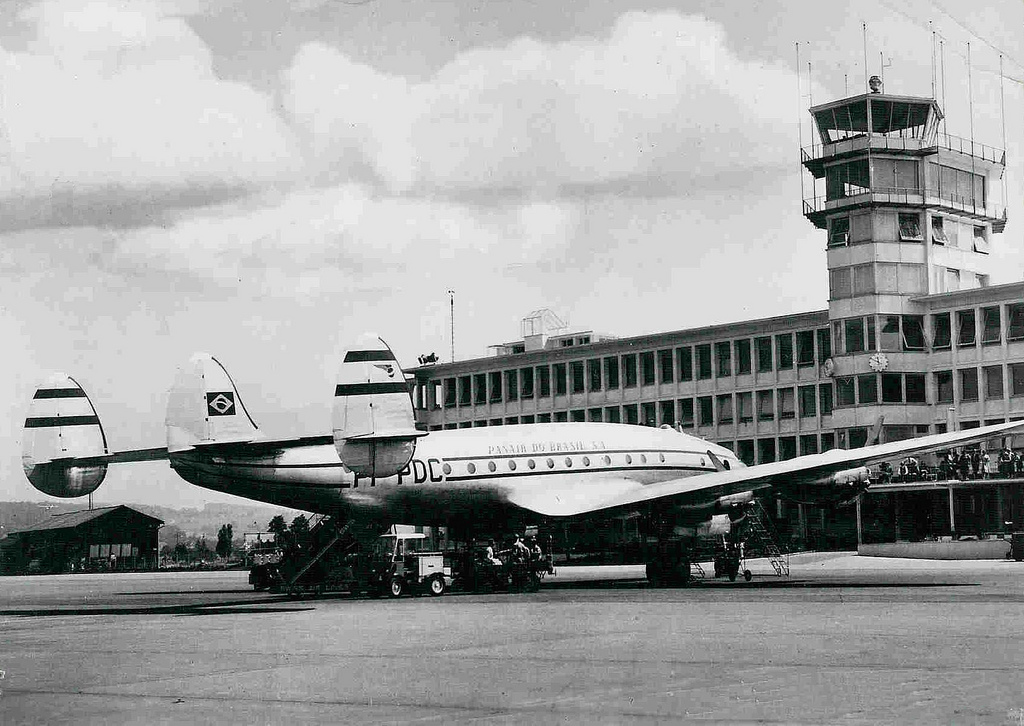
Crash of a Lockheed L-049 Constellation in Belo Horizonte

Date & Time: Jan 26, 1961 at 1100 LT
Operator:
Registration:
PP-PDC
Survivors:
Yes
MSN:
2056
YOM:
1946
Country:
Crew on board:
6
Crew fatalities:
Pax on board:
53
Pax fatalities:
Other fatalities:
Total fatalities:
0
Circumstances:
Following a wrong approach configuration, the four engine aircraft christened 'Domingos Dias Prado' landed too far down the runway. Unable to stop within the remaining distance, the airplane overran and eventually crashed into a ravine. All 59 occupants were evacuated safely while the aircraft was damaged beyond repair.
Probable cause:
Wrong approach configuration on part of the flying crew who completed the approach too high above the glide and at an excessive speed, causing the aircraft to land too far down the runway. It is also reported that the crew failed to make a go around while the approach procedure was missed.

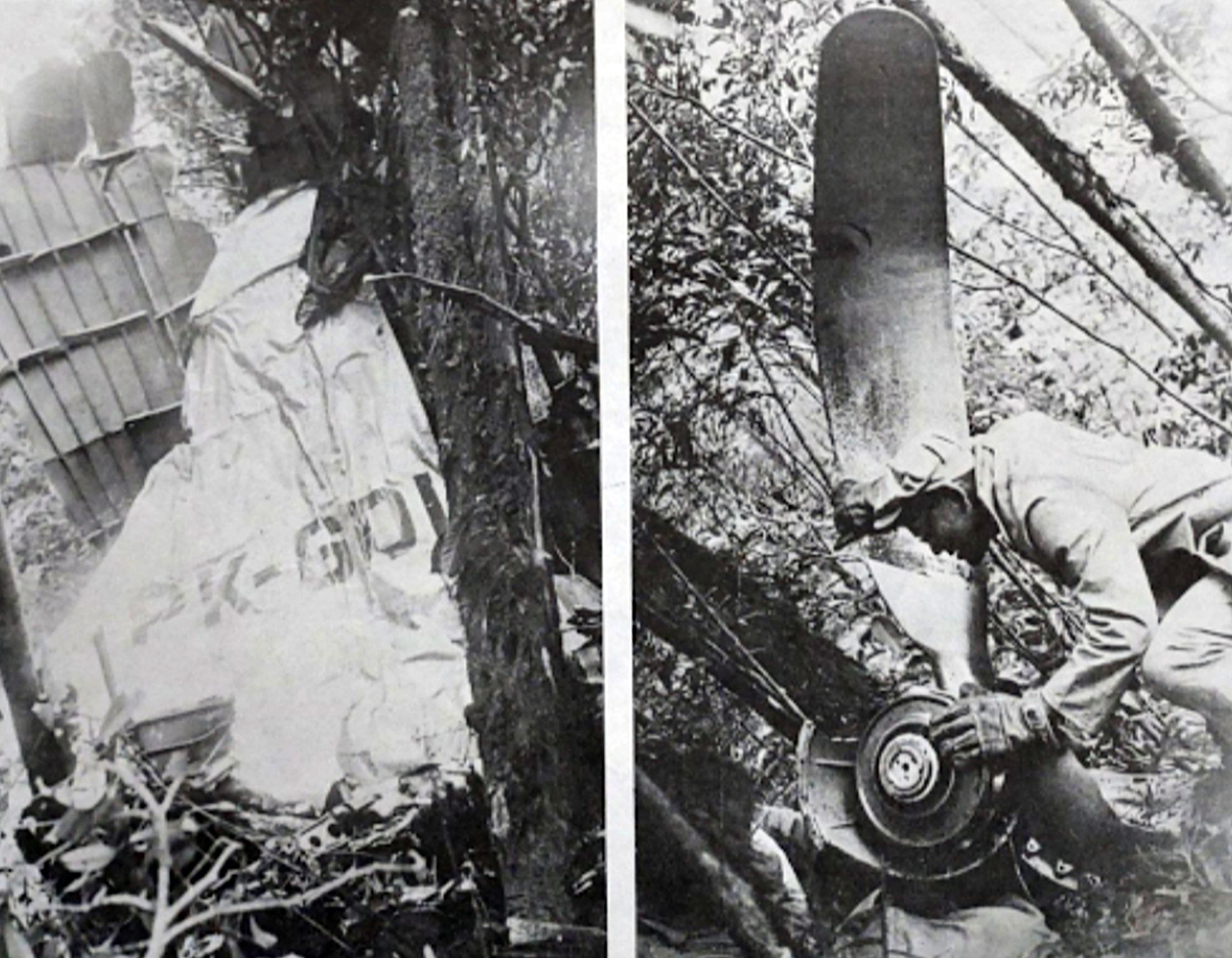
Crash of a Douglas C-47A-80-DL on Mt Burangrang: 21 killed

Date & Time: Jan 24, 1961 at 1048 LT
Operator:
Registration:
PK-GDI
Flight Phase:
Survivors:
No
Site:
Schedule:
Jakarta – Bandung – Yogjakarta – Surabaya
MSN:
19672
YOM:
1944
Flight number:
GA424
Country:
Region:
Crew on board:
5
Crew fatalities:
Pax on board:
16
Pax fatalities:
Other fatalities:
Total fatalities:
21
Circumstances:
The aircraft departed Jakarta Airport at 1009LT on a flight to Surabaya with intermediate stop at Bandung and Yogjakarta. The crew continued at 3,500 feet and received the permission to climb to 9,500 feet at 1043LT. At this time, the crew was requested to contact Bandung Tower. Five minutes later, while cruising at an altitude of 5,400 feet, the airplane struck the west slope of Mt Burangrang. The wreckage was found four days later and all 21 occupants were killed.
Probable cause:
The attempt by the pilot to fly over mountainous terrain when unsure of his position and in weather conditions which severely restricted visibility.
Final Report:

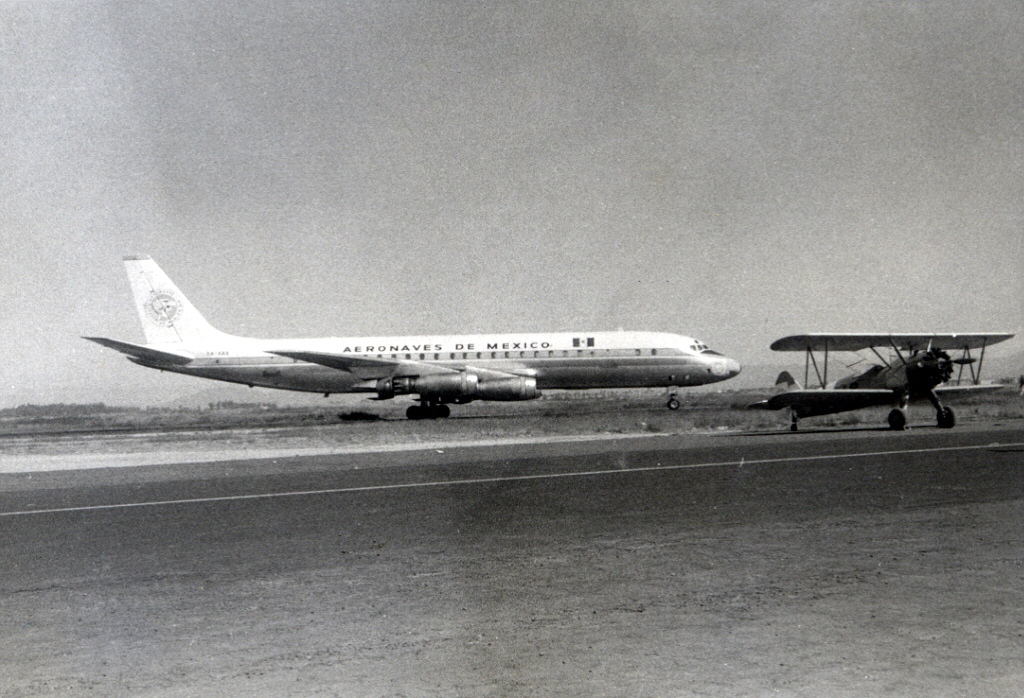
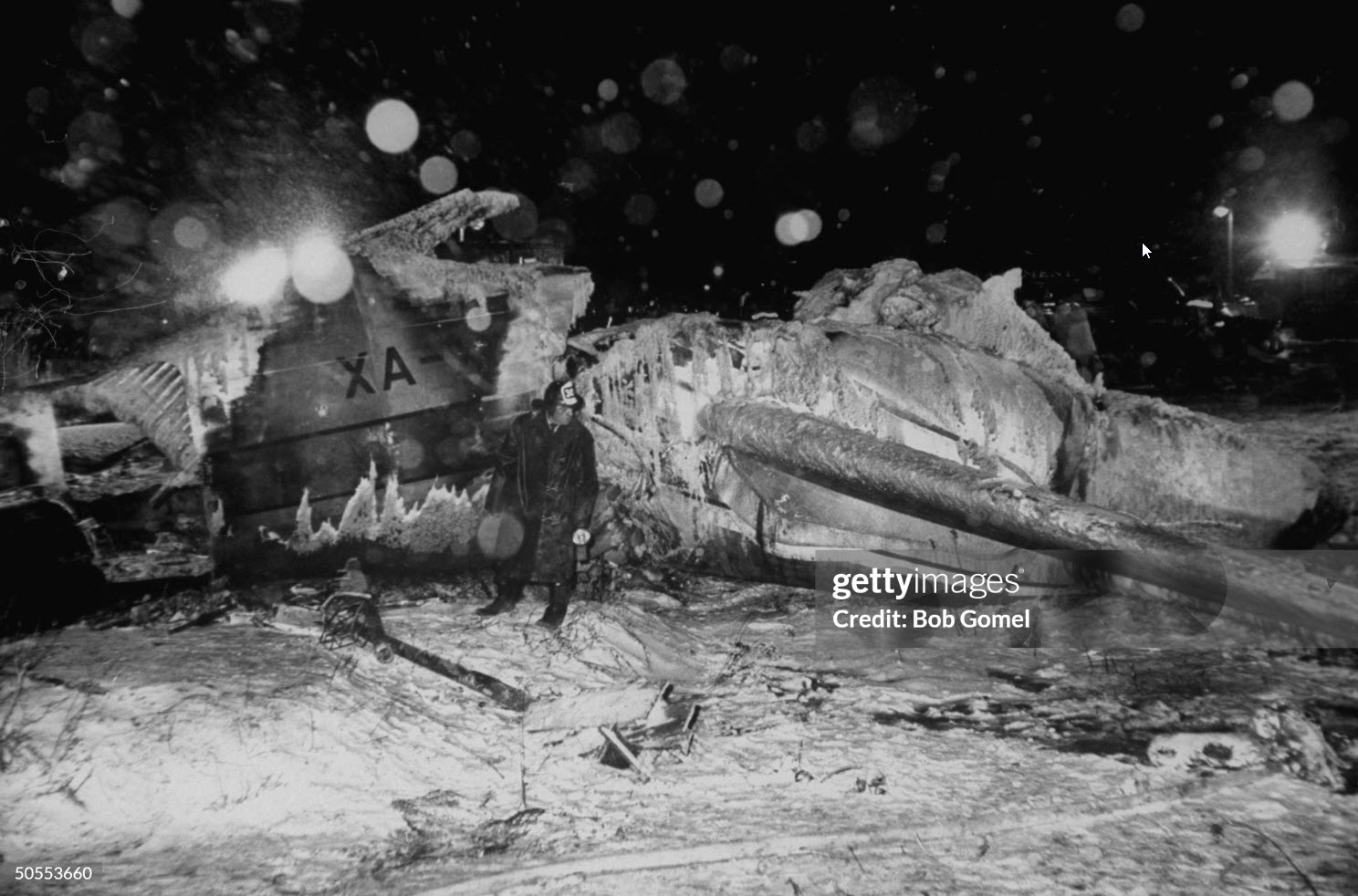
Crash of a Douglas DC-8-21 in New York: 4 killed

Date & Time: Jan 19, 1961 at 2017 LT
Type of aircraft:
Operator:
Registration:
XA-XAX
Flight Phase:
Survivors:
Yes
Schedule:
New York – Mexico City
MSN:
45432
YOM:
1960
Flight number:
AM401
Crew on board:
9
Crew fatalities:
Pax on board:
97
Pax fatalities:
Other fatalities:
Total fatalities:
4
Captain / Total flying hours:
15210
Captain / Total hours on type:
46.00
Copilot / Total flying hours:
8260
Copilot / Total hours on type:
125
Aircraft flight hours:
529
Circumstances:
The first approximate 6,200 feet of takeoff roll was observed by control tower personnel, visually, until the aircraft was lost to view by obscuring snow, approximately 3,800 feet from the control tower. They stated that at that time the aircraft had not taken off or rotated. Another tower controller observed the aircraft by airport surface-detection *** radar from the start of its roll to the eastern end of runway 7R, where it disappeared from view. A few seconds later he observed a bright orange flash on the sky northeast of the airport. He could not tell if the aircraft left the runway. Emergency procedures were started immediately by the controllers and an unsuccessful attempt was made to contact the flight on the departure radio frequency. Captain Poe was the only survivor of the four cockpit occupants. He stated as follows: The checklist was accomplished normally. The runway condition was good and everything apparently occurred in a routine manner through the 100-knot time check when the first officer called out "***" (Spanish for 100). Upon reaching approximately 130 knots (the V1 speed) the first officer called out V1 and VR rapid succession. The aircraft was then rotated quickly and somewhat excessively. Poe did not see the airspeed go over 130 knots and as rotation started he saw the airspeed start to drop back quite rapidly to about 110 knots. At this time the Aeronaves captain called or pointed to the airspeed indicator. Poe felt that the aircraft could not become airborne under these conditions and that the runway remaining was not long enough to put the nose back down to start the takeoff again from that speed. His only choice, so he stated, was to try to get the aircraft stopped on the runway. Poe unfastened his safety belt, stood to gauge progress down the runway, moved forward, shoved the throttles forward briefly, noted a normal and uniform response from the engine instruments (the EPR gauges were reading normally from 2.52 to 2.54), and then pulled the throttles full back. Captain Gonzales "immediately" pulled the reverse throttles back into reverse thrust and used wheel brakes. Poe extended the spoilers and then sat down on the jump seat without refastening his seat belt. He believes that the aircraft did not take off Whether it did or not wall be discussed later in this report. Poe's actions would have taken about three seconds, an shown by later test. The aircraft continued ahead the full length of the 10,000-foot runway, beyond it, through a blast fence, 3 catching on fire, through the airport boundary fence, and across Rockaway Boulevard where it struck an automobile injuring the driver and sole occupant. After going through the blast fence, many parts were shed before the aircraft came to rest in flames 830 feet beyond the end of the runway. Emergency vehicles from the airport and of the New York Fire Department were quickly started for the scene. Although impeded somewhat by weather conditions, they reached it within about six minutes and extinguished the fire. Evacuation and rescue of the occupants had already been effected in a total time of about five minutes, although most persons were out of the wreckage and away from the fire site in half this time. Many of the survivors were taken to hospital in privately owned vehicles. Destruction of the aircraft was extensive.
Probable cause:
The Board concludes that the aircraft did become airborne. Investigation of the accident has pointed out that Captain Poe erroneously believed that if the speed of rotation were appreciably below the calculated VR speed, a longer takeoff run would result. The Board concludes that the takeoff was discontinued as a result of the action of the check pilot, who was not seated in a pilot seat, in reaching forward without warning and pulling the throttles back. This action caused power to be decreased or all four engines.
The Board determines that the probable cause of this accident was the unnecess discontinuing of the takeoff by the check pilot, who was not in either pilot seat. The contributing factors in this accident were the marginally poor weather, snow on the runway, and the possibility of the Pitot head heat not having been on.
Final Report: