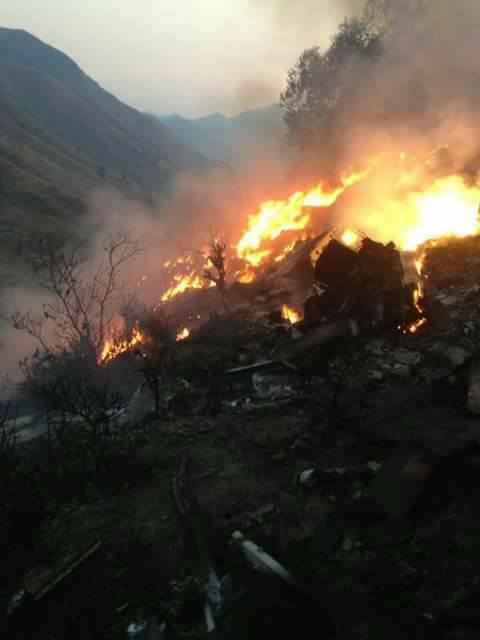
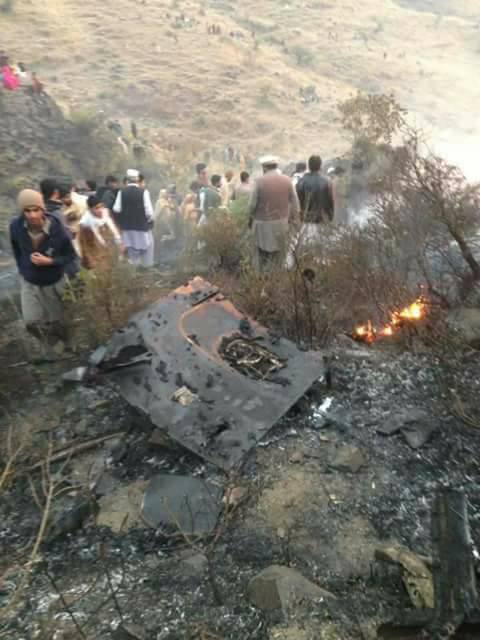
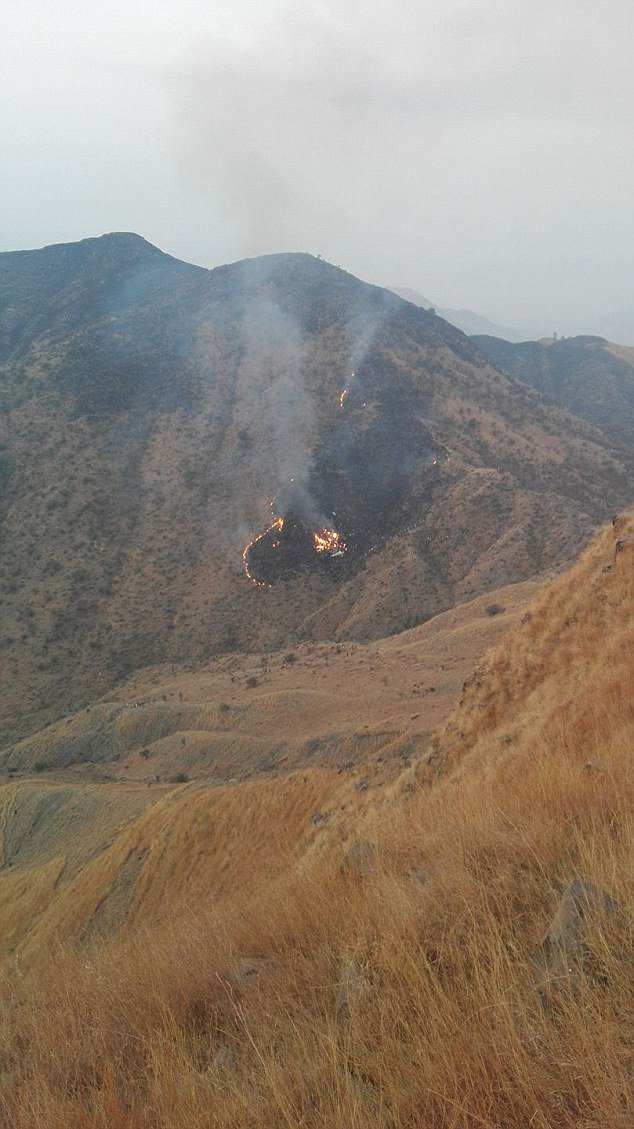
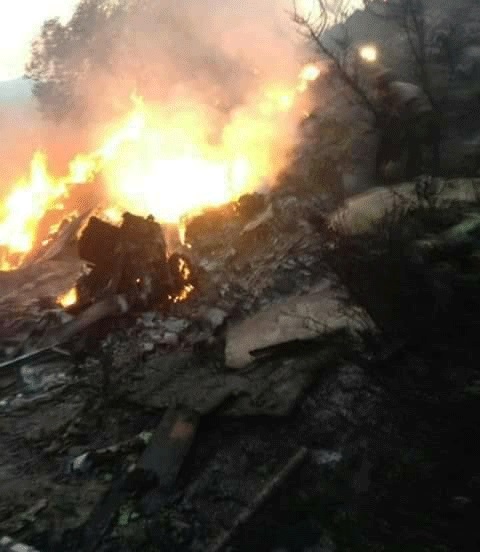
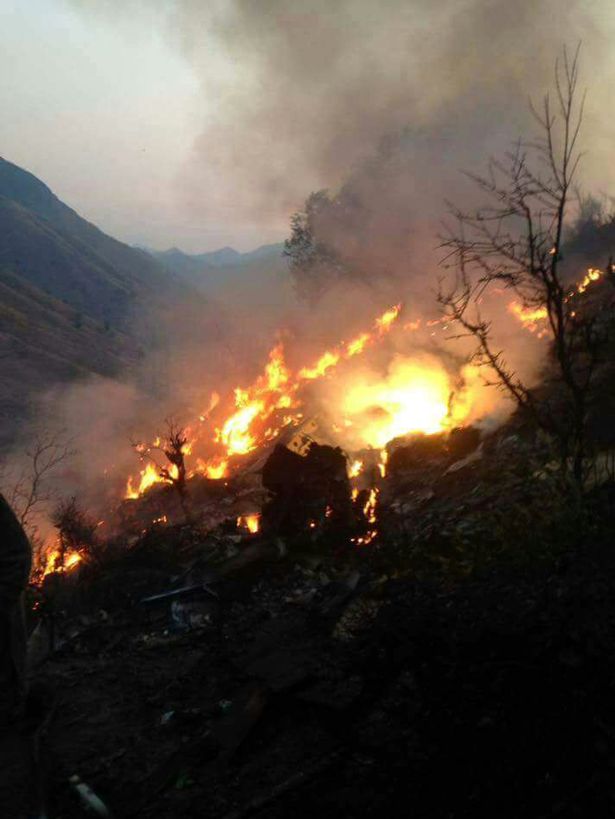
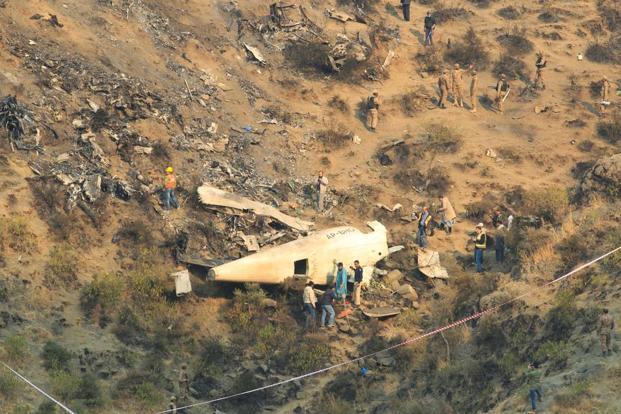
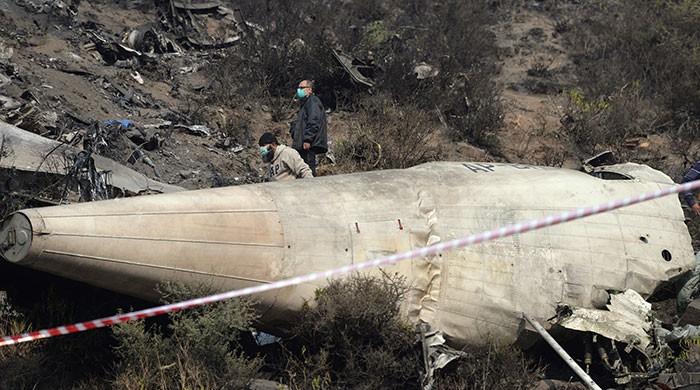
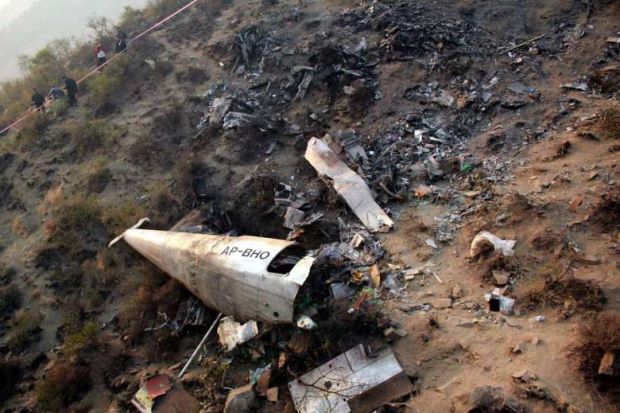
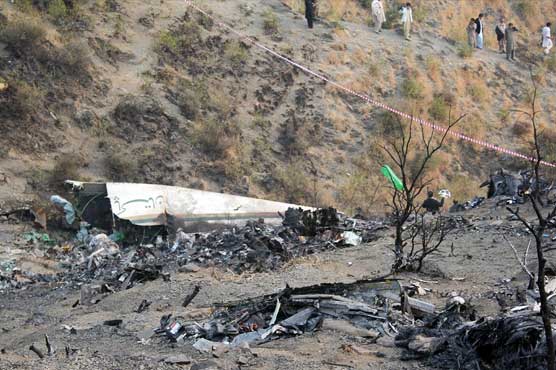
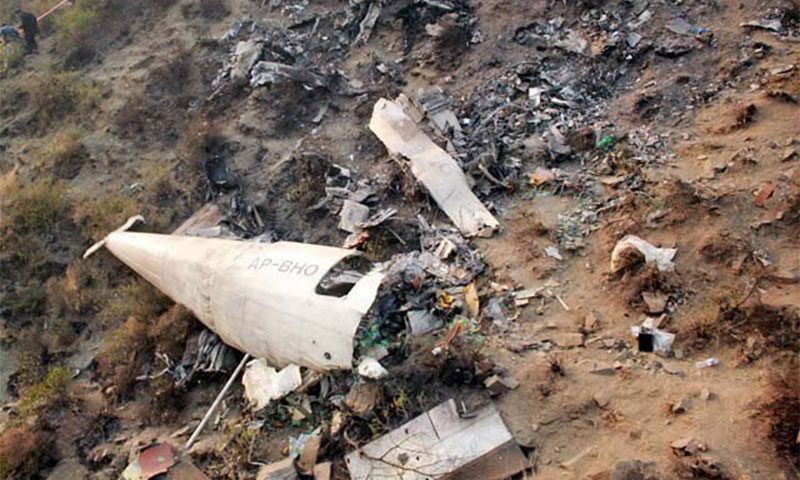
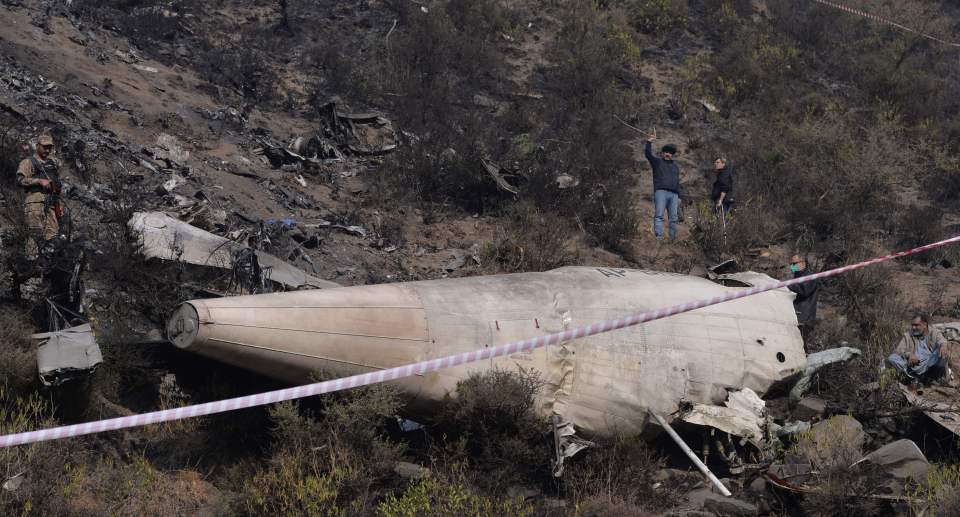
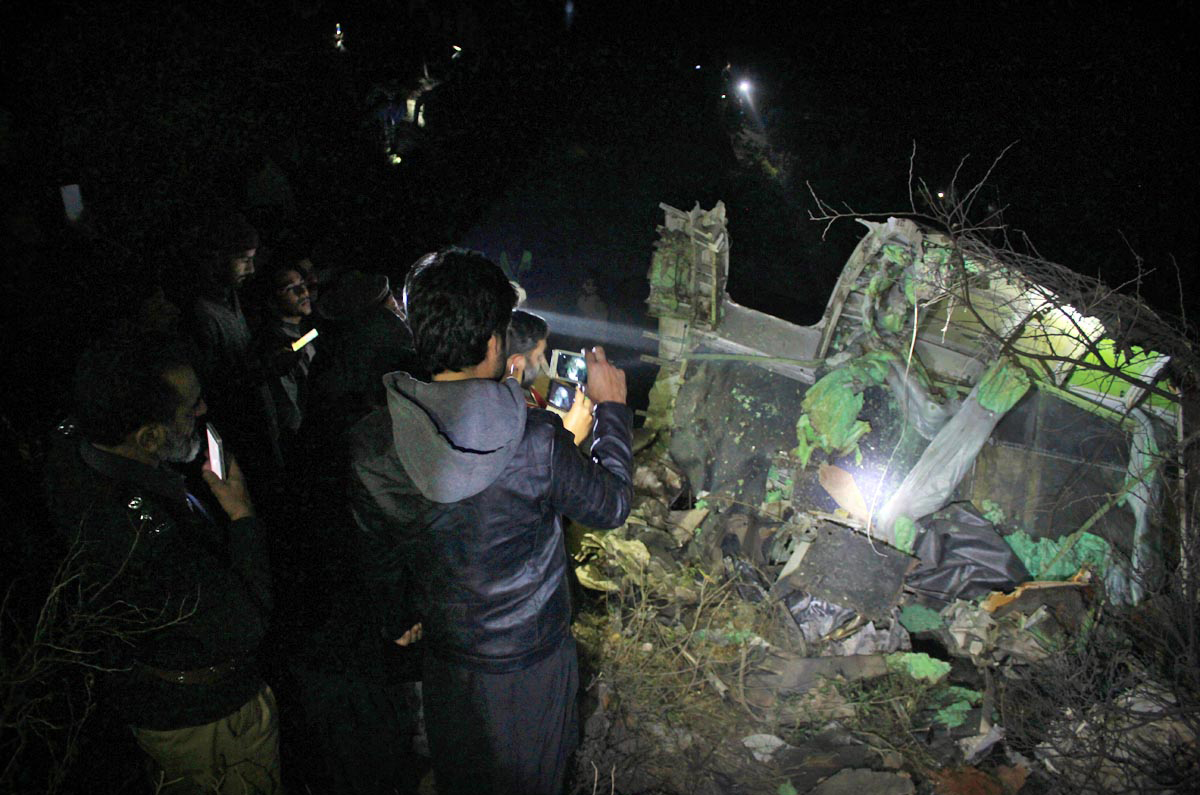
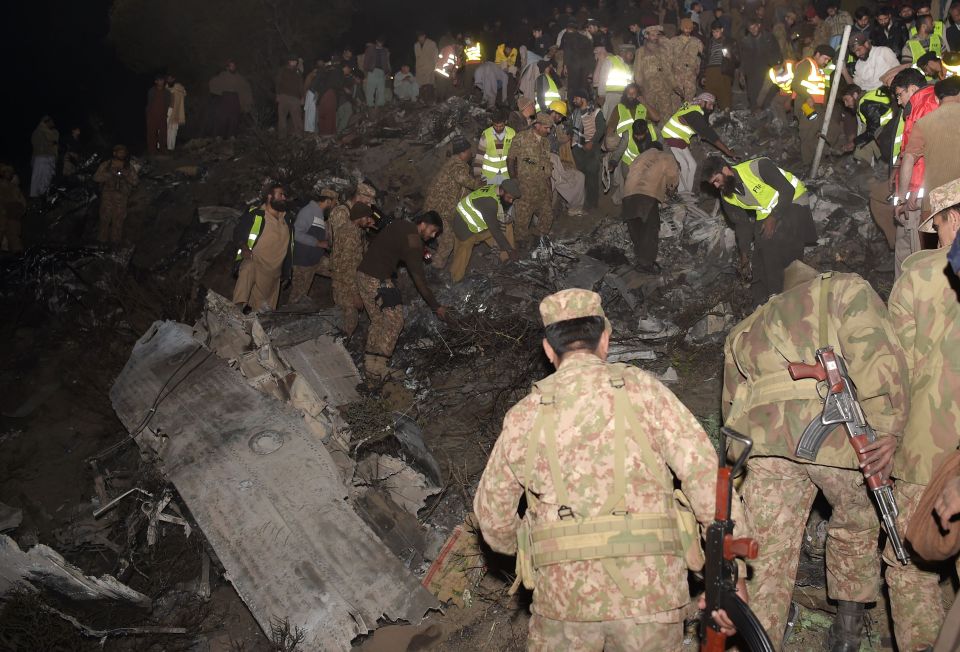
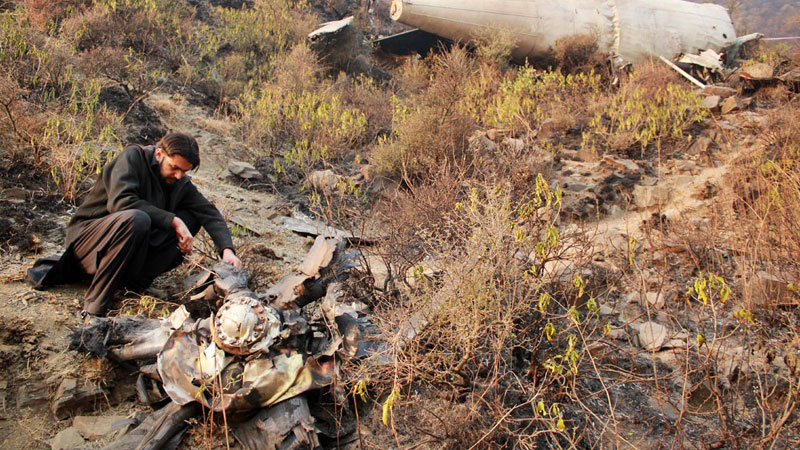
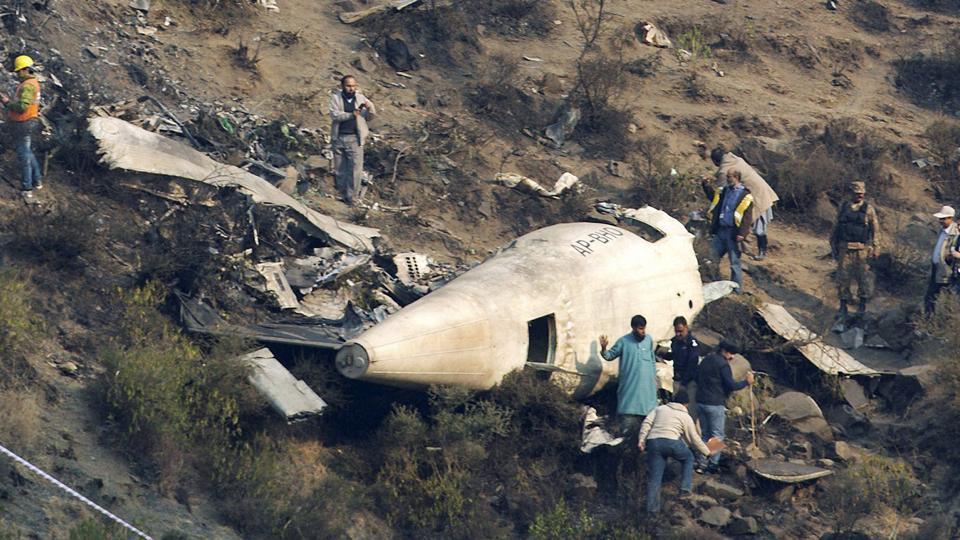
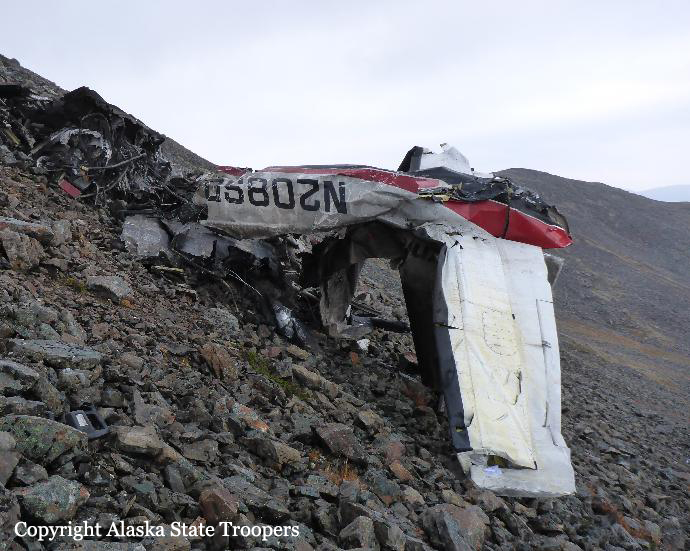
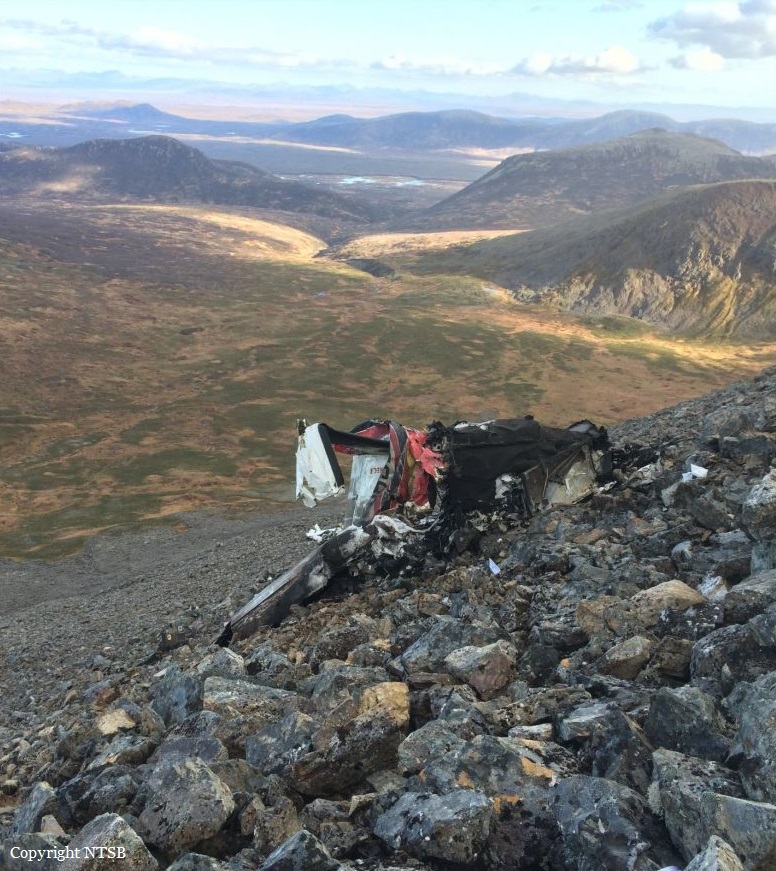
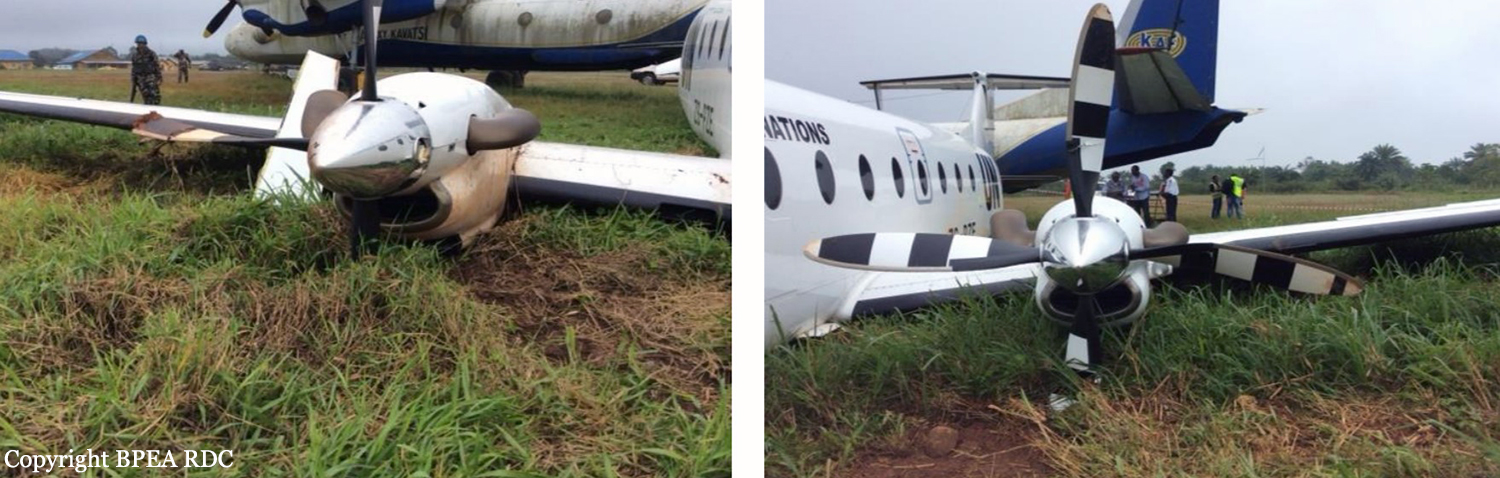
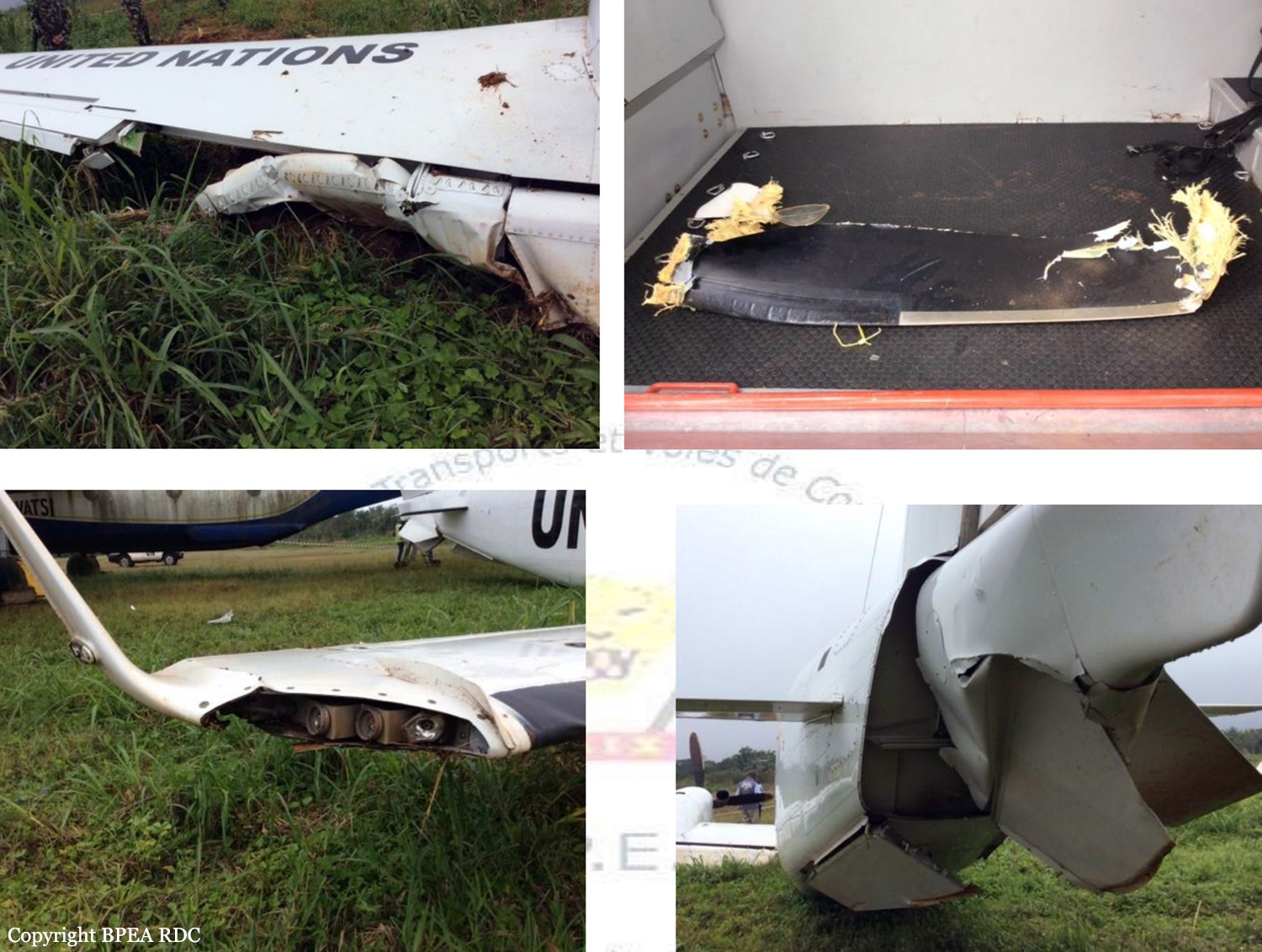
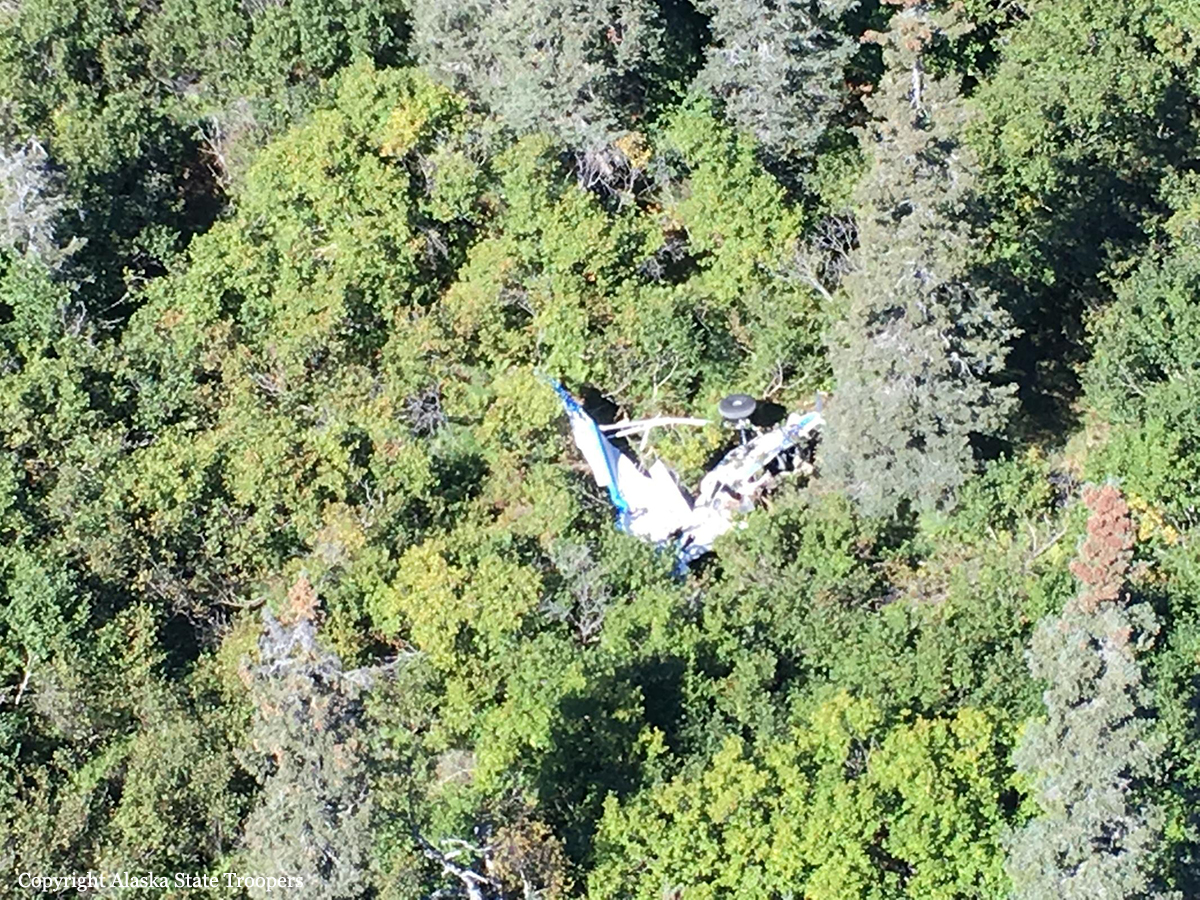
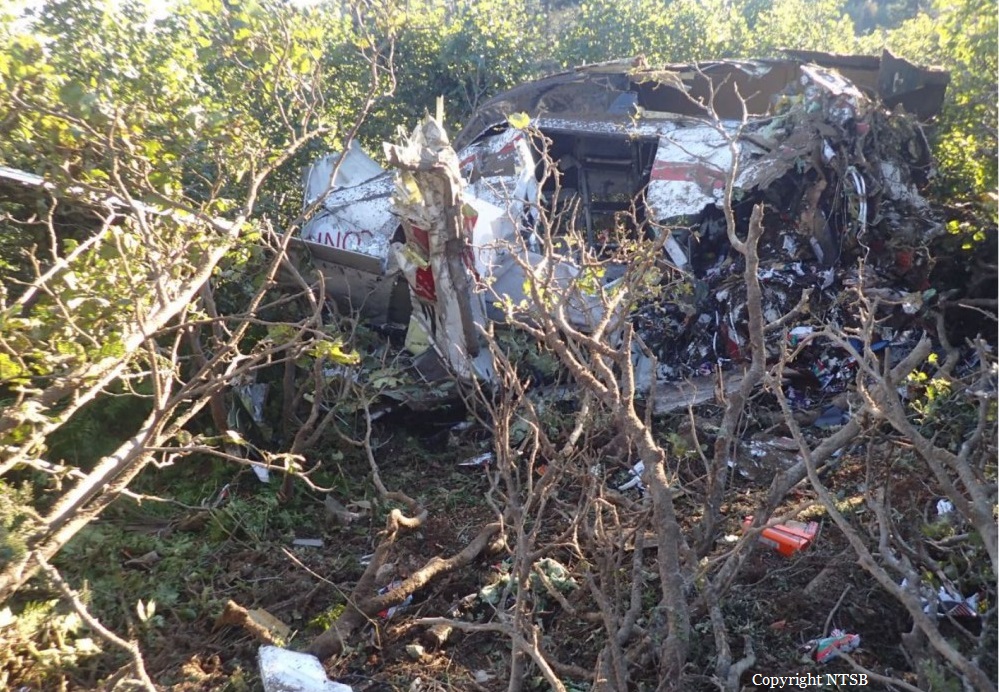
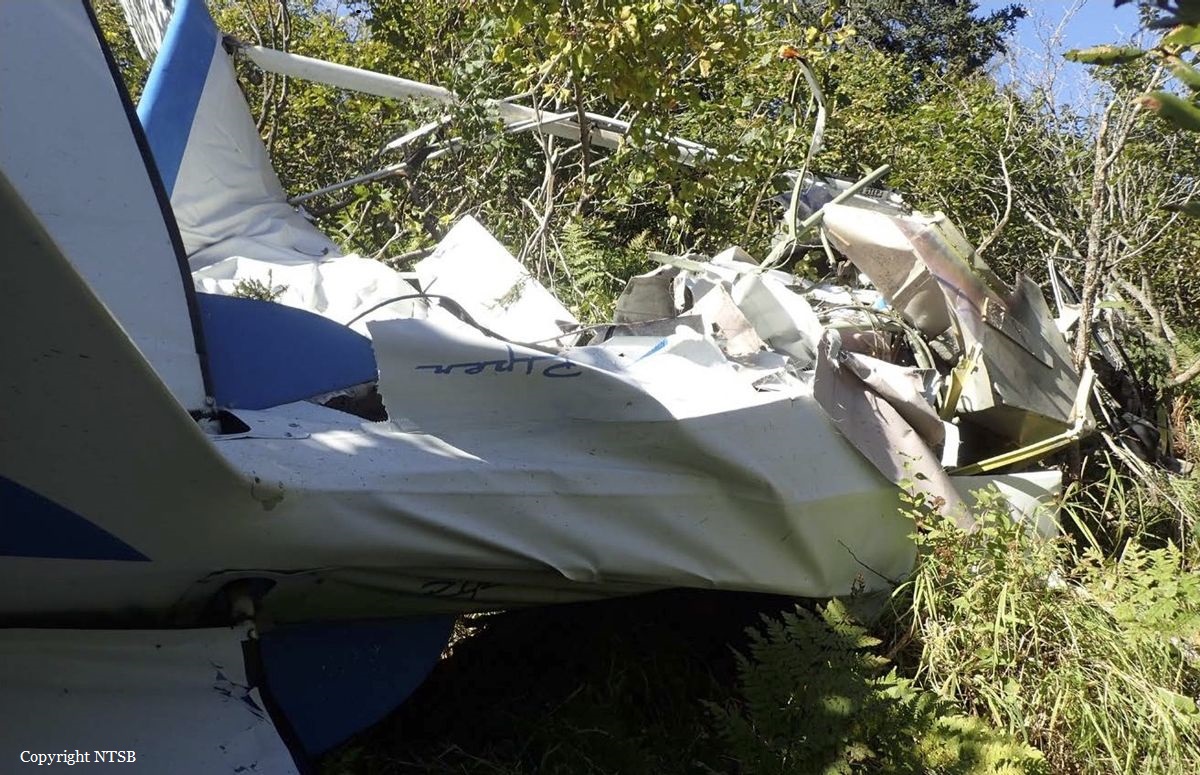
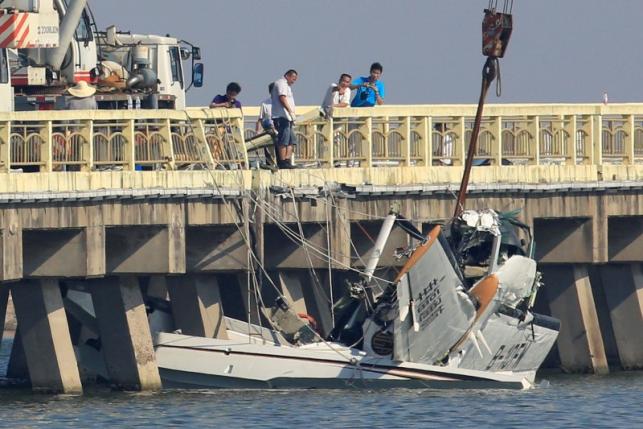
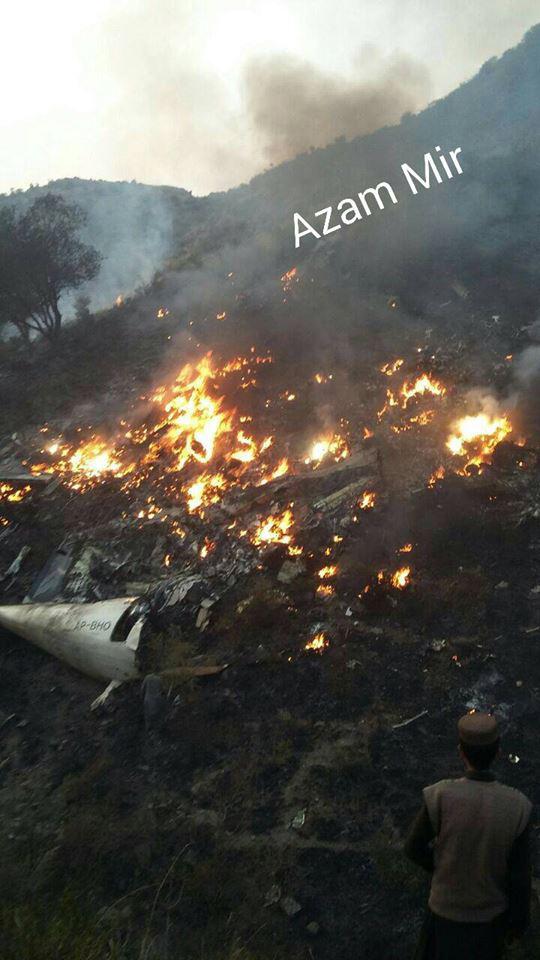
Crash of an ATR42-500 near Havelian: 47 killed

Date & Time: Dec 7, 2016 at 1620 LT
Type of aircraft:
Operator:
Registration:
AP-BHO
Flight Phase:
Survivors:
No
Site:
Schedule:
Chitral – Islamabad
MSN:
663
YOM:
2007
Flight number:
PK661
Country:
Region:
Crew on board:
5
Crew fatalities:
Pax on board:
42
Pax fatalities:
Other fatalities:
Total fatalities:
47
Captain / Total flying hours:
11265
Captain / Total hours on type:
1216.00
Copilot / Total flying hours:
570
Copilot / Total hours on type:
369
Aircraft flight hours:
18739
Circumstances:
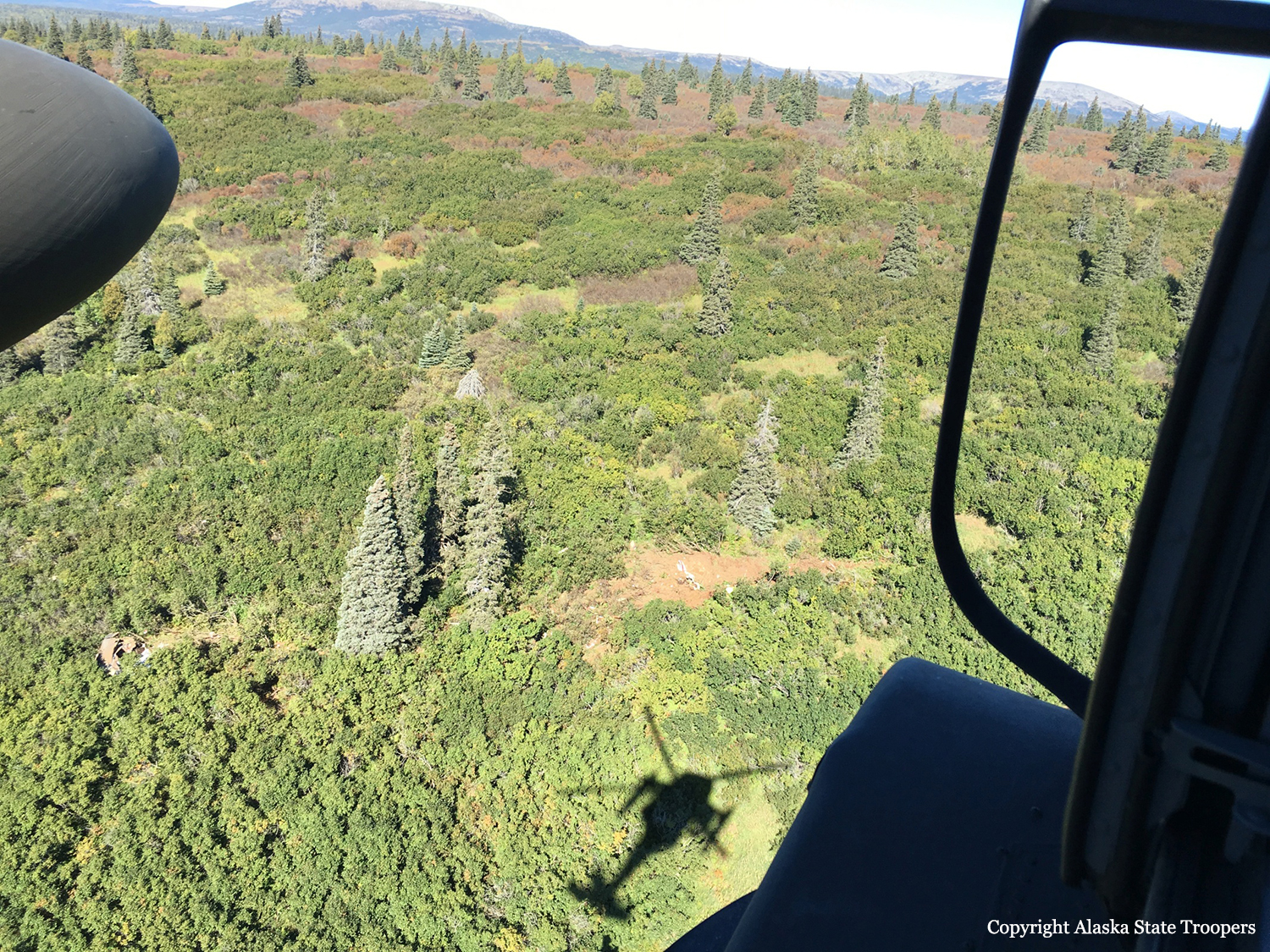
On 07 December 2016 morning, after a routine daily inspection at Benazir Bhutto International Airport (BBIAP) Islamabad, Pakistan International Airlines (PIA) aircraft ATR42-500 Reg No AP-BHO operated 05 flights (ie Islamabad to Gilgit and back, Islamabad to Chitral, Chitral to Peshawar and back). As 6th and last flight of that day, it took off from Chitral at time 10:38:50 UTC (15:38:50 PST) with 42 passengers (including 01 engineer) and 05 crew members (03 pilots and 02 cabin crew) aboard for Islamabad. It crashed after 42 minutes of flight at 11:20:38 UTC (16:20:38 PST) about 3.5 Nautical Miles (NM) SSE of Havelian, and 24 NM North of BBIAP Islamabad. All 47 souls aboard were fatally injured. The aircraft remained in air for about 42 minutes before crash (all timings in UTC). These 42 minutes have been split into three stages of flight, described hereunder:

(a) Initial Stage: From 10:38 to 11:04 (~26 minutes) degraded speed governing accuracy of the port propeller was evident in the DFDR data, but was apparently not observed by the cockpit crew. The flight stabilized at an altitude 13,500 feet AMSL and a cruising speed of 186 knots IAS (instead of expected 230 knots IAS). There were two latent pre-existing technical anomalies in the aircraft (a Fractured / dislodged PT-1 blade due to a known quality issue and a fractured pin inside the OSG), and one probable latent pre-existing condition (external contamination) inside the PVM of No 1 Engine. Digital Flight Data Recorder (DFDR) analysis indicates that No 1 Engine was degraded.

(b) Middle Stage (Series of Technical Malfunctions): From 11:04 to 11:13 (~09 minutes), a series of warnings and technical malfunctions occurred to No 1 Engine (left side) and its related propeller control system. These included Propeller Electronic Control (PEC) fault indications, followed by No 1 Engine power loss, and uncontrolled variation of its propeller speed / blade pitch angle abnormal system operation). The propeller speed which was initially at 82% (cruise setting) decreased gradually to 62% and later at the time of engine power loss it increased to 102% (and stayed at that value for about 15 to 18 seconds). It then reduced down to Non Computed Data (NCD) as per DFDR. At this point, (based on simulation results) the blade pitch angle increased (possibly close to feather position). Later, the propeller speed increased to 120% to 125% (probably caused due to unusual technical malfunctions) and stayed around that value for about 40 to 45 seconds. It finally showed an abrupt drop down to NCD again. At this point, (based on simulation results) the blade pitch angle may have settled at a value, different from the expected feathered propeller. During this unusual variation of propeller speed, there were drastic variations in the aircraft aerodynamic behaviour and sounds. The directional control was maintained initially by the Auto-Pilot. A relatively delayed advancement of power (of No 2 Engine) post No 1 Engine power loss, reduction of power (of No 2 Engine) for about 15 seconds during the timeframe when left propeller rpm was in the range of 120% to 125%, and once again a reduction of power towards the end of this part of flight, were incorrect pilot actions, and contributed in the IAS depletion. Auto-Pilot got disengaged. Towards the end of this part of flight, the aircraft was flying close to stall condition. No 1 Engine was already shutdown and No 2 Engine (right side) was operating normal. At this time, IAS was around 120 knots; aircraft started to roll / turn left and descend. Stick shaker and stick pusher activated. Calculated drag on the left side of the aircraft peaked when the recorded propeller speed was in the range of 120% to 125%. During transition of propeller speed to NCD, the additional component of the drag (possibly caused due to abnormal behaviour of left propeller) suddenly reduced. The advancement of power of No 2 Engine was coupled with excessive right rudder input (to counter the asymmetric condition). This coincided with last abrupt drop in the propeller speed. As a combined effect of resultant aerodynamic forces aircraft entered into a stalled / uncontrolled flight condition, went inverted and lost 5,100 feet AMSL altitude (ie from ~13,450 feet to 8,350 feet AMSL).

(c) Final Stage: The final stage of flight from 11:13 to 11:20 (~07 minutes) started with the aircraft recovering from the uncontrolled flight. Although blade pitch position was not recorded (in the DFDR – by design), and it was not possible to directly calculate that from the available data, a complex series of simulations and assumptions estimated that the blade pitch of left propeller may have settled at an angle around low pitch in flight while rotating at an estimated speed of 5%. Aircraft simulations indicated that stable additional drag forces were present on the left side of the aircraft at this time and during the remaining part of flight. Aircraft had an unexpected (high) drag from the left side (almost constant in this last phase); the aircraft behavior was different from that of a typical single engine In Flight Shutdown (IFSD) situation. In this degraded condition it was not possible for the aircraft to maintain a level flight. However, that level of drag did not preclude the lateral control of the aircraft, if a controlled descent was initiated. The aircraft performance was outside the identified performance envelope. It was exceptionally difficult for the pilots to understand the situation and hence possibly control the aircraft. Figure hereunder shows different stages of flight.
Probable cause:
The following factors were reported:
Probable Primary Factors:
(a) The dislodging / fracture of one PT-1 blade of No 1 Engine triggered a chain of events. Unusual combination of fractured / dislodged PT-1 blade with two latent factors caused off design performance of the aircraft and resulted into the accident.
(b) The dislodging / fracture of PT-1 blade of No 1 Engine occurred after omission from the EMM (Non-Compliance of SB-21878) by PIA Engineering during an unscheduled maintenance performed on the engine in November 2016, in which the PT-1 blades had fulfilled the criteria for replacement, but were not replaced.
(c) Fracture / dislodging of PT-1 blade in No 1 Engine, after accumulating a flying time slightly more than the soft life of 10,000 hrs (ie at about 10004.1 + 93 hrs) due to a known quality issue. This aspect has already been addressed by re-designing of PT-1 blades by P&WC.
Probable Contributory Factors:
(a) A fractured pin (and contamination inside the OSG), contributed to a complex combination of technical malfunctions. The pin fractured because of improper re-assembly during some unauthorized / un-documented maintenance activity. It was not possible to ascertain exact time and place when and where this improper re-assembly may have occurred.
(b) Contamination / debris found in overspeed line of PVM of No 1 Engine probably introduced when the propeller system LRU"s were not installed on the gearbox, contributed to un-feathering of the propeller. It was not possible to ascertain exact time and place when and where this contamination was introduced.
Final Report:

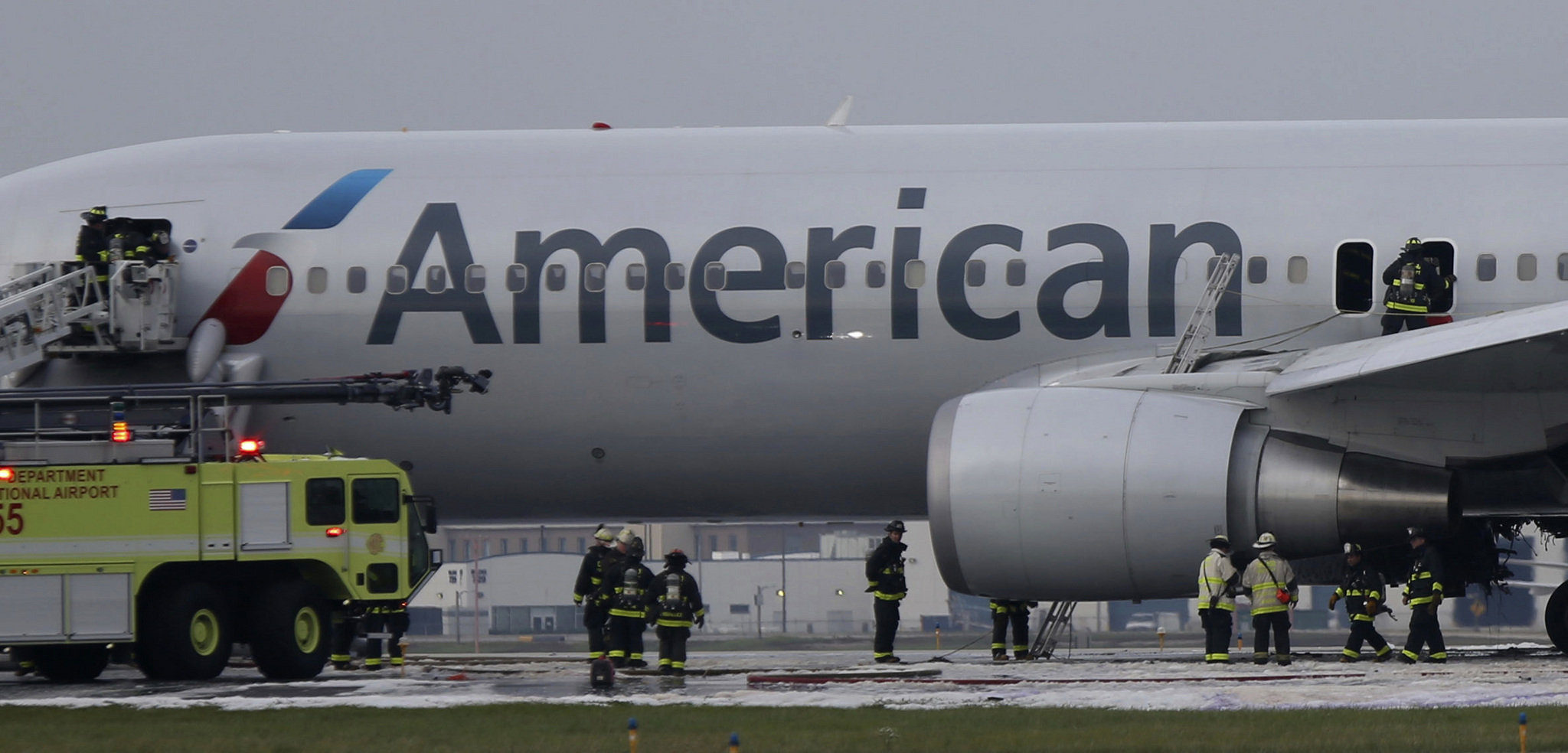
Crash of a Boeing 767-323ER in Chicago

Date & Time: Oct 28, 2016 at 1435 LT
Type of aircraft:
Operator:
Registration:
N345AN
Flight Phase:
Survivors:
Yes
Schedule:
Chicago – Miami
MSN:
33084
YOM:
2003
Flight number:
AA383
Crew on board:
9
Crew fatalities:
Pax on board:
161
Pax fatalities:
Other fatalities:
Total fatalities:
0
Captain / Total flying hours:
17400
Captain / Total hours on type:
4000.00
Copilot / Total flying hours:
22000
Copilot / Total hours on type:
1846
Aircraft flight hours:
50632
Aircraft flight cycles:
8120
Circumstances:
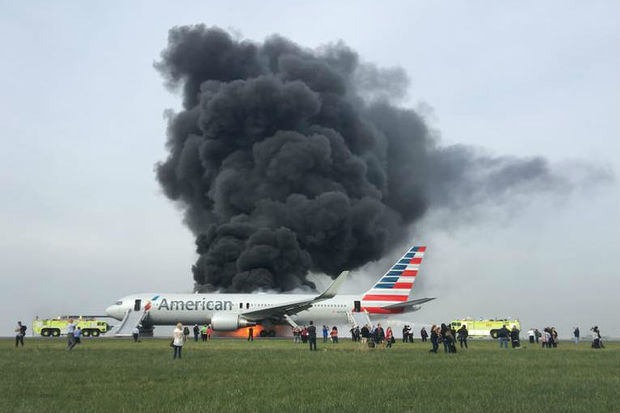
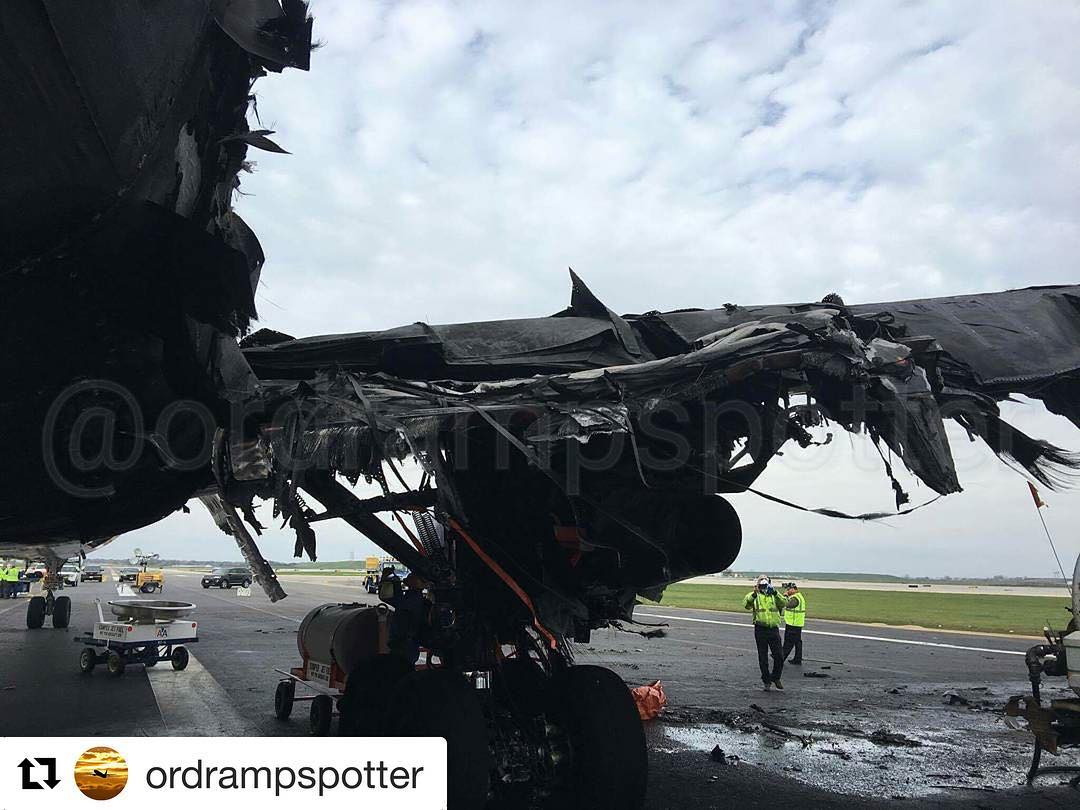
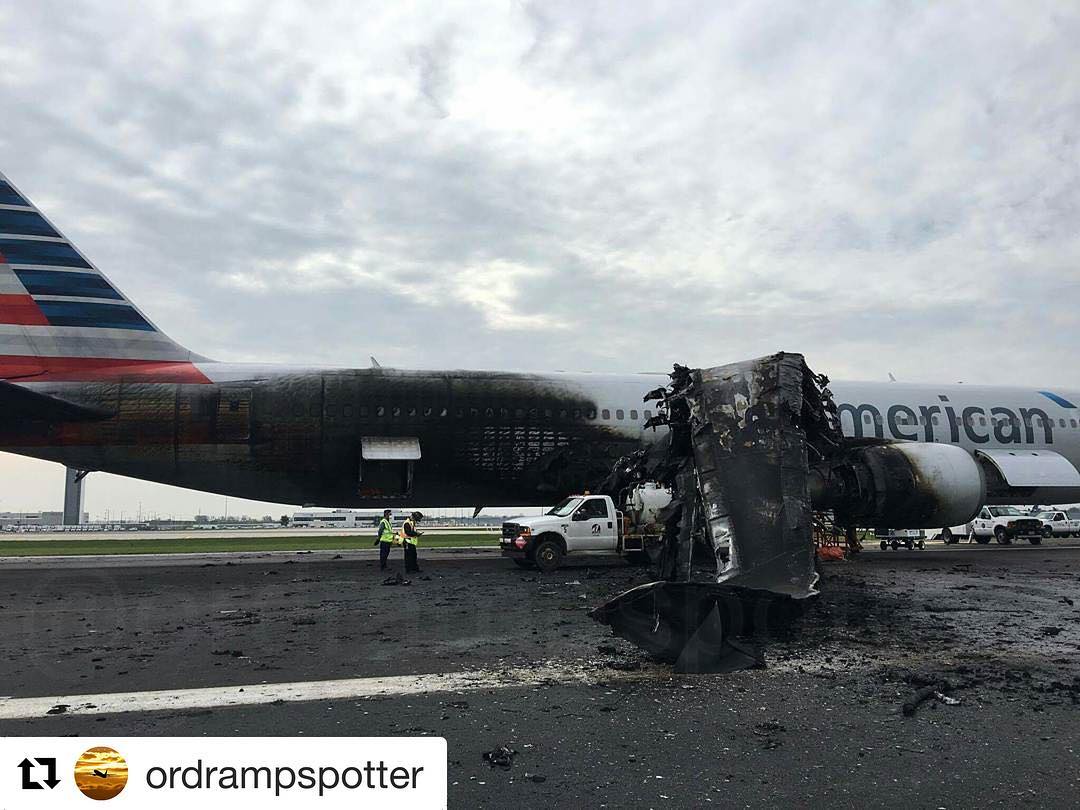
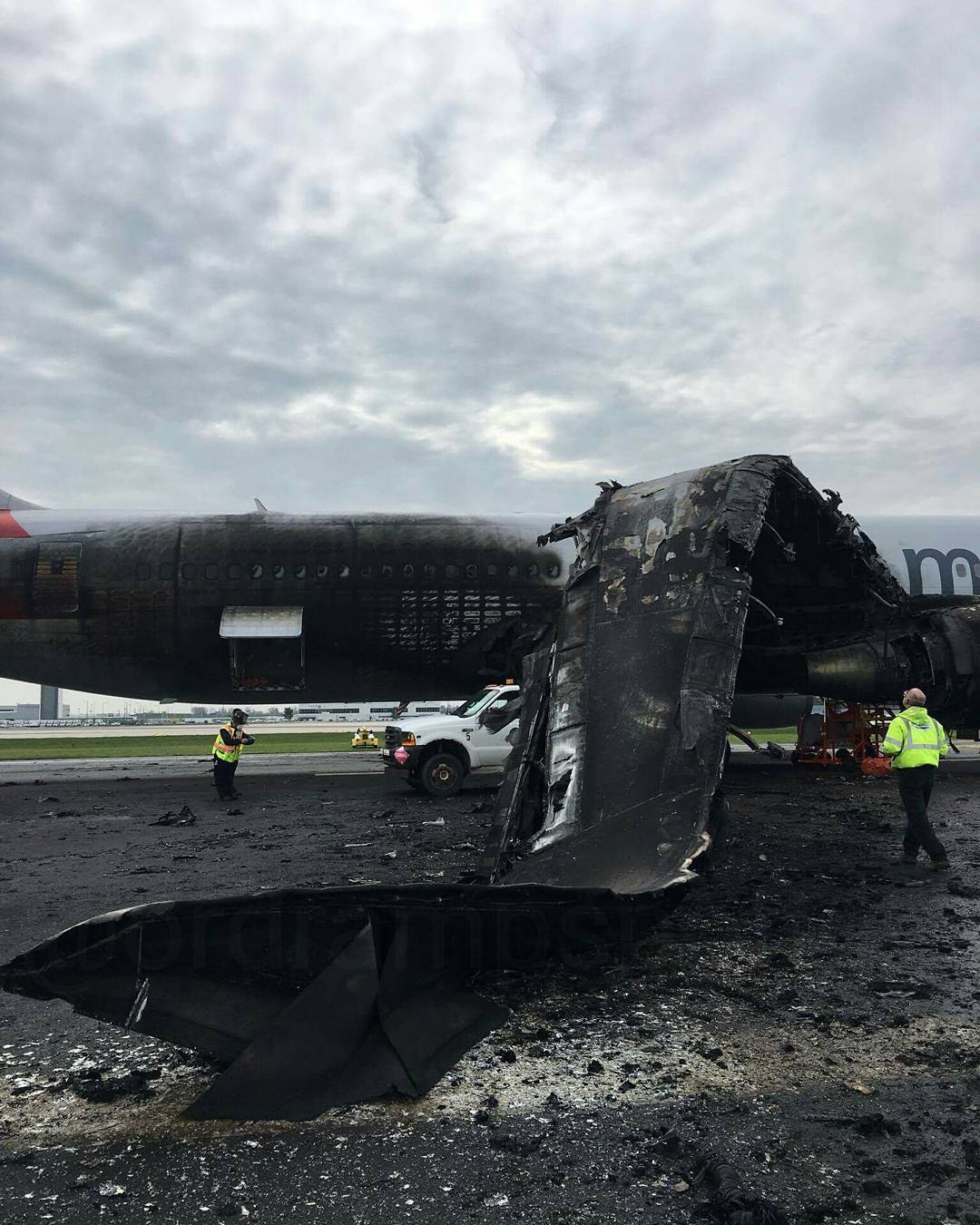
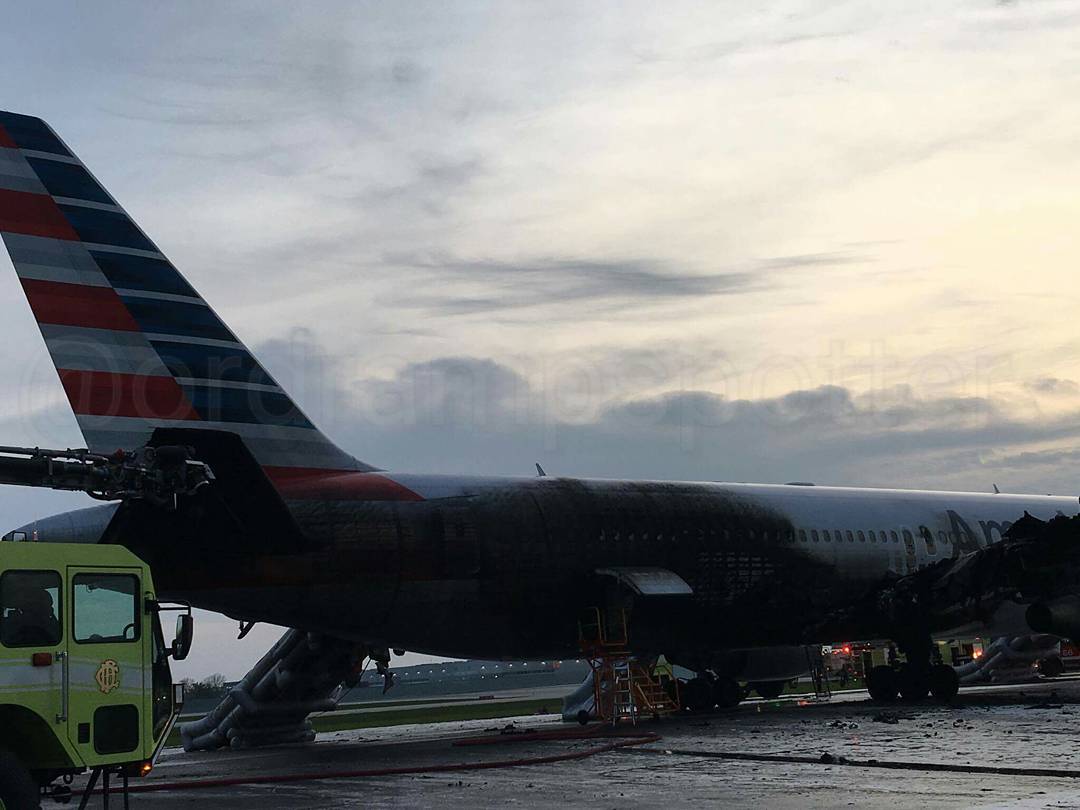
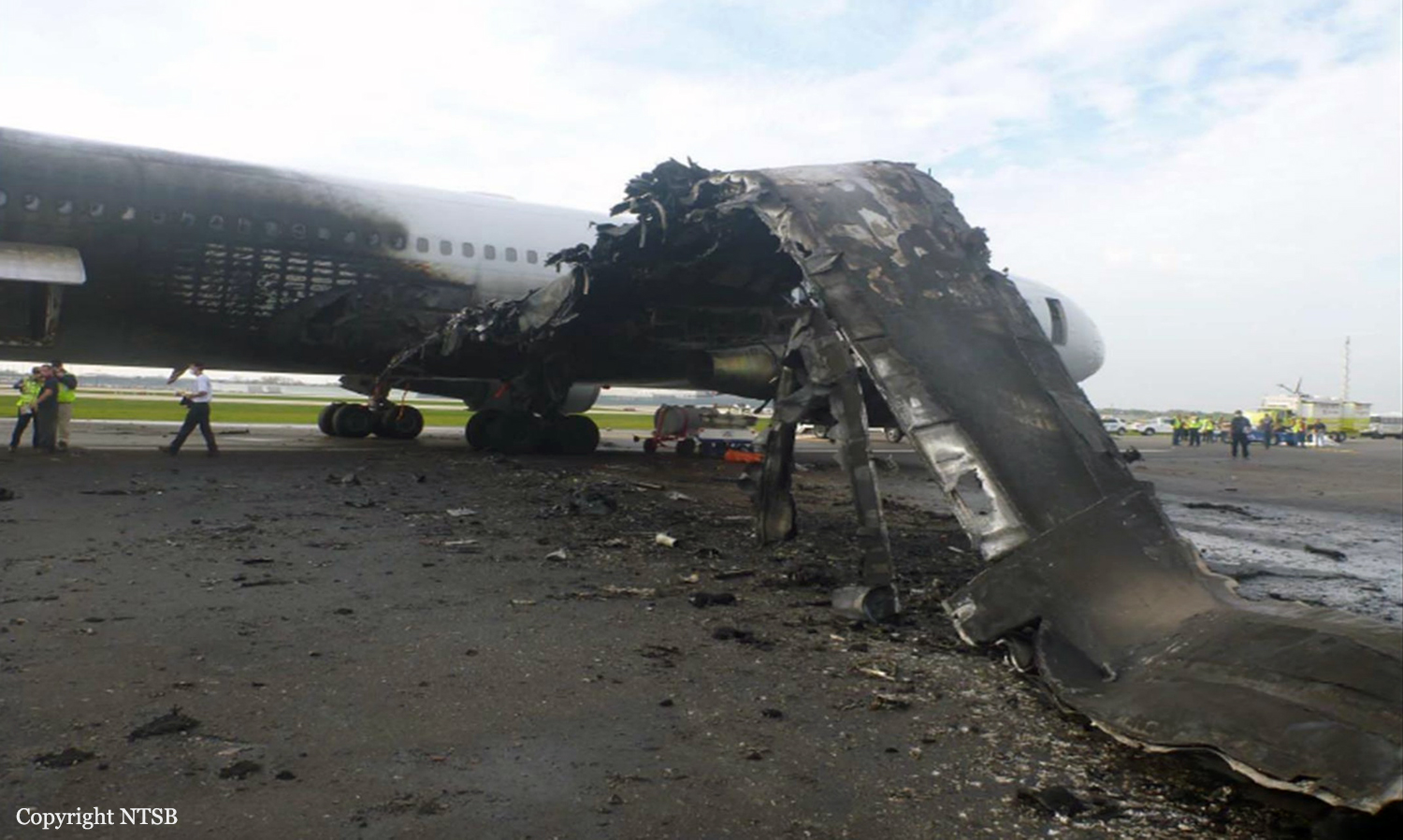
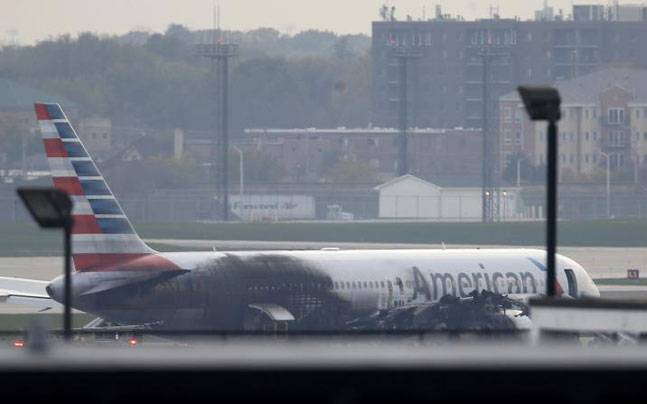
On October 28, 2016, about 1432 central daylight time, American Airlines flight 383, a Boeing 767-323, N345AN, had started its takeoff ground roll at Chicago O’Hare International Airport, Chicago, Illinois, when an uncontained engine failure in the right engine and subsequent fire occurred. The flight crew aborted the takeoff and stopped the airplane on the runway, and the flight attendants initiated an emergency evacuation. Of the 2 flight crewmembers, 7 flight attendants, and 161 passengers on board, 1 passenger received a serious injury and 1 flight attendant and 19 passengers received minor injuries during the evacuation. The airplane was substantially damaged from the fire. The airplane was operating under the provisions of 14 Code of Federal Regulations Part 121. Visual meteorological conditions prevailed at the time of the accident. The uncontained engine failure resulted from a high-pressure turbine (HPT) stage 2 disk rupture. The HPT stage 2 disk initially separated into two fragments. One fragment penetrated through the inboard section of the right wing, severed the main engine fuel feed line, breached the fuel tank, traveled up and over the fuselage, and landed about 2,935 ft away. The other fragment exited outboard of the right engine, impacting the runway and fracturing into three pieces. Examination of the fracture surfaces in the forward bore region of the HPT stage 2 disk revealed the presence of dark gray subsurface material discontinuities with multiple cracks initiating along the edges of the discontinuities. The multiple cracks exhibited characteristics that were consistent with low-cycle fatigue. (In airplane engines, low-cycle fatigue cracks grow in single distinct increments during each flight.) Examination of the material also revealed a discrete region underneath the largest discontinuity that appeared white compared with the surrounding material. Interspersed within this region were stringers (microscopic-sized oxide particles) referred to collectively as a “discrete dirty white spot.” The National Transportation Safety Board’s (NTSB) investigation found that the discrete dirty white spot was most likely not detectable during production inspections and subsequent in-service inspections using the procedures in place. The NTSB’s investigation also found that the evacuation of the airplane occurred initially with one engine still operating. In accordance with company procedures and training, the flight crew performed memory items on the engine fire checklist, one of which instructed the crew to shut down the engine on the affected side (in this case, the right side). The captain did not perform the remaining steps of the engine fire checklist (which applied only to airplanes that were in flight) and instead called for the evacuation checklist. The left engine was shut down as part of that checklist. However, the flight attendants had already initiated the evacuation, in accordance with their authority to do so in a life-threatening situation, due to the severity of the fire on the right side of the airplane.
Probable cause:
The National Transportation Safety Board determines that the probable cause of this accident was the failure of the high-pressure turbine (HPT) stage 2 disk, which severed the main engine fuel feed line and breached the right main wing fuel tank, releasing fuel that resulted in a fire on the right side of the airplane during the takeoff roll. The HPT stage 2 disk failed because of low-cycle fatigue cracks that initiated from an internal subsurface manufacturing anomaly that was most likely not detectable during production inspections and subsequent in-service inspections using the procedures in place. Contributing to the serious passenger injury was (1) the delay in shutting down the left engine and (2) a flight attendant’s deviation from company procedures, which resulted in passengers evacuating from the left overwing exit while the left engine was still operating. Contributing to the delay in shutting down the left engine was (1) the lack of a separate checklist procedure for Boeing 767 airplanes that specifically addressed engine fires on the ground and (2) the lack of communication between the flight and cabin crews after the airplane came to a stop.
Final Report:

Crash of a De Havilland DHC-8-Q402 in Dire Dawa

Date & Time: Oct 24, 2016
Operator:
Registration:
ET-ANY
Flight Phase:
Survivors:
Yes
Schedule:
Dire Dawa – Addis Ababa
MSN:
4334
YOM:
2010
Flight number:
ET212
Country:
Region:
Crew on board:
6
Crew fatalities:
Pax on board:
74
Pax fatalities:
Other fatalities:
Total fatalities:
0
Circumstances:
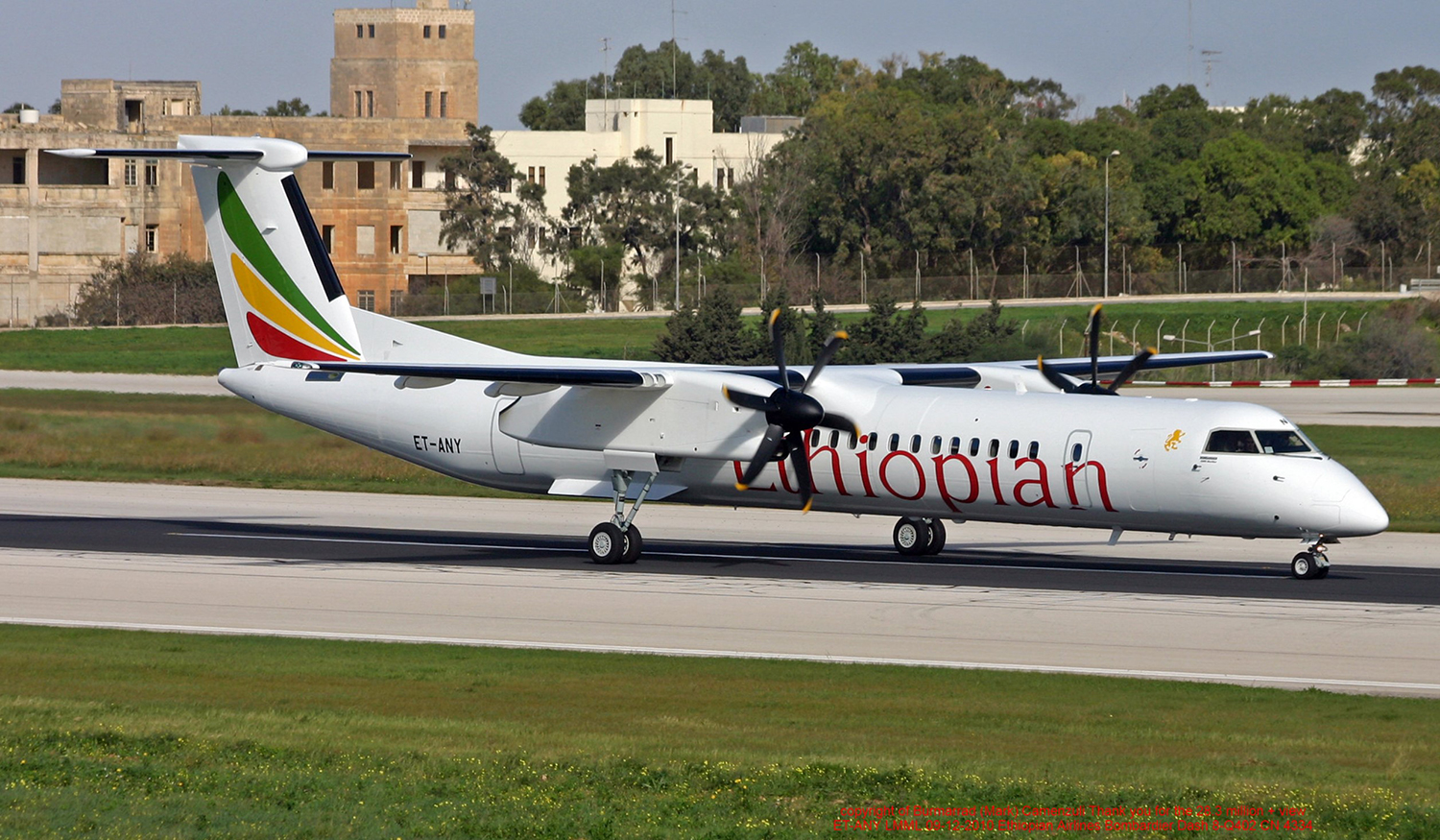
During the takeoff roll from runway 15/33 at Dire Dawa-Aba Tenna Dejazmach Yilma Airport, the aircraft collided with wild animals. The captaint abandoned the takeoff procedure and initiated an emergency braking manoeuvre when the aircraft veered off runway and came to rest. All 80 occupants evacuated safely and the aircraft was damaged beyond repair.
Probable cause:
Collision with wild animals during takeoff.

Crash of an Antonov AN-26-100 in Belaya Gora

Date & Time: Oct 11, 2016 at 1638 LT
Type of aircraft:
Operator:
Registration:
RA-26660
Survivors:
Yes
Schedule:
Yakutsk - Belaya Gora
MSN:
8008
YOM:
1979
Flight number:
PI203
Country:
Region:
Crew on board:
6
Crew fatalities:
Pax on board:
27
Pax fatalities:
Other fatalities:
Total fatalities:
0
Captain / Total flying hours:
11439
Captain / Total hours on type:
2697.00
Copilot / Total flying hours:
11142
Copilot / Total hours on type:
122
Aircraft flight hours:
34490
Aircraft flight cycles:
16367
Circumstances:
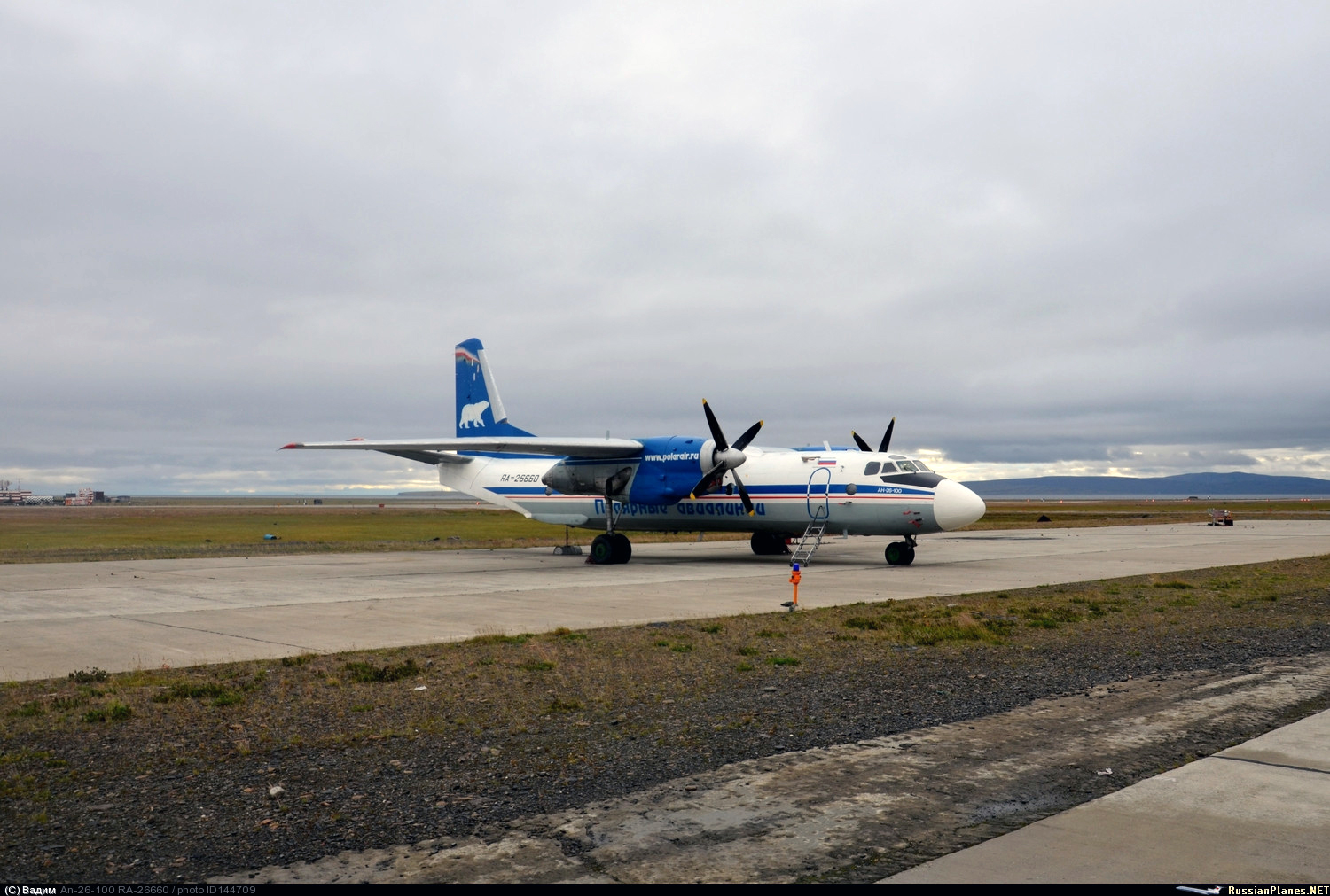
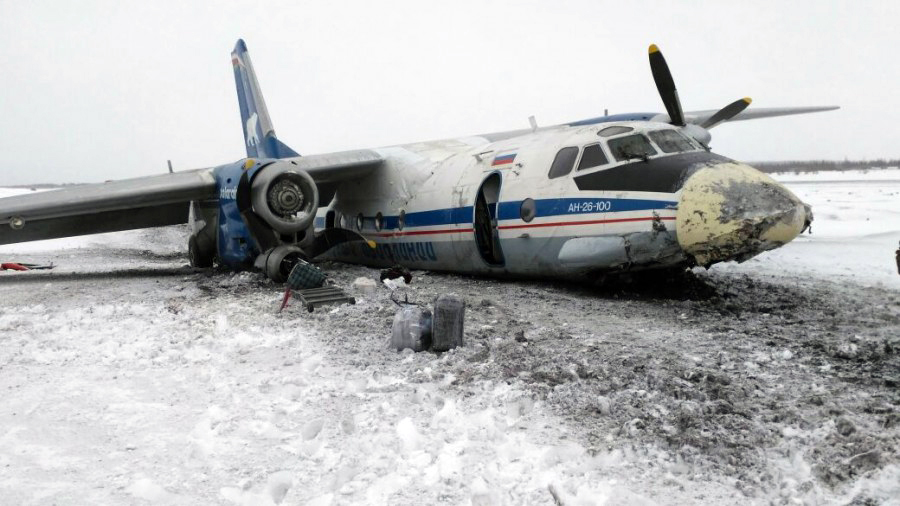
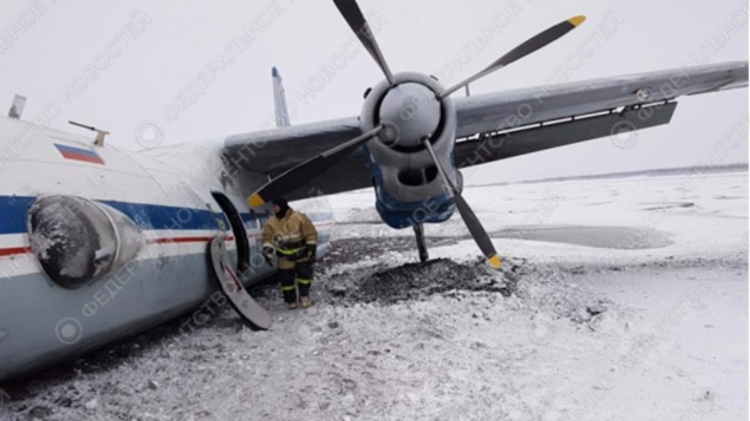
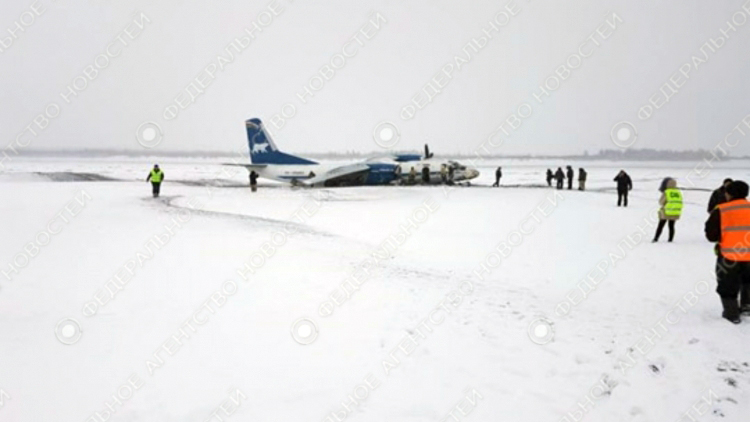
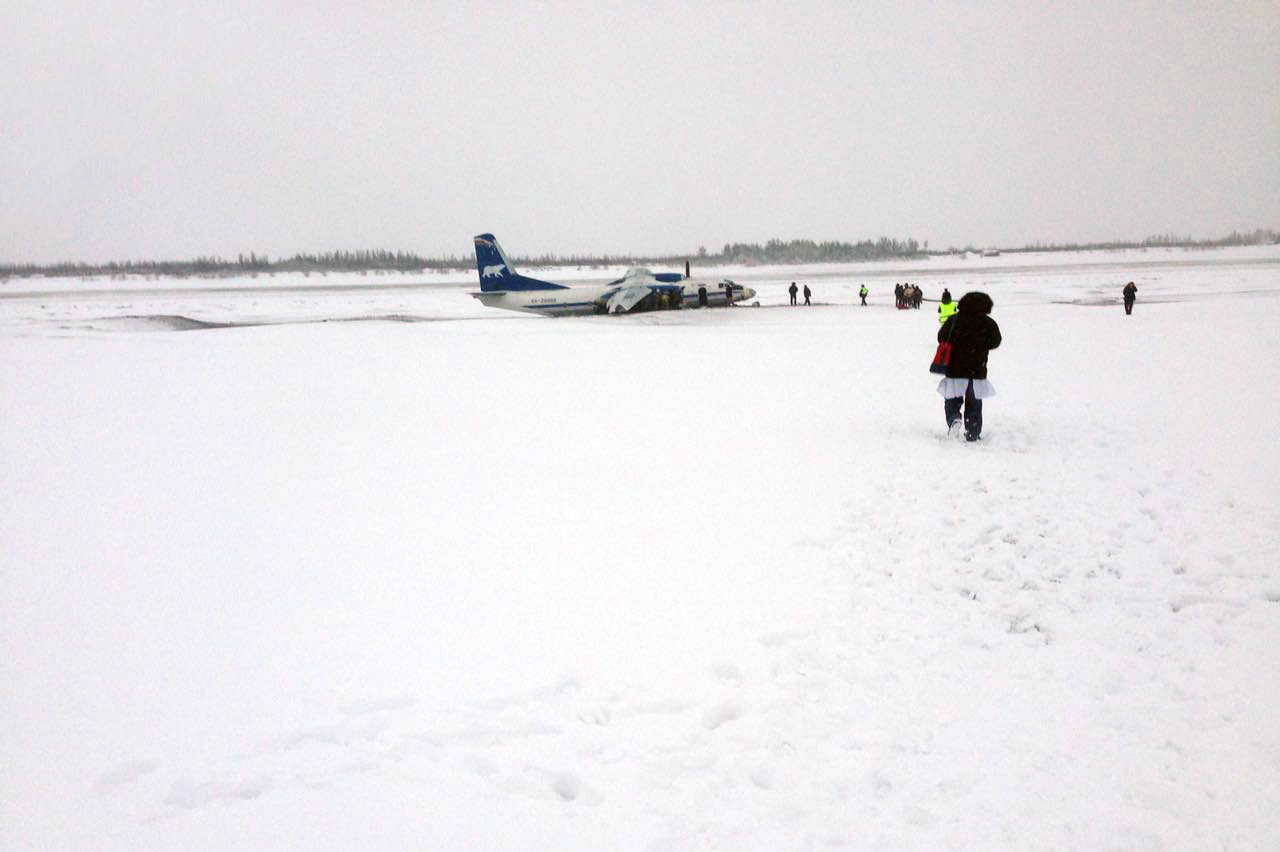
On final approach to Belaya Gora Airport, the aircraft was too low and hit the ground. On impact, the right main gear and the nose gear collapsed. The aircraft slid for several yards before coming to rest in a snow covered field about 400 meters short of runway threshold and 300 meters to the left of the approach path. The propeller on the right engine was torn off and it appears that the fuselage was bent as well. All 33 occupants were evacuated safely. At the time of the accident, weather conditions were marginal with limited visibility caused by snow falls. It was reported the visibility was about 2,5 km at the time of the accident while the crew needed at least 4 km on an NDB approach.
Probable cause:
The accident was caused by the combination of the following factors:
- Absence of standard operating procedures issued by the operator of how to conduct NDB approaches,
- Violation of procedures by tower who only transmitted information about snow fall and recommended to perform a low pass over the runway but did not transmit the actual visibility was 1900 meters below required minimum
- Absence of information that the visibility was below required minimum, the last transmission indicated minimum visibility was present,
- Presence of numerous landmarks (abandoned ships, ship cranes, fuel transshipment complex, ...) covered by snow within 700-1000 meters from the unpaved runway which could be taken as runway markers by flight crew,
- Presence of a number of "bald spots" due to the transitional period of year where the underlying surface became visible making it difficult to visualize and recognize the unpaved runway covered with snow (it was the first flight into Belaya Gora for the crew in the winter season, they had operated into the aerodrome only in summer so far),
- Insufficient use of the available nav aid on final approach which led to lack of proper control of the aircraft position relative to the glide path,
- Lack of possibility for tower to watch the aircraft performing the NDB approach from his work place.
Final Report:

Crash of a Cessna 208B Grand Caravan near Togiak: 3 killed

Date & Time: Oct 2, 2016 at 1157 LT
Type of aircraft:
Operator:
Registration:
N208SD
Flight Phase:
Survivors:
No
Site:
Schedule:
Quinhagak – Togiak
MSN:
208B-0491
YOM:
1995
Flight number:
HAG3153
Location:
Crew on board:
2
Crew fatalities:
Pax on board:
1
Pax fatalities:
Other fatalities:
Total fatalities:
3
Captain / Total flying hours:
6481
Captain / Total hours on type:
781.00
Copilot / Total flying hours:
273
Copilot / Total hours on type:
84
Aircraft flight hours:
20562
Circumstances:
On October 2, 2016, about 1157 Alaska daylight time, Ravn Connect flight 3153, a turbine powered Cessna 208B Grand Caravan airplane, N208SD, collided with steep, mountainous terrain about 10 nautical miles northwest of Togiak Airport (PATG), Togiak, Alaska. The two commercial pilots and the passenger were killed, and the airplane was destroyed. The scheduled commuter flight was operated under visual flight rules by Hageland Aviation Services, Inc., Anchorage, Alaska, under the provisions of Title 14 Code of Federal Regulations Part 135. Visual meteorological conditions prevailed at PATG (which had the closest weather observing station to the accident site), but a second company flight crew (whose flight departed about 2 minutes after the accident airplane and initially followed a similar route) reported that they observed unexpected fog, changing clouds, and the potential for rain along the accident route. Company flight-following procedures were in effect. The flight departed Quinhagak Airport, Quinhagak, Alaska, about 1133 and was en route to PATG.
Probable cause:
The flight crew's decision to continue the visual flight rules flight into deteriorating visibility and their failure to perform an immediate escape maneuver after entry into instrument meteorological conditions, which resulted in controlled flight into terrain (CFIT). Contributing to the accident were:
- Hageland's allowance of routine use of the terrain inhibit switch for inhibiting the terrain awareness and warning system alerts and inadequate guidance for uninhibiting the alerts, which reduced the margin of safety, particularly in deteriorating visibility;
- Hageland's inadequate crew resource management (CRM) training;
- The Federal Aviation Administration's failure to ensure that Hageland's approved CRM training contained all the required elements of Title 14 Code of Federal Regulations 135.330;
- Hageland's CFIT avoidance ground training, which was not tailored to the company's operations and did not address current CFIT-avoidance technologies.
Final Report:

Crash of a Beechcraft 1900D in Beni

Date & Time: Sep 28, 2016 at 1230 LT
Type of aircraft:
Operator:
Registration:
ZS-PZE
Survivors:
Yes
Schedule:
Goma - Beni
MSN:
UE-32
YOM:
1992
Flight number:
UNO830
Region:
Crew on board:
2
Crew fatalities:
Pax on board:
8
Pax fatalities:
Other fatalities:
Total fatalities:
0
Captain / Total flying hours:
4728
Captain / Total hours on type:
921.00
Copilot / Total flying hours:
2258
Copilot / Total hours on type:
251
Aircraft flight hours:
21498
Aircraft flight cycles:
30564
Circumstances:
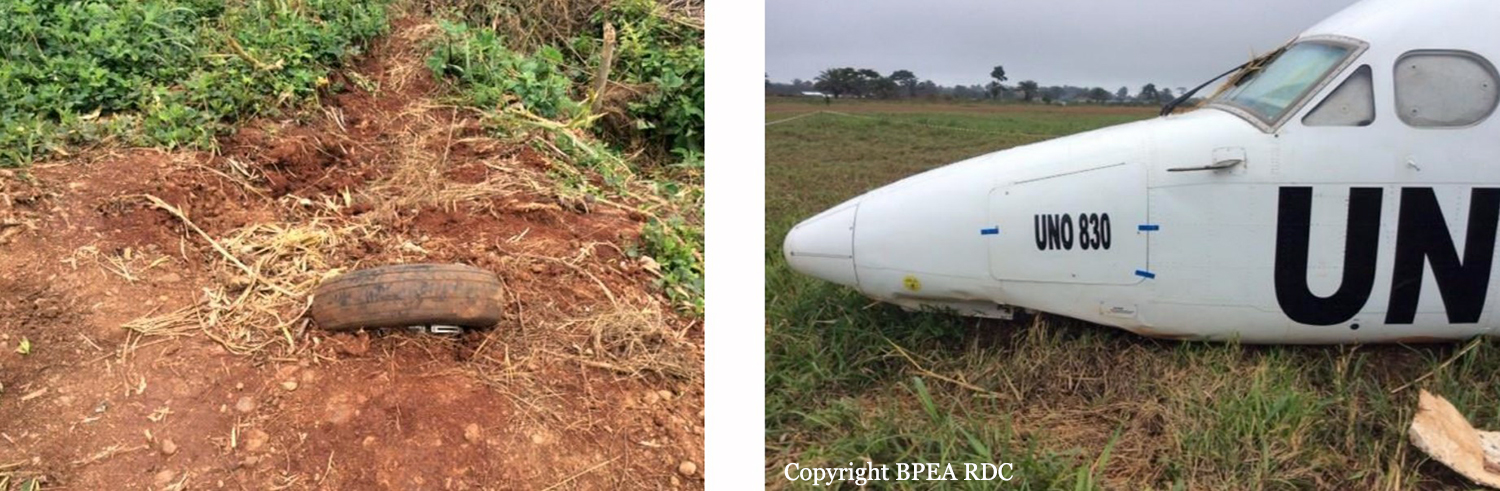
The twin engine aircraft departed Goma on a regular schedule flight (service UNO830) to Beni, carrying eight passengers and two pilots on behalf of the Monusco, the United Nations Organization Stabilization Mission in the Democratic Republic of Congo. On approach to Beni-Mavivi Airport, the crew completed the approach checklist and elected to configure the aircraft but realized that the undercarriage would not extend. After the circuit breaker was reset, the crew was able to lower the landing gear manually and continued the approach with no reporting to ATC. After touchdown on runway 11, the aircraft rolled for about 450 metres when the right main gear collapsed. Out of control the aircraft veered off runway to the right, slid in a grassy area, crossed a ditch and came to rest near the apron. All 10 occupants evacuated safely and the aircraft was damaged beyond repair.
Probable cause:
The following factors were identified:
- The ovality due to the wear of the junction point of the arm (270) with the actuator (15) over time to the point that it finally broke and released the actuator from the whole undercarriage system.
- Overheating of the time/delay relay caused the circuit breaker to trip.
- The ovality created by the job(65) at the junction of the arm(270) to the actuator(15) eventually thinned and broke off the actuator.
Final Report:

Crash of a BAe 4101 Jetstream 41 in Siddharthanagar

Date & Time: Sep 24, 2016 at 1656 LT
Type of aircraft:
Operator:
Registration:
9N-AIB
Survivors:
Yes
Schedule:
Kathmandu – Siddharthanagar
MSN:
41017
YOM:
1993
Flight number:
YT893
Country:
Region:
Crew on board:
3
Crew fatalities:
Pax on board:
29
Pax fatalities:
Other fatalities:
Total fatalities:
0
Circumstances:
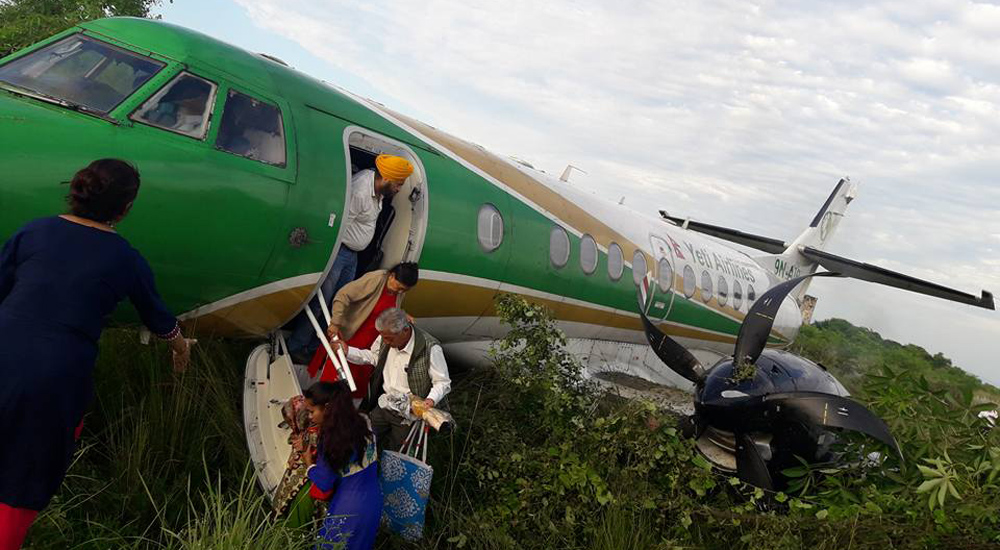
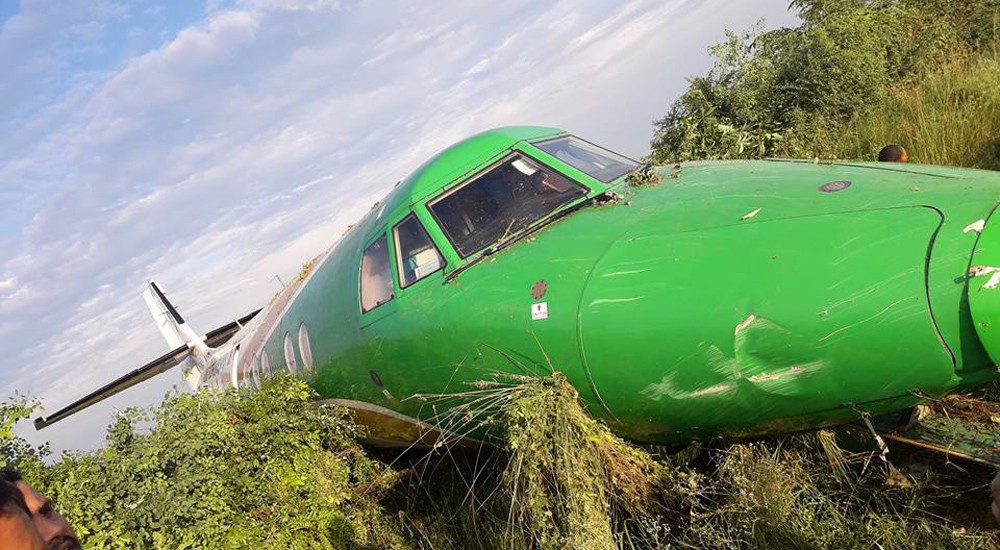
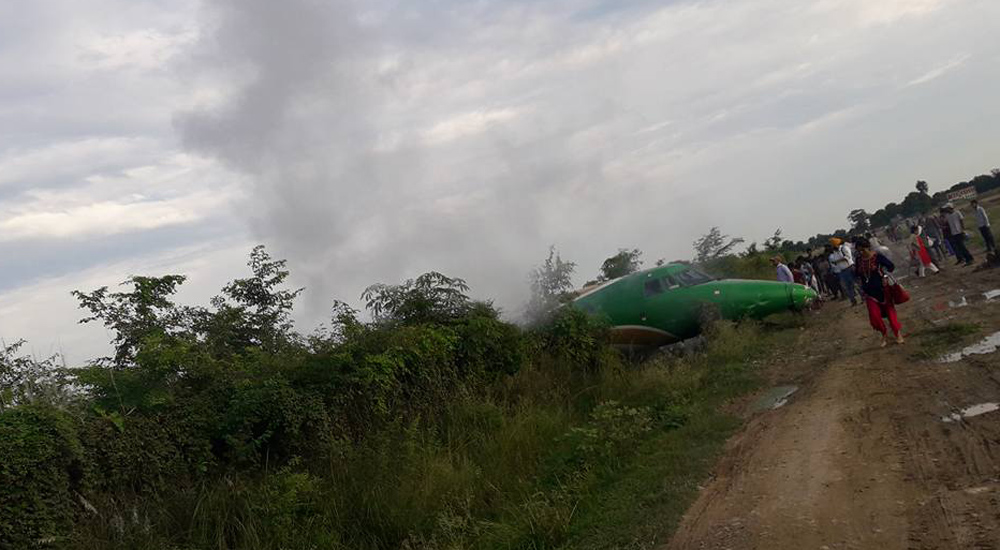
The approach to Siddharthanagar-Gautam Buddha Airport was completed in good weather conditions with a wind from the southeast at 4 knots and a 8 km visibility. After touchdown on runway 28, the twin engine aircraft was unable to stop within the remaining distance. It overran, lost its undercarriage and came to rest in bushes, some 110 metres past the runway end. All 32 occupants evacuated safely and the aircraft was damaged beyond repair.

Crash of a Cessna 208B Grand Caravan in Russian Mission: 3 killed

Date & Time: Aug 31, 2016 at 1001 LT
Type of aircraft:
Operator:
Registration:
N752RV
Flight Phase:
Survivors:
No
Schedule:
Russian Mission – Marshall
MSN:
208B-5088
YOM:
2014
Flight number:
HAG3190
Crew on board:
1
Crew fatalities:
Pax on board:
2
Pax fatalities:
Other fatalities:
Total fatalities:
3
Captain / Total flying hours:
18810
Captain / Total hours on type:
12808.00
Aircraft flight hours:
3559
Circumstances:
The Cessna had departed about 3 minutes prior on a scheduled passenger flight and the Piper was en route to a remote hunting camp when the two airplanes collided at an altitude about 1,760 ft mean sea level over a remote area in day, visual meteorological conditions. The airline transport pilot and two passengers onboard the Cessna and the commercial pilot and the passenger onboard the Piper were fatally injured; both airplanes were destroyed. Post accident examination revealed signatures consistent with the Cessna's outboard left wing initially impacting the Piper's right wing forward strut while in level cruise flight. Examination revealed no mechanical malfunctions or anomalies that would have precluded normal operation of either airplane. Neither pilot was in communication with an air traffic control facility and they were not required to be. A performance and visibility study indicated that each airplane would have remained a relatively small, slow-moving object in the other pilot's window (their fuselages spanning less than 0.5° of the field of view, equivalent to the diameter of a penny viewed from about 7 ft away) until about 10 seconds before the collision, at which time it would have appeared to grow in size suddenly (the "blossom" effect). From about 2 minutes before the collision, neither airplane would have been obscured from the other airplane pilot's (nominal) field of view by cockpit structure, although the Cessna would have appeared close to the bottom of the Piper's right wing and near the forward edge of its forward wing strut. The Cessna was Automatic Dependent Surveillance-Broadcast (ADS-B) Out equipped; the Piper was not ADS-B equipped, and neither airplane was equipped with any cockpit display of traffic information (CDTI). CDTI data would have presented visual information regarding the potential conflict to both pilots beginning about 2 minutes 39 seconds and auditory information beginning about 39 seconds before the collision, providing adequate time for the pilots to react. The see-and-avoid concept requires a pilot to look through the cockpit windows, identify other aircraft, decide if any aircraft are collision threats, and, if necessary, take the appropriate action to avert a collision. There are inherent limitations of this concept, including limitations of the human visual and information processing systems, pilot tasks that compete with the requirement to scan for traffic, the limited field of view from the cockpit, and environmental factors that could diminish the visibility of other aircraft. Given the remote area in which the airplanes were operating, it is likely that the pilots had relaxed their vigilance in looking for traffic. The circumstances of this accident underscore the difficultly in seeing airborne traffic by pilots; the foundation of the "see and avoid" concept in VMC, even when the cockpit visibility offers opportunities to do so, and particularly when the pilots have no warning of traffic in the vicinity. Due to the level of trauma sustained to the Cessna pilot, the autopsy was inconclusive for the presence of natural disease. It was undetermined if natural disease could have presented a significant hazard to flight safety.
Probable cause:
The failure of both pilots to see and avoid each other while in level cruise flight, which resulted in a midair collision.
Final Report:

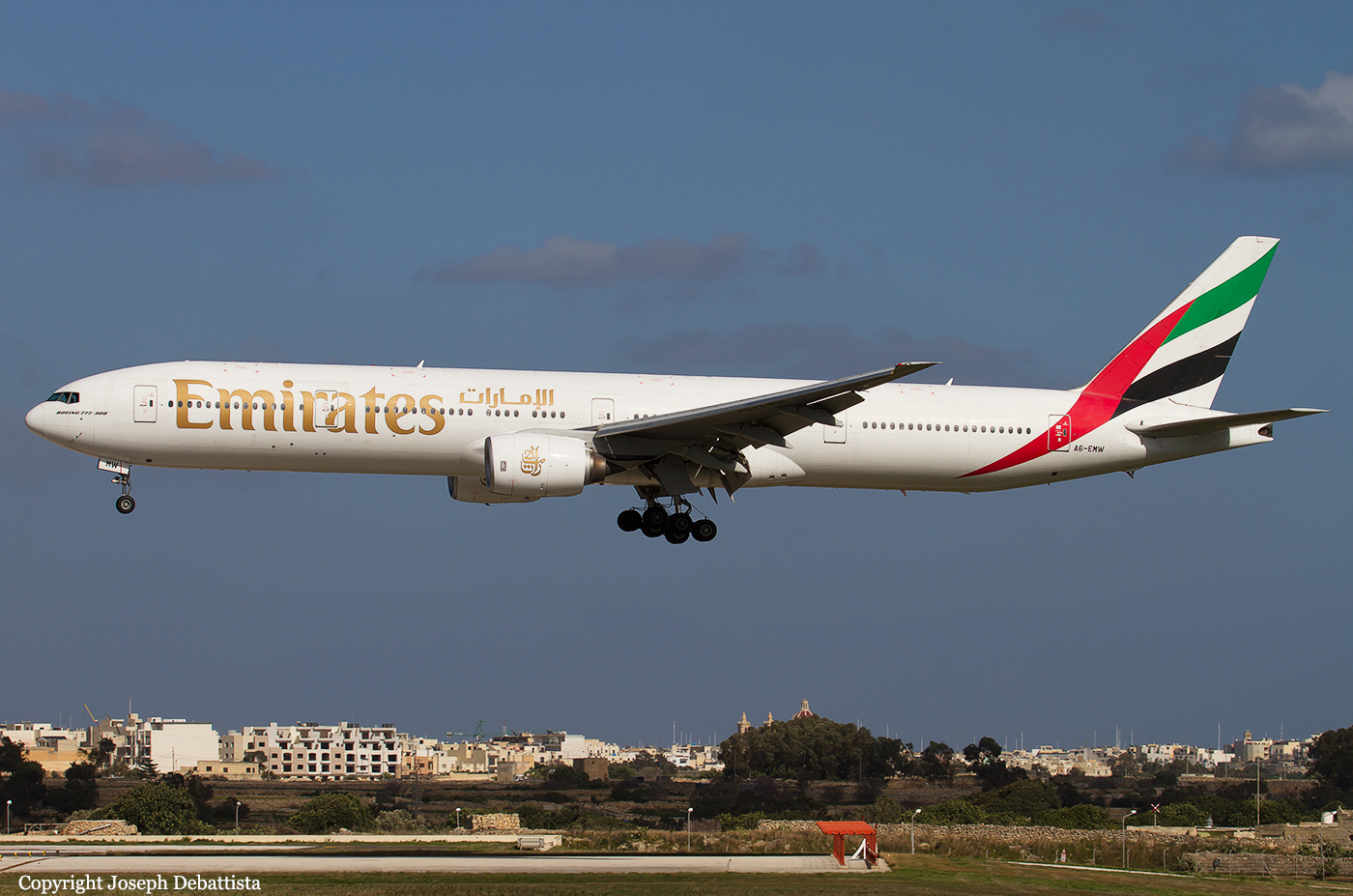
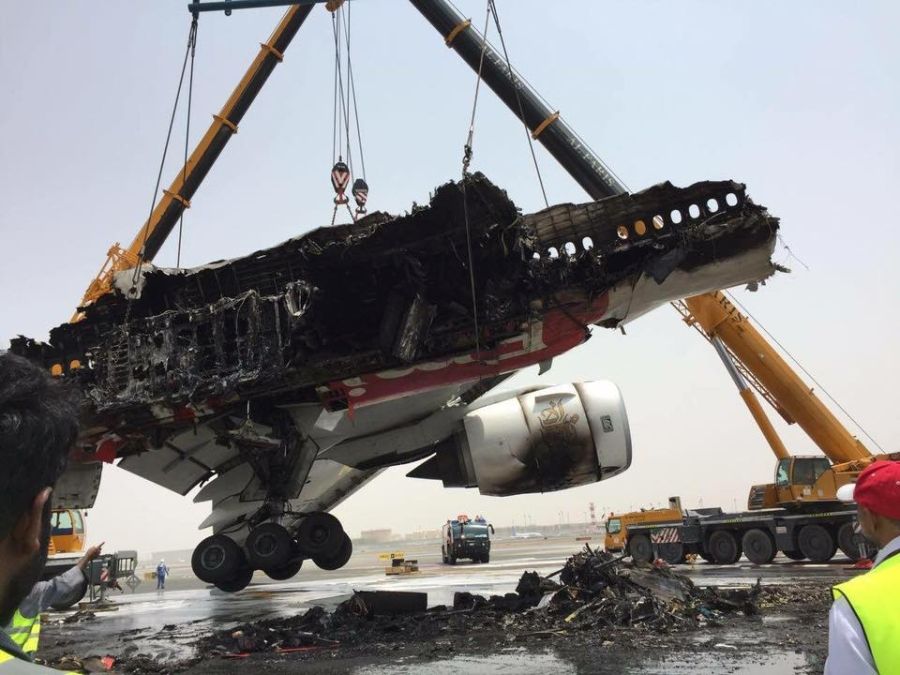
Crash of a Boeing 777-31H in Dubai

Date & Time: Aug 3, 2016 at 1238 LT
Type of aircraft:
Operator:
Registration:
A6-EMW
Survivors:
Yes
Schedule:
Thiruvananthapuram - Dubai
MSN:
32700/434
YOM:
2003
Flight number:
EK521
Location:
Region:
Crew on board:
18
Crew fatalities:
Pax on board:
282
Pax fatalities:
Other fatalities:
Total fatalities:
0
Captain / Total flying hours:
7457
Captain / Total hours on type:
5123.00
Copilot / Total flying hours:
7957
Copilot / Total hours on type:
1292
Aircraft flight hours:
58169
Aircraft flight cycles:
13620
Circumstances:
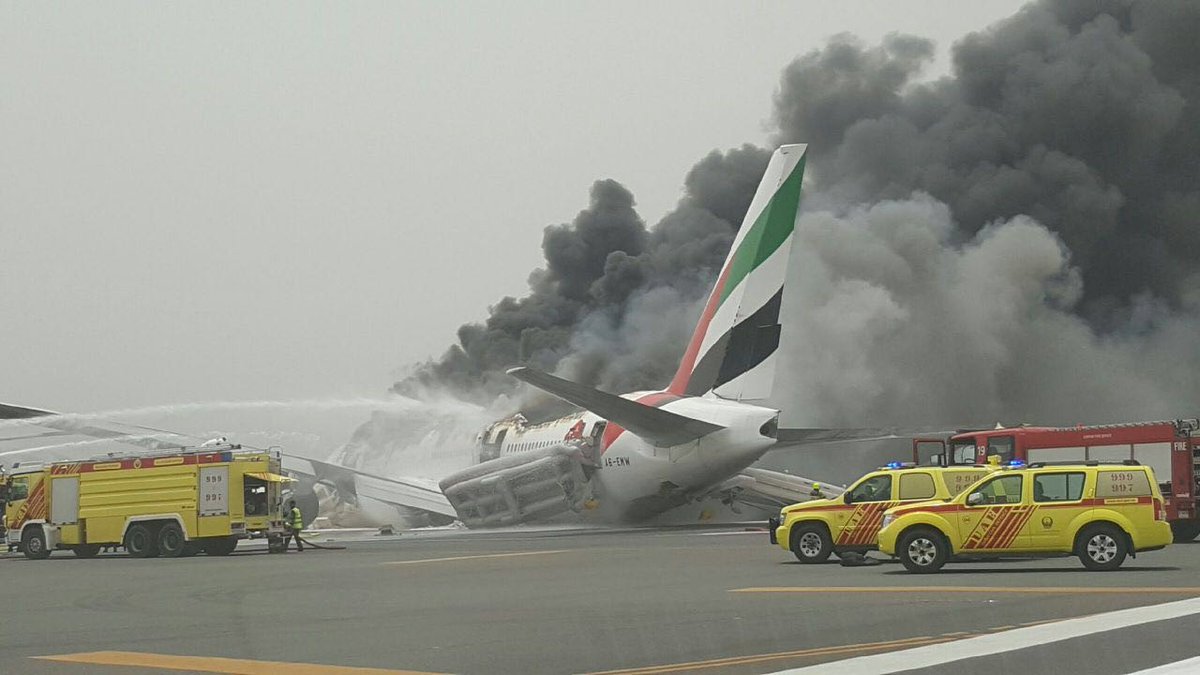
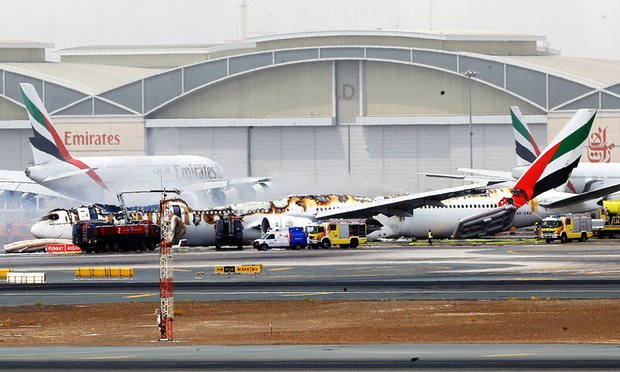
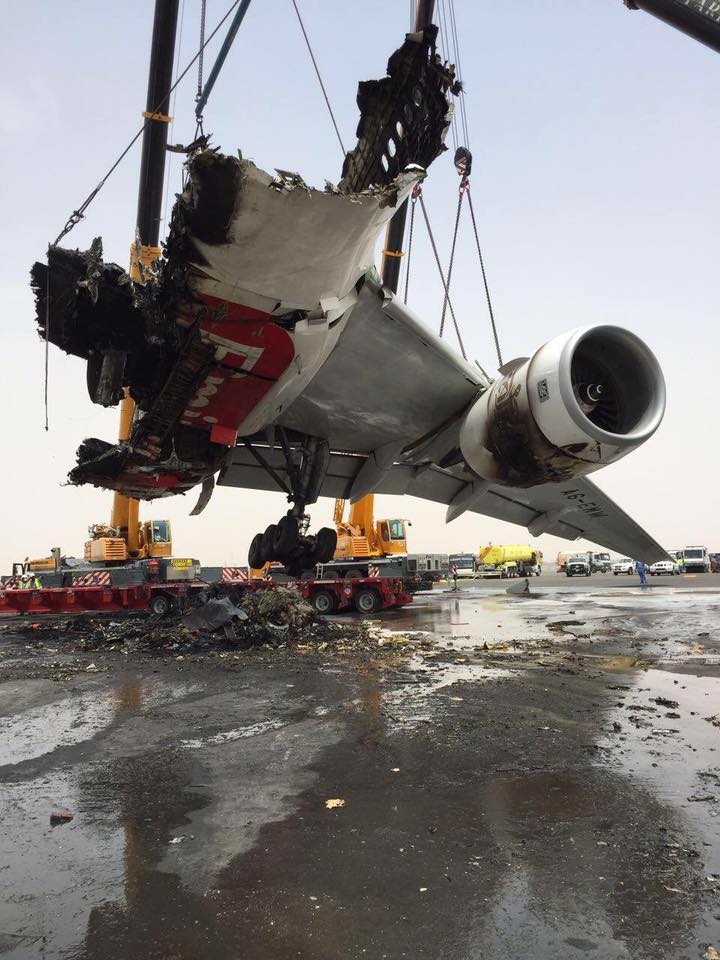
On 3 August 2016, an Emirates Boeing 777-31H Aircraft, registration A6-EMW, operating a scheduled passenger flight UAE521, departed Trivandrum International Airport (VOTV), India, at 0506 UTC for a 3 hour 30 minute flight to Dubai International Airport (OMDB), the United Arab Emirates, with 282 passengers, 2 flight crew and 16 cabin crew members on board. The Commander attempted to perform a tailwind manual landing during an automatic terminal information service (ATIS) forecasted moderate windshear warning affecting all runways at OMDB. The tailwind was within the operational limitations of the Aircraft. During the landing on runway 12L at OMDB the Commander, who was the pilot flying, decided to fly a go-around, as he was unable to land the Aircraft within the runway touchdown zone. The go-around decision was based on the perception that the Aircraft would not land due to thermals and not due to a windshear encounter. For this reason, the Commander elected to fly a normal go-around and not the windshear escape maneuver. The flight crew initiated the flight crew operations manual (FCOM) Go-around and Missed Approach Procedure and the Commander pushed the TO/GA switch. As designed, because the Aircraft had touched down, the TO/GA switches became inhibited and had no effect on the autothrottle (A/T). The flight crew stated that they were not aware of the touchdown that lasted for six seconds. After becoming airborne during the go-around attempt, the Aircraft climbed to a height of 85 ft radio altitude above the runway surface. The flight crew did not observe that both thrust levers had remained at the idle position and that the engine thrust remained at idle. The Aircraft quickly sank towards the runway as the airspeed was insufficient to support the climb. As the Aircraft lost height and speed, the Commander initiated the windshear escape maneuver procedure and rapidly advanced both thrust levers. This action was too late to avoid the impact with runway 12L. Eighteen seconds after the initiation of the go-around the Aircraft impacted the runway at 0837:38 UTC and slid on its lower fuselage along the runway surface for approximately 32 seconds covering a distance of approximately 800 meters before coming to rest adjacent to taxiway Mike 13. The Aircraft remained intact during its movement along the runway protecting the occupants however, several fuselage mounted components and the No.2 engine/pylon assembly separated from the Aircraft. During the evacuation, several passenger door escape slides became unusable. Many passengers evacuated the Aircraft taking their carry-on baggage with them. Except for the Commander and the senior cabin crew member who evacuated after the center wing tank explosion, all of the other occupants evacuated via the operational escape slides in approximately 6 minutes and 40 seconds. Twenty-one passengers, one flight crewmember, and six cabin crew members sustained minor injuries. Four cabin crew members sustained serious injuries. Approximately 9 minutes and 40 seconds after the Aircraft came to rest, the center wing tank exploded which caused a large section of the right wing upper skin to be liberated. As the panel fell to the ground, it struck and fatally injured a firefighter. The Aircraft was eventually destroyed due to the subsequent fire. Following the Accident, the Operator (Emirates), the General Civil Aviation Authority (GCAA), Dubai Airports and Dubai Air Navigation Services (‘dans’) implemented several safety actions. In this Final Report, the AAIS issues safety recommendations addressed to the Operator, the GCAA, The Boeing Company, the Federal Aviation Administration (FAA), Dubai Airports, ‘dans’, and the International Civil Aviation Organization (ICAO).
Probable cause:
The Air Accident Investigation Sector determines that the causes of the Accident are:
(a) During the attempted go-around, except for the last three seconds prior to impact, both engine thrust levers, and therefore engine thrust, remained at idle. Consequently, the Aircraft’s energy state was insufficient to sustain flight.
(b) The flight crew did not effectively scan and monitor the primary flight instrumentation parameters during the landing and the attempted go-around.
(c) The flight crew were unaware that the autothrottle (A/T) had not responded to move the engine thrust levers to the TO/GA position after the Commander pushed the TO/GA switch at the initiation of the FCOM Go-around and Missed Approach Procedure.
(d) The flight crew did not take corrective action to increase engine thrust because they omitted the engine thrust verification steps of the FCOM Go-around and Missed Approach Procedure.
The Investigation determines that the following were contributory factors to the Accident:
(a) The flight crew were unable to land the Aircraft within the touchdown zone during the attempted tailwind landing because of an early flare initiation, and increased airspeed due to a shift in wind direction, which took place approximately 650 m beyond the runway threshold.
(b) When the Commander decided to fly a go-around, his perception was that the Aircraft was still airborne. In pushing the TO/GA switch, he expected that the autothrottle (A/T) would respond and automatically manage the engine thrust during the go-around.
(c) Based on the flight crew’s inaccurate situation awareness of the Aircraft state, and situational stress related to the increased workload involved in flying the go-around maneuver, they were unaware that the Aircraft’s main gear had touched down which caused the TO/GA switches to become inhibited. Additionally, the flight crew were unaware that the A/T mode had remained at ‘IDLE’ after the TO/GA switch was pushed.
(d) The flight crew reliance on automation and lack of training in flying go-arounds from close to the runway surface and with the TO/GA switches inhibited, significantly affected the flight crew performance in a critical flight situation which was different to that experienced by them during their simulated training flights.
(e) The flight crew did not monitor the flight mode annunciations (FMA) changes after the TO/GA switch was pushed because:
1. According to the Operator’s procedure, as per FCOM Flight Mode Annunciations (FMA), FMA changes are not required to be announced for landing when the aircraft is below 200 ft;
2. Callouts of FMA changes were not included in the Operator’s FCOM Go-Around and Missed Approach Procedures.
3. Callouts of FMA changes were not included in the Operator’s FCTM Go-Around and Missed Approach training.
(f) The Operator’s OM-A policy required the use of the A/T for engine thrust management for all phases of flight. This policy did not consider pilot actions that would be necessary during a go-around initiated while the A/T was armed and active and the TO/GA switches were inhibited.
(g) The FCOM Go-Around and Missed Approach Procedure did not contain steps for verbal verification callouts of engine thrust state.
(h) The Aircraft systems, as designed, did not alert the flight crew that the TO/GA switches were inhibited at the time when the Commander pushed the TO/GA switch with the A/T armed and active.
(i) The Aircraft systems, as designed, did not alert the flight crew to the inconsistency between the Aircraft configuration and the thrust setting necessary to perform a successful go-around.
(j) Air traffic control did not pass essential information about windshear reported by a preceding landing flight crew and that two flights performed go-arounds after passing over the runway threshold. The flight crew decision-making process, during the approach and landing, was deprived of this critical information.
(k) The modification of the go-around procedure by air traffic control four seconds after the Aircraft became airborne coincided with the landing gear selection to the ‘up’ position. This added to the flight crew workload as they attentively listened and the Copilot responded to the air traffic control instruction which required a change of missed approach altitude from 3,000 ft to 4,000 ft to be set. The flight crews’ concentration on their primary task of flying the Aircraft and monitoring was momentarily affected as both the FMA verification and the flight director status were missed.
Final Report:
Crash of a Cessna 208B Grand Caravan EX off Jinshan: 5 killed

Date & Time: Jul 20, 2016 at 1220 LT
Type of aircraft:

Registration:
B-10FW
Flight Phase:
Survivors:
Yes
MSN:
208B-5222
YOM:
2015
Country:
Region:
Crew on board:
2
Crew fatalities:
Pax on board:
8
Pax fatalities:
Other fatalities:
Total fatalities:
5
Circumstances:
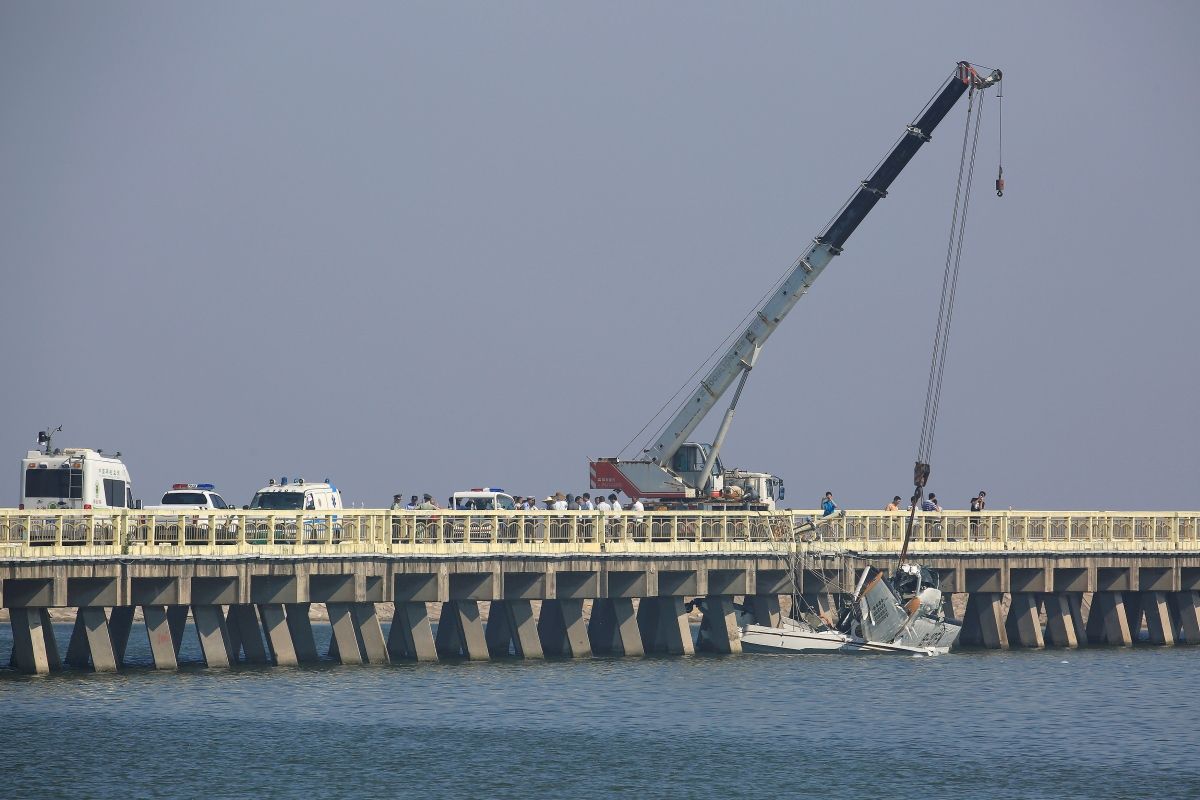
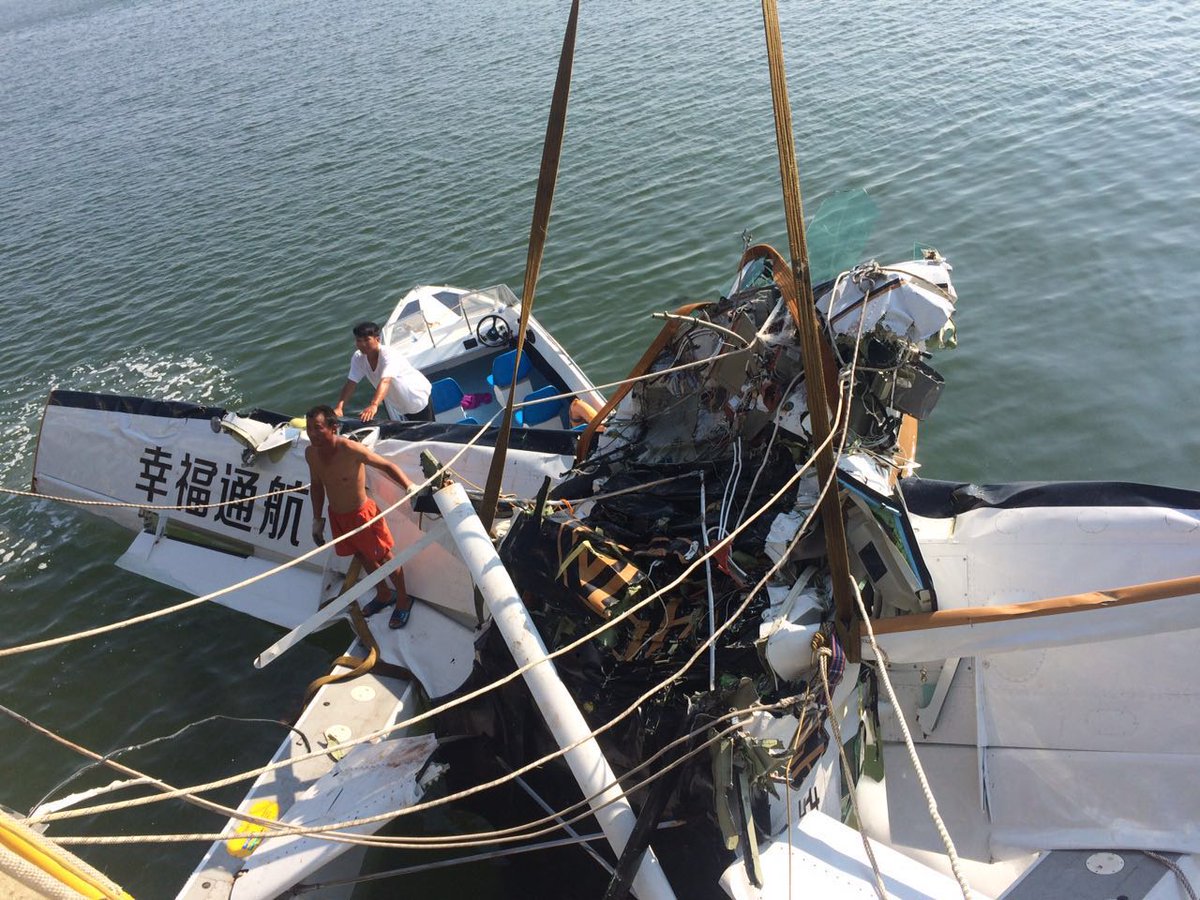
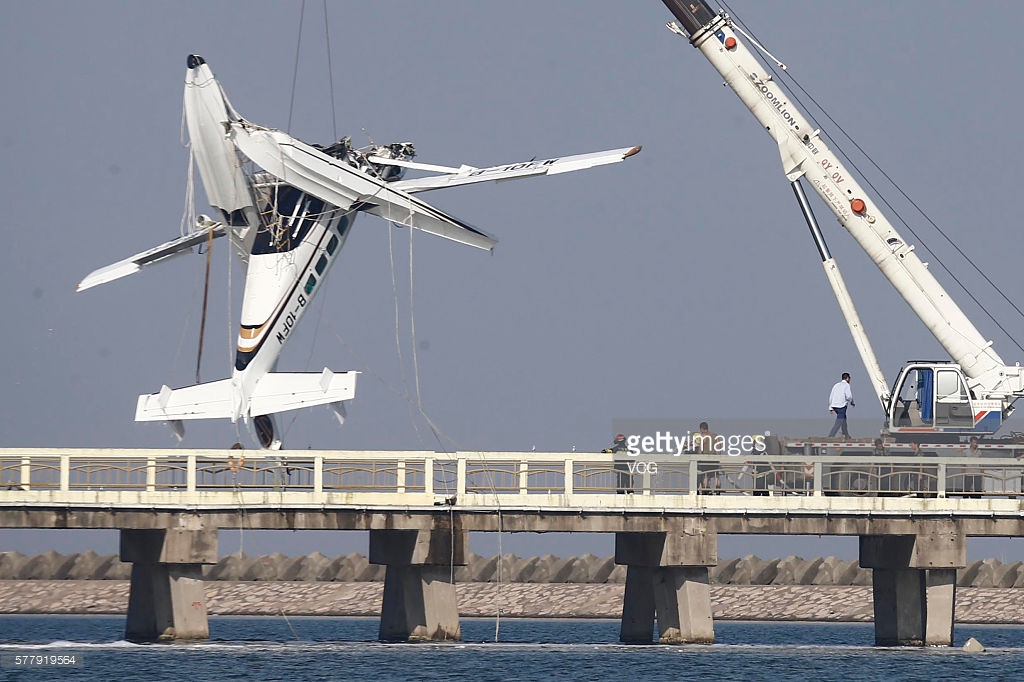
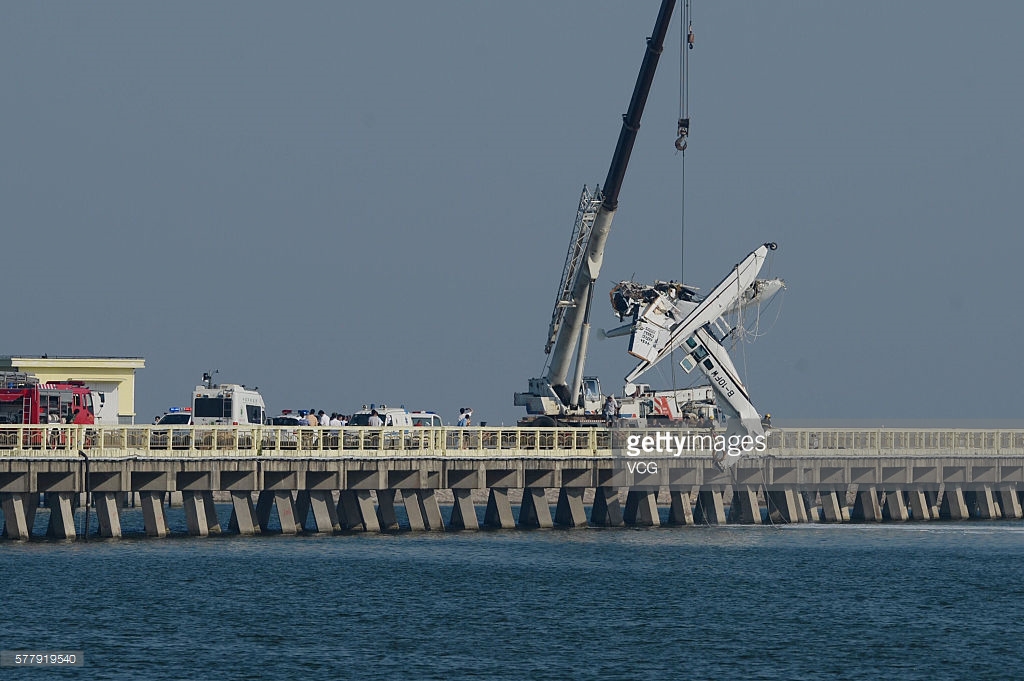
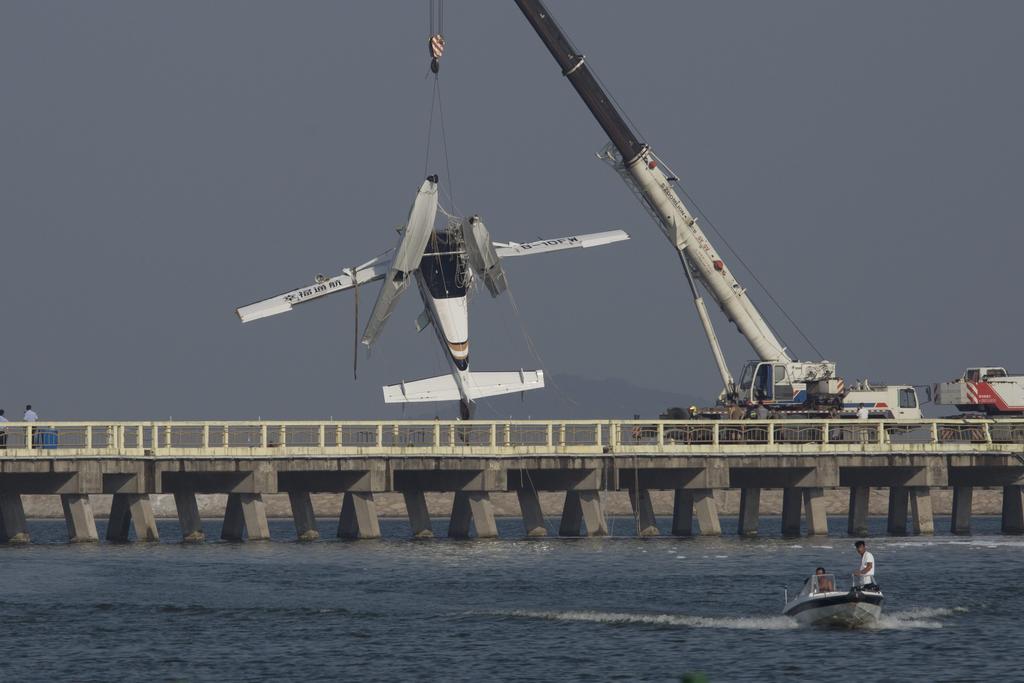
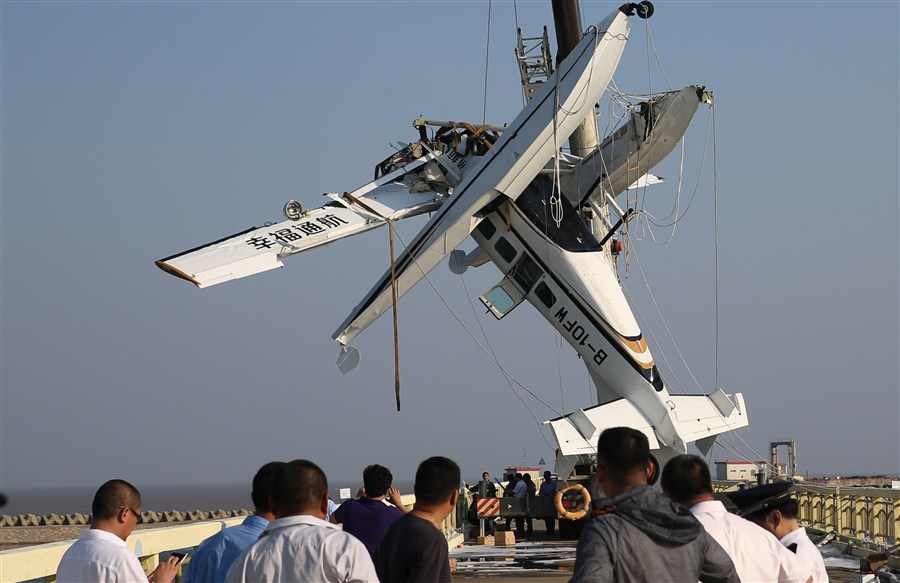
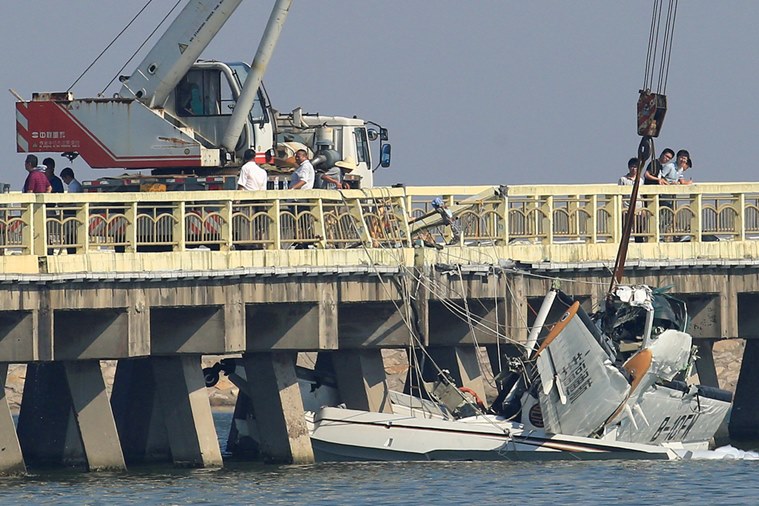
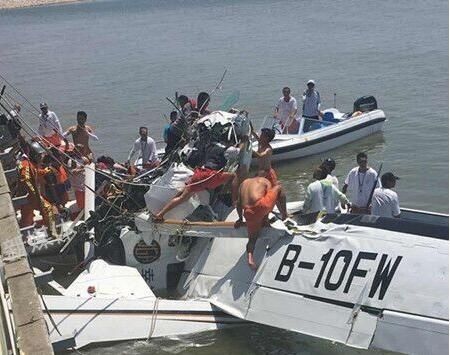
While taking off from the bay off Jinshan (south of Shanghai), the single engine aircraft collided with a concrete bridge and crashed in the sea. One pilot and four passengers were killed while five other occupants were injured. The seaplane C208 EX version was destroyed. It is believed that the crew misjudged the distance between the departure point and the bridge as the collision occurred just after rotation while attempted a steep climb.