Crash of a Douglas DC-7C in San Francisco

Date & Time: Feb 20, 1959
Type of aircraft:
Operator:
Registration:
N740PA
Flight Type:
Survivors:
Yes
Schedule:
San Francisco - San Francisco
MSN:
44882
YOM:
1956
Crew on board:
3
Crew fatalities:
Pax on board:
0
Pax fatalities:
Other fatalities:
Total fatalities:
0
Circumstances:
The crew was completing a local training at San Francisco Airport, part of a transition program. The approach was completed with a high rate of descent and when the pilot-in-command elected to complete the flare, the four engine aircraft descended until it impacted the runway surface. The undercarriage was sheared off on impact and the airplane skidded for several yards before coming to rest in flames. All three crew members were evacuated safely while the aircraft was damaged beyond repair.

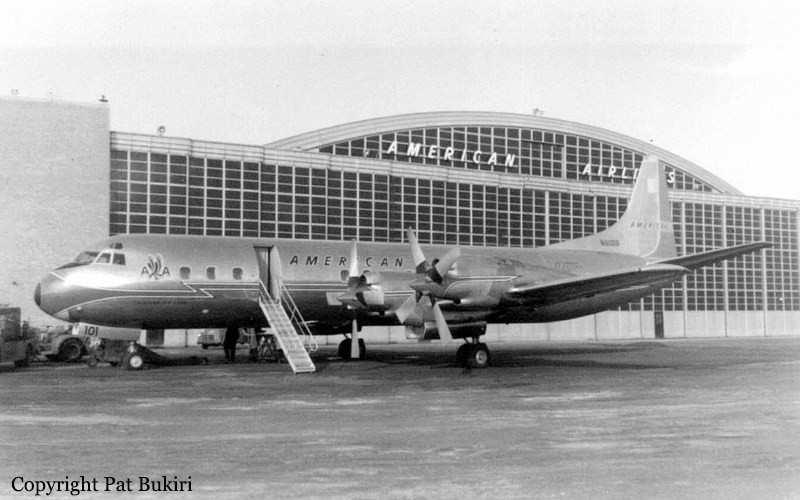
Crash of a Lockheed L-188A Electra in New York: 65 killed

Date & Time: Feb 3, 1959 at 2356 LT
Type of aircraft:
Operator:
Registration:
N6101A
Survivors:
Yes
Schedule:
Chicago – New York
MSN:
1015
YOM:
1958
Flight number:
AA320
Crew on board:
5
Crew fatalities:
Pax on board:
68
Pax fatalities:
Other fatalities:
Total fatalities:
65
Captain / Total flying hours:
28135
Captain / Total hours on type:
48.00
Copilot / Total flying hours:
10192
Copilot / Total hours on type:
36
Aircraft flight hours:
302
Circumstances:
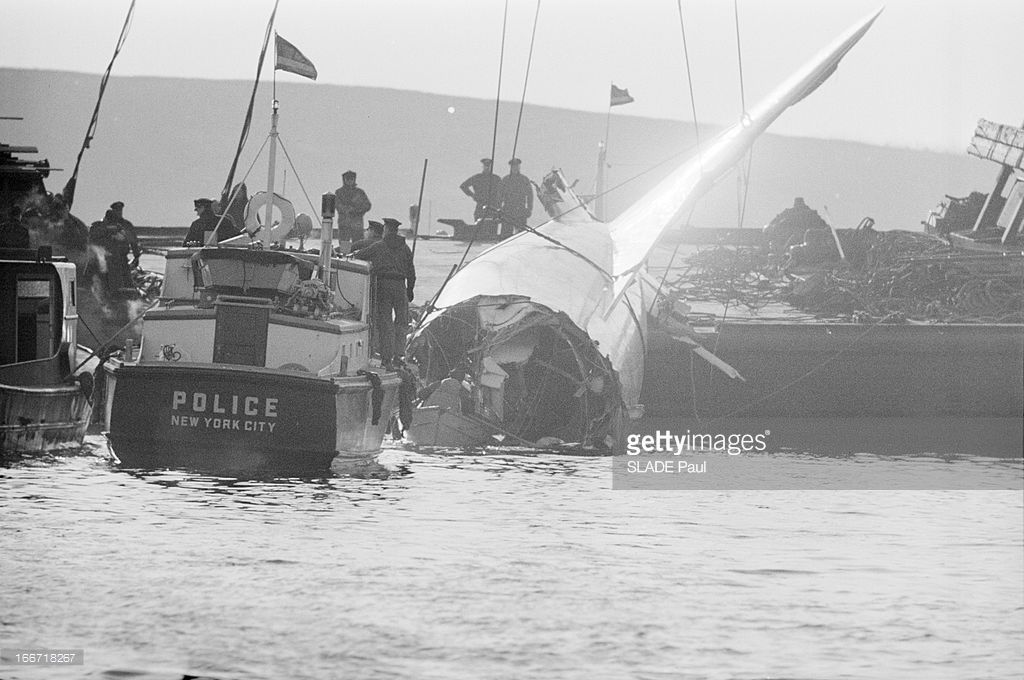
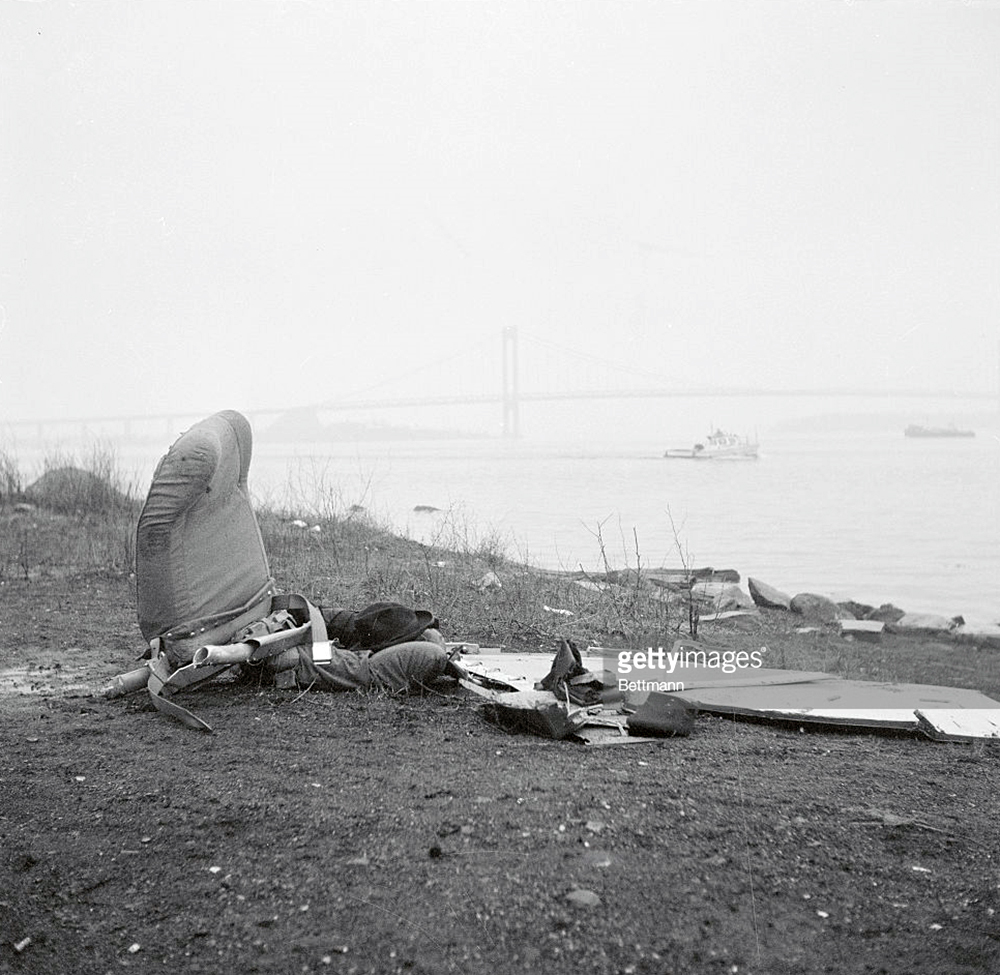
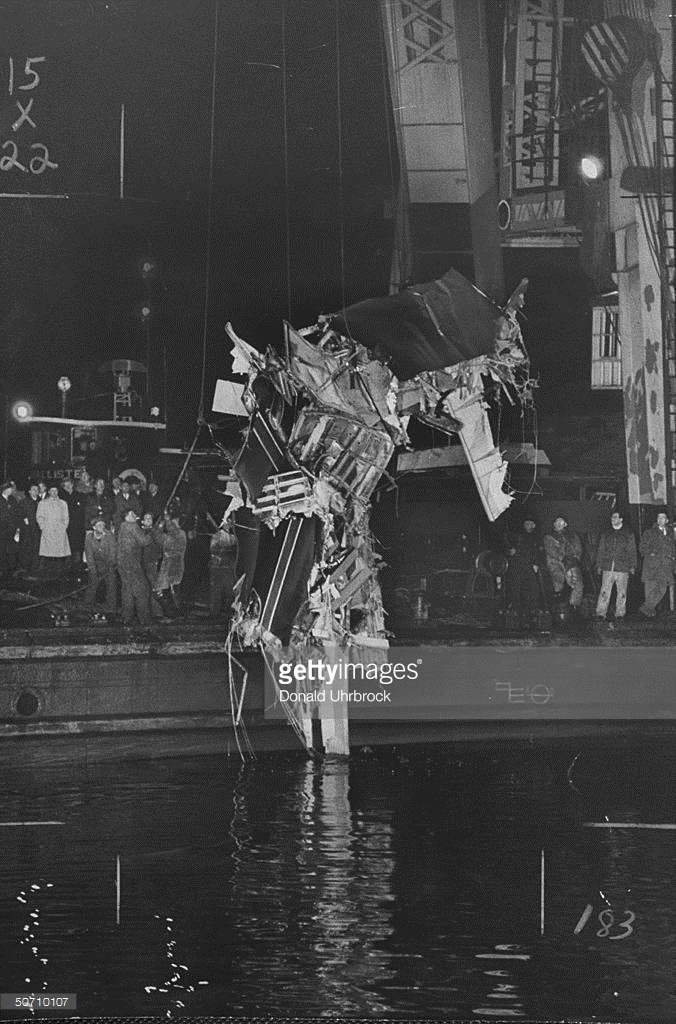
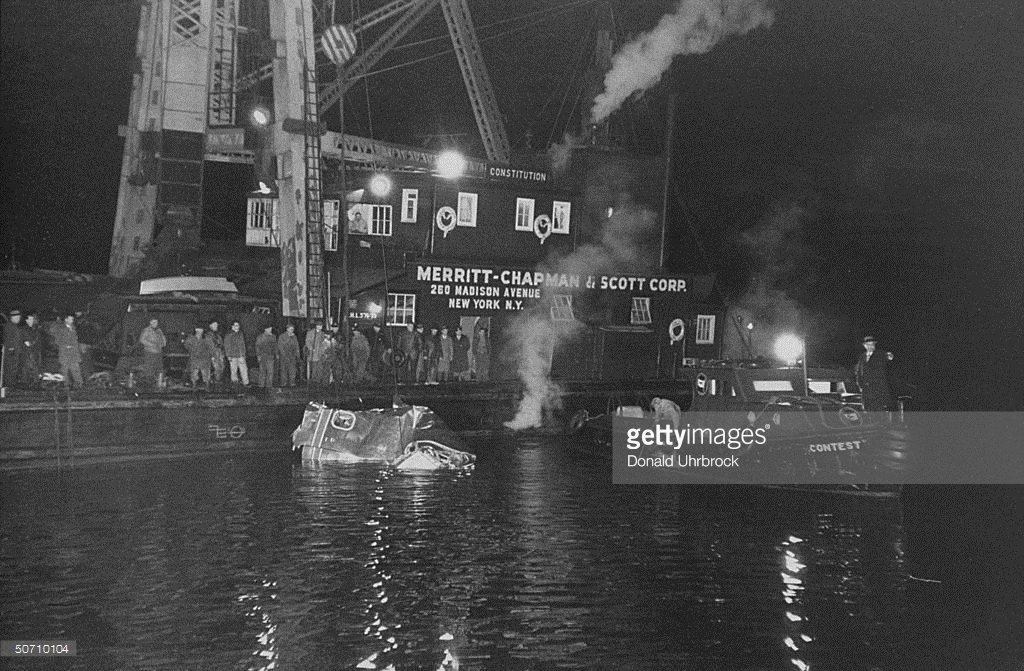
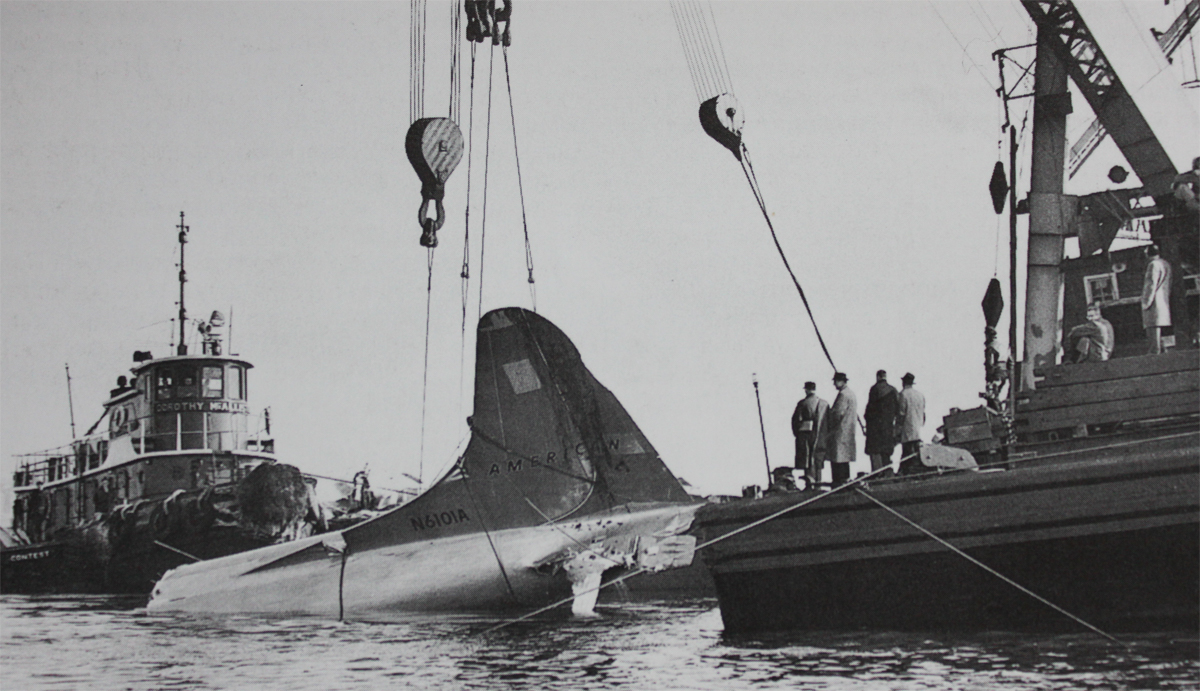
At approximately 2356LT, the aircraft crashed into the East River while attempting an instrument approach to runway 22 at LaGuardia Airport. There were 73 persons on board, including one infant. The captain and one stewardess were killed; the first officer, flight engineer, and the remaining stewardess survived. Of the 68 passengers, 5 survived. The Board believes that a premature descent below landing minimums was the result of preoccupation of the crew on particular aspects of the aircraft and its environment to the neglect of essential flight instrument references for attitude and height above the approach surface. Contributing factors were found to be: limited experience of the crew with the aircraft type, fealty approach technique in which the autopilot was used in the heading mode to or almost to the surface, erroneous setting of the captain's altimeter, marginal weather in the approach area, possible misinterpretation of altimeter and rate of descent indicator, and sensory illusion with respect to height and attitude resulting from visual reference to the few lights existing in the approach area.
Probable cause:
The Board determines the probable cause of this accident was premature descent below landing minimums which was the result of preoccupation of the crew on particular aspects of the aircraft and its environment to the neglect of essential flight instrument references for attitude and height above the approach surface. Contributing factors were:
- Limited experience of the crew with the aircraft type,
- Faulty approach technique in which the autopilot was used in the heading mode to or almost to the surface,
- Erroneous setting of the captain's altimeter,
- Marginal weather in the approach area,
- Possible misinterpretation of altimeter and rate of descent indicator,
- Sensory illusion with respect to height and attitude resulting from visual reference to the few lights existing in the approach area.
Final Report:

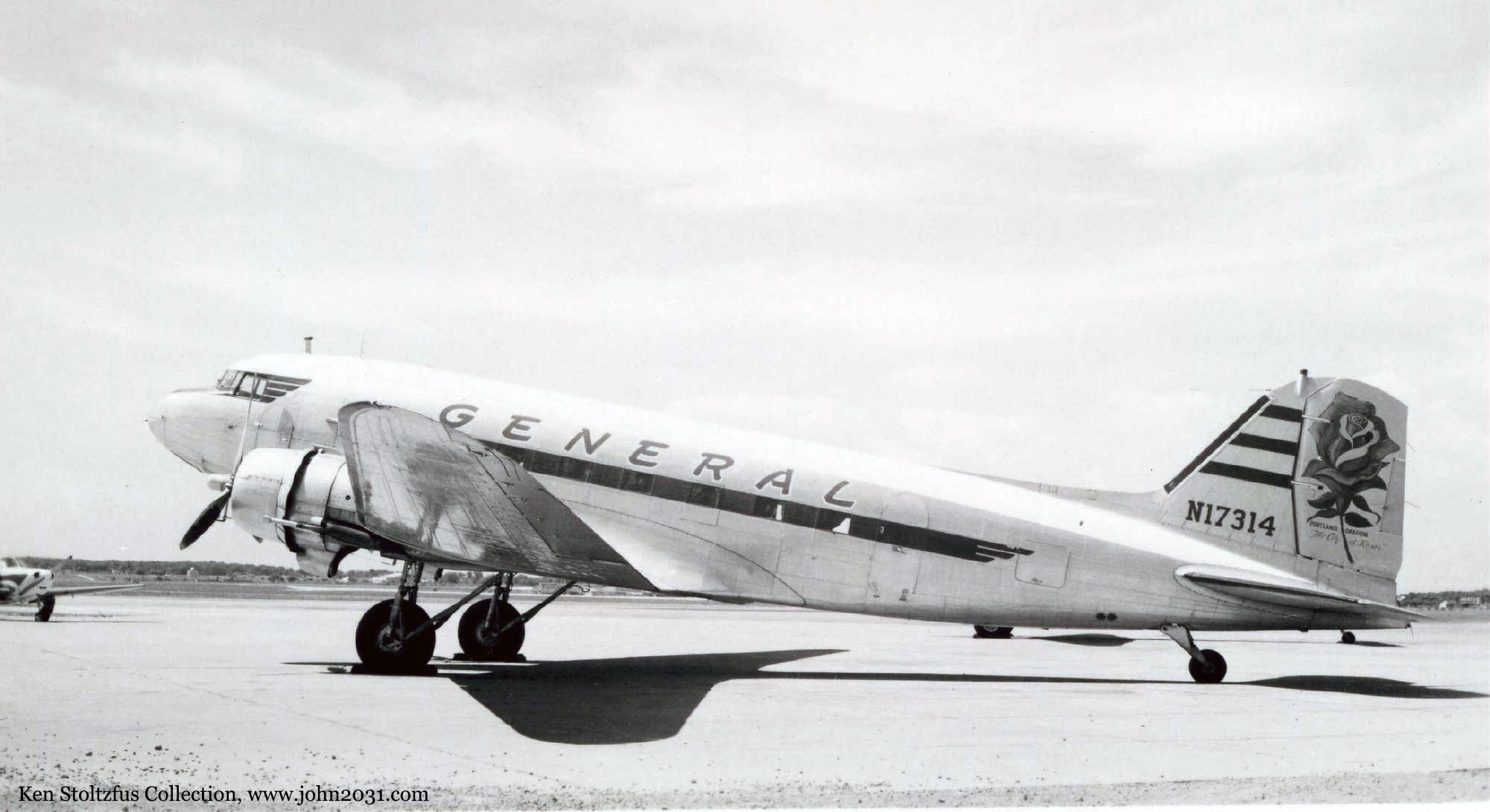
Crash of a Douglas DC-3B-202 near Kerrville: 3 killed

Date & Time: Feb 1, 1959 at 2350 LT
Type of aircraft:
Registration:
N17314
Survivors:
Yes
Schedule:
Boise – Pueblo – Kelly
MSN:
1924
YOM:
1937
Location:
Crew on board:
3
Crew fatalities:
Pax on board:
25
Pax fatalities:
Other fatalities:
Total fatalities:
3
Captain / Total flying hours:
15009
Captain / Total hours on type:
9373.00
Copilot / Total flying hours:
3872
Copilot / Total hours on type:
3100
Aircraft flight hours:
49051
Circumstances:
A General Airways DC-3 crashed shortly before midnight near Kerrville, Texas, on February 1, 1959, during a civil air movement (CAM) of 25 military personnel from Boise, Idaho, to Lackland Air Force Base (Kelly AFB), San Antonio, Texas. Three of the 28 occupants, including the captain and the reserve captain, then acting as copilot, were killed, four were seriously injured, and 21 received minor injuries. The final segment of the flight was from Pueblo, Colorado, where the U. S. Weather Bureau Station furnished weather briefing. Icing prevailed and was to continue. An IFR flight plan specifying cruising at 9,000 feet was filed. Departure from Pueblo was at 1800 1 and at 1916 the flight requested an altitude change from 9,000 to 7,000 feet, reporting light icing. ARTC approved at 1945. Shortly thereafter the flight again reported light icing. An involved series of radio contacts ensued as ice accretion became worse, then critical, then incapacitating. A privately used airport at Kerrville, Texas, was staffed and lighted. An attempt to land there failed and the aircraft was crash-landed nearby. Previously alerted fire fighting apparatus and ambulances were sent to the site. Investigation revealed no significant mechanical defect and no unpredicted weather conditions. The Board believes that this accident resulted from the pilot pressing into known and dangerous icing conditions until the aircraft was crash-landed. General Airways, Inc., a CAB certificated supplemental air carrier, surrendered its FAA operating certificate shortly after the accident pending FAA re-evaluation of the carrier's operations. The FAA later restored the certificate.
Probable cause:
The Board determines that the probable cause of this accident was the captain's poor judgment in continuing into known and dangerous icing conditions.
Final Report:

Crash of a Beechcraft AT-11 Kansan in Kaktovik

Date & Time: Jan 31, 1959
Type of aircraft:
Operator:
Registration:
N7332C
Flight Type:
Survivors:
Yes
Schedule:
Barrow – Kaktovik
MSN:
5105
YOM:
1943
Crew on board:
1
Crew fatalities:
Pax on board:
0
Pax fatalities:
Other fatalities:
Total fatalities:
0
Circumstances:
On final approach to Kaktovik Airport (Barter Island), the twin engine aircraft went out of control and crashed few km from the airfield. The pilot, sole on board, was injured and the aircraft was destroyed. The accident occurred in 50 knots wind which is excessive.

Crash of a Boeing B-52B-25-BO Stratofortress at Castle AFB

Date & Time: Jan 29, 1959
Type of aircraft:
Operator:
Registration:
53-0371
Flight Phase:
Flight Type:
Survivors:
Yes
Schedule:
Castle - Castle
MSN:
16850
YOM:
1953
Crew on board:
0
Crew fatalities:
Pax on board:
0
Pax fatalities:
Other fatalities:
Total fatalities:
0
Circumstances:
During the takeoff roll, at high speed, the captain decided to abandon the takeoff procedure for unknown reason. Unable to stop within the remaining distance, the B52 overran and came to rest in a field. There were no injuries but the aircraft was damaged beyond repair.
Crash of a Martin P5M-2 Marlin off Norfolk: 4 killed

Date & Time: Jan 27, 1959
Type of aircraft:
Operator:
Registration:
135529
Flight Type:
Survivors:
Yes
Schedule:
Norfolk - Norfolk
Crew on board:
10
Crew fatalities:
Pax on board:
0
Pax fatalities:
Other fatalities:
Total fatalities:
4
Circumstances:
En route, the crew reported that the right engine failed and elected to return to Norfolk-Chambers Field NAS. On approach, the left engine failed as well and the airplane stalled and crashed into the Willoughby Bay. Four crew members were killed while six others were seriously injured.
Probable cause:
Double engine failure in flight.

Crash of a Beechcraft C18S Expeditor in Kotzebue: 1 killed

Date & Time: Jan 20, 1959
Type of aircraft:
Operator:
Registration:
N6674C
Flight Phase:
Flight Type:
Survivors:
No
Schedule:
Kotzebue – Nome
MSN:
8313
YOM:
1945
Crew on board:
1
Crew fatalities:
Pax on board:
0
Pax fatalities:
Other fatalities:
Total fatalities:
1
Circumstances:
The pilot, sole on board, was returning to his base at Nome after having flown passengers to Kotzebue. After takeoff, a fire erupted in the cabin and the pilot elected to return for an emergency landing. While completing a sharp turn at low height, the right wing struck a telephone pole and was sheared off. Out of control, the airplane crashed and burned, killing the pilot. It was reported that cabin gas heater burst into flames after rotation.

Crash of a Curtiss C-46F-1-CU Commando on Panther Peak: 2 killed

Date & Time: Jan 14, 1959
Type of aircraft:
Registration:
N1240N
Flight Phase:
Flight Type:
Survivors:
No
Site:
Schedule:
Burbank – Seattle
MSN:
22404
YOM:
1945
Crew on board:
2
Crew fatalities:
Pax on board:
0
Pax fatalities:
Other fatalities:
Total fatalities:
2
Circumstances:
While cruising in marginal weather conditions at an altitude of 8,500 feet, the airplane struck trees and crashed on the slope of the Panther Peak. The aircraft was destroyed and both crew members were killed. At the time of the accident, the crew was not following the assigned route from Burbank to Seattle-Tacoma Airport for unknown reason. Apparently following a navigation error, the aircraft was 45 miles to the east from the intended route and at an insufficient altitude of 8,500 feet instead of the minimum 14,500 feet required.

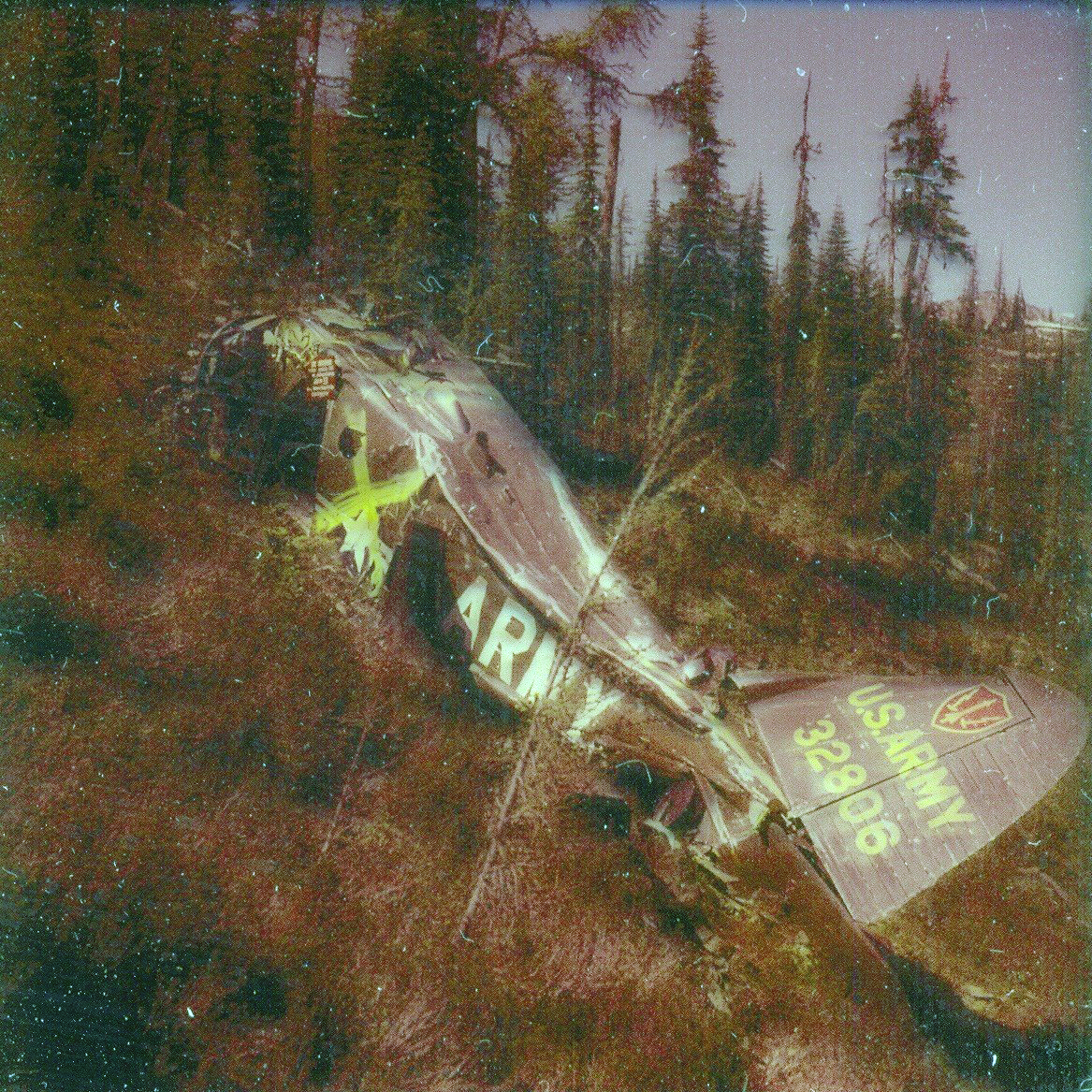
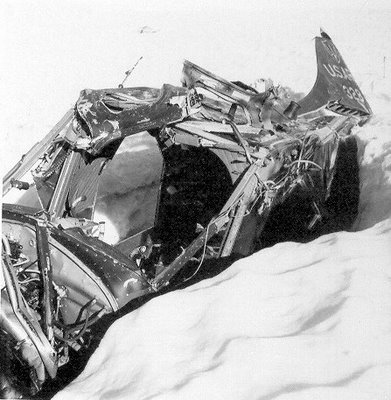
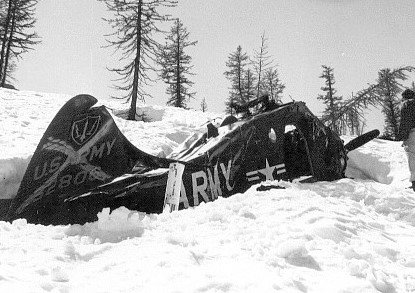
Crash of a De Havilland L-20A Beaver near Stehekin: 2 killed

Date & Time: Jan 12, 1959
Type of aircraft:
Operator:
Registration:
53-2806
Flight Phase:
Flight Type:
Survivors:
No
Site:
Schedule:
Ellensburg - McChord
MSN:
600
YOM:
1954
Crew on board:
1
Crew fatalities:
Pax on board:
1
Pax fatalities:
Other fatalities:
Total fatalities:
2
Circumstances:
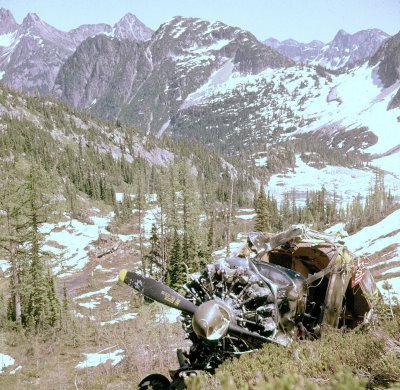
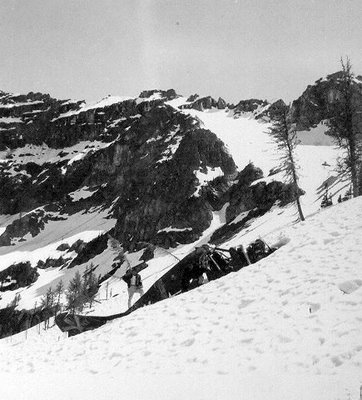
En route from Ellensburg to the McChord AFB, the aircraft crashed in unknown circumstances in a mountainous area covered by snow. As the aircraft failed to arrive at destination, SAR operations were conducted but eventually suspended few days later as no trace of the aircraft nor the crew was found. The following summer, walkers found the wreckage in an isolated area.
Crew:
Cpt Wade L. Shankle Jr.
Passenger:
John A. Ardussi.
Source & photos:
http://washingtonwreckchasing.blogspot.ch/2009_06_01_archive.html

Crash of a Douglas C-124C Globemaster II near Homer: 9 killed

Date & Time: Jan 11, 1959
Operator:
Registration:
50-0111
Flight Phase:
Flight Type:
Survivors:
No
Site:
Schedule:
McChord – Kodiak
MSN:
43249
YOM:
1950
Location:
Crew on board:
9
Crew fatalities:
Pax on board:
0
Pax fatalities:
Other fatalities:
Total fatalities:
9
Circumstances:
The crew was performing a flight from McChord AFB, Washington, to Kodiak, with a load of various goods for a total weight of 34,500 pounds. While approaching the Kenai Peninsula, the crew informed ATC about engine problems and elected to divert to Anchorage. Few minutes later, the captain reported he was unable to maintain a safe altitude when, at an altitude between 3,000 and 4,000 feet, the airplane struck the slope of a mountain located in the Petrof Glacier, about 26 miles southeast of Homer. The wreckage was found a day later and all nine occupants were killed.
Probable cause:
It was reported the aircraft suffered a double engine failure in flight for unknown reason.