Zone

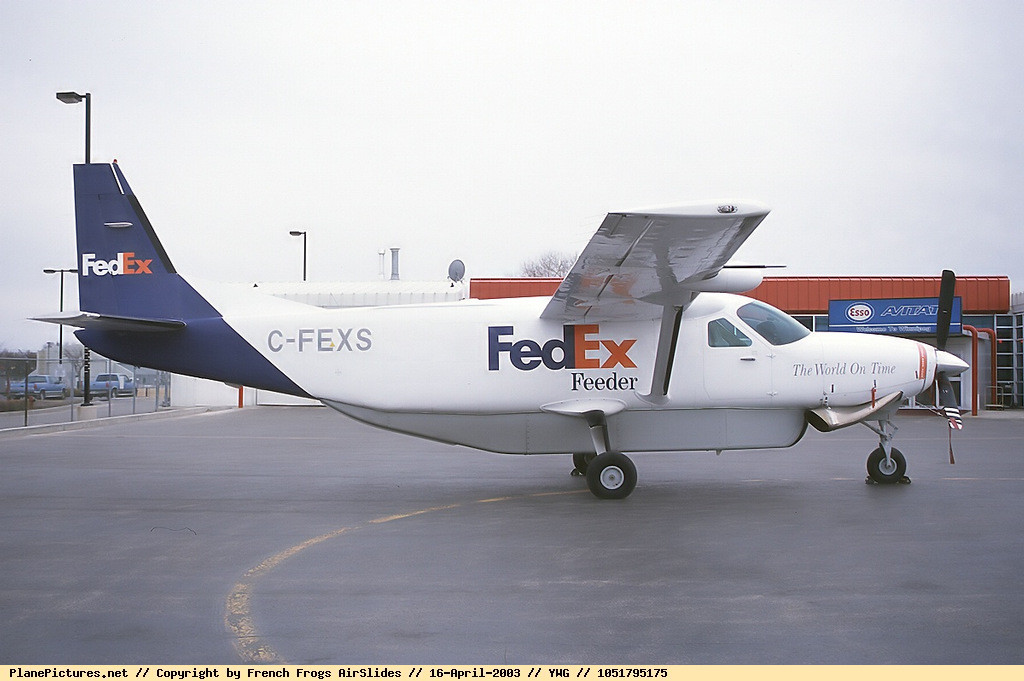
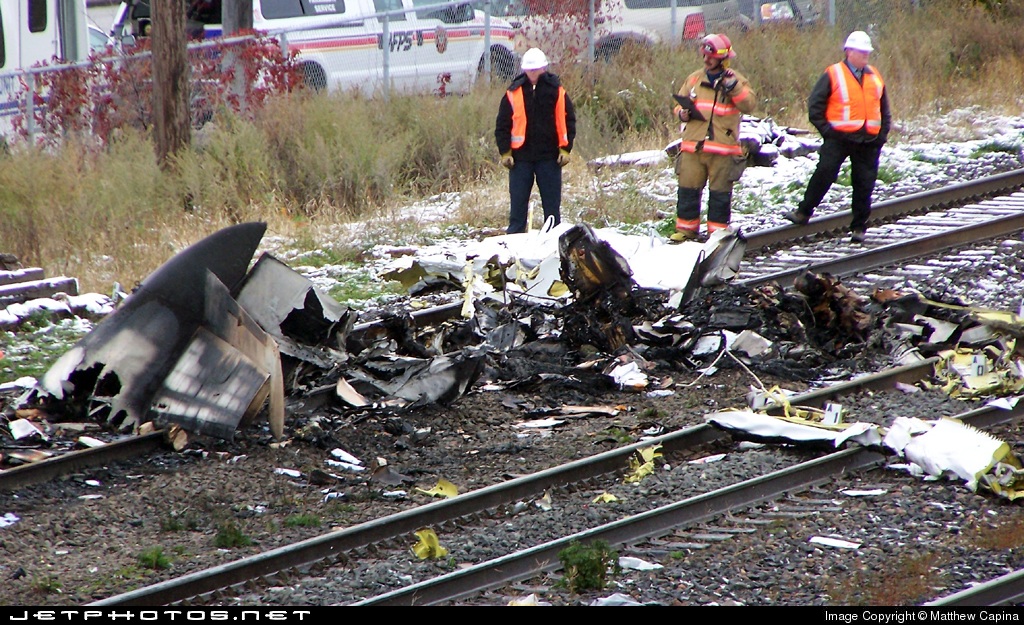
Crash of a Cessna 208B Super Cargomaster in Winnipeg: 1 killed

Date & Time: Oct 6, 2005 at 0543 LT
Type of aircraft:
Operator:
Registration:
C-FEXS
Flight Phase:
Flight Type:
Survivors:
No
Schedule:
Winnipeg – Thunder Bay
MSN:
208B-0542
YOM:
1996
Flight number:
FDX8060
Country:
Crew on board:
1
Crew fatalities:
Pax on board:
0
Pax fatalities:
Other fatalities:
Total fatalities:
1
Captain / Total flying hours:
4570
Captain / Total hours on type:
1500.00
Aircraft flight hours:
6724
Circumstances:
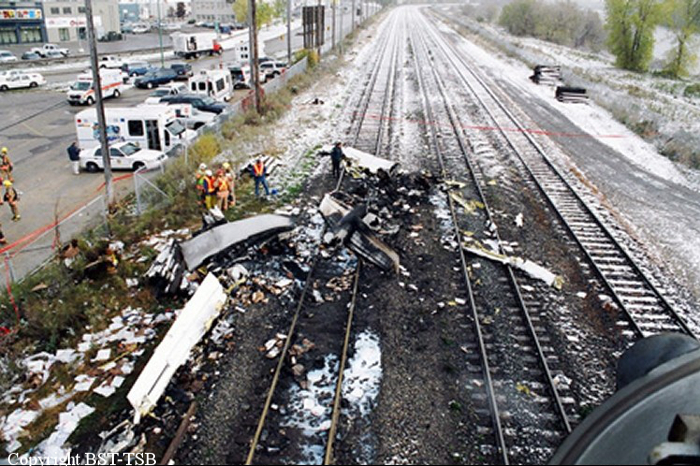
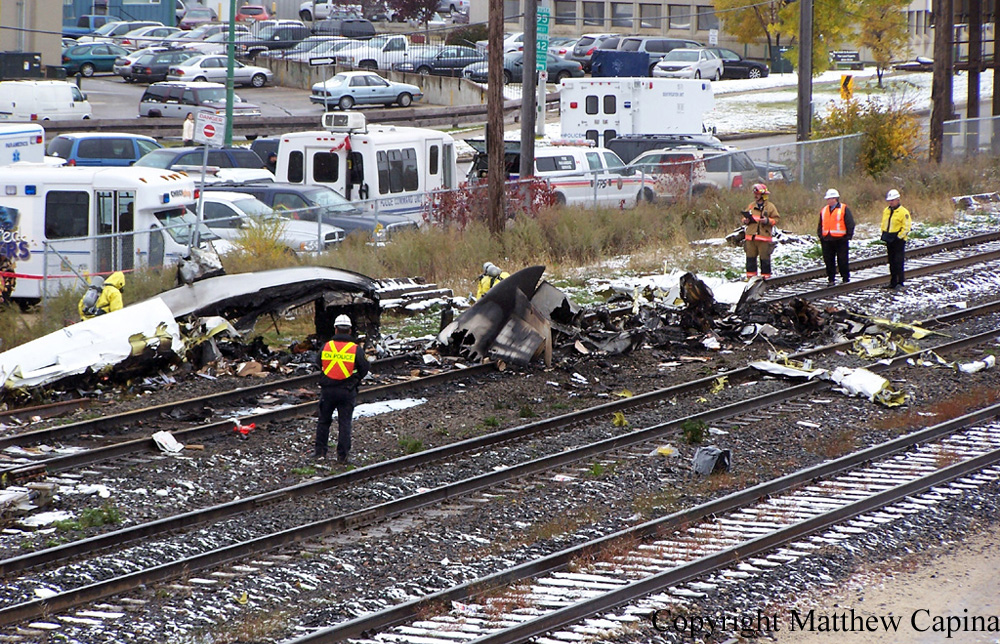
On the day before the occurrence, the accident aircraft arrived in Winnipeg, Manitoba, on a flight from Thunder Bay, Ontario. The aircraft was parked in a heated hangar overnight and was pulled outside at about 0410 central daylight time. The pilot reviewed the weather information and completed planning for the flight, which was estimated to take two hours and six minutes. The aircraft was refuelled and taxied to Apron V at the Winnipeg International Airport, where it was loaded with cargo. After loading was complete, the pilot obtained an instrument flight rules (IFR) clearance for the flight to Thunder Bay, taxied to Runway 36, received take-off clearance, and departed. The aircraft climbed on runway heading for about one minute to an altitude of 1300 feet above sea level (asl), 500 feet above ground level (agl). The flight was cleared to 9000 feet asl direct to Thunder Bay, and the pilot turned on course. The aircraft continued to climb, reaching a maximum altitude of 2400 feet asl about 2.5 minutes after take-off. The aircraft then started a gradual descent averaging about 400 feet per minute (fpm) until it descended below radar coverage. The accident occurred during hours of darkness at 0543. The Winnipeg Fire Paramedic Service were notified and responded from a nearby station.
Probable cause:
Findings as to Causes and Contributing Factors:
1. The aircraft departed at a weight exceeding the maximum take-off weight and the maximum weight for operation in icing conditions.
2. After departure from Winnipeg, the aircraft encountered in-flight icing conditions in which the aircraftís performance deteriorated until the aircraft was unable to maintain altitude.
3. During the attempt to return to the Winnipeg International Airport, the pilot lost control of the aircraft, likely with little or no warning, at an altitude from which recovery was not possible.
Findings as to Risk:
1. Aviation weather forecasts incorporate generic icing forecasts that may not accurately predict the effects of icing conditions on particular aircraft. As a result, specific aircraft types may experience more significant detrimental effects from icing than forecasts indicate.
2. Bulk loading prevented determining the cargo weight in each zone, resulting in a risk that the individual zone weight limits could have been exceeded.
3. The aircraftís centre of gravity (CG) could not be accurately determined, and may have been in the extrapolated shaded warning area on the CG limit chart. Although it was determined that the CG was likely forward of the maximum allowable aft CG, bulk loading increased the risk that the CG could have exceeded the maximum allowable aft CG.
4. The incorrect tare weight on the Toronto cargo container presented a risk that other aircraft carrying cargo from that container could have been inadvertently overloaded.
Other Findings:
1. The pilotís weather information package was incomplete and had to be updated by a telephone briefing.
2. The operatorís pilots were not pressured to avoid using aircraft de-icing facilities or to depart with aircraft unserviceabilities.
3. The aircraft departed Winnipeg without significant contamination of its critical surfaces.
4. The biological material on board the aircraft was disposed of after the accident, with no indication that any of the material had been released into the ground or the atmosphere.
5. The fact that the aircraft was not equipped with flight data recorder or cockpit voice recorder equipment limited the information available for the occurrence investigation and the scope of the investigation.
Final Report:
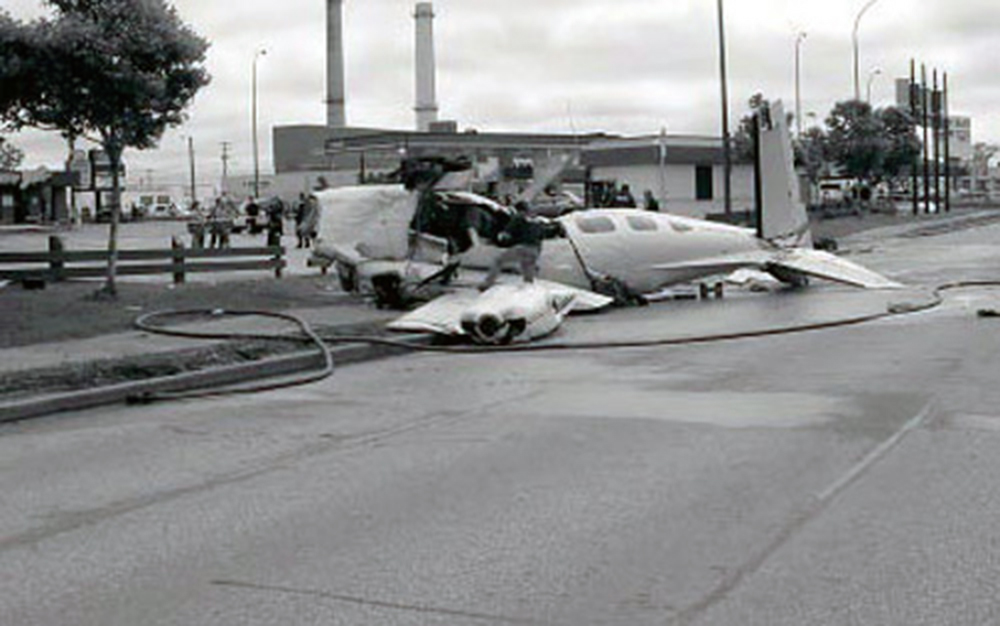
Crash of a Piper PA-31-350 Navajo Chieftain in Winnipeg: 1 killed

Date & Time: Jun 11, 2002 at 0920 LT
Operator:
Registration:
C-GPOW
Survivors:
Yes
Site:
Schedule:
Gunisao Lake - Winnipeg
MSN:
31-7305093
YOM:
1973
Country:
Crew on board:
1
Crew fatalities:
Pax on board:
6
Pax fatalities:
Other fatalities:
Total fatalities:
1
Captain / Total flying hours:
3000
Circumstances:
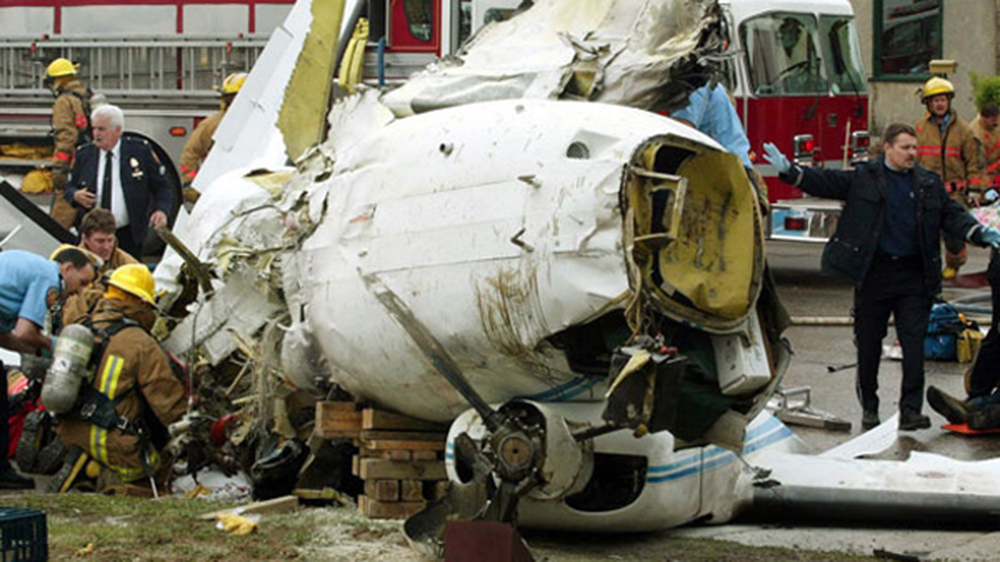
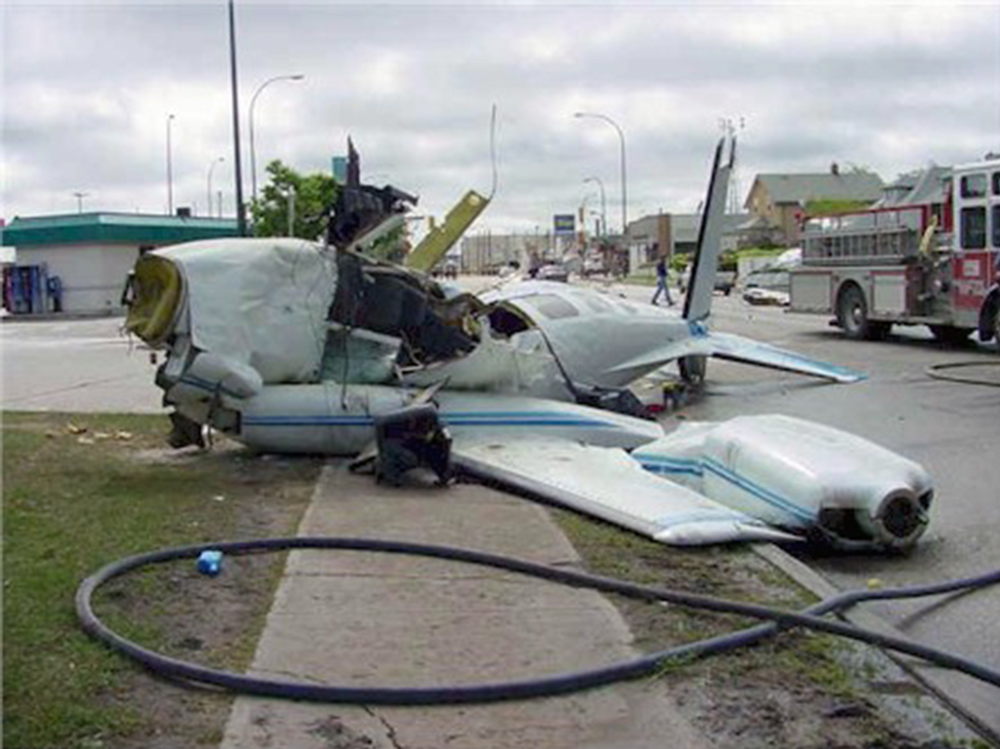
The aircraft was on an instrument flight rules flight from Gunisao Lake, Manitoba, to Winnipeg. One pilot and six passengers were on board. At 0913 central daylight time, KEE208 began an instrument landing system approach to Runway 13 at Winnipeg International Airport. The captain flew the approach at a higher-than-normal approach airspeed and well above the glide path. When the aircraft broke out of the cloud layer, it was not in position to land safely on the remaining runway. The captain executed a missed approach at 0916 and, after switching to the approach frequency from tower frequency, requested an expedited return to the airport. The approach controller issued instructions for a turn back to the airport. Almost immediately, at 0918, the captain declared a 'Mayday' for an engine failure. Less than 20 seconds later the captain transmitted that the aircraft had experienced a double engine failure. The aircraft crashed at a major traffic intersection at 0920, striking traffic signals and several vehicles. All seven of the aircraft passengers and several of the vehicle occupants were seriously injured; one passenger subsequently died of his injuries. The aircraft experienced extensive structural damage, with the wings and engines tearing off along the wreckage trail. There was a small post-crash fire in the right wing and engine area.
Probable cause:
Findings as to Causes and Contributing Factors:
1. The pilot did not correctly calculate the amount of fuel required to accomplish the flight from Winnipeg to Gunisao Lake and return, and did not ensure that the aircraft carried sufficient fuel for the flight.
2. The ILS approach was flown above the glideslope and beyond the missed approach point, which reduced the possibility of a safe landing at Winnipeg, and increased the risk of collision with terrain.
3. During the missed approach, the aircraft's engines lost power as a result of fuel exhaustion, and the pilot conducted a forced landing at a major city intersection.
4. The pilot did not ensure that the aircraft was equipped with an autopilot as specified by CARs.
Findings as to Risk:
1. The company did not provide an adequate level of supervision and allowed the flight to depart without an autopilot.
2. The company operations manual did not reflect current company procedures.
3. The company did not provide an adequate level of supervision and allowed the flight to depart without adequate fuel reserves. The company did not have a safety system in place to prevent a fuel exhaustion situation developing.
Other Findings:
1. The pilot did not advise air traffic control of his critical situation in a timely fashion.
Final Report:

Crash of a Beechcraft A65 Queen Air in Winnipeg

Date & Time: Jul 31, 1987 at 0848 LT
Type of aircraft:
Operator:
Registration:
C-GKDX
Flight Phase:
Survivors:
Yes
Site:
Schedule:
Winnipeg – Berens River
MSN:
LC-271
YOM:
1968
Flight number:
PAG117
Country:
Crew on board:
1
Crew fatalities:
Pax on board:
4
Pax fatalities:
Other fatalities:
Total fatalities:
0
Captain / Total flying hours:
1728
Captain / Total hours on type:
292.00
Aircraft flight hours:
15253
Circumstances:
Perimeter Airlines Flight 117, a scheduled Class II service, departed Winnipeg on a visual flight rules flight to Berens River, Manitoba, at 0846 central daylight time (CDT). On board were the pilot and four passengers as well as a load of mail and other cargo. The aircraft was cleared departure from runway 13, and the flight was cleared for a left turn on course. Shortly after the completion of the turn, at an altitude of about 500 to 600 feet above ground level, the pilot advised that the left engine was "out." Approximately one minute later, the aircraft crashed into a one-storey office building located 1,200 metres from the airport. All five occupants as well as one people in the building were injured, four seriously. The airplane was destroyed.
Probable cause:
The pilot was unable to maintain flying speed while operating the aircraft on one engine. A vibration induced by a fractured flange attachment bolt probably led pilot to feather the left engine.
Final Report:

Crash of a Rockwell 1121 Jet Commander in Winnipeg

Date & Time: May 26, 1978
Operator:
Registration:
C-FEYG
Survivors:
Yes
MSN:
1121-081
YOM:
1966
Country:
Crew on board:
2
Crew fatalities:
Pax on board:
1
Pax fatalities:
Other fatalities:
Total fatalities:
0
Circumstances:
On final approach to Winnipeg Airport, the crew encountered local patches of fog when the airplane struck the ground and crashed short of runway 13 threshold. All three occupants were injured and the aircraft was damaged beyond repair.

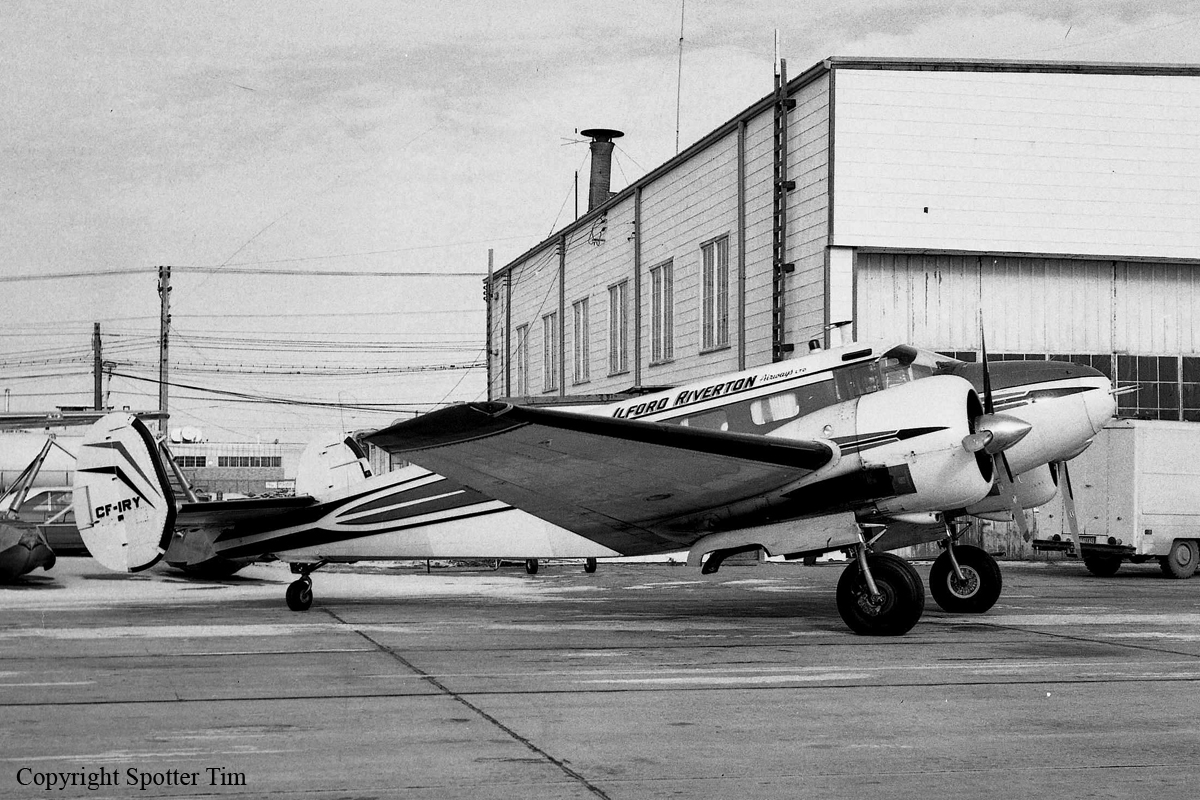
Crash of a Beechcraft D18S in Winnipeg: 9 killed

Date & Time: Jun 24, 1972 at 1630 LT
Type of aircraft:
Operator:
Registration:
CF-IRY
Flight Phase:
Survivors:
No
Site:
Schedule:
Winnipeg - Oxford House
MSN:
A-259
YOM:
1946
Country:
Crew on board:
1
Crew fatalities:
Pax on board:
8
Pax fatalities:
Other fatalities:
Total fatalities:
9
Captain / Total flying hours:
4256
Captain / Total hours on type:
273.00
Circumstances:
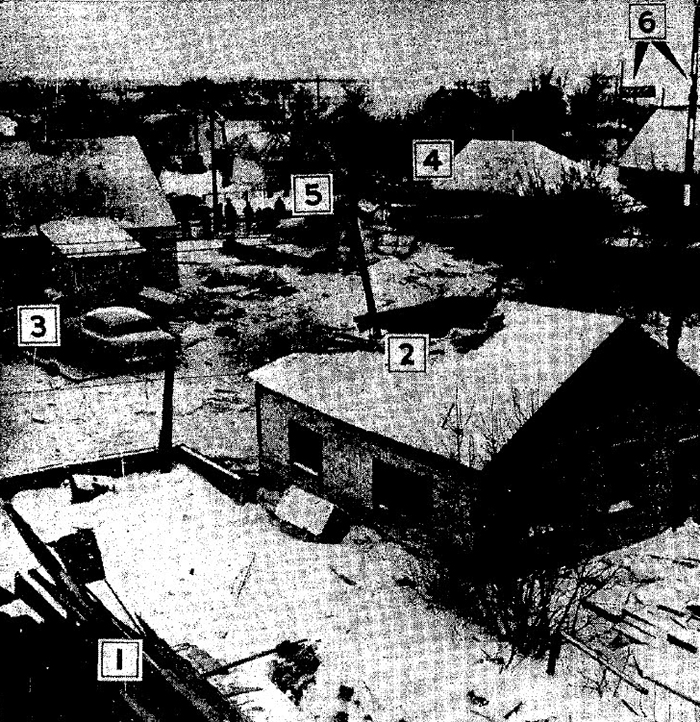
Shortly after takeoff from Winnipeg Airport runway 13, while climbing to a height of about 150 feet, the twin engine airplane banked right then stalled and crashed onto two houses located in 426 & 430 Linwood Street, about one km south of the end of runway 13, bursting into flames. The aircraft was totally destroyed and all nine occupants were killed, among them seven students returning home. Despite both houses were destroyed, nobody on the ground was wounded. According to eyewitnesses, both engines were not running properly prior to the loss of control.
Probable cause:
The following findings were identified:
- The left engine lost power for an undetermined reason.
- The pilot did not follow the recommended emergency procedures after the power loss.
- The right engine lost power because the pilot turned the right fuel selector valve to the 'off' position.
- The company had not ensured that the pilot was adequately trained in emergency procedures.
Assigned cause:
The pilot did not follow the correct emergency procedure following a loss of power from one engine after takeoff.
Final Report:

Crash of a North American B-25 Mitchell II in Winnipeg: 2 killed

Date & Time: Dec 6, 1956
Operator:
Registration:
HD325
Flight Phase:
Flight Type:
Survivors:
No
Schedule:
Winnipeg - Winnipeg
MSN:
100-24121
YOM:
1942
Country:
Crew on board:
2
Crew fatalities:
Pax on board:
0
Pax fatalities:
Other fatalities:
Total fatalities:
2
Circumstances:
The crew was engaged in a local training flight at Stevenson Field, Winnipeg, performing touch and go maneuvers. Shortly after takeoff, the pilot lost control of the airplane that crashed in a field, 2 km north of the airfield, bursting into flames. Both crew members were killed.
Crew:
F/O Robert Wendell Howe, pilot,
F/O Donald Gordon Oliver, pilot.

Crash of a Beechcraft Expeditor 3N in Winnipeg: 5 killed

Date & Time: May 18, 1956
Type of aircraft:
Operator:
Registration:
1491
Flight Type:
Survivors:
No
Schedule:
Winnipeg - Winnipeg
MSN:
A-666 (CA-66)
YOM:
1951
Country:
Crew on board:
5
Crew fatalities:
Pax on board:
0
Pax fatalities:
Other fatalities:
Total fatalities:
5
Circumstances:
The airplane was engaged in a local combined exercise at Winnipeg-Stevenson Field. On approach, the airplane collided with a second RCAF Expeditor registered 1486 that was also carrying a crew of five. Following the collision, both airplanes dove into the ground and crashed 3 km south of the airfield. All 10 occupants in both airplanes, four pilots and six cadets, were killed.
Crew:
F/O Francis Philip Coyle, pilot,
F/Cdt Joseph Jacques Richard Ovide Plourde
P/O Brian Cox,
F/O John Terrance King,
F/O Anthony George Mulholland.

Crash of a Beechcraft Expeditor 3N in Winnipeg: 5 killed

Date & Time: May 18, 1956
Type of aircraft:
Operator:
Registration:
1483
Flight Type:
Survivors:
No
Schedule:
Winnipeg - Winnipeg
MSN:
A-658 (CA-58)
YOM:
1951
Country:
Crew on board:
5
Crew fatalities:
Pax on board:
0
Pax fatalities:
Other fatalities:
Total fatalities:
5
Circumstances:
The airplane was engaged in a local combined exercise at Winnipeg-Stevenson Field. On approach, the airplane collided with a second RCAF Expeditor registered 1491 that was also carrying a crew of five. Following the collision, both airplanes dove into the ground and crashed 3 km south of the airfield. All 10 occupants in both airplanes, four pilots and six cadets, were killed.

Crash of an Avro 594 Avian III in Winnipeg

Date & Time: Feb 16, 1930
Type of aircraft:
Operator:
Registration:
G-CANL
Flight Type:
Survivors:
Yes
Schedule:
Winnipeg - Winnipeg
MSN:
127
YOM:
1928
Country:
Crew on board:
1
Crew fatalities:
Pax on board:
0
Pax fatalities:
Other fatalities:
Total fatalities:
0
Circumstances:
The pilot, sole on board, was performing a local training flight. On final approach, he failed to realize his altitude was insufficient when the wheels contacted telephone wires. The airplane went out of control and crashed short of runway. The aircraft was destroyed and the pilot was injured.
Probable cause:
Too low approach.

Crash of a De Havilland DH.60X Moth in Winnipeg

Date & Time: Aug 22, 1929
Type of aircraft:
Operator:
Registration:
G-CAKU
Flight Phase:
Flight Type:
Survivors:
Yes
Schedule:
Winnipeg - Winnipeg
MSN:
573
YOM:
1928
Country:
Crew on board:
2
Crew fatalities:
Pax on board:
0
Pax fatalities:
Other fatalities:
Total fatalities:
0
Circumstances:
The crew was completing a local training flight at Winnipeg Airport. While making a sharp turn at low height, the pilot lost control of the airplane that stalled and crashed near the airport. Both crew were injured.