


Country
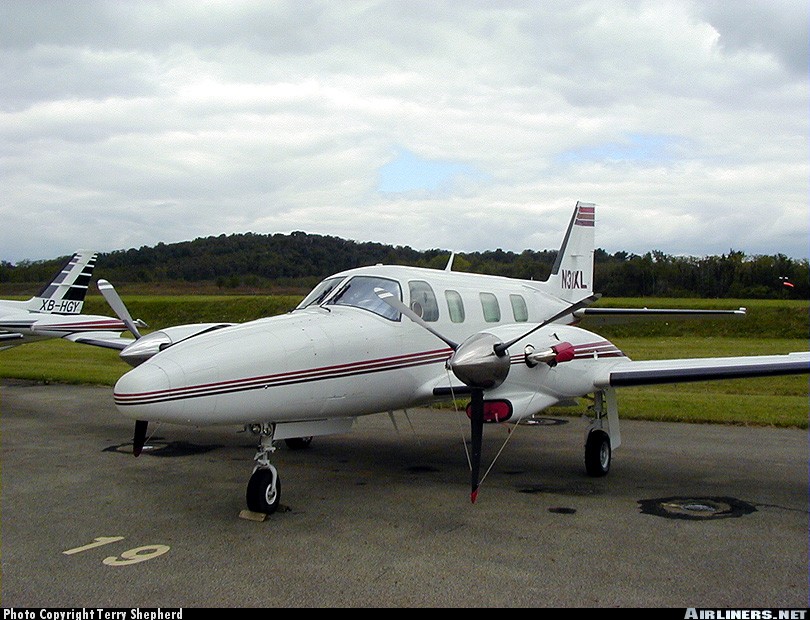
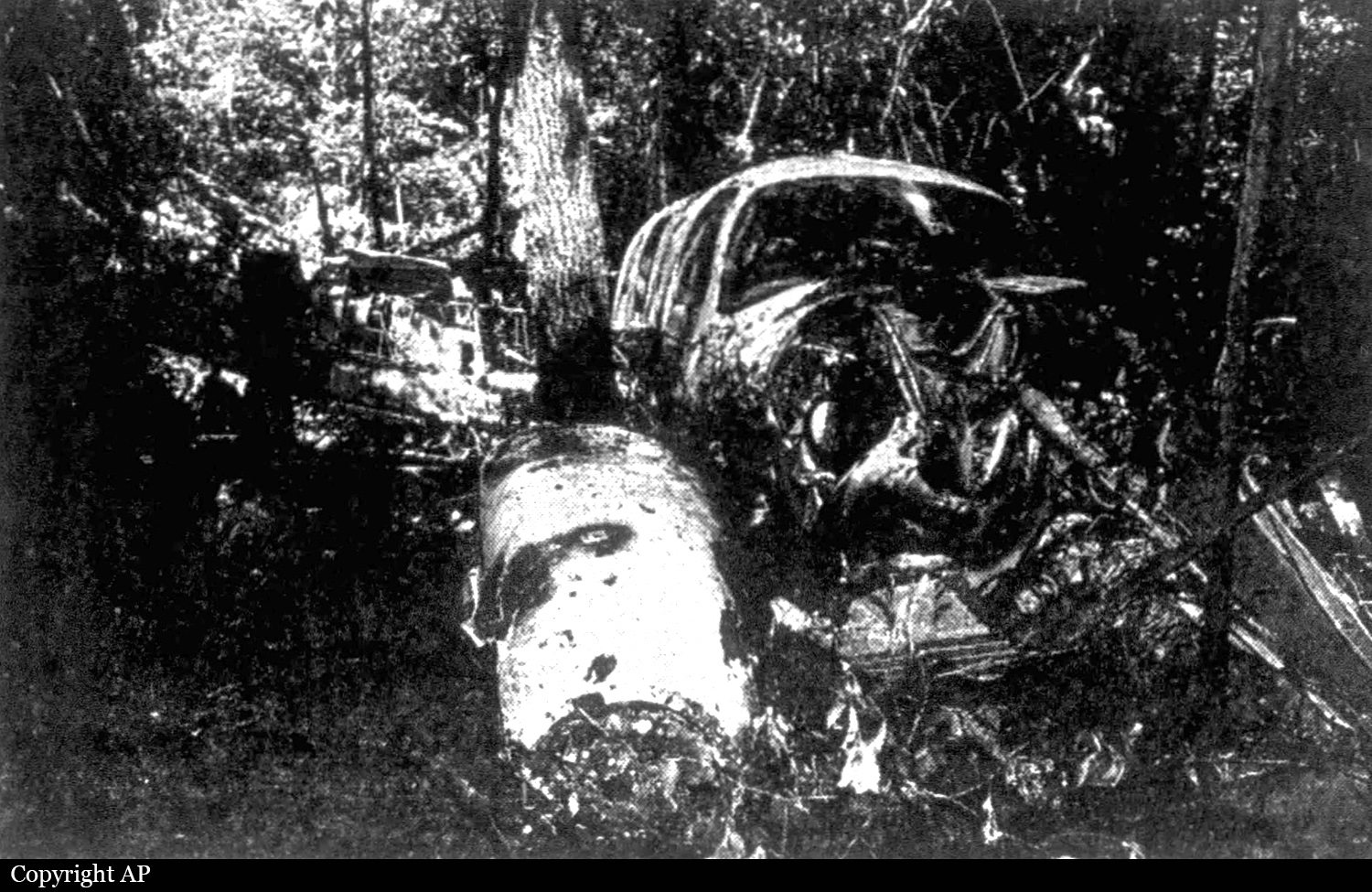
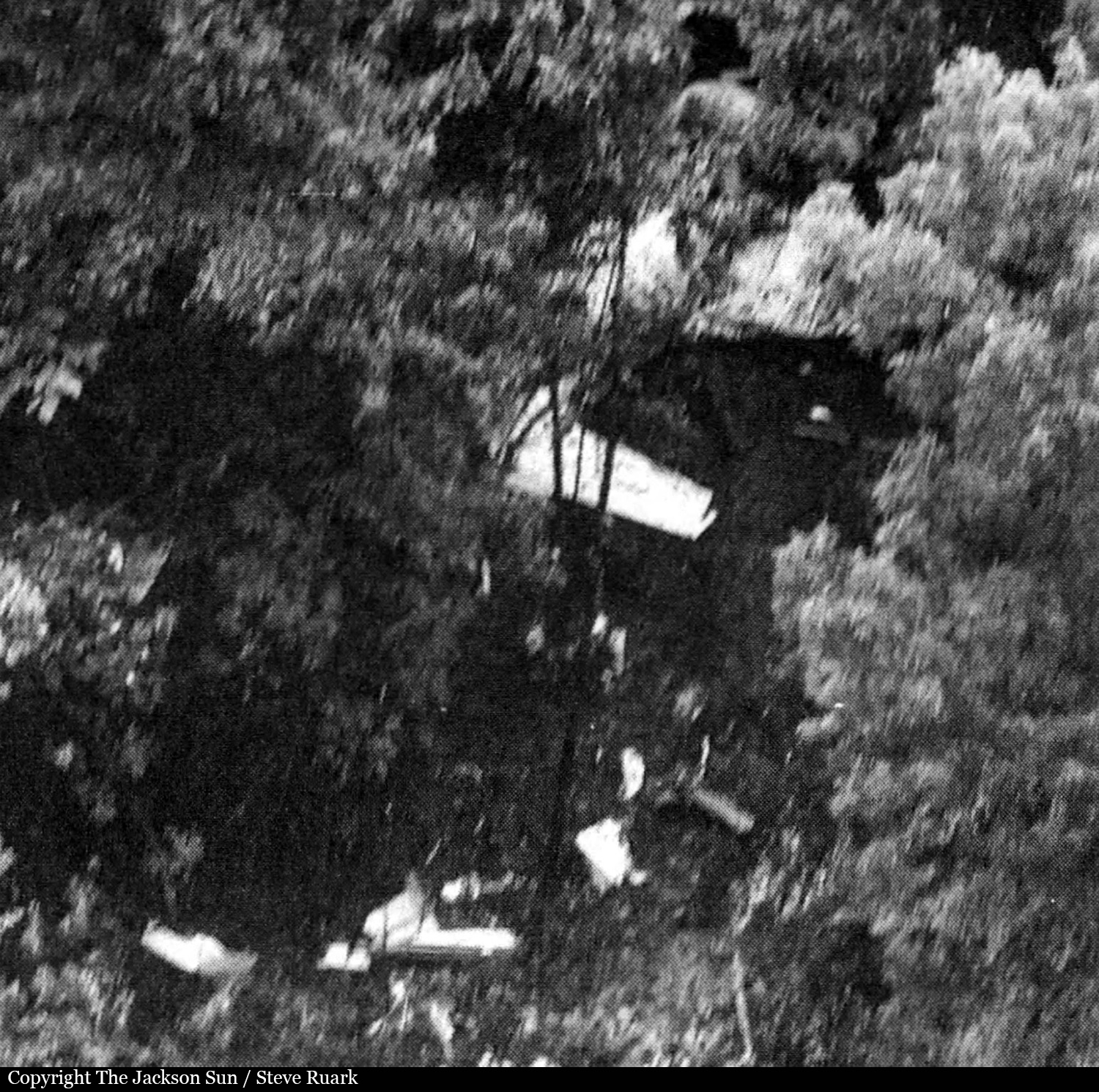
Crash of a Piper PA-31-T2 Cheyenne II-XL in Jackson: 5 killed
Date & Time:
Jun 3, 2001 at 1611 LT
Registration:
N31XL
Survivors:
No
Schedule:
Malden – Atlanta
MSN:
31-8166003
YOM:
1981
Crew on board:
1
Crew fatalities:
Pax on board:
4
Pax fatalities:
Other fatalities:
Total fatalities:
5
Captain / Total hours on type:
13.00
Aircraft flight hours:
6025
Circumstances:
About 20 minutes before the accident, the pilot reported to the air traffic controller that he had a problem with an engine and needed to shut the engine down. The flight had just leveled at 23,000 feet. The controller told the pilot that he was near Jackson, Tennessee, and that he could descend to 7,000 feet. About 10 minutes later, the pilot reported he was at 8,000 feet and requested radar vectors for the instrument landing system approach to runway 2 at the McKellar-Sipes Regional Airport, at Jackson. The pilot told the controller he had the left engine shut down. About 5 minutes later, the pilot reported he had a propeller runaway. About 1 minute later, the pilot reported he was in visual conditions and requested radar vectors direct to the airport. About 2 minutes later, the pilot reported he had a cloud layer under him and that he had the localizer frequency for runway 2 set. About 1 minute later, the pilot was told to contact the McKellar Airport control tower. The pilot acknowledged this instruction. No further transmissions were received from the flight. Examination of the left engine at the accident site showed the left propeller control was found disconnected at the point the propeller control extension bracket attaches to the propeller governor. The propeller control cable had also pulled loose from a swaged point at the control rod and was also separated further aft due to overstress. The housing for the propeller control rod was found securely attached to the engine and the control rod was securely attached to the extension bracket. The propeller governor control arm, which was disconnected from the propeller control cable and rod, was found spring loaded into the high RPM position. Examination of the fractured left propeller bracket assembly was performed by the NTSB Materials Laboratory, Washington, D.C. The bracket assembly was fractured in the area of the outermost eyehole, at the point a bolt passes through the bracket assembly and the propeller governor arm. The fracture surface contained small amounts of dirt, grease, and minor corrosion. The fracture surface features include flat areas that lie on multiple planes separated by ratchet marks, features typically left behind by the propagation of a fatigue crack. The fatigue crack emanated from multiple origins on opposite sides of the bracket. The total area of the fatigue crack occupied approximately 85 percent of the fracture surfaces. The fatigue fractures initiated on the outer edges of the surface and propagated inward toward the center. The remaining 15% of the fracture surface had features consistent with overstress separation. Near the middle of each fatigue region were microfissures suggesting that the crack propagated under high-stress conditions. The NTSB Materials Laboratory also examined the separation point between the left propeller control flexible cable and the rigid rod that connects to the bracket assembly. The cable and the swaged part of the rigid rod were in good condition with no fractures or damage. The Piper PA-31-T2 Pilot Operating Handbook, Section 3, Emergency Procedures, does not contain a procedure for loss of propeller control. Section 3 did contain a procedure for "Over speeding Propeller", which stated that if a propellers speed should exceed 1,976 rpm, to place the power lever of the engine with the over speeding propeller to idle, feather the propeller, place the engine condition lever in the stop position, and complete the engine shutdown procedures. Pilot logbook records show the pilot completed a simulator training course for the accident model airplane about 9 days before the accident and had about 13 flight hours in the Piper PA-31-T2.
Probable cause:
The pilot's shutting down the left engine following loss of control of the left propeller resulting in an in-flight loss of control of the airplane due to the windmilling propeller. Factors in the accident were the failure of the propeller control bracket assembly due to fatigue, the pilot's lack of experience in the type of airplane (turbo propeller) and the absence of a procedure for loss of propeller control in the airplane's flight manual.
Final Report:
Crash of a Piper PA-31-T1040 Cheyenne III in Kousséri: 3 killed
Date & Time:
Feb 14, 2001 at 2300 LT
Registration:
TJ-AIQ
Survivors:
Yes
Schedule:
Douala – N’Djamena
MSN:
31-8275025
YOM:
1982
Crew on board:
2
Crew fatalities:
Pax on board:
2
Pax fatalities:
Other fatalities:
Total fatalities:
3
Circumstances:
The twin engine aircraft departed Douala on a charter flight to N'Djamena, carrying one pilot, one steward and two members of the Chadian Government. While approaching N'Djamena Airport, weather conditions deteriorated and the visibility was limited due to a sand storm. Probably to establish a visual contact with the ground, the pilot reduced his altitude when the aircraft struck a tree and crashed about 3 km from the runway 05 threshold, near Kousséri, Cameroon. The steward was seriously injured while all three other occupants were killed, among them the pilot, a Spanish citizen and both passengers who were Amderamane Dadi, General Secretary of the Presidency, and Ali Ahmed Lanine, Chadian Minister for Economic Promotion and Development.
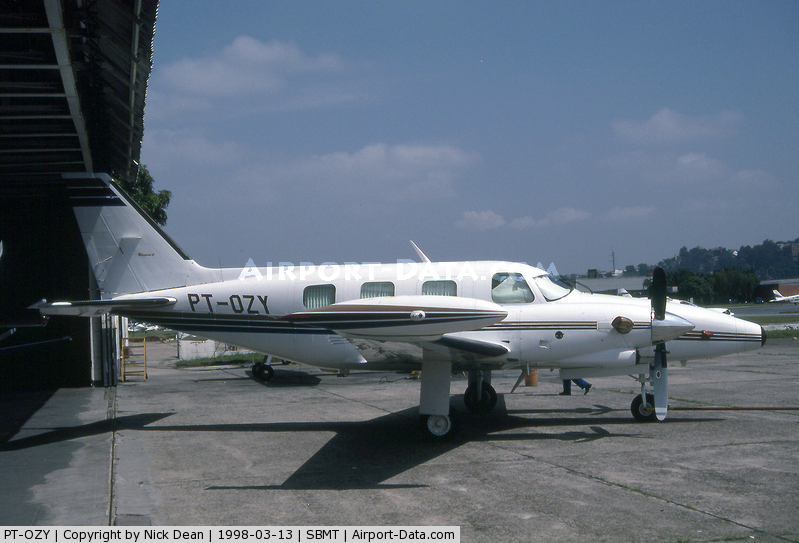
Crash of a Piper PA-31T Cheyenne II in Água Comprida: 6 killed
Date & Time:
Jan 12, 2001 at 1900 LT
Registration:
PT-OZY
Survivors:
No
Schedule:
Goiânia – Ribeirão Preto
MSN:
31-7820030
YOM:
1978
Crew on board:
2
Crew fatalities:
Pax on board:
4
Pax fatalities:
Other fatalities:
Total fatalities:
6
Circumstances:
The twin engine aircraft departed Goiânia on a private flight to Ribeirão Preto, carrying four passengers and two pilots, the aircraft's owner and a friend. Three minutes after being cleared by Brasilía Control Center, at an altitude of 18,000 feet, the pilot informed ATC about poor weather conditions and severe turbulences. Shortly later, the aircraft entered an uncontrolled descent and crashed in a sugarcane field located near Água Comprida. The aircraft was destroyed by impact forces and a post crash fire and all six occupants were killed.
Probable cause:
It is believed that the pilot lost control of the aircraft in poor weather conditions after he suffered a spatial disorientation. The following contributing factors were identified:
- Poor flight preparation,
- Poor weather conditions with atmospheric turbulences,
- The pilot showed anxiety and complacency,
- The pilot was not properly licensed to operate in IFR conditions,
- The pilot was inexperienced,
- The pilot's actions were likely inappropriate while facing an unexpected situation.
- Poor flight preparation,
- Poor weather conditions with atmospheric turbulences,
- The pilot showed anxiety and complacency,
- The pilot was not properly licensed to operate in IFR conditions,
- The pilot was inexperienced,
- The pilot's actions were likely inappropriate while facing an unexpected situation.
Final Report:
Crash of a Piper PA-31T3-T1040 Cheyenne in Nuiqsut: 5 killed
Date & Time:
Sep 18, 2000 at 1510 LT
Operator:

Registration:
N220CS
Survivors:
Yes
Schedule:
Deadhorse – Nuiqsut
MSN:
31-8275013
YOM:
1982
Flight number:
6C181
Crew on board:
1
Crew fatalities:
Pax on board:
9
Pax fatalities:
Other fatalities:
Total fatalities:
5
Captain / Total hours on type:
165.00
Aircraft flight hours:
10157
Circumstances:
The airline transport certificated pilot was landing at a remote village on a scheduled domestic commuter flight with nine passengers. The accident airplane, a twin-engine turboprop certified for single-pilot operations, was equipped with a fuselage-mounted belly cargo pod. Witnesses saw the airplane touch down on the gravel runway with the landing gear retracted. The belly pod lightly scraped the runway for about 40 feet before the airplane transitioned to a climb. The propeller tips did not contact the runway. As the airplane began climbing away from the runway, the landing gear was extended. The airplane climbed to about 100 to 150 feet above the ground, and then began a descending left turn, colliding with tundra-covered terrain. A postcrash fire destroyed the fuselage, right wing, and the right engine. The flaps were found extended to 40 degrees. The balked landing procedure for the airplane states, in part: "power levers to maximum, flaps to 15 degrees, landing gear up, and then retract the flaps." Five passengers seated in the rear of the airplane survived the crash. The survivors did not recall hearing a gear warning horn before ground contact. The airplane was landed gear-up eight months before the accident. The airplane was nearly landed gear-up four months before the accident. Each time, a landing gear warning horn was not heard by the pilot or passengers. A postcrash examination of the airplane and engines did not locate any preimpact mechanical malfunction. The FAA's Fairbanks, Alaska, FSDO conducted an inspection of the operator six months before the accident, and recommended the operator utilize two pilots in the accident airplane. Following the accident, the Fairbanks FSDO required the operator to utilize two pilots for passenger flights in the accident airplane make and model.
Probable cause:
The pilot's failure to extend the landing gear, his improper aborted landing procedure, and inadvertent stall/mush. Factors in the accident were an improper adjustment of the landing gear warning horn system by company maintenance personnel, and the failure of the pilot to utilize the pre-landing checklist.
Final Report:


Crash of a Piper PA-31T Cheyenne in Montpellier: 1 killed
Date & Time:
Sep 9, 2000
Operator:

Survivors:
No
Crew on board:
1
Crew fatalities:
Pax on board:
0
Pax fatalities:
Other fatalities:
Total fatalities:
1
Circumstances:
Shortly after takeoff from Montpellier-Candillargues Airport, while in initial climb, the aircraft stalled and crashed near the runway end. The pilot, sole on board, was killed.
Probable cause:
It is believed that the pilot lost control of the airplane following a double engine failure caused by a fuel exhaustion.
Crash of a Piper PA-31T Cheyenne II in Abong Mbang
Date & Time:
Aug 29, 2000 at 1600 LT
Operator:

Registration:
TJ-AIM
Survivors:
Yes
Schedule:
Douala – Djoum – Abong Mbang
MSN:
31-8166061
YOM:
1981
Crew on board:
1
Crew fatalities:
Pax on board:
5
Pax fatalities:
Other fatalities:
Total fatalities:
0
Circumstances:
The twin engine aircraft departed Douala on a flight to Abong Mbang with an intermediate stop in Djoum, carrying five passengers and one pilot. On final approach to Abong Mbang, the pilot encountered poor weather conditions with limited visibility due to heavy rain falls. On short final, the aircraft struck the ground about 60 metres short of runway threshold. Upon impact, the undercarriage were torn off and the aircraft came to rest on its belly. All six occupants escaped uninjured while the aircraft was damaged beyond repair.
Crash of a Piper PA-31T3-T1040 Cheyenne in Kotzebue
Date & Time:
Feb 21, 2000 at 1123 LT
Operator:
Registration:
N219CS
Survivors:
Yes
Schedule:
Point Lay - Kotzebue
MSN:
31-8275005
YOM:
1982
Crew on board:
1
Crew fatalities:
Pax on board:
0
Pax fatalities:
Other fatalities:
Total fatalities:
0
Captain / Total hours on type:
4900.00
Aircraft flight hours:
11098
Circumstances:
The airplane collided with frozen pack ice, three miles from the airport, during a GPS instrument approach. Instrument conditions of 3/4 mile visibility in snow and fog were reported at the time of the accident. The pilot stated that he began a steep descent with the autopilot engaged. He indicated that as the airplane crossed the final approach course, the autopilot turned the airplane inbound toward the airport. He continued the steep descent, noted the airplane had overshot the course, and the autopilot was not correcting very well. He disengaged the autopilot and manually increased the correction heading to intercept the final approach course. During the descent he completed the landing checklist, extended the landing gear and flaps, and was tuning both the communications and navigation radios. The pilot said he looked up from tuning the radios to see the sea ice coming up too quickly to react, and impacted terrain. The pilot relayed there were no pre accident anomalies with the airplane, and that he 'did not stay ahead of the airplane.'
Probable cause:
The pilot descended below the minimum descent altitude. Factors associated with this accident were the task overload of the pilot during the instrument approach, and not performing a level off.
Final Report:

