Crash of a Consolidated PBY-5A Catalina in Pine Point: 2 killed

Date & Time: Sep 3, 1971 at 1445 LT
Type of aircraft:
Operator:
Registration:
CF-HTN
Flight Phase:
Flight Type:
Survivors:
No
Schedule:
Fort Smith - Fort Smith
MSN:
1637
YOM:
1944
Country:
Crew on board:
2
Crew fatalities:
Pax on board:
0
Pax fatalities:
Other fatalities:
Total fatalities:
2
Captain / Total flying hours:
7908
Captain / Total hours on type:
961.00
Copilot / Total flying hours:
6100
Copilot / Total hours on type:
59
Circumstances:
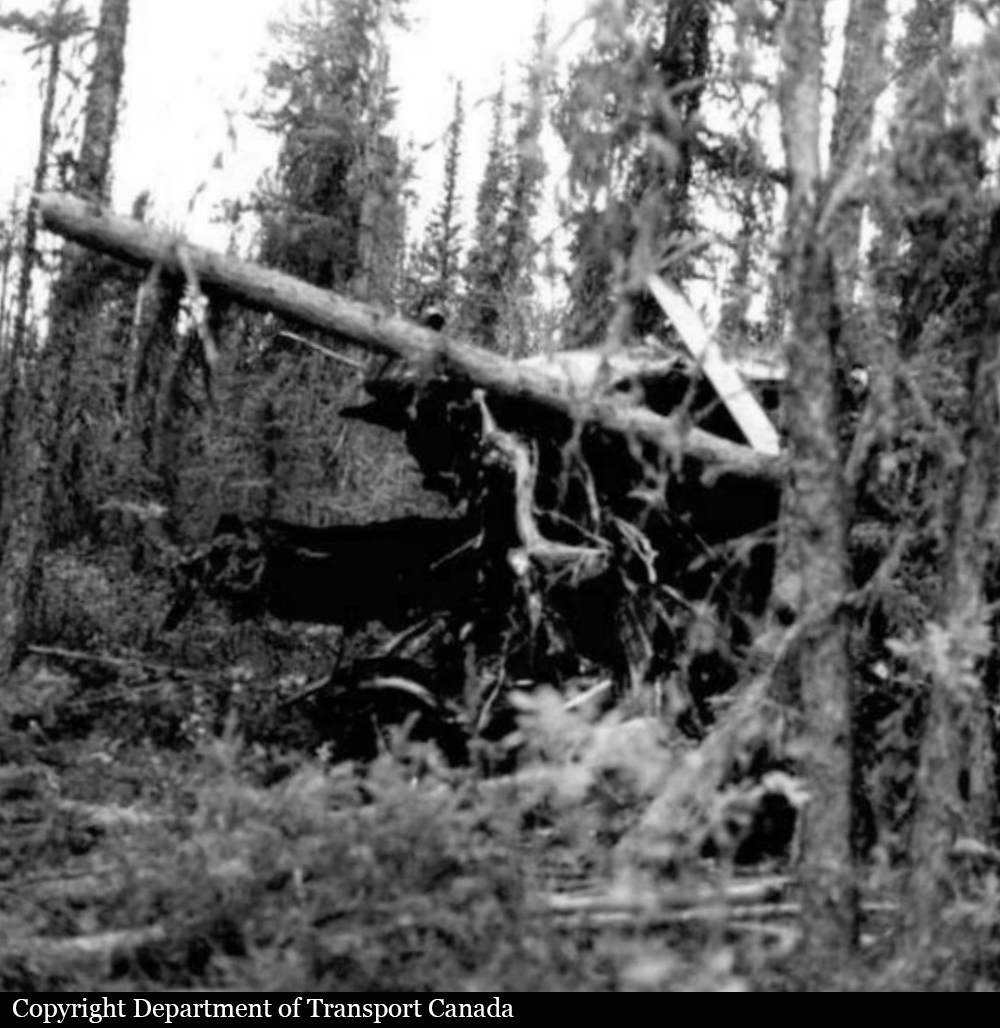
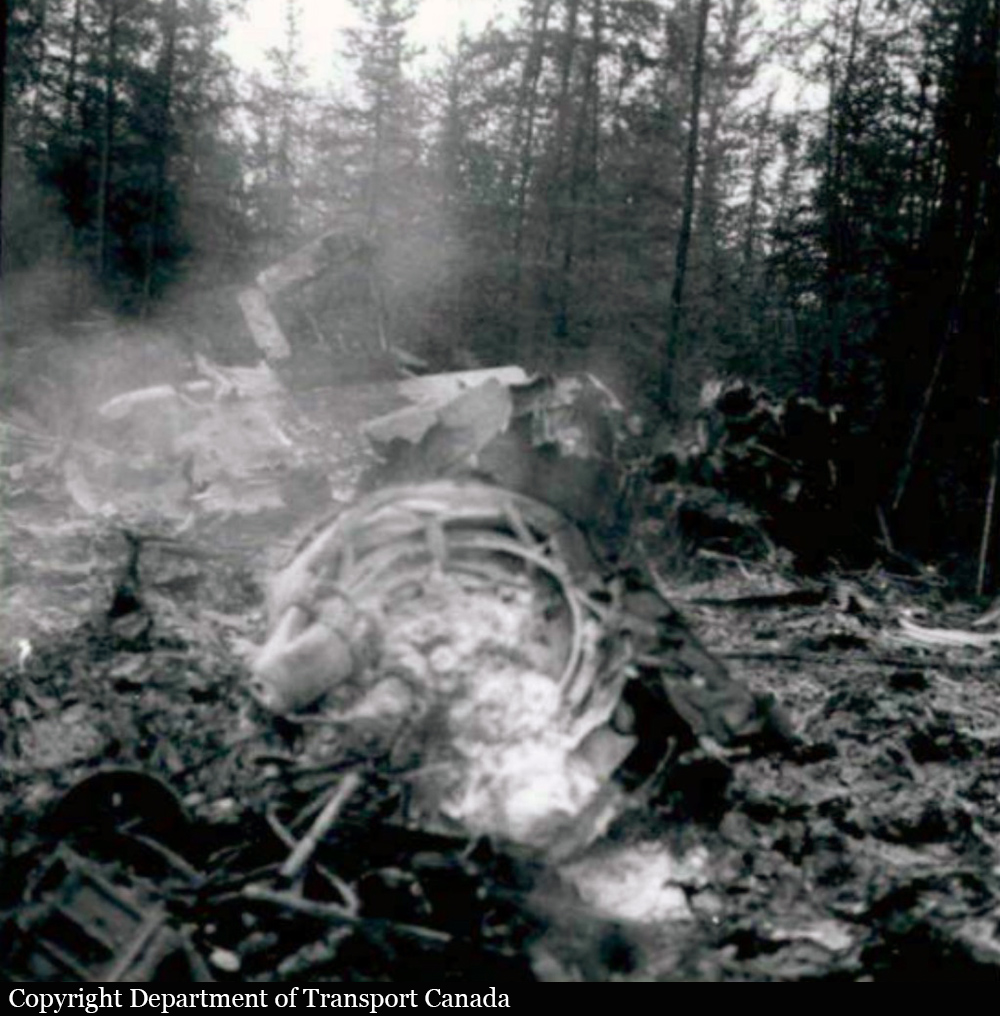
The airplane registered CF-HTN had completed a water drop on a fire at 60° 33' N and 113° 03' W and after completion of the drop flew to the vicinity of a helicopter which had crashed earlier that day, approximately 1,5 mile west of the fire being bombed. CF-HTN circled the wreckage to the right and reported the crash on VHF radio to Fort Smith aeradio on a frequency of 122.2. CF-HTN continued to circle around the crashed helicopter to the right. The circle was widened to the northwest on the last circuit and the flight path of the aircraft changed for a near direct path over the helicopter from the north when CF-HTN collided with CF-IDS, a Canadian Vickers PBV-1A Canso operated by North Canada Air (Norcanair). This airplane was also engaged in water bombing the same fire location as was CF-HTN. It approached the fire from a southerly direction and dropped its load of water on the fire. After the drop the aircraft went into a climbing left turn. During this turn, CF-IDS collided with CF-HTN. Physical evidence at the scene showed collision contact to be the left wing of CF-HTN and the right wing of CF-IDS. Collision contact broke off one half of the right wing of CF-IDS. Loss of this portion of wing caused the aircraft to roll to the right and crash. Collision contact broke off the outer one-third of the left wing of CF-HTN. In addition, the float and tip portion of the wing of CF-IDS struck the left stabilizer and elevator of CF-HTN breaking these controls off the aircraft. CF-HTN rolled to the left and crashed. There is no evidence of any evasive action nor that either crew saw anything of the other aircraft. Both airplanes were destroyed and all four crew members were killed.
Crew:
Gordon Frederick Hales, pilot,
Peter Kuryluk, copilot.
Probable cause:
There was no malfunction in either aircraft. This conclusion cannot be proven by physical evidence but is based on a lack of any radio messages indicating any problems, corroborated to the extent possible by evidence of witnesses. None of the witnesses reported anything which would tend to indicate an apparent malfunction prior to the collision. The investigators considered the possibility of malfunction and carried out some technical investigation of each aircraft. It was considered that there was sufficient evidence to exclude malfunction as a likely factor. The technical investigation was not detailed except to determine how the collision occurred. Concern for an injured helicopter pilot caused one bomber to alter his circuit in the fire area. Subsequently, the two bombers were on converging paths. None of the crew members saw the other bomber in sufficient time to take effective evasive action. The collision occurred at a time when all four crew members would be busy.
Final Report:
Crash of a Noorduyn Norseman in Thubun Lake

Date & Time: Oct 6, 1970
Type of aircraft:
Operator:
Registration:
CF-NJV
Flight Phase:
Flight Type:
Survivors:
Yes
MSN:
564
YOM:
1944
Country:
Crew on board:
1
Crew fatalities:
Pax on board:
0
Pax fatalities:
Other fatalities:
Total fatalities:
0
Circumstances:
Shortly after takeoff from Thubun Lake, while climbing, the airplane lost height, crashed and came to rest upside down. The pilot was injured and the aircraft was damaged beyond repair.
Probable cause:
It was determined that the pilot failed to prepare the flight according to published procedures and positioned the fuel selector on an empty tank. In such conditions, the engine stopped shortly after rotation.

Crash of a Bristol 170 Freighter 31M off Lutselk'e

Date & Time: May 3, 1970
Type of aircraft:
Operator:
Registration:
CF-WAG
Survivors:
Yes
MSN:
13249
YOM:
1955
Country:
Crew on board:
0
Crew fatalities:
Pax on board:
0
Pax fatalities:
Other fatalities:
Total fatalities:
0
Circumstances:
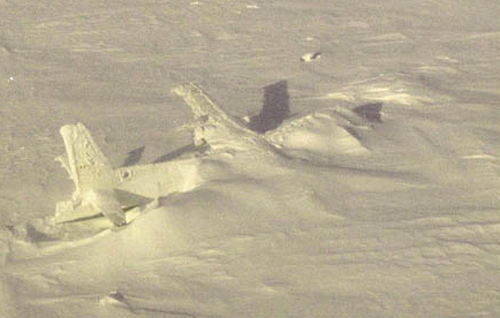
On final approach to Lutselk'e Airport, the airplane crashed into an icy lake. There were no casualties.

Crash of a Fairchild F-27J in Inuvik

Date & Time: Dec 20, 1969
Type of aircraft:
Operator:
Registration:
CF-GNG
Survivors:
Yes
MSN:
114
YOM:
1965
Country:
Crew on board:
0
Crew fatalities:
Pax on board:
0
Pax fatalities:
Other fatalities:
Total fatalities:
0
Circumstances:
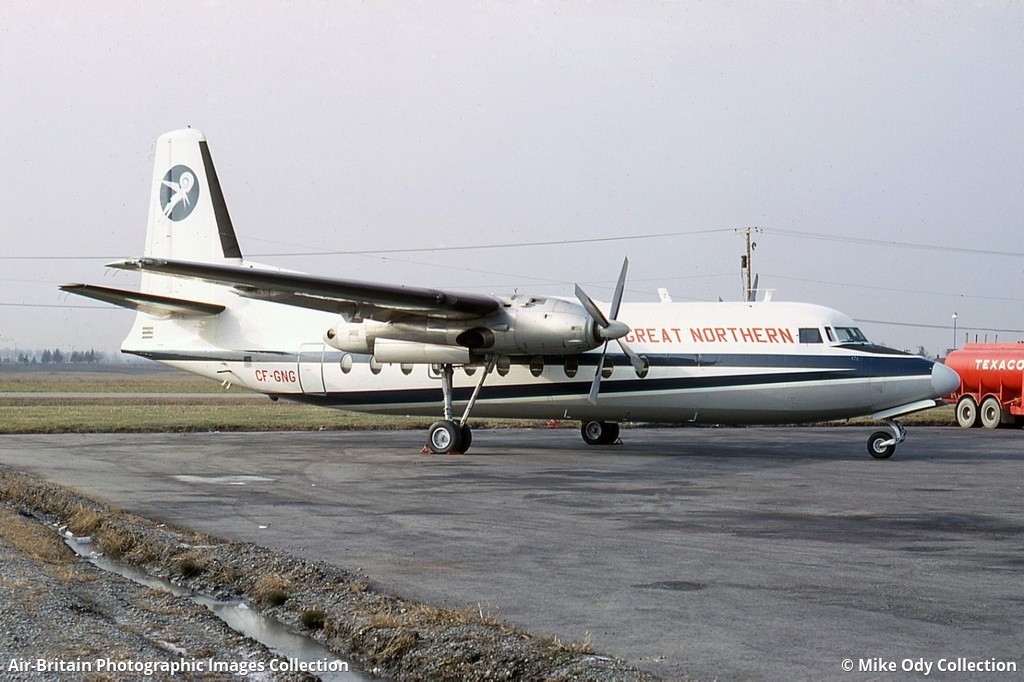
Upon landing at Inuvik Airport, the airplane went out of control, veered off runway and came to rest. There were no casualties but the aircraft was damaged beyond repair.
Probable cause:
It is believed that the loss of control was the consequence of a technical issue with propellers as only one was in fine pitch, causing asymmetric thrust.

Crash of a De Havilland DHC-2 Beaver near Fort Norman: 4 killed

Date & Time: Sep 2, 1968
Type of aircraft:
Operator:
Registration:
CF-EYV
Flight Phase:
Survivors:
No
Site:
MSN:
478
YOM:
1953
Country:
Crew on board:
1
Crew fatalities:
Pax on board:
3
Pax fatalities:
Other fatalities:
Total fatalities:
4
Circumstances:
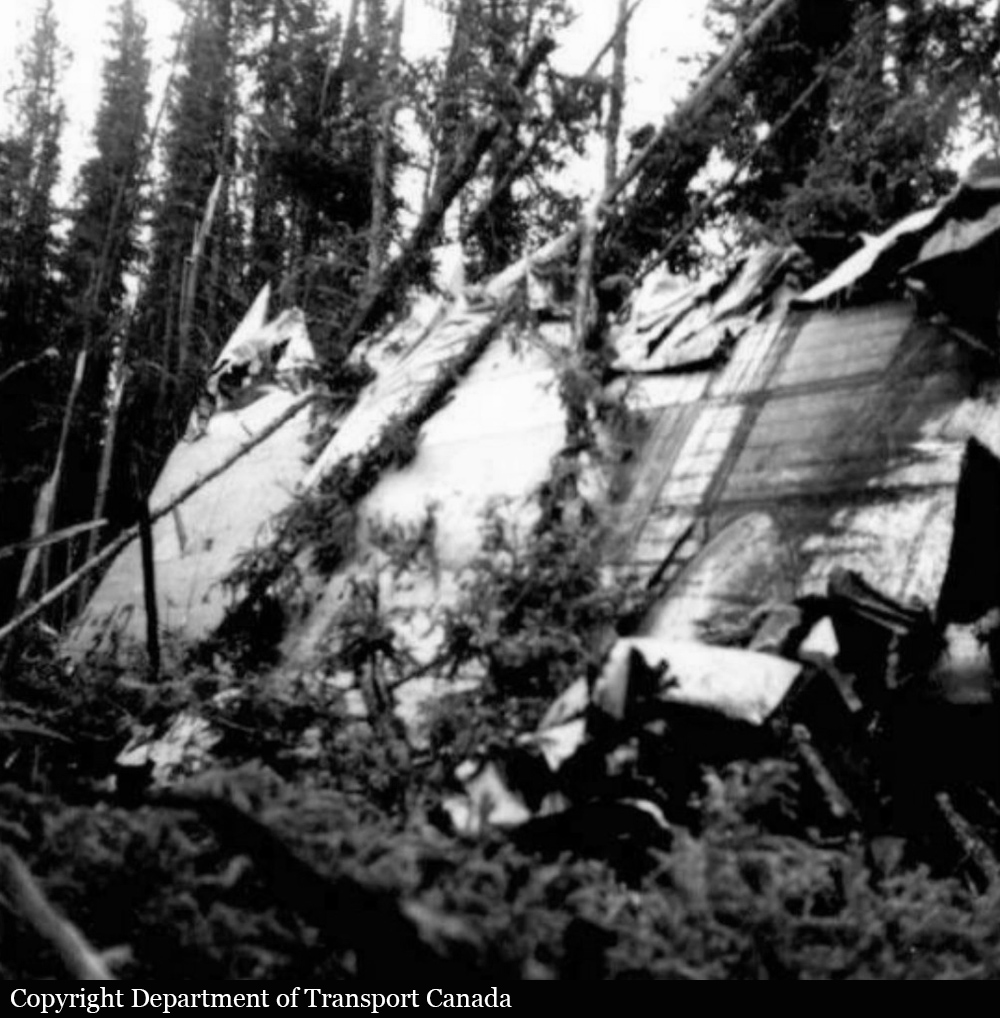
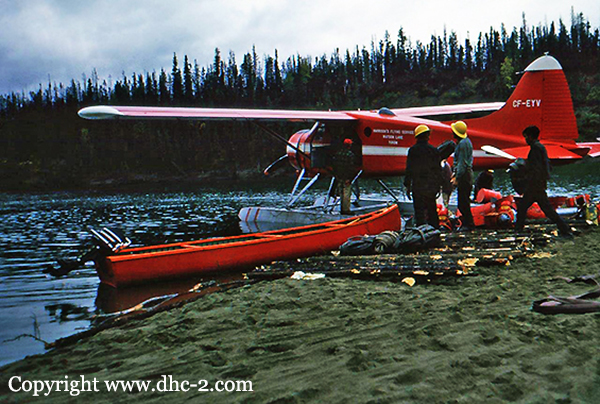
While making a turn in marginal weather conditions, the single engine aircraft went out of control and crashed on the slope of a mountain located in the MacKenzie Mountain Range. The wreckage was found 177 km southwest of Fort Norman. All four occupants have been killed.

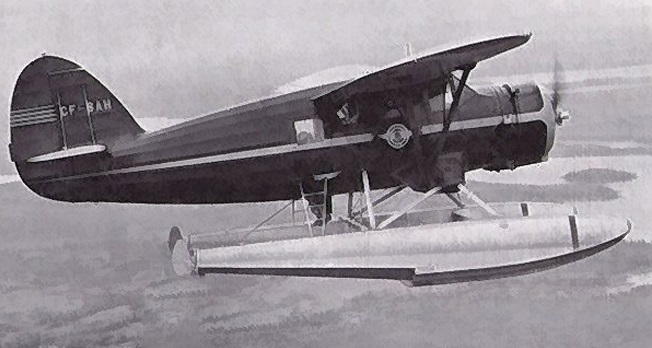
Crash of a Noorduyn Norseman in Hay River

Date & Time: Dec 29, 1962
Type of aircraft:
Registration:
CF-SAH
Flight Phase:
Survivors:
Yes
MSN:
21
YOM:
1938
Country:
Crew on board:
1
Crew fatalities:
Pax on board:
3
Pax fatalities:
Other fatalities:
Total fatalities:
0
Circumstances:
Shortly after takeoff from Hay River Airport, the single engine aircraft stalled and crashed. All four occupants were unhurt while the aircraft was damaged beyond repair.
Probable cause:
It was determined that the loss of control was the consequence of an excessive accumulation of ice on wings and fuselage. For unknown reason, the aircraft has not been deiced prior to takeoff.

Crash of a De Havilland DHC-2 Beaver in High Lake: 4 killed

Date & Time: Aug 29, 1958 at 1745 LT
Type of aircraft:
Operator:
Registration:
CF-GIX
Flight Phase:
Survivors:
No
Schedule:
High Lake – Desolation Lake
MSN:
16
YOM:
1948
Country:
Crew on board:
1
Crew fatalities:
Pax on board:
3
Pax fatalities:
Other fatalities:
Total fatalities:
4
Captain / Total flying hours:
2700
Captain / Total hours on type:
560.00
Aircraft flight hours:
8000
Circumstances:
The single engine aircraft took off from High Lake at 1745LT on a non-scheduled charter flight to Desolation Lake with a pilot and three geologists aboard. The aircraft failed to arrive at its destination and later, during the same day, it was reported missing. The wreckage was found on 30 August approximately 2 miles south of High Lake. All four occupants had been killed in the crash and the aircraft was destroyed.
Probable cause:
Loss of control caused by an engine failure. Subsequent examination revealed sufficient water in the fuel lines, screens and filters to cause engine failure. A forced landing was necessary and the aircraft struck the ground at a steep angle, estimated at approximately 60° measured from the horizontal, indicating that the aircraft was out of control at the time of impact.
Final Report:

Crash of a Douglas C-47D near Aklavik

Date & Time: Jan 16, 1958
Registration:
N75391
Flight Phase:
Flight Type:
Survivors:
Yes
Site:
MSN:
14921/26366
YOM:
1944
Country:
Crew on board:
3
Crew fatalities:
Pax on board:
0
Pax fatalities:
Other fatalities:
Total fatalities:
0
Circumstances:
While cruising in bad weather conditions, the airplane hit the slope of a mountain shrouded in clouds and located in the region of Aklavik. The wreckage was spotted few hours later and all three crew members were injured and evacuated. The aircraft hit the slope of the mountain about 50 feet below its summit and was destroyed.
Probable cause:
It was determined that the crew failed to follow the route mentioned on the flight plan due to wrong information provided by the local NDB. It was reported that the NDB parameters were regularly considered as inaccurate due to the local topography and the presence of atmospheric turbulences in the area. The crew was not aware of the inaccuracy of the NDB, causing the aircraft to deviate from the prescribed route.

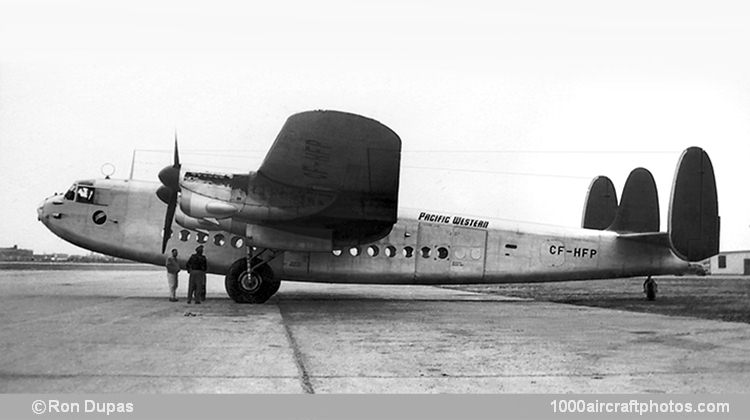
Crash of an Avro 685 York C.1 in Cape Perry

Date & Time: Jun 25, 1957
Type of aircraft:
Operator:
Registration:
CF-HFP
Flight Type:
Survivors:
Yes
MSN:
MW233
YOM:
1946
Country:
Crew on board:
3
Crew fatalities:
Pax on board:
0
Pax fatalities:
Other fatalities:
Total fatalities:
0
Circumstances:
After touchdown at Cape Perry Airfield, the four engine aircraft encountered difficulties and overran. It lost its right main gear and came to rest down an embankment. All three crew members were uninjured but the aircraft was considered as damaged beyond repair.

Crash of an Avro 652 Anson V in Desolation Lake

Date & Time: Jun 14, 1957
Type of aircraft:
Operator:
Registration:
CF-GRU
Flight Type:
Survivors:
Yes
MSN:
BRC-1476C
Country:
Crew on board:
2
Crew fatalities:
Pax on board:
0
Pax fatalities:
Other fatalities:
Total fatalities:
0
Circumstances:
The twin engine aircraft crashed on landing at Desolation Lake. The accident occurred in snow falls. Both occupants were injured and the aircraft was written off.