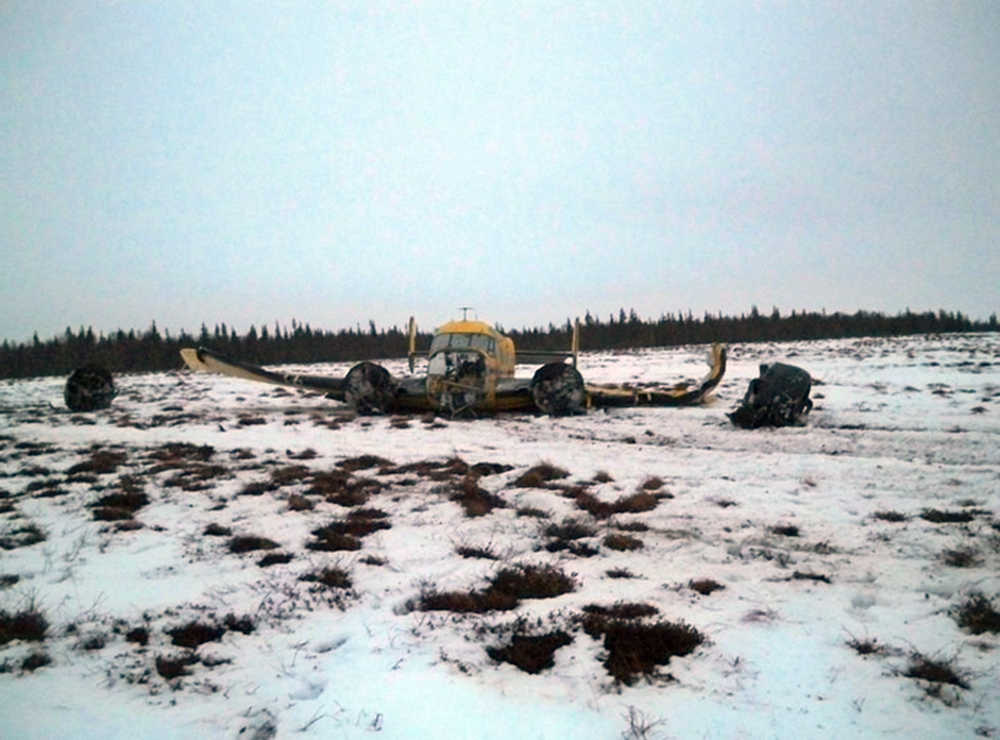
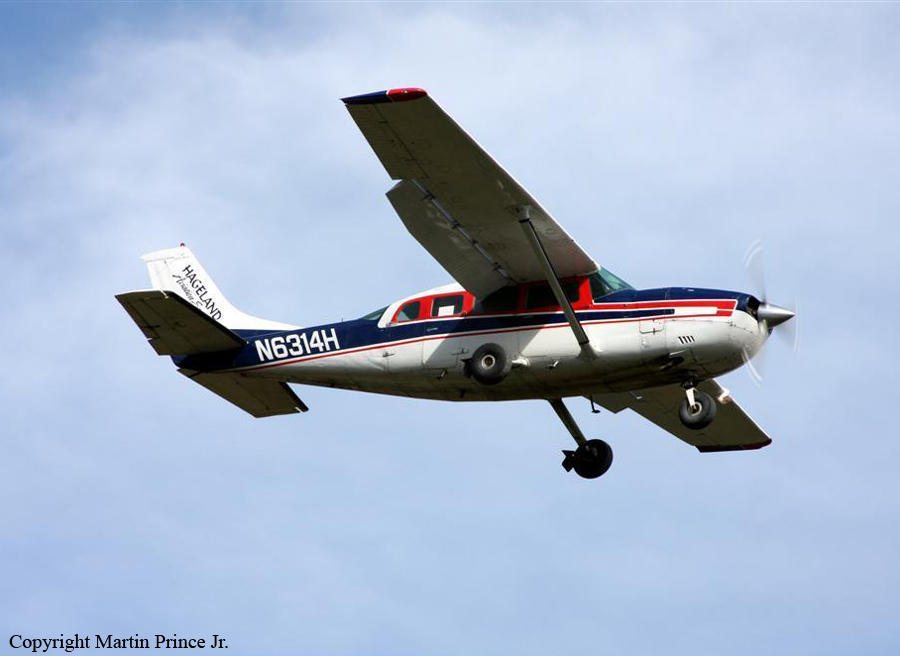
Crash of a Cessna 207A Stationair 7 II in Kwigillingok

Date & Time: Nov 7, 2011 at 1830 LT
Operator:

Registration:
N6314H
Flight Phase:
Survivors:
Yes
Schedule:
Kwigillingok – Bethel
MSN:
207-0478
YOM:
1978
Crew on board:
1
Crew fatalities:
Pax on board:
5
Pax fatalities:
Other fatalities:
Total fatalities:
0
Captain / Total flying hours:
1833
Captain / Total hours on type:
349.00
Circumstances:
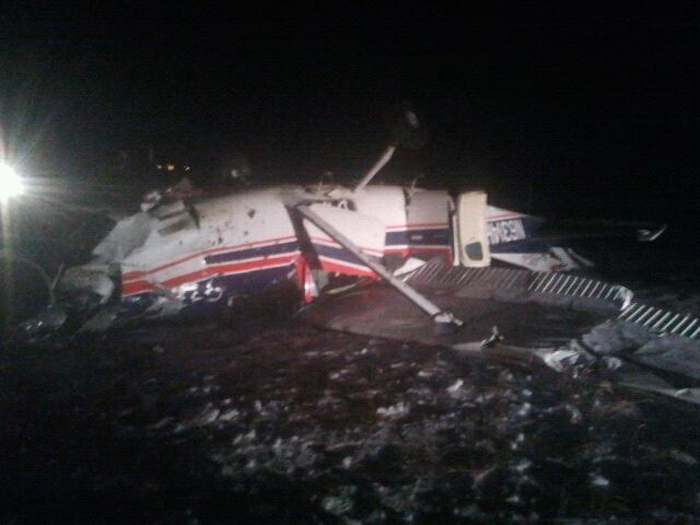
The pilot departed on a scheduled commuter flight at night from an unlit, rough and uneven snow-covered runway with five passengers and baggage. During the takeoff roll, the airplane bounced twice and became airborne, but it failed to climb. As the airplane neared the departure end of the runway, it began to veer to the left, and the pilot applied full right aileron, but the airplane continued to the left as it passed over the runway threshold. The airplane subsequently settled into an area of snow and tundra-covered terrain about 100 yards south of the runway threshold and nosed over. Official sunset on the day of the accident was 48 minutes before the accident, and the end of civil twilight was one minute before the accident. The Federal Aviation Administration's (FAA) Airport/Facility Directory, Alaska Supplement listing for the airport, includes the following notation: "Airport Remarks - Unattended. Night operations prohibited, except rotary wing aircraft. Runway condition not monitored, recommend visual inspection prior to using. Safety areas eroded and soft. Windsock unreliable." A postaccident examination of the airplane and engine revealed no mechanical anomalies that would have precluded normal operation. Given the lack of mechanical deficiencies with the airplane's engine or flight controls, it is likely the pilot failed to maintain control during the takeoff roll and initial climb after takeoff.
Probable cause:
The pilot's failure to abort the takeoff when he realized the airplane could not attain sufficient takeoff and climb performance and his improper decision to depart from an airport where night operations were prohibited.
Final Report:
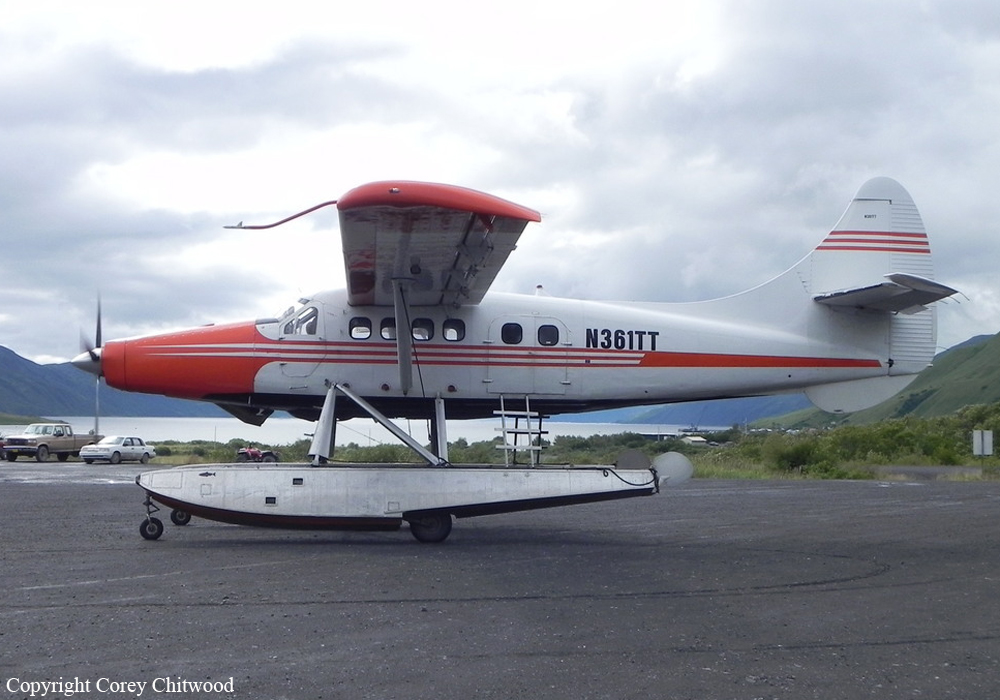
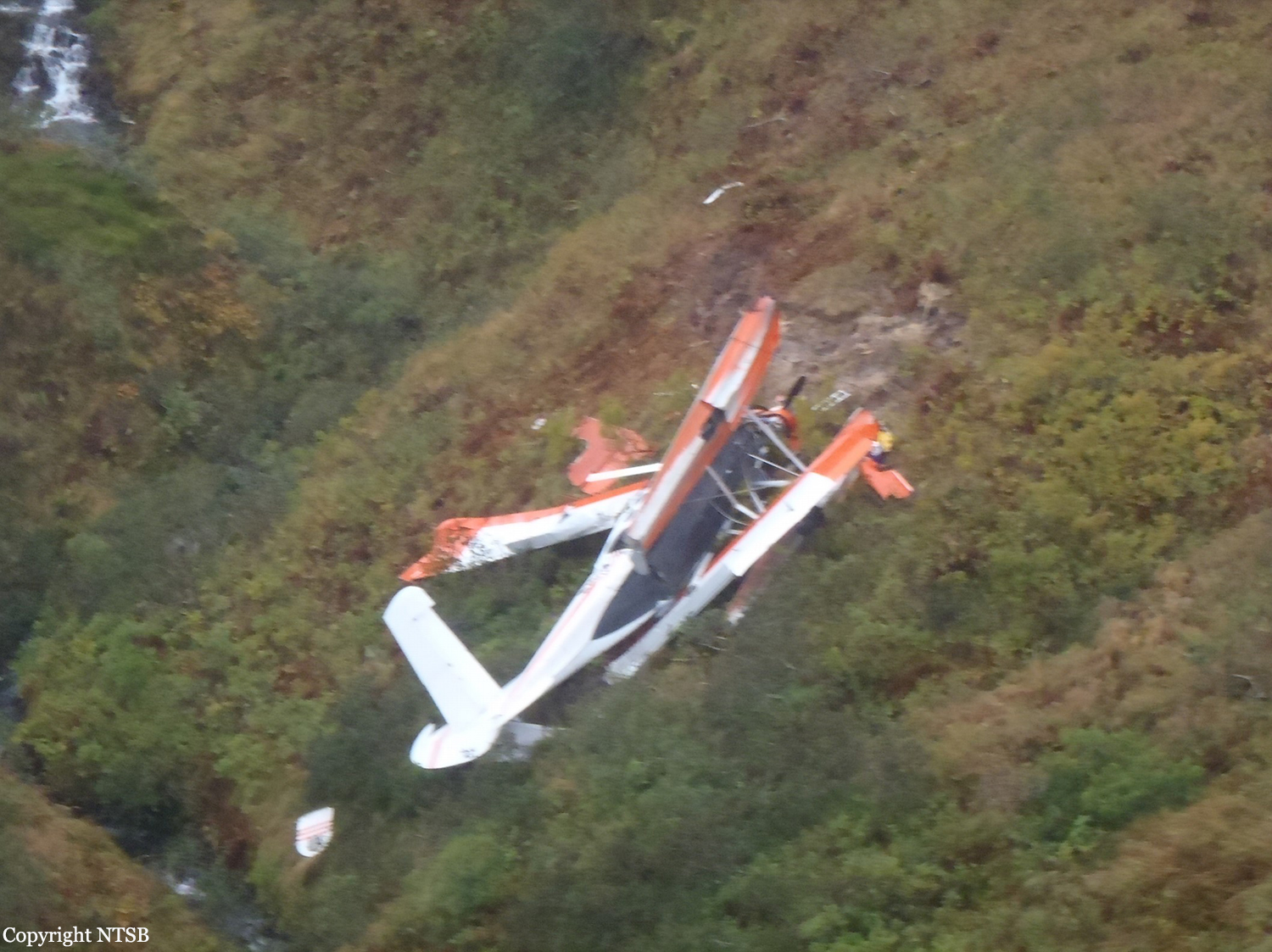
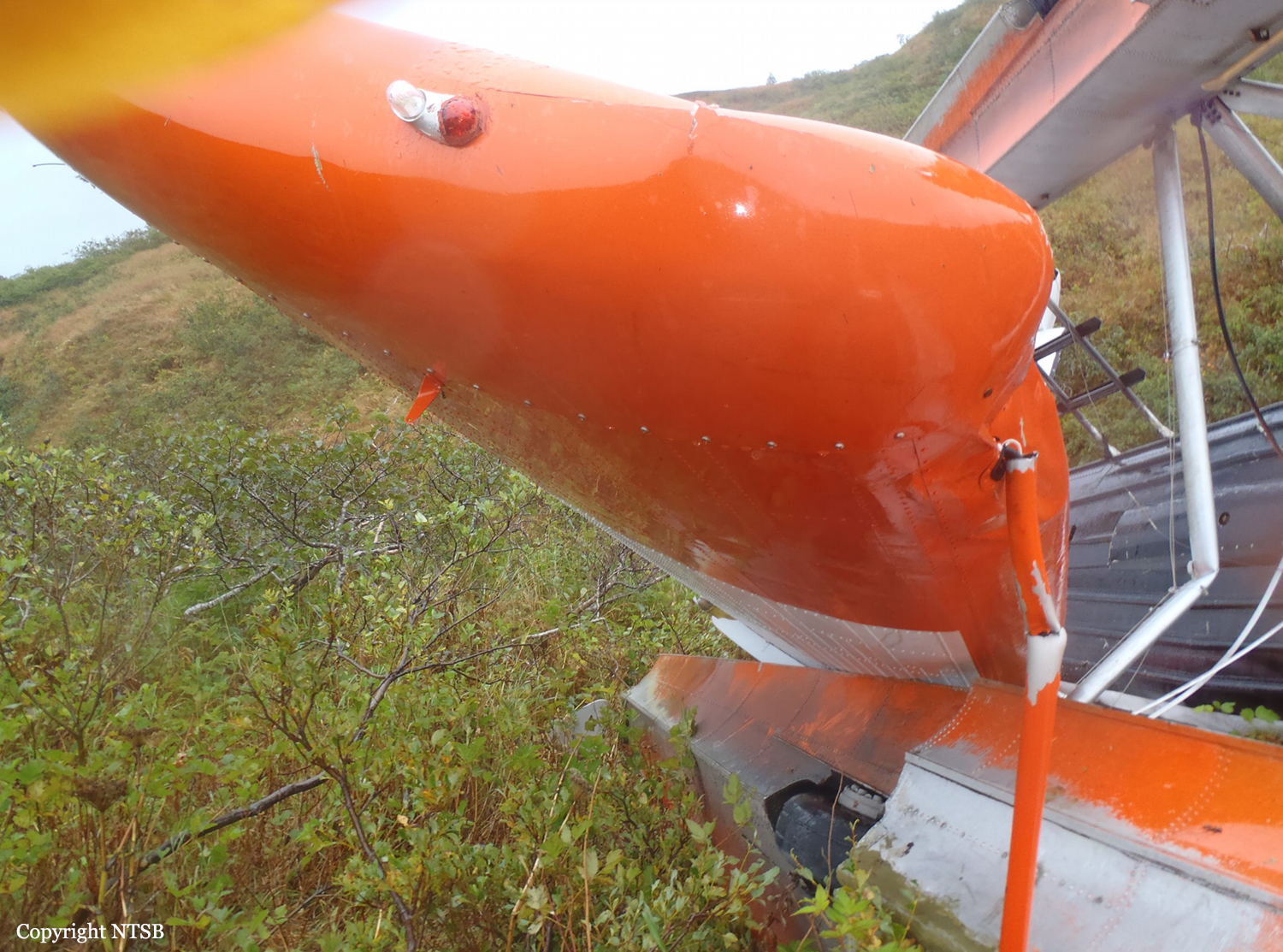
Crash of a De Havilland DHC-3T Turbo Otter near Kodiak: 1 killed

Date & Time: Sep 23, 2011 at 1930 LT
Type of aircraft:
Operator:
Registration:
N361TT
Flight Phase:
Survivors:
Yes
Site:
Schedule:
Old Harbor - Kodiak
MSN:
361
YOM:
1960
Location:
Crew on board:
1
Crew fatalities:
Pax on board:
2
Pax fatalities:
Other fatalities:
Total fatalities:
1
Captain / Total flying hours:
3000
Captain / Total hours on type:
280.00
Aircraft flight hours:
14634
Circumstances:
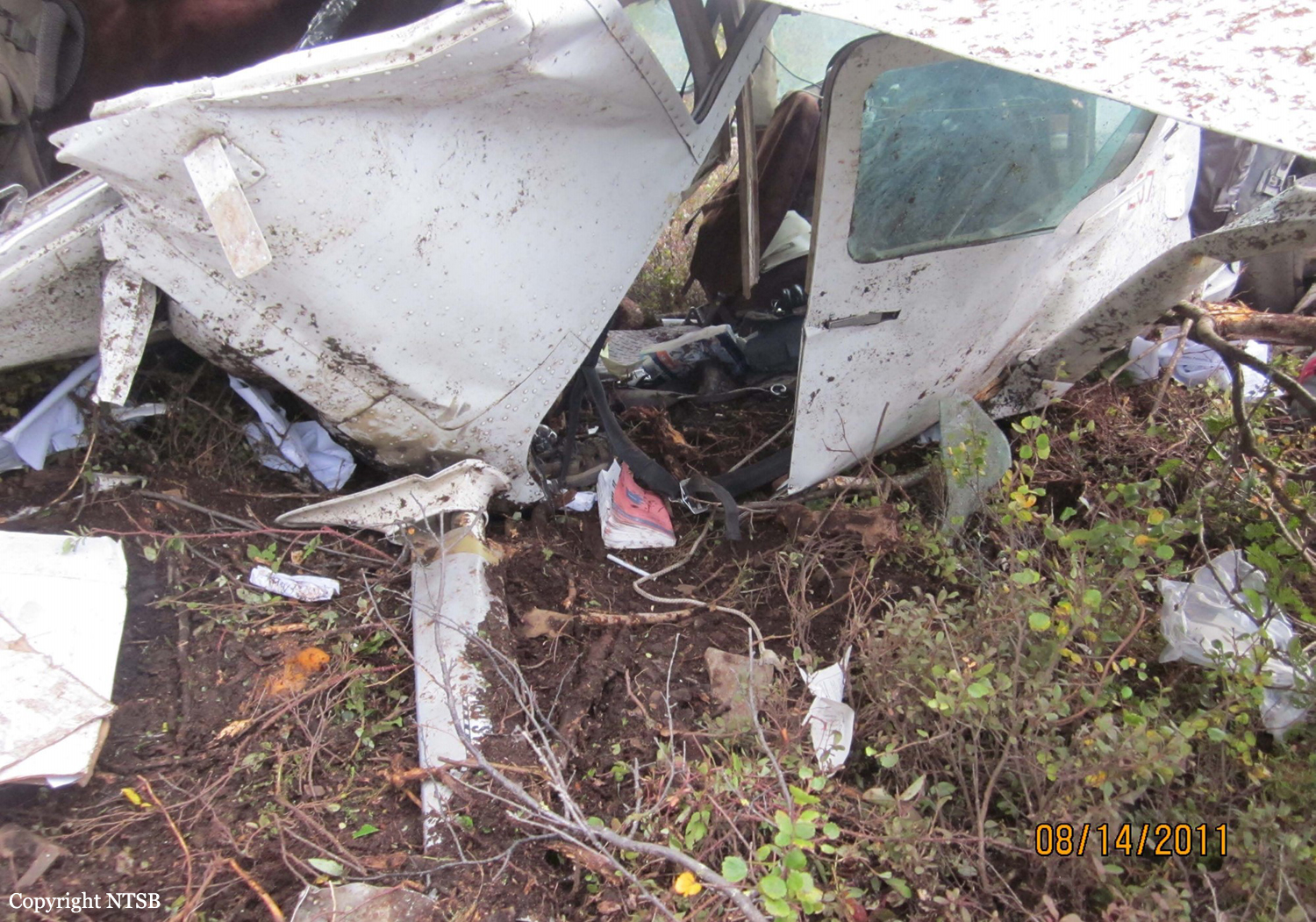
According to a passenger who was seated in the front, right seat, as the flight progressed toward the destination, the pilot decided to make an unscheduled landing at a lake that was surrounded by rising terrain. The passenger said that after making an easterly approach to the lake, before touching down, the pilot initiated a go-around. The passenger said they flew low over the surface of the lake toward a “V” shaped notch formed by a creek with hills on either side at the east end of the lake. He said that while flying through the notch, he thought the left wing of the airplane had hit the hillside. He said the pilot reacted by pulling back hard on the control yoke and rolling the airplane to the right. The airplane entered a steep climb, it began to shake, and stall warning horn sounded. The airplane then rolled left into a steep descent and impacted the ground in a nose-down attitude. The airplane’s left wing had impacted a tree on the creek bank prior to the crash. A postaccident examination of the airframe and engine revealed no evidence of mechanical malfunctions or failures that would have precluded normal operation. Toxicological tests detected the pilot’s recent use of over-the-counter medications used for relief of cold and flu symptoms. Two of these medications are sedating. The use of these sedating medications on the day of the accident or the underlying illness may have affected the pilot’s performance. Given the lack of mechanical deficiencies with the airplane, and the passenger's account of the accident, it is likely the pilot failed to maintain adequate clearance with a tree while performing a low altitude maneuver following a go-around.
Probable cause:
The pilot’s failure to maintain clearance from a tree during a low altitude maneuver and his failure to maintain control of the airplane. Contributing to the accident was the pilot’s use of over-the-counter sedating medications.
Final Report:
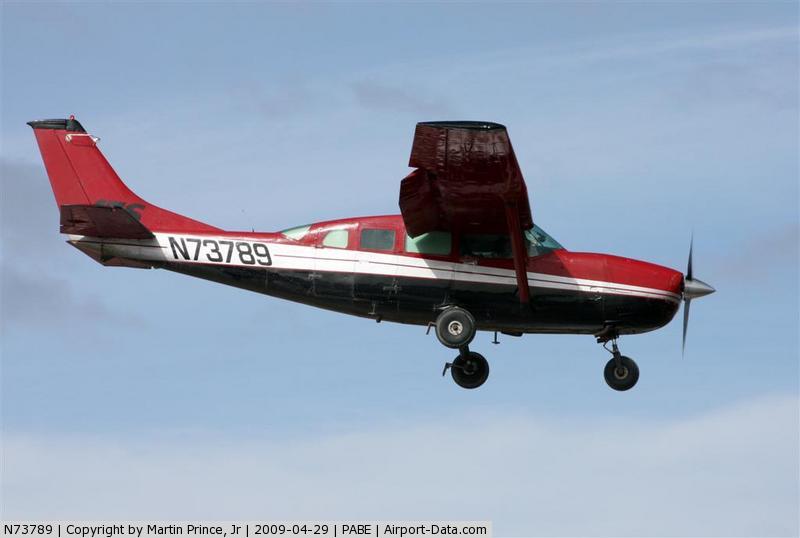
Crash of a Cessna T207A Turbo Stationair 8 in Nightmute

Date & Time: Sep 2, 2011 at 1335 LT
Operator:
Registration:
N73789
Flight Phase:
Flight Type:
Survivors:
Yes
Schedule:
Tununak - Bethel
MSN:
207-0629
YOM:
1981
Crew on board:
1
Crew fatalities:
Pax on board:
0
Pax fatalities:
Other fatalities:
Total fatalities:
0
Captain / Total flying hours:
1670
Captain / Total hours on type:
216.00
Aircraft flight hours:
19562
Circumstances:
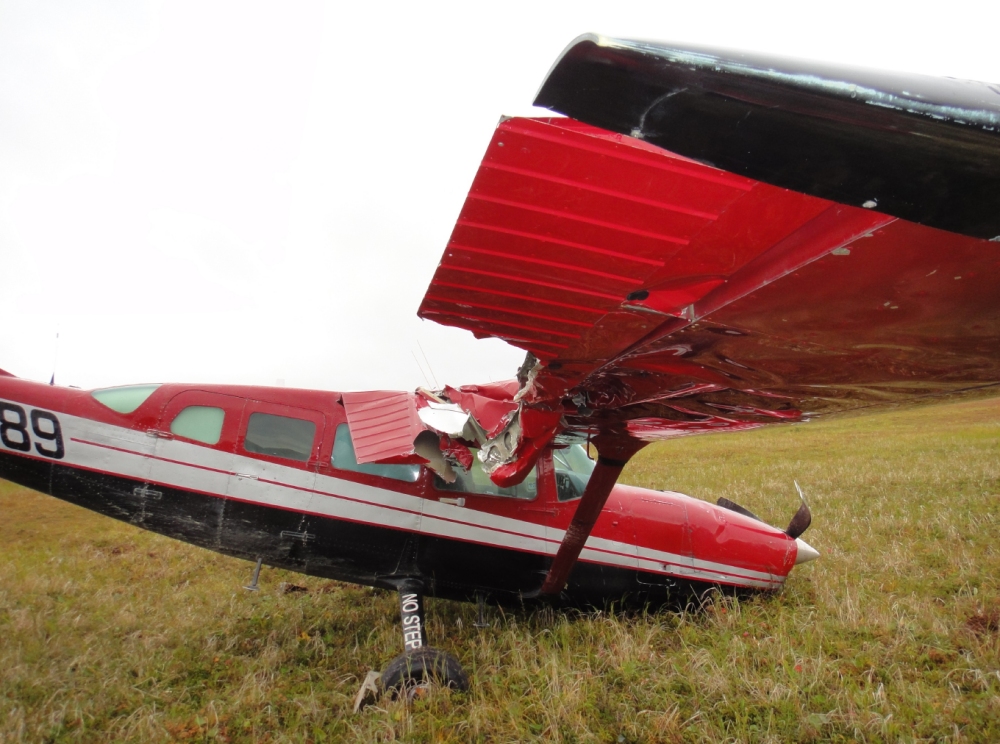
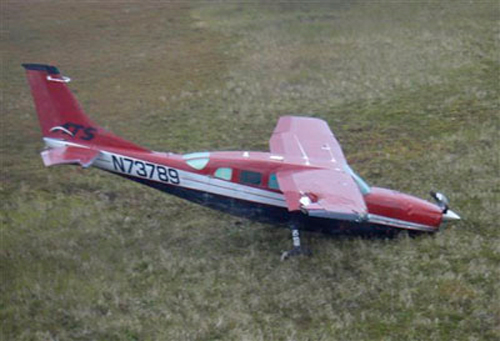
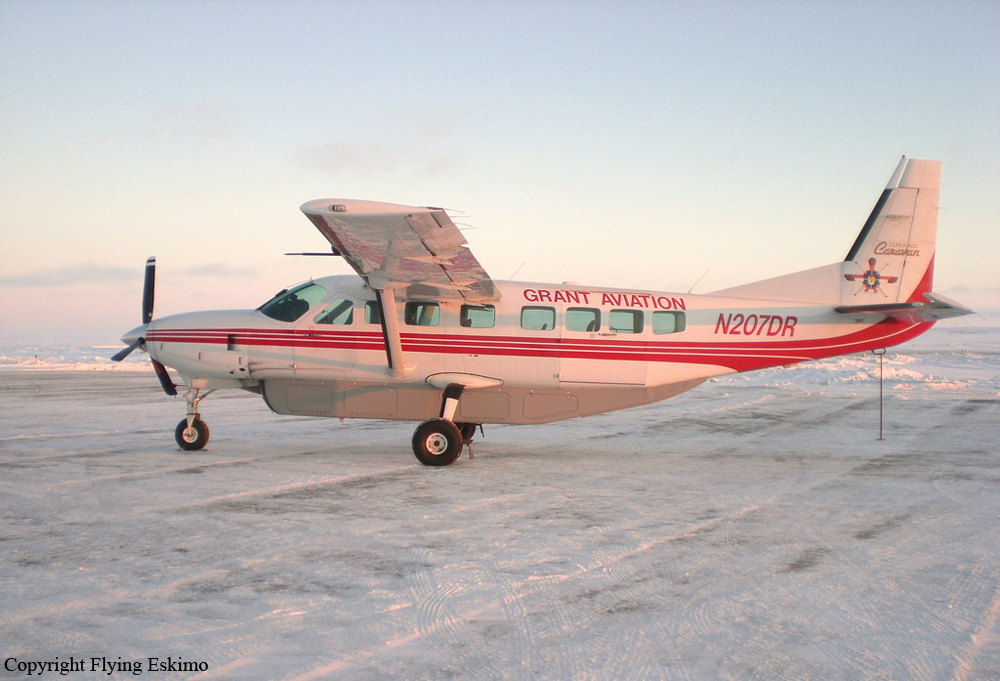
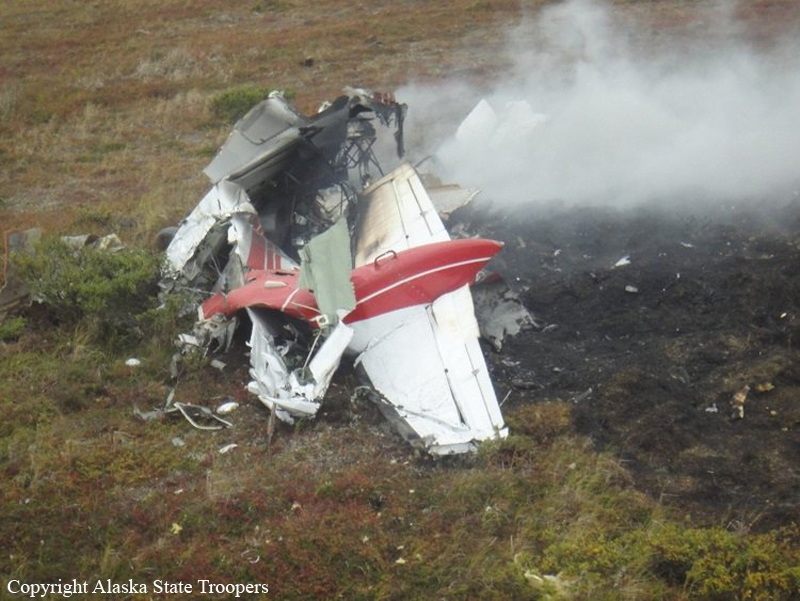
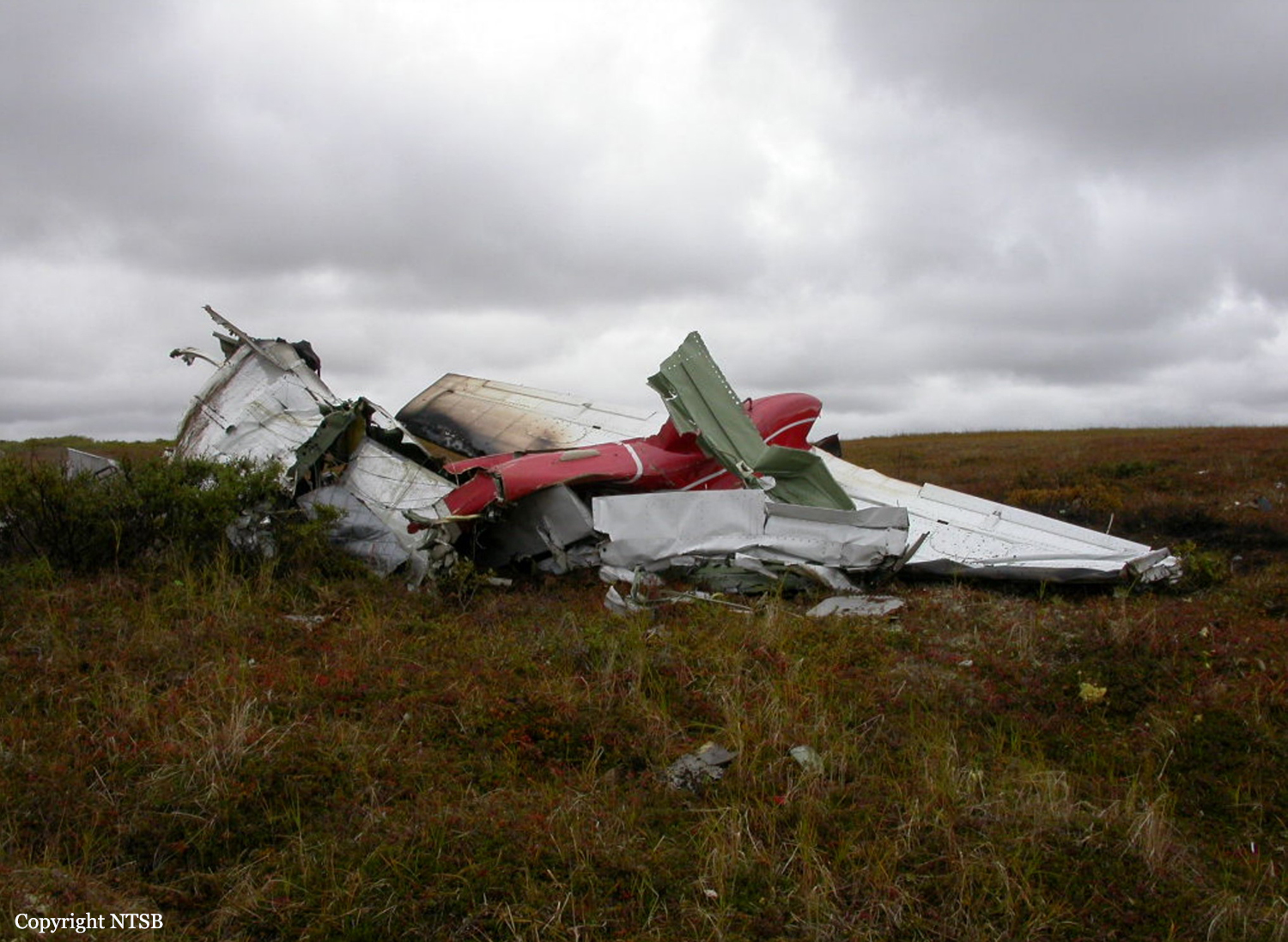
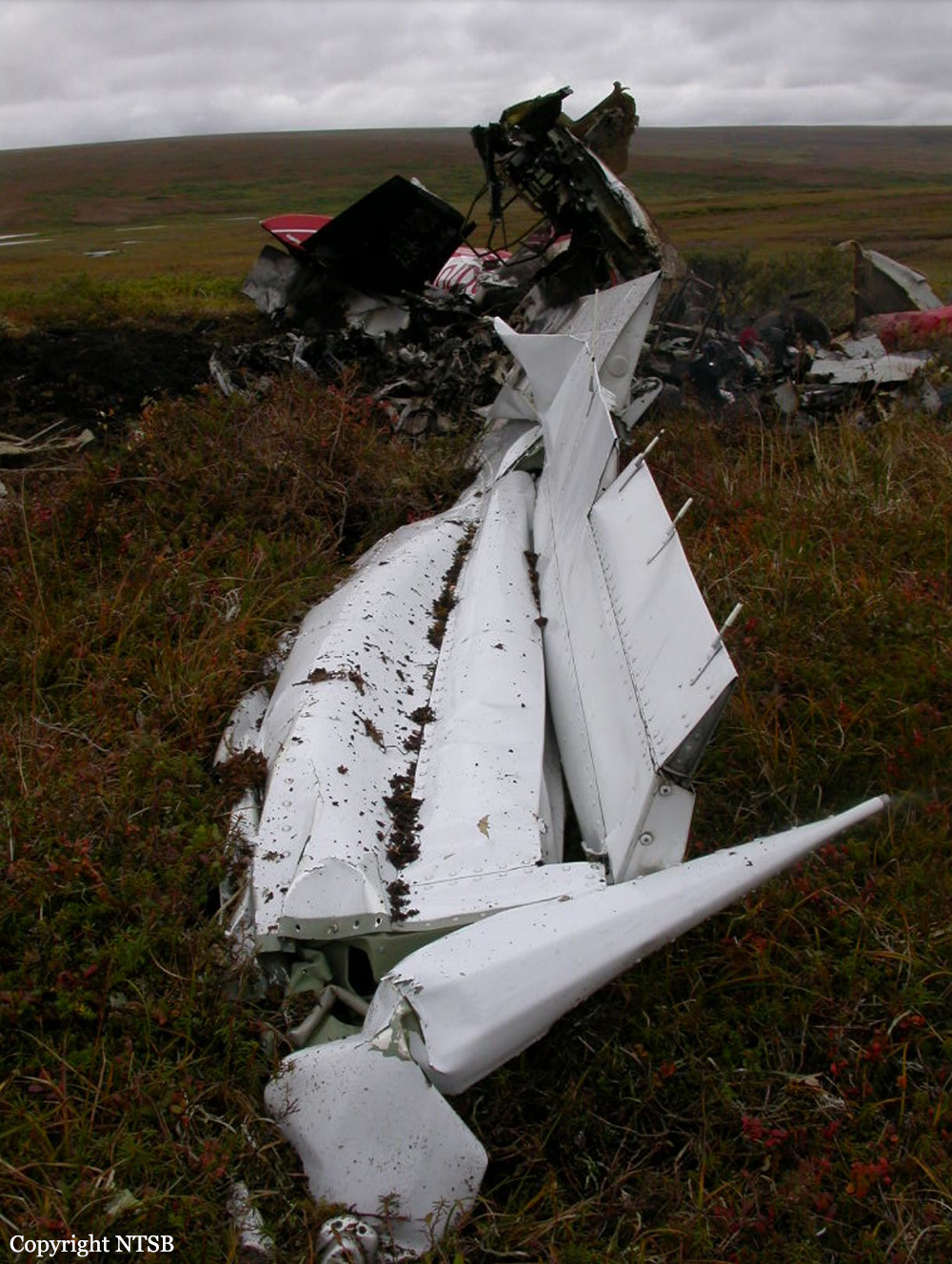
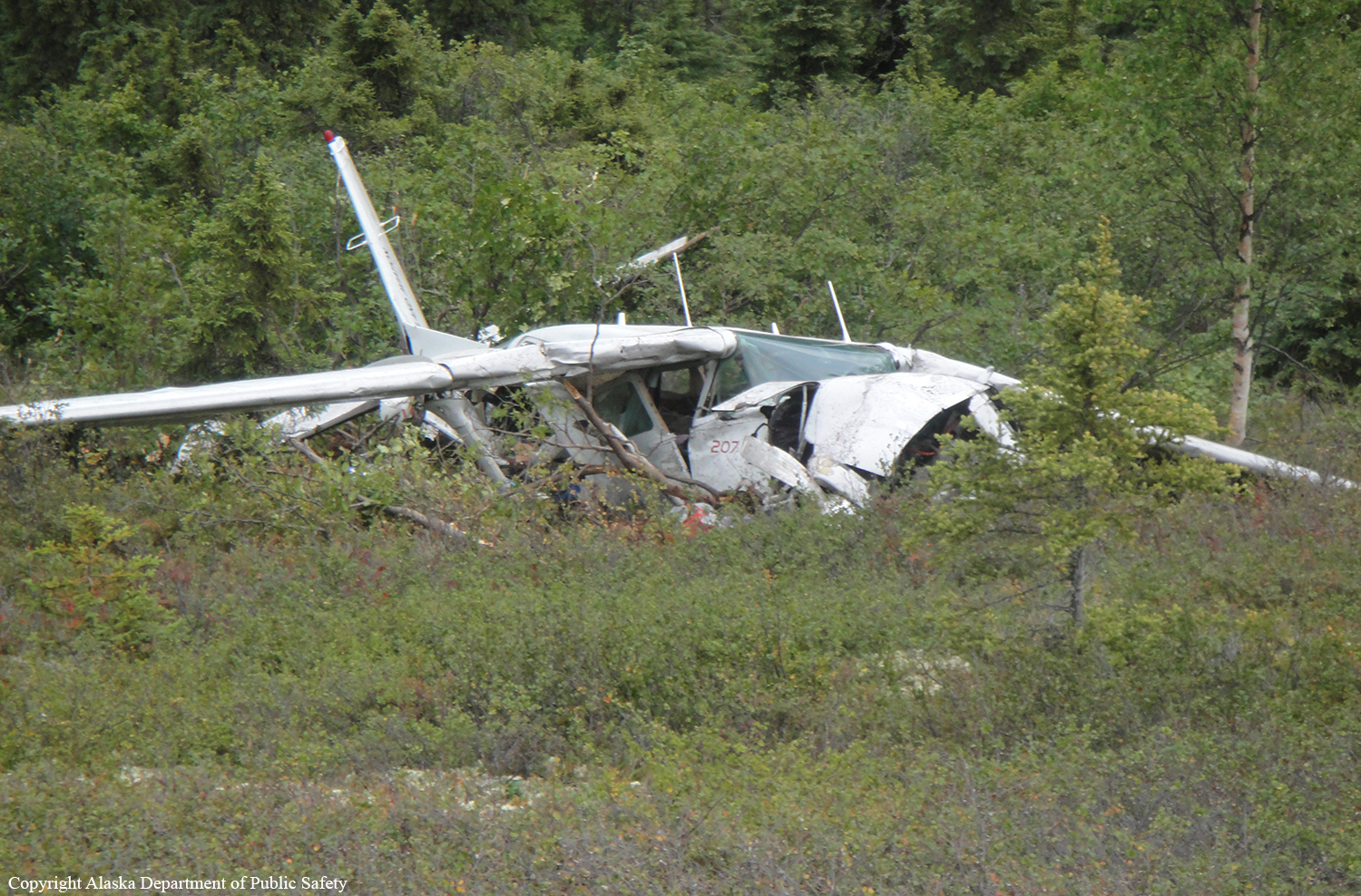
On September 2, 2011, about 1335 Alaska daylight time, a Cessna 208B airplane, N207DR, and a Cessna 207 airplane, N73789, collided in midair about 9 miles north of Nightmute, Alaska. Both airplanes were being operated as charter flights under the provisions of 14 Code of Federal Regulations (CFR) Part 135 in visual meteorological conditions when the accident occurred. The Cessna 208B was operated by Grant Aviation Inc., Anchorage, Alaska, and the Cessna 207 was operated by Ryan Air, Anchorage, Alaska. Visual flight rules (VFR) company flight following procedures were in effect for each flight. The sole occupant of the Cessna 208B, an airline transport pilot, sustained fatal injuries. The sole occupant of the Cessna 207, a commercial pilot, was uninjured. The Cessna 208B was destroyed, and the Cessna 207 sustained substantial damage. After the collision, the Cessna 208B descended uncontrolled and impacted tundra-covered terrain, and a postcrash fire consumed most of the wreckage. The Cessna 207’s right wing was damaged during the collision and the subsequent forced landing on tundra-covered terrain. Both airplanes were based at the Bethel Airport, Bethel, Alaska, and were returning to Bethel at the time of the collision. The Cessna 208B departed from the Toksook Bay Airport, Toksook Bay, Alaska, about 1325, and the Cessna 207 departed from the Tununak Airport, Tununak, Alaska. During separate telephone conversations with the National Transportation Safety Board (NTSB) investigator-in-charge on September 2, the chief pilot for Ryan Air, as well as the director of operations for Grant Aviation, independently reported that both pilots had a close personal relationship. During an initial interview with the NTSB IIC on September 3, in Bethel, the pilot of the Cessna 207 reported that both airplanes departed from the neighboring Alaskan villages about the same time and that both airplanes were en route to Bethel along similar flight routes. She said that, just after takeoff from Tununak, she talked with the pilot of the Cessna 208B on a prearranged, discreet radio frequency, and the two agreed to meet up in-flight for the flight back to Bethel. She said that, while her airplane was in level cruise flight at 1,200 feet above mean sea level (msl), the pilot of the Cessna 208B flew his airplane along the left side of her airplane, and they continued to talk via radio. She said that the pilot of the Cessna 208B then unexpectedly and unannounced climbed his airplane above and over the top of her airplane. She said that she immediately told the pilot of the Cessna 208B that she could not see him and that she was concerned about where he was. She said that the Cessna 208B pilot then said, in part: "Whatever you do, don't pitch up." The next thing she recalled was moments later seeing the wings and cockpit of the descending Cessna 208B pass by the right the side of her airplane, which was instantaneously followed by an impact with her airplane’s right wing. The Cessna 207 pilot reported that, after the impact, while she struggled to maintain control of her airplane, she saw the Cessna 208B pass underneath her airplane from right-to-left, and it began a gradual descent, which steepened as the airplane continued to the left and away from her airplane. She said that she told the pilot of the Cessna 208B that she thought she was going to crash.She said that the pilot of the Cessna 208B simply stated, “Me too.” She said that she watched as the Cessna 208B continued to descend, and then it entered a steep, vertical, nose-down descent before it collided with the tundra-covered terrain below. She said that a postcrash fire started instantaneously upon impact. Unable to maintain level cruise flight and with limited roll control, the Cessna 207 pilot selected an area of rolling, tundra-covered terrain as a forced landing site. During touchdown, the airplane’s nosewheel collapsed, and the airplane nosed down. The Cessna 207’s forced landing site was about 2 miles east of the Cessna 208B’s accident site.
Final Report:
Crash of a Cessna 208B Grand Caravan near Nightmute: 1 killed

Date & Time: Sep 2, 2011 at 1335 LT
Type of aircraft:
Operator:
Registration:
N207DR
Flight Phase:
Flight Type:
Survivors:
No
Schedule:
Toksook Bay - Bethel
MSN:
208B-0859
YOM:
2000
Crew on board:
1
Crew fatalities:
Pax on board:
0
Pax fatalities:
Other fatalities:
Total fatalities:
1
Captain / Total flying hours:
3719
Captain / Total hours on type:
875.00
Aircraft flight hours:
8483
Circumstances:
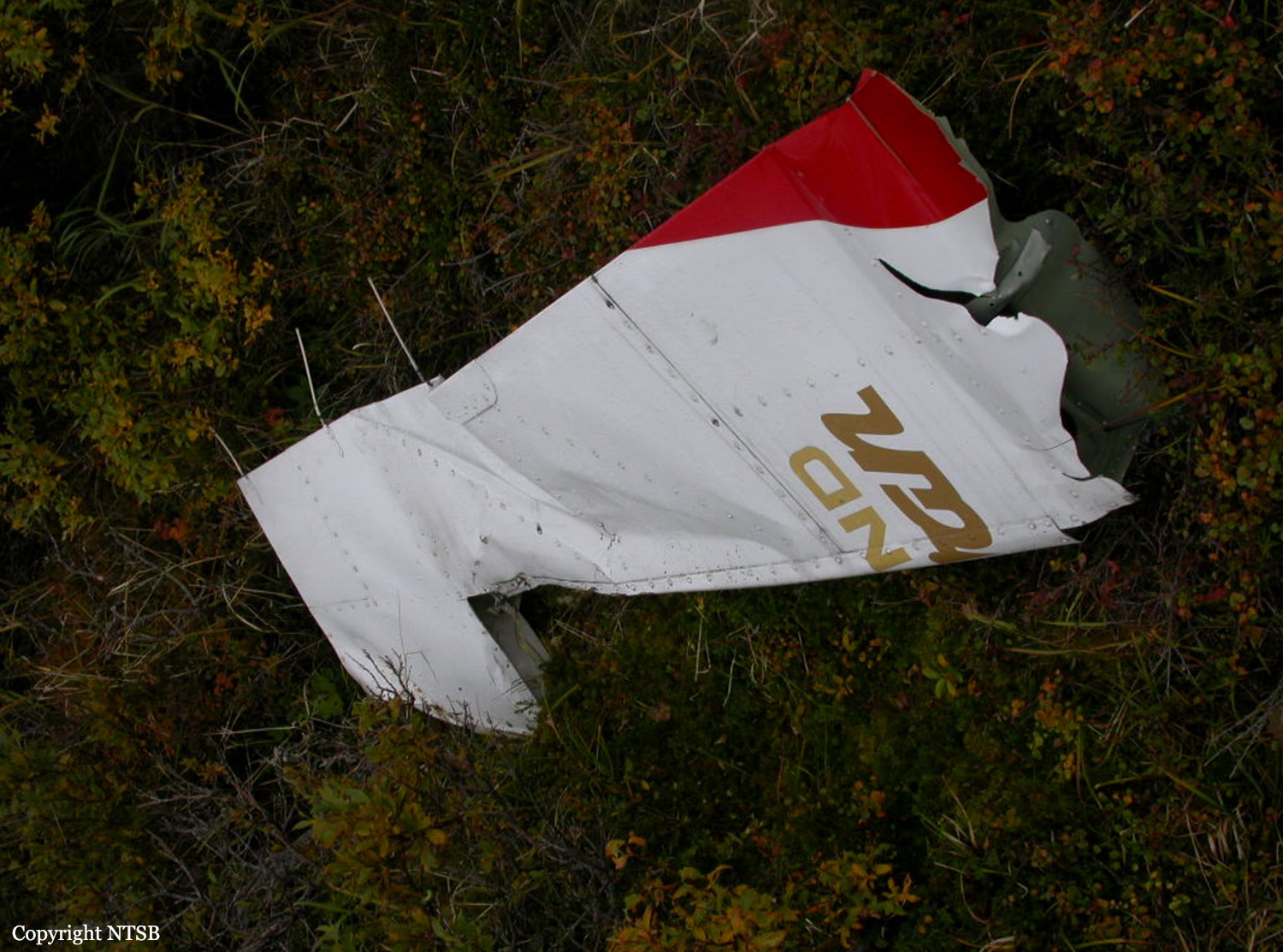
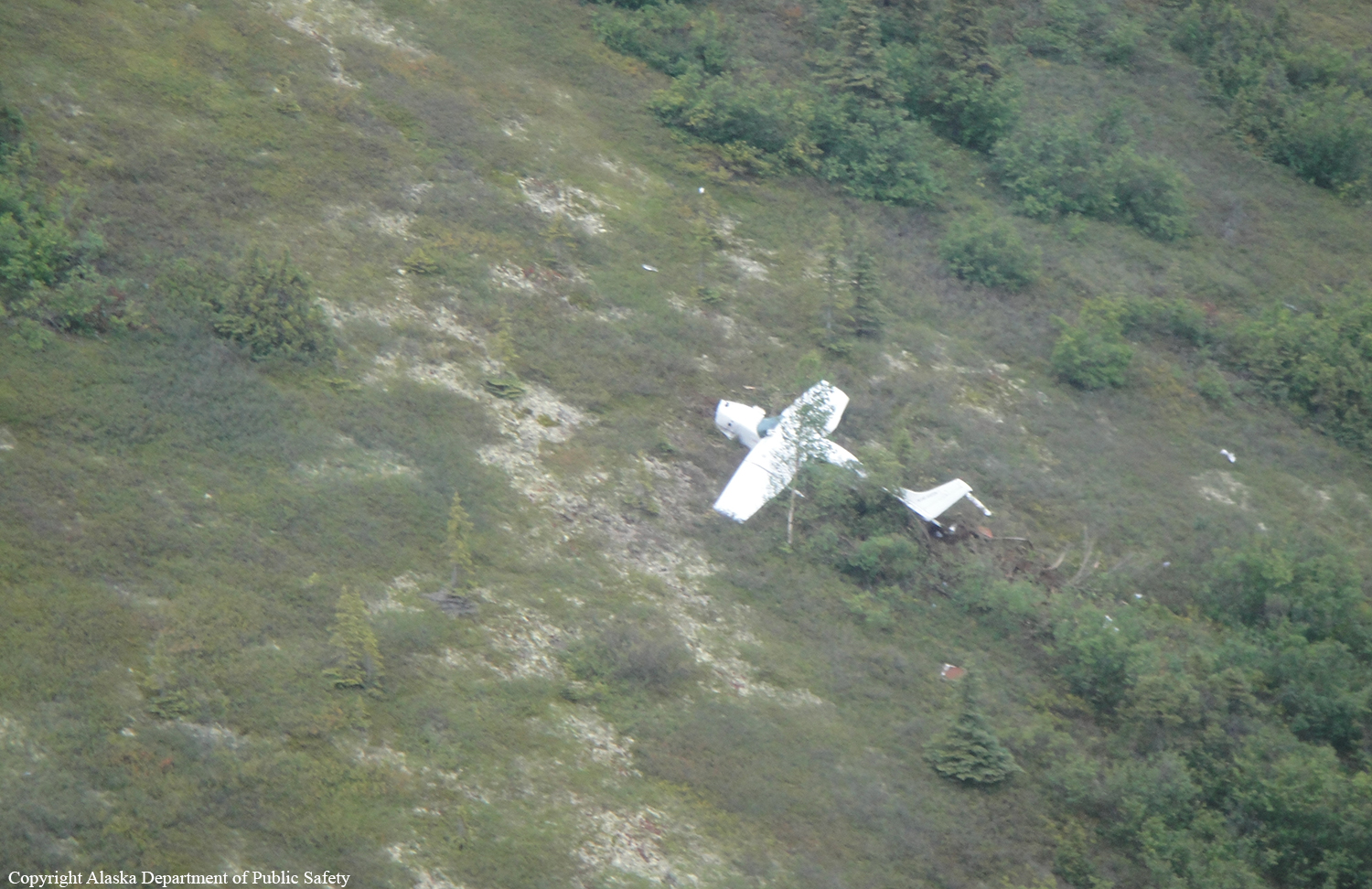
A Cessna 208B and a Cessna 207 collided in flight in daylight visual meteorological conditions. The Cessna 208B and the Cessna 207 were both traveling in an easterly direction. According to the Cessna 207 pilot, the airplanes departed from two neighboring remote Alaskan villages about the same time, and both airplanes were flying along similar flight routes. While en route, the Cessna 207 pilot talked with the Cessna 208B pilot on a prearranged, discreet radio frequency, and the two agreed to meet up in flight for the return to their home airport. The Cessna 207 pilot said that the pilot of the Cessna 208B flew his airplane along the left side of her airplane while she was in level cruise flight at 1,200 feet mean sea level and that they continued to talk via the radio. Then, unexpectedly and unannounced, the pilot of the Cessna 208B maneuvered his airplane above and over the top of her airplane. She said that she immediately told the Cessna 208B pilot that she could not see him and that she was concerned about where he was. She said that the Cessna 208B pilot then said, in part: "Whatever you do, don't pitch up." The next thing she recalled was seeing the wings and cockpit of the descending Cessna 208B pass by the right side of her airplane, which was instantly followed by an impact with her airplane's right wing. She said that after the collision, the Cessna 208B passed underneath her airplane from right-to-left before beginning a gradual descent that steepened as the airplane continued to the left. It then entered a steep, vertical, nose-down descent before colliding with the tundra-covered terrain below followed by a postcrash fire. Unable to maintain level cruise flight, the Cessna 207 pilot selected an area of rolling, tundra-covered terrain as a forced landing site. An examination of both airplanes revealed impact signatures consistent with the Cessna 208B's vertical stabilizer impacting the Cessna 207's right wing. A portion of crushed and distorted wreckage, identified as part of the Cessna 208B's vertical stabilizer assembly, was found embedded in the Cessna 207's right wing. The Cessna 208B's severed vertical stabilizer and rudder were found about 1,000 feet west of the Cessna 208B's crash site.
Probable cause:
The pilot's failure to maintain adequate clearance while performing an unexpected and unannounced abrupt maneuver, resulting in a midair collision between the two airplanes.
Final Report:
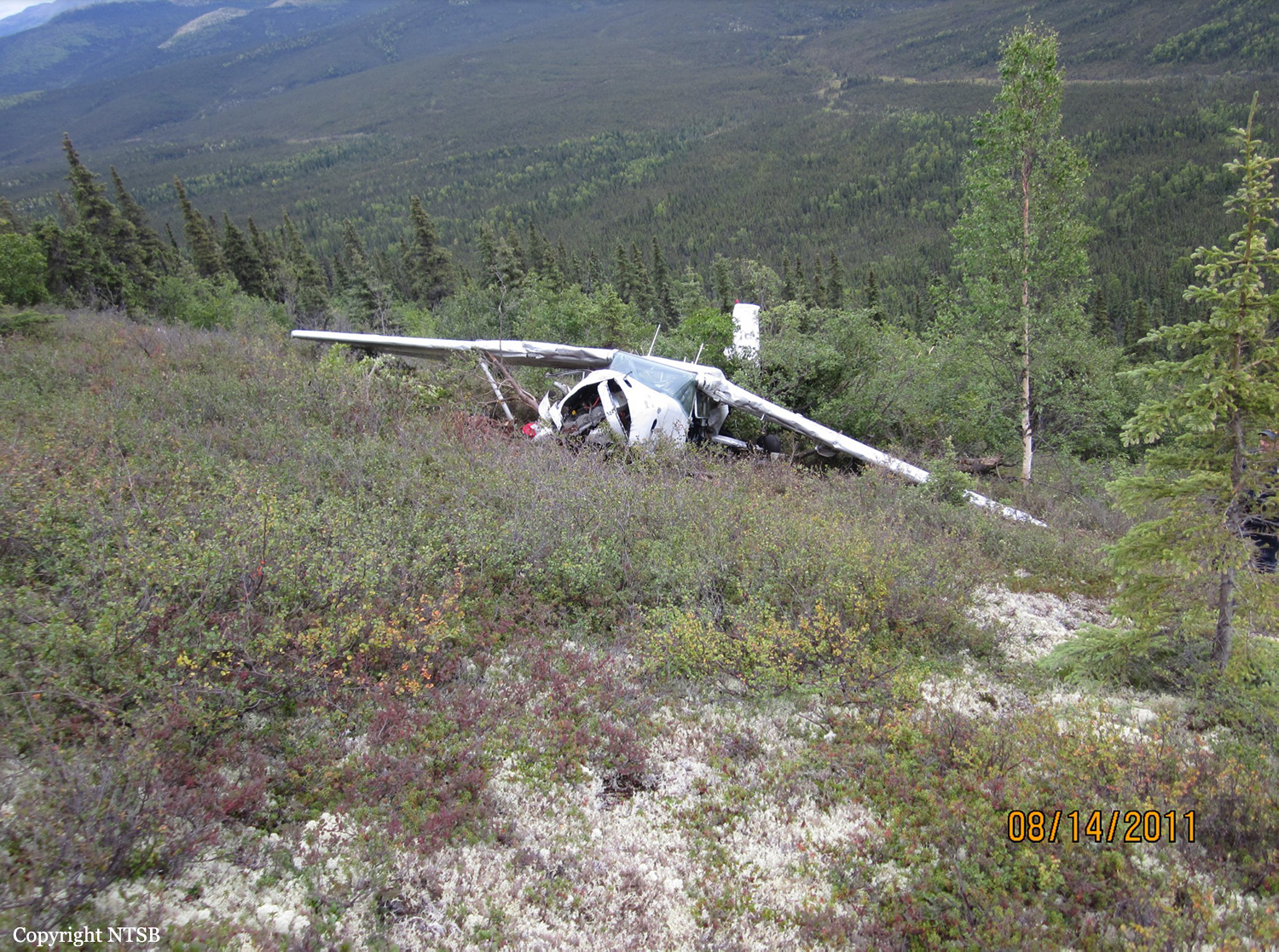
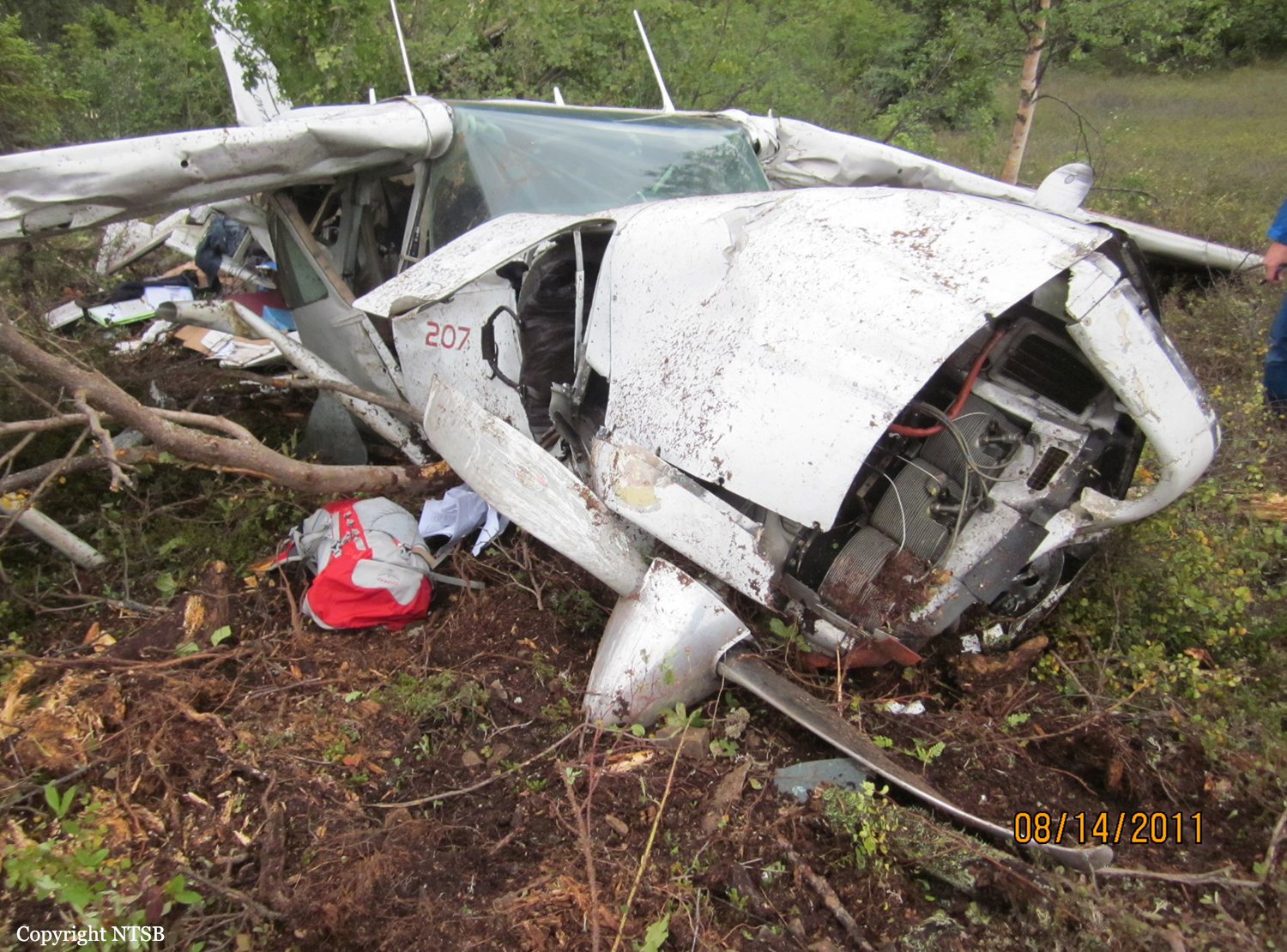
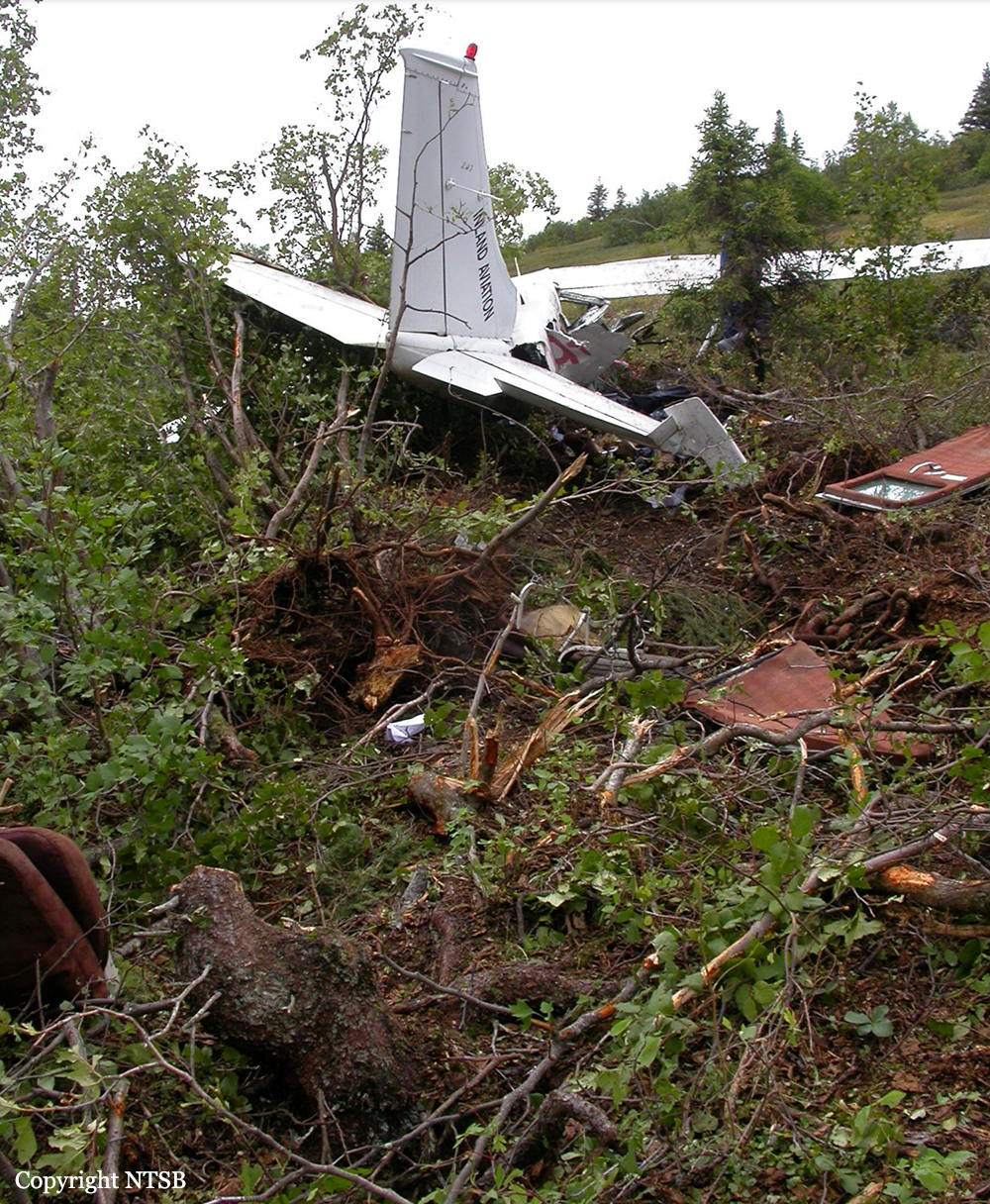
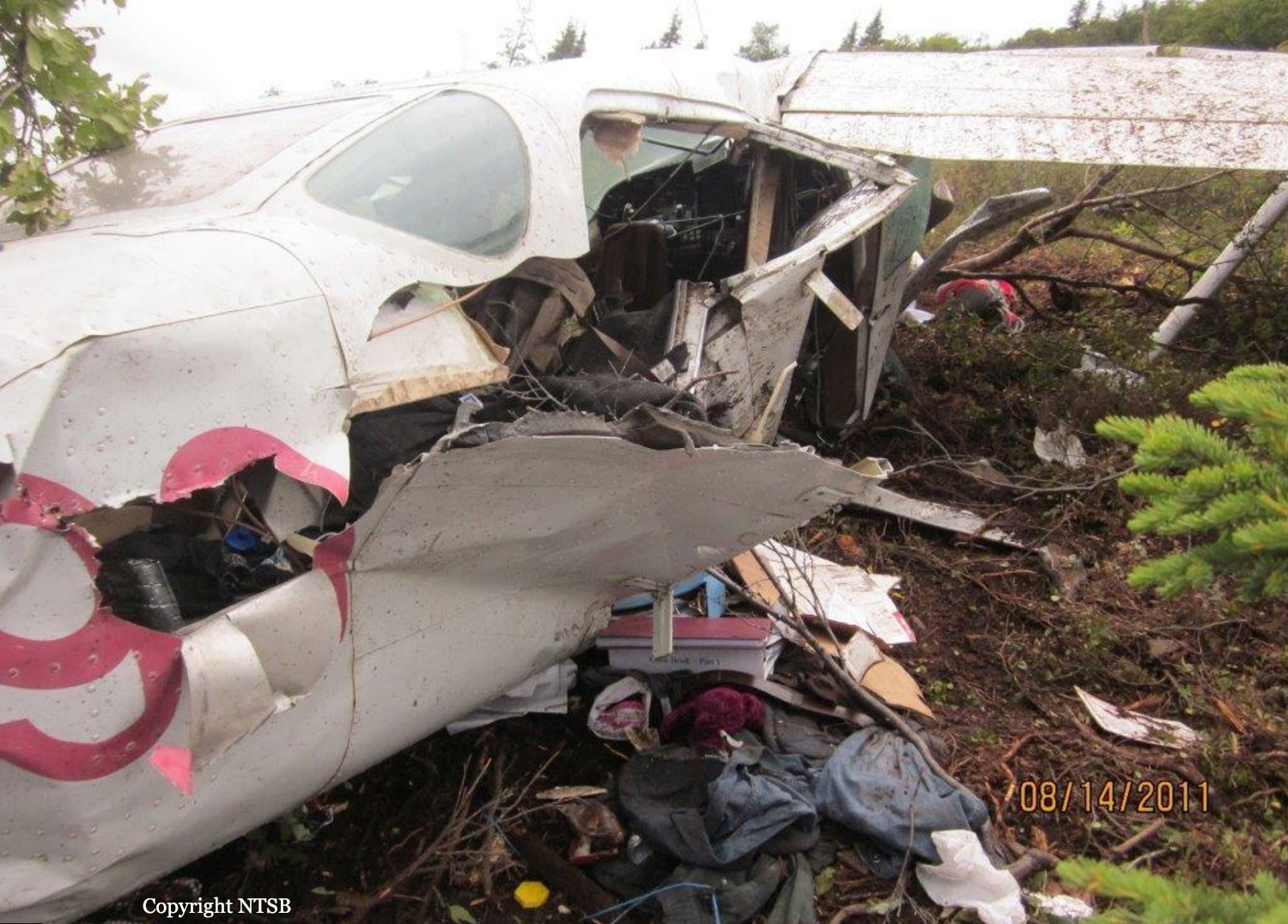
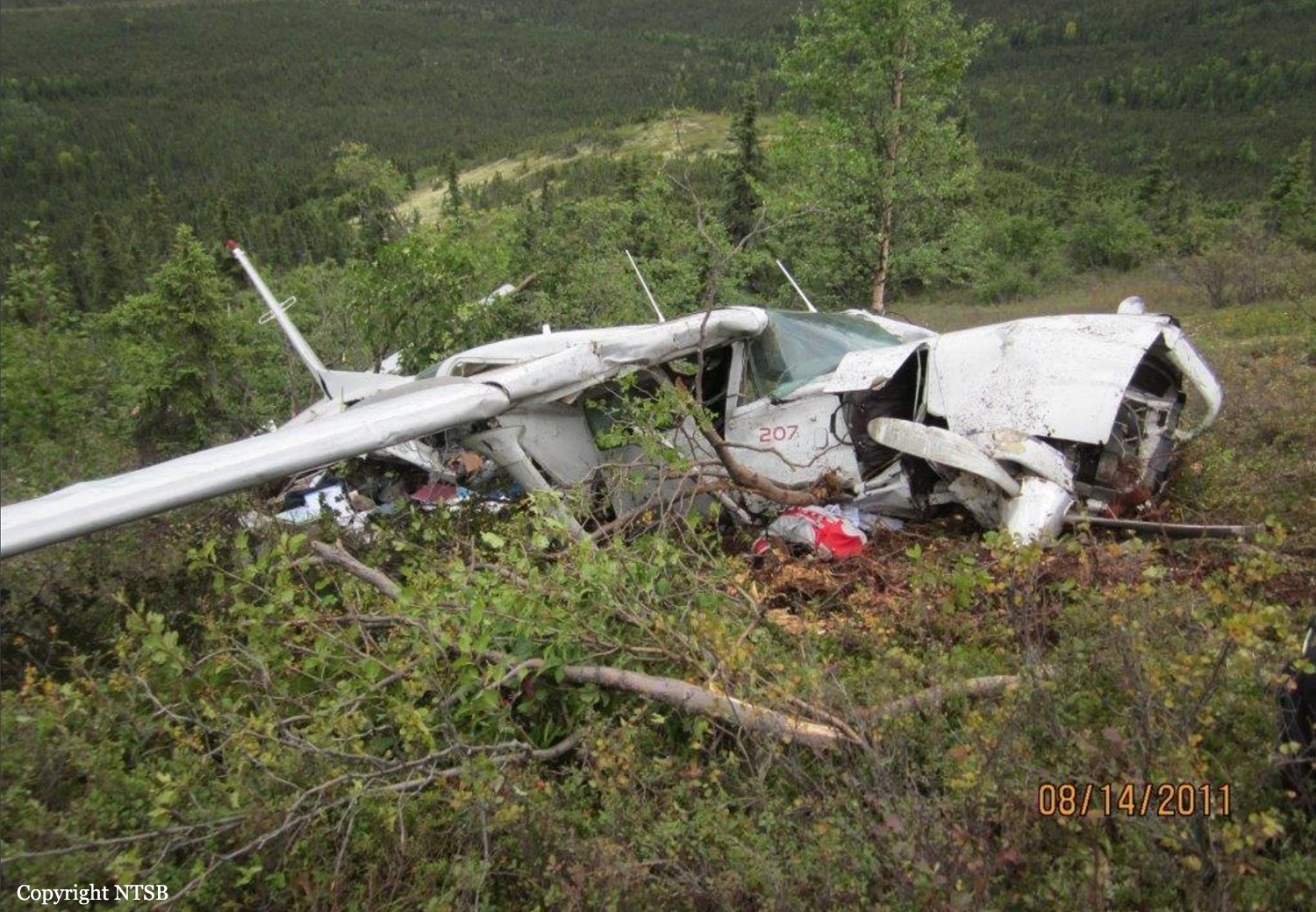
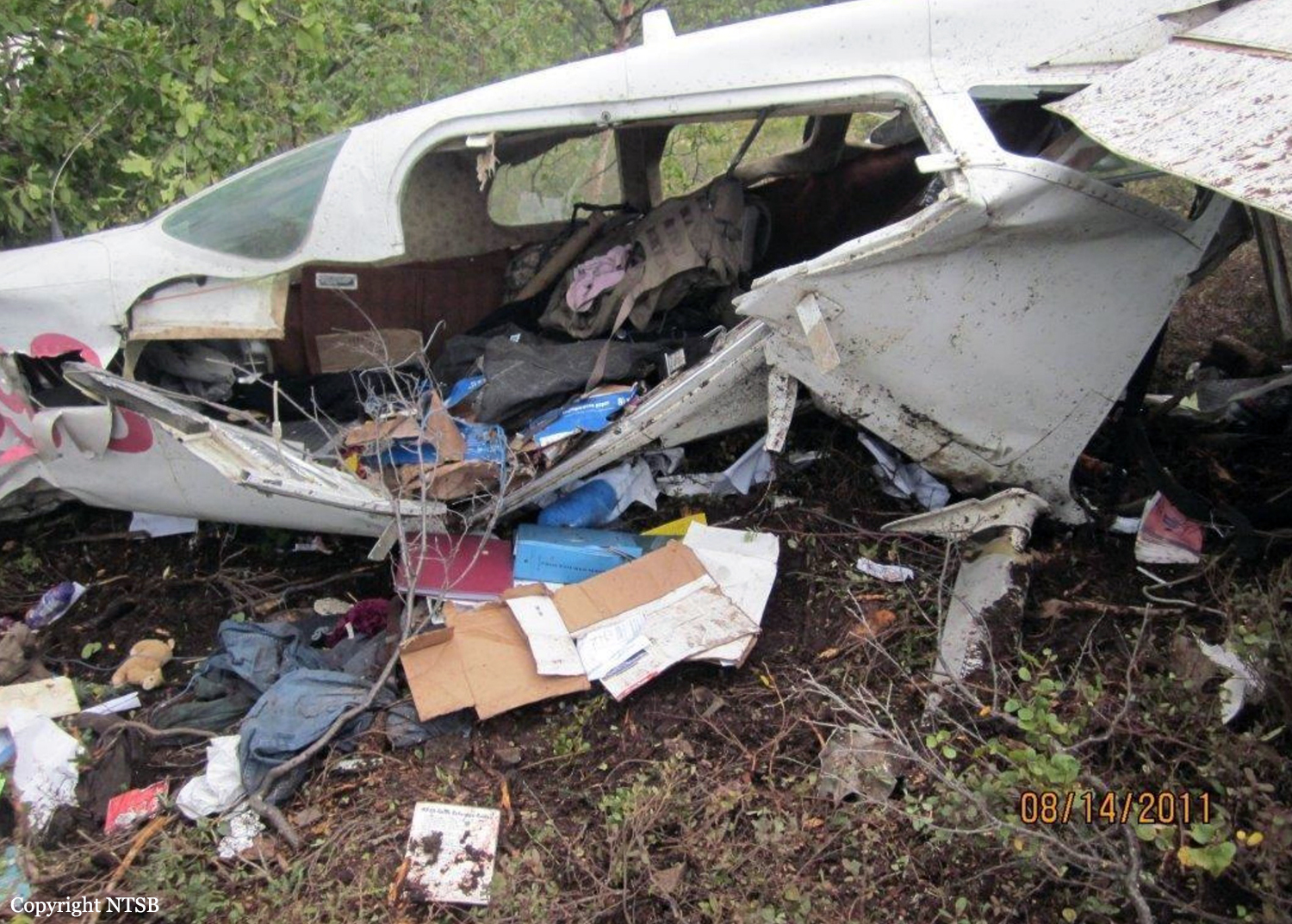
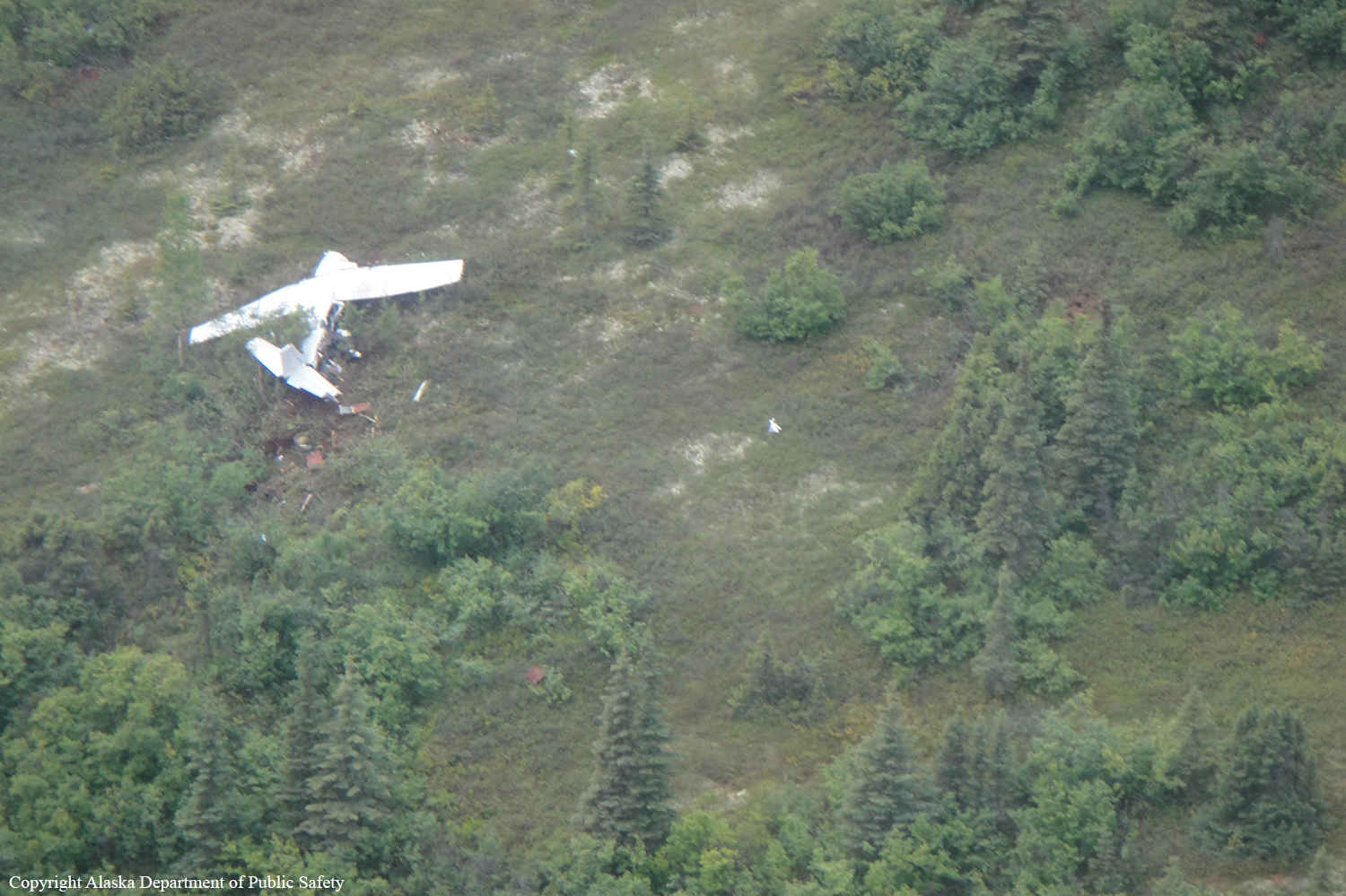
Crash of a Cessna 207 Skywagon near McGrath: 2 killed

Date & Time: Aug 13, 2011 at 1940 LT
Operator:
Registration:
N91099
Flight Phase:
Survivors:
Yes
Site:
Schedule:
McGrath - Anvik - Aniak
MSN:
207-0073
YOM:
1969
Location:
Crew on board:
1
Crew fatalities:
Pax on board:
5
Pax fatalities:
Other fatalities:
Total fatalities:
2
Captain / Total flying hours:
25000
Captain / Total hours on type:
10000.00
Aircraft flight hours:
31618
Circumstances:
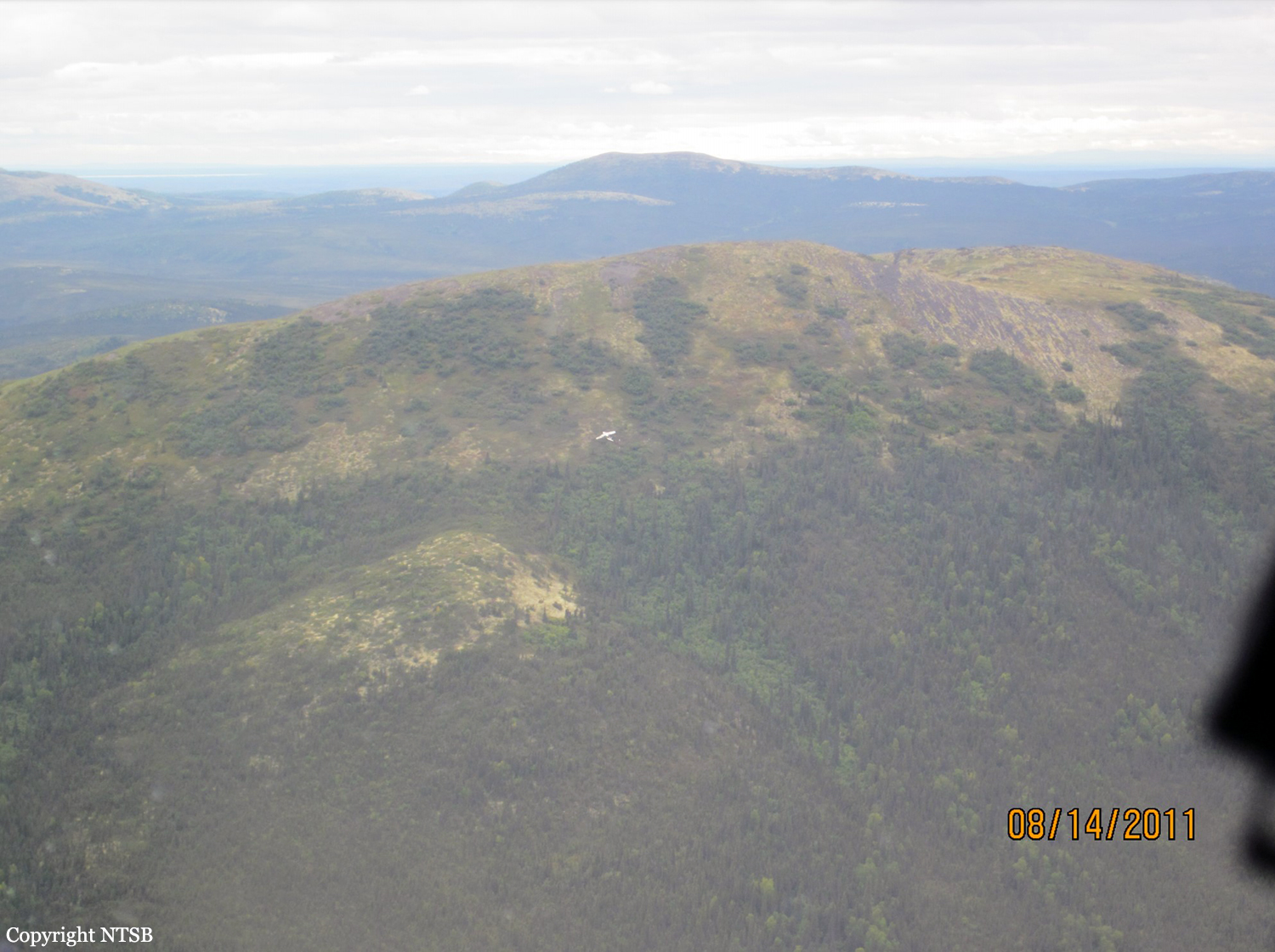
The commercial pilot departed with five passengers on an on-demand air taxi flight between two remote Alaskan villages separated by mountainous terrain. When the airplane did not reach its destination, the operator reported the airplane overdue. After an extensive search, the airplane's wreckage was discovered in an area of steep, tree-covered terrain, about 1,720 feet msl, along the pilot's anticipated flight path. The flight was conducted under visual flight rules, but weather conditions in the area were reported as low ceilings and reduced visibility due to rain, fog, and mist. There is no record that the pilot obtained a weather briefing before departing. According to a passenger who was seated in the front, right seat, next to the pilot, about 20 minutes after departure, as the flight progressed into mountainous terrain, low clouds, rain and fog restricted the visibility. At one point, the pilot told the passenger, in part: "This is getting pretty bad." The pilot then descended and flew the airplane very close to the ground, then climbed the airplane, and then descended again. Moments later, the airplane entered "whiteout conditions," according to the passenger. The next thing the passenger recalled was looking out the front windscreen and, just before impact, seeing the mountainside suddenly appear out of the fog. A postaccident examination did not reveal any evidence of a mechanical malfunction. A weather study identified instrument meteorological conditions in the area at the time of the accident. Given the lack of mechanical deficiencies with the airplane and the passenger's account of the accident, it is likely that the pilot flew into instrument meteorological conditions while en route to his destination, and subsequently collided with mountainous terrain.
Probable cause:
The pilot's decision to continue visual flight rules flight into instrument meteorological conditions, which resulted in an in-flight collision with mountainous terrain.
Final Report:
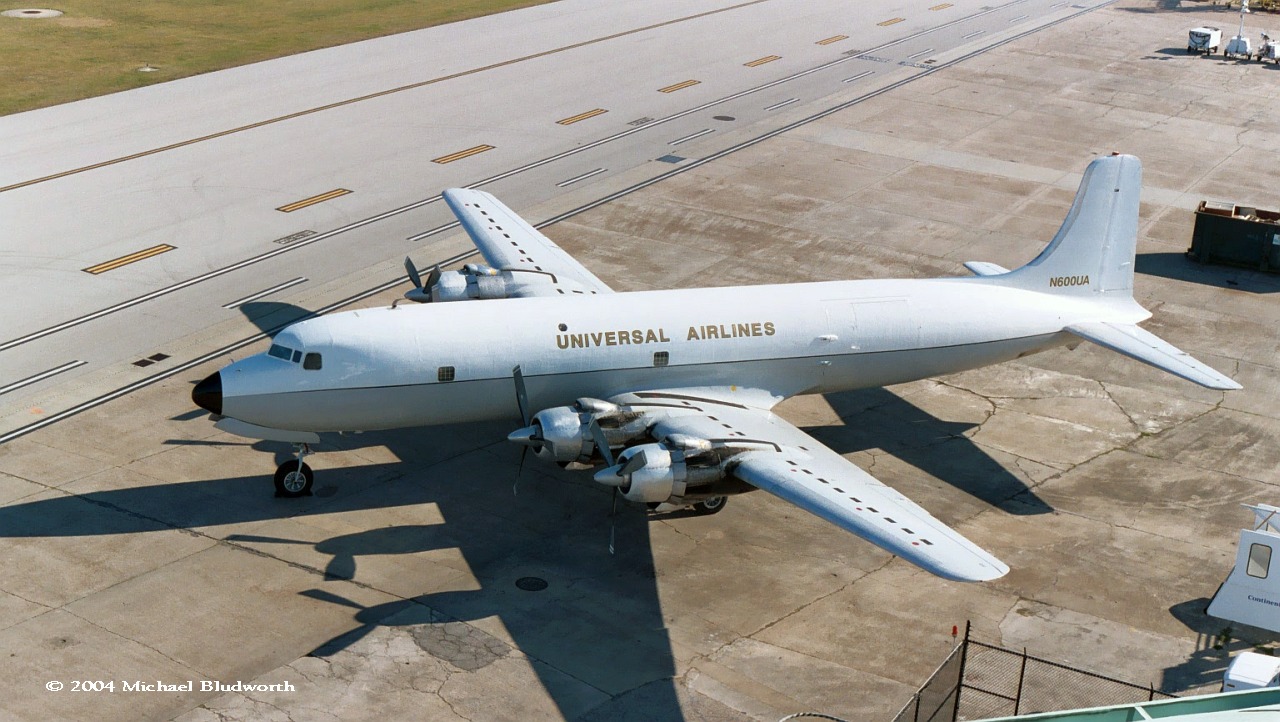
Crash of a Douglas DC-6BF in Cold Bay

Date & Time: Jun 12, 2011 at 1455 LT
Type of aircraft:
Operator:
Registration:
N600UA
Flight Type:
Survivors:
Yes
Schedule:
Togiak - Cold Bay
MSN:
44894/651
YOM:
1956
Crew on board:
4
Crew fatalities:
Pax on board:
0
Pax fatalities:
Other fatalities:
Total fatalities:
0
Captain / Total flying hours:
10000
Captain / Total hours on type:
4000.00
Aircraft flight hours:
37334
Circumstances:
According to the captain, while on approach to land, he distracted the crew by pointing out a boat dock. He said that after touchdown, he realized that the landing gear was not extended, and the airplane slid on its belly, sustaining substantial damage to the underside of the fuselage. He said that the crew did not hear the landing gear retracted warning horn, and the accident could have been prevented if he had not distracted the crew. The captain reported that there were no mechanical malfunctions with the airplane that would have precluded normal operation.
Probable cause:
The flight crew's failure to extend the landing gear, which resulted in an inadvertent wheels up landing. Contributing to the accident was the flight crew's diverted attention.
Final Report:

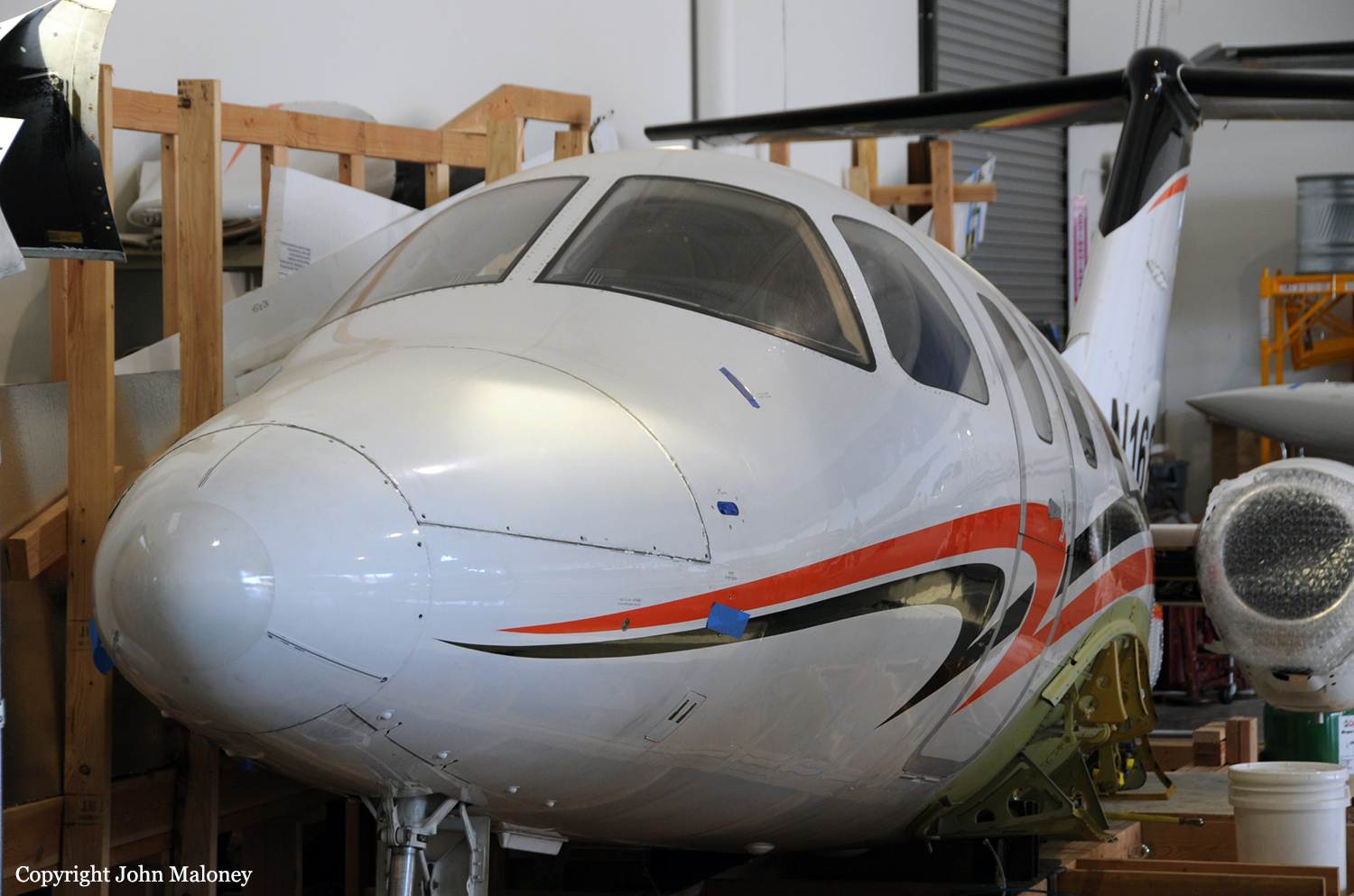
Crash of an Eclipse EA500 in Nome

Date & Time: Jun 1, 2011 at 2140 LT
Type of aircraft:
Registration:
N168TT
Flight Type:
Survivors:
Yes
Schedule:
Anadyr – Nome
MSN:
42
YOM:
2007
Location:
Crew on board:
1
Crew fatalities:
Pax on board:
1
Pax fatalities:
Other fatalities:
Total fatalities:
0
Captain / Total flying hours:
2370
Captain / Total hours on type:
205.00
Aircraft flight hours:
343
Circumstances:
The pilot indicated that, prior to the accident flight, the wing flaps had failed, but he decided to proceed with the flight contrary to the Airplane Flight Manual guidance. While conducting a no-flap approach to the airport, he decided that his airspeed was too fast to land, and he initiated a go-around. During the go-around, the airplane continued to descend, and the fuselage struck the runway. The pilot was able to complete the go-around, and realized that he had not extended the landing gear. He lowered the landing gear, and landed the airplane uneventfully. He elected to remain overnight at the airport due to fatigue. The next day, he decided to test fly the airplane. During the takeoff roll, the airplane had a severe vibration, and he aborted the takeoff. During a subsequent inspection, an aviation mechanic discovered that the center wing carry-through cracked when the belly skid pad deflected up into a stringer during the gear-up landing.
Probable cause:
The pilot landed without lowering the landing gear. Contributing to the accident was the pilot's decision to fly the airplane with an inoperative wing flap system.
Final Report:
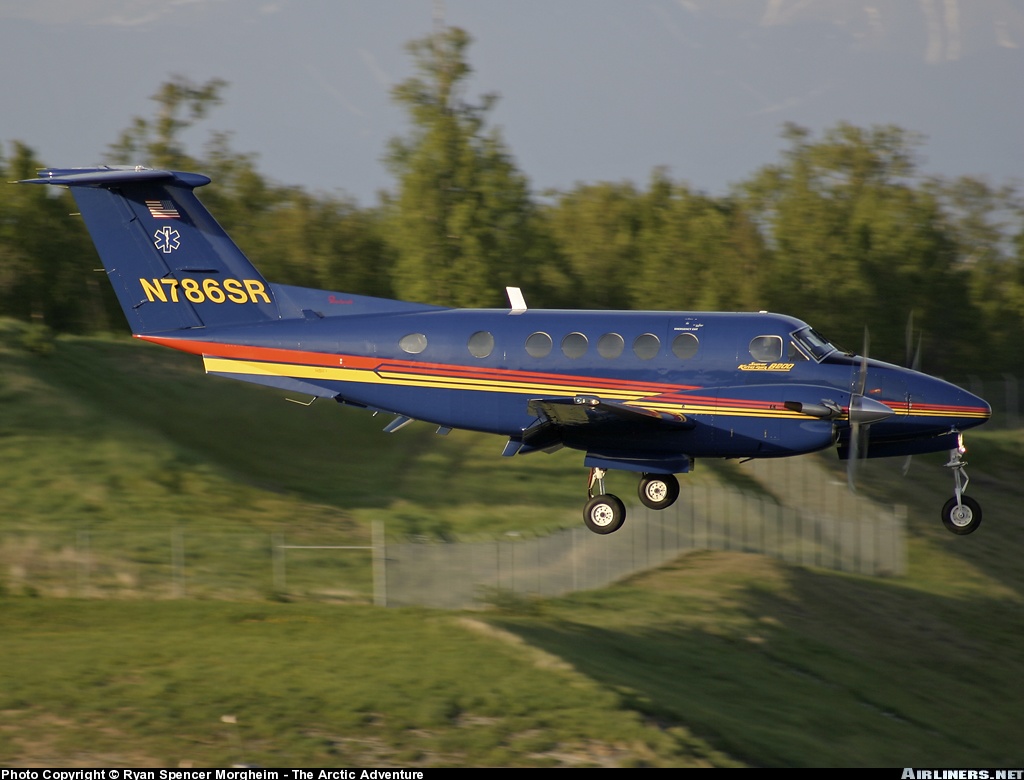
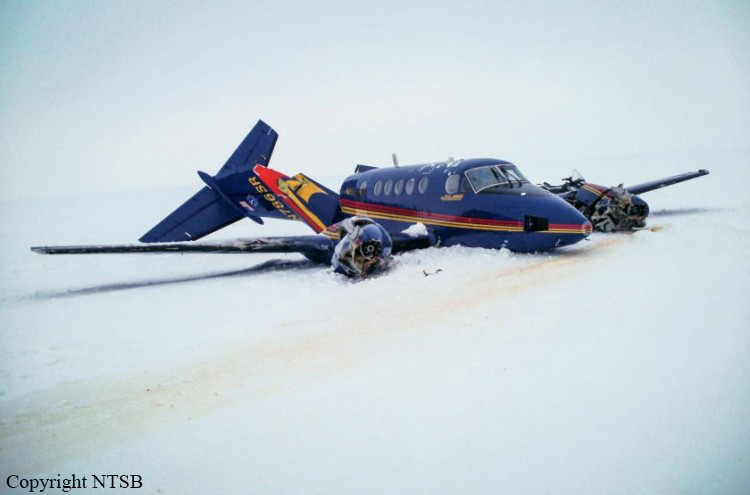
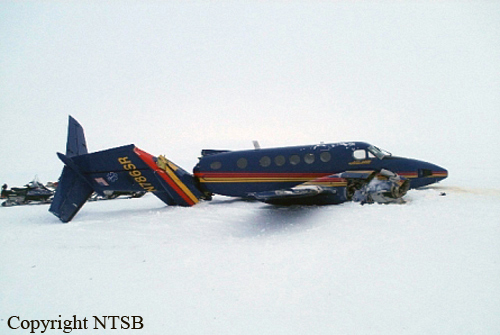
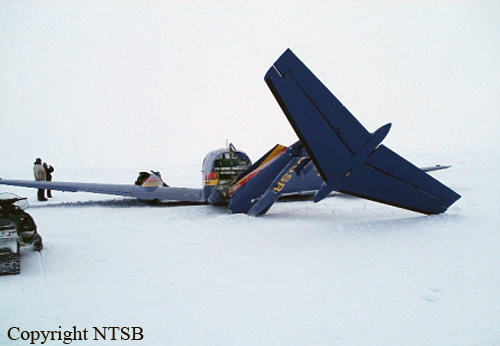
Crash of a Beechcraft B200 Super King Air in Atqasuk

Date & Time: May 16, 2011 at 0218 LT
Operator:
Registration:
N786SR
Flight Type:
Survivors:
Yes
Schedule:
Barrow - Atqasuk - Anchorage
MSN:
BB-1016
YOM:
1982
Location:
Crew on board:
1
Crew fatalities:
Pax on board:
2
Pax fatalities:
Other fatalities:
Total fatalities:
0
Captain / Total flying hours:
9000
Captain / Total hours on type:
500.00
Aircraft flight hours:
9847
Circumstances:
The pilot had worked a 10-hour shift the day of the accident and had been off duty about 2 hours when the chief pilot called him around midnight to transport a patient. The pilot accepted the flight and, about 2 hours later, was on an instrument approach to the airport to pick up the patient. While on the instrument approach, all of the anti-ice and deice systems were turned on. The pilot said that the deice boots seemed to be shedding the ice almost completely. He extended the flaps and lowered the landing gear to descend; he then added power, but the airspeed continued to decrease. The airplane continued to descend, and he raised the flaps and landing gear and applied full climb power. The airplane shuddered as it climbed, and the airspeed continued to decrease. The stall warning horn came on, and the pilot lowered the nose to increase the airspeed. The airplane descended until it impacted level, snow-covered terrain. The airplane was equipped with satellite tracking and engine and flight control monitoring. The minimum safe operating speed for the airplane in continuous icing conditions is 140 knots indicated airspeed. The airplane's IAS dropped below 140 knots 4 minutes prior to impact. During the last 1 minute of flight, the indicated airspeed varied from a high of 124.5 knots to a low of 64.6 knots, and the vertical speed varied from 1,965 feet per minute to -2,464 feet per minute. The last data recorded prior to the impact showed that the airplane was at an indicated airspeed of 68 knots, descending at 1,651 feet per minute, and the nose was pitched up at 20 degrees. The pilot did not indicate that there were any mechanical issues with the airplane. The chief pilot reported that pilots are on call for 14 consecutive 24-hour periods before receiving two weeks off. He said that the accident pilot had worked the previous day but that the pilot stated that he was rested enough to accept the mission. The chief pilot indicated he was aware that sleep cycles and circadian rhythms are disturbed by varied and prolonged activity. An NTSB study found that pilots with more than 12 hours of time since waking made significantly more procedural and tactical decision errors than pilots with less than 12 hours of time since waking. A 2000 FAA study found accidents to be more prevalent among pilots who had been on duty for more than 10 hours, and a study by the U.S. Naval Safety Center found that pilots who were on duty for more than 10 of the last 24 hours were more likely to be involved in pilot-at-fault accidents than pilots who had less duty time. The operator’s management stated that they do not prioritize patient transportation with regard to their medical condition but base their decision to transport on a request from medical staff and availability of a pilot and aircraft, and suitable weather. The morning of the accident, the patient subsequently took a commercial flight to another hospital to receive medical treatment for his non-critical injury/illness. Given the long duty day and the early morning departure time of the flight, it is likely the pilot experienced significant levels of fatigue that substantially degraded his ability to monitor the airplane during a dark night instrument flight in icing conditions. The NTSB has issued numerous recommendations to improve emergency medical services aviation operations. One safety recommendation (A-06-13) addresses the importance of conducting a thorough risk assessment before accepting a flight. The safety recommendation asked the Federal Aviation Administration to "require all emergency medical services (EMS) operators to develop and implement flight risk evaluation programs that include training all employees involved in the operation, procedures that support the systematic evaluation of flight risks, and consultation with others trained in EMS flight operations if the risks reach a predefined level." Had such a thorough risk assessment been performed, the decision to launch a fatigued pilot into icing conditions late at night may have been different or additional precautions may have been taken to alleviate the risk. The NTSB is also concerned that the pressure to conduct EMS operations safely and quickly in various environmental conditions (for example, in inclement weather and at night) increases the risk of accidents when compared to other types of patient transport methods, including ground ambulances or commercial flights. However, guidelines vary greatly for determining the mode of and need for transportation. Thus, the NTSB recommended, in safety recommendation A-09-103, that the Federal Interagency Committee on Emergency Medical Services (FICEMS) "develop national guidelines for the selection of appropriate emergency transportation modes for urgent care." The most recent correspondence from FICEMS indicated that the guidelines are close to being finalized and distributed to members. Such guidance will help hospitals and physicians assess the appropriate mode of transport for patients.
Probable cause:
The pilot did not maintain sufficient airspeed during an instrument approach in icing conditions, which resulted in an aerodynamic stall and loss of control. Contributing to the accident were the pilot’s fatigue, the operator’s decision to initiate the flight without conducting a formal risk assessment that included time of day, weather, and crew rest, and the lack of guidelines for the medical
community to determine the appropriate mode of transportation for patients.
Final Report:

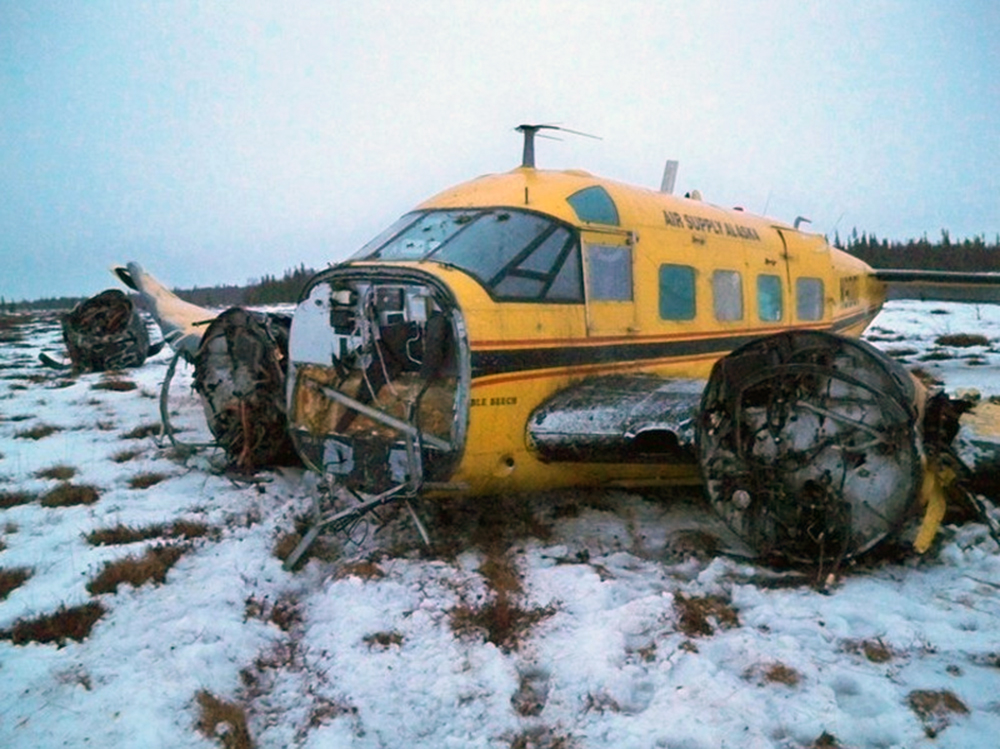
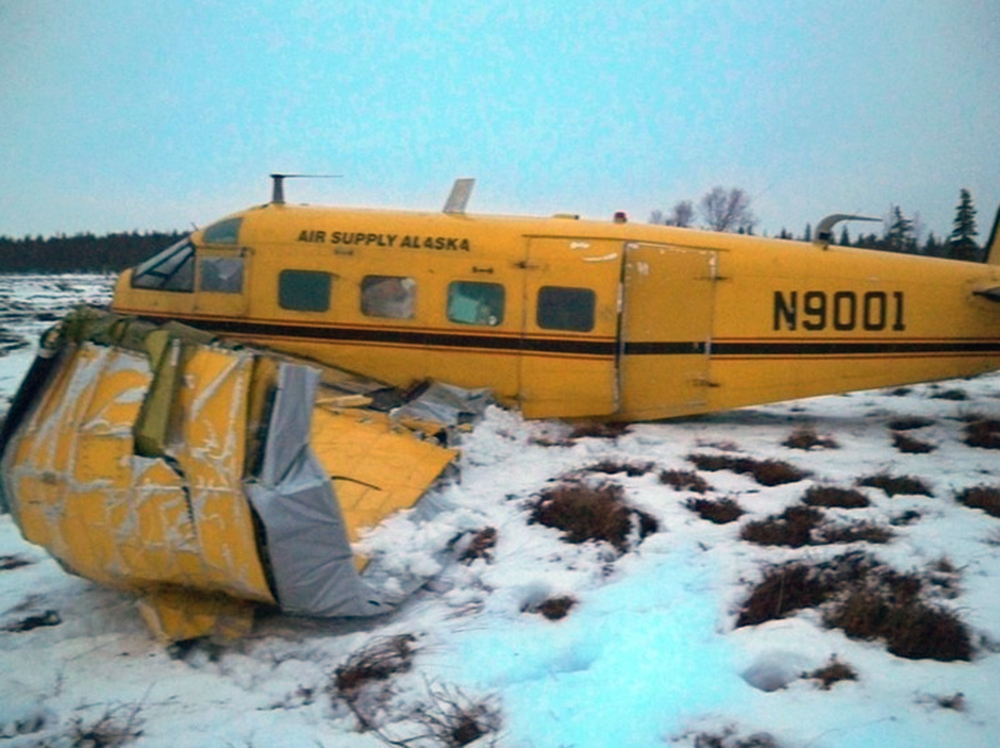
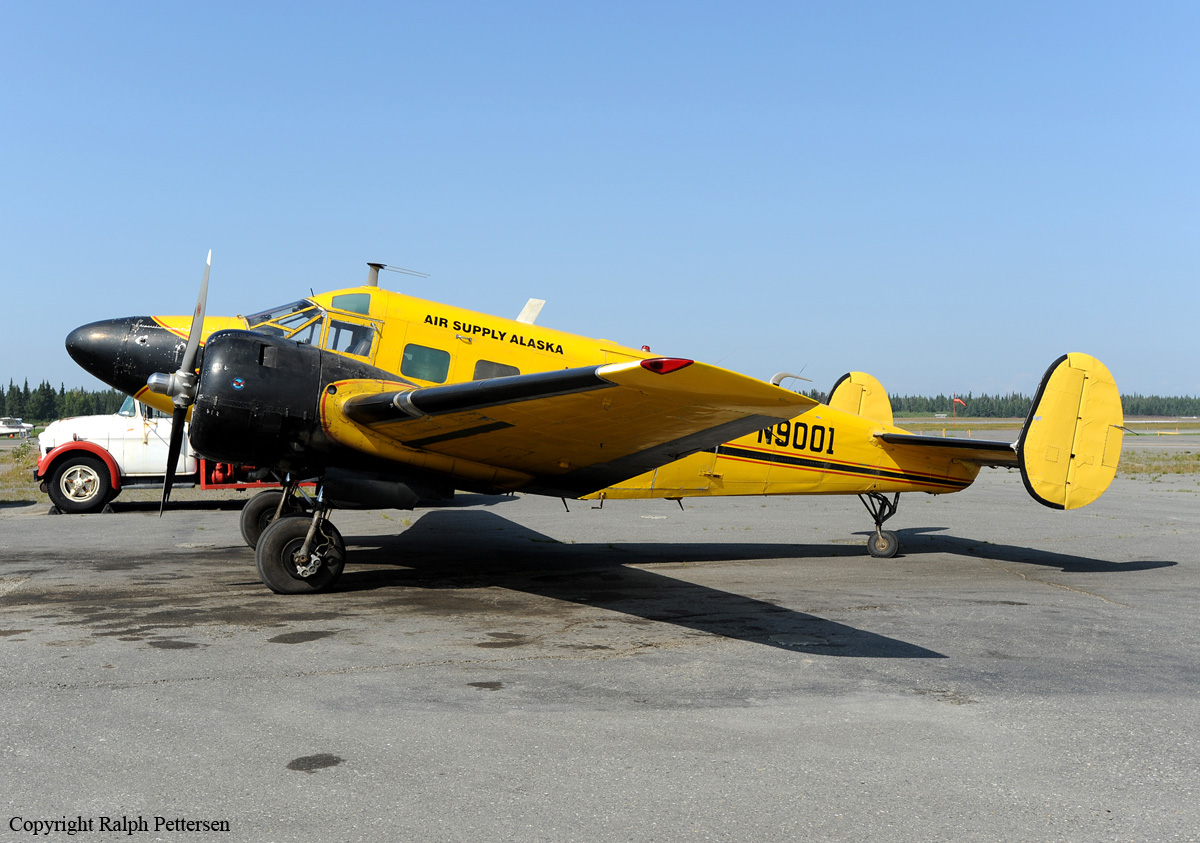
Crash of a Beechcraft E18S in New Stuyahok

Date & Time: Jan 3, 2011 at 1350 LT
Type of aircraft:
Operator:
Registration:
N9001
Flight Type:
Survivors:
Yes
Schedule:
Kenai - New Stuyahok
MSN:
BA-460
YOM:
1959
Crew on board:
1
Crew fatalities:
Pax on board:
0
Pax fatalities:
Other fatalities:
Total fatalities:
0
Captain / Total flying hours:
6539
Captain / Total hours on type:
464.00
Aircraft flight hours:
19571
Circumstances:
The pilot reported that the runway at the destination airport was ice-covered, and that upon touchdown the surface was slicker than he had anticipated. He aborted the landing by applying full power to take off. The airplane was unable to out-climb the rising terrain at the end of the runway, and it collided with terrain, sustaining substantial damage to the fuselage and both wings. The pilot indicated that there were no mechanical issues with the airplane that precluded its normal operation.
Probable cause:
The pilot's misjudgment of the runway surface condition, resulting in an aborted landing and collision with rising terrain during the ensuing takeoff attempt.
Final Report:
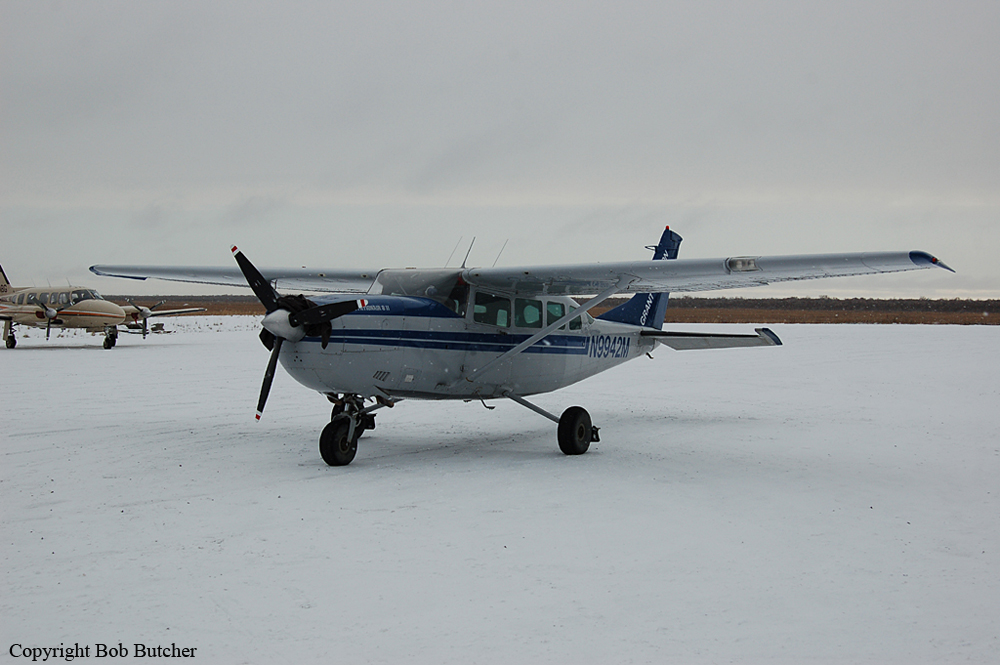
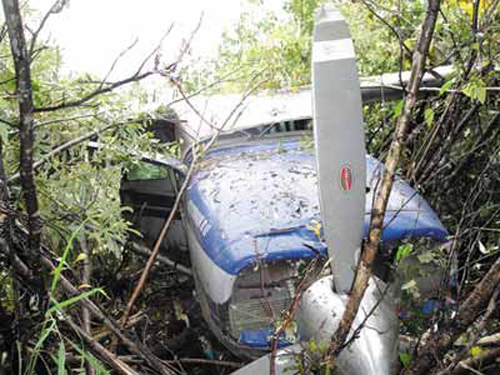
Crash of a Cessna 207A Skywagon in Tuluksak

Date & Time: Sep 3, 2010 at 1830 LT
Operator:
Registration:
N9942M
Flight Phase:
Survivors:
Yes
Schedule:
Tuluksak - Bethel
MSN:
207-0756
YOM:
1983
Location:
Crew on board:
1
Crew fatalities:
Pax on board:
2
Pax fatalities:
Other fatalities:
Total fatalities:
0
Captain / Total flying hours:
4545
Captain / Total hours on type:
245.00
Aircraft flight hours:
29550
Circumstances:
Shortly after take off from runway 20, aircraft hit tree tops, stalled and crashed in a wooded area near the airport. Both passenger were slightly injured while the pilot was seriously injured. Aircraft was damaged beyond repair. The director of operations for the operator stated that soft field conditions and standing water on the runway slowed the airplane during the takeoff roll. The airplane did not lift off in time to clear trees at the end of the runway and sustained substantial damage to both wings and the fuselage when it collided with the trees. The pilot reported that he used partial power at the beginning of the takeoff roll to avoid hitting standing water on the runway with full power. After passing most of the water, he applied full power, but the airplane did not accelerate like he thought it would. He recalled the airplane being in a nose-high attitude and the main wheels bouncing several times before the airplane impacted the trees at the end of the runway.
Probable cause:
The pilot's delayed application of full power during a soft/wet field takeoff, resulting in a collision with trees during takeoff.
Final Report: