Zone

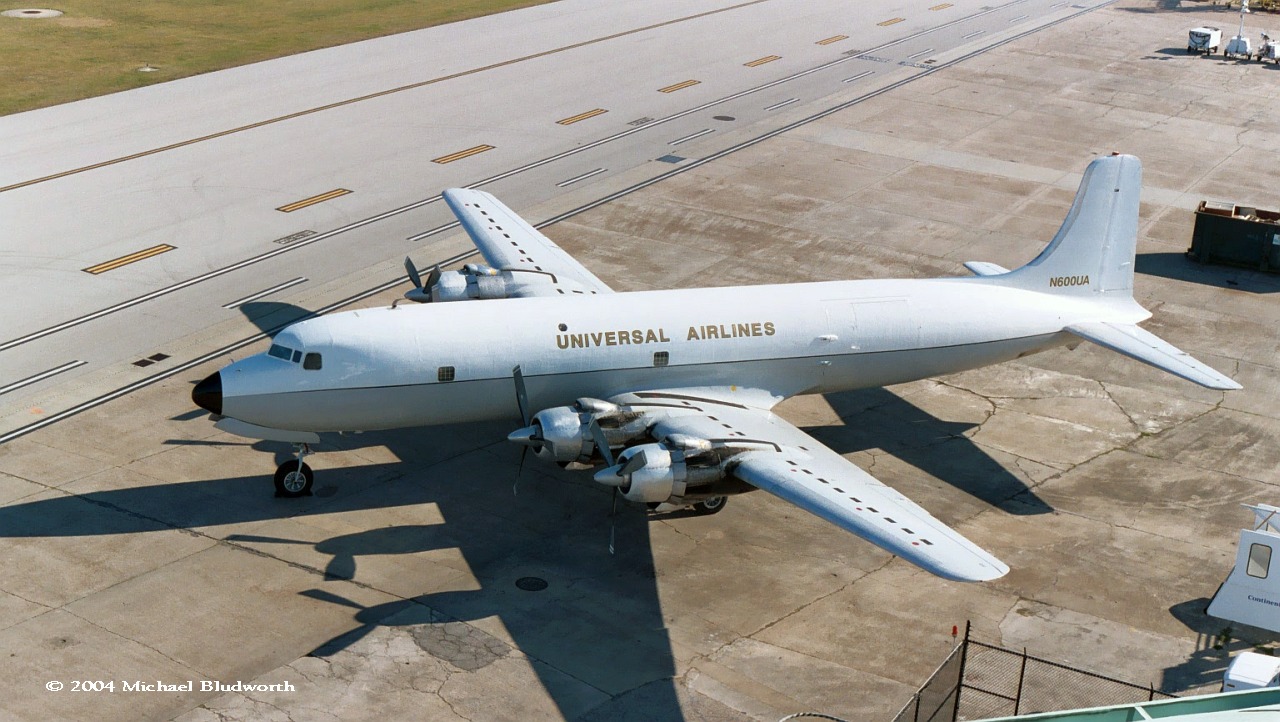
Crash of a Douglas DC-6BF in Cold Bay

Date & Time: Jun 12, 2011 at 1455 LT
Type of aircraft:
Operator:
Registration:
N600UA
Flight Type:
Survivors:
Yes
Schedule:
Togiak - Cold Bay
MSN:
44894/651
YOM:
1956
Crew on board:
4
Crew fatalities:
Pax on board:
0
Pax fatalities:
Other fatalities:
Total fatalities:
0
Captain / Total flying hours:
10000
Captain / Total hours on type:
4000.00
Aircraft flight hours:
37334
Circumstances:
According to the captain, while on approach to land, he distracted the crew by pointing out a boat dock. He said that after touchdown, he realized that the landing gear was not extended, and the airplane slid on its belly, sustaining substantial damage to the underside of the fuselage. He said that the crew did not hear the landing gear retracted warning horn, and the accident could have been prevented if he had not distracted the crew. The captain reported that there were no mechanical malfunctions with the airplane that would have precluded normal operation.
Probable cause:
The flight crew's failure to extend the landing gear, which resulted in an inadvertent wheels up landing. Contributing to the accident was the flight crew's diverted attention.
Final Report:

Crash of a Piper PA-31-350 Navajo Chieftain near Cold Bay: 1 killed

Date & Time: Feb 17, 1990 at 1335 LT
Operator:
Registration:
N27328
Flight Type:
Survivors:
No
Site:
Schedule:
King Cove - Cold Bay
MSN:
31-7752149
YOM:
1977
Location:
Crew on board:
1
Crew fatalities:
Pax on board:
0
Pax fatalities:
Other fatalities:
Total fatalities:
1
Captain / Total flying hours:
9487
Captain / Total hours on type:
1000.00
Aircraft flight hours:
12690
Circumstances:
The scheduled flight's departure from King Cove was delayed due to a passing snow squall. A witness at the airport stated that the weather at the airport was good when the flight departed; however, he noted dark clouds in the direction of Cold Bay, the intended destination of the flight. The airplane did not reach its destination. It was found, where it had impacted terrain near the top of a ridgeline at the 1,250 foot level, between King Cove and Cold Bay. About 8 miles west-northwest at Cold Bay, weather reports indicated there were snow showers of unknown intensity in all quadrants. The pilot, sole on board, was killed.
Probable cause:
Continued VFR flight by the pilot into instrument meteorological conditions (IMC), and his failure to maintain adequate altitude (or clearance) from mountainous terrain. The adverse weather and terrain conditions were related factors.
Final Report:

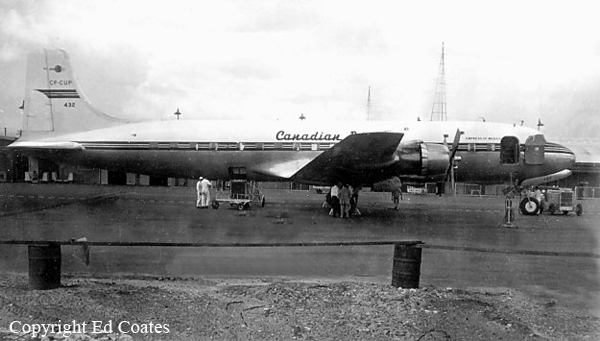
Crash of a Douglas DC-6B in Cold Bay: 15 killed

Date & Time: Aug 29, 1956 at 2045 LT
Type of aircraft:
Operator:
Registration:
CF-CUP
Survivors:
Yes
Schedule:
Vancouver – Cold Bay – Tokyo – Hong Kong
MSN:
43843
YOM:
1953
Flight number:
CP307
Crew on board:
8
Crew fatalities:
Pax on board:
14
Pax fatalities:
Other fatalities:
Total fatalities:
15
Captain / Total flying hours:
9522
Captain / Total hours on type:
2906.00
Copilot / Total flying hours:
12782
Copilot / Total hours on type:
465
Aircraft flight hours:
10513
Circumstances:
Flight 307 departed Vancouver, British Columbia at 1347 Bering standard time en route to Hong Kong, China, with a refueling stop at Cold Bay, Alaska and an intermediate stop at Tokyo, Japan, carrying a crew of 8 and 14 passengers. At 2011 the flight reported 100 miles out, estimating Cold Bay at 2036. It reported being over the Cold Bay range station outbound on a standard instrument approach at 2035, and at 2042 as completing a procedure turn and proceeding inbound. This was the last transmission from the flight. At 2045 the aircraft was observed to descend from the overcast north of the airport for a landing on runway 14 and cross the field at low altitude to the intersection of the two runways. At this point a shallow left turn was started and the aircraft went out of sight southeast of the airport. Shortly afterwards a fire was observed and it was ascertained that the aircraft had crashed. Eleven passengers and 4 crew members were fatally injured. The aircraft was destroyed by impact forces and a post crash fire.
Probable cause:
The probable cause of this accident was the full retraction of the wing flaps at low altitude during a circling approach without necessary corrective action being taken by the crew. Considering that very little altitude was gained after the application of power it is probable that a circling approach had been decided upon when the left turn from runway 14 was made. Since the wing flaps during the circling approach would be extended 20 degrees, and since they were found in the fully retracted position, it is believed that they were retracted shortly before impact. Fully retracted wing flaps at this time would explain the feeling of experienced by the off-duty flight crew member.
Final Report:

Crash of a Douglas C-47B-5-DK near Elmendorf AFB: 19 killed

Date & Time: Oct 21, 1945 at 2200 LT
Operator:
Registration:
43-48893
Flight Type:
Survivors:
No
Schedule:
Adak – Cold Bay – Elmendorf
MSN:
14709/26154
YOM:
1944
Crew on board:
4
Crew fatalities:
Pax on board:
15
Pax fatalities:
Other fatalities:
Total fatalities:
19
Circumstances:
The airplane departed Adak on a flight to Elmendorf AFB with an intermediate stop in Cold Bay. In the late evening, while approaching Elmendorf AFB, the crew encountered poor weather conditions with snow falls. A first attempt to land was aborted and during a second circuit to land, while too low, the airplane collided with cottonwood trees and crashed in a swampy area located 4 km southwest of the airbase. All 19 occupants were killed, 15 enlisted men and four crew members.
Crew:
Pvt Edward H. Dahl,
2nd Lt Richard E. DeMerse,
Sgt Marcus Gluck,
2nd Lt Robert Rakofsky.
Probable cause:
Engine failure.

Crash of a Consolidated B-24D-CO Liberator at Fort Randall AAF

Date & Time: Oct 12, 1942
Operator:
Registration:
41-11911
Flight Type:
Survivors:
Yes
MSN:
407
YOM:
1941
Crew on board:
0
Crew fatalities:
Pax on board:
0
Pax fatalities:
Other fatalities:
Total fatalities:
0
Circumstances:
The airplane crashed on landing at Fort Randall AAF and was damaged beyond repair. There were no casualties.