Crash of a Cessna 402B in Altus: 2 killed

Date & Time: Feb 6, 1985 at 0943 LT
Type of aircraft:
Operator:
Registration:
N5780M
Flight Phase:
Survivors:
No
Schedule:
Altus - Oklahoma City
MSN:
402B-0358
YOM:
1973
Location:
Crew on board:
1
Crew fatalities:
Pax on board:
1
Pax fatalities:
Other fatalities:
Total fatalities:
2
Captain / Total flying hours:
4227
Captain / Total hours on type:
643.00
Aircraft flight hours:
6100
Circumstances:
During an engine start, prior to the flight, the left engine backfired 2 or 3 times. A witness described the 1st backfired as 'the loudest I have ever heard.' When the aircraft took off, two persons living near the departure end of the runway noted that the aircraft (believed to be the same) sounded different and had a 'cluttering sound'. While climbing, the pilot declared an emergency and reported a fire in the left engine. He was vectored toward Altus AFB while descending in IFR conditions. He descended into VFR conditions and saw the airport about 3 miles away. A witness saw smoke and fire trailing from the vicinity of the left engine. He stated that the aircraft's nose came up, the plane rolled to the left, then it entered a steep, nose down, inverted attitude just before it crashed and burned. An exam revealed the engine exhaust manifold header assy had failed and allowed hot exhaust gases to escape in the engine nacelle in the vicinity of fuel and oil lines. Corrosion had progressed thru the header assy. Ad 75-23-08 requested general inspection, but contained note 'do not remove clamps.' No record of replacement in 6,100 hours. Both occupants were killed.
Probable cause:
Occurrence #1: airframe/component/system failure/malfunction
Phase of operation: unknown
Findings
1. (c) exhaust system, manifold/pipe - corroded
2. (c) maintenance, inspection - inadequate
3. (f) procedure inadequate - manufacturer
4. (f) inadequate surveillance of operation - faa (organization)
5. (c) exhaust system, manifold/pipe - failure,total
6. (c) exhaust system, manifold/pipe - leak
----------
Occurrence #2: fire
Phase of operation: climb - to cruise
Findings
7. (c) miscellaneous - fire
----------
Occurrence #3: loss of control - in flight
Phase of operation: approach - vfr pattern - final approach
Findings
8. (c) reason for occurrence undetermined
9. (f) weather condition - clouds
10. Initiated - pilot in command
11. Precautionary landing - attempted - pilot in command
12. Aircraft handling - not maintained
----------
Occurrence #4: in flight collision with terrain/water
Phase of operation: descent - uncontrolled
Final Report:


Crash of a Beechcraft 65-A80 Queen Air in Soldotna: 9 killed

Date & Time: Feb 4, 1985 at 1951 LT
Type of aircraft:
Operator:
Registration:
N50NP
Survivors:
No
Schedule:
Anchorage - Soldotna
MSN:
LD-231
YOM:
1965
Flight number:
NPA1802
Location:
Crew on board:
2
Crew fatalities:
Pax on board:
7
Pax fatalities:
Other fatalities:
Total fatalities:
9
Captain / Total flying hours:
7288
Captain / Total hours on type:
2985.00
Aircraft flight hours:
12106
Circumstances:
During arrival, the crew of NP flight 1802 contacted the company weather observer at Soldotna who advised the weather was: wind calm, ceiling 600 to 800 feet, visibility 8 to 10 miles, no precipitations. They made an NDB approach, but missed the approach and requested another approach. Approximately one minute later, the crew reported the aircraft had accumulated a heavy load of ice. They could have diverted nearby to Kenai for an ILS approach, but elected to make a VOR approach back to Soldotna. While being vectored, they made two more checks with the weather observer who advised the weather had deteriorated to below minimums and recommended diverting, but the crew did not acknowledge. Subsequently, the aircraft collided with trees on high terrain approximately 1.5 mile southeast of the airport. There was evidence the aircraft was circling when it crashed. Circling was not authorized south of runway 07/25. Investigations revealed recurring problems with the anti-ice system, its 'single' mode was inoperative, two de-ice boots were missing from prop blades. Weather station listed only one lighted marker (1/4 mile away) for visibility reference; minimum landing visibility was one mile; ceilometer was inoperative. No FAA inspection of weather station in 2 years. Icing forecasted. All nine occupants were killed.
Probable cause:
Occurrence #1: in flight encounter with weather
Phase of operation: approach
Findings
1. (f) anti-ice/deice system - inadequate
2. (f) maintenance - inadequate - company maintenance personnel
3. (f) inadequate surveillance of operation - faa (organization)
4. (f) operation with known deficiencies in equipment - performed - pilot in command
5. (f) other airport/runway maintenance - not maintained - company/operator management
6. (f) inadequate surveillance of operation - faa (organization)
7. (f) meteorological service - inadequate - company/operator management
8. (f) inadequate surveillance of operation - faa (organization)
9. (f) weather condition - low ceiling
10. (f) weather condition - fog
11. (f) weather condition - rain
12. (f) weather condition - icing conditions
13. (f) flight into known adverse weather - performed - pilot in command
14. (f) wing - ice
15. (f) weather condition - below approach/landing minimums
16. Missed approach - initiated - pilot in command
17. (f) not performed - pilot in command
----------
Occurrence #2: in flight collision with object
Phase of operation: circling (ifr)
Findings
18. (c) in-flight planning/decision - improper - pilot in command
19. (c) missed approach - improper - pilot in command
20. (f) terrain condition - high terrain
21. (c) minimum descent altitude - not maintained - pilot in command
22. (f) object - tree(s)
Final Report:

Crash of a Beechcraft A100 King Air in Cedarville: 2 killed

Date & Time: Feb 1, 1985 at 2147 LT
Type of aircraft:
Registration:
N72BS
Flight Type:
Survivors:
No
Schedule:
Ridgeland – Millville
MSN:
B-113
YOM:
1972
Crew on board:
2
Crew fatalities:
Pax on board:
0
Pax fatalities:
Other fatalities:
Total fatalities:
2
Captain / Total flying hours:
17300
Captain / Total hours on type:
4000.00
Circumstances:
The two atp rated pilots were en route back to their home base airport flying on an IFR flight plan in actual instrument weather conditions. Communications with ATC controllers was normal. During a night localizer approach into Millville municipal airport, an ATC specialist observed the aircraft passing through the localizer track and issued a vector for re-interception. The aircraft was subsequently observed tracking inbound on course. The pilot reported crossing the om. This was the last transmission heard from the pilot and was routine. The aircraft crashed into a wooded area just beyond the om and was destroyed in a post impact fire. Post accident examination of the wreckage revealed evidence to indicate the left engine was producing less power than the right engine at impact. Both occupants were killed.
Probable cause:
Occurrence #1: in flight collision with object
Phase of operation: descent - normal
Findings
1. (f) weather condition - low ceiling
2. (f) weather condition - fog
3. (f) weather condition - rain
4. (f) light condition - dark night
5. (c) ifr procedure - improper - pilot in command
6. (c) proper altitude - not maintained - pilot in command
----------
Occurrence #2: loss of engine power
Phase of operation: approach
Findings
7. Engine assembly - failure,partial
8. (c) engine assembly - undetermined
Final Report:

Crash of a Piper PA-31-350 Navajo Chieftain in Whitefield: 4 killed

Date & Time: Feb 1, 1985 at 2035 LT
Operator:
Registration:
N27522
Survivors:
Yes
Schedule:
Burlington - Whitefield
MSN:
31-7852040
YOM:
1978
Crew on board:
2
Crew fatalities:
Pax on board:
3
Pax fatalities:
Other fatalities:
Total fatalities:
4
Aircraft flight hours:
1900
Circumstances:
The aircraft crashed after executing a missed approach at Whitefield during IMC weather. The aircraft was seen at 300-400 feet agl during some part of the maneuvering near the airport. The aircraft seemed to be heading for the airport when last seen by ground observers. The only indication of trouble was the low altitude of flight. The aircraft crashed at the 2,800 feet level of twin mountain on a heading of 120° at 2035 hours. It was last seen about 2015 hours. No fuel was found in the engine fuel dividers or fuel lines. The inboard tanks were more than half full of fuel. Normal operation calls for takeoff, climb and descent on the inboard tanks. The outboard tanks are used for non-maneuvering flight during cruise. A passenger was seriously injured while four other occupants were killed.
Probable cause:
Occurrence #1: loss of engine power (total) - nonmechanical
Phase of operation: missed approach (ifr)
Findings
1. (f) fluid, fuel - starvation
2. (c) in-flight planning/decision - improper - pilot in command
3. (c) ifr procedure - improper - pilot in command
4. (c) fuel tank selector position - improper - pilot in command
----------
Occurrence #2: forced landing
Phase of operation: descent - emergency
Findings
5. (f) weather condition - low ceiling
----------
Occurrence #3: in flight collision with terrain/water
Phase of operation: landing - flare/touchdown
Final Report:

Crash of a Tupolev TU-134AK in Minsk: 58 killed

Date & Time: Feb 1, 1985 at 0801 LT
Type of aircraft:
Operator:
Registration:
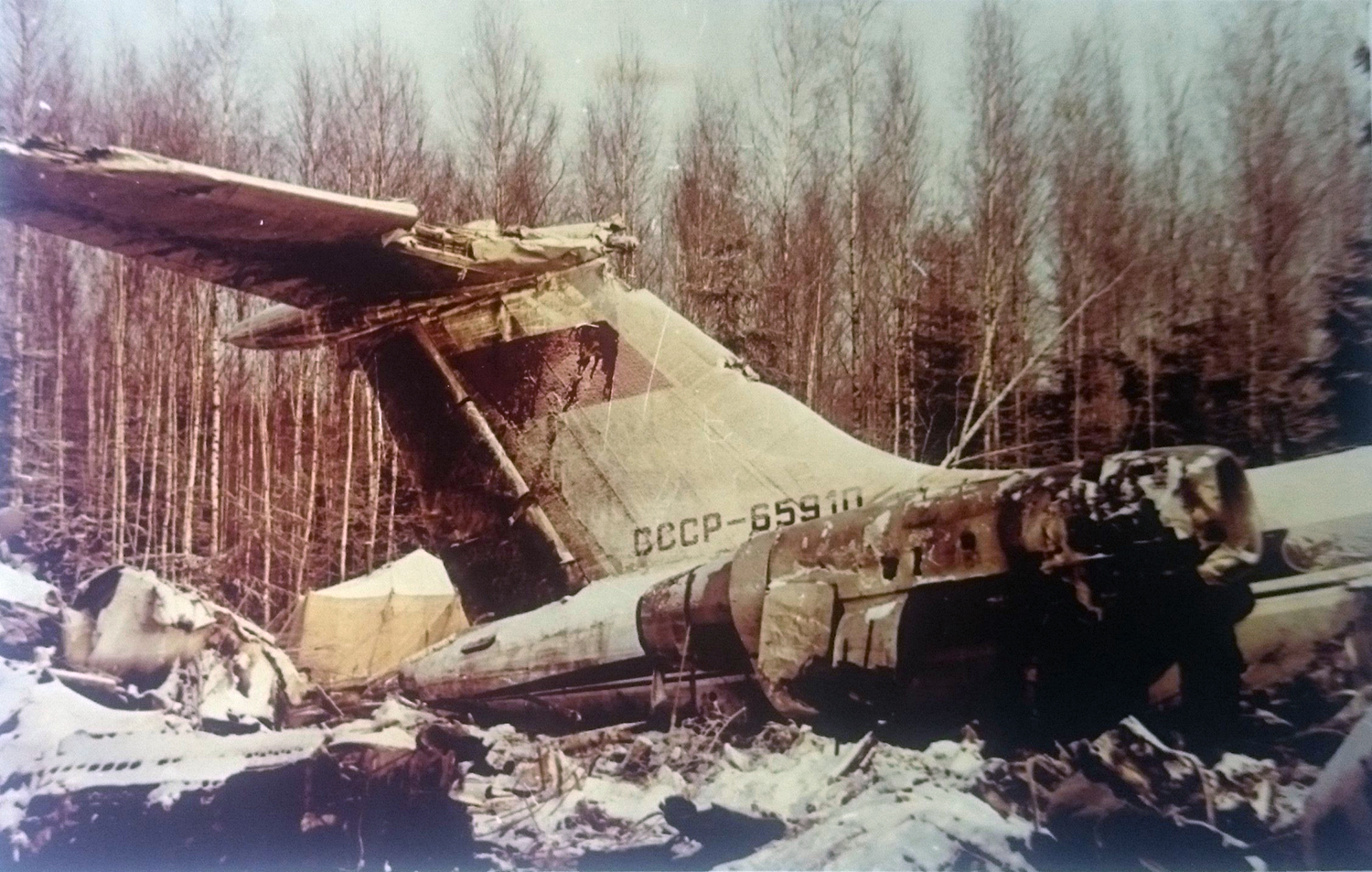
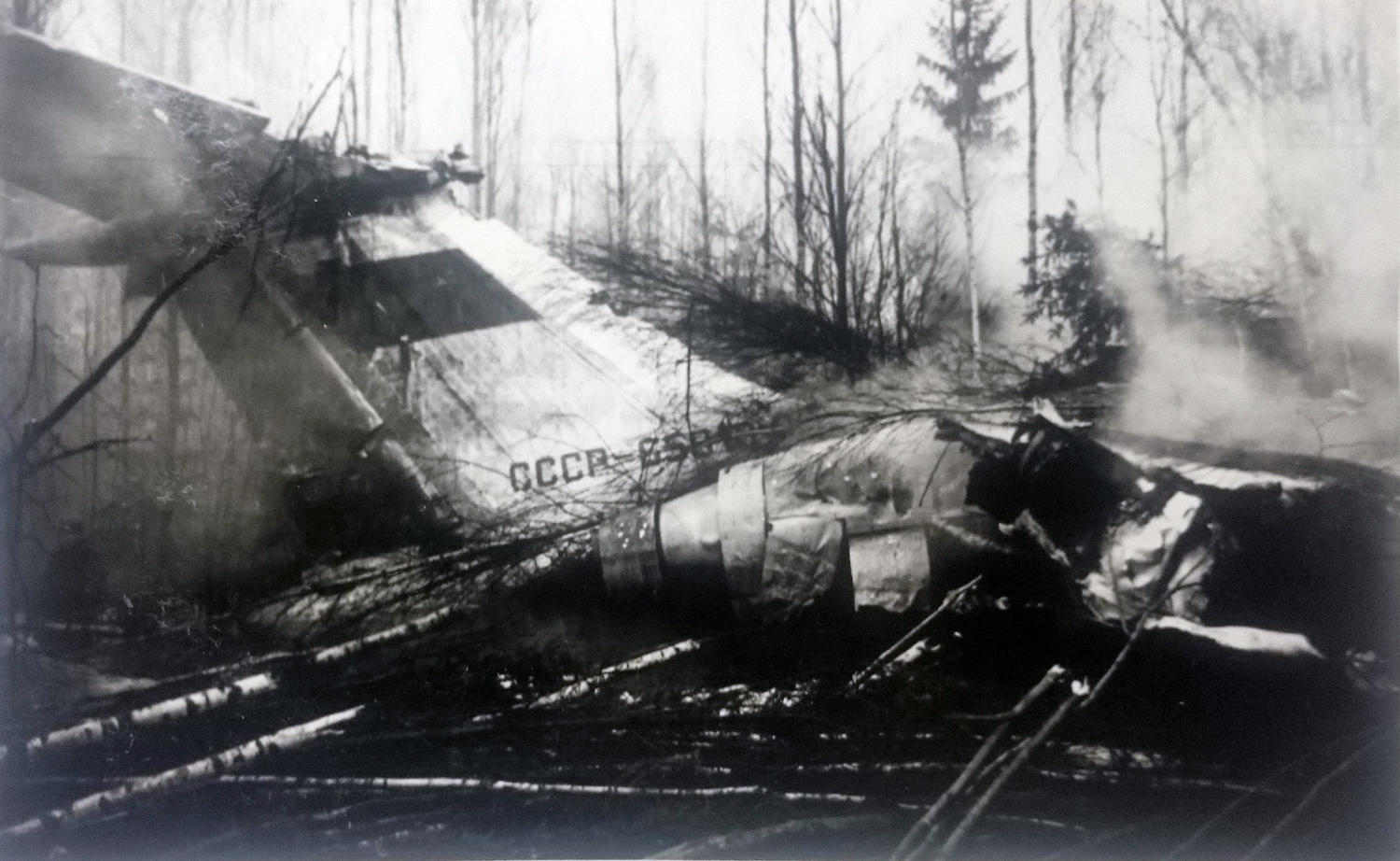
CCCP-65910
Flight Phase:
Survivors:
Yes
Schedule:
Minsk - Leningrad
MSN:
63971
YOM:
1982
Country:
Region:
Crew on board:
6
Crew fatalities:
Pax on board:
74
Pax fatalities:
Other fatalities:
Total fatalities:
58
Aircraft flight hours:
685
Aircraft flight cycles:
448
Circumstances:
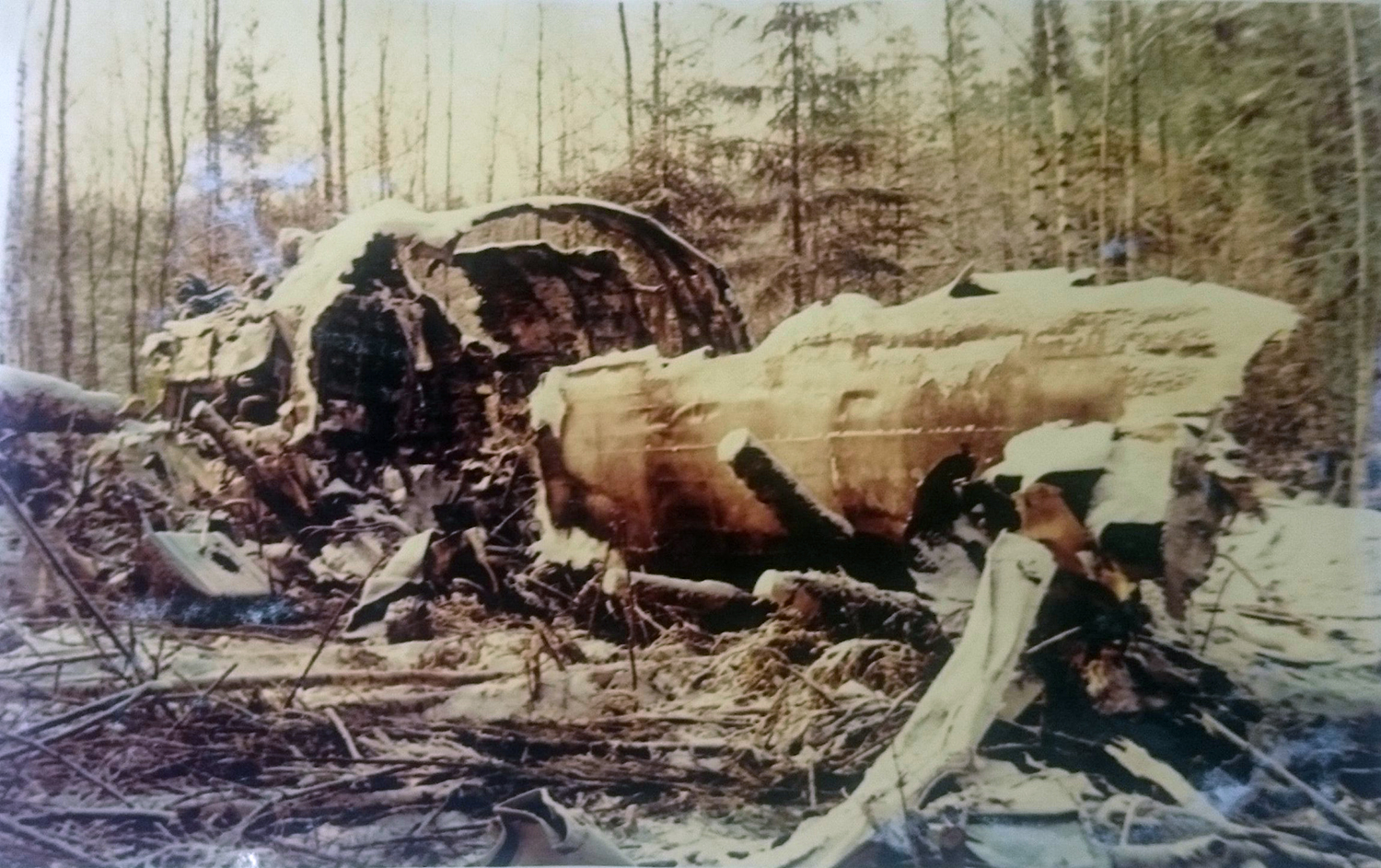
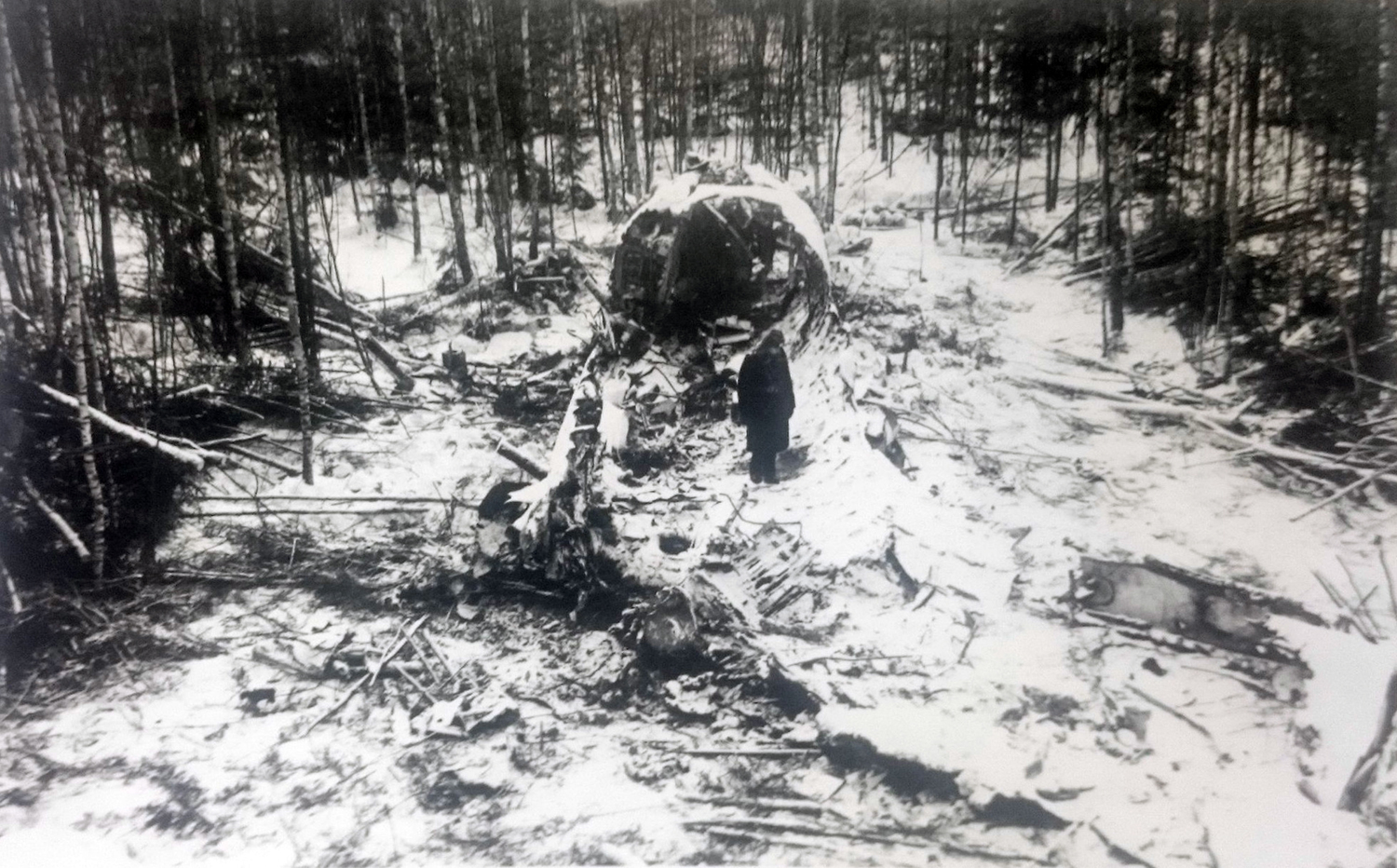
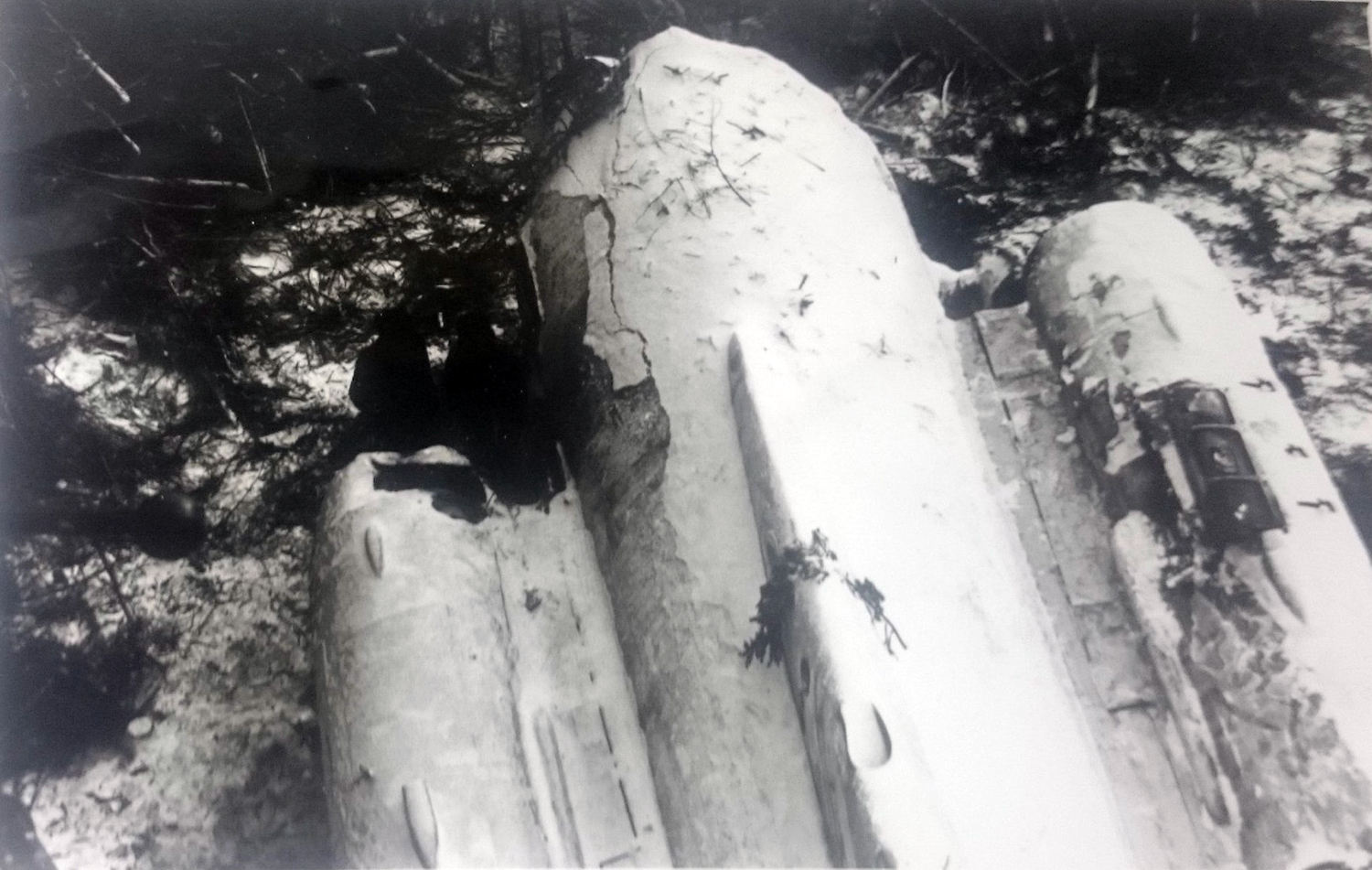
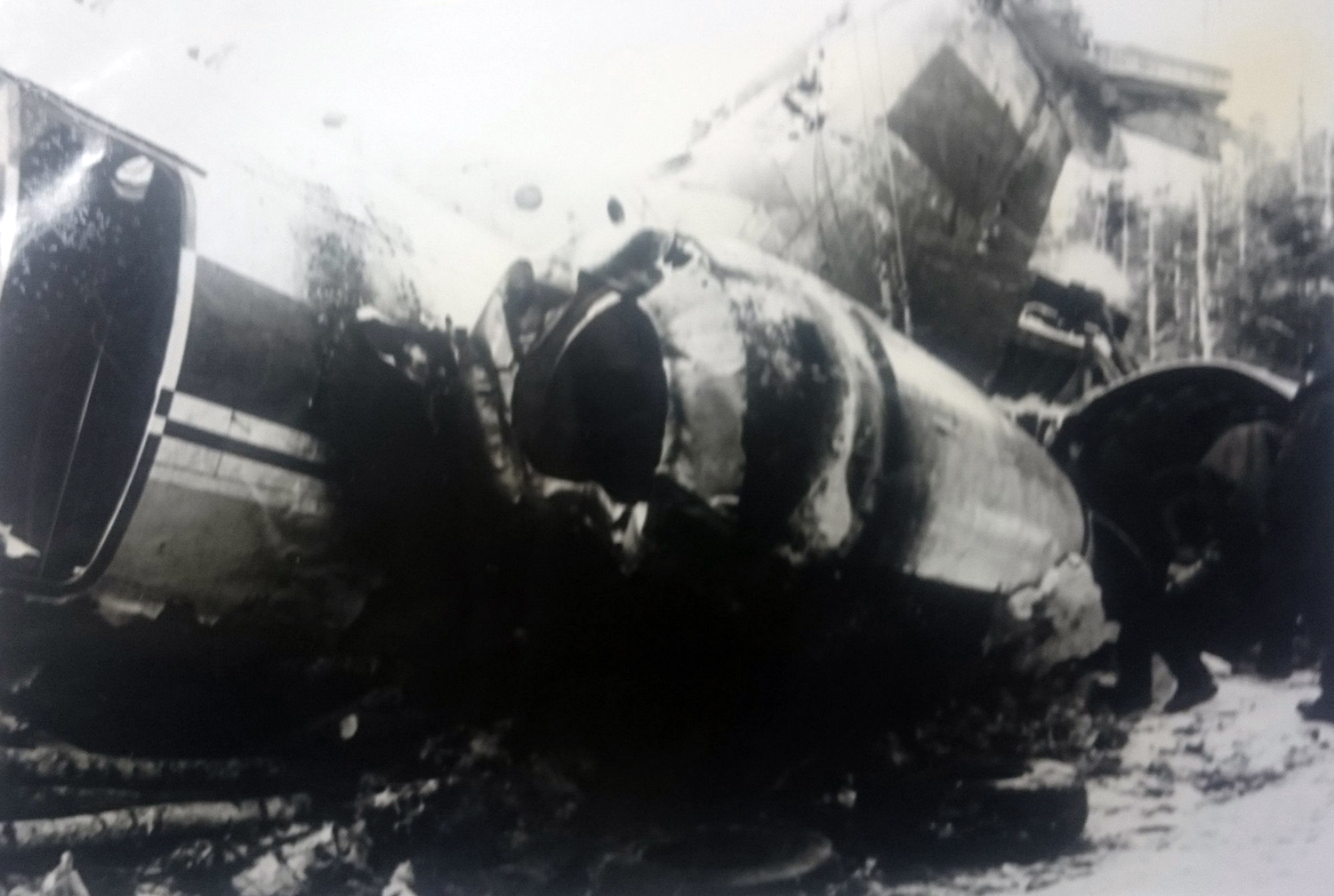
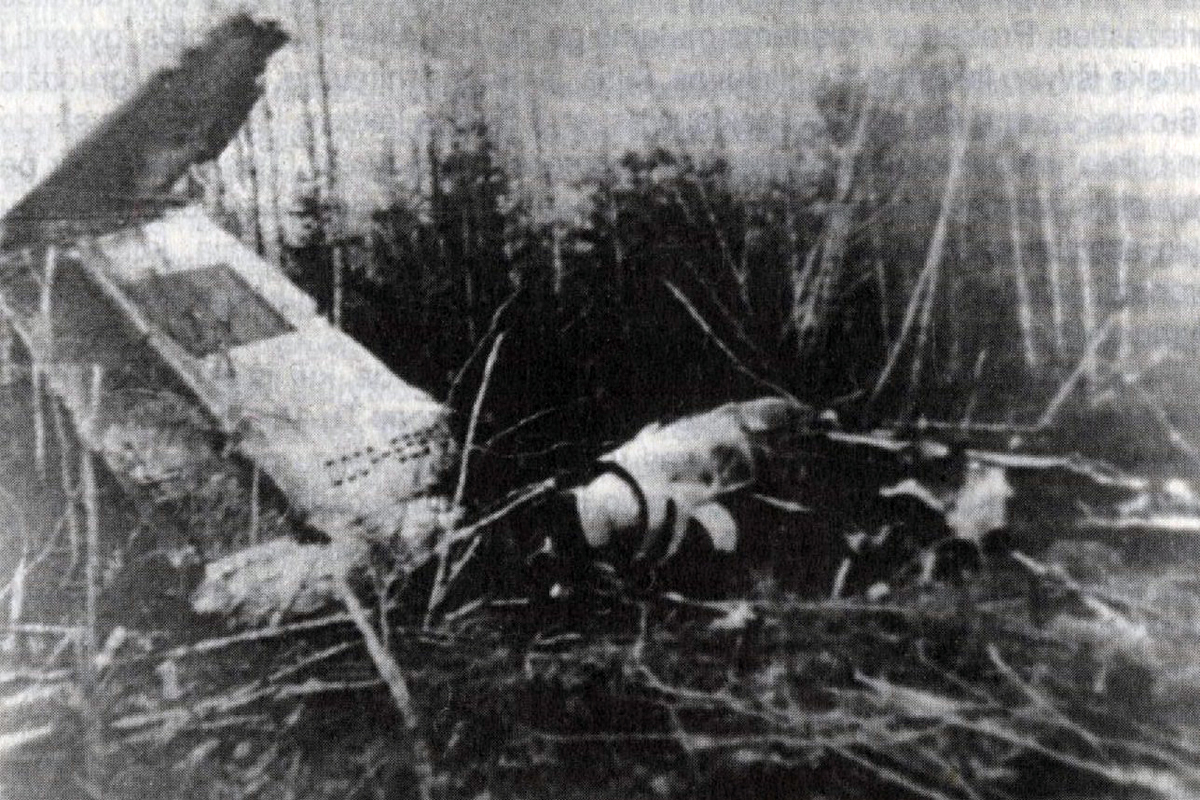
Six seconds after takeoff from runway 13 at Minsk-2 Airport, while climbing to a height of 35 meters and a speed of 325 km/h, the left engine lost power and failed. The crew continued to climb to a height of 220 meters, still at a speed of 325 km/h, when the right engine lost power and failed. The pilot-in-command attempted an emergency landing when the aircraft struck trees and crashed in a wooded area located 10,100 meters from the airport, bursting into flames. The wreckage was found 3 hours and 15 minutes later. 22 people were injured while 58 others were killed, among them three crew members.
Probable cause:
It was determined that the aircraft remained parked on the apron at Minsk-2 Airport for about a week prior to the flight and has not been deiced prior to takeoff. During initial climb, some ice detached from both wings and entered both engines, causing them to flame out.

Crash of a Beechcraft E18S in Huntington

Date & Time: Jan 31, 1985 at 2045 LT
Type of aircraft:
Operator:
Registration:
N95HA
Flight Phase:
Flight Type:
Survivors:
Yes
Schedule:
Huntington - Louisville
MSN:
BA-148
YOM:
1956
Crew on board:
2
Crew fatalities:
Pax on board:
2
Pax fatalities:
Other fatalities:
Total fatalities:
0
Captain / Total flying hours:
7022
Captain / Total hours on type:
3000.00
Aircraft flight hours:
5877
Circumstances:
3-4 inch snow accumulation on aircraft prior to flight. Pilot said he swept snow off except an area he could not reach. Heavy snowfall, wet snow reported as aircraft was prepared for departure, during runup, taxi and takeoff. Pilot advised by tower that visibility was 1/8 mile with fog and snow. Published takeoff minimum for far 135 opn was 1/2 mile. After riking snowplow located 150 feet left of runway, aircraft continued over embankment and came to rest inverted. Ice and snow fnd on upper tail surface. Elevator trim indicated full nose down. Aileron trim ind left bank. Witnesses said engines sounded normal, landing lights on, 600 feet visibility from position of snowplow. Pilot said 35 inches map when descending. Map increased with additional throttle. No engine roughness.
Probable cause:
Occurrence #1: loss of control - in flight
Phase of operation: takeoff - initial climb
Findings
1. (f) light condition - dark night
2. (f) weather condition - fog
3. (f) weather condition - snow
4. (c) ice/frost removal from aircraft - inadequate - pilot in command
5. (f) proper assistance - not obtained - pilot in command
6. (f) weather condition - below approach/landing minimums
7. (f) ifr procedure - disregarded - pilot in command
8. Terrain condition - snow covered
9. Airspeed(vs) - not maintained - pilot in command
----------
Occurrence #2: in flight collision with object
Phase of operation: takeoff - initial climb
Findings
10. Object - vehicle
Final Report:

Crash of a Cessna 414 Chancellor in Coatesville: 4 killed

Date & Time: Jan 31, 1985 at 1310 LT
Type of aircraft:
Registration:
N1994G
Survivors:
No
Schedule:
Latrobe - Coatesville
MSN:
414-0601
YOM:
1975
Crew on board:
2
Crew fatalities:
Pax on board:
2
Pax fatalities:
Other fatalities:
Total fatalities:
4
Captain / Total flying hours:
2200
Captain / Total hours on type:
49.00
Aircraft flight hours:
3695
Circumstances:
Aircraft was on its runway 29 approach when it collided with ground one mile from the airport. A witness saw he aircraft fly over the airport to the west between 500 to 1,500 feet. Witnesses near the accident site saw the aircraft making abrupt maneuvers at low altitude prior to the accident. Engine sounds was described as 'racing', 'uneven', and 'loud'. Weather condition was described as fog, low ceiling, and light rain. Another pilot in same type aircraft was unable to land due to weather. Examination of the aircraft did not disclosed evidence of malfunction. Flight approach navaid facilities flight checked to be operational. There was no evidence of pilot physical impairment or incapacitation. The aircraft collided with the ground in a near vertical attitude. All four occupants were killed.
Probable cause:
Occurrence #1: in flight collision with terrain/water
Phase of operation: approach
Findings
1. (f) weather condition - low ceiling
2. (f) weather condition - fog
3. (f) weather condition - rain
4. (c) aircraft handling - inadequate - pilot in command
5. (c) ifr procedure - improper - pilot in command
6. (c) airspeed - not maintained - pilot in command
7. (c) stall - inadvertent - pilot in command
Final Report:

Crash of a Swearingen SA227AT Merlin III in London

Date & Time: Jan 31, 1985 at 0547 LT
Type of aircraft:
Operator:
Registration:
N568UP
Flight Type:
Survivors:
Yes
Schedule:
Louisville - London
MSN:
AT-568
YOM:
1983
Crew on board:
2
Crew fatalities:
Pax on board:
1
Pax fatalities:
Other fatalities:
Total fatalities:
0
Captain / Total flying hours:
5688
Captain / Total hours on type:
307.00
Aircraft flight hours:
783
Circumstances:
During arrival, at 0540:31, the captain was cleared for an rnav runway 05 approach and was told to contact London FSS on 121.6 mhz, 'now.' However, he did not make the radio call until approximately 3 minutes later. The aircraft broke out of the weather at about 1,000 feet and 1 mile from the airport (before the radio call). At that time, the runway lights were not on. The captain then advised the FSS to turn on the runway lights and he made a left pattern to circle back and land. During the next approach, the aircraft was high and fast on final approach and touched down long. The 1st officer recommended that the captain make a go-around, but the captain elected to continue the landing. When the captain realized that he would not be able to stop on the remaining runway, he retracted the gear. The aircraft then slid off the end of the runway, went over an embankment, became airborne for about 140 feet, then impacted in a large ravine area. The weight manifest was found to be in error. After allowing for a 500 lb fuel burnoff, the landing weight was estimated to be 14,668 lbs. The max gross weight limit was 14,500 lbs. All three occupants were injured.
Probable cause:
Occurrence #1: miscellaneous/other
Phase of operation: approach - faf/outer marker to threshold (ifr)
Findings
1. (f) aircraft weight and balance - exceeded
2. (f) weather condition - low ceiling
3. (f) weather condition - fog
4. (f) weather condition - rain
5. (f) weather condition - dark night
6. (f) radio communications - delayed - pilot in command
7. (f) airport facilities, runway edge lights - not operating
8. Missed approach
----------
Occurrence #2: overrun
Phase of operation: landing - roll
Findings
9. Planned approach - initiated
10. (c) proper touchdown point - not attained - pilot in command
11. (c) airspeed - excessive - pilot in command
12. (f) airport facilities, runway/landing area condition - wet
13. (c) go-around - not performed - pilot in command
----------
Occurrence #3: gear collapsed
Phase of operation: landing
Findings
14. Gear retraction - intentional - pilot in command
15. (f) terrain condition - rough/uneven
Final Report:

Crash of a Douglas DC-4 in Cockburn Harbour

Date & Time: Jan 31, 1985
Type of aircraft:
Operator:
Registration:
N88939
Flight Type:
Survivors:
Yes
MSN:
18397
YOM:
1944
Crew on board:
0
Crew fatalities:
Pax on board:
0
Pax fatalities:
Other fatalities:
Total fatalities:
0
Circumstances:
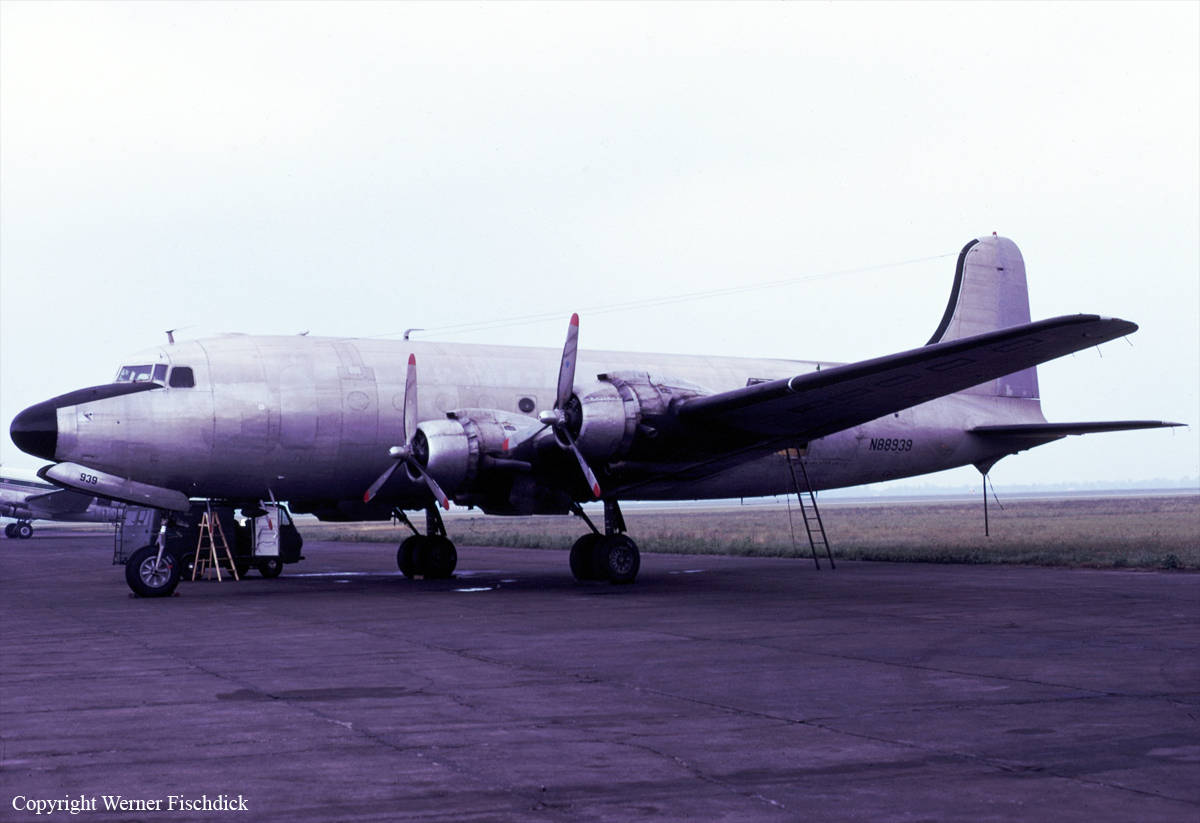
On final approach to Cockburn Harbour Airport runway 29, the four engine struck the ground and crashed, bursting into flames. There were no casualties.

Crash of a Rockwell Gulfstream 695 Jetprop 980 in Paderborn-Lippstadt: 1 killed

Date & Time: Jan 31, 1985
Operator:
Registration:
D-IBAR
Flight Phase:
Flight Type:
Survivors:
No
MSN:
695-95054
YOM:
1980
Country:
Region:
Crew on board:
1
Crew fatalities:
Pax on board:
0
Pax fatalities:
Other fatalities:
Total fatalities:
1
Circumstances:
After takeoff from Paderborn-Lippstadt Airport, while climbing, the twin engine aircraft crashed in a field located near Steinhausen, some 5 km southwest of the airfield. The pilot, sole on board, was killed.