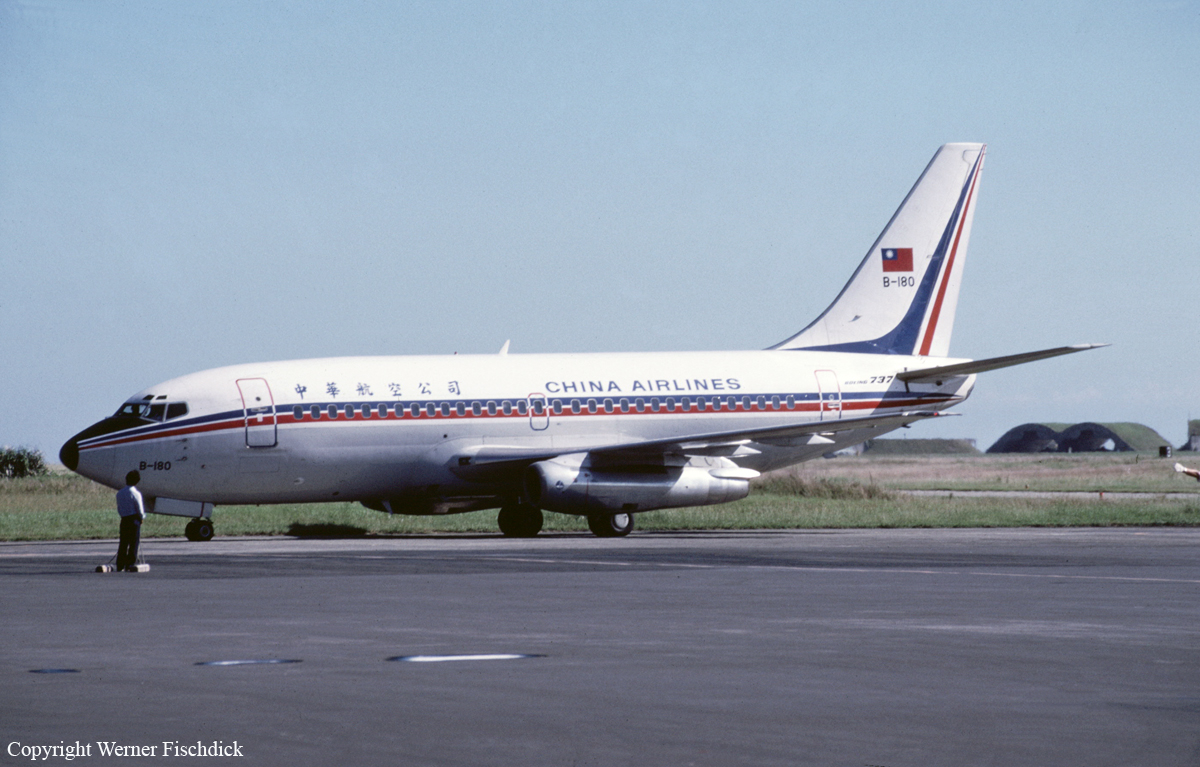
Crash of a Boeing 737-209 in Hualien: 54 killed

Date & Time: Oct 26, 1989 at 1855 LT
Type of aircraft:
Operator:
Registration:
B-180
Flight Phase:
Survivors:
No
Site:
Schedule:
Hualien - Taipei
MSN:
23795
YOM:
1986
Flight number:
CI204
Country:
Region:
Crew on board:
7
Crew fatalities:
Pax on board:
47
Pax fatalities:
Other fatalities:
Total fatalities:
54
Circumstances:
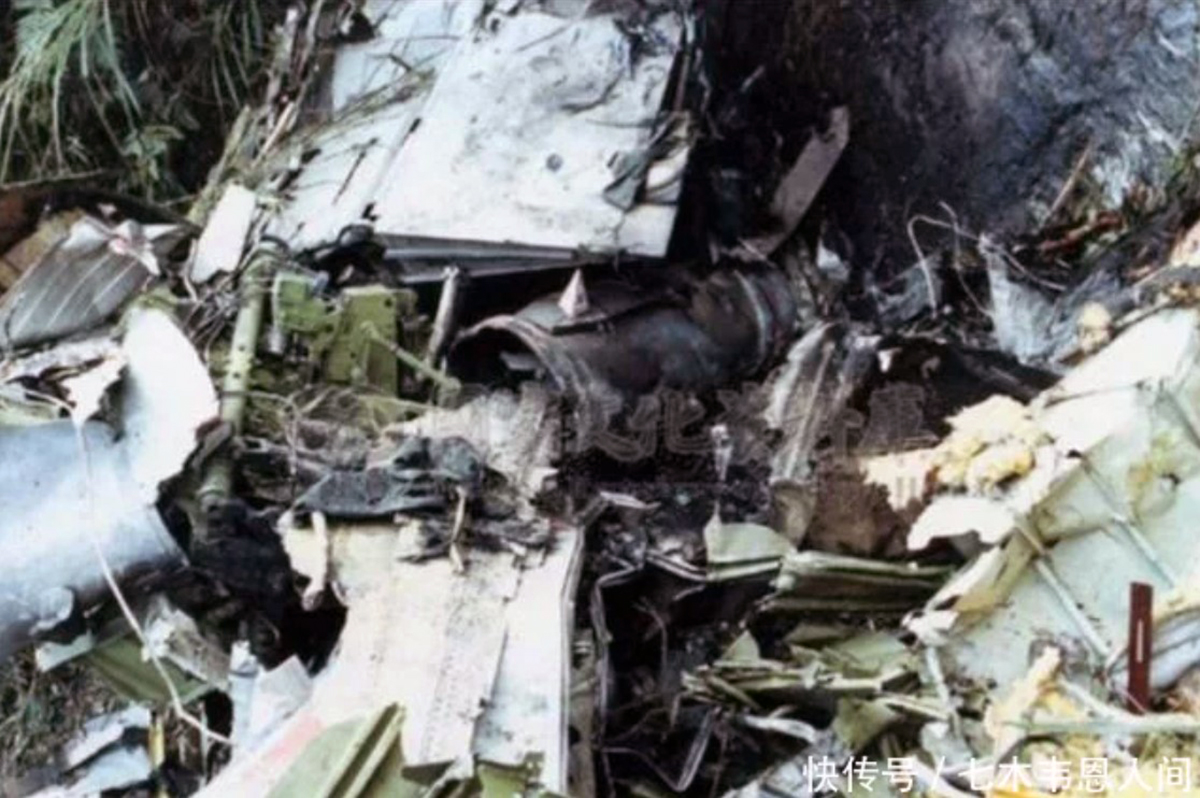
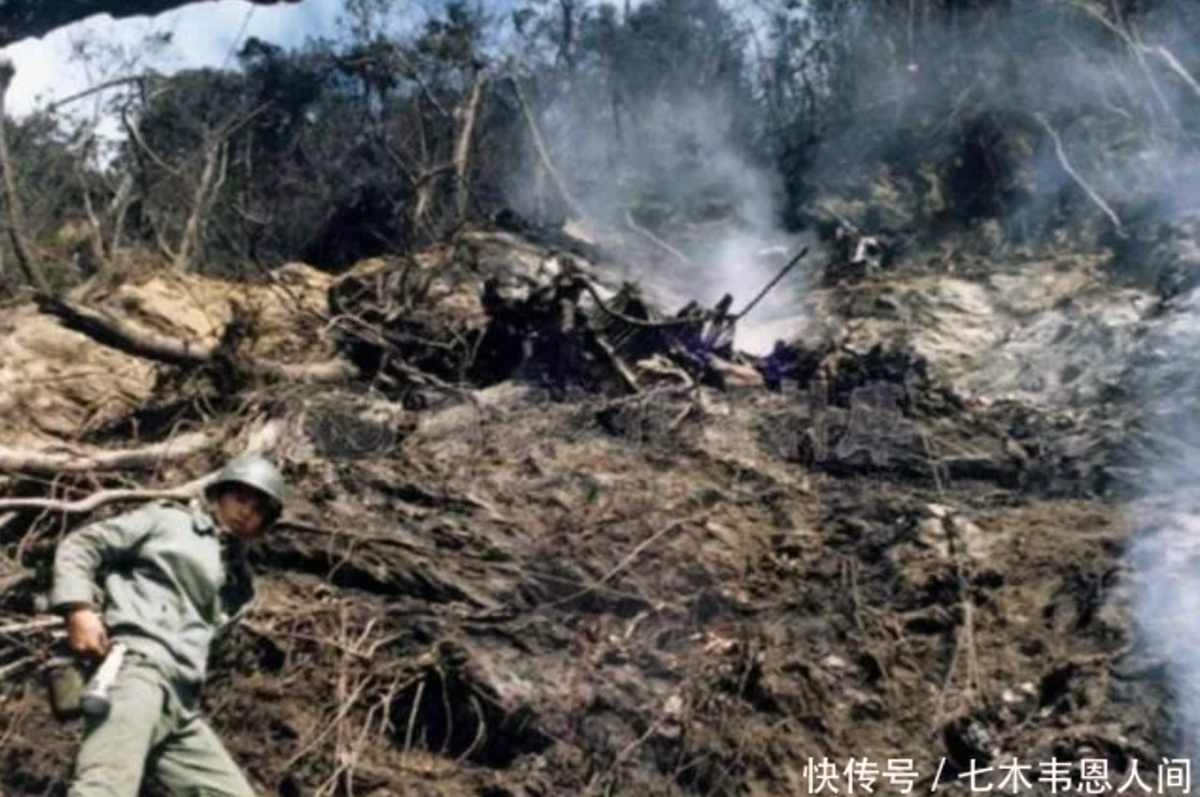
Following a night takeoff from runway 03 at Hualien Airport, while climbing, the crew initiated a turn to the left when, at an altitude of 7,000 feet, the aircraft struck the slope of a mountain located in the Chiashan Mountain Range located about 10 km northwest of the airport. The aircraft disintegrated on impact and all 54 occupants were killed.
Probable cause:
It was determined that the collision with the ground was the consequence of a controlled flight into terrain after the crew failed to follow the proper departure route and published procedure.
The following contributing factors were reported:
- Poor flight preparation,
- The crew failed to follow the departure route from runway 03 and initiated a turn to the left, a procedure valid for runway 21 departure onl. After takeoff from runway 03, crew must turn to the right over the sea,
- Poor crew coordination,
- The crew failed to follow the pre-takeoff checklist,
- Poor visibility due to the night.
Crash of an Antonov AN-26 near Petropavlovsk: 37 killed

Date & Time: Oct 26, 1989
Type of aircraft:
Operator:
Registration:
09
Flight Type:
Survivors:
No
Site:
Country:
Region:
Crew on board:
6
Crew fatalities:
Pax on board:
31
Pax fatalities:
Other fatalities:
Total fatalities:
37
Circumstances:
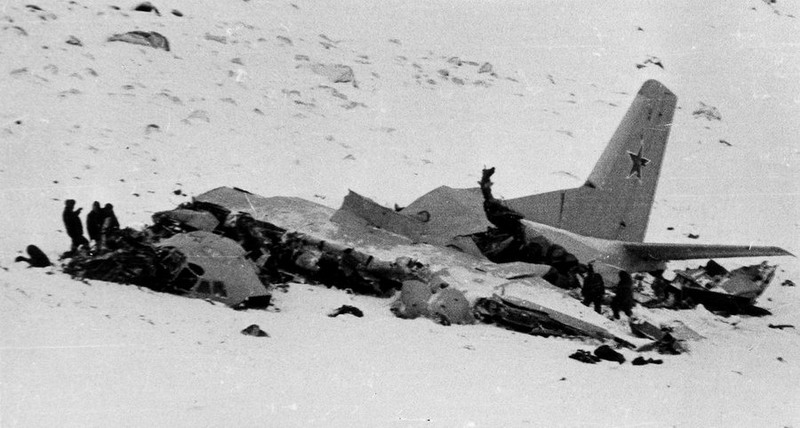
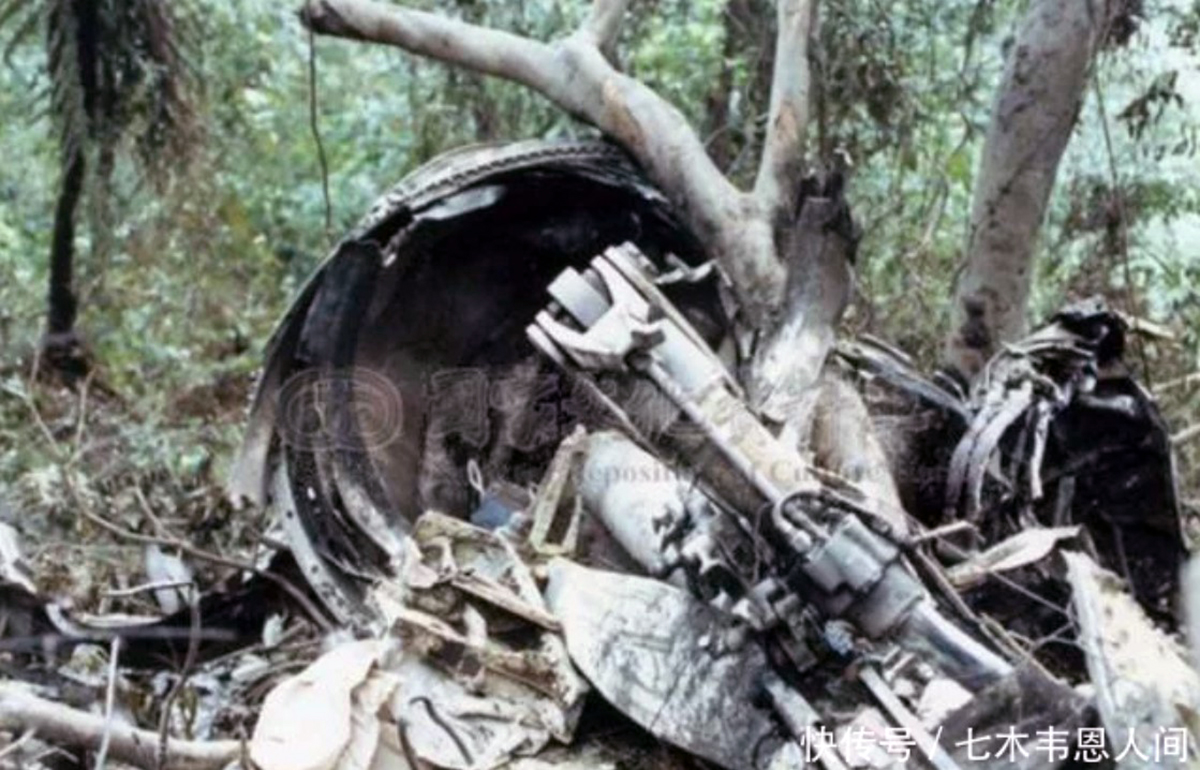
The approach to Petropavlovsk-Kamchatsky-Khalaktyrka Airport was initiated in poor weather conditions. In limited visibility due to rain falls, the crew failed to realize his altitude was insufficient when, at a height of 1,500 meters, the aircraft struck the slope of a snow covered mountain (2,310 meters high) located 35 km from the airport. The aircraft was destroyed by impact forces and all 37 occupants were killed.
Probable cause:
The accident was the consequence of a controlled flight into terrain after the crew decided to complete the approach under VFR mode in IMC conditions.

Crash of an Ilyushin II-76TD in Leninakan: 15 killed

Date & Time: Oct 20, 1989 at 0232 LT
Type of aircraft:
Operator:
Registration:
CCCP-76466
Flight Type:
Survivors:
No
Site:
Schedule:
Ulyanovsk - Leninakan
MSN:
00234 40153
YOM:
1982
Country:
Region:
Crew on board:
10
Crew fatalities:
Pax on board:
5
Pax fatalities:
Other fatalities:
Total fatalities:
15
Aircraft flight hours:
2053
Aircraft flight cycles:
2193
Circumstances:
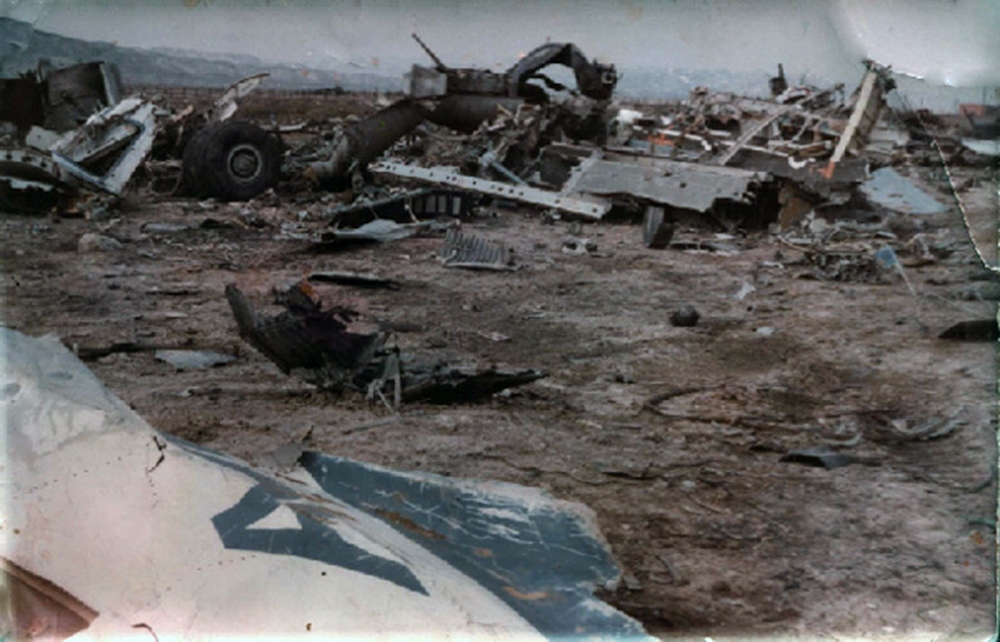
The four engine aircraft departed Ulyanovsk on a cargo flight to Leninakan, carrying 5 passengers, 10 crew members and a load of 37,2 tons of construction materials and tools. The crew was cleared to descend to 3,300 meters then ATC transmitted the airport pressure being 637 mm Hg. The crew misunderstood this pressure value and the altimeters were mistakenly set at 736 mm Hg. This caused a gap of 1,100 meters and the aircraft continued the approach with a vertical speed of 10 meters per seconds. After passing below the glide in limited visibility due to the night, while at an altitude of 270 meters, the GPWS alarm sounded. The flight engineer realized the mistake and informed the captain 19 seconds after the first alarm sounded. For unknown reasons, the pilot failed to initiate any corrective action and 10 seconds later, the aircraft struck the mountain at a speed of 440 km/h and disintegrated on impact. All 15 occupants were killed.
Probable cause:
The accident was the consequence of the following factors:
- Wrong altimeter setting on part of the crew with a value of 736 mm Hg pressure instead of the actual 637 mm Hg, causing the aircraft to descend below MDA,
- Failure to use the radio altimeters, which deprived the crew of additional information about their descent below MDA,
- Failure of the crew to respond to the recommendation by the flight engineer to climb and to initiate appropriate corrective actions,
- This was the instructor captain's first flight into Leninakan and the student pilot's (in the right hand seat) first flight on an Il-76,
- Poor crew resource management,
- Lack of crew training regarding the actions to be taken in case of a GPWS warning.

Crash of a Britten-Norman BN-2A-3 Islander near Antakya: 5 killed

Date & Time: Oct 20, 1989
Type of aircraft:
Operator:
Registration:
TC-KUN
Flight Phase:
Flight Type:
Survivors:
No
Schedule:
Adana - Adana
MSN:
272
YOM:
1971
Country:
Region:
Crew on board:
1
Crew fatalities:
Pax on board:
4
Pax fatalities:
Other fatalities:
Total fatalities:
5
Circumstances:
The twin engine aircraft departed Adana on a special mission over the Hatay province consisting of the mapping of a forest area located along the border with Syria. While cruising about 20 km from the border, overt the Turkish territory, the aircraft was shot down by the pilot of a Syrian Air Force MiG-21 fighter. Out of control, the aircraft entered a dive and crashed near Antakya. All five occupants were killed.
Probable cause:
Shot down by the pilot of a Syrian Air Force MiG-21 fighter.

Crash of an Ilyushin II-76MD off Nasosny AFB: 57 killed

Date & Time: Oct 18, 1989
Type of aircraft:
Operator:
Registration:
CCCP-76569
Flight Type:
Survivors:
No
Schedule:
Nasosny AFB - Zhovtneve AFB
MSN:
00334 48421
YOM:
1983
Country:
Region:
Crew on board:
7
Crew fatalities:
Pax on board:
50
Pax fatalities:
Other fatalities:
Total fatalities:
57
Circumstances:
Five minutes after takeoff from Nasosny AFB, the engine n°1 suffered an uncontained failure. The crew elected to return when the engine caught fire and detached few minutes later. The left wing caught fire as well and on short final, it detached. Out of control, the aircraft crashed in the Caspian Sea about 5,250 meters short of runway 18 threshold and 500 meters offshore. The aircraft was totally destroyed and all 57 occupants were killed. The passengers were paratroopers returning to their base in Zhovtneve (near Bolgrad, Ukraine) after being dispatched in Baku to maintain order following a popular uprising.
Probable cause:
Failure and fire of the engine n°1 following a intershaft bearing failure.

Crash of a PZL-Mielec AN-2TP in Pripolyarnyy

Date & Time: Oct 16, 1989
Type of aircraft:
Operator:
Registration:
CCCP-01438
Flight Phase:
Survivors:
Yes
MSN:
1G231-18
YOM:
1988
Country:
Region:
Crew on board:
0
Crew fatalities:
Pax on board:
0
Pax fatalities:
Other fatalities:
Total fatalities:
0
Circumstances:
En route, the engine caught fire and the crew attempted an emergency landing when the aircraft crashed in an open field. There were no casualties.
Probable cause:
The engine caught fire in flight after the exhaust pipe failed in icing conditions.

Crash of a PZL-Mielec AN-2R in Ufa

Date & Time: Oct 14, 1989
Type of aircraft:
Operator:
Registration:
CCCP-02699
Survivors:
Yes
MSN:
1G124-05
YOM:
1971
Country:
Region:
Crew on board:
0
Crew fatalities:
Pax on board:
0
Pax fatalities:
Other fatalities:
Total fatalities:
0
Circumstances:
After landing, the single engine aircraft struck an obstacle and was damaged beyond repair. There were no casualties.

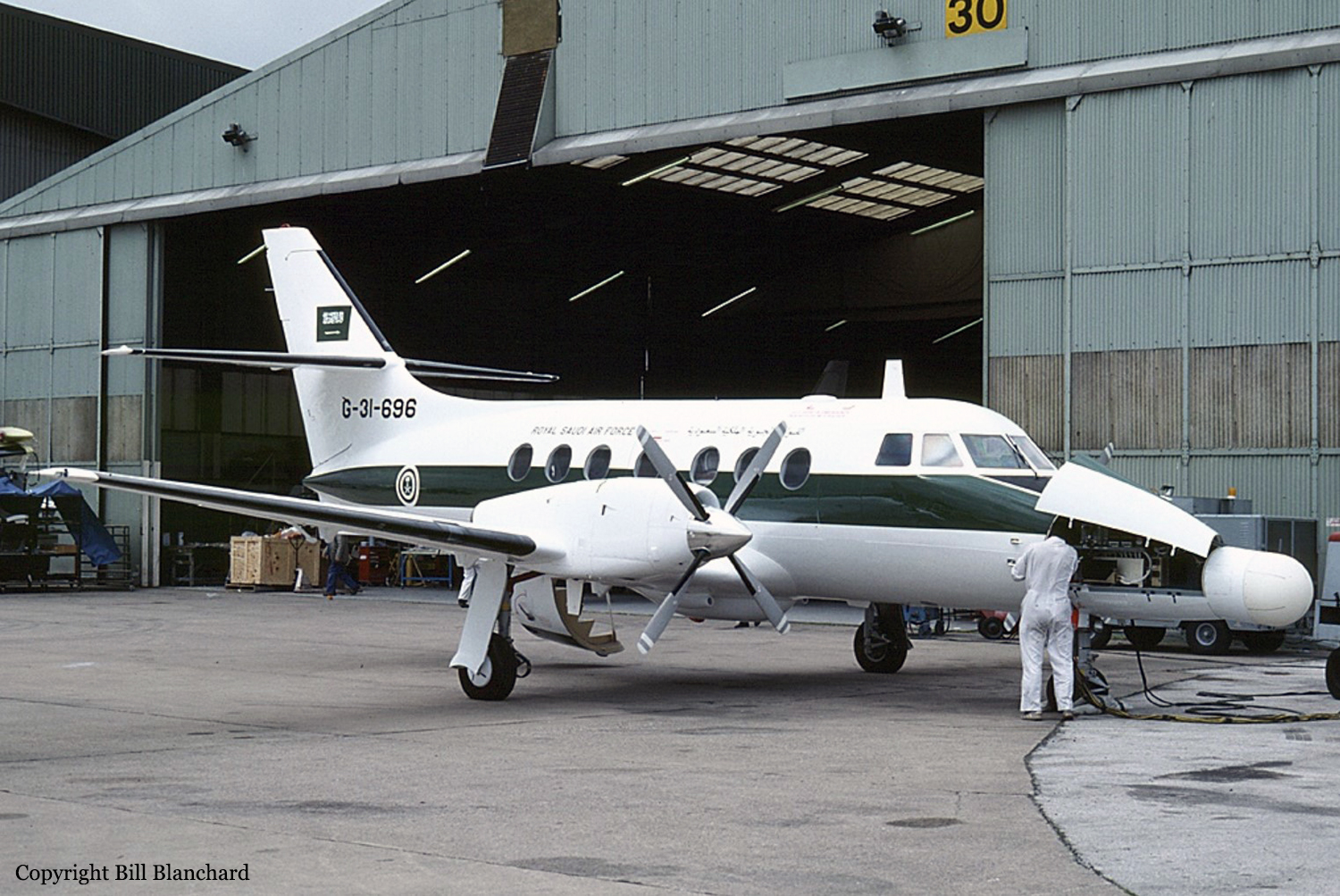
Crash of a BAe Jetstream 31 in Dhahran: 5 killed

Date & Time: Oct 14, 1989
Type of aircraft:
Operator:
Registration:
2102
Flight Type:
Survivors:
No
MSN:
696
YOM:
1986
Country:
Region:
Crew on board:
2
Crew fatalities:
Pax on board:
3
Pax fatalities:
Other fatalities:
Total fatalities:
5
Circumstances:
On final approach to Dhahran Airport, the twin engine aircraft lost height and crashed on the top of a hill located few km from the airfield. The aircraft was destroyed and all five occupants were killed.
Probable cause:
The assumption that the loss of control was the consequence of an engine failure was not ruled out.

Ground collision with an Antonov AN-12BP in Kirovabad: 4 killed

Date & Time: Oct 12, 1989
Type of aircraft:
Operator:
Registration:
CCCP-11229
Flight Phase:
Flight Type:
Survivors:
No
MSN:
4 3 420 06
YOM:
1964
Country:
Region:
Crew on board:
7
Crew fatalities:
Pax on board:
0
Pax fatalities:
Other fatalities:
Total fatalities:
4
Circumstances:
While parked at Kirovograd Airport, the aircraft was prepared by the crew for a military/cargo mission. By night, the crew of a Soviet Air Force Sukhoi SU-24 mistakenly initiated a takeoff maneuver from the taxiway when he collided with the parked AN-12. An explosion occurred and both aircraft were destroyed. Four crew members on board the AN-12 were killed as well as one pilot of the Sukhoi and two soldiers on the ground.
Probable cause:
Ground collision with a Sukhoi Su-24 after its crew mistakenly took off from the taxiway.

Crash of an Antonov AN-24RV in Stepnogorsk

Date & Time: Oct 4, 1989
Type of aircraft:
Operator:
Registration:
CCCP-46525
Survivors:
Yes
Schedule:
Tselinograd – Stepnogorsk
MSN:
47310004
YOM:
1974
Country:
Region:
Crew on board:
4
Crew fatalities:
Pax on board:
48
Pax fatalities:
Other fatalities:
Total fatalities:
0
Aircraft flight hours:
27444
Aircraft flight cycles:
22767
Circumstances:
Following an uneventful flight from Tselinograd, the crew started the approach to the Stepnogorsk Airfield equipped with a grassy runway of 1,305 meters long. After a wrong approach configuration, the pilot-in-command was too high over the threshold and the approach speed was excessive (240 km/h iso the requested 210-220 km/h). This caused the aircraft to land too far down the runway, about 893 meters past the runway threshold. The crew started the braking procedure about 300 meters before the end of the runway so the aircraft was unable to stop within the remaining distance. It overran at a speed of 88 km/h and struck a 1,2 meter high concrete pillar that was part of the perimeter fence and came to rest. Despite the accident and the fact that the airplane was severely damaged, the captain decided to roll to the main apron so he added engine power when the aircraft hit obstacles, ditches and holes in the ground. Propellers broke away and the captain stopped the aircraft. All 52 occupants evacuated safely but the aircraft was written off.
Probable cause:
Wrong approach configuration on part of the crew who continued the final approach too high and at an excessive speed, causing the aircraft to land too far down a short runway. The crew failed to initiate a go-around procedure, which was considered as a contributory factor.