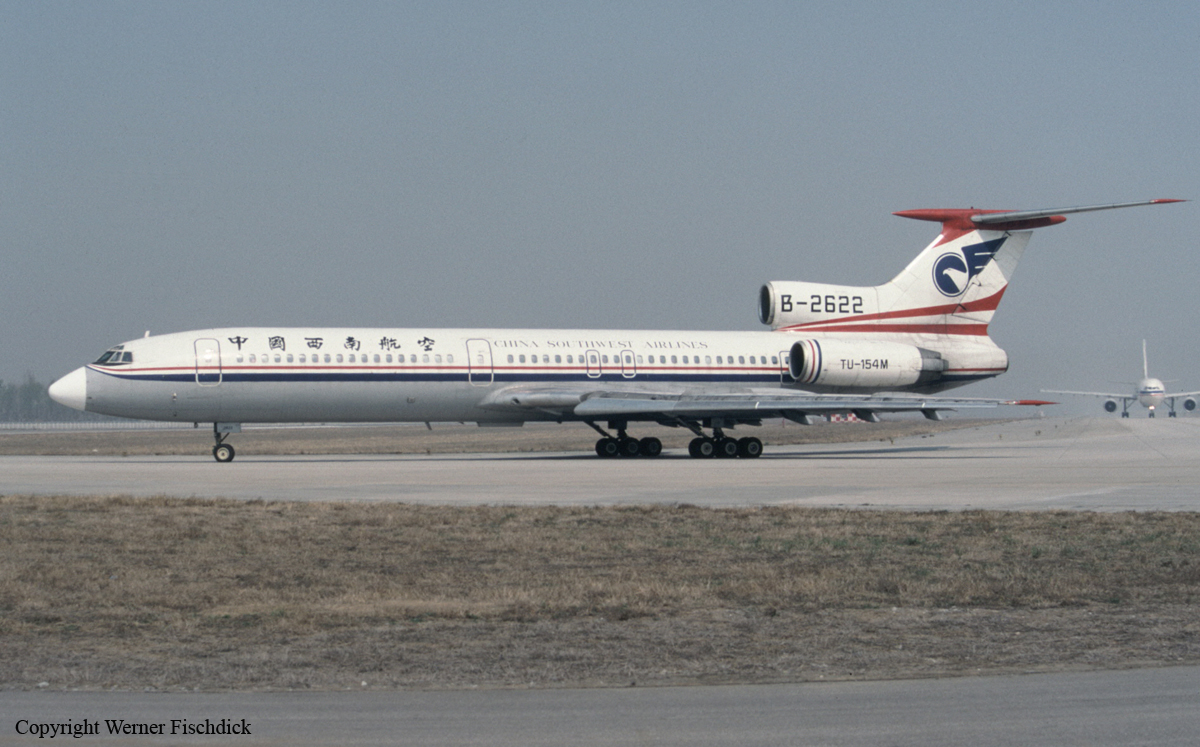
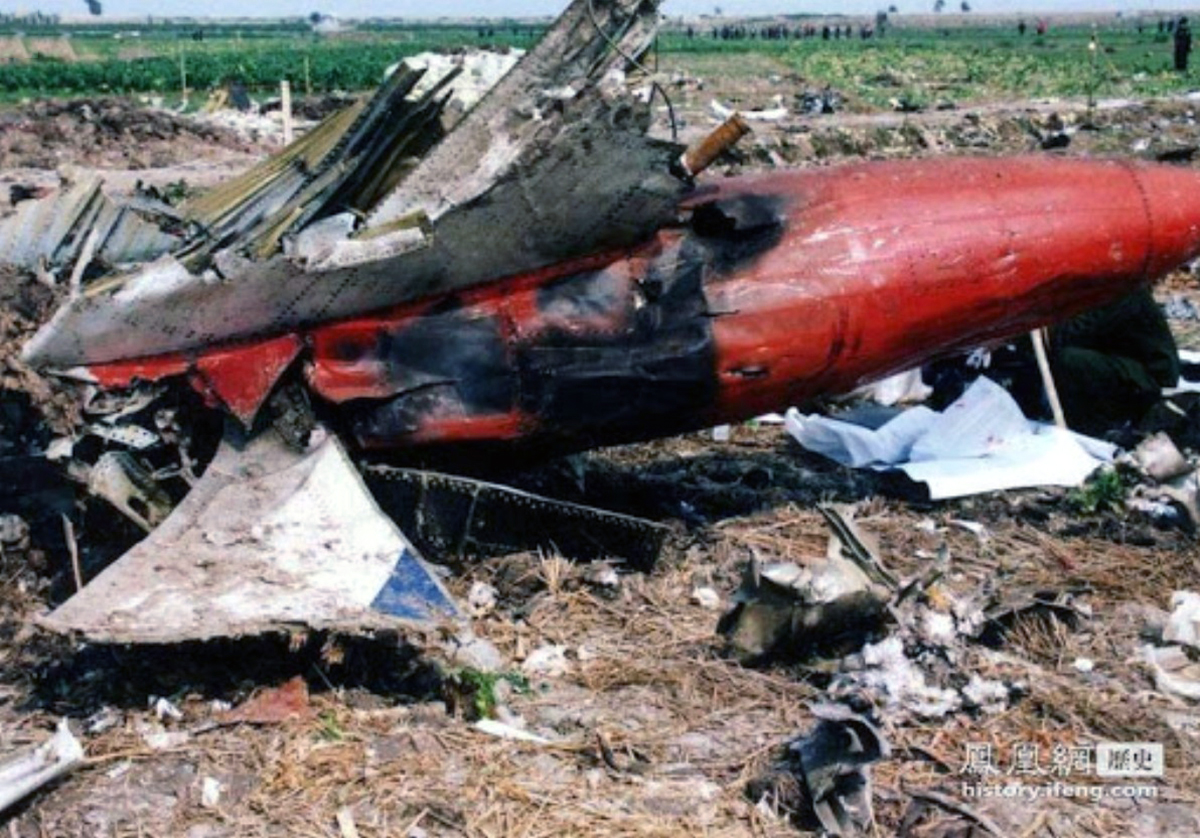
Crash of a Tupolev TU-154M in Wenzhou: 61 killed

Date & Time: Feb 24, 1999 at 1634 LT
Type of aircraft:
Operator:
Registration:
B-2622
Survivors:
No
Schedule:
Chengdu - Wenzhou
MSN:
90A846
YOM:
1990
Flight number:
SZ4509
Country:
Region:
Crew on board:
11
Crew fatalities:
Pax on board:
50
Pax fatalities:
Other fatalities:
Total fatalities:
61
Aircraft flight hours:
14135
Aircraft flight cycles:
7748
Circumstances:
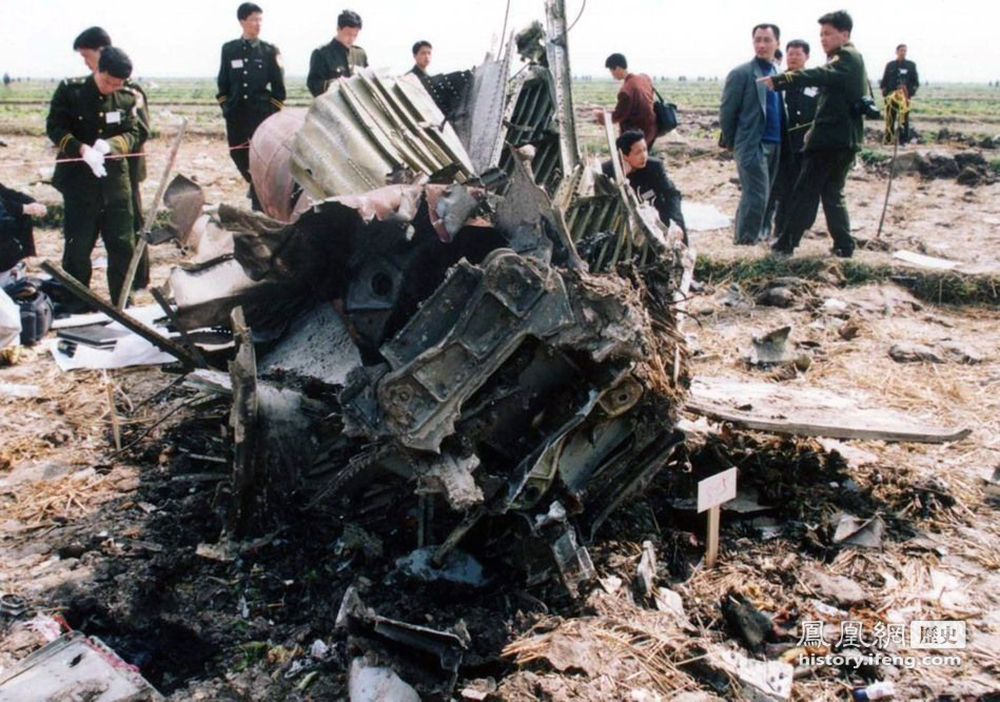
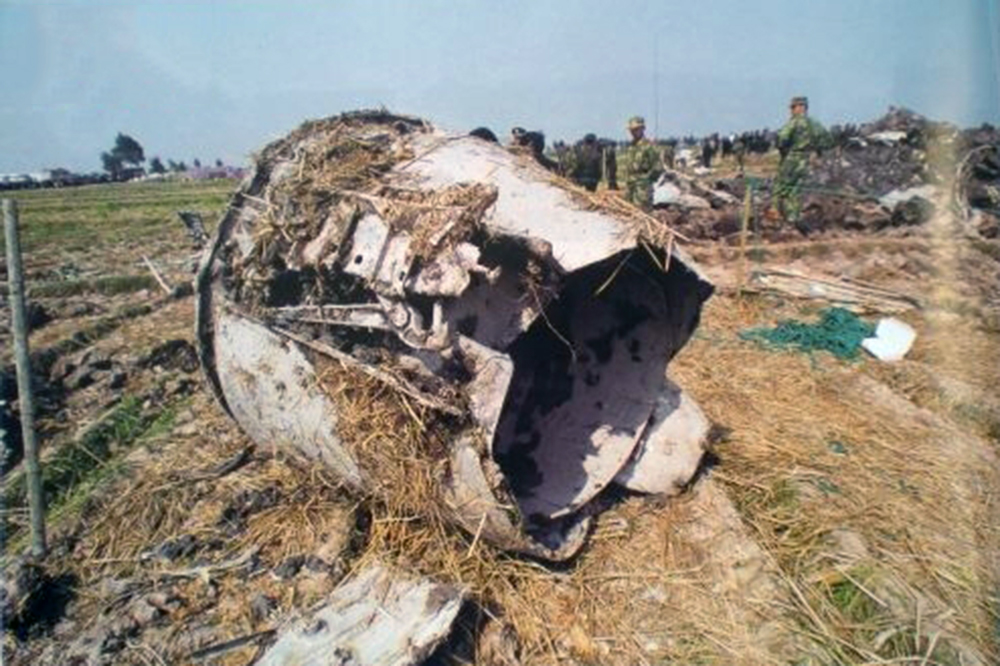
Following an uneventful flight from Chengdu, the crew was cleared to descend to Wenzhou Airport. While passing 9,000 metres on descent, the crew encountered technical difficulties with the control column that was too far forward. At 1629LT, the crew was cleared to descend from 1,200 to 700 metres when the aircraft entered a nose-down attitude. Flaps were selected down (first stage) when the AOA alarm sounded in the cockpit. The aircraft entered an uncontrolled descent and crashed in an open field. It disintegrated on impact and all 61 occupants were killed. Several farmers were injured by debris.
Probable cause:
A self-locking nut, other than castle nut with cotter pin as specified, had been installed at the bolt for connection between pull rod and bellcranck in the elevator control system. The nut screwed off, resulting in bolt loss, which led to the loss of pitch control.
Crash of a Technoavia SM-92 Turbo Finist in Droskovo: 4 killed

Date & Time: Feb 13, 1999
Operator:
Registration:
RA-44483
Flight Phase:
Flight Type:
Survivors:
No
Schedule:
Smolensk - Voronezh
MSN:
00-002
YOM:
1994
Country:
Region:
Crew on board:
1
Crew fatalities:
Pax on board:
3
Pax fatalities:
Other fatalities:
Total fatalities:
4
Circumstances:
While flying in poor weather conditions, the single engine aircraft went out of control and crashed near Droskovo en route from Smolensk to Voronezh. All four occupants were killed.
Probable cause:
Icing suspected.

Ground collision of a Douglas DC-9-32 in Moscow

Date & Time: Feb 8, 1999 at 2018 LT
Type of aircraft:
Operator:
Registration:
MM62013
Flight Phase:
Flight Type:
Survivors:
Yes
MSN:
47600
YOM:
1974
Country:
Region:
Crew on board:
0
Crew fatalities:
Pax on board:
0
Pax fatalities:
Other fatalities:
Total fatalities:
0
Circumstances:
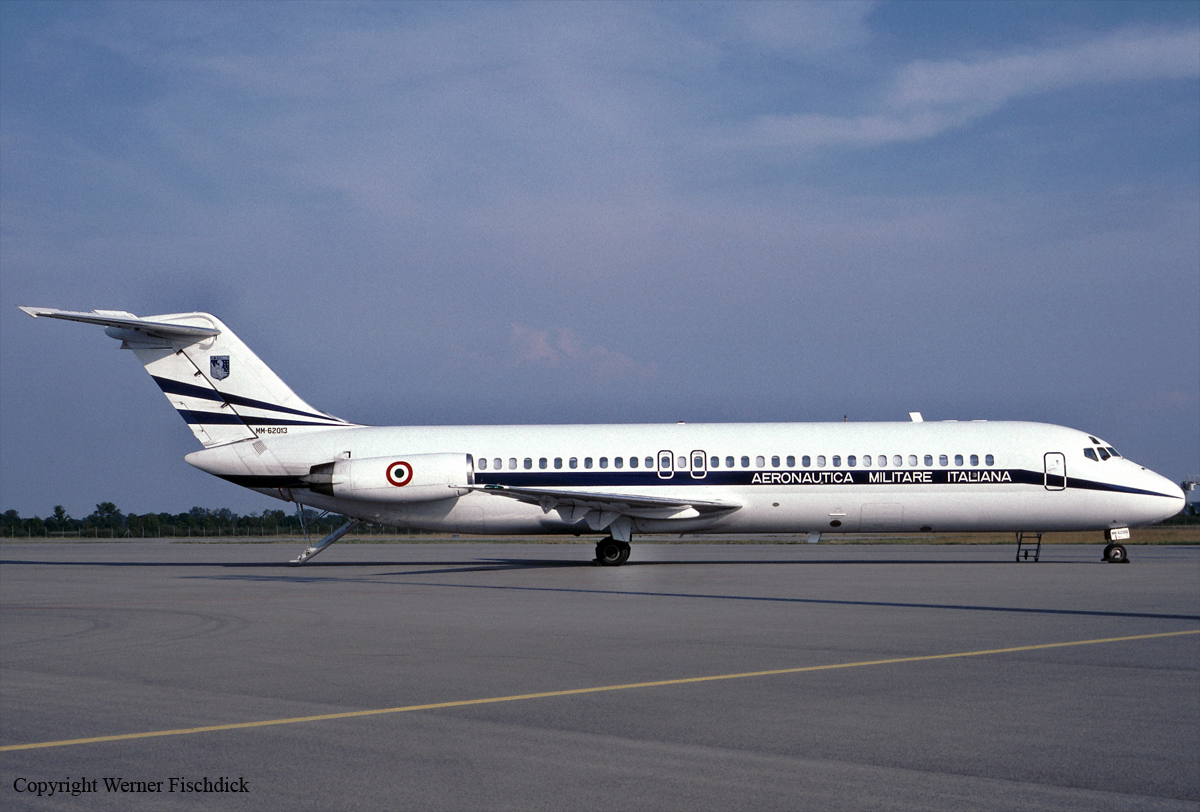
While parked at Vnukovo Airport, the aircraft was hit by a Rossiya Ilyushin II-96 that was taxiing to its position. The II-96 just landed at Vnukovo Airport following an official flight from Amman, carrying a delegation of the Russian Government who took part to the funerals of the King Hussein of Jordan. While taxiing by night on a snow covered taxiway, the II-96 hit with its right wing the tail of the DC-9 that was parked 28 metres to the right of the taxiway. While the II-96 was slightly damaged, the DC-9 was damaged beyond repair. There were no injuries. The DC-9 was scheduled to leave Moscow in few hours on an official flight to Rome, carrying the Italian Prime Minister Massimo D'Alema who made an official visit in Moscow.

Crash of a Cessna 208A Caravan I in Jumla: 5 killed

Date & Time: Jan 17, 1999 at 1630 LT
Type of aircraft:
Operator:
Registration:
9N-ADA
Flight Phase:
Survivors:
Yes
Schedule:
Jumla - Nepalgunj
MSN:
208-0235
YOM:
1993
Location:
Country:
Region:
Crew on board:
2
Crew fatalities:
Pax on board:
10
Pax fatalities:
Other fatalities:
Total fatalities:
5
Circumstances:
After takeoff from Jumla Airport, en route to Nepalgunj, the single engine aircraft climbed to a height of 450 feet when it rolled to the left, entered an uncontrolled descent and crashed in a field near the airport. One pilot and four passengers were killed while seven other occupants were injured.
Probable cause:
The following findings were identified:
- The crew failed to follow the pre-takeoff checklist,
- The takeoff procedure was initiated with the flaps retracted in the full up position,
- The pilot-in-command started the rotation at an insufficient speed,
- The aircraft stalled during initial climb and the distance between the aircraft and the ground was insufficient to expect recovery,
- Winds from 25-35 knots were gusting at the time of the accident.

Crash of a Hindustan Aeronautics HAL-748-219-2 at Arakkoram-Rajali NAS: 8 killed

Date & Time: Jan 11, 1999 at 1545 LT
Operator:
Registration:
H2175
Flight Type:
Survivors:
No
Schedule:
Arakkoram – Tambaram
MSN:
569
YOM:
1978
Country:
Region:
Crew on board:
4
Crew fatalities:
Pax on board:
4
Pax fatalities:
Other fatalities:
Total fatalities:
8
Circumstances:
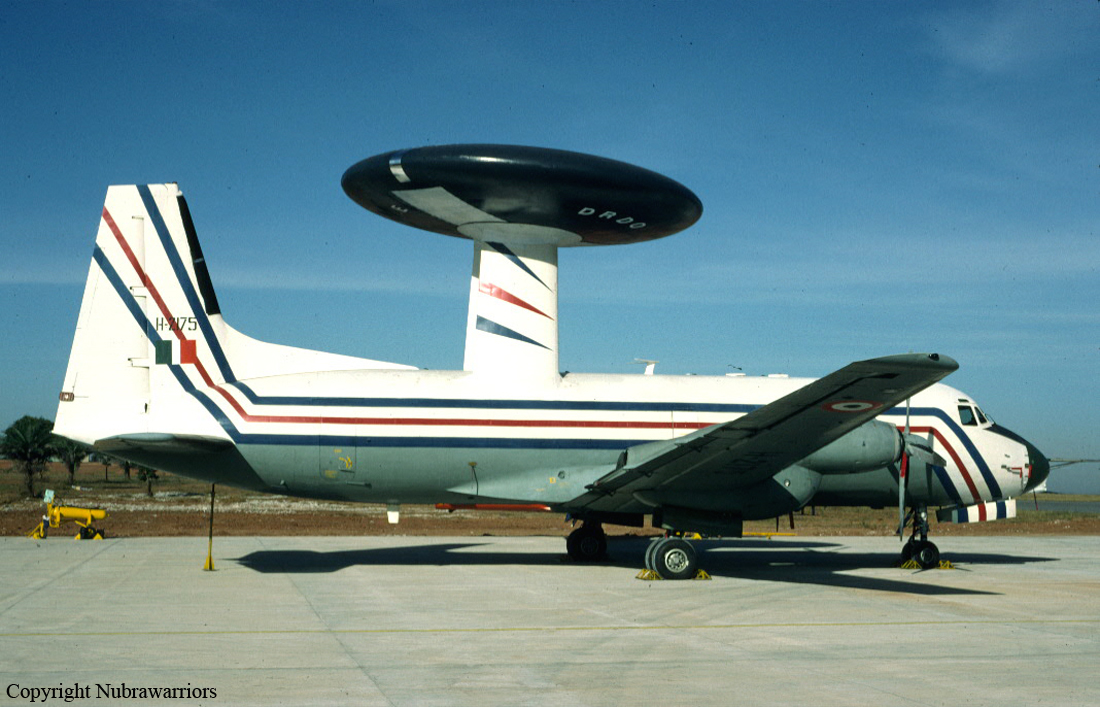
After takeoff from Arakkonam-Rajali NAS, en route to Tambaram AFB, the pilot contacted ATC and declared an emergency and reported major technical problems. He was cleared to return for an emergency landing. On final approach, the aircraft went out of control and crashed in a wooded area located 2,5 km short of runway. The aircraft was destroyed and all eight occupants were killed.
Probable cause:
It is believed that the crew lost control of the aircraft following the separation of the dome located on the top of the fuselage that was recovered about 500 metres from the main wreckage.

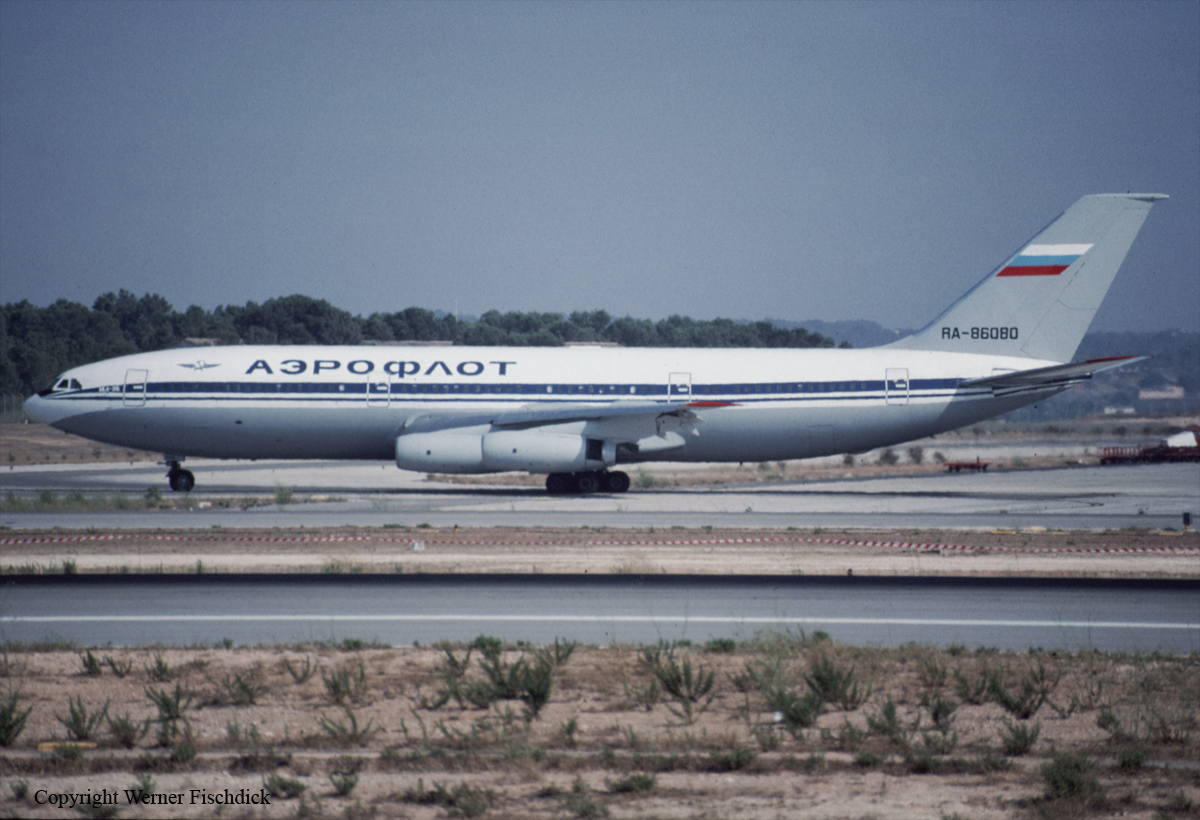
Crash of an Ilyushin II-86 in Moscow

Date & Time: Dec 31, 1998
Type of aircraft:
Operator:
Registration:
RA-86080
Survivors:
Yes
MSN:
51483206051
YOM:
1986
Country:
Region:
Crew on board:
0
Crew fatalities:
Pax on board:
0
Pax fatalities:
Other fatalities:
Total fatalities:
0
Circumstances:
The aircraft was withdrawn from use 2 July 1998 following a hard landing in Moscow. The mishap occurred prior to June 1998, exact date unknown. There were no casualties.

Crash of a PZL-Mielec AN-2TP in Ayan

Date & Time: Dec 20, 1998
Type of aircraft:
Registration:
RA-02482
Flight Phase:
Survivors:
Yes
Schedule:
Ayan - Nelkan
MSN:
1G119-25
YOM:
1970
Country:
Region:
Crew on board:
2
Crew fatalities:
Pax on board:
9
Pax fatalities:
Other fatalities:
Total fatalities:
0
Circumstances:
Following a poor flight preparation, the crew chose the wrong runway according to the wind component and elected to takeoff with a tailwind, and moreover with the flaps retracted. The captain started the takeoff roll from an intersection instead using all the runway length, causing the takeoff distance to be 660 metres. After a course of about 190 metres, the aircraft deviated to the right, veered off runway and came into soft ground. The crew continued to roll on a distance of 95 metres when the tail gear (tail ski) was torn off while contacting a 40 cm high earth mound. The aircraft continued, overran and came to rest 30 metres past the runway end. All 11 occupants escaped uninjured while the aircraft was damaged beyond repair.
Probable cause:
Poor flight preparation on part of the crew who neglected several published procedures. It was determined that the pilot was intoxicated at the time of the accident.

Crash of an Airbus A310-204 in Surat Thani: 101 killed

Date & Time: Dec 11, 1998 at 1910 LT
Type of aircraft:
Operator:
Registration:
HS-TIA
Survivors:
Yes
Schedule:
Bangkok - Surat Thani
MSN:
415
YOM:
1988
Flight number:
TG261
Country:
Region:
Crew on board:
14
Crew fatalities:
Pax on board:
132
Pax fatalities:
Other fatalities:
Total fatalities:
101
Aircraft flight hours:
23028
Aircraft flight cycles:
22031
Circumstances:
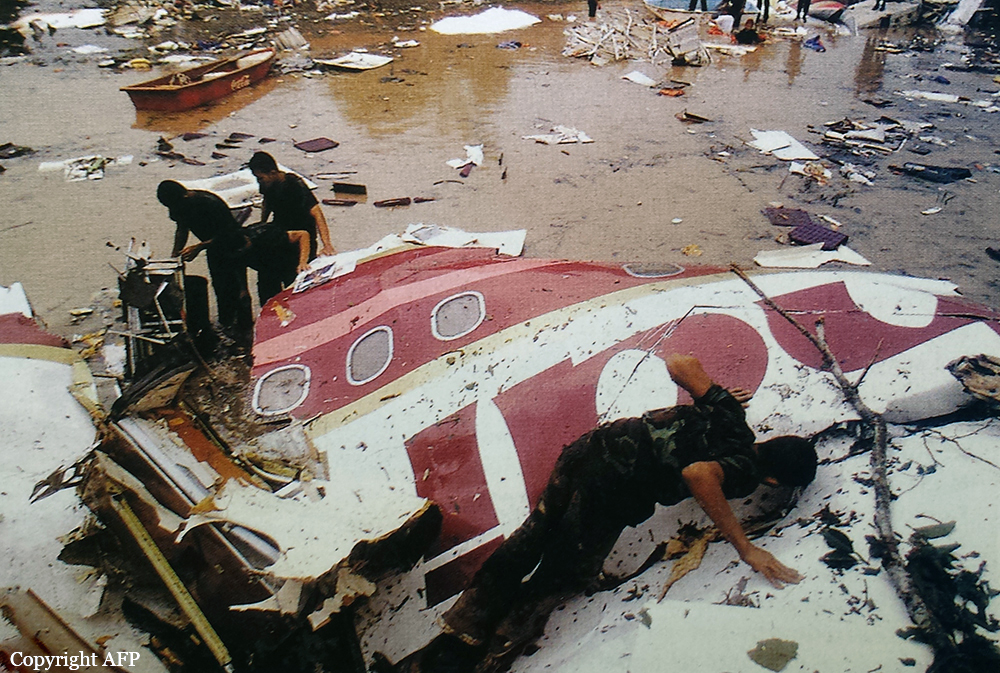
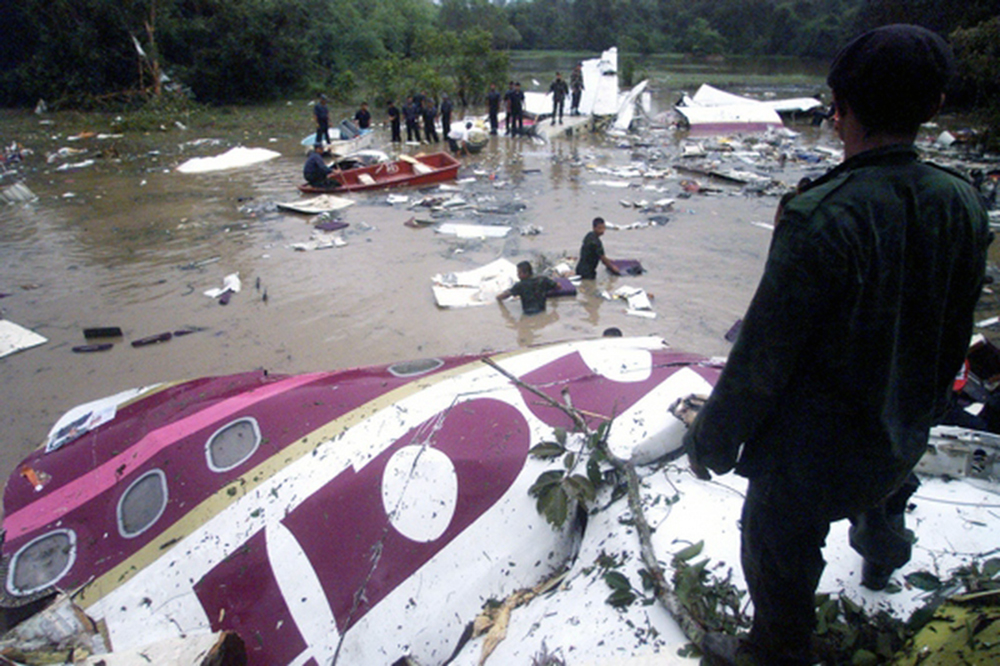
Thai Airways International flight 261, an Airbus A310, left Bangkok-Don Mueang International Airport, Thailand at 17:54 hours local time for a domestic flight to Surat Thani. At 18:26 hours, the copilot first established contact with the Surat Thani approach controller while the aircraft was 70 nautical miles away from Surat Thani Airport. The controller radioed that the crew could expect a VOR/DME instrument approach to runway 22. At that time surface wind was calm with a visibility of 1500 meters, light rain and a cloud base of 1800 feet. At 18:39 hours the copilot contacted Surat Thani aerodrome controller and reported over the Intermediate Fix (IF). The controller informed him that the precision approach path indicators (PAPI) on the right side of runway 22 were unserviceable while the left lights were in use. At 18:41 hours, the copilot reported passing final approach fix (FAF). The controller informed the pilot that the aircraft was not in sight but it was cleared to land on runway 22. The surface wind was blowing from 310 degrees at a velocity of 5 knots so the pilots should be careful or the slippery runway. At 18:42 hours, the copilot reported that the runway was in sight and later on the controller also had the aircraft in sight. The pilot decided to go-around. The controller asked the pilot about the distance where the runway could be seen. The copilot reported that it could be seen at 3 nautical miles and requested for the second approach. The controller requested to report over FAF . When the copilot reported that the flight was over the FAF again, the controller cleared the flight to land although he again could not see the runway. When the flight crew failed to observe the runway lights, the captain decided to go around again. Again the controller instructed the flight to report over the FAF and reported that visibility had decreased to 1,000 meters in light rain. At 19:05, after reporting over the FAF, the flight was cleared to land on runway 22. The flight maintained the Minimum Descent Altitude (MDA) but the crew were unable to see the runway. The autopilot was disconnected and a little later the captain decided to go around. The pitch attitude increased continuously. The pitch attitude reached approximately 40°, when the pilot applied the elevator decreasing the pitch attitude to 32-33°. When he discontinued applying elevator the pitch increased to 47-48°. Consequently the speed decreased to 100 knots. The captain was not aware of the attitude due to stress and the expectation that the go around was flown exactly like the first two go-arounds. The airplane lost altitude until it impacted terrain to the left of the runway. 45 people survived and 101 others were killed, including 11 crew members.
Probable cause:
After careful consideration. the Aircraft Accident Investigation Committee of the Kingdom of Thailand ultimately came to the conclusion that the accident occurred because the aircraft entered into stall condition which might be caused by the followings:
1. The pilot attempted to approach the airport in lower than minimum visibility with rain.
2. The pilot could not maintain the VOR course as set forth in the approach chart. The aircraft flew left of VOR course on every approach.
3. The pilots suffered from the accumulation of stress and were not aware of the situation until the aircraft emerged into the upset condition.
4. The pilots had not been informed of the document concerning the wide-body airplane upset recovery provided by Airbus Industrie for using in pilot training.
5. The lighting system and approach chart did not facilitate the low visibility approach.
6. Stall warning and pitch trim systems might not fully function as described in the FCOM and AMM.

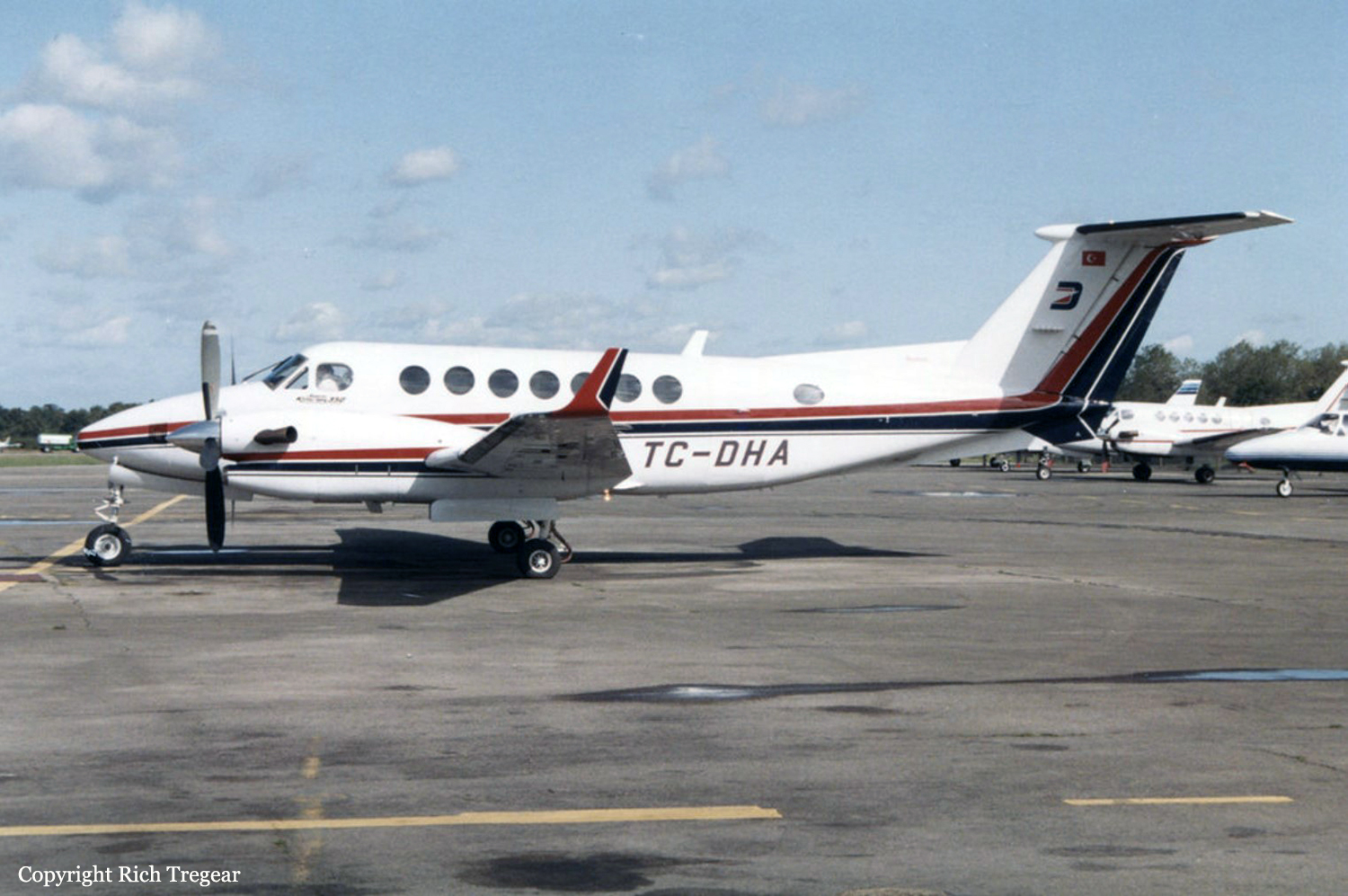
Crash of a Beechcraft 350 Super King Air in Istanbul: 2 killed

Date & Time: Dec 5, 1998 at 1210 LT
Operator:
Registration:
TC-DHA
Flight Type:
Survivors:
No
Schedule:
Istanbul - Antalya
MSN:
FL-37
YOM:
1991
Country:
Region:
Crew on board:
2
Crew fatalities:
Pax on board:
0
Pax fatalities:
Other fatalities:
Total fatalities:
2
Circumstances:
After takeoff from Istanbul-Atatürk Airport, on a positioning flight to Antalya, the crew reported technical problems and was cleared to return for an emergency landing. After touchdown, the twin engine aircraft went out of control, veered off runway and eventually collided with containers stored by the apron, bursting into flames. Both pilots were killed.

Crash of a Pilatus PC-6/B2-H4 Turbo Porter in Namche Bazar: 1 killed

Date & Time: Nov 19, 1998 at 1538 LT
Operator:
Registration:
9N-ABK
Flight Type:
Survivors:
No
Site:
Schedule:
Kathmandu - Namche Bazar
MSN:
755
YOM:
1975
Country:
Region:
Crew on board:
1
Crew fatalities:
Pax on board:
0
Pax fatalities:
Other fatalities:
Total fatalities:
1
Aircraft flight hours:
5762
Circumstances:
The pilot, sole on board, departed Kathmandu-Tribhuvan Airport on a positioning flight to Namche Bazar to pick up passengers. During the pre-flight briefing, he was informed about the good weather conditions along the route and at destination. But en route, these conditions deteriorated and upon arrival, clouds were present up to 3,600 metres. He made several circuits expecting weather improvement. Few minutes later, he saw a hole in the clouds and initiated a descent when the aircraft struck the slope of Mt Kongri Himal located 3 km north of the airfield. The aircraft was destroyed and the pilot was killed.
Probable cause:
Controlled flight into terrain.