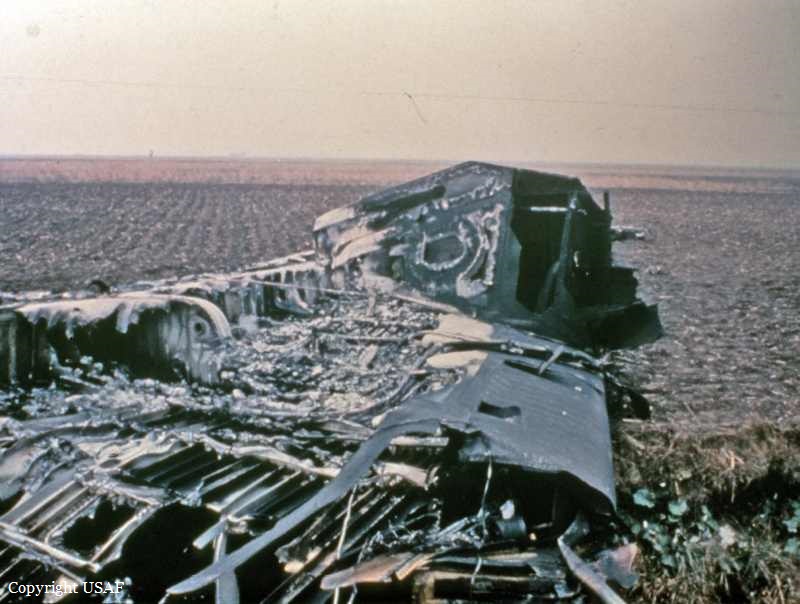
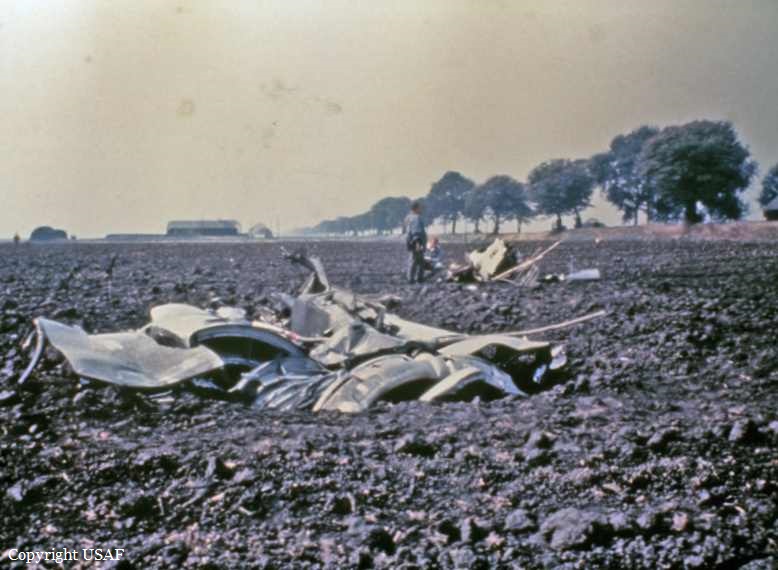
Crash of a Boeing KC-135A-BN Stratotanker near Alpena: 15 killed

Date & Time: Sep 26, 1976 at 0830 LT
Type of aircraft:
Operator:
Registration:
61-0296
Flight Phase:
Flight Type:
Survivors:
Yes
Schedule:
Kenneth Ingalls Sawyer - Oscoda-Wurtsmith
MSN:
18203/518
YOM:
1962
Location:
Crew on board:
5
Crew fatalities:
Pax on board:
15
Pax fatalities:
Other fatalities:
Total fatalities:
15
Aircraft flight hours:
6109
Circumstances:
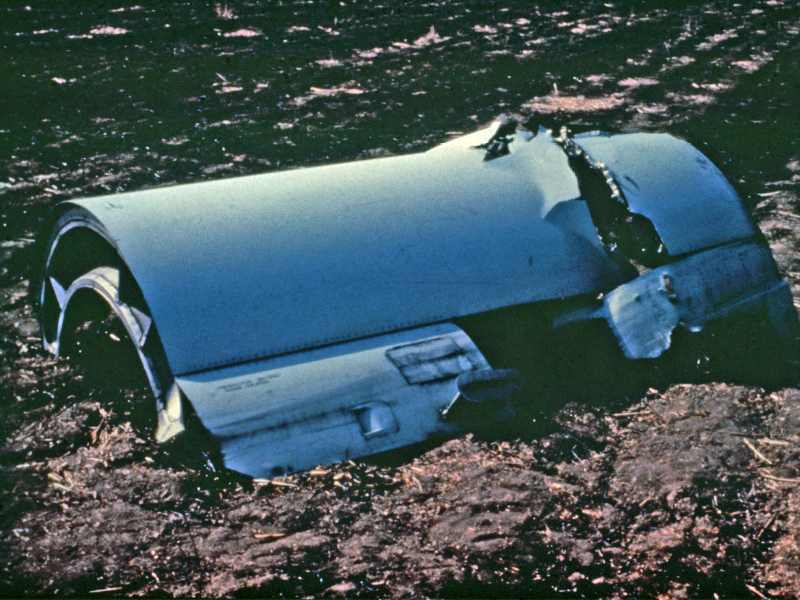
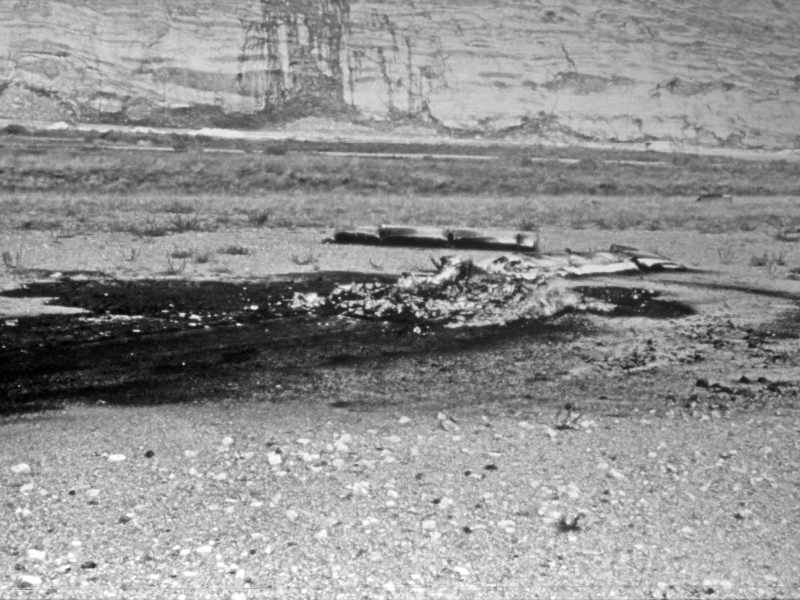
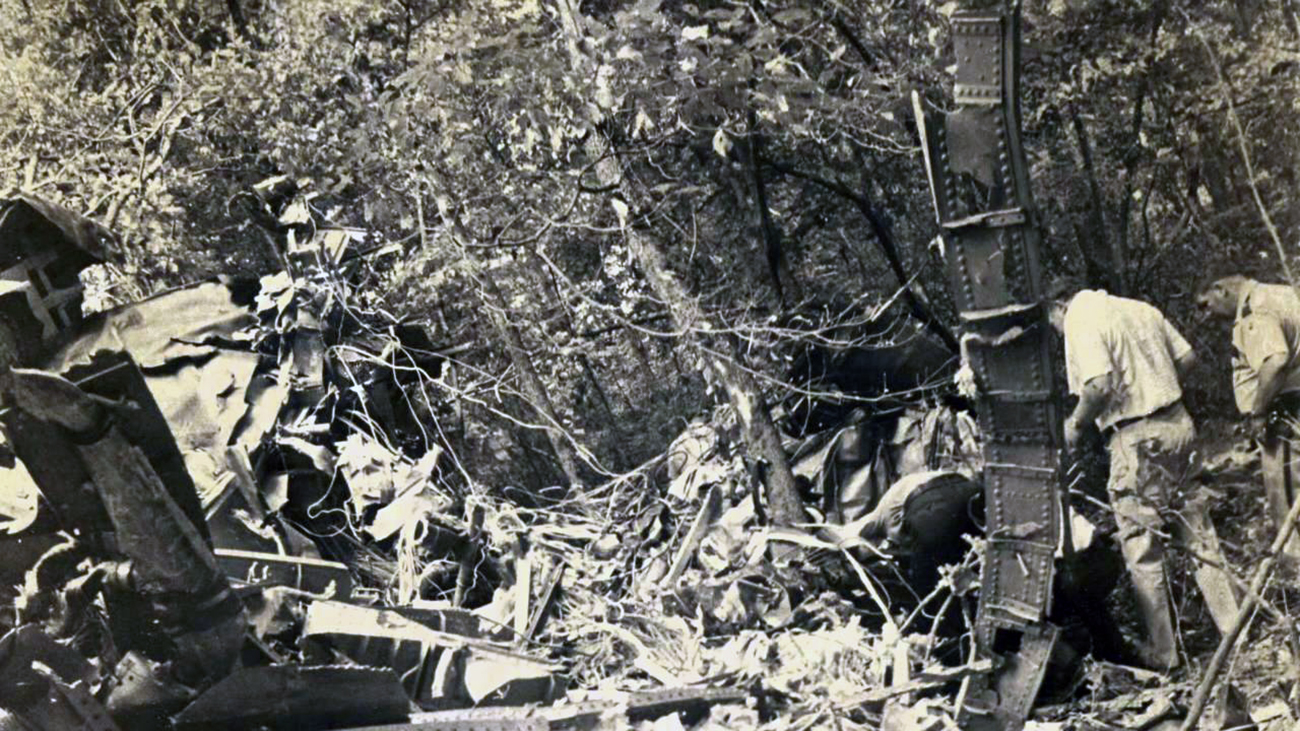
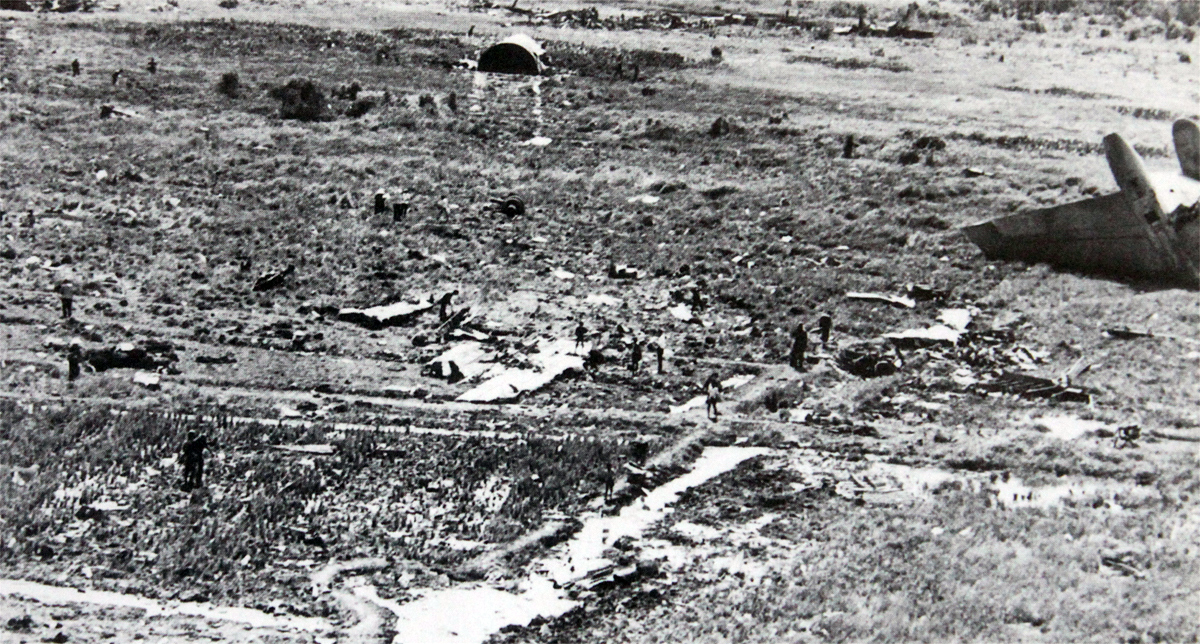
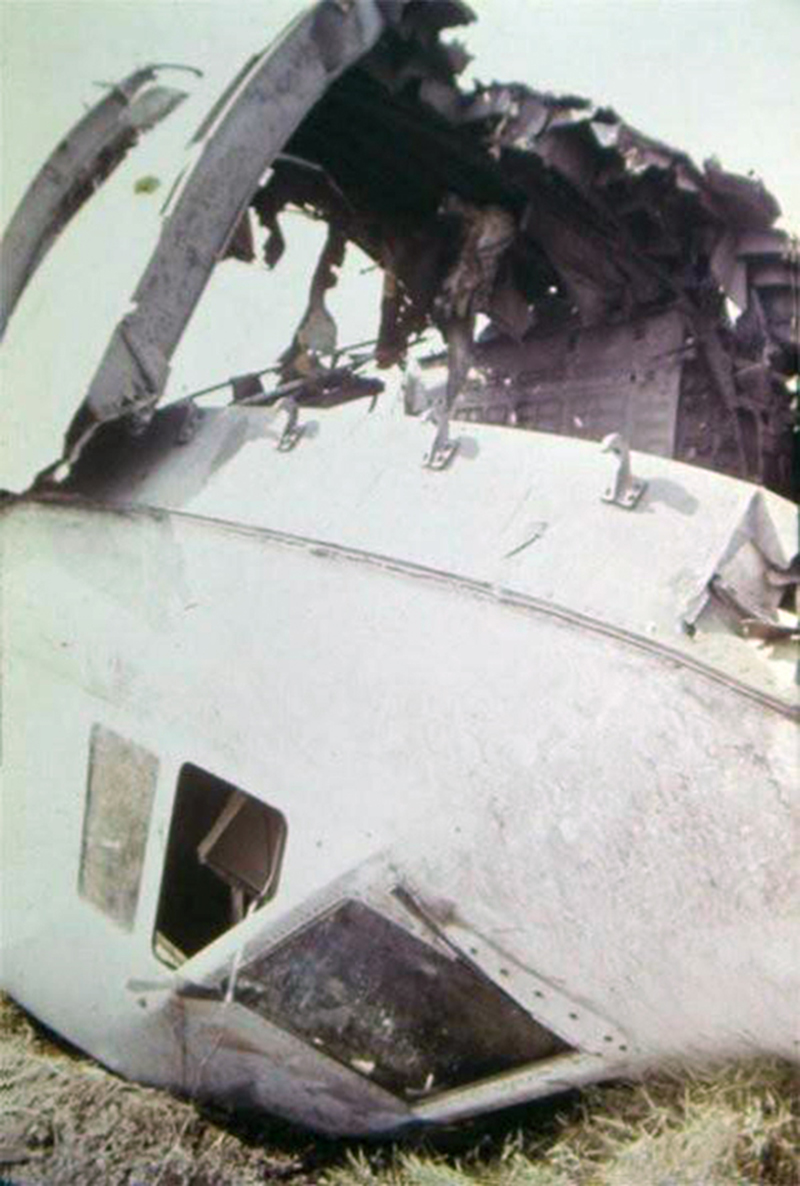
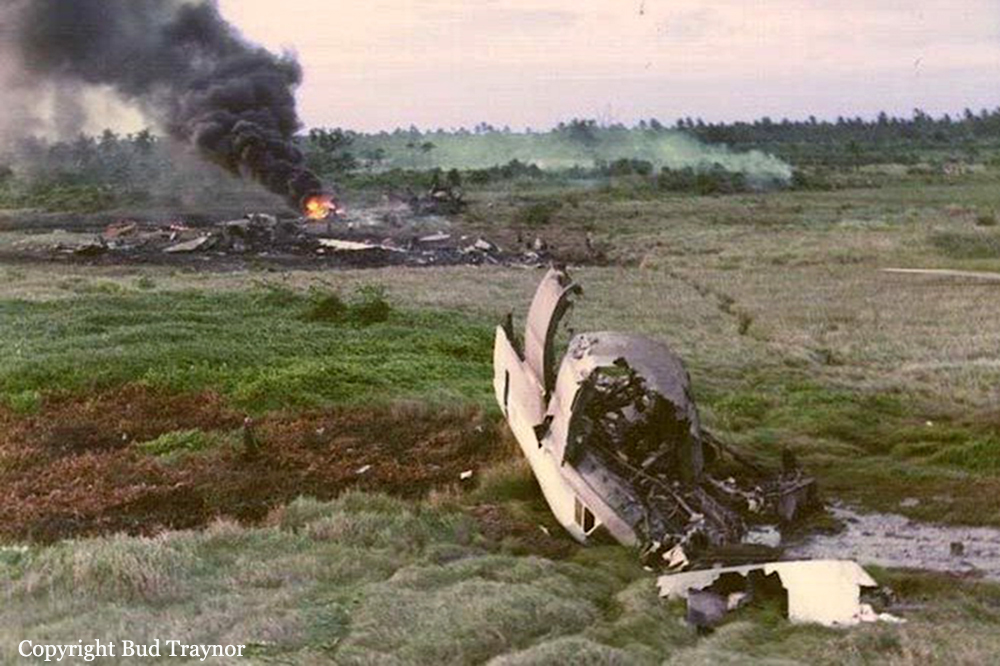
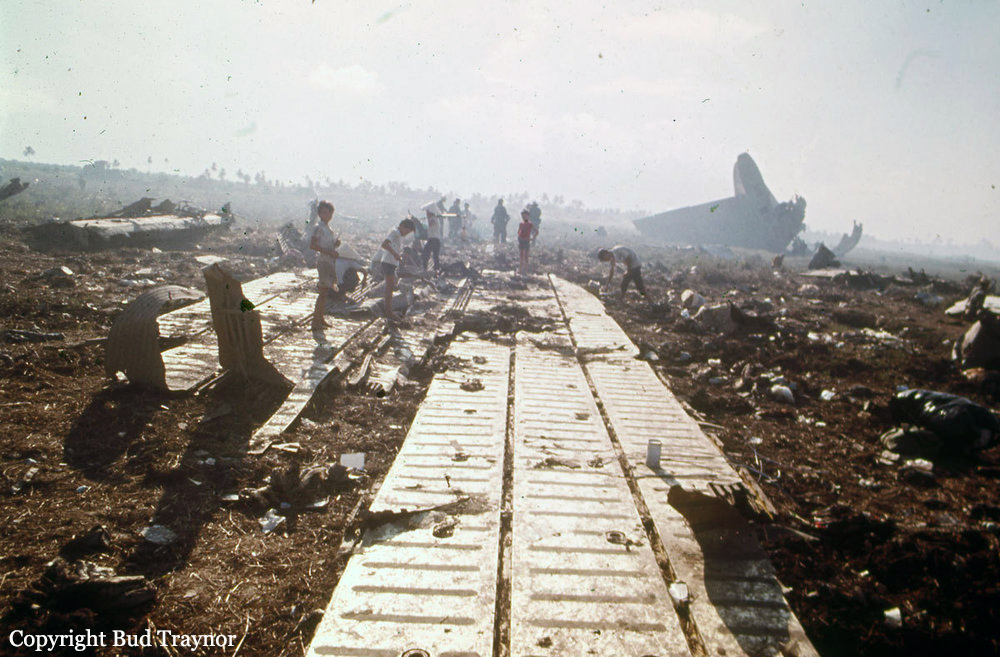
The four engine airplane departed Kenneth Ingalls Sawyer AFB in the early morning on a flight to Oscoda-Wurtsmith Airport. En route, the partially disintegrated in the air, entered a dive and crashed in a swampy area located 12,5 miles southwest of Alpena. 15 occupants were killed while five others were rescued.
Probable cause:
The exact cause of the accident could not be determined with certainty but the assumption that the aircraft partially disintegrated in the air following a possible cabin pressurization problem was not ruled out.
Crash of a Lockheed C-141A-LM Starlifter near Peterborough: 18 killed

Date & Time: Aug 28, 1976 at 1240 LT
Type of aircraft:
Operator:
Registration:
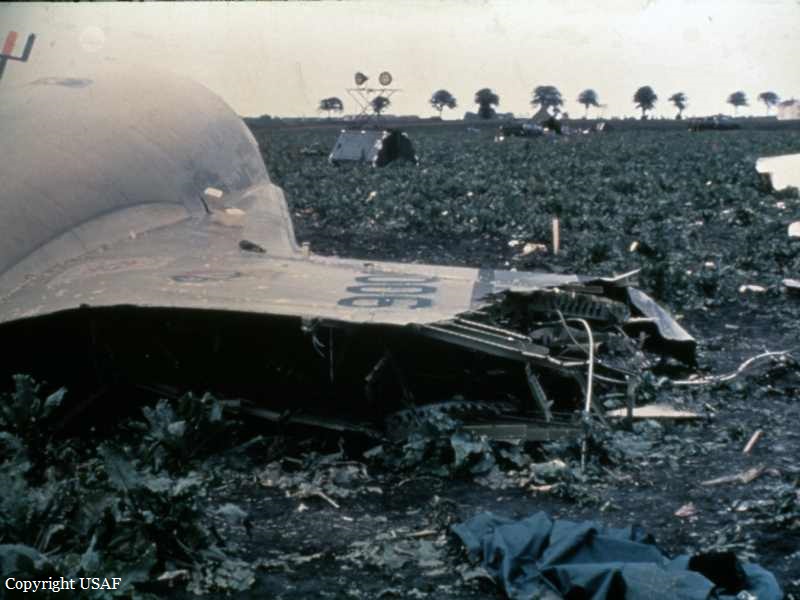
67-0006
Flight Phase:
Flight Type:
Survivors:
No
Schedule:
McGuire - Mildenhall - Torrejón
MSN:
300-6259
YOM:
1967
Region:
Crew on board:
4
Crew fatalities:
Pax on board:
14
Pax fatalities:
Other fatalities:
Total fatalities:
18
Aircraft flight hours:
14989
Circumstances:
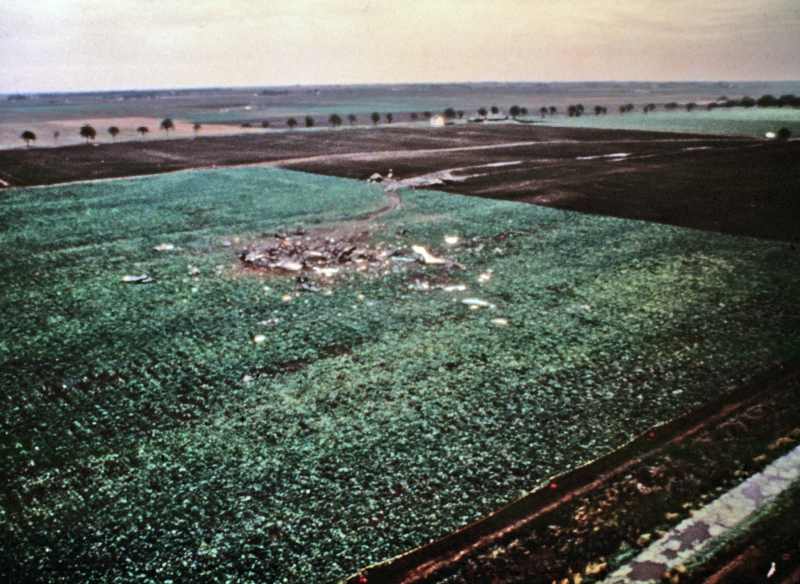
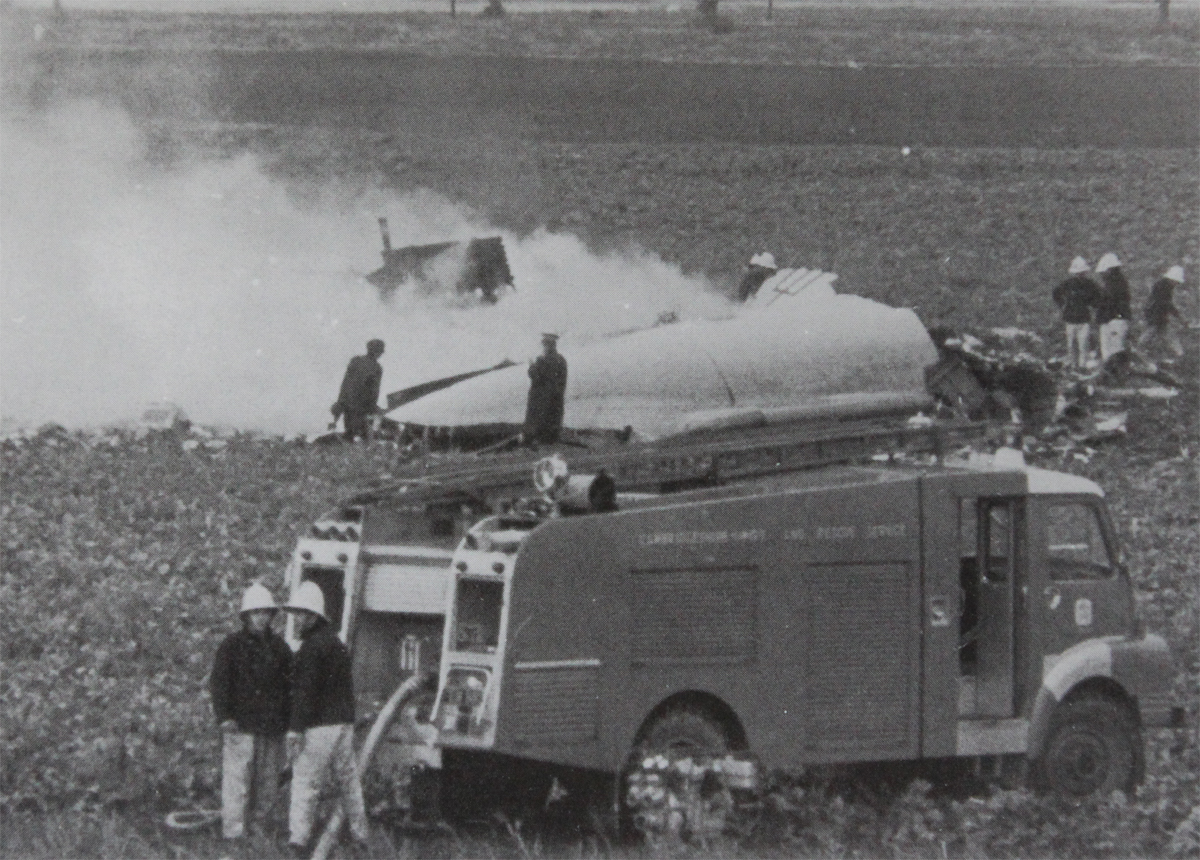
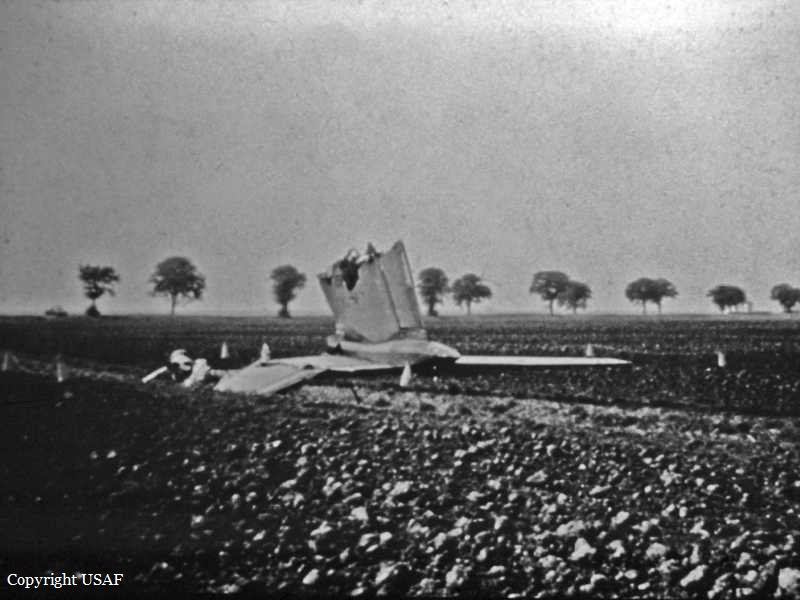
The Starlifter registered 67-0006 had a recent history of weather radar problems. It had been written up by crew members eight times previously. On the day of the accident the maintenance crewman, unaware of the previous problems, checked the radar. It seemed to be working, so it was signed off as "Ops Check Okay". Shortly after takeoff from McGuire AFB, the crew noticed that the radar was inoperative. Since severe weather was not forecast, they elected to continue to RAF Mildenhall, UK. Two hours after takeoff, British forecasters issued a SIGMET for "Moderate to occasional severe clear air turbulence from FL240 to FL400", but the crew never got this report. Four hours after takeoff the crew updates the weather forecast. They receive a weather forecast of "3/8 at 3000 feet, 4/8 at 4000 feet with an intermittent condition of wind 030/12 gusting 22, visibility five miles in thunderstorms, 2/8 at 2000 feet 5/8 at 2500 feet". The crew then attempted to get an update one hour from Mildenhall, but was unable to contact the base. Another station reported "4/8 Thunderstorms tops to FL260". During the enroute decent they entered the clouds. At FL150, they requested vectors around the weather. Because the primary radar was inoperative, the controller advised that he would have difficulty providing avoidance vectors. The aircraft then entered the leading edge of a very strong line of thunderstorm cells. One estimate indicated they encountered a 100 mph downward vertical airshaft. The right wing had failed, followed quickly by the upper half of the vertical stabilizer, and the four engines.
Source: C-141 Lifetime Mishap Summary / Lt. Col. Paul M. Hansen
Probable cause:
Loss of control due to severe atmospheric turbulences in thunderstorm activity.

Crash of a Lockheed C-141A-LM Starlifter in Søndre Strømfjord: 23 killed

Date & Time: Aug 28, 1976 at 1145 LT
Type of aircraft:
Operator:
Registration:
67-0008
Flight Type:
Survivors:
Yes
Schedule:
Thule - Söndreströmfjord
MSN:
300-6257
YOM:
1967
Country:
Region:
Crew on board:
8
Crew fatalities:
Pax on board:
19
Pax fatalities:
Other fatalities:
Total fatalities:
23
Aircraft flight hours:
15228
Circumstances:
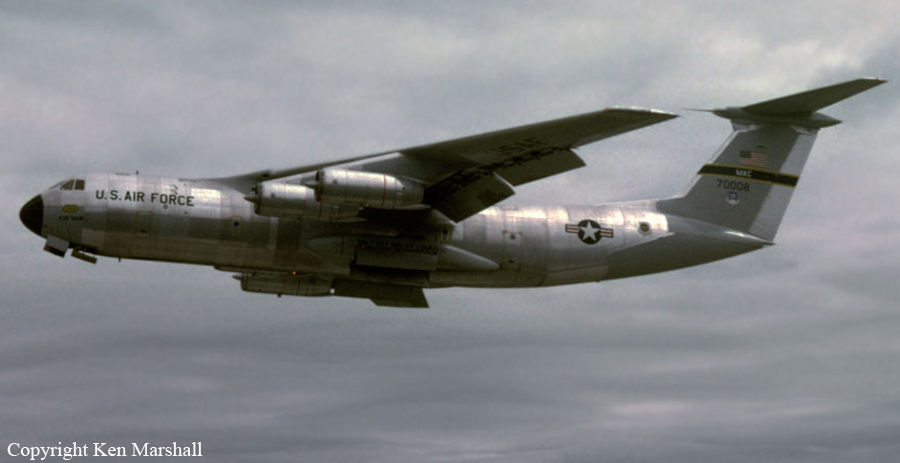
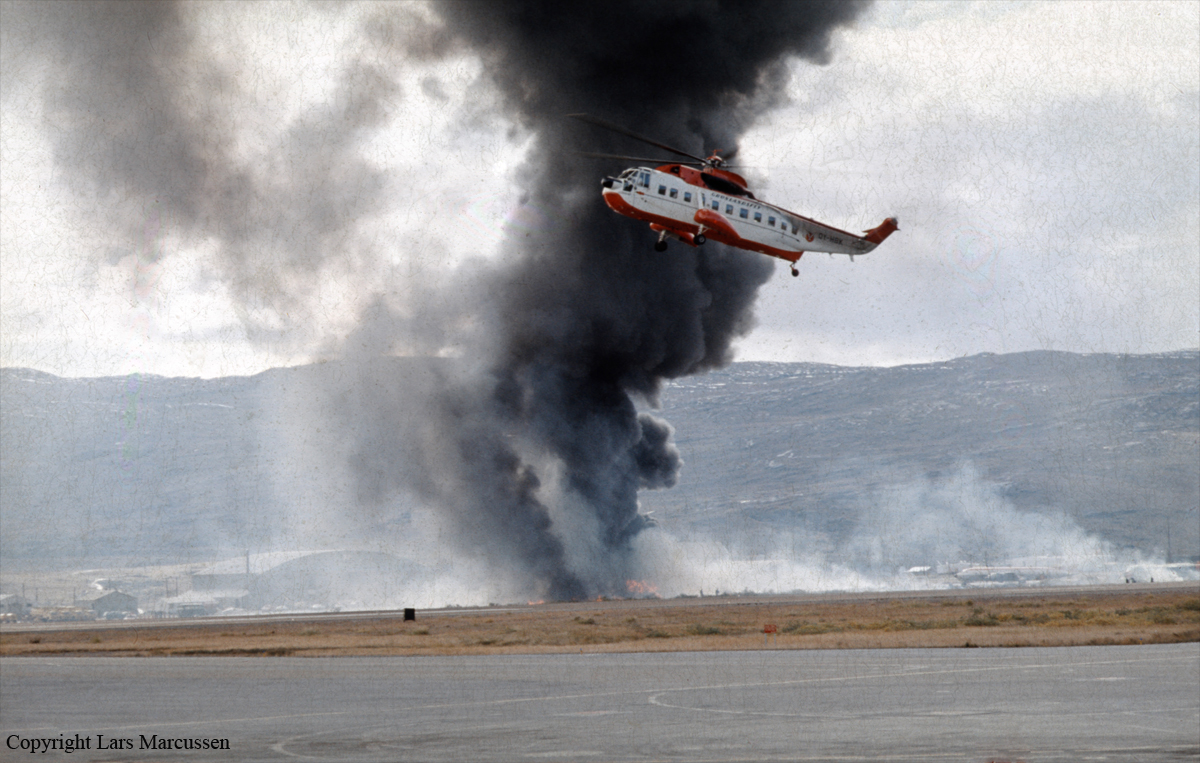
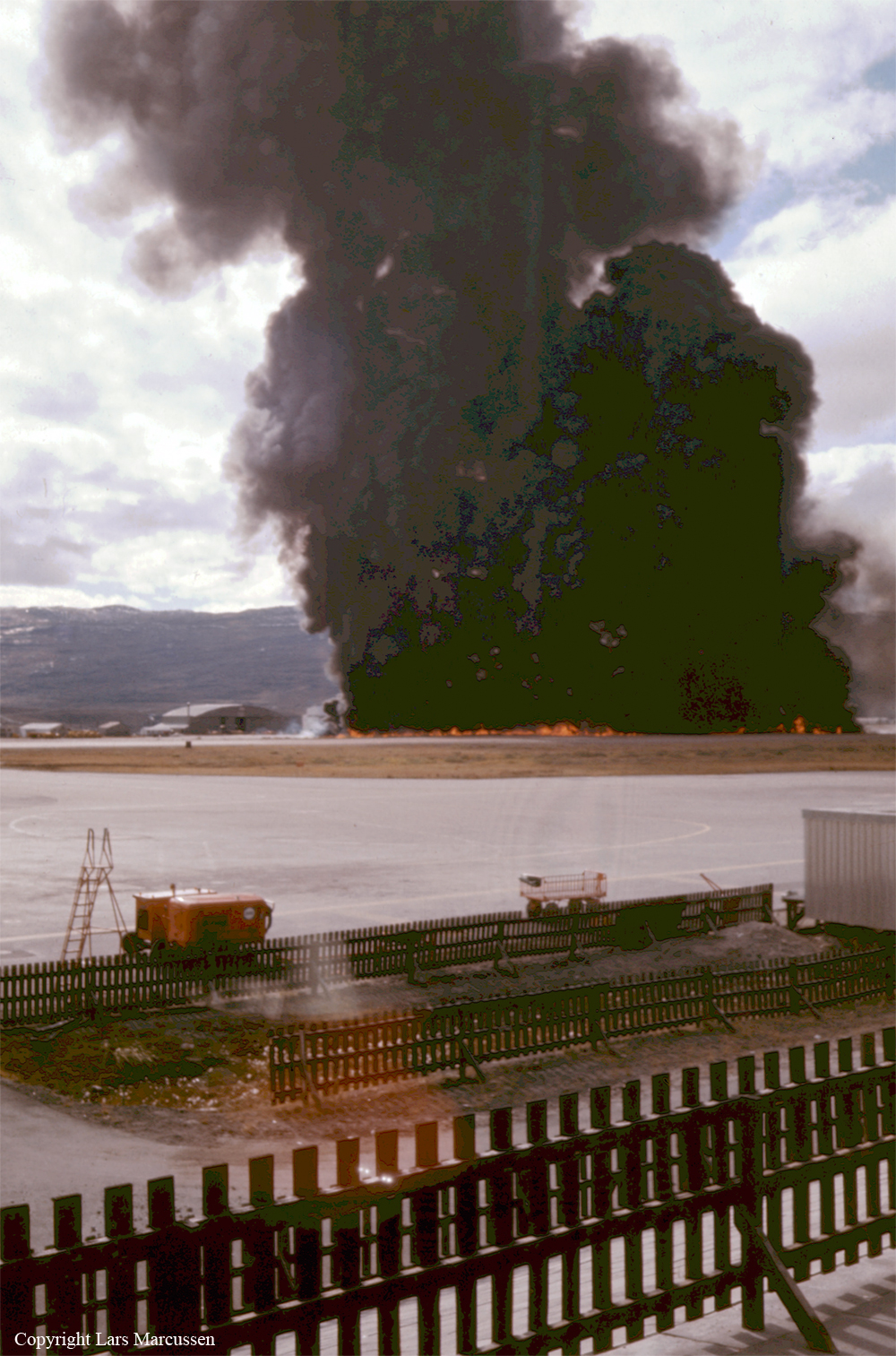
The aircraft departed Thule Air Base on Greenland for a two-hour flight to Sonderstromfjord Air Base. From Sonderstromfjord it was to return to Thule and continue back home to McGuire AFB. The flight carried enough fuel for the flight to McGuire. Following a PAR approach the airplane landed slightly long on the 9235 feet long runway 11. The aircraft rolled for 1,500 to 2,000 feet with no thrust reverse or spoiler deployment. A go around was commenced. The plane then rotated abruptly and lifted off the runway with a pitch attitude as high as 45°. The aircraft stalled. The left wing struck the ground and burst into flames. The aircraft became airborne again with portions of the left wing missing. It flew for 650 feet before striking the ground with the right wing, causing it to catch fire. It then bounced once more and disintegrated 500 feet from runway centerline.
Source: C-141 Lifetime Mishap Summary / Lt. Col. Paul M. Hansen
Probable cause:
Investigation revealed that the crew were very inexperienced (a captain with less than 100 hours in command). The were probably affected by an optical illusion. The first 3,000 feet of runway 11 has an upslope of 1.51%; it rises 59 feet from the threshold. At touchdown, the last two-thirds of the runway disappears, giving the impression of a very short runway.

Crash of a Boeing KC-135A-BN Stratotanker in Cabanillas del Campo: 8 killed

Date & Time: Feb 6, 1976
Type of aircraft:
Operator:
Registration:
60-0368
Flight Type:
Survivors:
No
Site:
Schedule:
Mildenhall - Madrid
MSN:
18143/482
YOM:
1961
Country:
Region:
Crew on board:
8
Crew fatalities:
Pax on board:
0
Pax fatalities:
Other fatalities:
Total fatalities:
8
Aircraft flight hours:
5481
Circumstances:
While descending to Torrejón Airbase by night and limited visibility, the crew failed to realize his altitude was too low when the airplane struck the slope of a mountain located in Cabanillas del Campo, about 22 km northeast of the airport. The aircraft was destroyed and all eight crew members were killed.
Probable cause:
Controlled flight into terrain.

Crash of a Boeing KC-135A-BN near Eielson AFB: 4 killed

Date & Time: Dec 7, 1975
Type of aircraft:
Operator:
Registration:
60-0354
Flight Phase:
Flight Type:
Survivors:
No
Schedule:
Eielson - Eielson
MSN:
18129/468
YOM:
1961
Crew on board:
4
Crew fatalities:
Pax on board:
0
Pax fatalities:
Other fatalities:
Total fatalities:
4
Aircraft flight hours:
6594
Circumstances:
Shortly after takeoff from Eielson AFB, while climbing, the crew encountered technical problems with the undercarriage when the airplane went out of control and crashed on a frozen lake located five miles south of the airbase. The aircraft was destroyed and all four crew members were killed. They were involved in a local training mission.

Crash of a Boeing B-52G-85-BW Stratofortress near Aiken: 3 killed

Date & Time: Sep 3, 1975
Type of aircraft:
Operator:
Registration:
57-6493
Flight Phase:
Flight Type:
Survivors:
Yes
Schedule:
Seymour Johnson - Seymour Johnson
MSN:
464198
YOM:
1957
Crew on board:
7
Crew fatalities:
Pax on board:
0
Pax fatalities:
Other fatalities:
Total fatalities:
3
Circumstances:
The crew departed Seymour Johnson for a routine training mission. While cruising at an altitude of 28,000 feet, a structural failure occurred in the right wing that partially detached and struck the horizontal stabilizer. Out of control, the airplane entered a dive and four of the seven crew members were able to eject and were later found alive. The aircraft crashed between Aiken and Williston and disintegrated. Debris scattered on a wide area and three crew members were killed.
Crew:
Cpt James A. Perry,
Cpt Donald Exum,
Cpt Gregory A. Watts,
2nd Lt Hector M. Marquez,
Sgt Ricky K. Griffith, †
1st Lt Melvin M. Bewley, †
1st Lt Grady E. Rudolph. †
Probable cause:
A major fuel leak caused a structural failure of the right wing that separated between the third & fourth engine nacelles. The wing then shearing off the horizontal stabilizer, causing the aircraft to be uncontrollable.

Crash of a Lockheed C-130A Hercules in Imlay City: 6 killed

Date & Time: Jul 26, 1975
Type of aircraft:
Operator:
Registration:
57-0454
Flight Phase:
Flight Type:
Survivors:
No
Schedule:
Selfridge - Selfridge
MSN:
3161
YOM:
1958
Crew on board:
6
Crew fatalities:
Pax on board:
0
Pax fatalities:
Other fatalities:
Total fatalities:
6
Circumstances:
The crew departed Selfridge AFB (ANG) for a training mission. While cruising about 45 miles north of Detroit, the crew lost control of the airplane that crashed in an open field located in Imlay City. The aircraft was destroyed and all six crew members were killed.
Probable cause:
A propeller blade separated from the engine n°3 in flight and struck the engine n°4. Control was lost.

Crash of a Rockwell T-39A-1-NA Sabreliner near Richmond: 3 killed

Date & Time: May 14, 1975
Type of aircraft:
Operator:
Registration:
61-0646
Flight Phase:
Flight Type:
Survivors:
No
Schedule:
Andrews - Andrews
MSN:
265-49
YOM:
1962
Crew on board:
3
Crew fatalities:
Pax on board:
0
Pax fatalities:
Other fatalities:
Total fatalities:
3
Circumstances:
The crew departed Andrews AFB on a test flight. While cruising over Virginia and while completing various manoeuvres, the crew lost control of the airplane that crashed in flames in an open field located in the region of Richmond. All three crew members were killed.

Crash of a Lockheed C-130A Hercules in Biên Hòa

Date & Time: Apr 6, 1975
Type of aircraft:
Operator:
Registration:
55-0002
Flight Type:
Survivors:
Yes
MSN:
3029
YOM:
1957
Country:
Region:
Crew on board:
0
Crew fatalities:
Pax on board:
0
Pax fatalities:
Other fatalities:
Total fatalities:
0
Circumstances:
After touchdown at Biên Hòa Airport, the four engine airplane was unable to stop within the remain distance, overran and came to rest in flames. There were no casualties while the aircraft was destroyed by fire.

Crash of a Lockheed C-5A Galaxy in Saigon: 155 killed

Date & Time: Apr 4, 1975 at 1630 LT
Type of aircraft:
Operator:
Registration:
68-0218
Flight Type:
Survivors:
Yes
Schedule:
Saigon - Clark - Los Angeles
MSN:
500-0021
YOM:
1970
Country:
Region:
Crew on board:
16
Crew fatalities:
Pax on board:
314
Pax fatalities:
Other fatalities:
Total fatalities:
155
Circumstances:
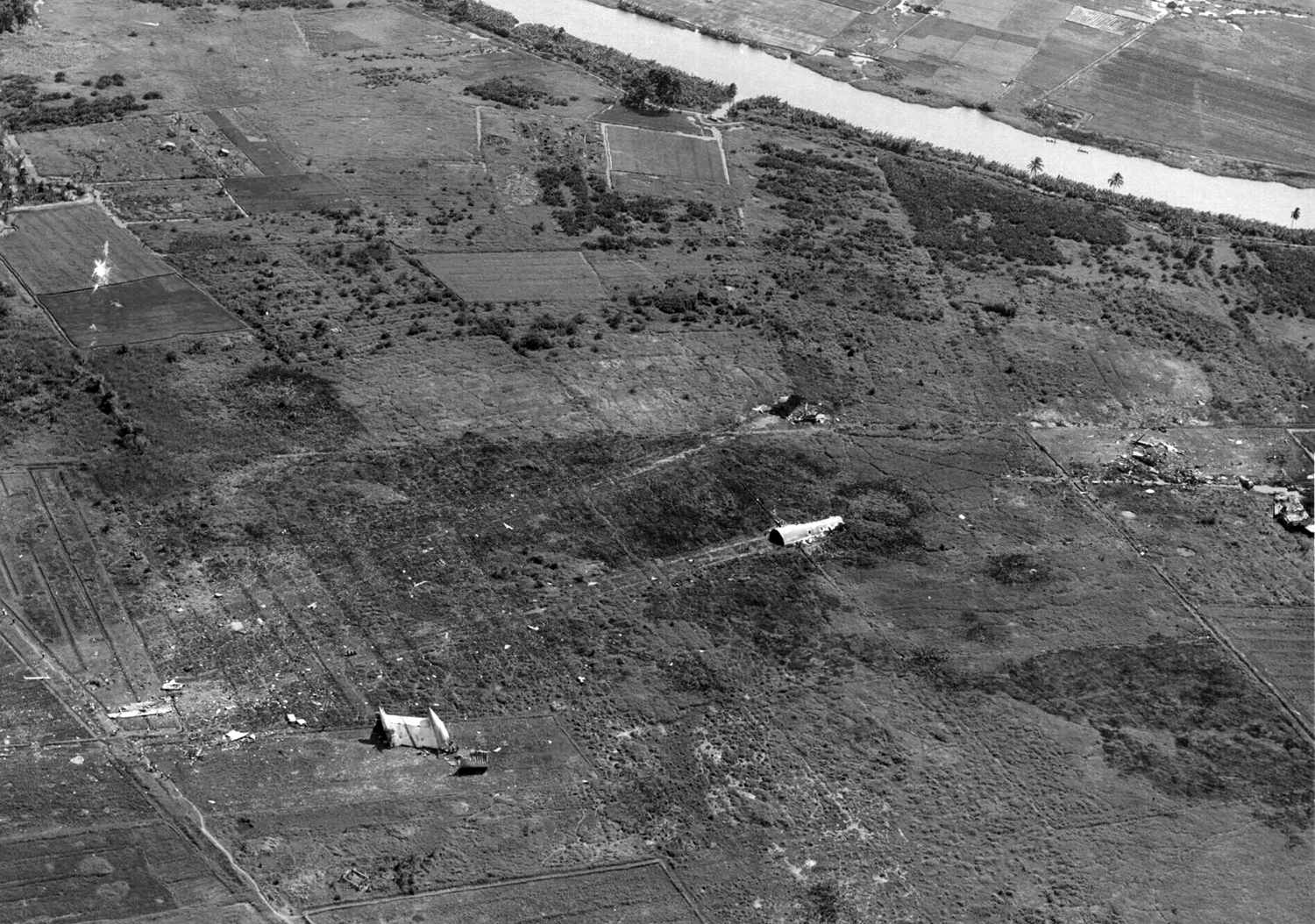
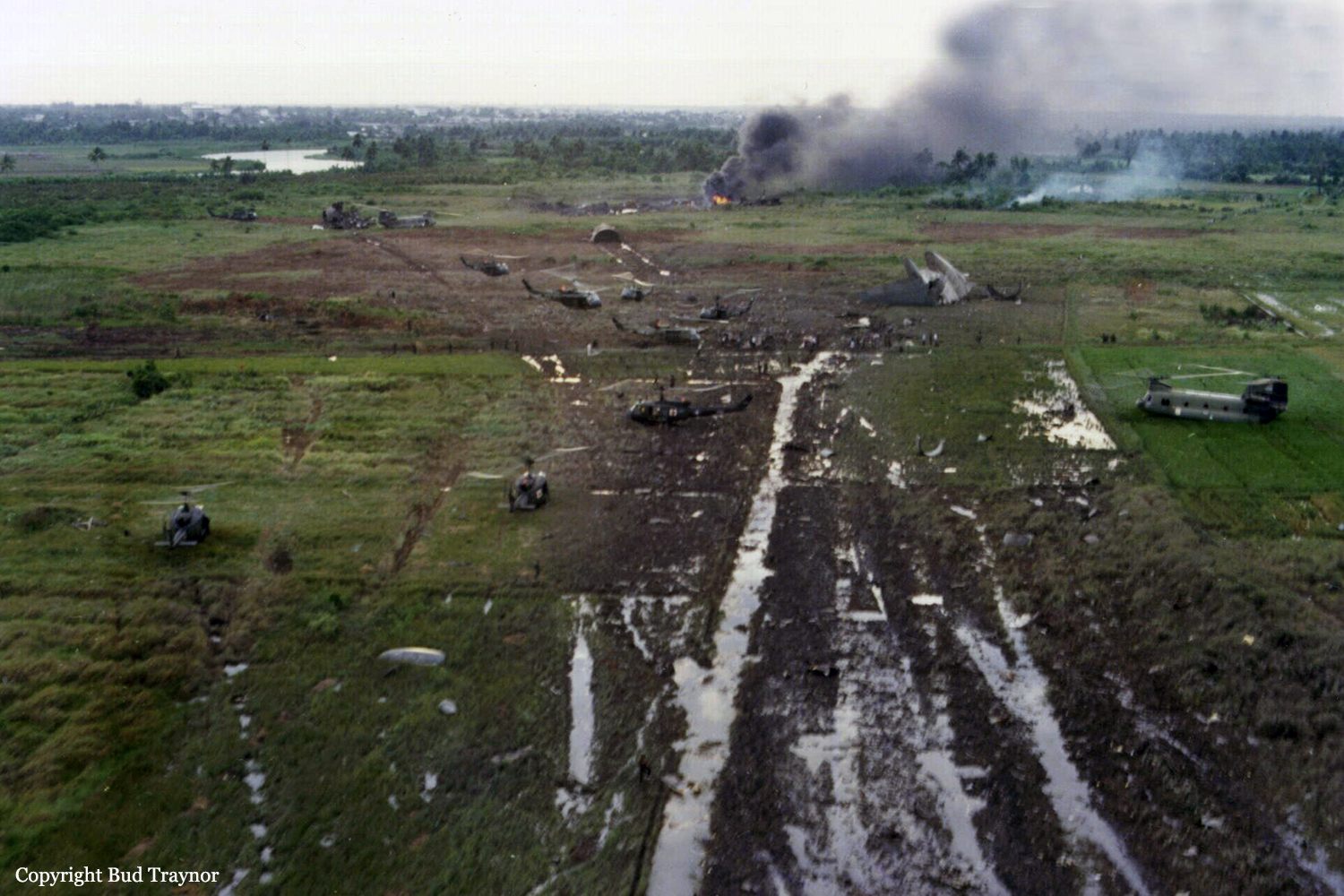
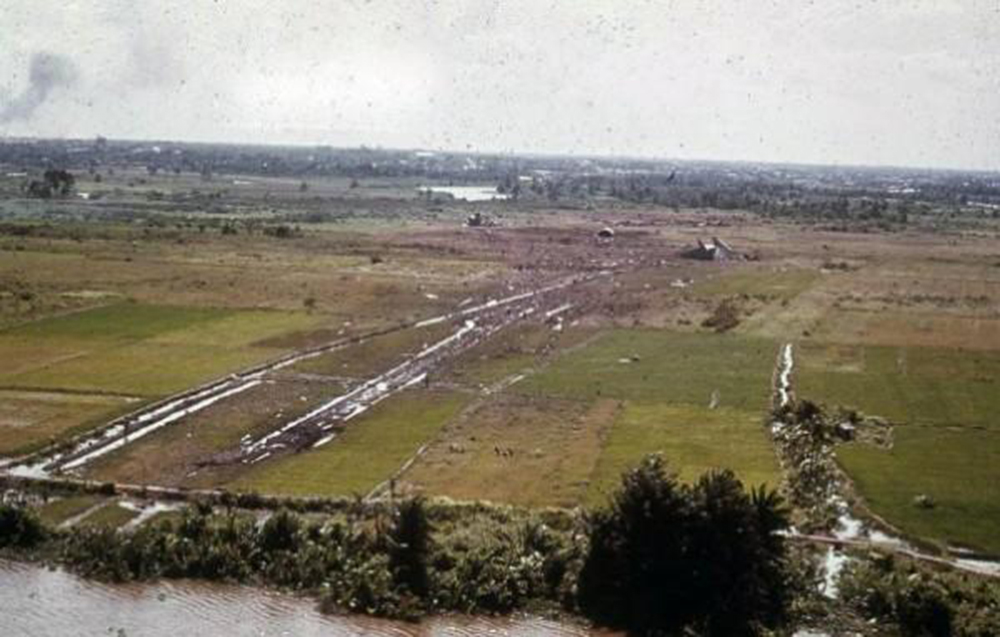
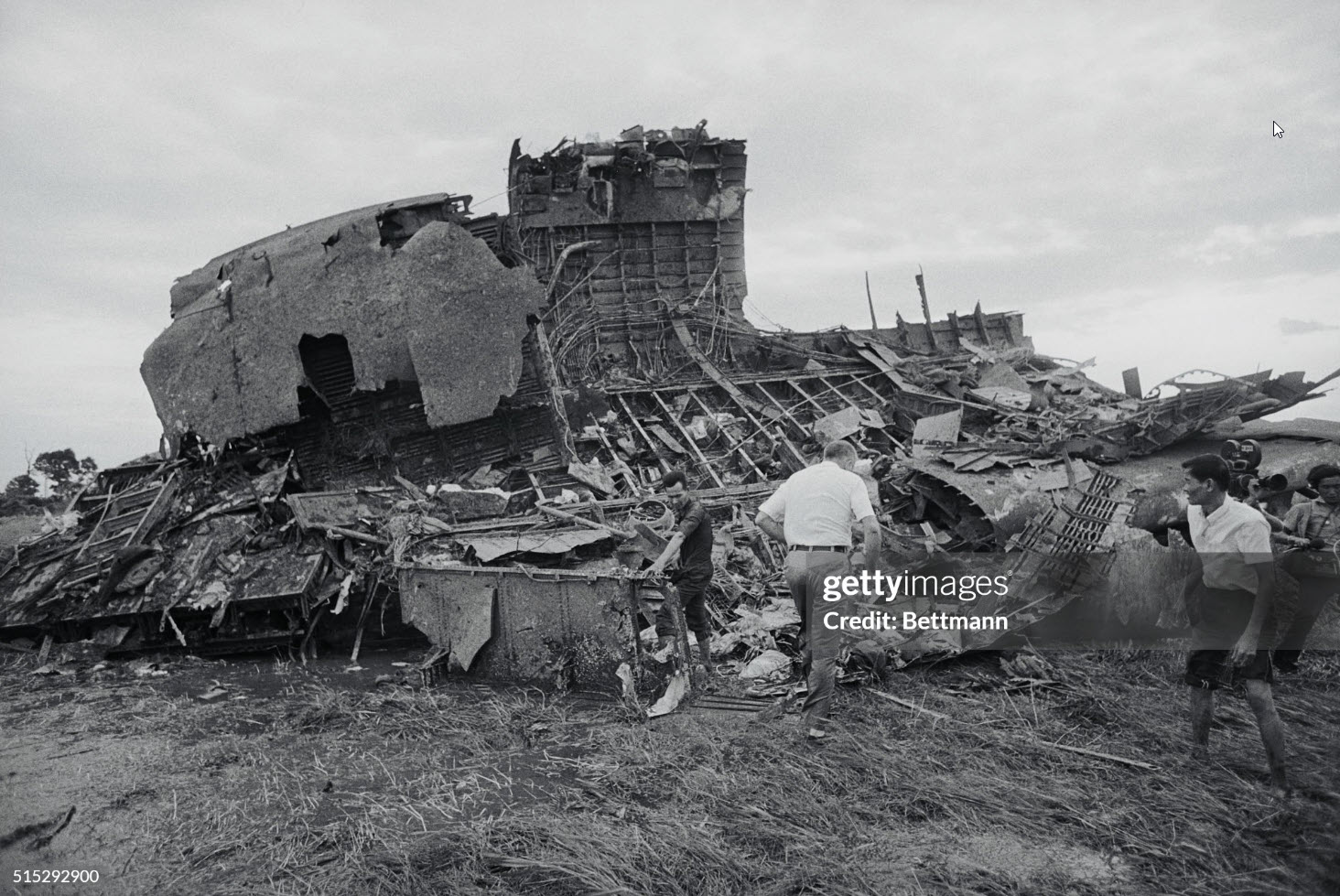
The airplane was engaged in a humanitarian flight, taking part to the 'Operation Babylift', a mission consisting to bring Vietnamese orphans back to the US in the few remaining days before the Republic of Vietnam fell. At 1603LT, the airplane departed Saigon-Tan Son Nhat Airport bound to the east. Twelve minutes later, while cruising at an altitude of 23,000 feet over the South China Sea, a technical issue occurred on the rear access ramp doors followed by a rapid decompression of the cabin. A crew member fell out of the airplane and shortly later, the access ramp door detached and fell into sea as well. The captain contacted ATC, declared an emergency and was cleared to return to Saigon Airport. At that time, two of the four hydraulic systems were out of order and control and trim cables to the rudder and elevators were severed, leaving only one aileron and wing spoilers operating. Nevertheless, the crew was able to descend to runway 25L when the rate of descent increased to 4,000 feet per minute. The airplane struck the ground a first time at a speed of 250 knots about 4 km short of runway 25L, bounced for three seconds and then crashed 500 meters further in a rice paddy field. The aircraft disintegrated on impact and debris scattered on a wide area. There were on board 149 orphans, 10 members of a medical team, 155 military personnels and 16 crew members. It was reported that 141 orphans were killed as well as six soldiers, five crew members and three of the medical team. The United States Navy amphibious cargo ship USS Durham, frigate USS Reasoner and command ship USS Blue Ridge were assigned to search for the flight data recorder in the South China Sea. The recorder was found and US Navy ships and helicopters also discovered debris from the doors in the South China Sea as well as the body of a crew member.
Probable cause:
When the rear doors were eventually recovered from the sea, investigation determined that some of the locks had not engaged properly. Maintenance records showed that locks had been cannibalized for spares, then subsequently improperly refitted so that not all the door locks were engaging correctly. Accounts also indicated the initial maintenance inspection noticed 5 of the 7 locks were not operating and failed the aircraft for flight. With external organizational pressure to get the flight airborne, a second off-shift maintenance team was called in. They subsequently missed the locks during inspection and the aircraft was cleared for flight. Furthermore, the flight crew confirmed that they had encountered difficulty closing the doors before takeoff. As the air pressure differential increased with altitude, the few locks that were working correctly were unable to bear the load, and the door failed.