Country
Operator Image

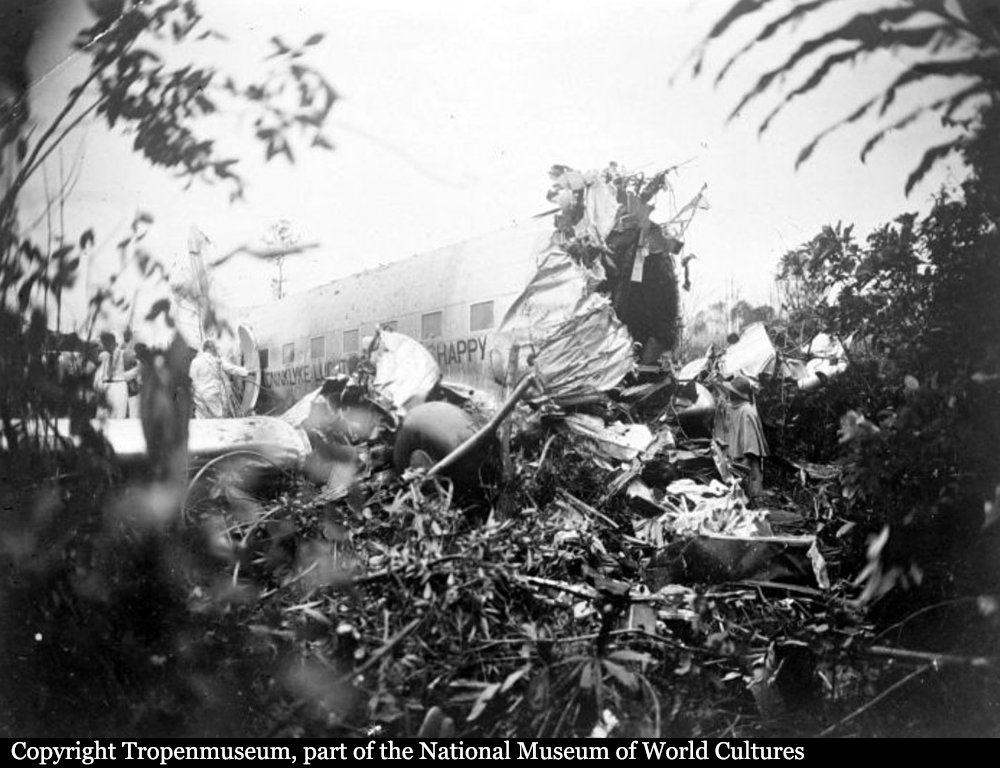
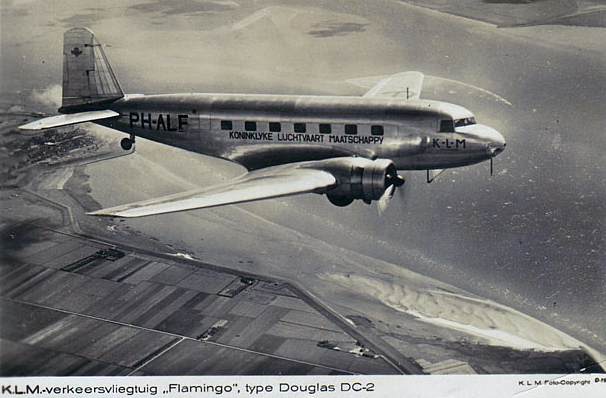
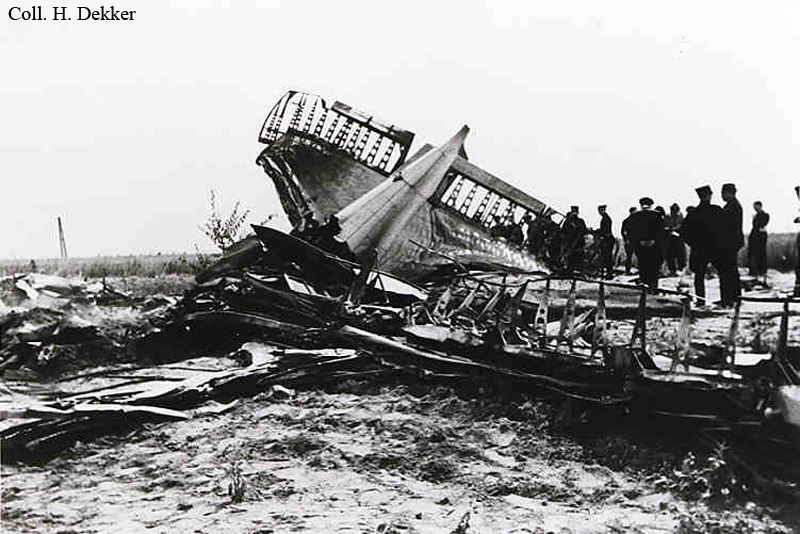
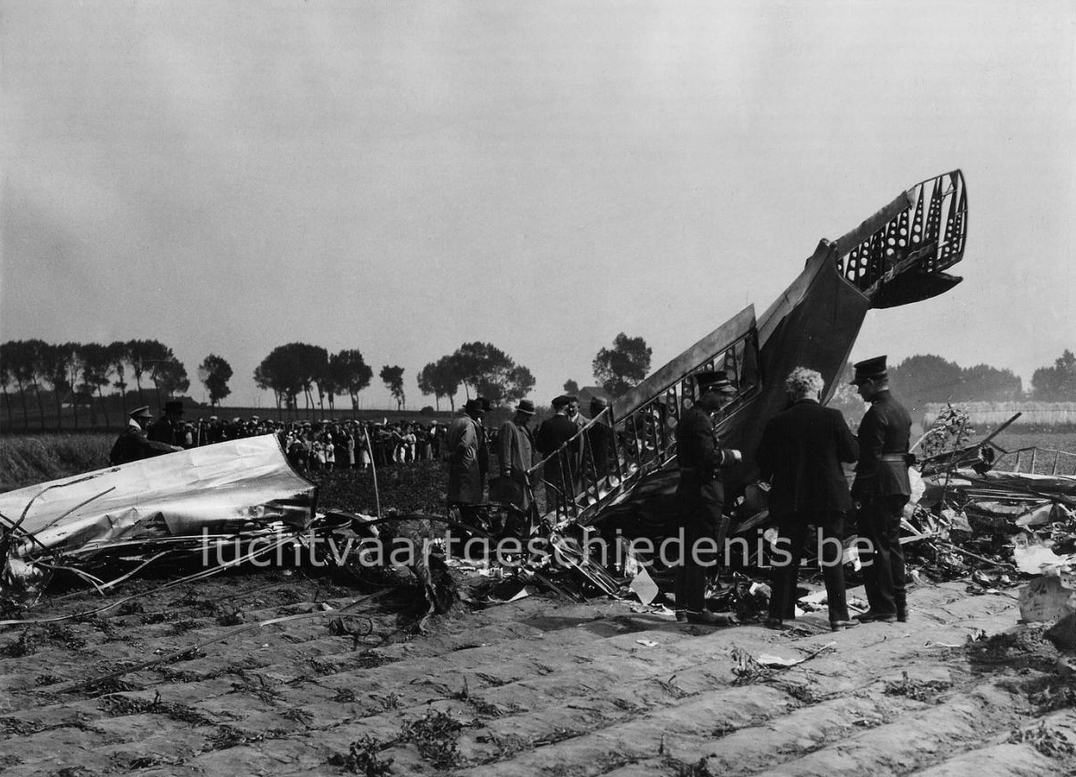
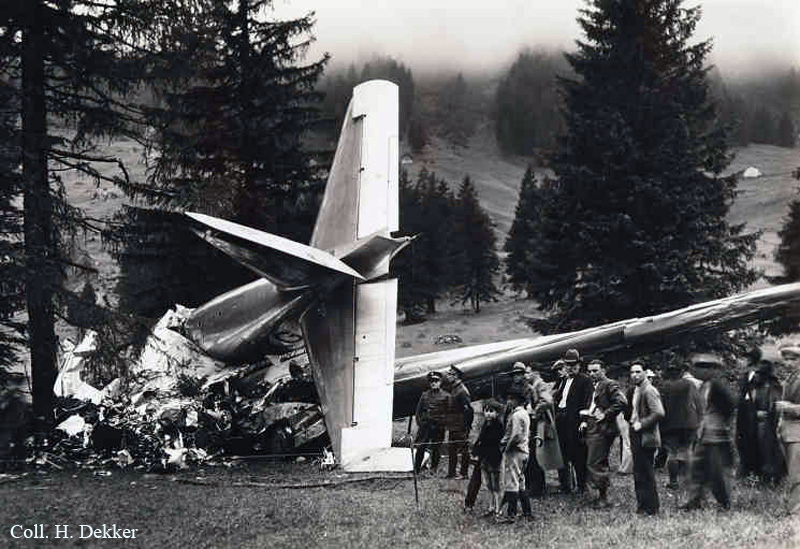
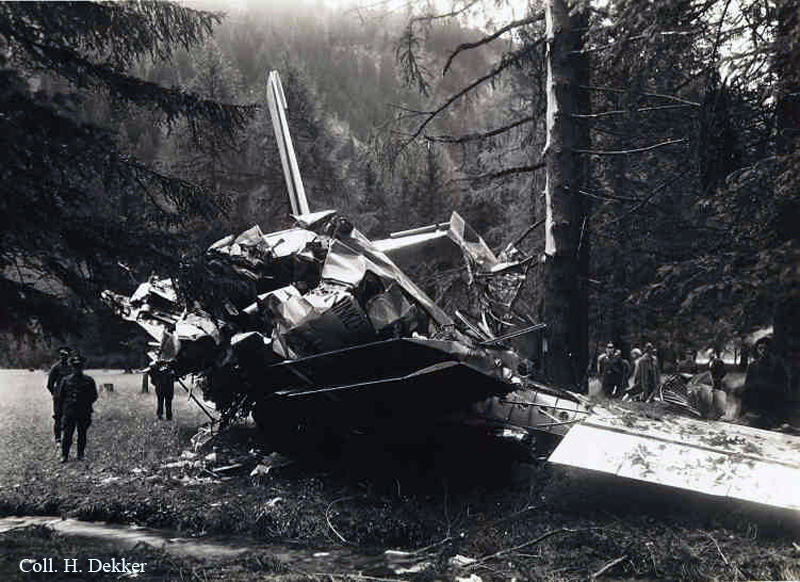
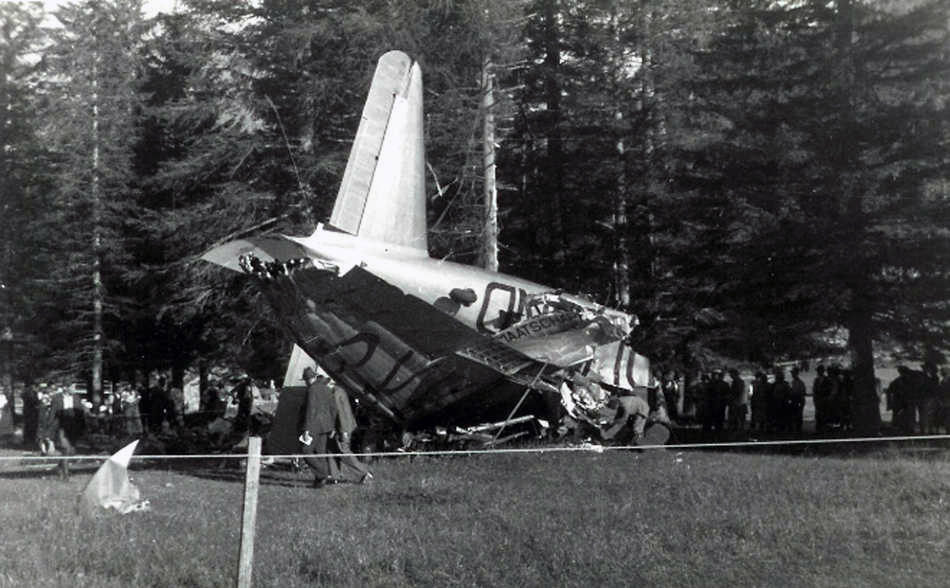
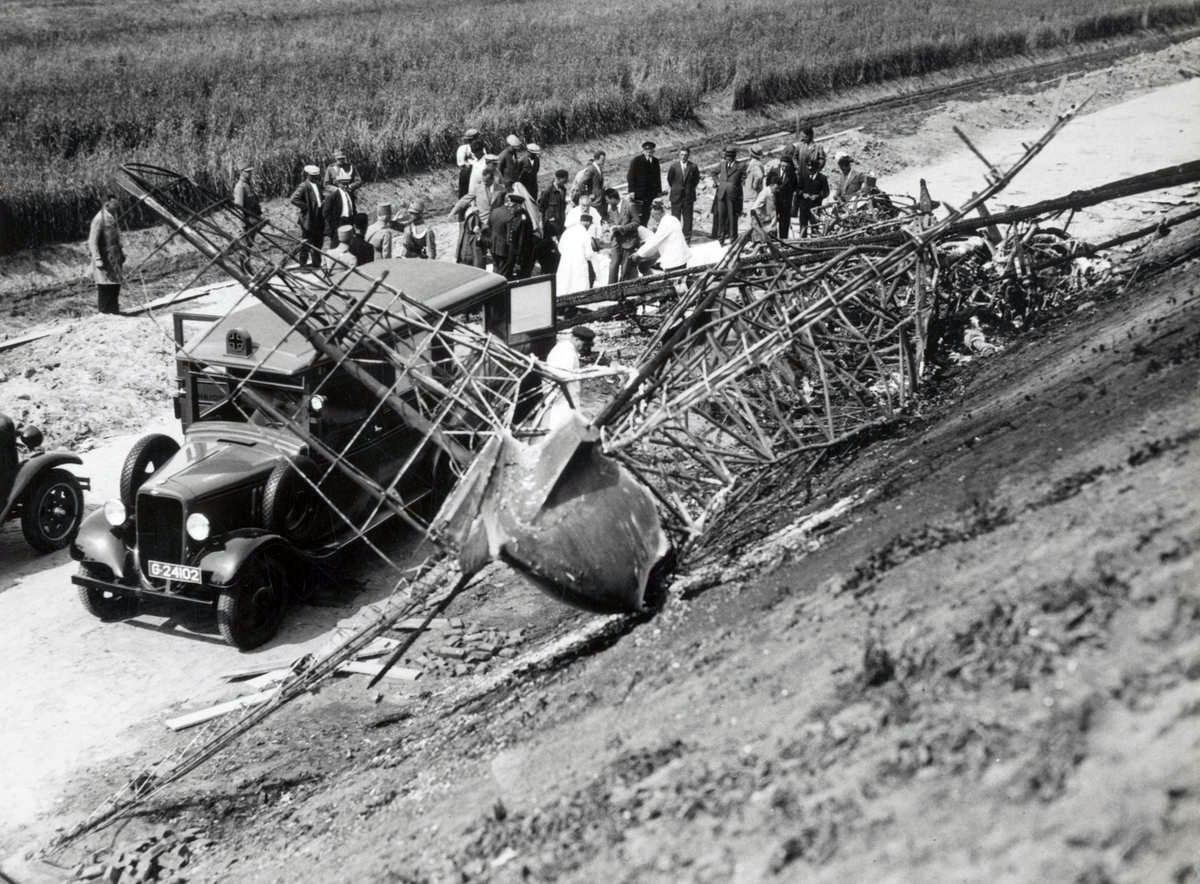
Crash of a Douglas DC-2-115L in Brussels: 15 killed

Date & Time: Jul 28, 1937 at 1040 LT
Type of aircraft:
Operator:
Registration:
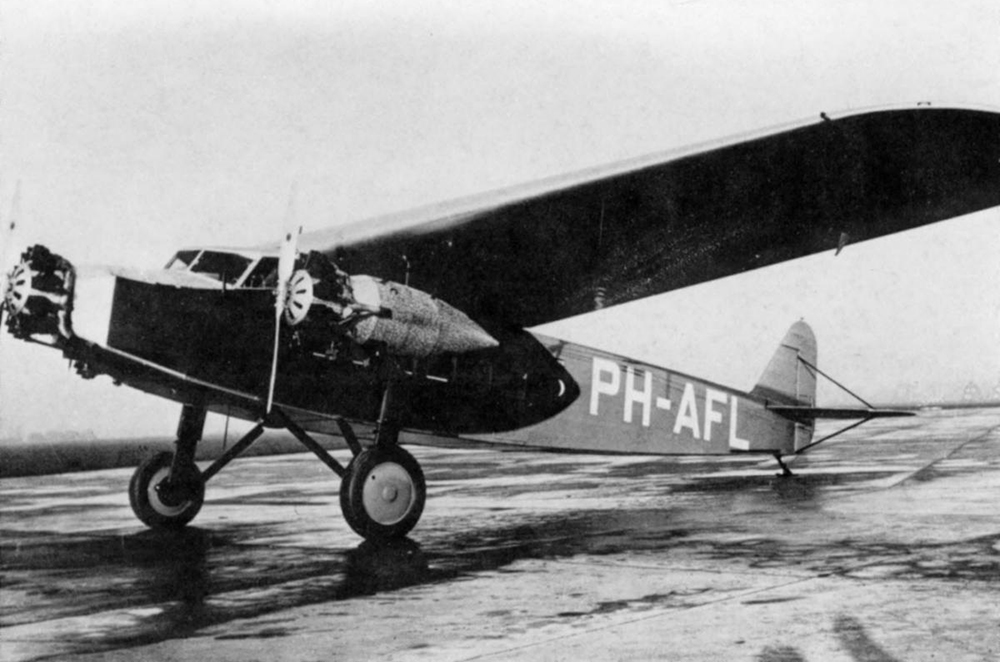
PH-ALF
Flight Phase:
Survivors:
No
Schedule:
Amsterdam – Brussels – Paris
MSN:
1585
YOM:
1936
Country:
Region:
Crew on board:
4
Crew fatalities:
Pax on board:
11
Pax fatalities:
Other fatalities:
Total fatalities:
15
Circumstances:
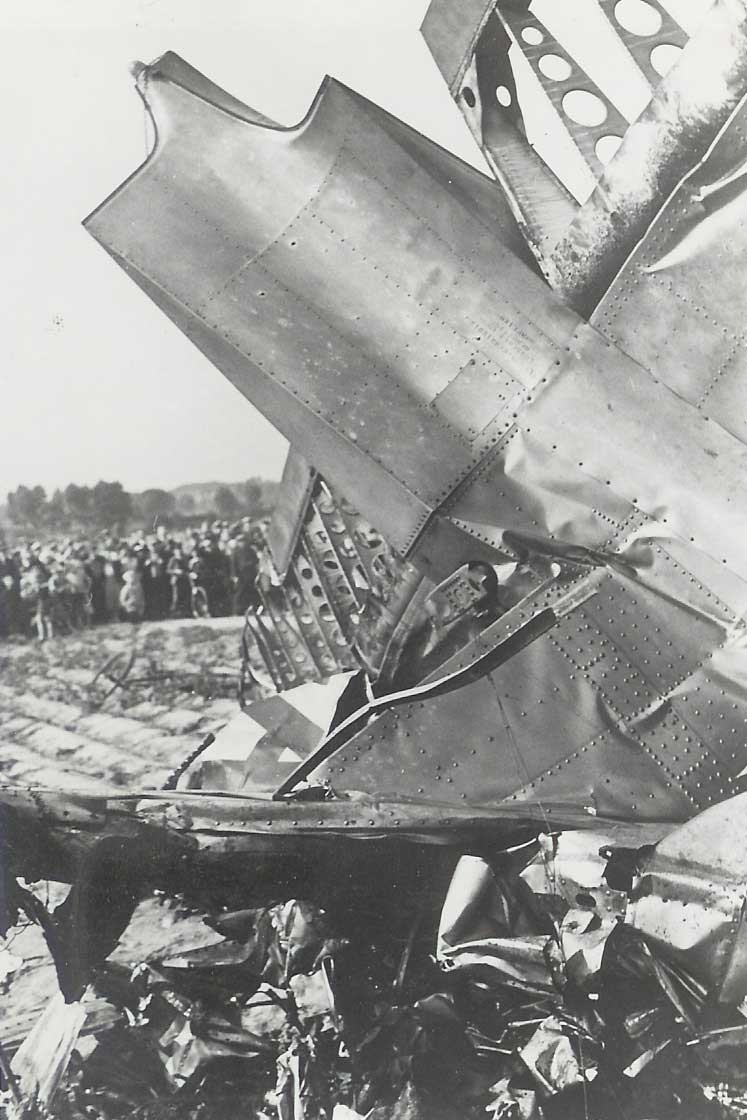
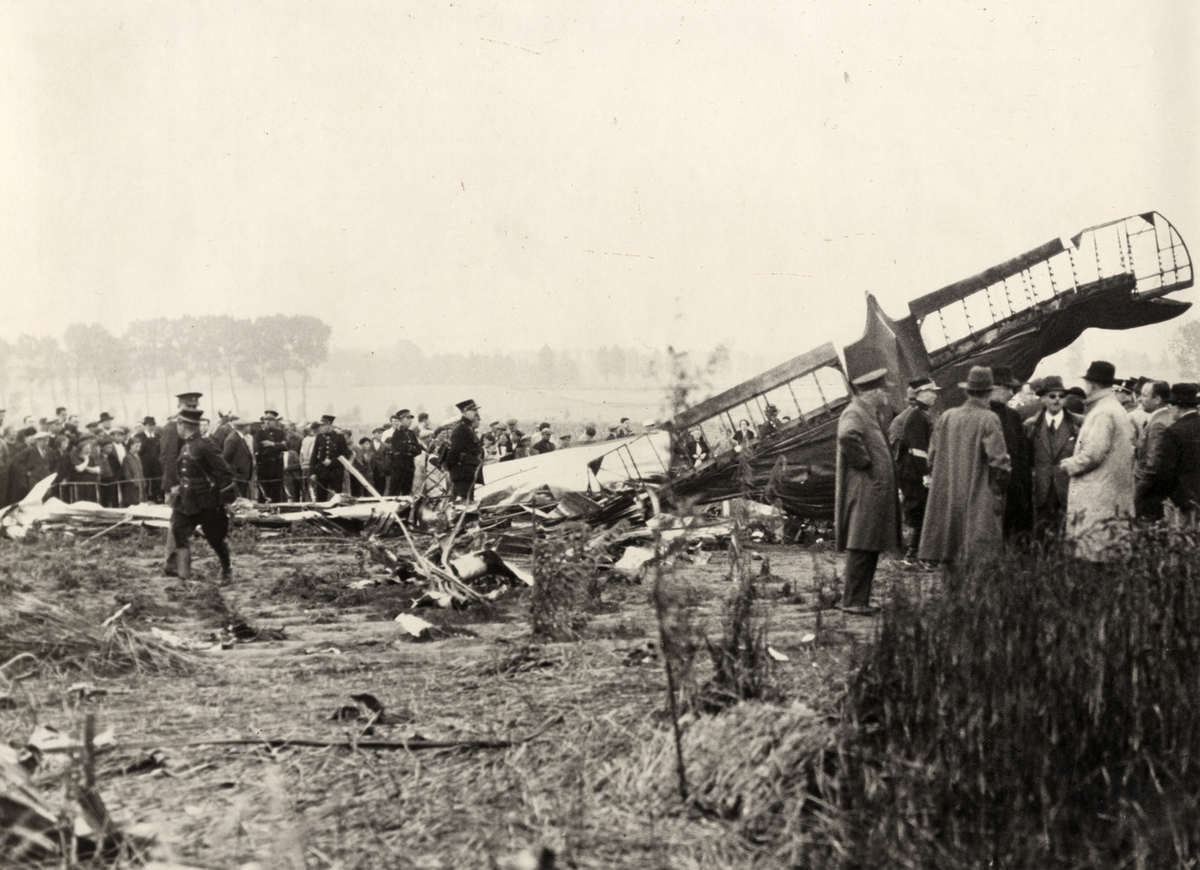
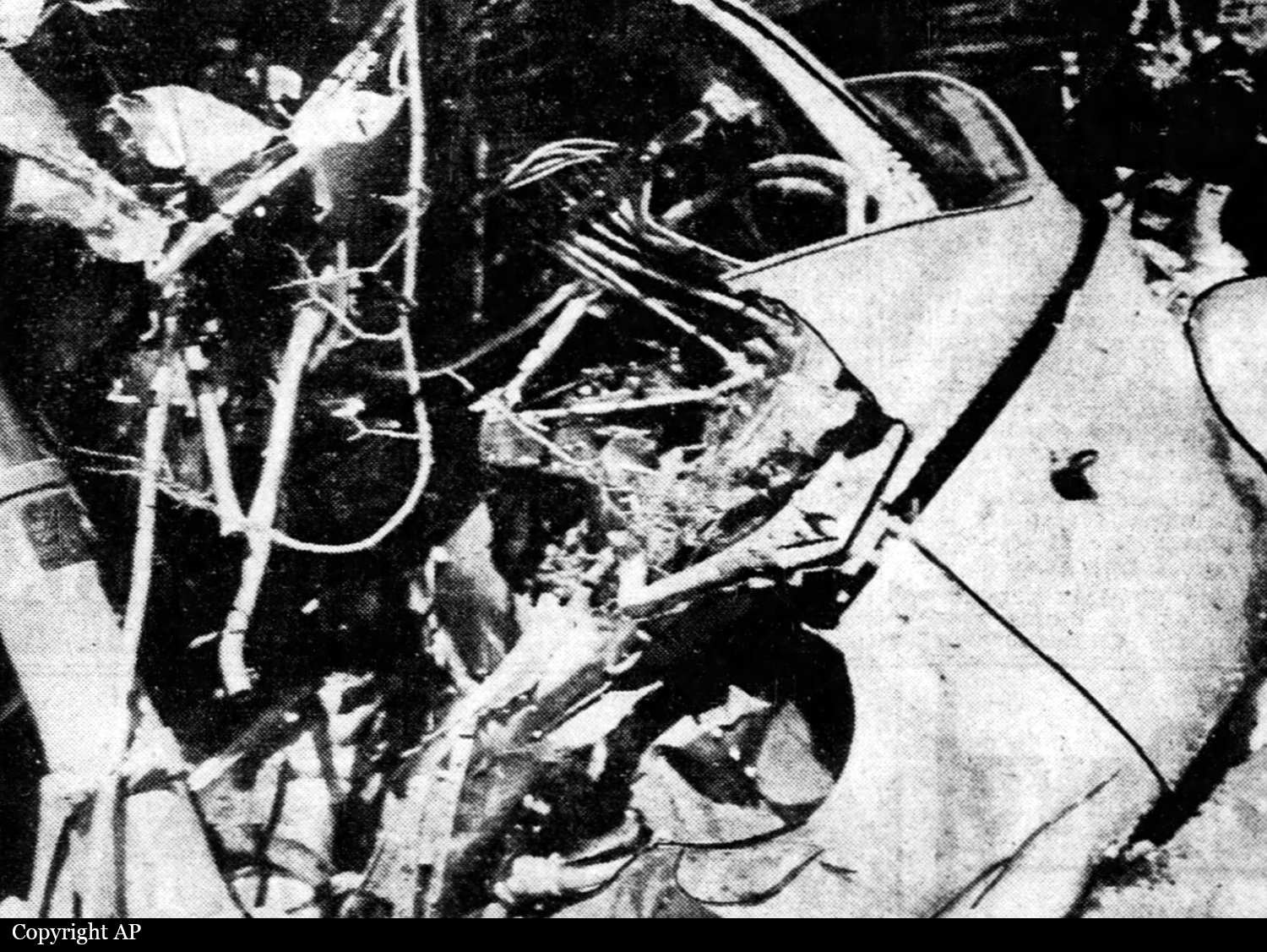
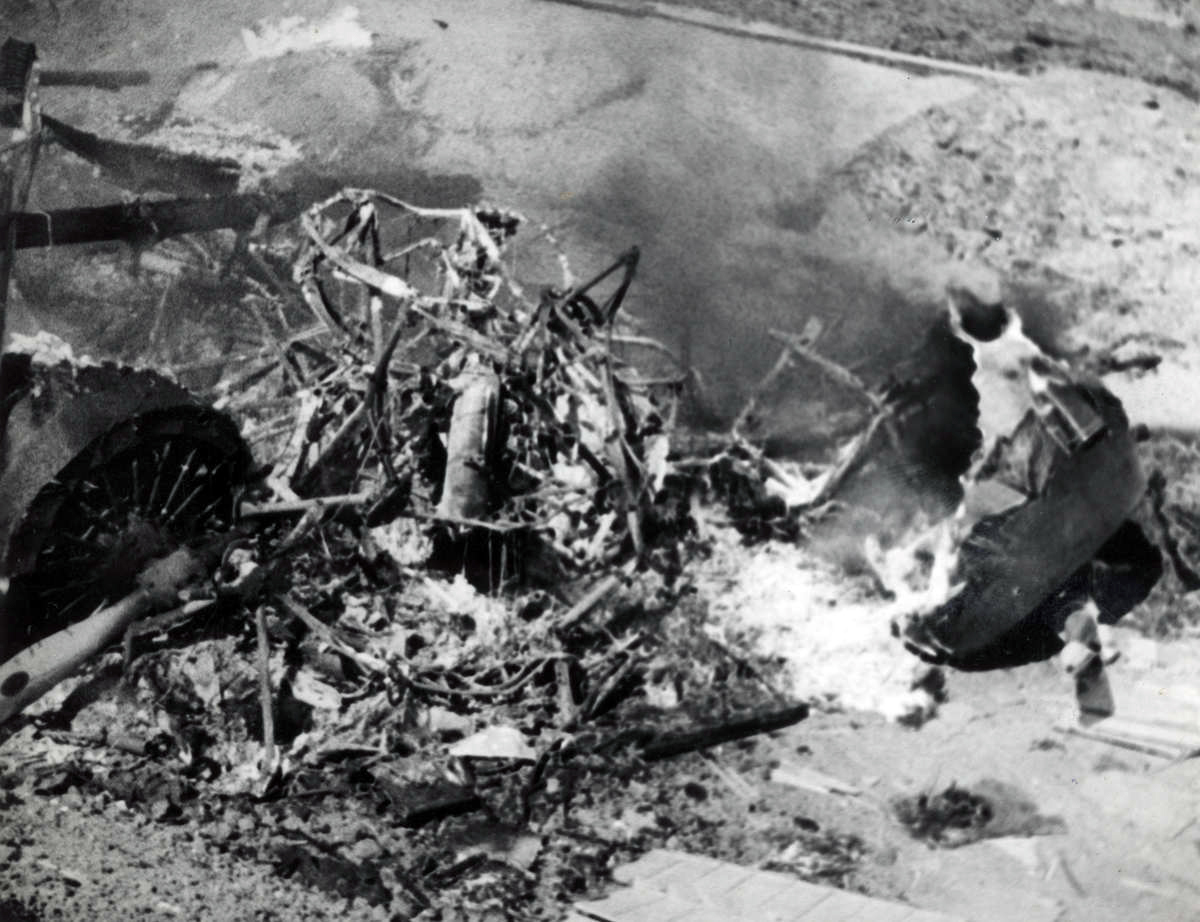
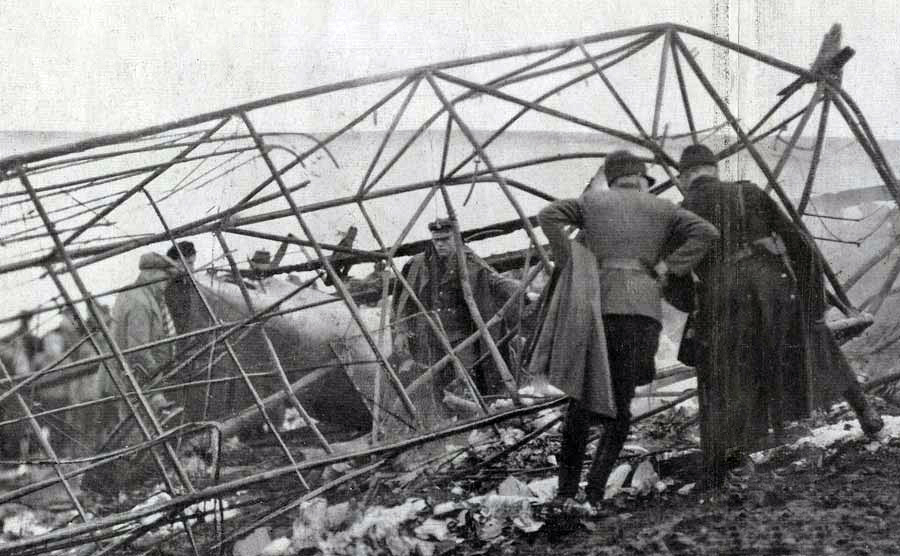
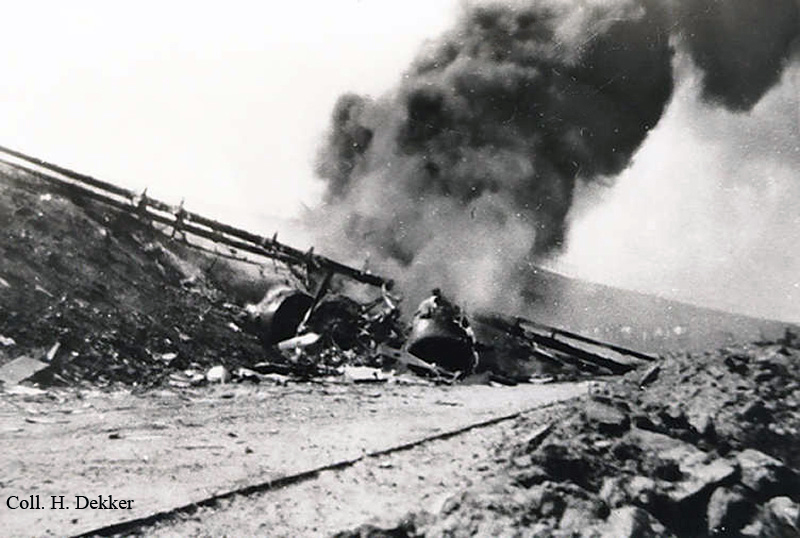
Less than five minutes after takeoff from Brussels-Haren Airport, while climbing to a height of 1,200 feet, the aircraft entered an uncontrolled descent and crashed in a wheat field located 300 metres from Brages' station, bursting into flames. The airplane named 'Flamingo' was totally destroyed by impact forces and a post crash fire and all 15 occupants were killed.
Crew:
Cornelius Theo Regnerus Steensma, pilot,
Bernardus Ludekuize, radio navigator,
Gerardus Geering, engineer,
Martha Johanna van der Laan, stewardess.
Passengers:
A. Bloem,
W. Canton,
M. Goldbloom,
B. F. Mun,
N. Nathans,
C. Tondreau,
R. Tondreau-Tollenaere,
R. Trillo,
F. Wetzlar,
H. Wapperom,
G. Whitehouse.
Probable cause:
A fire erupted in the cabin shortly after take off for unknown reasons. Investigations were unable to determine the exact cause of the accident.

Crash of a Douglas DC-3-194B on Mt Baldy: 8 killed

Date & Time: Apr 3, 1937 at 1530 LT
Type of aircraft:
Operator:
Registration:
PH-ALP
Flight Phase:
Flight Type:
Survivors:
No
Site:
Schedule:
Long Beach - Phoenix - Kansas City - New York
MSN:
1938
YOM:
1937
Crew on board:
2
Crew fatalities:
Pax on board:
6
Pax fatalities:
Other fatalities:
Total fatalities:
8
Circumstances:
The aircraft was on a delivery flight to the Dutch National Company based in Amsterdam and should be flown from Long Beach to New York with intermediate stops in Phoenix and Kansas City. While cruising in poor weather conditions on the leg from Phoenix to Kansas City, the airplane impacted the slope of Mt Baldy located some 32 km northwest from McNary. The wreckage was found three days later. All eight occupants were killed.
Crew:
Glen C. Moser, pilot,
J. Wolford, copilot.
Passengers:
B. B. Bruderlin,
L. Estey,
M. Estey,
R. Kent,
E. R. Moser,
B. Troyt.
Probable cause:
Controlled flight into terrain.

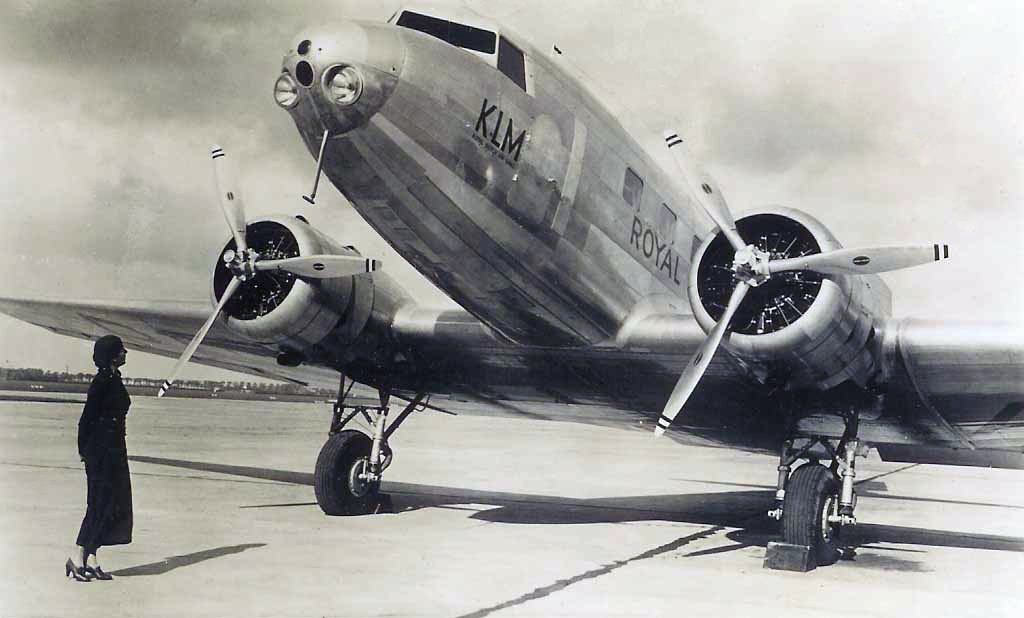
Crash of a Douglas DC-2-115E in Croydon: 15 killed

Date & Time: Dec 9, 1936 at 1030 LT
Type of aircraft:
Operator:
Registration:
PH-AKL
Flight Phase:
Survivors:
Yes
Site:
Schedule:
Croydon – Amsterdam – Berlin
MSN:
1358
YOM:
1935
Location:
Region:
Crew on board:
4
Crew fatalities:
Pax on board:
13
Pax fatalities:
Other fatalities:
Total fatalities:
15
Circumstances:
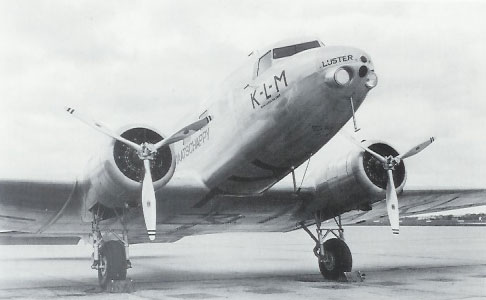
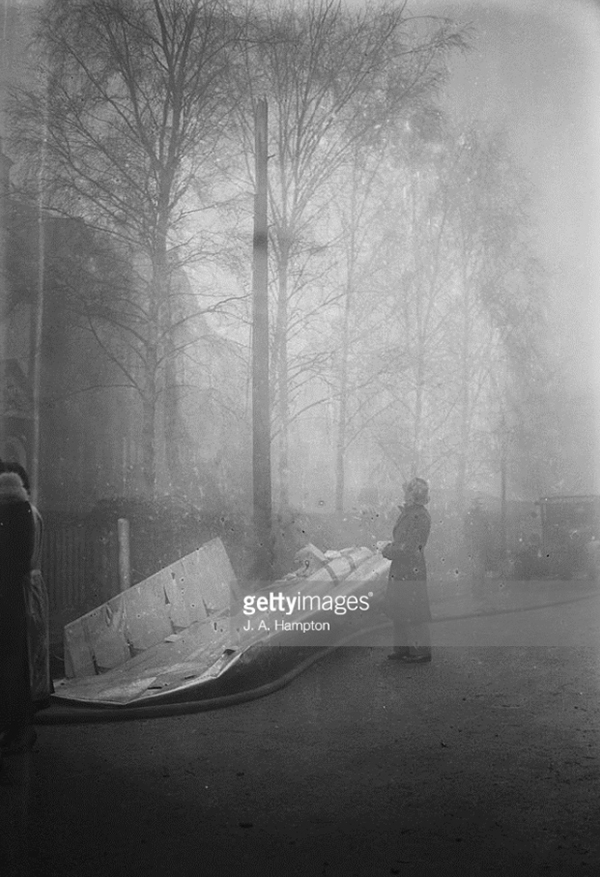
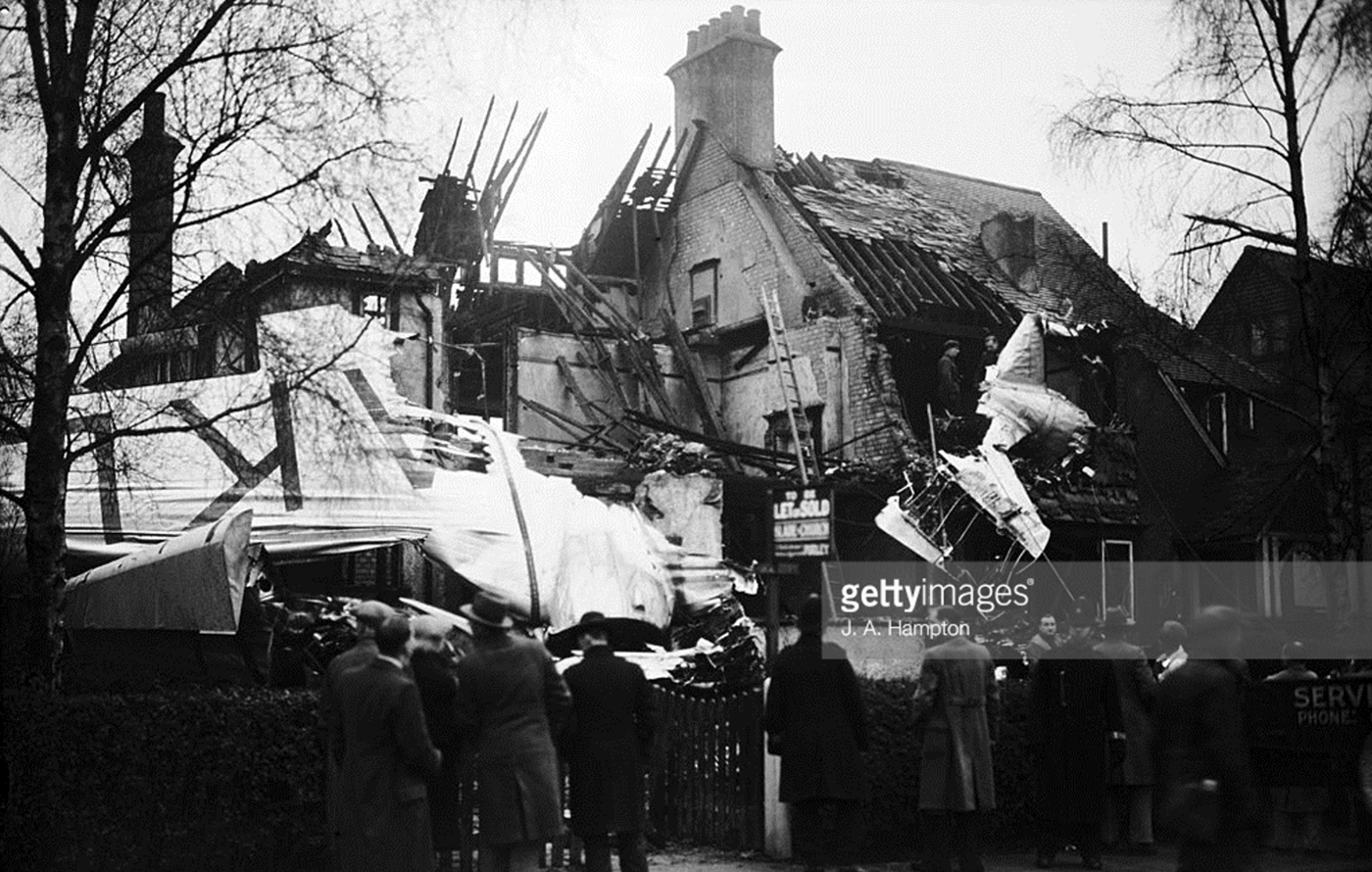
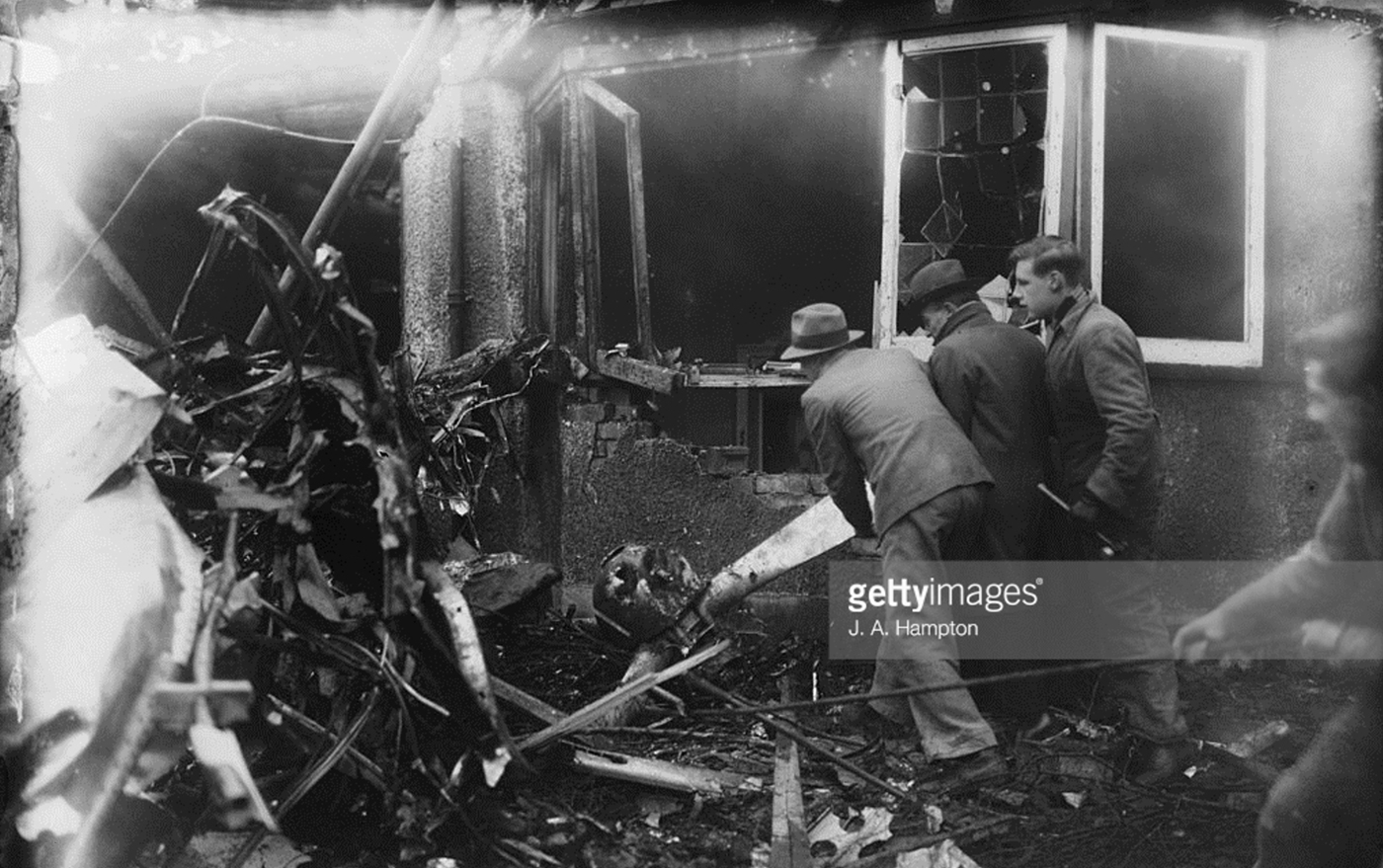
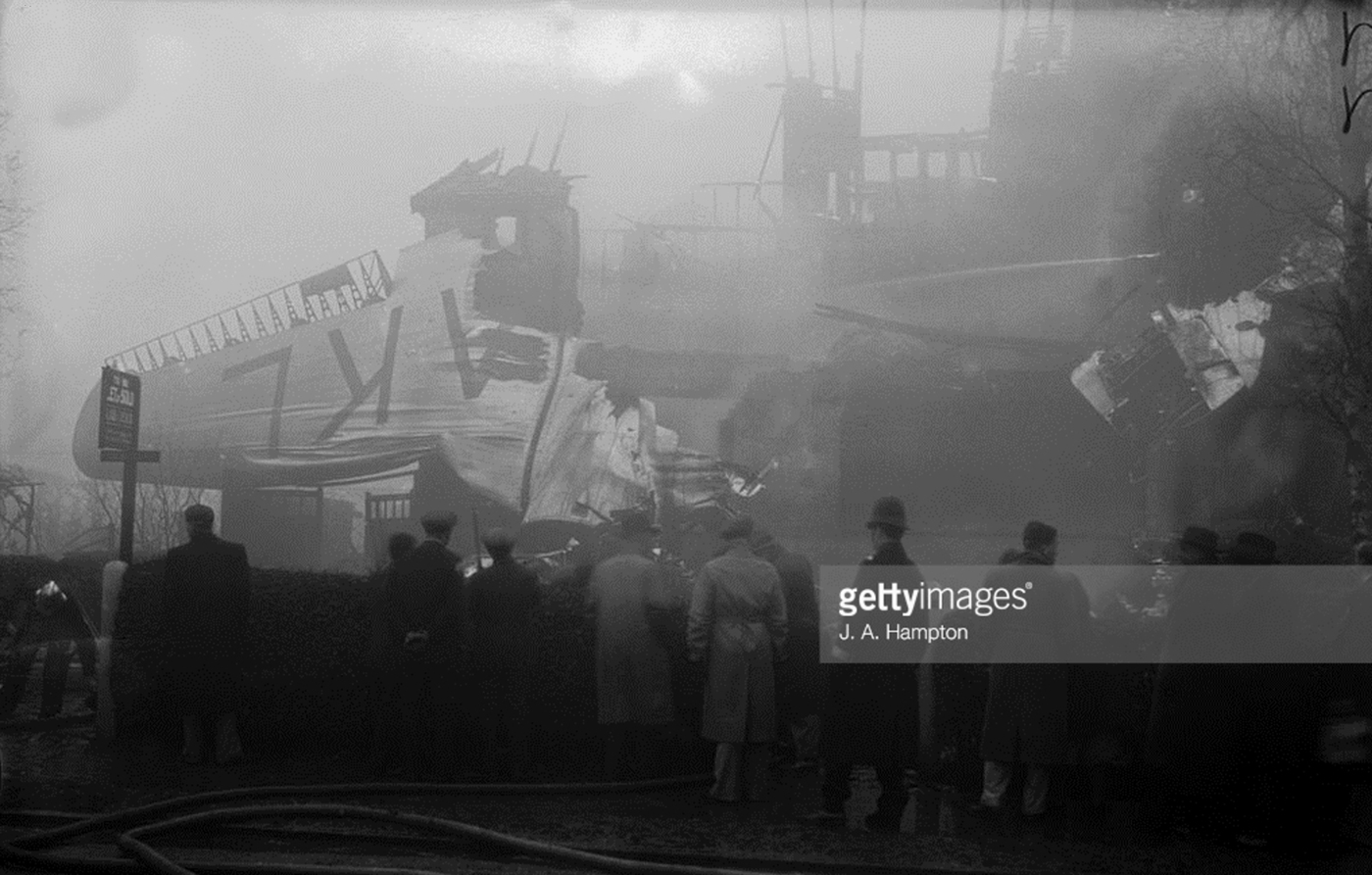
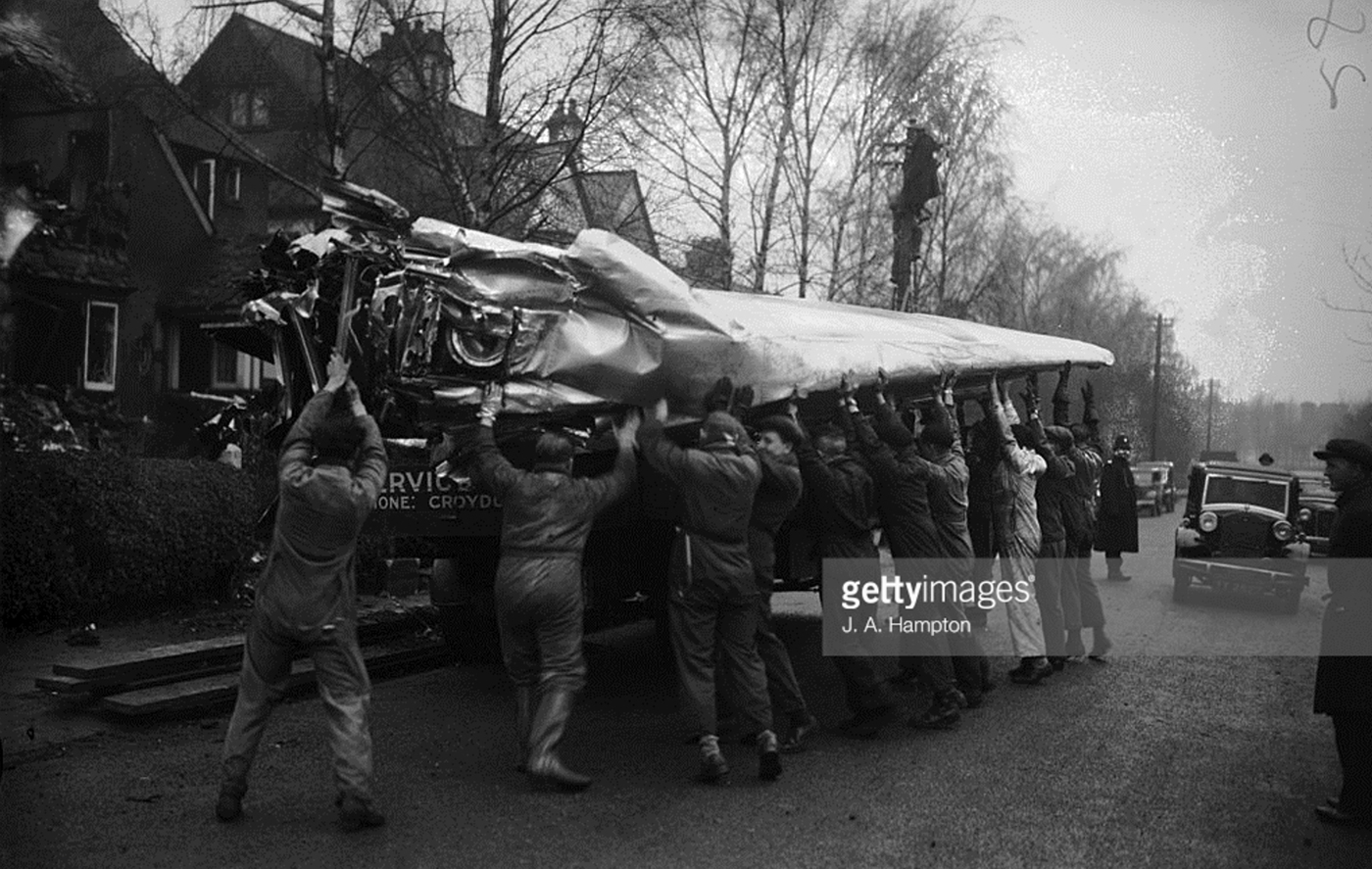
The airport of Croydon was shrouded in fog with visibility fluctuating at around 50 metres and all aircraft were operating under so-called "QBI" (a Q code denoting that all operations have to be performed under instrument flight rules) conditions. Crews were following a white line laid out approximately East-West on the grass surface of Croydon's landing area during their take-off runs (a normal procedure at several airports in the United Kingdom at the time, that had been in use at Croydon since 1931). A number of departures by this method had already been made that day by the time the KLM DC-2 took off, including a Swissair DC-2 about 25 minutes beforehand. The KLM DC-2 named 'Lijster' started its takeoff run along the white line but after about 200 yards (183 m), it veered off the line to the left and on becoming airborne headed south towards rising ground instead of in the normal westerly direction. After flying over the southern boundary of the airport, the aircraft hit the chimney of a house on Hillcrest Road, Purley, then crashed into an empty house on the opposite side of the street. The aircraft, the house and an adjoining house (also empty at the time) were destroyed in the crash and ensuing fire. One passenger and the stewardess survived while all 15 other occupants were killed, among them Admiral Salomon Arvid Achates Lindmann, former Prime Minister of Sweden, and Juan de la Cierva y Cordoniu, the inventor of the Autogyro in 1923 and the vertical takeoff in 1934. At this time, this accident was considered as the worst air crash in the UK in terms of the number of fatalities.
Crew:
Ludwig Hautzmayer, pilot,
Pieter Cornelis van Bemmel Valentijn, radio operator,
Jaap Verkerk, flight engineer,
Hilde Bongertman, stewardess.
Probable cause:
It was determined by the UK Accidents Investigation Branch that the pilot had failed to maintain directional control of the aircraft, and also demonstrated ‘poor judgement’ in not throttling down the engines and abandoning the take-off after it had departed the runway.

Ground accident of a Fokker F7b/3m in Haamstede

Date & Time: Jul 15, 1936 at 1500 LT
Type of aircraft:
Operator:
Registration:
PH-AEZ
Flight Phase:
Flight Type:
Survivors:
Yes
Schedule:
Haamstede - Rotterdam
MSN:
5122
YOM:
1929
Country:
Region:
Crew on board:
3
Crew fatalities:
Pax on board:
0
Pax fatalities:
Other fatalities:
Total fatalities:
0
Circumstances:
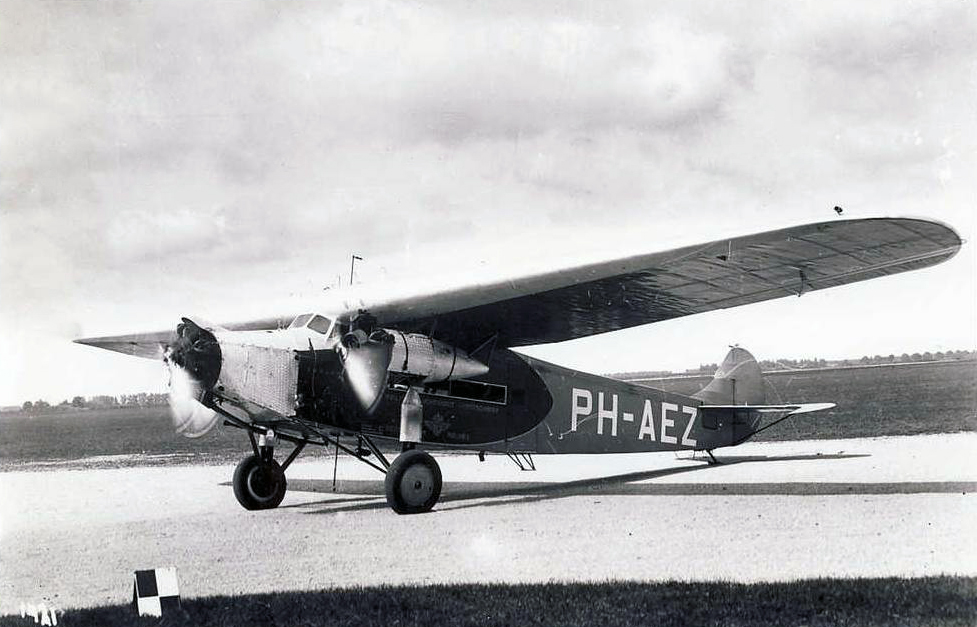
As the weather conditions were deteriorating, the board of the Dutch National Company KLM decided to move the aircraft that was parked in Haamstede to a safe place in Rotterdam, and asked three technicians to do so. While taxiing, the aircraft was caught by strong winds, went out of control and came to rest upside down. All three occupants were uninjured and the aircraft named 'Zwaluw' was damaged beyond repair.
Probable cause:
Caught by strong winds while taxiing.

Crash of a Koolhoven FK.43 in Amsterdam: 1 killed

Date & Time: Dec 18, 1935 at 1530 LT
Type of aircraft:
Operator:
Registration:
PH-AJJ
Flight Type:
Survivors:
No
Schedule:
Amsterdam - Amsterdam
MSN:
4304
YOM:
1933
Country:
Region:
Crew on board:
1
Crew fatalities:
Pax on board:
0
Pax fatalities:
Other fatalities:
Total fatalities:
1
Circumstances:
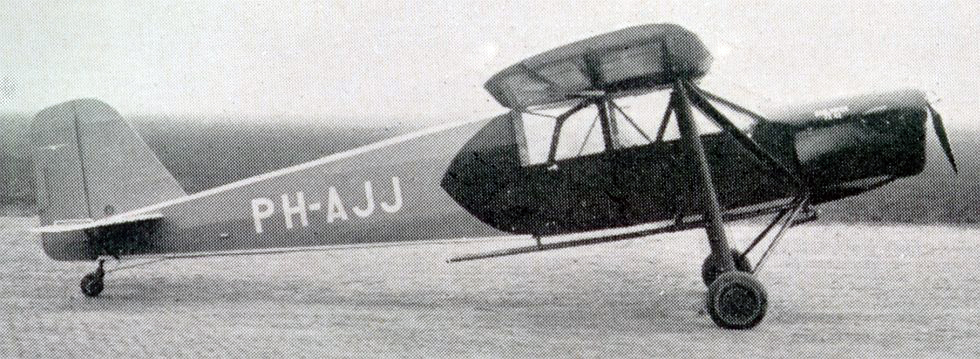
The pilot departed Amsterdam-Schiphol Airport on a local solo training flight. On approach, the single engine airplane collided with a LVA Fokker C.1 registered 526 and carrying one pilot as well. Following the collision, the Koolhoven went out of control and crashed in a field, killing the pilot. The Fokker C.1 crashed in a canal and its pilot was injured.

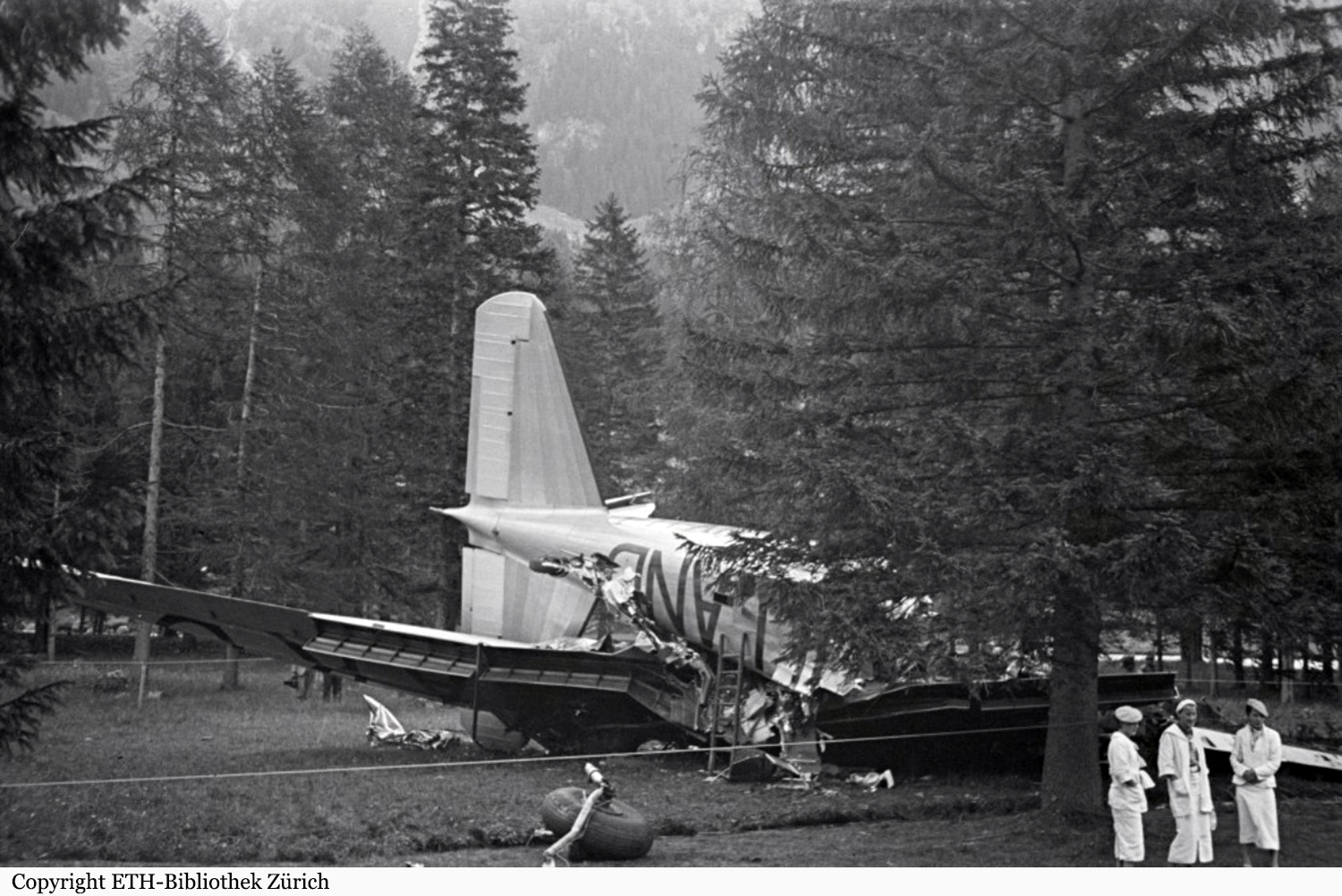
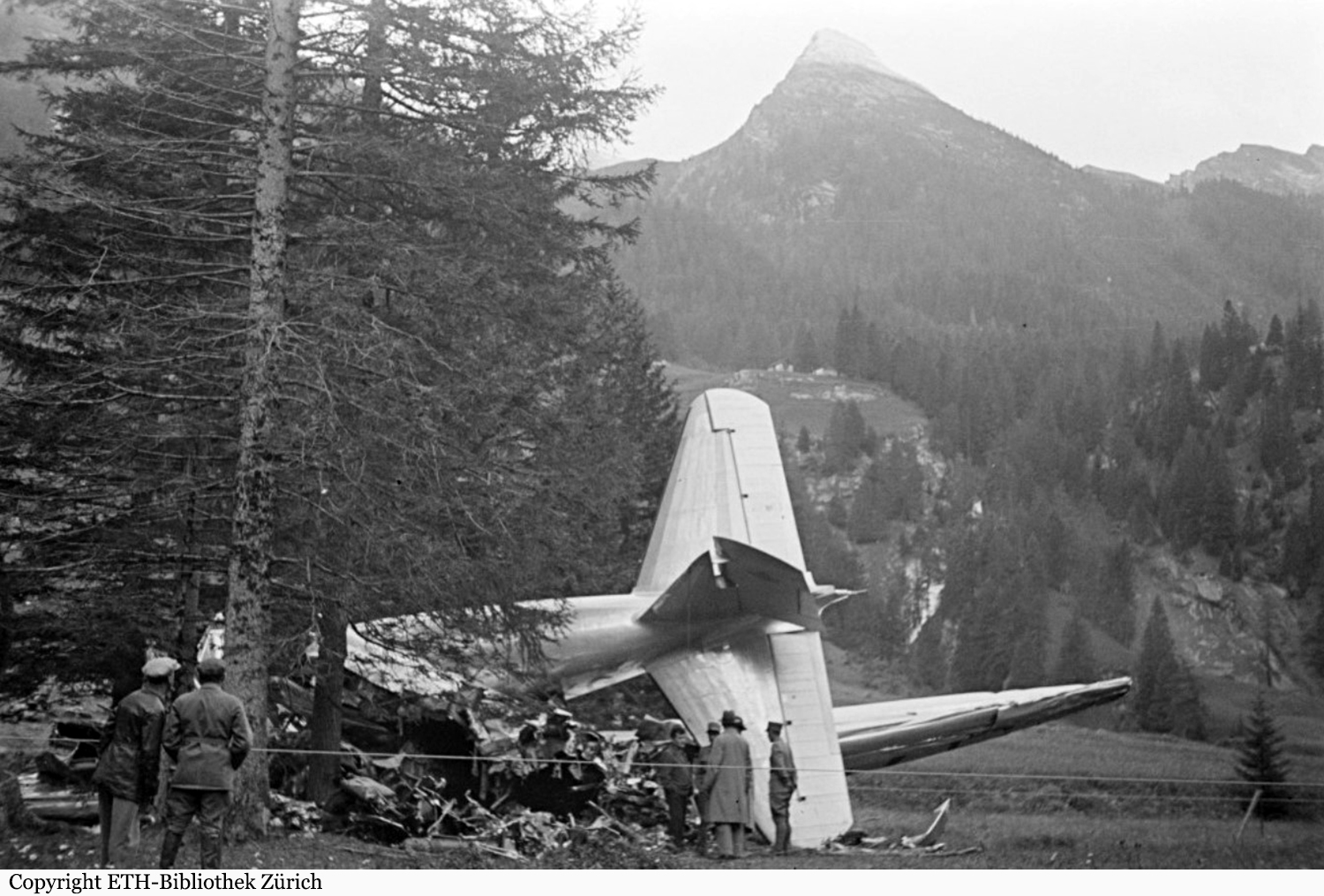
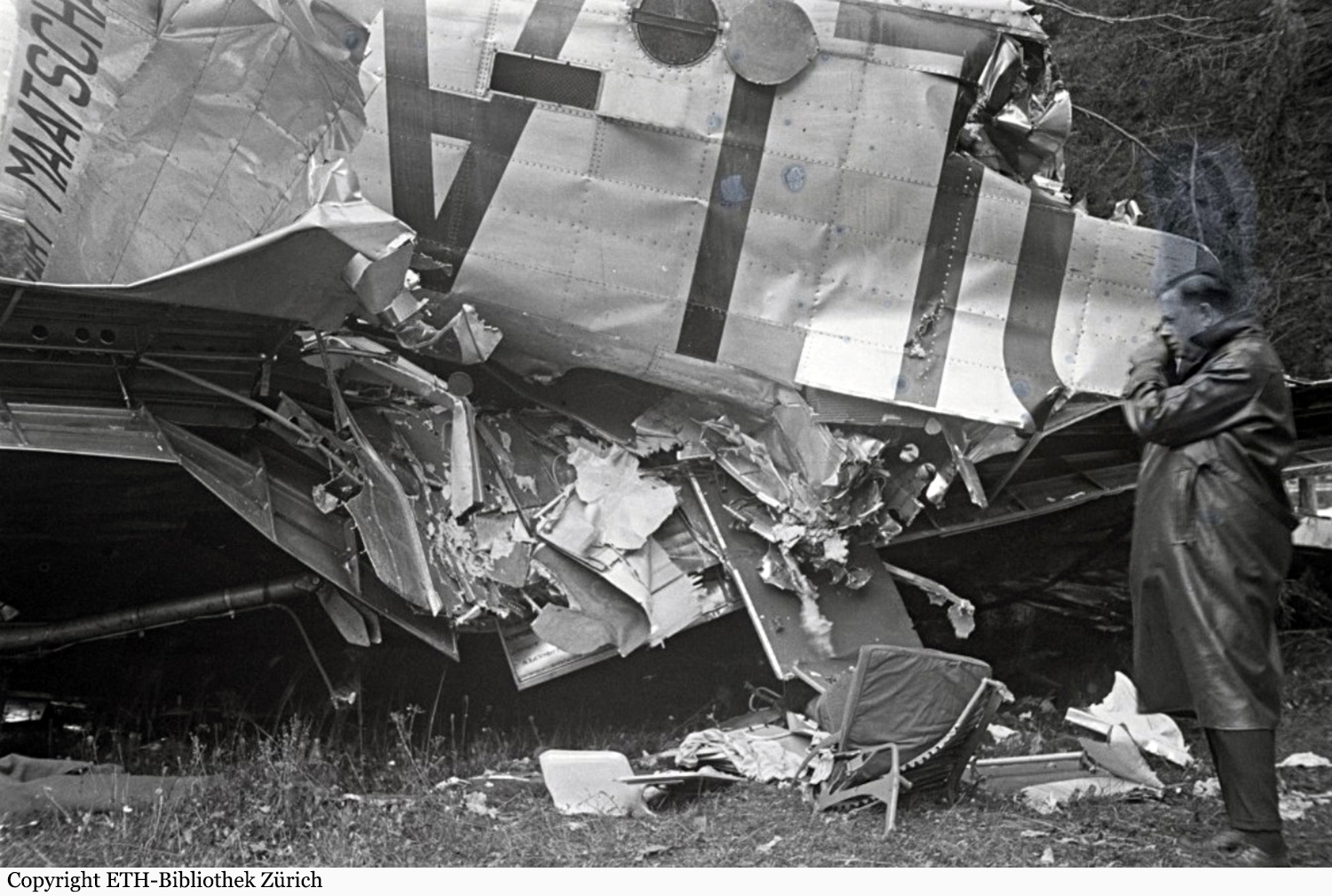
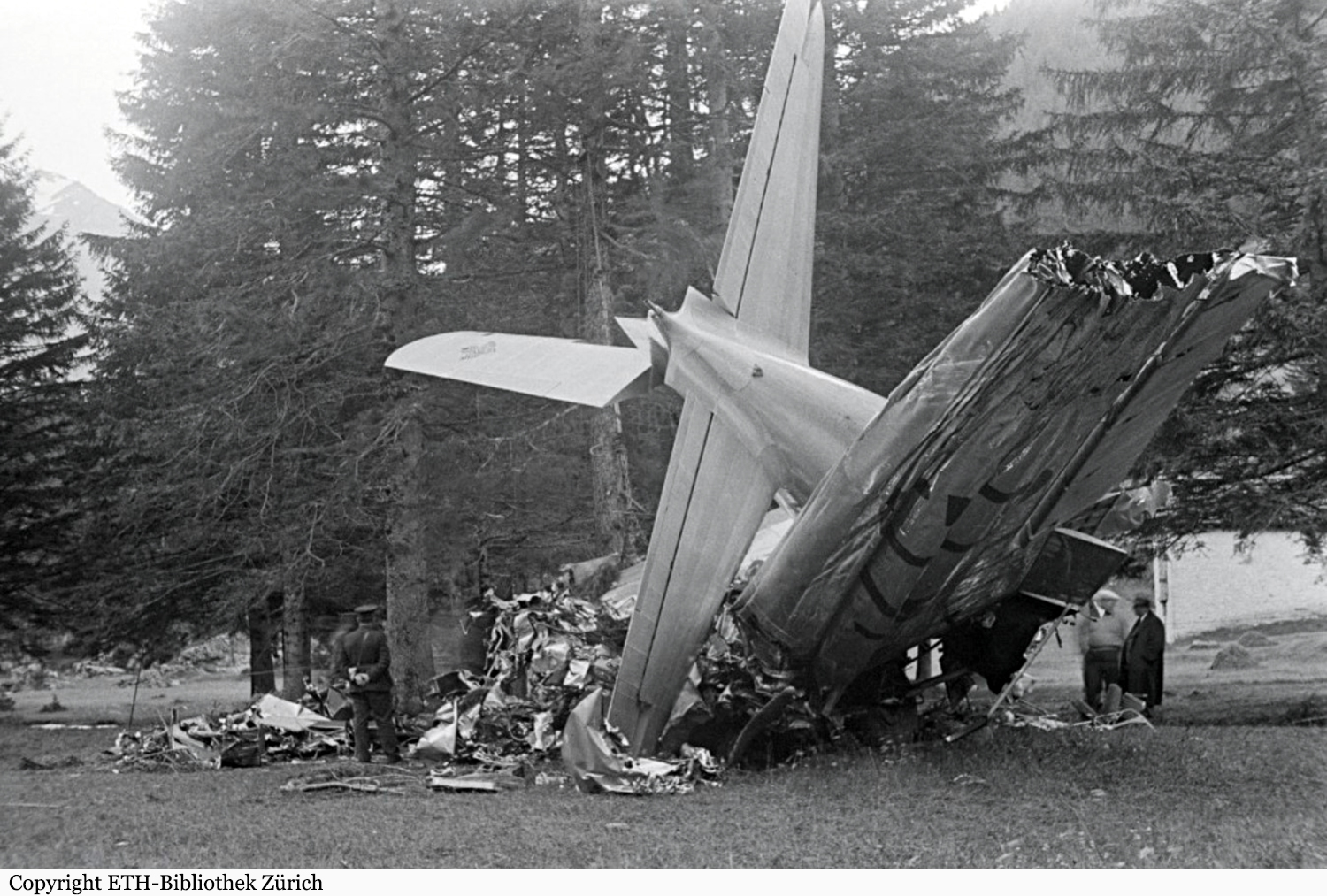
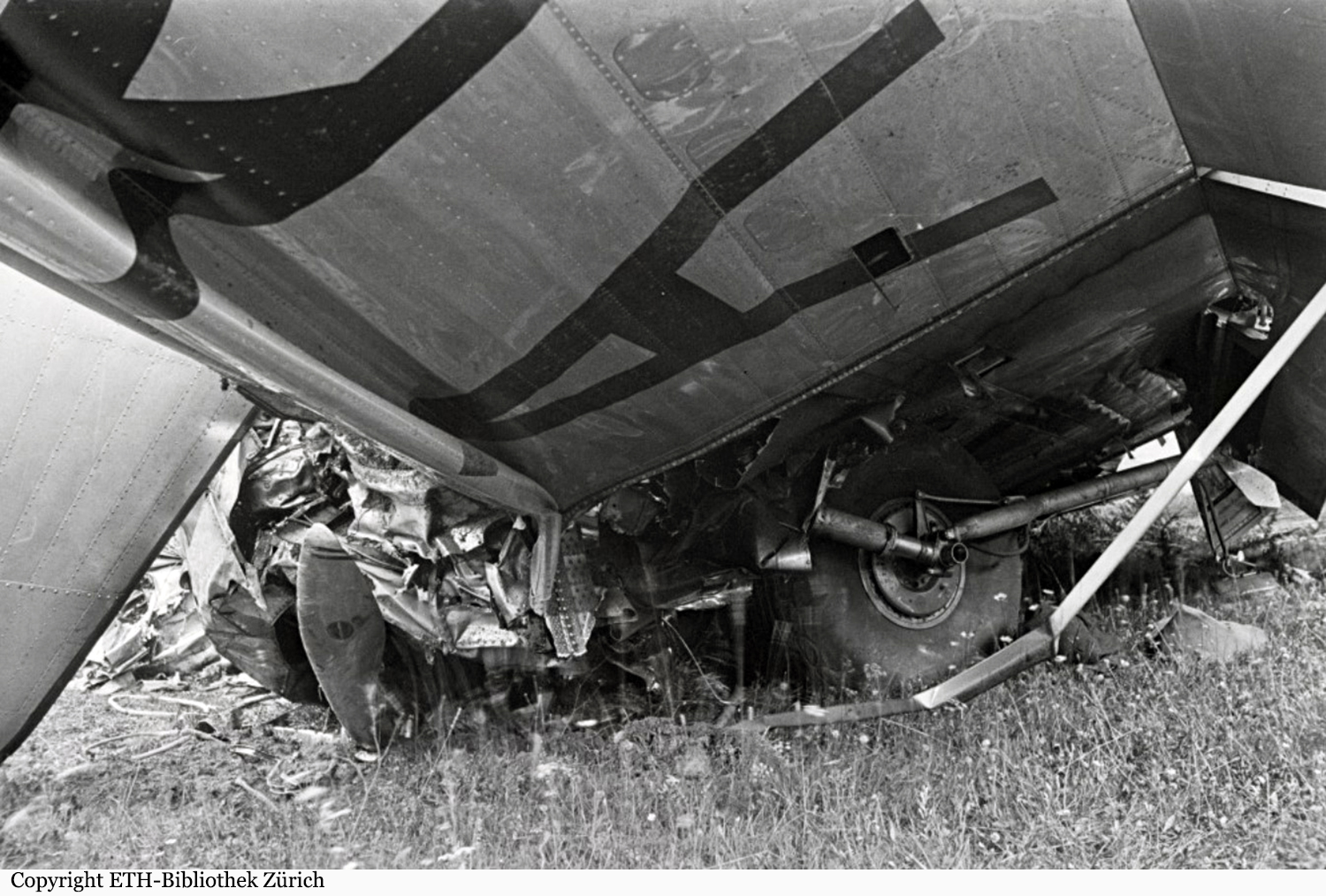
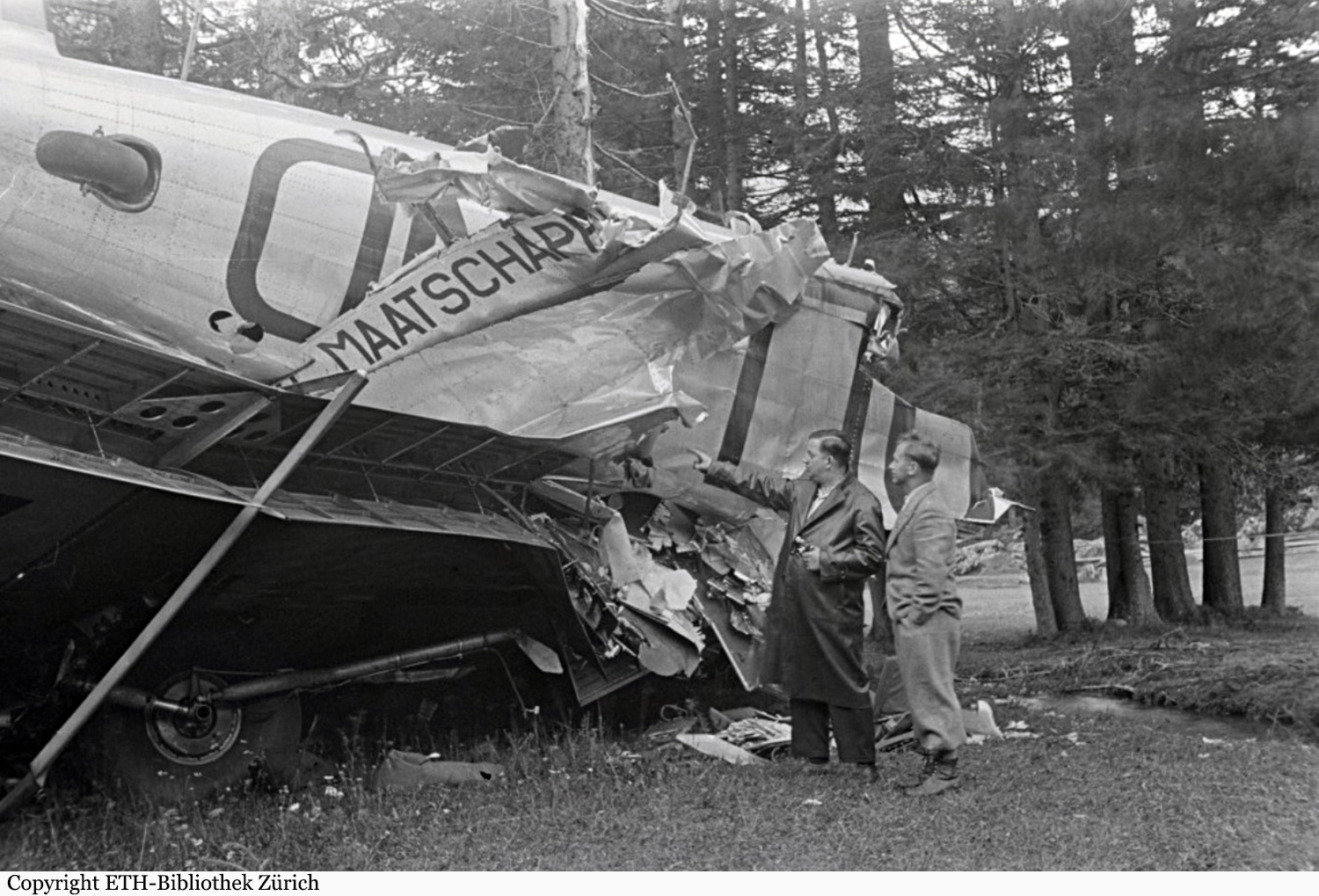
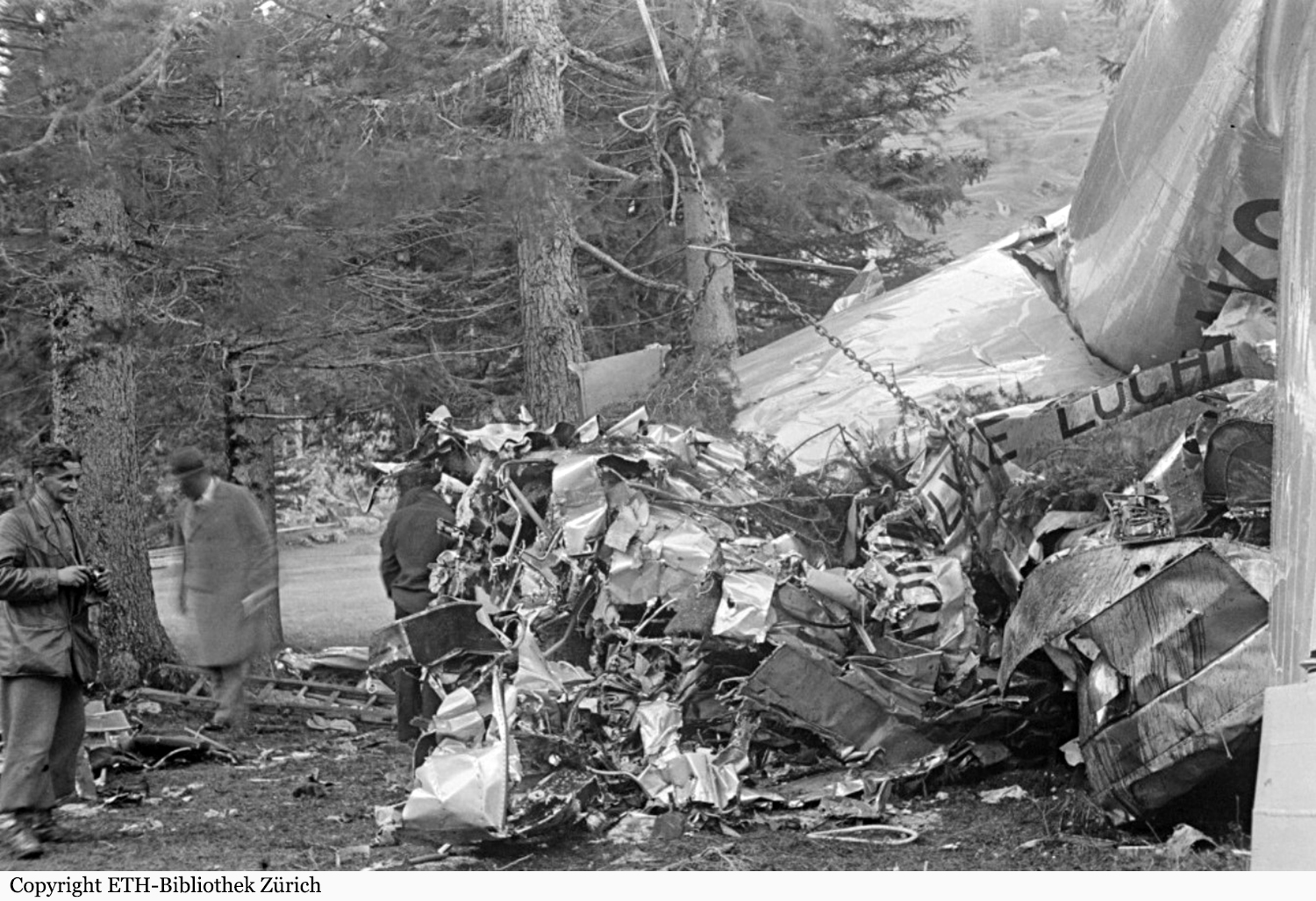
Crash of a Douglas DC-2-115E near Pian San Giacomo: 13 killed

Date & Time: Jul 20, 1935 at 1225 LT
Type of aircraft:
Operator:
Registration:
PH-AKG
Flight Phase:
Survivors:
No
Site:
Schedule:
Milan – Frankfurt – Amsterdam
MSN:
1335
YOM:
1935
Country:
Region:
Crew on board:
4
Crew fatalities:
Pax on board:
9
Pax fatalities:
Other fatalities:
Total fatalities:
13
Captain / Total flying hours:
3200
Circumstances:
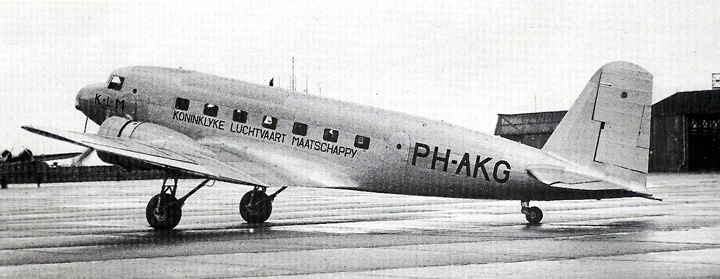
The aircraft named 'Gaai' departed Milan Airport at 1156LT bound for Frankfurt. While overflying Ticino at the altitude of 5,000 metres, the crew encountered poor weather with severe icing conditions. The aircraft lost height and while descending through the last cloud layer, the captain decided to attempt an emergency landing when the aircraft impacted trees and crashed near Pian San Giacomo, Graubünden. The stewardess was found seriously injured while 12 other occupants were killed. She died from her injuries few hours later.
Probable cause:
Lost of control following an excessive accumulation of ice on both wings and fuselage, increasing aircraft's weight and decreasing performances. Poor weather conditions, icing, low visibility and the absence of a suitable terrain for an emergency landing were considered as contributing factors.

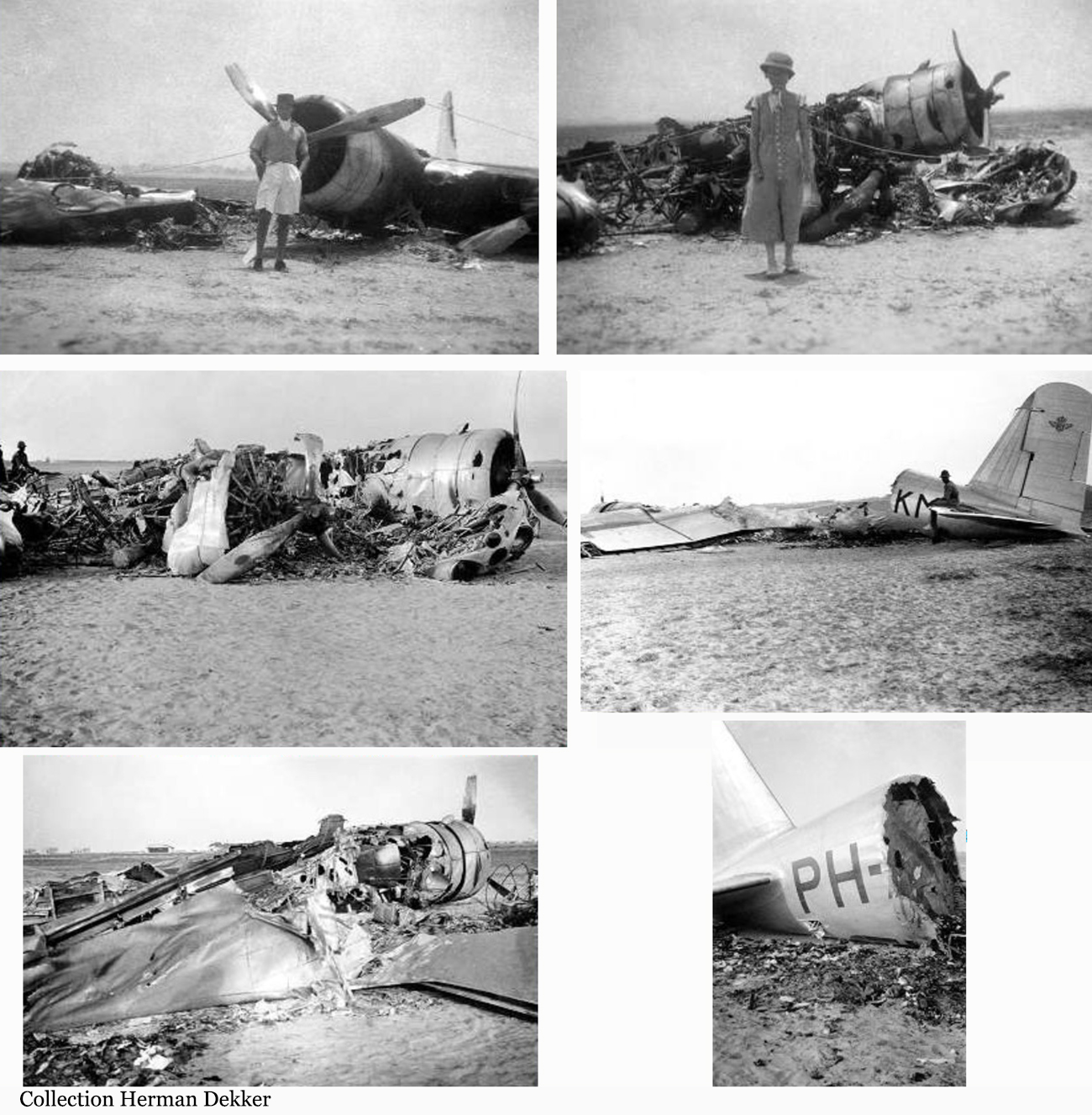
Crash of a Douglas DC-2-115E in Bushehr

Date & Time: Jul 17, 1935 at 1630 LT
Type of aircraft:
Operator:
Registration:
PH-AKM
Flight Phase:
Survivors:
Yes
Schedule:
Batavia – Jodhpur – Bushehr - Baghdad – Amsterdam
MSN:
1359
YOM:
1935
Location:
Country:
Region:
Crew on board:
4
Crew fatalities:
Pax on board:
7
Pax fatalities:
Other fatalities:
Total fatalities:
0
Circumstances:
During the takeoff roll at Bushehr Airport, after a distance of some 300 metres and running at a speed of 120 km/h, the aircraft named 'Maraboe' hit an unevenness on the runway surface. The right main gear broke off and a fuel line was cut. The aircraft went out of control, swerved on runway and eventually came to rest, bursting into flames. All 11 occupants evacuated safely and the airplane was destroyed by fire.
Probable cause:
Undercarriage failure upon takeoff following an impact with an unevenness on the runway surface.

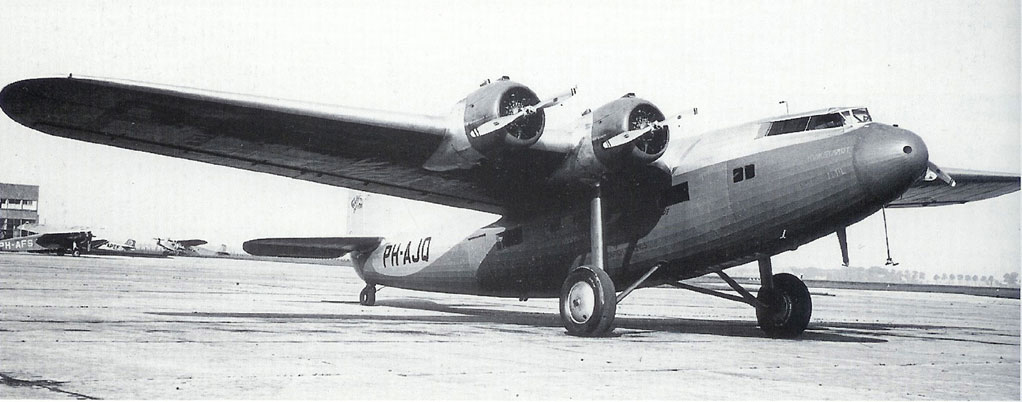
Crash of a Fokker F22 in Amsterdam: 6 killed

Date & Time: Jul 14, 1935 at 0940 LT
Type of aircraft:
Operator:
Registration:
PH-AJQ
Flight Phase:
Survivors:
Yes
Schedule:
Amsterdam – Hamburg – Copenhagen – Malmö
MSN:
5358
YOM:
1935
Country:
Region:
Crew on board:
5
Crew fatalities:
Pax on board:
15
Pax fatalities:
Other fatalities:
Total fatalities:
6
Captain / Total flying hours:
2200
Aircraft flight hours:
51
Circumstances:
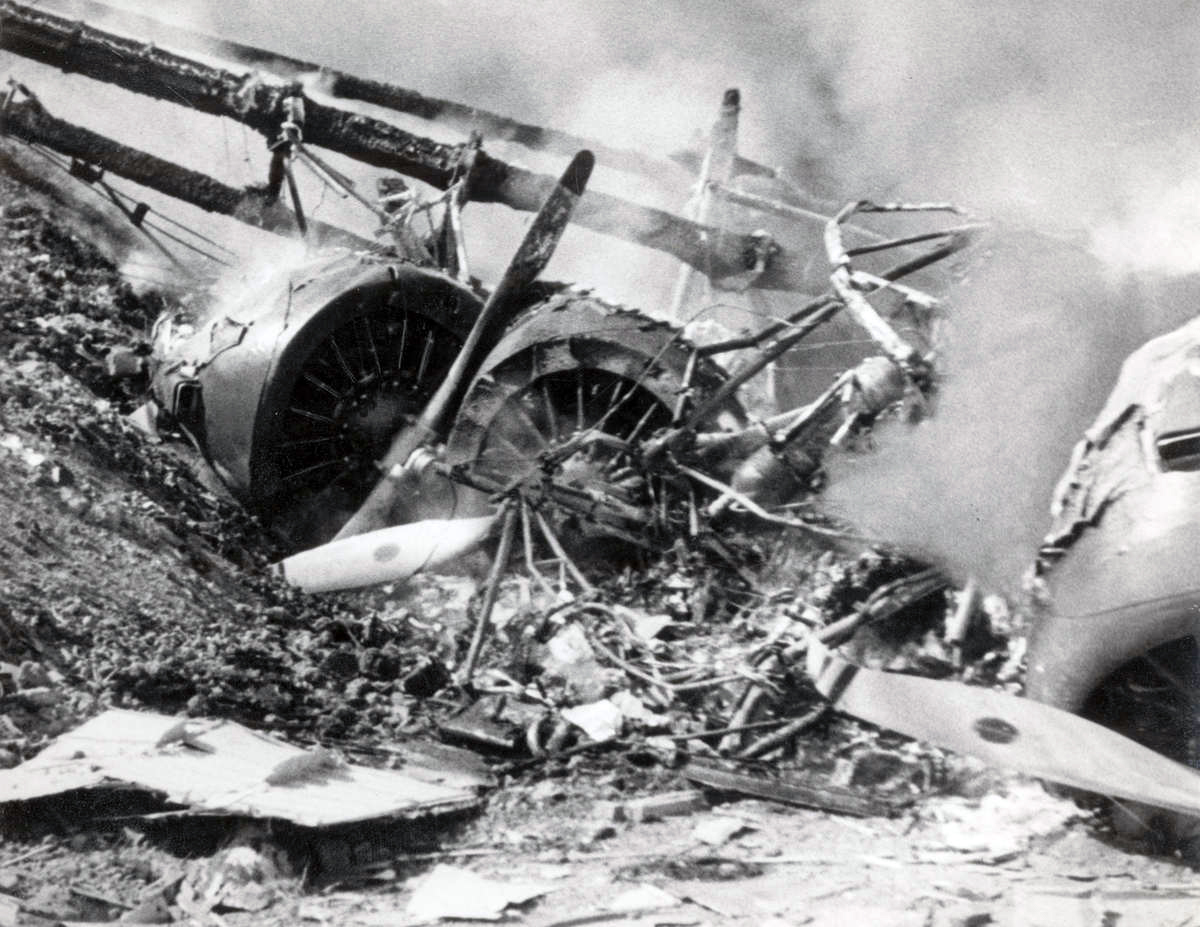
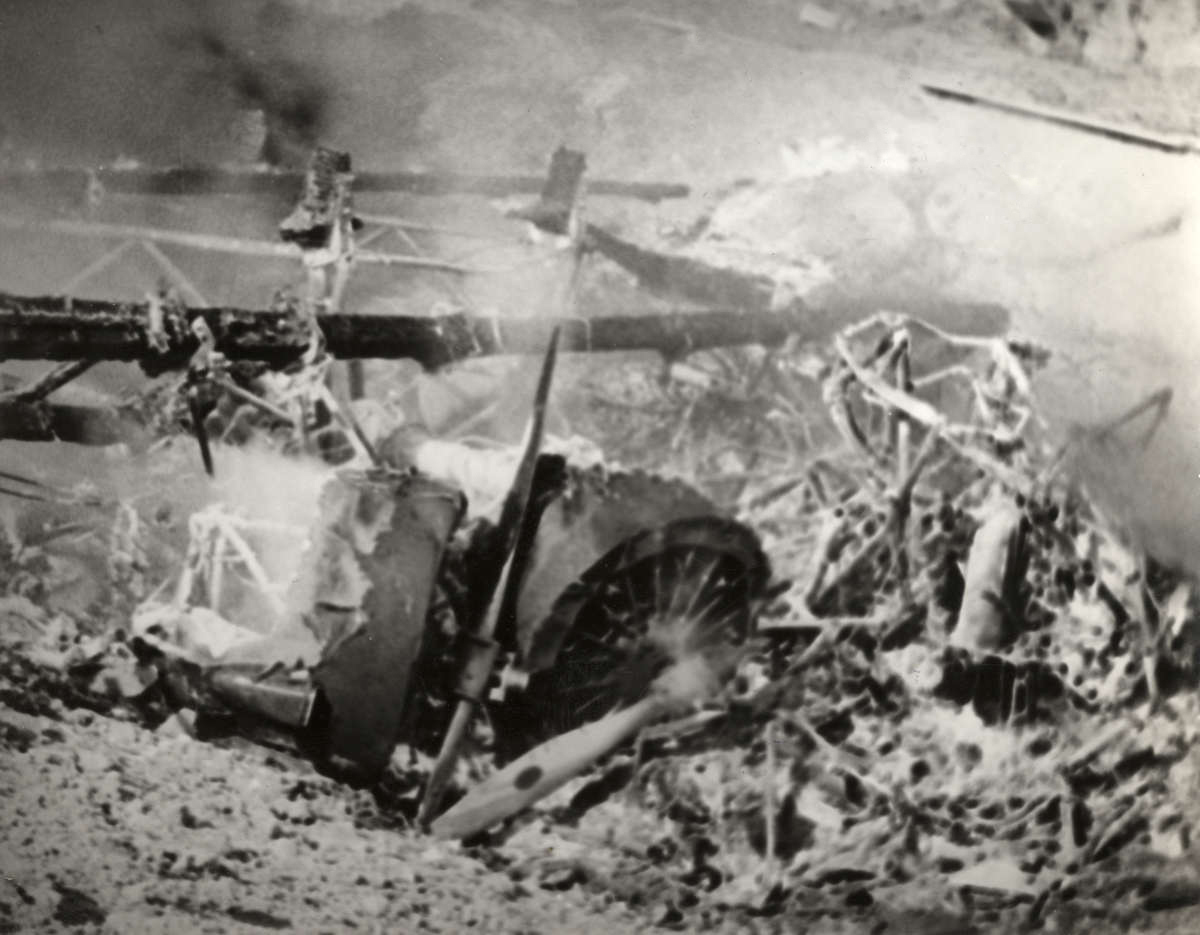
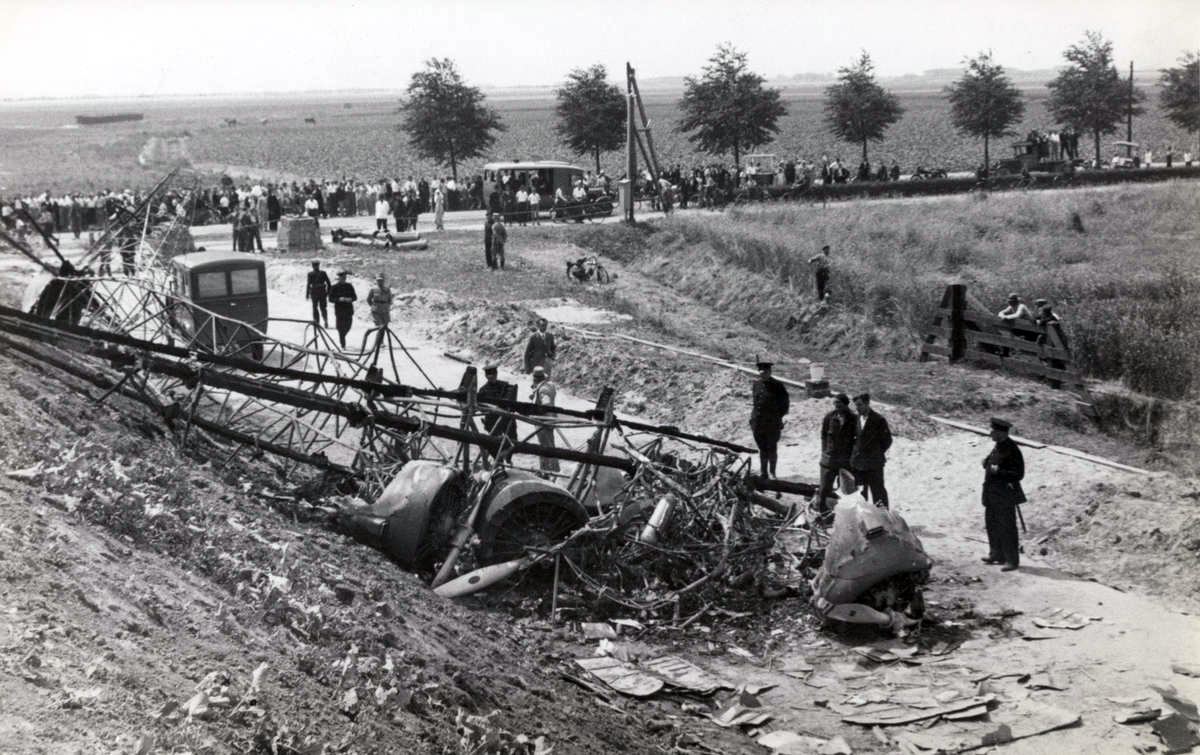
Three minutes after takeoff, while in initial climb, both left engines lost power. The captain decided to return to Schiphol Airport but during the last turn, the aircraft stalled and crashed on an embankment located along the A4 highway, bursting into flames. Four crew members, among them Captain H. Silberstein, and two passengers (Mr. Hodson & Newman) were killed. 14 other occupants were injured.
Crew:
Heinz Silberstein, pilot,
G. F. Nieboer, radio,
G. Brom, engineer,
L. J. van Dijk, engineer,
J. Haberer, steward.
Probable cause:
Technical problems occurred on both left engines during initial climb due to a low fuel transfer. The crew should use the fuel pump manually but the flight conditions were difficult, so the low pressure on both left engine could not be resolved. The crew left the fuel tap on the manual position which may be considered as a contributing factor.

Crash of a Fokker F12 near Brilon: 7 killed

Date & Time: Apr 6, 1935 at 1518 LT
Type of aircraft:
Operator:
Registration:
PH-AFL
Flight Phase:
Survivors:
No
Site:
Schedule:
Prague – Leipzig – Essen – Amsterdam – Rotterdam
MSN:
5242
YOM:
1930
Flight number:
KL676
Country:
Region:
Crew on board:
5
Crew fatalities:
Pax on board:
2
Pax fatalities:
Other fatalities:
Total fatalities:
7
Circumstances:
The three engine aircraft named 'Leeuwerik' departed Leipzig-Halle Airport at 1314LT, carrying two passengers and five crew members. At 1435LT, the radio navigator informed ground about his position some 10 km north of Kassel. Five minutes later, while cruising at a height of 1,000 metres, he reported poor weather conditions and low visibility due to heavy snow falls. He also requested a weather bulletin for Essen, the next stop before Amsterdam. The captain reduced his altitude to 450 metres and completed two successive turns when the aircraft impacted the side of a hilly terrain located some 15 km east of Brilon. The aircraft was destroyed by impact forces and a post crash fire. All seven occupants were killed.
Crew:
P. Soer, pilot,
E. A. J. Prillwitz, copilot,
P. Welman,
H. Wingelaar.
Th. J. van den Klein, engineer.
Passengers:
H. L. A. Briel,
W. de Vlugt.
Probable cause:
It is the opinion of the Accident Investigation Board that at the time of the accident, the horizontal visibility was reduced to 80 meters due to snow falls. In such conditions, crew was unable to distinguish the ground and to establish his real position to continue then flight in a safely manner.

Crash of a Douglas DC-2-115A in Ruţbah Wells: 7 killed

Date & Time: Dec 20, 1934 at 0333 LT
Type of aircraft:
Operator:
Registration:
PH-AJU
Survivors:
No
Site:
Schedule:
Amsterdam – Marseille – Rome – Athens – Cairo – Baghdad – Karachi – Yangon – Singapore – Batavia
MSN:
1317
YOM:
1934
Country:
Region:
Crew on board:
3
Crew fatalities:
Pax on board:
4
Pax fatalities:
Other fatalities:
Total fatalities:
7
Aircraft flight hours:
284
Circumstances:
The crew departed Cairo-Almaza Airport at 2330LT bound for Baghdad. While overflying the Iraqi Desert at night, the crew encountered poor weather conditions and decided to divert to Ruţbah Wells. On approach, the aircraft was at full power when it impacted the ground in a 17° right bank angle and 12° nose down attitude. The aircraft crashed and exploded some 16 km from the Ruţbah Wells Airfield. The aircraft disintegrated on impact and all seven occupants were killed.
Crew:
Wilhelm Marie Okko Anne Beekman, pilot,
Jan Johannes van Steenbergen, copilot,
Hendrik Abraham Waalewijn, engineer,
Gysbert van Zadelhoff, radio navigator.
Passengers:
Dominique Willem Berretty,
E. W. Walch,
Jacob Thymen Kort.
Probable cause:
The cause of the accident is probably not related to a fire, in-flight break-up or lightning, nor related to failures of a technical nature. It is very likely that the very unfavorable weather conditions along with less favorable handling characteristics of the airplane in severe turbulence and fatigue of the pilot have resulted in a collision with the ground, which caused the catastrophe.