Crash of a Rockwell Shrike Commander 500S off Key West

Date & Time: Aug 13, 2023 at 1020 LT
Operator:
Registration:
N62WE
Flight Phase:
Flight Type:
Survivors:
Yes
Schedule:
Orlando - Key West
MSN:
500-3317
YOM:
1978
Crew on board:
1
Crew fatalities:
Pax on board:
0
Pax fatalities:
Other fatalities:
Total fatalities:
0
Captain / Total flying hours:
975
Captain / Total hours on type:
338.00
Aircraft flight hours:
3997
Circumstances:
The pilot was enroute to the destination airport and overflying the Gulf of Mexico when about 15 nautical miles from the airport and at an altitude of 3,000 ft, the right engine suddenly lost power. The pilot described that about that time, the fuel totalizers indicated that 48 gallons of fuel were onboard, and his fuel quantity gauge indicated similarly. He then contacted air traffic control and declared an emergency. Shortly thereafter, the left engine also suddenly lost power. The pilot attempted to troubleshoot the issue and restart both engines but was unsuccessful. He subsequently ditched the airplane and was rescued from the water without injury. The airplane was not recovered and could not be examined after the accident, therefore the reason for the loss of engine power could not be determined.
Probable cause:
A total loss of engine power for reasons that could not be determined.
Final Report:

Crash of a Cessna 650 Citation VII off Veracruz: 3 killed

Date & Time: Jul 28, 2023 at 2050 LT
Type of aircraft:
Operator:
Registration:
XB-VFJ
Flight Phase:
Flight Type:
Survivors:
No
Schedule:
Veracruz – Toluca
MSN:
650-7053
YOM:
1993
Country:
Crew on board:
2
Crew fatalities:
Pax on board:
1
Pax fatalities:
Other fatalities:
Total fatalities:
3
Circumstances:
The airplane departed Veracruz-General Heriberto Jara Corona Airport Runway 01 at 2047LT on a private flight to Toluca, carrying one passenger and two pilots. Three minutes later, while climbing at night, it entered an uncontrolled descent until it crashed into the sea off Ciudad de Veracruz. The airplane was destroyed upon impact and all three occupants were killed.

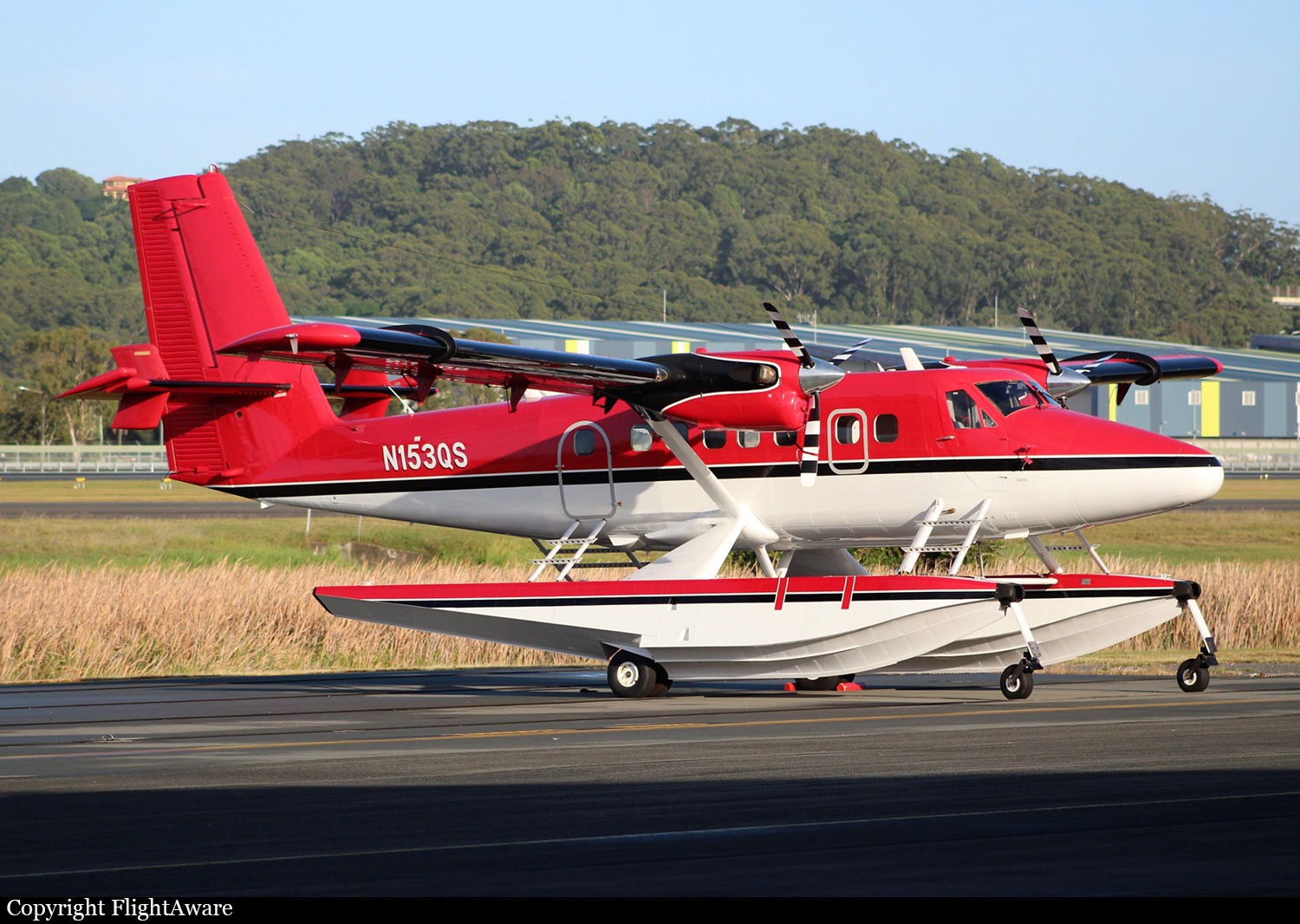
Crash of a Viking Air DHC-6 Twin Otter 400 off Half Moon Bay: 2 killed

Date & Time: May 20, 2023 at 1400 LT
Operator:
Registration:
N153QS
Flight Phase:
Flight Type:
Survivors:
No
Schedule:
Santa Rosa - Honolulu
MSN:
869
YOM:
2013
Crew on board:
2
Crew fatalities:
Pax on board:
0
Pax fatalities:
Other fatalities:
Total fatalities:
2
Captain / Total flying hours:
7140
Copilot / Total flying hours:
20000
Aircraft flight hours:
1641
Circumstances:
The airplane was conducting a trans-Pacific flight when the accident occurred. A ferry fuel tank system was installed on the airplane and 1,189 gallons of fuel was added for the flight. About 4 hours into the flight over the Pacific Ocean, the crew contacted air traffic control (ATC) and reported that they were having a fuel transfer problem and were thinking of turning around. The crew then reported they were declaring an emergency and had 10 hours of fuel remaining but could only access about 2 hours of fuel. Satellite flight track data showed the airplane reversed course when it was about 356 miles from the California coast. About 132 miles from the coast the flight track decreases in altitude to about 4,000 ft above mean sea level (msl). The last few minutes of the data shows the altitude decrease from about 3,600 ft msl to about 240 ft msl. The last track data point was located about 33 miles off the California coast. The United States Coast Guard (USCG) responded to the accident location and reported the fuselage was inverted in the water. They reported the wings and engines were separated from the fuselage. The pilots were still strapped in their seats and unresponsive. The occupants were not recovered. Search efforts resulted in finding the nose landing gear, right wing, and right engine. A fuel bladder tank had washed ashore in southern California. Postaccident examination of the recovered components revealed no evidence of any preimpact mechanical malfunctions or failures that would have precluded normal operation. A mechanic reported that he was instructed to set up the ferry fuel tank system in the accident airplane. He installed but did not fill the system with fuel, as he did not know when the flight would take place and it would have been unsafe to have the bladders contain fuel for several days before the flight. After installing the ferry fuel tank system, he contacted the copilot (who was also a mechanic), who was then to complete the installation. The mechanic understood that the copilot would be responsible for the final installation of the ferry fuel tank system and complete the appropriate logbook entries. The mechanic was not present when the copilot completed the installation and was not sure if the copilot had signed off on it.
Probable cause:
The failure of the ferry fuel tank system to transfer fuel during a trans-Pacific flight for reasons that could not be determined, which resulted in fuel starvation and a subsequent ditching into the water.
Final Report:

Crash of a Learjet 36A off San Clemente NAS: 3 killed

Date & Time: May 10, 2023 at 0749 LT
Type of aircraft:
Operator:
Registration:
N56PA
Flight Phase:
Flight Type:
Survivors:
No
Schedule:
Point Mugu - Point Mugu
MSN:
36-023
YOM:
1976
Flight number:
Fenix 01
Crew on board:
3
Crew fatalities:
Pax on board:
0
Pax fatalities:
Other fatalities:
Total fatalities:
3
Captain / Total flying hours:
10300
Captain / Total hours on type:
5700.00
Copilot / Total flying hours:
1013
Copilot / Total hours on type:
844
Aircraft flight hours:
18807
Circumstances:
The accident airplane took off as the lead airplane in formation with a second Lear Jet airplane flying as wingman in a close formation position. The purpose of the flight was to participate in an exercise with the United States Navy in an over-water training area. Shortly after entering the training area at 15,000 ft mean sea level (msl) the wingman positioned on the right side of the accident airplane, observed the flaps on the accident airplane were partially extended. They notified the pilot of the accident airplane who acknowledged the radio call. The wingman then observed the flaps retract and observed white or gray colored “smoke or gas” coming from the left aft side of the airplane. The pilot in the accident airplane then radioed that they detected an odor in the cabin. Seconds later, the wingman observed red fluid on the underside of the tail cone followed by flames coming from around the aft equipment bay (tail cone) access door. They informed the accident pilots that their airplane was on fire and the accident pilot declared an emergency along with their intentions to land at a nearby airfield on the island. The wingman took over leading the formation and maneuvered in front of the accident airplane. The wingman last observed and heard radio transmissions from the accident airplane a short time later as they descended through about 7000 ft msl. The flight was above an overcast cloud layer that obstructed the view of the island at that time. Recorded ADS-B data showed that the accident airplane subsequently made a series of descending turns before the data ended. The airplane wreckage was located underwater about 4 miles northwest of the last ADS-B data point. The wreckage was highly fragmented, and the debris field extended several hundred feet along the ocean floor. Salvage operations were able to recover about 40 percent of the airplane wreckage. Examination of the wreckage showed areas of smoke and fire damage in portions of the airplane from the center wing fuselage outboard through the left- and right-wing roots and aft throughout the empennage. The aft equipment bay forward bulkhead, which also served as the fuselage fuel tank aft bulkhead, exhibited damage on the upper left side consistent with exposure to a focused heat source such as a fire from a leak in a pressurized fuel or hydraulic line. Additional evidence of focused fire damage was identified in the left engine pylon, which was located outboard and adjacent to the aft equipment bay. The effected area of the pylon contained engine fire detection circuits. Examination of the hydraulic shutoff valves attached to the hydraulic reservoir found that the left hydraulic shutoff valve was closed and the right valve was in the open position. The position of the left hydraulic shutoff valve indicates the aircrew likely shut down the left engine due to a fire indication (A hydraulic valve will close if the FIRE PULL tee-handle switch is activated by the flight crew in the event an engine fire is detected). Investigators were unable to determine if the witnessed flap extension and retraction was initiated by activation of the flap selector switch or induced by fire damage. The aft equipment bay houses electrical equipment capable of providing an ignition source for a fire, and hydraulic and fuel system components capable of providing fuel for a fire in the event of a leak. The left fuel motive flow line was intact from the fuel pump up to the fuselage fitting, where the line passes through the fuselage skin into the aft equipment bay near the aft left engine mount. The fuselage fitting had the stainless-steel fuel line and b-nut attached on the outboard, engine side. The inboard, aft equipment bay side of the fitting did not have an aluminum b-nut attached or the line that connects the fitting to the motive flow valve. The left engine hydraulic pressure line and PT2 line, which pass through the fuselage into the aft equipment bay adjacent to the motive fuel line, each had aluminum b-nuts present on the interior side of their respective fuselage fittings and the interior lines for each was sheared at the fitting. The left fuel motive flow fuselage fitting and the hydraulic fluid return fitting were examined. No thermal damage was observed on the outboard nuts and attached portions of tubing. Examination of the threads on the inboard side of the motive flow fitting did not exhibit evidence of thread stripping and comparison between the two fittings did not reveal any physical differences to explain why one nut remained attached and the other did not. The reason the motive flow nut was missing from the fitting could not be determined. Observed fire and heat damage patterns indicate the fire likely started in proximity to the where the pressurized fuel motive flow line connected to the firewall fitting where the missing b-nut was located. A leak from the pressurized motive flow line would have sustained and allowed an uncontrollable fire to develop. The sustained fire likely affected controllability of the airplane and resulted in the pilots’ loss of control of the airplane.
Probable cause:
The pilots’ loss of airplane control following a catastrophic fire that started on the left side of the aft equipment bay (tail cone). The fire likely initiated from a leak from the left fuel motive flow line due to a b-nut that loosened for reasons that could not be determined based on available evidence.
Final Report:


Crash of a Cessna 421B Golden Eagle off Barcelona: 3 killed

Date & Time: May 1, 2023 at 1115 LT
Registration:
YV1207
Flight Phase:
Flight Type:
Survivors:
No
Schedule:
Cumaná – Coro
MSN:
421B-0244
YOM:
1972
Country:
Crew on board:
1
Crew fatalities:
Pax on board:
2
Pax fatalities:
Other fatalities:
Total fatalities:
3
Circumstances:
Radar contact was lost with the airplane while en route from Cumaná to Coro, heading 262° some 30 NM off Barcelona. The airplane failed to arrive at destination. SAR operations were initiated and no trace of the airplane nor the occupants was found.

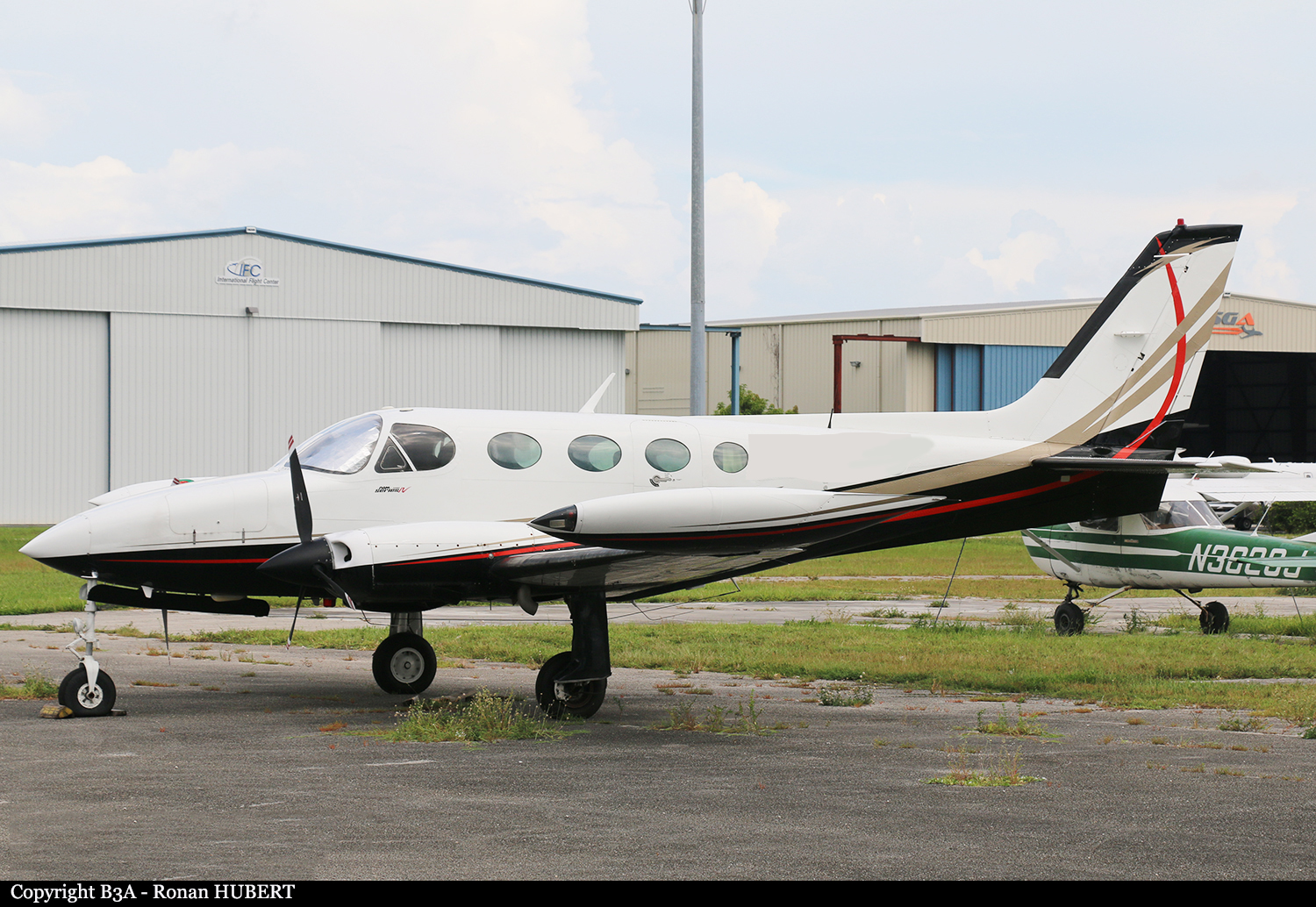
Crash of a Cessna 340A off Providenciales

Date & Time: Jan 3, 2023 at 1122 LT
Type of aircraft:
Registration:
N824BC
Flight Phase:
Flight Type:
Survivors:
Yes
Schedule:
Basseterre – Providenciales
MSN:
340A-0306
YOM:
1977
Crew on board:
1
Crew fatalities:
Pax on board:
3
Pax fatalities:
Other fatalities:
Total fatalities:
0
Captain / Total flying hours:
288
Aircraft flight hours:
4795
Circumstances:
The pilot reported that he began the accident flight with 160 gallons of fuel on board. The airplane was equipped with two main wingtip fuel tanks, two in-wing auxiliary fuel tanks, and one engine nacelle locker fuel tank. His normal procedure was to operate for 50 minutes out of the main tanks, then use most of the fuel in the auxiliary tanks, then transfer fuel out of the locker tank and use all of that fuel. While approaching the destination airport, he attempted to transfer fuel from the locker tank; however, he later noticed that fuel was not transferring from that tank. Later, the right engine lost all power, followed by the left. He subsequently ditched the airplane in the ocean about 17 miles from of the destination airport. The airplane landed on the water, and the pilot and his passengers donned life vests and egressed before the airplane sank. The occupants were rescued about 4 hours later. The airplane was not recovered from the ocean and was presumed substantially damaged. A postaccident examination of the fuel system could not be performed and the reason for the pilot’s inability to transfer fuel from the engine nacelle locker tank could not be determined.
Probable cause:
A fuel system malfunction for reasons that could not be determined, which resulted in fuel starvation to both engines.
Final Report:

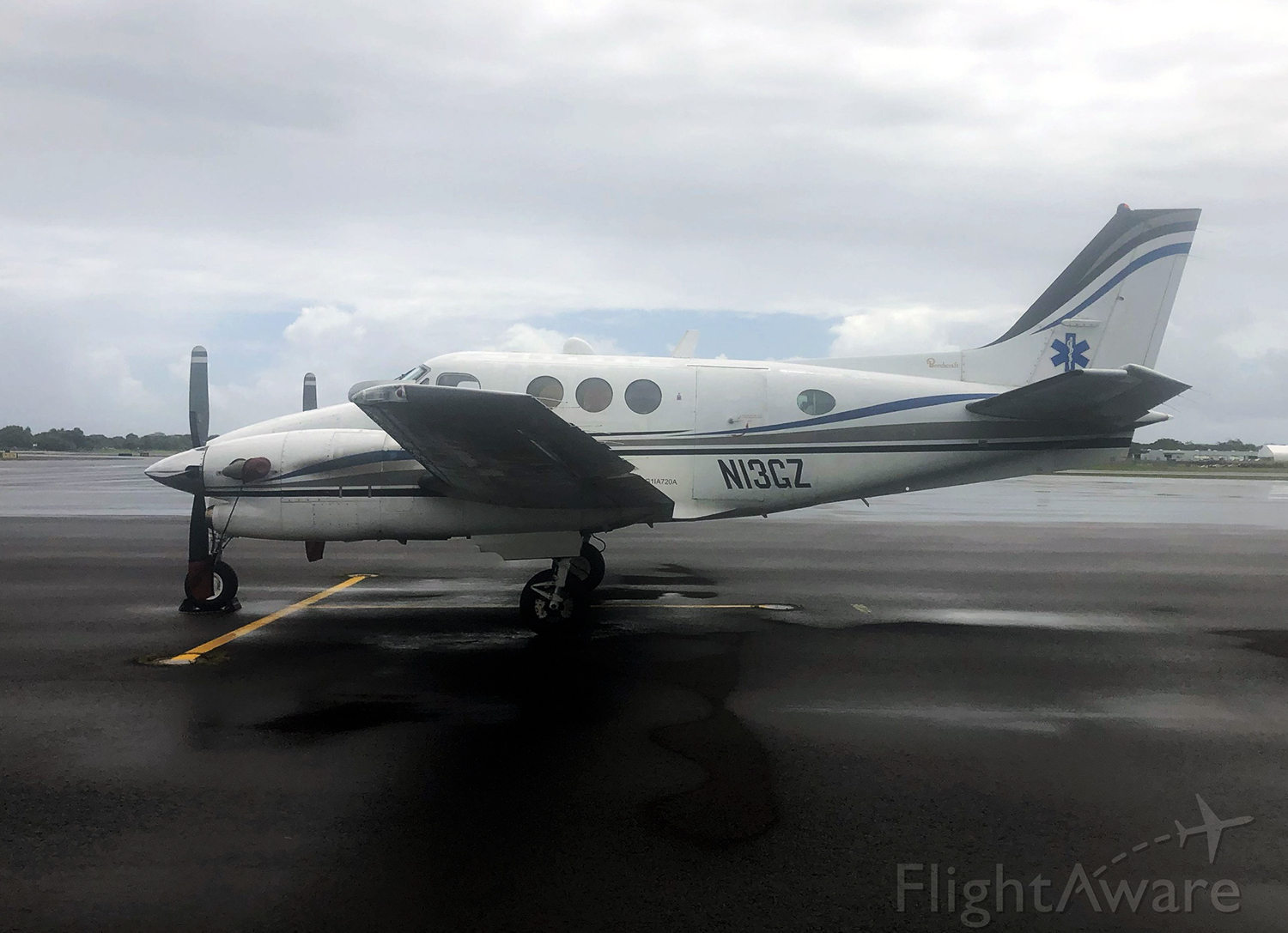
Crash of a Beechcraft C90A King Air off Hana: 3 killed

Date & Time: Dec 15, 2022 at 2114 LT
Type of aircraft:
Operator:
Registration:
N13GZ
Flight Phase:
Flight Type:
Survivors:
No
Schedule:
Kahului – Waimea
MSN:
LJ-1590
YOM:
2000
Location:
Crew on board:
1
Crew fatalities:
Pax on board:
2
Pax fatalities:
Other fatalities:
Total fatalities:
3
Captain / Total flying hours:
7668
Captain / Total hours on type:
615.00
Aircraft flight hours:
10130
Circumstances:
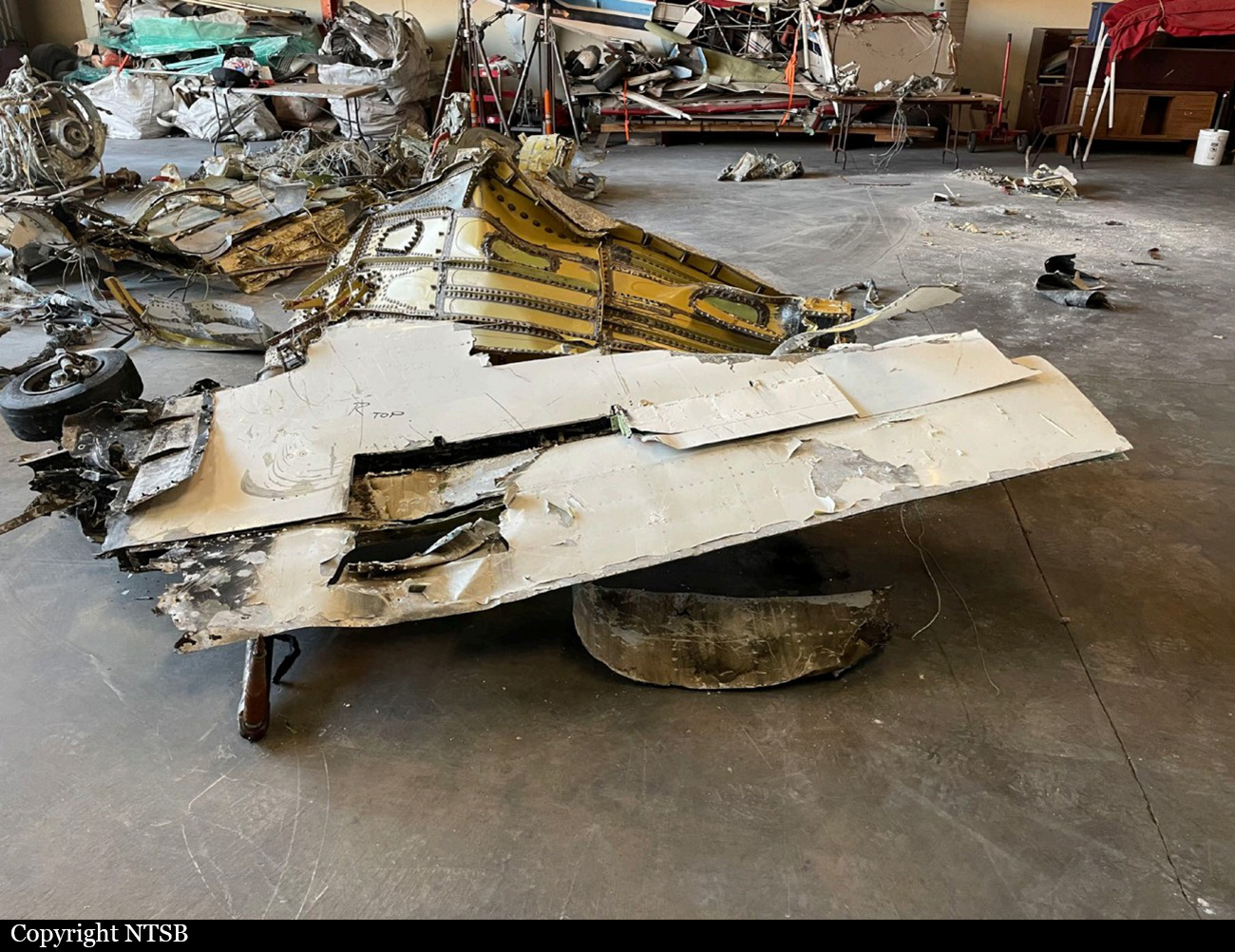
The medical transport flight was en route to pick up a patient on a neighboring island on an instrument flight rules (IFR) flight plan in dark night conditions over the ocean. About 13 minutes after departure, at 13,000 ft mean sea level (msl), the airplane’s vertical gyro failed, which subsequently failed the pilot’s Electric Attitude Director Indicator (EADI), which also caused the autopilot to disconnect. The failure of the EADI and autopilot disconnect required the pilot to manually fly the airplane using the copilot’s attitude gyro for his horizon information (bank angle and pitch attitude) for the duration of the flight. The pilot did not declare an emergency, nor did he inform air traffic control (ATC) that his electric attitude indicator had failed and that his autopilot had disengaged. After the instrumentation failure and autopilot disconnect, the airplane entered a series of right banks before being brought back to level, followed by a left turn, and then subsequent right banks. ATC asked the pilot to change course and the pilot agreed. The copilot attitude indicator indicated that the airplane entered a descending, steep right bank turn. Over the next 5 minutes, ATC issued varying instructions to the pilot. During this time, the airplane entered several right- and left-hand banks and rolls and descended 1,000 ft per minute (fpm), which increased to -3,500 fpm as the airplane’s airspeed increased. About 7 minutes after the instrumentation failure, the airplane was in a 65° bank angle when ATC asked the pilot to verify his heading. As the pilot responded, the airplane bank angle increased to 90° and the airspeed exceeded 260 knots. The bank angle and airspeed continued to increase; a loud metallic bang was recorded that was consistent with an in-flight separation of the empennage from the fuselage before impacting with the water. After an extensive underwater search, the main wreckage was located on the seabed at a depth of about 6,420 ft. The wreckage was recovered and transported to a facility for examination.
Probable cause:
Guardian Flight’s inadequate pilot training and performance tracking, which failed to identify and correct the pilot’s consistent lack of skill, and which resulted in the pilot’s inability to maintain his position inflight using secondary instruments to navigate when the airplane’s electronic attitude direction indicator failed, leading to his spatial disorientation and subsequent loss of control. Contributing to the accident was the lack of a visible horizon during dark night overwater conditions and the pilot’s failure to declare an emergency with air traffic control.
Final Report:
Crash of a Pilatus PC-6/B2-H4 Turbo Porter off Heraklion: 1 killed

Date & Time: Dec 15, 2022 at 0952 LT
Operator:
Registration:
PK-SNF
Flight Phase:
Flight Type:
Survivors:
Yes
Schedule:
Buochs - Maribor - Podgorica - Heraklion - Hurghada
MSN:
1019
YOM:
2022
Country:
Region:
Crew on board:
1
Crew fatalities:
Pax on board:
1
Pax fatalities:
Other fatalities:
Total fatalities:
1
Circumstances:
The single engine airplane departed Buochs Airport on December 12 on a delivery flight to its new owner, Smart Cakrawala Aviation based in Indonesia. The crew made a stop in Maribor and Podgorica then continued to Heraklion. On December 15, shortly after takeoff from Heraklion-Nikos Kazantzakis Airport runway 09, en route to Hurghada, the airplane climbed to an altitude of 1,400 feet when the pilot reported problems and declared an emergency. After completing a right turn to return to the airport, the airplane lost height and speed then stalled and crashed into the sea off Karteros. The pilot aged 26 was slightly injured while the passenger, an Indonesian citizen aged 68, died shortly later. The airplane floated for a while then sank. Named 'Franz', the airplane was the last PC-6 built by the Swiss manufacturer.

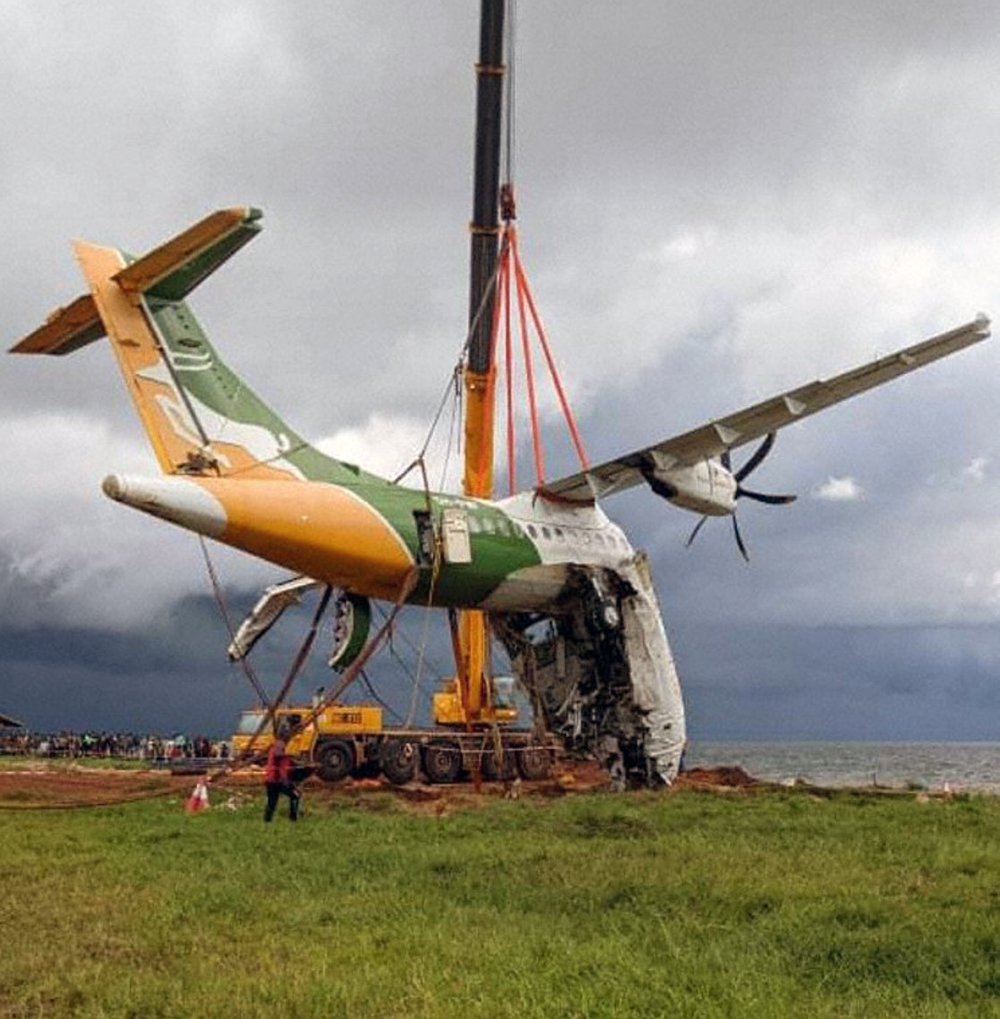
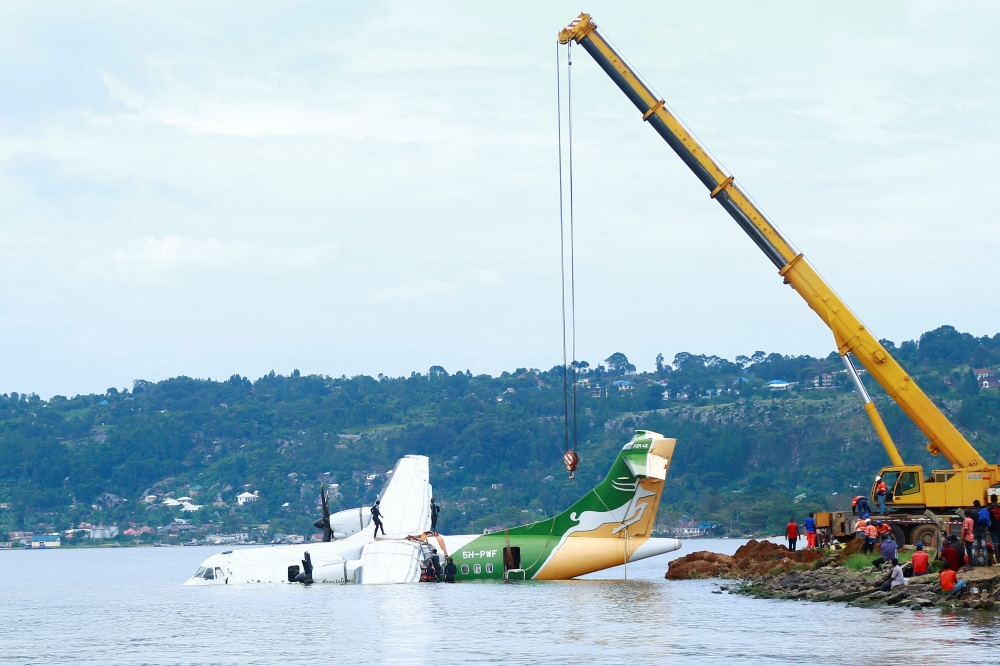
Crash of an ATR42-500 off Bukoba: 19 killed

Date & Time: Nov 6, 2022 at 0843 LT
Type of aircraft:
Operator:
Registration:
5H-PWF
Survivors:
Yes
Schedule:
Dar es-Salaam – Bukoba
MSN:
819
YOM:
2010
Flight number:
PW494
Country:
Region:
Crew on board:
4
Crew fatalities:
Pax on board:
39
Pax fatalities:
Other fatalities:
Total fatalities:
19
Captain / Total flying hours:
23515
Captain / Total hours on type:
11919.00
Copilot / Total flying hours:
2109
Copilot / Total hours on type:
1700
Aircraft flight hours:
16893
Aircraft flight cycles:
16610
Circumstances:
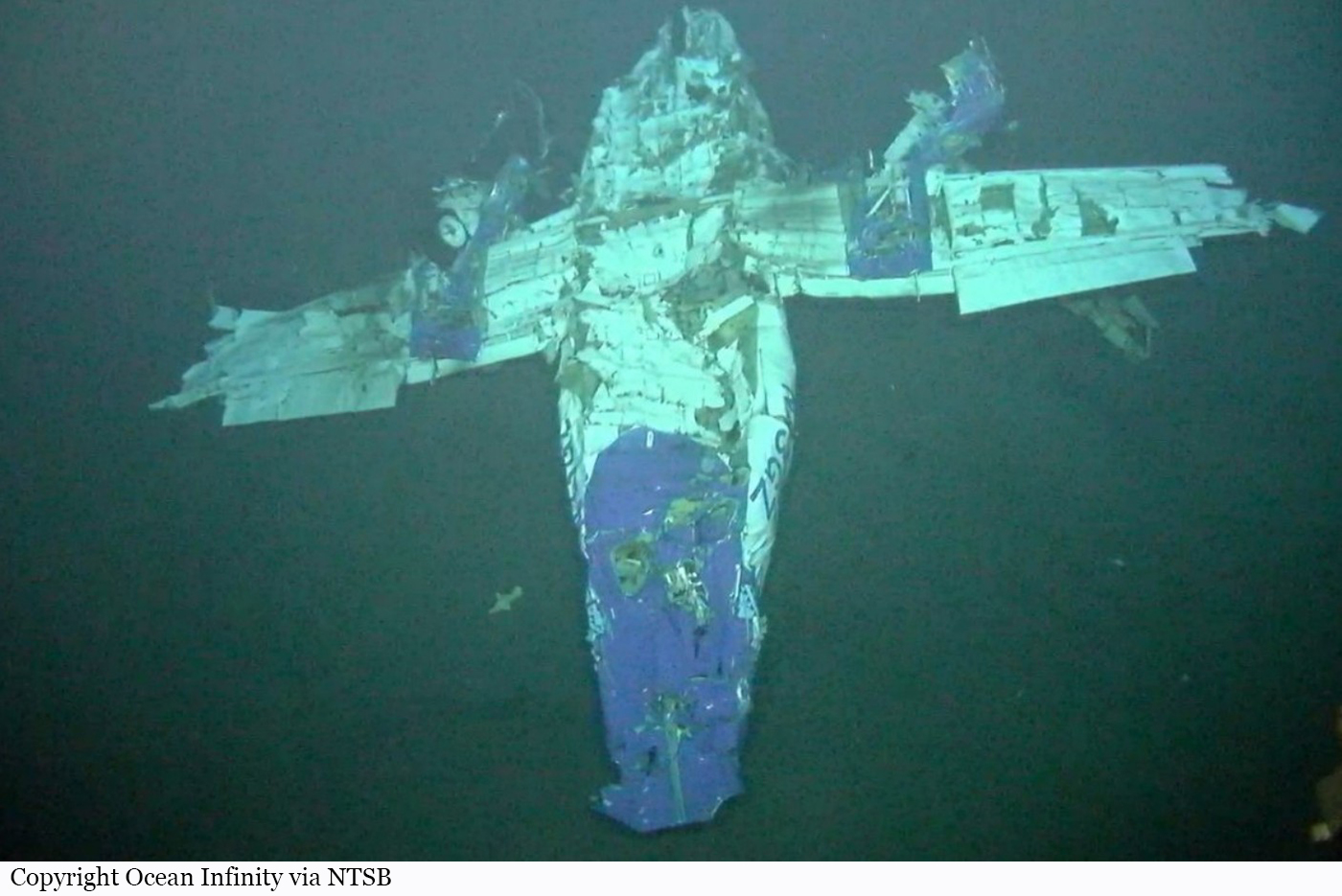
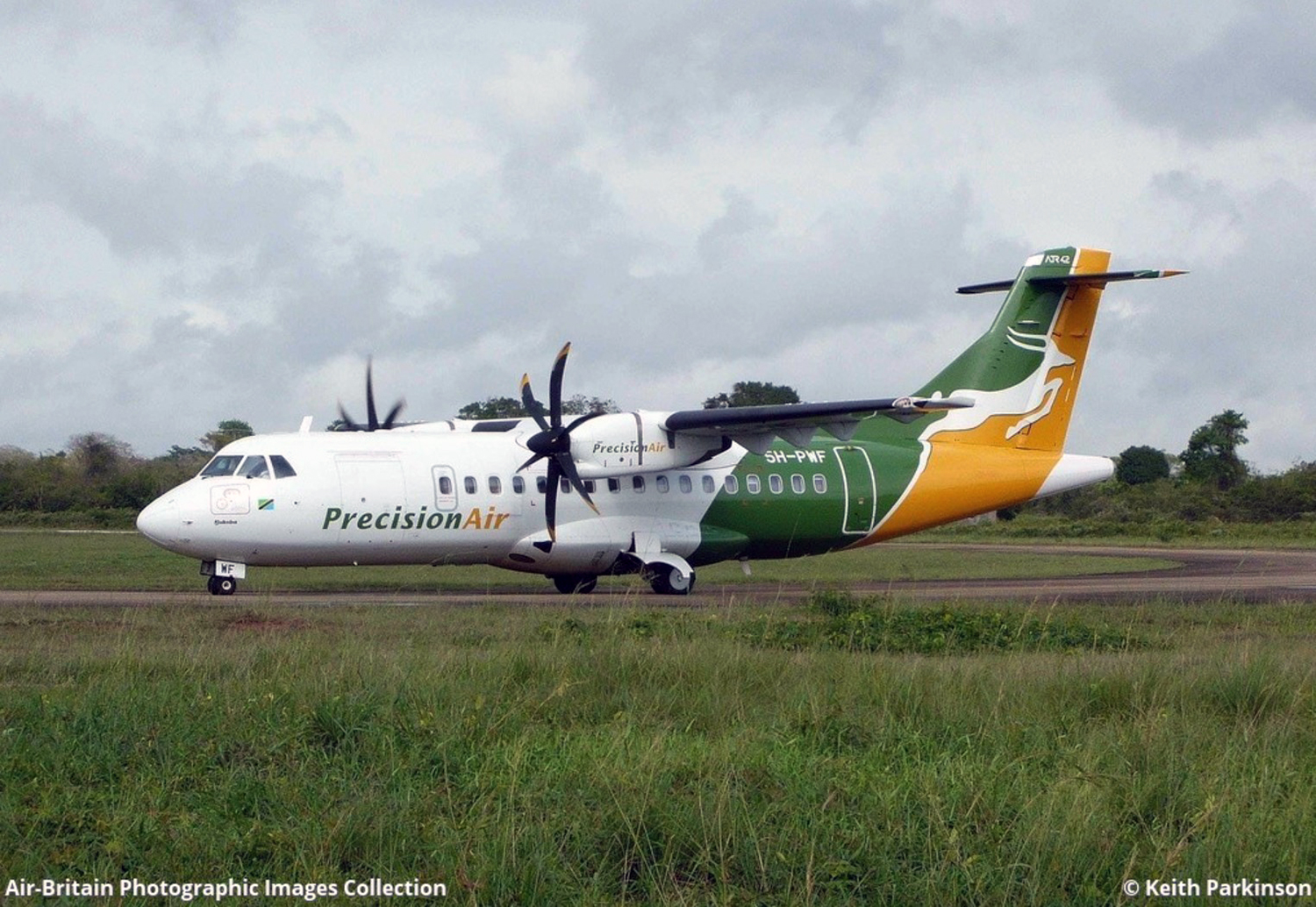
During the approach, the crew encountered heavy rain and thunderstorms with lightning as well as significant crosswind and turbulence. During the final approach, several nose down inputs on the control column increased the descent rate of the aircraft. The EGPWS SINK RATE-SINK RATE alert triggered 15 seconds before the accident. Then the EGPWS PULL-UP warning triggered, followed by flight crew's nose up input on control column, around 2 seconds before the aircraft struck the water surface of Lake Victoria about 500 meters short of runway 31 threshold. The impact with the water caused significant damage to the aircraft fuselage followed by water entering the cabin and flight deck. There was no fire but the aircraft was damaged beyond economic repair. Of the 43 persons on board, 17 passengers and 2 pilots lost their lives while 22 passengers and 2 cabin crew members survived without serious injuries. It is considered that conducting an unstabilized final approach in poor weather conditions that could not allow clear visual contact with the ground was a major factor in this accident.The decision of the Pilot in Command to negotiate his way through the narrow weather window in order to reach the runway,the high crew workload caused by the presence of thunderstorms, the variable cross wind, rain and turbulence as well as the absence of air traffic services at Bukoba airport were contributory factors. The aircraft sank by a depth about 3-4 metres.
Probable cause:
The accident was caused by an unstabilized final approach to runway 31 of Bukoba Airport conducted in poor weather conditions which did not allow clear sight of the terrain. This led the aircraft to strike the water on the lake surface.
The following contributory factors were indentified:
- The decision of the pilot-in-command to proceed with the final approach without the required weather minima in order to reach the runway instead of diverting to Mwanza.
- The gusting crosswind which prevailed at the time of final approach.
- The heavy rain and turbulence at that material time.
- The absence of air traffic services at Bukoba Airport.
- High rate of descent at low altitude.
- No immediate response to the EGPWS warnings.
- High work load to the crew at the critical phase of final approach
Final Report:
Crash of a Piaggio P.180 Avanti off Puerto Limón: 6 killed

Date & Time: Oct 21, 2022 at 1755 LT
Type of aircraft:
Operator:
Registration:
D-IRSG
Flight Type:
Survivors:
No
Schedule:
Palenque – Puerto Limón
MSN:
1196
YOM:
2009
Country:
Crew on board:
1
Crew fatalities:
Pax on board:
5
Pax fatalities:
Other fatalities:
Total fatalities:
6
Circumstances:
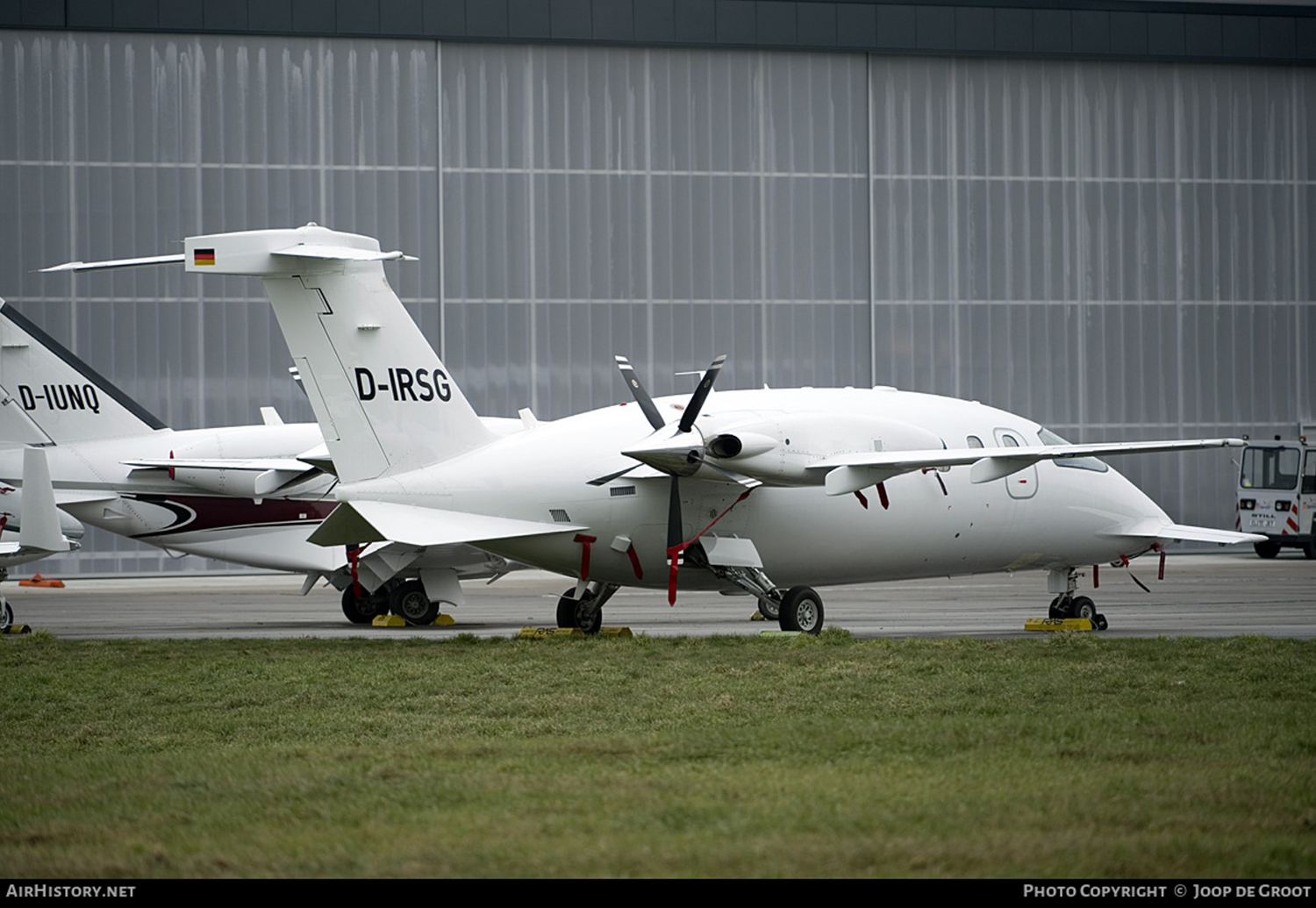
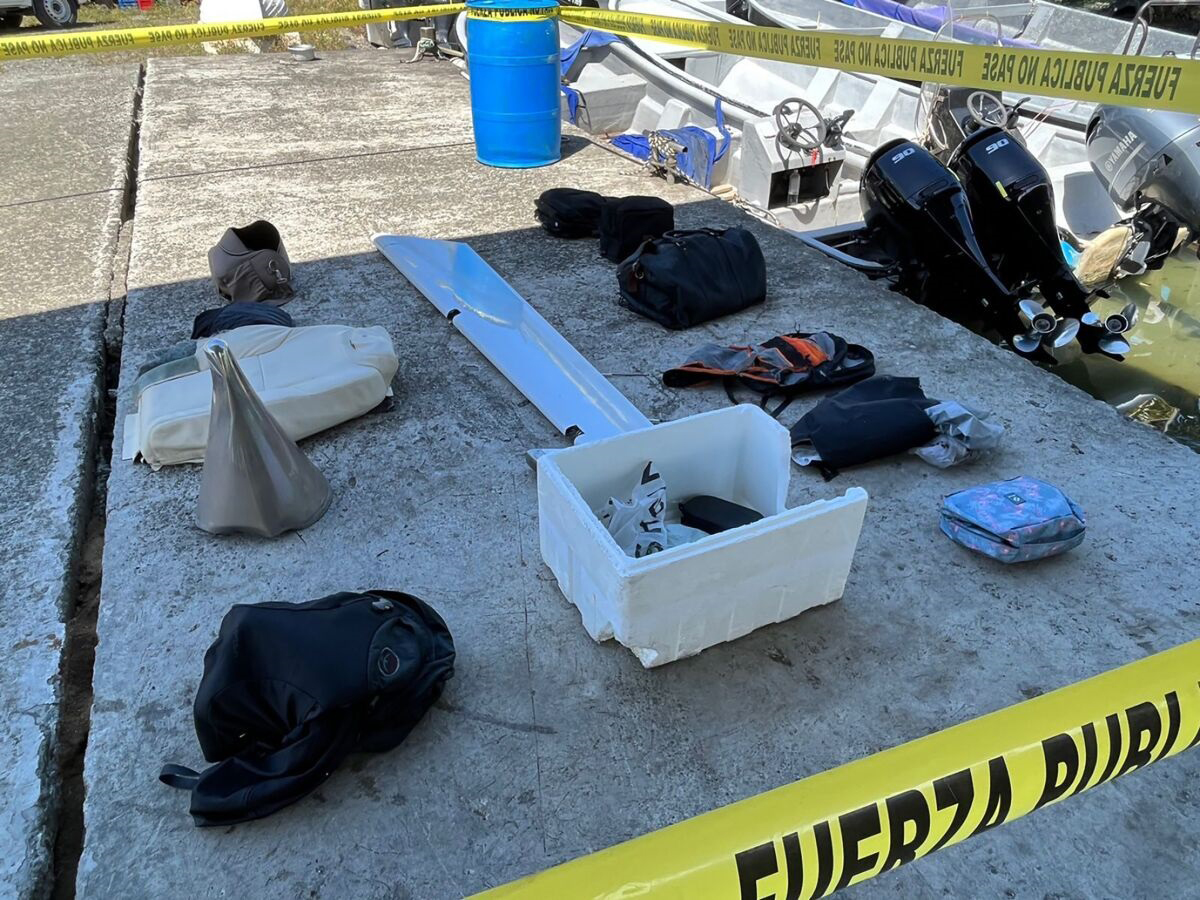
The airplane departed Palenque Airport, Chiapas, on a private flight to Puerto Limón, Costa Rica. While on approach at an altitude of about 2,000 feet at night, the airplane entered an uncontrolled descent and crashed into the sea some 28 km southeast of the destination airport. The accident occurred three minutes prior to ETA. Few debris and two dead bodies were found two days later. On board were the German businessman Rainer Schaller, founder of the fitness chain 'McFit', his wife, two children and a friend.