Crash of a Cessna 441 Conquest in Broome

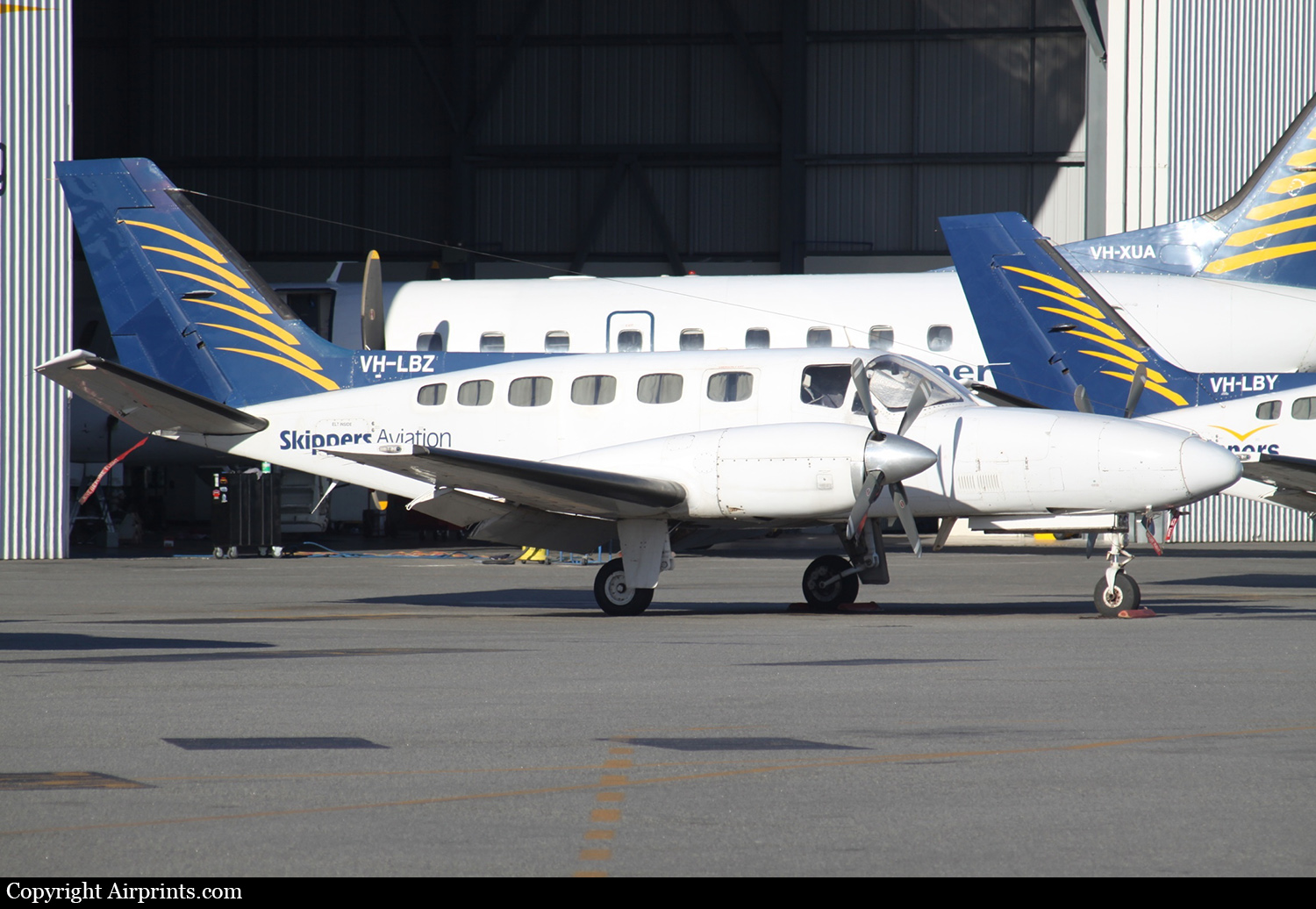
Date & Time: Mar 19, 2026 at 1117 LT
Type of aircraft:
Operator:
Registration:
VH-LBZ
Flight Phase:
Survivors:
Yes
Schedule:
Broome - Mungalalu-Truscott AFB
MSN:
441-0038
YOM:
1978
Country:
Region:
Crew on board:
2
Crew fatalities:
Pax on board:
5
Pax fatalities:
Other fatalities:
Total fatalities:
0
Circumstances:
Shortly after takeoff from runway 10 at Broome Airport, the twin engine airplane lost height and crashed in a mangrove. All seven occupants were injured and quickly rescued. The airplane was en route to the Mungalalu-Truscott AFB located in the Anjo Peninsula.

Crash of a Cessna 441 Conquest in Youngstown: 6 killed

Date & Time: Jun 29, 2025 at 0654 LT
Type of aircraft:
Operator:
Registration:
N441LS
Flight Phase:
Flight Type:
Survivors:
No
Schedule:
Youngstown - Bozeman
MSN:
441-0342
YOM:
1984
Crew on board:
1
Crew fatalities:
Pax on board:
5
Pax fatalities:
Other fatalities:
Total fatalities:
6
Circumstances:
The twin engine airplane departed Youngstown-Warren Airport Runway 32 at 0653LT on a 5,5-hours flight to Bozeman, MT, carrying five passengers and one pilot. After takeoff, while in initial climb, the airplane initiated a left turn then started to descend until it crashed in the backyard of a private property located about 2 km northwest of the airfield. The accident occurred about one minute after liftoff. The airplane was destroyed and all six occupants were killed.

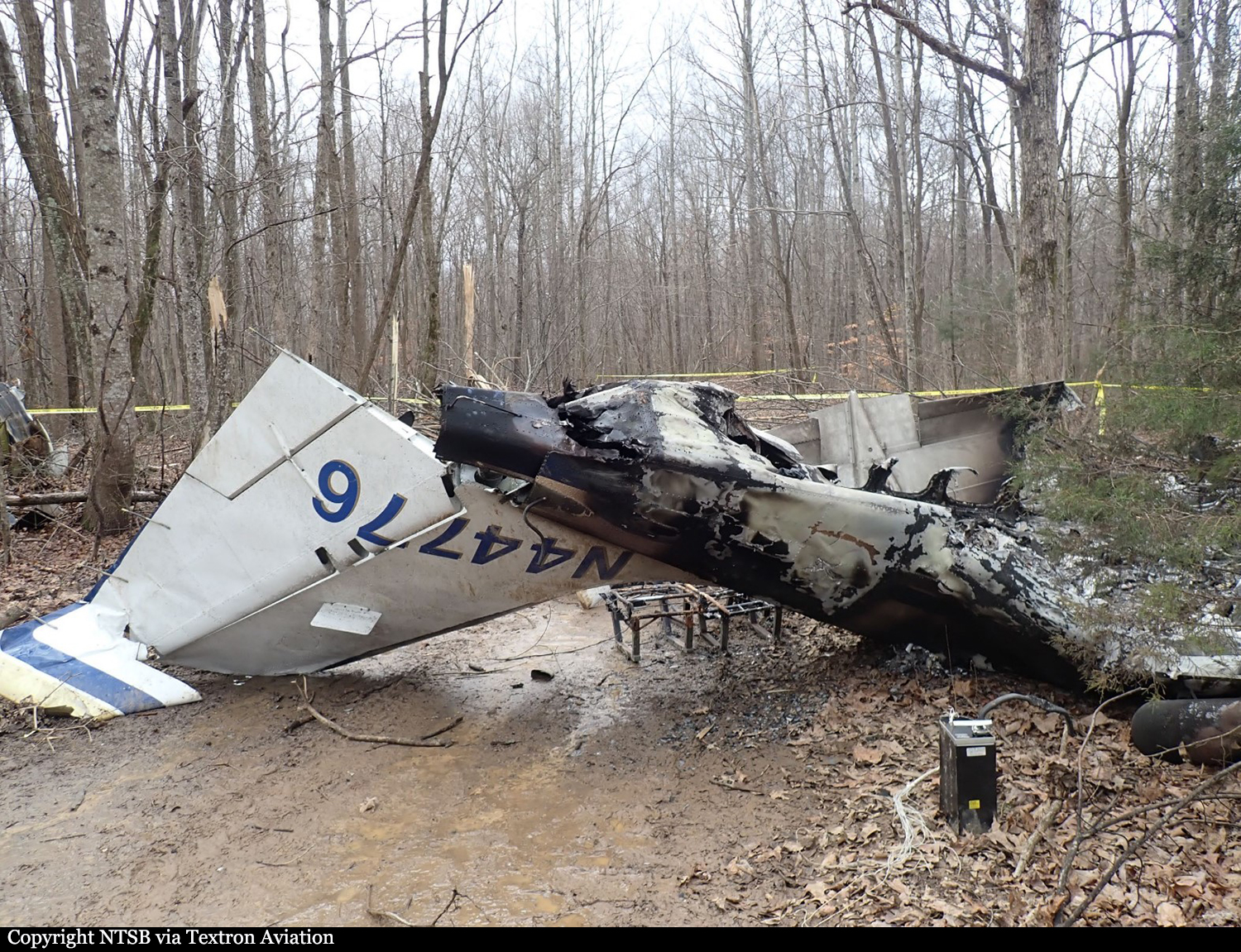
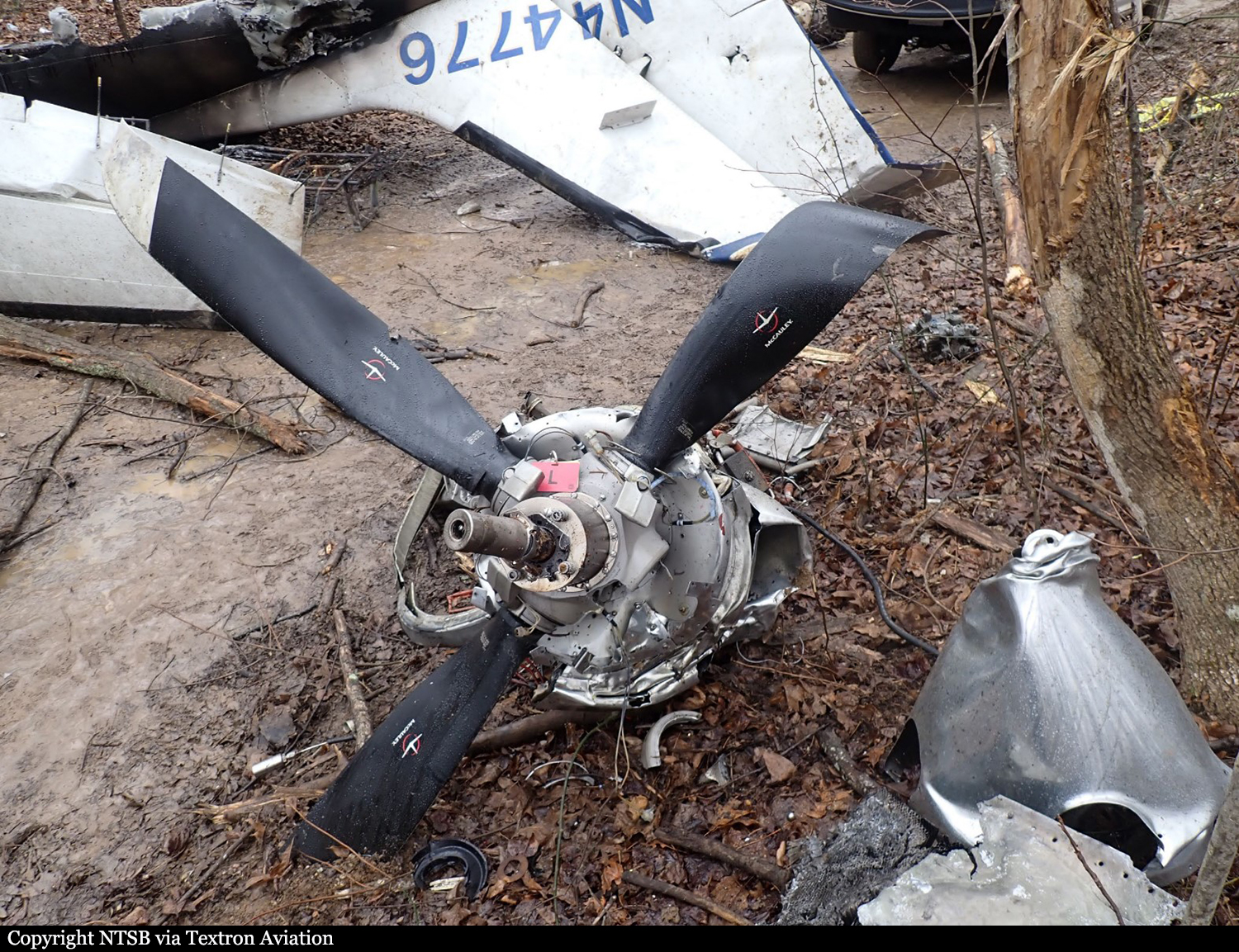
Crash of a Cessna 441 Conquest II near Winchester: 2 killed

Date & Time: Feb 7, 2021 at 1647 LT
Type of aircraft:
Operator:
Registration:
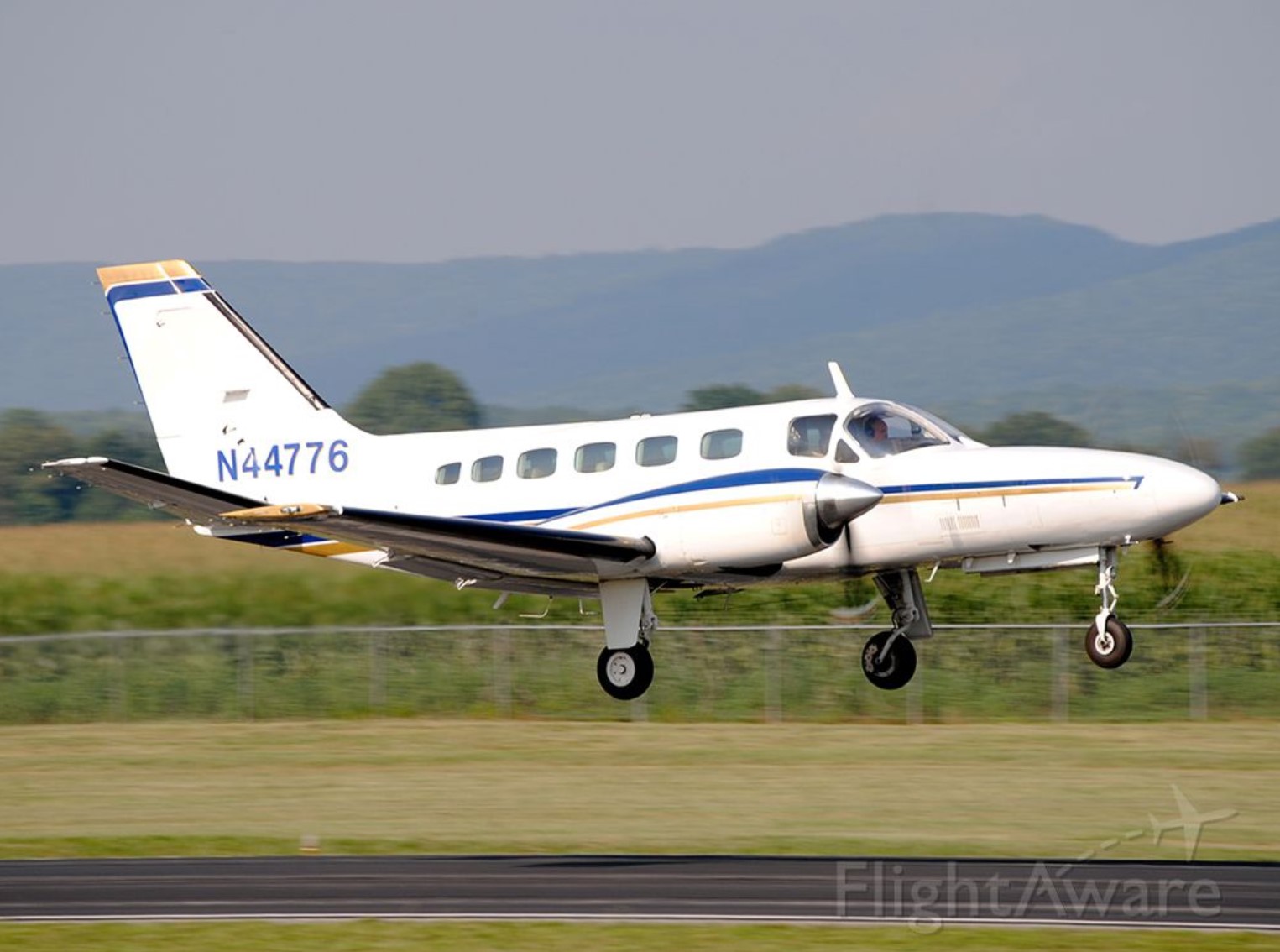
N44776
Flight Type:
Survivors:
No
Site:
Schedule:
Thomasville – Winchester
MSN:
441-0121
YOM:
1980
Crew on board:
1
Crew fatalities:
Pax on board:
1
Pax fatalities:
Other fatalities:
Total fatalities:
2
Circumstances:
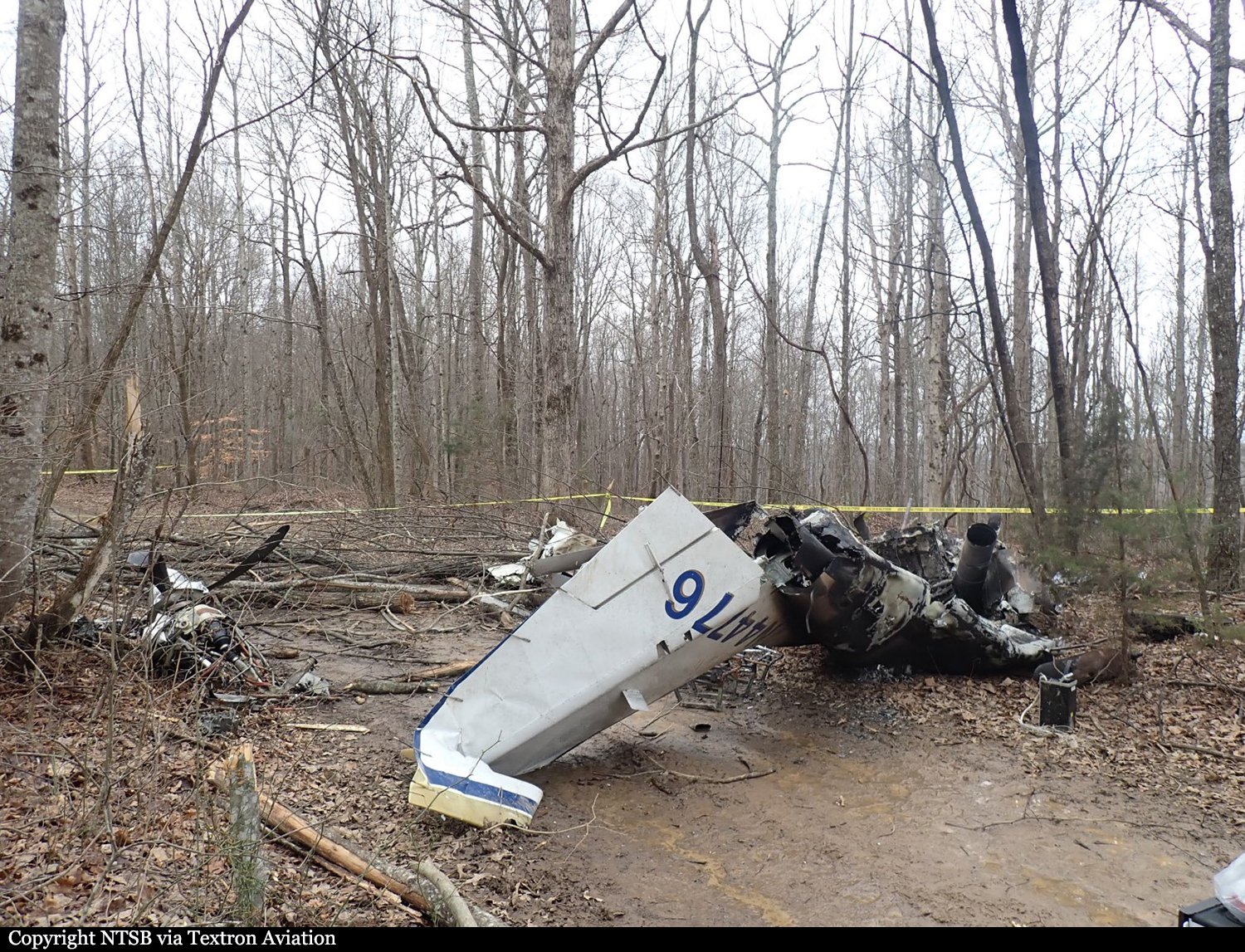
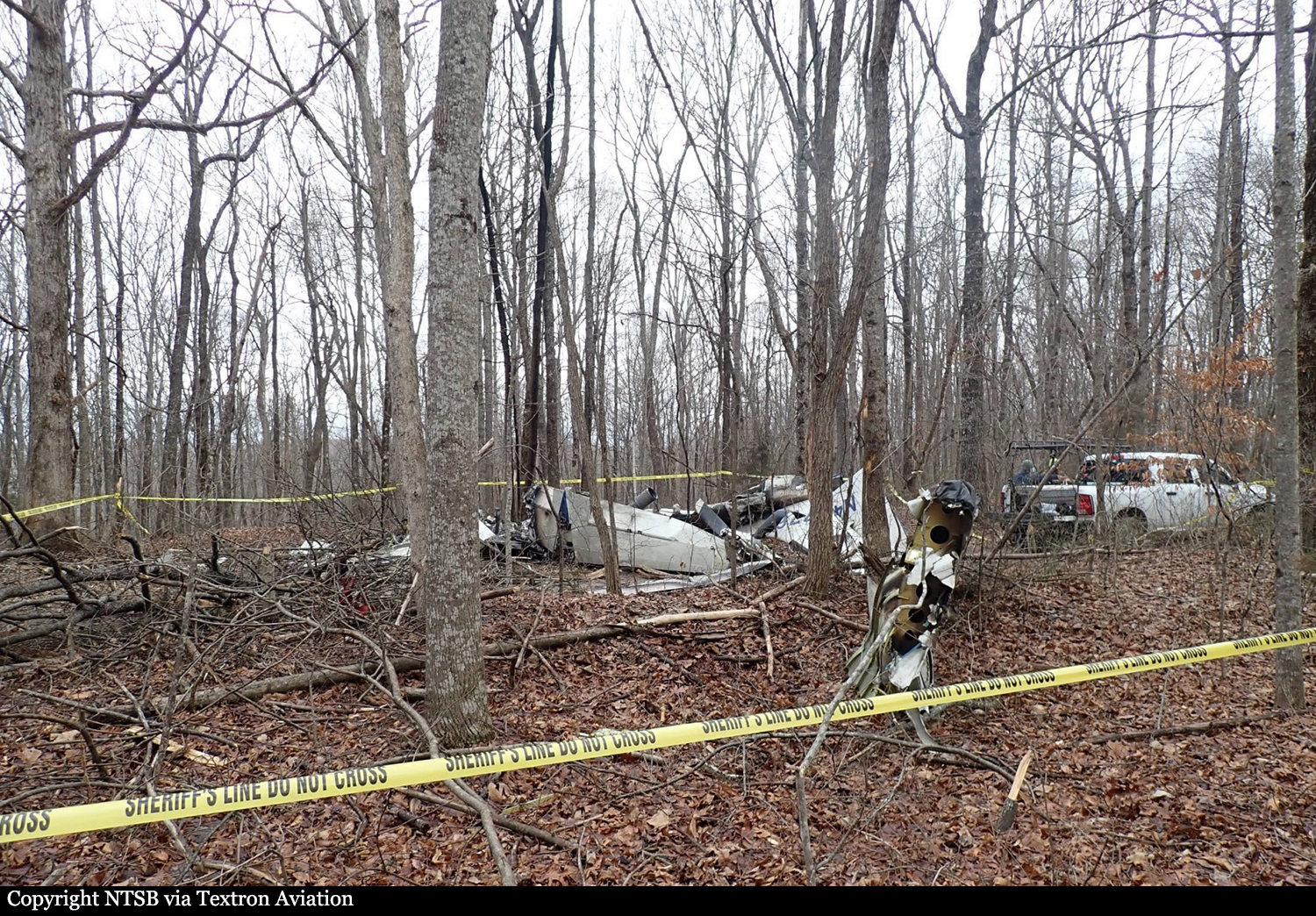
The pilot was conducting a cross-country flight and was beginning an instrument flight rules approach from the south. Weather conditions at the destination airport included a ceiling between 800 and 1,000 ft and light rime icing conditions in clouds; the pilot was aware of these conditions. Elevated, wooded terrain existed along the final approach course. Radar and automatic dependent surveillance-broadcast data revealed that the airplane crossed the intermediate approach fix at the correct altitude; however, the pilot descended the airplane below the final approach fix altitude about 4 miles before the fix. The airplane continued in a gradual descent until radar contact was lost. No distress calls were received from the airplane before the accident. The airplane crashed on a north-northwesterly heading about 5 miles south of the runway threshold. The elevation at the accident site was about 1,880 ft, which was about 900 ft higher than the airport elevation. Postaccident examination of the airframe, engines, and propellers revealed no evidence of a pre-existing mechanical failure or anomaly that would have precluded normal operation. Because of the weather conditions at the time of the final approach, the pilot likely attempted to fly the airplane under the weather to visually acquire the runway. The terrain along the final approach course would have been obscured in low clouds at the time, resulting in controlled flight into terrain.
Probable cause:
The pilot’s failure to follow the published instrument approach procedure by prematurely descending the airplane below the final approach fix altitude to fly under the low ceiling conditions, which resulted in controlled flight into terrain.
Final Report:

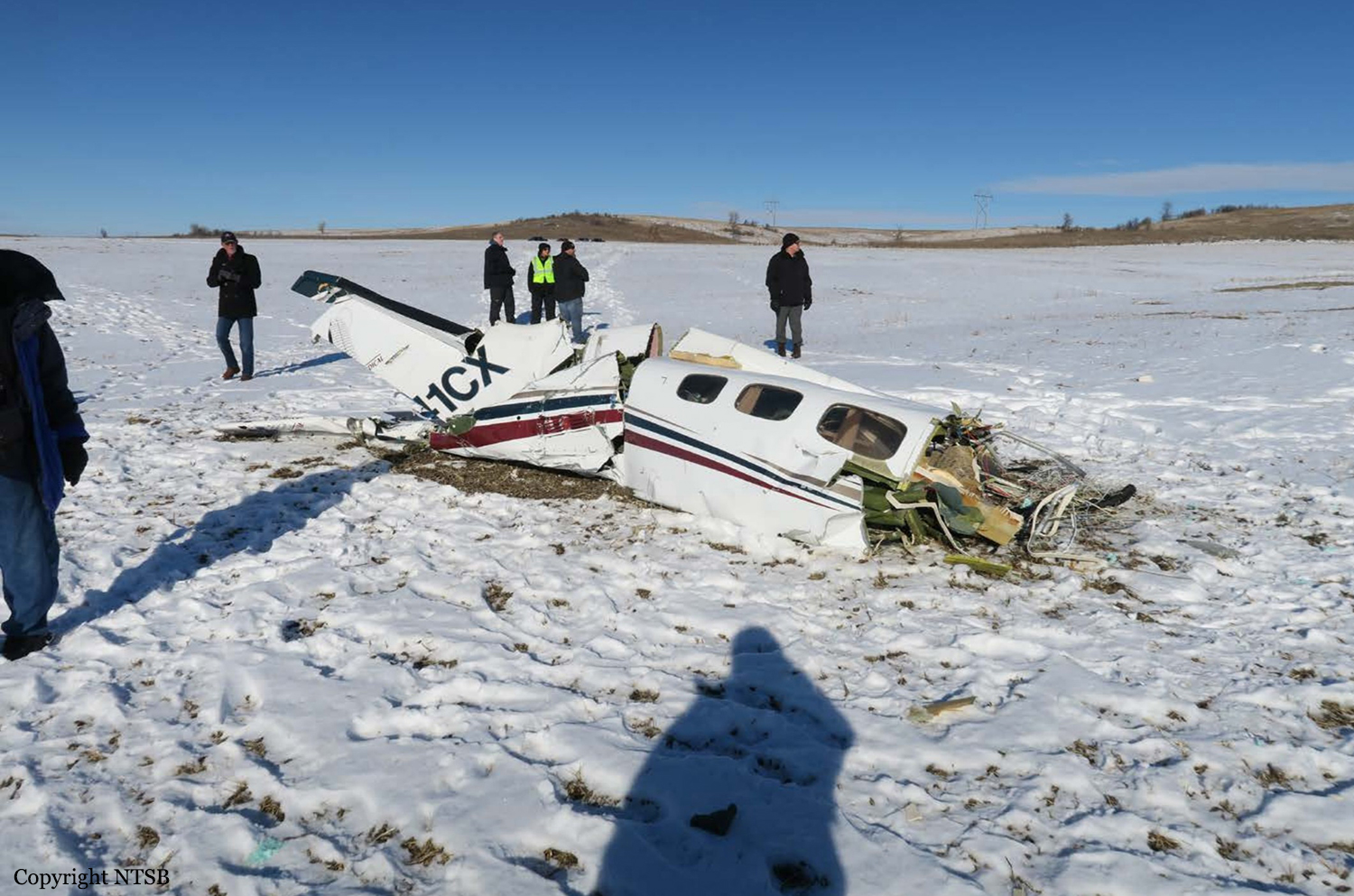
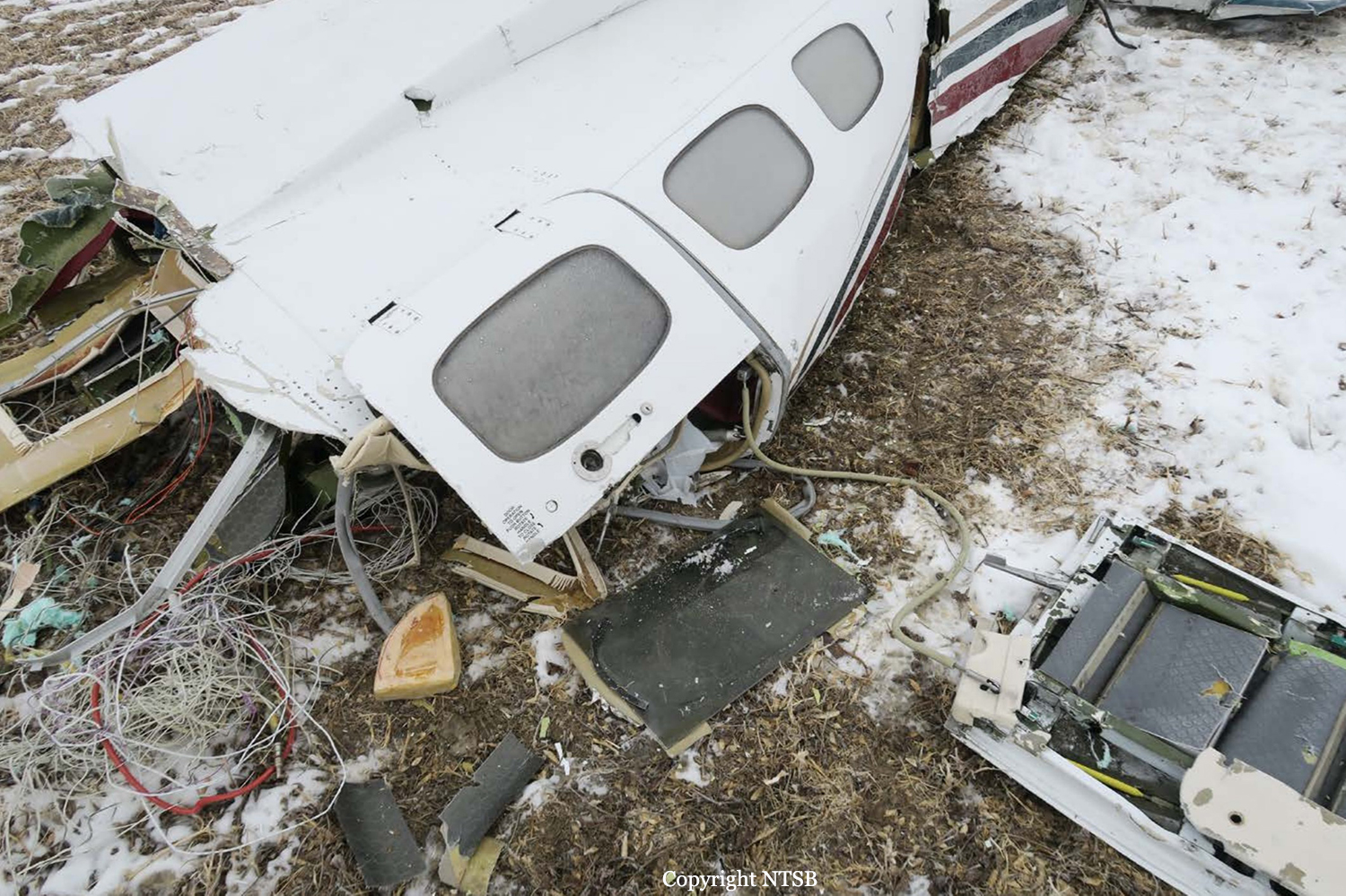
Crash of a Cessna 441 Conquest II in Harmon: 3 killed

Date & Time: Nov 18, 2018 at 2240 LT
Type of aircraft:
Operator:
Registration:
N441CX
Flight Phase:
Flight Type:
Survivors:
No
Schedule:
Bismarck - Williston
MSN:
441-0305
YOM:
1982
Crew on board:
1
Crew fatalities:
Pax on board:
2
Pax fatalities:
Other fatalities:
Total fatalities:
3
Captain / Total flying hours:
4685
Captain / Total hours on type:
70.00
Circumstances:
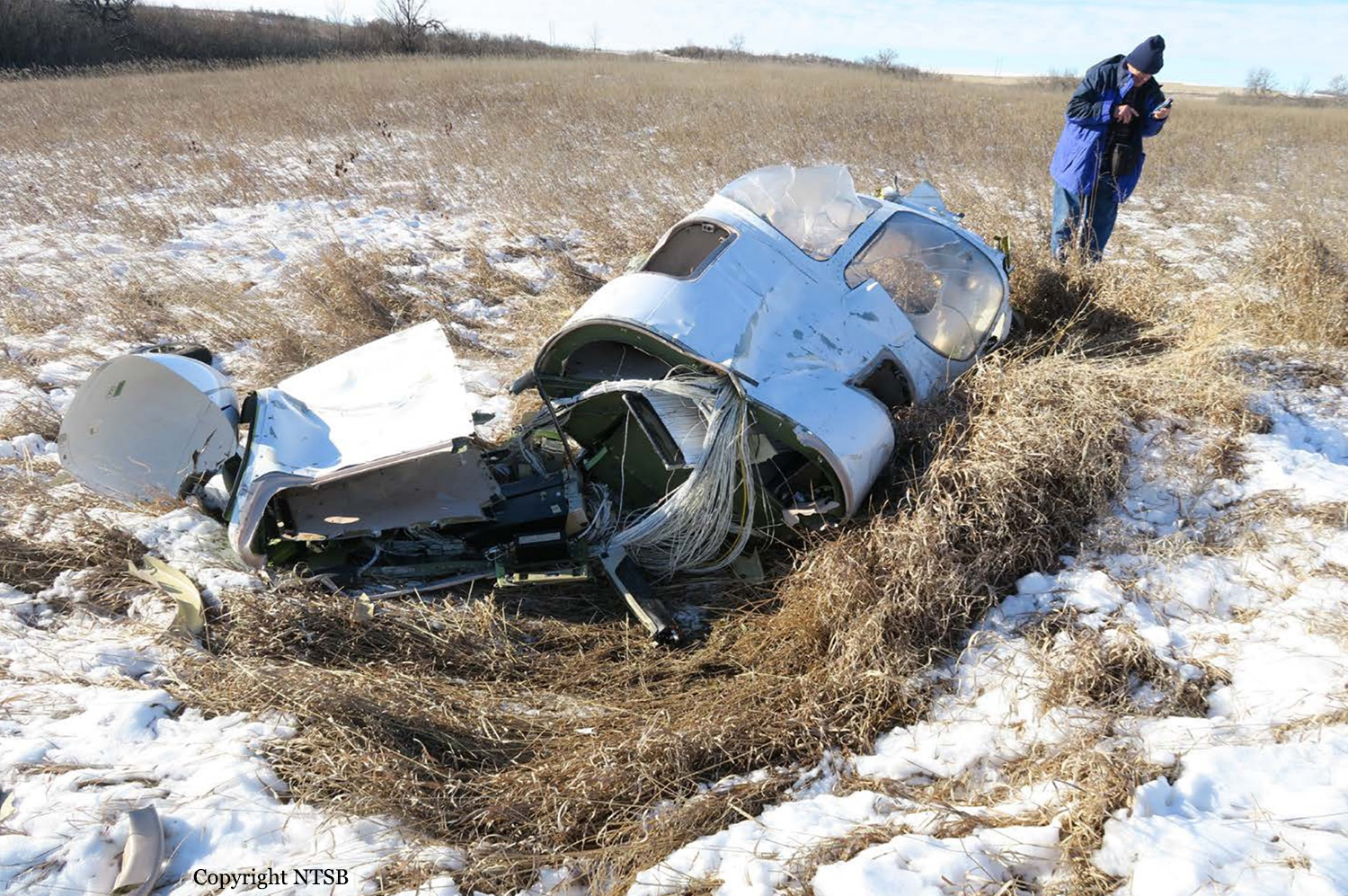
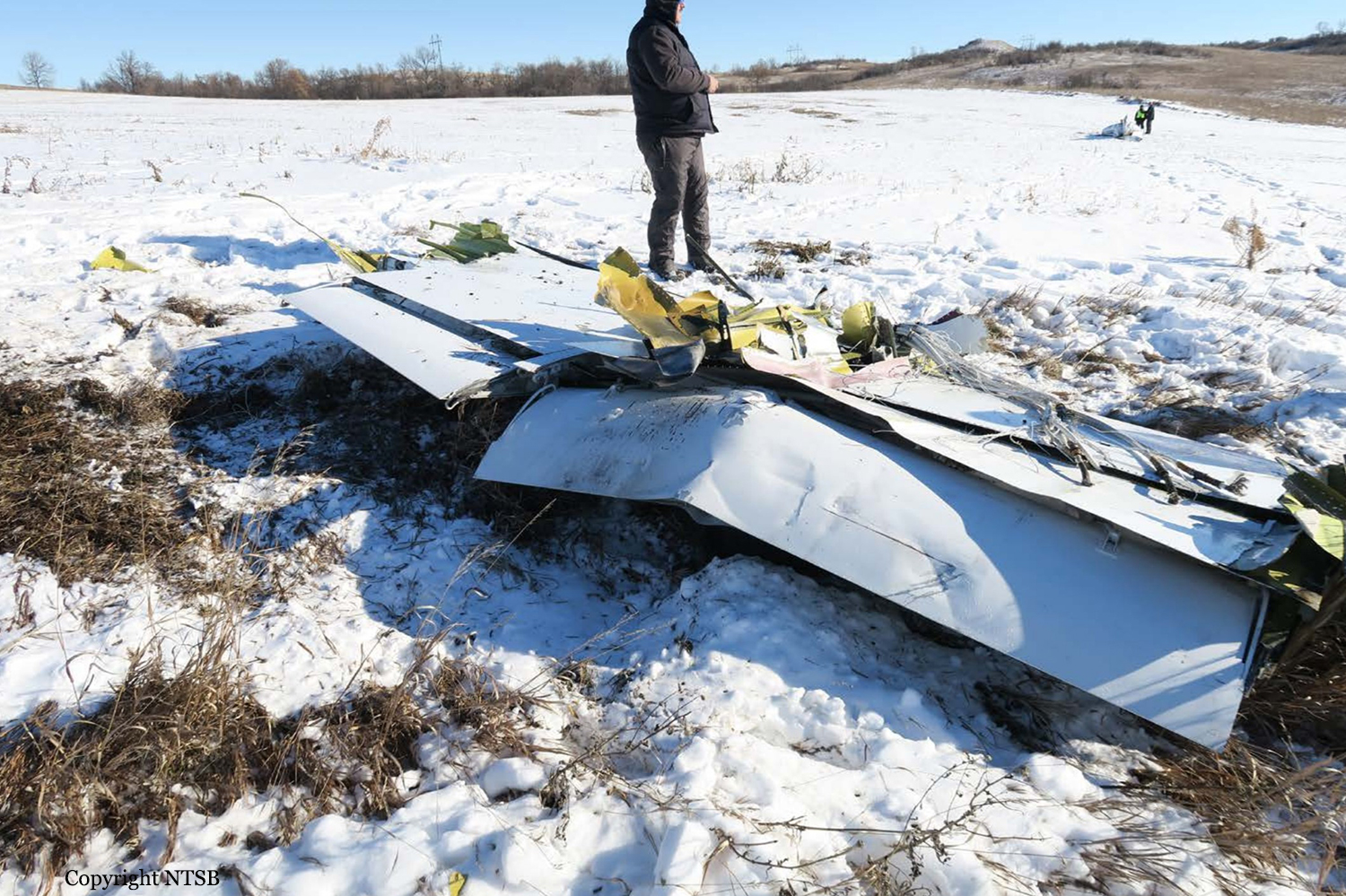
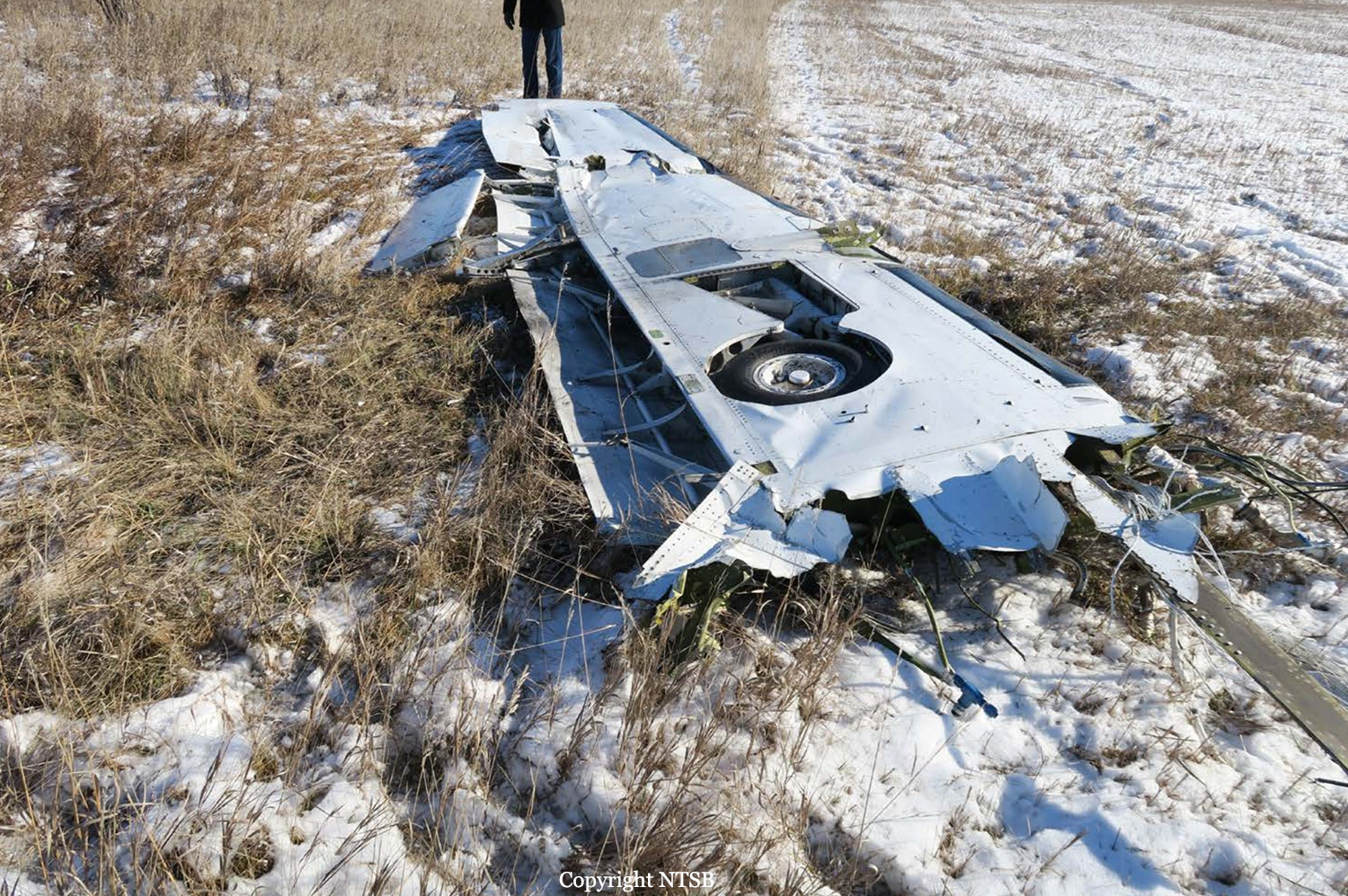
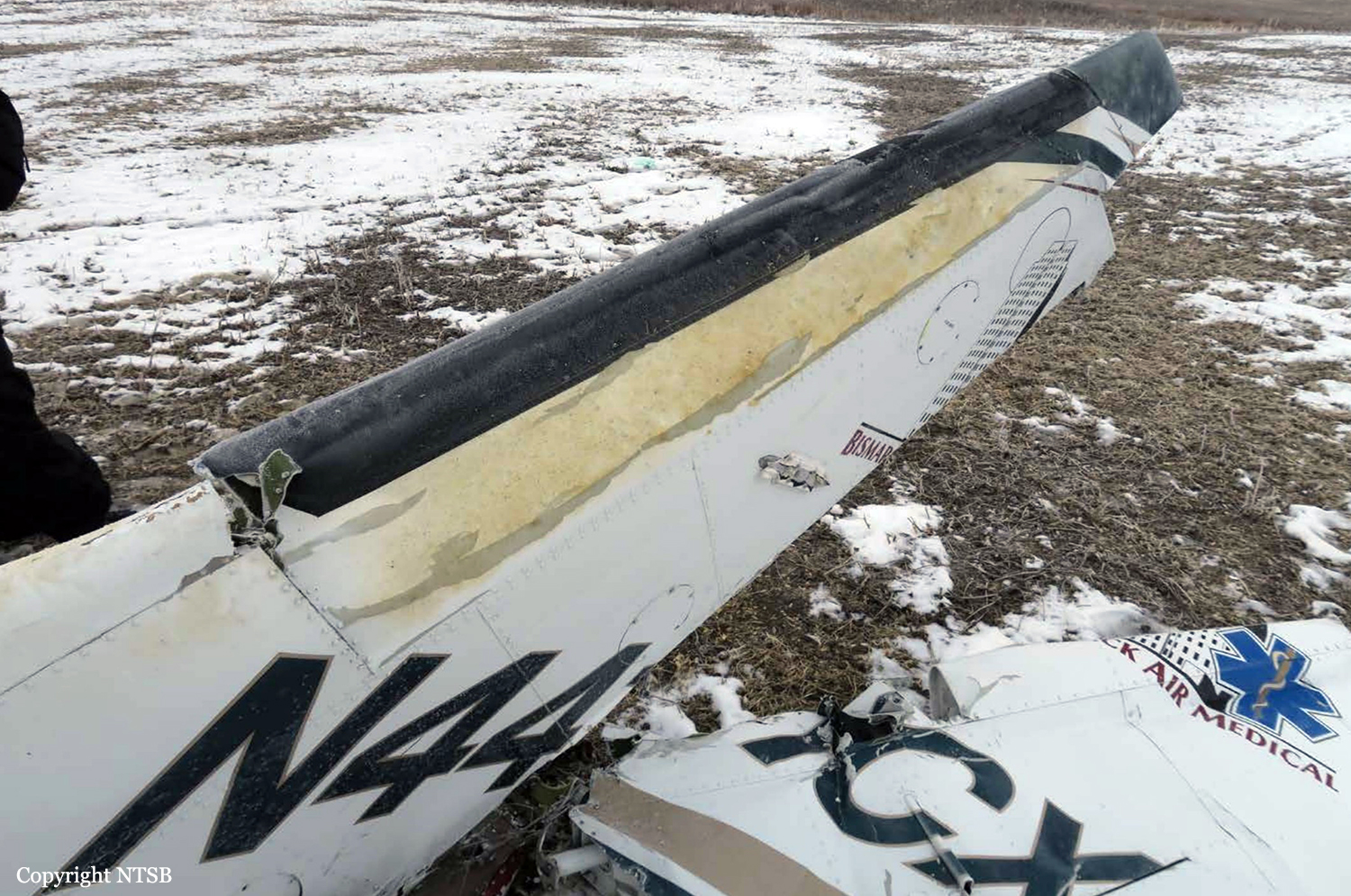
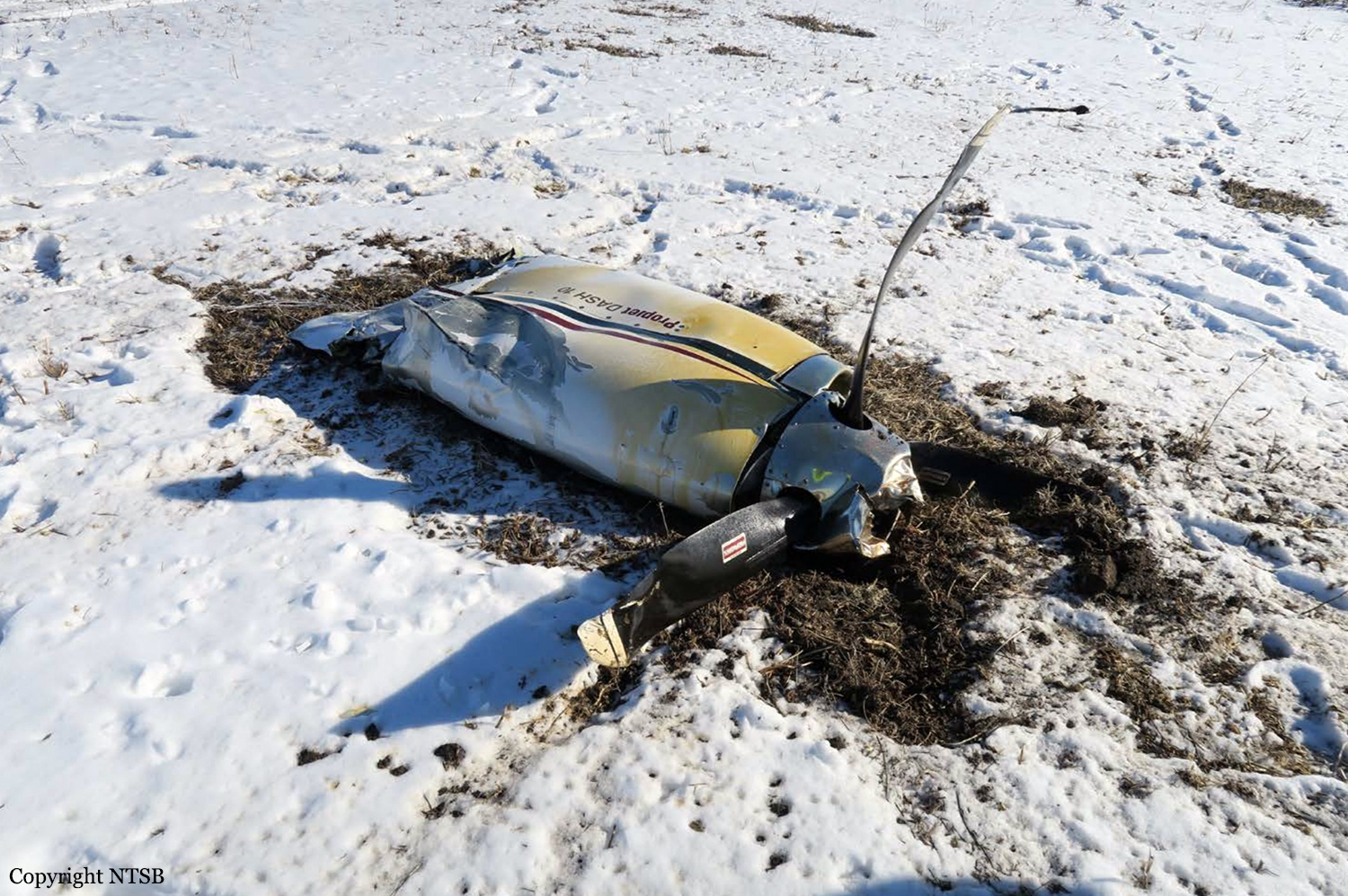
The pilot and two medical crewmembers were repositioning the airplane to pick up a patient for aeromedical transport. Dark night instrument meteorological conditions prevailed for the flight. Radar data showed the airplane climb to 14,000 ft mean sea level after departure and proceed direct toward the destination airport before beginning a right descending turn. The airplane subsequently broke up inflight and impacted terrain. No distress calls were received from the pilot before the accident. Although weather conditions were conducive for inflight icing, no evidence of structural icing was identified at the scene. The debris field was 2,500 ft long and the disbursement of the wreckage confirmed that both wings, the horizontal stabilizer, both elevators, and both engines separated from the airplane before impacting the ground. Examination of the wreckage revealed that the initiating failure was the failure of the wing where it passed through the center of the airplane. The three wing spars exhibited S-bending deformation, indicative of positive overload producing compressive buckling and fracture. Further, impact signatures as black paint transfers and gouged aluminum, were consistent with the left outboard wing separating when it was struck by the right engine after the wing spars failed. There was no evidence of any pre-exiting conditions that would have degraded the strength of the airplane structure at the fracture locations. Flight control continuity was confirmed. An examination of the engines, propellers, and available systems showed no mechanical malfunctions or failure that could have contributed to the accident. The descending right turn was inconsistent with the intended flight track and ATC-provided clearance. However, there was insufficient information to determine how it was initiated and when the pilot became aware of the airplane's state in the dark night IMC conditions. Yet, the
absence of a distress call or communication with ATC about the airplane's deviation suggests that the pilot was not initially aware of the change in state. The structural failure signatures on the airplane were indicative of the wings failing in positive overload, which was consistent with the pilot initiating a pullup maneuver that exceeded the airplane spars' structural integrity during an attempted recovery from the spiral dive.
Probable cause:
The pilot's failure to maintain control of the airplane in dark night conditions that resulted in an in-flight positive overload failure of the wings and the subsequent in-flight breakup of the airplane.
Final Report: