Crash of a Tupolev TU-134 at Mozdok AFB

Date & Time: Mar 4, 2002
Type of aircraft:
Operator:
Flight Type:
Survivors:
Yes
Country:
Region:
Crew on board:
0
Crew fatalities:
Pax on board:
0
Pax fatalities:
Other fatalities:
Total fatalities:
0
Circumstances:
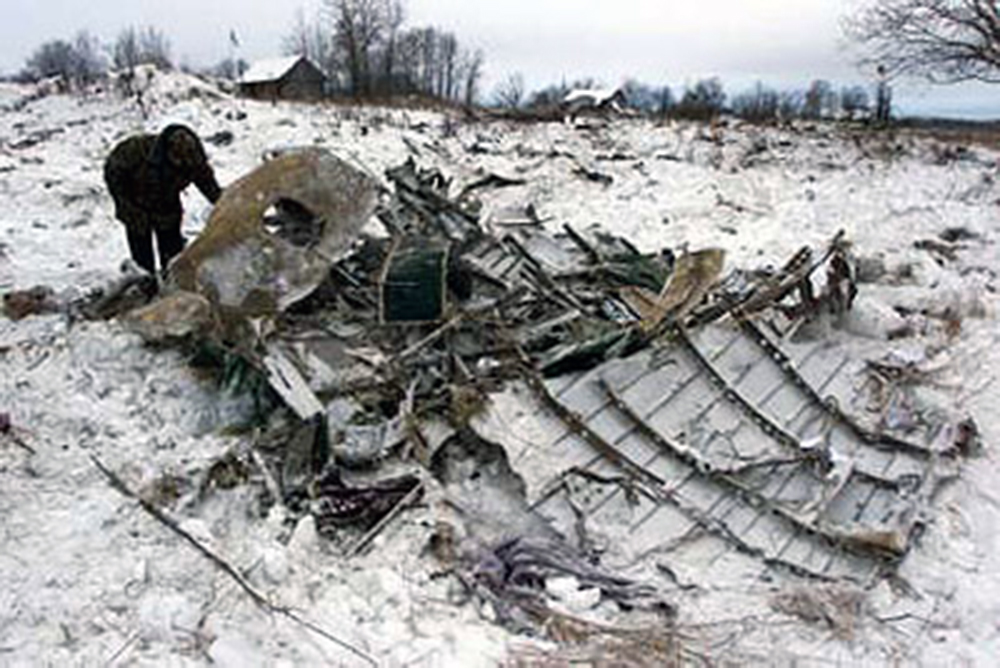
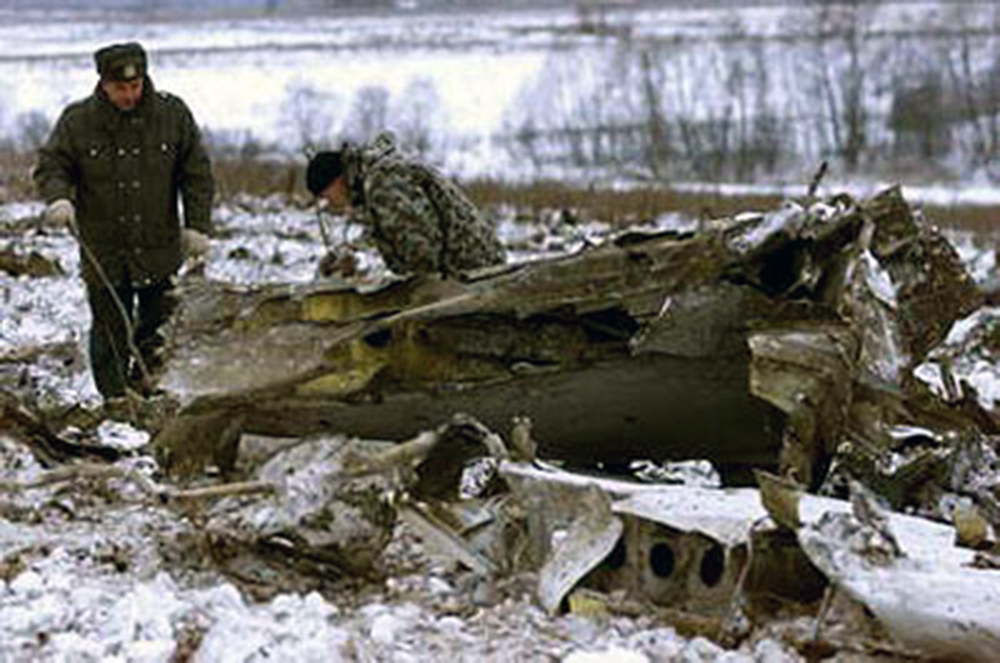
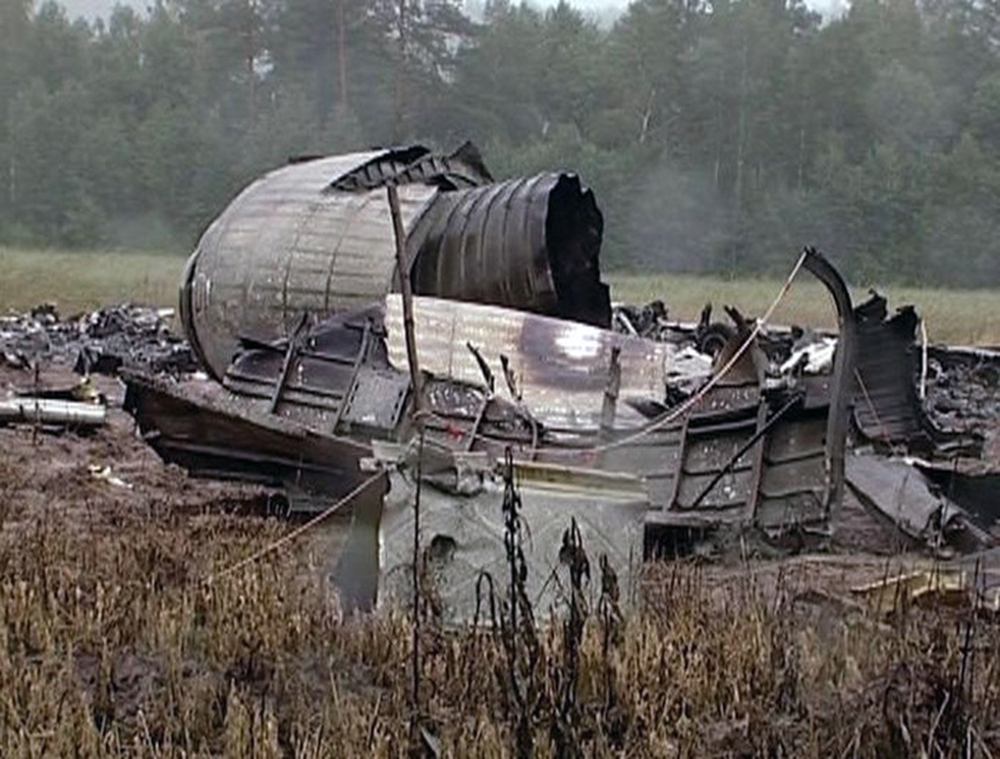
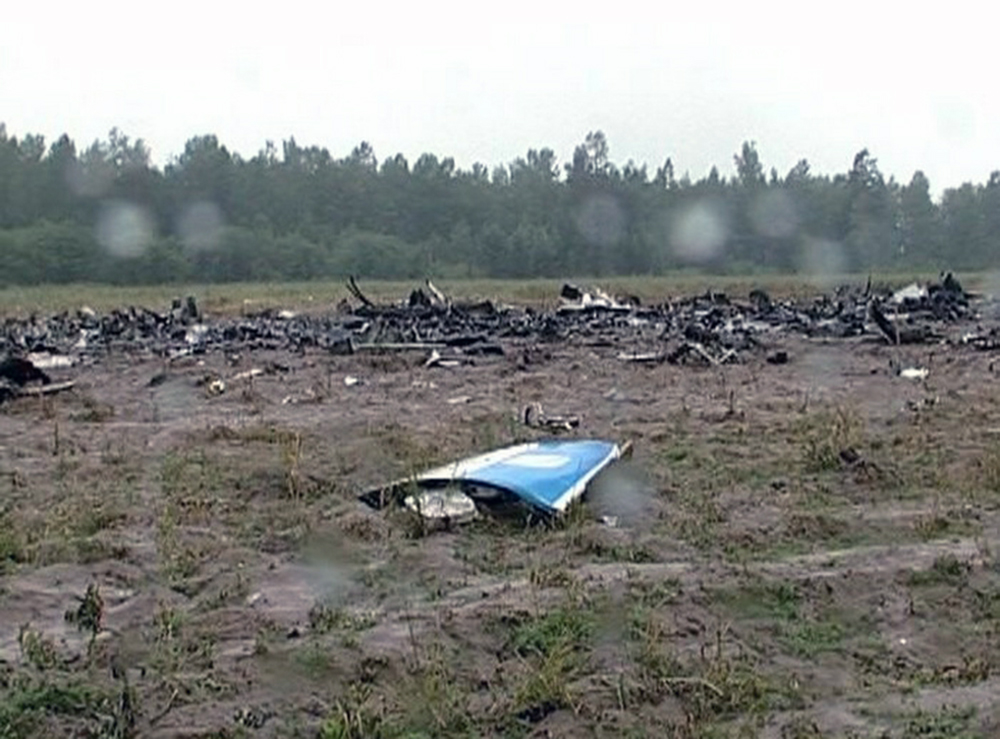
On final approach to Mozdok AFB, the crew encountered bad weather conditions with heavy snow falls when the aircraft struck the ground and crashed 450 metres short of runway. There were no casualties but the aircraft was damaged beyond repair.

Crash of an Antonov AN-26 at Lakhta AFB: 17 killed

Date & Time: Feb 21, 2002 at 2045 LT
Type of aircraft:
Operator:
Registration:
07 red
Flight Type:
Survivors:
Yes
Schedule:
Safonovo - Lakhta
MSN:
ZR726001
YOM:
1975
Country:
Region:
Crew on board:
8
Crew fatalities:
Pax on board:
12
Pax fatalities:
Other fatalities:
Total fatalities:
17
Circumstances:
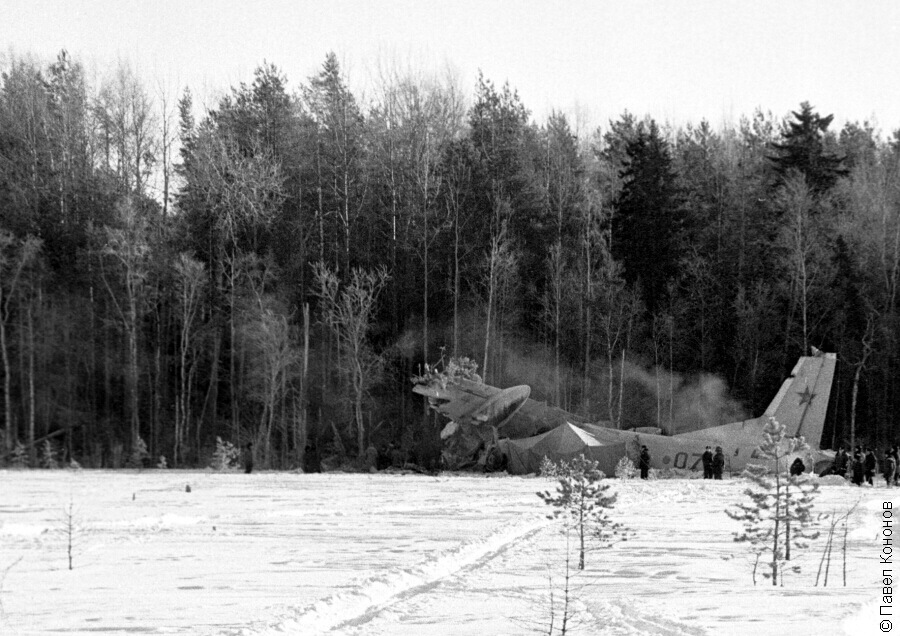
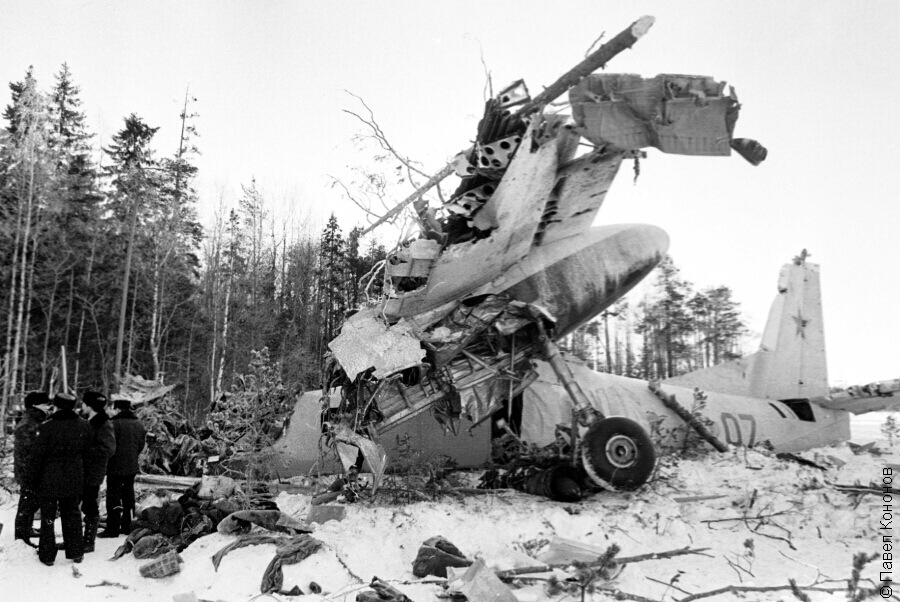
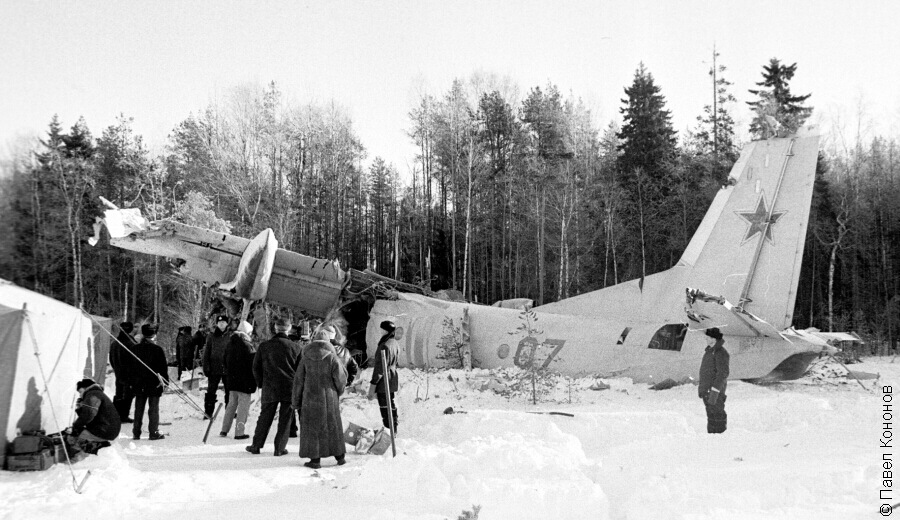
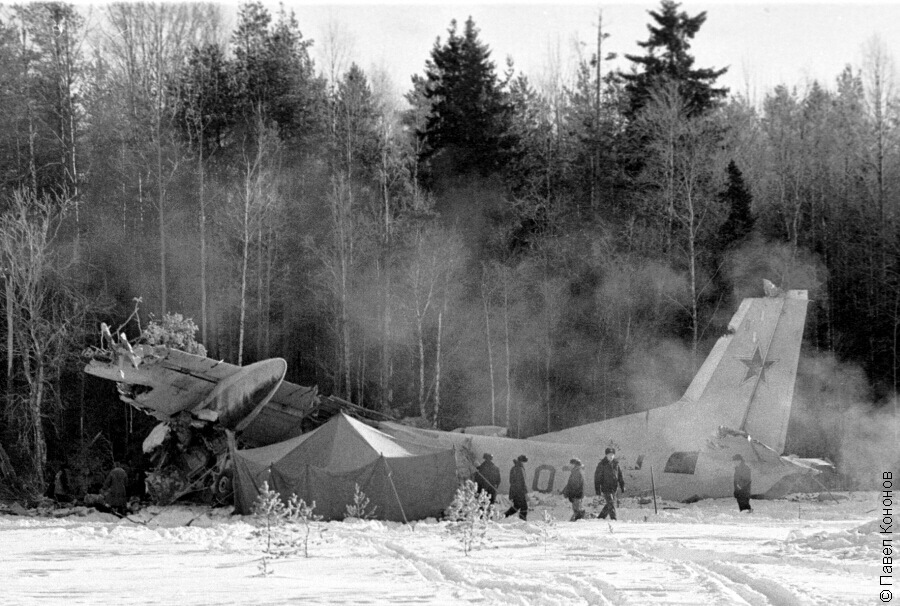
Following an uneventful flight from Safonovo NAS (Severomorsk), the crew started a night descent to Lakhta AFB. Weather conditions were poor with low clouds at 120 metres, a visibility of 1,500 metres and snow squalls. On final, at a distance of 2,700 metres from the runway threshold, the aircraft was 30 metres below the glide. Once the crew reached the decision altitude, he decided to continue despite he did not establish any visual contact with the ground. At a speed of 220-240 km/h and at a height of 16 metres, the right wing collided with trees. The aircraft descended and crashed in a snow covered field located 1,725 metres short of runway and 52 metres to the left of the extended centerline. Three people, among them a pilot, survived, while 17 other occupants were killed. The aircraft was totally destroyed.
Probable cause:
The crew's decision to continue the approach after the decision height without any visual contact with the ground until the aircraft collided with trees and impacted terrain. The crew failed to follow the published procedures and to initiate a go-around manoeuvre.

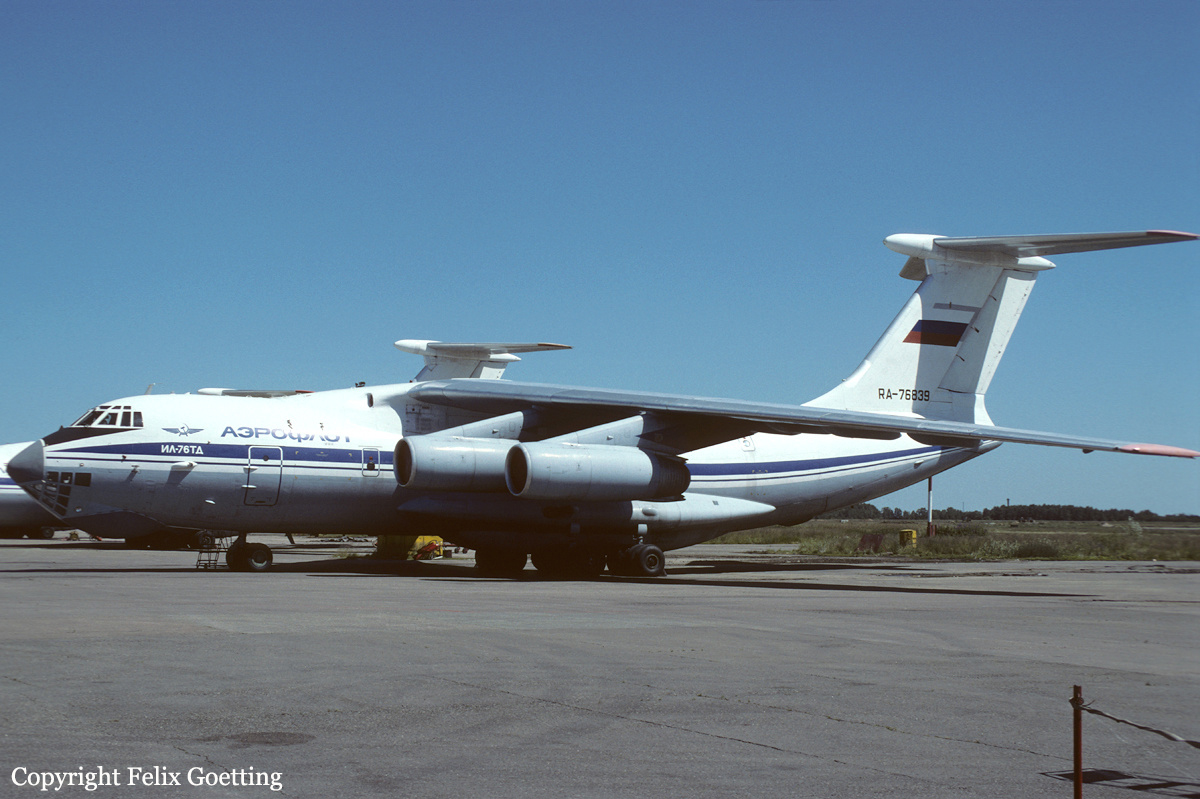
Crash of an Ilyushin II-76TD in Novaya Inya: 18 killed

Date & Time: Dec 2, 2001
Type of aircraft:
Registration:
RA-76839
Flight Phase:
Flight Type:
Survivors:
No
Schedule:
Moscow – Bratsk – Petropavlovsk-Kamchatsky
MSN:
10234 11375
YOM:
1992
Flight number:
9064
Country:
Region:
Crew on board:
9
Crew fatalities:
Pax on board:
9
Pax fatalities:
Other fatalities:
Total fatalities:
18
Circumstances:
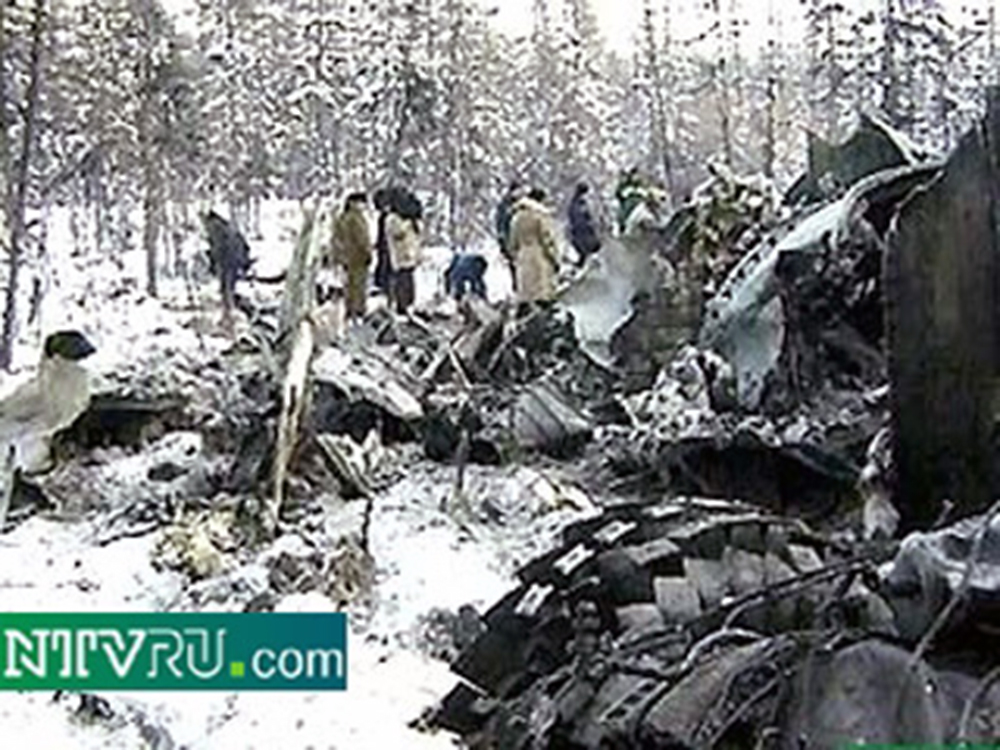
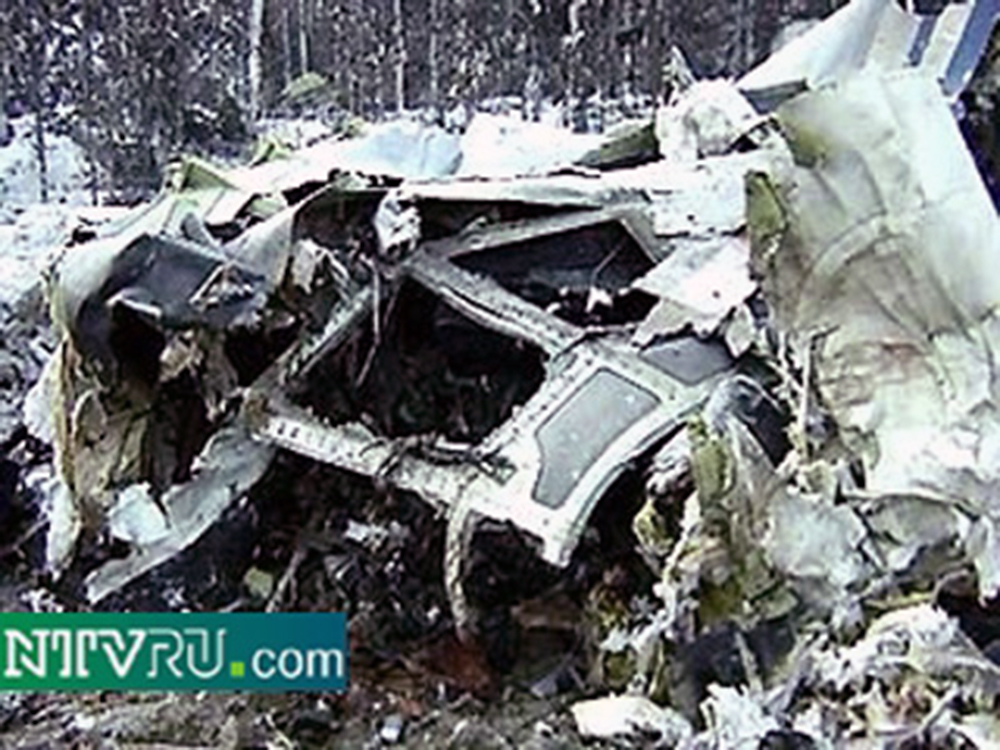
The aircraft departed Moscow on a cargo flight to Petropavlovsk-Kamchatsky with an intermediate stop in Bratsk, carrying nine passengers, nine crew members and a load of 36 tons of cargo including one aircraft engine and constructions materials. While cruising at an altitude of 9,600 metres, the crew declared an emergency and informed ATC about an in-flight fire. The crew initiated an emergency descent when, at an altitude of 7,000 metres, the aircraft broke into three and crashed in a wooded area located in Novaya Inya. The aircraft was totally destroyed and all 18 occupants were killed.
Probable cause:
In-flight fire for unknown reasons.

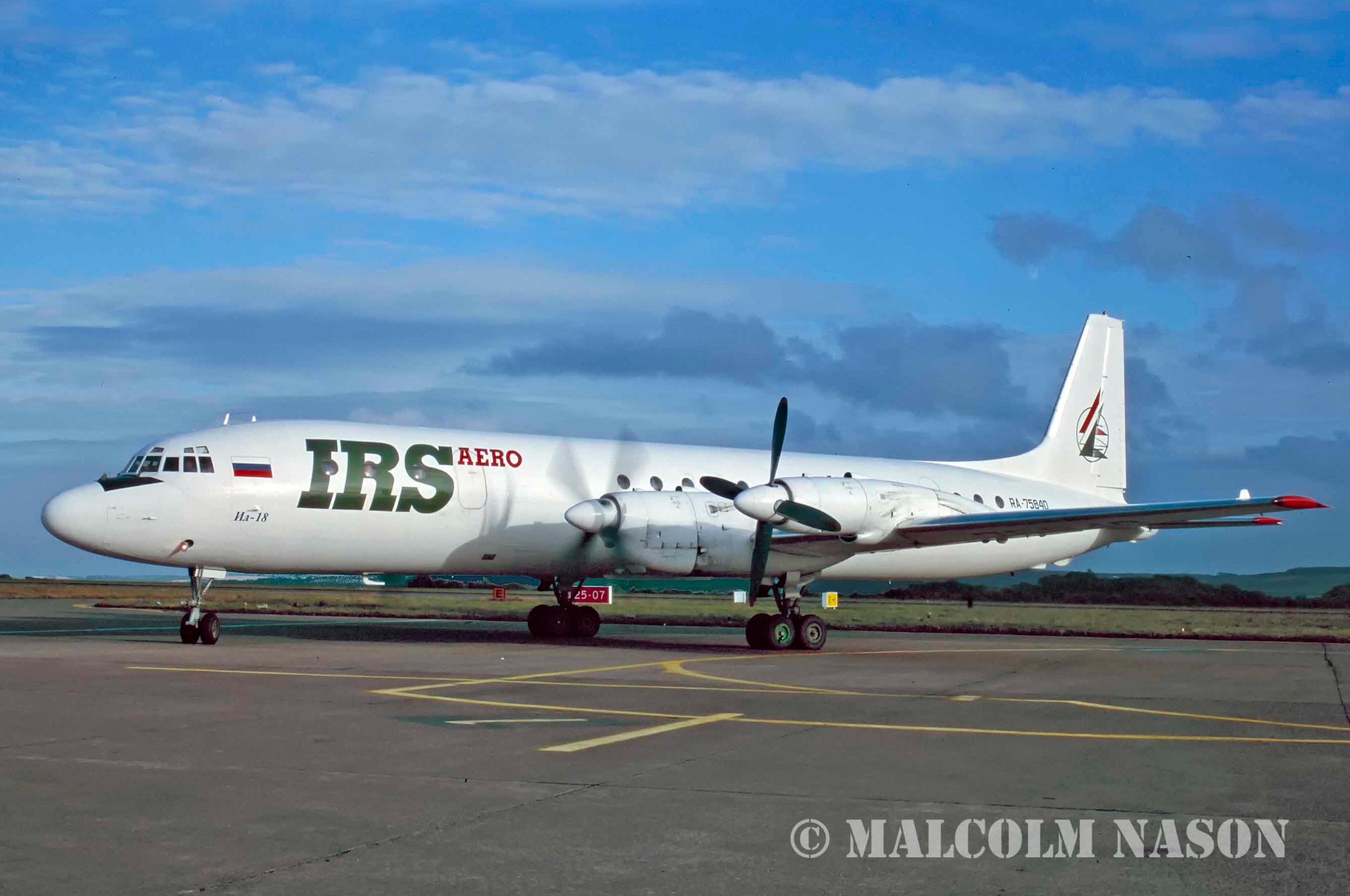
Crash of an Ilyushin II-18V near Kalyazin: 27 killed

Date & Time: Nov 19, 2001 at 2119 LT
Type of aircraft:
Operator:
Registration:
RA-75840
Flight Phase:
Survivors:
No
Schedule:
Khatanga - Moscow
MSN:
182 0053 01
YOM:
1962
Flight number:
LDF9602
Country:
Region:
Crew on board:
9
Crew fatalities:
Pax on board:
18
Pax fatalities:
Other fatalities:
Total fatalities:
27
Aircraft flight hours:
11617
Aircraft flight cycles:
5582
Circumstances:
En route from Khatanga to Moscow-Domodedovo Airport, while cruising by night at an assigned altitude of 7,800 metres in good weather conditions, the four engine aircraft entered an uncontrolled descent. After it reached an excessive speed of 850 km/h, the aircraft rolled to the left to an angle of 60° and nosed down to an angle of 42°. The aircraft suffered structural failure, lost several elements, partially disintegrated in the air and eventually crashed in a snow covered field located 15 km southeast of Kalyazin. The aircraft was totally destroyed and all 27 occupants were killed.
Probable cause:
Failure of the protection system of the elevator trim, causing a spontaneous deflection of the elevator. This caused the aircraft to enter an uncontrolled descent and the crew was unable to regain control. Violations about aircraft maintenance, flight organization and operational aspects were identified within the operator. Excessive G loads during the descent caused the aircraft to partially disintegrate before final impact.

Crash of a PZL-Mielec AN-2T near Polyarny

Date & Time: Oct 6, 2001 at 1732 LT
Type of aircraft:
Operator:
Registration:
RA-40480
Flight Phase:
Flight Type:
Survivors:
Yes
Schedule:
Polyarny - Olenek
MSN:
1G224-57
YOM:
1987
Country:
Region:
Crew on board:
2
Crew fatalities:
Pax on board:
1
Pax fatalities:
Other fatalities:
Total fatalities:
0
Circumstances:
The crew departed Polyarny Airport on a cargo flight to Olenek. En route, weather conditions worsened with mist, low clouds and icing conditions. The crew decided to return to Polyarny when the engine lost power. Unable to maintain a safe altitude, he attempted an emergency landing when the aircraft crash landed in rough terrain. All three occupants were injured and the aircraft was damaged beyond repair.
Probable cause:
The following contributing factors were identified:
- A possible unpremeditated entry into conditions with severe icing and late decision making by the captain to manoeuvre the aircraft away from the icing area,¨
- A loss of engine power and a subsequent loss of speed due to icing of the carburetor,
- The failure of the captain to remove ice from the propeller blades by changing their pitch mode.

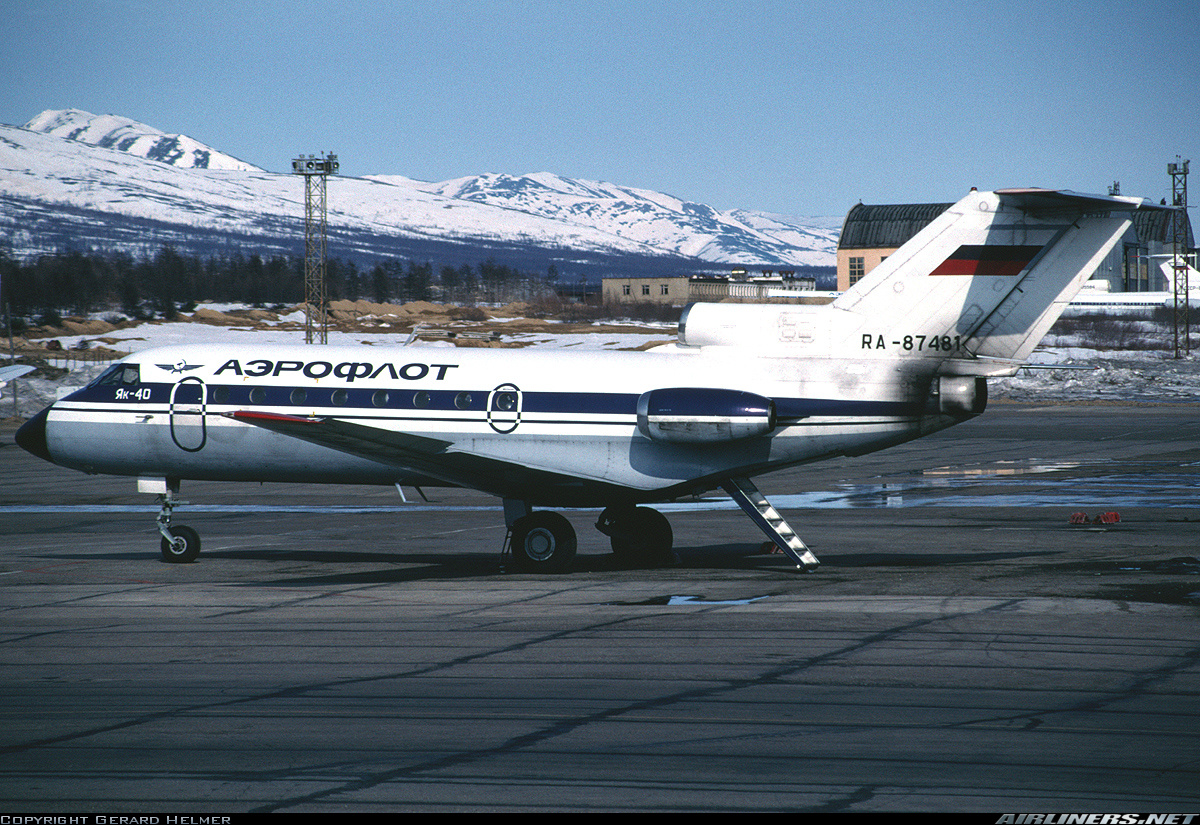
Crash of a Yakovlev Yak-40 in Tigil

Date & Time: Sep 23, 2001
Type of aircraft:
Operator:
Registration:
RA-87481
Survivors:
Yes
MSN:
9 44 09 38
YOM:
1974
Country:
Region:
Crew on board:
3
Crew fatalities:
Pax on board:
18
Pax fatalities:
Other fatalities:
Total fatalities:
0
Circumstances:
For unknown reasons, the aircraft landed hard and bounced several times before landing firmly. On touchdown, the nose gear collapsed and the airplane slid for few dozen metres before coming to rest. All 21 occupants escaped uninjured while the aircraft was damaged beyond repair.
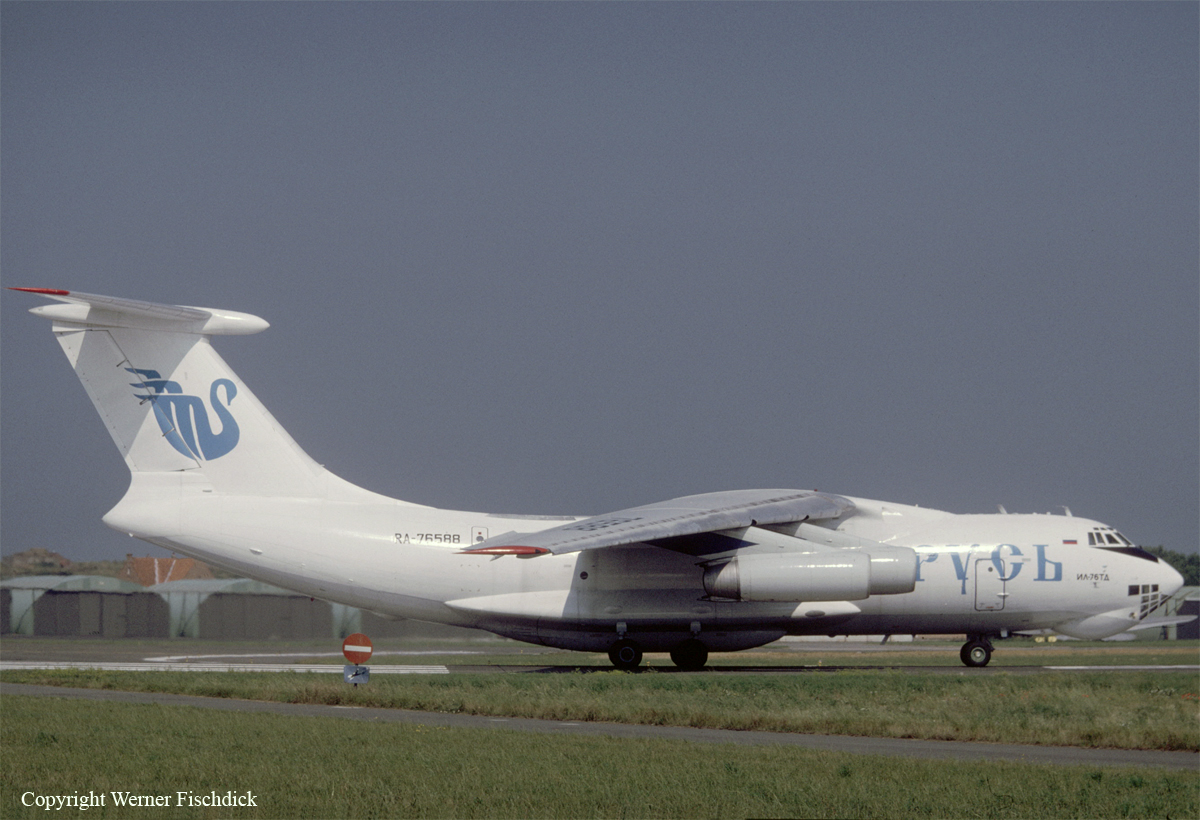
Crash of an Ilyushin II-76MD in Moscow: 10 killed

Date & Time: Jul 14, 2001 at 0853 LT
Type of aircraft:
Operator:
Registration:
RA-76588
Flight Phase:
Flight Type:
Survivors:
No
Schedule:
Moscow – Norilsk – Bratsk – Taiyuan
MSN:
00434 51530
YOM:
1984
Flight number:
RUR9633
Country:
Region:
Crew on board:
8
Crew fatalities:
Pax on board:
2
Pax fatalities:
Other fatalities:
Total fatalities:
10
Aircraft flight hours:
3523
Aircraft flight cycles:
1831
Circumstances:
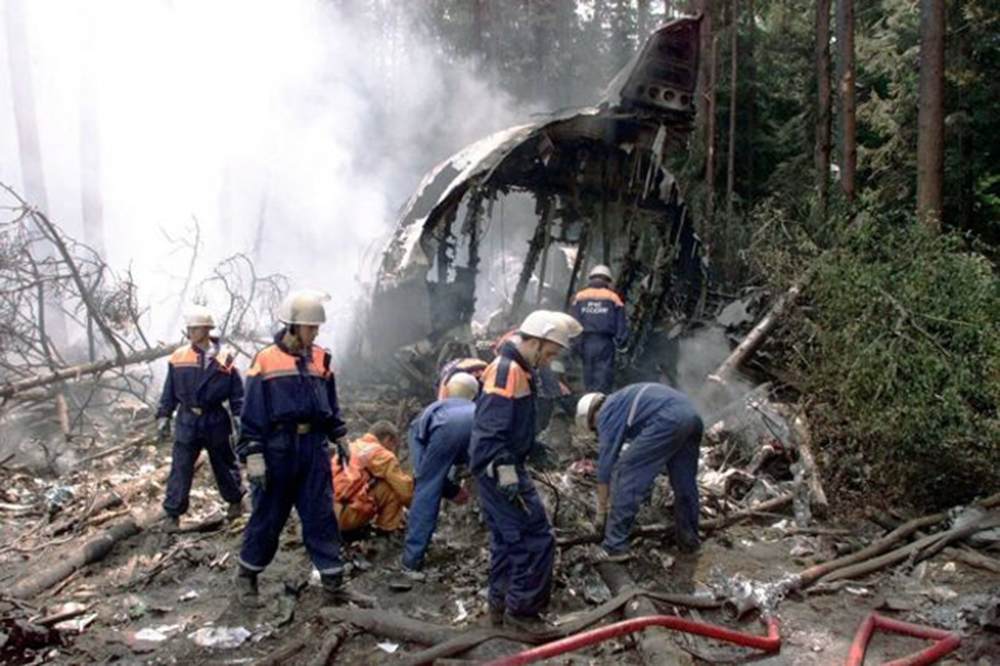
The aircraft was engaged in a cargo flight from Moscow to Taiyuan, China, with intermediate stops in Norilsk and Bratsk, carrying two passengers, eight crew members and a load of 40,2 tons of construction materials. Due to foggy conditions, the horizontal visibility was reduced to 500-900 metres and the vertical visibility was estimated to be 70-80 metres. Following a takeoff roll of about 2,700 metres, the captain started the rotation at a speed of 290 km/h (about 25 km/h above the recommended speed). At a height of about 10 metres, the pilot-in-command started a turn to the right of 7° in order to compensate a deviation to the left during the takeoff roll. At a height of 23-24 metres, the stabilizers' position changed from -5,4° to -3,9° and the aircraft started to lose altitude. One second prior to impact, the elevator were in a 11-12° pitch angle and at a height of 20-21 metres, both right engines n°3 and 4 collided with trees at a distance of 930 metres from the runway end and 47 metres to the right of its extended centerline. Upon impact, both engines were torn off and the aircraft crashed in a wooded area located 1,460 metres past the runway end, bursting into flames. The aircraft was totally destroyed and all 10 occupants were killed.
Probable cause:
The following contributing factors were identified:
- A series of negligences was noted in the operations of the company and the maintenance of the airplane,
- The flight was not properly prepared and the total weight of the aircraft was well above the MTOW,
- Due to the combination of the following factors, the pilots did not take the corrective actions to maintain a good climb path:
- Lack of seriousness and lack of documentation control during cargo loading at Chkalovsky Airport,
- Lack of rigor and non-compliance with standard operating procedures regarding the pre-takeoff check of the cargo, which led the ground personnel to load cargo with a total weight in excess of 13,6 to 14 tons,
- At takeoff, the total weight of the aircraft was estimated to be 204 tons while it was certified for a maximum weight of 191.9 tons taking into account all factors at the time of the accident,
- All crew members were unable to identify in due time the successive errors made by the captain (pilot-in-command), among others the stabilizers that were prematurely positioned in an angle of -3.9 ° while the trailing edge flaps were retracted, causing the lift to be insufficient,
- The coordination within the flight crew was ineffective and the copilot and the navigator did not pay sufficient attention to the altitude of the aircraft through flight conditions in reduced visibility,
- Lack of visibility caused by foggy conditions which did not allow the flight crew to distinguish in time the obstacles located past the runway end,
- As a result of this accident, the operator certificate was revoked.

Crash of a PZL-Mielec AN-2R near Veydelev

Date & Time: Jul 12, 2001
Type of aircraft:
Operator:
Registration:
RA-01447
Flight Phase:
Survivors:
Yes
MSN:
1G231-28
YOM:
1988
Country:
Region:
Crew on board:
3
Crew fatalities:
Pax on board:
0
Pax fatalities:
Other fatalities:
Total fatalities:
0
Aircraft flight hours:
2153
Aircraft flight cycles:
8462
Circumstances:
The aircraft was dispatched in the region of Veydelev to perform a crop spraying mission. On board were three pilots, one copilot seating in the jumpseat, one instructor seating in the right seat and one pilot seating in the left seat. After a first pass over the area to be treated at a speed of 140 km/h and at an altitude of 130 metres, the crew initiated a right turn during which the aircraft banked right to an angle of 90°, descended to 60-70 metres and lost speed to 130 km/h while at this stage, its speed should be 155-160 km/h. As the crew was facing a hill, he decided to increase power to gain height but the aircraft struck the ground in a landing configuration. The crew reduced the engine power and started to brake when, at a speed of 50-60 km/h, the aircraft struck trees and came to rest in a wooded area. All three occupants were injured and the aircraft was damaged beyond repair.
Probable cause:
The accident was the consequence of a crew error in the piloting technique when flying in difficult terrain conditions, which manifested itself in a loss of speed and flight altitude, which led to an unintentional landing of the aircraft and its collision with ground obstacles. The error in the piloting technique became possible due to the unstable piloting skills of the pilot-in-command and the failure of the instructor to fulfill his duties. It was reported that the pilot-in-command did not fly for about five years.

Crash of a Pilatus PC-12/45 in the Sea of Okhotsk

Date & Time: Jul 8, 2001 at 1345 LT
Type of aircraft:
Operator:
Registration:
N660NR
Flight Phase:
Survivors:
Yes
Schedule:
Hakodate - Magadan
MSN:
356
YOM:
2000
Country:
Region:
Crew on board:
1
Crew fatalities:
Pax on board:
3
Pax fatalities:
Other fatalities:
Total fatalities:
0
Circumstances:
On July 8, 2001, approximately 1345 local time (0245UTC), a Pilatus PC-12/45, N660NR, registered to a US private owner, operated by Jeflyn Aviation, Inc. doing business as Access Air, and being flown by a US certificated airline transport rated pilot, was presumed destroyed following a ditching in the Sea of Okhotsk, Western Pacific Ocean. The pilot sustained minor injuries and the three remaining Japanese passengers were uninjured. Instrument meteorological conditions prevailed, and an IFR flight plan had been filed and activated. The flight, which was returning to the United States following a round-the-world trip, was being operated under 14CFR91 as a business trip. The aircraft had originated from Hakodate, Japan, departing 0910 hours local time and was destined for Magadan, Russia. The pilot reported in a telephonic interview that the aircraft was established in cruise at 8,100 meters altitude when he felt a vibration followed by a rapid increase in the engine's Turbine Temperature Indication (TTI). He reported that the TTI reached 1144 degrees during which there was a compressor stall. He shut the engine down, feathered the propeller, and initiated a power off emergency descent. During the emergency descent the pilot radioed a mayday on 121.5 MHz, set his transponder to code 7700, and manually activated the emergency locator beacon. The aircraft descended through multiple cloud layers during which the pilot and passengers prepared for the ditching. The pilot reported that upon breaking through the bottom of the last overcast layer, at 100 feet above the water, he encountered swells of approximately 8-12 feet height. He ditched the aircraft on the crest of a swell and the aircraft came to a stop floating in an upright, level attitude. All four occupants exited the aircraft through the main cabin door into a life raft. Over a period of several hours the occupants lost sight of the floating aircraft and after about 15 hours they were picked up by a Russian container ship and airlifted to Sakhalin Island.
Probable cause:
Engine failure for unknown reasons.

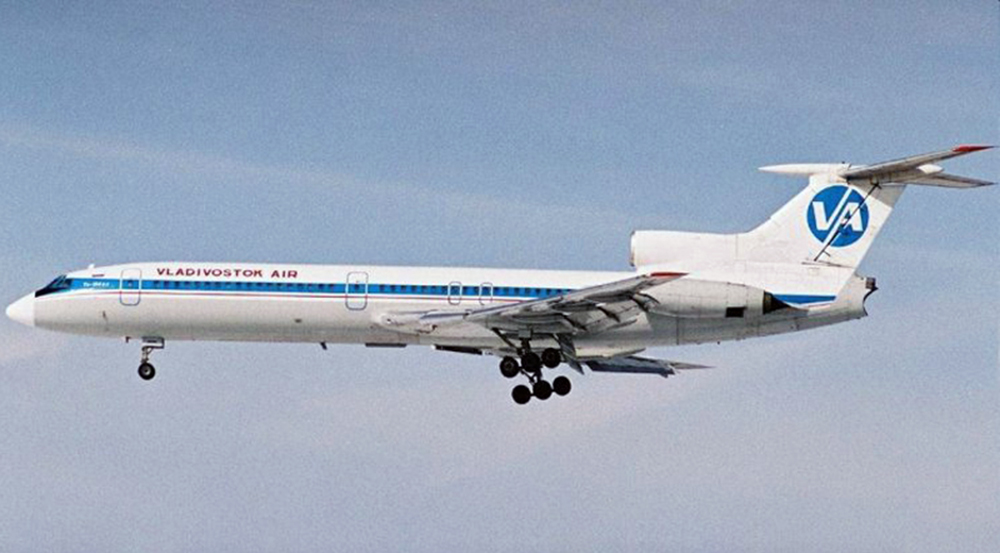
Crash of a Tupolev TU-154M in Burdakovka: 145 killed

Date & Time: Jul 4, 2001 at 0208 LT
Type of aircraft:
Operator:
Registration:
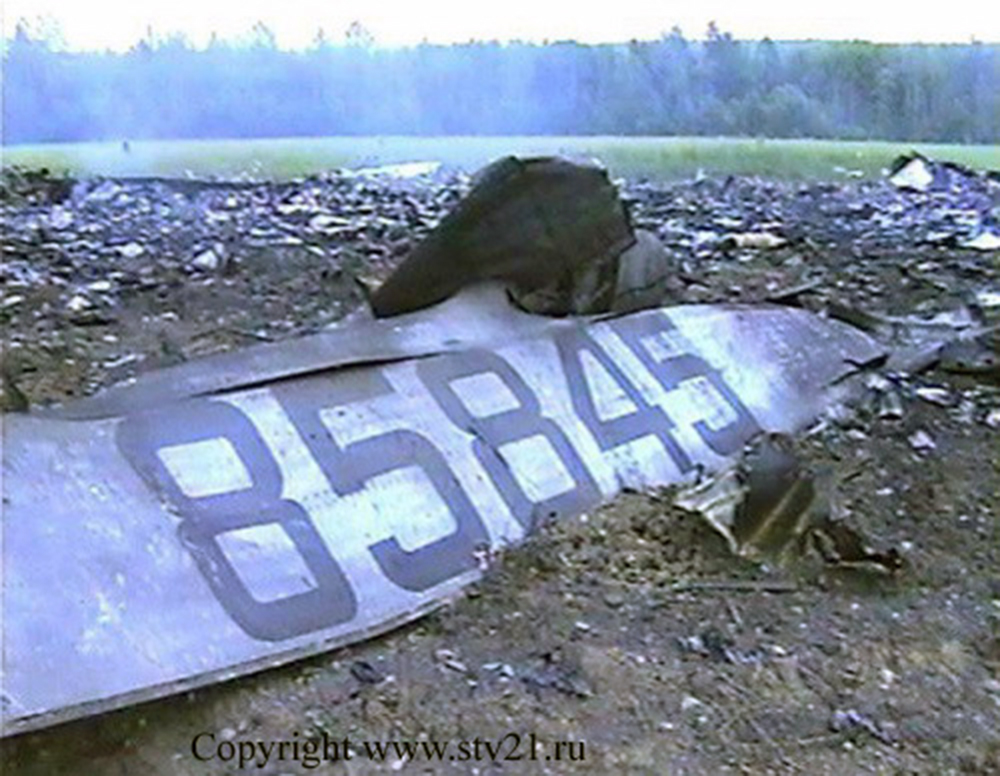
RA-85845
Survivors:
No
Schedule:
Yekaterinburg – Irkutsk – Vladivostok
MSN:
86A735
YOM:
1986
Flight number:
XF352
Country:
Region:
Crew on board:
9
Crew fatalities:
Pax on board:
136
Pax fatalities:
Other fatalities:
Total fatalities:
145
Aircraft flight hours:
20953
Aircraft flight cycles:
11387
Circumstances:
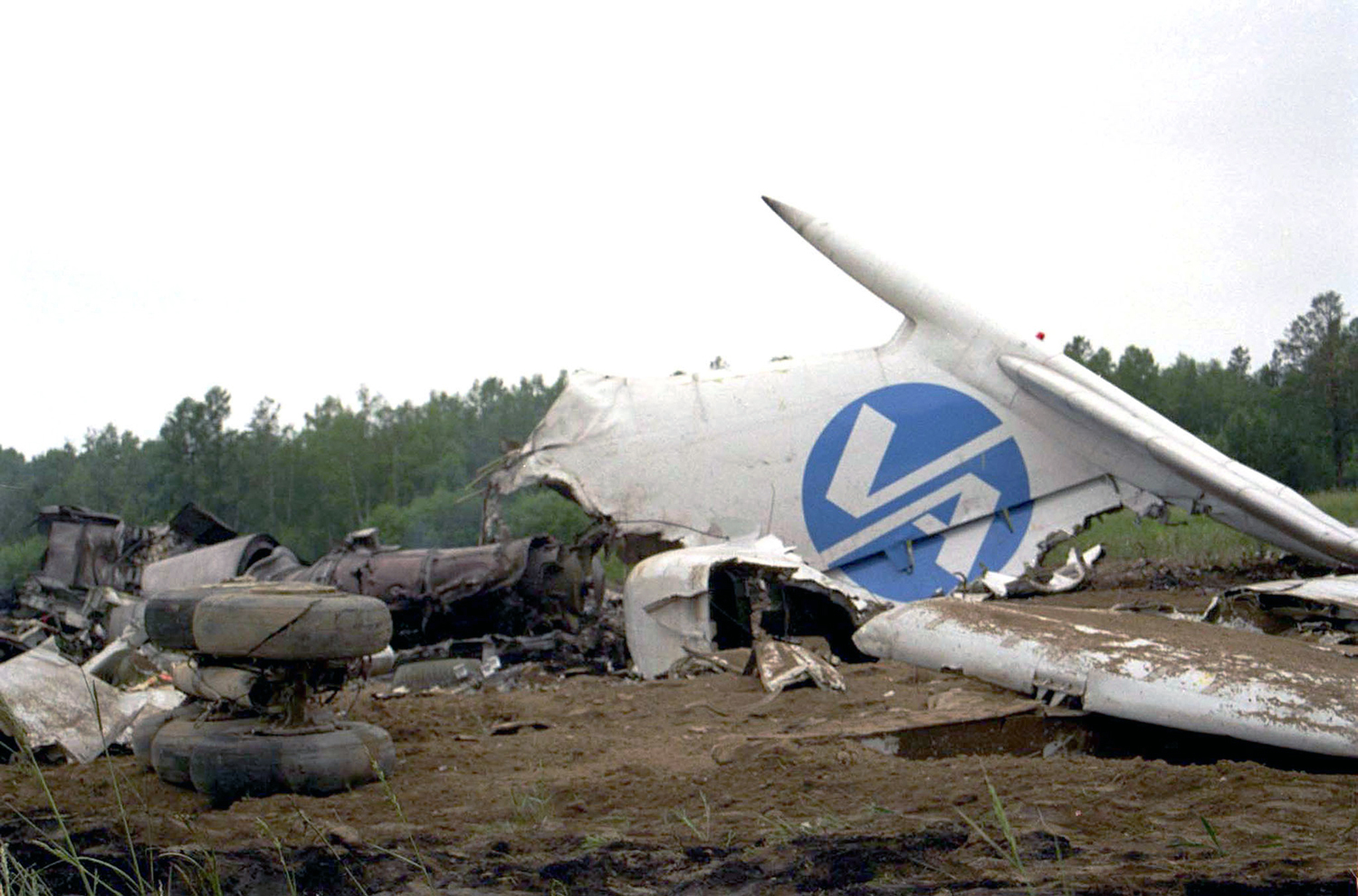
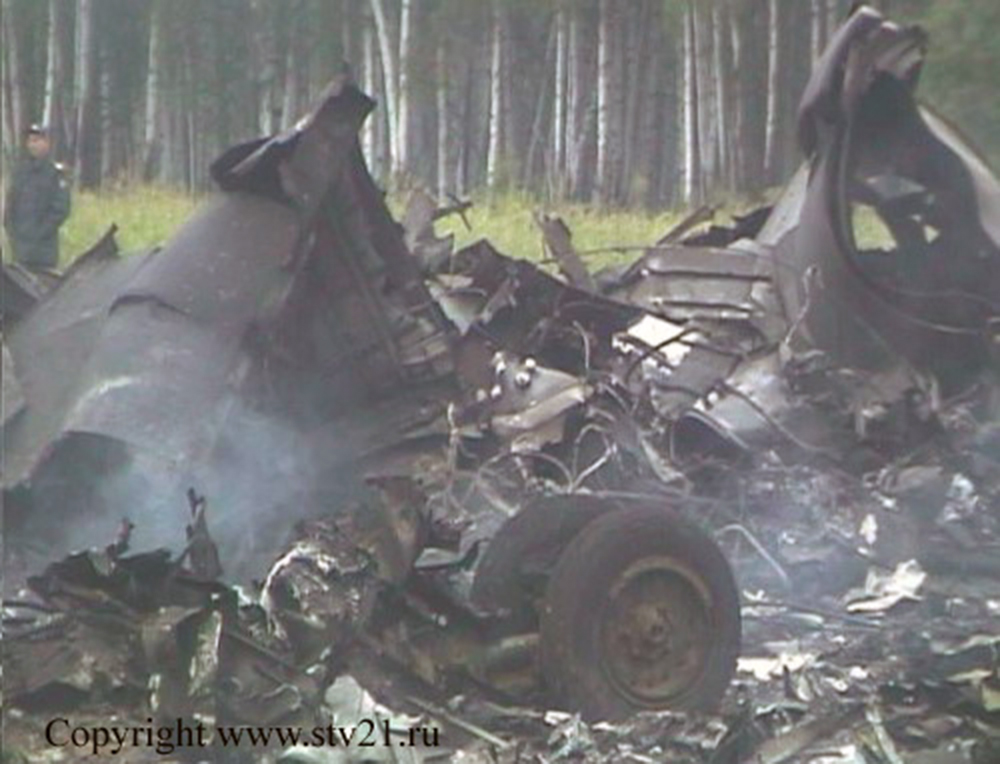
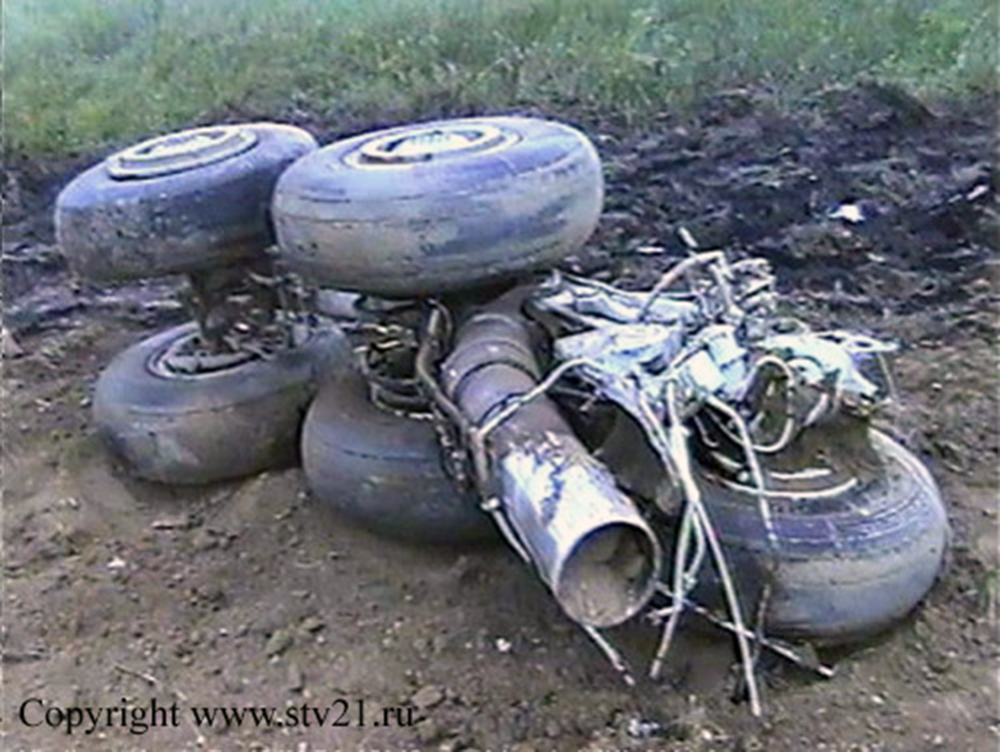
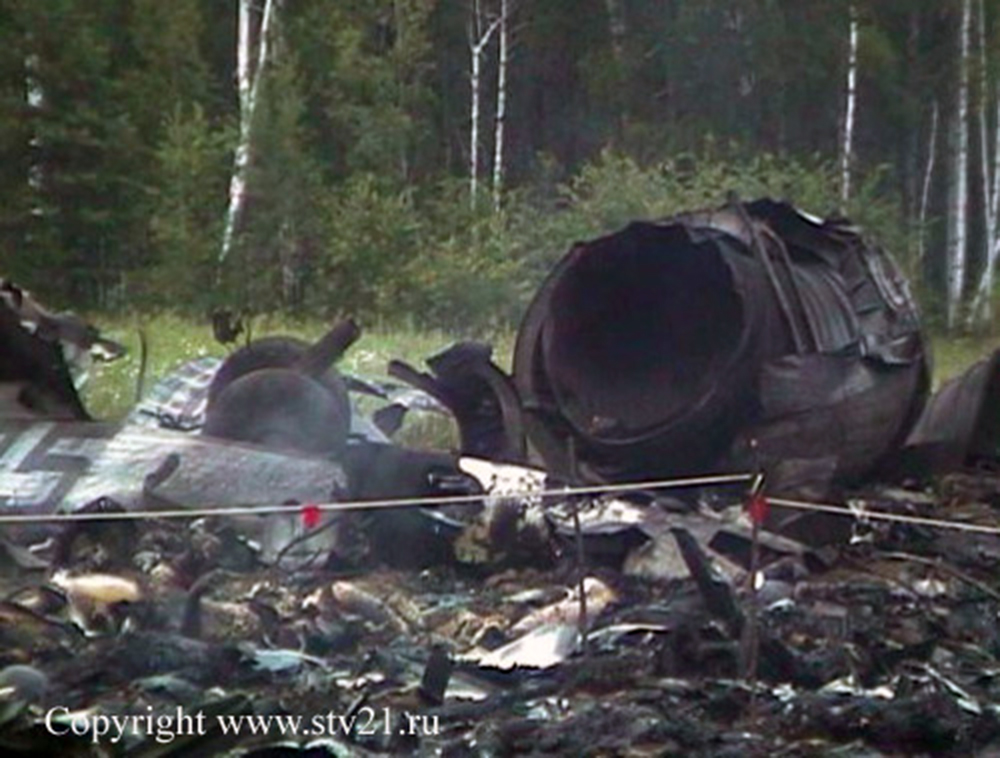
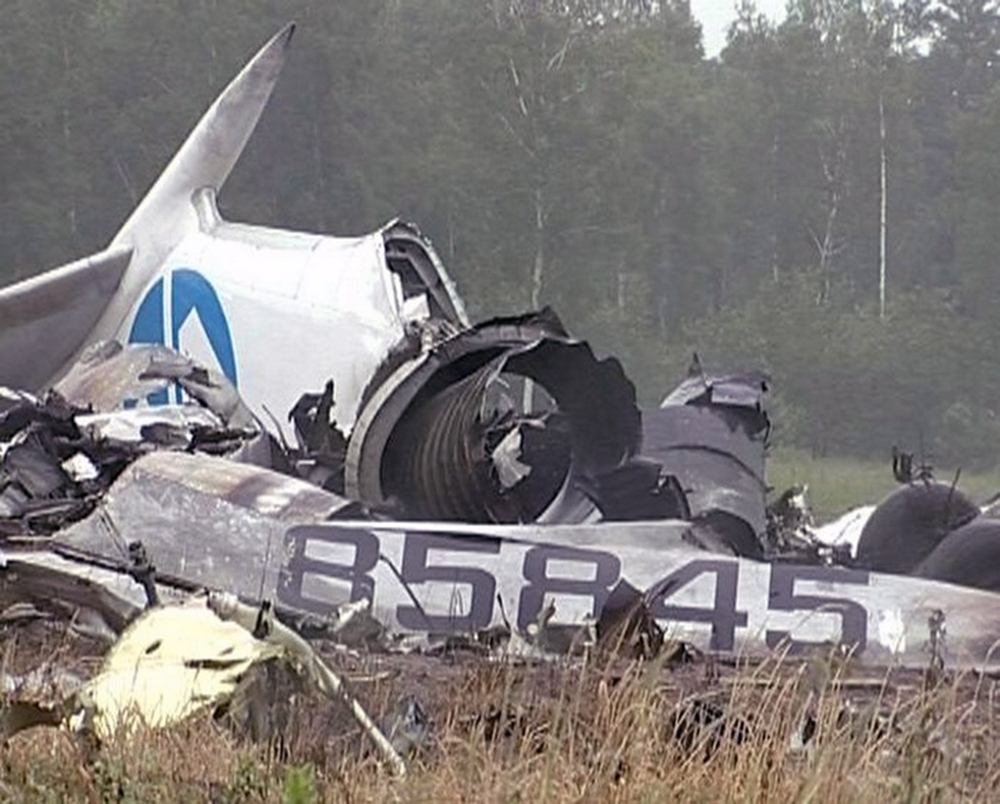
The airplane departed Yekaterinburg Airport on a regular schedule flight (XF352) to Vladivostok with an intermediate stop at Irkutsk. The flight departed Yekaterinburg at 1947LT and climbed to the assigned cruising altitude of 10,100 metres. Some three hours into the flight, at 0150LT, the crew started the descent to Irkutsk Intl Airport. The copilot was the pilot-in-command. At 0205LT, the crew reported at 2,100 metres with the runway in sight. At this time, the aircraft' speed was 540 km/h. The maximum speed at which the landing gear may be lowered was 400 km/h. At 0206:56 the airplane leveled off at 900 metres with an airspeed still at 420 km/h. The first officer asked for gear down and the speed further decreased to 395 km/h with engines at idle. When the gear was down and locked, the airplane entered a left bank angle of 20-23°. The airspeed continued to drop to 365 km/h while the recommended speed was 370 km/h at this stage of the flight. Power was added slowly. This was only just sufficient for maintaining an altitude of 850 metres at 355-360 km/h. At 0207:46, while still in the left hand turn, the angle of attack increased to 16,5° because the autopilot attempted to maintain altitude with a decreasing speed. An aural warning sounded, informing the crew about a high angle of attack. The first officer attempted to correct this by using the control column and disconnected the autopilot. Because he deflected the control column to the left, the left bank increased to the maximum permissible value of -30° to -44°, and then to -48°. In a nose down attitude, the speed increased to 400 km/h then the aircraft entered clouds. By night, the crew lost visual contact with the ground and was not able to observe the natural horizon. In such conditions, the captain took over controls but alternately deflected the steering wheel to the left and right. An intensive deflection of steering control to the right caused a positive angular acceleration of +4,4° per second. The captain reacted by deflecting the steering wheel to the left again. The first officer now realized that the airplane was in a severe left bank of -45° and indicated that they should be rolling to the right. Because of an increase in vertical descent rate of 20 metres per seconds, one of the crew members pulled the control column. The airplane pitched up rapidly then entered a stall and a subsequent flat spin before crashing in an open field 22 seconds later. The aircraft was totally destroyed by impact forces and a post crash fire and all 145 occupants were killed.
Probable cause:
The accident was the consequence of a wrong approach configuration on part of the flying crew. The following contributing factors were identified:
- Poor control actions on part of the crew, which caused the aircraft to enter a super critical angle of attack followed by a stall and a spin,
- Violation of interactions by the crew regarding the separation of responsibilities for piloting established by the pilot-in-command,
- Lack of proper control to maintain flight parameters during the approach, in reference to the TU-154 flight operations manual,
- Poor crew interactions.