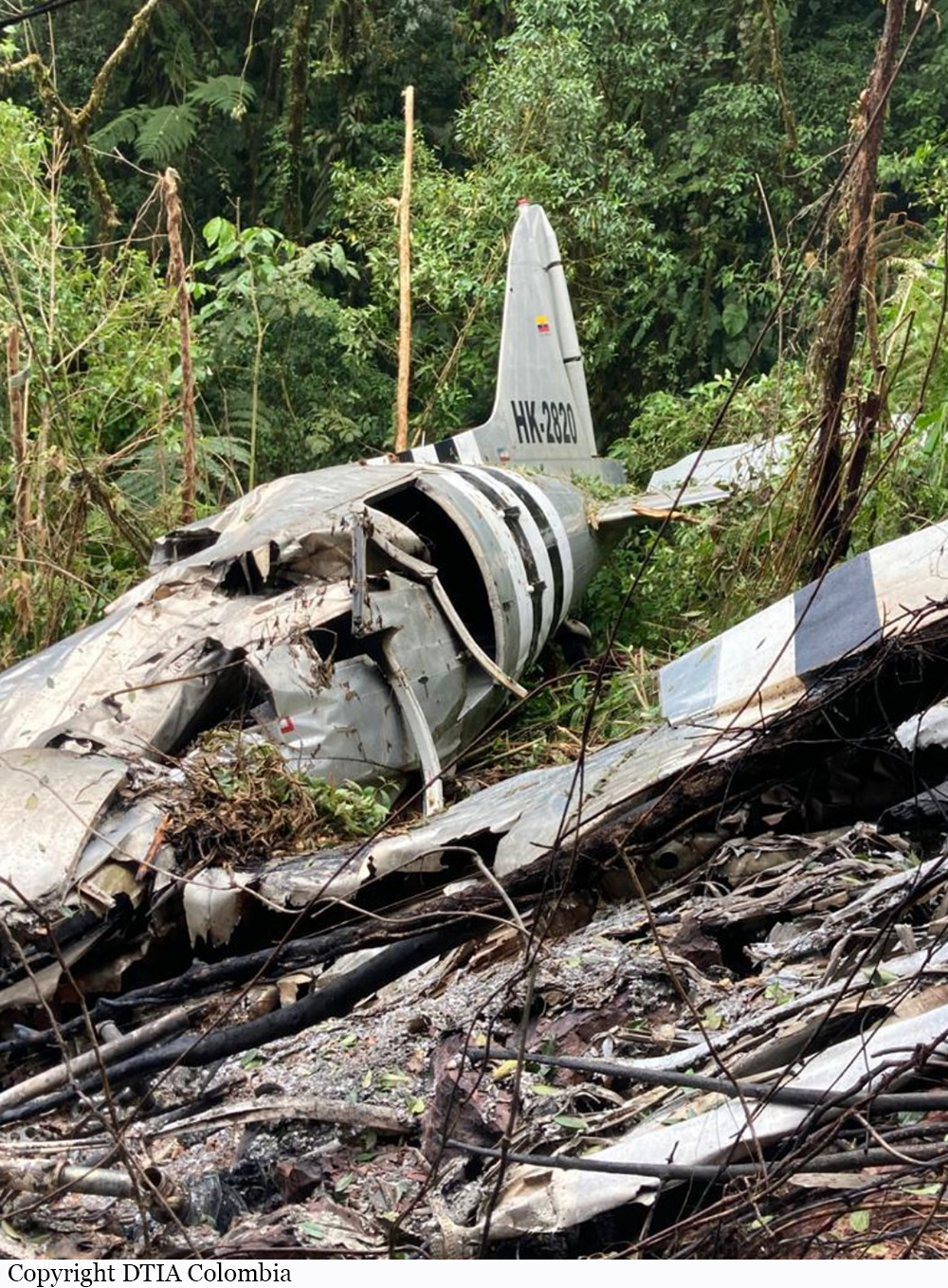
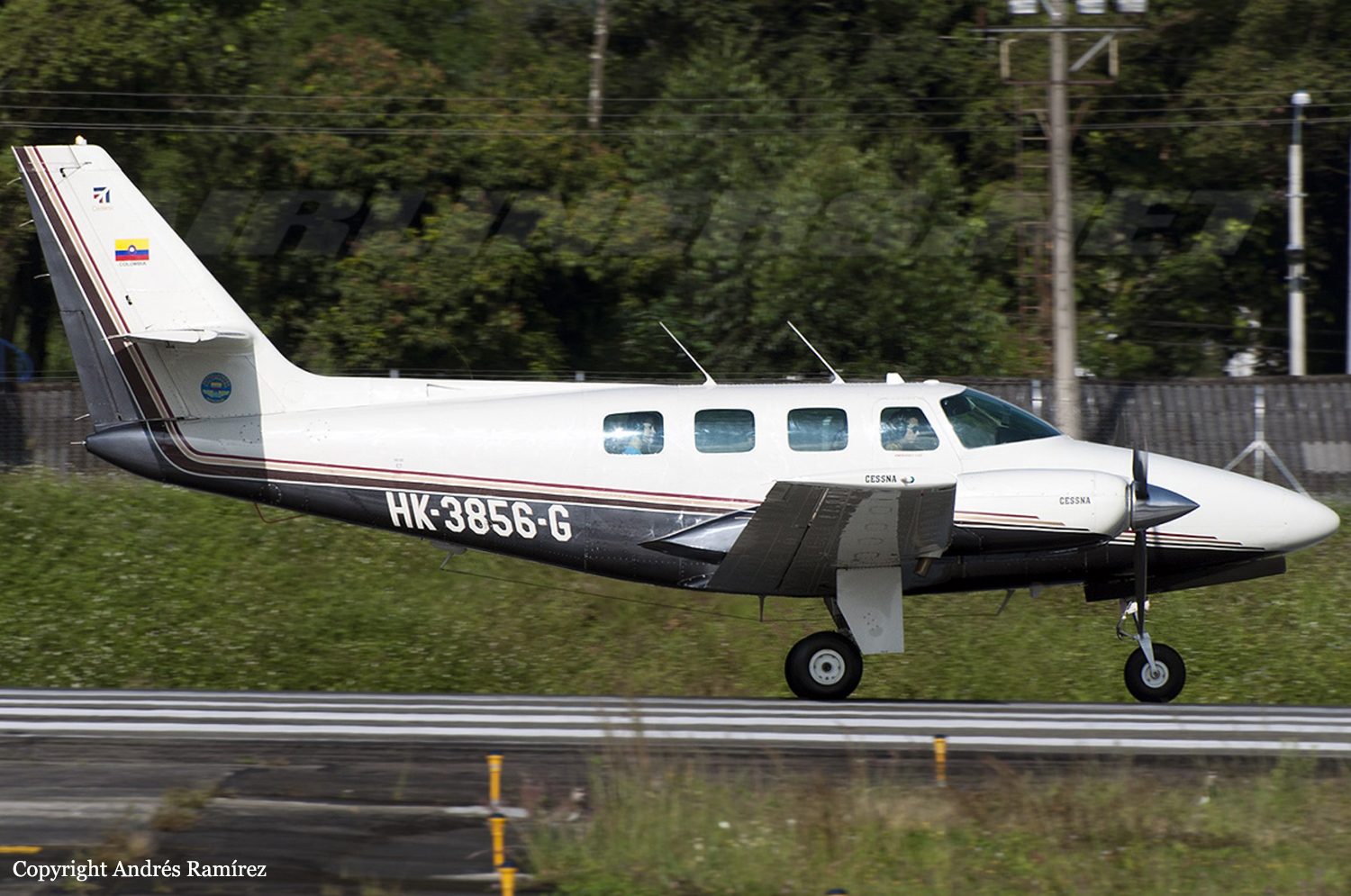
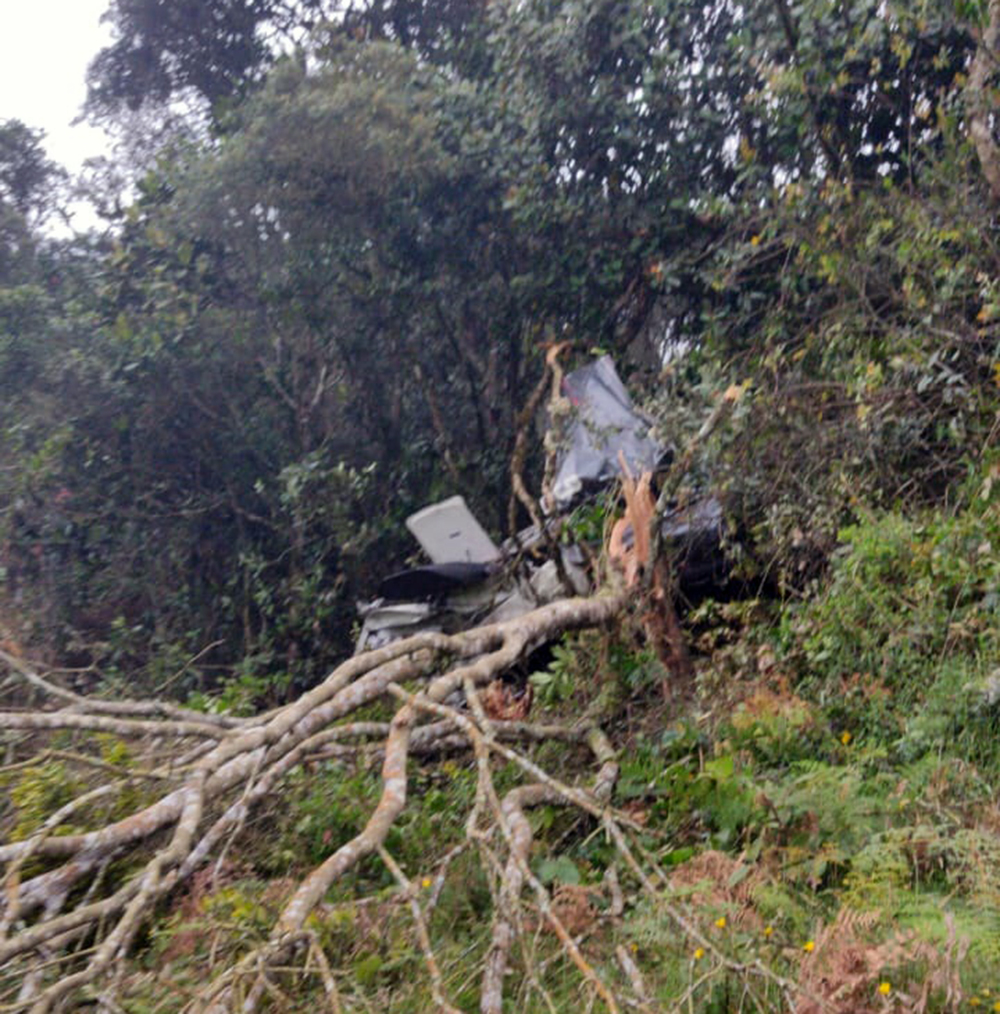
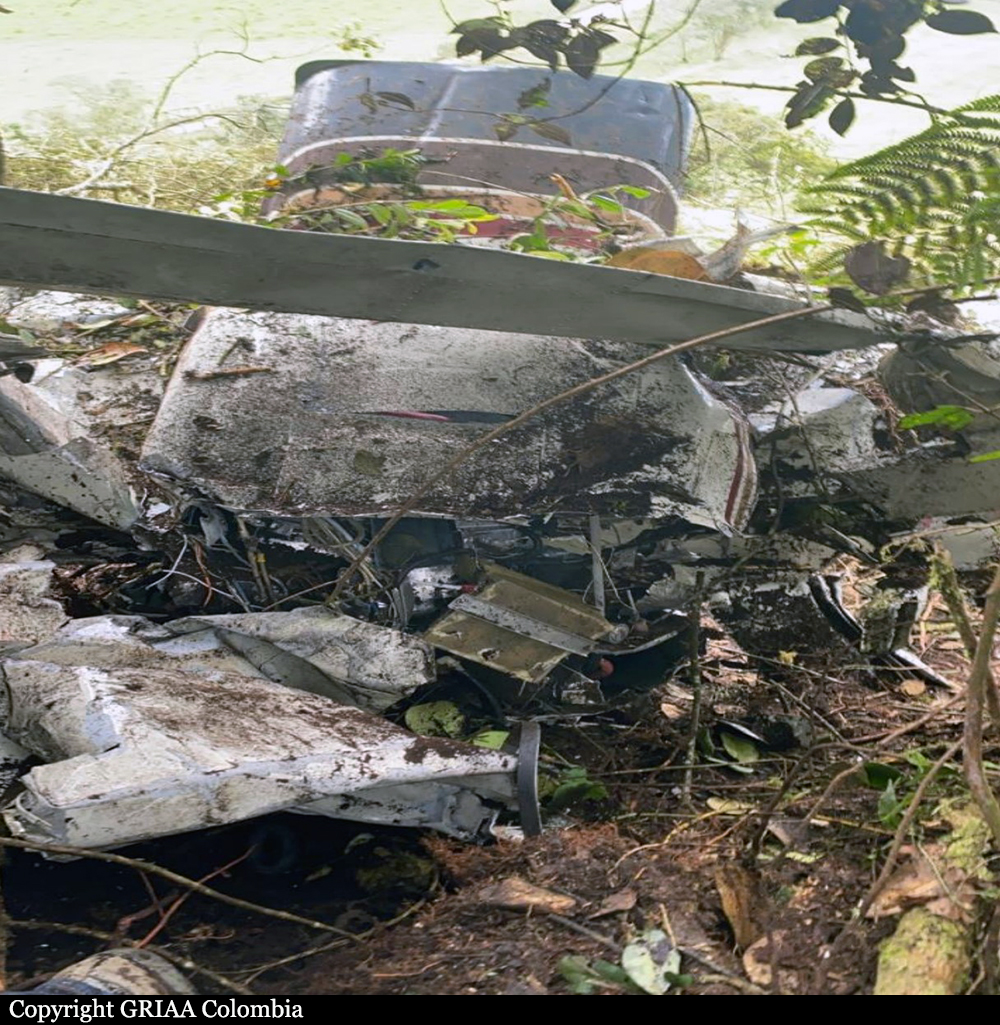
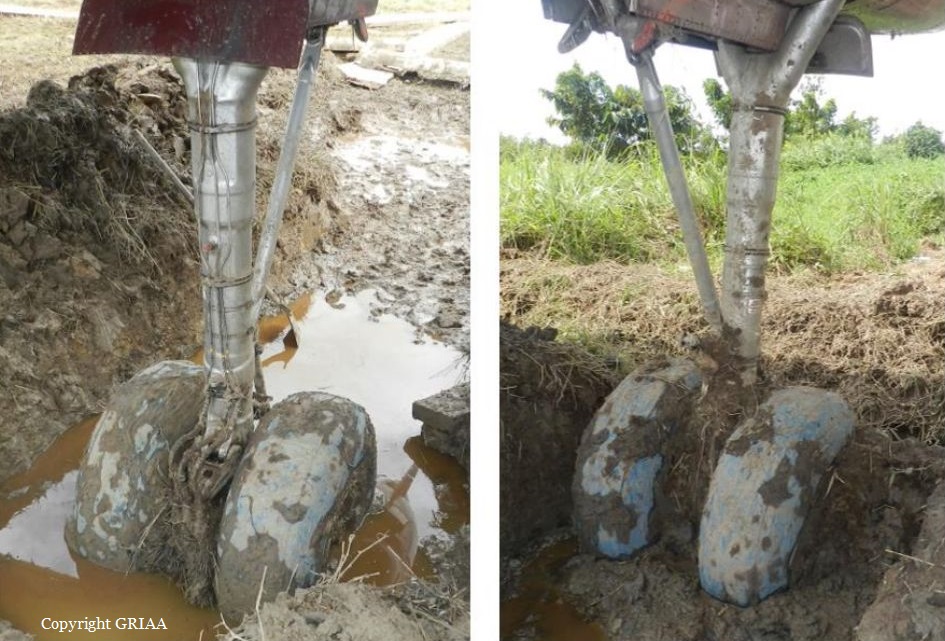
Crash of a Douglas DC-3C near Restrepo: 3 killed
Date & Time:
Jul 8, 2021 at 0709 LT
Operator:

Registration:
HK-2820
Survivors:
No
Schedule:
Villavicencio - Villavicencio
MSN:
20171
YOM:
1944
Crew on board:
2
Crew fatalities:
Pax on board:
1
Pax fatalities:
Other fatalities:
Total fatalities:
3
Captain / Total hours on type:
16680.00
Copilot / Total hours on type:
8170
Aircraft flight hours:
18472
Circumstances:
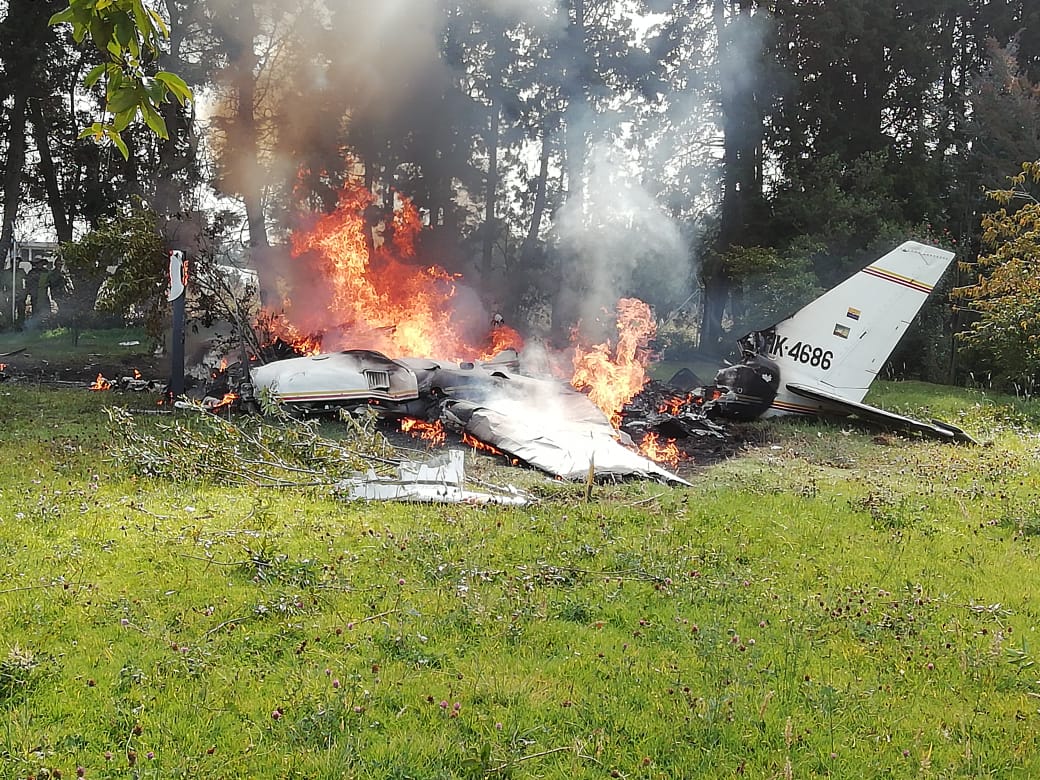
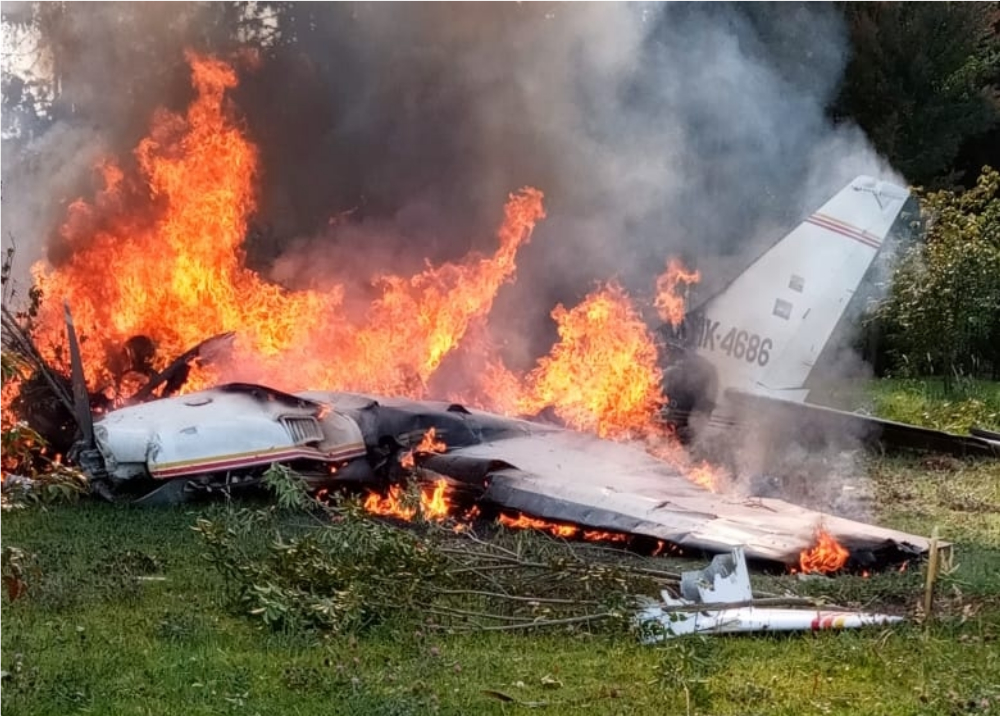
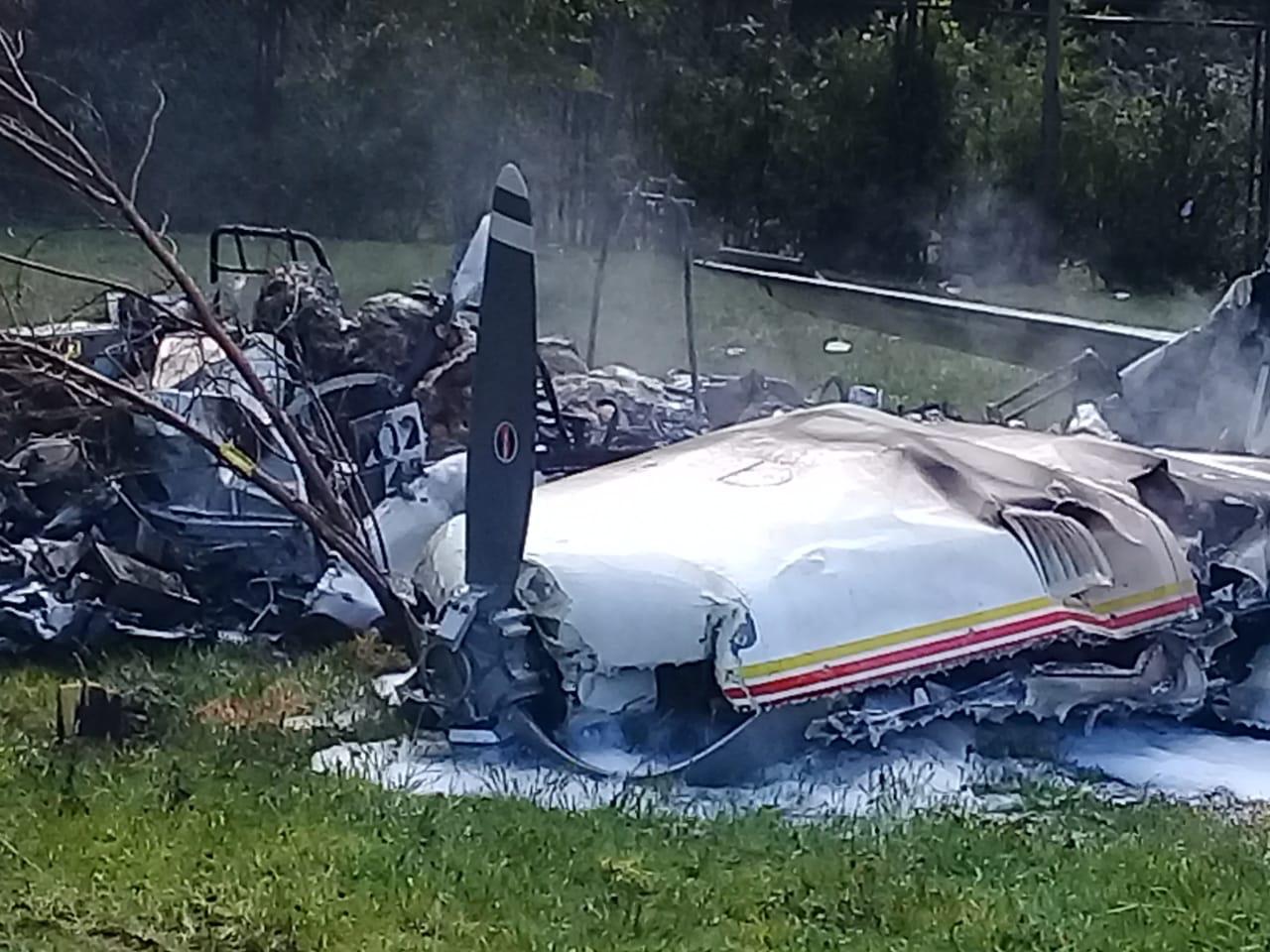
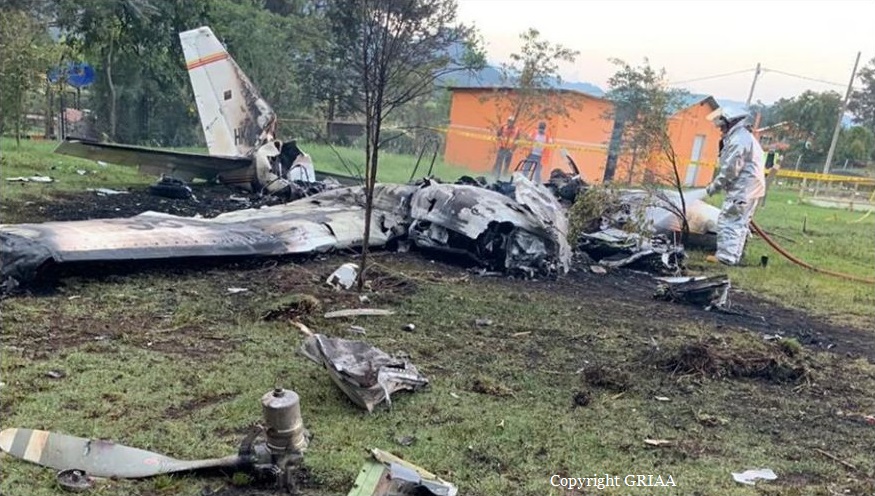
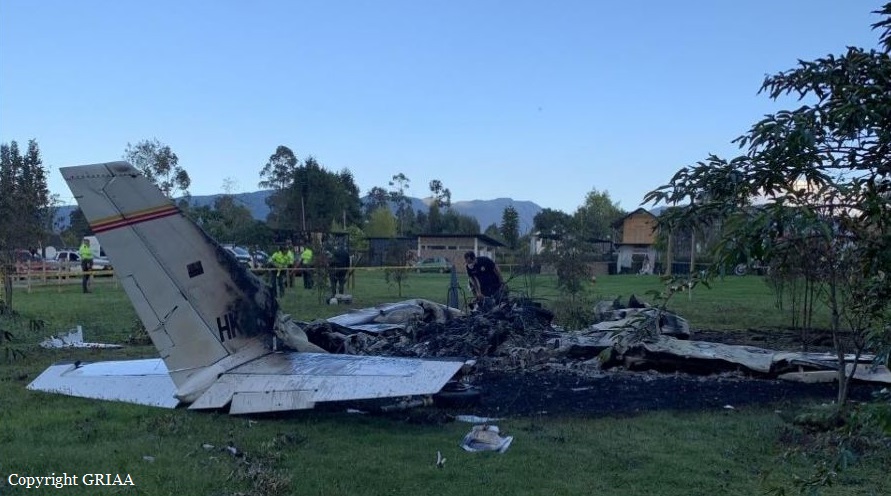
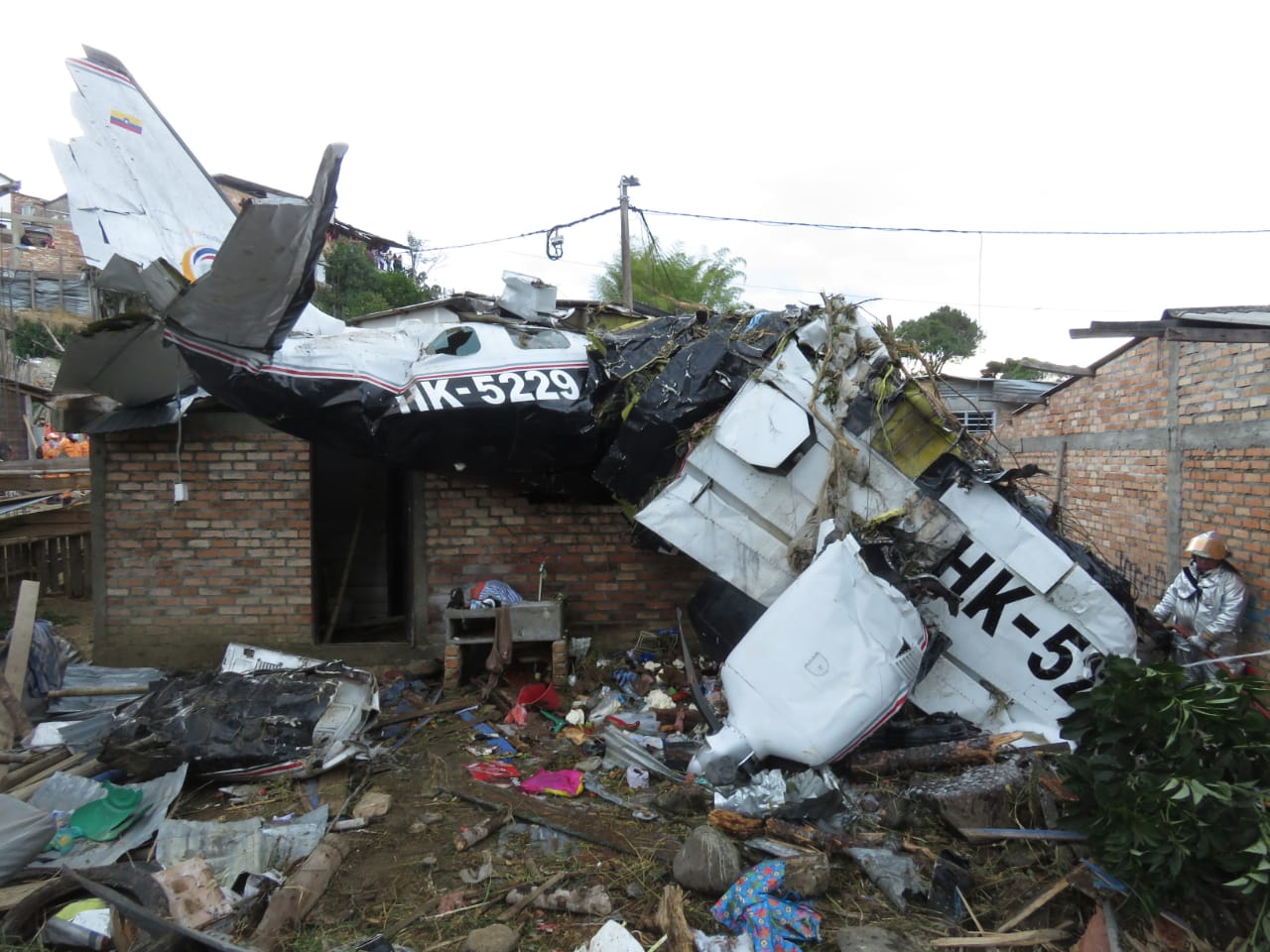
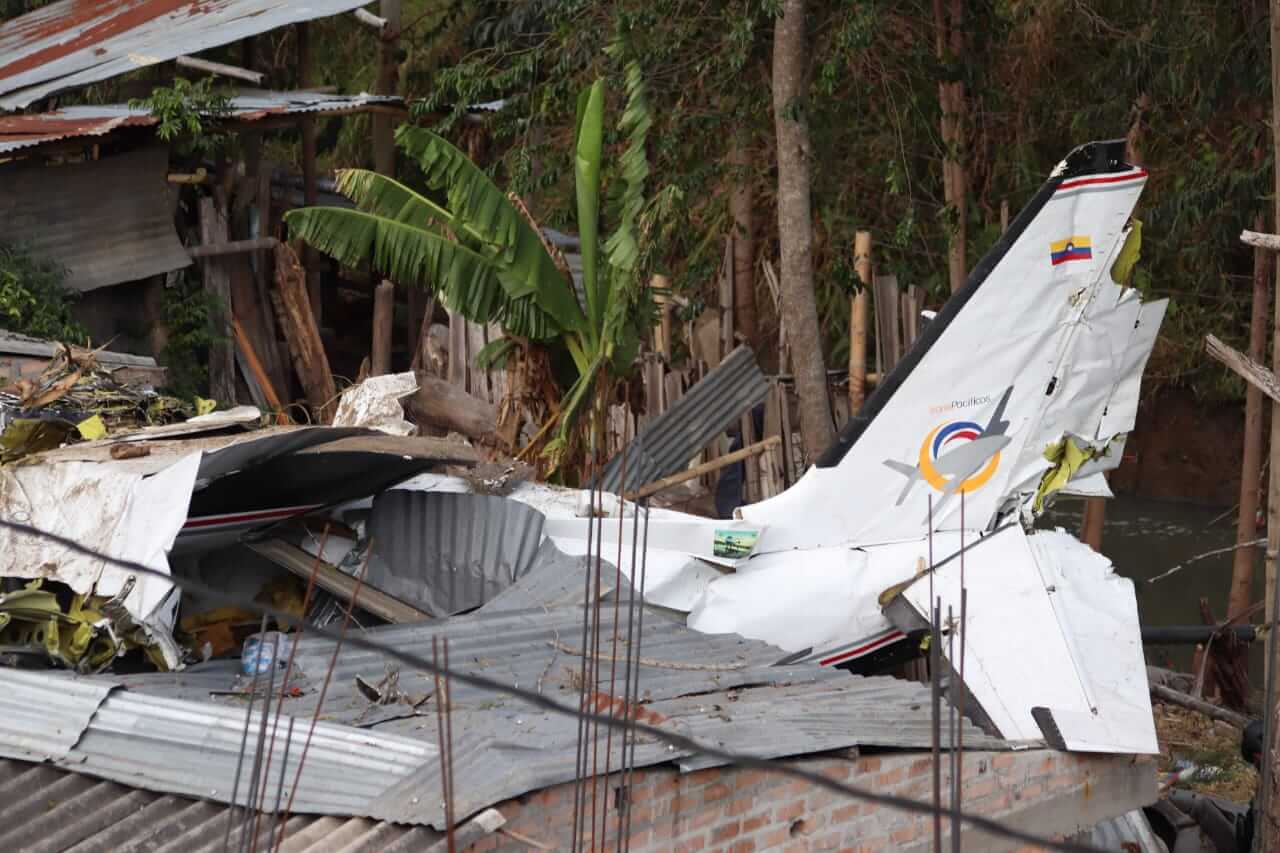
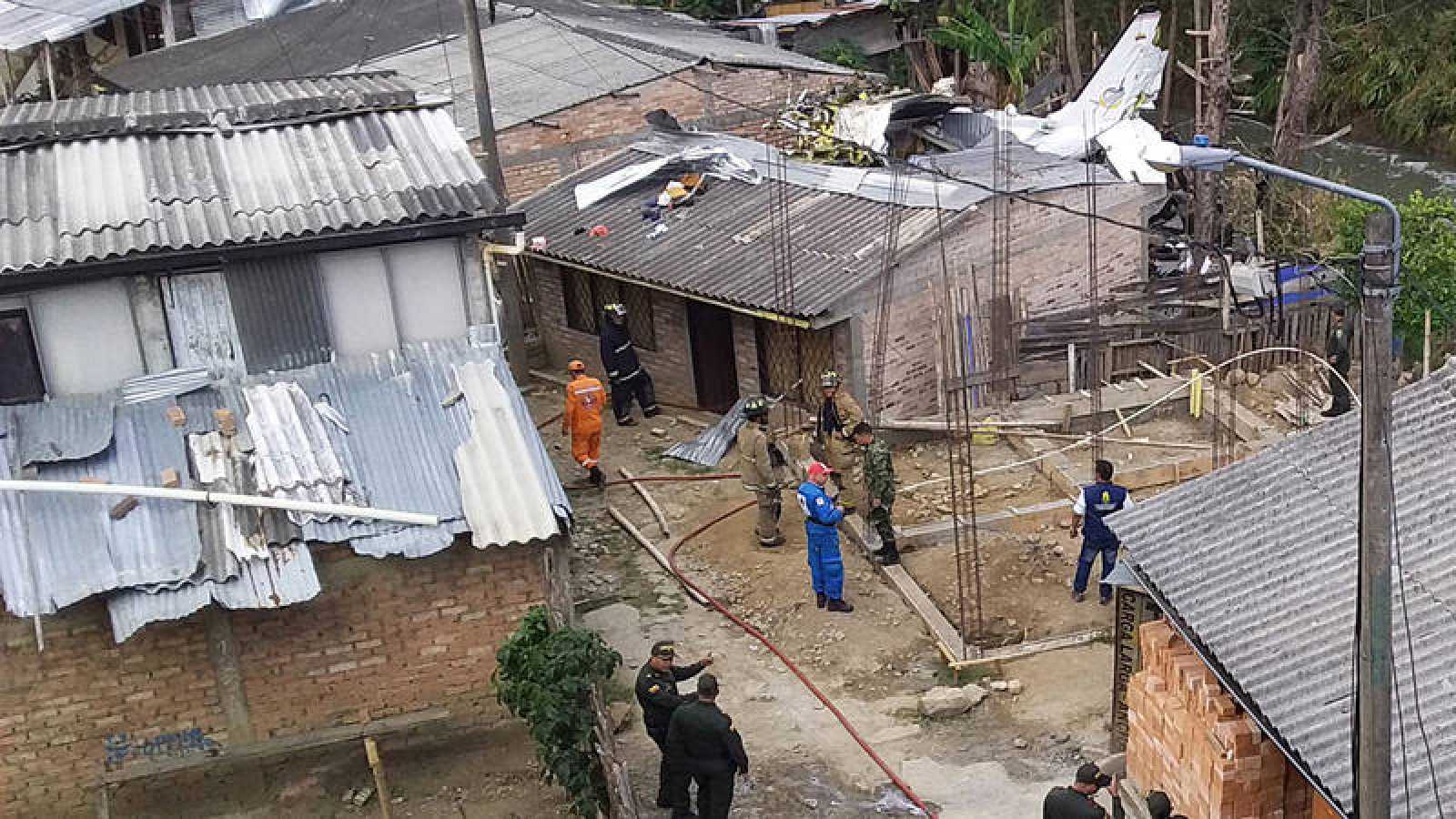
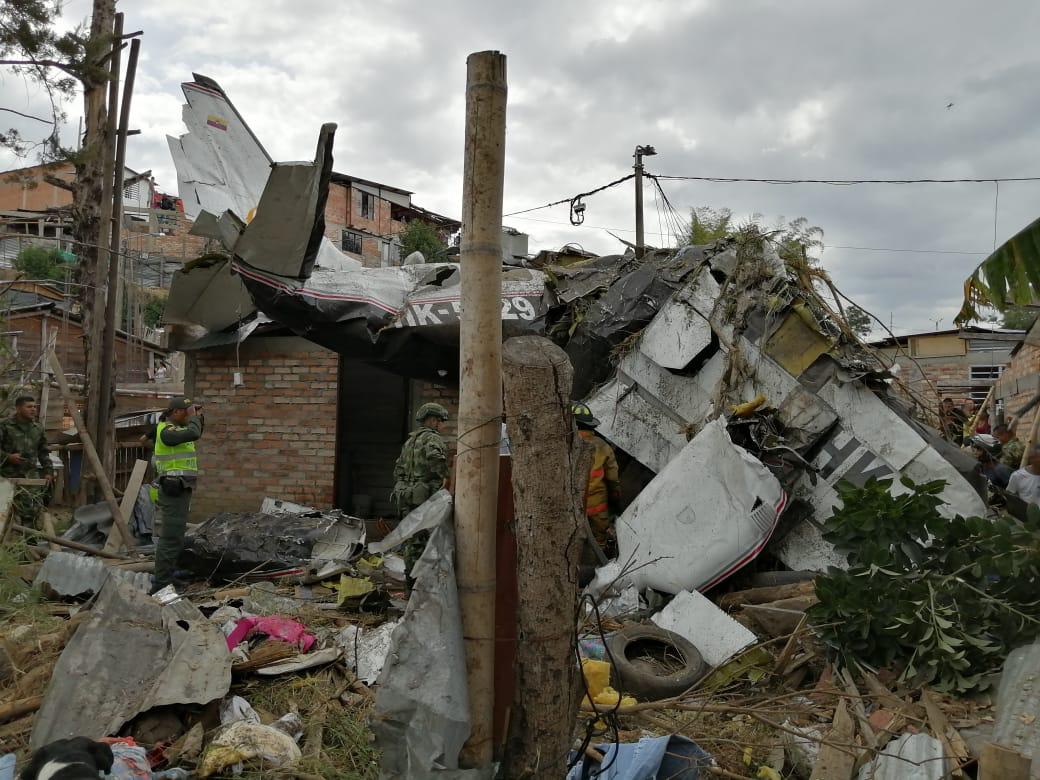
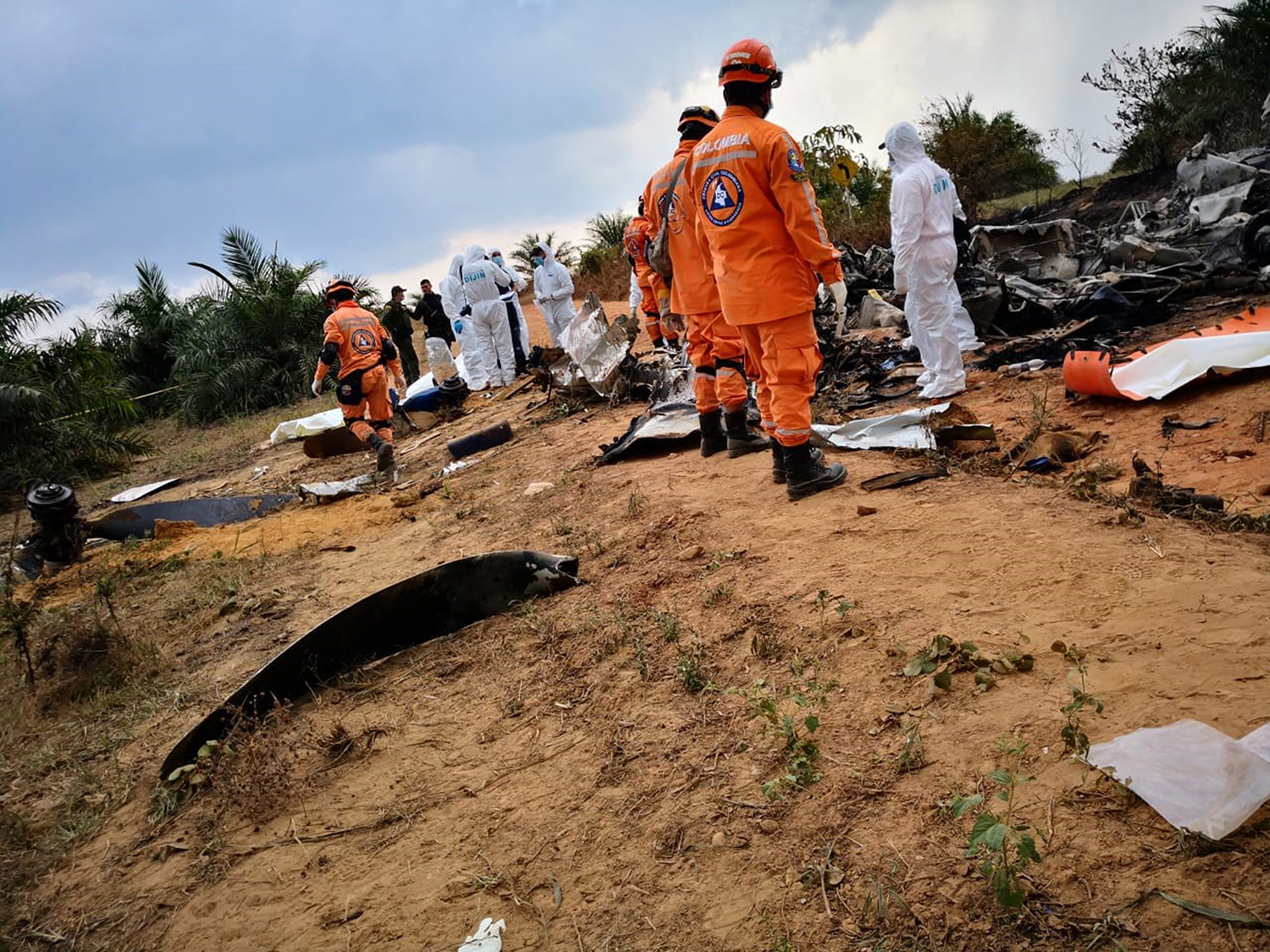
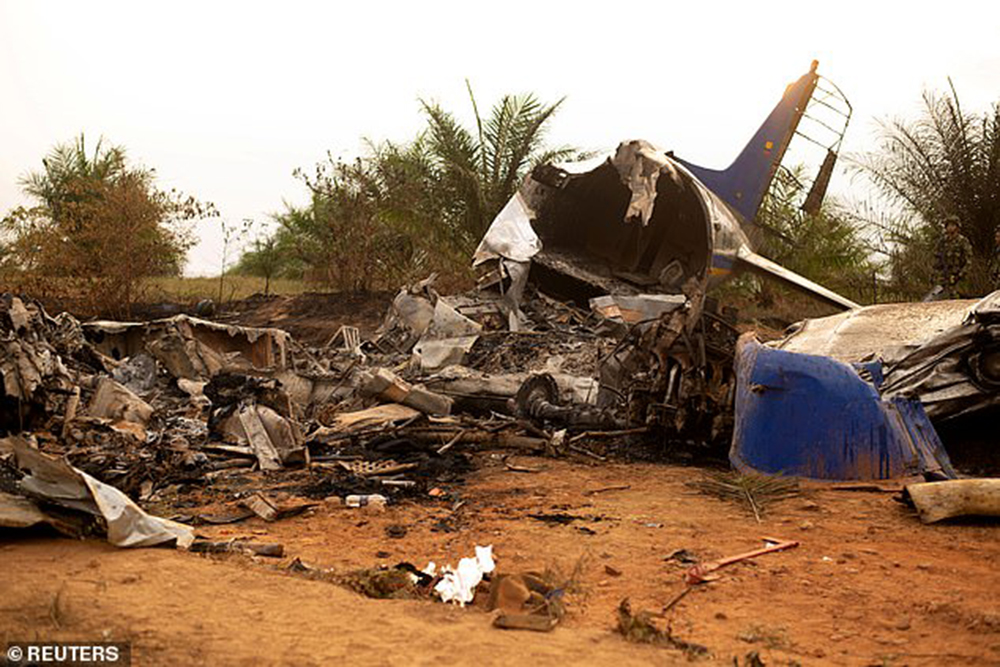
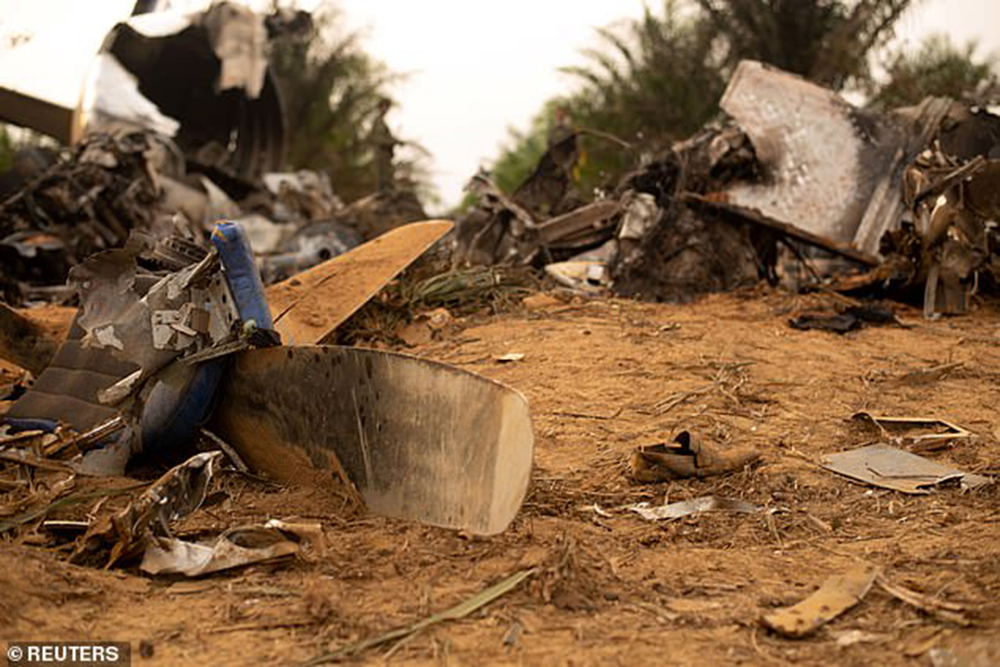
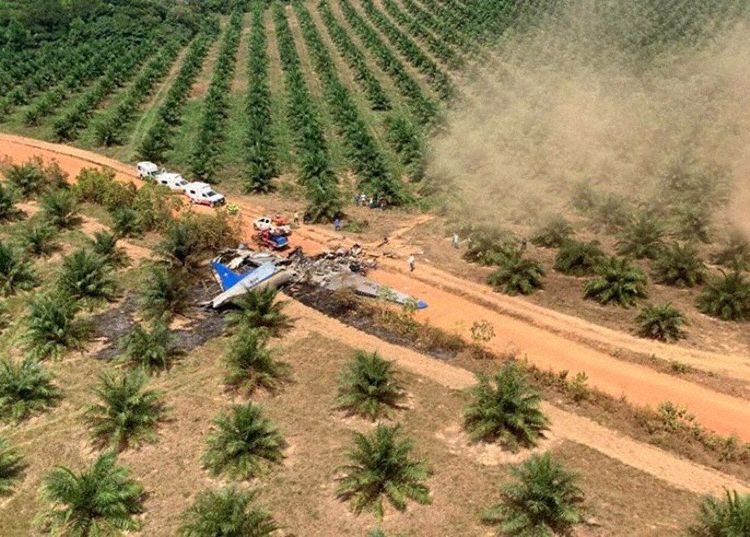
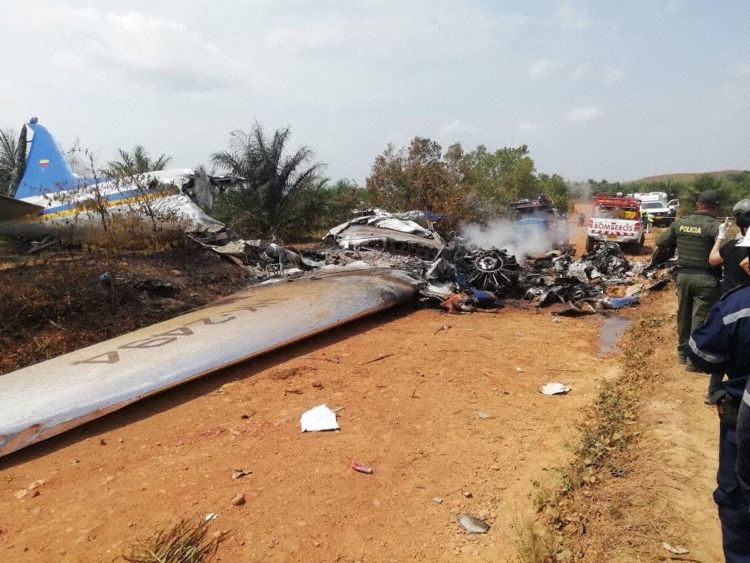
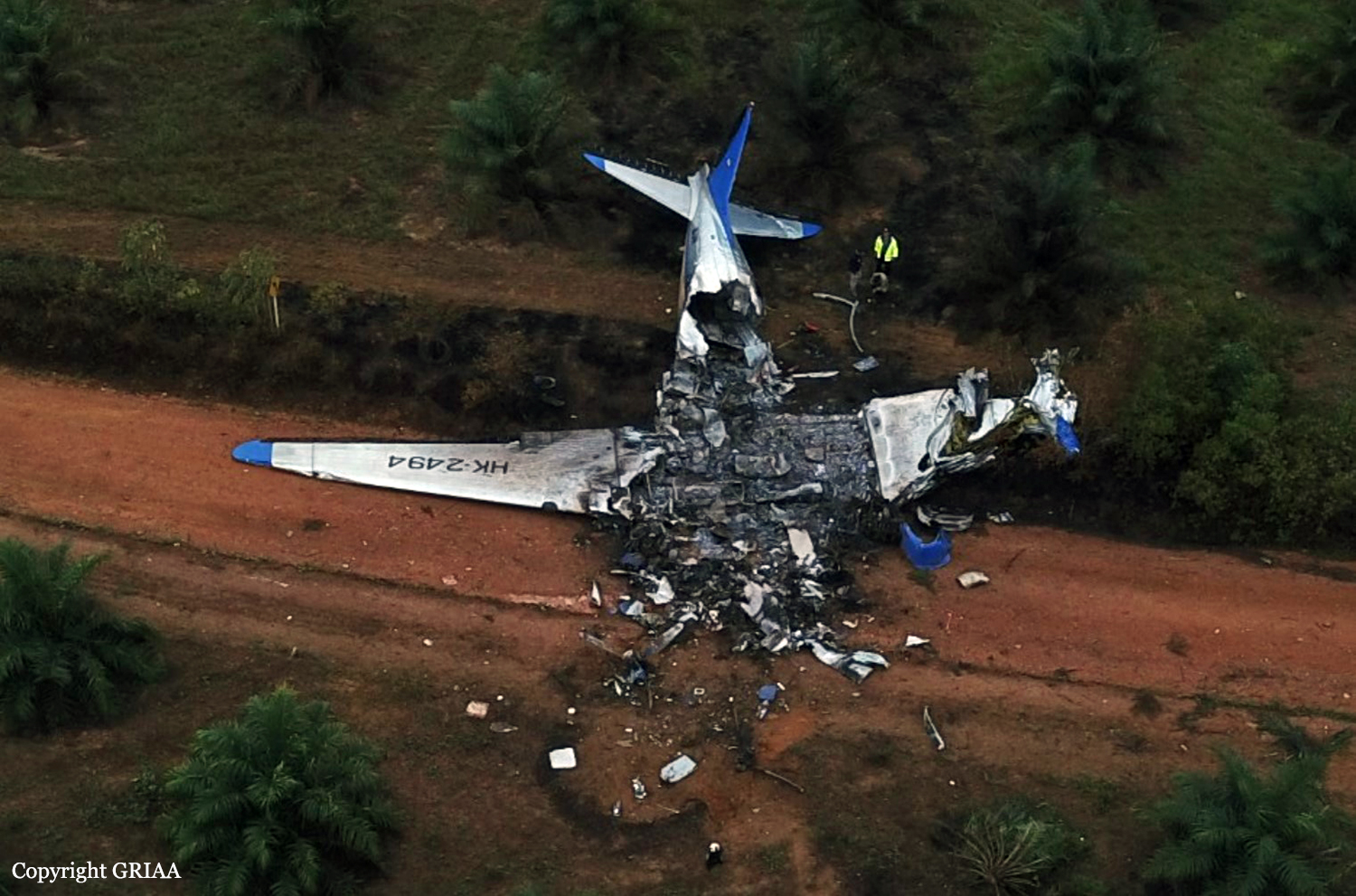
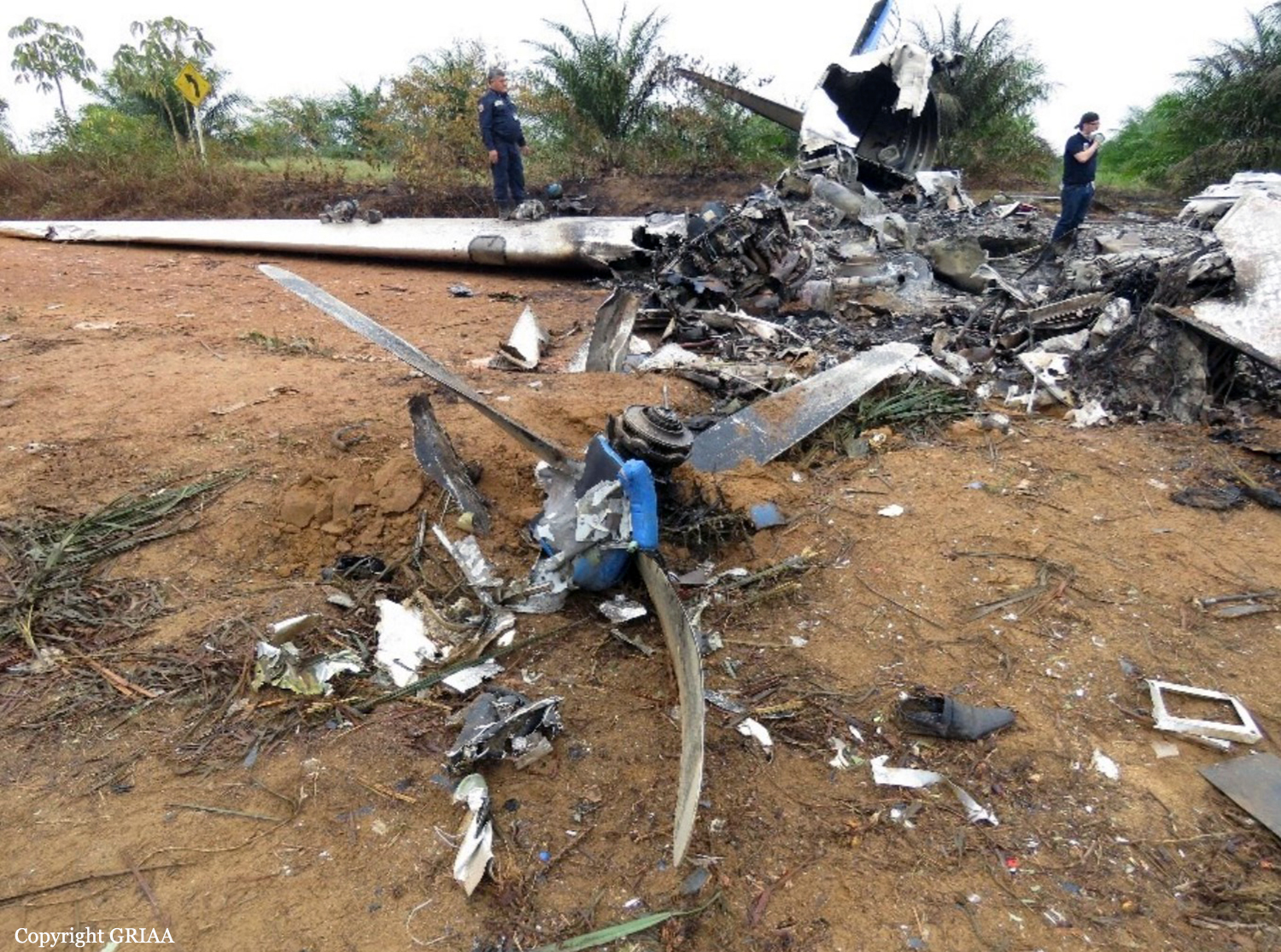
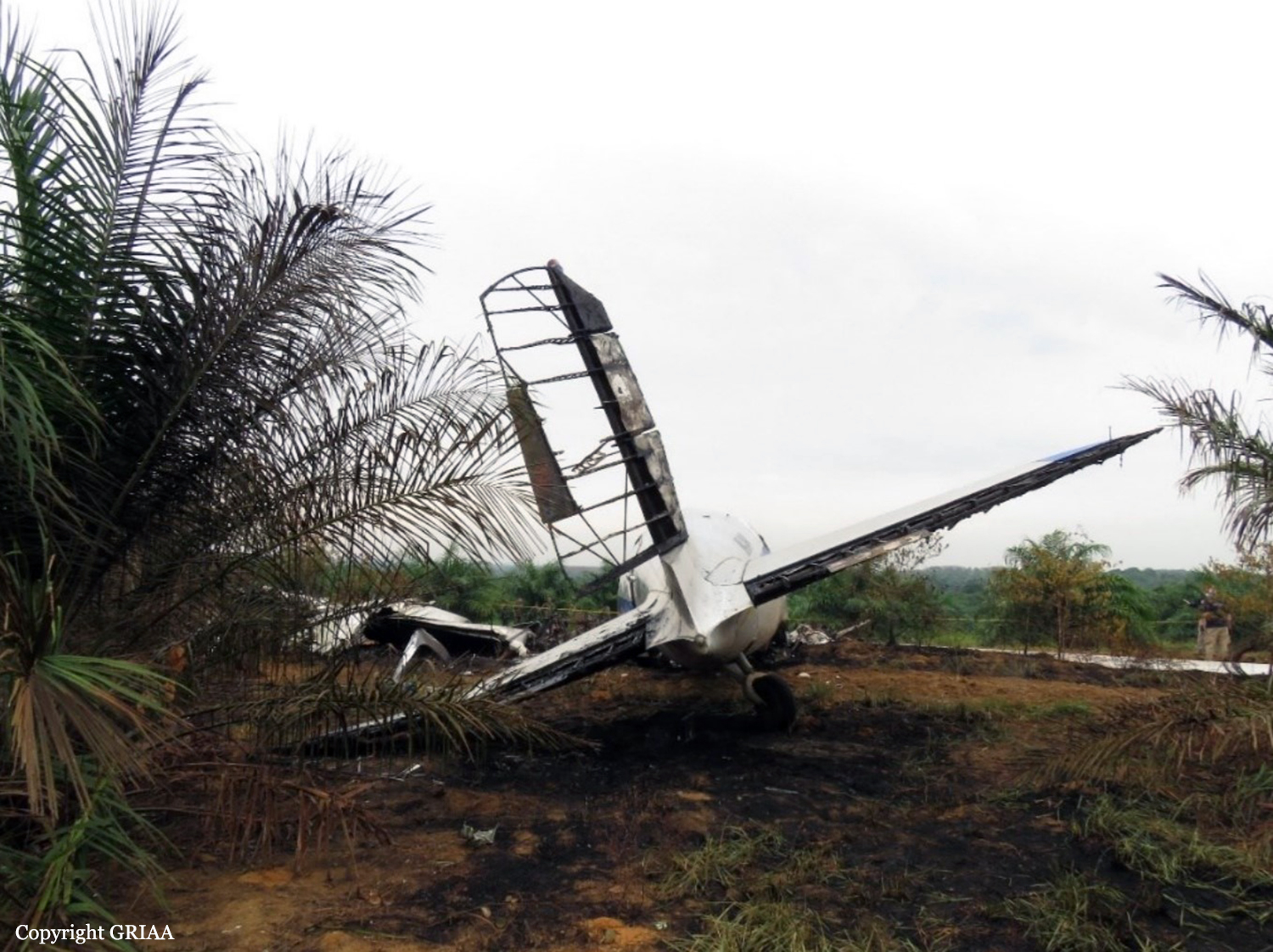
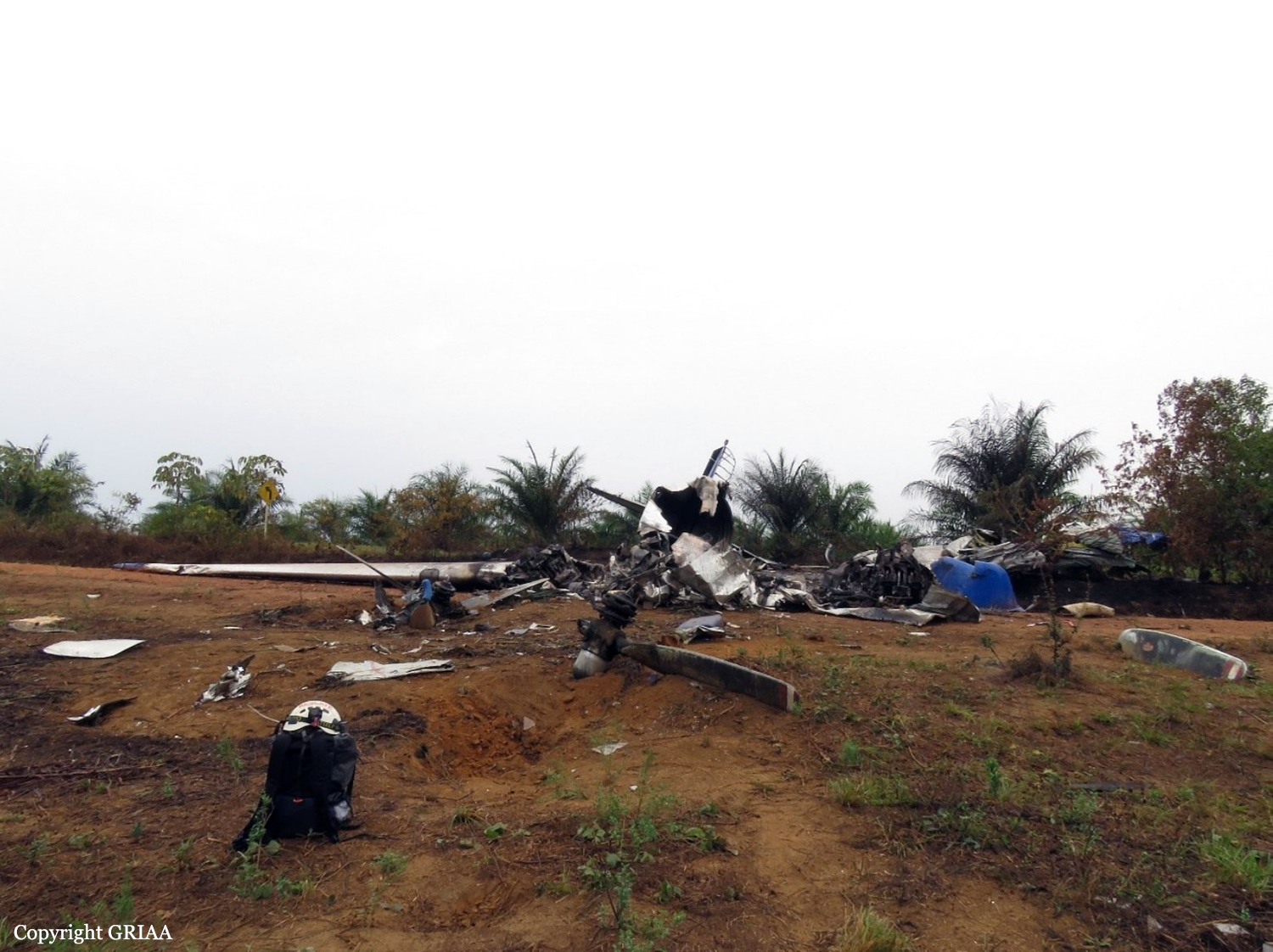
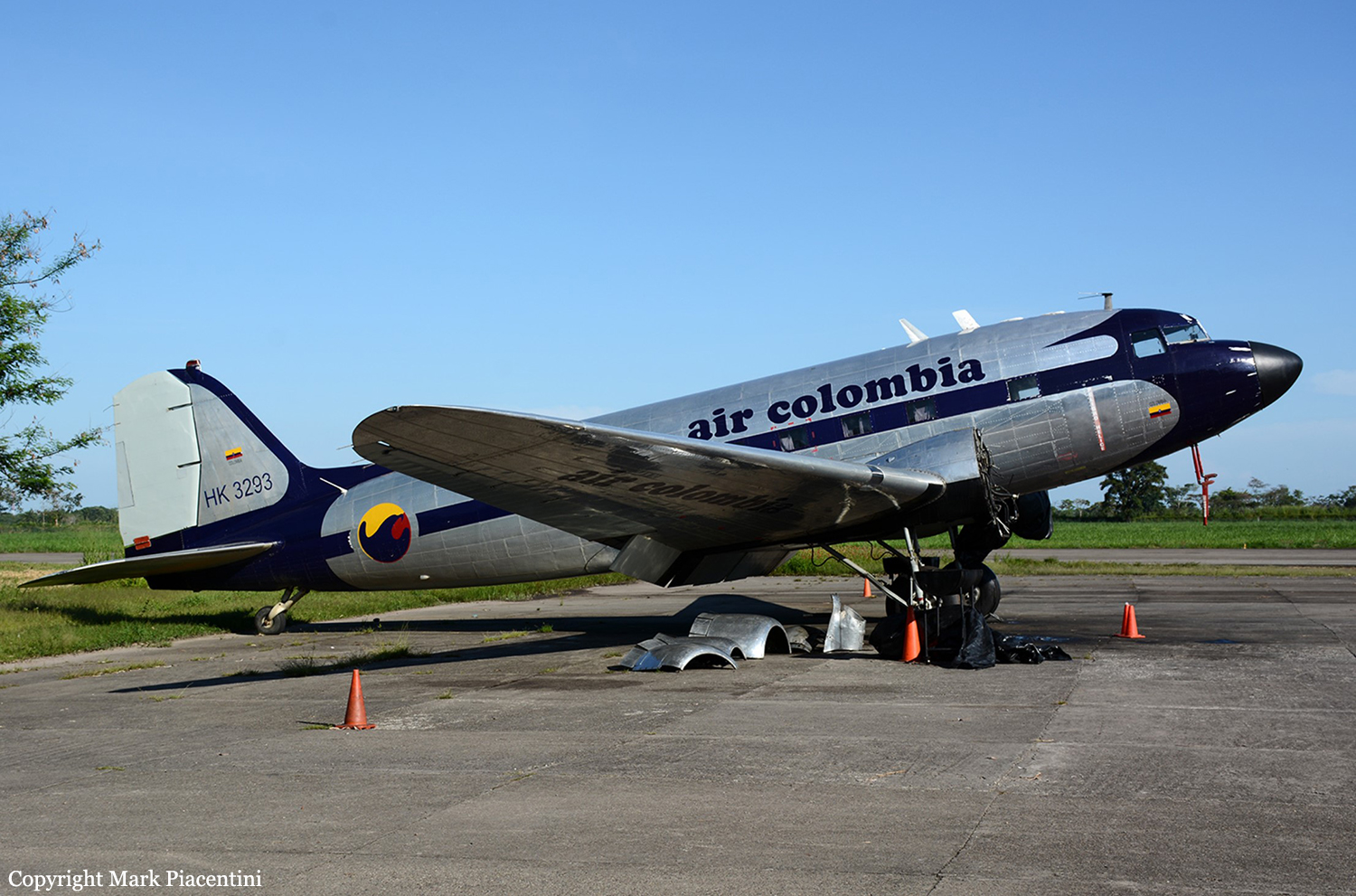
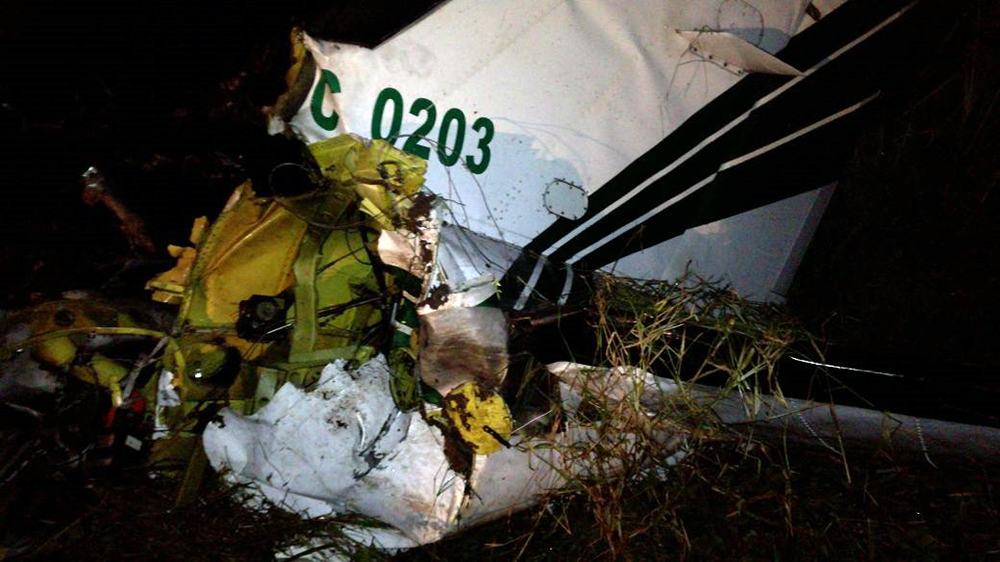
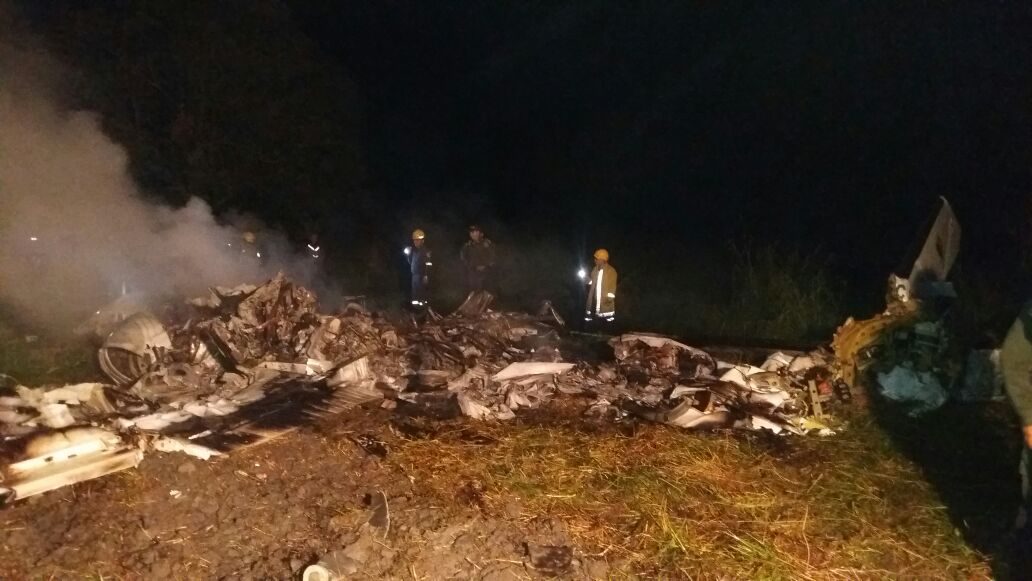
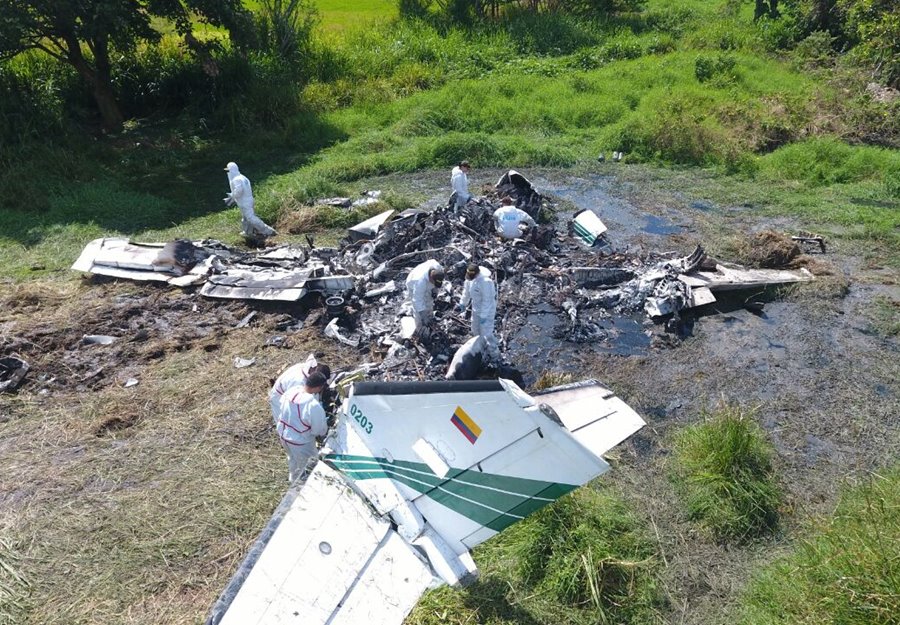
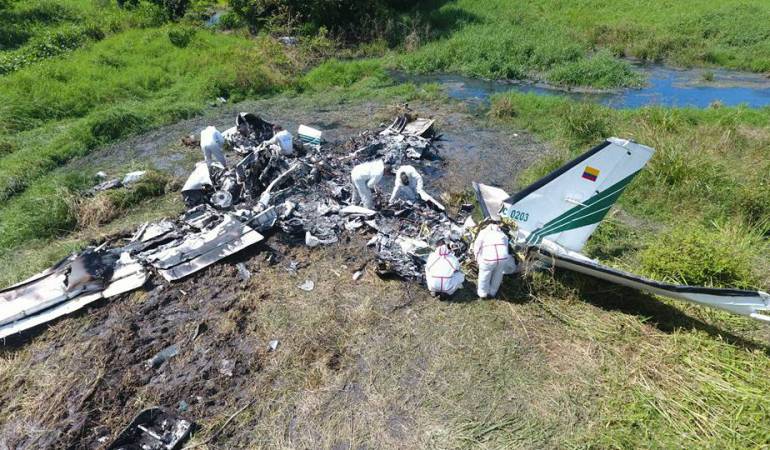
The twin engine airplane departed Villavicencio-La Vanguardia Airport Runway 05 at 0659LT on a training flight consisting with a proficiency check of the captain. On board were one instructor, one captain and one mechanic. About 10 minutes into the flight, while cruising at an altitude of 6,000 feet over mountainous terrain in Instrument Meteorological Conditions, the airplane impacted trees and crashed on the slope of a hilly terrain located in the region of Restrepo. The wreckage was found three days later. All three crew members were killed.
Probable cause:
Probable causes:
- Controlled flight into terrain during the execution of the IFR departure procedure VVC2A, during which the crew mistakenly turned left, contrary to the procedure, heading towards the mountainous area at the foothills of the eastern range, where the impact occurred.
- Loss of situational awareness by the crew, which, for reasons that could not be determined, apparently made a controlled left turn, contrary to the indications of the VVC2A departure procedure, even though it was an experienced crew familiar with the operating area.
The following contributing factors were identified:
- Lack of operator standards, as there was no detailed, organized, and sequential instructional plan and syllabus for the crew to follow during each maneuver, such as the VVC2A instrument departure.
- Lack of operator standards, as there was no specific syllabus for the planning and execution of the Recurrent Check, taking into account, among other aspects, the composition of the aircraft crew, consisting of two instructor pilots, one of whom was conducting the check on the other.
- Inadequate planning and supervision of the training flight by the operator, as they did not conduct a specific risk analysis of the flight, did not monitor its preparation and execution, did not provide details in a flight order or other document, considering especially the composition of the aircraft crew, consisting of two instructor pilots, one of whom was conducting the check on the other.
- Deficient planning and preparation of the flight by the crew, as they informally changed the VFR Flight Plan to IFR, apparently did not conduct a complete and adequate briefing, were unaware of or did not consider the VVC2A SID for the start of the IFR flight, and omitted several IFR flight procedures.
- Crew's neglect of the following IFR flight procedures:
- Not specifying a route and an IFR departure procedure in the IFR Flight Plan.
- Not requesting complete authorization from ATC to initiate an IFR flight. At no time did they mention the VVC2A departure, which was key to the verbally proposed plan before takeoff.
- Not defining or requesting from ATS which standard departure procedure or other they would use to initiate the IFR flight, in which they would encounter IMC shortly after takeoff.
- Not requiring ATC to assign a transponder code before takeoff or at any other phase of the flight, or selecting code 2000 as they did not receive instructions from ATS to activate the transponder.
- Likely not activating the transponder before takeoff and/or not verifying its correct operation before takeoff or immediately once the aircraft was in the air.
- Inaccurate use of phraseology with non-standard terminology in their transmissions with ATC.
- Insufficient experience and training in IFR flights by the crew, despite their extensive experience with the equipment. Much of this experience had been gained in the eastern region of the country, where the majority of DC3 flights are conducted in VMC and under VFR, with no opportunity for the practical execution of IFR procedures.
- Overconfidence of the crew, influenced by factors such as the high flight experience and DC3 equipment experience of the two pilots in the crew, their status as instructor pilots, the relatively low operational demand of the flight mission, and the knowledge, familiarity, and confidence of both crew members with the aerodrome's characteristics, the surrounding area, and especially the peculiarities and risks of the terrain to the west of the takeoff path.
- Non-observance by air traffic control of the following IFR flight procedures initiated by HK2820:
- Failure to issue complete authorization to the aircraft for the IFR flight before initiating the flight or at any other time.
- Failure to issue a standardized instrument departure, SID, or any other safe departure procedure to the aircraft. At no time did ATC mention the VVC2A departure, which was crucial for carrying out the plan verbally proposed by the crew.
- Failure to provide the aircraft with a transponder code before takeoff or at another appropriate time, or to verify its response. This process started only 03:11 minutes after the aircraft took off, so positive radar contact verification was only achieved 04:58 minutes after takeoff, delaying radar presentation and limiting positive flight control.
- Late transfer of aircraft control from the Control Tower to Approach Control (03:35 minutes after takeoff), not immediately after the aircraft was airborne as it should have been, considering prevailing IMC flight conditions in the vicinity of the aerodrome.
- Operating with an incomplete radar display configuration in Approach Control, with insufficient symbology, depriving control of references and judgment elements for an accurate location of the aircraft and its left turn from the path.
- Failure to observe radar surveillance techniques and procedures.
- Inaccurate use of phraseology with non-standard terminology in their transmissions with the aircraft.
- Lack of situational awareness by both the crew and ATC during a flight that, perhaps because it seemed routine, led both parties to omit elementary IFR flight procedures, disregarding the inherent risks of an operation in IMC conditions, with strict IFR procedures that needed to be followed, considering, among other things, the aerodrome's proximity to a mountainous area.
- Controlled flight into terrain during the execution of the IFR departure procedure VVC2A, during which the crew mistakenly turned left, contrary to the procedure, heading towards the mountainous area at the foothills of the eastern range, where the impact occurred.
- Loss of situational awareness by the crew, which, for reasons that could not be determined, apparently made a controlled left turn, contrary to the indications of the VVC2A departure procedure, even though it was an experienced crew familiar with the operating area.
The following contributing factors were identified:
- Lack of operator standards, as there was no detailed, organized, and sequential instructional plan and syllabus for the crew to follow during each maneuver, such as the VVC2A instrument departure.
- Lack of operator standards, as there was no specific syllabus for the planning and execution of the Recurrent Check, taking into account, among other aspects, the composition of the aircraft crew, consisting of two instructor pilots, one of whom was conducting the check on the other.
- Inadequate planning and supervision of the training flight by the operator, as they did not conduct a specific risk analysis of the flight, did not monitor its preparation and execution, did not provide details in a flight order or other document, considering especially the composition of the aircraft crew, consisting of two instructor pilots, one of whom was conducting the check on the other.
- Deficient planning and preparation of the flight by the crew, as they informally changed the VFR Flight Plan to IFR, apparently did not conduct a complete and adequate briefing, were unaware of or did not consider the VVC2A SID for the start of the IFR flight, and omitted several IFR flight procedures.
- Crew's neglect of the following IFR flight procedures:
- Not specifying a route and an IFR departure procedure in the IFR Flight Plan.
- Not requesting complete authorization from ATC to initiate an IFR flight. At no time did they mention the VVC2A departure, which was key to the verbally proposed plan before takeoff.
- Not defining or requesting from ATS which standard departure procedure or other they would use to initiate the IFR flight, in which they would encounter IMC shortly after takeoff.
- Not requiring ATC to assign a transponder code before takeoff or at any other phase of the flight, or selecting code 2000 as they did not receive instructions from ATS to activate the transponder.
- Likely not activating the transponder before takeoff and/or not verifying its correct operation before takeoff or immediately once the aircraft was in the air.
- Inaccurate use of phraseology with non-standard terminology in their transmissions with ATC.
- Insufficient experience and training in IFR flights by the crew, despite their extensive experience with the equipment. Much of this experience had been gained in the eastern region of the country, where the majority of DC3 flights are conducted in VMC and under VFR, with no opportunity for the practical execution of IFR procedures.
- Overconfidence of the crew, influenced by factors such as the high flight experience and DC3 equipment experience of the two pilots in the crew, their status as instructor pilots, the relatively low operational demand of the flight mission, and the knowledge, familiarity, and confidence of both crew members with the aerodrome's characteristics, the surrounding area, and especially the peculiarities and risks of the terrain to the west of the takeoff path.
- Non-observance by air traffic control of the following IFR flight procedures initiated by HK2820:
- Failure to issue complete authorization to the aircraft for the IFR flight before initiating the flight or at any other time.
- Failure to issue a standardized instrument departure, SID, or any other safe departure procedure to the aircraft. At no time did ATC mention the VVC2A departure, which was crucial for carrying out the plan verbally proposed by the crew.
- Failure to provide the aircraft with a transponder code before takeoff or at another appropriate time, or to verify its response. This process started only 03:11 minutes after the aircraft took off, so positive radar contact verification was only achieved 04:58 minutes after takeoff, delaying radar presentation and limiting positive flight control.
- Late transfer of aircraft control from the Control Tower to Approach Control (03:35 minutes after takeoff), not immediately after the aircraft was airborne as it should have been, considering prevailing IMC flight conditions in the vicinity of the aerodrome.
- Operating with an incomplete radar display configuration in Approach Control, with insufficient symbology, depriving control of references and judgment elements for an accurate location of the aircraft and its left turn from the path.
- Failure to observe radar surveillance techniques and procedures.
- Inaccurate use of phraseology with non-standard terminology in their transmissions with the aircraft.
- Lack of situational awareness by both the crew and ATC during a flight that, perhaps because it seemed routine, led both parties to omit elementary IFR flight procedures, disregarding the inherent risks of an operation in IMC conditions, with strict IFR procedures that needed to be followed, considering, among other things, the aerodrome's proximity to a mountainous area.
Final Report: