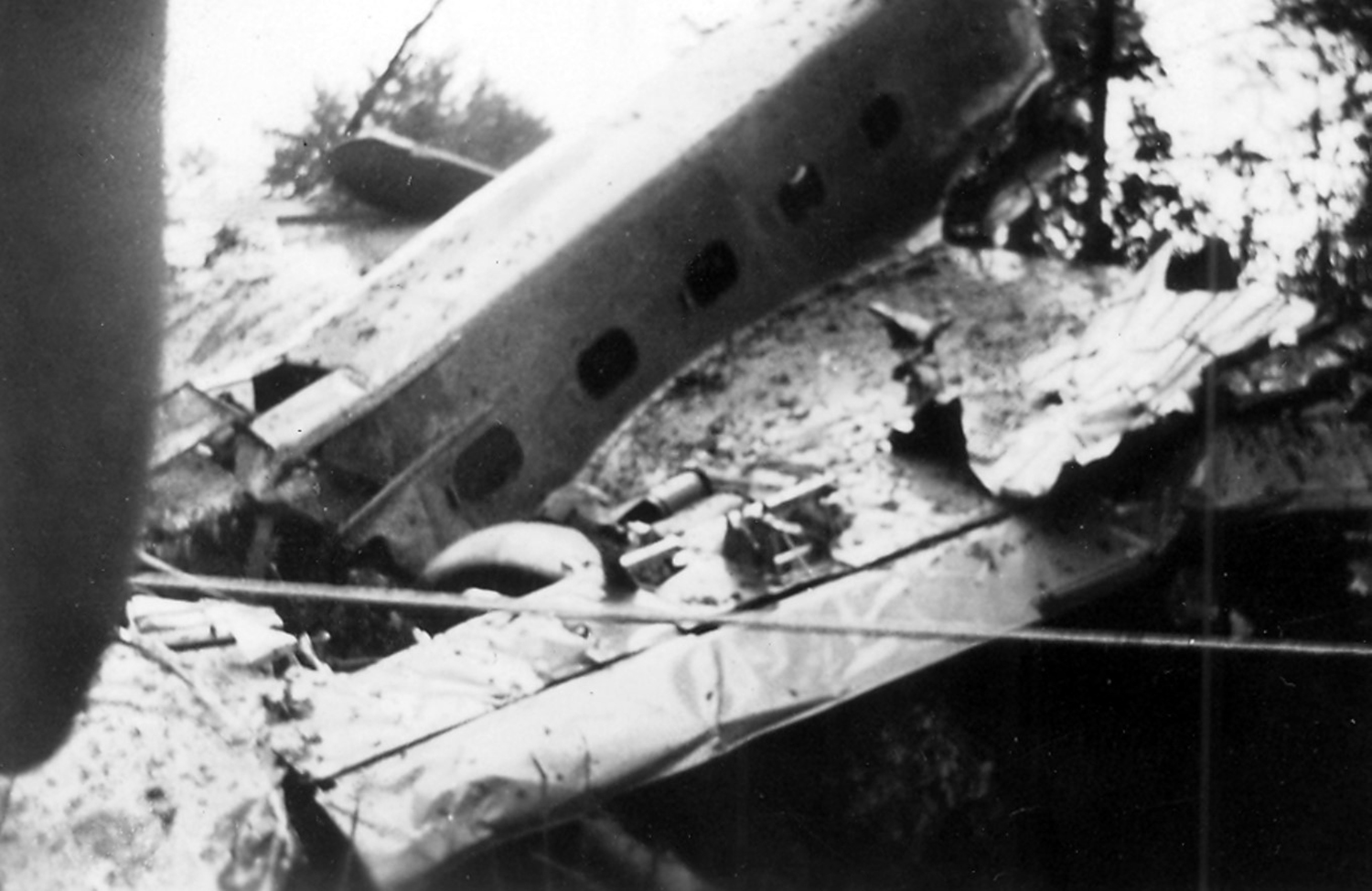
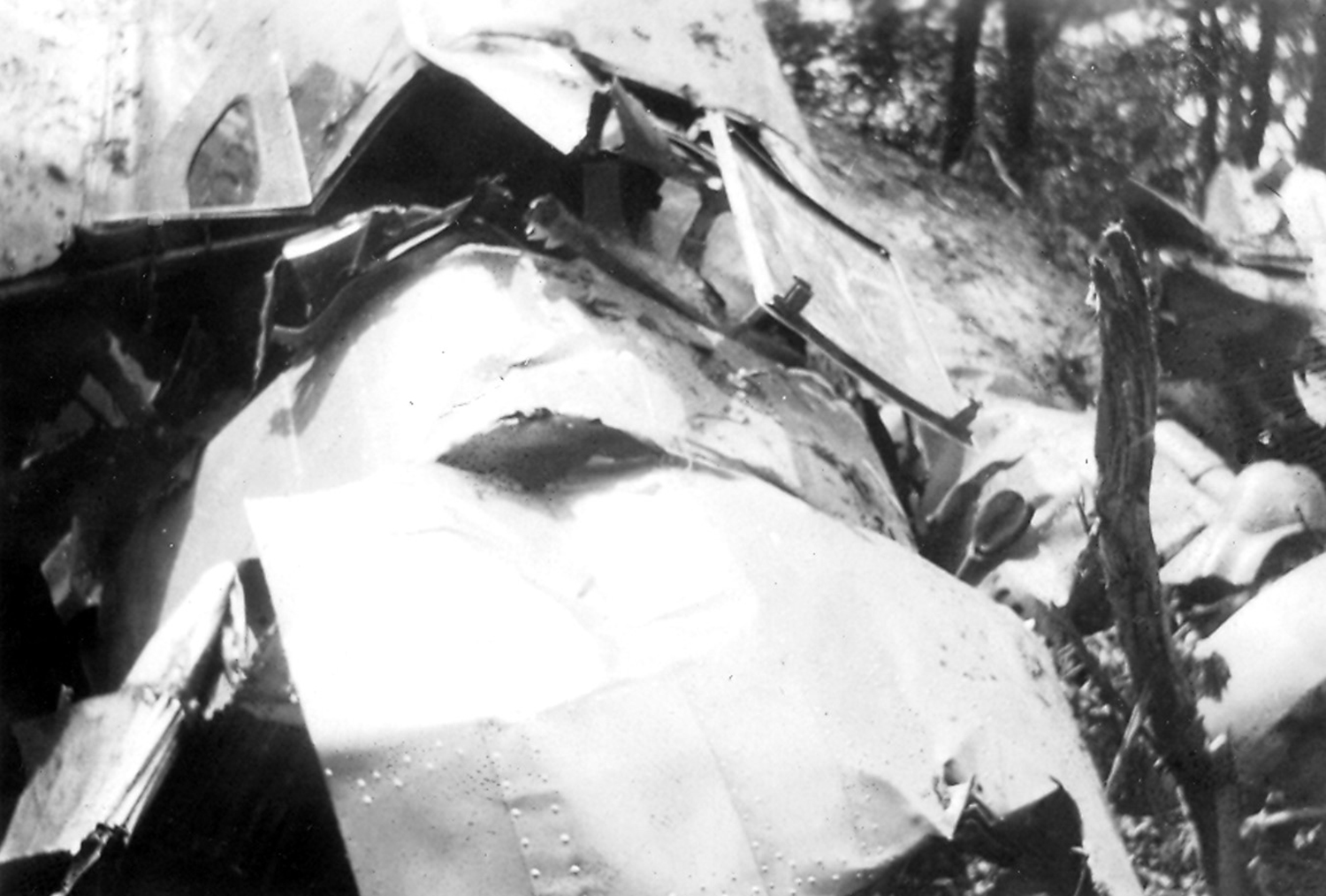
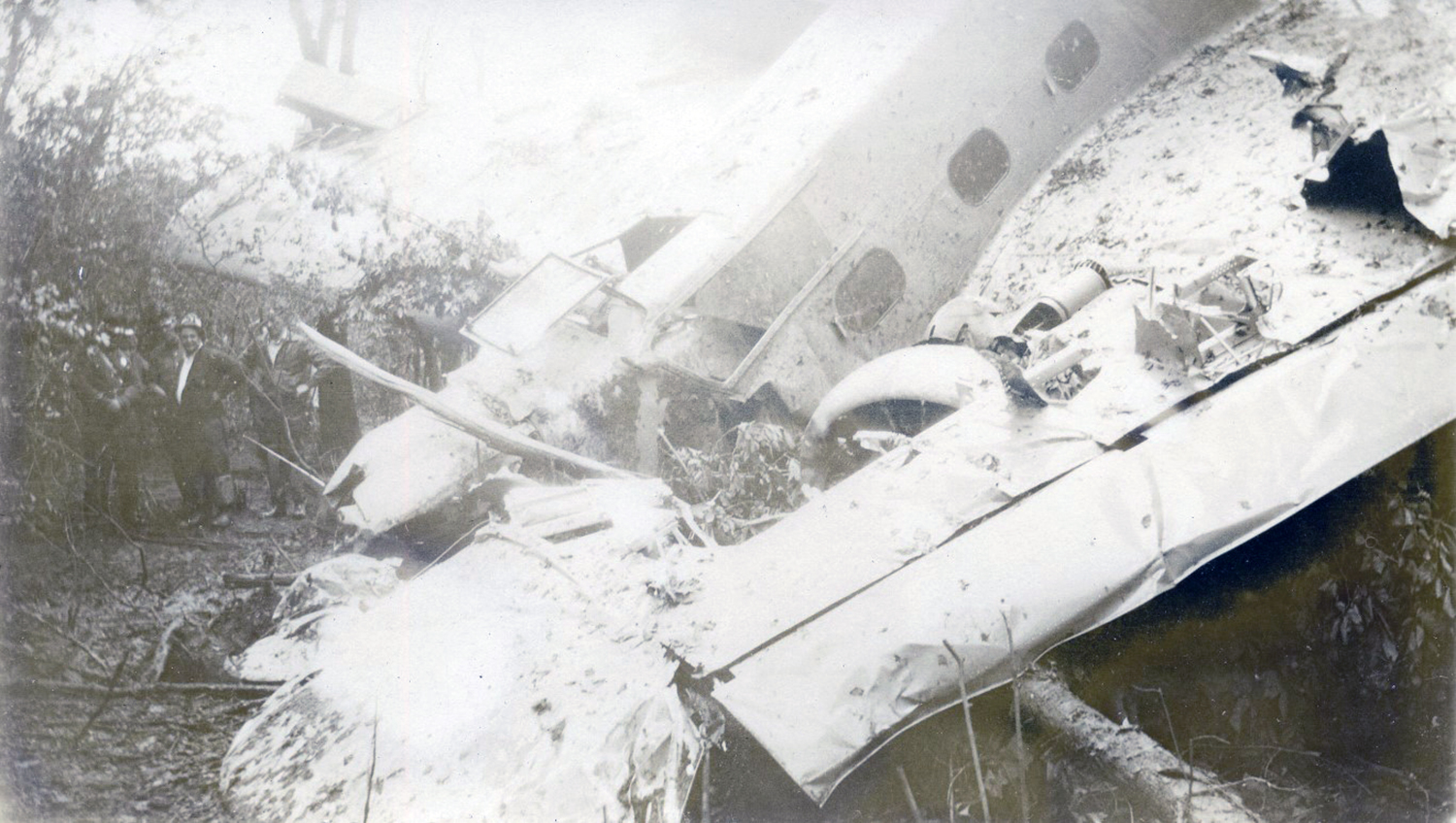
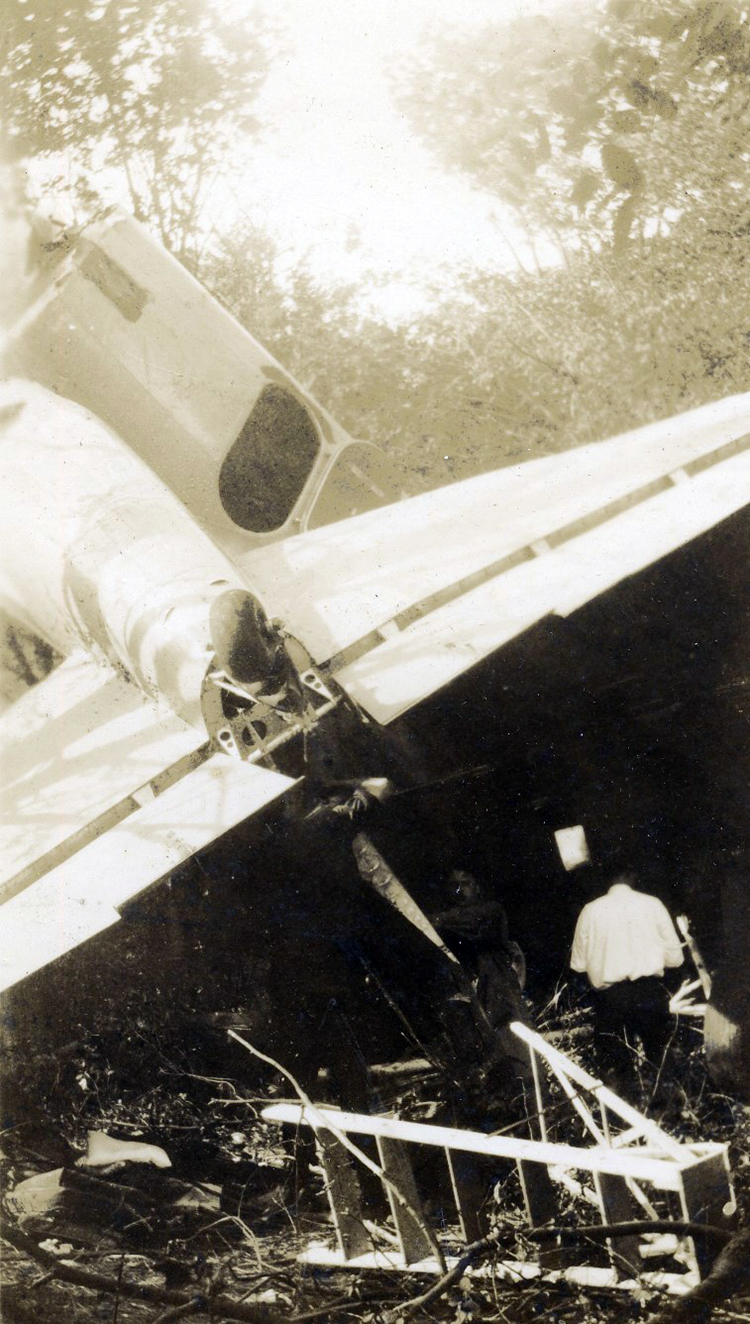
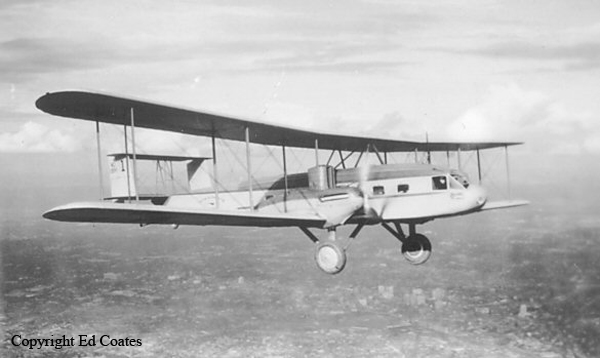
Crash of a Douglas DST-A-207A in Cleveland: 10 killed

Date & Time: May 24, 1938 at 2217 LT
Type of aircraft:
Operator:
Registration:
NC18108
Survivors:
No
Site:
Schedule:
Newark – Cleveland – Chicago
MSN:
1956
YOM:
1937
Flight number:
UA009
Location:
Crew on board:
3
Crew fatalities:
Pax on board:
7
Pax fatalities:
Other fatalities:
Total fatalities:
10
Captain / Total flying hours:
12000
Circumstances:
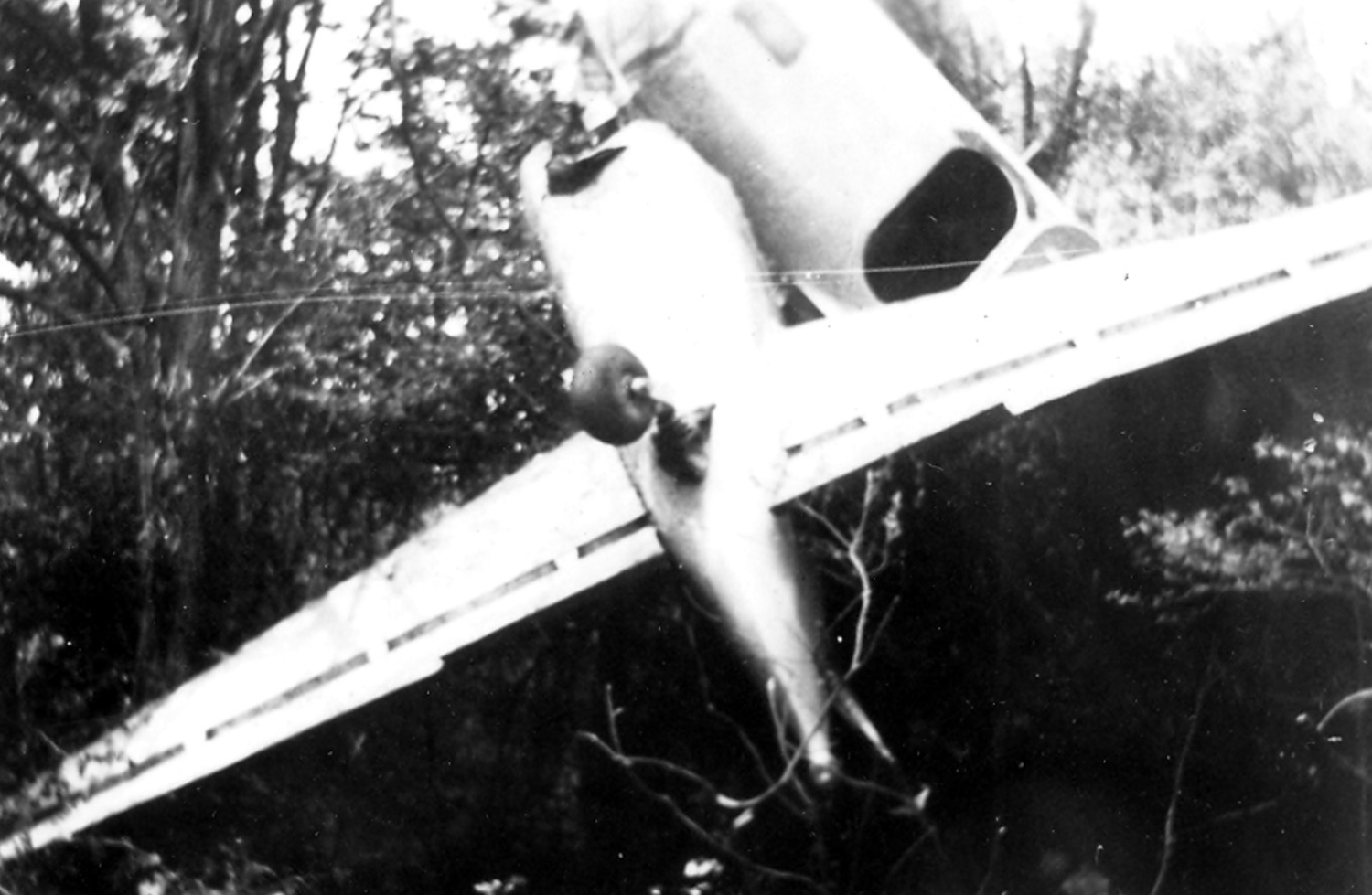
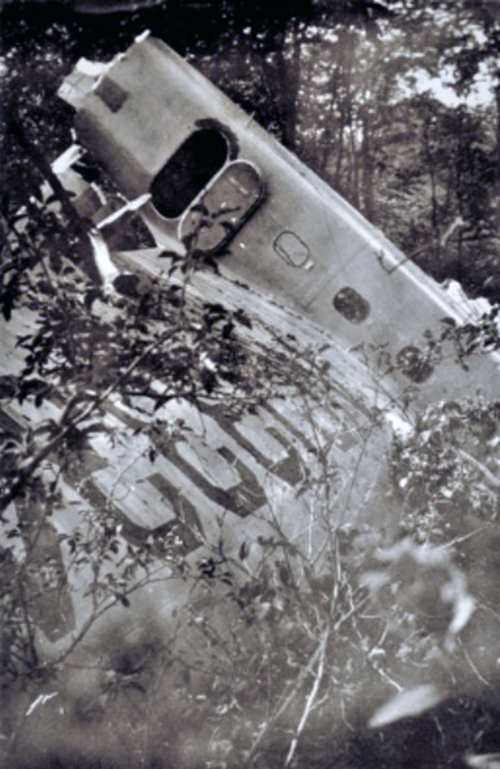
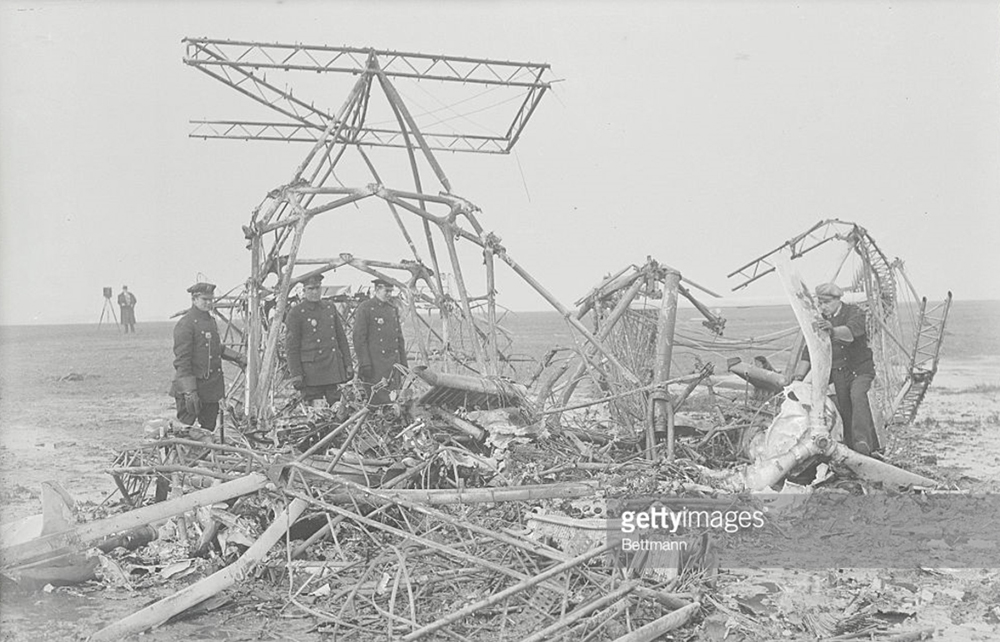
The aircraft was on approach to Cleveland Airport when the right engine fired. While cruising at an altitude of 4,000 feet, the crew attempted to make an emergency landing when control was lost. The aircraft crashed in a wooded area located 14 km from the airport and was destroyed by impact forces and a post crash fire. All 10 occupants were killed.
Crew:
James L. Brandon, pilot,
Austin S. Merrifield, copilot,
Fildred A., stewardess.
Passengers:
John Rodd Hoffett,
Elling M. Veblen,
Ralph Parker Morrell,
John K. Brostuen,
Richard Charles Lewis,
Charles T. Lickel,
L. Arthur Doty.
Probable cause:
It is the opinion of the Investigating Board that the probable cause of this accident was a fire in the right engine accessory section which resulted from the failure of a cylinder barrel and was fed from the right engine oil supply.
Final Report:

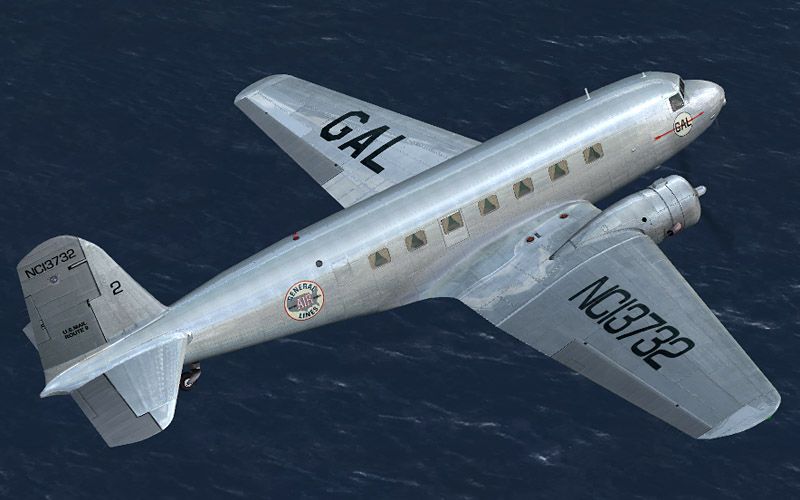
Crash of a Douglas DC-2-112 in Milford

Date & Time: Dec 19, 1936 at 2047 LT
Type of aircraft:
Operator:
Registration:
NC13732
Flight Phase:
Survivors:
Yes
Site:
Schedule:
Miami – Charleston – Newark
MSN:
1258
YOM:
1934
Flight number:
EA014
Crew on board:
3
Crew fatalities:
Pax on board:
8
Pax fatalities:
Other fatalities:
Total fatalities:
0
Circumstances:
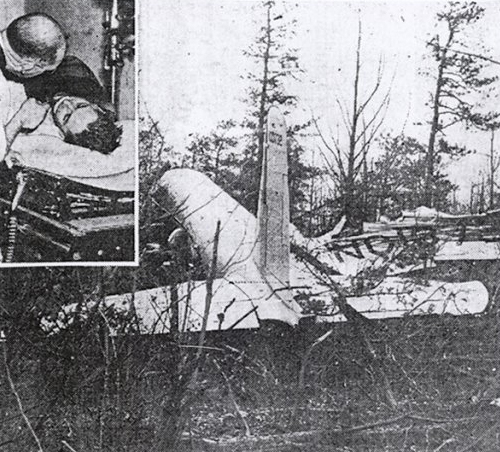
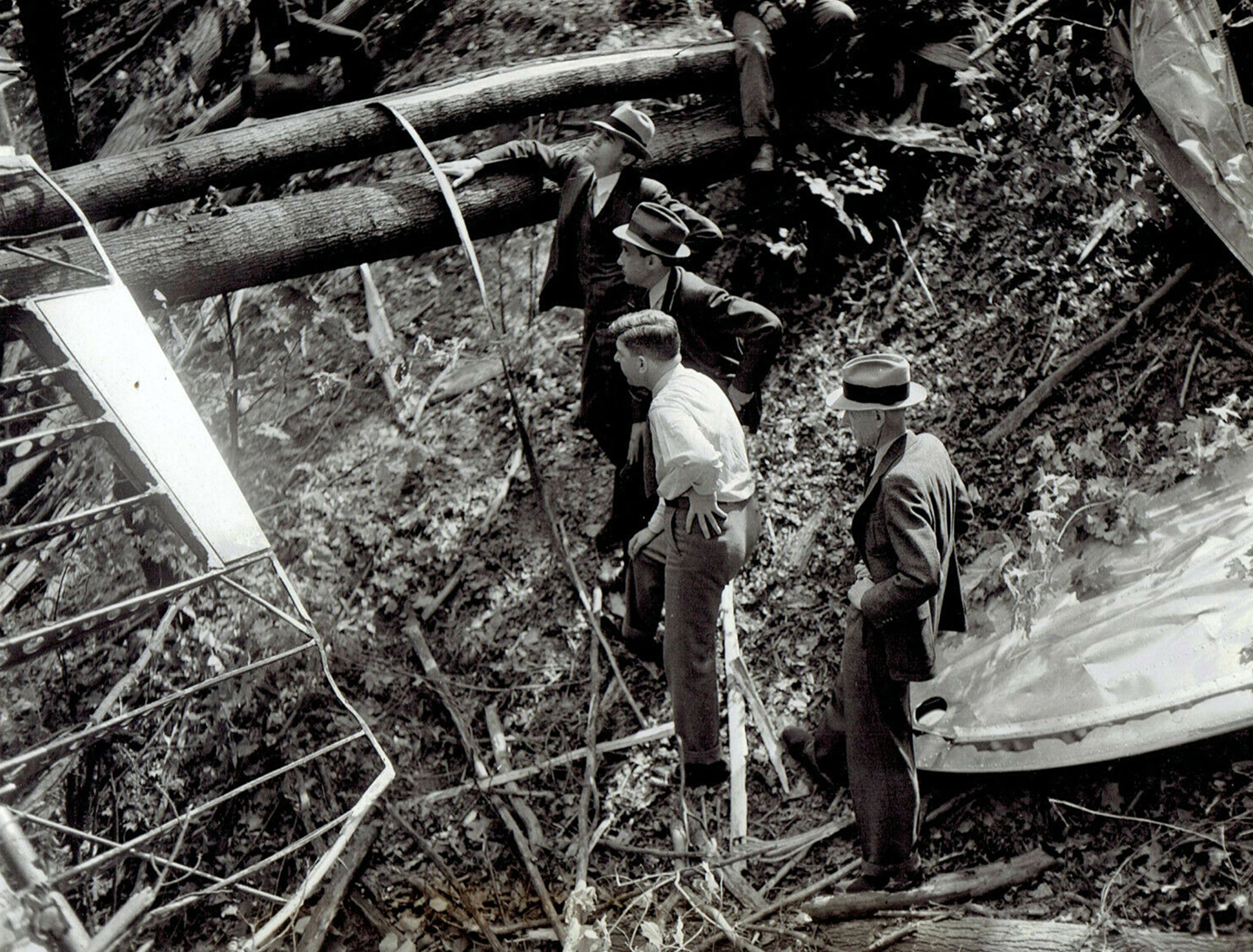
While descending to Newark from the west, the aircraft was passing successively 6,000, 4,000 and 2,000 feet. The pilot was unable to localize Camden and was unaware of his real position due to marginal weather conditions. While descending to 1,400 feet, the left wing impacted trees. The aircraft stalled and crashed in a wooded area located on a hill some four miles northeast of Milford. All 11 occupants were rescued and the aircraft was destroyed.
Probable cause:
It is the opinion of the Accident Board that the probable caused of this accident were:
Error on the part of the pilot for attempting to get down under the overcast without first definitely proving his position,
Improper dispatching for clearing the flight into an area of predicted bad weather, particularly when the area cleared through did not permit a safe return, and
Static conditions encountered which rendered reception of the radio range signals over the airplane's range receivers unintelligible.

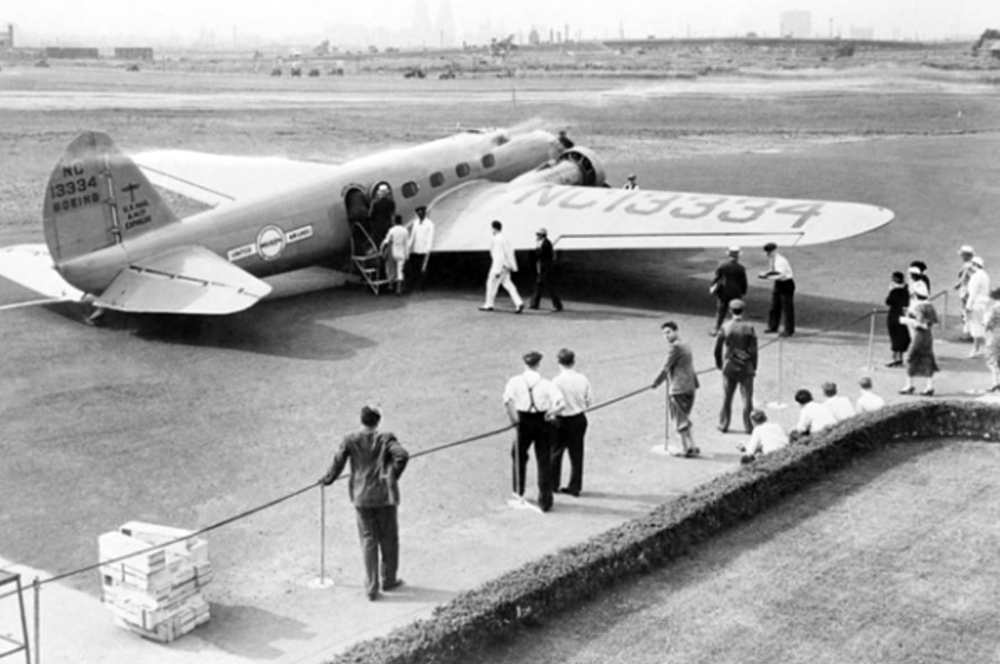
Crash of a Boeing 247D in Newark

Date & Time: Nov 23, 1936
Type of aircraft:
Operator:
Registration:
NC13319
Survivors:
Yes
MSN:
1700
YOM:
1933
Crew on board:
2
Crew fatalities:
Pax on board:
4
Pax fatalities:
Other fatalities:
Total fatalities:
0
Circumstances:
On final approach to Newark Airport, the crew encountered poor weather conditions with reduced visibility due to snow falls and fog. On short final, the airplane impacted the ground, crashed and came to rest 500 metres short of runway. All six occupants evacuated safely and the aircraft was damaged beyond repair.

Crash of a Douglas DC-2-172 in Chicago

Date & Time: May 31, 1936 at 2104 LT
Type of aircraft:
Operator:
Registration:
NC14979
Survivors:
Yes
Schedule:
Newark – Chicago
MSN:
1409
YOM:
1935
Flight number:
TW009
Crew on board:
3
Crew fatalities:
Pax on board:
12
Pax fatalities:
Other fatalities:
Total fatalities:
0
Circumstances:
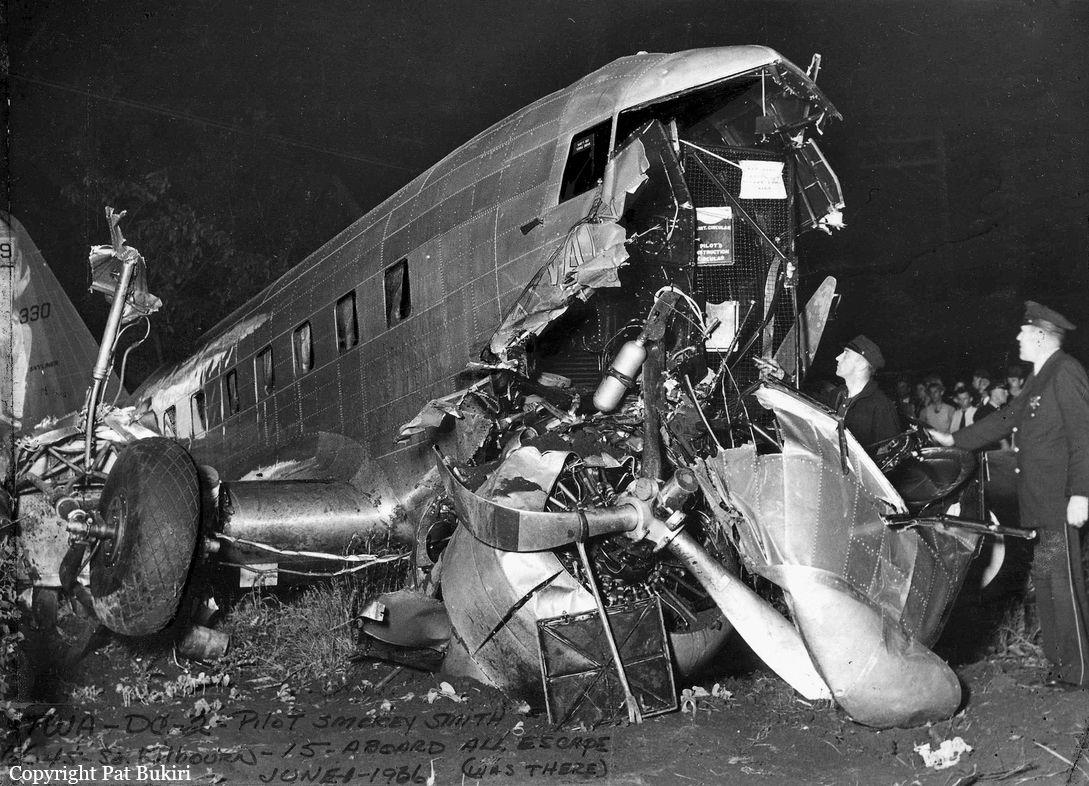
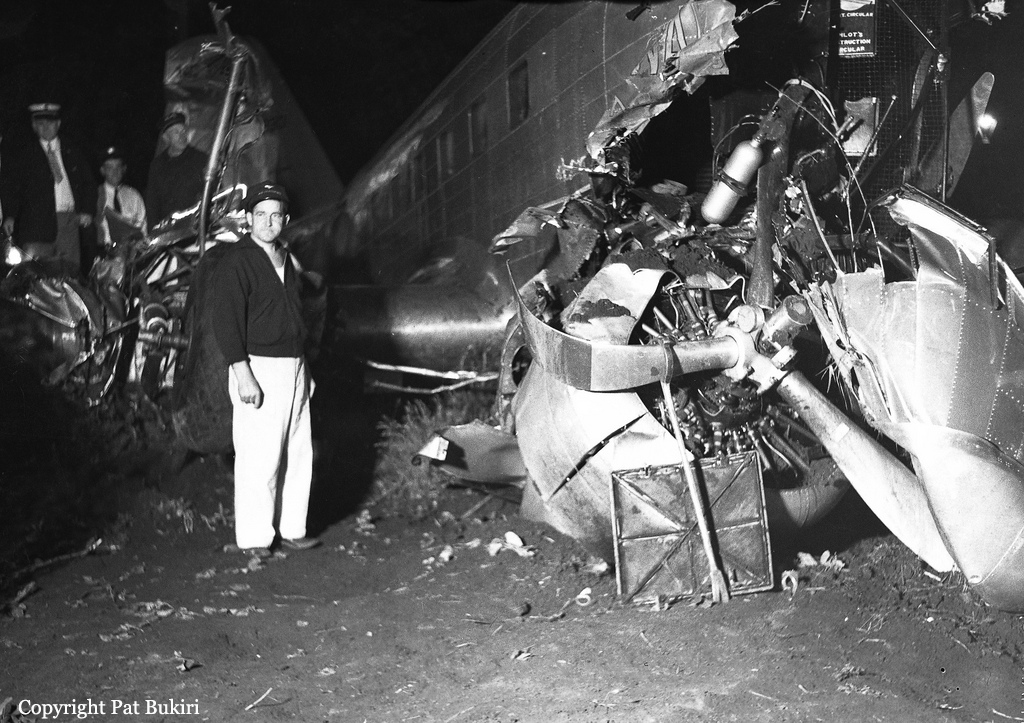
Difficulty was first encountered in the vicinity of Goshen, Indiana, approximately 100 miles from Chicago, when the oil pressure on the left engine raised to 90 lbs. and then gradually dropped to below 50 lbs. As the altitude at this time was about 3000 feet, the pilot climbed to 4000 feet on both engines and throttled the left engine back. He continued to climb on up to 4700 feet using the right engine alone. He advised Columbus of his trouble and was given the option of landing at South Bend, Indiana. He elected to proceed on to Chicago, his reasons for this being that direct radio communication with the South Bend airport was impossible and the lighting there was not as good as at Chicago. The flight continued until within the vicinity of Chicago Municipal Airport, with the right propeller in high pitch, the left engine stopped and the left gasoline valve shut off to save fuel. At this time, Pilot Smith requested and obtained clearance from the control tower to come into the field. He was granted the right of way over other aircraft. The surface wind over the airport was eight miles per hour. However, due to a recent thunderstorm, it was gusty and at an altitude of 2000 feet, increased to a velocity of 34 miles per hour. In approaching the airport at an elevation of about 2000 feet, using the right engine only, the wing flaps and undercarriage were lowered and the air-speed was reduced to about 80 miles per hour in preparation for landing. The winds above the airport were much stronger than the pilot had anticipated and it soon became apparent that the airplane was losing altitude too fast to reach the airport. The pilot attempted to correct this situation by use of the one engine. The effect was to turn the airplane to the left and, due to the reduced air-speed, full control movement proved ineffective against it. Before the speed of the airplane could be increased by Getting the flaps and undercarriage raised and the left engine started, it became evident that it would be impossible to reach the airport and the pilot attempted to head due south and land in an open area. The right wing struck a tree, causing the airplane to collide with a house and then strike the ground. While the aircraft was destroyed, all occupants were injured.
Probable cause:
It is the opinion of the Bureau of Air Commerce that the probable cause of this accident was poor judgment on the part of the pilot for not having started the left engine prior to his approach for a landing so that it could have been used in case of emergency and also for reducing the air-speed of the airplane below a safe minimum for single engine performance. Contributory causes were the indicated drop in oil pressure, cause undetermined, and the unexpected strong winds of unknown velocity to the pilot, which he encountered while landing.
Final Report:

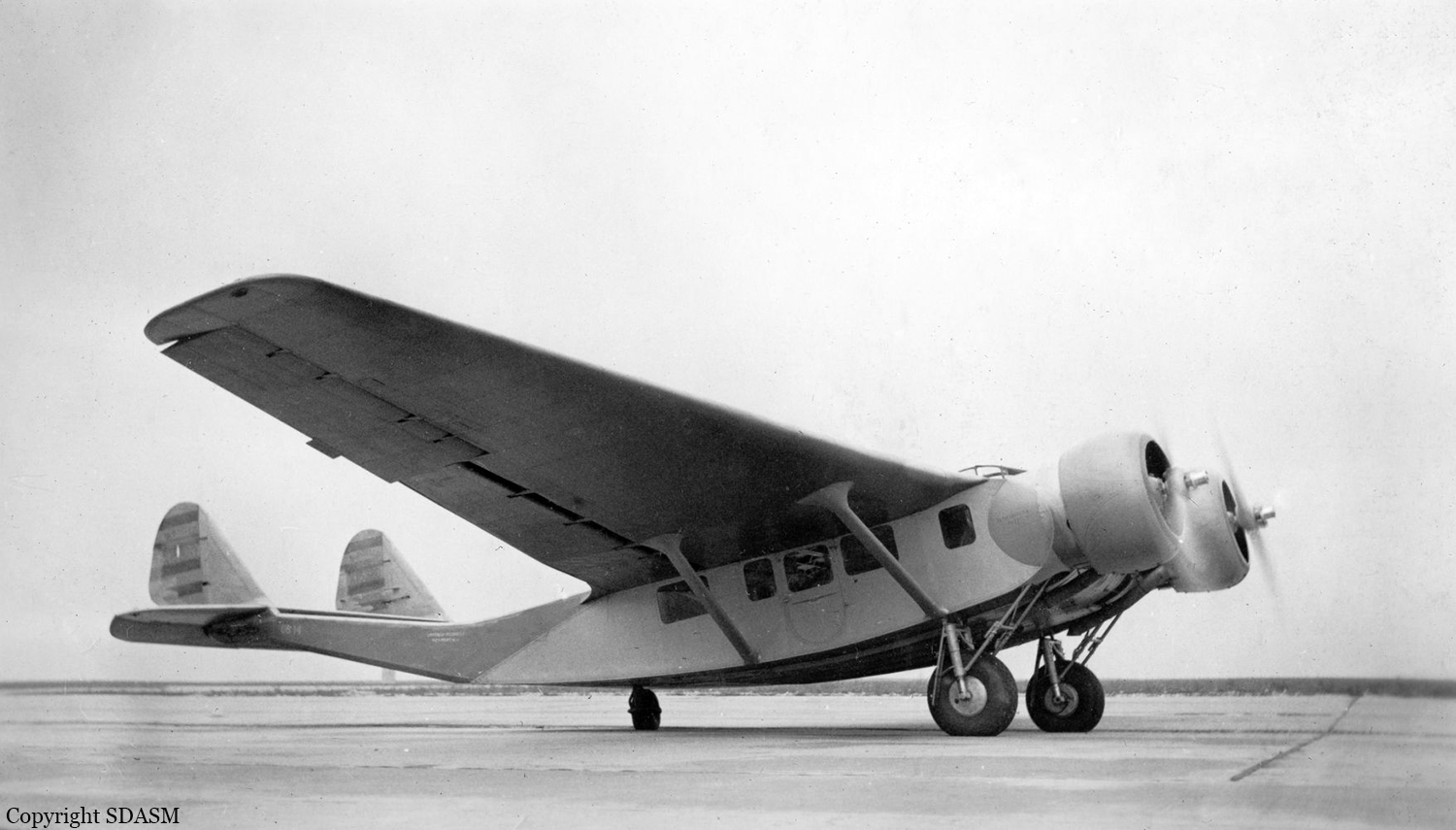
Crash of a Burnelli UB-14 in Newark

Date & Time: Jan 13, 1935
Type of aircraft:
Operator:
Registration:
NX14740
Flight Phase:
Flight Type:
Survivors:
Yes
Schedule:
Newark - Newark
MSN:
1
YOM:
1934
Crew on board:
2
Crew fatalities:
Pax on board:
0
Pax fatalities:
Other fatalities:
Total fatalities:
0
Circumstances:
The crew departed Newark on a local test flight. While cruising at low altitude at a speed of 125 knots, control was lost. The aircraft crashed in an open field. Both occupants were uninjured and the prototype was damaged beyond repair.

Crash of a Curtiss AT-32B Condor in Buffalo

Date & Time: Dec 19, 1934
Type of aircraft:
Operator:
Registration:
NC12395
Survivors:
Yes
Schedule:
Newark – Buffalo – Chicago
MSN:
47
YOM:
1934
Crew on board:
2
Crew fatalities:
Pax on board:
3
Pax fatalities:
Other fatalities:
Total fatalities:
0
Circumstances:
The twin engine airplane departed Newark on a flight to Chicago with an intermediate stop in Buffalo, carrying three passengers and two crew members. After landing at Buffalo Airport, one of the engine caught fire. The pilot was able to stop the airplane and all five occupants evacuated safely. The aircraft was destroyed by fire.

Probable cause:
Engine fire after landing.

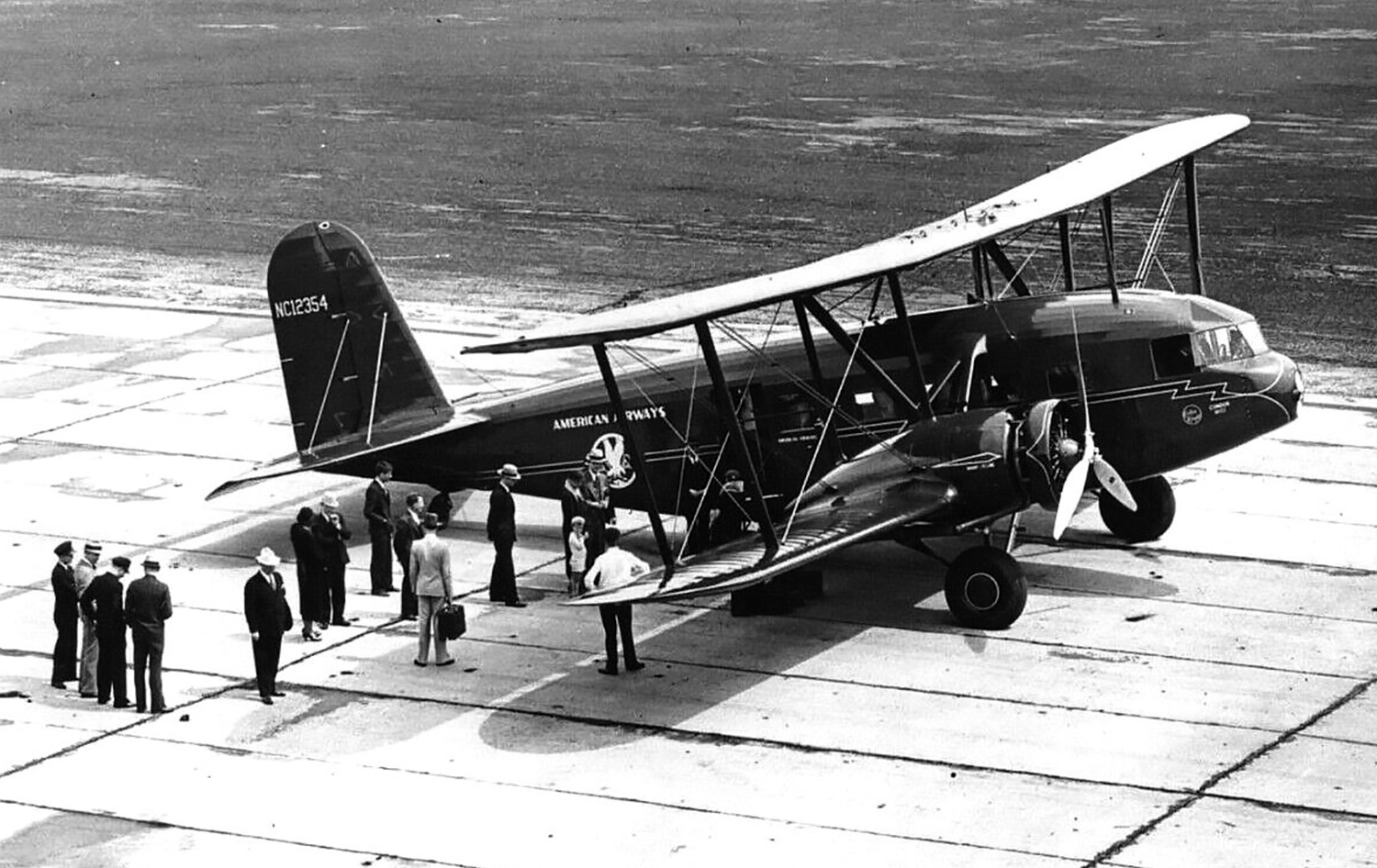
Crash of a Curtiss T-32 Condor II near Livingston Manor: 7 killed

Date & Time: Jun 9, 1934 at 1700 LT
Type of aircraft:
Operator:
Registration:
NC12354
Flight Phase:
Survivors:
No
Site:
Schedule:
Newark – Syracuse – Chicago
MSN:
22
YOM:
1933
Crew on board:
3
Crew fatalities:
Pax on board:
4
Pax fatalities:
Other fatalities:
Total fatalities:
7
Circumstances:
The aircraft departed Newark Airport at 1600LT bound for Syracuse and Chicago. While overflying the State of New York at an altitude of 2,000 feet, the crew encountered bad weather conditions and the visibility was reduced due to heavy rain falls and clouds. The airplane impacted the slope of Mt Last Chance located in the Catskills Mountain Range, some 15 km northeast of Livingston Manor. Rescuers arrived on the scene two days later and no survivors were found among the burnt wreckage.
Crew:
Clyde Holbrook, pilot,
John Barron Jr., copilot,
Ada Huckeby, stewardess.
Passengers:
Harry Pinsley,
Harold C. Coppins,
William Baxter Bader,
William Andrew Cass.
Probable cause:
A local official attributed the accident to an error caused by the pilot, who had deviated from the prescribed route and apparently tried to fly over the hazardous terrain at a too low altitude in adverse meteorological conditions.

Crash of a Boeing 247 in Bethel

Date & Time: May 30, 1934 at 0130 LT
Type of aircraft:
Operator:
Registration:
NC13334
Survivors:
Yes
Schedule:
Cleveland – Albany – Newark
MSN:
1716
YOM:
1933
Crew on board:
3
Crew fatalities:
Pax on board:
9
Pax fatalities:
Other fatalities:
Total fatalities:
0
Circumstances:
The airplane departed Cleveland on a scheduled service to Newark with an intermediate stop in Albany, carrying nine passengers and three crew members. While descending to Newark at night, the crew encountered marginal weather conditions and poor visibility due to low clouds and ground fog. Unable to locate the airport, the crew decided to fly to the north and to divert to Danbury-Tucker Field Airport. While approaching Danbury, CT, weather conditions were also marginal and the crew was unable to establish a contact with the people on duty at the airport. At that time, the airport was not illuminated. The crew followed several circuits over the area and attempted a blind landing but fuel reserves were low. On final approach, the aircraft impacted trees and crashed in a wooded area located in Bethel, some 5 km short of runway. All 12 occupants were injured and the aircraft was destroyed.
Crew:
John Wolf, pilot,
Lorenz Letson, copilot.
Agnes Pugh, stewardess.
Passengers:
George H. Gleason,
Mrs. Margaret Anderson,
William Sirota,
W. J. Katz,
H. S. Howland,
H. H. Herwitz,
Mitchell Greene,
George Cochrane,
James Burns.

Crash of a Curtiss T-32 Condor II in Newark

Date & Time: Sep 21, 1933
Type of aircraft:
Operator:
Registration:
NC12373
Flight Phase:
Survivors:
Yes
Schedule:
Newark – Washington DC
MSN:
34
YOM:
1933
Crew on board:
2
Crew fatalities:
Pax on board:
12
Pax fatalities:
Other fatalities:
Total fatalities:
0
Circumstances:
The airplane crashed while taking off and came to rest, bursting into flames. All 12 passengers evacuated safely and both pilots were injured.

Crash of a Curtiss T-18 Condor I in Newark: 2 killed

Date & Time: Jan 14, 1933
Type of aircraft:
Operator:
Registration:
NC185H
Flight Phase:
Flight Type:
Survivors:
No
Schedule:
Newark - Newark
MSN:
G-1
YOM:
1930
Crew on board:
2
Crew fatalities:
Pax on board:
0
Pax fatalities:
Other fatalities:
Total fatalities:
2
Circumstances:
The crew was performing a local test flight out from Newark Airport, testing a new engine type. The airplane went out of control and crashed in an open field, bursting into flames. Both occupants were killed and the aircraft was totally destroyed.
Crew:
George C. Wiedel,
Alfred C. Kondat.