Crash of a Convair CV-240-12 in Zurich: 1 killed

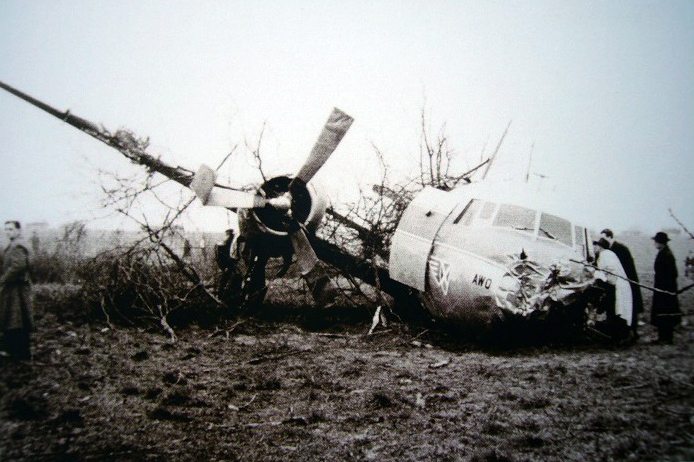
Date & Time: Dec 19, 1953 at 1853 LT
Type of aircraft:
Operator:
Registration:
OO-AWO
Survivors:
Yes
Schedule:
Brussels – Zurich
MSN:
128
YOM:
1949
Location:
Country:
Region:
Crew on board:
5
Crew fatalities:
Pax on board:
39
Pax fatalities:
Other fatalities:
Total fatalities:
1
Circumstances:
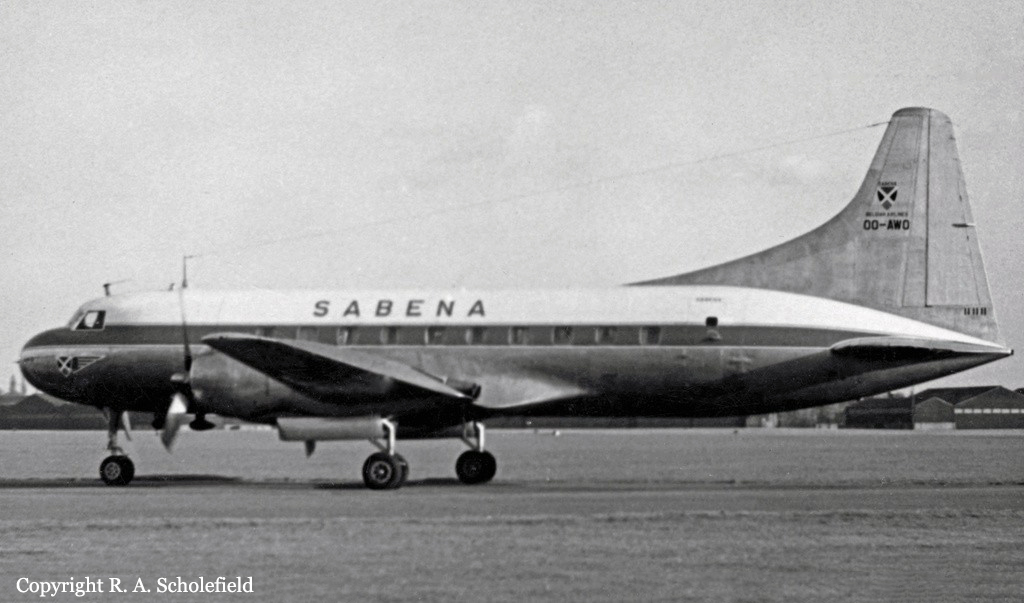
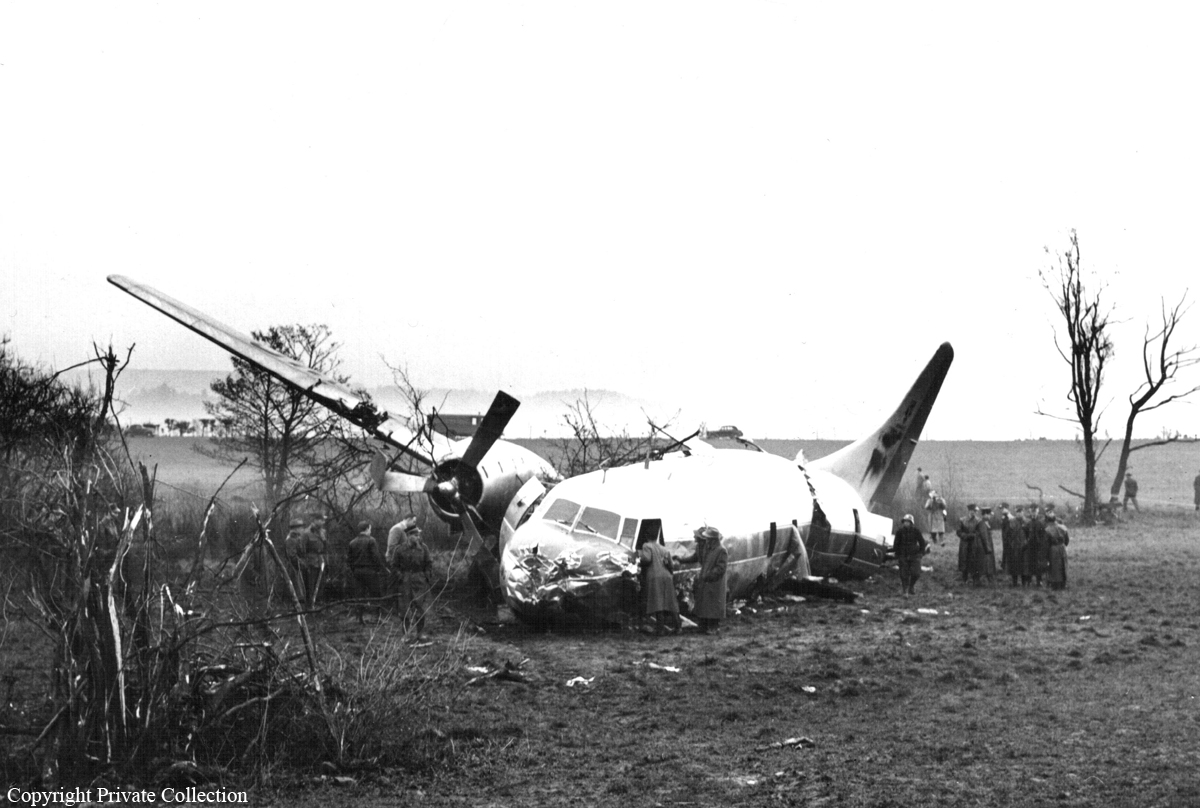
On final approach to Zurich-Kloten Airport, the crew encountered marginal weather conditions. Twice, the approach controller informed the crew about his insufficient altitude but the pilot's responses were indistincts. At this time, the aircraft was about 1,500 feet below the minimum descent altitude. On final, the airplane hit the ground, lost its left wing and crashed in a field located 1,500 meters short of runway 14 threshold. 37 occupants were unhurt, six passengers were injured and a young girl aged three (Mrs. Delsaux) was killed. The aircraft was destroyed. At the time of the accident, the visibility was reduced due to bad weather and night.
Probable cause:
Apparently in order to maintain a visual contact with the ground, the flight crew decided to descend below the glide path, passing below the minimum descend altitude. The approach was then completed at an insufficient height until the final impact with the ground, in violation of the published procedures. Poor visibility caused by night and marginal weather conditions was considered as a contributory factor.
Crash of a Convair CV-240-12 in Frankfurt: 44 killed

Date & Time: Oct 14, 1953 at 1454 LT
Type of aircraft:
Operator:
Registration:
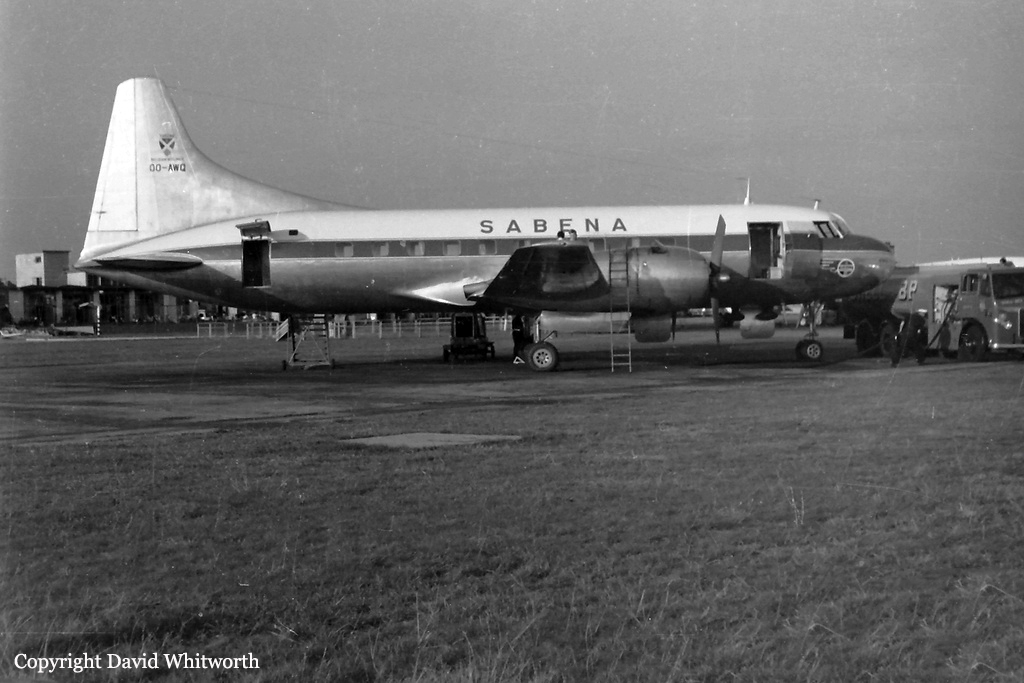
OO-AWQ
Flight Phase:
Survivors:
No
Schedule:
Salzburg – Frankfurt – Brussels
MSN:
154
YOM:
1949
Country:
Region:
Crew on board:
4
Crew fatalities:
Pax on board:
40
Pax fatalities:
Other fatalities:
Total fatalities:
44
Circumstances:
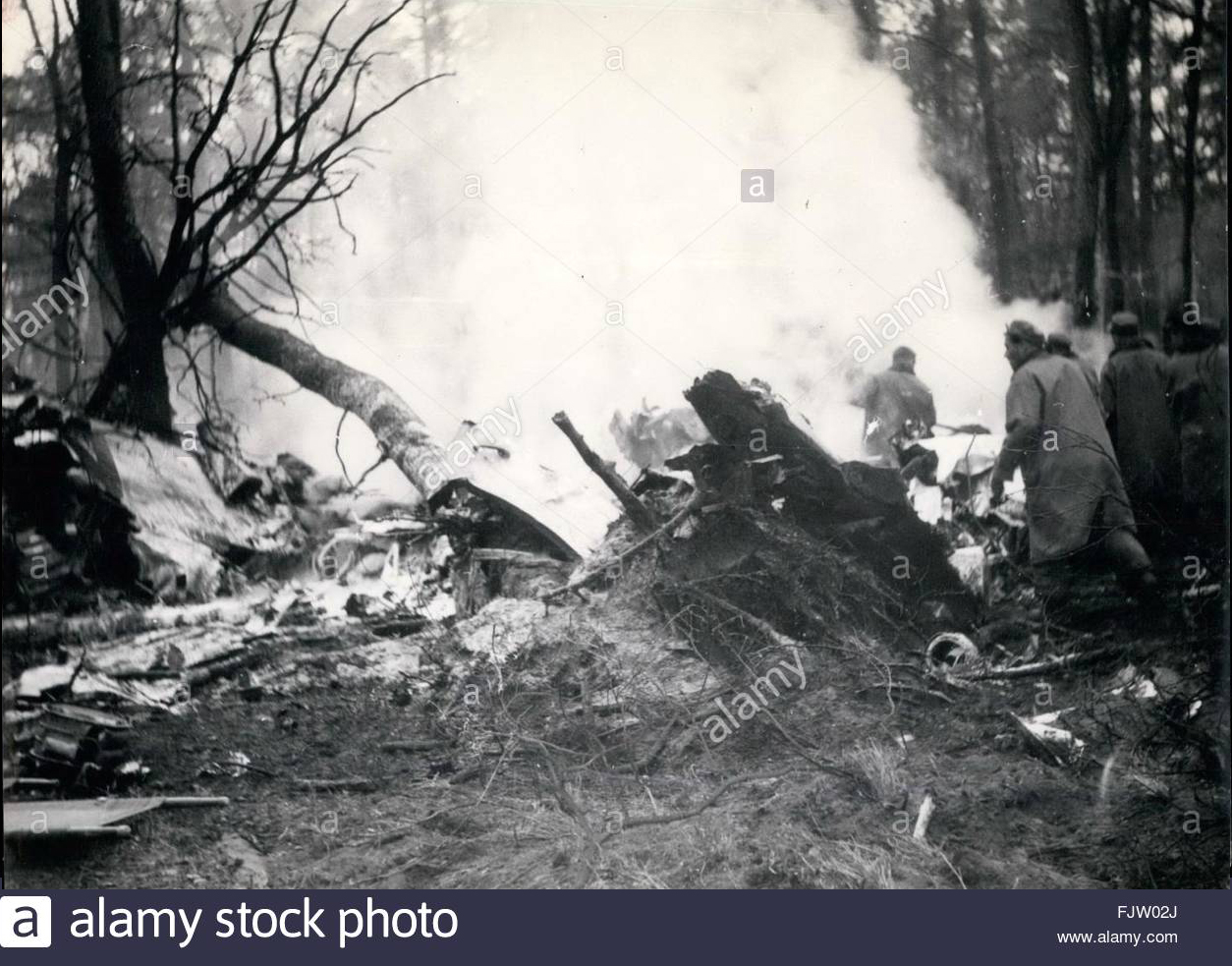
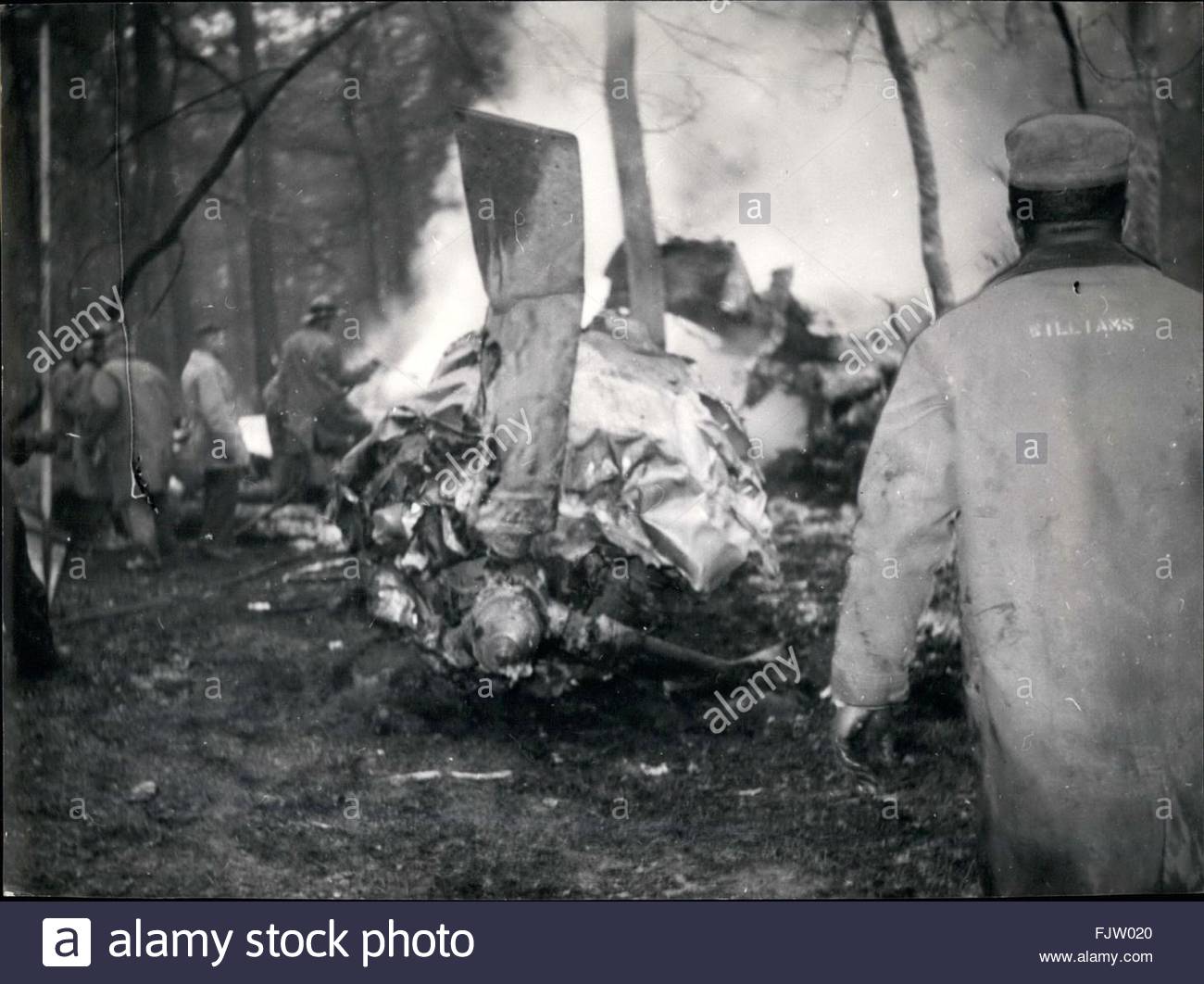
Shortly after takeoff from Frankfurt-Main Airport, while in initial climb, the crew noticed a loss of power on both engines. In the mean time, the crew raised the flaps according to procedures. The aircraft then stalled and crashed in flames in a wooded area located in Kelsterbach, about three km north of the airfield. The aircraft was destroyed by impact forces and a post crash fire and all 44 occupants were killed.
Probable cause:
The loss of power may be attributed to the heavy deposit of lead on the sparking plugs. During takeoff, as the plugs warmed up, circuit was formed by the metal deposits, resulting in the short circuiting of the plugs. There was nothing to show any other contributory causes. A contributory cause of the crash may have been the pilot's decision to continue the takeoff, and the probable retraction of the landing flaps at extensively low speed and low altitude, unless the loss of power by both engines in the phase immediately before the crash was so great that the disaster was unavoidable. There is no evidence that the lead coating process in the sparking plugs occurred suddenly. The investigation showed that the process had been continuous. It was not possible to determine, from the data available, whether the periods specified by the makers of the engines for overhaul of plugs should be considered adequate in all cases.

Crash of an Airspeed AS.10 Oxford in Lammersdorf: 4 killed

Date & Time: Aug 5, 1953
Type of aircraft:
Operator:
Registration:
O-14
Flight Phase:
Flight Type:
Survivors:
No
Site:
Schedule:
Cologne – Brussels
Country:
Region:
Crew on board:
2
Crew fatalities:
Pax on board:
2
Pax fatalities:
Other fatalities:
Total fatalities:
4
Circumstances:
On a flight from Cologne to Brussels, while cruising in poor weather conditions, the twin engine aircraft crashed in unknown circumstances on Mt Eifel near Lammersdorf. All four occupants were killed.
Crew:
Sgt Deblon,
Sgt Demeyer,
Ss/Lt Malcoye,
Ss/Lt Balbeur.

Crash of a De Havilland DH.89A Dragon Rapide in Brussels

Date & Time: Aug 21, 1952
Operator:
Registration:
D-3
Flight Type:
Survivors:
Yes
Schedule:
Brussels - Brussels
MSN:
6739
YOM:
1944
Country:
Region:
Crew on board:
4
Crew fatalities:
Pax on board:
0
Pax fatalities:
Other fatalities:
Total fatalities:
0
Circumstances:
The crew was performing a local training flight when the aircraft crashed on landing for unknown reason. There were no casualties but the aircraft was damaged beyond repair and use for spares.

Crash of an Avro 652A Anson I in Brussels

Date & Time: Feb 17, 1952 at 0620 LT
Type of aircraft:
Operator:
Registration:
G-ALFD
Flight Type:
Survivors:
Yes
Schedule:
London – Brussels
YOM:
1948
Country:
Region:
Crew on board:
2
Crew fatalities:
Pax on board:
0
Pax fatalities:
Other fatalities:
Total fatalities:
0
Circumstances:
On final approach to Brussels-Zaventem Airport, the crew decided to reduce his altitude to maintain a visual contact with the ground due to foggy conditions when the twin engine aircraft hit a telephone pole and crashed on a house located about 100 meters from the approach path. Both crew members who were performing a cargo flight from London with newspapers on board were injured. Nobody on ground was hurt.

Crash of an Avro 652 Anson in Mons

Date & Time: Apr 26, 1950
Type of aircraft:
Operator:
Registration:
G-AIXW
Flight Phase:
Flight Type:
Survivors:
Yes
Schedule:
London – Paris – Brussels
YOM:
1946
Location:
Country:
Region:
Crew on board:
2
Crew fatalities:
Pax on board:
0
Pax fatalities:
Other fatalities:
Total fatalities:
0
Circumstances:
The crew was performing a mail flight from London to Brussels with an intermediate stop in Paris, carrying a load of newspapers. En route, he was forced to make an emergency landing in Mons for undetermined reason. The twin engine aircraft was damaged beyond repair and both occupants were injured.

Crash of a Douglas C-47A-60-DL in Aulnay-sous-Bois: 8 killed

Date & Time: Dec 18, 1949 at 2030 LT
Operator:
Registration:
OO-AUQ
Flight Phase:
Survivors:
No
Schedule:
Paris – Brussels
MSN:
10241
YOM:
1943
Country:
Region:
Crew on board:
4
Crew fatalities:
Pax on board:
4
Pax fatalities:
Other fatalities:
Total fatalities:
8
Circumstances:
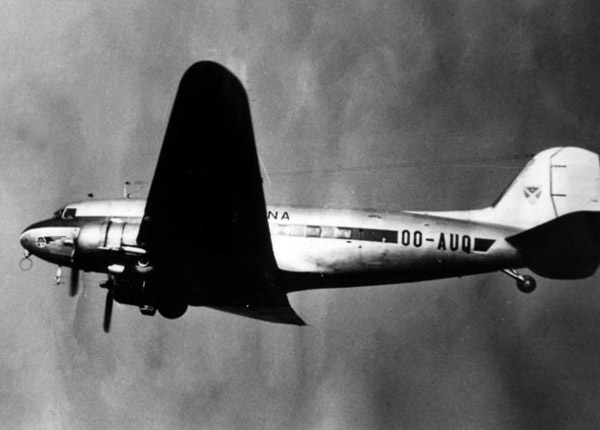
Shortly after takeoff from Paris-Le Bourget Airport, while climbing, the aircraft went out of control and crashed onto a house located in Aulnay-sous-Bois, about 4 km southeast of the airfield. All eight occupants were killed while there were no casualties on the ground. It appears that control was lost following the failure of a wing.

Crash of a Douglas C-47A-25-DK near Tofte: 34 killed

Date & Time: Nov 20, 1949 at 1656 LT
Operator:
Registration:
PH-TFA
Flight Type:
Survivors:
Yes
Site:
Schedule:
Tunis – Brussels – Oslo
MSN:
13462
YOM:
1944
Location:
Country:
Region:
Crew on board:
4
Crew fatalities:
Pax on board:
31
Pax fatalities:
Other fatalities:
Total fatalities:
34
Aircraft flight hours:
1697
Circumstances:
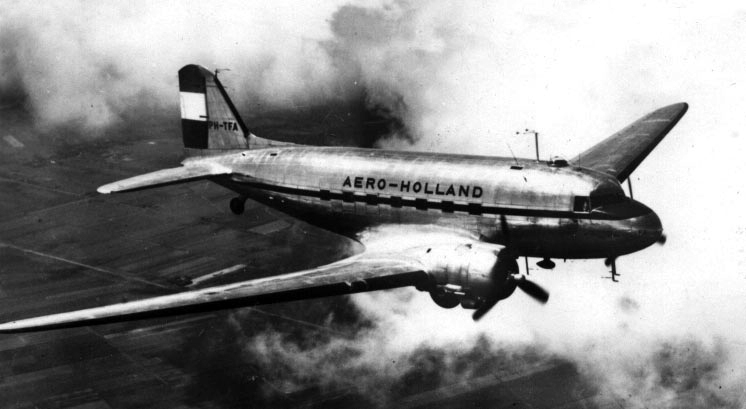
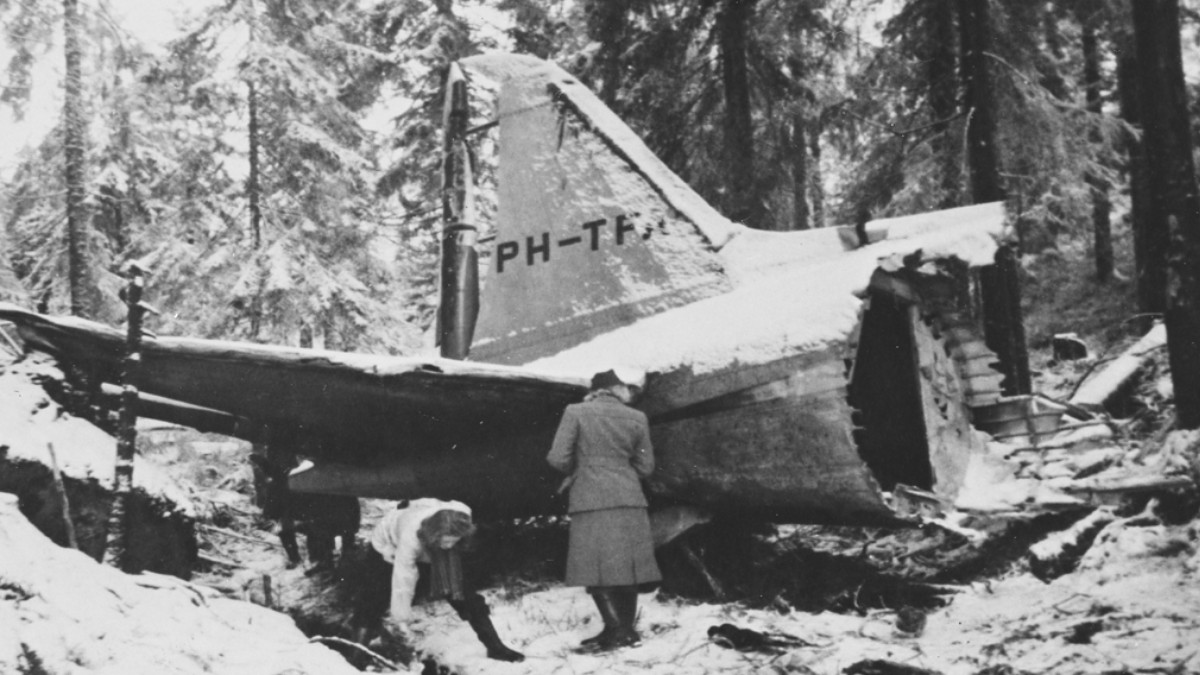
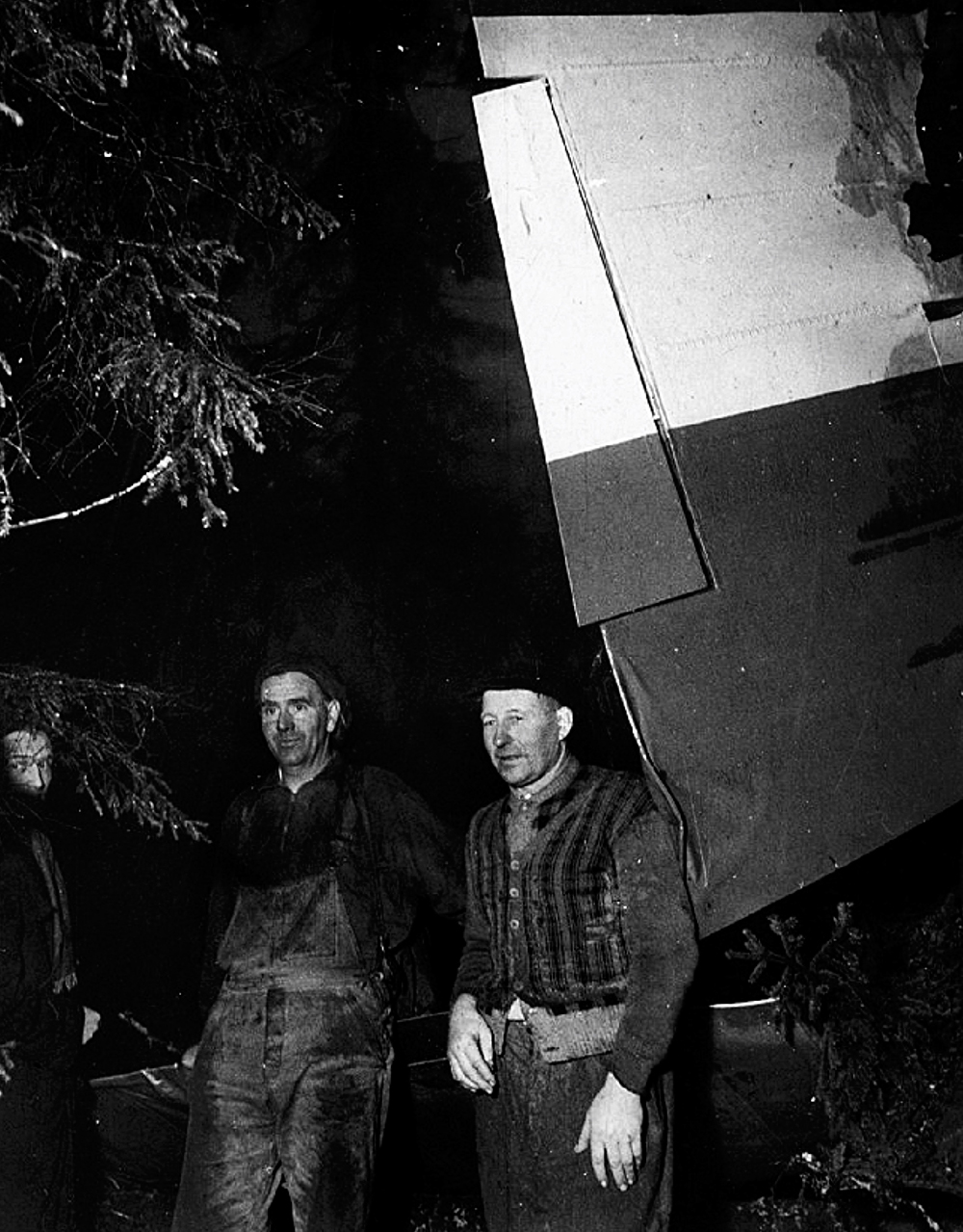
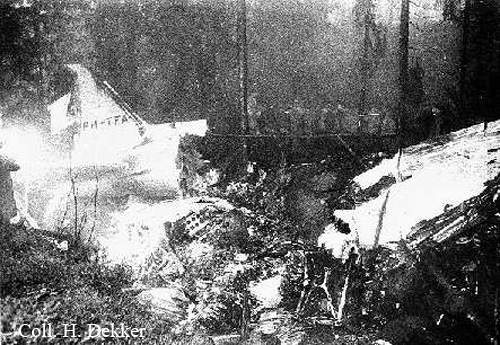
The aircraft was flying from Tunis to Oslo via Brussels, carrying 28 Jewish children from Tunisia on their way to Norway, as an intermediary stop before making aliyah, the return to Israel. After passing The Netherlands, the crew continued at an altitude of 3,000 feet and was informed that weather conditions at destination was considered as good with a visibility of 12 km under the cloud layer. Approaching Oslo from the south at 1650LT, the crew requested a QDM bearing that was transmitted by ATC three minutes later. Despite the presence of several clouds layers and poor visibility, the crew continued the approach and reduced his altitude when the aircraft hit the slope of a hill and crashed in a wooded area located about 8 km north of Tofte, some 32 km south of Fornebu Airport. As all radio transmissions were interrupted and the aircraft failed to arrive, SAR operations were conducted but the rescuers found the wreckage two days later only. On site, a young boy aged 12 was found alive and transferred to a hospital in Oslo while all 34 other occupants were killed.
Probable cause:
It was determined that the crew took the decision to continue the approach to Oslo-Fornebu Airport in VFR mode in IMC conditions. Due to poor visibility caused by several cloud layers at 400, 750 and 900 meters, the crew was unable to distinguish the hilly terrain.

Crash of a Douglas C-47-DL in Milan: 7 killed

Date & Time: Dec 6, 1948 at 1030 LT
Operator:
Registration:
I-ETNA
Flight Phase:
Survivors:
No
Schedule:
Milan – Brussels
MSN:
4396
YOM:
1942
Country:
Region:
Crew on board:
6
Crew fatalities:
Pax on board:
1
Pax fatalities:
Other fatalities:
Total fatalities:
7
Circumstances:
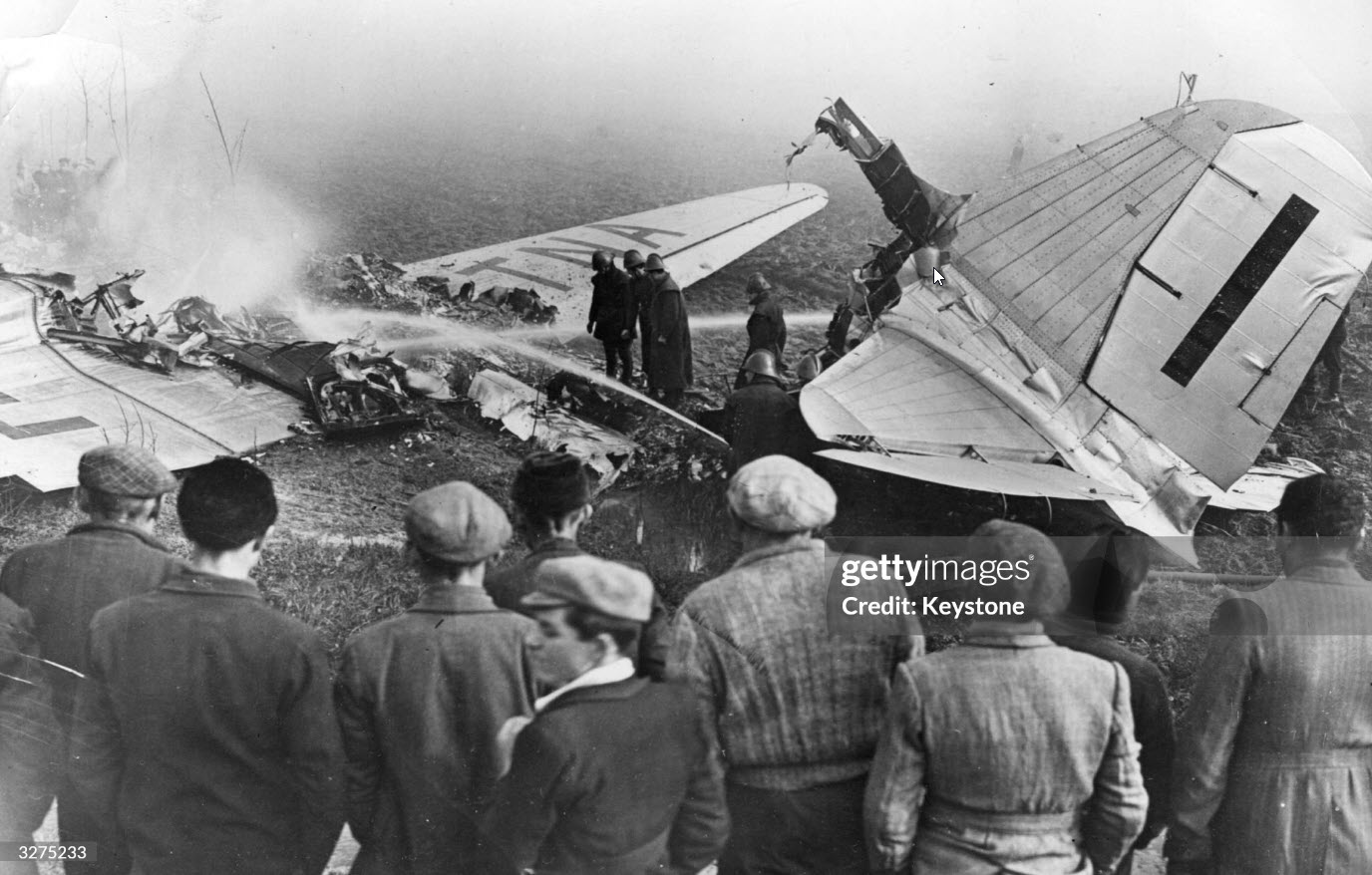
Shortly after takeoff from Milan-Linate Airport, while climbing in foggy conditions, the aircraft went out of control and crashed near the runway end, bursting into flames. All seven occupants were killed. The assumption of an engine failure is not ruled out.

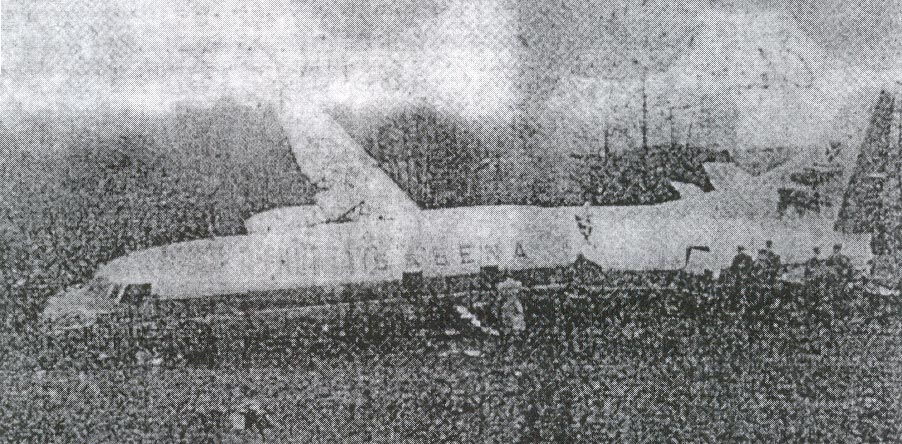
Crash of a Fiat G.212CP in Keerbergen: 8 killed

Date & Time: Jul 1, 1948 at 1220 LT
Type of aircraft:
Operator:
Registration:
I-ELSA
Survivors:
Yes
Schedule:
Milan – Brussels
MSN:
04
YOM:
1948
Country:
Region:
Crew on board:
5
Crew fatalities:
Pax on board:
7
Pax fatalities:
Other fatalities:
Total fatalities:
8
Aircraft flight hours:
19
Circumstances:
On approach to Brussels-Zaventem Airport, the crew encountered poor weather conditions with heavy rain falls, low visibility and a ceiling at 100 meters. In such conditions, the captain overshot the runway in Zaventem and was unable to land. He increased power on all three engines and continued to the northeast. Few minutes later, he decided to land on a makeshift airfield in Keerbergen but during the last turn to the left, the aircraft stalled and crashed in a field. Three passengers and a crew member survived while all eight other occupants were killed.
Probable cause:
Insufficient speed during the last turn to the left caused the aircraft to stall. The distance between the aircraft and the ground was too low to expect a recovery. Poor weather conditions were considered as a contributory factor.