Crash of a Piper PA-31 Navajo C near Las Horquetas: 7 killed

Date & Time: Aug 9, 2024 at 1000 LT
Type of aircraft:
Operator:
Registration:
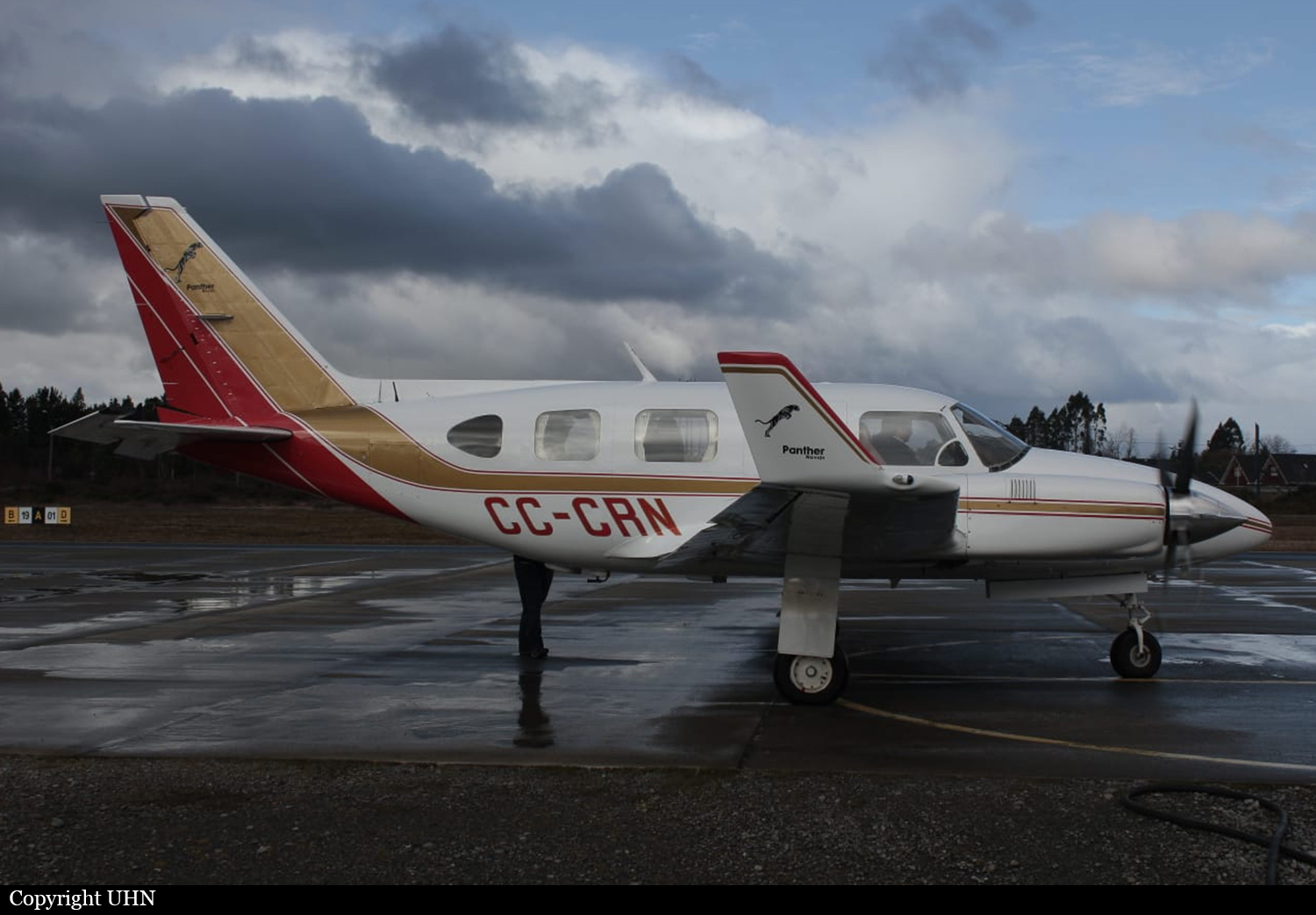
CC-CRN
Flight Phase:
Survivors:
No
Site:
Schedule:
Coyhaique - Chile Chico
MSN:
31-7712045
YOM:
1977
Country:
Crew on board:
1
Crew fatalities:
Pax on board:
6
Pax fatalities:
Other fatalities:
Total fatalities:
7
Circumstances:
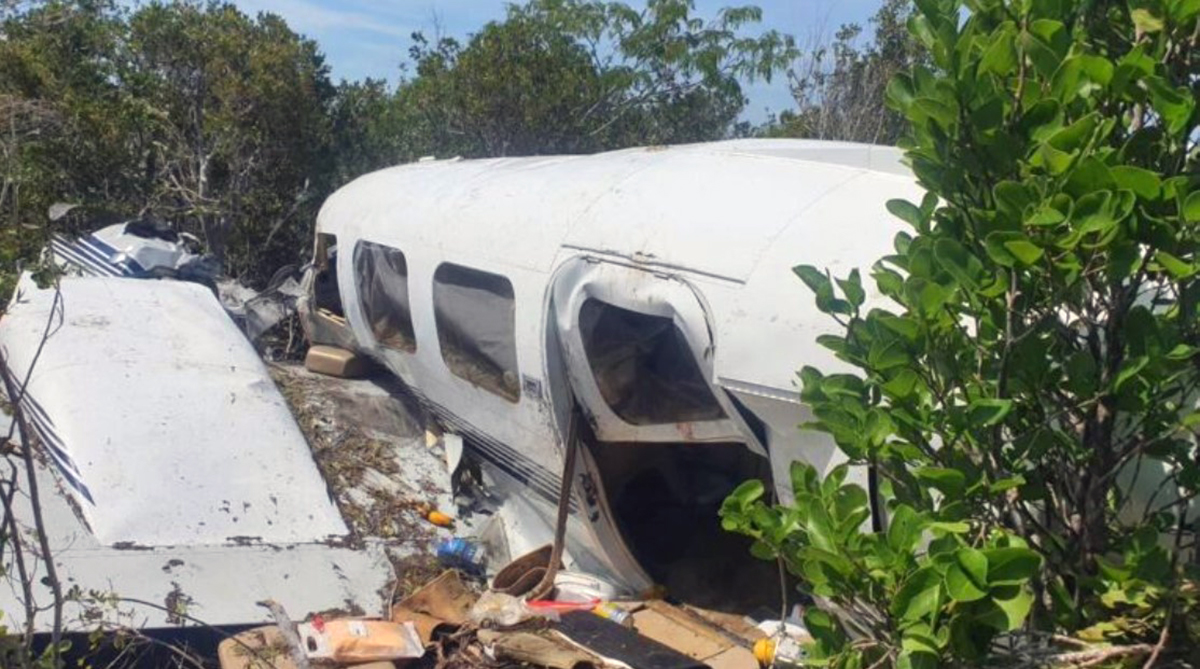
The twin engine airplane was on a charter flight from Coyhaique to Chile Chico, carrying six passengers and one pilot. Halfway into the flight, the airplane impacted the slope of a mountain located northwest of Las Horquetas, Aysén Region. The wreckage was found in the afternoon on the slope of Cerro Aislado. All seven occupants were killed.

Crash of a Piper PA-31-310 Navajo in Albany: 1 killed

Date & Time: Jun 17, 2024 at 0815 LT
Type of aircraft:
Operator:
Registration:
C-GKSI
Flight Phase:
Flight Type:
Survivors:
No
Site:
Schedule:
Albany - Montreal
MSN:
31-7912008
YOM:
1979
Location:
Crew on board:
1
Crew fatalities:
Pax on board:
0
Pax fatalities:
Other fatalities:
Total fatalities:
1
Circumstances:
The pilot departed runway 19 at Albany International Airport on a ferry flight to Montreal. After takeoff, while climbing, the pilot informed ATC about engine trouble and was able to climb to an altitude of about 800 feet when the airplane entered a left descending turn. It later gained a little altitude then entered an uncontrolled descent and crashed in a residential area, bursting into flames. The airplane was destroyed and the pilot, sole on board, was killed. The airplane was en route to Montreal-Pierre Elliott Trudeau International Airport.

Crash of a Piper PA-31P Pressurized Navajo in Mosby: 1 killed

Date & Time: Jul 20, 2023 at 0934 LT
Type of aircraft:
Registration:
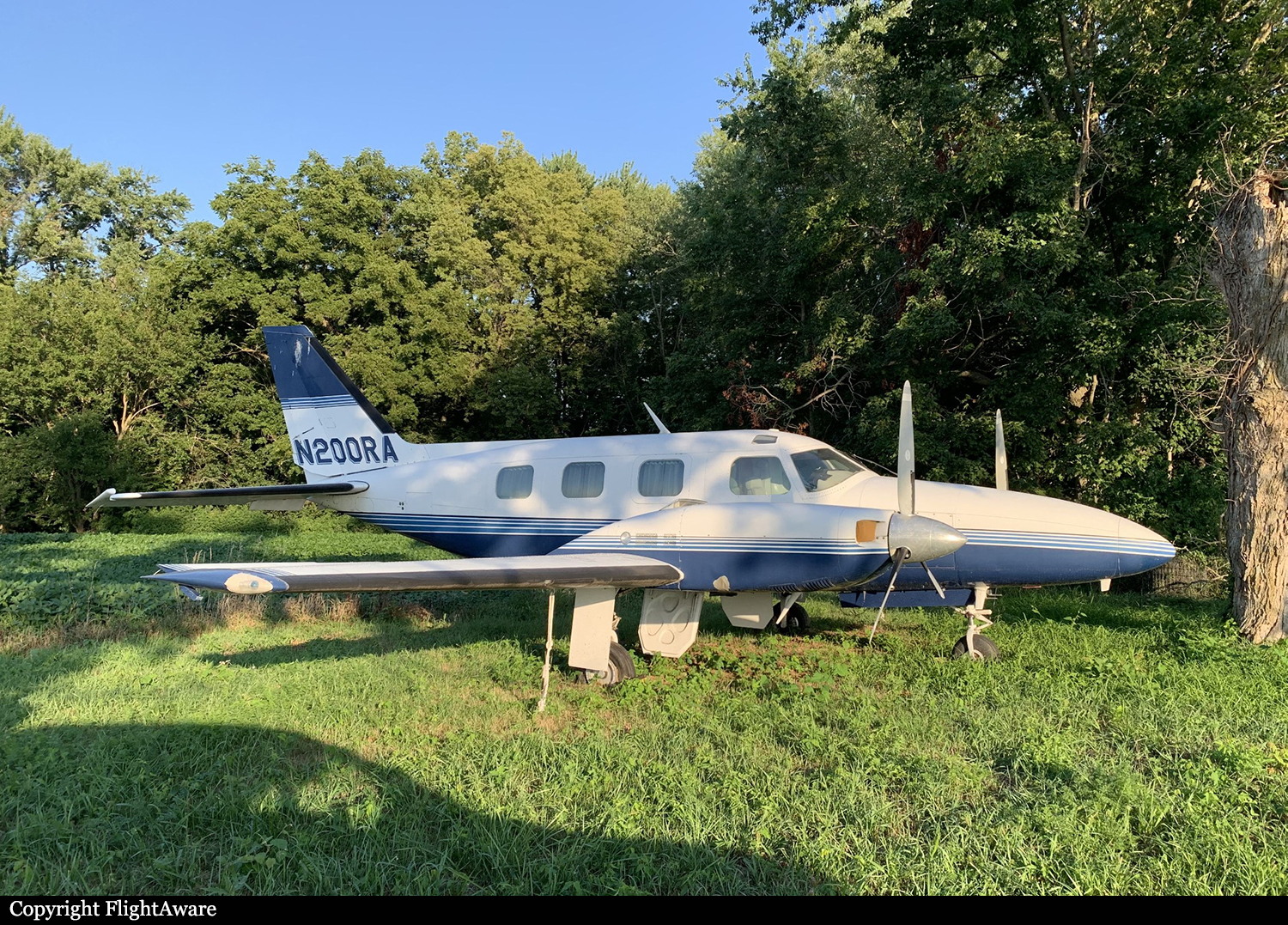
N200RA
Flight Phase:
Flight Type:
Survivors:
No
Schedule:
Mosby - Kingman
MSN:
31-7400198
YOM:
1974
Crew on board:
1
Crew fatalities:
Pax on board:
0
Pax fatalities:
Other fatalities:
Total fatalities:
1
Captain / Total flying hours:
23550
Aircraft flight hours:
1192
Circumstances:
The pilot was flying the airplane on an FAA Special Flight Permit to another location to complete maintenance and an overdue annual inspection. The airplane had been abandoned, with its most recent flight being 8 years before, and chained to a tree in an agricultural field adjacent to the airport from August 2021 until December 2022 when it was purchased by the current owner. Before the accident flight, an attempt was made to top off the airplane’s fuel tanks. However, fuel started to leak from multiple locations and only three fuel tanks were able to be fueled. The pilot asked the mechanic about the leaks; the mechanic stated that the filler necks were leaking, and the lineman had attempted to top off the fuel tanks instead of the previously agreed upon lower level. The pilot then completed a brief preflight inspection before starting the airplane. During engine start, the pilot requested the mechanic’s assistance three times to ask about various issues that the mechanic talked him through. The pilot then taxied to the runway and departed without performing an engine run-up. Multiple cellphone video recordings of the takeoff sequence showed the airplane veer to the right and attempt to rotate before settling back to the runway. The recordings then showed the airplane become airborne near the end of the runway end and initially yaw to the right before it entered a shallow climb. The witnesses observed the airplane barely clear a line of trees past the departure end of the runway and make a left turn before it disappeared behind trees. Analysis of the video recordings showed that rotation was at a ground speed of about 70.8 knots, corresponding to an estimated air speed of about 74.8 knots, which was significantly below the recommended rotation speed of 85 knots. A witness north of the airport heard a loud airplane that appeared from behind trees and headed toward his residence. He observed the airplane strike two static wires on a power transmission line before it impacted the canopy of a large tree in his front yard. The airplane continued in a left bank toward a nearby soybean field and impacted the terrain in a nose-low, left bank attitude. The airplane was partially destroyed by a post impact fire and the pilot, sole on board, was killed.
Probable cause:
The pilot’s decision to operate an airplane with known fuel leaks, his failure to conduct an engine run-up before takeoff, his subsequent failure to abort the takeoff, and the mechanic’s inadequate maintenance, which resulted in a partial loss of right engine power during takeoff due to fuel starvation as a result of blocked fuel injector ports.
Final Report:

Crash of a Piper PA-31-325 Navajo C in Tupelo: 2 killed

Date & Time: Jun 3, 2023 at 0816 LT
Type of aircraft:
Registration:
N4077W
Flight Phase:
Flight Type:
Survivors:
No
Schedule:
Tupelo – Tupelo
MSN:
31-8112031
YOM:
1981
Crew on board:
1
Crew fatalities:
Pax on board:
1
Pax fatalities:
Other fatalities:
Total fatalities:
2
Captain / Total flying hours:
3619
Captain / Total hours on type:
2833.00
Circumstances:
The pilot and pilot-rated passenger were departing on an instrument flight rules flight in the multi-engine airplane. ADS-B information showed that, just after takeoff, the airplane entered a climbing right turn, reaching a peak altitude about 300 ft above ground level and a highest ground speed about 102 knots (kts). The airplane continued in a descending, tightening right turn as its speed decreased. Analysis of the ADS-B data indicated that the airplane’s bank angle was initially about 42° with a load factor of 1.36g. As the turn continued, the bank angle increased to about 46° with a load factor of 1.44g. Under these conditions, the airplane’s stall
speed would have been about 77 kts calibrated airspeed. The airplane’s last calculated true airspeed was about 81 kts. The airplane impacted terrain adjacent to the airport and was consumed by a postimpact fire. Examination of the engines revealed no evidence of preimpact mechanical malfunctions; however, the scope of the examinations was limited due to postimpact fire damage. A sound spectrum study conducted from surveillance video of the airplane indicated that at least one of the airplane’s engines was operating around 2,550 rpm throughout the takeoff and right turn; however, the study was unable to distinguish whether the recorded sound was from one engine or both engines operating at the same rpm. Examination of the flight control system did not reveal any anomalies. During the postaccident examination of the airplane, an aileron balance cable was found separated from a swaged terminal end with a portion of the cable not located. Metallurgical examination of the separation revealed that it was consistent with being cut, most likely during recovery of the wreckage or the accident sequence. Toxicological testing revealed the presence of ethanol and n-propanol in specimens from the pilot. Although the presence of ethanol in the tested specimens means that the possibility of alcohol consumption could not be excluded, at least some of the detected ethanol was likely the result of postmortem production. Toxicological testing of the passenger revealed the potentially sedating antihistamine, cetirizine, in muscle and liver tissue; however, whether the passenger was experiencing any impairing effects from the use of cetirizine could not be determined. Based on the available information, it is likely that the pilot exceeded the airplane’s critical angle of attack while maneuvering immediately after takeoff, which resulted in a loss of control and impact with terrain; however, the circumstances that resulted in the pilot’s decision to conduct the steep right turn at low altitude could not be determined.
Probable cause:
The pilot's exceedance of the airplane's critical angle of attack while maneuvering after takeoff for reasons that could not be determined, which resulted in an aerodynamic stall and subsequent loss of control.
Final Report:

Crash of a Piper PA-31-310 Navajo in Beatrice

Date & Time: Feb 13, 2023
Type of aircraft:
Operator:
Registration:
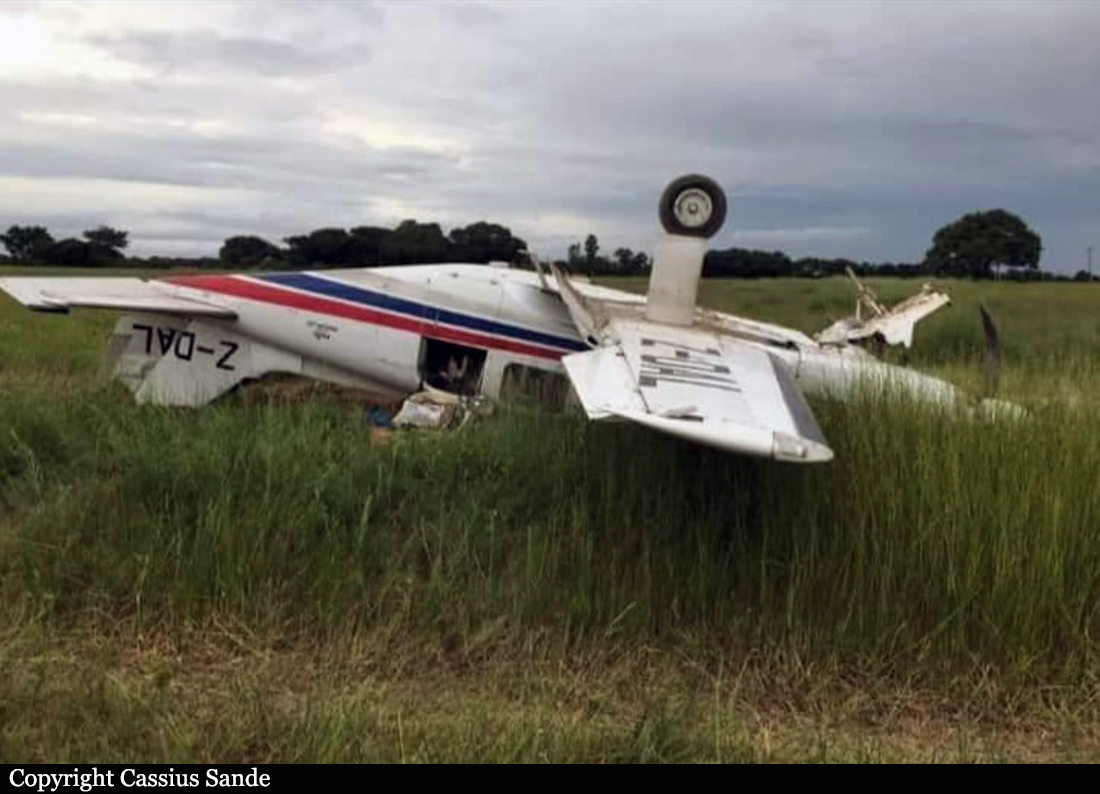
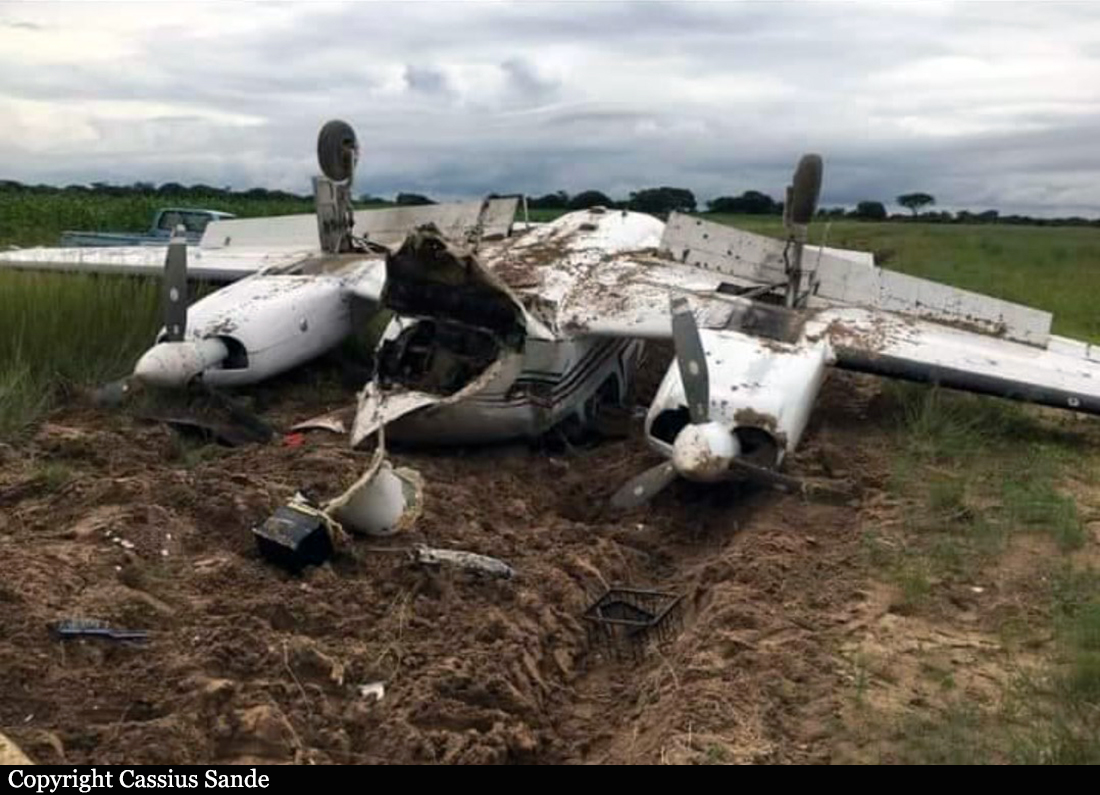
Z-DAL
Flight Phase:
Survivors:
Yes
MSN:
31-218
YOM:
1968
Country:
Region:
Crew on board:
1
Crew fatalities:
Pax on board:
4
Pax fatalities:
Other fatalities:
Total fatalities:
0
Circumstances:
The pilot encountered an unexpected situation and elected to make an emergency landing in an open muddy field. He lowered the landing gear and upon touchdown, the airplane overturned and came to rest upside down. All five occupants were rescued and the airplane was destroyed.
Crew:
Zvikomborero Nyamakura, pilot,
Passengers:
Salfina Karimazondo, Murowa Diamonds’ security officer,
Obey Mabvundwi, constable of CID Minerals Flora and Fauna Unit,
Petros Chaguruka, Fawcett's guard,
Fredrick Maroyi, Fawcett's guard.

Crash of a Piper PA-31-325 in La Libertad: 1 killed

Date & Time: Aug 14, 2022
Type of aircraft:
Operator:
Registration:
N325FA
Flight Type:
Survivors:
Yes
Country:
Crew on board:
0
Crew fatalities:
Pax on board:
0
Pax fatalities:
Other fatalities:
Total fatalities:
1
Circumstances:
The twin engine airplane was completing an illegal/contraband flight from Colombia. After entering illegally the Mexican airspace, the airplane was tracked by two Embraer ERJ-145 and three UH-60 Black Hawk of the Mexican Air Force. The crew landed in a prairie located near La Libertad, Campeche. Upon touchdown, the airplane lost its undercarriage and slid for few dozen metres before hitting a person on ground and coming to rest. All occupants and people who were supposed to take delivery of the load fled the scene before the police arrived. The person apparently hit by a propeller was killed. A load of 460 kg of cocaine was found in the cabin. The airplane was operated with the false registration N325FA.

Crash of a Piper PA-31-325 Navajo in Santiago de Querétaro: 2 killed

Date & Time: Jul 13, 2022 at 1220 LT
Type of aircraft:
Registration:
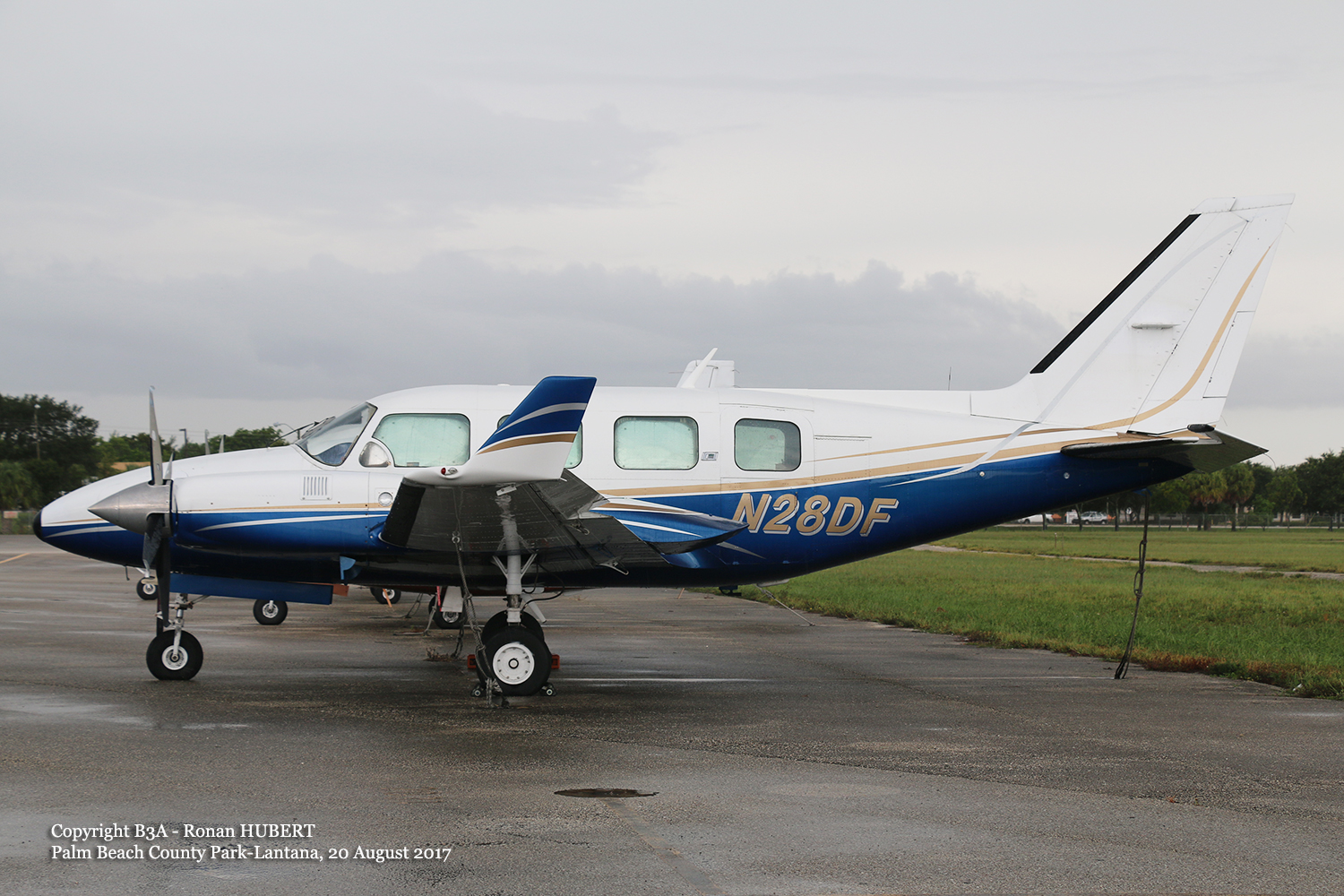
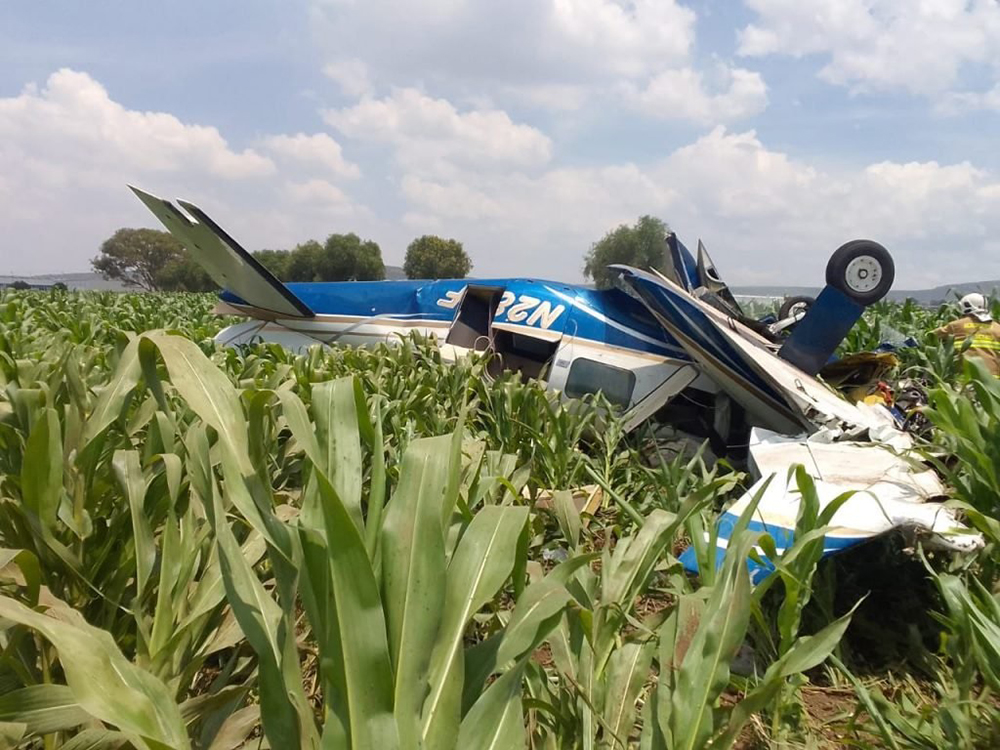
N28DF
Flight Phase:
Flight Type:
Survivors:
No
Schedule:
Santiago de Querétaro – Morelia
MSN:
31-7812121
YOM:
1978
Country:
Crew on board:
1
Crew fatalities:
Pax on board:
1
Pax fatalities:
Other fatalities:
Total fatalities:
2
Circumstances:
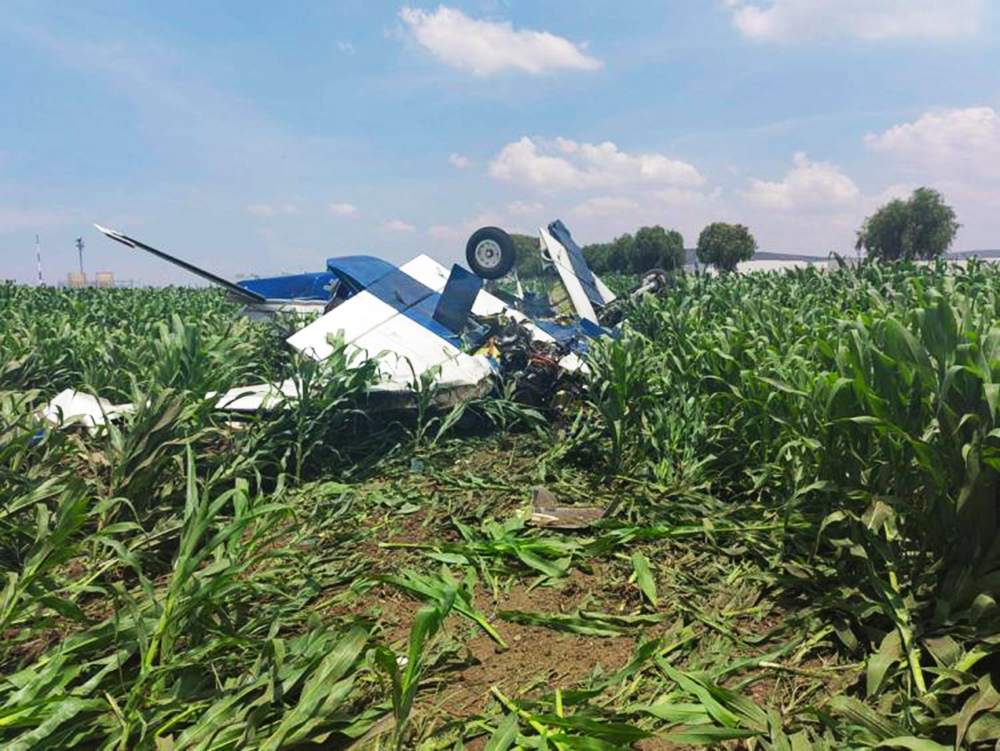
Shortly after takeoff from Santiago de Querétaro Airport, while climbing, the twin engine airplane went out of control and crashed inverted in a maize field located near the airport. The aircraft was destroyed and both occupants were killed.

Crash of a Piper PA-31-310 in Deadmans Cay: 1 killed

Date & Time: Jun 5, 2022 at 0905 LT
Type of aircraft:
Operator:
Registration:
N711JW
Flight Phase:
Flight Type:
Survivors:
Yes
Schedule:
Deadmans Cay - Nassau
MSN:
31-7712084
YOM:
1977
Country:
Crew on board:
1
Crew fatalities:
Pax on board:
6
Pax fatalities:
Other fatalities:
Total fatalities:
1
Aircraft flight hours:
7102
Circumstances:
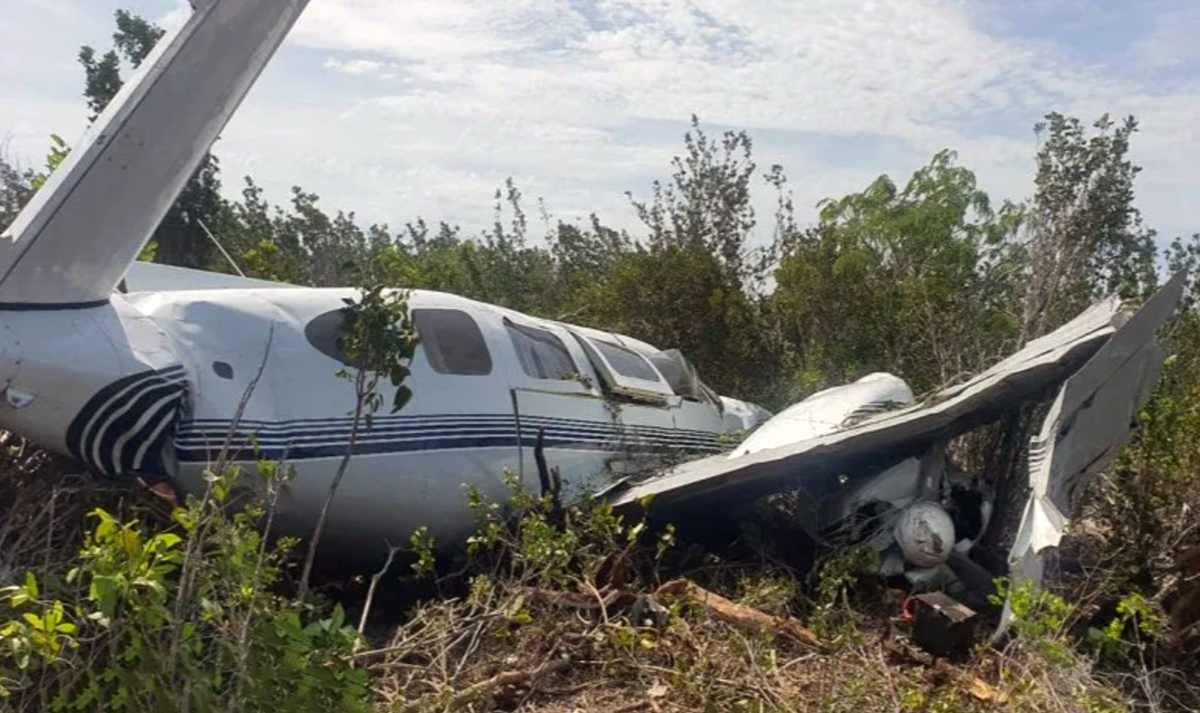
Shortly after takeoff from Deadmans Cay Airport Runway 09, while climbing, both engines lost power simultaneously. The airplane went out of control, impacted trees and crashed some 3 km northwest of the airfield. The airplane came to rest in bushes and was destroyed by impact forces. There was no fire. Among the seven people on board, a woman passenger was killed and six other occupants were injured.
Probable cause:
The AAIA has determined the probable cause of this accident to be Loss of Power (Dual) resulting in a loss of control inflight (LOC-I), and subsequent uncontrolled flight into terrain.
Final Report:

Crash of a Piper PA-31P-425 Pressurized Navajo in Myrtle Beach: 1 killed

Date & Time: May 21, 2021 at 1814 LT
Type of aircraft:
Operator:
Registration:
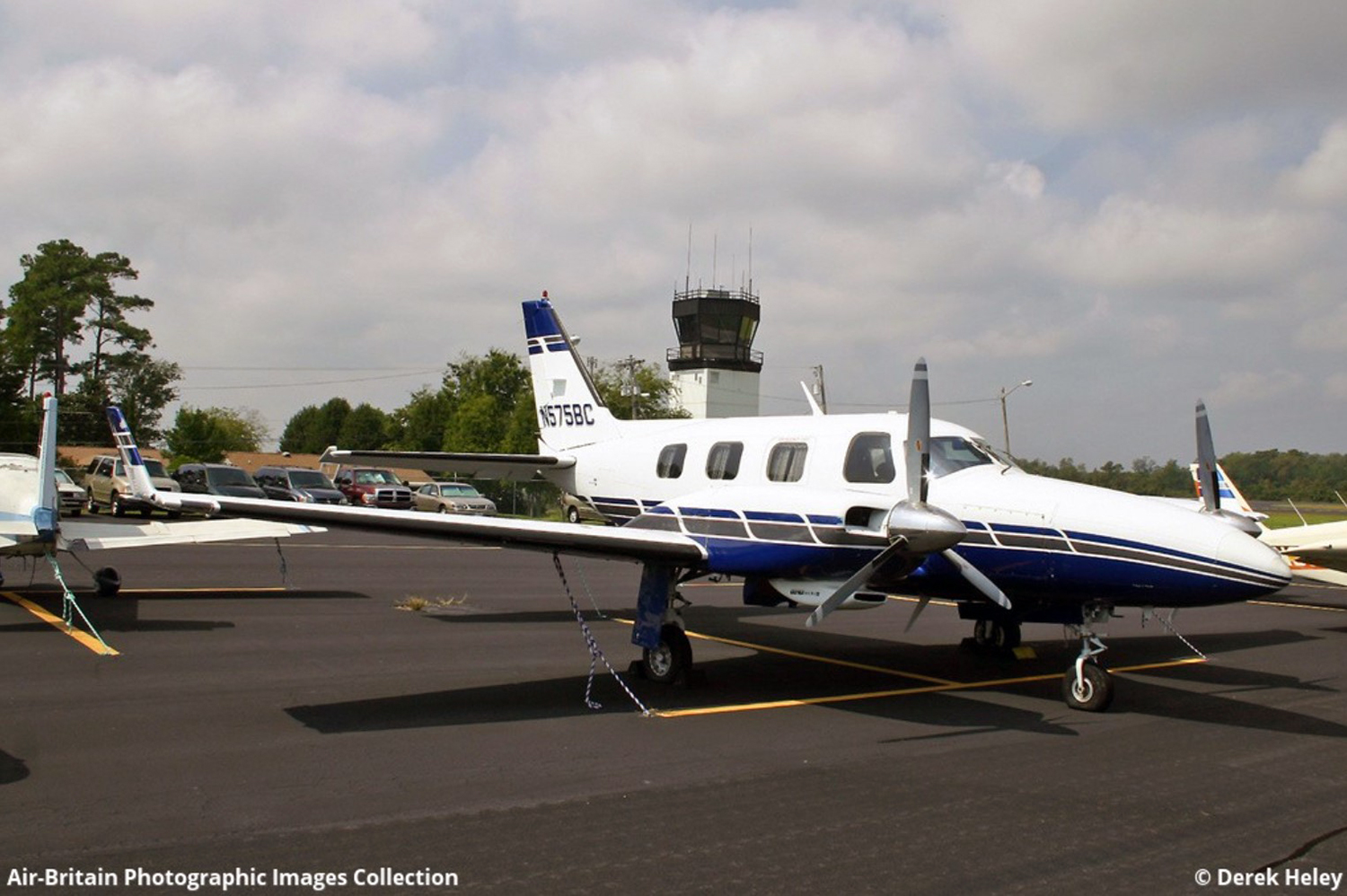
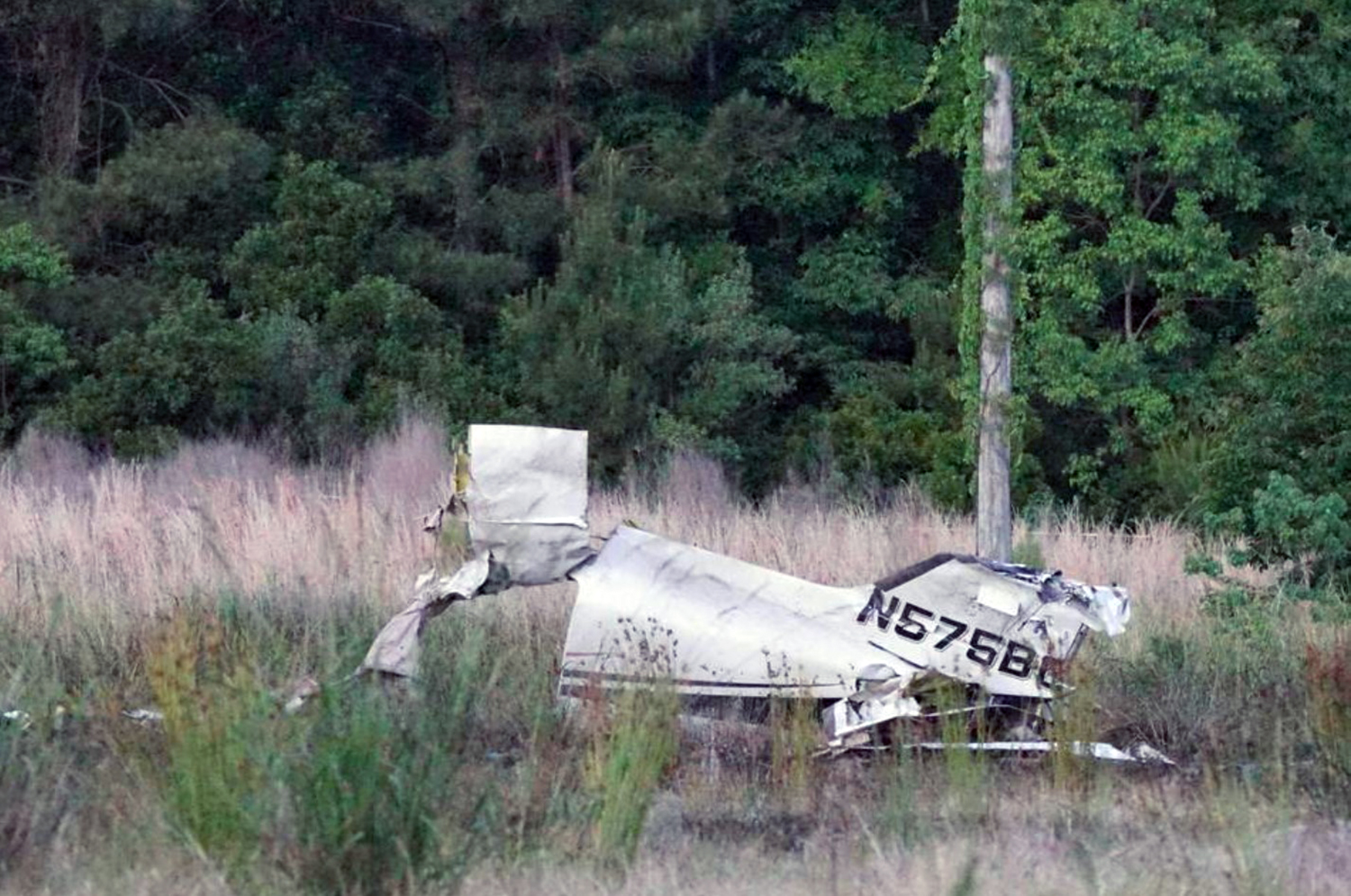
N575BC
Flight Phase:
Flight Type:
Survivors:
No
Schedule:
Myrtle Beach - North Myrtle Beach
MSN:
31-7730003
YOM:
1977
Crew on board:
1
Crew fatalities:
Pax on board:
0
Pax fatalities:
Other fatalities:
Total fatalities:
1
Captain / Total flying hours:
20000
Aircraft flight hours:
4826
Circumstances:
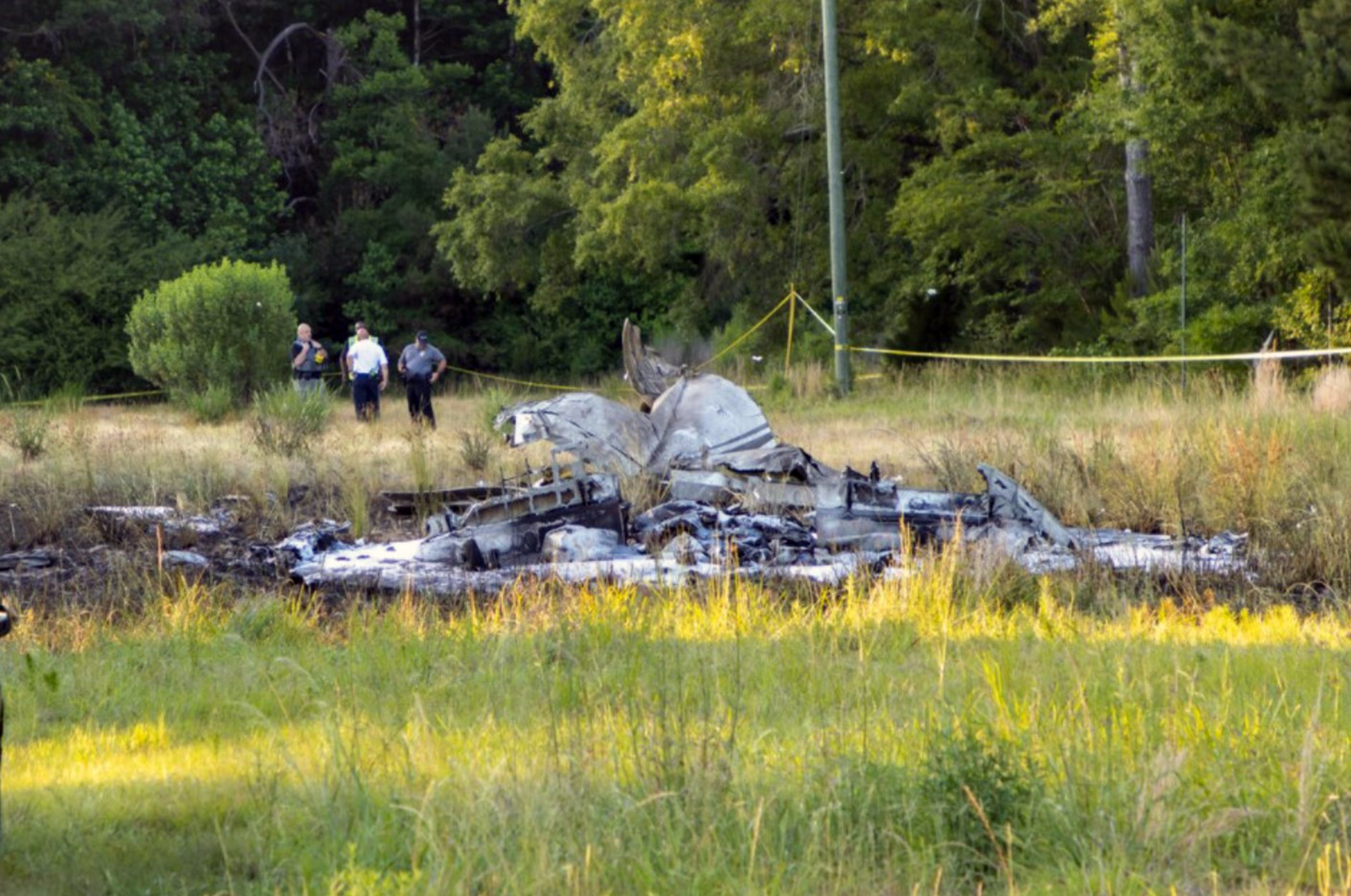
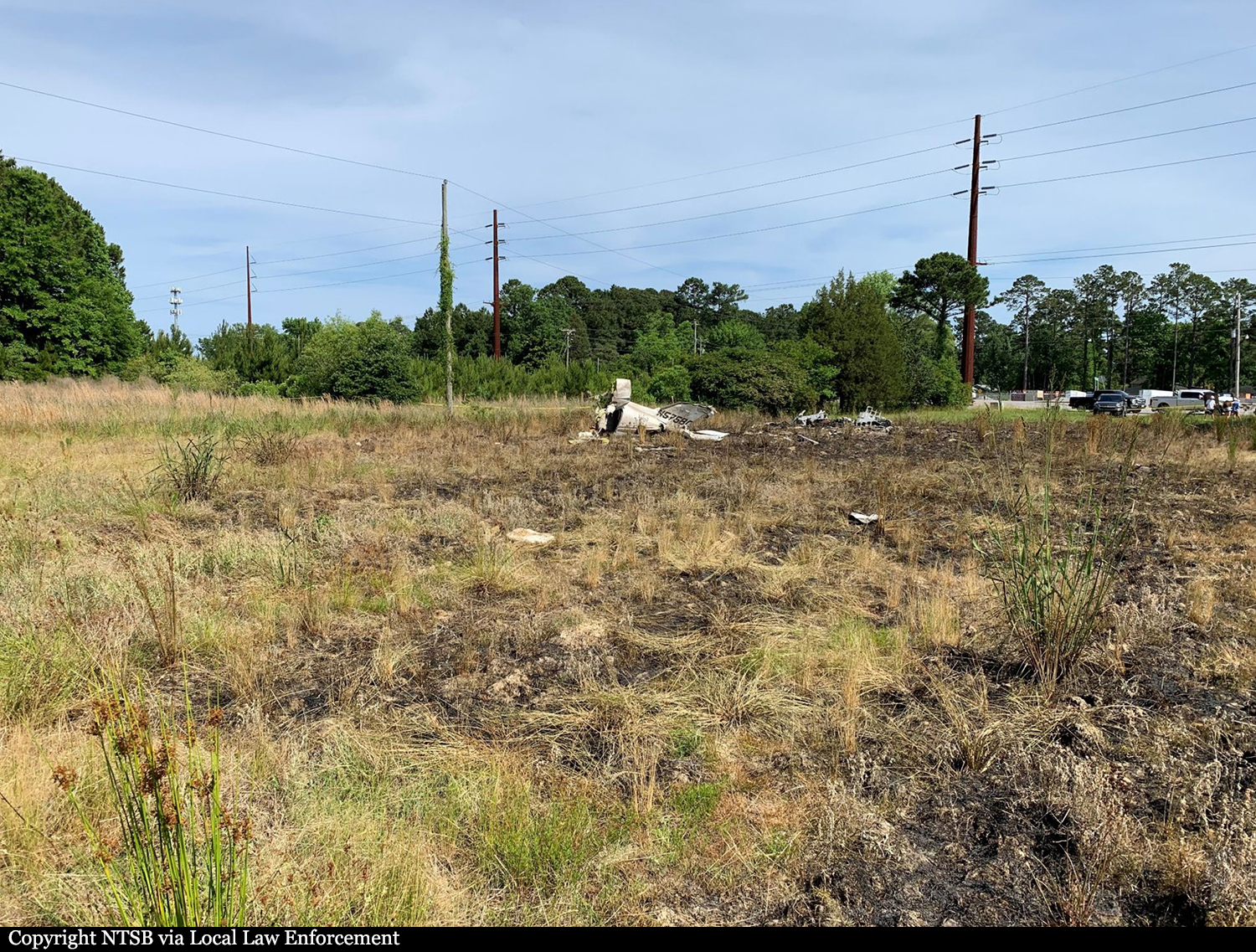
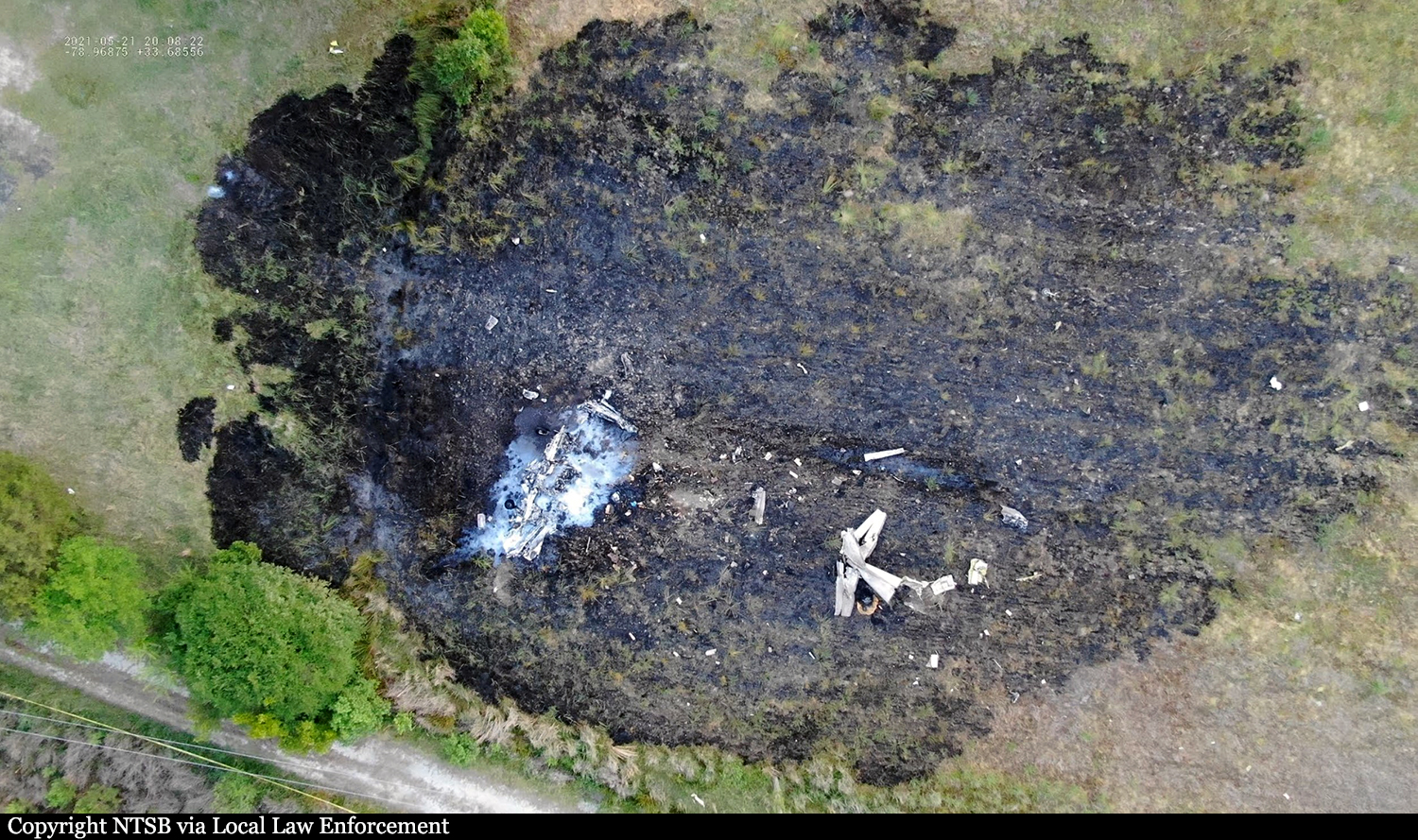
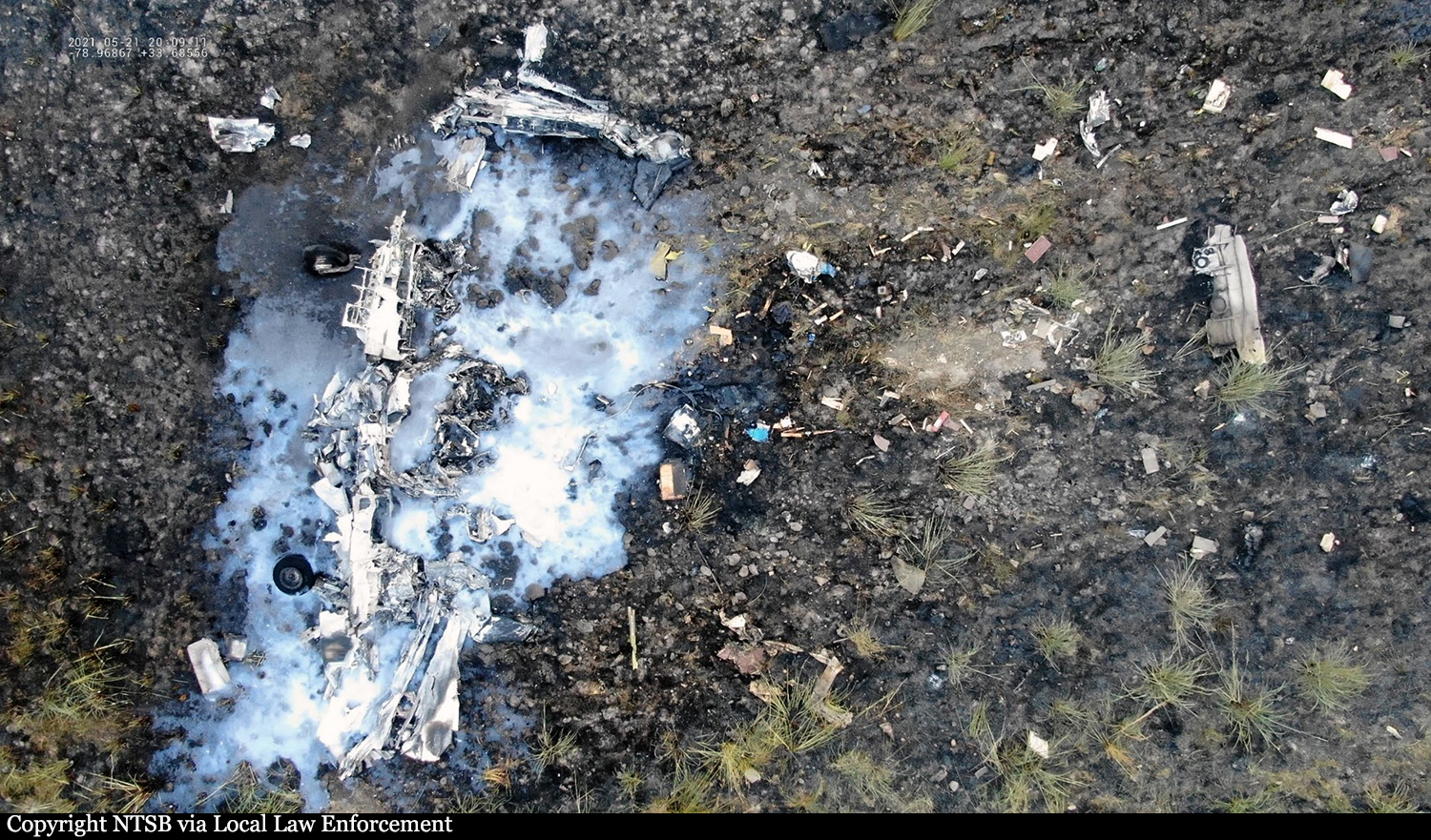
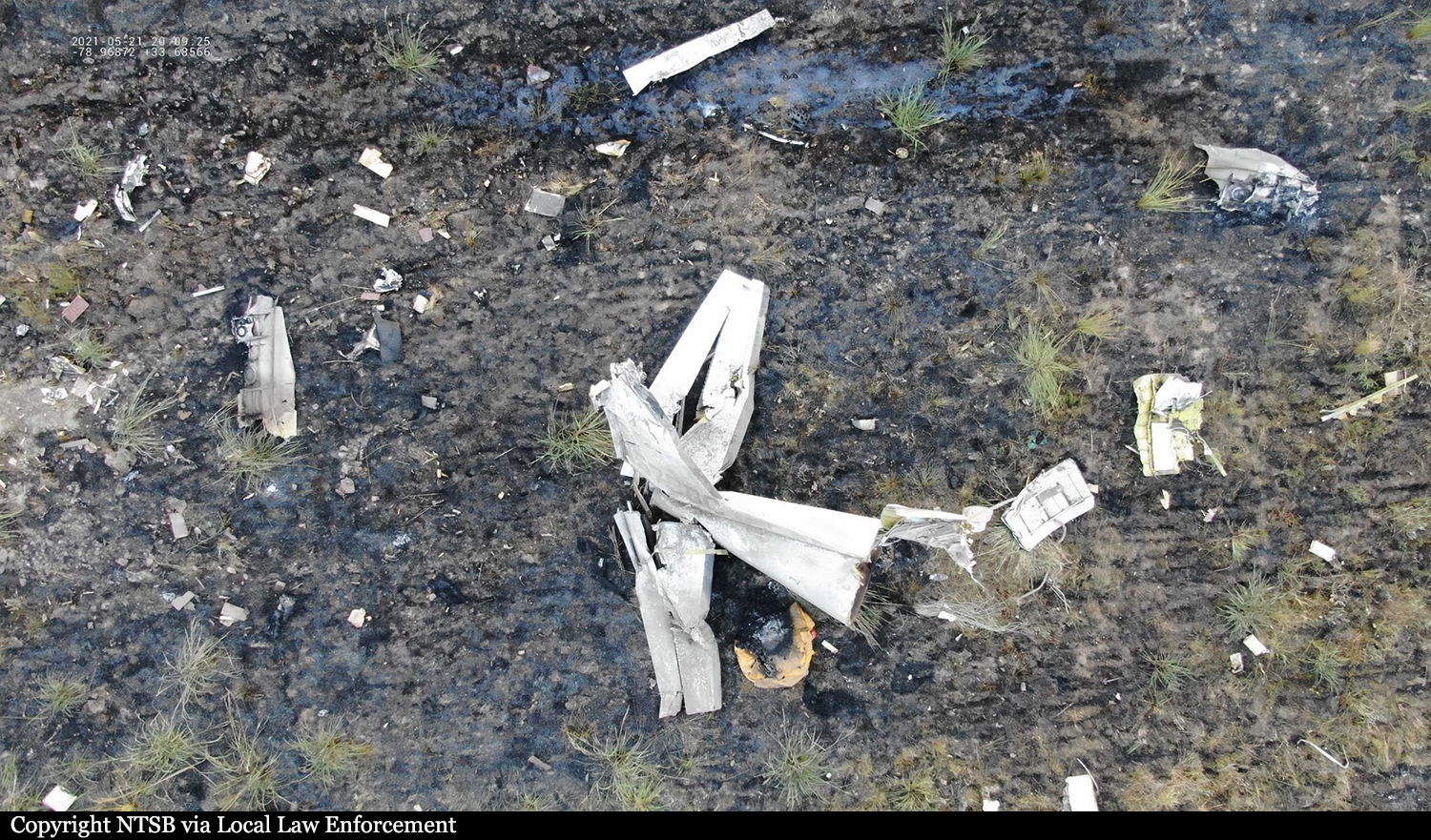
The airplane departed Myrtle Beach International Airport (MYR), Myrtle Beach, South Carolina, at 1812, with the intended destination of Grand Strand Airport (CRE), North Myrtle Beach, South Carolina. According to automatic dependent surveillance-broadcast and air traffic control (ATC) communications information, the pilot established contact with ATC and reported that he was ready for departure from runway 18. He was instructed to fly runway heading, climb to 1,700 ft mean sea level (msl), and was cleared for takeoff. Once airborne, the controller instructed the pilot to turn left; however, the pilot stated that he needed to return to runway 18. The controller instructed the pilot to enter a right closed traffic pattern at 1,500 ft msl. As the airplane continued to turn to the downwind leg of the traffic pattern, it reached an altitude of about 1,000 ft mean sea level (msl). While on the downwind leg of the traffic pattern, the airplane descended to 450 ft msl, climbed to 700 ft msl, and then again descended to 475 ft msl before radar contact was lost. About 1 minute after the pilot requested to return to the runway, the controller asked if any assistance was required, to which the pilot replied, “yes, we’re in trouble.” There were no further radio communications from the pilot. The airplane crashed in a field and was destroyed by impact forces and a post crash fire. The pilot, sole on board, was killed.
Probable cause:
The mechanic’s inadvertent installation of the elevator trim tabs in reverse, which resulted in the pitch trim system operating opposite of the pilot’s input and the pilot’s subsequent loss of control.
Final Report:

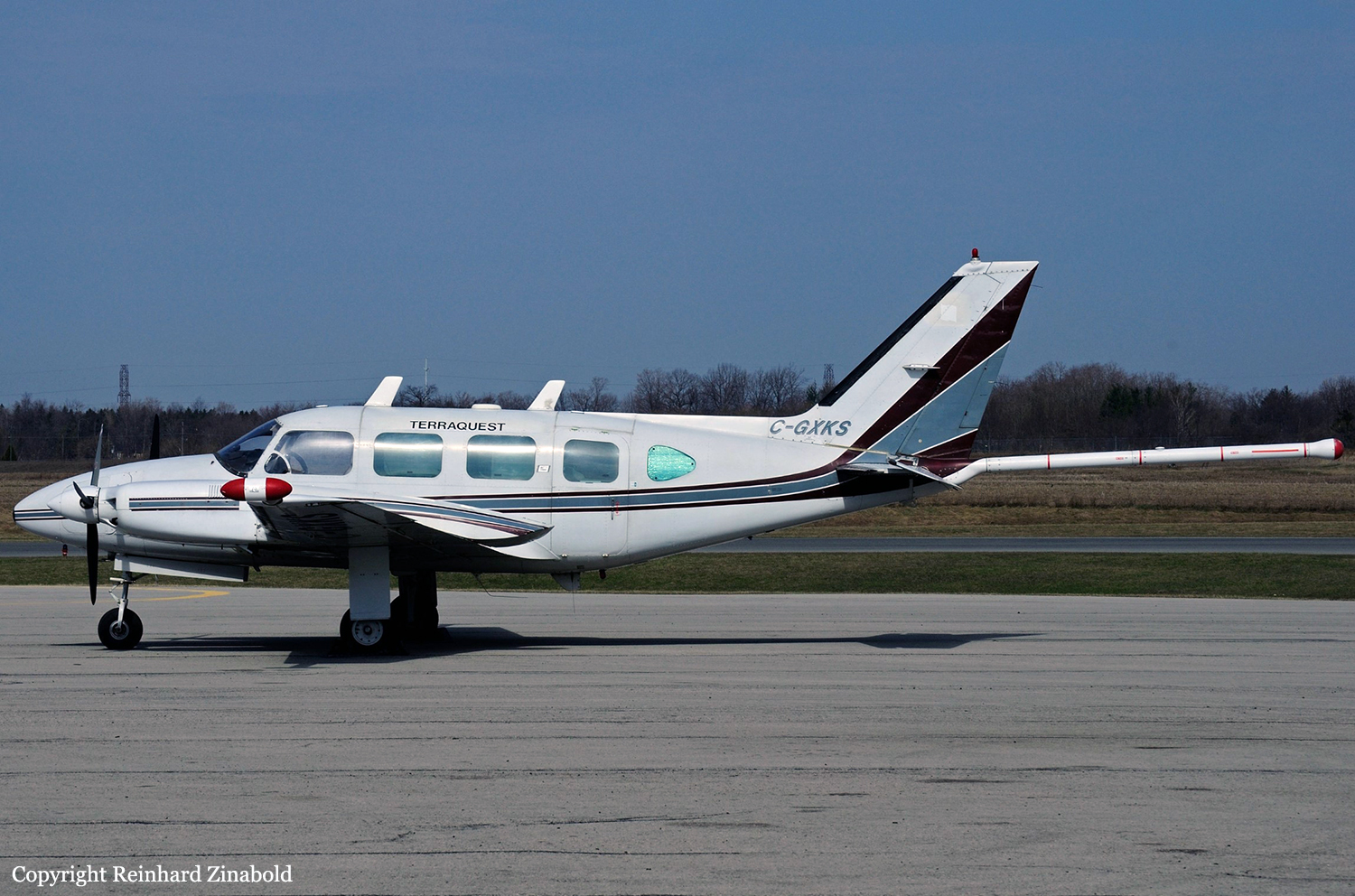
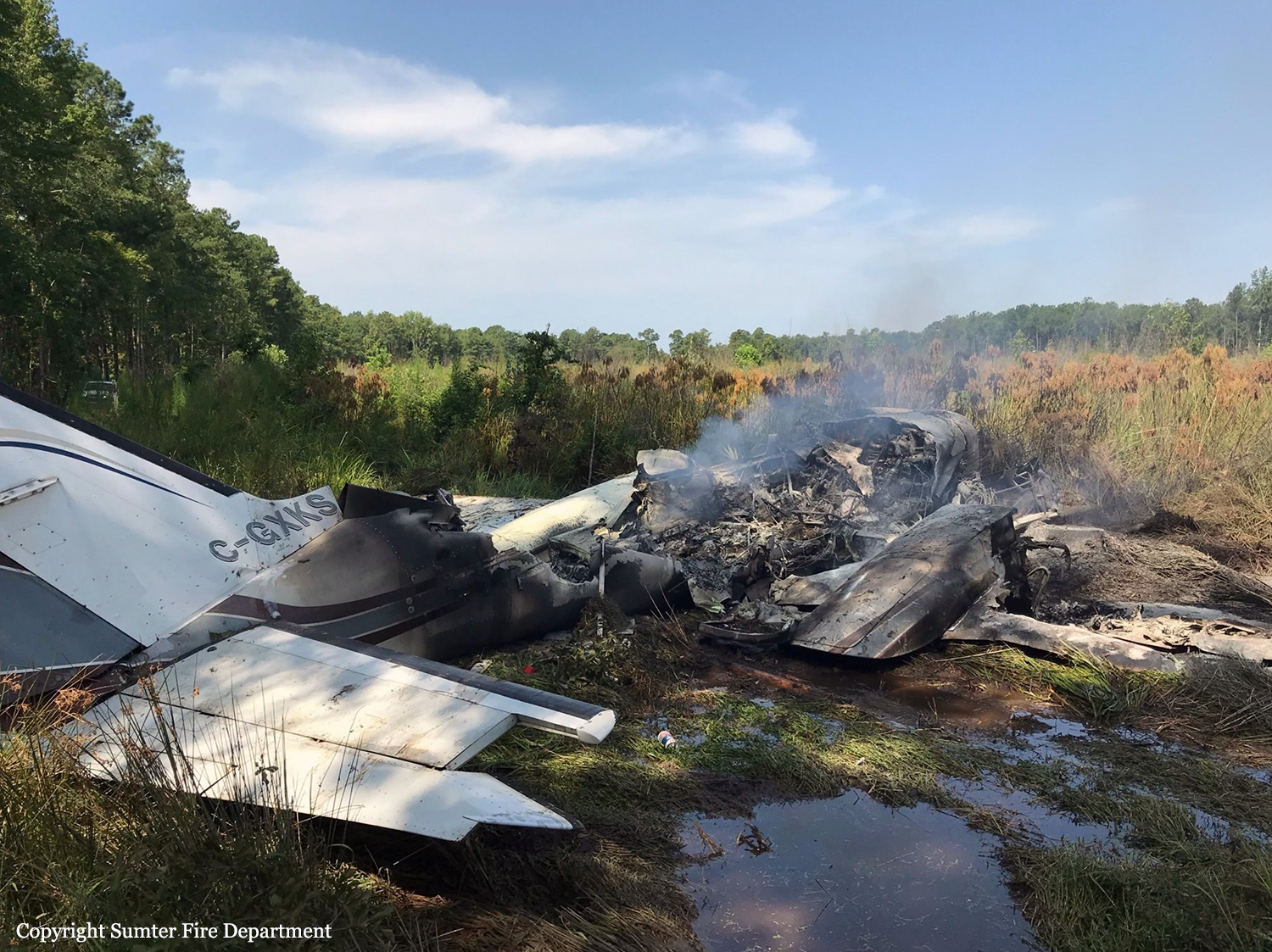
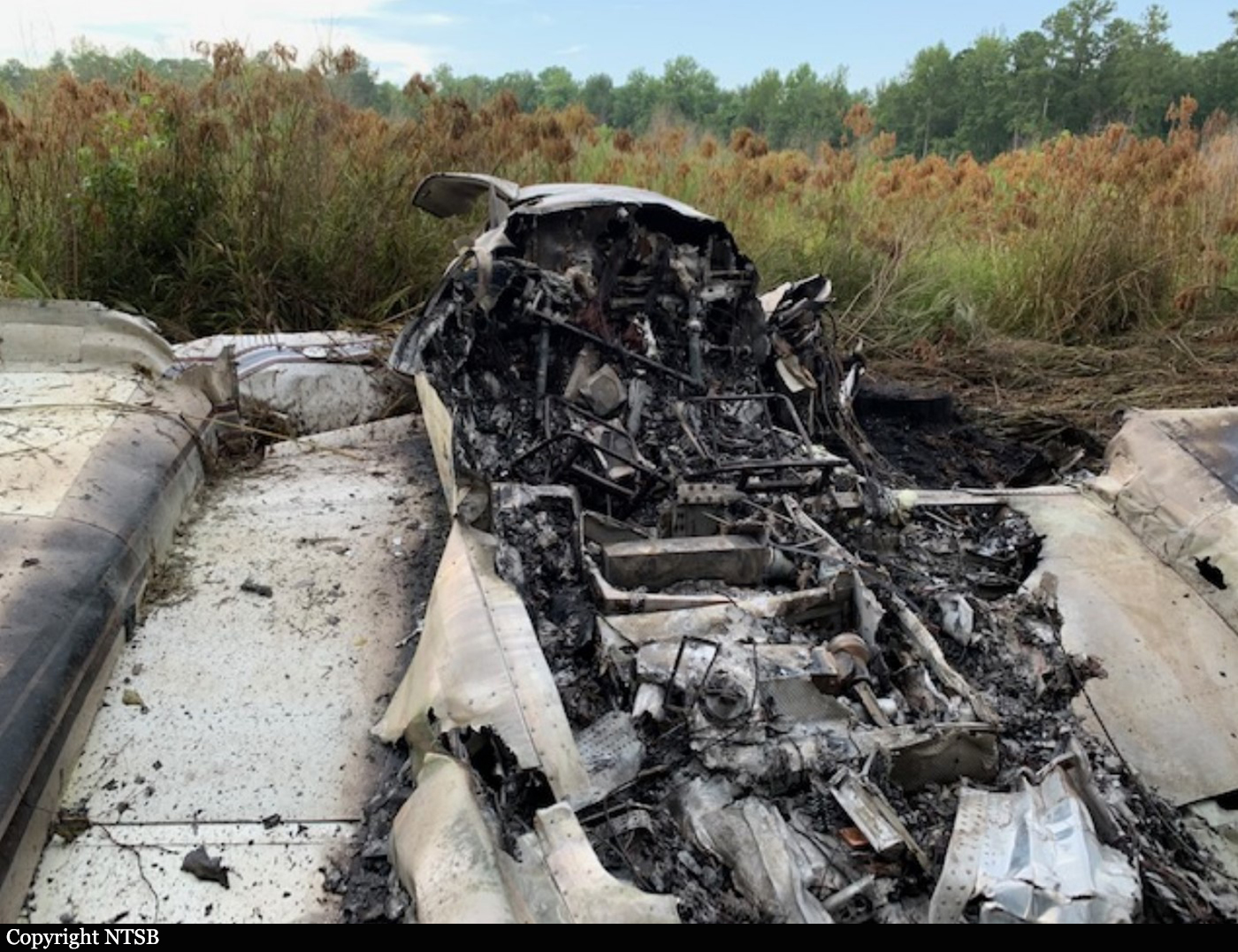
Crash of a Piper PA-31-325 Navajo C/R in Sumter

Date & Time: Aug 1, 2020 at 1000 LT
Type of aircraft:
Operator:
Registration:
C-GXKS
Flight Phase:
Flight Type:
Survivors:
Yes
Schedule:
Manning - Manning
MSN:
31-7512038
YOM:
1975
Crew on board:
2
Crew fatalities:
Pax on board:
0
Pax fatalities:
Other fatalities:
Total fatalities:
0
Captain / Total flying hours:
1625
Captain / Total hours on type:
550.00
Aircraft flight hours:
12038
Circumstances:
According to the pilot, he and the copilot were flying low-level mapping flights in the twin-engine airplane. Although the copilot was not multi-engine rated, he and the pilot regularly switched control of the airplane during the mapping flights. On the accident flight, the pilot was seated in the right seat; the copilot was seated in the left seat; and they were flying the airplane at an altitude of about 300 ft above ground level. According to the pilot, they flew for about 2 hours before he, who was the pilot flying at the time, switched fuel tanks from the inboard tanks to the outboard tanks. The pilot did not tell the copilot he had switched fuel tanks. About 1.5 hours later, while the copilot was the pilot flying, the left engine started to surge and lose power. The pilot began the steps of the emergency procedure for an engine failure in cruise flight starting with moving the fuel selectors to the inboard tanks. Power was not restored; the airplane immediately began losing altitude; and the pilot took over control of the airplane. The copilot stated that at the time the pilot took over control, he looked at the fuel tank quantity gauges, and they both displayed zero. The pilot reported that the airplane stalled just above the ground during the emergency landing in a field. The right wing struck first, and within a couple of seconds, the right outboard fuel tank exploded. The pilot and copilot egressed out the rear door. Examination of the wreckage revealed that neither engine exhibited evidence of power at impact. The left outboard fuel tank was found completely full of fuel, and the left inboard fuel tank was empty. Both right wing tanks were fire damaged, and the fuel quantity in the tanks at impact could not be determined. Further examination revealed that the fuel crossfeed valve was in the “crossfeed/open” position. No fuel was observed in the valve or attached fuel lines during disassembly. The left fuel selector valve was found in the “OFF” position, and no fuel was observed within the fuel line between the valve and gascolator. The right fuel selector valve was damaged by fire, and its position at impact could not be determined. No other anomalies were noted in the engines or airframe. According to the pilot, all fuel tanks were full before the flight. According to the pilot’s operating manual, the airplane likely consumed about 33.1 gallons of fuel per hour or a total of about 115 gallons of fuel during the 3.5-hour flight. Given that the inboard fuel cells held 56 gallons each (112 gallons total), that the left inboard tank was found empty, and that the copilot noticed that the fuel gauges were reading zero just before impact, it is likely that each engine was drawing fuel from its respective inboard tank throughout the flight until those tanks were empty. The left engine lost power first, and the right engine likely lost power just before impact. The postaccident positions of the crossfeed valve (on) and the left fuel selector (off) did not correspond to the pilot’s statements regarding his positioning of the fuel selector valves during the flight. The fuel panel was located between and behind the pilots’ seats and required the pilots to look down and back in order to see the panel when making changes to the panel; therefore, it is likely the pilot misconfigured the valves when he switched tanks 2 hours into the flight, when he switched tanks after the left engine lost power, or on both occasions. It is unlikely the copilot would have been able to see an incorrect switch selection on the fuel panel due to the location of the panel, and he would have been unlikely to look at the 2-hour point as the pilot did not verbalize that a change to the panel had been made.
Probable cause:
The pilot’s fuel mismanagement during flight, which resulted in a total loss of engine power from both engines due to fuel starvation.
Final Report: