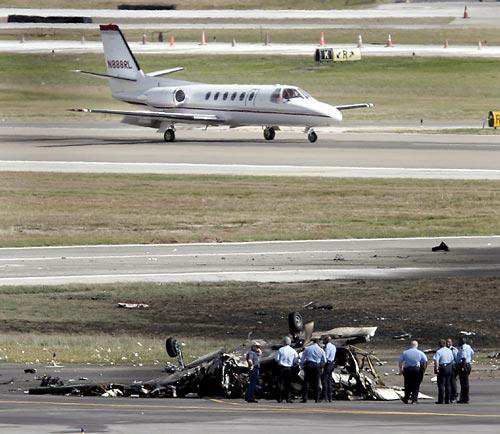
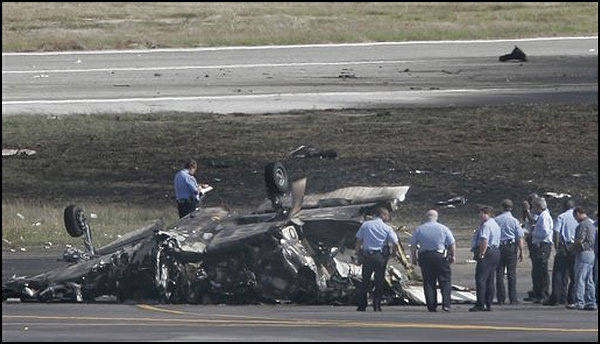
Crash of a Cessna 500 Citation I in Conway: 2 killed

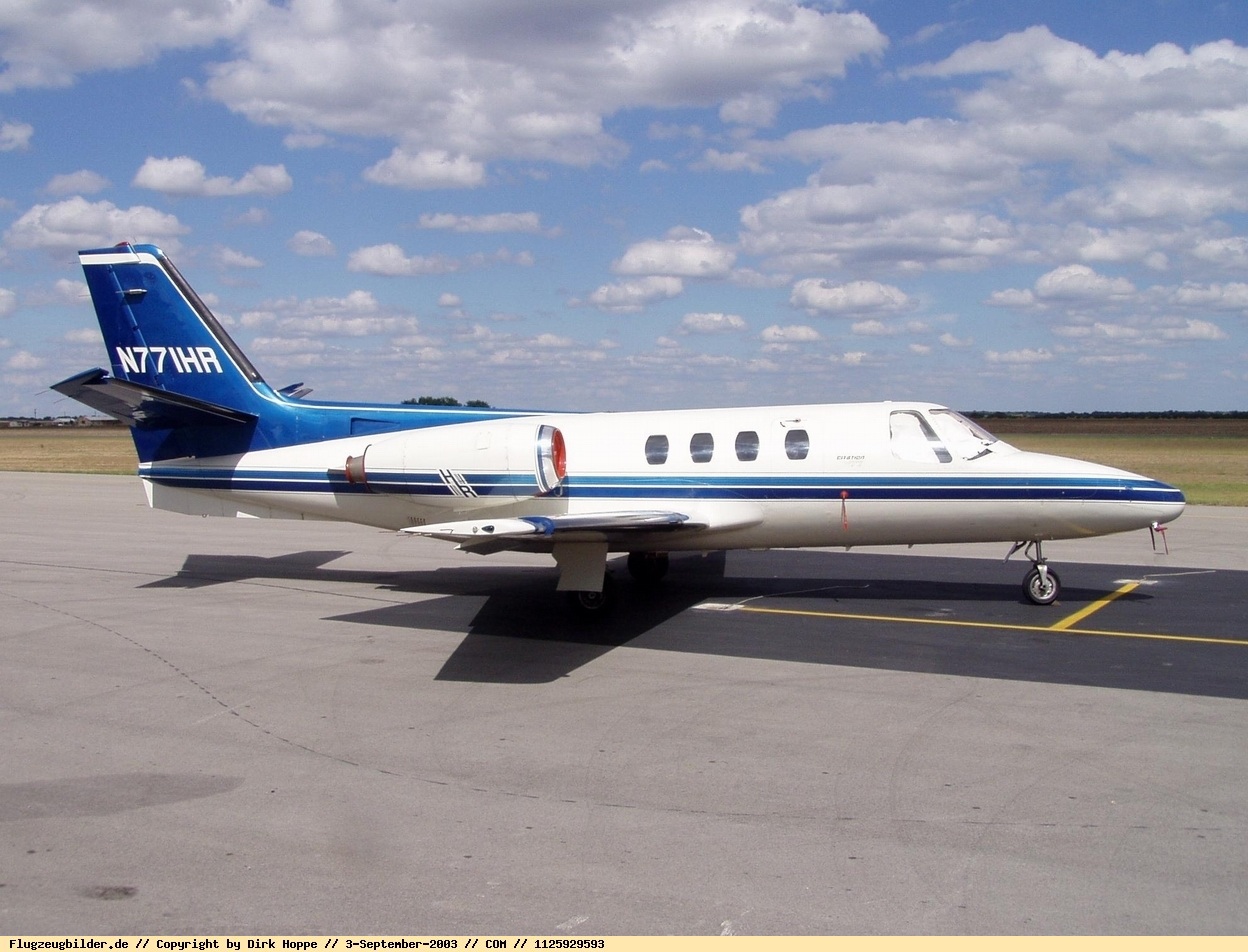
Date & Time: Jun 30, 2007 at 1450 LT
Type of aircraft:
Registration:
N771HR
Flight Type:
Survivors:
Yes
Schedule:
Wichita Falls – Conway
MSN:
500-0206
YOM:
1974
Location:
Crew on board:
1
Crew fatalities:
Pax on board:
1
Pax fatalities:
Other fatalities:
Total fatalities:
2
Captain / Total flying hours:
5575
Aircraft flight hours:
4752
Circumstances:
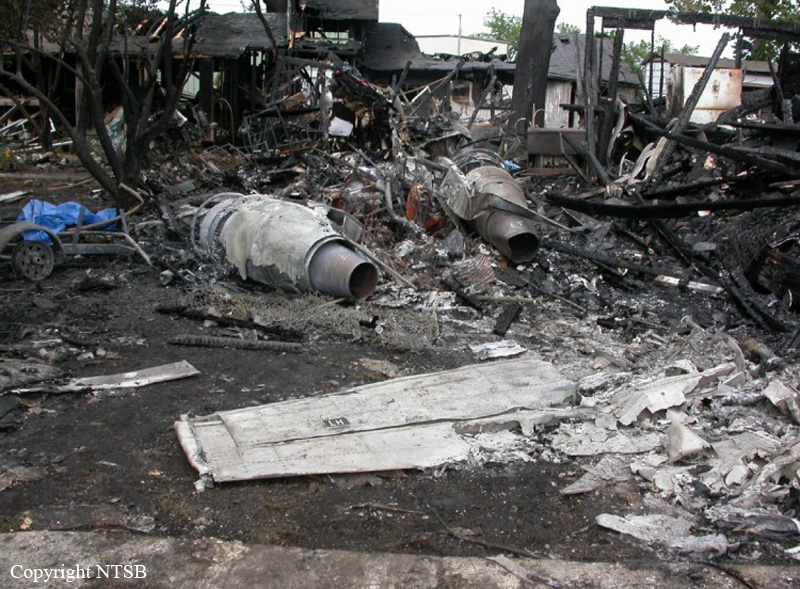
The twin-engine turbojet airplane was attempting to land on a runway with standing water when the accident occurred. Before the landing attempt, the pilot was told that the runway was wet from a recent rain shower. Witnesses reported seeing the airplane on the runway traveling at a high speed and then increase engine power to abort the landing with about 1/4 of the runway remaining. The surviving passenger reported that the runway was "soaked and shiny with water." He stated that the airplane landed hard and fishtailed during the landing roll. During the aborted landing the airplane impacted a jet-blast deflector located off the departure end of the runway. The airplane then proceeded through the airport perimeter fence and impacted a residential structure before coming to a stop. The airplane and residential structure were destroyed during a postaccident fire. An examination of the airframe and engines did not reveal any anomalies associated with a preimpact failure or malfunction. The airplane was not equipped with thrust reversers or an anti-skid braking system. Radar track data analysis indicated that when the airplane was about 1/4 mile from the end of the runway it was approximately 16 knots above its target landing reference speed (Vref) and had a descent rate of 1,150 feet per minute. The runway was 4,875 feet long. The calculated landing distance for a runway with standing water is 4,789 feet.
Probable cause:
The pilot's failure to fly a stabilized approach and his delayed decision to abort the landing. Contributing to the accident was the standing water on the runway.
Final Report:
Crash of a Cessna 500 Citation in Greensboro

Date & Time: Feb 1, 2006 at 1145 LT
Type of aircraft:
Operator:
Registration:
N814ER
Flight Type:
Survivors:
Yes
Schedule:
Asheville - Greensboro
MSN:
500-0280
YOM:
1975
Crew on board:
2
Crew fatalities:
Pax on board:
0
Pax fatalities:
Other fatalities:
Total fatalities:
0
Captain / Total flying hours:
2500
Captain / Total hours on type:
700.00
Copilot / Total flying hours:
13000
Copilot / Total hours on type:
1000
Aircraft flight hours:
12008
Circumstances:
The right main landing gear collapsed on landing. According to the flight crew, after departure they preceded to Mountain Air Airport, where they performed a "touch-and-go" landing. Upon raising the landing gear following the touch-and-go landing, they got an "unsafe gear" light. The crew stated they cycled the gear back down and got a "three green" normal indication. They cycled the gear back up and again got the "gear unsafe" light. They diverted to Greensboro, North Carolina, and upon landing in Greensboro the airplane's right main landing gear collapsed. After the accident, gear parts from the accident airplane were discovered on the runway at Mountain Air Airport. Metallurgical examination of the landing gear components revealed fractures consistent with overstress separation and there was no evidence of fatigue. Examination of the runway at Mountain Air Airport by an FAA Inspector showed evidence the accident airplane had touched down short of the runway.
Probable cause:
The pilot's misjudged distance/altitude that led to an undershoot and the pilot's failure to attain the proper touchdown point.
Final Report:

Crash of a Cessna 500 Citation I in Houston: 2 killed

Date & Time: Nov 5, 2005 at 0958 LT
Type of aircraft:
Operator:
Registration:
N505K
Flight Phase:
Flight Type:
Survivors:
No
Schedule:
Houston - Corpus Christi
MSN:
500-0004
YOM:
1972
Crew on board:
1
Crew fatalities:
Pax on board:
1
Pax fatalities:
Other fatalities:
Total fatalities:
2
Captain / Total flying hours:
4100
Aircraft flight hours:
6230
Aircraft flight cycles:
6195
Circumstances:
The 4,100-hour commercial pilot lost directional control of the single-pilot twin-engine turbojet while taking off from runway 22 (7,602-feet long by 150-feet wide), and impacted the ground about 3,750 feet from the point of departure. Several witnesses reported that the airplane climbed to approximately 150 feet, rolled to the right, descended, and then struck the ground inverted. The weather was day VFR and the wind was reported from 170 degrees at 10 knots. Examination of the wreckage revealed that none of the main-entry door latching pins were in their fully locked position. The airplane's flight controls and engines did not disclose any mechanical discrepancies. The flaps were in the takeoff position and the control lock was unlocked. The pilot had not flown the airplane for over nine months because of extensive maintenance; the accident occurred on its first test flight out of maintenance. Since the pilots flight records were not found, it is unknown how much flight time the pilot had flown in the last nine months. The other airplane that the pilot owned was a Cessna 650, but witnesses stated that the pilot was only qualified as a co-pilot. Most of the maintenance records that were located were not completed; an approval for return-to-service was not found. Another airplane that had declared an emergency was on a 10-mile final when the tower cleared the accident airplane for takeoff, with no delay on the takeoff roll. No additional communication or distress calls were reported from the accident airplane. The airplane was not equipped with either a flight data recorder or a cockpit voice recorder. No anomalies were found on either engine that could have prevented normal engine operation.
Probable cause:
The pilot's failure to maintain directional control of the airplane resulting in an inadvertent stall/mush. Contributing factors were the unsecured passenger door and the pilot's diverted attention.
Final Report:

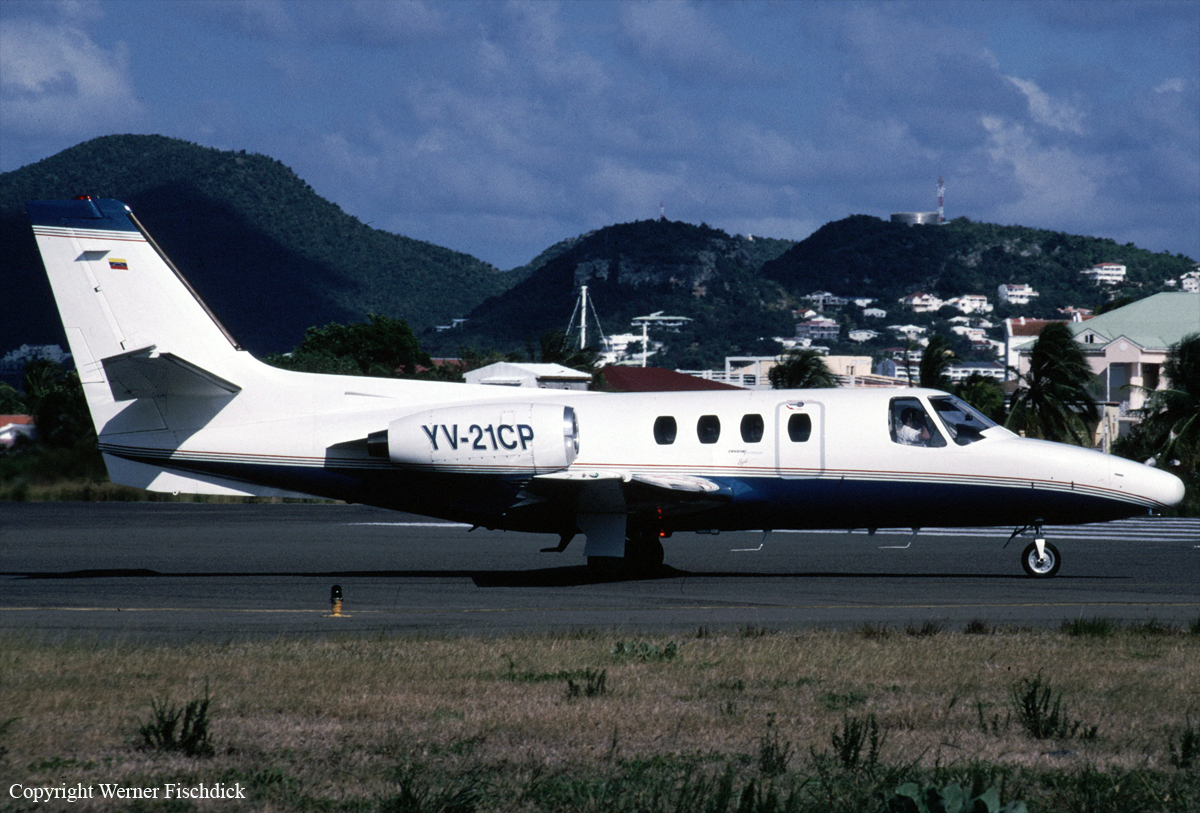
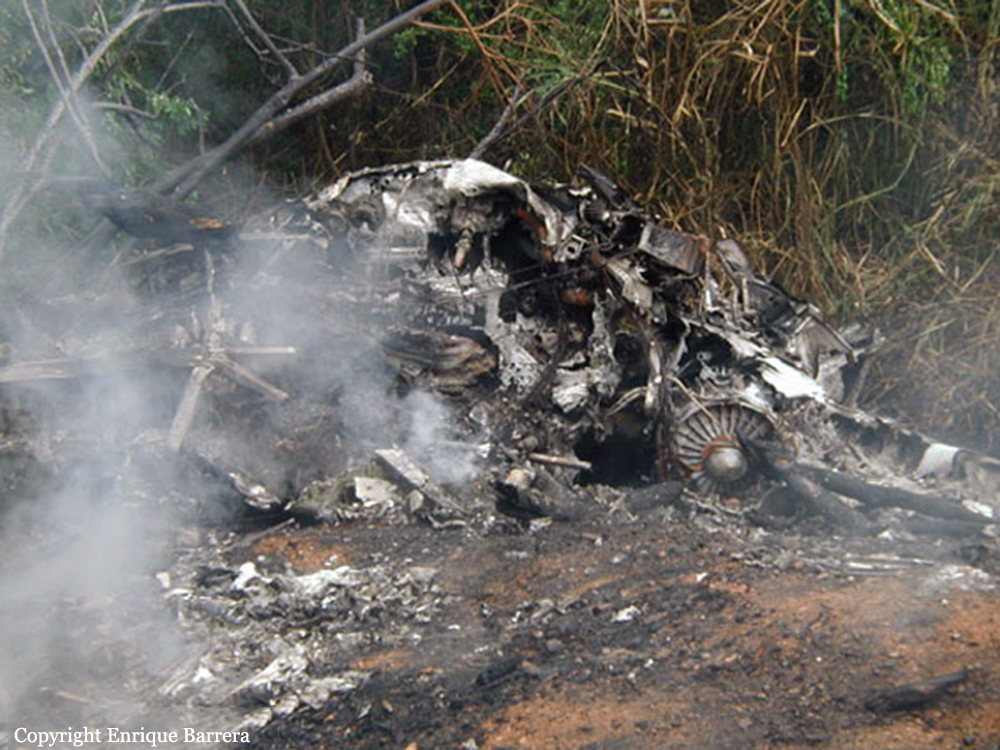
Crash of a Cessna 500 Citation I in Charallave: 2 killed

Date & Time: Mar 8, 2005 at 0923 LT
Type of aircraft:
Registration:
YV-21CP
Flight Type:
Survivors:
No
Schedule:
Maturín – Charallave
MSN:
500-0115
YOM:
1973
Country:
Crew on board:
2
Crew fatalities:
Pax on board:
0
Pax fatalities:
Other fatalities:
Total fatalities:
2
Circumstances:
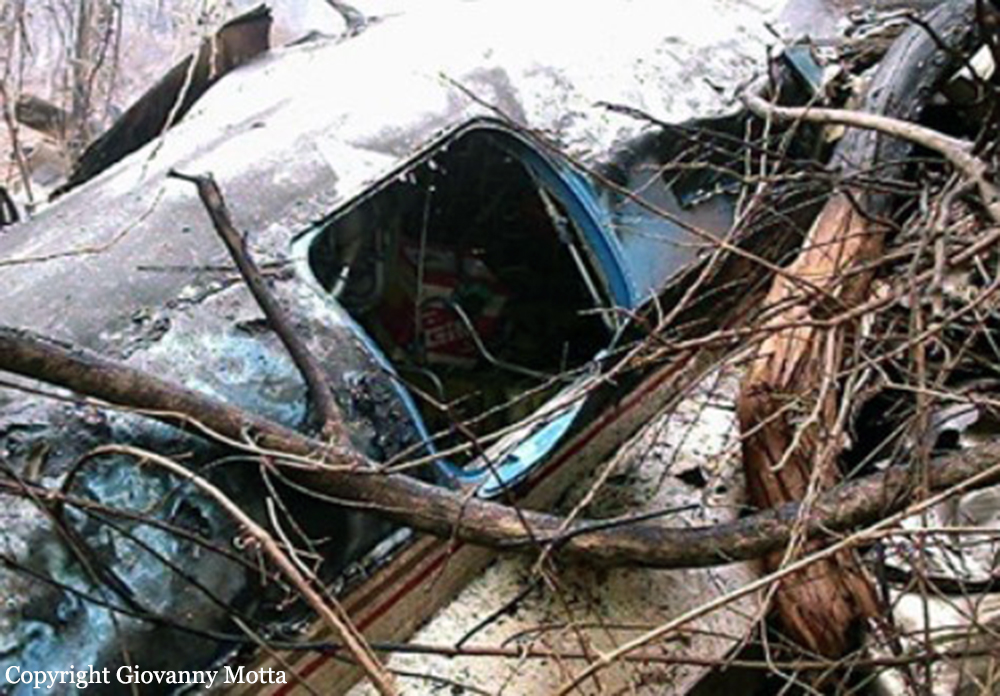
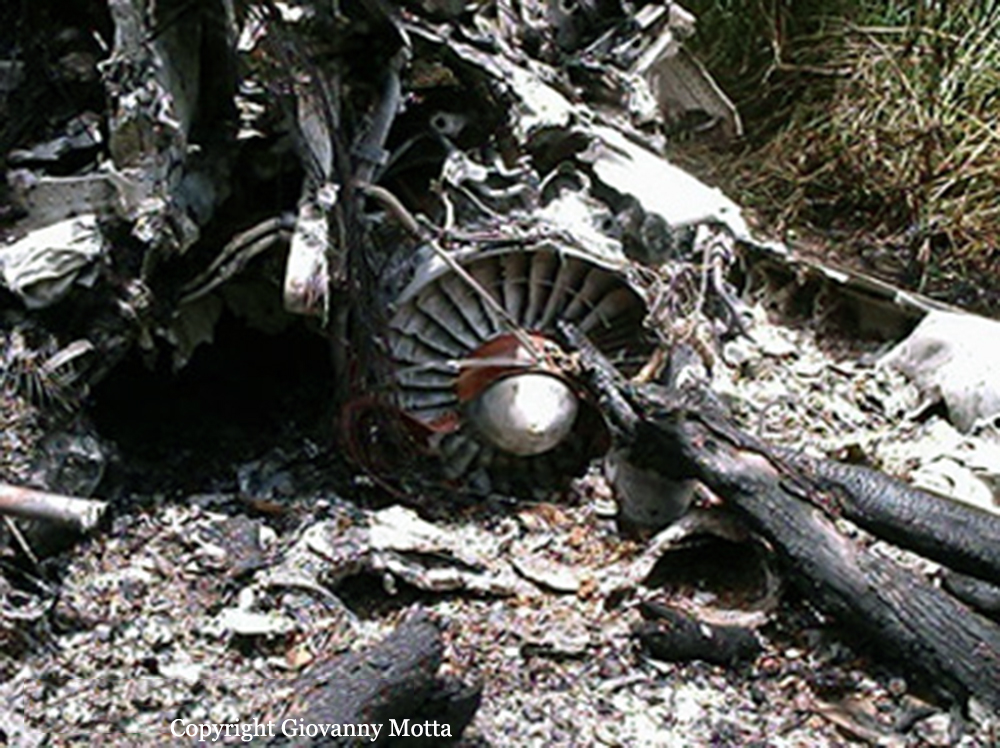
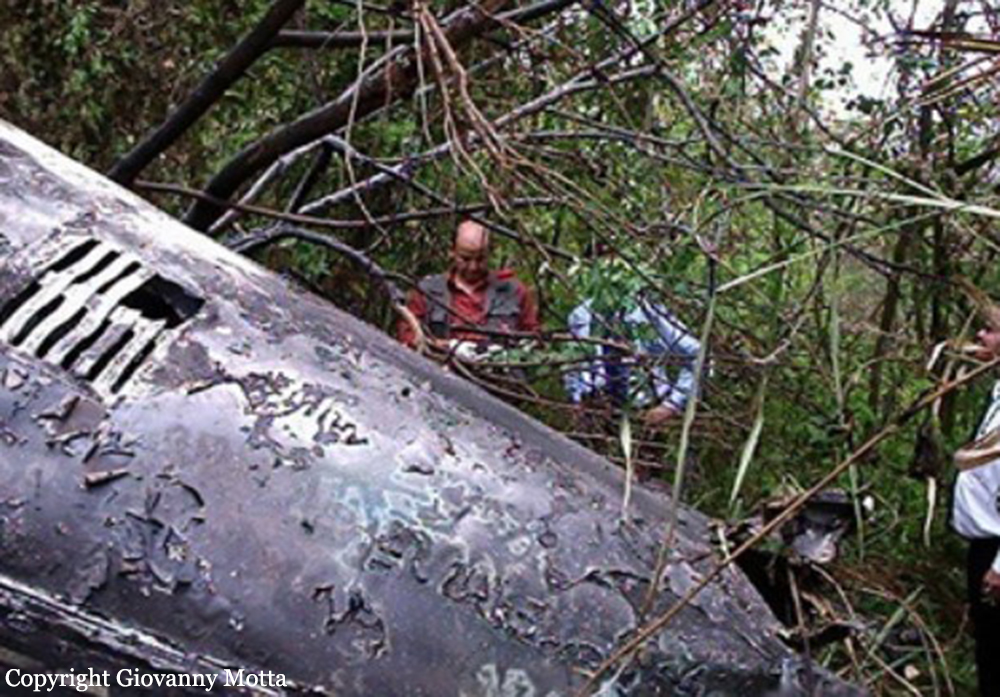
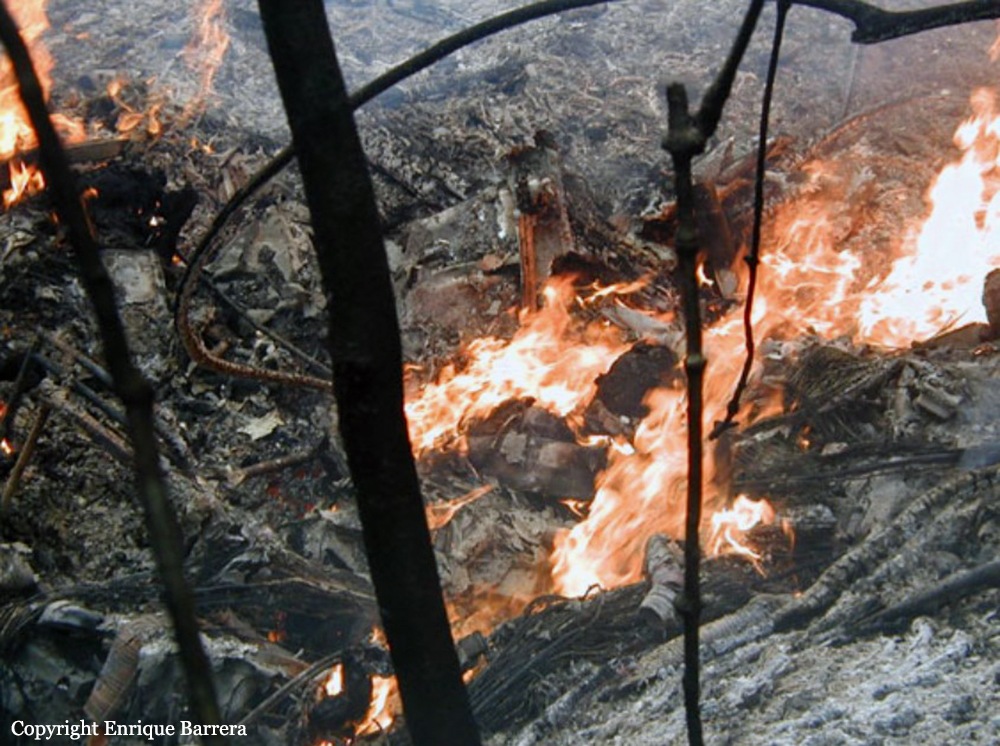
On final approach to Charallave-Óscar Machado Zuloaga Airport runway 28, the crew was unable to establish a visual contact with the runway and initiated a go-around procedure. Few minutes later, while on a second attempt to land, the aircraft broke through the cloud base at 800 feet but was not properly lined up with the runway. To avoid a collision with the tower, the crew made a turn to the right when the aircraft crashed in a wooded area, bursting into flames. Both pilots were killed.

Crash of a Cessna 500 Citation I near Cagliari: 6 killed

Date & Time: Feb 24, 2004 at 0549 LT
Type of aircraft:
Operator:
Registration:
OE-FAN
Flight Type:
Survivors:
No
Site:
Schedule:
Rome – Cagliari
MSN:
500-0289
YOM:
1976
Flight number:
CIT124
Country:
Region:
Crew on board:
3
Crew fatalities:
Pax on board:
3
Pax fatalities:
Other fatalities:
Total fatalities:
6
Captain / Total flying hours:
5472
Captain / Total hours on type:
2709.00
Copilot / Total flying hours:
2300
Copilot / Total hours on type:
1600
Aircraft flight hours:
6471
Aircraft flight cycles:
5618
Circumstances:
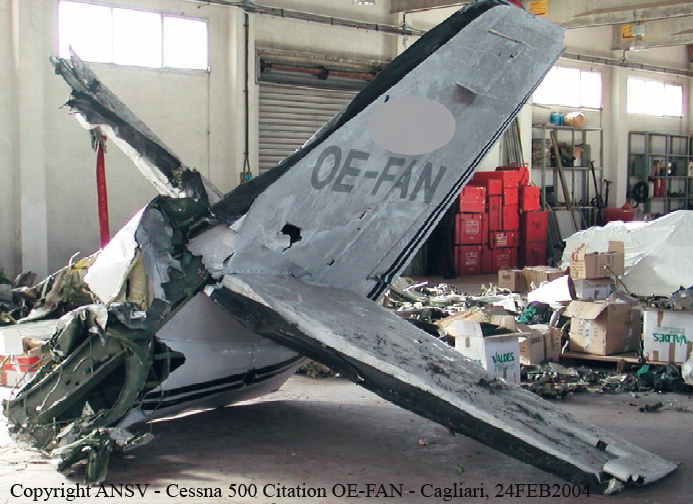
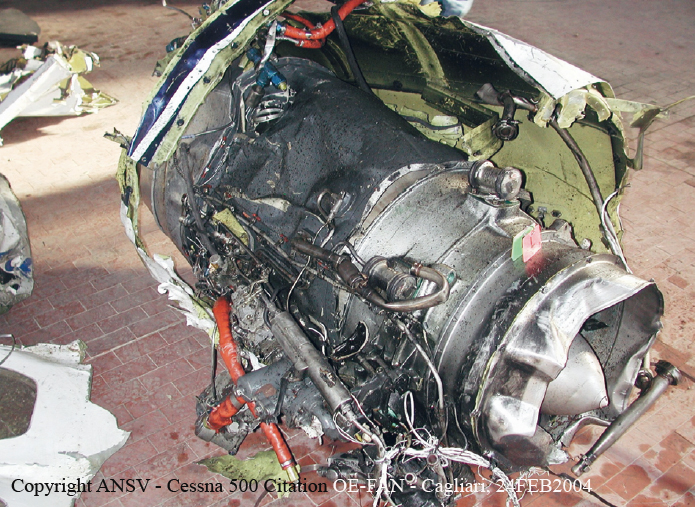
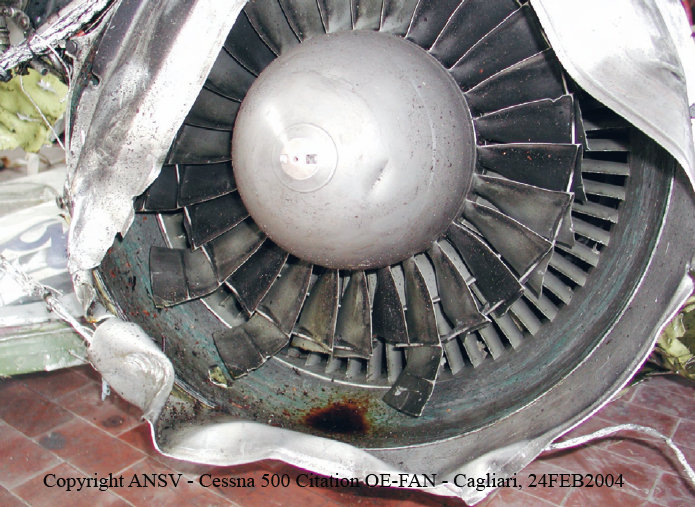
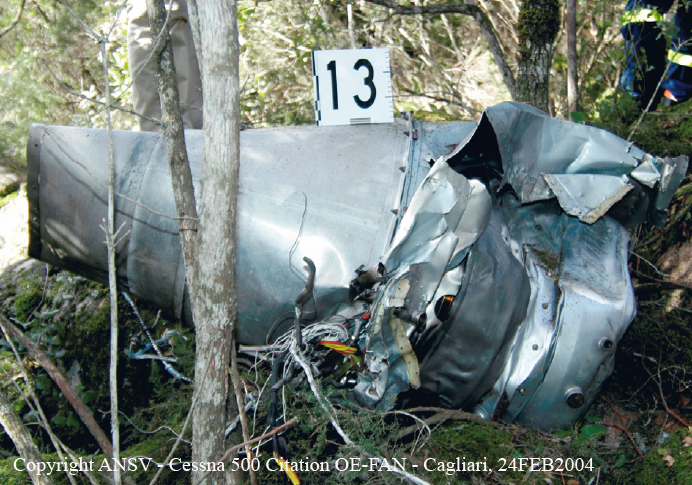
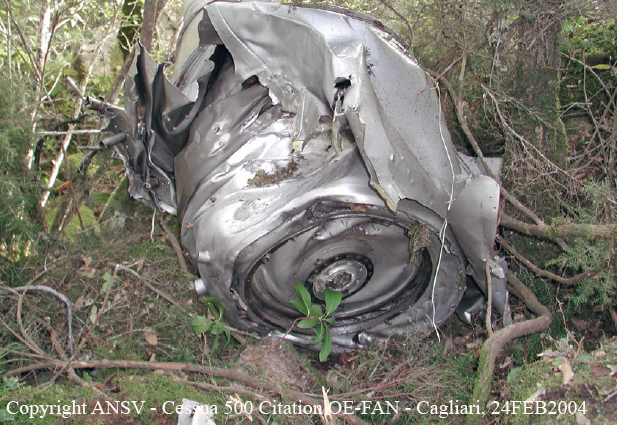
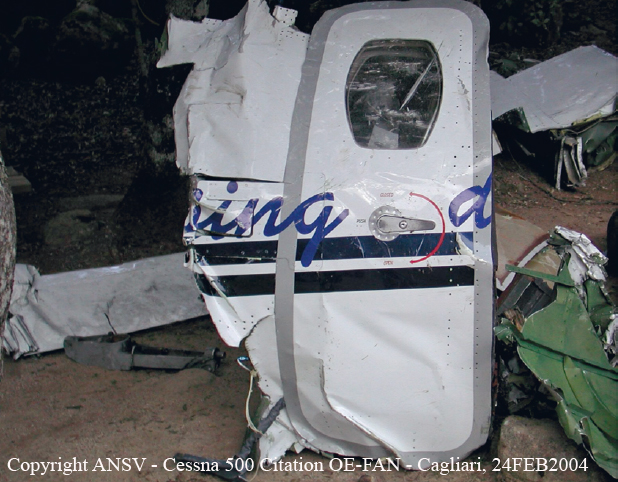
The aircraft departed Rome-Ciampino Airport on an ambulance flight to Cagliari, carrying three pilots, three doctors and a cooler containing a heart for a patient. The descent to Cagliari-Elmas Airport was initiated by night under VFR mode. After the crew was cleared to descend to 2,500 feet, ATC reported runway 32 in use and asked the crew to report on short final. About two minutes later, at an altitude of 3,333 feet, the aircraft struck the slope of Mt Su Baccu Malu located 32 km northeast of Cagliari Airport. The aircraft was totally destroyed by impact forces and all six occupants were killed.
Probable cause:
The accident, classified as CFIT, was caused by the conduct of the flight at a height significantly below the Area Minimum Altitude, insufficient to maintain the separation from the ground during a night visual approach in the absence of adequate visual reference.
possible contributory factors that have been identified:
- The aircraft instrumentation did not include a GPWS or TAWS, whose installation is not required by law;
- The erroneous descent by visual flight references, confusing the Elmas runway lights, given that the crew had no special familiarity with the area of Cagliari, the onset of a perspective illusions phenomena, with specific reference to the so-called "black hole approach";
- The misunderstanding by crew members, of the Cagliari Approach controllers instruction to transfer to Elmas TWR ('CIT 124 continue not below 2500 feet, further descent with Elmas TWR 120.6 bye') which may have created the impression, despite the crew had confirmed that they are able to separate themselves from the obstacles that the descent down was free of obstructions;
- Failure to use published procedures and available instruments in a descent to a closer airport and in an unfamiliar area , under conditions of total darkness;
- The anticipation of the deviation from the airway perhaps caused [the crew] to try to speed up the arrival at destination, which determined overflying areas of higher elevation;
- Read errors of the elevations listed in the maps consulted, facilitated by the non representation of the ground color;
- The extended period of wakefulness without adequate rest, which may have contributed to a reduction in the performance of the crew.
Final Report:

Crash of a Cessna 500 Citation I/SP in Zurich

Date & Time: Apr 7, 2003 at 1212 LT
Type of aircraft:
Operator:
Registration:
EC-HFA
Flight Type:
Survivors:
Yes
Schedule:
Barcelona - Zurich
MSN:
500-0209
YOM:
1974
Country:
Region:
Crew on board:
1
Crew fatalities:
Pax on board:
2
Pax fatalities:
Other fatalities:
Total fatalities:
0
Captain / Total flying hours:
2000
Captain / Total hours on type:
111.00
Aircraft flight hours:
13309
Aircraft flight cycles:
14054
Circumstances:
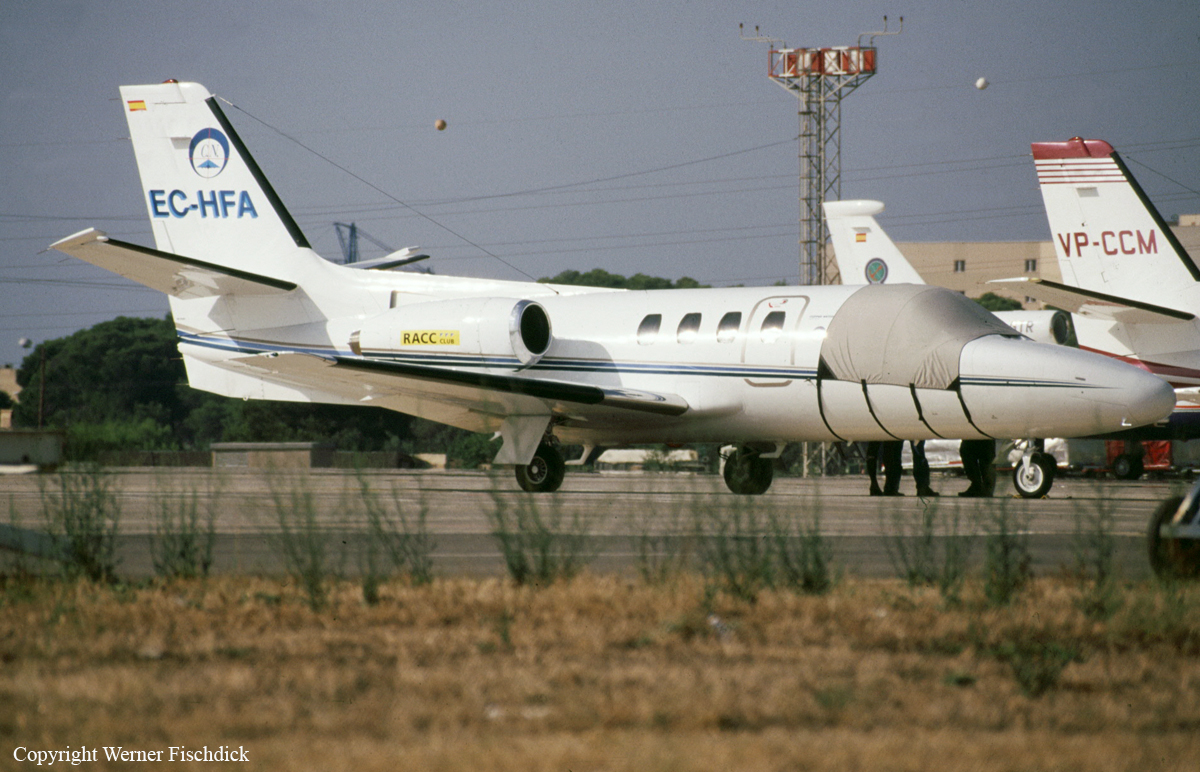
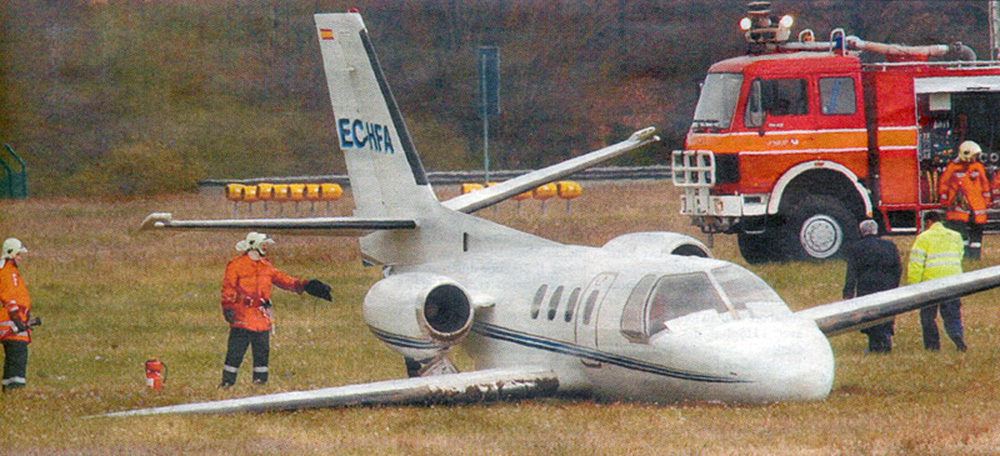
The aircraft took off at 1000LT from Barcelona (LEBL) on a private flight to Zurich (LSZH). The flight took place under instrument flight rules. Using radar vectors, EC-HFA was cleared at 1205 LT for an approach on the runway 14 instrument landing system (ILS). In the final approach phase, the aircraft entered a snow shower. The aircraft touched down on the grass about 700 metres before the runway threshold and skidded in a wide right turn in the direction of the threshold of runway 16. The aircraft was badly damaged. The three occupants were unharmed.
Probable cause:
The accident is attributable to the fact that the pilot, with insufficient visual references, continued his final approach below the minimum and the aircraft collided with the ground approximately 700 metres before the threshold of runway 14.
The following factors contributed to the accident:
• unsatisfactory flying qualification on the aircraft type involved in the accident.
• distraction by the passenger during the entire approach and at the decision height.
Final Report:

Crash of a Cessna 500 Citation I in Marília

Date & Time: Dec 1, 2002 at 2310 LT
Type of aircraft:
Registration:
PT-LIY
Survivors:
Yes
Schedule:
Goiânia – Marília
MSN:
500-0219
YOM:
1975
Country:
Crew on board:
2
Crew fatalities:
Pax on board:
5
Pax fatalities:
Other fatalities:
Total fatalities:
0
Captain / Total flying hours:
2200
Captain / Total hours on type:
1200.00
Copilot / Total flying hours:
1300
Copilot / Total hours on type:
200
Circumstances:
Following an uneventful flight from Goiânia-Santa Genoveva Airport, the crew started the descent to Marília Airport by night. Poor weather conditions at destination forced the crew to make a direct approach to runway 03. After landing, the aircraft was unable to stop within the remaining distance, overran, lost its undercarriage and came to rest in bushes 143 metres past the runway end. All seven occupants were rescued, among them four were injured. The aircraft was damaged beyond repair.
Probable cause:
Poor approach configuration on part of the crew who landed the aircraft 750 metres past the runway threshold, reducing the landing distance available. The following contributing factors were identified:
- The crew completed an unstabilized approach,
- Poor approach planning,
- Limited visibility due to the night and poor weather conditions,
- The braking action was low because the runway surface was wet,
- The crew failed to initiate a go-around procedure.
Final Report: