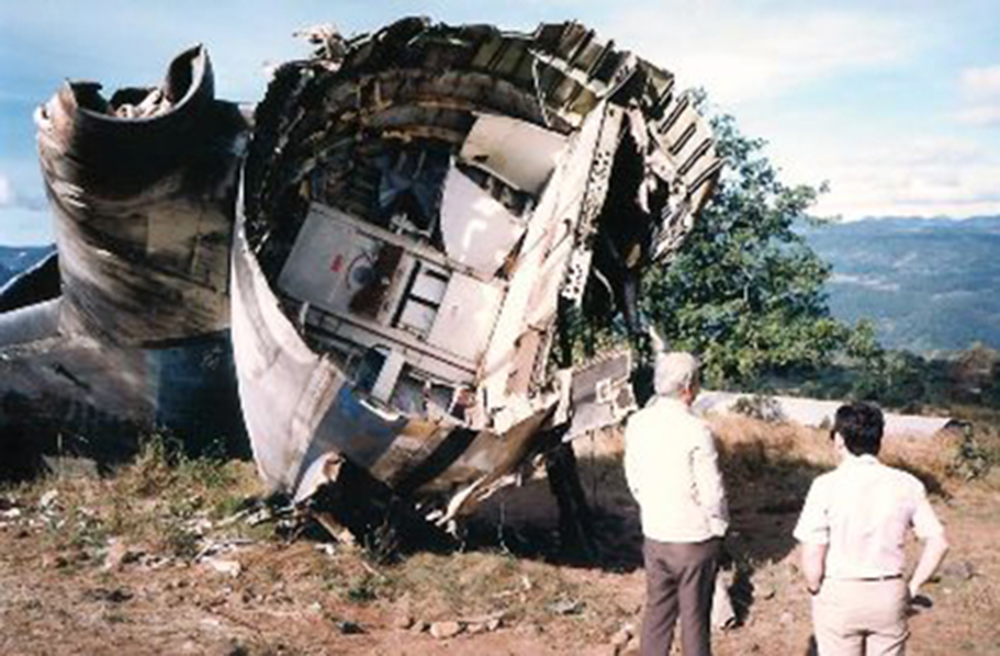
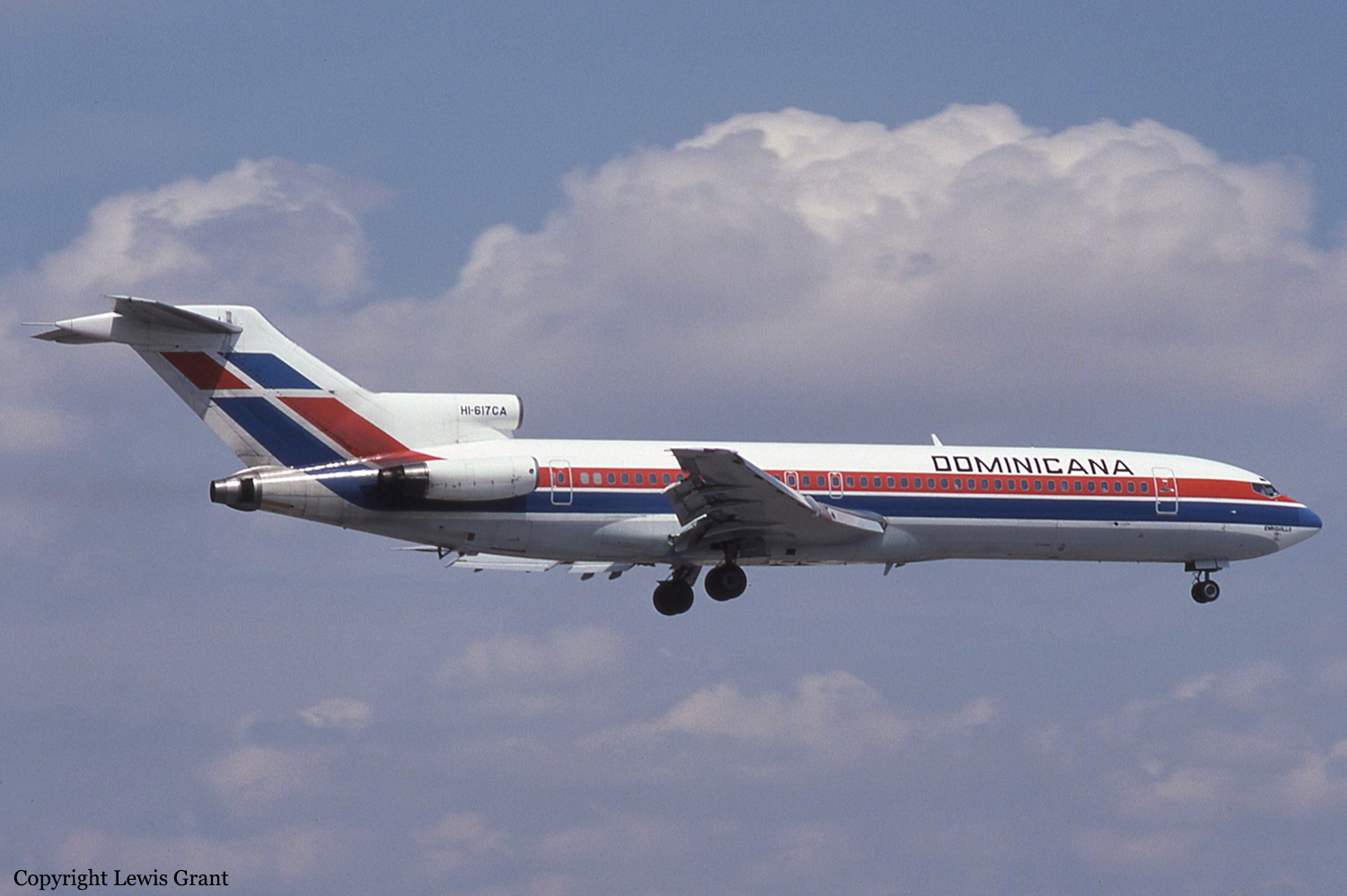
Ground fire of a Boeing 727-281 in Santo Domingo

Date & Time: Sep 5, 1993
Type of aircraft:
Operator:
Registration:
HI-617CA
Survivors:
Yes
Schedule:
San Juan - Santo Domingo
MSN:
20726
YOM:
1973
Crew on board:
7
Crew fatalities:
Pax on board:
98
Pax fatalities:
Other fatalities:
Total fatalities:
0
Circumstances:
Twenty minutes after takeoff from San Juan-Luis Muñoz Marin Airport, while in cruising altitude, a steward noticed smoke in the lavatory and informed the crew accordingly. In the meantime, the crew noticed a fire alarm in the cockpit, declared an emergency and became number one for landing at Santo Domingo-Las Américas Airport. Following a normal approach and landing, the crew vacated the runway and parked the aircraft at gate A6. While the passengers was disemmarking, smoke spread in the cabin and fire erupted, destroying the airplane.
Probable cause:
It was determined that a fire broke out in the rear lavatory after an engine used to drain the toilet overheated.

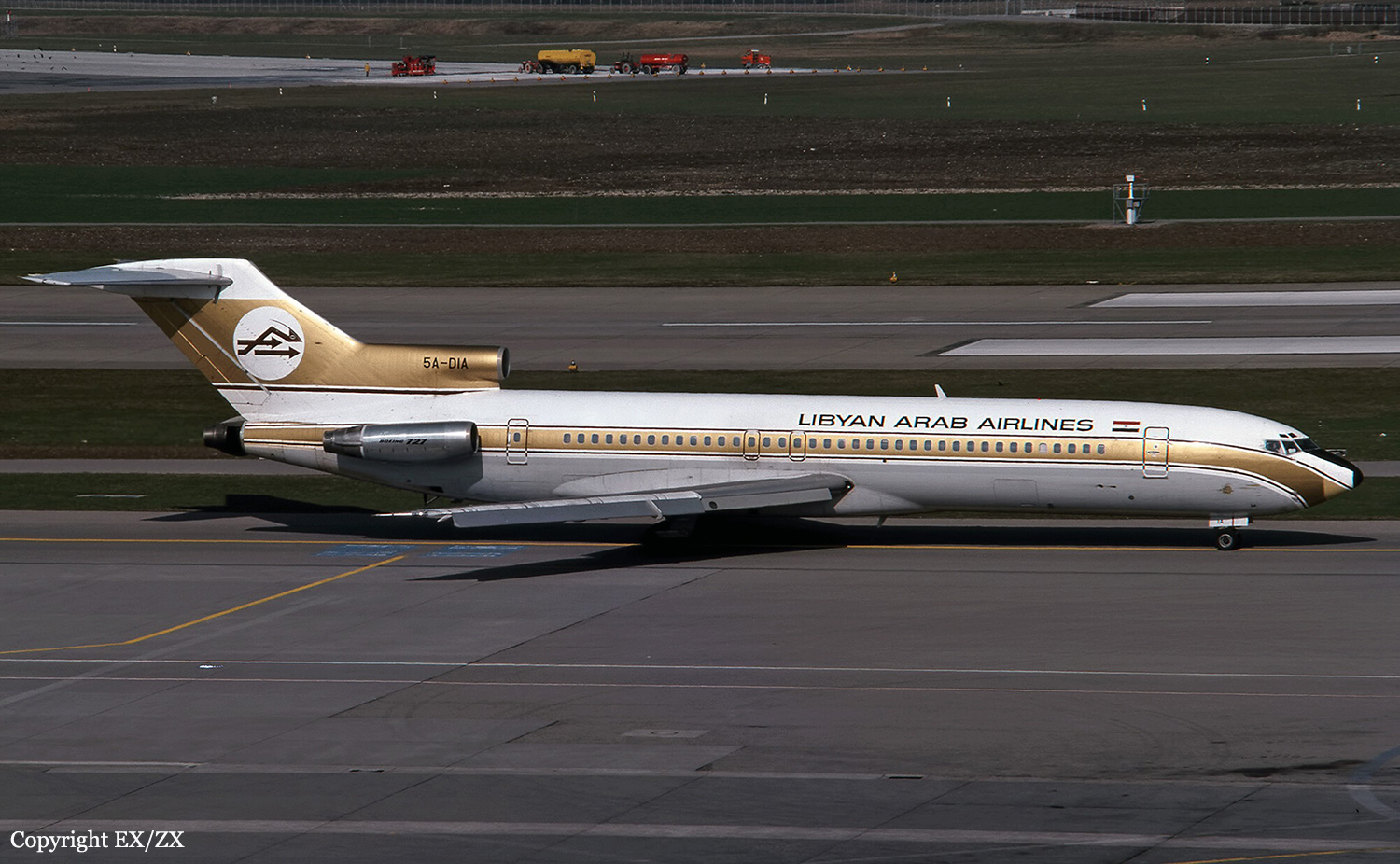
Crash of a Boeing 727-2L5 in Tripoli: 157 killed

Date & Time: Dec 22, 1992 at 0807 LT
Type of aircraft:
Operator:
Registration:
5A-DIA
Survivors:
No
Schedule:
Benghazi - Tripoli
MSN:
21050
YOM:
1975
Flight number:
LN1103
Country:
Region:
Crew on board:
10
Crew fatalities:
Pax on board:
147
Pax fatalities:
Other fatalities:
Total fatalities:
157
Circumstances:
Following an uneventful flight from Benghazi, the crew was cleared to start the descent to Tripoli Airport. Due to military traffic, the crew was instructed to hold over the Papa Echo beacon located 4,1 DME from runway 27 threshold. At an altitude of 3,000 feet, the Boeing 727 collided with a Libyan Air Force MiG-23 that just took off from Tripoli Airport. The fighter struck the tail of the Boeing that entered a dive and crashed 9 km from the airport after the tail separated. All 157 occupants were killed while both pilots on board the fighter ejected safely.
Final Report:

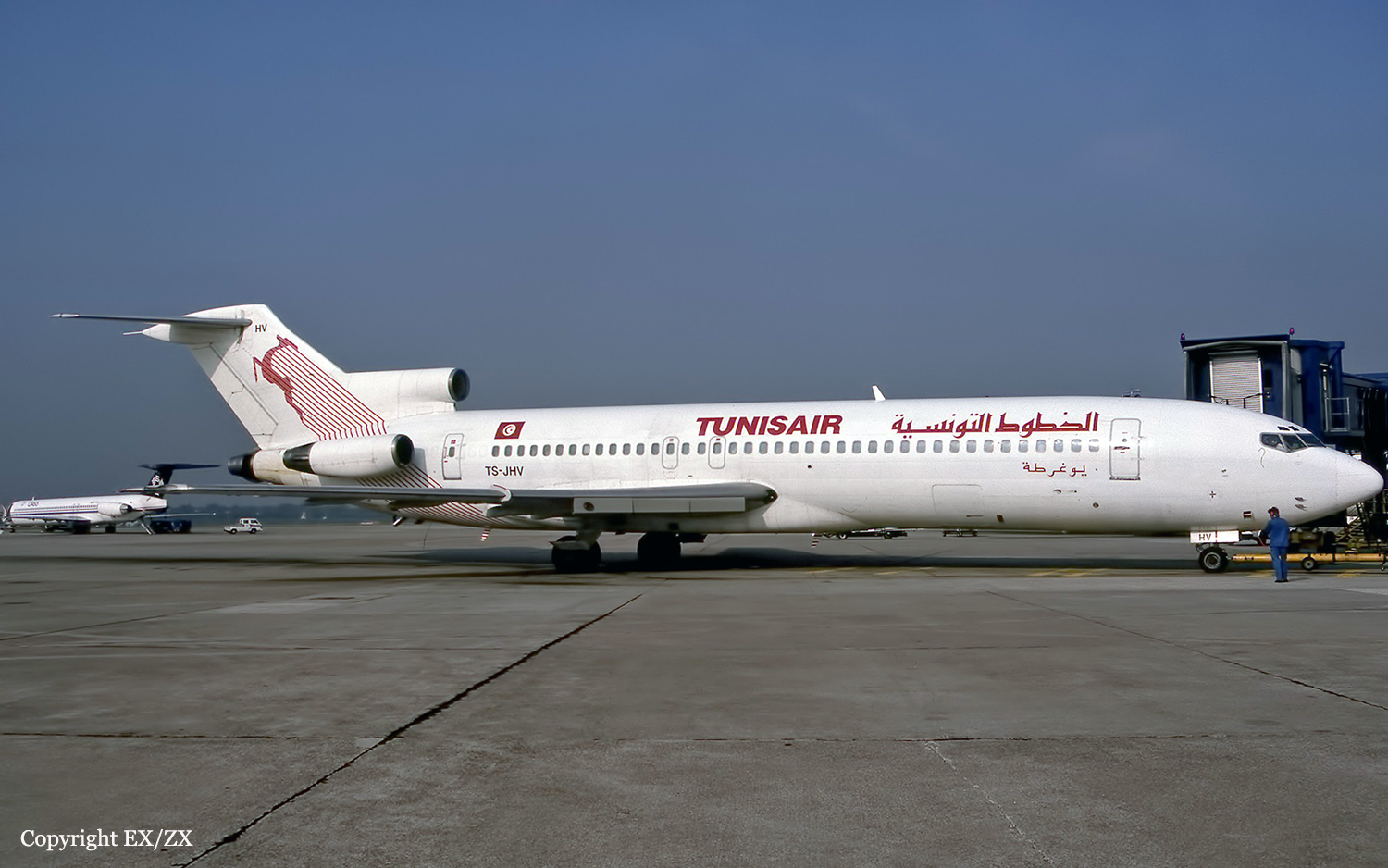
Crash of a Boeing 727-2H3 in Tunis

Date & Time: Feb 11, 1992
Type of aircraft:
Operator:
Registration:
TS-JHV
Flight Phase:
Flight Type:
Survivors:
Yes
MSN:
21319/1269
YOM:
1977
Country:
Region:
Crew on board:
0
Crew fatalities:
Pax on board:
0
Pax fatalities:
Other fatalities:
Total fatalities:
0
Circumstances:
While parked at Tunis-Carthage Airport for maintenance, the aircraft was under control of engineers/mechanics. When the engines were started for an engine run-up and power increased to 80%, the aircraft ran over its blocks and collided with an hangar. There were no injuries while the aircraft was damaged beyond repair.
Probable cause:
It was determined that the maintenance crew forgot to set the parking brakes prior to run the engines.

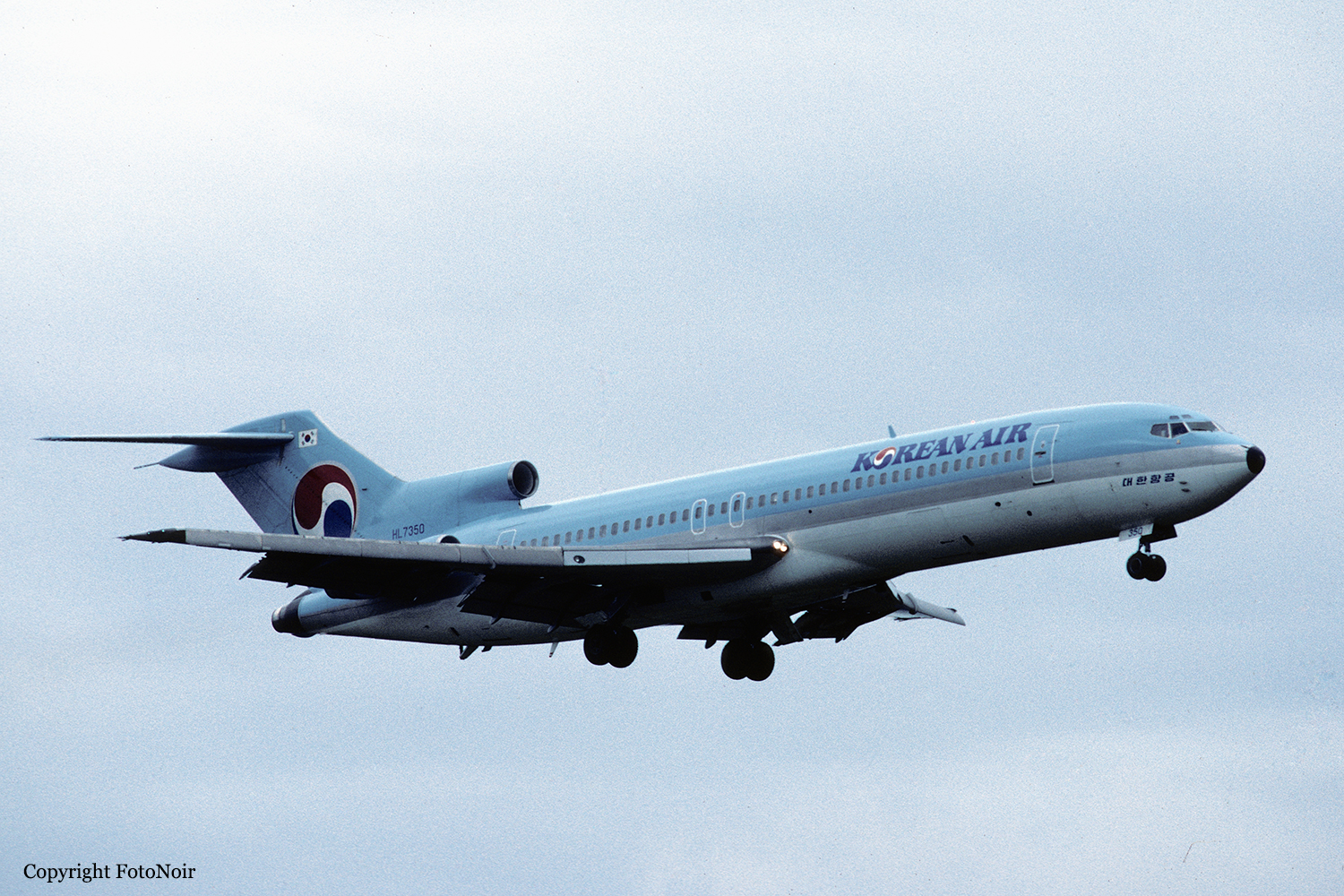
Crash of a Boeing 727-281 in Daegu

Date & Time: Jun 13, 1991 at 1841 LT
Type of aircraft:
Operator:
Registration:
HL7350
Survivors:
Yes
Schedule:
Jeju - Daegu
MSN:
20469
YOM:
1970
Country:
Region:
Crew on board:
7
Crew fatalities:
Pax on board:
120
Pax fatalities:
Other fatalities:
Total fatalities:
0
Circumstances:
On final approach to Daegu Airport, the crew failed to follow the approach checklist and did not select gear down. An alarm sounded in the cockpit but the crew thought this was an error and pulled out the circuit breaker so the alarm stopped. Despite the situation, the crew failed to double check the three landing gear lights that remained red and continued the approach when the aircraft landed on its belly before coming to rest. All 127 occupants were evacuated, among them 7 passengers were slightly injured. The aircraft was damaged beyond repair.
Probable cause:
Belly landing after the crew failed to follow the approach checklist and forgot to select gear down.

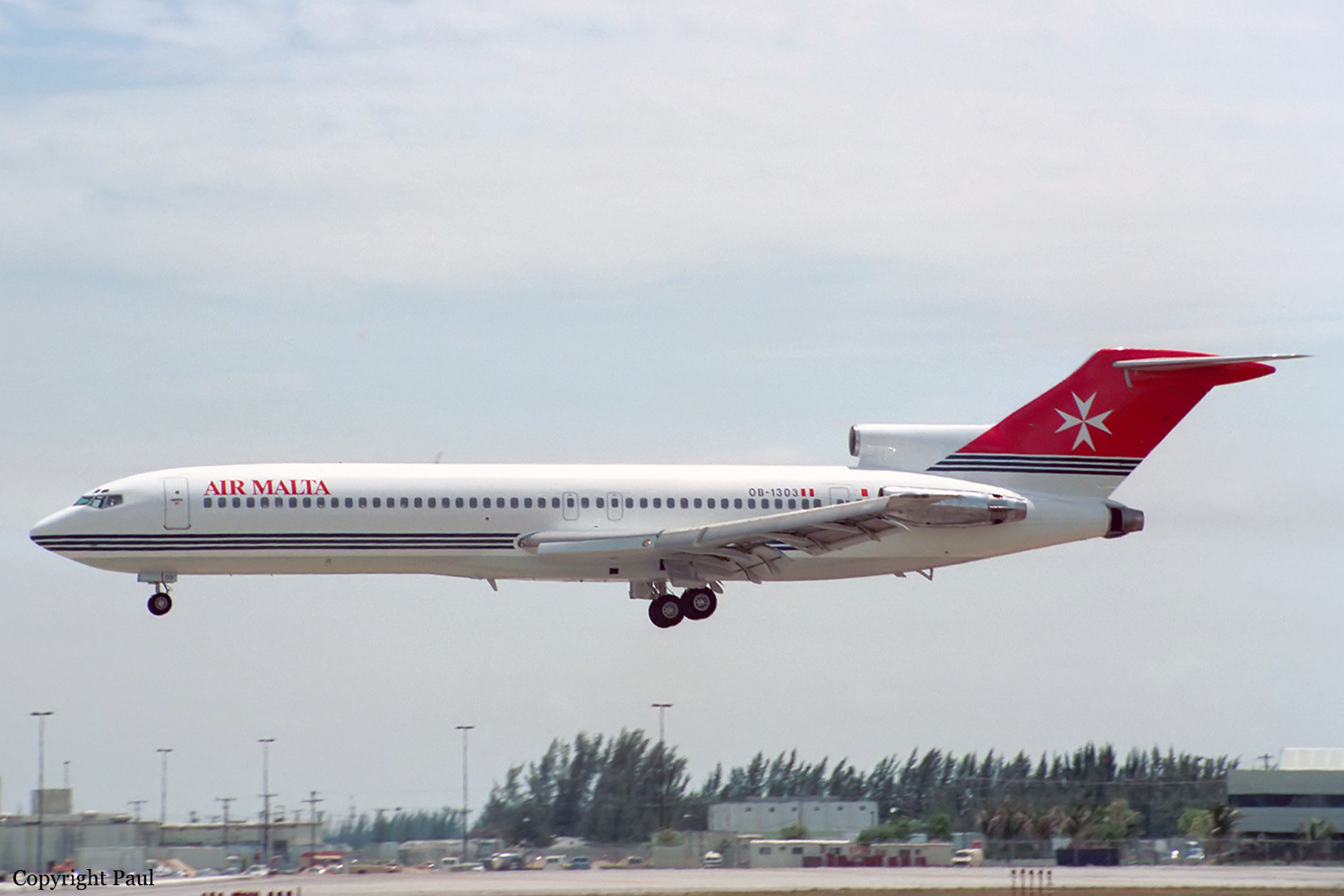
Crash of a Boeing 727-247 in the Atlantic Ocean: 16 killed

Date & Time: Sep 11, 1990 at 1530 LT
Type of aircraft:
Operator:
Registration:
OB-1303
Flight Phase:
Flight Type:
Survivors:
No
Schedule:
Valetta – London – Reykjavik – Gander – Miami – Lima
MSN:
20266
YOM:
1969
Country:
Region:
Crew on board:
6
Crew fatalities:
Pax on board:
10
Pax fatalities:
Other fatalities:
Total fatalities:
16
Circumstances:
After being leased to Air Malta for few months, the aircraft was repatriated to Peru via London, Reykjavik, Gander and Miami. On the leg from Reykjavik to Gander, while at cruising altitude, the crew declared an emergency and elected to ditch the aircraft when contact was lost. Apparently, the aircraft crashed in the Atlantic Ocean about 290 km southeast from the Newfoundland coast. SAR operations were initiated but eventually abandoned few days later as no trace of the aircraft was found.
Probable cause:
Due to lack of evidences, the exact cause of the accident could not be determined. However, it is believed that the crew reported a low fuel warning.

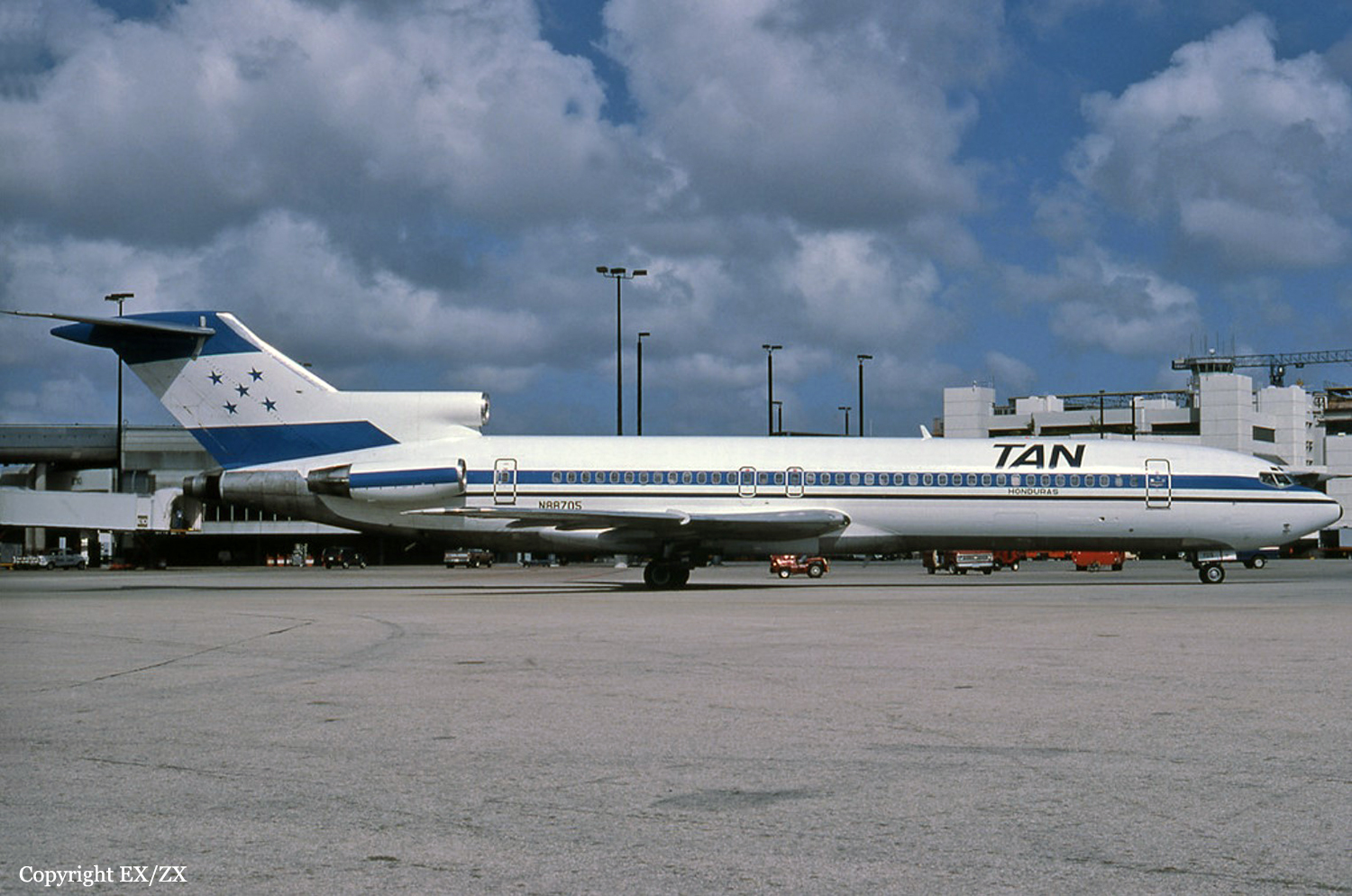
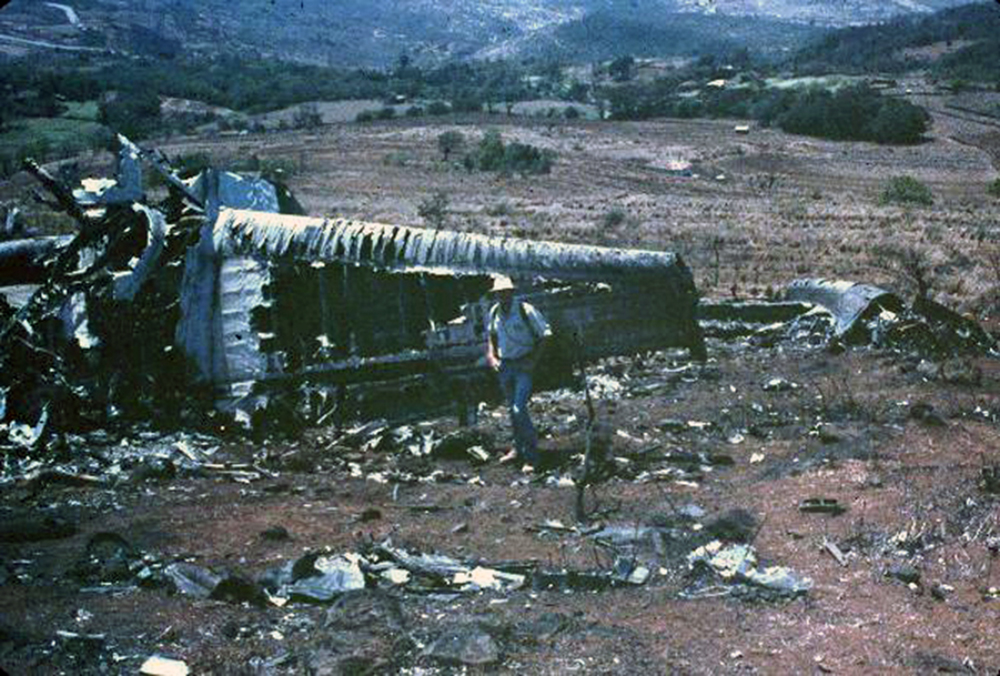
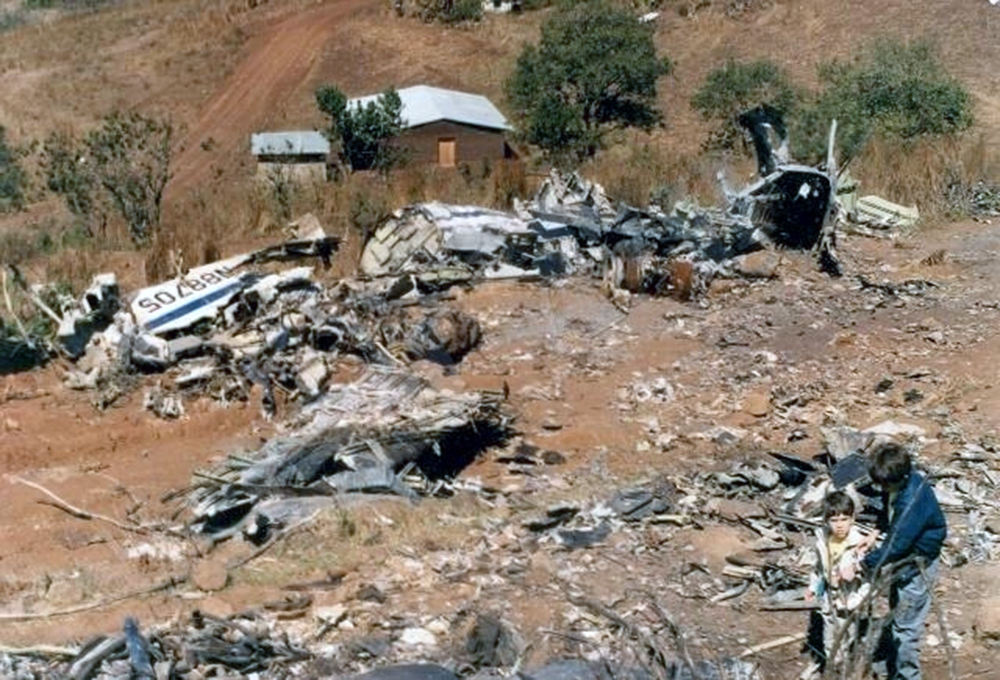
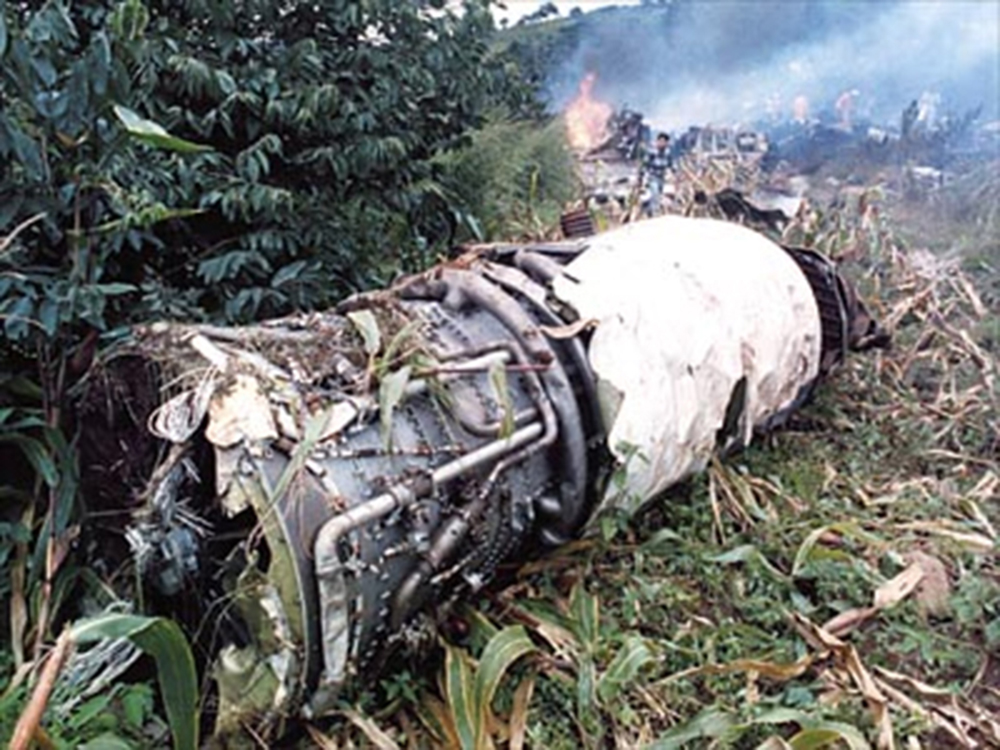
Crash of a Boeing 727-200 in Tegucigalpa: 127 killed

Date & Time: Oct 21, 1989 at 0753 LT
Type of aircraft:
Operator:
Registration:
N88705
Survivors:
Yes
Schedule:
San José - Managua - Tegucigalpa - Houston
MSN:
19514
YOM:
1968
Flight number:
SH414
Country:
Crew on board:
8
Crew fatalities:
Pax on board:
138
Pax fatalities:
Other fatalities:
Total fatalities:
131
Circumstances:
Following an uneventful flight from Managua, the crew started a night descent to Tegucigalpa-Toncontin Airport. The standard approach to runway 01 consisted of a three-steps descent from the initial approach fix altitude of 7,500 feet. For unknown reasons, the crew failed to follow this procedure and started the descent prematurely and with a constant descent profile from a distance of 11 nm from the airport. This caused the aircraft to descend below the glide when, at an altitude of 4,000 feet, it struck the slope of Cerro de Hula (4,800 feet high) located 7,7 km short of runway 01. The aircraft disintegrated on impact and 15 people, including four crew members, were rescued while 131 other occupants were killed.
Probable cause:
It was determined that the crew failed to follow the approach procedures and initiated a premature descent, causing the aircraft to follow a wrong approach profile.
The following contributing factors were reported:
- The crew experience was insufficient,
- Negligences on part of the crew,
- Poor crew coordination,
- The crew failed to take appropriate actions when the GPWS alarm sounded,
- Lack of visibility caused by night and marginal weather conditions,
- Absence of visual reference points on the ground.