Crash of a Honda HA-420 HondaJet in Houston

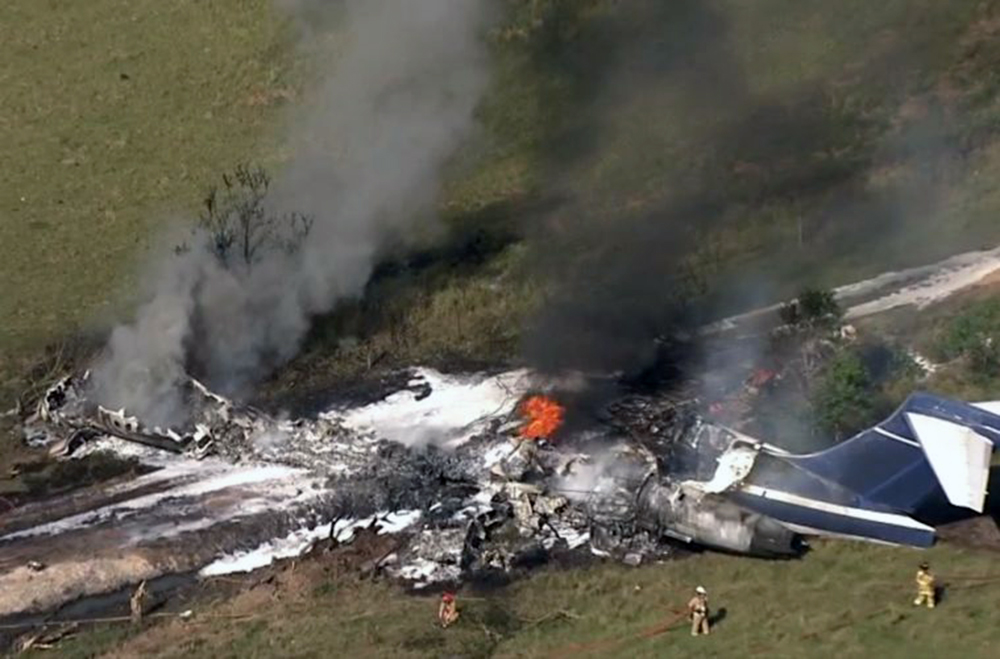
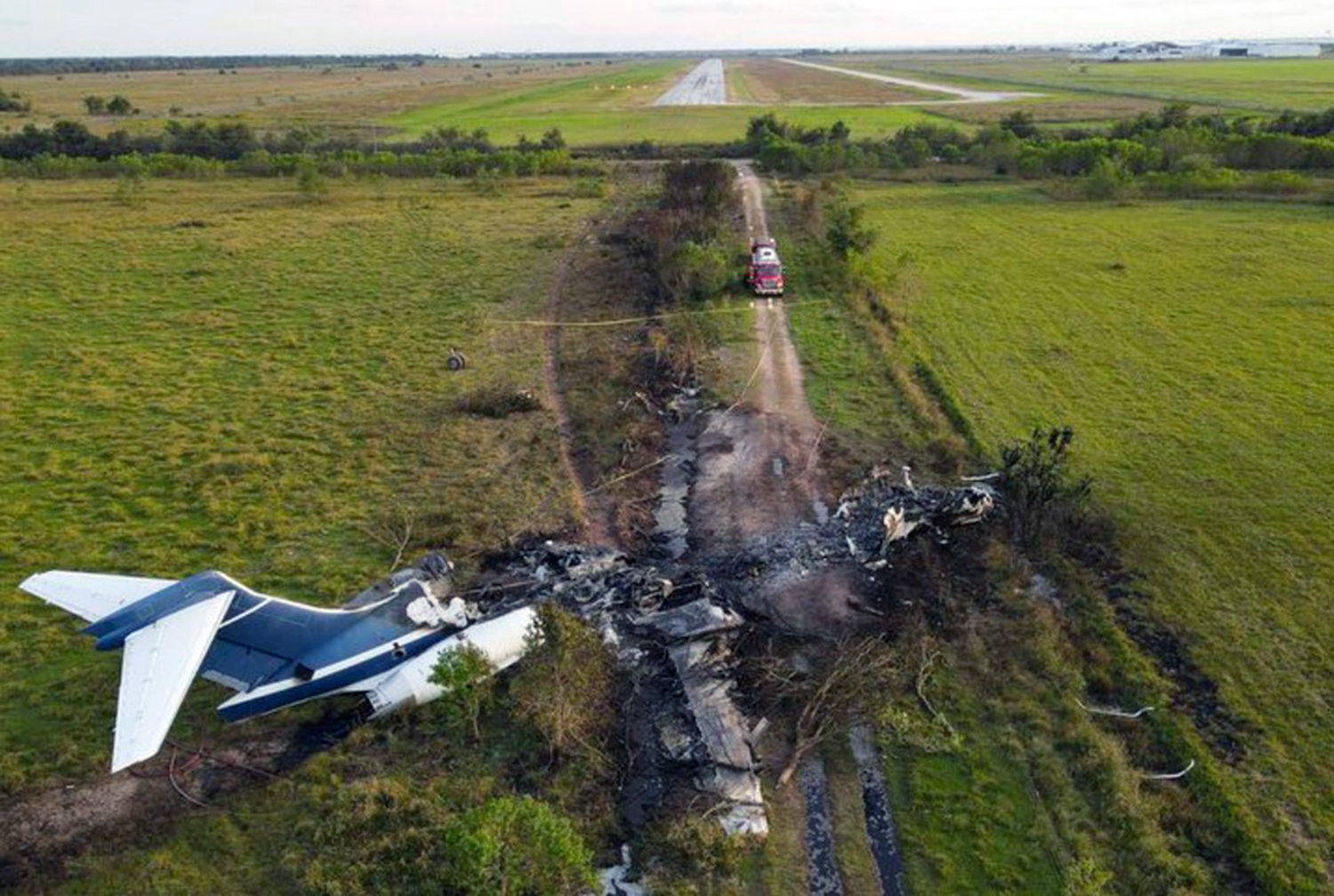
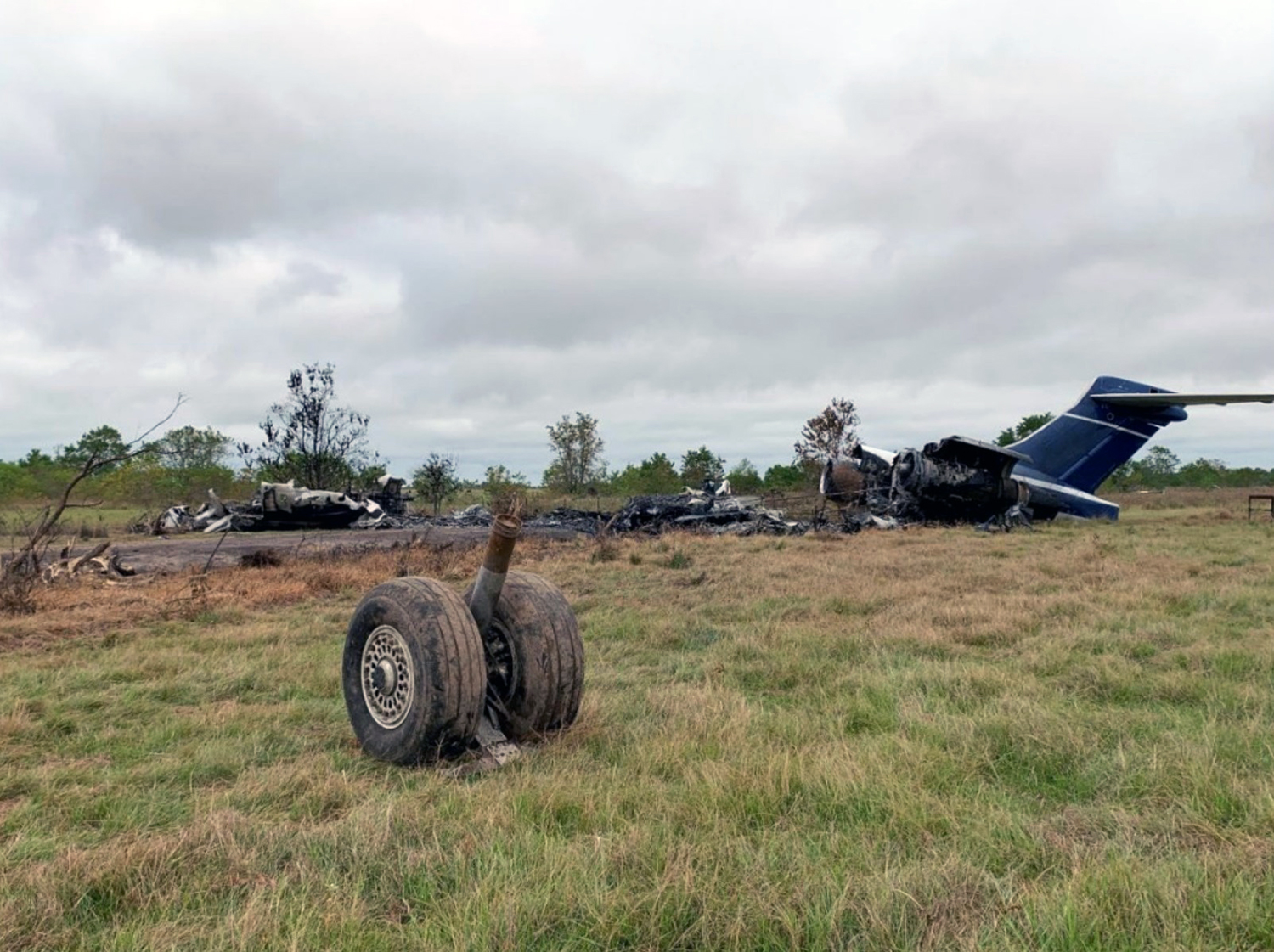
Date & Time: Feb 17, 2023 at 1116 LT
Type of aircraft:
Operator:
Registration:
N14QB
Flight Type:
Survivors:
Yes
Schedule:
Miami – Houston
MSN:
420-00107
YOM:
2018
Crew on board:
1
Crew fatalities:
Pax on board:
5
Pax fatalities:
Other fatalities:
Total fatalities:
0
Captain / Total flying hours:
1134
Captain / Total hours on type:
287.00
Aircraft flight hours:
644
Circumstances:
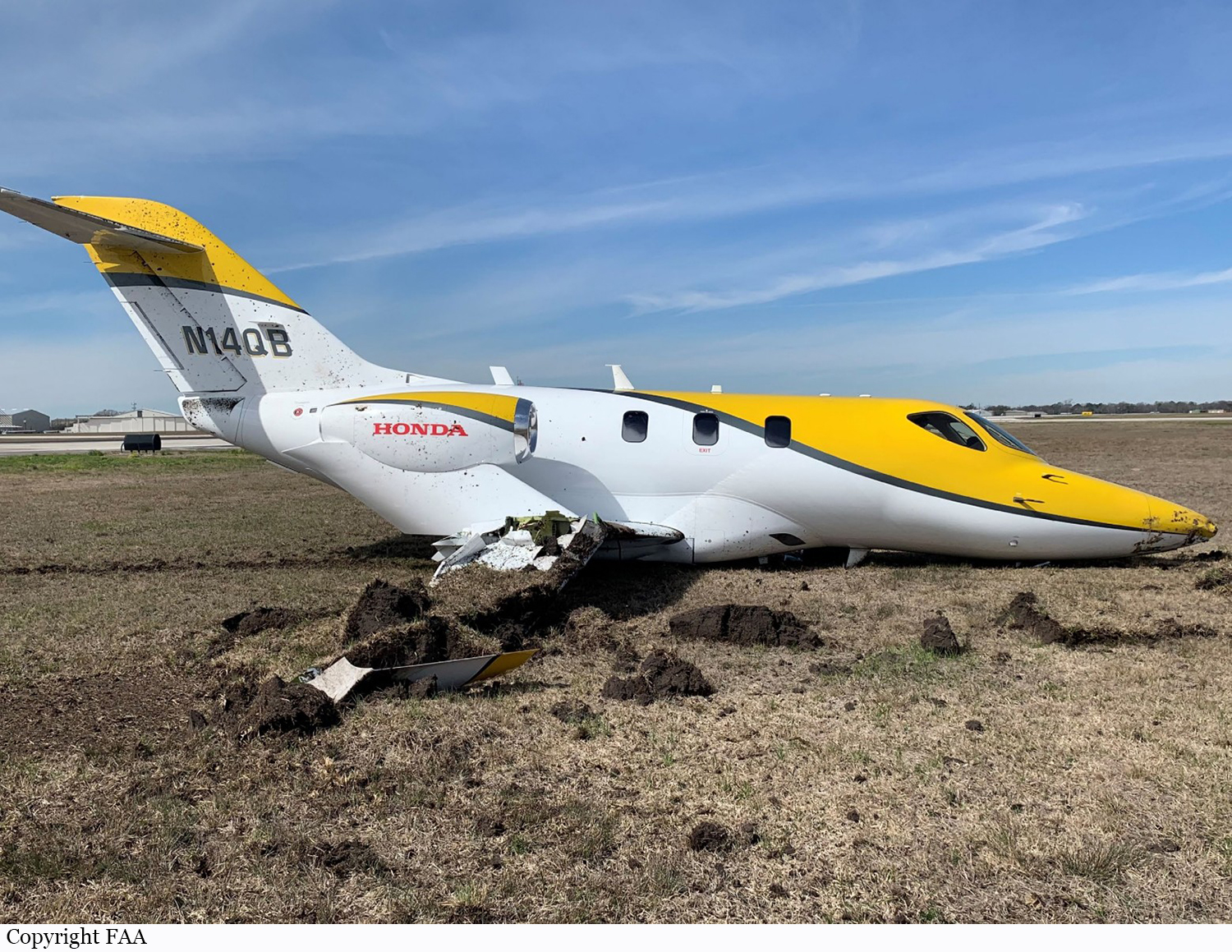
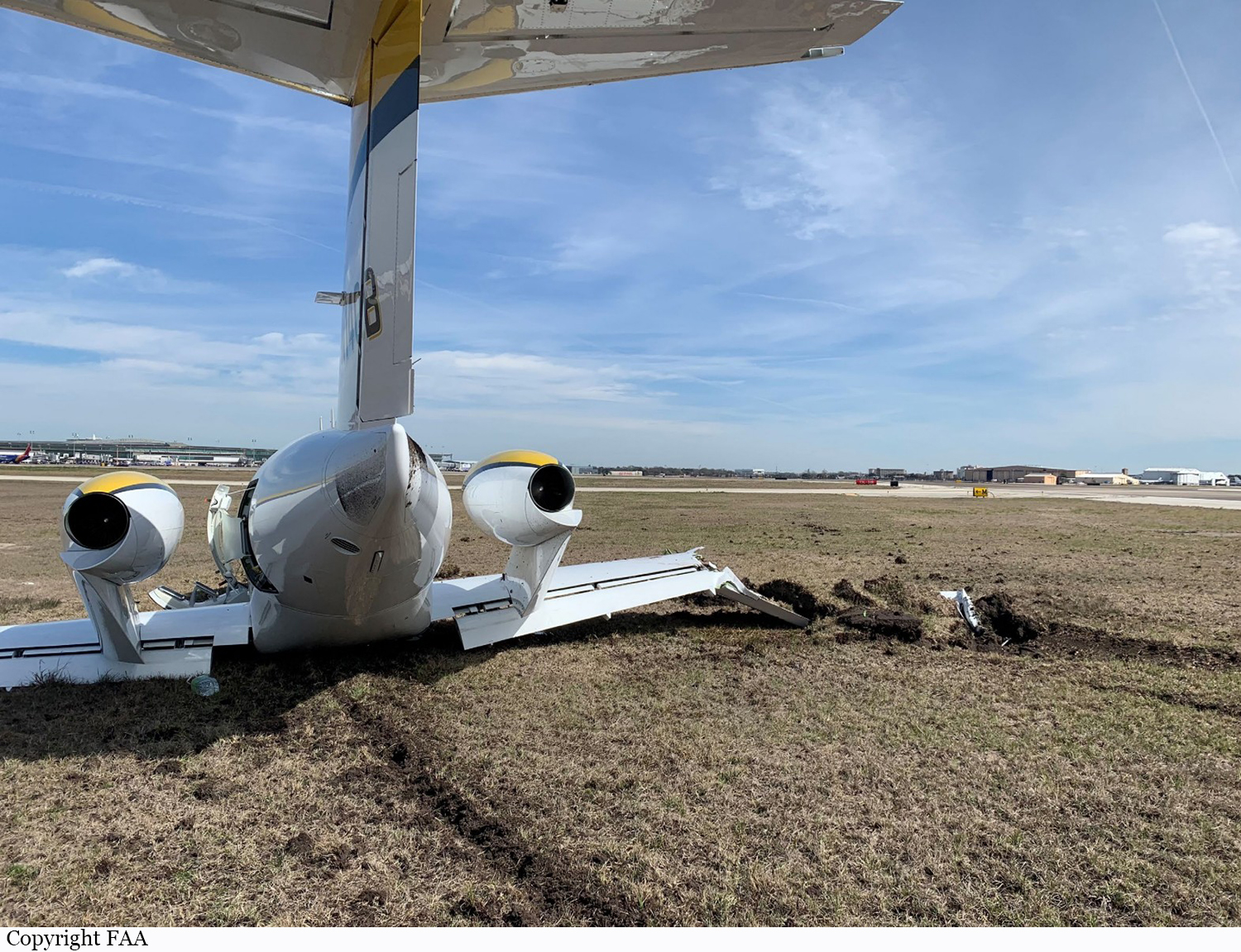
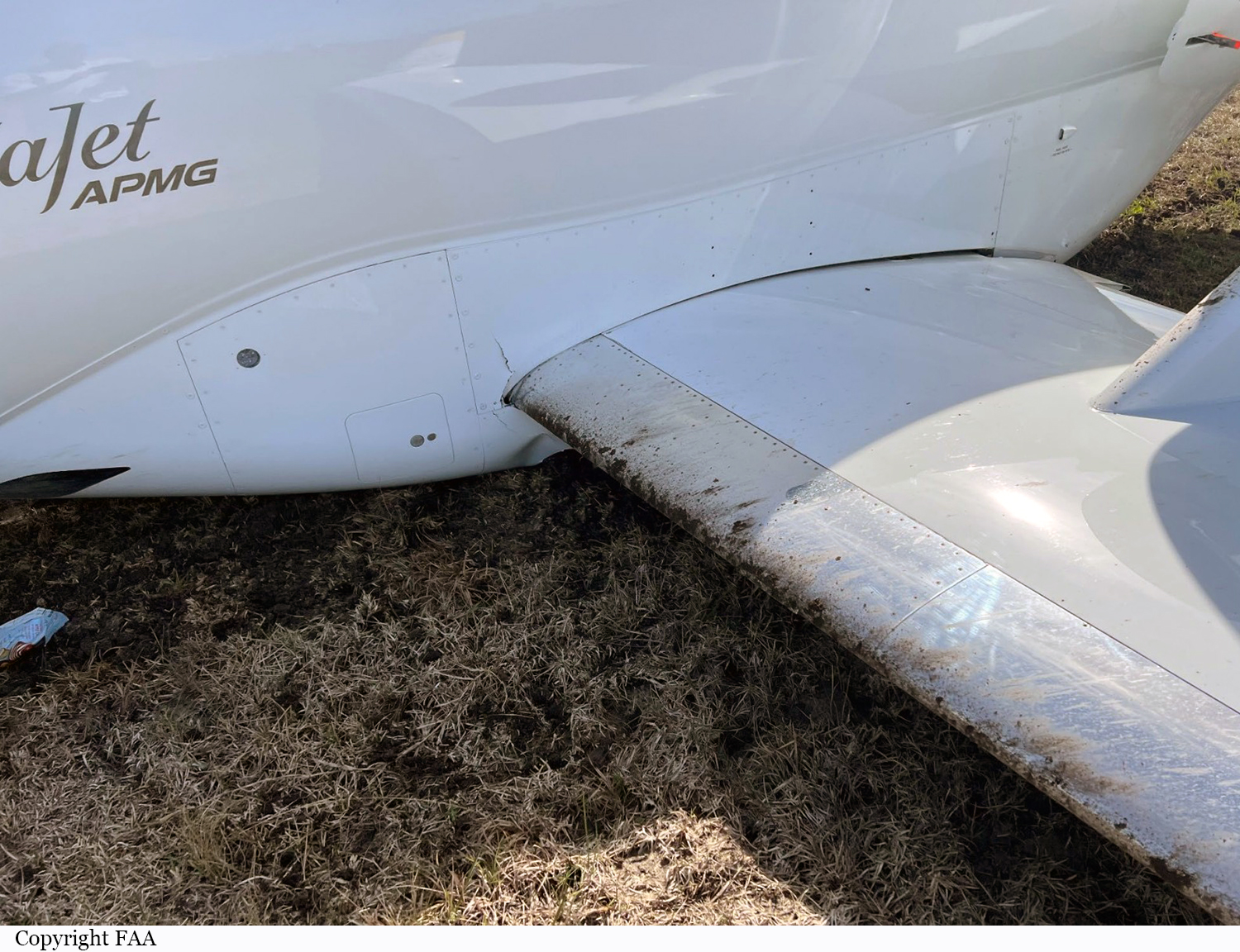
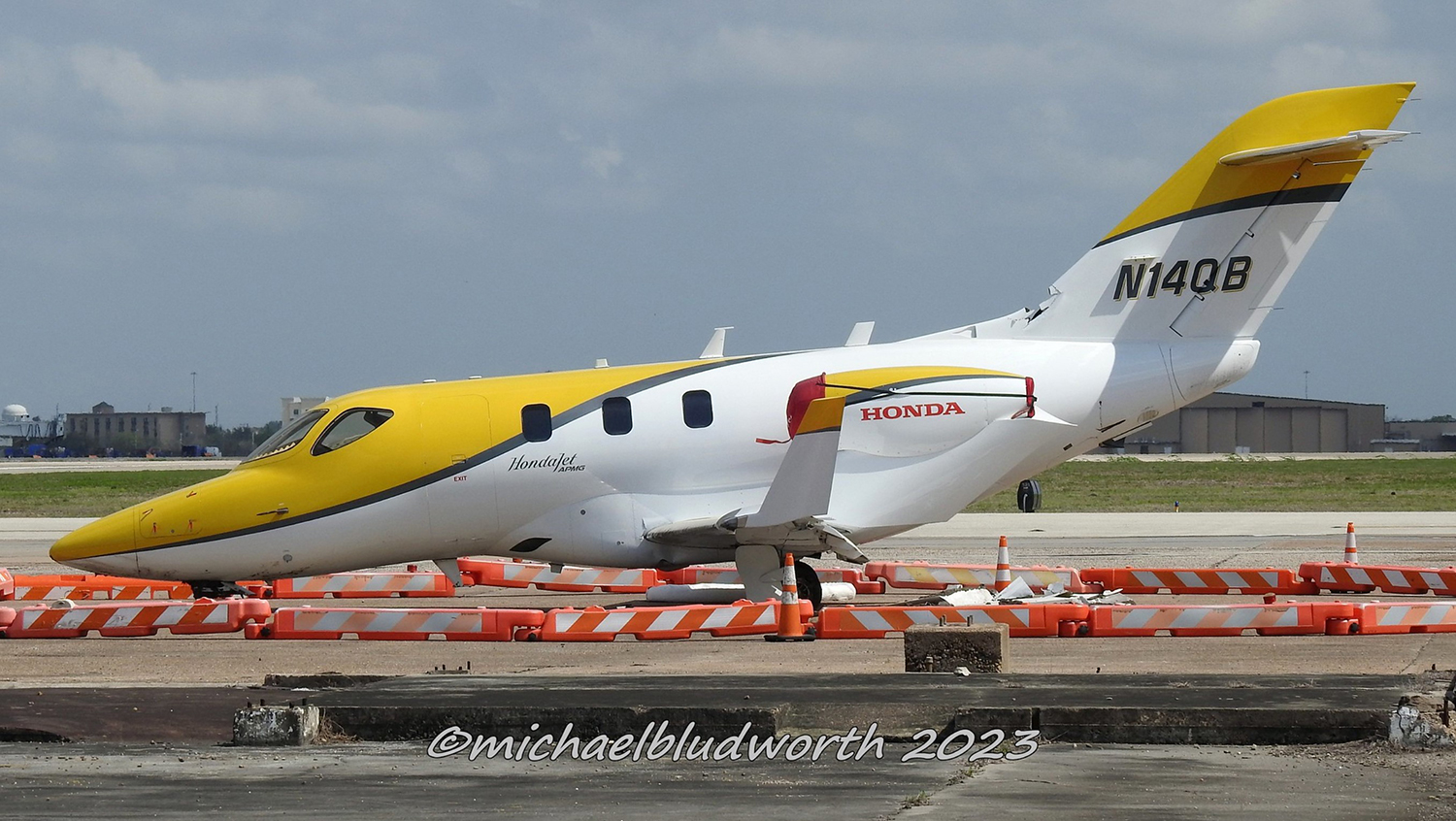
The pilot was landing at the destination airport with a gusting crosswind. Upon touchdown, he established the aileron controls for the crosswind and applied the brakes; however, no braking action was observed. The airplane subsequently drifted left and departed the runway pavement. It came to rest upright in the grass infield area adjacent to the runway. The outboard portion of the right wing separated which resulted in substantial damage. Data indicated that the airplane was 14 knots or more above the published landing reference speed when it crossed the runway threshold, and it touched down about 2,000 ft from the threshold. The left and right weight-on-wheels (WOW) parameters transitioned from air to ground consistent with initial touchdown; however, the left WOW parameter transitioned back to air about 2 seconds later. The right WOW parameter remained on ground until the airplane departed the runway pavement. A detailed review of the Central Maintenance Function (CMF) data files did not reveal any record of airplane system anomalies from the time the airplane lifted off until it touched down. Multiple system anomalies were recorded after the runway excursion consistent with airframe damage sustained during the accident sequence. The brake system touchdown protection is designed to prevent brake application until wheel spin-up occurs to avoid the possibility of inadvertently landing with a locked wheel due to brake application. After weight-on-wheels has been true for three seconds, power braking is enabled. It is likely that the lack of positive weight-on-wheel parameters inhibited brake application due to the touchdown protection function and resulted in the pilot not observing any braking action. The excess airspeed, extended touchdown, and transient weight-on-wheels parameters were consistent with the airplane floating during the landing flare and with the application of aileron controls for the crosswind conditions. The airplane was not equipped with wing-mounted speed brakes which would have assisted in maintaining weight-on-wheels during the initial portion of the landing. The most recent wind report, transmitted by the tower controller when the airplane was on a 3- mile final, presented a 70° crosswind at 15 knots, gusting to 25 knots. The corresponding crosswind gust component was about 24 knots. The airplane flight manual specified a crosswind limitation of 20 kts for takeoff and landing; therefore, the crosswind at the time of the accident exceeded the airframe crosswind limitation and would have made control during touchdown difficult. The pilot reported that he had made two requests with the approach controller to land on a different runway, but those requests were denied. The investigation was unable to make any determination regarding a pilot request for an alternate runway. Federal Aviation Regulations stated that the pilot in command of an aircraft is directly responsible for, and is the final authority as to, the operation of that aircraft. The regulations also stated that no person may operate a civil aircraft without complying with the operating limitations. The pilot’s ultimate acceptance of the runway assignment which likely exceeded the crosswind limitation of the airplane was contrary to the regulations and to the safe operation of the airplane.
Probable cause:
The pilot’s loss of directional control during landing which resulted in a runway excursion. Contributing to the accident was the pilot’s decision to land with a crosswind that exceeded the limitation for the airplane.
Final Report:

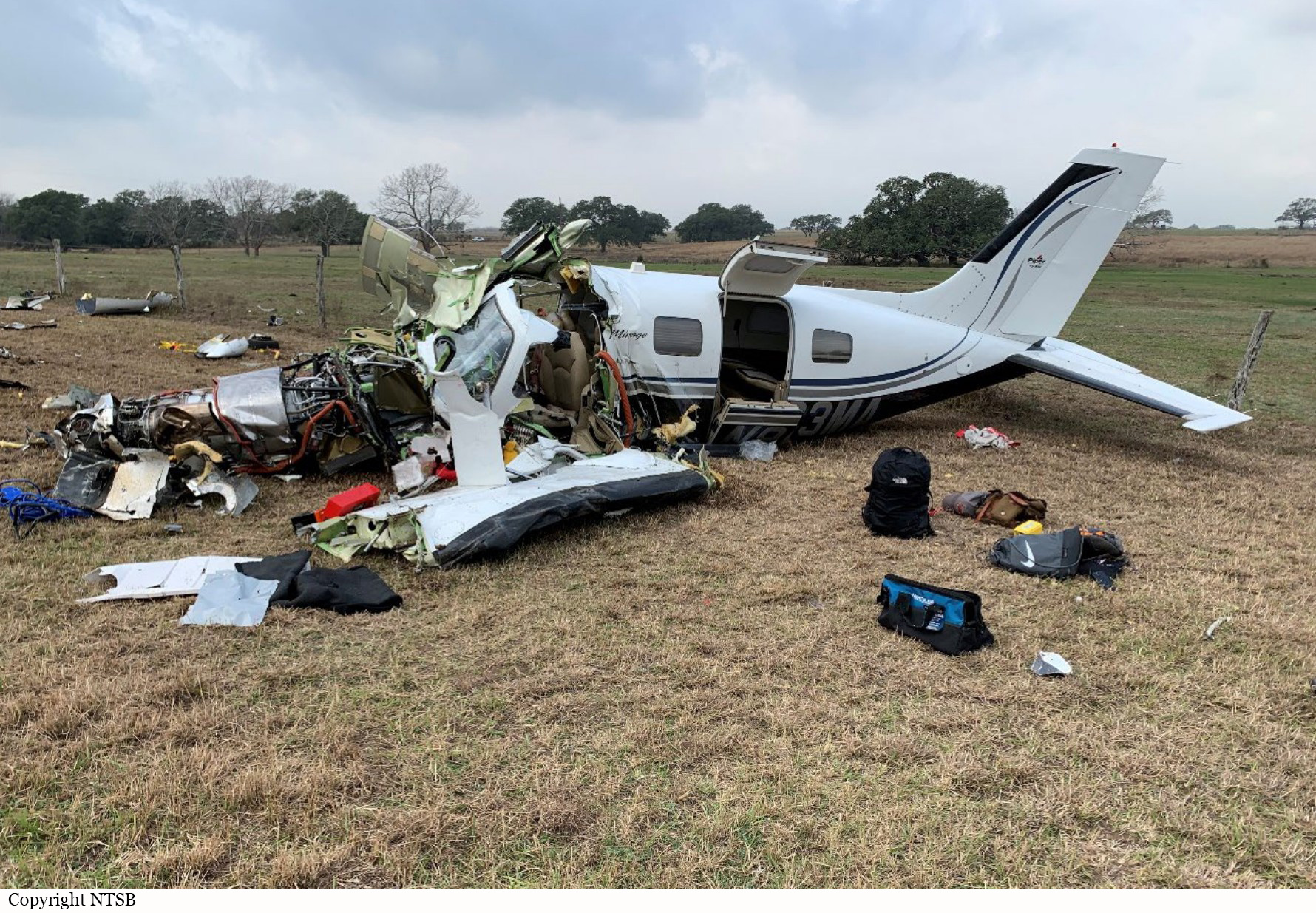
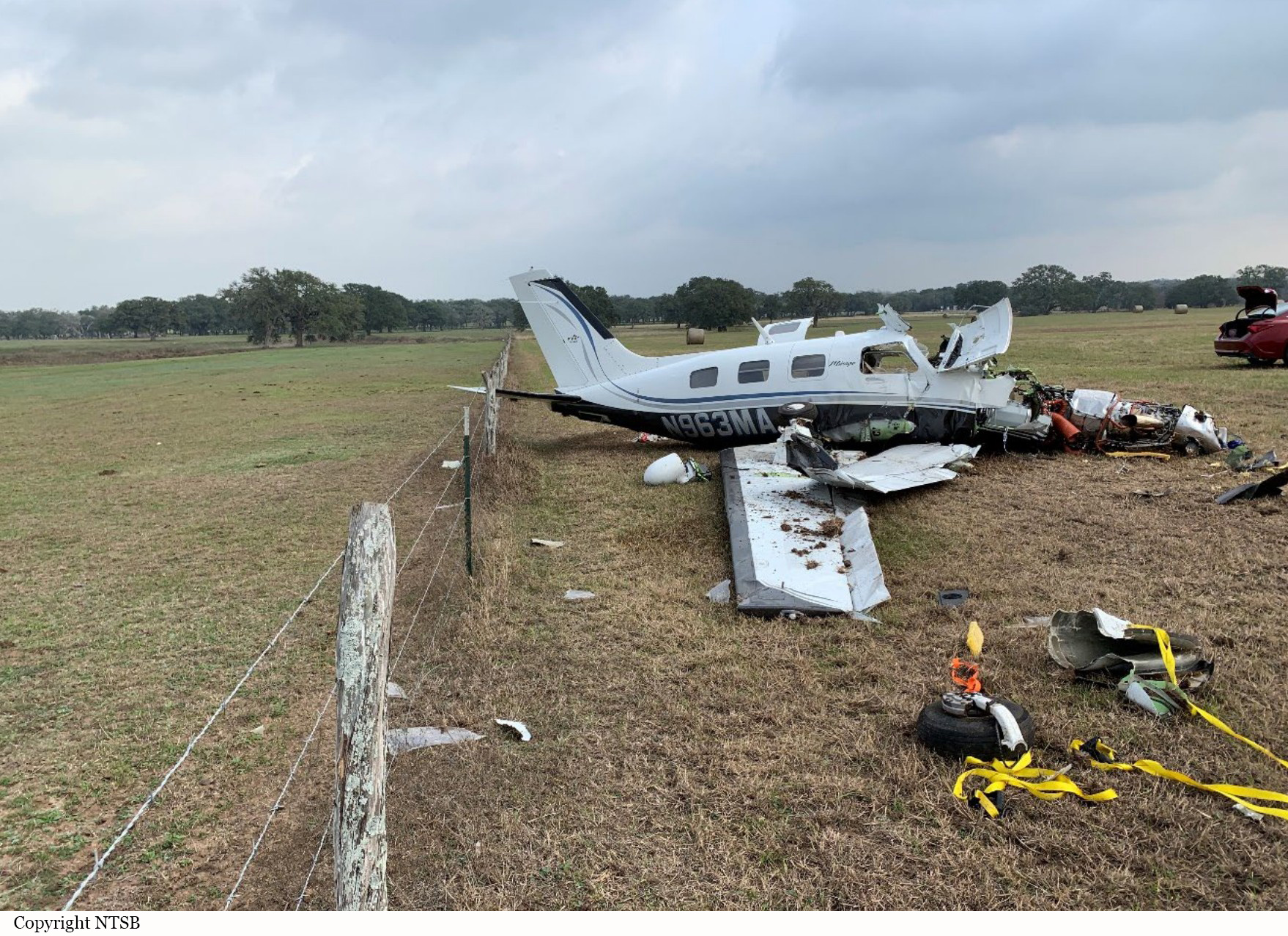
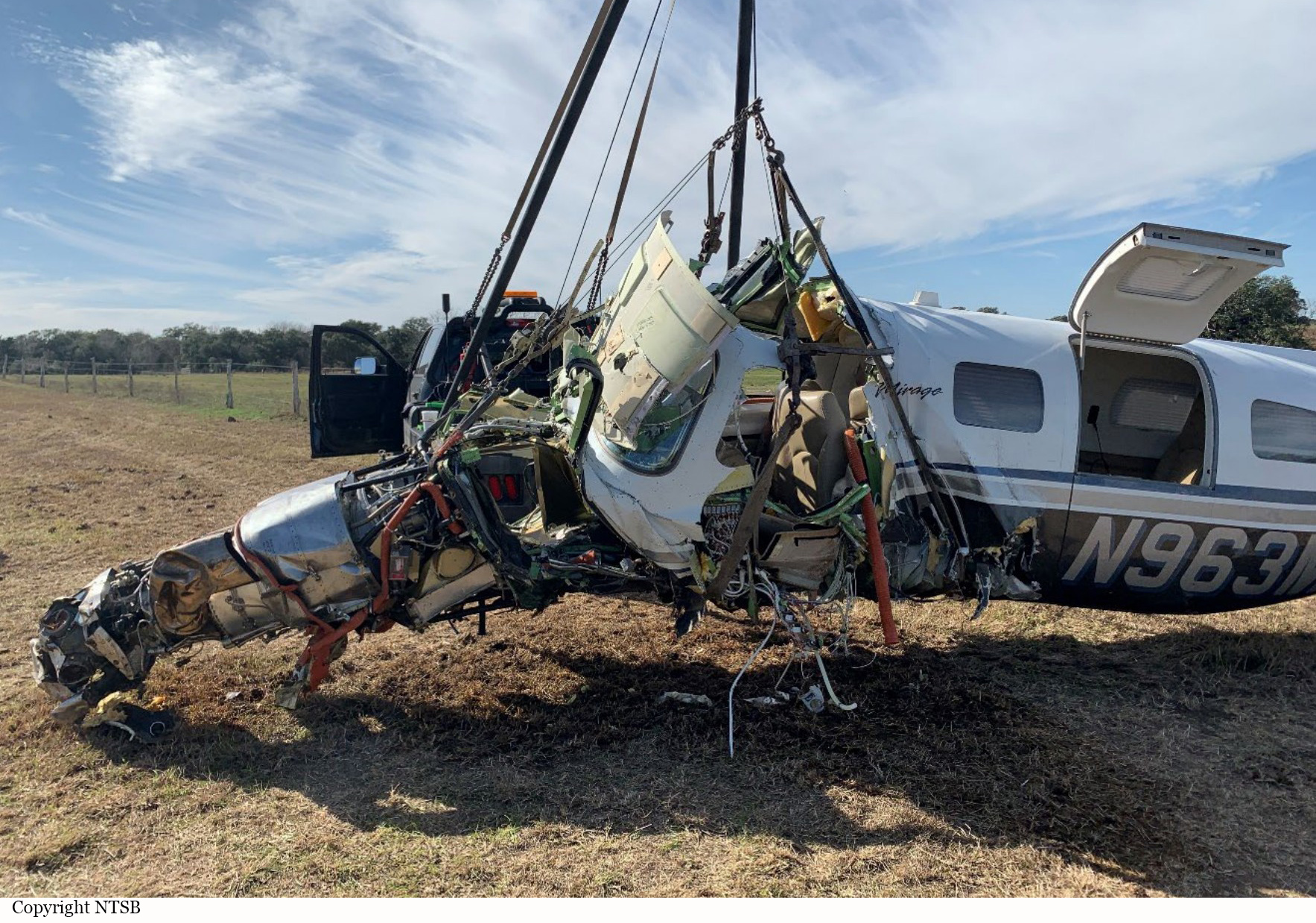
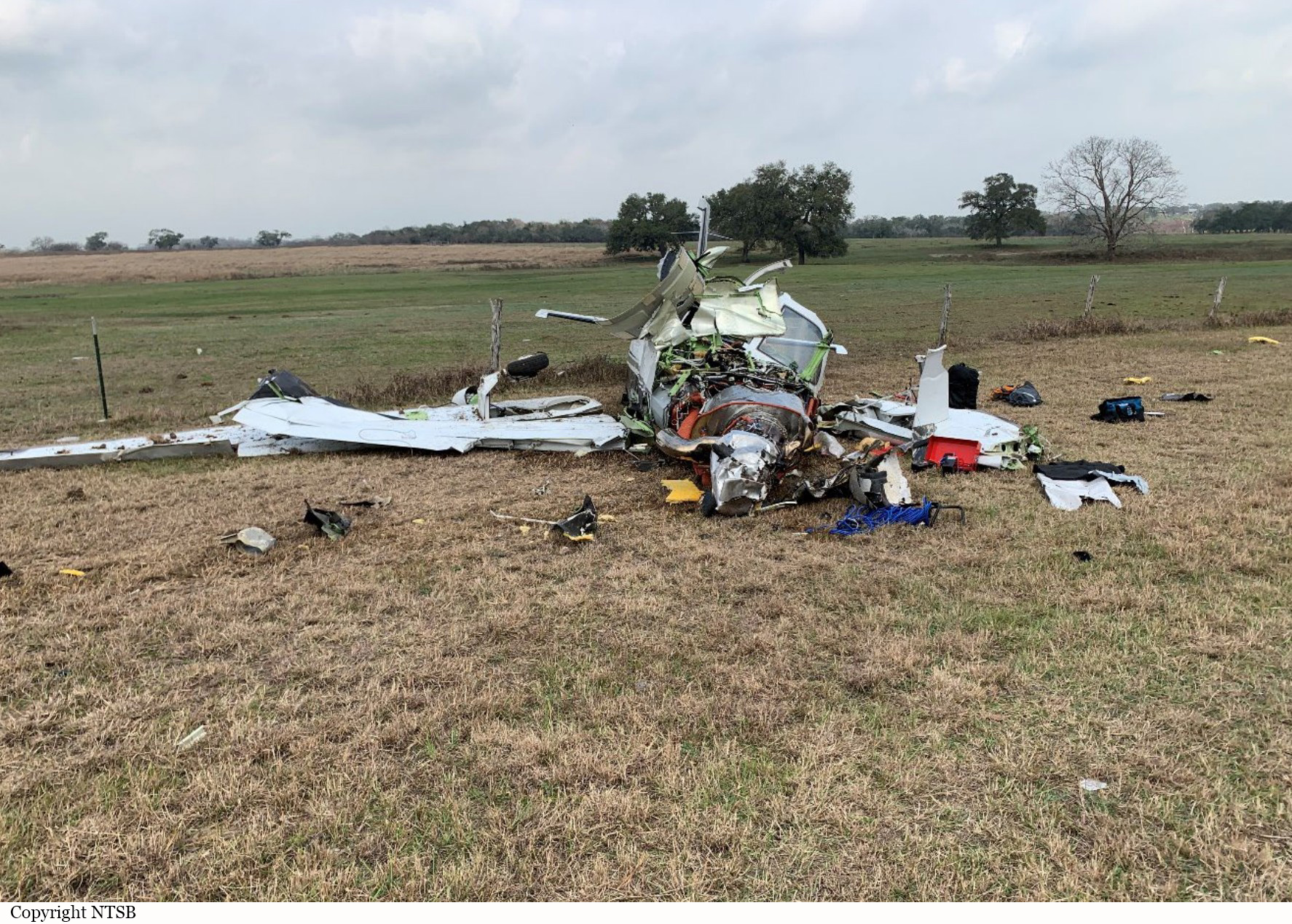
Crash of a Piper PA-46-350P Malibu Mirage in Yoakum: 4 killed

Date & Time: Jan 17, 2023 at 1036 LT
Registration:
N963MA
Flight Type:
Survivors:
Yes
Schedule:
Memphis – Yoakum
MSN:
46-36453
YOM:
2008
Location:
Crew on board:
1
Crew fatalities:
Pax on board:
4
Pax fatalities:
Other fatalities:
Total fatalities:
4
Captain / Total flying hours:
3295
Copilot / Total flying hours:
700
Aircraft flight hours:
1714
Circumstances:
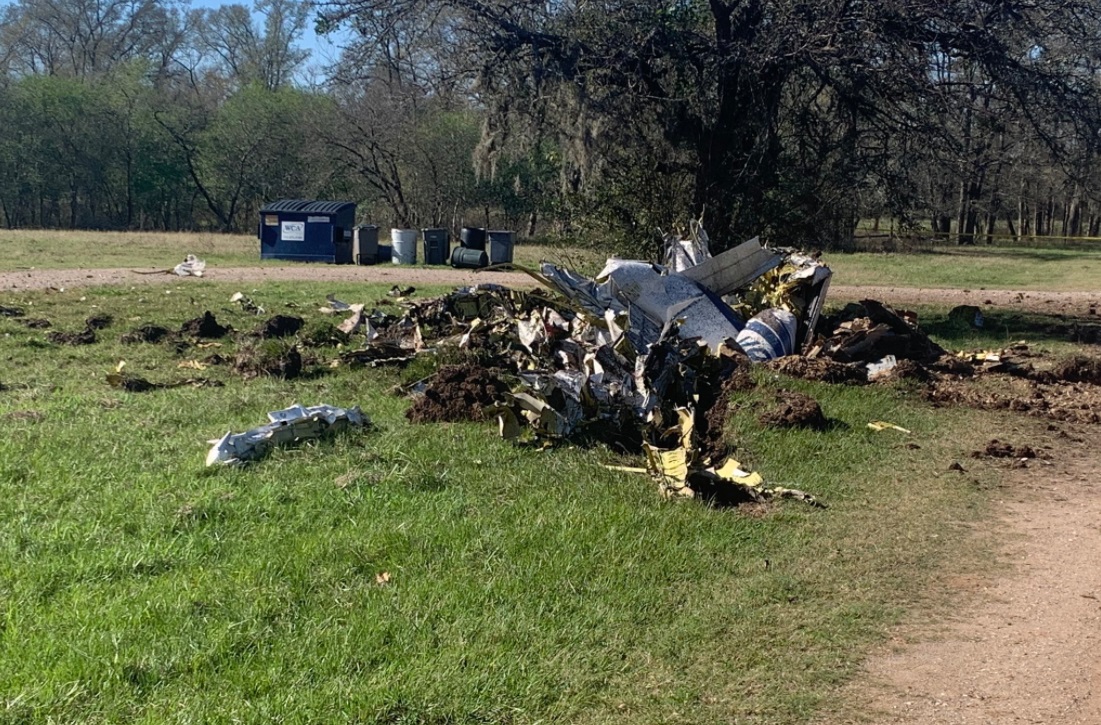
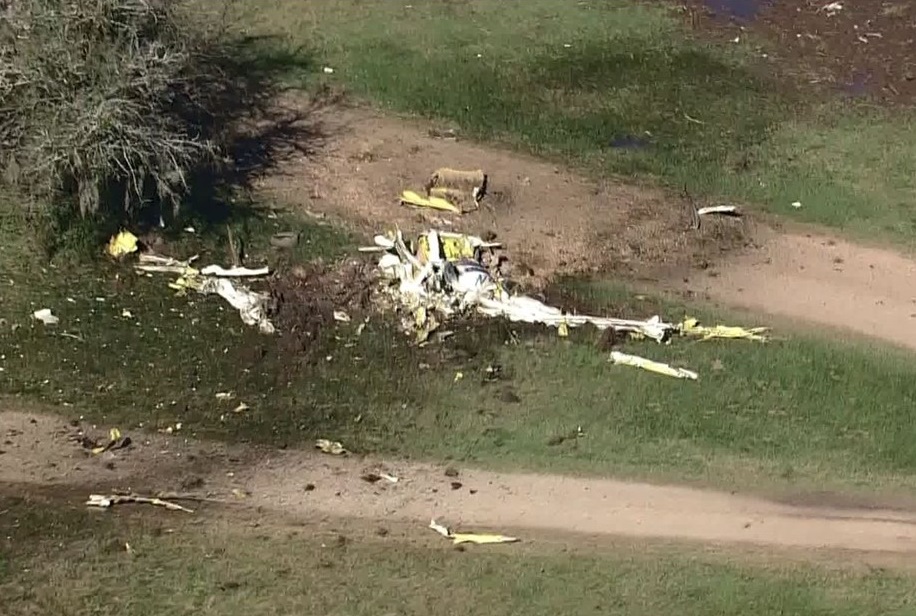
A review of air traffic control (ATC) data showed that the airplane departed with an instrument flight rules (IFR) clearance for the destination airport. The pilot requested and was cleared for an RNAV (GPS) approach into the destination airport. When the airplane was descending through 3,500 ft msl , the controller instructed the pilot to report cancelling the IFR clearance and approved a radio frequency change. There was no further communication from the pilot; the ATC facility reported that radar contact was lost when the airplane reached 2,000 ft msl, which was normal for the approach. The sole surviving passenger reported the airplane was off course during the approach, and the pilot was struggling with the airplane to get it back on course. The passenger remembered hearing a warning alarm several times and the airplane “aggressively pitching up” with more warning alarms and then “aggressively pitching down.” He observed the pilot pulling hard on the yoke and he believed he heard the copilot calling for the pilot to try and get the nose of the airplane up and straightened out. He said that he couldn’t see anything out of the windows due to the clouds and fog until right before the airplane impacted the ground. The airplane came to rest in an open pasture about 1.5 miles from the destination airport. Low IFR (LIFR) conditions were forecast for the area of the accident site and the destination airport. The National Weather Service (NWS) forecasts were consistent with the weather conditions encountered by the pilot on the approach. Data recovered from the airplane’s autopilot indicate that the pilot began the approach with the autopilot engaged. When the airplane was about 1 mile from the runway and 500 ft above the airport elevation, the pilot initiated a right climbing turn and disconnected the autopilot. This action was consistent with the initiation of the missed approach procedure. Autopilot datas indicate that the airplane’s pitch then increased as high as +20° and roll to +47° (right) during the climbing right turn. These angles suggest that the pilot likely had difficulty controlling the airplane. The pilot then engaged the autopilot’s unusual attitude recovery mode. The autopilot made inputs to return to a level flight attitude; however, autopilot data indicate that the pilot made conflicting flight control inputs. As a result, the airplane entered a brief descent, followed by a rapid climb. Indicated airspeed at the top of the climb was 16 knots, well below the airplane’s stall speed for any flap configuration. Thus, the airplane likely entered an aerodynamic stall followed by a rapid descent to impact with the terrain. The airplane impacted an open field at a shallow pitch angle, which suggests that the pilot may have attempted a stall recovery maneuver. However, altitude was insufficient for a full recovery. Postaccident examination revealed no anomalies with the airframe, engine, or autopilot. Toxicology testing showed trace levels of pheniramine, naltrexone, naltrexol, and CBD in the pilot’s system. Although postmortem toxicological testing indicates that the pilot had used these substances, his performance was not likely impaired by effects of those substances at the time of the accident. Based on the level of meclizine detected in the copilot’s heart blood, it is reasonably likely he was experiencing some effects of this medication at the time of the accident. However, whether such effects impaired his performance in a way that contributed to the accident is unknown, particularly considering his uncertain role on the flight and the presence of the other pilot. The copilot’s toxicology testing also indicated he had used cetirizine, but this medication was not detected in his blood, so it was not likely causing impairing effects at the time of the accident. The pilot’s difficulty in controlling the airplane when initiating the climbing turn in instrument conditions, along with the activation of the autopilot’s unusual attitude recovery mode, and his continued inappropriate control inputs suggest that pilot was experiencing spatial disorientation during the missed approach procedure.
Probable cause:
The pilot’s spatial disorientation during a missed approach in instrument meteorological conditions, which led to an exceedance of the airplane’s critical angle of attack and a subsequent aerodynamic stall.
Final Report:

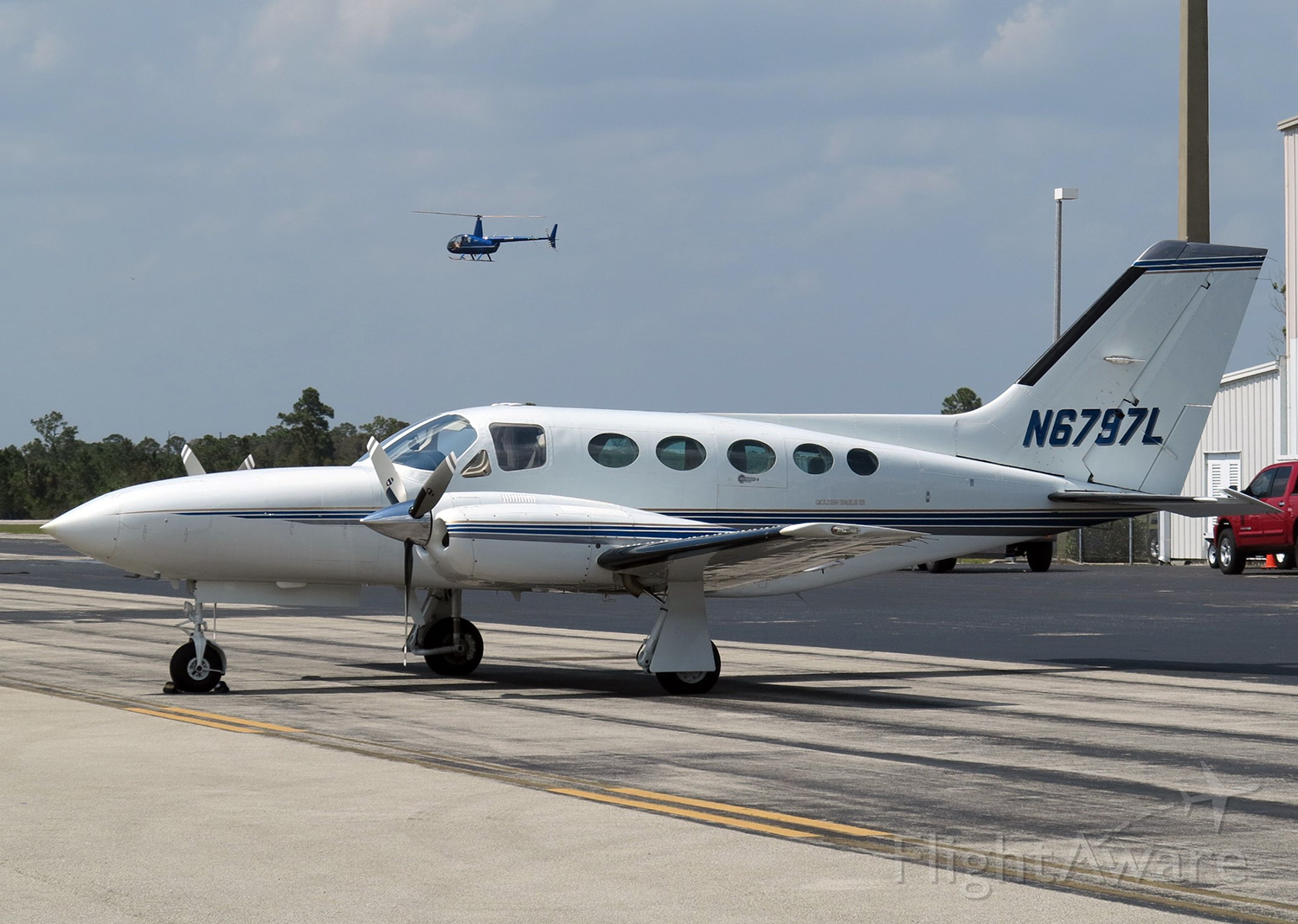
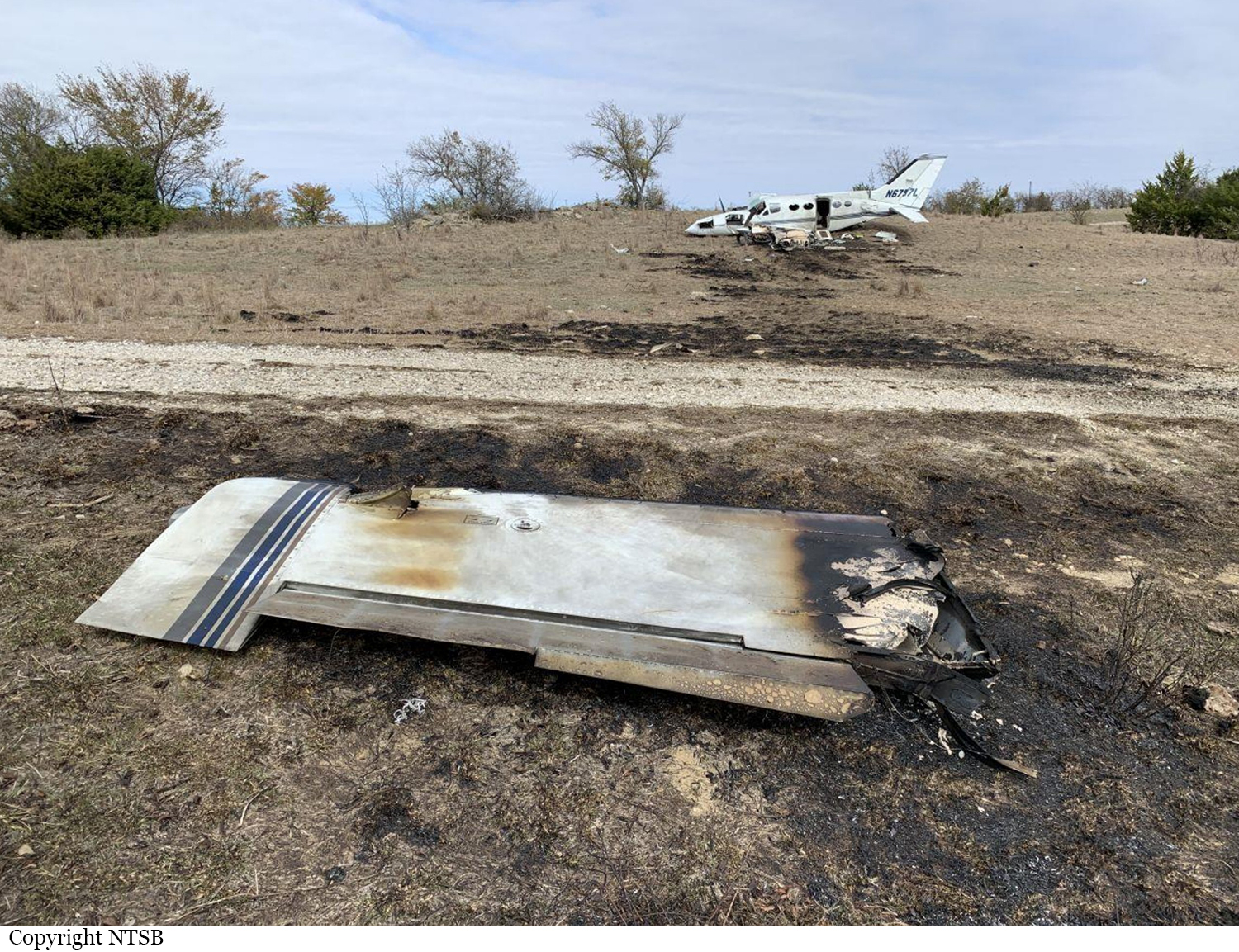
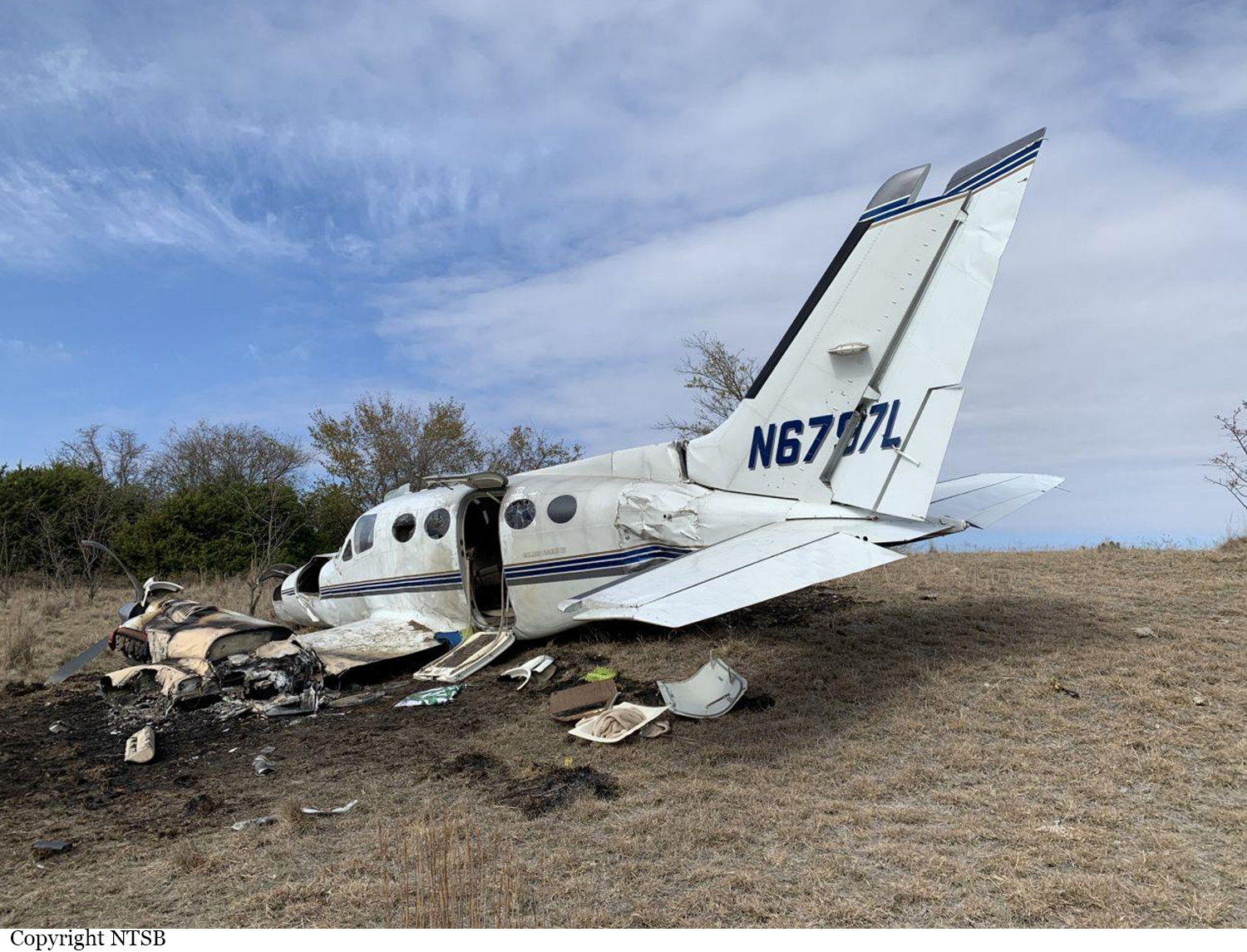
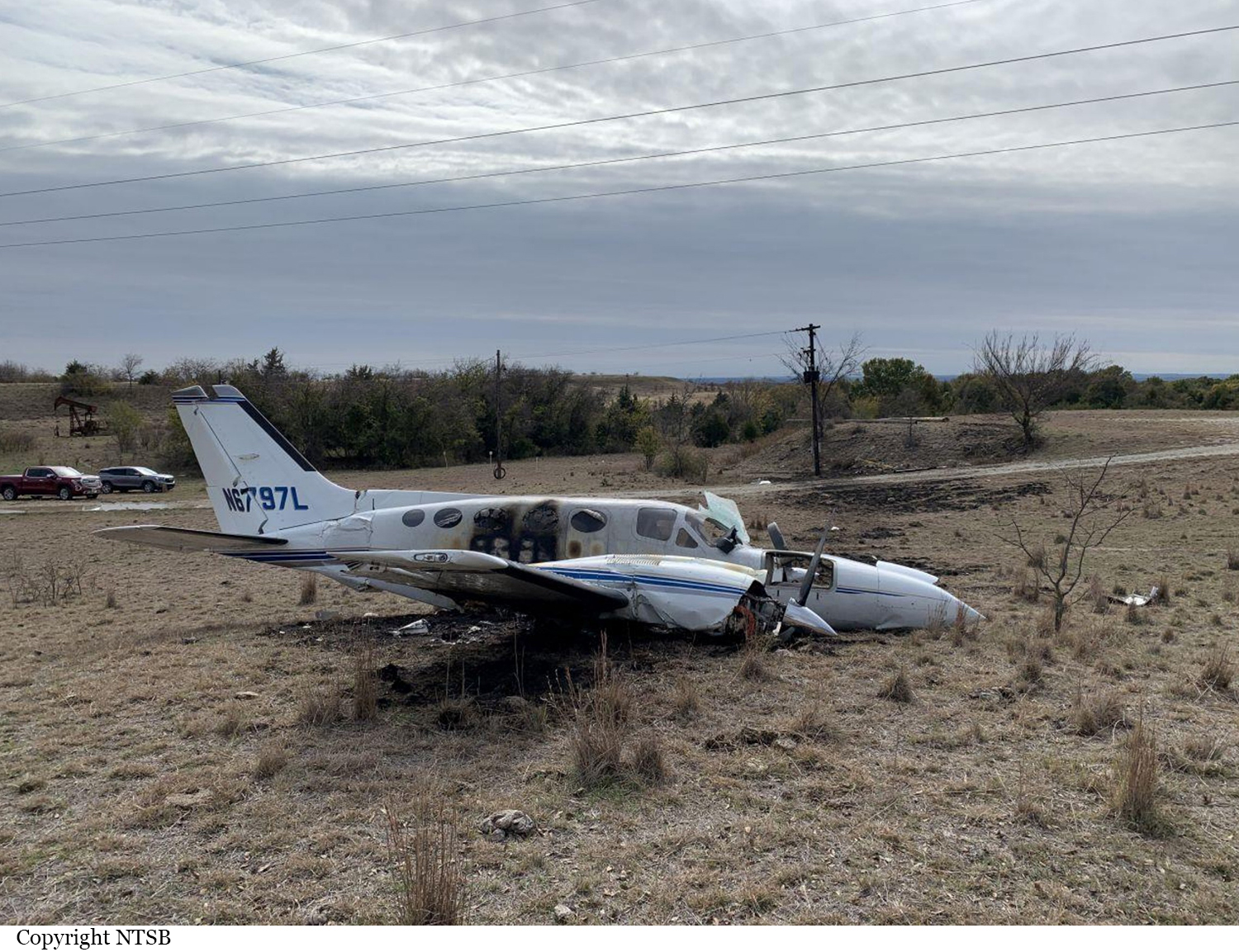
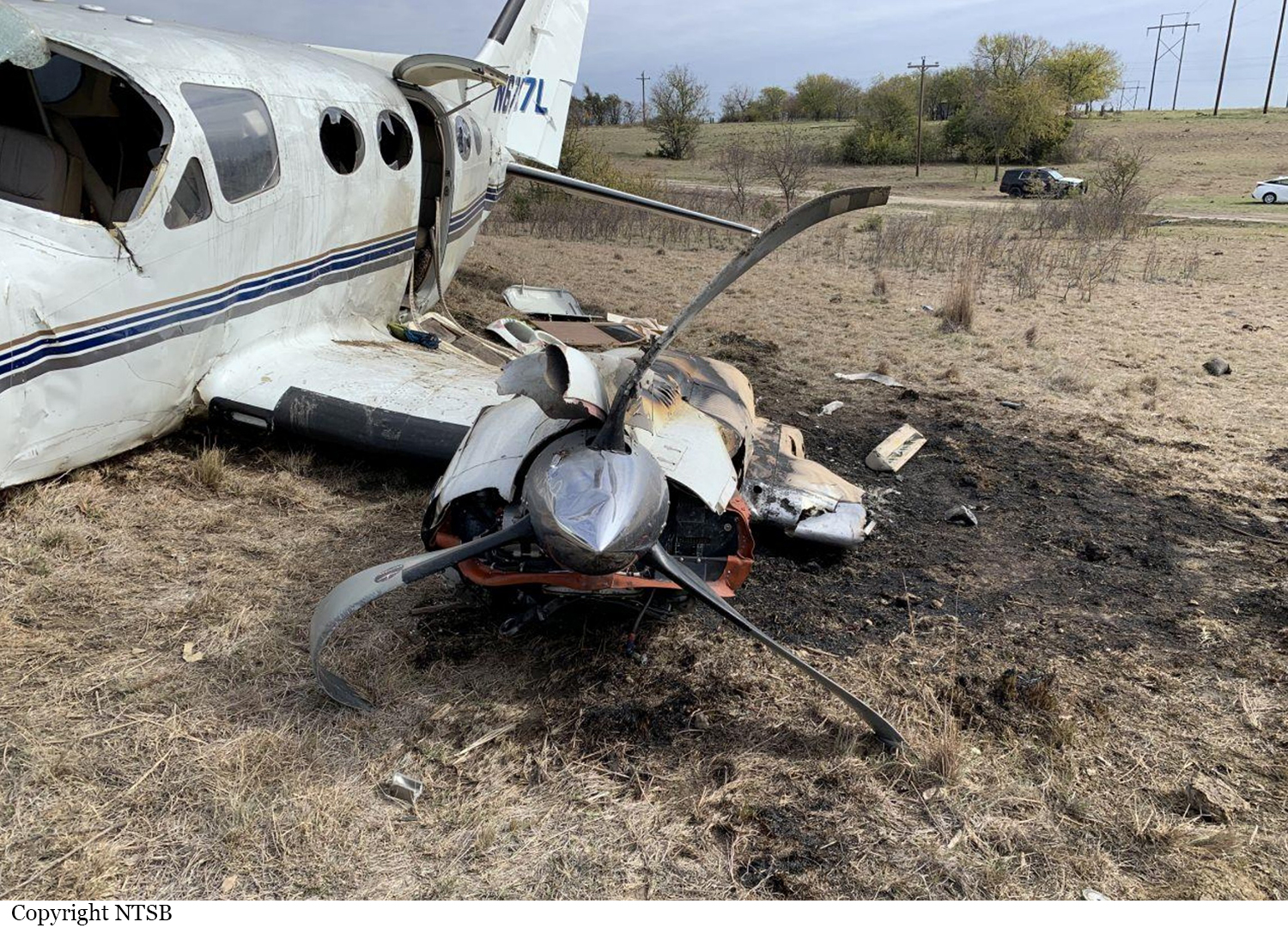
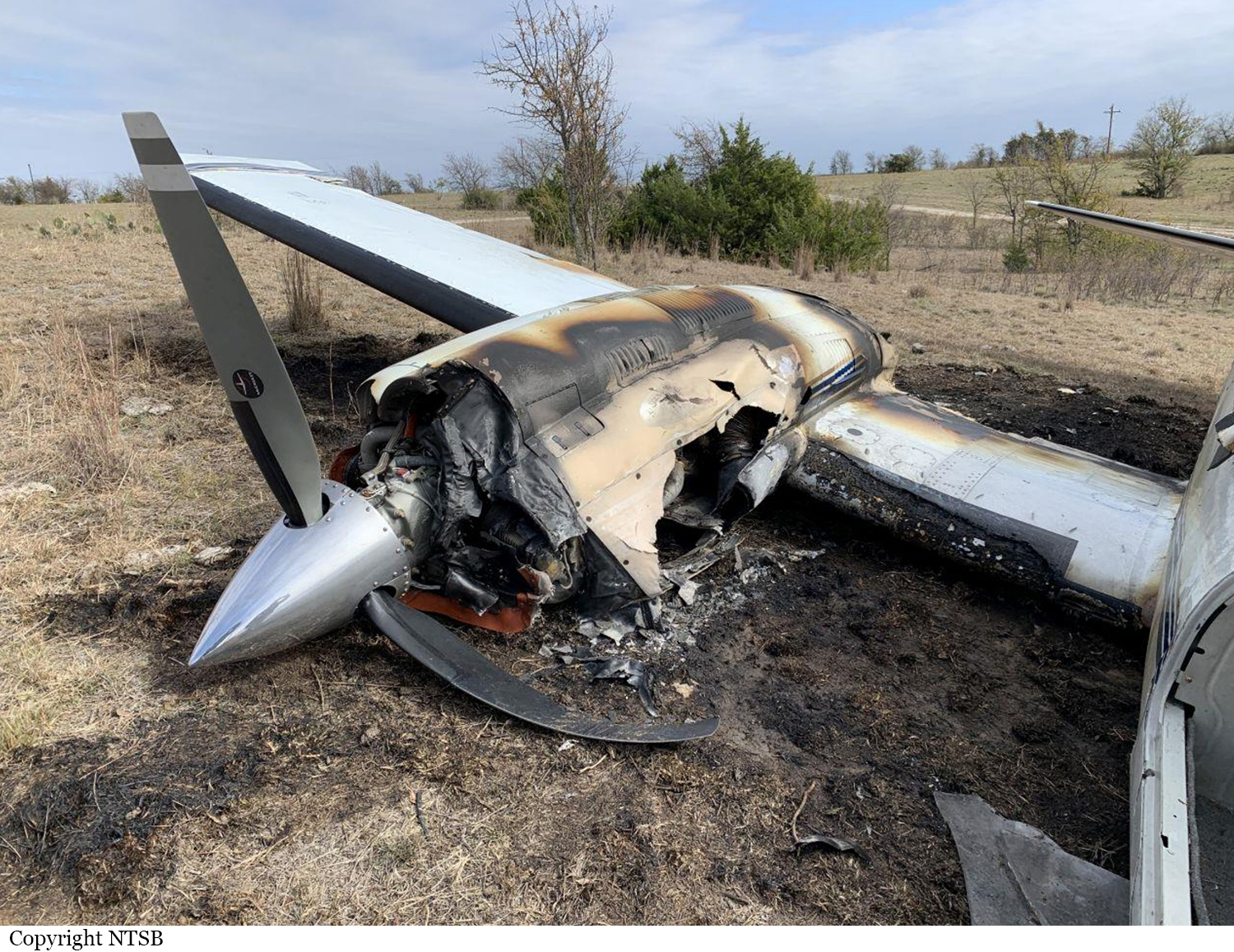
Crash of a Cessna 421C Golden Eagle III near Decatur: 1 killed

Date & Time: Nov 18, 2022 at 1510 LT
Registration:
N6797L
Flight Phase:
Flight Type:
Survivors:
No
Schedule:
Denton – Bridgeport
MSN:
421C-1050
YOM:
1981
Location:
Crew on board:
1
Crew fatalities:
Pax on board:
0
Pax fatalities:
Other fatalities:
Total fatalities:
1
Captain / Total flying hours:
6891
Aircraft flight hours:
4805
Circumstances:
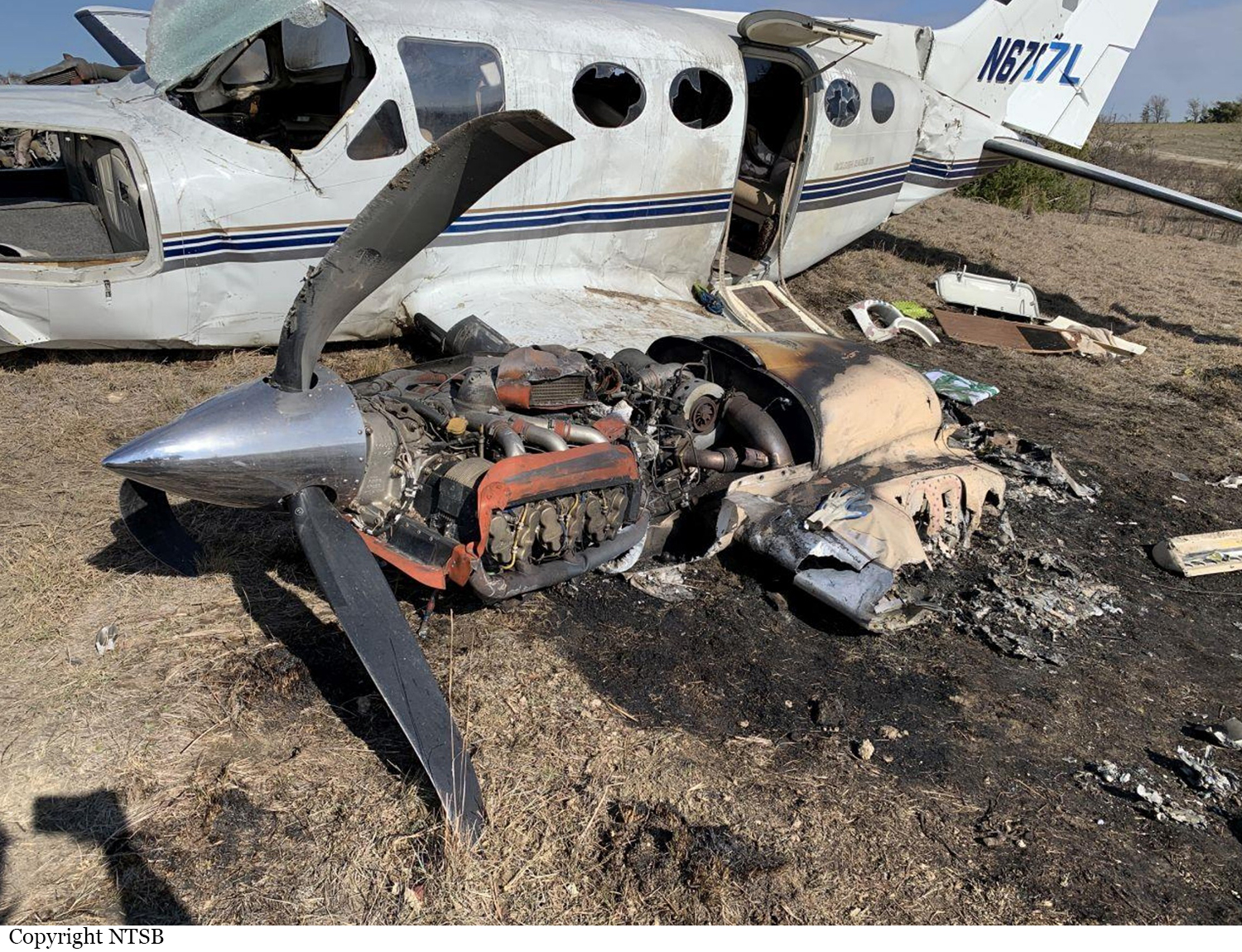
After takeoff, the pilot proceeded about 30 miles and climbed to an altitude of about 2,200 ft mean sea level (msl). About 8 minutes after takeoff, the airplane entered a descending left turn that continued until impact. A witness observed a twin-engine airplane at a low altitude and in a descent. After the airplane descended below the tree line, a fireball emerged followed by some smoke; however, the smoke was thin and dissipated quickly. A second witness observed the airplane at a low altitude and in a slow, descending turn. The flight path was steady and the wings “never dipped.” Shortly after the airplane descended out of sight, he observed an explosion. Both engines were on fire when he arrived at the accident site, and there was a fuel leak from the right engine toward the cockpit area. He used a fire extinguisher to keep the fire off the fuselage until first responders arrived. The airplane impacted a utility pole and terrain. Burned vegetation was present over portions of the accident site. The left wing was separated outboard of the engine and was located near the utility pole. A postaccident examination revealed that the left main fuel tank was partially consumed by the postimpact fire; therefore, the amount of fuel in the tank could not be determined. The left engine nacelle was discolored consistent with the postimpact fire. The left nacelle fuel tank appeared intact, and no fuel was visible in the left nacelle fuel tank. However, the amount of fuel in the left nacelle fuel tank at the time of impact could not be determined. The right main fuel tank appeared intact, and about 1 gallon of fuel was drained from the tank during recovery of the airplane. While the postimpact fire was consistent with fuel present onboard the airplane at the time of the accident, the lack of an extensive and sustained ground fire suggested that a limited amount of fuel was present. The left and right engine cockpit fuel selectors were both positioned to the “RIGHT MAIN” fuel tank. The left fuel selector valve, located in the engine nacelle, was in the “OFF” position at the time of the exam. The right fuel selector was in the “RIGHT” fuel tank position. A teardown examination of the left engine did not reveal any anomalies consistent with a preimpact failure or malfunction. A teardown examination of the right engine revealed damage consistent with oil starvation throughout the engine. A teardown examination of the left propeller assembly revealed indications that the blades were at or near the feather pitch stop position during the impact sequence. A teardown examination of the right propeller assembly revealed indications that the blades were on or near the low pitch stop position during the impact sequence. The fuel flow indicator displayed the total fuel remaining as 8.3 gallons when powered up on a test bench. However, the fuel quantity indications are dependent on the pilot properly configuring the device when the airplane is refueled. The fuel flow indicator does not directly provide fuel quantity information. According to the airplane flight manual, the total unusable fuel for the airplane, with one engine nacelle fuel tank installed, was 7.8 gallons. Engine performance data recovered from the onboard engine monitor revealed a reduction in right engine power to near idle power. About 1 minute later, the airplane entered a descending left turn which continued until impact. About 3 minutes after the reduction in right engine power, the left engine completely lost power. Immediately afterward, right engine power increased to near full (takeoff) power. However, about 30 seconds later the right engine completely lost power. The airplane impacted the pole and the terrain a few seconds later. The pilot likely detected an impending failure of the right engine and intentionally reduced power. However, shortly afterward, the left engine lost power due to fuel starvation. At that time, the pilot likely set the left engine to crossfeed from the right main fuel tank to restore power. Unsuccessful, the pilot then decided to feather the left propeller and attempted to use any available power from the right engine, but the right engine immediately lost power as well. Whether the right engine lost power at that moment due to fuel starvation or oil starvation could not be determined. The pilot was obese and had hypertension, high cholesterol, and an enlarged heart with left ventricular thickening. While these cardiovascular conditions placed him at an increased risk for a sudden incapacitating cardiac event, the autopsy did not show any acute or remote myocardial infarction, and the flight path suggests intentional actions until the crash. Thus, the pilot’s cardiovascular disease was not a factor in this accident. Toxicology testing detected the muscle relaxant cyclobenzaprine and its active metabolite norcyclobenzaprine in the pilot’s femoral blood at low therapeutic levels. The sedative-hypnotic medication zolpidem was detected at subtherapeutic levels. While these substances are associated with side effects such as drowsiness and dizziness, the operational findings of this accident do not suggest performance issues related to fatigue. Thus, it is unlikely that the effects from the pilot’s use of cyclobenzaprine and zolpidem were factors in this accident.
Probable cause:
A loss of power on the left engine due to fuel starvation and the subsequent loss of power on the right engine for undetermined reasons.
Final Report:

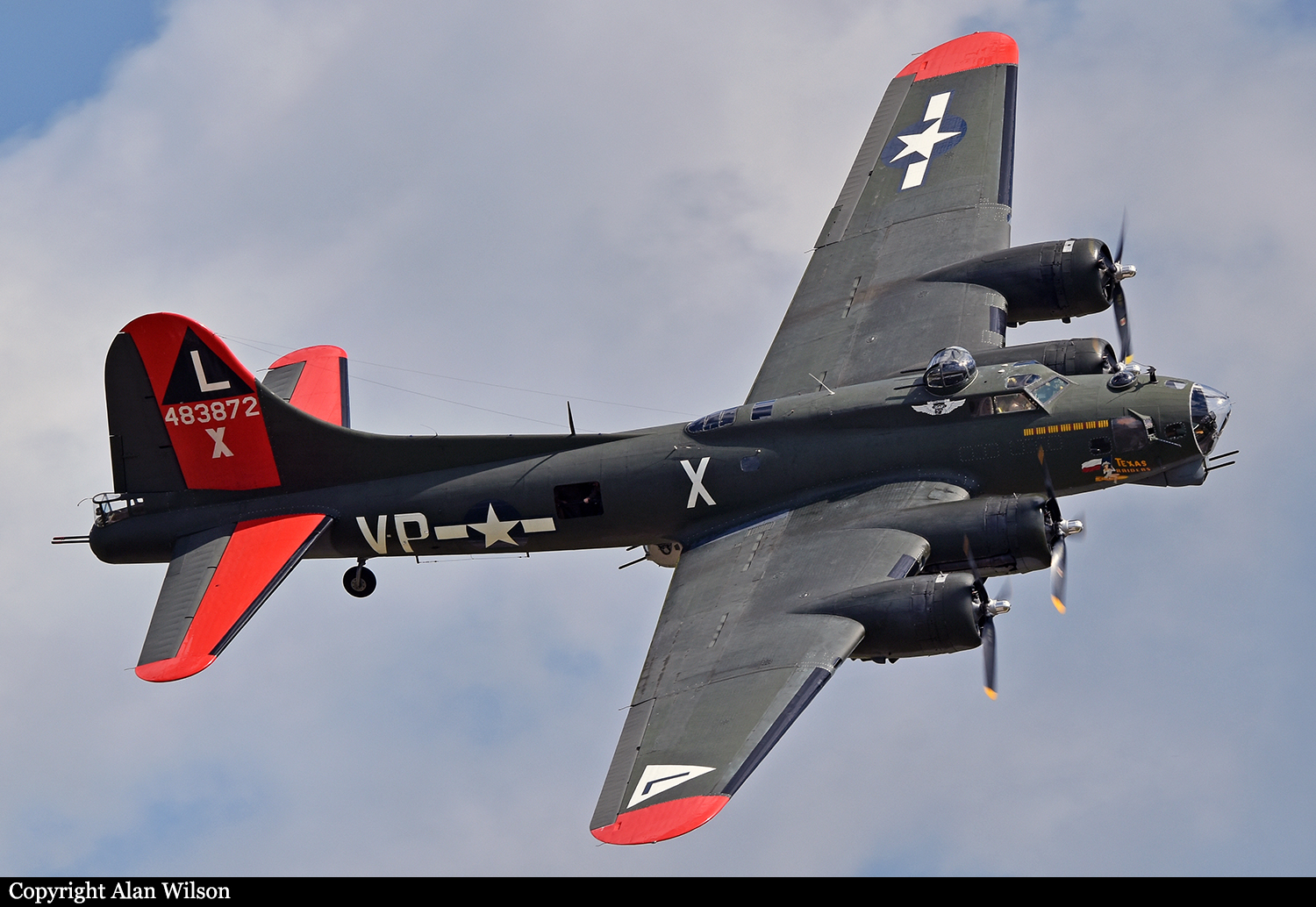
Crash of a Boeing B-17G-95-DL Flying Fortress in Dallas: 5 killed

Date & Time: Nov 12, 2022 at 1322 LT
Operator:
Registration:
N7227C
Flight Phase:
Flight Type:
Survivors:
No
Schedule:
Dallas - Dallas
MSN:
32513
YOM:
1944
Crew on board:
5
Crew fatalities:
Pax on board:
0
Pax fatalities:
Other fatalities:
Total fatalities:
5
Captain / Total flying hours:
28000
Captain / Total hours on type:
500.00
Copilot / Total flying hours:
25300
Copilot / Total hours on type:
90
Aircraft flight hours:
9239
Circumstances:
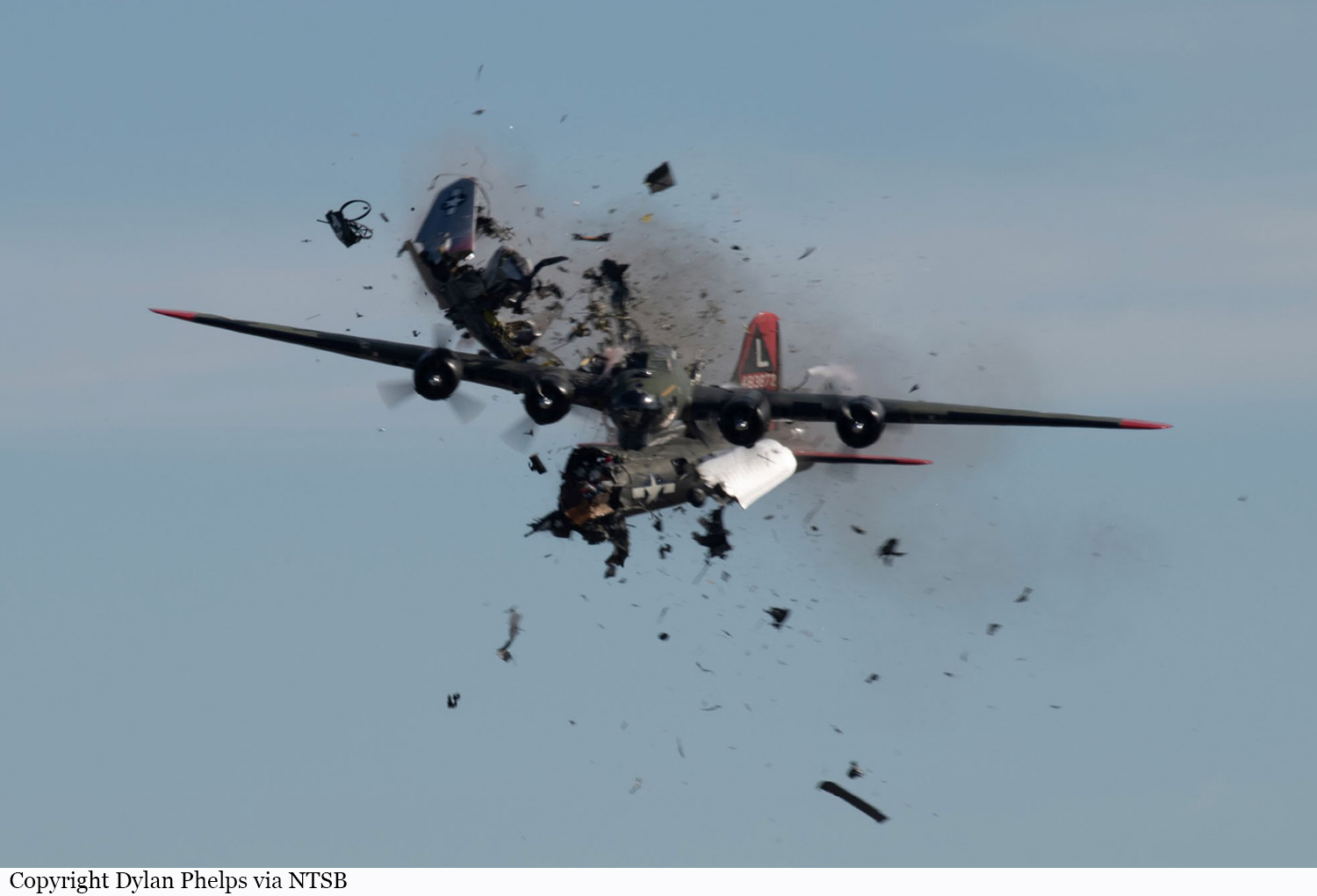
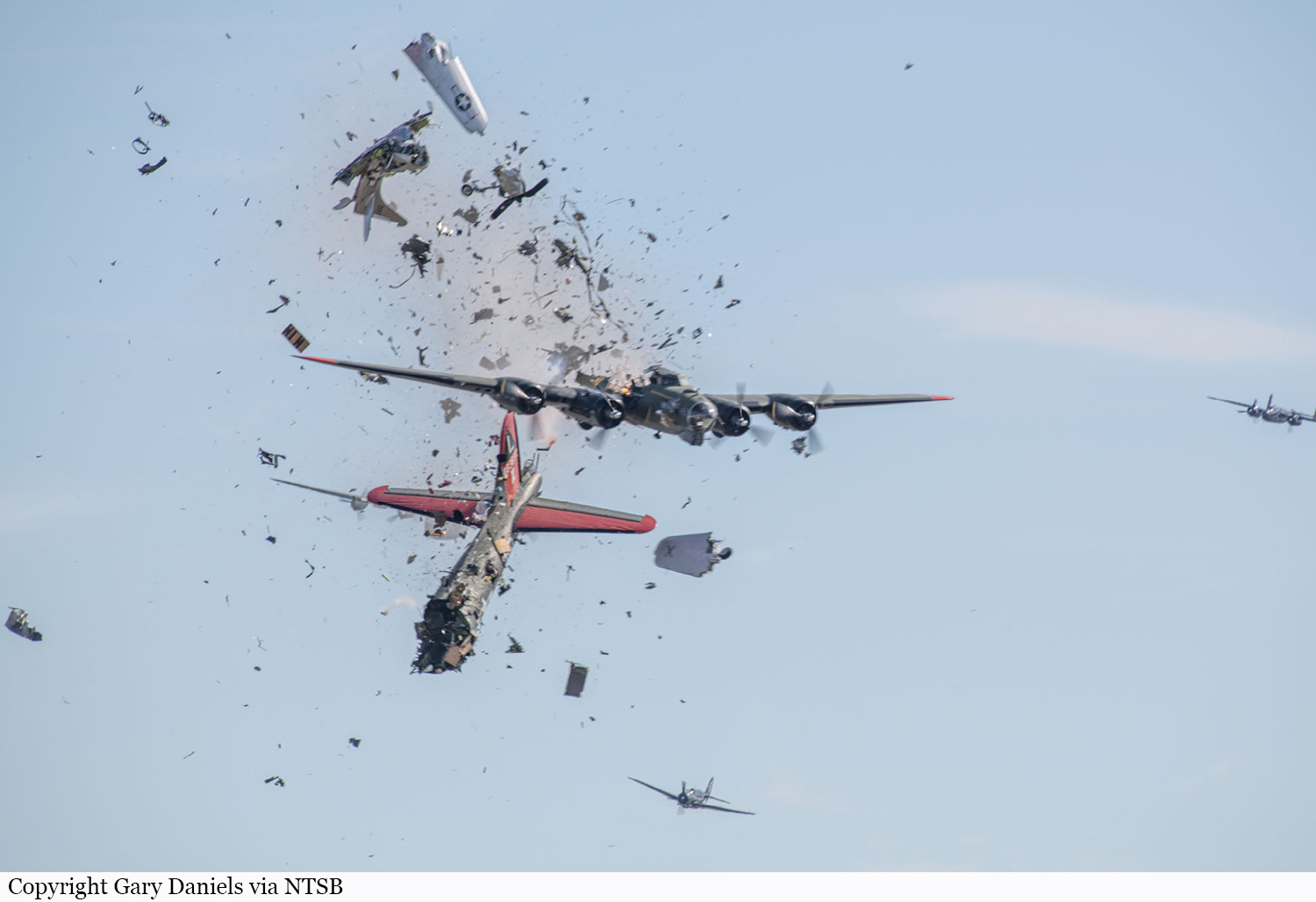
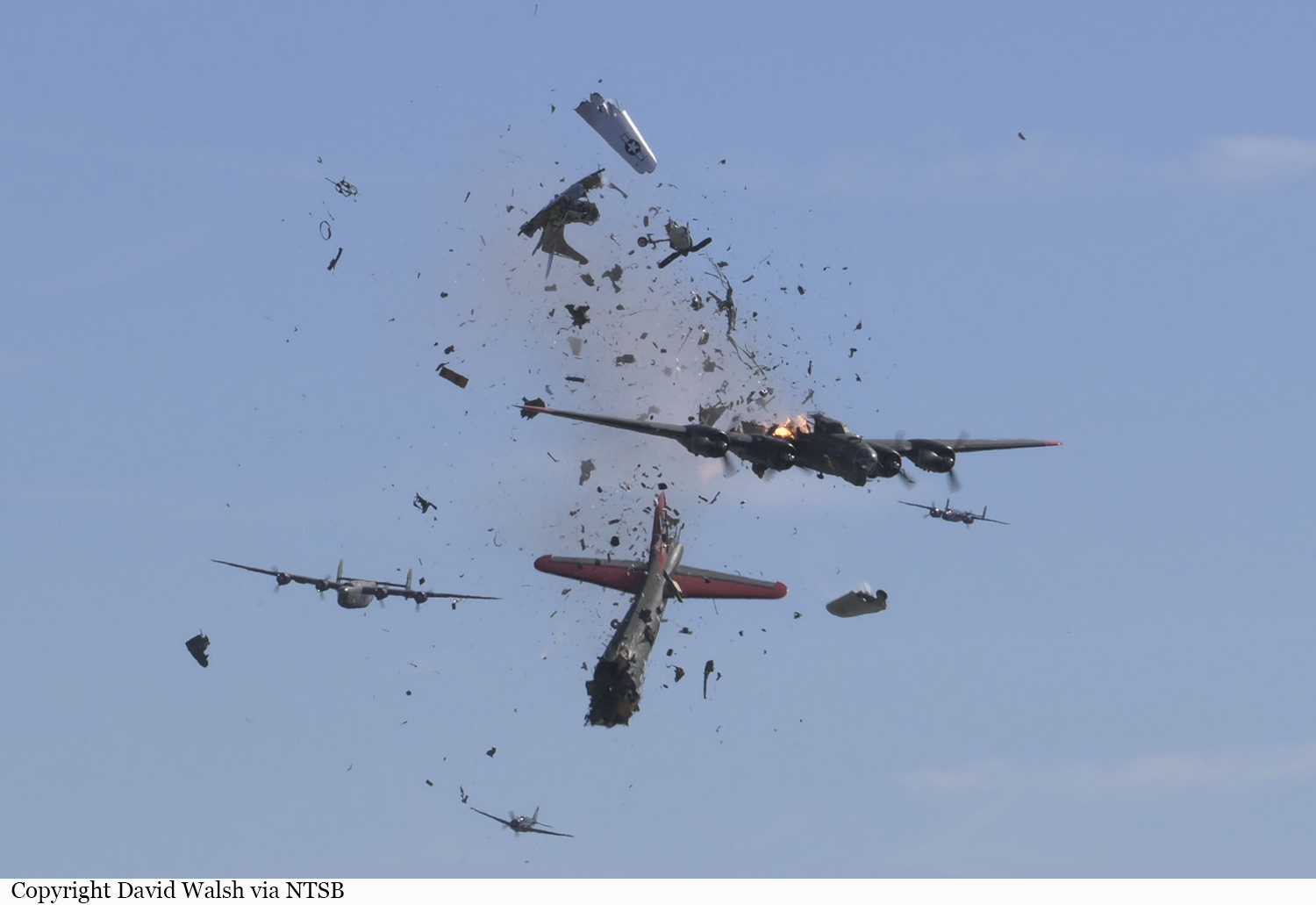
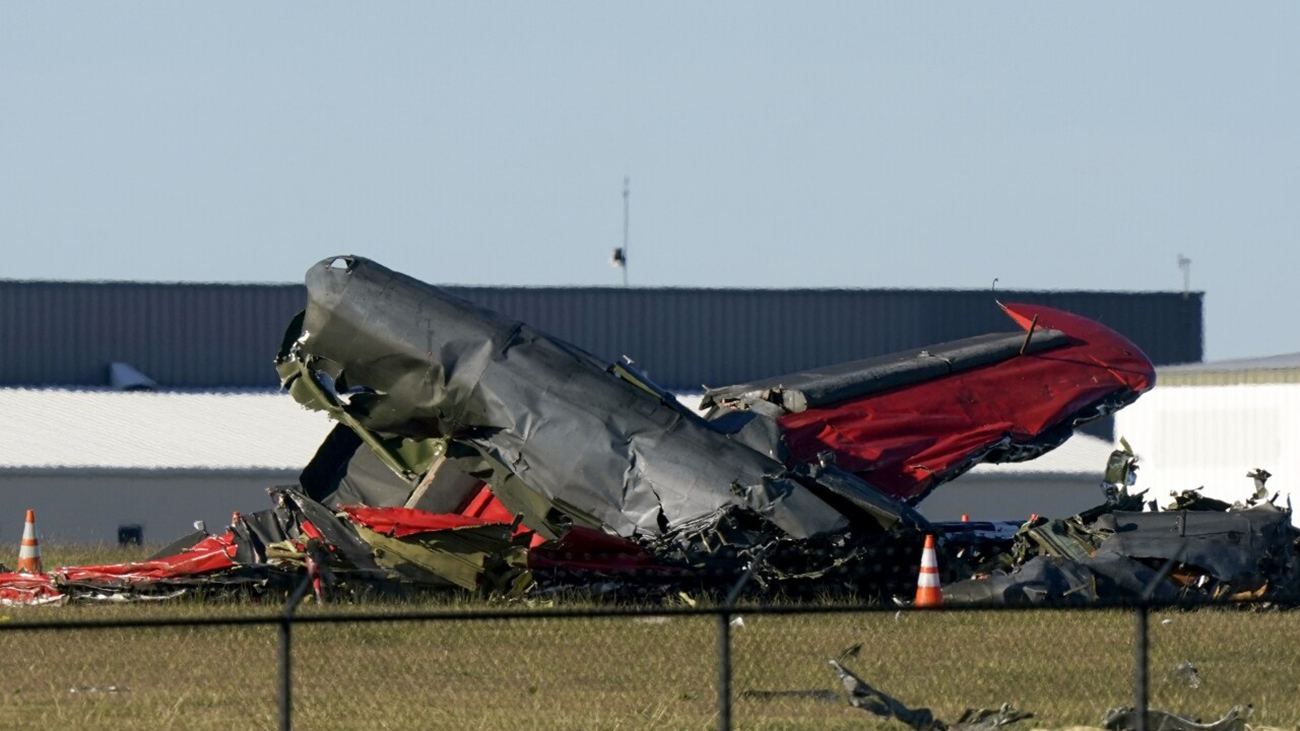
On November 12, 2022, about 1322 central standard time, a Boeing B-17G, N7227C, and a Bell P-63F, N6763, collided in flight during a performance at the Commemorative Air Force’s (CAF) Wings Over Dallas air show at Dallas Executive Airport (KRBD) in Dallas, Texas. The pilot, copilot, flight engineer, and two scanners on board the Boeing B-17G and the pilot of the Bell P-63F were fatally injured, and both airplanes were destroyed. No injuries to persons on the ground were reported. Both accident airplanes (and six other historic, former military airplanes that were airborne as part of the same performance) were operated by the CAF under the provisions of Title 14 Code of Federal Regulations (CFR) Part 91 and a certificate of waiver for the air show. The Boeing B-17G was in the first position of five historic bomber airplanes flying as solo aircraft in trail, and the Bell P-63F was in the last position of three historic fighter airplanes flying in formation. The takeoffs, repositioning turns, and passes of the eight airplanes in the accident performance were directed in real time via radio by the air boss, who had primary responsibility for the control of air show operations. Just before the accident, the bomber group and the fighter formation completed a pass in front of the crowd of spectators from show right to left (that is, right to left from the crowd’s perspective). The airplanes were setting up for the next pass when the accident occurred. This pass was intended to be from show left to right in front of the crowd, and the air boss issued directives for the fighter formation to pass off the left side of the bomber group airplanes and then cross in front of them. The position data showed that the flight path for the fighter lead and position 2 fighter airplanes passed the bomber airplanes off the bombers’ left side before crossing in front of the Boeing B-17G but that the Bell P-63F’s flight path converged with that of the Boeing B-17G. Video and photographic evidence captured by witnesses on the ground showed that the Bell P-63F was in a descending, left-banked turn when it struck the left side of the Boeing B-17G near the trailing edge of the left wing, then both airplanes broke apart in flight.
Probable cause:
The National Transportation Safety Board determines that the probable cause of the accident was the air boss’s and air show event organizer’s lack of an adequate, prebriefed aircraft separation plan for the air show performance, relying instead on the air boss’s real-time deconfliction directives and the see-and-avoid strategy for collision avoidance, which allowed for the loss of separation between the Boeing B-17G and the Bell P-63F airplanes. Also causal was the diminished ability of the accident pilots to see and avoid the other aircraft due to flight path geometry, out-the-window view obscuration by aircraft structures, attention demands associated with the air show performance, and the inherent limitations of human performance that can make it difficult to see another aircraft. Contributing to the accident were the lack of Federal Aviation Administration (FAA) guidance for air bosses and air show event organizers on developing plans and performing risk assessments that ensure the separation of aircraft that are not part of an approved maneuvers package and the lack of FAA requirements and guidance for recurrent evaluations of air bosses and direct surveillance of their performance.
Final Report:

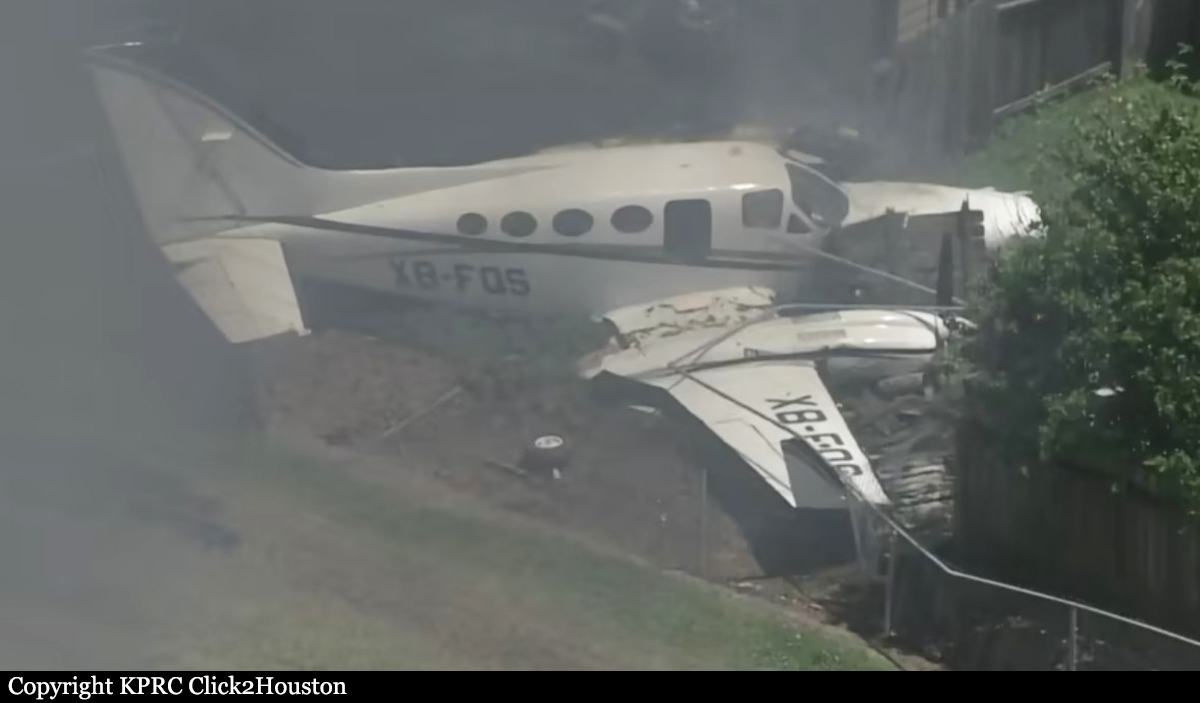
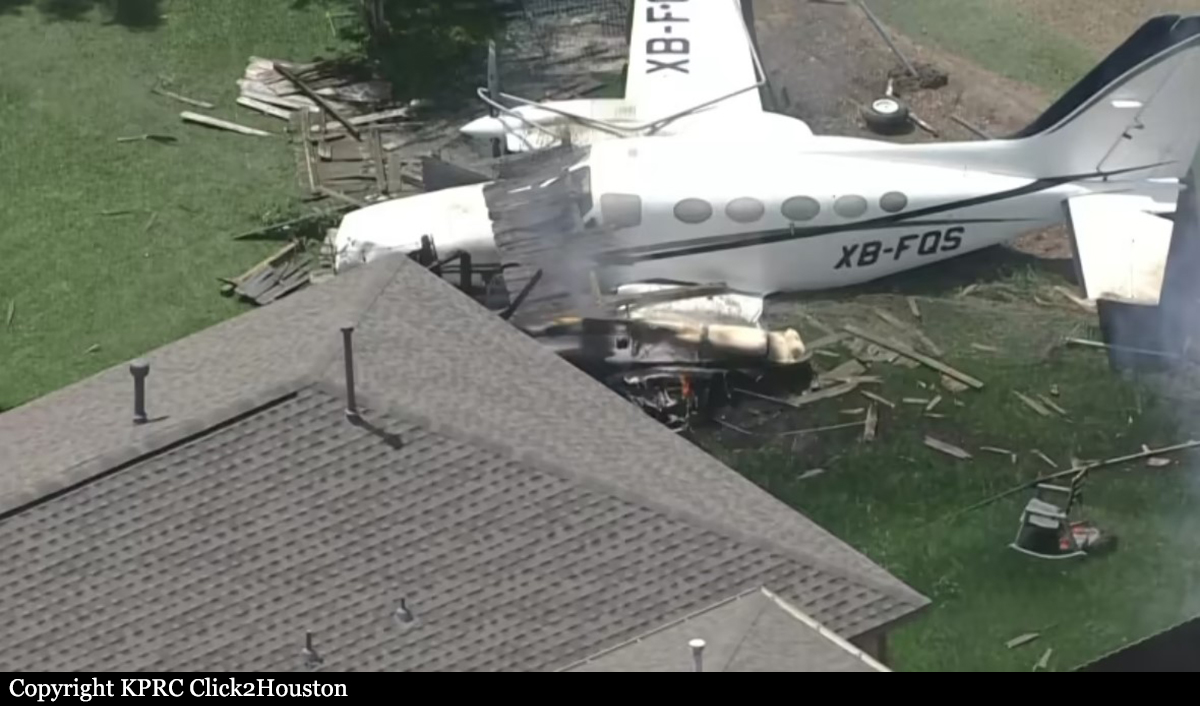
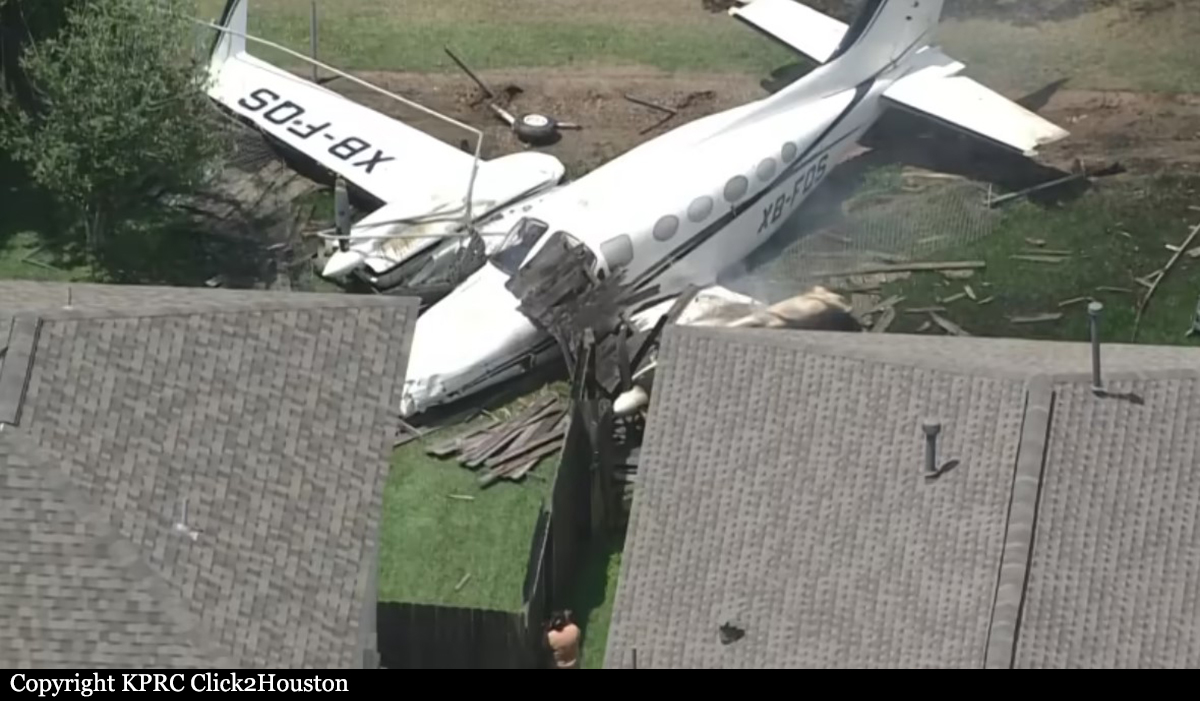
Crash of a Cessna 421C Golden Eagle III in Houston

Date & Time: May 6, 2022 at 1418 LT
Operator:
Registration:
XB-FQS
Flight Phase:
Flight Type:
Survivors:
Yes
Schedule:
Houston – San Antonio
MSN:
421C-0085
YOM:
1976
Crew on board:
1
Crew fatalities:
Pax on board:
3
Pax fatalities:
Other fatalities:
Total fatalities:
0
Captain / Total flying hours:
4025
Captain / Total hours on type:
951.00
Aircraft flight hours:
5197
Circumstances:
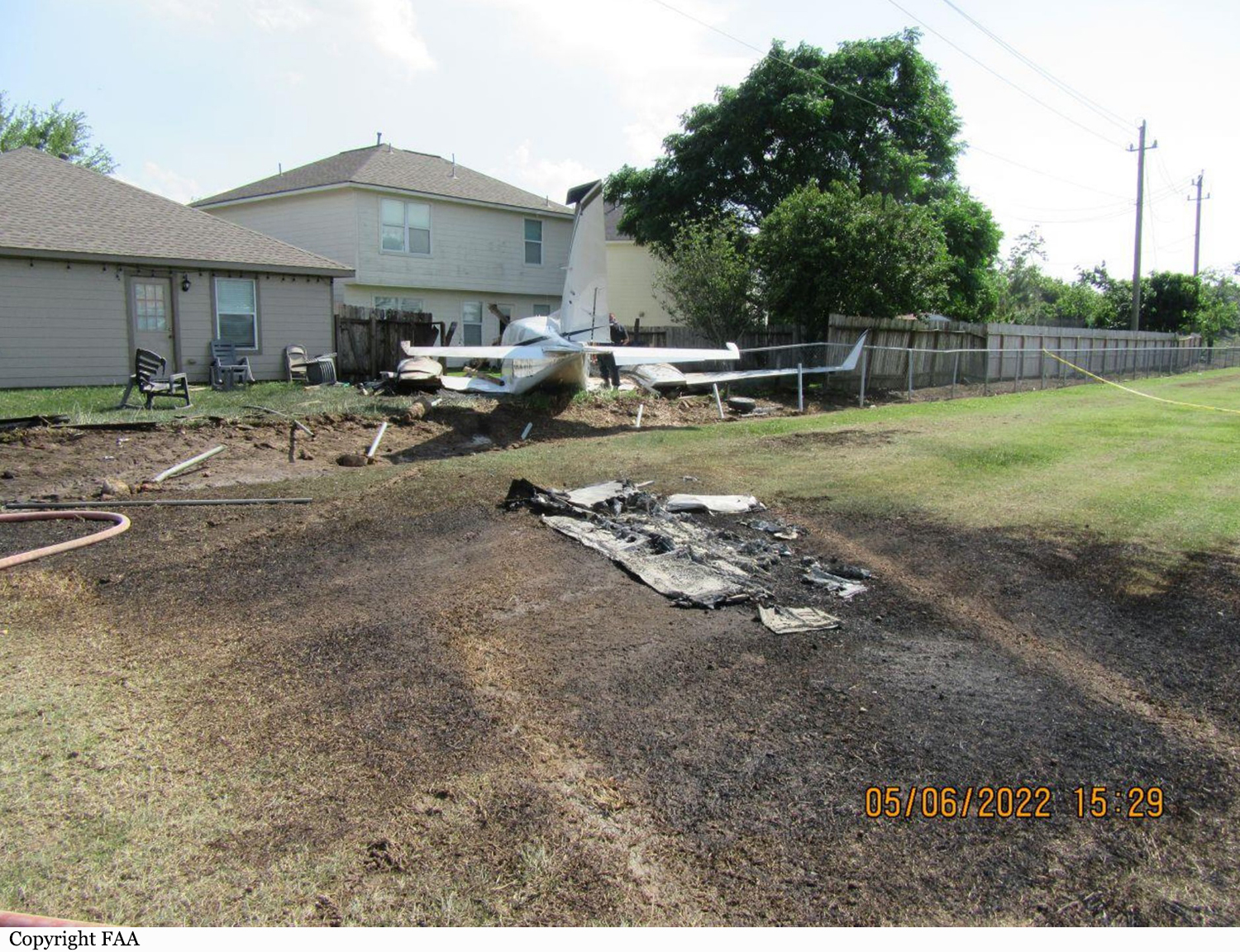
The pilot reported that, before the flight, the airplane was fueled with 140 gallons of Jet A fuel. Shortly after takeoff, both engines lost total power. Because the airplane had insufficient altitude to return to the airport, the pilot executed a forced landing to a field and the left wing sustained substantial damage. A postcrash fire ensued. The investigation determined that the airplane was inadvertently fueled with Jet A fuel rather than AVGAS, which was required for the airplane’s reciprocating engines. The line service worker who fueled the airplane reported that there were no decals at the airplane fuel ports; however, postaccident examination of the airplane found that a decal specifying AVGAS was present at the right-wing fuel port. The investigation could not determine whether the same or a similar decal was present at the left-wing fuel port because the left wing was partially consumed during the postimpact fire.
Probable cause:
The fixed-base operator’s incorrect fueling of the airplane, which resulted in a total loss of power in both engines.
Final Report:

Crash of a Cessna 208B Grand Caravan in Fulshear: 2 killed

Date & Time: Dec 21, 2021 at 0926 LT
Type of aircraft:
Operator:
Registration:
N1116N
Flight Phase:
Flight Type:
Survivors:
No
Schedule:
Houston - Victoria
MSN:
208B-0417
YOM:
1994
Flight number:
MRA685
Location:
Crew on board:
1
Crew fatalities:
Pax on board:
0
Pax fatalities:
Other fatalities:
Total fatalities:
2
Captain / Total flying hours:
3500
Aircraft flight hours:
13125
Circumstances:
A Cessna 208B airplane collided with a powered paraglider during cruise flight at 5,000 feet mean sea level (msl) in Class E airspace. Based on video evidence, the powered paraglider operator impacted the Cessna’s right wing leading edge, outboard of the lift strut attachment point. The outboard 10 ft of the Cessna’s right wing separated during the collision. The Cessna impacted terrain at high vertical speed in a steep nose-down and inverted attitude. The powered paraglider operator was found separated from his seat style harness. The paraglider wing, harness, and emergency parachute were located about 3.9 miles south of the Cessna’s main wreckage site. Based on video evidence and automatic dependent surveillance-broadcast (ADS-B) data, the Cessna and the powered paraglider converged with a 90° collision angle and a closing speed of about 164 knots. About 8 seconds before the collision, the powered paraglider operator suddenly turned his head to the right and about 6 seconds before the collision, the powered paraglider maneuvered in a manner consistent with an attempt to avoid a collision with the converging Cessna. Research indicates that about 12.5 seconds can be expected to elapse between the time that a pilot sees a conflicting aircraft and the time an avoidance maneuver begins. Additionally, research suggests that general aviation pilots may only spend 30-50% of their time scanning outside the cockpit. About 8 seconds before the collision (when the powered paraglider operator’s head suddenly turned to the right), the Cessna would have appeared in the powered paraglider operator’s peripheral view, where research has demonstrated visual acuity is very poor. Additionally, there would have been little apparent motion because the Cessna and the powered paraglider were on a collision course. Under optimal viewing conditions, the powered paraglider may have been recognizable to the Cessna pilot about 17.5 seconds before the collision. However, despite the powered paraglider’s position near the center of his field of view, the Cessna pilot did not attempt to maneuver his airplane to avoid a collision. Further review of the video evidence revealed that the powered paraglider was superimposed on a horizon containing terrain features creating a complex background. Research suggests that the powered paraglider in a complex background may have been recognizable about 7.4 seconds before the collision. However, the limited visual contrast of the powered paraglider and its occupant against the background may have further reduced visual detection to 2-3 seconds before the collision. Thus, after considering all the known variables, it is likely that the Cessna pilot did not see the powered paraglider with sufficient time to avoid the collision. The Cessna was equipped with a transponder and an ADS-B OUT transmitter, which made the airplane visible to the air traffic control system. The operation of the powered paraglider in Class E airspace did not require two-way radio communication with air traffic control, the use of a transponder, or an ADS-B OUT transmitter and therefore was not visible to air traffic control. Neither the Cessna nor the powered paraglider were equipped with ADS-B IN technology, cockpit display of traffic information, or a traffic alerting system. Postmortem toxicological testing detected the prescription antipsychotic medication quetiapine, which is not approved by the Federal Aviation Administration (FAA), in the Cessna pilot’s muscle specimen but the test results did not provide sufficient basis for determining whether he was drowsy or otherwise impaired at the time of the collision (especially in the absence of any supporting details to suggest quetiapine use). Testing also detected ethanol at a low level (0.022 g/dL) in the Cessna pilot’s muscle specimen, but ethanol was not detected (less than 0.01 g/dL) in another muscle specimen. Based on the available results, some, or all of the small amount of detected ethanol may have been from postmortem production, and it is unlikely that ethanol effects contributed to the accident. The Cessna pilot likely did not have sufficient time to see and avoid the powered paraglider (regardless of whether he was impaired by the quetiapine) and, thus, it is unlikely the effects of quetiapine or an associated medical condition contributed to the accident.
Probable cause:
The limitations of the see-and-avoid concept as a method for self-separation of aircraft, which resulted in an inflight collision. Contributing to the accident was the absence of collision avoidance technology on both aircraft.
Final Report:

Crash of a McDonnell Douglas MD-87 in Houston

Date & Time: Oct 19, 2021 at 1000 LT
Type of aircraft:
Registration:
N987AK
Flight Phase:
Flight Type:
Survivors:
Yes
Schedule:
Houston - Bedford
MSN:
49404/1430
YOM:
1987
Crew on board:
4
Crew fatalities:
Pax on board:
19
Pax fatalities:
Other fatalities:
Total fatalities:
0
Captain / Total flying hours:
22000
Captain / Total hours on type:
4000.00
Copilot / Total flying hours:
10000
Copilot / Total hours on type:
700
Aircraft flight hours:
49566
Circumstances:
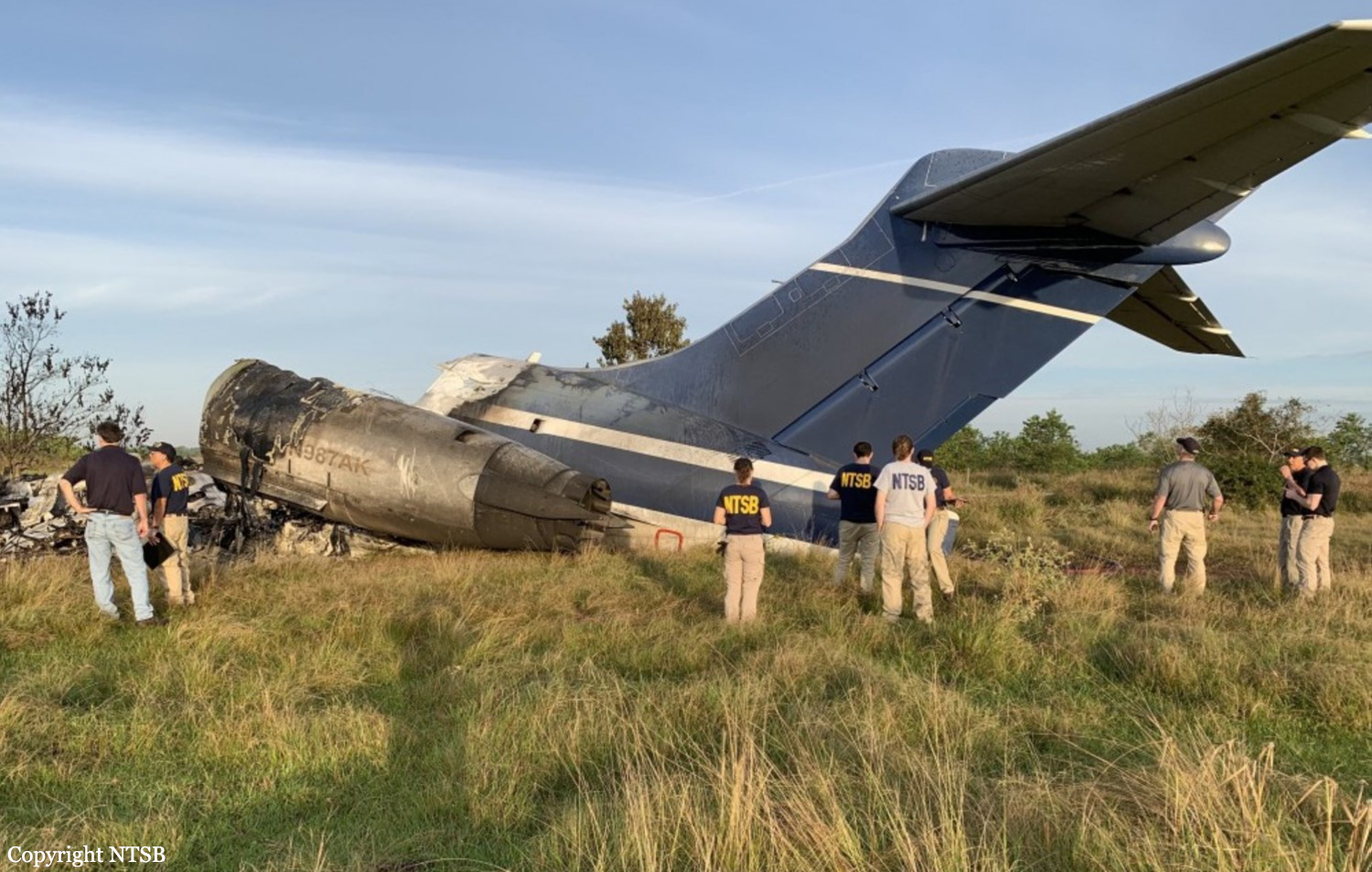
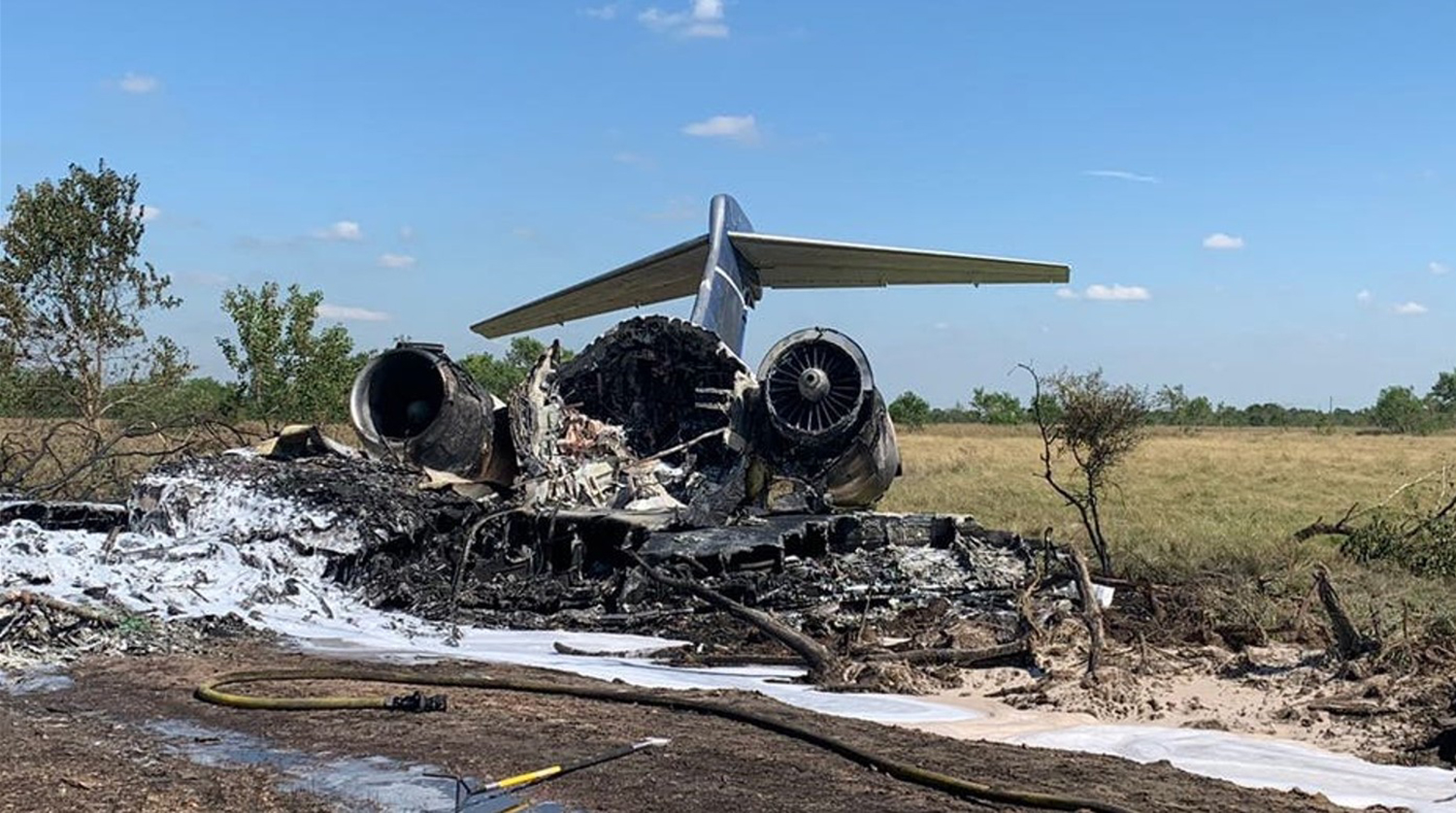
The captain (who was the pilot flying) initiated the takeoff roll, and the airplane accelerated normally. According to the cockpit voice recorder (CVR) transcript, the first officer made the “V1” and then “rotate” callouts. According to the captain (in a postaccident interview), when he pulled back on the control column to rotate the airplane, “nothing happened,” and the control column felt like it “was in concrete” and “frozen.” The CVR captured that the first officer subsequently made the “V2” callout, then the captain said “come on” in a strained voice. Both pilots recalled in postaccident interviews that they both attempted to pull back on the controls, but the airplane did not rotate. The CVR captured that the first officer called out “abort.” The first officer pulled the thrust levers to idle and applied the brakes, and the captain deployed the thrust reversers. (See “Execution of Rejected Takeoff” for more information.) The airplane overran the departure end of the runway and continued through the airport perimeter fence and across a road, striking electrical distribution lines and trees before coming to rest in a pasture, where a postcrash fire ensued. The pilots, two additional crewmembers, and all passengers evacuated the airplane. Two passengers received serious injuries, and one received a minor injury. The airplane was totally destroyed by a post crash fire.
Probable cause:
The jammed condition of both elevators, which resulted from exposure to localized, dynamic high wind while the airplane was parked and prevented the airplane from rotating during the takeoff roll. Also causal was the failure of Everts Air Cargo, the pilots’ primary employer, to maintain awareness of Boeing-issued, required updates for its manuals, which resulted in the pilots not receiving the procedures and training that addressed the requirement to visually verify during the preflight checks that the elevators are not jammed.
Final Report:

Crash of a Cessna 340A in Tatum: 1 killed

Date & Time: Apr 19, 2021 at 1346 LT
Type of aircraft:
Registration:
N801EC
Flight Phase:
Flight Type:
Survivors:
No
Schedule:
Longview - Tatum
MSN:
340A-0312
YOM:
1977
Location:
Crew on board:
1
Crew fatalities:
Pax on board:
0
Pax fatalities:
Other fatalities:
Total fatalities:
1
Captain / Total flying hours:
28665
Captain / Total hours on type:
120.00
Aircraft flight hours:
6500
Circumstances:
The pilot was planning to perform a functional test of the airplane’s newly upgraded autopilot system. Automatic dependent surveillance-broadcast data showed that, after takeoff, the airplane turned east and climbed to 2,750 ft. Air traffic control information indicated that the controller cleared the pilot to operate under visual flight rules to the east of the airport. Communications between ground control, tower control, and the pilot were normal during the ground taxi, takeoff, and climb. Radio and radar communications were lost 6 minutes after takeoff, and no radio distress calls were received from the pilot. The airplane impacted wooded terrain about 3/4 mile to the east of the last recorded radar data point. Groundspeeds and headings were consistent throughout the flight with no abrupt deviations. The airplane impacted the wooded terrain in a nose-down, near-vertical flight attitude. Most of the airplane, including the fuselage, wings, and empennage, were consumed by a postimpact fire. Both engines and propellers separated from the airplane at impact with the ground. Examination of the engines revealed no preaccident failures or malfunctions that would have precluded normal operations. Both propellers showed signs of normal operation. Flight control continuity was confirmed. The elevator trim cables stop blocks were secured to the cables and undamaged. They were found against the forward stop meaning the trim tab was at full down travel (elevator leading edge full down) which indicated that the airplane was trimmed full nose up at impact. The airplane’s cabin sustained fragmentation from impact and was consumed by fire; as a result, the autopilot system could not be examined. The investigation was unable to determine why the pilot lost control of the airplane.
Probable cause:
The pilot’s loss of airplane control for undetermined reasons.
Final Report:

Crash of a Cessna 551 Citation II/SP in Lufkin

Date & Time: Dec 2, 2020 at 0842 LT
Type of aircraft:
Registration:
N48DK
Survivors:
Yes
Schedule:
Austin - Lufkin
MSN:
551-0095
YOM:
1978
Crew on board:
1
Crew fatalities:
Pax on board:
2
Pax fatalities:
Other fatalities:
Total fatalities:
0
Captain / Total flying hours:
17772
Captain / Total hours on type:
2000.00
Aircraft flight hours:
9395
Circumstances:
After a 30-minute uneventful instrument flight rules (IFR) flight, the business jet landed in the rain on the 4,311ft-long runway. The pilot reported, and runway skid marks corroborated, that the airplane touched down about 1,000 ft from the approach end of the runway. The pilot reported braking action was initially normal and the anti-skid system cycled twice before it stopped working and he was unable to slow the airplane using the emergency brakes. The airplane continued off the departure end of the runway where it traveled through wet grass and a fence before coming to rest with the landing gear collapsed. A video of the airplane during the landing roll indicated there was a significant amount of water on the runway. No mechanical anomalies were found with the brake/antiskid systems during the postaccident examination of the airplane. Marks on the runway indicated functionality of the antiskid system. Stopping performance calculations estimated the distance required to stop the airplane on the runway was about 4,127 ft. The runway length remaining after the airplane touched down was about 3,311 ft. The pilot was aware of the runway length and weather conditions prior to departure and reported that he should have not accepted the trip.
Probable cause:
The pilot’s decision to land on a runway that did not provide enough length to stop the airplane given the wet surface conditions, resulting in a runway excursion.
Final Report:
Crash of a Piper PA-46-310P Malibu in Hilltop Lakes: 4 killed
Date & Time: Sep 20, 2020 at 1050 LT
Operator:
Registration:
N236KM
Flight Type:
Survivors:
No
Schedule:
Horseshoe Bay – Natchitoches
MSN:
46-8508014
YOM:
1985
Crew on board:
1
Crew fatalities:
Pax on board:
3
Pax fatalities:
Other fatalities:
Total fatalities:
4
Captain / Total flying hours:
1107
Circumstances:
While in cruise flight at 19,000 ft mean sea level (msl), the pilot declared an emergency to air traffic control and stated that the airplane had lost engine power and that he needed to divert. The pilot elected to divert to an airport that was about 5 miles south of his position. Archived automatic dependent surveillance-broadcast data and commercially available flight track data showed that a descent was initiated from 19,000 ft and the airplane proceeded directly to, and circled around, the airport one time while descending. The last data point showed the airplane at 1,250 ft msl (about 750 ft above ground level) and about 1 mile north of the approach end of the runway. From the cruise altitude of 19,000ft until the last data point, about 12 minutes and 45 seconds had elapsed, which equated to an average descent rate of about 1,392ft per minute. Witnesses located about 1/4 mile south of the end of the runway on a miniature golf course noticed the propeller on the airplane was not turning. They stated that they saw the airplane in a “really hard” left bank; the nose of the airplane dropped, and it impacted the ground in a near vertical attitude. The airplane came to rest along a road about 200 ft south of the airport property. The airplane impacted the terrain in a nose low, near vertical attitude and sustained substantial damage to fuselage and both wings. It is likely that, based on the location of the runway, relative to the miniature golf course, the pilot initiated the left bank to avoid bystanders on the ground and inadvertently exceeded the wing’s critical angle of attack, which resulted in an aerodynamic stall. The airplane was equipped with an engine trend monitor (ETM), which captured various events concerning the accident flight, including engine start, operating limit exceedances, and power checks. The ETM captured a power check while the airplane was at 19,100 ft. About 3 minutes 32 seconds later, an engine off event was recorded. The ETM further captured a logon message, which was consistent with the power being cycled, at an altitude of 3,542 ft, 9 minutes, 52 seconds later. The ETM did not record any start attempts between the logged engine off event and when power was lost to the unit. A postaccident examination of the airframe, engine, and accessories did not reveal any mechanical malfunctions or anomalies that would have precluded normal operation. Although it cannot be determined whether a restart attempt would have been successful, the data were consistent with a restart not being attempted. Both the engine failure and power off landing checklists contained instructions for the pilot to establish the airspeed at 90 knots; however, when the winds aloft were applied to the reported groundspeeds, it was evident this did not occur. Furthermore, the power off landing checklist instructed the pilot to be about 1,500 ft above the airport on the downwind leg; however, data indicate that the airplane was about 5,000 ft above the airport on the downwind leg. The rapid descent from 5,000 ft on the downwind leg to about 750 ft above ground level on the final leg resulted in an unstabilized approach.
Probable cause:
The loss of engine power for reasons that could not be determined and the pilot’s failure to maintain control of the airplane which resulted in an aerodynamic stall and spin. Contributing to the accident was the pilot’s failure to establish and maintain a proper glidepath.
Final Report: