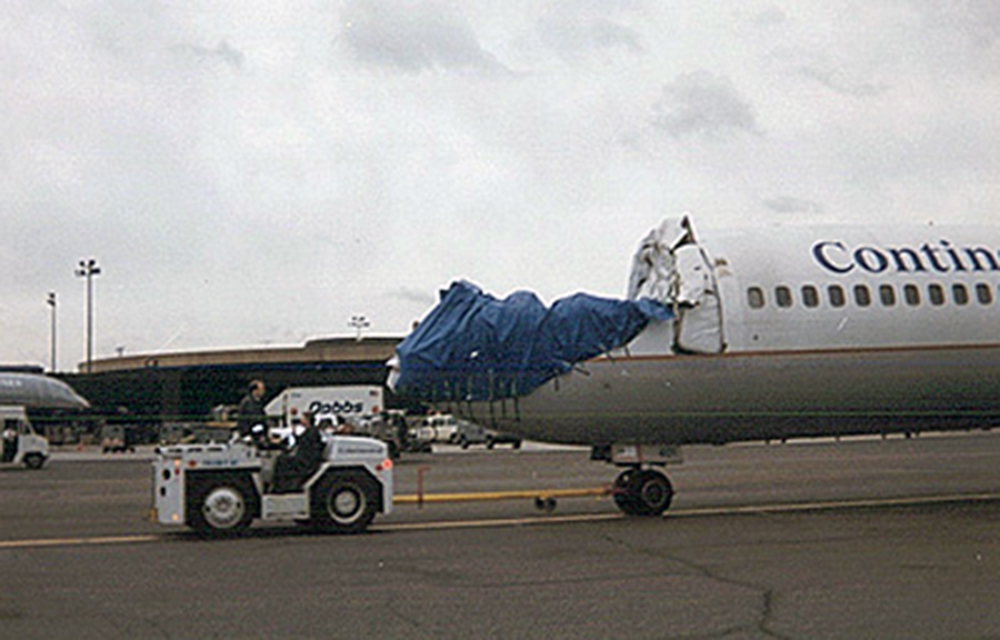
Crash of a Boeing 727-227 in Newark

Date & Time: Jun 7, 1997
Type of aircraft:
Operator:
Registration:
N571PE
Flight Phase:
Survivors:
Yes
MSN:
21264
YOM:
1976
Crew on board:
2
Crew fatalities:
Pax on board:
0
Pax fatalities:
Other fatalities:
Total fatalities:
0
Circumstances:
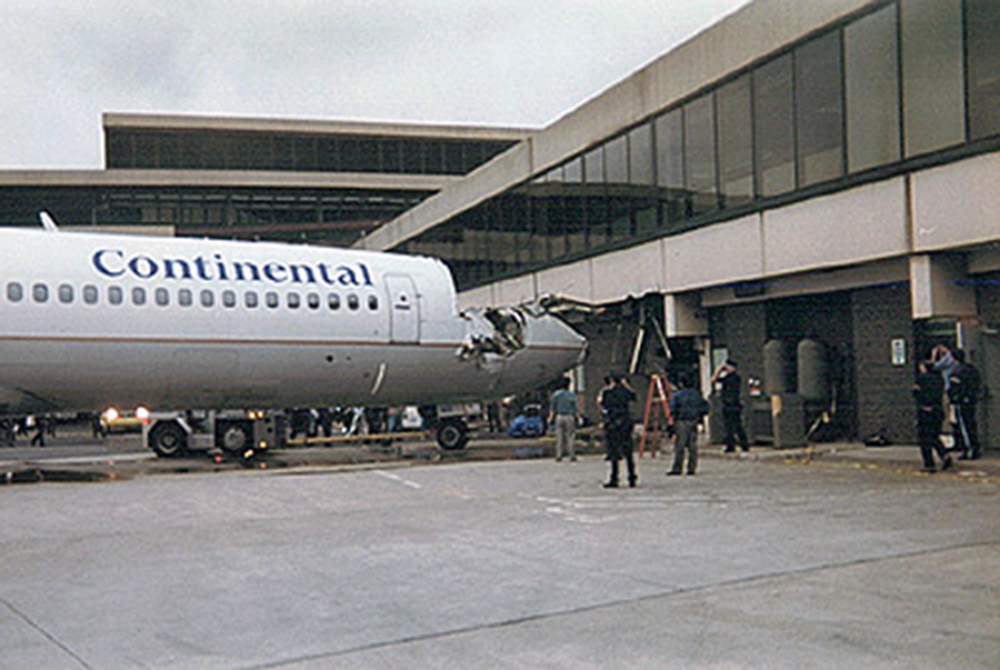
The aircraft was transferred from the maintenance facilities to the main terminal by a technical crew when control was lost. The airplane collided with the USAir Terminal and the cockpit was destroyed.

Crash of a Piper PA-61P Aerostar (Ted Smith 601P) off Sea Isle City: 4 killed

Date & Time: Aug 14, 1994 at 2303 LT
Registration:
N3642A
Flight Phase:
Flight Type:
Survivors:
No
Schedule:
Myrtle Beach – Oxford
MSN:
61-0823-8063432
YOM:
1980
Crew on board:
1
Crew fatalities:
Pax on board:
3
Pax fatalities:
Other fatalities:
Total fatalities:
4
Captain / Total flying hours:
1275
Circumstances:
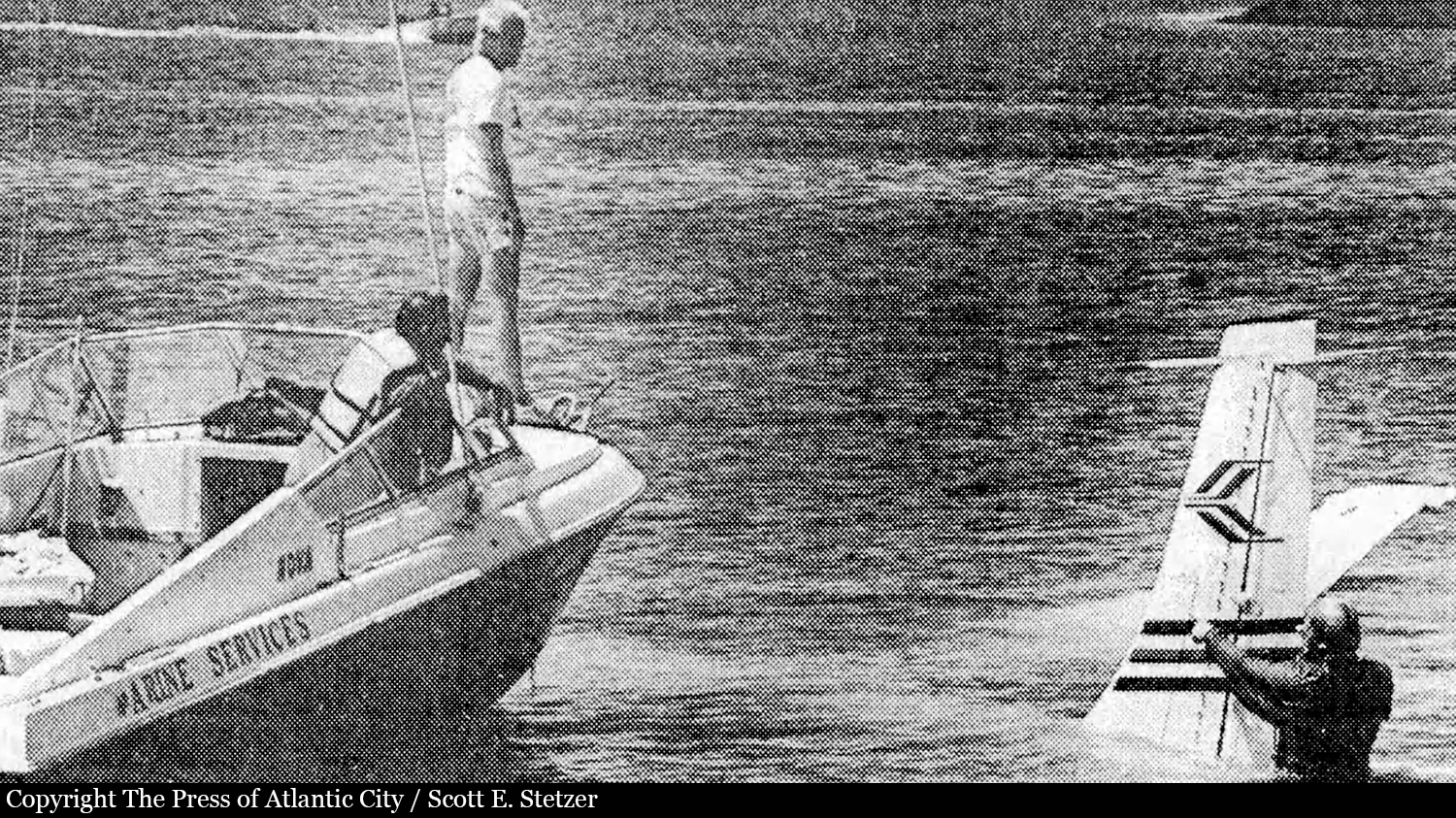
While in cruise flight in a level six thunderstorm over the Atlantic Ocean, the pilot reported the airplane's 'gyro' had failed. The airplane then began a left turn and disappeared off radar. The airplane and its occupants were located on the ocean floor about 48 days after the accident. The airplane had broken apart in-flight. The outboard section of each wing and the tail section were not recovered. The airplane's pneumatic system was destroyed. According to fss records, the pilot had been briefed on the weather along his route of flight.
Probable cause:
The pilot's failure to maintain aircraft control. Factors contributing to the accident were the presence of a level 6 thunderstorm, loss of gyro's for an undetermined reason, and the pilot's poor weather evaluation.
Final Report:

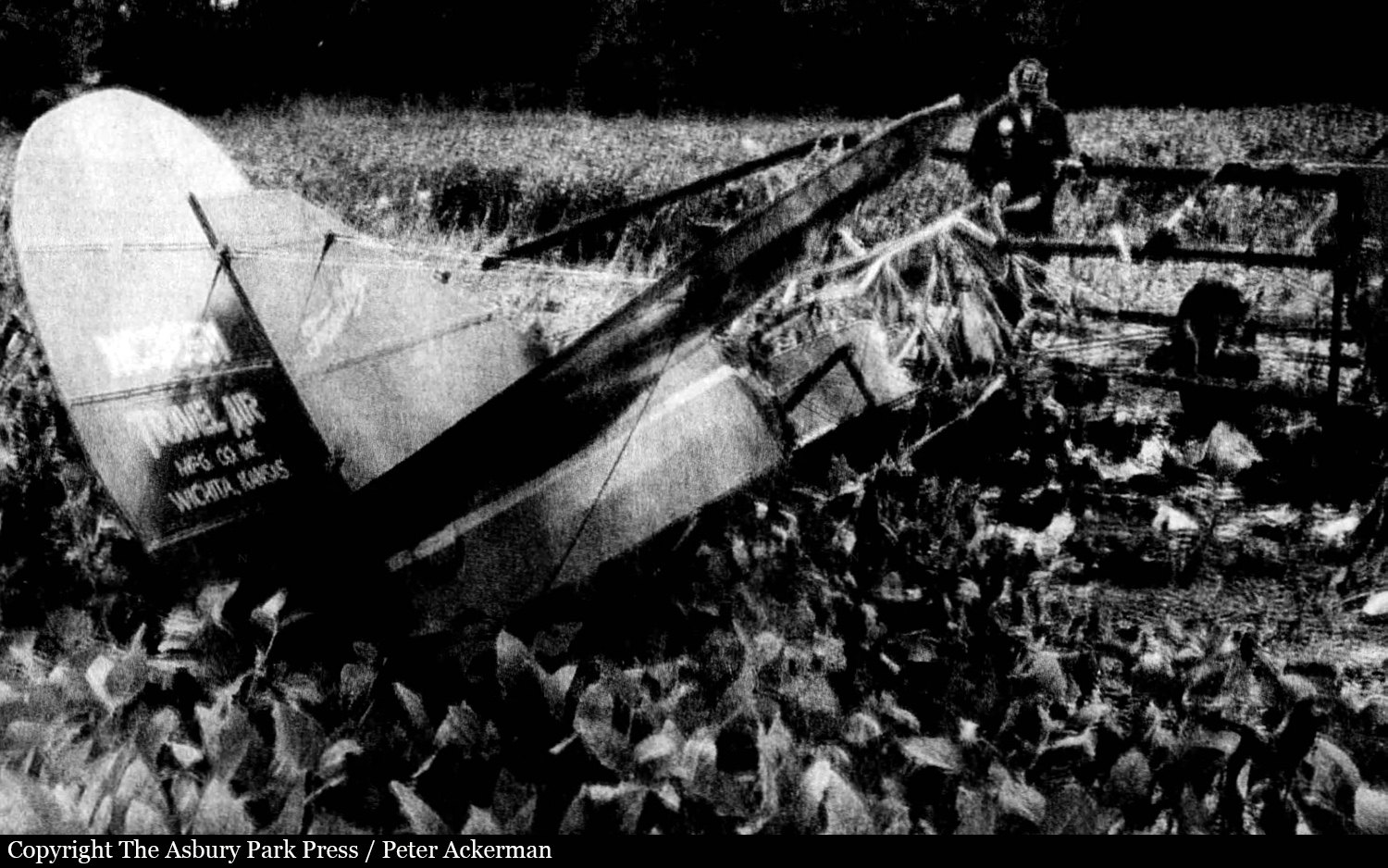
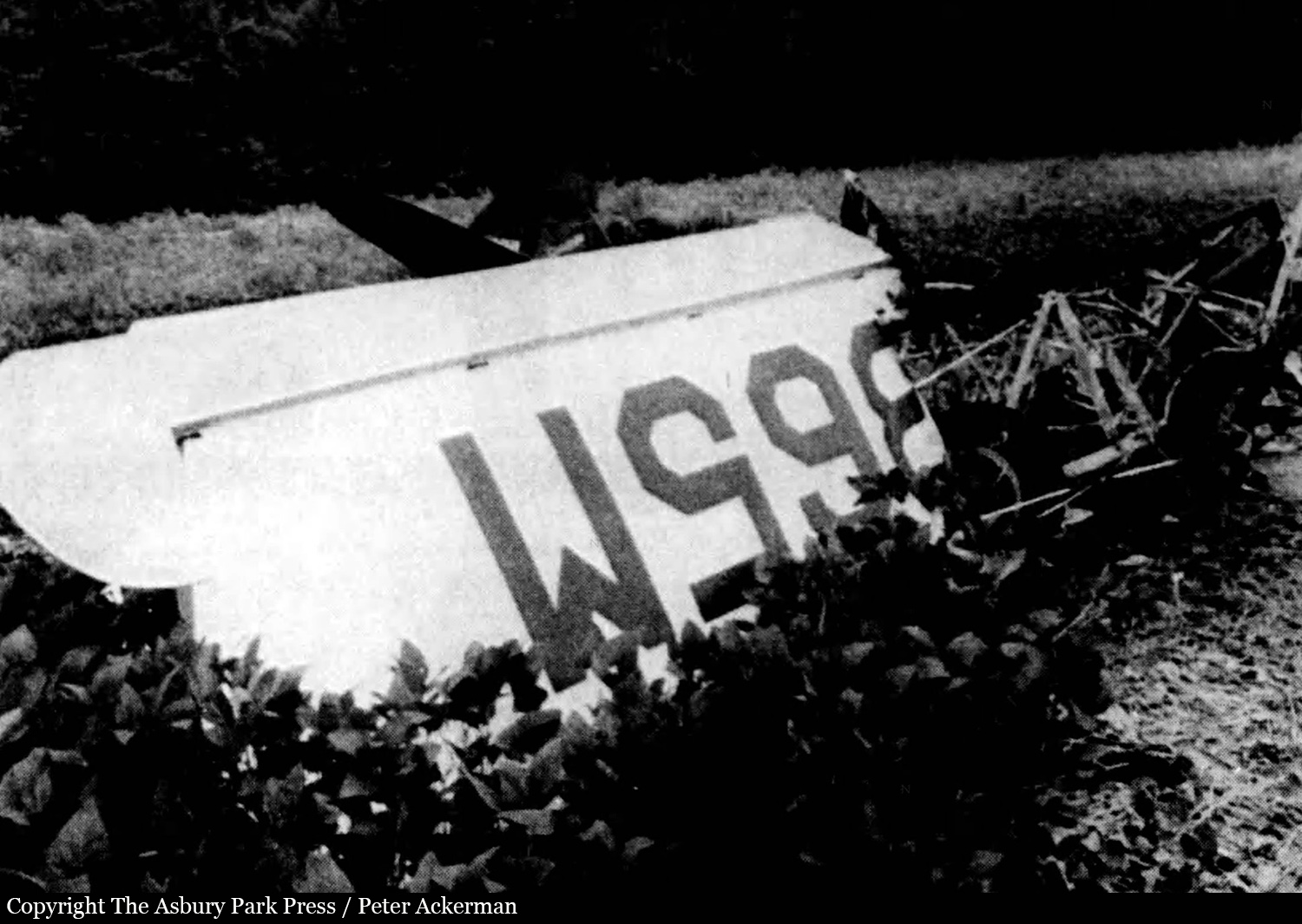
Crash of a Travel Air 4000 in Marlboro: 2 killed

Date & Time: Aug 7, 1993 at 1850 LT
Type of aircraft:
Registration:
NC365M
Flight Phase:
Flight Type:
Survivors:
Yes
Schedule:
Marlboro - Marlboro
MSN:
1297
Crew on board:
1
Crew fatalities:
Pax on board:
2
Pax fatalities:
Other fatalities:
Total fatalities:
2
Captain / Total flying hours:
2636
Captain / Total hours on type:
336.00
Aircraft flight hours:
6276
Circumstances:
This flight was the ninth sightseeing flight of the day for this airplane and pilot. No problems had been reported on the earlier flights. After takeoff and at an altitude of approximately 150 feet, the engine lost power and it began to sputter. The pilot initiated a left turn to land on a field north of the airport. During this turn, the pilot lost control of the airplane, and it impacted the ground in a nose low attitude. A post-impact fire destroyed the airplane and severely burned the engine. An examination of the engine revealed no discrepancies. The pilot was seriously injured while both passengers were killed.
Probable cause:
The loss of engine power for undetermined reasons, and the pilot's failure to maintain adequate airspeed, which resulted in an inadvertent stall and inflight collision with the terrain.
Final Report:

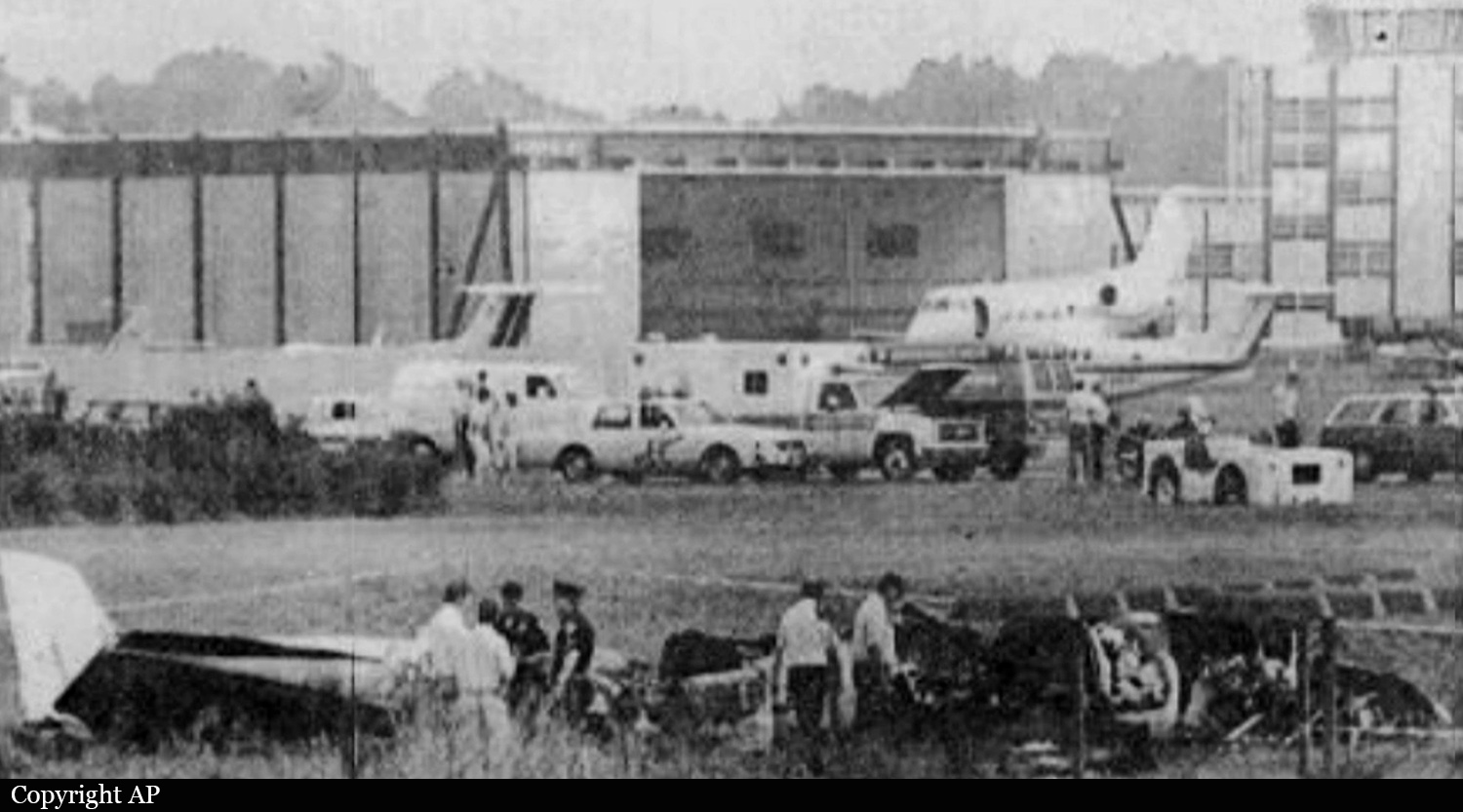
Crash of a Cessna 414A Chancellor in Atlantic City: 1 killed

Date & Time: Nov 23, 1990 at 2135 LT
Type of aircraft:
Registration:
N2693F
Flight Type:
Survivors:
No
Schedule:
Wilmington - Atlantic City
MSN:
414A-0423
YOM:
1979
Crew on board:
1
Crew fatalities:
Pax on board:
0
Pax fatalities:
Other fatalities:
Total fatalities:
1
Captain / Total flying hours:
5000
Circumstances:
The pilot was approaching Atlantic City Airport by night and poor weather conditions when the twin engine aircraft struck the ground and crashed few miles short of runway. The aircraft was destroyed and the pilot, sole on board, was killed.
Probable cause:
Failure of the pilot to follow the published ILS procedure and his continued descent below the decision height. Darkness and the adverse weather conditions were related factors.
Final Report:

Crash of a Piper PA-60 Aerostar (Ted Smith 602P) in Frenchtown: 1 killed

Date & Time: Dec 21, 1989 at 1035 LT
Registration:
N6894Y
Flight Phase:
Survivors:
No
Schedule:
Teterboro – Reading
MSN:
62-0909-8165036
YOM:
1981
Crew on board:
1
Crew fatalities:
Pax on board:
0
Pax fatalities:
Other fatalities:
Total fatalities:
1
Captain / Total flying hours:
2061
Captain / Total hours on type:
312.00
Circumstances:
On January 16, 1989, Machen nacelle mounted induction air intercoolers were installed on N6894Y. On December 14, 1989, an annual inspection was performed, and a Machen superstar i-680 kit was installed. On December 21, 1989, N6894Y was at 6,000 feet when the pilot reported a problem with the right engine. The pilot reported a fire in the right engine. A couple of minutes later, he radioed he could not shut down the right engine. At 1034:37 the pilot advised his 'right engine just tore off' and that he was 'in a spin heading down.' The exhaust tailpipe of the left turbocharger on the right engine was found to have separated. Metallurgical examination revealed the tailpipe failed due to fatigue cracking. Records showed that part I of piper service bulletin 920 (engine tailpipe inspection) had been completed, while part II (addition of fire detection system) had not been accomplished due to the lack of available kits. The pilot, sole on board, was killed.
Probable cause:
The inadequate maintenance and inspection of the turbocharger tailpipe exhaust stack on the right engine by the mechanic(s). The failure of the tailpipe permitted heat from the exhaust to weaken the main spar of the right wing resulting in a catastrophic failure.
Final Report:

Crash of a Piper PA-60 Aerostar (Ted Smith 600) in Somerset

Date & Time: Dec 31, 1988 at 1200 LT
Registration:
N90393
Flight Type:
Survivors:
Yes
Schedule:
Blairstown – Somerset – Jaars-Townsend
MSN:
60-0224-095
YOM:
1975
Crew on board:
1
Crew fatalities:
Pax on board:
3
Pax fatalities:
Other fatalities:
Total fatalities:
0
Captain / Total flying hours:
2300
Captain / Total hours on type:
800.00
Aircraft flight hours:
2049
Circumstances:
The aircraft was on final approach to runway 30 at Somerset airport, Somerville, New Jersey when there was a loss of power of the right engine. The pilot raised the landing gear and flaps, and the aircraft rolled to the right, descended toward the ground and crashed. The fuel selector valve to the right wing tank was in the closed position. The right engine magnetos were defective. All four occupants were injured, two seriously.
Probable cause:
Improper inflight decisions while approaching the airport on final approach with defective magnetos. The right fuel selector was placed in the closed position, the pilot attempted a go around, raised the landing gear and flaps, failed to maintain vmc, and crashed into wooded terrain.
Occurrence #1: loss of engine power
Phase of operation: approach - vfr pattern - final approach
Findings
1. (f) ignition system, magneto - burned
2. (f) ignition system, magneto - worn
3. (c) fuel system, selector/valve - closed
4. (c) fuel tank selector position - improper - pilot in command
----------
Occurrence #2: loss of control - in flight
Phase of operation: go-around (vfr)
Findings
5. (c) go-around - attempted - pilot in command
6. (c) airspeed (vmc) - not maintained - pilot in command
7. (f) fuel tank selector position - performed - pilot in command
8. (c) diverted attention - pilot in command
9. (f) raising of flaps - performed - pilot in command
----------
Occurrence #3: in flight collision with terrain/water
Phase of operation: descent - uncontrolled
Final Report:

Crash of a Learjet 35A in Morristown: 1 killed

Date & Time: Jul 26, 1988 at 0740 LT
Type of aircraft:
Operator:
Registration:
N442NE
Flight Type:
Survivors:
Yes
Schedule:
Allentown - Morristown
MSN:
35-442
YOM:
1981
Crew on board:
2
Crew fatalities:
Pax on board:
0
Pax fatalities:
Other fatalities:
Total fatalities:
1
Captain / Total flying hours:
4810
Captain / Total hours on type:
2100.00
Aircraft flight hours:
4274
Circumstances:
The crew was positioning the aircraft in preparation for a revenue flight and executing a non-directional beacon (NDB) approach to runway 05. The captain reported that the copilot was flying the aircraft. However, the captain stated that he took control of the aircraft during the approach and made some control corrections before returning control of the aircraft to the copilot. Radar data indicated that aircraft control was erratic throughout the approach and that the airspeed and descent rates were high (3,000 fpm sink rate) shortly before the accident. The aircraft struck a fence short of the runway and impacted the ground. The captain said he realized the aircraft was drifting left of course but did not correct it. He said he told the copilot to add power twice during the approach. The copilot's training history indicated difficulty in control, scan of instruments, and with instrument procedures. Company management described the captain as passive and the copilot as aggressive. Supervision of training and operations by management and surveillance of the company by the FAA was considered inadequate by NTSB.
Probable cause:
Occurrence #1: loss of control - in flight
Phase of operation: approach - faf/outer marker to threshold (ifr)
Findings
1. (c) flight controls - improper use of - copilot/second pilot
2. Overconfidence in personal ability - copilot/second pilot
3. (f) inadequate recurrent training - copilot/second pilot
4. (f) inadequate surveillance of operation - faa (organization)
5. (f) airspeed - improper - copilot/second pilot
6. (f) proper descent rate - exceeded - copilot/second pilot
7. (c) supervision - inadequate - pilot in command
8. (f) interpersonal relations - pilot in command
9. Insufficient standards/requirements,airman - company/operator mgmt
----------
Occurrence #2: in flight collision with terrain/water
Phase of operation: approach - faf/outer marker to threshold (ifr)
Final Report:

Crash of a Learjet 35A in Teterboro: 4 killed

Date & Time: May 24, 1988 at 0316 LT
Type of aircraft:
Registration:
N500RW
Flight Phase:
Flight Type:
Survivors:
No
Schedule:
Teterboro - Morristown
MSN:
35-148
YOM:
1978
Crew on board:
2
Crew fatalities:
Pax on board:
2
Pax fatalities:
Other fatalities:
Total fatalities:
4
Captain / Total flying hours:
8910
Captain / Total hours on type:
759.00
Aircraft flight hours:
4735
Circumstances:
Witnesses reported a normal takeoff. Radar indicated the aircraft turned right as cleared and began cruise at 1900 feet, heading northwest at 235 knots. 65 seconds after calling clear of the control zone the aircraft's radar track ended. The aircraft was fragmented by the impact with all flight control surfaces and aircraft extremities found at the impact site. Pitch trim was found in the normal cruise setting with gear, flaps, and spoilers in the retracted position. Examination of the engines indicated operation at impact. Aircraft struck the terrain in approx 80° nose down, wings level attitude and heading opposite to the previous direction of flight. In flight simulator tests, with the aircraft initially in level flight at 1,900 feet and then rolled inverted and the pitch control moved aft, the aircraft attitude was similar to the attitude at impact. There were two unauthorized passengers on board, one was the copilot's wife. The impact point was in a very small region of uncontrolled airspace very near the copilot's and relative's homes. The copilot was new to jet operations. The aircraft departed with several discrepancies uncleared. All four occupants were killed.
Probable cause:
Occurrence #1: in flight collision with terrain/water
Phase of operation: maneuvering
Findings
1. (f) light condition - dark night
2. (c) maneuver - attempted - pilot in command
3. (c) judgment - poor - pilot in command
4. (c) altitude - misjudged - pilot in command
5. (f) lack of total experience in type operation - pilot in command
6. (f) lack of total experience in type operation - copilot/second pilot
7. Operation with known deficiencies in equipment - attempted - company maintenance personnel
Final Report:

Crash of a Piper PA-31-325 Navajo C/R in Atlantic City: 3 killed

Date & Time: Feb 19, 1988 at 2202 LT
Type of aircraft:
Registration:
N27400
Survivors:
No
Schedule:
Norwood - Atlantic City
MSN:
31-7712093
YOM:
1977
Crew on board:
2
Crew fatalities:
Pax on board:
1
Pax fatalities:
Other fatalities:
Total fatalities:
3
Captain / Total flying hours:
1115
Captain / Total hours on type:
135.00
Aircraft flight hours:
2909
Circumstances:
The aircraft disappeared from radar at approximately 1 mile final on a night ILS runway 13 approach. Radar data indicated that the aircraft completed almost 180° of turn prior to disappearing. The aircraft crashed in a heavily wooded area. No evidence of a preexisting failure on the engines or airframe was found. When the flying history of the pilot was examined, the hours presented on his resume exceeded his log book and his log book hours could not be totally verified. The copilot did not have an instrument rating. The pilot that preceded the accident aircraft on the approach said he experienced moderate turbulence, windshear and that the approach lights were very distracting. The pilot had received a weather briefing which included wind shear and moderate turbulence. All three occupants were killed.
Probable cause:
Occurrence #1: loss of control - in flight
Phase of operation: approach - faf/outer marker to threshold (ifr)
Findings
1. (f) weather condition - fog
2. (f) weather condition - windshear
3. (f) weather condition - turbulence
4. (c) compensation for wind conditions - inadequate - pilot in command
5. (c) ifr procedure - improper - pilot in command
6. (f) spatial disorientation - pilot in command
7. (f) lack of total instrument time - copilot/second pilot
8. (f) inadequate surveillance of operation - company/operator mgmt
----------
Occurrence #2: in flight collision with terrain/water
Phase of operation: descent - uncontrolled
Findings
9. Object - tree(s)
Final Report:

Crash of a Piper PA-61 Aerostar (Ted Smith 601P) in Atlantic City: 1 killed

Date & Time: Aug 10, 1987 at 0854 LT
Operator:
Registration:
N814SG
Flight Phase:
Flight Type:
Survivors:
No
MSN:
61-0157-001
YOM:
1974
Crew on board:
1
Crew fatalities:
Pax on board:
0
Pax fatalities:
Other fatalities:
Total fatalities:
1
Captain / Total flying hours:
2500
Aircraft flight hours:
2919
Circumstances:
During the takeoff roll witnesses observed the aircraft swerve from left to right with the engine(s) 'missing' or intermittent. The aircraft lifted off and climbed to approximately 50 feet agl and continued across a waterway in a left turn with the landing gear extended. The aircraft pitched up and rolled left wing down into the water. Examination of the engines revealed a cracked coil in the left magneto of the right engine. No other mechanical malfunction/failure could be determined. The pilot, sole on board, was killed.
Probable cause:
Occurrence #1: loss of engine power
Phase of operation: takeoff - roll/run
Findings
1. 1 engine
2. (f) ignition system, ignition coil - cracked
----------
Occurrence #2: loss of control - in flight
Phase of operation: takeoff - initial climb
Findings
3. (c) emergency procedure - improper - pilot in command
4. (c) aborted takeoff - not performed - pilot in command
5. (f) in-flight planning/decision - improper - pilot in command
6. (c) operation with known deficiencies in equipment - continued - pilot in command
7. (c) airspeed (vmc) - not maintained - pilot in command
----------
Occurrence #3: in flight collision with terrain/water
Phase of operation: descent - uncontrolled
Findings
8. (f) terrain condition - water
Final Report: