Crash of a De Havilland DHC-6 Twin Otter 300 near Nome: 4 killed

Date & Time: Dec 3, 1979
Operator:

Registration:
N8061V
Flight Phase:
Survivors:
No
Site:
Schedule:
Nome - Shishmaref
MSN:
294
YOM:
1970
Location:
Crew on board:
2
Crew fatalities:
Pax on board:
2
Pax fatalities:
Other fatalities:
Total fatalities:
4
Captain / Total flying hours:
3453
Captain / Total hours on type:
731.00
Circumstances:
The airplane departed Nome on a VFR flight to Shishmaref, about 122 miles to the north. Few minutes after takeoff, the crew encountered poor weather conditions with snow falls, limited visibility (night) and icing conditions. The airplane struck the slope of a mountain located to the north of Nome. As the airplane failed to arrive at destination, SAR operations were initiated but eventually suspended few days later as no trace of the aircraft nor the four occupants was found. The wreckage was localized on February 10, 1980. The aircraft was destroyed upon impact and all four occupants have been found dead.
Probable cause:
Controlled flight into terrain during normal cruise after the crew continued VFR flight into adverse weather conditions. The following contributing factors were reported:
- Snow covered terrain,
- High obstructions,
- Low ceiling,
- Snow,
- Visibility half a mile or less,
- Fog,
- Special VFR flight.
Final Report:


Crash of a Learjet 24D in Dutch Harbor

Date & Time: Dec 2, 1979 at 1621 LT
Type of aircraft:
Operator:
Registration:
N300JA
Flight Phase:
Survivors:
Yes
Schedule:
Dutch Harbor - Anchorage
MSN:
24-282
YOM:
1974
Crew on board:
2
Crew fatalities:
Pax on board:
4
Pax fatalities:
Other fatalities:
Total fatalities:
0
Captain / Total flying hours:
15756
Captain / Total hours on type:
5000.00
Circumstances:
During the takeoff roll at Dutch Harbor Airport, the airplane swerved then collided with rocks and the right side of the runway. The crew aborted the takeoff procedure but the airplane went out of control and crashed in flames. All six occupants were injured, three of them seriously. The aircraft was destroyed by fire.
Probable cause:
Swerve on takeoff run and subsequent collision with objects after the crew selected an unsuitable terrain. The following contributing factors were reported:
- The crew delayed action in aborting takeoff,
- Inadequate snow removal from runway on part of the airport supervisory personnel,
- Wet runway,
- Ice/slush on runway,
- Poorly maintained runway surface,
- Soft runway.
Final Report:

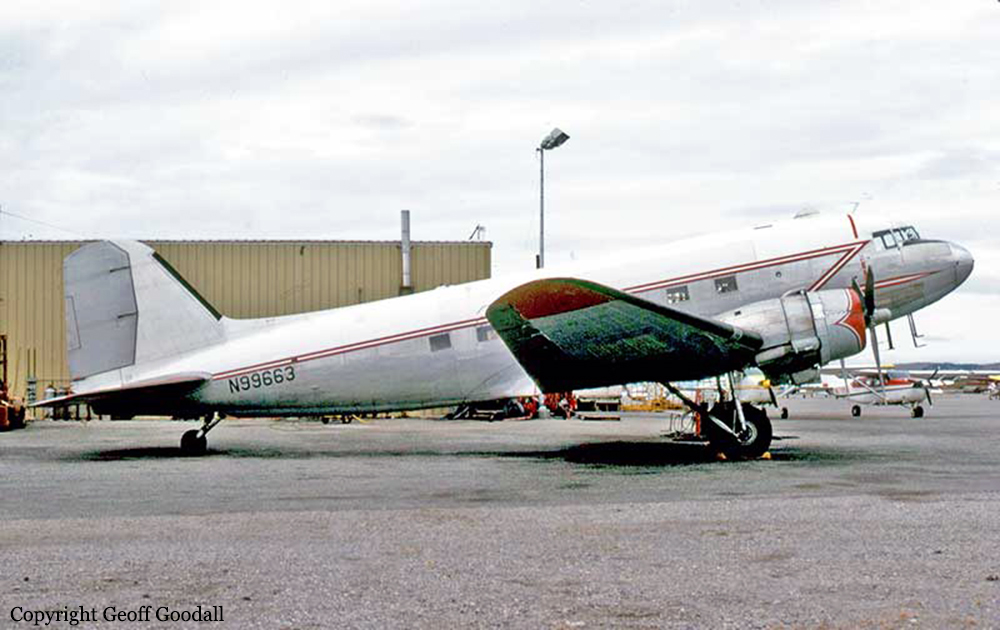
Crash of a Douglas C-47B-35-DK Dakota IV-M in Bettles: 2 killed

Date & Time: Oct 30, 1979 at 1030 LT
Operator:
Registration:
N99663
Flight Type:
Survivors:
No
Schedule:
Fairbanks - Bettles - Ambler
MSN:
16719/33467
YOM:
1945
Location:
Crew on board:
2
Crew fatalities:
Pax on board:
0
Pax fatalities:
Other fatalities:
Total fatalities:
2
Captain / Total flying hours:
7000
Captain / Total hours on type:
1000.00
Circumstances:
The approach to Bettles Airport was unstable and completed in poor weather conditions with low ceiling, fog and blowing snow. The aircraft crashed on three parked aircraft on apron. The C-47 was destroyed and both pilots were killed. At the time of the accident, the visibility was below minimums.
Probable cause:
Collision with parked aircraft on final approach due to improper IFR operation. The following contributing factors were reported:
- Low ceiling,
- Fog,
- Blowing snow,
- Visibility less than half a mile, below minimums,
- No alternate airport,
- LOC/DME approach.
Final Report:

Crash of a Cessna 207A Skywagon in Anchorage: 4 killed

Date & Time: Oct 8, 1979 at 1607 LT
Operator:
Registration:
N6424H
Flight Phase:
Survivors:
No
Schedule:
Anchorage – Tyonek
MSN:
207-0519
YOM:
1979
Crew on board:
1
Crew fatalities:
Pax on board:
3
Pax fatalities:
Other fatalities:
Total fatalities:
4
Captain / Total flying hours:
11120
Captain / Total hours on type:
540.00
Circumstances:
The single engine airplane departed Anchorage-Merrill Field on a taxi flight to Tyonek, on the Cook Inlet. Just after liftoff, while in initial climb, the engine lost power. The airplane lost height then struck a hangar and crashed. The aircraft was destroyed and all four occupants were killed. There were no casualties on ground.
Probable cause:
Engine failure during initial climb and subsequent collision with building due to poor maintenance servicing. The following contributing factors were reported:
- Improperly services aircraft by ground crew,
- Inadequate preflight preparation,
- Water in fuel,
- Partial loss of engine power,
- Water found in storage tank,
- Leak in fill pipe,
- Lineboy serviced aircraft while the storage tank being filled.
Final Report:

Crash of a Cessna 207 Skywagon near Juneau: 3 killed

Date & Time: Oct 3, 1979 at 1213 LT
Registration:
N1726U
Flight Phase:
Survivors:
No
Schedule:
Juneau – Hoonah
MSN:
207-0326
YOM:
1976
Location:
Crew on board:
1
Crew fatalities:
Pax on board:
2
Pax fatalities:
Other fatalities:
Total fatalities:
3
Captain / Total flying hours:
2623
Captain / Total hours on type:
21.00
Circumstances:
The single engine airplane departed Juneau Airport on a taxi flight to Hoonah, carrying two passengers and one pilot. While climbing in poor weather conditions, the pilot suffered spatial disorientation and lost control of the airplane that crashed in flames in an open field. The aircraft was totally destroyed and all three occupants were killed. At the time of the accident, weather conditions were poor with thunderstorm activity, low ceiling, rain and turbulences.
Probable cause:
Uncontrolled descent and subsequent collision with ground after the pilot continued VFR flight into adverse weather conditions. The following contributing factors were reported:
- Spatial disorientation,
- Inadequate preflight preparation,
- Physical impairment,
- Alcoholic impairment of efficiency and judgment,
- Low ceiling,
- Rain,
- Turbulences associated with thunderstorm activity,
- Squall line,
- Merging cloud layers forecasted,
- Blood alcohol level 1,08‰.
Final Report:

Crash of a Pilatus PC-6/350 Porter near Sparrevohn

Date & Time: Oct 1, 1979 at 0900 LT
Operator:
Registration:
N4912
Flight Phase:
Survivors:
Yes
Site:
Schedule:
Red Devil - Anchorage
MSN:
544
YOM:
1962
Crew on board:
1
Crew fatalities:
Pax on board:
1
Pax fatalities:
Other fatalities:
Total fatalities:
0
Captain / Total flying hours:
4300
Captain / Total hours on type:
140.00
Circumstances:
On a flight from Red Devil to Anchorage, while flying over mountainous terrain, the pilot encountered severe downdrafts when the airplane crashed in flames on a hilly terrain near Sparrevohn. Both occupants were injured and the aircraft was destroyed.
Probable cause:
Controlled collision with ground during normal due to improper in-flight decisions. The following contributing factors were reported:
- Downdrafts,
- Wind gusting 40 knots.
Final Report:

Crash of a Cessna 207 Skywagon in Rainy Pass: 1 killed

Date & Time: Sep 24, 1979
Operator:
Registration:
N6405H
Flight Phase:
Flight Type:
Survivors:
No
Site:
Schedule:
Anchorage - Galena
MSN:
207-0512
YOM:
1979
Crew on board:
1
Crew fatalities:
Pax on board:
0
Pax fatalities:
Other fatalities:
Total fatalities:
1
Captain / Total flying hours:
1500
Captain / Total hours on type:
150.00
Circumstances:
En route from Anchorage to Galena, the pilot encountered poor weather conditions with low ceiling. Lost and disoriented, he flew into a blind canyon when he saw high obstructions. While initiating an evasive maneuver to avoid collision, he made a steep turn to the left when the aircraft struck the ground and crashed in flames in a mountainous terrain located about 125 miles northwest from the city of Anchorage. As the airplane failed to arrive at destination, SAR operations were initiated but eventually abandoned few days later as no trace of the aircraft nor the pilot was found. On September 2, 1980, the burnt wreckage was found near Rainy Pass.
Probable cause:
Controlled flight into terrain after the pilot became lost and disoriented. The following contributing factors were reported:
- The pilot continued VFR flight into adverse weather conditions,
- The pilot misjudged distance, speed, altitude or clearance,
- Low ceiling,
- High obstructions,
- The pilot flew into blind canyon,
- Evasive maneuver to avoid collision,
- In-flight steep left turn,
- Recovery date September 2, 1980.
Final Report:

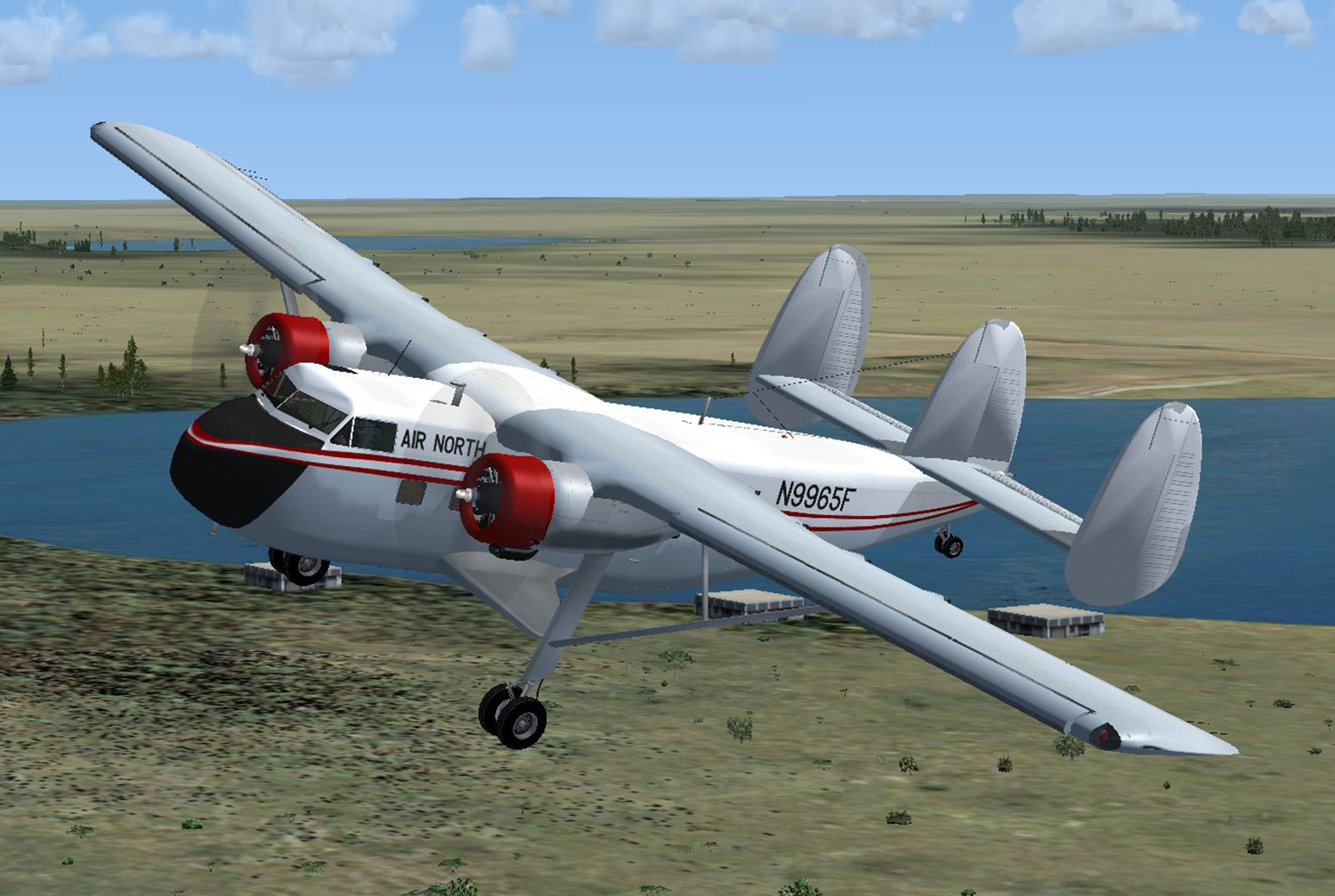
Crash of a Scottish Aviation Twin Pioneer 1 in Pilot Point

Date & Time: Aug 31, 1979 at 1540 LT
Registration:
N9965F
Flight Phase:
Flight Type:
Survivors:
Yes
Schedule:
Pilot Point - Naknek
MSN:
505
YOM:
1957
Crew on board:
2
Crew fatalities:
Pax on board:
0
Pax fatalities:
Other fatalities:
Total fatalities:
0
Captain / Total flying hours:
2506
Captain / Total hours on type:
29.00
Circumstances:
The twin engine airplane was engaged in a cargo flight from Pilot Point to Naknek and was carrying two pilots and a load of fish. During the takeoff roll from an unsuitable terrain with strong crosswinds, the airplane went out of control, ground looped and came to rest. Both occupants escaped uninjured while the aircraft was damaged beyond repair.
Probable cause:
Ground loop - swerve during an aborted takeoff after the crew selected an unsuitable terrain. The following contributing factors were reported:
- Improper compensation for wind conditions,
- Lack of familiarity with aircraft,
- Airport conditions: poor maintained runway surface,
- Unfavorable wind conditions,
- No weather briefing received,
- Wind gusting to 20 knots.
Final Report:

Crash of a Cessna 207A Skywagon in Nikiski: 1 killed

Date & Time: Aug 7, 1979 at 1110 LT
Operator:
Registration:
N6469H
Flight Phase:
Flight Type:
Survivors:
Yes
Schedule:
Nikiski - Kodiak
MSN:
207-0533
YOM:
1979
Location:
Crew on board:
2
Crew fatalities:
Pax on board:
0
Pax fatalities:
Other fatalities:
Total fatalities:
1
Captain / Total flying hours:
9500
Captain / Total hours on type:
2000.00
Circumstances:
After takeoff from Nikiski Airfield, the single engine airplane failed to gain height, struck trees and crashed in flames in a wooded area. A pilot was killed while the second occupant was seriously injured.
Probable cause:
Engine failure during initial climb and subsequent collision with trees due to powerplant failure for undetermined reasons. The following contributing factors were reported:
- Failed to see and avoid objects or obstructions,
- inadequate preflight preparation,
- Misused or failed to use flaps,
- Set and soft runway,
- Improperly loaded aircraft,
- High obstructions,
- Momentary power reduction,
- 340 lbs over MTOW.
Final Report:

Crash of a Cessna 402B near Anchorage: 7 killed

Date & Time: Jul 12, 1979 at 0932 LT
Type of aircraft:
Registration:
N402TH
Flight Phase:
Survivors:
No
Schedule:
Anchorage - Kenai
MSN:
402B-1034
YOM:
1975
Crew on board:
1
Crew fatalities:
Pax on board:
6
Pax fatalities:
Other fatalities:
Total fatalities:
7
Captain / Total flying hours:
7726
Captain / Total hours on type:
1715.00
Circumstances:
After departure from Anchorage Airport, while climbing, the pilot encountered technical problems with his instruments. In zero visibility due to clouds and fog, the aircraft descended until it struck the ground and crashed few miles from Anchorage. The aircraft was destroyed upon impact and all seven occupants were killed.
Probable cause:
Controlled collision with ground following the failure of a fluxgate compass. The following contributing factors were reported:
- Flight and navigation instruments: fluxgate compass,
- Material failure,
- The pilot failed to use or incorrectly used miscellaneous equipment,
- Chafed,
- Airways facilities personnel,
- Failure of ATC to properly identify the aircraft on radar,
- Low ceiling,
- Rain,
- Fog,
- Zero visibility,
- Aircraft observed with IFR arrival transponder code after departure,
- Flux detector wires chafed,
- Ground control cannot communicate directly with departure control.
Final Report: