Crash of a Rockwell Aero Commander 680E off San Juan: 1 killed

Date & Time: Apr 20, 1968 at 2000 LT
Registration:
N408EE
Flight Phase:
Flight Type:
Survivors:
No
MSN:
680-665-8
YOM:
1958
Country:
Crew on board:
1
Crew fatalities:
Pax on board:
0
Pax fatalities:
Other fatalities:
Total fatalities:
1
Captain / Total flying hours:
3602
Captain / Total hours on type:
369.00
Circumstances:
The pilot was completing a positioning flight when control was lost. The airplane crashed into the sea off San Juan. Some debris were found a day later but no trace of the pilot who was presumed dead.
Probable cause:
Due to lack of evidences, the cause of the accident could not be determined.
Final Report:

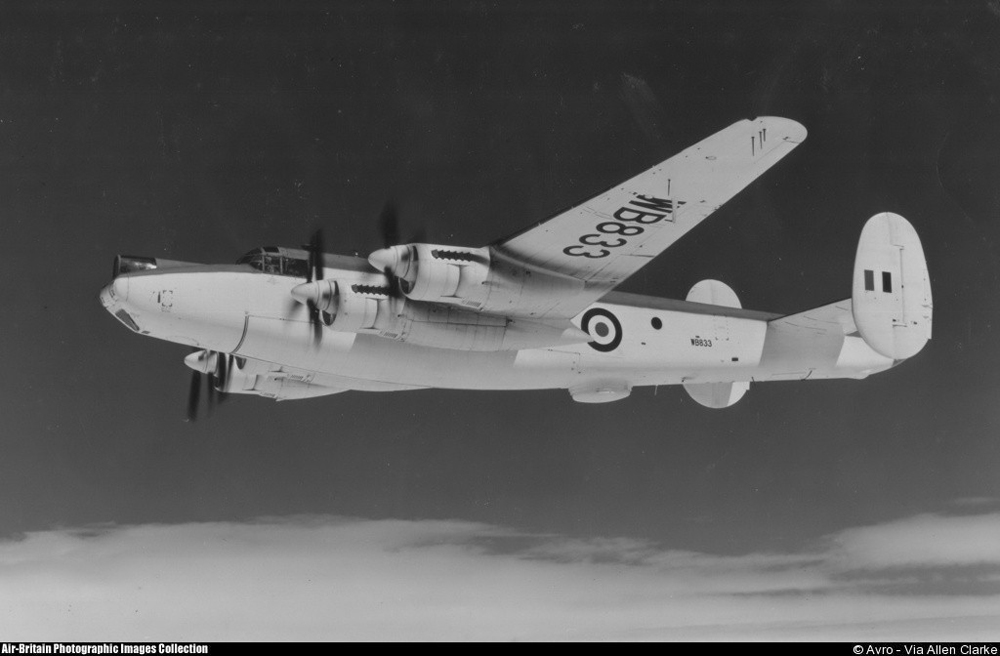
Crash of an Avro 696 Shackleton MR.2 in Mull of Kintyre: 11 killed

Date & Time: Apr 19, 1968 at 1030 LT
Type of aircraft:
Operator:
Registration:
WB833
Flight Phase:
Flight Type:
Survivors:
No
Schedule:
Ballykelly - Ballykelly
YOM:
1952
Region:
Crew on board:
11
Crew fatalities:
Pax on board:
0
Pax fatalities:
Other fatalities:
Total fatalities:
11
Circumstances:
The aircraft had taken off from Ballykelly in Northern Ireland on an anti-submarine exercise early on the morning of the 19th April 1968, it is reported to have been tasked with located a Royal Navy submarine that was in the area. The area that day was shrouded in thick sea mist and at about 10:30 the aircraft was heard in the area south of the Mull of the Kintyre shortly after as it climbed up through the mist the aircraft struck rising ground near Garvalt cottage killing all 11 crew members instantly.
Crew:
S/Ldr Robert Clive Leonard Haggett, pilot,
F/O David Robert Burton, pilot,
F/O Michael Creedon, pilot,
F/Lt Roger John Duncan Denny, navigator,
F/Lt George Craigie Fisken, navigator,
Sgt John Richard Frank Creamer, flight engineer,
F/Lt Rodney Hellens, air electronic officer,
F/Sgt Thomas Frederick Anglin Buttimore, air electronic officer,
Sgt Bruce Robert Dixon, air electronic officer,
M/Sig Ronald Cecil Stratton, air signaller,
Sgt Nathaniel Michael Duffy, air signaller.
Source: www.peakdistrictaircrashes.co.uk

Crash of a Lockheed P-3A-35-LO Orion into the Pacific Ocean: 8 killed

Date & Time: Apr 5, 1968 at 0310 LT
Type of aircraft:
Operator:
Registration:
151350
Flight Phase:
Survivors:
Yes
Schedule:
Kadena - Kadena
MSN:
185-5063
YOM:
1963
Country:
Region:
Crew on board:
12
Crew fatalities:
Pax on board:
0
Pax fatalities:
Other fatalities:
Total fatalities:
8
Circumstances:
The airplane departed Kadena AFB on a night patrol flight over the Pacific Ocean. While cruising at low height in a flat attitude some 320 km east of Okinawa, the aircraft struck the water surface, crashed and broke in three pieces that sank by a depth of 1,600 meters. Four crew members were found alive while eight others were killed.
Probable cause:
The exact cause of the accident could not be determined with certainty. However, it is believed the accident may have been caused by an accidental disconnection of the automatic pilot system.

Crash of a Lockheed P-3B-90-LO Orion off Đảo Phú Quốc Island: 12 killed

Date & Time: Apr 1, 1968
Type of aircraft:
Operator:
Registration:
153445
Flight Phase:
Survivors:
No
Schedule:
U-Tapao - U-Tapao
MSN:
185-5241
YOM:
1967
Country:
Region:
Crew on board:
12
Crew fatalities:
Pax on board:
0
Pax fatalities:
Other fatalities:
Total fatalities:
12
Circumstances:
While cruising over the Gulf of Thailand on a maritime patrol flight at the border between Thailand and South Vietnam, the airplane was hit by enemy fire and the right wing caught fire. The crew informed ground about his situation and elected to divert to the nearest airport when the airplane went out of control and crashed into the sea off Đảo Phú Quốc Island. All 12 crew members were killed.
Crew:
Lt(jg) Frank E. Hand,
Lt(jg) Stuart L. McLellan,
Lt(jg) Brian J. Mathison,
Lt(jg) Michael J. Purcell,
AME2 Donald W. Burnside,
ATI Kenneth L. Crist,
A02 William S. Cutting,
AXC Donald E. Kulacz,
AX3 Delmar L. Lawrence,
AE1 Donald F. Wood,
ADJ2 Edward O. Wynder,
AX1 Alvin G. Yoximer.
Probable cause:
Shot down by enemy fire.

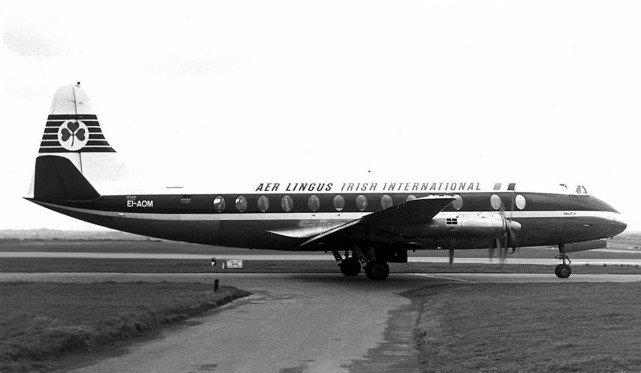
Crash of a Vickers 803 Viscount off Wexford: 61 killed

Date & Time: Mar 24, 1968 at 1058 LT
Type of aircraft:
Operator:
Registration:
EI-AOM
Flight Phase:
Survivors:
No
Schedule:
Cork - London-Heathrow
MSN:
178
YOM:
1957
Flight number:
EI712
Country:
Region:
Crew on board:
4
Crew fatalities:
Pax on board:
57
Pax fatalities:
Other fatalities:
Total fatalities:
61
Captain / Total flying hours:
6683
Captain / Total hours on type:
1679.00
Copilot / Total flying hours:
1139
Copilot / Total hours on type:
900
Aircraft flight hours:
18806
Aircraft flight cycles:
16923
Circumstances:
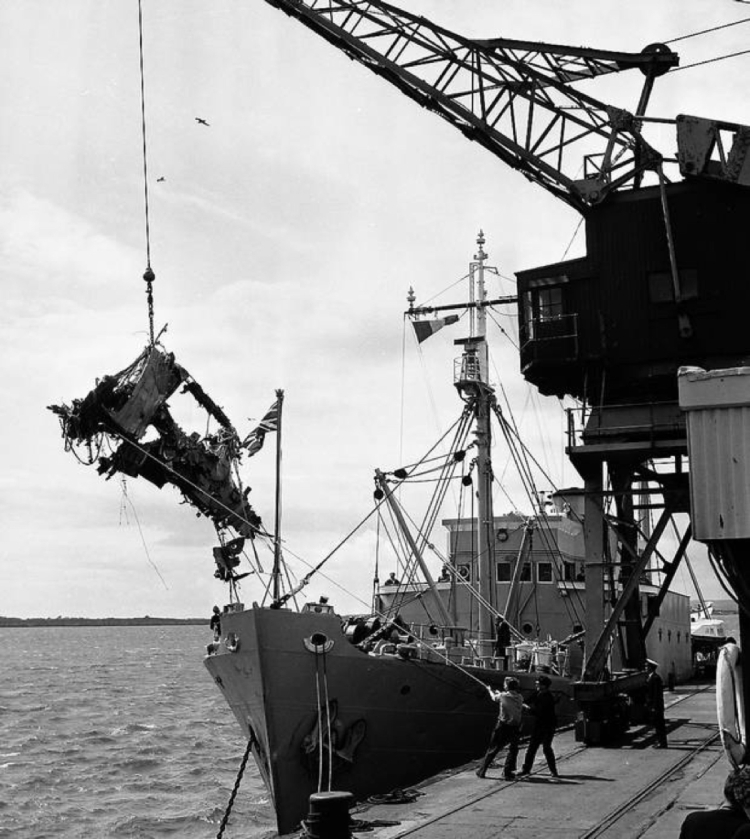
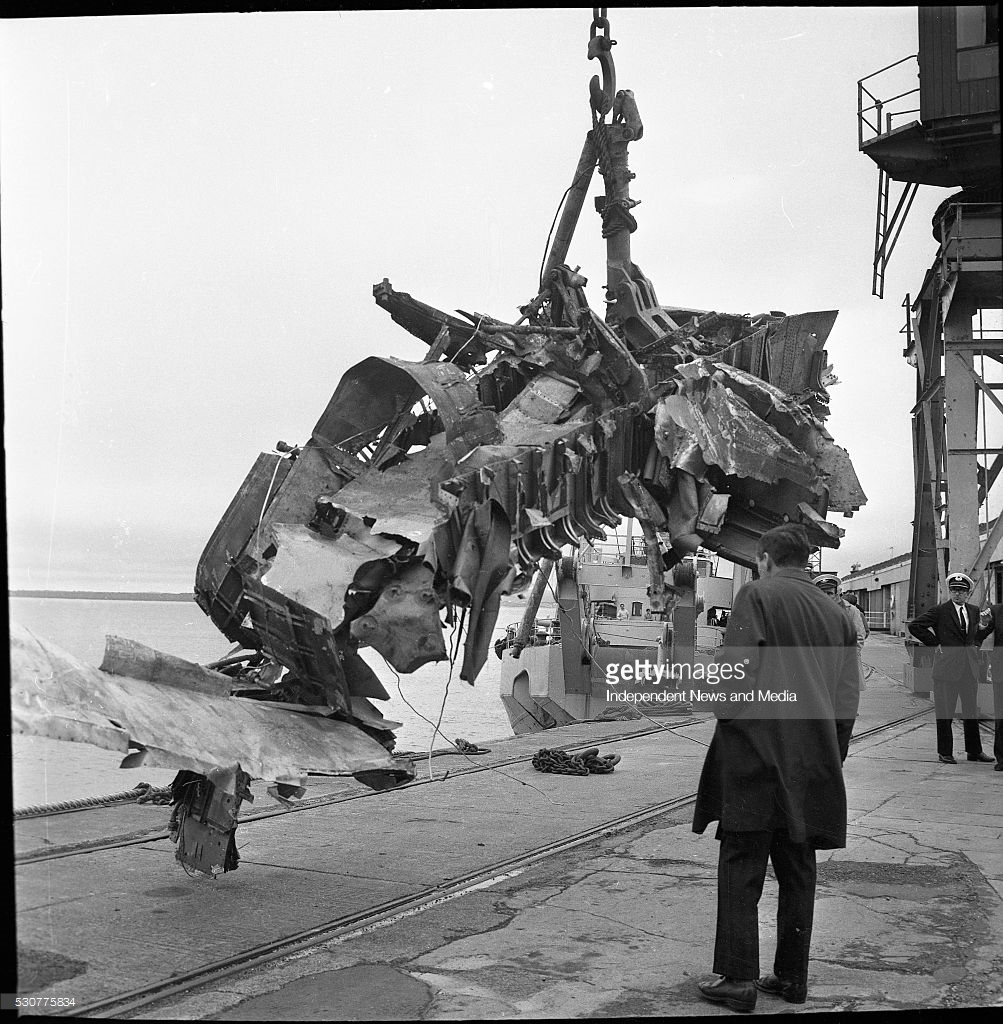
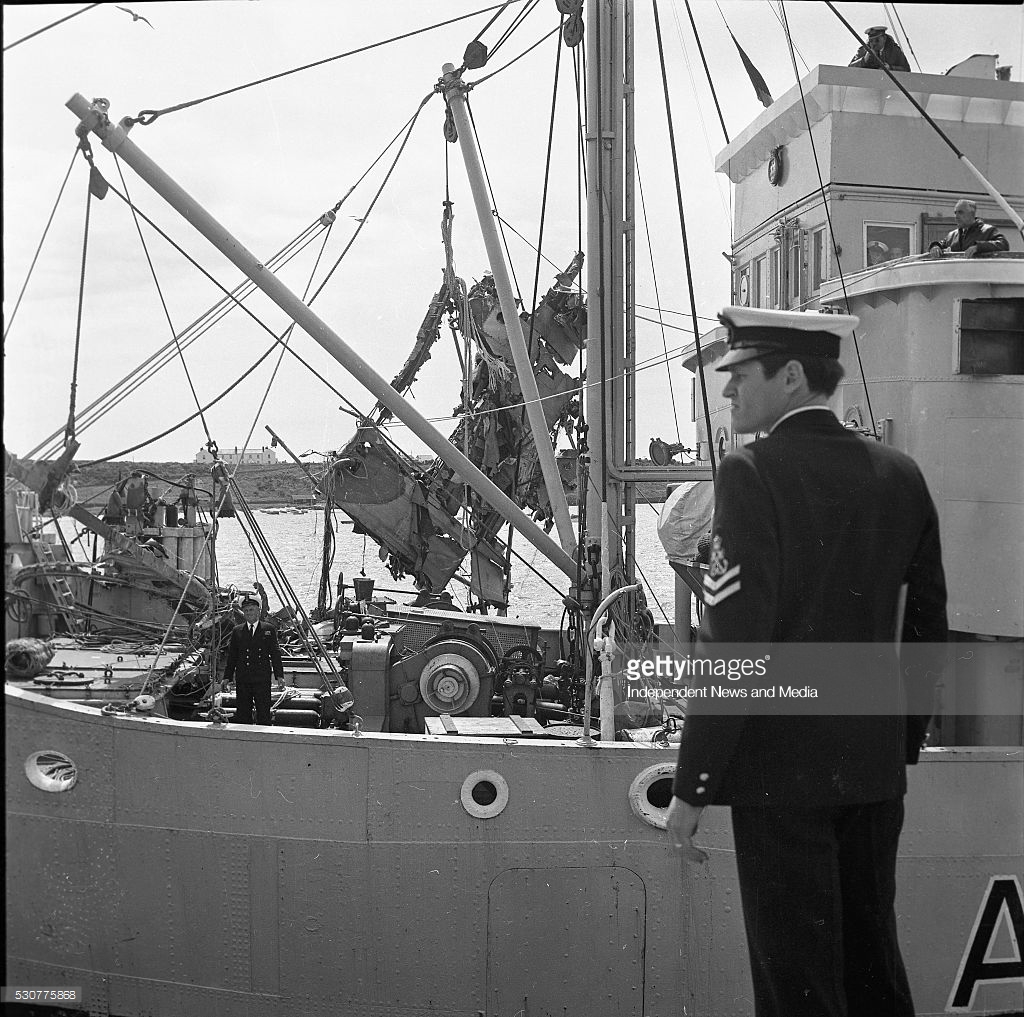
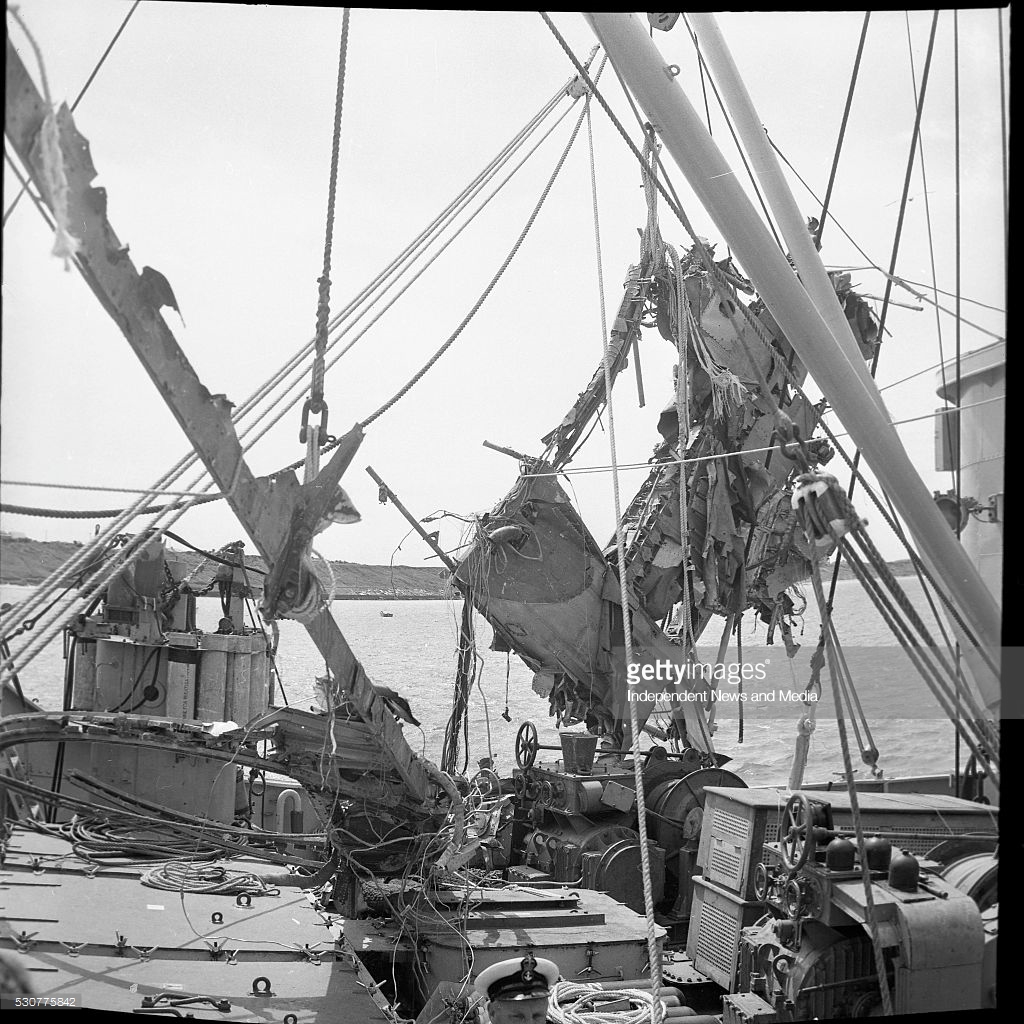
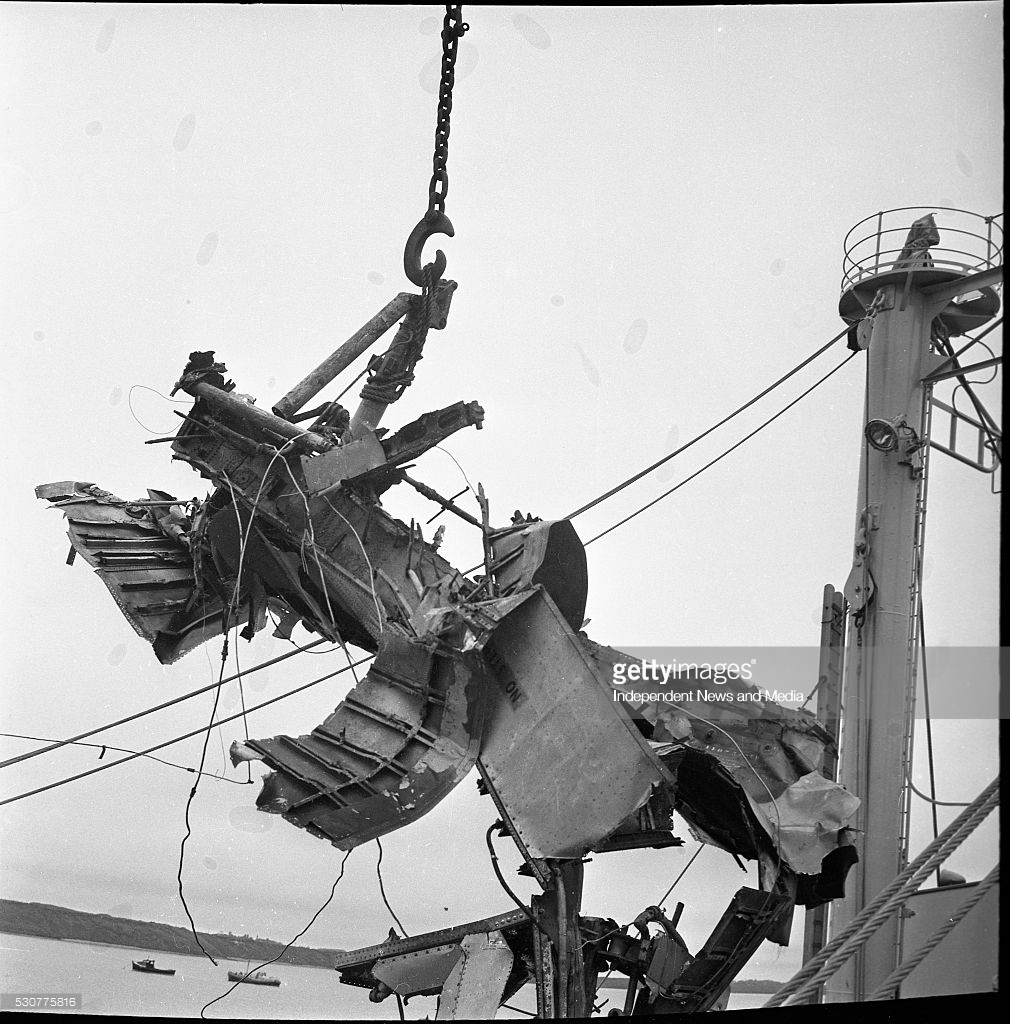
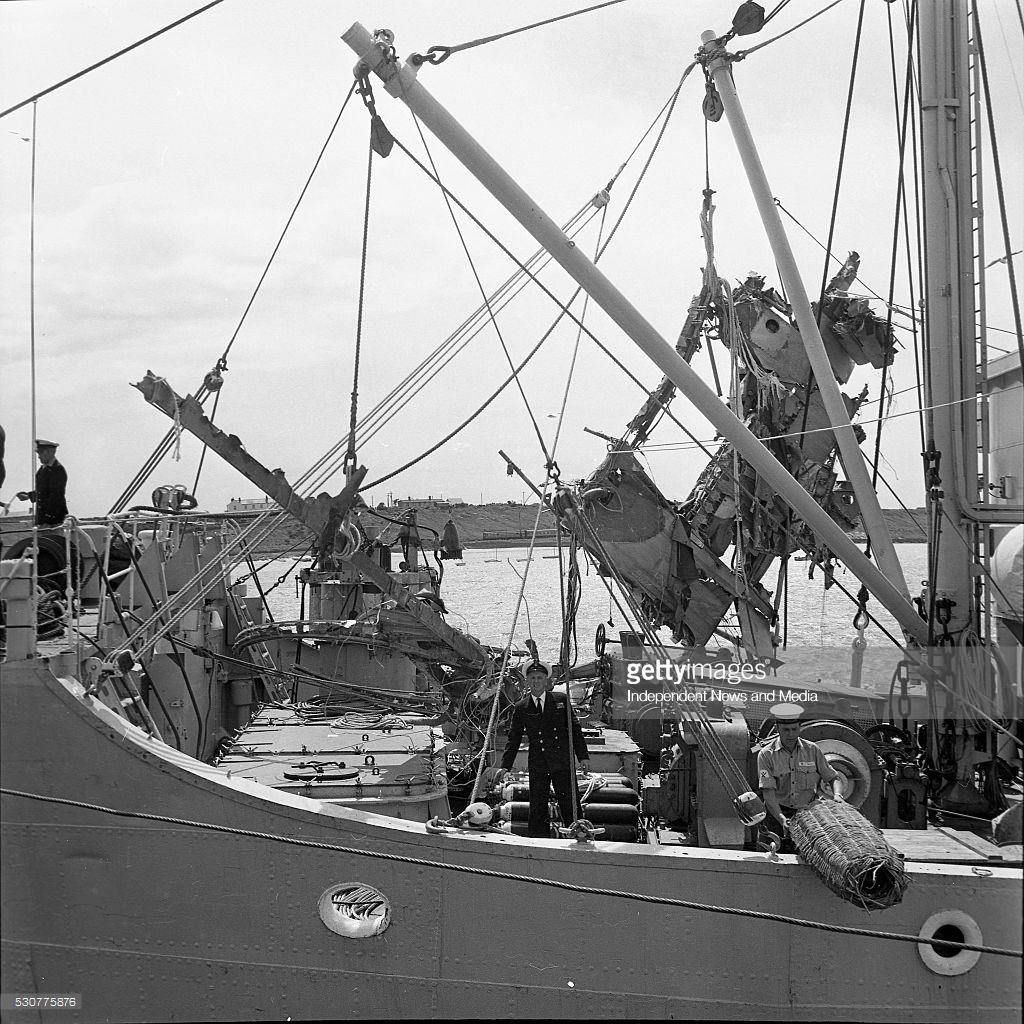
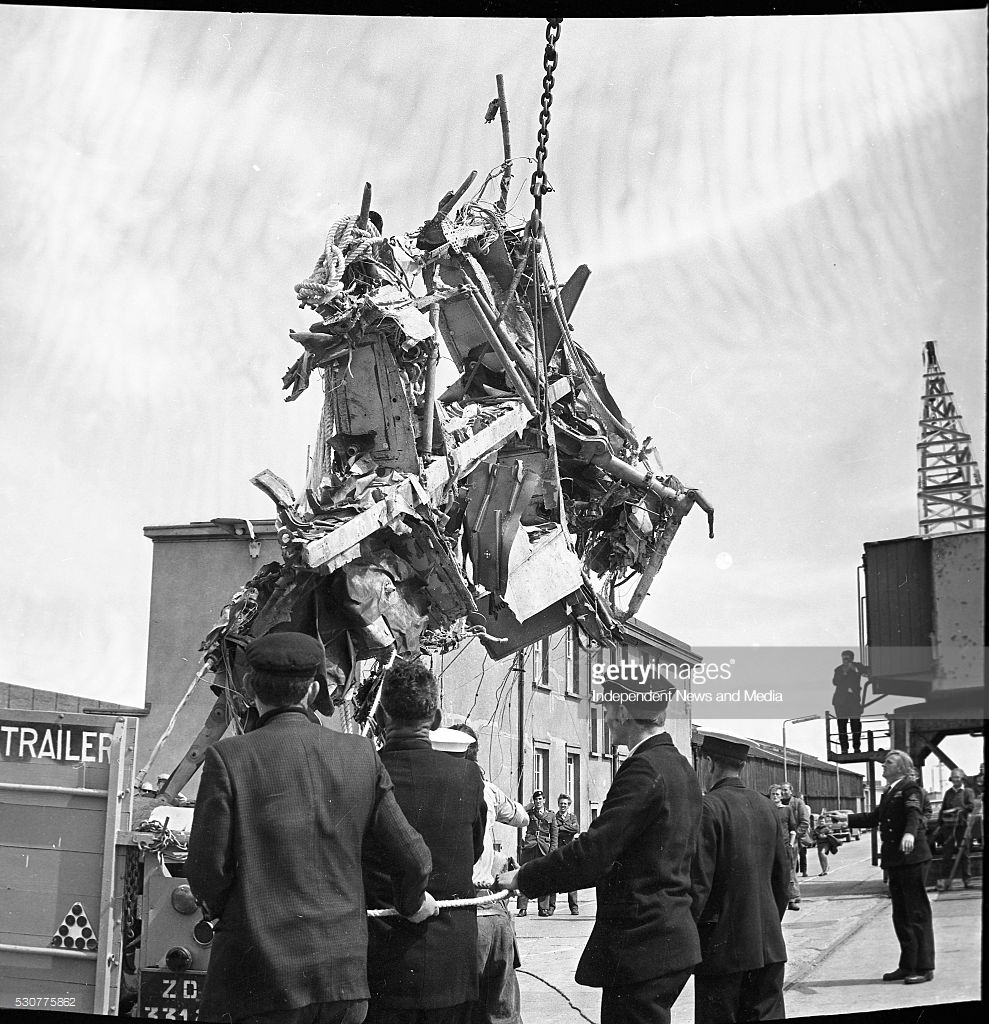
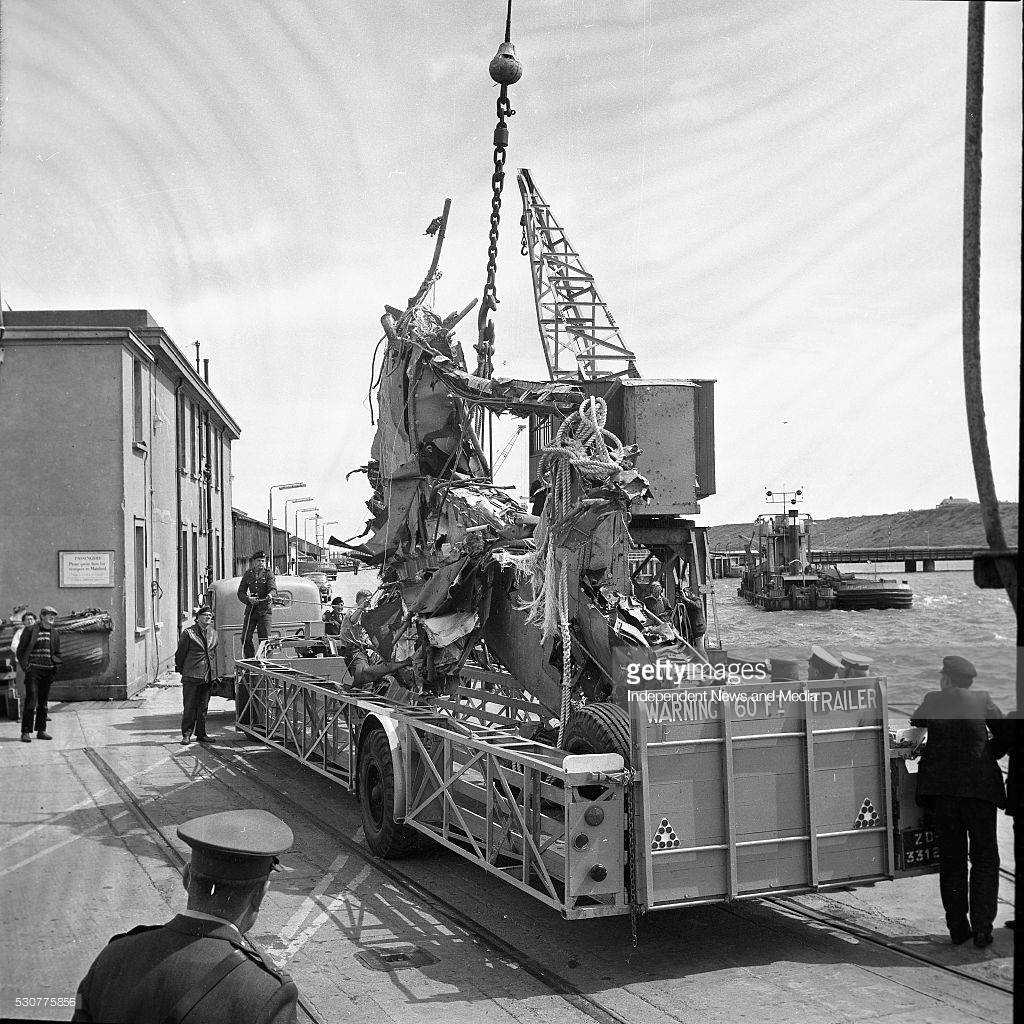
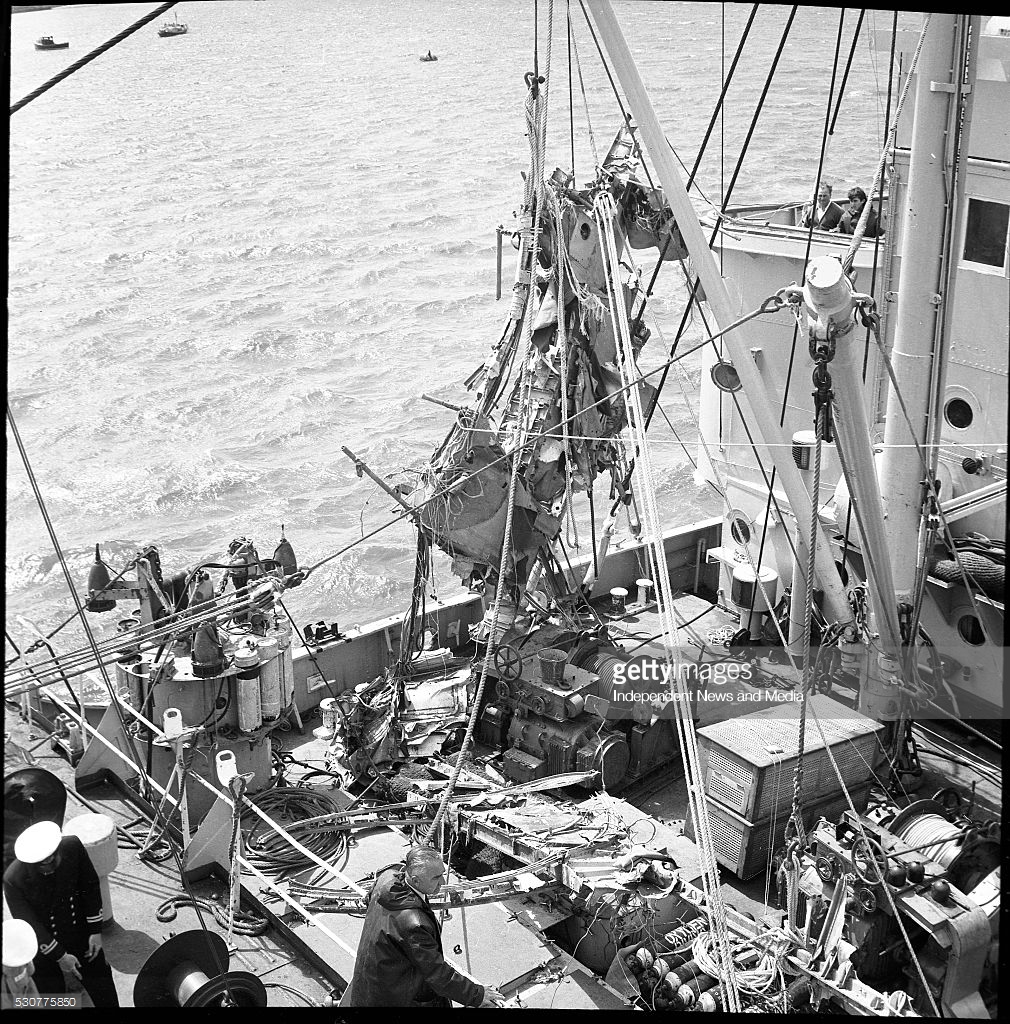
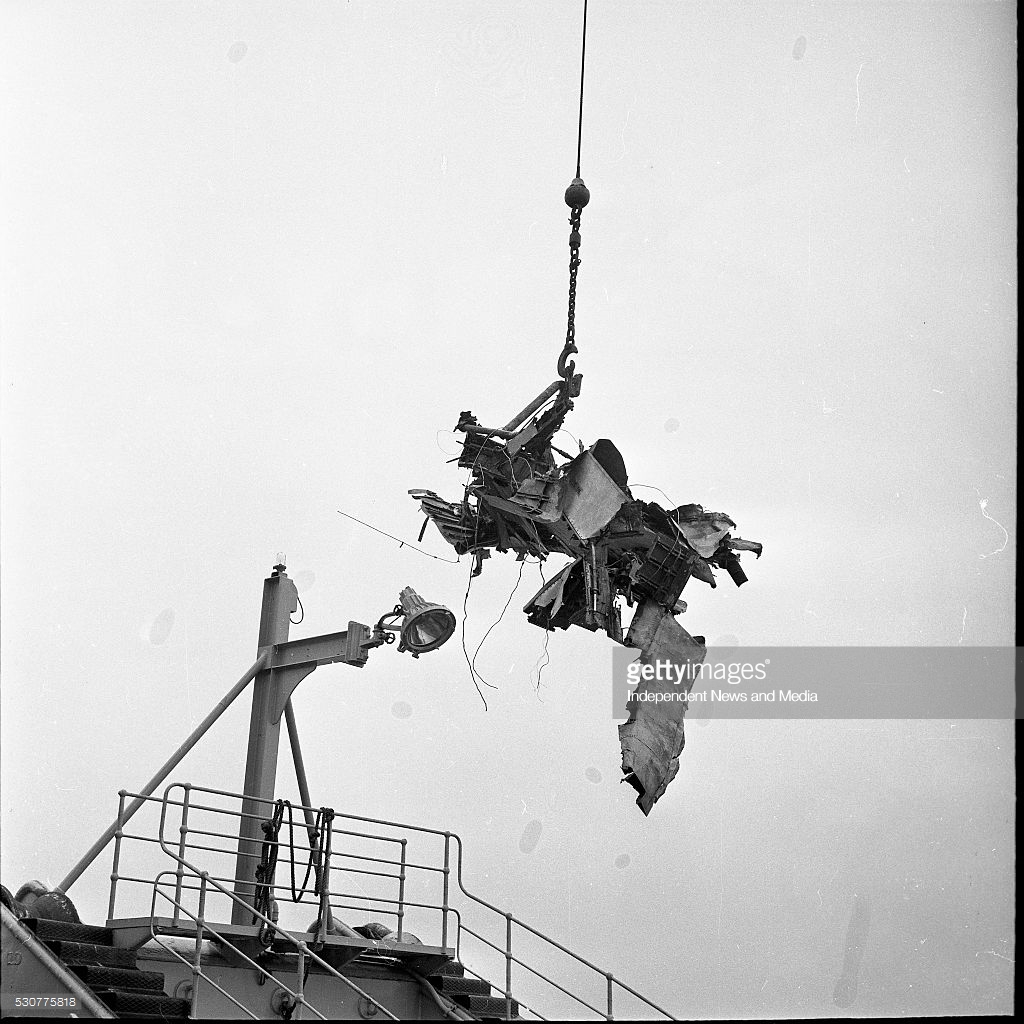
Viscount aeroplane type 803, registration: EI-AOM departed from Cork Airport at 10.32 hours en route for London operating as Aer Lingus Flight 712. The take-off was normal. The flight was cleared by Air Traffic Control to proceed via Airways Blue 10, Green 1 at flight level 170 (17,000'). At 10.38, when the aeroplane had passed through 7,000', clearance on course to Tuskar was given. At 10.40, after the flight had reported it was by Youghal at 7,500' climbing to 17,000', ATC Cork suggested that if desired, the flight could route direct to Strumble. No direct acceptance of this suggestion was received. At 10.57.07 the flight reported "by Bannow (a reporting point on the route at 51º 68' N - 06º 12' W) level 170 (17,000') estimating Strumble at 03". The flight was instructed to change to the London Airways frequency of 131.2, and this was acknowledged by the reply "131.2". The time of this call was 10.57.29. At 10.58.02, London Radar intercepted a call (garbled and simultaneous with another call) which appeared to be, and was later confirmed as "Echo India Alpha Oscar Mike with you", and eight (8) seconds later, a call was intercepted which was interpreted as "Five thousand feet descending spinning rapidly". This call was also heard by another Aer Lingus aircraft en route Dublin-Bristol (The word "Five" was later, after repeated acoustic analysis, interpreted as more likely to be the word "twelve".) This was the last call received from the aircraft. At 11.10, London ATC advised Shannon ATC that they had no radio contact with EI-AOM. At 11.13 London advised Shannon that they had requested Aer Lingus Flight EI 362 (Dublin-Bristol) to search west of Strumble. This flight descended to 500' in good visibility, but saw nothing. Between 11.13 and 11.25, efforts were made to make radio contact with the flight, with no result, and at 11.25 a full alert was declared. At 12.36 a report from the U.K. was received by Haulbowline that wreckage had been sighted in position 51º 57' N, 06º 10' W Rosslare Lifeboat was proceeding, but two surface vessels within 4 nautical miles of this position saw nothing. At 12.52 hours the Air Corps reported that they had dispatched a Dove aeroplane and a helicopter to search. At 13.10 hours there were ten aircraft from the U.K. in the search area. At 15.30 hours the reported sighting of wreckage was cancelled. Nothing positive was discovered on this day. On 25 March 1968, at 06.15 hours, the search was resumed by aircraft and ships from the U.K., and at 12.41 hours, wreckage was sighted and bodies recovered from a position 6 nautical miles north-east of Tuskar Rock. More floating wreckage was reported scattered for a further 6 nautical miles north-west of this point. The Irish Naval Service ship, L.E. Macha, which had been on patrol off the north-west coast, joined in the search on 26 March 1968, and took over duty as Search Controller. A total of 13 bodies was eventually recovered in the search during the next few days, together with a quantity of light floating wreckage-mostly cabin furnishings, and some baggage, seat cushions, and the wheels and inner cylinder from the port main landing gear. One additional body was recovered later. The position of the main wreckage remained obscure in spite of prolonged and diligent search by sonar equipped ships of the British Navy and trawling by Irish trawlers-"Glendalough" from Kilmore Quay and "Cu na Mara" of the Irish Fisheries Board (An Bord Iascaigh Mhara). Eventually, on 5 June 1968 "Glendalough" hauled in position 1.72 nautical miles from Tuskar Rock with Tuskar bearing 280º, in 39 fathoms and brought up a quantity of positively identifiable wreckage. The "Cu na Mara" in the same location also brought up wreckage. On the following day more wreckage was brought up by these trawlers, and divers from H.M.S. Reclaim confirmed a mass of wreckage "like a scrap yard" in this position. Subsequent salvage operations confirmed that a major portion of the aircraft at least was located here. Two eyewitnesses, one a sailor on a coastal vessel, who thought he had seen an aircraft crash into the sea but did not report it at the time, and another witness on shore, who saw a splash in the sea near the Tuskar Rock, gave the time as between 11.10 and 11.15. The position lines of these two witnesses approximately cross the location where the main wreckage was eventually found. The aircraft was totally demolished by violent impact with the sea. The bulk of the wreckage was found in 39 fathoms of water with all parts lying in close proximity. About 60-65% of the aircraft (by weight) was recovered, and included the major parts of three engines, a few parts of the fourth, and all four propellers, the almost complete primary structure of the wings from tip to tip, and the fin and rudder. None of the wreckage displayed any evidence of fire or explosion. No part of the tail planes or elevators were recovered, with the exception of small portions of the spring tab and trim tab. The recovered wreckage revealed extensive damage to the whole structure, which virtually disintegrated.
Probable cause:
There is not enough evidence available on which to reach a conclusion of reasonable probability as to the initial cause of this accident. The probable cause of the final impact with the sea was impairment of the controllability of the aircraft in the fore and aft (pitching) plane. Speculation continued since the time of the accident, prompted by a hypothesis posed in the report, that the Viscount may have been initially upset by the possible presence of another airborne object, drone or missile in its vicinity at the time. On the 30th anniversary of the accident, following newspaper articles and television programmes focusing on the possible involvement of U.K ships and missile ranges on the Welsh Coast in the downing of the aircraft, it was decided that Irish and U.K. officials would review all files held relating to the accident to see if the cause of the accident could be established. It was a.o. concluded that "the possibility of a cause other than a (near) collision with another airborne object being the initial cause of the upset ... does not appear to have been adequately examined in the 1970 Report." Following the review, in July 2000, the Irish Minister for Public Enterprise commissioned an independent study of the accident circumstances. The International Study Team published their findings in December 2001:
- An initial event, which cannot be clearly identified, disturbed the air flow around the horizontal tail surfaces and the pitch control of the aircraft. In the light of what was observed by non-skilled people there was a strong indication that structural fatigue, flutter, corrosion or bird strike could have been involved,
- It is possible that the sensitivity of the engine fuel control units to negative accelerations imposed during the initial upset, had an adverse effect on the subsequent flight path of the aircraft,
- The severe manoeuvres of the aircraft following the initial upset and the subsequent flight would have been outside the airworthiness certification envelope and may have resulted in some deformation of the structure,
- A number of possible causes for an impairment of pitch control were examined and it is considered very possible that excessive spring tab free play resulted in the fatigue failure of a component in the tab operating mechanism thus inducing a tailplane-elevator tab free flutter condition,
- The loads induced by the flutter condition would be of sufficient magnitude and frequency to cause a fatigue failure of the port tailplane within the timescale estimated for EI-AOM,
- There was no involvement of any other aircraft or missile.
Final Report:

Crash of a Grumman S-2E Tracker off Hòn Mê Island: 4 killed

Date & Time: Mar 17, 1968
Type of aircraft:
Operator:
Registration:
149274
Flight Phase:
Survivors:
No
MSN:
118
YOM:
1957
Country:
Region:
Crew on board:
4
Crew fatalities:
Pax on board:
0
Pax fatalities:
Other fatalities:
Total fatalities:
4
Circumstances:
The airplane departed USS Yorktown on a maritime patrol flight off the North Vietnam coast. While cruising by night, the crew reported problems with the radar. Shortly later, the airplane crashed into the sea some 40 km off Hòn Mê Island, North Vietnam. Three days later, part of the starboard wing was found but no trace of the four crew members.
Crew:
Cdr Donald Richard Hubbs,
Lt(jg) Lee David Benson,
AX2 Randall John Nightingale,
ADR Thomas David Barber.
Probable cause:
Due to lack of evidences, it was not possible to determine the exact cause of the accident.

Crash of a De Havilland DH.104 Riley Dove off Chicago: 6 killed

Date & Time: Mar 8, 1968 at 2020 LT
Type of aircraft:
Operator:
Registration:
N999NJ
Flight Phase:
Flight Type:
Survivors:
No
MSN:
04456
YOM:
1955
Crew on board:
1
Crew fatalities:
Pax on board:
5
Pax fatalities:
Other fatalities:
Total fatalities:
6
Captain / Total flying hours:
8600
Circumstances:
While flying off Chicago, the twin engine aircraft owned by E. H. Litchfield went out of control and crashed in unknown circumstances into Lake Michigan. Five bodies were found while one was missing. The wreckage was not found.
Probable cause:
Due to lack of evidences, it was not possible to determined the exact cause of the accident.
Final Report:

Crash of a Fairchild F27 off Ibajay: 14 killed

Date & Time: Mar 8, 1968 at 1918 LT
Type of aircraft:
Operator:
Registration:
PI-C871
Flight Phase:
Survivors:
No
Schedule:
Manila - Mactan
MSN:
19
YOM:
1958
Flight number:
UM507
Location:
Country:
Region:
Crew on board:
4
Crew fatalities:
Pax on board:
10
Pax fatalities:
Other fatalities:
Total fatalities:
14
Captain / Total flying hours:
5709
Captain / Total hours on type:
158.00
Copilot / Total flying hours:
3300
Copilot / Total hours on type:
92
Aircraft flight hours:
21194
Circumstances:
Flight UM507 was a scheduled domestic flight from Manila International Airport to Lapu-Lapu/Mactan International Airport. Before departure the pilot was briefed by the Air Manila dispatcher on the existence of a cold front across the route and was provided with an en-route weather forecast valid from 1200 to 2400 hours which mentioned "Isolated thunderstorm over Eastern Visayas and generally fair elsewhere". No information regarding thunderstorms on the route was given to the pilot. The flight took off from Manila at 1814 hours and was cleared to Mactan at FL 130 by the ATC, via Track 5, Amber 4 and Amber 1. The flight plan proposed an airspeed of 210 kt and an estimated time en route of 1 hour 45 minutes. Normal radio contact was maintained at all time between the flight and the air traffic services. At 1908 hours the flight reported over Romblon at FL 130, estimating Mactan at 1954 hours. This was the last message from the aircraft. Several residents of Ibajay, a coastal town in Aklan, stated that at approximately 1918 hours they had heard a sound similar to that of an aircraft flying at high altitude in a southeast direction along the coastline. They then heard several loud explosions and saw fireballs falling into the sea. They all agreed that the initial fire- ball they saw could not have been the result of a prolonged fire, but rather a small fire which rapidly developed into a large orange-yellow-red ball and then disappeared. After a few moments, smaller fireballs emerged from the large one, some dying out before reaching the sea, some reaching the sea and developing into a large fire. At the same time a large object resembling an airplane was seen to emerge from thick clouds and fall into the sea followed by a trail of smaller objects. Approximately one hour later two bodies were recovered from approximately 2 km offshore of Bo. Colong-Colong, Ibajay, Aklan.
Probable cause:
The Board determined that the probable cause of the accident was an in-flight structural failure due to air loads exceeding the design strength, while flying in a thunderstorm cell. It was also determined the following:
- The flight transmitted its last position report over Romblon at 1908 hours, approximately 10 minutes before the accident, and did not report any operating difficulty,
- The aircraft disintegrated at a high altitude with considerable speed,
- None of the aircraft parts recovered showed evidence of fatigue, or explosion due to combustible gas mixtures, or concentrated explosives such as dynamite,
- Over the area at approximately the time of the accident, there were thunderstorm cells and two other flights deviated and avoided the area,
- The crash location was about 10 NM right of the assigned airway,
- Only two bodies were recovered; the other occupants and the rest of the wreckage could not be recovered due to the depth of the sea in the general area of the accident and their exact location is unknown.
Final Report:

Crash of a Boeing B-52F-70-BW Stratofortress off Matagorda Island: 8 killed

Date & Time: Feb 29, 1968
Type of aircraft:
Operator:
Registration:
57-0173
Flight Phase:
Flight Type:
Survivors:
No
Schedule:
Carswell - Carswell
MSN:
464162
YOM:
1957
Crew on board:
8
Crew fatalities:
Pax on board:
0
Pax fatalities:
Other fatalities:
Total fatalities:
8
Circumstances:
The crew departed Carswell AFB on a routine training mission over the Gulf of Mexico. En route, the airplane went out of control and crashed into the sea few dozen miles off Matagorda Island. Few debris were found some days later but no trace of the eight crew members who were probably killed upon impact.
Crew:
Maj Frank M. Salavarria, pilot,
Lt William T. Causey, copilot,
Cpt Charles W. Roberts, radio navigator,
M/Sgt Kermit C. Casey, air gunner,
Lt Michael L. Carroll, navigator,
Cpt John T. Pantilla, EWO,
Cpt Thomas D. Childs,
Maj Phillip F. Strine.
Probable cause:
Due to the lack of evidences, the exact cause of the accident could not be determined with certainty. However, the assumption that the loss of control may have been the consequence of a stab trim issue caused by an electric bus failure was not ruled out.

Crash of a Lockheed P-3B-85-LO Orion off Phú Quốc Island: 12 killed

Date & Time: Feb 6, 1968 at 0315 LT
Type of aircraft:
Operator:
Registration:
153440
Flight Phase:
Survivors:
No
Schedule:
U-Tapao - U-Tapao
MSN:
185-5237
YOM:
1967
Country:
Region:
Crew on board:
12
Crew fatalities:
Pax on board:
0
Pax fatalities:
Other fatalities:
Total fatalities:
12
Circumstances:
The aircraft departed U-Tapao Airbase in Thailand in the evening of February 5 for a 24-hour patrol flight over the Gulf of Thailand. Around 0300LT, the crew informed ground about his position and this was the last radio transmission as the airplane disappeared few minutes later and crashed into the sea off Phú Quốc Island. Some debris and two bodies were found 10 days later and all 12 occupants have been killed.
Crew:
Lt Cdr Robert F. Meglio,
Lt(jg) Thomas Paul Jones,
Lt(jg) Lynn Michael Travis,
Lt(jg) Roy Arthur Huss,
AXC Donald Frederick Burnett,
A0C Donald Louis Gallagher,
AMH2 Homer Eugene McKay,
ADR1 James Clifford Newman,
AE1 Melvin Carl Thompson,
ADJ2 Billy W. McGhee,
AX3 Armando Chapa,
AX3 William Farrell Farris.
Probable cause:
The exact cause of the accident could not be determined. However, it is believed that the loss of control was the result of problems with the autopilot system.